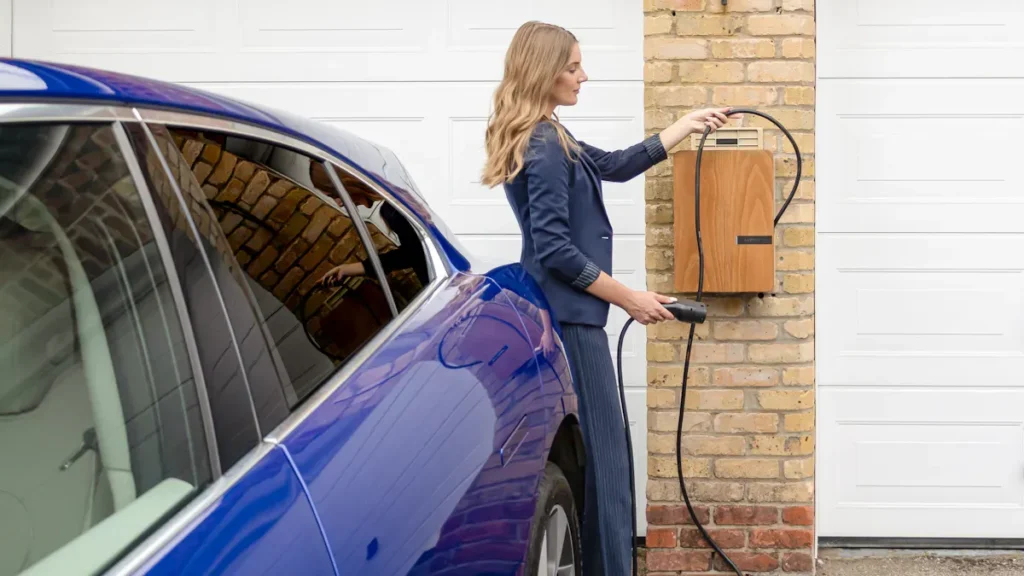
When a level 1 charger fails to operate, many Brazilian EV owners feel frustrated. Troubleshooting cargador ev issues often starts with simple steps. They can inspect the charger, examine connections, and review charging settings. Cargadores portátiles sometimes experience problems due to faulty power outlets or cables. Online troubleshooting guides offer practical advice. Fabricantes de cargadores para VE recommend checking for visible issues before seeking service. Soluciones de recarga de vehículos eléctricos address common interruptions. Troubleshooting ev chargers helps identify faults early. Reliable EV Charger performance ensures safe charging at home.
Understanding Level 1 Charger Basics for Brazilian EV Owners
¿Qué es un cargador de nivel 1?
A level 1 charger provides a simple way for EV owners to charge their vehicles at home. This charger connects directly to a standard household outlet. Many drivers choose this option for its convenience and ease of use. The charger typically comes with the electric vehicle at the time of purchase. TPSON, a technologically advanced electric vehicle charging solution provider, offers reliable products that support safe and efficient charging.
How Level 1 Charging Works in Brazil
In Brazil, electrical systems supply either 127V or 220V, depending on the region. This voltage difference affects how the charger operates and how quickly it can replenish an EV battery. Owners should always check the voltage of their home outlets before plugging in the charger. Using the correct voltage ensures the charger works safely and efficiently. Most Brazilian homes support at least one of these voltages, making level 1 charging accessible for many EV users.
Tip: Always verify the voltage of your outlet before connecting your charger. This step helps prevent damage to both the charger and the EV.
Key Features and Limitations
Level 1 chargers offer several advantages for Brazilian EV owners. They require no special installation and use existing household outlets. This feature makes them ideal for overnight charging or for drivers with short daily commutes. However, charging speed remains a key limitation. The table below compares the velocidades de carga of level 1 and level 2 chargers:
| Nivel del cargador | Velocidad de carga (millas por hora) |
|---|---|
| Nivel 1 | De 3 a 5 años |
| Nivel 2 | 25 |
EV owners should expect a slower charging process with a level 1 charger. This speed suits those who park their vehicles for long periods, such as overnight. For faster charging, some drivers may consider upgrading to a level 2 charger. Understanding these features helps owners choose the best charging solution for their needs.
Safety First Before Troubleshooting EV Chargers
Basic Safety Precautions
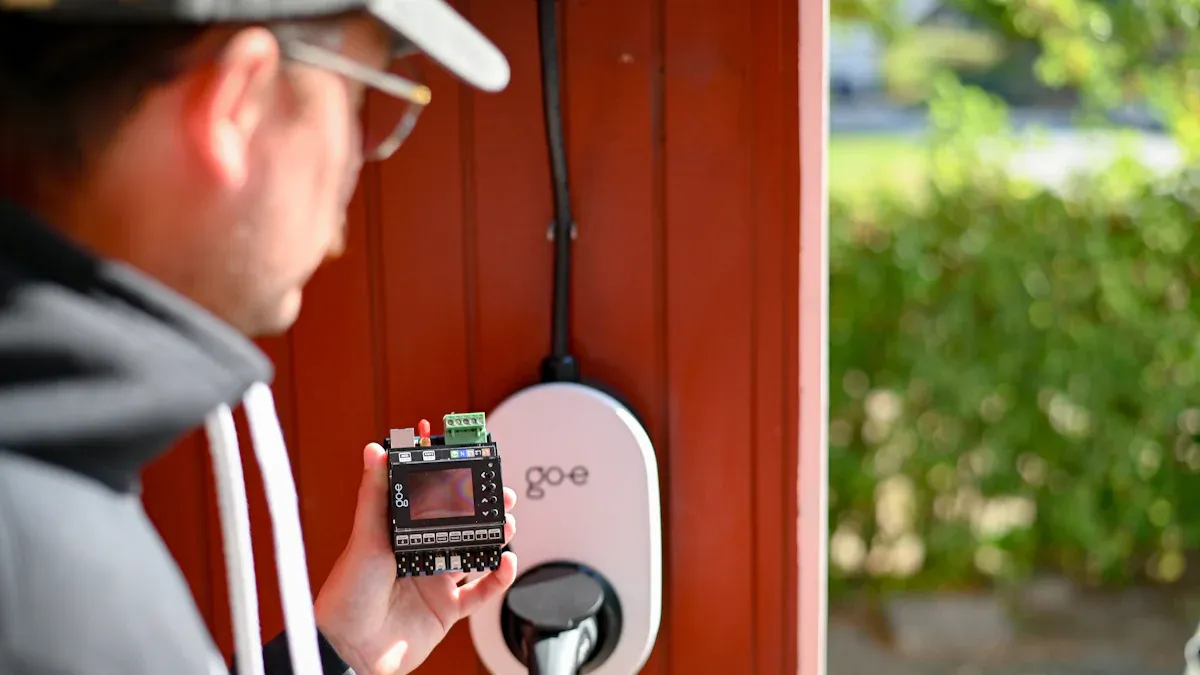
Safety remains the top priority when working with any electrical equipment. Before starting any troubleshooting process, Brazilian EV owners should always disconnect the charger from the power source. This step prevents accidental electric shocks. They should avoid using the charger in wet or damp environments, as moisture increases the risk of electrical hazards. Wearing rubber-soled shoes and using insulated gloves adds another layer of protection.
EV owners should also inspect the charger and cables for visible damage before handling. If they notice frayed wires, exposed conductors, or burn marks, they should stop immediately and seek professional help. Children and pets should stay away from the charging area during inspection or repair. Proper ventilation in the charging space helps prevent overheating and reduces the risk of fire.
Manufacturers design level 1 chargers to meet strict safety standards. Brazilian EV owners should check for certifications that confirm the charger’s compliance with electrical and operational safety requirements. The table below outlines key safety aspects A tener en cuenta:
| Safety Aspect | Descripción |
|---|---|
| Seguridad eléctrica | Insulation, high voltage test, shock protection |
| Charging Modes | Compatibility with different charging methods |
| Operational Safety | Performance under normal and fault conditions |
| Environmental Testing | Performance in extreme temperatures, humidity, dust, and water |
| Compatibilidad de conectores | Secure fit and compatibility with various EVs |
| Durabilidad | Ability to withstand repeated use |
| Thermal Management | Handles high electrical currents without overheating |
| Cybersecurity | Security checks, data protection, secure software updates |
| Accesibilidad | Design for users with disabilities, including emergency features |
| Compliance Documentation | Test reports and certifications for ongoing compliance |
Tip: Always verify that the charger displays the necessary safety certifications before use. This step ensures reliable performance and protects both the user and the vehicle.
Tools and Materials Needed
Preparation makes the troubleshooting process safer and more efficient. Brazilian EV owners should gather the following tools and materials before starting:
- Insulated gloves and rubber-soled shoes for personal protection
- A flashlight to inspect hard-to-see areas
- A multimeter to check voltage and continuity
- A non-contact voltage tester for quick outlet checks
- Cleaning cloths to remove dust or moisture from connectors
- A smartphone or camera to document any visible damage
- The charger’s user manual for reference
These items help users perform basic checks and identify potential issues without risking injury. Keeping the charging area clean and organized also reduces the chance of accidents. If the charger or outlet shows signs of damage, owners should avoid further inspection and contact a qualified technician.
By following these safety precautions and using the right tools, Brazilian EV owners can approach troubleshooting with confidence and minimize risks.
Troubleshooting EV Charger Issues: Charger Not Starting
When a level 1 charger fails to start, Brazilian EV owners often encounter frustration. However, systematic troubleshooting can resolve most common ev charger issues. This section guides users through essential steps to identify and address the root causes of charging failures.
Checking Power Supply and Outlet
A reliable power supply forms the foundation for effective charging. Many common issues originate from the outlet or home electrical system. Owners should begin by checking power source integrity before moving to the charger itself.
Inspecting the Outlet
A faulty outlet can prevent the charger from operating. Owners should follow these steps to ensure the outlet supports safe charging:
- Confirm the home’s fuse box can handle the extra load required for EV charging.
- Inspect the outlet for signs of wear, discoloration, or burning.
- Use a non-contact voltage tester to verify the presence of voltage.
- If the home uses an old-fashioned meter, consider upgrading it to support modern electrical demands.
- Check for loose or damaged wall sockets that may interrupt power delivery.
Tip: Outlets in older homes may not meet the demands of a charging station. Upgrading electrical infrastructure improves safety and reliability.
Testing with Other Devices
Testing the outlet with another device helps isolate the problem. Owners can plug in a lamp or small appliance to verify if the outlet supplies consistent power. If the device does not work, the issue likely lies with the outlet or home wiring. If the device operates normally, the focus should shift to the charger and its components.
Examining Charger Plug and Cable
The charger plug and ev charging cable play a critical role in delivering power to the EV. Physical damage or loose connections often cause charging interruptions or failures.
Looking for Loose Connections
Loose connections can disrupt charging or cause intermittent operation. Owners should gently wiggle the plug and cable while observing the charger’s indicator lights. Any flickering or loss of power signals a poor connection. Securely seating the plug in both the outlet and the EV ensures stable charging.
Checking for Visible Damage
Visual inspection reveals many common ev charger problems. Owners should look for the following signs:
- No power, which may indicate a damaged cable, connector, or charging station issue.
- Intermittent charging, often caused by a loose connection or faulty cable.
- Slow charging, which can result from a damaged cable or inadequate power supply.
- Corrosion, visible as a green or blue substance on contacts, signals moisture damage.
If any of these signs appear, owners should stop using the charger immediately and seek professional assistance. Continuing to use a damaged charger increases the risk of electrical hazards.
Resetting the Level 1 Charger
Some common issues resolve with a simple reset. Owners should unplug the charger from the outlet and disconnect it from the EV. Waiting at least 60 seconds allows internal components to discharge. Afterward, reconnecting the charger and starting a new charging session can clear minor faults. If the charger still does not start, further troubleshooting or professional help may be necessary.
Note: Always follow the manufacturer’s instructions when resetting the charger. Improper handling can void warranties or cause additional issues.
Thorough troubleshooting of the power supply, outlet, plug, and cable addresses many common issues with level 1 chargers. These steps help owners test the charging station and restore reliable charging for their EV.
Troubleshooting Tips for Slow Charging
Understanding Expected Charging Speeds
Many Brazilian EV owners notice slow charging at their homes. They often wonder if their charging station operates as expected. Level 1 chargers typically deliver between 3 to 5 miles of range per hour. This rate suits overnight charging and daily commutes. Drivers should compare their charging speed to manufacturer specifications. If the charging process takes longer than expected, they may face common issues such as cable wear or outlet problems. Owners should check the EV dashboard for charging status updates. They can also consult the user manual for troubleshooting tips.
Note: Charging speeds may vary based on battery size, ambient temperature, and the age of the EV.
Checking Power Source Voltage in Brazil
Brazilian homes use either 127V or 220V outlets. The voltage directly affects charging performance. Owners should use a multimeter to measure the voltage at the outlet. If the voltage falls below the recommended level, the EV may experience inconsistent charging speeds. Low voltage can cause slow charging and may damage the charger or vehicle battery. Owners should verify that the outlet matches the charger’s requirements. They must avoid using extension cords, as these can reduce voltage and create safety issues. If the voltage fluctuates, owners should contact an electrician to inspect the wiring.
| Outlet Voltage | Expected Charging Speed | Risk of Issues |
|---|---|---|
| 127V | Más lento | Más alto |
| 220V | Más rápido | Baja |
Tip: Always check the voltage before plugging in the charger. This step prevents many common issues and ensures safe charging.
Identifying High Power Demand at Home
High power demand at home can lead to slow charging. Appliances such as air conditioners, refrigerators, and washing machines draw significant electricity. When multiple devices operate simultaneously, the charging station may not receive enough power. Owners should schedule charging sessions during off-peak hours. They can unplug unnecessary appliances to reduce demand. If the EV still charges slowly, they should inspect the circuit breaker for signs of overload. Some homes require dedicated circuits for EV charging to avoid issues.
- Turn off high-power appliances during charging.
- Monitor the circuit breaker for tripped switches.
- Consider installing a dedicated circuit for the charging station.
Callout: Reducing household power demand improves charging efficiency and prevents inconsistent charging speeds.
Estos troubleshooting tips help Brazilian EV owners address slow charging and restore reliable performance. By understanding expected speeds, checking voltage, and managing home power demand, drivers can resolve common issues and maintain their EV’s charging routine.
Inspecting Charging Cable and Plug
Brazilian EV owners often overlook the importance of a thorough inspection of the charging cable and plug. These components play a crucial role in maintaining safe and efficient charging. A damaged cable or plug can cause slow charging, intermittent power delivery, or even pose safety hazards.
He should begin by visually examining the entire length of the cable. Look for cracks, cuts, or abrasions on the insulation. Any exposed wires indicate a serious issue. She must check for kinks or bends that could weaken the internal structure. Owners should pay attention to the area near the plug, as this section experiences frequent stress during connection and disconnection.
He can use a flashlight to inspect the plug’s prongs. Signs of discoloration, burn marks, or corrosion suggest overheating or moisture exposure. She should ensure the plug fits securely into the outlet and the vehicle’s charging port. A loose fit may result in unreliable charging or increased risk of electrical faults.
Owners should follow these steps for a systematic inspection:
- Unplug the charger from both the outlet and the vehicle.
- Lay the ev charging cable flat on a clean surface.
- Examine the insulation for any visible damage.
- Inspect the plug for bent or broken prongs.
- Check the connector for dirt, debris, or corrosion.
- Use a multimeter to test continuity if unsure about internal damage.
Tip: He should never attempt to repair a damaged cable or plug himself. Only qualified technicians possess the skills and tools required for safe repairs.
A table below summarizes common signs of cable and plug issues:
| Edición | Visual Sign | Acción Recomendada |
|---|---|---|
| Cracked insulation | Visible splits | Replace cable |
| Burn marks | Decoloración | Seek professional help |
| Corrosión | Green/blue residue | Clean or replace |
| Loose plug | Wobbly connection | Inspect outlet |
| Bent prongs | Misshaped metal | Replace plug |
She should clean the connector regularly using a dry cloth. Avoid using water or cleaning agents, as these can damage sensitive components. Owners must store the cable in a cool, dry place to prevent deterioration.
He should document any issues with photos before contacting a technician. This practice helps explain the problem and speeds up the repair process. Regular inspection of the charging cable and plug ensures reliable performance and protects both the EV and the user.
Troubleshooting EV Chargers: Charging Interruptions
Spotting Signs of Intermittent Charging
Brazilian EV owners often notice charging interruptions when their vehicle fails to charge consistently. He may observe the charger starting and stopping unexpectedly. She sometimes sees the charging indicator light flicker or turn off without warning. These signs suggest intermittent charging, which can lead to incomplete battery replenishment and unreliable performance. Owners should monitor the EV dashboard for error messages or sudden drops in charging progress. They can check if the charging session resumes after a pause or if the charger disconnects entirely. Frequent interruptions signal underlying issues that require troubleshooting.
Tip: He should keep a log of charging events, noting when interruptions occur. This record helps technicians identify patterns and diagnose issues more efficiently.
Comprobación del sobrecalentamiento
Overheating remains a common cause of charging interruptions. The charger, cable, or outlet may feel unusually warm during operation. She should touch the charger casing carefully to check for excessive heat. Owners must inspect the charging cable for soft spots or discoloration, which indicate thermal damage. He can look for warning lights or error codes related to temperature on the charger or EV dashboard. Overheating often results from prolonged charging sessions, poor ventilation, or high ambient temperatures. Owners should ensure the charging area stays cool and well-ventilated. They must avoid covering the charger or cable with objects that trap heat.
- Unplug the charger immediately if overheating occurs.
- Allow the charger and cable to cool before restarting the session.
- Contact a qualified technician if overheating persists.
Callout: Overheating can damage the charger and vehicle battery. Prompt action prevents further issues and ensures safe charging.
Investigating Power Fluctuations
Power fluctuations disrupt charging and cause inconsistent charging speeds. Brazilian homes sometimes experience voltage changes or circuit instability. He should use a multimeter to measure voltage at the outlet before starting a charging session. Loose connections in the circuit breaker panel or insufficient circuit capacity often lead to interruptions. Ground fault issues may trigger protective mechanisms, stopping the charger unexpectedly. Environmental factors, such as temperature extremes, also affect charging performance.
El siguiente cuadro resume the main causes of power fluctuations affecting level 1 chargers:
| Tipo de causa | Descripción |
|---|---|
| Electrical Supply Issues | Insufficient circuit capacity for the charger’s power rating |
| Loose connections in the circuit breaker panel | |
| Voltage fluctuations in your home electrical system | |
| Ground fault issues triggering protective mechanisms | |
| Factores medioambientales | Temperature extremes can cause charging issues, affecting performance. |
Owners should inspect the circuit breaker for signs of overload or loose wiring. She can schedule charging during off-peak hours to minimize voltage fluctuations. He must avoid using extension cords, which increase the risk of power instability. Consistent power supply ensures reliable charging and reduces the chance of interruptions.
Nota: Troubleshooting power fluctuations early prevents damage to the charger and vehicle. Owners should seek professional help if issues persist.
Ensuring Secure Connections
Secure connections form the backbone of safe and efficient EV charging. Brazilian EV owners must pay close attention to every link in the charging chain. He should inspect the charger plug, cable, and vehicle port before every charging session. She must verify that each connection fits tightly and shows no signs of movement or looseness.
A secure connection prevents power interruptions, overheating, and electrical hazards. Owners often overlook this step, but it remains essential for reliable charging. He should follow a systematic approach to ensure every connection stays secure:
- Inspect the Charger Plug: He must check the plug for bent prongs, corrosion, or burn marks. A damaged plug cannot deliver consistent power.
- Check the Outlet Fit: She should insert the plug firmly into the outlet. Any wobble or looseness signals a potential problem.
- Examine the Charging Port: Owners must look for dirt, debris, or moisture inside the vehicle’s charging port. Clean ports ensure optimal contact.
- Secure the Cable: He should lay the cable flat and avoid sharp bends or kinks. A twisted cable may weaken internal wires.
- Monitor Indicator Lights: She must observe the charger’s indicator lights. A steady green light usually means a secure connection.
Tip: He should never force the plug into the outlet or charging port. Forcing can damage connectors and create safety risks.
A table below summarizes signs of secure and insecure connections:
| Connection Status | Signs of Secure Connection | Signs of Insecure Connection |
|---|---|---|
| Plug | Firm fit, no movement | Loose, wobbly, or falls out |
| Cable | Straight, undamaged | Twisted, frayed, or kinked |
| Port | Clean, dry, tight contact | Dirty, wet, or loose |
| Indicator Light | Steady green or blue | Flickering, red, or off |
He should repeat these checks regularly. She must document any issues with photos and notes. Owners who notice persistent problems should contact a qualified technician.
Brazilian EV owners benefit from routine maintenance. Secure connections extend charger lifespan and protect the vehicle’s battery. He should store the charger in a dry, cool place when not in use. She must avoid using extension cords, as these often cause loose connections and voltage drops.
Callout: Secure connections guarantee safe charging and prevent costly repairs. Owners who prioritize this step enjoy reliable EV performance.
A secure connection ensures that every charging session completes without interruption. Brazilian EV owners who follow these guidelines maintain safety and efficiency at home.
Troubleshooting Error Codes and Indicator Lights on Level 1 Charger
Decoding Common Error Lights
Level 1 chargers often display indicator lights that signal the status of the proceso de carga. He should observe these lights before starting any troubleshooting. Green lights usually mean the charger operates normally. Red or flashing lights indicate common ev charger issues. She can refer to the user manual for a legend of light patterns. Many Brazilian EV owners notice that a blinking red light signals a fault in the charging station or cable. Yellow lights sometimes warn about temperature or voltage irregularities. He must check the charger’s display panel for any unusual color or pattern.
A table below summarizes typical indicator lights and their meanings:
| Color claro | Significado | Acción requerida |
|---|---|---|
| Green | Charging normal | Ninguno |
| Red | Error detected | Inspect charger |
| Yellow | Warning (temperature/voltage) | Monitor environment |
| Blue | Standby or ready | Start charging session |
Tip: She should keep the charger’s manual nearby for quick reference to indicator lights.
What to Do When You See an Error Code
Error codes help Brazilian EV owners identify specific issues with their charger. He must note the code displayed on the charger or EV dashboard. Each manufacturer uses unique codes, but most relate to faults in the charging cable, plug, or power supply. She should consult the manual or manufacturer’s website for a list of error codes and their meanings. Some codes require simple actions, such as unplugging the charger or checking connections. Others indicate serious issues that need professional attention.
He can follow these steps when an error code appears:
- Record the error code and any accompanying indicator lights.
- Disconnect the charger from the outlet and vehicle.
- Inspect the charging cable and plug for visible damage.
- Check the power supply and outlet for irregularities.
- Contact a qualified technician if the error persists.
Note: Ignoring error codes may lead to further damage or unsafe charging conditions.
Resetting or Power Cycling the Charger
Resetting the charger often resolves minor issues and clears error codes. She should unplug the charger from both the outlet and the vehicle. Waiting at least one minute allows internal components to reset. He can then reconnect the charger and start a new charging session. Many chargers feature a dedicated reset button. She must press this button if available, following the manufacturer’s instructions. Power cycling restores normal operation and eliminates temporary faults.
A simple reset procedure:
1. Unplug charger from outlet.
2. Disconnect charger from vehicle.
3. Wait 60 seconds.
4. Reconnect charger to outlet and vehicle.
5. Observe indicator lights and check for error codes.
Callout: He should always follow the manufacturer’s guidelines when resetting the charger to avoid voiding warranties.
Resetting or power cycling the charger provides a quick solution for many common ev charger issues. Brazilian EV owners who follow these steps maintain safe and reliable charging at home.
Troubleshooting Physical Damage to Your Level 1 Charger
Inspecting the Cable for Wear or Cuts
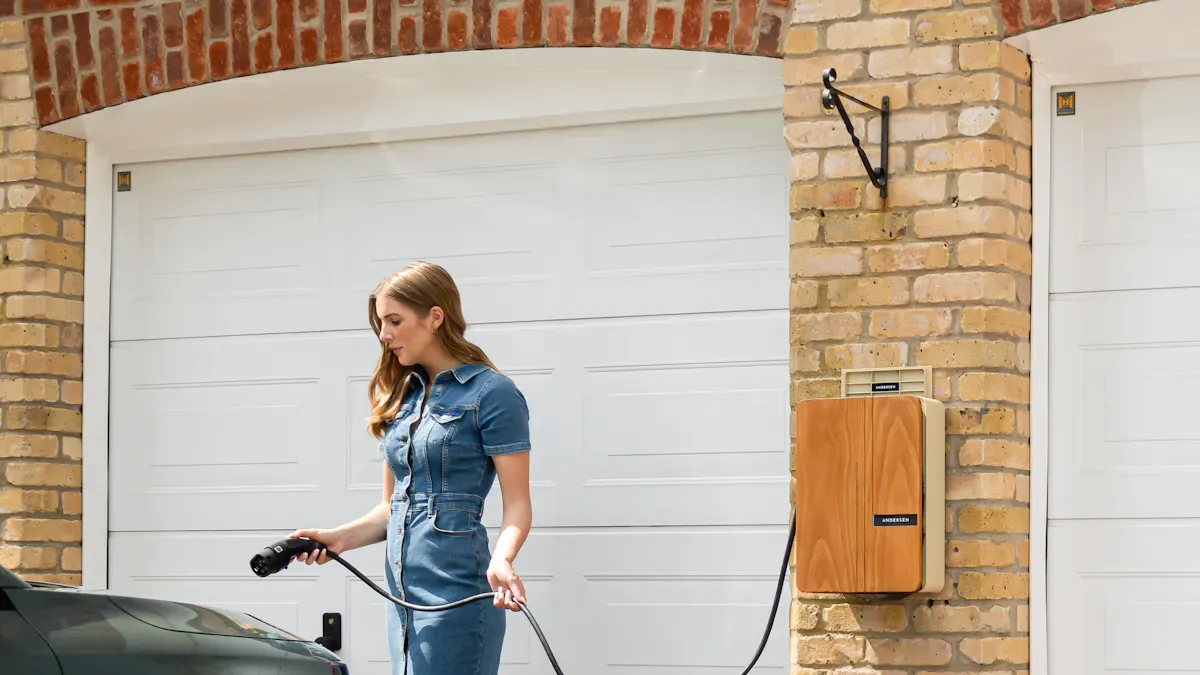
Physical damage often causes charging issues for Brazilian EV owners. He should begin by examining the ev charging cable for signs of wear or cuts. She can lay the cable flat on a clean surface and look for cracks, abrasions, or exposed wires. He must check the entire length, paying special attention to areas near the plug and connectors. Verifying cable integrity ensures safe operation and prevents electrical hazards. Owners should avoid using a damaged cable, as this can lead to error codes or unreliable charging sessions.
Tip: Examine your cable regularly. Early detection of damage reduces the risk of costly repairs and keeps the charging process safe.
A table below summarizes common signs of cable damage and recommended actions:
| Sign of Damage | Acción requerida |
|---|---|
| Cracks or splits | Replace cable |
| Exposed wires | Seek professional help |
| Abrasions | Monitor closely |
| Burn marks | Stop using immediately |
Checking the Plug and Socket for Damage
The plug and socket play a critical role in delivering power to the charger. He should inspect the plug for bent prongs, discoloration, or corrosion. She must check the socket for signs of burning, melting, or loose connections. Owners often overlook these components, but they frequently cause charging interruptions and error messages. He can use a flashlight to examine hard-to-see areas. She should ensure the plug fits securely in the socket and does not wobble. Any sign of damage requires immediate attention.
Note: Damaged plugs or sockets increase the risk of electrical faults. Prompt inspection prevents further issues and maintains reliable charging.
What to Do If You Find Damage
When owners discover physical damage, they must act quickly. He should stop using the charger immediately to avoid safety risks. She can document the damage with photos and contact a qualified technician for assessment. Owners should never attempt to repair the charger themselves. Professional repair or replacement ensures compliance with safety standards and restores proper charging function. He must check the warranty terms before seeking service, as many manufacturers cover physical damage under warranty.
A simple checklist for handling physical damage:
- Disconnect the charger from the outlet and vehicle.
- Document the damage with clear photos.
- Contact a certified technician or manufacturer.
- Follow professional advice for repair or replacement.
- Store the charger in a safe, dry place until resolved.
Callout: Quick action prevents further issues and protects both the EV and the user. Reliable troubleshooting keeps the charging process efficient and safe.
Troubleshooting Compatibility Problems with Your EV
Ensuring Your Charger Matches Your EV
Brazilian EV owners sometimes face compatibility problems when connecting a charger to their vehicle. He should always confirm that the charger supports the make and model of his EV. Manufacturers design most level 1 chargers to work with a wide range of vehicles, but exceptions exist. She can check the user manual or the manufacturer’s website for a list of supported models. Some vehicles require specific charging protocols or communication standards. If the charger does not match the vehicle’s requirements, charging may fail or proceed at a reduced rate.
He should also consider the importance of regular software updates. These updates often improve compatibility and address new issues with the vehicle’s charging system. She can schedule updates through the vehicle’s onboard system or at an authorized service center. Keeping both the charger and the vehicle’s software current helps prevent unexpected problems.
Tip: Owners should always use the original charger provided with the vehicle or a certified replacement to avoid connector compatibility problems.
Understanding Plug Types in Brazil
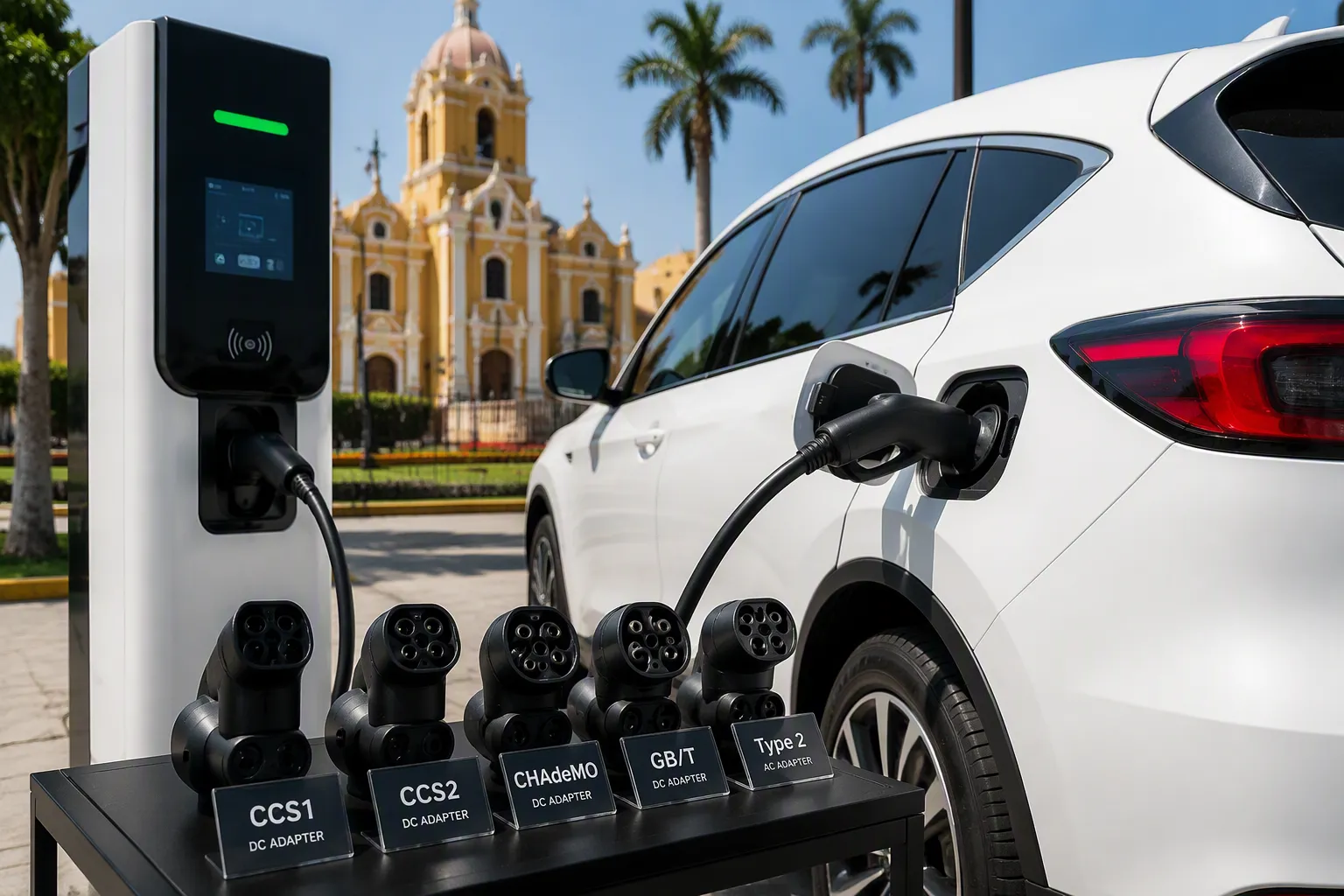
Plug types vary across regions in Brazil. He may encounter different standards depending on the city or state. The most common plug types for EV charging include Type 1 (SAE J1772) and Type 2 (Mennekes). She should verify which plug type her vehicle uses before purchasing a charger or adapter. Using the wrong plug type can lead to charging interruptions or damage to the connector.
The table below summarizes the main plug types found in Brazil:
| Tipo de enchufe | Common Use | Vehicles Supported |
|---|---|---|
| Tipo 1 (J1772) | Carga de nivel 1 | Most North American EVs |
| Tipo 2 | Carga de nivel 2 | Many European EVs |
| N.º de registro 14136 | Household Outlets | Some local EVs |
He should always match the plug type of the charger to the vehicle’s charging port. She can consult the vehicle’s documentation or ask a qualified technician for guidance. Addressing issues with the vehicle’s charging system often starts with confirming plug compatibility.
Uso seguro de los adaptadores
Adapters offer flexibility when connecting a charger to a vehicle with a different plug type. However, improper use can create safety hazards and lead to connector compatibility problems. He should follow these safety guidelines when using adapters with level 1 chargers:
- Use adapters cautiously to avoid compatibility problems and safety hazards.
- Only use adapters recommended by the vehicle manufacturer or charging station provider.
- Improper use can damage connectors and compromise the charging process.
She should inspect adapters for signs of wear or damage before each use. He must avoid using homemade or uncertified adapters, as these increase the risk of electrical faults. If the charger or vehicle displays error messages after connecting an adapter, he should stop charging and consult a professional.
Note: Safe adapter use protects both the charger and the vehicle from long-term damage.
By following these steps, Brazilian EV owners can resolve most compatibility issues and maintain a reliable charging routine.
Troubleshooting Scheduled Charging Problems
Checking Your EV’s Charging Settings
Many Brazilian EV owners rely on carga programada to optimize electricity costs and battery health. Sometimes, the vehicle does not begin charging at the expected time. He should first review the EV’s onboard settings. Most modern vehicles allow users to set specific start and stop times for charging. She can access these options through the vehicle’s dashboard or companion app. If the schedule appears correct but charging does not start, he should check for software updates. Outdated software can cause issues with scheduled charging. Owners should also verify that the vehicle’s clock matches local time, as incorrect time settings may disrupt the charging schedule.
Tip: Always double-check the vehicle’s scheduled charging menu after daylight saving time changes or software updates.
Verifying Charger Timer Settings
Some level 1 chargers include built-in timers or delay features. These settings can override the vehicle’s own schedule. He should inspect the charger’s control panel or user manual for timer options. If the charger’s timer conflicts with the vehicle’s schedule, charging may not begin as planned. She should disable the charger’s timer or set it to match the vehicle’s charging window. Owners must ensure that only one device controls the charging schedule to avoid confusion. If the charger lacks a display, he can look for indicator lights that signal an active timer.
A table below summarizes common timer-related issues and solutions:
| Edición | Solución |
|---|---|
| Charger timer enabled | Disable or sync with vehicle |
| Conflicting schedules | Align charger and vehicle timers |
| No charging at scheduled time | Check both charger and vehicle |
Syncing Charger and Vehicle Schedules
Proper synchronization between the charger and the vehicle ensures reliable charging sessions. He should set both devices to the same schedule if possible. She can use the vehicle’s app to confirm the next scheduled charging session. If the charger and vehicle operate on different schedules, charging may start late or not at all. Owners should avoid setting overlapping or conflicting timers. He can perform a test by setting a short charging window and observing if the session begins and ends as expected. If issues persist, she should reset both the charger and the vehicle’s charging settings.
Note: Consistent schedules between the charging station and the vehicle prevent missed charging sessions and reduce troubleshooting time.
By following these steps, Brazilian EV owners can resolve most scheduled charging issues and maintain a dependable charging routine.
Preventive Maintenance for Level 1 Charger
Regular Inspection Checklist
He should perform regular inspections to keep the charger in optimal condition. A systematic approach helps identify potential issues before they disrupt charging. She can follow a checklist to ensure thorough preventive maintenance. The checklist includes:
- Examine the cable for cracks, cuts, or exposed wires.
- Inspect the plug for bent prongs, discoloration, or corrosion.
- Check the charger housing for signs of wear or overheating.
- Verify that indicator lights function correctly during charging.
- Test the outlet with a multimeter to confirm stable voltage.
- Review the charger’s user manual for manufacturer-specific troubleshooting tips.
A table below summarizes the inspection points and recommended actions:
| Punto de Inspección | Action if Issue Found |
|---|---|
| Cable integrity | Replace or seek technician |
| Plug condition | Repair or replace |
| Charger housing | Contact manufacturer |
| Indicator lights | Consult manual |
| Outlet voltage | Call electrician |
Tip: He should schedule inspections monthly. Early detection prevents costly repairs and ensures safe charging.
Cleaning and Storing Your Charger Properly
Proper cleaning and storage extend the charger’s lifespan. She must unplug the charger before cleaning. He can use a dry cloth to wipe dust and debris from the cable, plug, and connectors. Avoid using water or harsh chemicals, as these may damage sensitive components. She should check for moisture inside the plug or charging port. If moisture appears, allow the charger to dry completely before use.
He must store the charger in a cool, dry place away from direct sunlight. She can coil the cable loosely to prevent kinks or internal wire damage. Owners should avoid placing heavy objects on the charger or cable. Proper storage reduces the risk of physical issues and maintains reliable charging performance.
Callout: Clean and store the charger after every charging session. Consistent care prevents unexpected issues and supports long-term reliability.
Protecting Against Power Surges
Power surges pose a significant risk to chargers and EVs. He should install a surge protector between the charger and the outlet. Surge protectors absorb excess voltage and shield the charger from sudden spikes. She must select a surge protector rated for EV charging to ensure compatibility. He can ask a qualified electrician to recommend suitable devices.
She should avoid charging during thunderstorms or periods of unstable electricity supply. He must unplug the charger if he notices flickering lights or unusual sounds from the outlet. Owners who follow these preventive maintenance tips reduce the risk of electrical damage and maintain safe charging conditions.
Note: Surge protection safeguards the charger and vehicle. Investing in quality surge protectors prevents costly repairs and downtime.
Regular inspections, proper cleaning, and surge protection form the foundation of effective preventive maintenance. Brazilian EV owners who adopt these practices minimize troubleshooting and enjoy reliable charging at home.
When to Seek Professional Help for EV Charger Issues
Signs You Shouldn’t Ignore
Some problems with a charger require immediate attention from a qualified technician. He should watch for warning signs that indicate serious issues. If the charger emits a burning smell or shows visible smoke, he must stop using it at once. She should also look for sparks, melted plastic, or scorch marks near the plug or cable. Frequent tripping of the circuit breaker signals a deeper electrical problem. If the vehicle refuses to start charging after multiple attempts, the issue may go beyond simple troubleshooting. Error codes that persist after a reset often point to internal faults. He should never ignore repeated charging interruptions or unexplained drops in charging speed. These symptoms can lead to damage to the vehicle or pose safety risks.
⚠️ Safety Alert: If the charger or cable feels hot to the touch, unplug it immediately and contact a professional.
Finding Qualified Help in Brazil
Brazil offers a growing network of certified professionals who specialize in EV charger repair and maintenance. She can start by contacting the manufacturer’s customer support for a list of authorized service centers. Many dealerships that sell electric vehicles also provide technical assistance for charging equipment. He should verify that the technician holds certification for working with high-voltage systems. Online directories and EV owner forums often recommend reputable service providers. She should avoid using unlicensed electricians, as improper repairs can void warranties and create new issues. A qualified expert understands the unique requirements of a charging station and can diagnose problems quickly.
A table below highlights resources for finding professional help:
| Resource Type | How to Access |
|---|---|
| Asistencia del fabricante | Visit official website or call hotline |
| Dealership Service | Contact local EV dealership |
| Certified Electrician | Search online directories |
| Owner Forums | Join local EV groups |
What to Expect from a Service Visit
A professional service visit follows a clear process. The technician begins by inspecting the charger and the vehicle’s charging port. He uses specialized tools to test voltage, continuity, and safety features. She may ask about recent charging issues and review the owner’s troubleshooting steps. The technician checks the charging station for software updates and verifies compatibility with the vehicle. If physical damage exists, he documents the findings and recommends repair or replacement. She receives a detailed report outlining the cause of the problem and the steps taken to resolve it. Most service visits end with a safety test to ensure the charger operates correctly. Owners should expect clear communication and professional advice throughout the process.
Tip: Keep records of all service visits and repairs. This documentation helps with future warranty claims and ensures the charger remains in good condition.
Most issues with a level 1 charger can be resolved through simple troubleshooting and regular checks. Preventive maintenance reduces the risk of future problems and keeps charging reliable. If he or she notices persistent faults or safety concerns, contacting a professional remains the best choice. With the right approach, any EV owner can feel confident handling basic charger troubleshooting.
Remember: Consistent care and attention help ensure safe and efficient charging at home.
PREGUNTAS FRECUENTES
What should he do if the charger does not power on?
He should check the outlet for voltage, inspect the charger cable for damage, and verify secure connections. If the charger remains off, he must contact a certified technician for further diagnosis.
Can she use an extension cord with a level 1 charger?
She should avoid using extension cords. Extension cords may cause voltage drops and increase safety risks. Manufacturers recommend plugging the charger directly into a dedicated outlet.
How often should they inspect the charger for damage?
They should inspect the charger monthly. Regular checks help identify wear, cracks, or corrosion early. Early detection prevents safety hazards and ensures reliable charging performance.
What does a blinking red indicator light mean?
A blinking red light signals a fault or error. He should consult the charger’s manual for specific meanings. Immediate inspection of cables, plugs, and connections is necessary.
Is it safe to charge during thunderstorms?
Charging during thunderstorms poses risks. She should unplug the charger and wait until the weather improves. Surge protectors help, but avoiding charging during storms remains the safest option.
How can he find a qualified EV charger technician in Brazil?
He can contact the charger manufacturer, visit local EV dealerships, or search online directories for certified professionals. Owner forums often provide recommendations for reputable service providers.
What steps should she take if scheduled charging fails?
She should review the EV’s charging settings, check the charger’s timer, and ensure both schedules match. If charging still fails, she must reset both devices and consult the user manual.