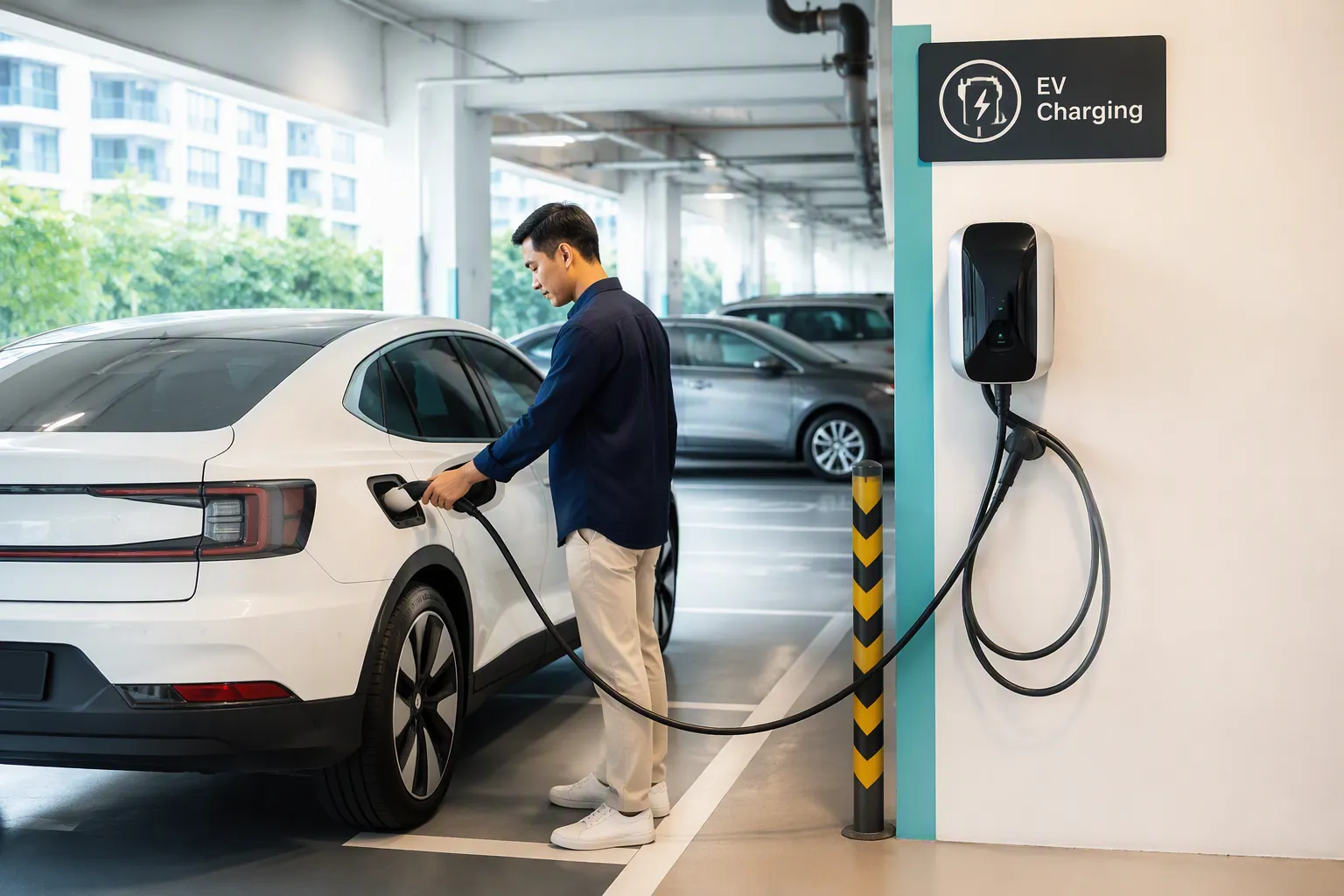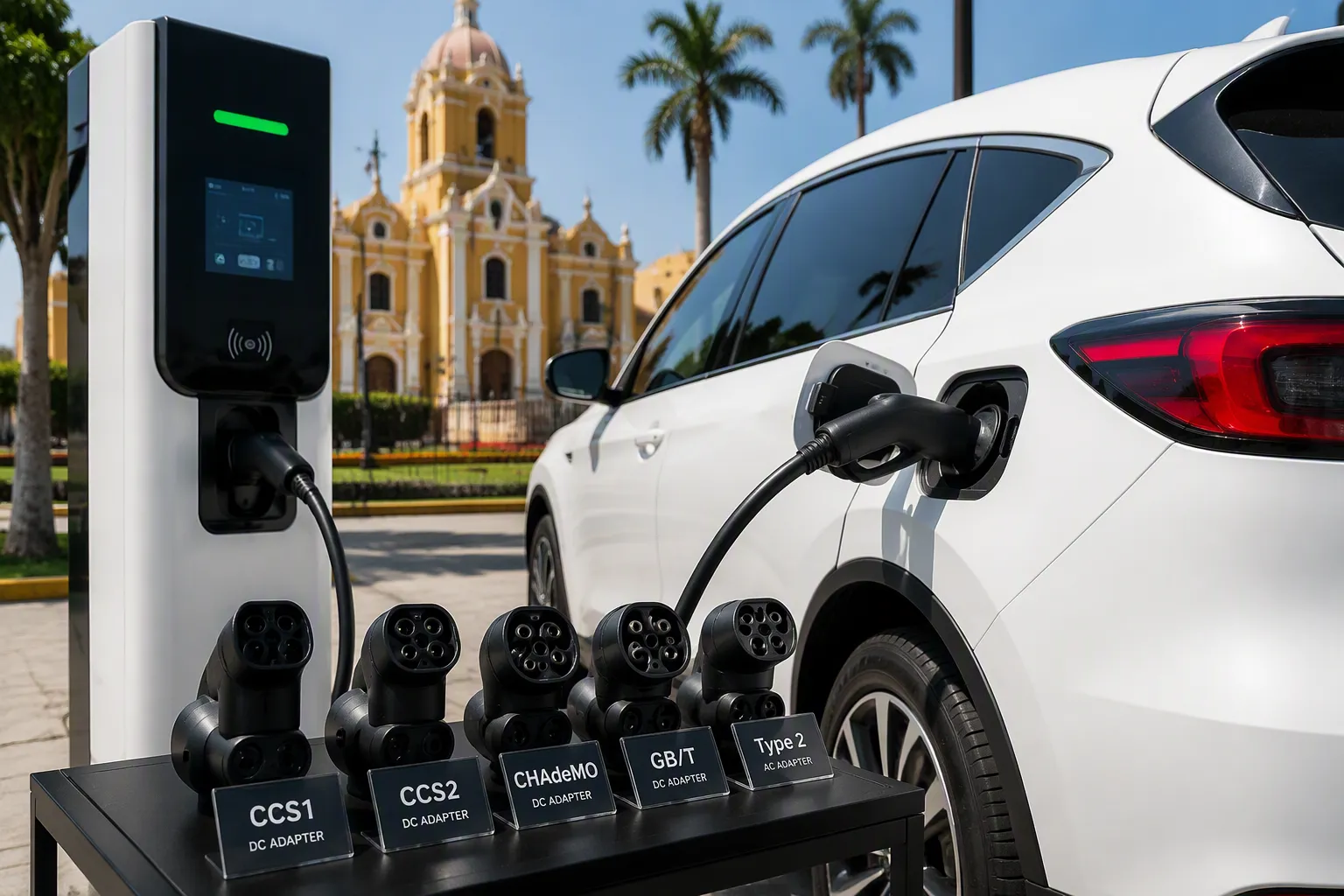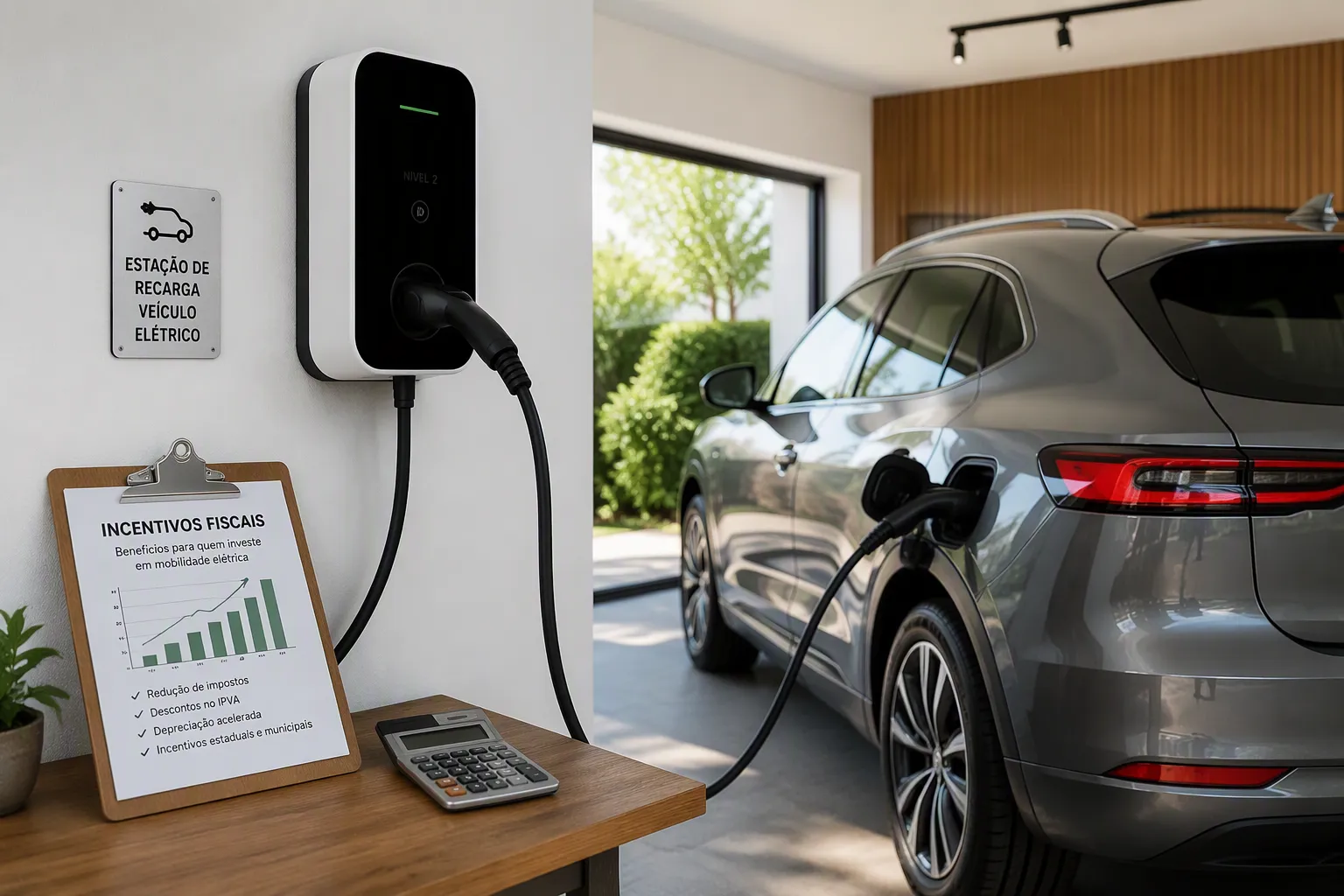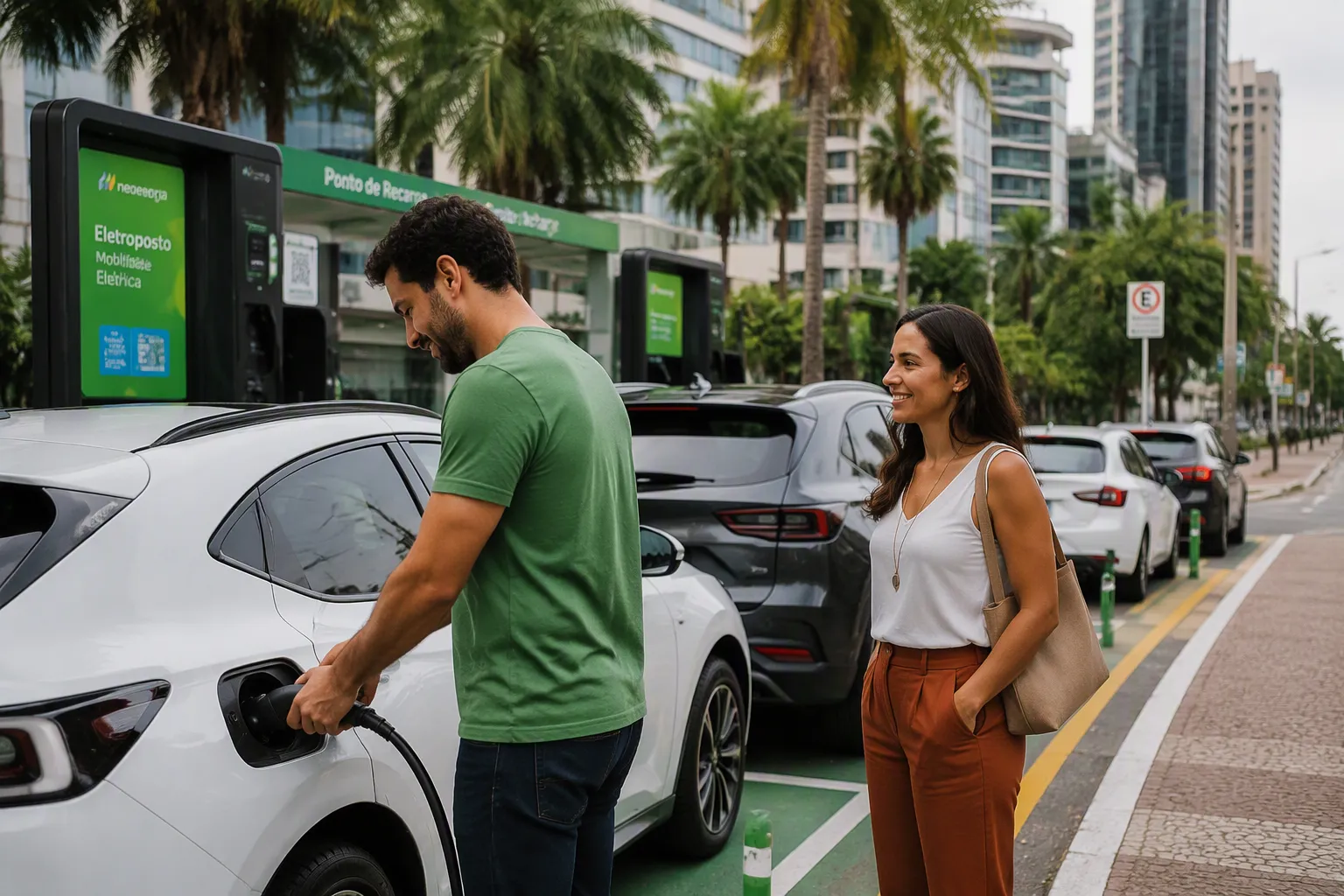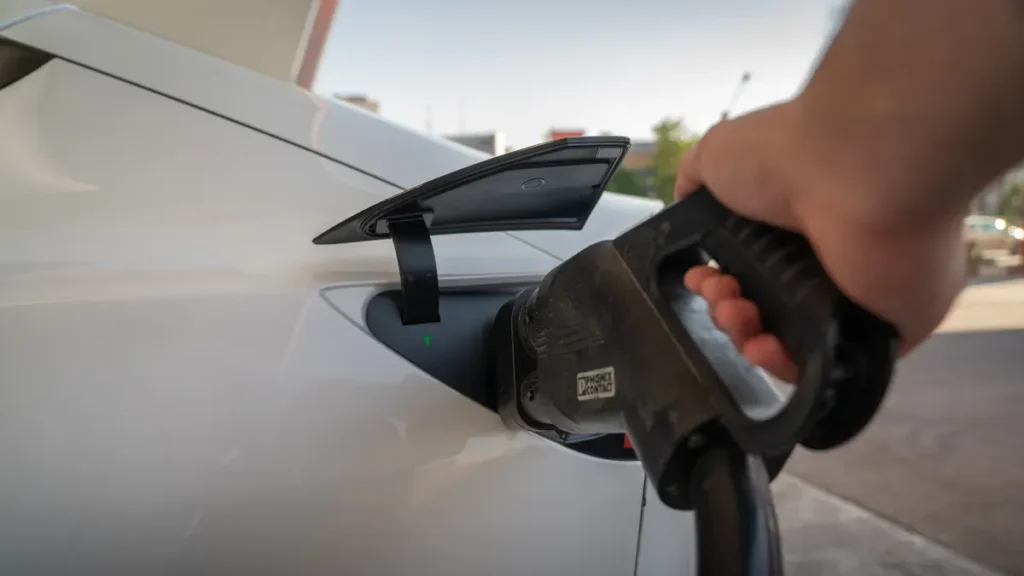
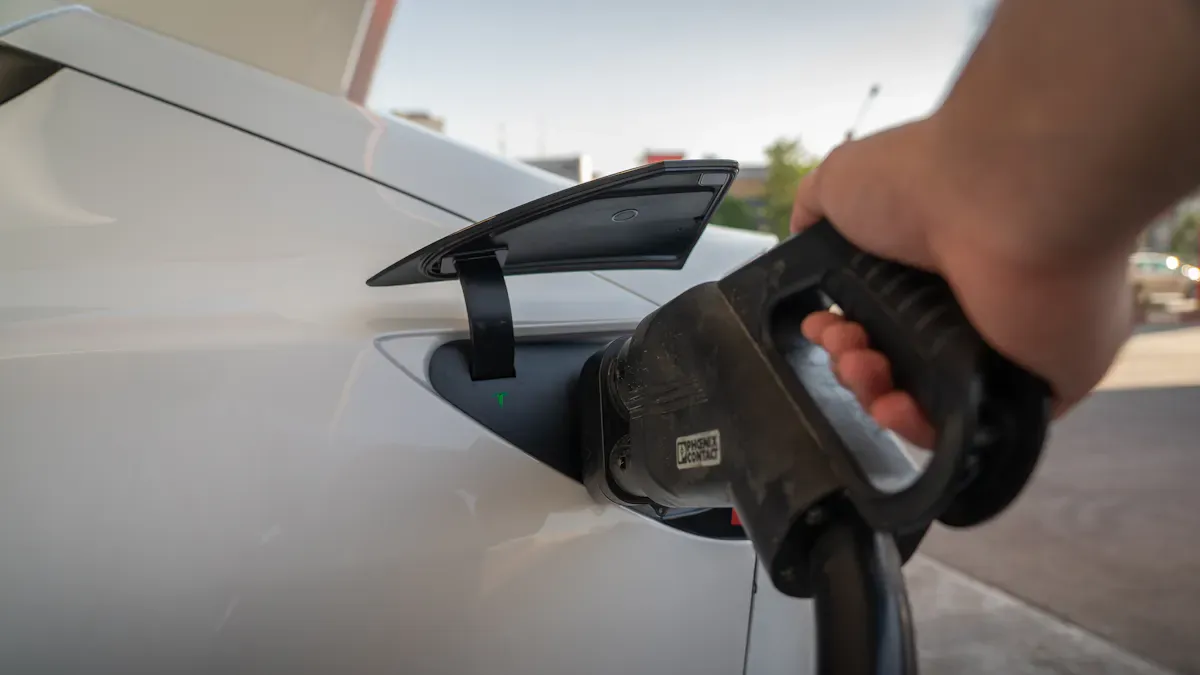
Drivers in Brazil often face car charge issues when using adapters. Many encounter problems with their Carregador EV not powering up or carregadores ev portáteis failing to connect. Quick troubleshooting steps help identify the cause of charging failures. He should inspect the adapter and follow troubleshooting steps recommended by Fabricantes de carregadores para veículos eléctricos. Immediate actions include checking for compatibility and considering Soluções de carregamento de veículos eléctricos. A faulty adapter or mismatched plug can cause issues.
Tip: Always verify the adapter’s specifications before connecting to avoid damage.
Adapter Compatibility and Car Charge Issues
Plug and Socket Type Mismatches
Brazilian Plug Types vs. International Plugs
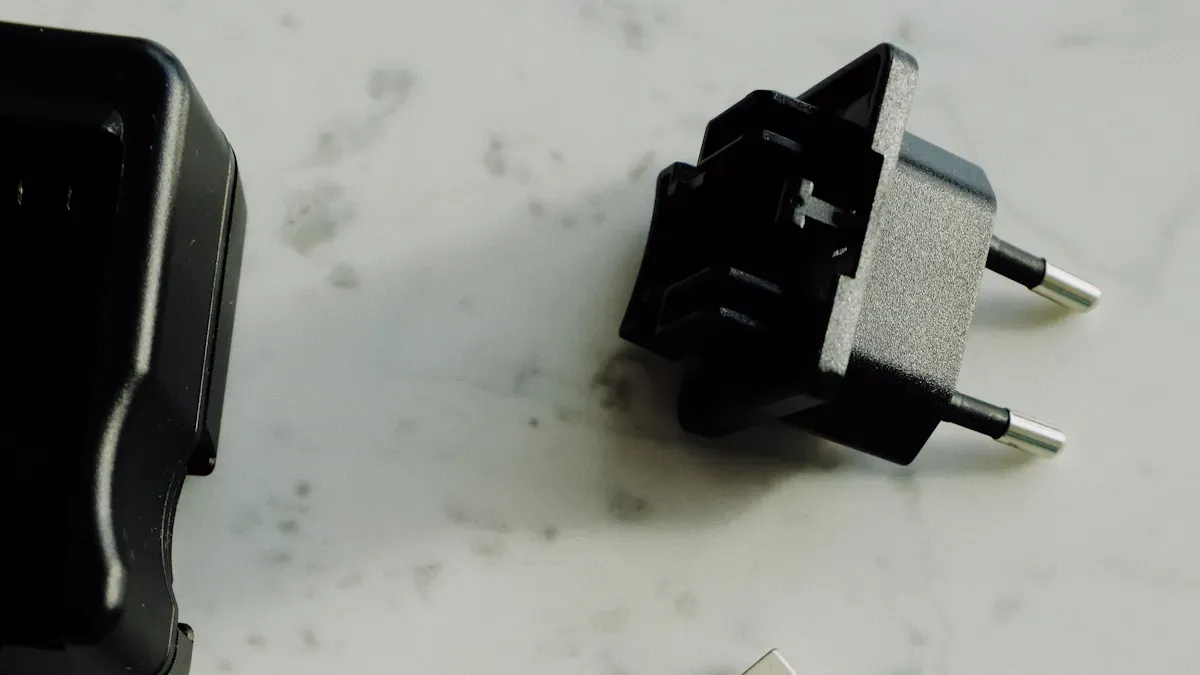
Brazil uses unique plug types that differ from those found in other countries. Type N plugs dominate the market, while older installations may feature Type C or Type A sockets. International travelers often bring adapters designed for European or North American plugs. These adapters may not fit securely into Brazilian sockets. He must understand local charging standards to avoid car charge issues.
| Tipo de ficha | Common Countries | Brazilian Usage |
|---|---|---|
| Type N | Brazil | Padrão |
| Type C | Europa | Legacy |
| Type A | USA, Japan | Raro |
Note: A mismatched plug can prevent proper connection and disrupt charging.
Adapter Fit and Connection Problems
Many adapters fail to provide a stable connection between the charger and the charging port. Loose adapters can cause intermittent charging or complete failure. He should inspect the adapter for signs of wear or poor construction. A secure fit ensures reliable charging and reduces troubleshooting time. If the adapter wobbles or disconnects easily, he must replace it with a model designed for Brazilian sockets.
Voltage and Frequency Compatibility
Brazil’s Power Standards Explained
Brazil operates on a dual voltage system, with regions using either 127V or 220V. The frequency remains consistent at 60Hz. He must check the voltage compatibility of his charger before plugging it in. Many EV chargers require a specific voltage to function safely. Using the wrong voltage can damage the charger or trigger built-in safety features.
Tip: Always verify the voltage label on the charger and adapter before connecting to the outlet.
How Voltage Mismatch Affects Charging
Voltage mismatch creates serious issues for charging. If the charger expects 220V but receives 127V, it may not deliver enough power. The charging process slows down or stops entirely. Some chargers include protection circuits that shut off when voltage compatibility fails. He should consult the charger manual and local charging standards to avoid these problems.
Amperage Limitations and Charging Problems
Adapter Maximum Load
Every adapter has a maximum load rating measured in amperes. Exceeding this limit causes overheating and may trigger safety cutoffs. He must compare the charger’s power requirements with the adapter’s specifications. Many adapters designed for small electronics cannot handle the high current needed for EV charging.
| Tipo de Adaptador | Max Load (A) | Adequado para |
|---|---|---|
| Travel Adapter | 6 | Phones, Laptops |
| Heavy-Duty Adapter | 16 | EV Chargers, Appliances |
Alert: Using an underpowered adapter increases the risk of fire and charging power limitations.
Car Charger Power Requirements
EV chargers demand significant amperage to operate efficiently. He should review the charger’s manual for exact power requirements. If the adapter cannot supply enough current, the charging port may not activate. Troubleshooting steps include testing the charger with a certified adapter and monitoring for signs of overheating. He must ensure compatibility between the charger and adapter to prevent further issues.
Car Charger Safety Features and Troubleshooting
Built-in Safety Cutoffs
Overload and Overheat Protection
Modern car chargers include advanced safety features to protect both the vehicle and the electrical system. He often encounters an error when the charger detects excessive current or heat. The charger monitors temperature and current flow during charging. If the system senses overheating, it triggers an error and stops charging immediately. This protection prevents damage to the charger and reduces fire risk. He should check the charger’s manual for details about these safety mechanisms. Many chargers display an error code or indicator light when overload or overheat protection activates.
Note: If the charger stops charging and shows an error, he must allow the device to cool before attempting to restart the process.
Automatic Shutoff Triggers
Automatic shutoff features help prevent electrical hazards. The charger uses sensors to detect abnormal conditions. When the system identifies an error, it disconnects power to avoid further issues. He may notice that charging stops unexpectedly, often due to a detected error such as voltage fluctuation or adapter failure. The charger’s built-in diagnostics provide information about the cause of the error. He should consult the charger’s error codes to determine the next steps. Some chargers require a manual reset after an error occurs.
Adapter Quality and Certification
Certified vs. Non-Certified Adapters
Adapter quality plays a crucial role in safe charging. Certified adapters meet international safety standards and undergo rigorous testing. He reduces the risk of error by choosing certified products. Non-certified adapters often lack proper caraterísticas de segurança and may cause frequent error messages during charging. He should look for certification marks such as INMETRO or CE when purchasing an adapter in Brazil. The table below compares certified and non-certified adapters:
| Tipo de Adaptador | Caraterísticas de segurança | Error Frequency | Certification Mark |
|---|---|---|---|
| Certified Adapter | Elevado | Baixa | INMETRO, CE |
| Non-Certified Adapter | Baixa | Elevado | Nenhum |
Tip: He should always select certified adapters to minimize error risk and ensure reliable charging.
Risks of Using Low-Quality Adapters
Low-quality adapters increase the likelihood of error during charging. These adapters often fail to handle the power requirements of a car charger. He may experience repeated error codes, overheating, or even electrical damage. Using a non-certified adapter exposes the charger to unpredictable electrical conditions. He should inspect the adapter for signs of poor construction, such as loose connections or missing certification marks. If he encounters frequent error messages, replacing the adapter with a certified model improves charging reliability.
- He avoids error by:
- Selecting certified adapters.
- Inspecting for physical damage.
- Monitoring error codes during charging.
Alert: Persistent error signals indicate a serious compatibility issue. He should stop charging and consult a professional if errors continue.
Electrical Infrastructure and Charging Issues in Brazil

Common Power Supply Problems
Power Fluctuations and Outages
Brazil’s electrical grid often experiences power fluctuations and outages. These events can create significant challenges for electric vehicle owners. When the power supply becomes unstable, car chargers may stop working without warning. He may notice that charging interruptions occur more frequently during storms or periods of high demand. These interruptions can lead to frustration and reduce the reliability of daily vehicle use.
- Power outages and voltage fluctuations can disrupt operations and affect the performance of electric vehicle charging systems.
- These disruptions can lead to potential downtime and inefficiencies in car charging reliability.
He should monitor the local power supply before starting a charging session. If outages happen often in his area, he may want to invest in a surge protector or uninterruptible power supply. These devices help protect the charger from sudden power loss and reduce the risk of equipment damage.
Inconsistent Voltage Delivery
In many regions of Brazil, voltage delivery can vary from the expected standard. This inconsistency can cause charging interruptions and may even damage sensitive electronics inside the charger. He should check the voltage output at the outlet using a simple voltmeter. If the voltage falls outside the recommended range, the charger may refuse to operate or shut down unexpectedly. Consistent voltage is essential for safe and efficient charging.
Tip: He should always verify the voltage at the charging location, especially when using public or unfamiliar outlets.
Grounding and Wiring Compatibility
Lack of Proper Grounding
Proper grounding ensures the safe operation of all electrical devices, including car chargers. In some older Brazilian buildings, outlets may lack adequate grounding. Without grounding, the risk of electrical shock and equipment failure increases. He should inspect the outlet for a grounding pin and consult an electrician if unsure. Reliable grounding helps prevent charging issues and protects both the vehicle and the user.
Old or Faulty Wiring
Many homes and commercial properties in Brazil still use outdated or damaged wiring. Old wiring can overheat or fail under the high current required for car charging. He may experience frequent charging interruptions or notice that the charger becomes warm during use. Faulty wiring can also cause voltage drops, leading to incomplete charging sessions. Regular inspection and maintenance of the electrical system reduce the risk of these problems.
Alert: He should never ignore signs of faulty wiring, such as burning smells, flickering lights, or warm outlets. Immediate action prevents serious safety hazards.
Step-by-Step Troubleshooting Guide for Car Charge Issues
How to Check Your Adapter and Charger
Inspecting for Physical Damage
He should begin troubleshooting by carefully inspecting the adapter and charger for any visible signs of damage. Cracks, burn marks, or melted plastic often indicate serious ev charger problems. He must check the prongs and connectors for bending or corrosion. A damaged connection can prevent the charger from working and may lead to further issues with the charging system. If he finds any physical defects, he should stop using the equipment immediately to avoid safety risks.
Tip: He can use a flashlight to examine hard-to-see areas on the adapter and charger. Small cracks or discoloration may signal deeper electrical problems.
Testes com outros dispositivos
He can test the adapter with another device to rule out car charge issues related to the adapter itself. For example, he may plug a phone charger or small appliance into the same adapter and outlet. If the device fails to power on, the adapter or outlet likely causes the problem. If the device works, the issue may relate to the ev charger or the vehicle’s charging system. This step helps isolate the source of ev charger problems and speeds up troubleshooting.
| Test Device | Result | Next Step |
|---|---|---|
| Phone Charger | Works | Check car charger and connection |
| Phone Charger | Does Not Work | Replace adapter or try new outlet |
Note: He should always use a device with a similar power requirement for accurate testing.
What to Do If Your Car Still Won’t Charge
Resetting the Charging System
If the car still refuses to charge after checking the adapter and connection, he should reset the charging system. Most ev chargers have a reset button or require unplugging for a few minutes. He should consult the charger’s manual for the correct reset procedure. Resetting often clears minor faults and restores normal charging. If the battery indicator does not respond, he may need to repeat the process or check for error codes on the charger display.
Alert: He should avoid repeated resets if the charger continues to fail. Persistent issues may signal deeper electrical faults.
Trying a Different Outlet or Adapter
He should try a different outlet or adapter if the car remains unresponsive. Sometimes, the original outlet cannot supply enough power, or the adapter does not fit securely. He must ensure the new outlet matches the charger’s voltage and amperage requirements. Using a certified adapter reduces the risk of further ev charger problems. If the car begins charging, he has identified the source of the issue. If not, he should consider professional troubleshooting before running out of battery.
Tip: He should keep a spare certified adapter in the vehicle to avoid unexpected charging interruptions during travel.
By following these steps, he can address most charging system issues and restore reliable operation for his ev. Careful inspection, methodical testing, and proper equipment selection help prevent battery failures and keep the vehicle ready for daily use.
Solutions and Recommendations for Charging Compatibility
Choosing the Right Adapter
Caraterísticas a procurar
He must select an adapter that matches the local plug type and voltage. The adapter should support the amperage required by the portable ev charger. Certified adapters offer better safety and reliability. He should check for certification marks such as INMETRO. Quality adapters prevent compatibility issues and reduce the risk of charging interruptions. TPSON recommends adapters with surge protection and robust construction for portable ev charger users.
Tip: He should avoid adapters designed only for small electronics. These adapters cannot handle the demands of a portable ev charger.
A reliable adapter must include:
- Proper plug type for Brazilian outlets
- Support for both 127V and 220V voltage
- High amperage rating (at least 16A)
- Certification marks (INMETRO, CE)
- Surge protection features
| Caraterística | Importance for EV Charging |
|---|---|
| Plug Type Compatibility | Prevents connection issues |
| Suporte de tensão | Garante um carregamento seguro |
| Amperage Rating | Avoids overheating |
| Certificação | Guarantees safety |
| Proteção contra sobretensões | Protects charger |
Where to Buy Reliable Adapters in Brazil
He can purchase certified adapters at specialized electronics stores or charging stations. Many stores offer adapters designed for portable ev charger compatibility. TPSON provides advanced charging solutions and recommends buying adapters from authorized dealers. Online platforms also sell certified adapters, but he must verify the seller’s reputation. He should avoid street vendors and uncertified products to prevent charging issues.
Note: He should always request proof of certification before purchasing an adapter for his portable ev charger.
Quando procurar ajuda profissional
Signs You Need an Electrician
He must contact an electrician if he notices persistent charging issues or signs of electrical faults. Common warning signs include burning smells, flickering lights, or warm outlets during portable ev charger use. An electrician can inspect the wiring and grounding for compatibility with the charger. He should not attempt repairs if he lacks technical expertise.
- Frequent charging interruptions
- Visible damage to outlets or wiring
- Error codes on the portable ev charger
- Unusual sounds from the charger
Alert: Safety comes first. He should stop using the portable ev charger if he suspects electrical hazards.
Contacting Your Car Manufacturer or Dealer
He should reach out to the car manufacturer or dealer if the portable ev charger fails to operate after adapter replacement. Manufacturers provide guidance on compatibility and charging solutions. Dealers can recommend certified adapters and charging stations that match the vehicle’s requirements. TPSON offers support for advanced charging solutions and portable ev charger compatibility. He should keep the charger manual and warranty information ready when contacting support.
Tip: He should document all charging issues and error codes before seeking help. This information speeds up troubleshooting and ensures accurate solutions.
Preventing Future Car Charge Issues and Safe Charging Practices
Regular Maintenance Tips
Checking Your Charging Equipment
He should inspect his ev charger and adapter regularly to prevent unexpected issues. Physical damage, such as frayed cables or cracked casings, often leads to malfunctions. He can use a checklist to ensure all components remain in good condition:
- Examine the charger cable for cuts or exposed wires.
- Check the adapter for loose prongs or discoloration.
- Confirm that the plug fits securely into the outlet.
A quick visual inspection before each use helps him catch problems early. He should replace any damaged parts immediately to avoid further complications.
Monitoring Power Sources
He must monitor the power source before starting any charging session. Unstable voltage or frequent power fluctuations can damage the ev charger and vehicle battery. He can use a simple voltmeter to check the outlet’s voltage. If he notices irregular readings, he should avoid using that outlet for charging. Reliable power sources reduce the risk of charging interruptions and extend the lifespan of his equipment.
Tip: He should keep a log of any power supply problems. This record helps with troubleshooting if issues arise later.
Safe Charging Practices and Troubleshooting
Evitar sobrecargas
He should avoid plugging multiple high-power devices into the same outlet as the ev charger. Overloading the circuit increases the risk of overheating and electrical fires. He can calculate the total load by adding up the amperage of each device. If the combined load exceeds the outlet’s rating, he must use a different circuit. Preventing overloads ensures safe and efficient charging.
| Dispositivo | Typical Amperage |
|---|---|
| Carregador EV | 10-16A |
| Forno micro-ondas | 8-12A |
| Air Conditioner | 10-15A |
He should always prioritize the ev charger on a dedicated circuit when possible.
Using Surge Protectors
He can protect his charger and vehicle from sudden voltage spikes by using a surge protector. Power surges often occur during storms or grid fluctuations. A quality surge protector absorbs excess energy and prevents damage to sensitive electronics. He should choose a surge protector rated for high amperage to match the requirements of his ev charger. Regularly checking the surge protector’s indicator lights helps him confirm it remains functional.
Alert: He should replace surge protectors after any major power surge. Worn-out protectors may not provide adequate defense against future surges.
By following these maintenance and safety practices, he reduces the likelihood of future issues and ensures reliable charging for his ev. Consistent troubleshooting and attention to equipment condition keep his charging sessions safe and efficient.
He faces car charge issues in Brazil due to adapter mismatches, voltage differences, and unreliable infrastructure. Regular inspection of ev charging equipment and careful selection of certified adapters help prevent most problems. He should always monitor his ev charging sessions and address any issues quickly.
Safe charging practices and professional support keep his ev reliable for daily use.
FAQ
What plug types does Brazil use for car charging?
Brazil uses Type N plugs for most charging stations. Some older outlets may use Type C or Type A. He should check the plug type before connecting his charger to avoid compatibility problems.
How can he check if his adapter supports Brazilian voltage?
He can read the voltage label on the adapter. Brazil supplies either 127V or 220V. The adapter must match the local voltage to prevent equipment damage.
Why does the charger stop charging during storms?
Power fluctuations and outages often occur during storms. The charger’s safety features may trigger automatic shutoff to protect the vehicle and prevent electrical hazards.
What signs indicate faulty wiring at a charging location?
He may notice burning smells, flickering lights, or warm outlets. These signs suggest faulty wiring. He should stop charging and contact an electrician immediately.
Can he use a travel adapter for car charging?
Travel adapters usually support low amperage. They cannot handle the high current required for car charging. He must use a heavy-duty, certified adapter designed for EV chargers.
What should he do if car charge issues persist after troubleshooting?
He should document all problems and error codes. Contacting the car manufacturer or dealer helps him find advanced solutions and ensures safe charging practices.
How does surge protection improve charging safety?
A surge protector absorbs excess voltage during power spikes. It protects the charger and vehicle from electrical damage. He should use a surge protector rated for EV charging.
Where can he buy certified adapters in Brazil?
He can purchase certified adapters at electronics stores, charging stations, or authorized dealers. Online platforms also offer certified products. He must verify certification marks before buying.