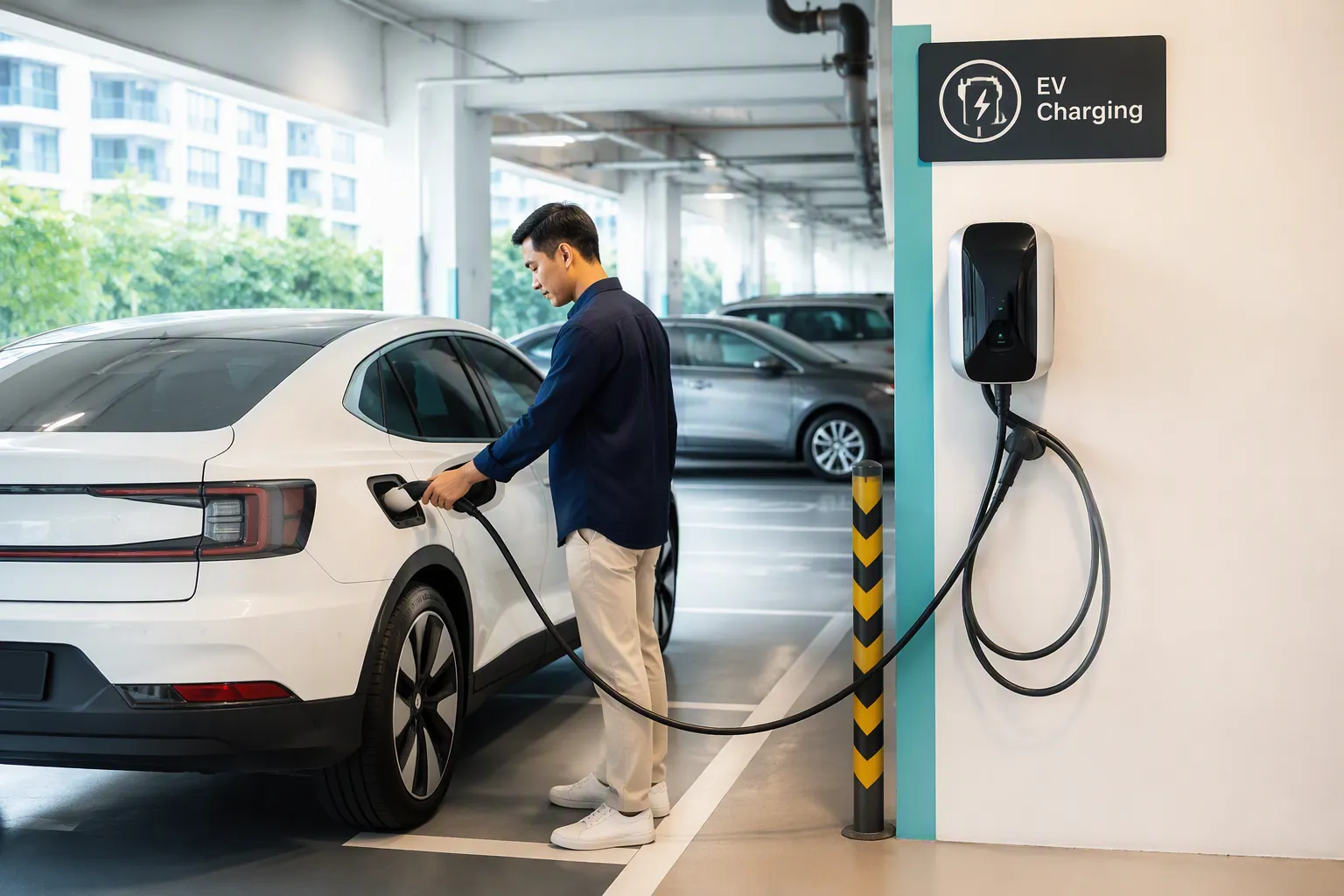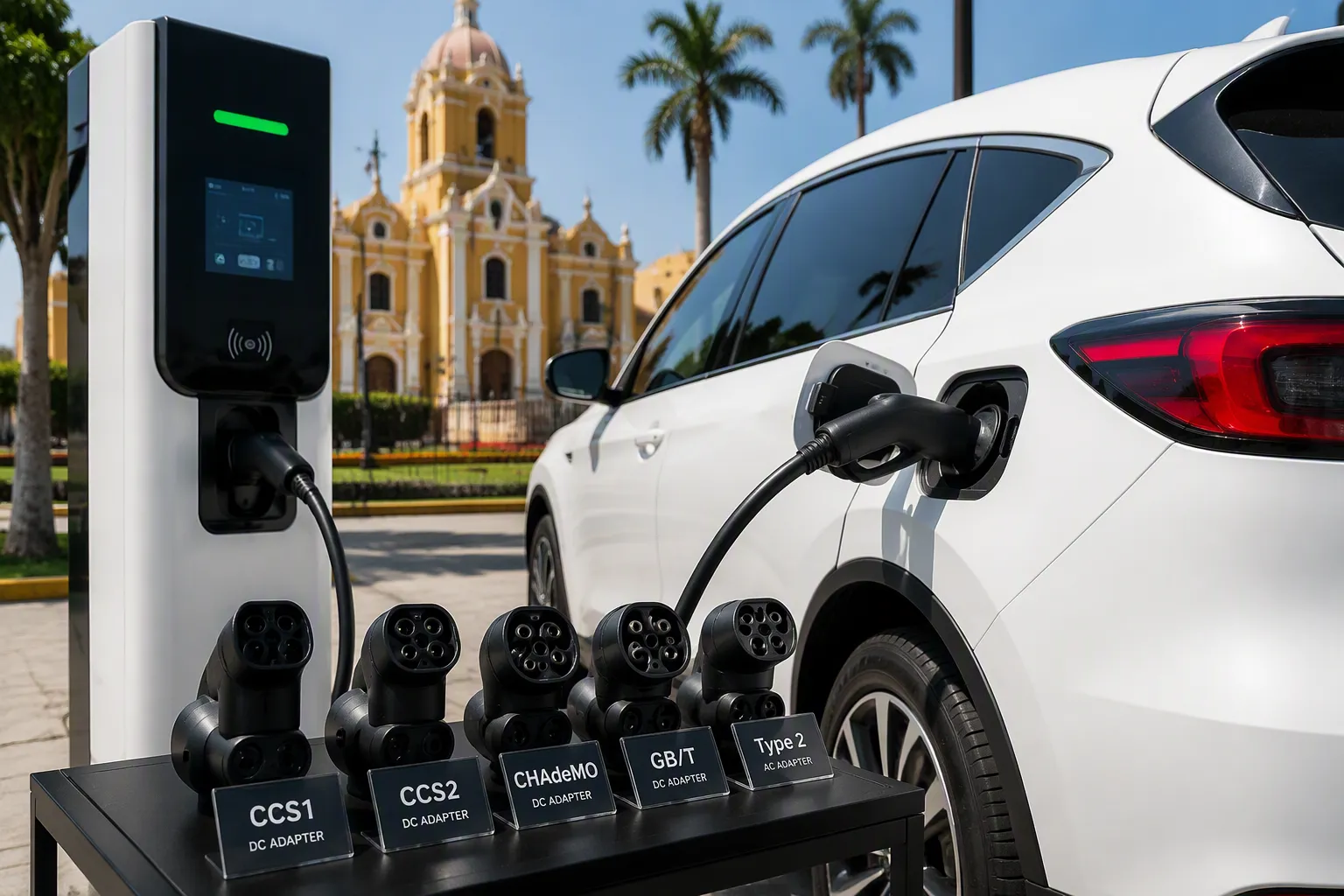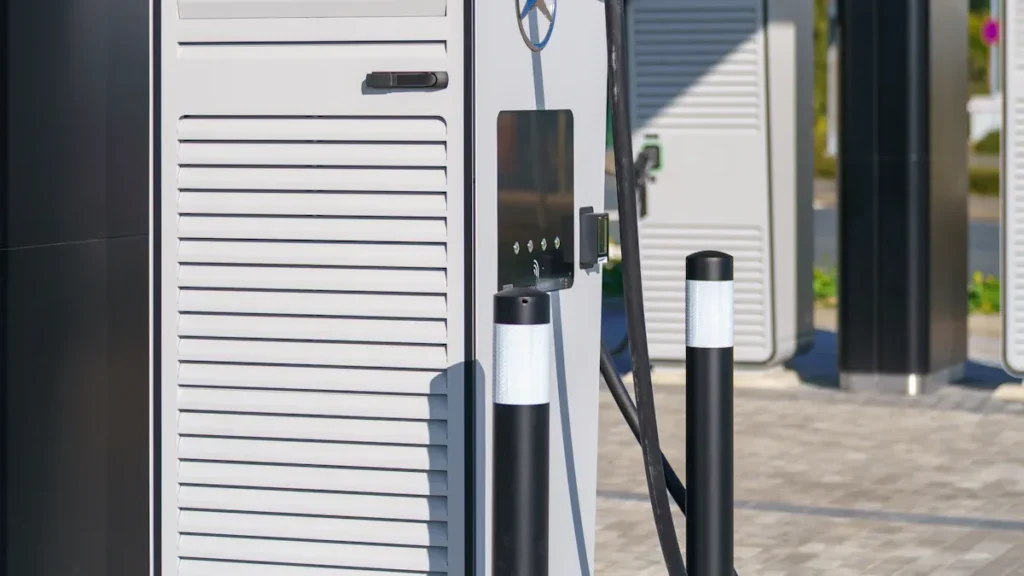

Japanese import electric vehicles often use the J1772 plug, which differs from the standard connectors found at Malaysian charging stations. Drivers encounter ev plug compatibility challenges when they try to connect their EV to a local EV Şarj Cihazı. J1772 to type 2 adapters offer a practical solution for seamless charging. With this adapter, owners access Elektrikli araç şarj çözümleri çeşitli Elektrikli araç şarj cihazı üreticileri, dahil olmak üzere taşınabilir ev şarj cihazları. The right charger ensures safe charging for every EV.
Charging becomes straightforward when drivers use an adapter designed for both J1772 and Type 2 connections.
EV Plug Compatibility: J1772 vs Type 2
J1772 Connector Overview
Features of J1772 (Type 1)
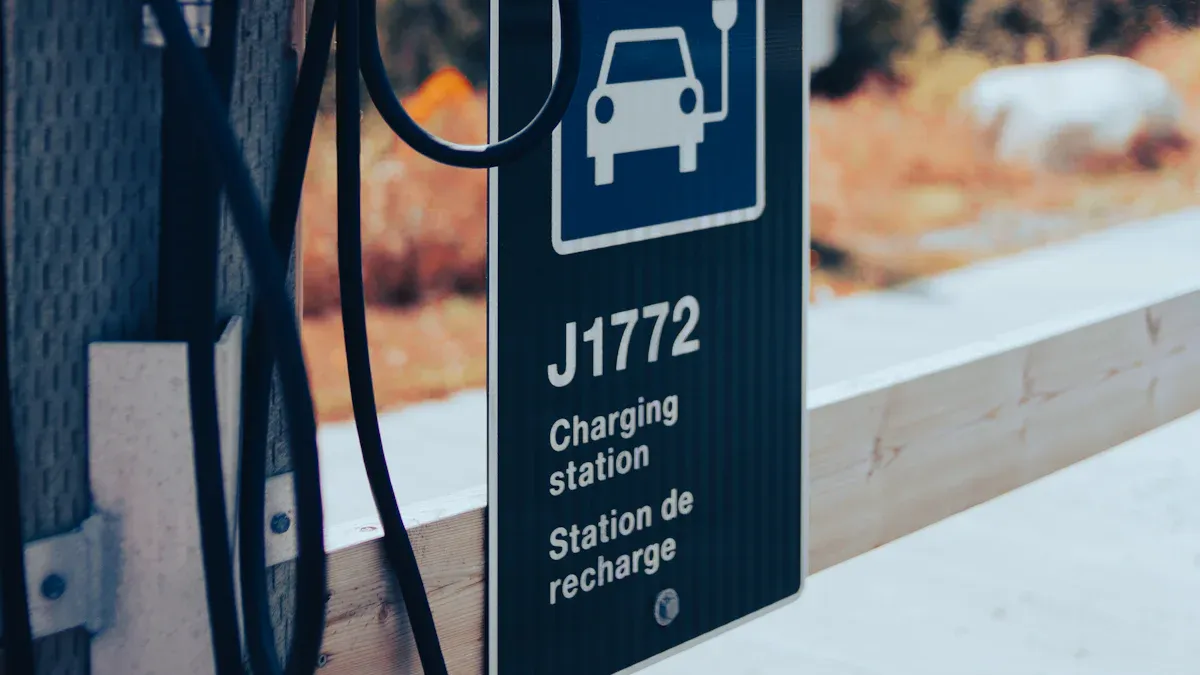
The J1772 connector stands as one of the most common EV plug types for electric vehicles imported from Japan. Manufacturers design the J1772 plug with five pins, supporting single-phase charging only. The connector uses a manual locking clip for secure attachment. Many Japanese EVs, including Tesla models, rely on J1772 for efficient charging. The plug features high-grade, weather-resistant materials, weighs about 0.2kg, and offers enhanced safety through over-current protection and short-circuit prevention. Owners benefit from a simple plug-and-play design, which ensures easy connection and reliable performance.
| Feature/Specification | Açıklama |
|---|---|
| Konektör Tipi | Type1 J1772 to Tesla |
| Malzeme | High-grade, weather-resistant plastic and metal components |
| Ağırlık | 0.2kg |
| Uyumluluk | Tesla Model X, Model Y, Model 3, and Model S |
| High-Quality Construction | Durable, weather-resistant materials for long-lasting performance |
| Efficient Charging | Facilitates fast and efficient charging to reduce downtime |
| Geliştirilmiş Güvenlik | Over-current protection and short-circuit prevention |
Japanese Import EVs and J1772
Japanese import EVs typically use the J1772 plug. This standard dominates North America, Japan, and Taiwan. Owners in Malaysia often face ev plug compatibility issues because local charging stations use a different connector. To resolve compatibility, drivers must purchase adapters that bridge J1772 and Type 2 plug standards.
Type 2 Connector Overview
Features of Type 2
The Type 2 plug, also known as Mennekes, features seven pins and supports both single-phase and three-phase charging. The plug uses an automatic locking mechanism, which increases safety and convenience. Type 2 offers a maximum charging capacity of up to 22 kW, making it suitable for faster charging sessions. The connector adheres to the EN 62196 standard, which ensures compatibility across many EV models in Europe and Malaysia.
Malaysian Charger Infrastructure
Malaysia’s charging stations primarily use the Type 2 plug. This infrastructure supports both AC and DC charging, thanks to the combined charging system (CCS). The widespread adoption of Type 2 in Malaysia means Japanese import EV owners must use adapters to achieve ev plug compatibility. Charging stations in Malaysia provide reliable power and performance, but only when the vehicle’s plug matches the charger.
Compatibility Differences
Physical Design
J1772 and Type 2 plugs differ in pin layout and locking mechanisms. J1772 uses five pins and a manual clip, while Type 2 features seven pins and an automatic lock. These physical differences create compatibility challenges for Japanese import EVs at Malaysian charging stations.
| Özellik | J1772 (Tip 1) | Tip 2 |
|---|---|---|
| Pin Layout | 5 pins | 7 pins |
| Kilitleme Mekanizması | Manual locking clip | Automatic locking mechanism |
Charging Speed and Power
Type 2 plug supports higher charging speeds, with capacities up to 22 kW. J1772 offers up to 7.4 kW. The difference in charging speed impacts how quickly drivers can recharge their EVs. Type 2’s three-phase support allows for more efficient charging, especially at public charging stations.
Bölgesel Kullanım
J1772 dominates in North America, Japan, and Taiwan. Type 2 leads in Europe and Malaysia. These regional preferences influence charger infrastructure and compatibility. Japanese import EV owners in Malaysia must address ev plug compatibility by using adapters, ensuring their vehicles can connect to local charging stations.
Owners should always check plug compatibility before visiting a charger to avoid charging delays.
J1772 to Type 2 Adapters: How They Work
Adapter Functionality
Connecting J1772 to Type 2 Chargers
J1772 to type 2 adapters bridge the gap between Japanese import EVs and Malaysian charging stations. The adapter connects the J1772 plug on the vehicle to the Type 2 socket found at most local chargers. Drivers insert the J1772 plug into the adapter, then attach the adapter to the Type 2 charger. This process enables seamless charging, allowing the vehicle to draw power from the station without compatibility issues. The adapter ensures that the physical connection matches both plug types, making it possible for Japanese EVs to access Malaysia’s charging infrastructure.
Power and Communication Handling
The adapter manages both power transfer and communication between the vehicle and the charger. It translates the signals from the J1772 plug to the Type 2 charger, ensuring proper handshake and safety protocols. The adapter supports single-phase charging, which matches the capabilities of most Japanese EVs. It also handles the communication required for charging authorization and session monitoring. The adapter maintains the integrity of the charging process, preventing errors and interruptions. This level of functionality allows drivers to use public charging stations confidently.
Compatibility with EVs and Chargers
Supported Japanese Import EV Models
Many Japanese import EVs rely on the J1772 plug for charging. Models such as Nissan Leaf, Mitsubishi Outlander PHEV, and certain Tesla vehicles use the sae j1772 plug. The adapter supports these vehicles, ensuring compatibility with Malaysian charging stations. Owners of Japanese EVs benefit from the adapter’s ability to connect their vehicles to Type 2 chargers, eliminating the need for specialized infrastructure.
Supported Malaysian Charging Stations
Malaysian charging stations primarily feature Type 2 sockets. The adapter allows Japanese EVs to use these stations without modification. Drivers can access both public and private chargers, including portable units. The adapter works with most level 2 charging stations, providing flexibility and convenience. Compatibility extends to stations from various manufacturers, making the adapter a versatile solution for EV owners.
Tip: Always check the compatibility of your EV charging plugs and charging stations before starting a session.
Safety and Limitations
Yerleşik Güvenlik Özellikleri
J1772 to type 2 adapters incorporate several güvenli̇k özelli̇kleri̇. Manufacturers design the adapter with impact resistance rated to 1m, ensuring durability during daily use. Waterproof protection meets IP54 standards, allowing safe operation in wet conditions. The adapter complies with multiple safety standards, including SAE J2929, ISO 26262, and ECE R100. These features protect both the vehicle and the charger during charging.
- Impact resistance up to 1 meter
- Waterproof protection (IP54)
- Compliance with international safety standards
Power Limits and Restrictions
The adapter supports single-phase charging, which matches the capabilities of most Japanese EVs. Charging speed depends on the vehicle and the charger, with a maximum output typically around 7.4 kW. The adapter cannot increase the charging speed beyond the limits of the J1772 plug or the vehicle’s onboard charger. Drivers must avoid overloading the adapter by checking amperage and voltage ratings before use. The adapter ensures safe operation within these limits, preventing overheating and electrical hazards.
Weather Resistance and Durability
Manufacturers build the adapter with high-grade materials to withstand harsh environments. The adapter meets protection classes such as IP6K9K and IP6K7, offering resistance to dust and water. Operating temperature ranges from -40°C to 105°C, making the adapter suitable for Malaysia’s climate. The adapter’s robust construction ensures long-lasting performance, even with frequent use at outdoor charging stations.
| Standart | Açıklama |
|---|---|
| SAE J1772 | North American standard for electrical connectors for electric vehicles. |
| IEC 61851-1 | International standard for EV conductive charging systems. |
| SAE J2929 | Electric and Hybrid Vehicle Propulsion Battery System Safety. |
| ISO 26262 | Road Vehicles – Functional safety standard. |
| ISO 6469-3 | Safety specifications for electric road vehicles. |
| ECE R100 | Protection against electric shock standard. |
| IEC 61000 | Electromagnetic Compatibility (EMC) standard. |
| IEC 61851-21 | Requirements for conductive connection to AC/DC supply for electric vehicles. |
| IEC 60950 | Safety of Information Technology Equipment standard. |
| UL 2202 | Standard for Electric Vehicle (EV) Charging System Equipment. |
| FCC Part 15 B | EMC emission measurement services for information technology equipment. |
| IP6K9K, IP6K7 | Protection classes for environmental resistance. |
| Temperature Range | Operating temperature range from -40°C to 105°C. |
Note: The adapter must meet these standards to ensure safe and reliable charging for electric vehicles.
Choosing the Right J1772 to Type 2 Adapter
Key Features for Compatibility
Amperage and Voltage Ratings
First-time EV owners often overlook amperage and voltage ratings when selecting j1772 to type 2 adapters. These ratings determine the maximum power that the adapter can safely handle during charging. Most Japanese import electric vehicles support 240V AC single-phase charging at 16A, which delivers up to 3.7kW per hour. Owners should always match the adapter’s ratings with their vehicle’s requirements to ensure safe and efficient charging at any station.
Cable Length and Build Quality
Cable length and build quality play a crucial role in daily use. A longer cable offers flexibility at public charger locations, especially when the charging station’s plug is not close to the vehicle’s port. High-quality materials, such as weather-resistant plastics and robust electrical connections, increase durability and safety. Universal adapters with IP55 waterproof ratings withstand Malaysia’s humid climate and frequent rain, making them ideal for outdoor charging stations.
Certification and Standards
Certification ensures that the adapter meets international safety and performance standards. TPSON and other reputable brands design universal adapters that comply with IEC 61851, SAE J1772, and other relevant standards. These certifications guarantee compatibility with both ac ev charging and dc ev charging connectors. Owners should always check for certification marks before purchasing to avoid compatibility issues and ensure reliable charging.
Tip: Use a compatibility checklist to confirm that the adapter supports your EV model, charging connectors, and local charging stations.
| Özellik | Açıklama |
|---|---|
| Evrensel Uyumluluk | Fully compatible with all UK and European standard charging points, ensuring seamless connection. |
| Performans | Supports 240V AC Single Phase and 16A, charging at up to 3.7KW per hour for efficient performance. |
| Güvenlik Özellikleri | Designed for durability with IP55 waterproof rating and robust electrical connections for safety. |
| Ease of Use | Plug-and-play design for simple operation without vendor lock-in or app registrations. |
Where to Buy Adapters in Malaysia
Local Retailers
Many local retailers in Malaysia stock universal adapters for j1772 charging connectors. These stores often provide hands-on advice for first-time EV owners and allow buyers to inspect the plug and cable quality before purchase. TPSON offers advanced solutions through authorized dealers, ensuring reliable compatibility and after-sales support.
Online Marketplaces
Online marketplaces provide a wide selection of universal adapters for various charging connectors. Shoppers can compare prices, read product specifications, and select adapters that match their EV plug compatibility needs. Most platforms offer fast delivery to major cities and towns, making it convenient for EV owners to access the right adapter.
Importing from Overseas
Some owners choose to import universal adapters from overseas suppliers. This option expands the range of available products, including specialized adapters for unique charging connectors. Buyers should verify certification and compatibility with Malaysian charging stations before importing to avoid issues with level 2 charging or dc ev charging.
Price Range and Warranty
Typical Costs
The price of a J1772 to Type 2 adapter varies based on features and build quality. In Malaysia, the cost typically starts at $84.00 for a basic Type 1 to Type 2 EV car adapter. Universal adapters with tethered cables range from £76.67 to £130.40, depending on cable length and additional safety features.
- Type 1 to Type 2 EV Car Adapter: $84.00
- Type 2 Tethered Cable: £76.67 – £130.40
Garanti ve Destek
Warranty and support provide peace of mind for first-time EV owners. Leading brands like TPSON offer warranties that cover manufacturing defects and ensure long-term reliability. Buyers should always check warranty terms and available support channels before purchasing an adapter for their charging station.
Note: Reliable warranty and support help maintain safe and efficient charging for all electric vehicles.
Step-by-Step Guide: Using J1772 to Type 2 Adapters
Preparing Your EV and Adapter
Inspecting the Adapter
Before starting any charging session, drivers should inspect the adapter for signs of damage or wear. They check the plug ends for cracks, bent pins, or corrosion. A clean and intact adapter ensures safe operation and maintains ev plug compatibility. Drivers verify that the locking mechanism functions smoothly. They also confirm that the waterproof seals remain intact. A quick inspection prevents unexpected issues at charging stations.
Checking Your EV’s Charging Port
Drivers examine the charging port on their EV for debris or moisture. They look for any obstructions that could interfere with the plug connection. A clean charging port allows the adapter to fit securely. Drivers confirm that the port matches the j1772 standard. They check for any signs of wear or loose fittings. Proper preparation ensures reliable compatibility and efficient charging.
Connecting to a Charger
Plugging in the Adapter
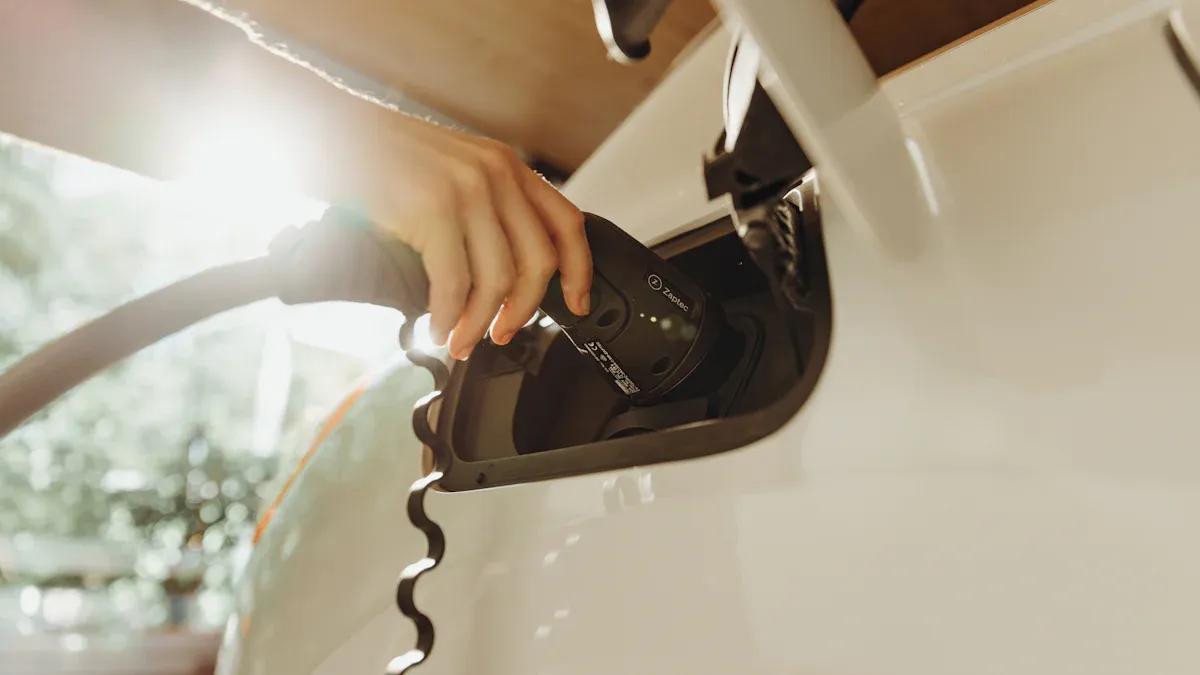
Drivers align the j1772 plug with the adapter and insert it firmly. They listen for a click that signals a secure connection. Next, they connect the adapter to the Type 2 charger at the station. The plug must fit tightly to prevent interruptions during charging. Drivers check that both ends lock in place. A secure connection supports safe power transfer and communication between the EV and the charger.
Starting the Charging Session
After connecting the adapter, drivers activate the charging station. They follow the instructions on the station’s display or app. The charger initiates a handshake with the EV through the adapter. Drivers monitor the station for confirmation that charging has started. They check the EV dashboard for charging indicators. A successful session begins when both the station and the vehicle display active charging status.
Tip: If the charging session does not start, drivers should recheck all plug connections and consult the station’s troubleshooting guide.
Safe Operation Tips
Ücretlendirme İlerlemesinin İzlenmesi
Drivers monitor the charging progress using the EV dashboard or the station’s display. They check the charging speed and estimated completion time. If the station supports notifications, drivers enable alerts for charging status updates. Regular monitoring helps detect any interruptions or errors early.
Disconnecting Safely
When charging completes, drivers stop the session using the station controls. They unlock the plug from the charger and adapter. Drivers remove the adapter from the EV charging port. They avoid pulling on the cable to prevent damage. Safe disconnection protects both the adapter and the vehicle’s charging port.
Storing the Adapter Properly
Drivers store the adapter in a dry, secure location after use. They avoid exposure to extreme temperatures or moisture. Proper storage extends the adapter’s lifespan and maintains reliable compatibility. Drivers keep the adapter in a dedicated case or compartment to prevent accidental damage.
| Adım | Eylem |
|---|---|
| Inspect Adapter | Check for damage, clean plug ends, verify locking mechanism |
| Check Charging Port | Remove debris, confirm j1772 standard, inspect for wear |
| Connect Adapter | Align plug, insert firmly, lock both ends |
| Start Charging | Activate station, monitor dashboard, confirm charging status |
| Monitor Progress | Check speed, enable alerts, watch for errors |
| Disconnect Safely | Stop session, unlock plug, remove adapter carefully |
| Store Adapter | Keep dry, use case, avoid extreme conditions |
Note: Following these steps ensures safe and efficient charging at all Malaysian charging stations.
Common Mistakes with Compatibility
Drivers often encounter issues when connecting Japanese import EVs to Malaysian charging stations. Understanding common mistakes helps prevent disruptions and ensures safe charging sessions. The following analysis highlights frequent errors related to plug compatibility and provides practical guidance.
Using the Wrong Adapter Type
Selecting the correct adapter remains essential for successful charging. Many owners mistakenly purchase adapters designed for different plug standards. For example, a Type 2 to Type 1 adapter will not fit a J1772 plug. This mismatch prevents the EV from connecting to the station and may damage the charging port. He should always verify the plug type before buying an adapter. A compatibility chart assists in matching the vehicle’s plug with the station’s socket.
| Fiş Tipi | Compatible Adapter Needed | Result of Wrong Adapter |
|---|---|---|
| J1772 (Tip 1) | J1772 to Type 2 | No charging possible |
| Tip 2 (Mennekes) | Type 2 to J1772 | No charging possible |
Tip: He should check the plug shape and pin configuration before purchasing any adapter.
Overloading the Adapter
Overloading occurs when the charging station supplies more power than the adapter can handle. Some drivers connect their EV to high-capacity stations without checking the adapter’s amperage and voltage ratings. This mistake leads to overheating, electrical faults, or even permanent damage to the plug and charging port. She must always match the adapter’s specifications with the station’s output and the vehicle’s requirements. Monitoring the charging session prevents accidental overloads.
- Check the adapter’s maximum amperage rating.
- Confirm the station’s power output.
- Monitor the plug for signs of heat during charging.
Alert: Overloading the adapter can void warranties and compromise safety.
Ignoring Weather Conditions
Weather conditions affect the performance and safety of charging equipment. Many drivers ignore rain, humidity, or extreme temperatures when connecting the plug to the station. Moisture can enter the charging port, causing corrosion or electrical shorts. He should use adapters with proper waterproof ratings and store them in dry locations. She must avoid charging outdoors during heavy rain unless the adapter meets high-level protection standards.
| Weather Condition | Risk to Plug and Adapter | Önerilen Eylem |
|---|---|---|
| Rain | Water ingress | Use waterproof adapter |
| Nem | Korozyon | Store adapter in dry place |
| Extreme Heat | Material degradation | Avoid charging midday |
Note: Always inspect the plug and adapter for moisture or debris before starting a charging session.
Drivers who avoid these mistakes achieve reliable compatibility and extend the lifespan of their charging equipment. He should remain vigilant during every charging session and follow manufacturer guidelines for safe operation.
Troubleshooting J1772 to Type 2 Adapter Issues
Adapter Not Recognized by Charger
Olası Nedenler
A charger may fail to recognize the J1772 to Type 2 adapter for several reasons. He should check for outdated software on either the vehicle or the charging station. Faulty firmware can prevent proper communication between the plug and the charger. Physical damage, such as cracked housings or corroded pins, often disrupts the connection. Loose wiring inside the adapter or plug can also cause recognition issues. Environmental factors, including dust or moisture, may interfere with the electrical contacts.
- Outdated software or firmware
- Physical damage to plug or adapter
- Loose or damaged wiring
- Dust or moisture in the charging port
Quick Fixes
She can resolve most recognition problems with simple steps. First, she should update the vehicle and charging station firmware to the latest version. Next, she needs to inspect the plug and adapter for visible damage. Cleaning the charging port with a dry cloth removes dust and moisture. If wiring appears loose, he should consult a technician for repair. Restarting the charger sometimes restores proper communication.
İpucu: Regular maintenance and software updates help prevent recognition issues at charging stations.
Şarj Beklenmedik Bir Şekilde Duruyor
Diagnosing the Problem
Charging interruptions can frustrate EV owners. He should start by checking the plug for physical damage. Cracked housings or corroded pins often cause charging to stop. Loose wiring inside the adapter may lead to intermittent power flow. Outdated software on the vehicle or charger can also trigger unexpected stops. Environmental factors, such as dust or moisture, may affect the charging port and disrupt the session.
| Cause | Diagnostic Action |
|---|---|
| Physical damage | Inspect plug and adapter |
| Loose wiring | Check internal connections |
| Outdated software | Update firmware |
| Çevresel faktörler | Clean charging port |
Bundan Sonra Ne Yapmalı
She should address the root cause before restarting the session. If physical damage exists, she must replace the plug or adapter. For loose wiring, he should seek professional repair. Updating firmware on both the vehicle and charger ensures compatibility. Cleaning the charging port removes environmental contaminants. After resolving the issue, he can reconnect the adapter and resume charging.
Alert: Ignoring repeated interruptions may lead to permanent damage to the plug or adapter.
Physical Damage or Wear
Signs to Watch For
Physical damage or wear reduces the reliability of the J1772 to Type 2 adapter. He should look for cracks in the plug housing, bent or corroded pins, and frayed cables. She may notice difficulty locking the plug into the charger. Discoloration or melting near the plug indicates overheating. Routine inspection helps identify these issues early.
- Cracked plug housing
- Bent or corroded pins
- Frayed or damaged cables
- Difficulty locking plug
- Discoloration or melting
When to Replace the Adapter
He should replace the adapter if any signs of damage appear. Persistent charging interruptions, even after cleaning and updating software, suggest internal faults. She must avoid using adapters with visible wear to prevent safety hazards. Purchasing a new adapter ensures reliable charging at any level of charging stations.
Note: Timely replacement of damaged adapters protects the EV and maintains safe operation.
Practical Tips for Japanese Import EV Owners
Planning Charging Stops for Compatibility
Uyumlu Şarj Cihazları Bulma
He should always plan ahead before starting a journey with a Japanese import EV. Many charging stations in Malaysia use the Type 2 plug, so he must uyumluluğu doğrulamalıdır. with his vehicle’s j1772 connector. Owners can check station details online or visit manufacturer websites for updated information. Some stations display plug types and power levels on their apps or signage. A quick review helps him avoid unnecessary delays and ensures a smooth charging experience.
| Station Name | Fiş Tipi | Güç Seviyesi | Konum |
|---|---|---|---|
| ChargeNow KL | Tip 2 | AC 22 kW | Kuala Lumpur |
| EV Connection JB | Tip 2 | AC 7.4 kW | Johor Bahru |
| GreenTech Penang | Tip 2 | AC 11 kW | Penang |
Using Charging Apps
She can use charging apps to locate compatible stations. Apps like PlugShare and ChargEV provide real-time updates on station availability and plug types. These platforms allow users to filter by connector standards and power levels. He can set alerts for nearby stations and check reviews from other EV owners. Charging apps simplify route planning and help drivers maximize efficiency during long trips.
Tip: Charging apps often include user ratings and photos, making it easier to identify reliable stations.
Keeping a Backup J1772 to Type 2 Adapter
Why It’s Useful
A backup adapter offers peace of mind for Japanese import EV owners. He may encounter unexpected issues with the primary adapter, such as physical damage or malfunction. Carrying a spare ensures uninterrupted access to charging stations, especially during long journeys or at remote locations. She avoids delays and maintains flexibility when switching between different charger types.
Recommended Storage Practices
He should store the backup adapter in a dedicated case to protect it from moisture and dust. The case must fit securely in the vehicle’s trunk or glove compartment. She checks the adapter regularly for signs of wear and keeps it away from extreme temperatures. Proper storage preserves the adapter’s durability and ensures reliable compatibility at every charging stop.
- Use a waterproof case for storage.
- Adaptörü aylık olarak kontrol edin.
- Kılıfın üzerine ağır nesneler yerleştirmekten kaçının.
Şarj Altyapısındaki Gelişmeleri Takip Etme
Malezya'daki Yeni Gelişmeler
Yeni şarj istasyonları ve altyapı yükseltmeleri hakkında bilgi sahibi olmalıdır. Malezya makamları ve EV sektör grupları, yeni konumları ve güç seviyelerini basın bültenleri ve sosyal medya aracılığıyla duyurur. Daha hızlı şarj veya gelişmiş fiş uyumluluğu gibi ileri özelliklere sahip istasyonlar hakkında bilgi edinmek için resmi kanalları takip eder. Güncel kalmak, kullanıcıların rota planlamasına ve en son teknolojilere erişmesine yardımcı olur.
Yerel EV Topluluklarına Katılma
Yerel EV topluluklarına ve çevrimiçi forumlara katılarak fayda sağlar. Bu gruplar, birinci elden deneyimleri, istasyon incelemelerini ve sorun giderme ipuçlarını paylaşır. Şarj cihazı uyumluluğu hakkında sorular sorabilir ve deneyimli kullanıcılardan tavsiye alabilir. Topluluk katılımı, bilgi paylaşımını teşvik eder ve sürücüleri altyapı değişikliklerinden haberdar eder.
Not: EV topluluklarına aktif katılım, kullanıcıların gelişen teknolojiye uyum sağlamasına ve optimum şarj uygulamalarını sürdürmesine yardımcı olur.
- Malezya'daki sürücüler, Japon ithal EV'lerini j1772'den tip 2 adaptörleriyle kolayca şarj edebilir.
- Kaliteli adaptörler, her seviyedeki kamu altyapısında uyumluluğu garanti eder.
- Kullanıcılar en iyi uygulamaları takip ettiğinde güvenli şarj rutin hale gelir.
Doğru bilgiyle, her EV sahibi Malezya'nın şarj ağını güvenle kullanabilir.
SSS
J1772'den Tip 2'ye adaptör nedir?
J1772'den Tip 2'ye adaptör, J1772 fişli Japon ithal EV'lerini, Tip 2 priz kullanan Malezya şarj istasyonlarına bağlar. Adaptör, sorunsuz şarj sağlar ve farklı fiş standartları arasında uyumluluğu garanti eder.
Hangi Japon EV modelleri J1772'den Tip 2'ye adaptörleri destekler?
Adaptörü Nissan Leaf, Mitsubishi Outlander PHEV ve Japonya'dan ithal edilen belirli Tesla modelleriyle kullanabilir. Adaptör, J1772 şarj portuna sahip çoğu Japon EV'inde çalışır.
J1772'den Tip 2'ye adaptörler açık hava şarjı için güvenli midir?
Üreticiler, adaptörleri IP54 veya IP55 gibi su geçirmezlik dereceleriyle tasarlar. Adaptör bu standartları karşılıyorsa açık havada güvenle şarj edebilir. Kullanmadan önce adaptörü hasar açısından her zaman kontrol edin.
İpucu: Adaptörün ömrünü uzatmak için şarj işleminden sonra kuru bir kılıfta saklayın.
Japon ithal bir EV adaptör kullanarak ne kadar hızlı şarj olabilir?
Şarj hızı araca ve istasyona bağlıdır. Çoğu adaptör, tek fazlı şarj için 7.4 kW'a kadar destek sağlar. Desteklenen maksimum hız için EV'nin dahili şarj cihazı özelliklerini kontrol etmelidir.
| Adaptör Tipi | Maksimum Güç Çıkışı |
|---|---|
| J1772 to Type 2 | 7,4 kW |
Kullanıcılar Malezya'da J1772'den Tip 2'ye adaptörleri nereden satın alabilir?
Adaptörleri yerel EV perakendecilerinden, çevrimiçi pazaryerlerinden satın alabilir veya yurtdışı tedarikçilerden ithal edebilir. Satın almadan önce Malezya şarj istasyonlarıyla sertifikalarını ve uyumluluğunu her zaman doğrulayın.
Adaptör çalışmayı durdurursa sürücüler ne yapmalı?
Adaptörü fiziksel hasar açısından kontrol etmeli, gevşek kablolama olup olmadığını kontrol etmeli ve şarj portunu temizlemelidir. Sorun devam ederse, güvenli şarjı sağlamak için üreticiyle iletişime geçin veya adaptörü değiştirin.
Sürücüler adaptörü Malezya'daki tüm şarj istasyonlarında kullanabilir mi?
Tip 2 prizli çoğu kamu istasyonu adaptörü destekler. Ziyaret etmeden önce uyumluluğu onaylamak için şarj uygulamalarını veya web sitelerini kullanarak istasyon detaylarını kontrol etmelidir.