The First-Mover Advantage: Why Brazilian Businesses Should Invest in Commercial EV Charging Now
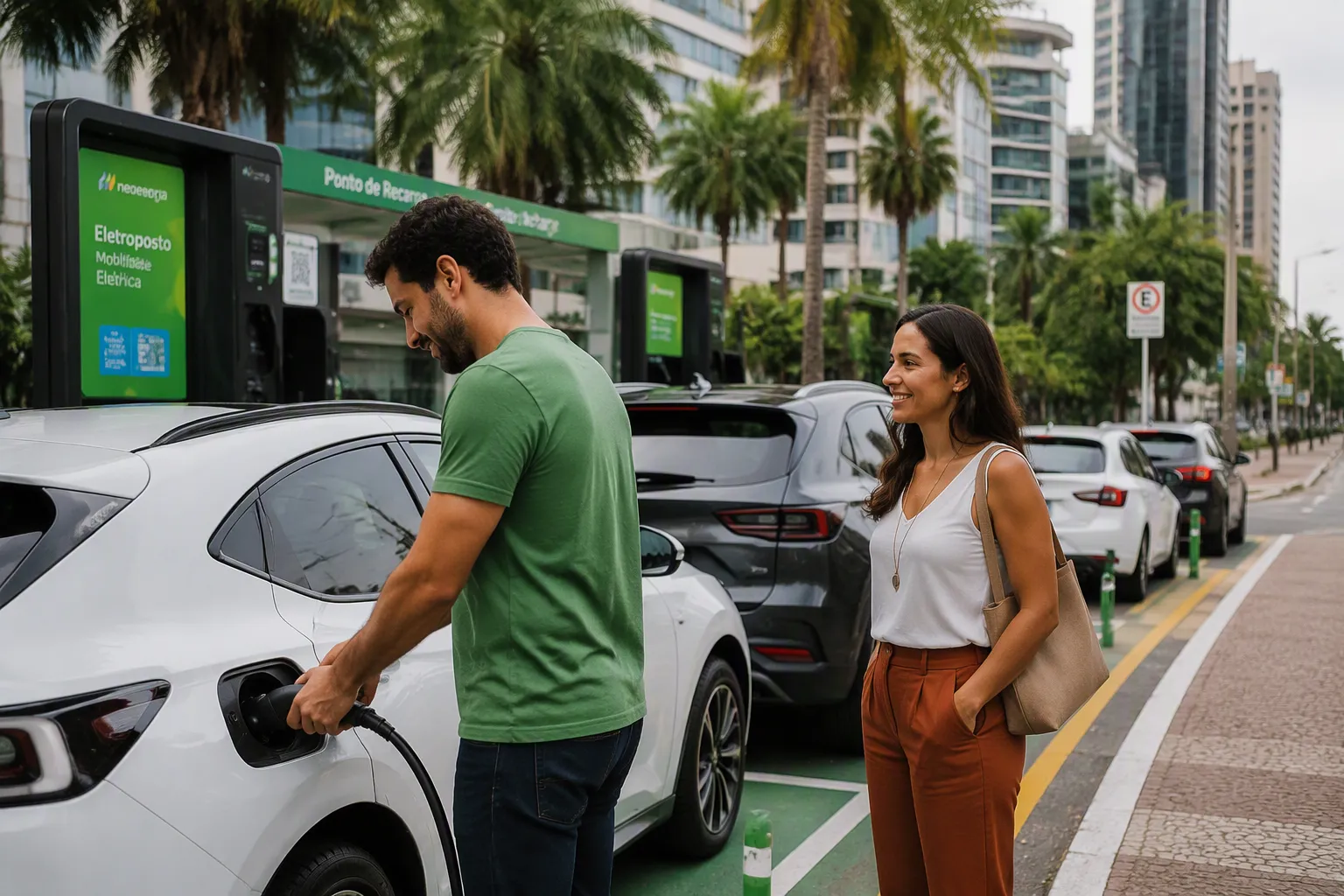
Brazilian businesses secure a first-mover advantage by investing in EV charging now, capturing market share, incentives, and lasting brand leadership.

Brazilian businesses secure a first-mover advantage by investing in EV charging now, capturing market share, incentives, and lasting brand leadership.

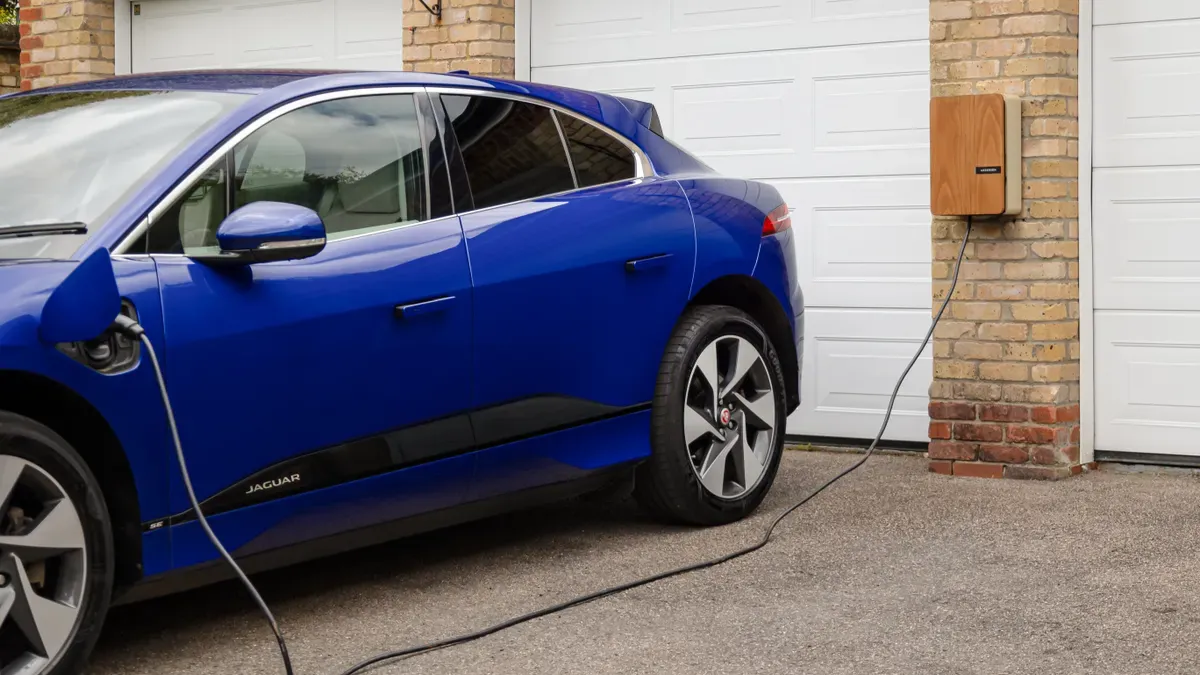
A cluttered garage floor is not just an aesthetic issue; unmanaged EV charging cables represent a significant tripping hazard and are susceptible to damage from being stepped on or driven over. Implementing a professional cable management system—ranging from heavy-duty wall hooks to ceiling-mounted pivots—ensures your charging area remains organized, protects your equipment investment, and streamlines your daily plug-in routine.

Portable EV Chargers offer reliable charging for Brazil road trips, ensuring flexibility and safety where public stations are scarce or unreliable.

As the universal standard for AC charging in North America, the J1772 connector is ubiquitous, yet finding a high-quality extension cord that maintains this connection’s integrity requires careful scrutiny of safety certifications. This buyer’s guide breaks down the essential features to look for, from UL-listed components and weather-sealed couplings to the impact of cord length on voltage drop during extended charging sessions.

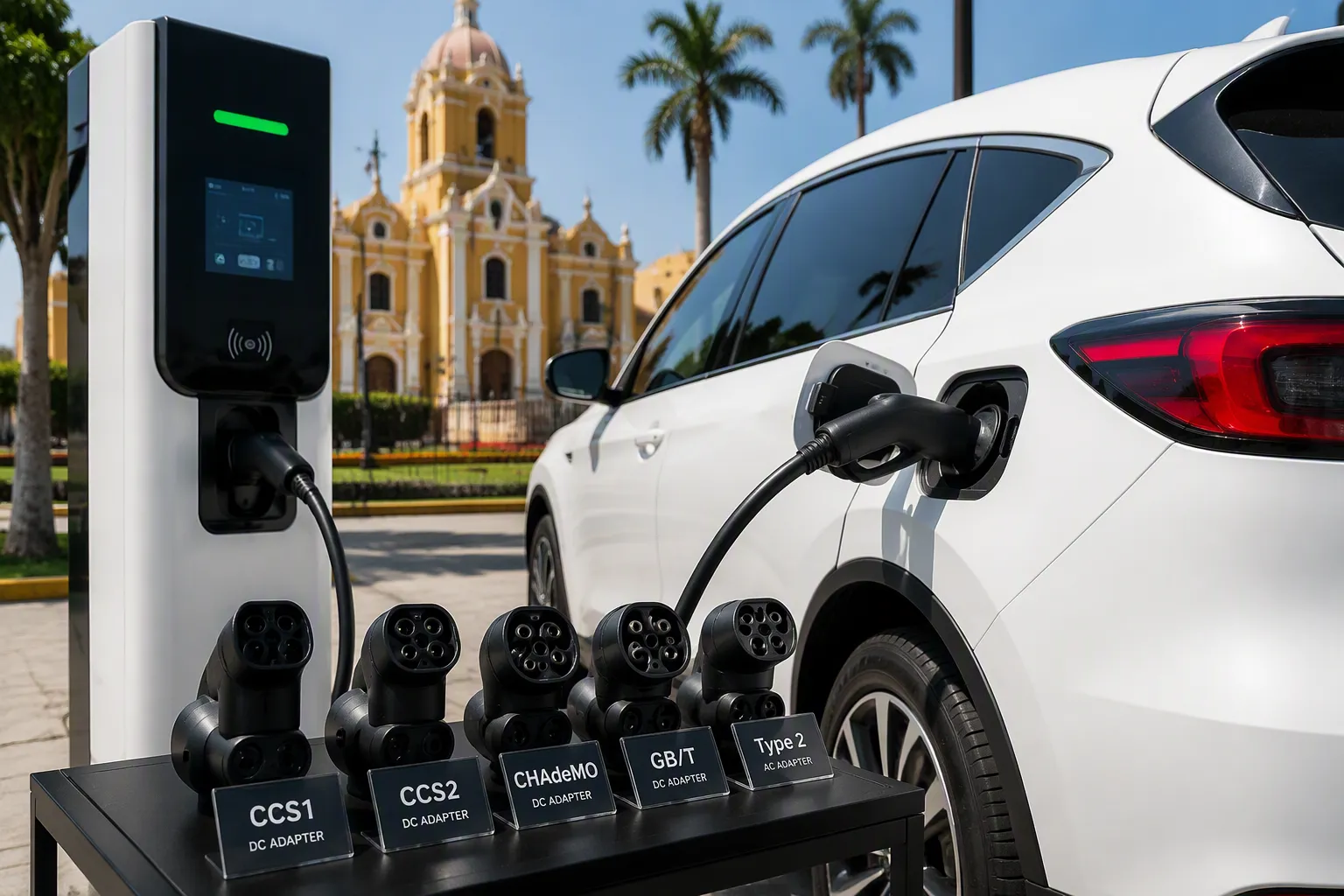
Ensure seamless EV charging between Malaysia and Thailand with the Essential EV Adapter Kit—covering all connector types for safe, stress-free travel.

Understanding the compatibility constraints between Level 1 and Level 2 extension cables is vital for maintaining charging efficiency and preventing hazardous electrical overheating. While both levels may use the standard J1772 interface, the internal wiring gauge and thermal insulation of a Level 2 cable must be significantly more robust to handle the sustained high-voltage throughput that standard Level 1 accessories are simply not engineered to support.

Dangers of Cheap Adapters include fire, electric shock, and voided insurance. Choose certified EV adapters to protect your vehicle, home, and safety.

Using a 12-gauge extension cord for EV charging is a common point of confusion that carries significant safety implications depending on the amperage of the charger. While 12 AWG is standard for many household tools, it is often insufficient for the sustained 16-amp or 20-amp loads of Level 1 and Level 2 chargers, making it vital to understand the “continuous load” rules before plugging in.

The business case for Level 3 EV chargers at French supermarkets and malls centers on increased sales, new revenue streams, and enhanced brand value.

Not all extension cords are created equal, especially when tasked with carrying the continuous, high-wattage load required by an electric vehicle. Finding the best extension cord involves identifying products with the correct wire gauge and weather-resistant insulation, coupled with a deep understanding of the safety protocols necessary to prevent electrical fires during prolonged use.

The business case for Level 2 EV chargers at hotels in Thailand: boost bookings, meet guest demand, and support sustainability with smart charging solutions.

While the standard cables provided with EV chargers are often sufficient, specialized extension and management solutions are frequently required to bridge the gap in complex garage or driveway layouts. This guide explores the engineering requirements for heavy-duty EV extensions and the best practices for cable storage to prevent tripping hazards and premature wear on expensive connectors.

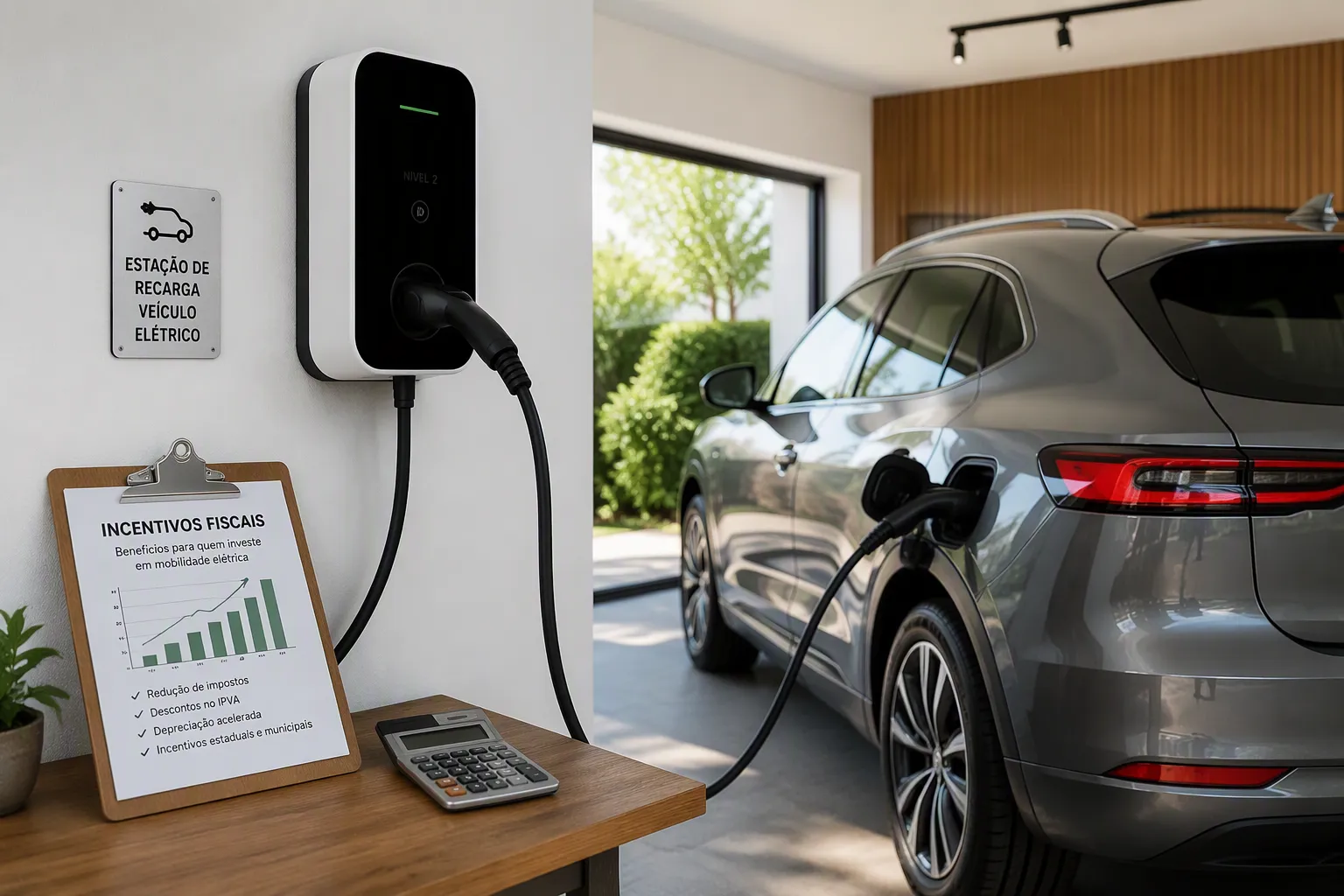
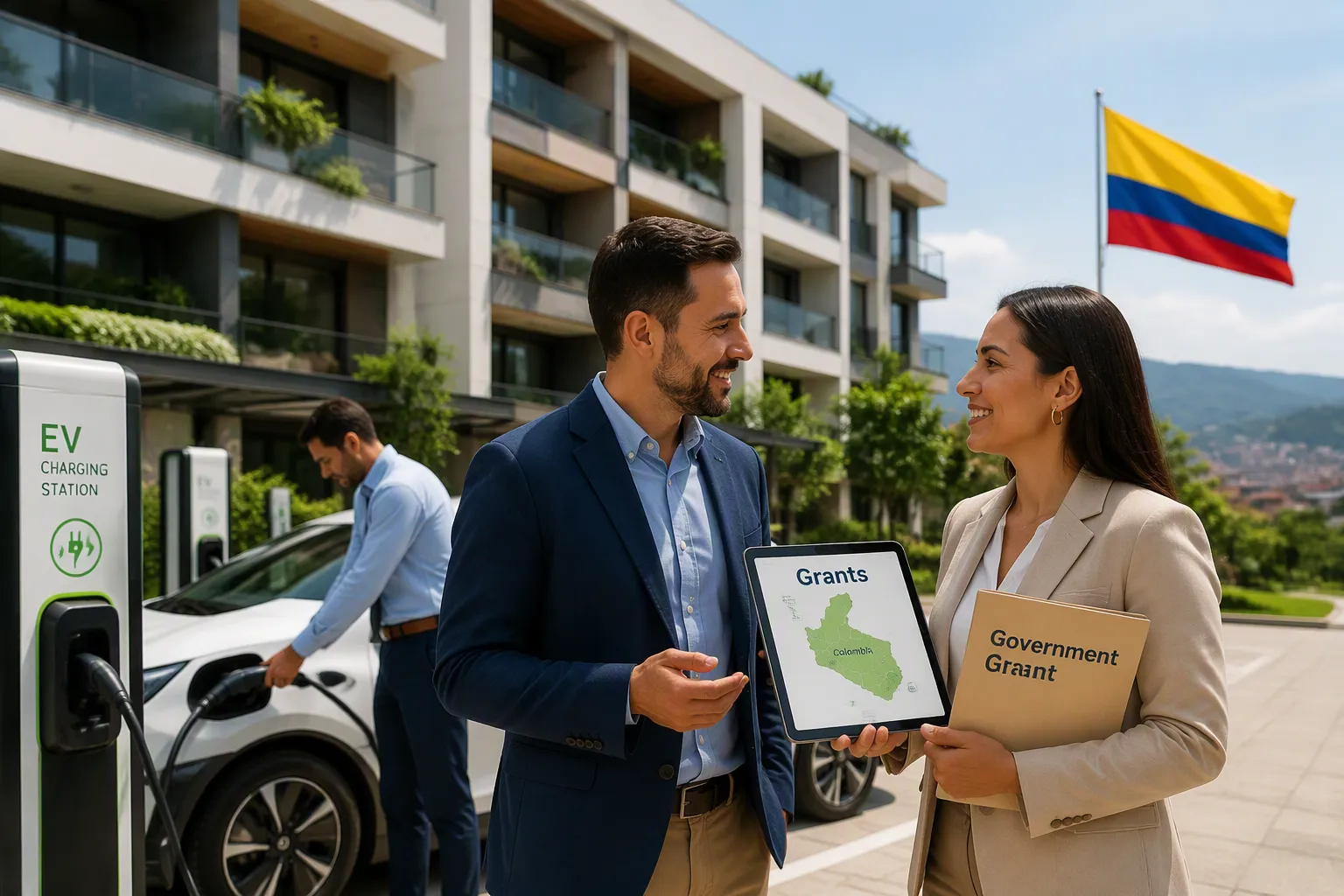
The business case for EV chargers in Brazilian apartments: boost property value, attract tenants, and future-proof investments with sustainable solutions.

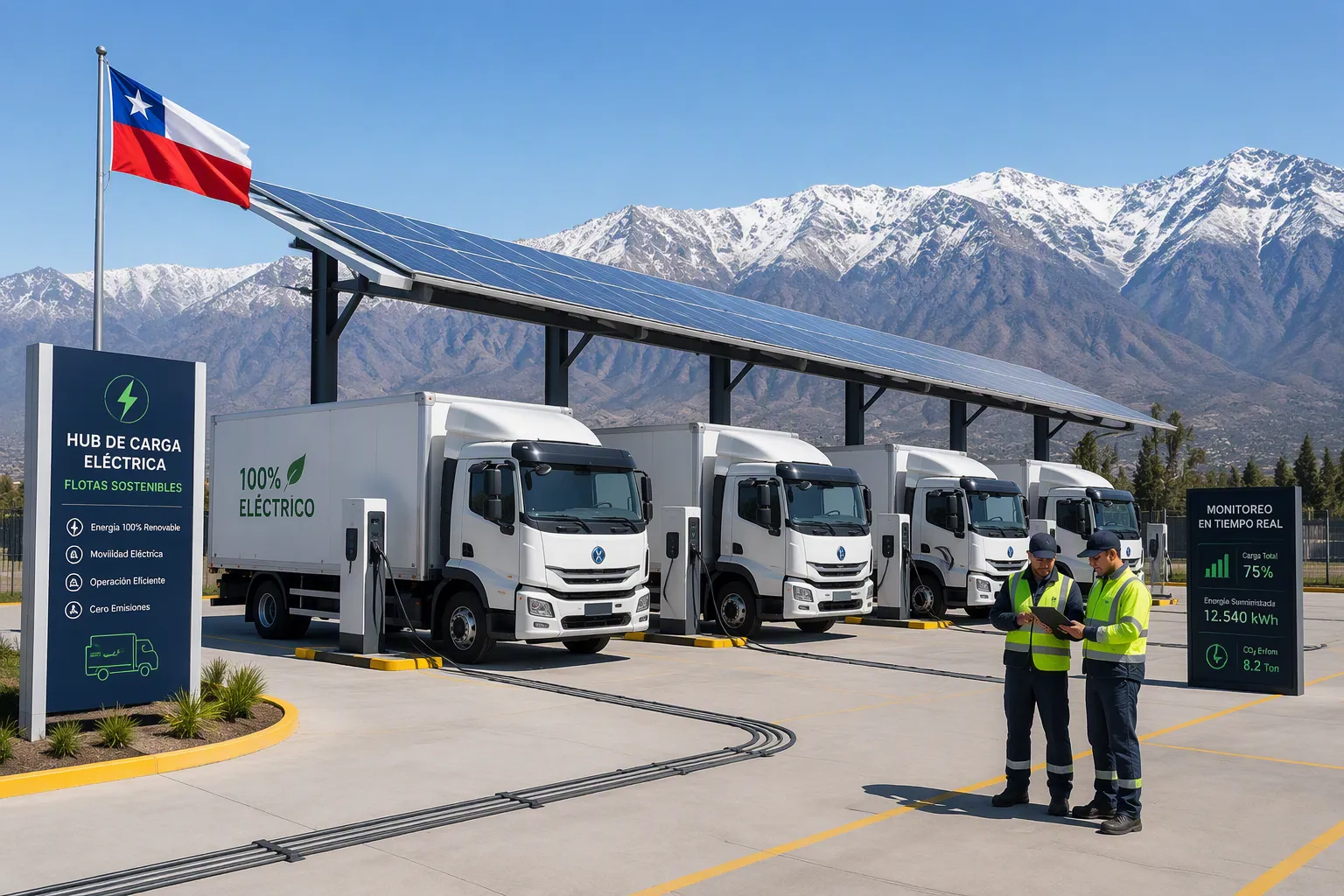
A sophisticated EV fleet charging strategy prioritizes maximum vehicle uptime while minimizing peak-demand utility charges through scheduled off-peak charging. By integrating telematics with smart charging platforms, fleet managers can gain granular control over energy consumption, ensuring that operational efficiency is maintained at the lowest possible cost per mile.

Commercial EV Charging boosts bookings, revenue, and guest loyalty for Italian hotels and restaurants while enhancing sustainability and ROI.

Transitioning a commercial fleet to electric power demands an infrastructure that can grow alongside your vehicle count without requiring a total system overhaul. Scalability in fleet charging hinges on modular hardware and intelligent load-sharing software that can dynamically distribute power, ensuring that every vehicle is mission-ready without exceeding the site’s peak electrical limits.

University campuses represent unique micro-grids that require highly scalable and smart charging solutions to accommodate students, faculty, and visitors. Implementing a centralized charging management system allows educational institutions to balance high-density demand with campus-wide sustainability goals while maintaining the flexibility to expand as EV adoption grows.

Tethered vs. untethered AC wall chargers: Compare convenience, cost, and flexibility to choose the best EV charging solution for German homes in 2025.