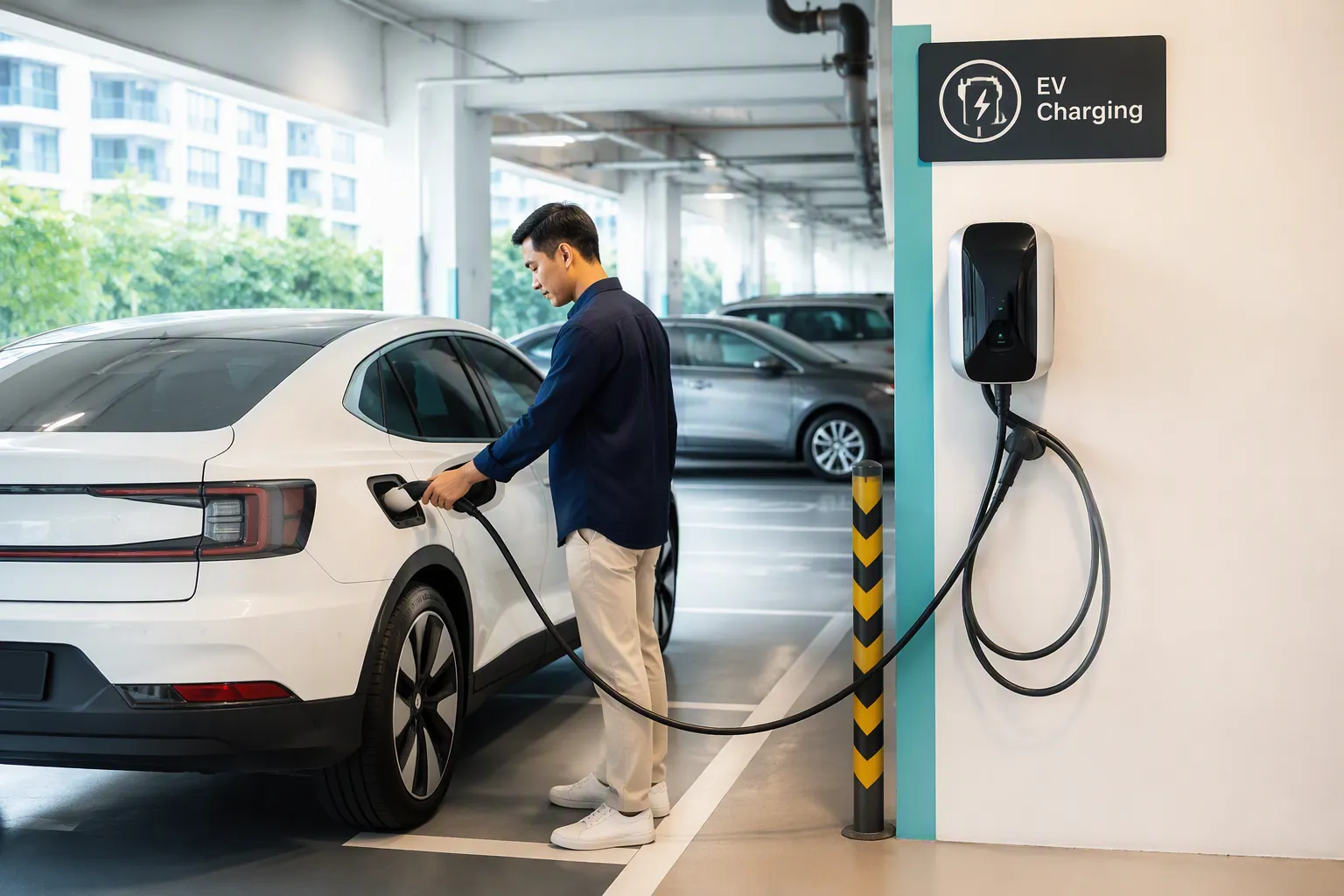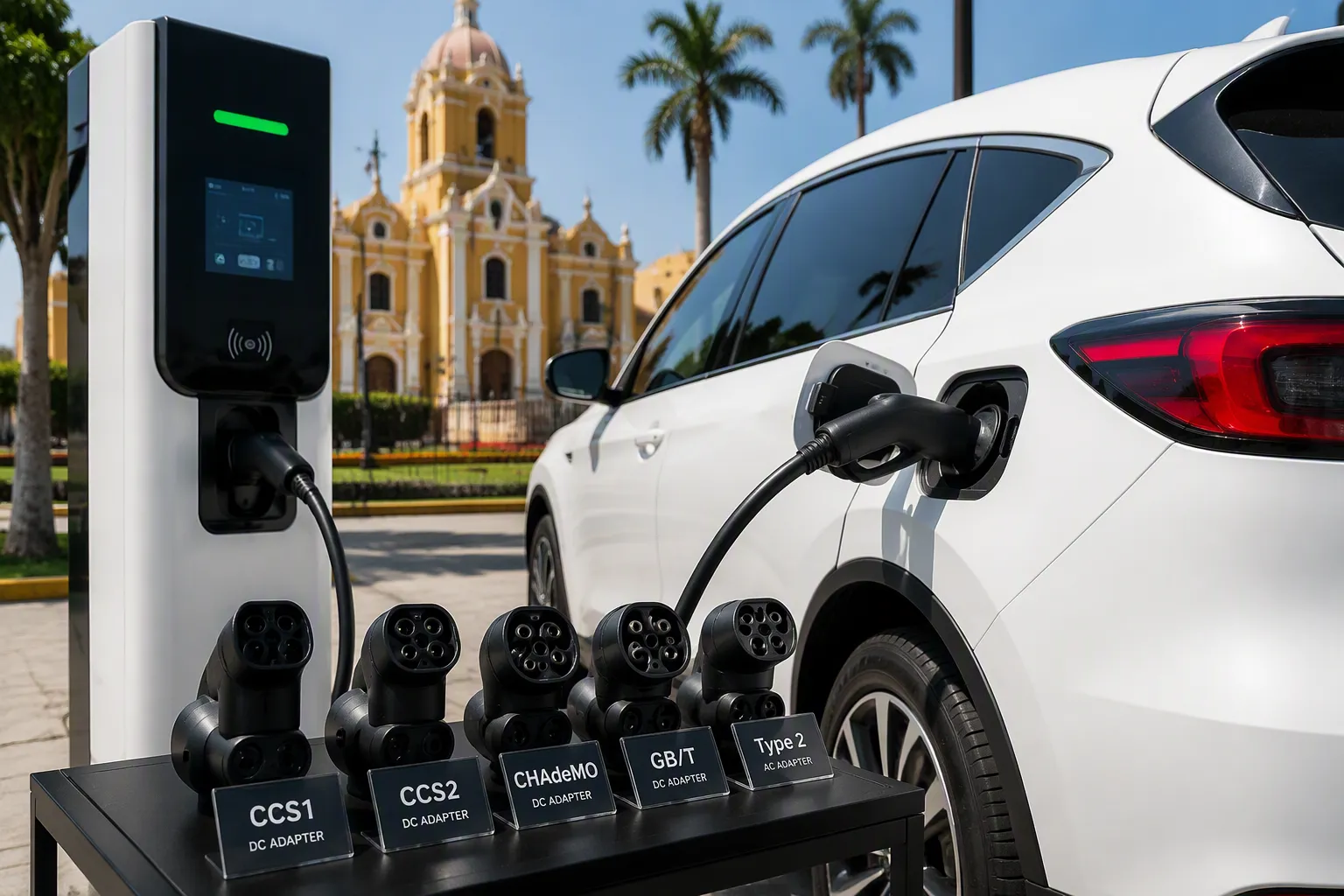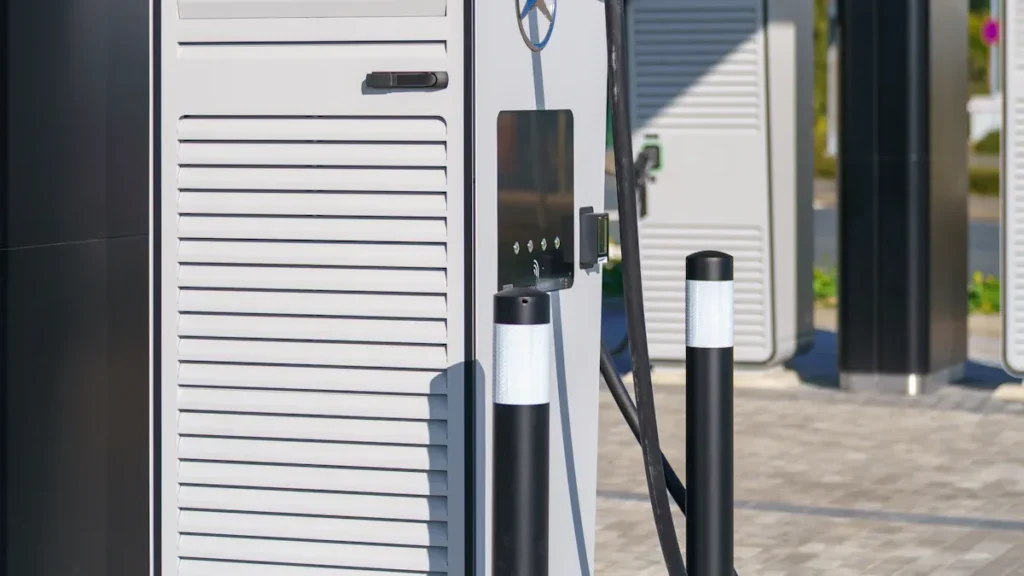

Japanese import electric vehicles often use the J1772 plug, which differs from the standard connectors found at Malaysian charging stations. Drivers encounter ev plug compatibility challenges when they try to connect their EV to a local Зарядное устройство для электромобилей. J1772 to type 2 adapters offer a practical solution for seamless charging. With this adapter, owners access Решения для зарядки электромобилей из разных Производители зарядных устройств для электромобилей, в том числе портативные зарядные устройства. The right charger ensures safe charging for every EV.
Charging becomes straightforward when drivers use an adapter designed for both J1772 and Type 2 connections.
EV Plug Compatibility: J1772 vs Type 2
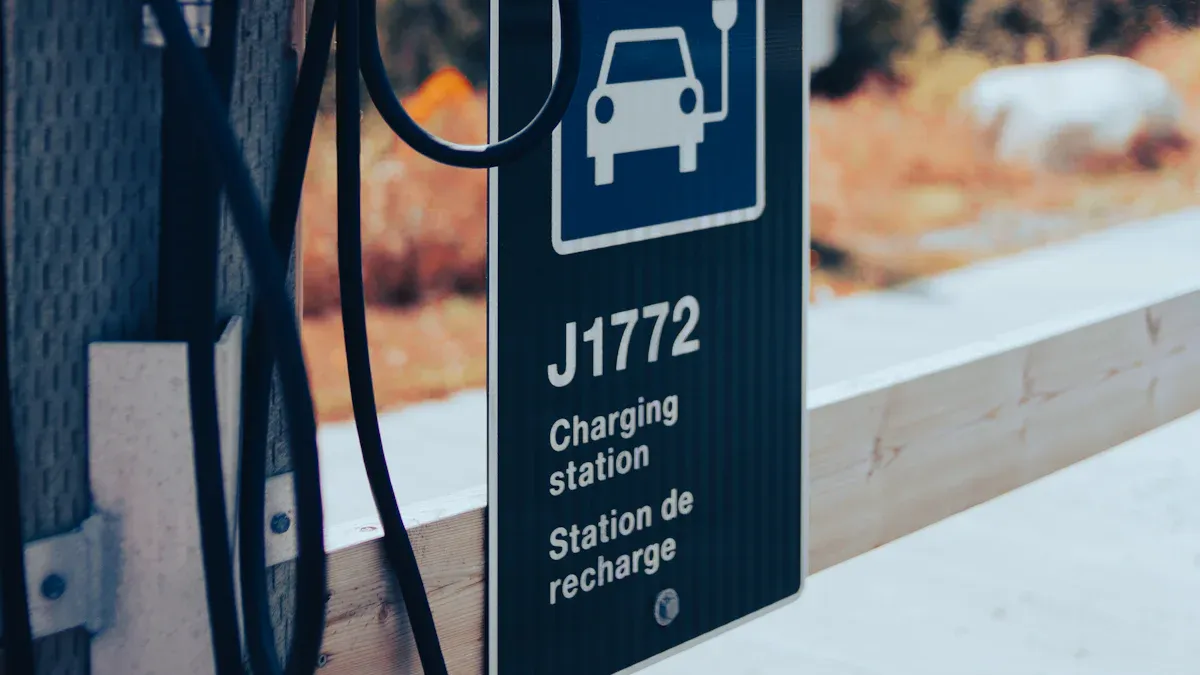
J1772 Connector Overview
Features of J1772 (Type 1)
The J1772 connector stands as one of the most common EV plug types for electric vehicles imported from Japan. Manufacturers design the J1772 plug with five pins, supporting single-phase charging only. The connector uses a manual locking clip for secure attachment. Many Japanese EVs, including Tesla models, rely on J1772 for efficient charging. The plug features high-grade, weather-resistant materials, weighs about 0.2kg, and offers enhanced safety through over-current protection and short-circuit prevention. Owners benefit from a simple plug-and-play design, which ensures easy connection and reliable performance.
| Feature/Specification | Описание |
|---|---|
| Тип разъема | Type1 J1772 to Tesla |
| Материал | High-grade, weather-resistant plastic and metal components |
| Вес | 0.2kg |
| Совместимость | Tesla Model X, Model Y, Model 3, and Model S |
| High-Quality Construction | Durable, weather-resistant materials for long-lasting performance |
| Efficient Charging | Facilitates fast and efficient charging to reduce downtime |
| Enhanced Safety | Over-current protection and short-circuit prevention |
Japanese Import EVs and J1772
Japanese import EVs typically use the J1772 plug. This standard dominates North America, Japan, and Taiwan. Owners in Malaysia often face ev plug compatibility issues because local charging stations use a different connector. To resolve compatibility, drivers must purchase adapters that bridge J1772 and Type 2 plug standards.
Type 2 Connector Overview
Features of Type 2
The Type 2 plug, also known as Mennekes, features seven pins and supports both single-phase and three-phase charging. The plug uses an automatic locking mechanism, which increases safety and convenience. Type 2 offers a maximum charging capacity of up to 22 kW, making it suitable for faster charging sessions. The connector adheres to the EN 62196 standard, which ensures compatibility across many EV models in Europe and Malaysia.
Malaysian Charger Infrastructure
Malaysia’s charging stations primarily use the Type 2 plug. This infrastructure supports both AC and DC charging, thanks to the combined charging system (CCS). The widespread adoption of Type 2 in Malaysia means Japanese import EV owners must use adapters to achieve ev plug compatibility. Charging stations in Malaysia provide reliable power and performance, but only when the vehicle’s plug matches the charger.
Compatibility Differences
Physical Design
J1772 and Type 2 plugs differ in pin layout and locking mechanisms. J1772 uses five pins and a manual clip, while Type 2 features seven pins and an automatic lock. These physical differences create compatibility challenges for Japanese import EVs at Malaysian charging stations.
| Характеристика | J1772 (тип 1) | Тип 2 |
|---|---|---|
| Pin Layout | 5 pins | 7 pins |
| Механизм блокировки | Manual locking clip | Automatic locking mechanism |
Скорость и мощность зарядки
Type 2 plug supports higher charging speeds, with capacities up to 22 kW. J1772 offers up to 7.4 kW. The difference in charging speed impacts how quickly drivers can recharge their EVs. Type 2’s three-phase support allows for more efficient charging, especially at public charging stations.
Региональное использование
J1772 dominates in North America, Japan, and Taiwan. Type 2 leads in Europe and Malaysia. These regional preferences influence charger infrastructure and compatibility. Japanese import EV owners in Malaysia must address ev plug compatibility by using adapters, ensuring their vehicles can connect to local charging stations.
Owners should always check plug compatibility before visiting a charger to avoid charging delays.
J1772 to Type 2 Adapters: How They Work
Adapter Functionality
Connecting J1772 to Type 2 Chargers
J1772 to type 2 adapters bridge the gap between Japanese import EVs and Malaysian charging stations. The adapter connects the J1772 plug on the vehicle to the Type 2 socket found at most local chargers. Drivers insert the J1772 plug into the adapter, then attach the adapter to the Type 2 charger. This process enables seamless charging, allowing the vehicle to draw power from the station without compatibility issues. The adapter ensures that the physical connection matches both plug types, making it possible for Japanese EVs to access Malaysia’s charging infrastructure.
Power and Communication Handling
The adapter manages both power transfer and communication between the vehicle and the charger. It translates the signals from the J1772 plug to the Type 2 charger, ensuring proper handshake and safety protocols. The adapter supports single-phase charging, which matches the capabilities of most Japanese EVs. It also handles the communication required for charging authorization and session monitoring. The adapter maintains the integrity of the charging process, preventing errors and interruptions. This level of functionality allows drivers to use public charging stations confidently.
Compatibility with EVs and Chargers
Supported Japanese Import EV Models
Many Japanese import EVs rely on the J1772 plug for charging. Models such as Nissan Leaf, Mitsubishi Outlander PHEV, and certain Tesla vehicles use the sae j1772 plug. The adapter supports these vehicles, ensuring compatibility with Malaysian charging stations. Owners of Japanese EVs benefit from the adapter’s ability to connect their vehicles to Type 2 chargers, eliminating the need for specialized infrastructure.
Supported Malaysian Charging Stations
Malaysian charging stations primarily feature Type 2 sockets. The adapter allows Japanese EVs to use these stations without modification. Drivers can access both public and private chargers, including portable units. The adapter works with most level 2 charging stations, providing flexibility and convenience. Compatibility extends to stations from various manufacturers, making the adapter a versatile solution for EV owners.
Tip: Always check the compatibility of your EV charging plugs and charging stations before starting a session.
Safety and Limitations
Встроенные функции безопасности
J1772 to type 2 adapters incorporate several элементы безопасности. Manufacturers design the adapter with impact resistance rated to 1m, ensuring durability during daily use. Waterproof protection meets IP54 standards, allowing safe operation in wet conditions. The adapter complies with multiple safety standards, including SAE J2929, ISO 26262, and ECE R100. These features protect both the vehicle and the charger during charging.
- Impact resistance up to 1 meter
- Waterproof protection (IP54)
- Compliance with international safety standards
Power Limits and Restrictions
The adapter supports single-phase charging, which matches the capabilities of most Japanese EVs. Charging speed depends on the vehicle and the charger, with a maximum output typically around 7.4 kW. The adapter cannot increase the charging speed beyond the limits of the J1772 plug or the vehicle’s onboard charger. Drivers must avoid overloading the adapter by checking amperage and voltage ratings before use. The adapter ensures safe operation within these limits, preventing overheating and electrical hazards.
Weather Resistance and Durability
Manufacturers build the adapter with high-grade materials to withstand harsh environments. The adapter meets protection classes such as IP6K9K and IP6K7, offering resistance to dust and water. Operating temperature ranges from -40°C to 105°C, making the adapter suitable for Malaysia’s climate. The adapter’s robust construction ensures long-lasting performance, even with frequent use at outdoor charging stations.
| Стандарт | Описание |
|---|---|
| SAE J1772 | North American standard for electrical connectors for electric vehicles. |
| IEC 61851-1 | International standard for EV conductive charging systems. |
| SAE J2929 | Electric and Hybrid Vehicle Propulsion Battery System Safety. |
| ISO 26262 | Road Vehicles – Functional safety standard. |
| ISO 6469-3 | Safety specifications for electric road vehicles. |
| ECE R100 | Protection against electric shock standard. |
| IEC 61000 | Electromagnetic Compatibility (EMC) standard. |
| IEC 61851-21 | Requirements for conductive connection to AC/DC supply for electric vehicles. |
| IEC 60950 | Safety of Information Technology Equipment standard. |
| UL 2202 | Standard for Electric Vehicle (EV) Charging System Equipment. |
| FCC Part 15 B | EMC emission measurement services for information technology equipment. |
| IP6K9K, IP6K7 | Protection classes for environmental resistance. |
| Temperature Range | Operating temperature range from -40°C to 105°C. |
Note: The adapter must meet these standards to ensure safe and reliable charging for electric vehicles.
Choosing the Right J1772 to Type 2 Adapter
Key Features for Compatibility
Amperage and Voltage Ratings
First-time EV owners often overlook amperage and voltage ratings when selecting j1772 to type 2 adapters. These ratings determine the maximum power that the adapter can safely handle during charging. Most Japanese import electric vehicles support 240V AC single-phase charging at 16A, which delivers up to 3.7kW per hour. Owners should always match the adapter’s ratings with their vehicle’s requirements to ensure safe and efficient charging at any station.
Cable Length and Build Quality
Cable length and build quality play a crucial role in daily use. A longer cable offers flexibility at public charger locations, especially when the charging station’s plug is not close to the vehicle’s port. High-quality materials, such as weather-resistant plastics and robust electrical connections, increase durability and safety. Universal adapters with IP55 waterproof ratings withstand Malaysia’s humid climate and frequent rain, making them ideal for outdoor charging stations.
Certification and Standards
Certification ensures that the adapter meets international safety and performance standards. TPSON and other reputable brands design universal adapters that comply with IEC 61851, SAE J1772, and other relevant standards. These certifications guarantee compatibility with both ac ev charging and dc ev charging connectors. Owners should always check for certification marks before purchasing to avoid compatibility issues and ensure reliable charging.
Tip: Use a compatibility checklist to confirm that the adapter supports your EV model, charging connectors, and local charging stations.
| Характеристика | Описание |
|---|---|
| Универсальная совместимость | Fully compatible with all UK and European standard charging points, ensuring seamless connection. |
| Производительность | Supports 240V AC Single Phase and 16A, charging at up to 3.7KW per hour for efficient performance. |
| Особенности безопасности | Designed for durability with IP55 waterproof rating and robust electrical connections for safety. |
| Ease of Use | Plug-and-play design for simple operation without vendor lock-in or app registrations. |
Where to Buy Adapters in Malaysia
Local Retailers
Many local retailers in Malaysia stock universal adapters for j1772 charging connectors. These stores often provide hands-on advice for first-time EV owners and allow buyers to inspect the plug and cable quality before purchase. TPSON offers advanced solutions through authorized dealers, ensuring reliable compatibility and after-sales support.
Online Marketplaces
Online marketplaces provide a wide selection of universal adapters for various charging connectors. Shoppers can compare prices, read product specifications, and select adapters that match their EV plug compatibility needs. Most platforms offer fast delivery to major cities and towns, making it convenient for EV owners to access the right adapter.
Importing from Overseas
Some owners choose to import universal adapters from overseas suppliers. This option expands the range of available products, including specialized adapters for unique charging connectors. Buyers should verify certification and compatibility with Malaysian charging stations before importing to avoid issues with level 2 charging or dc ev charging.
Price Range and Warranty
Typical Costs
The price of a J1772 to Type 2 adapter varies based on features and build quality. In Malaysia, the cost typically starts at $84.00 for a basic Type 1 to Type 2 EV car adapter. Universal adapters with tethered cables range from £76.67 to £130.40, depending on cable length and additional safety features.
- Type 1 to Type 2 EV Car Adapter: $84.00
- Type 2 Tethered Cable: £76.67 – £130.40
Гарантия и поддержка
Warranty and support provide peace of mind for first-time EV owners. Leading brands like TPSON offer warranties that cover manufacturing defects and ensure long-term reliability. Buyers should always check warranty terms and available support channels before purchasing an adapter for their charging station.
Note: Reliable warranty and support help maintain safe and efficient charging for all electric vehicles.
Step-by-Step Guide: Using J1772 to Type 2 Adapters
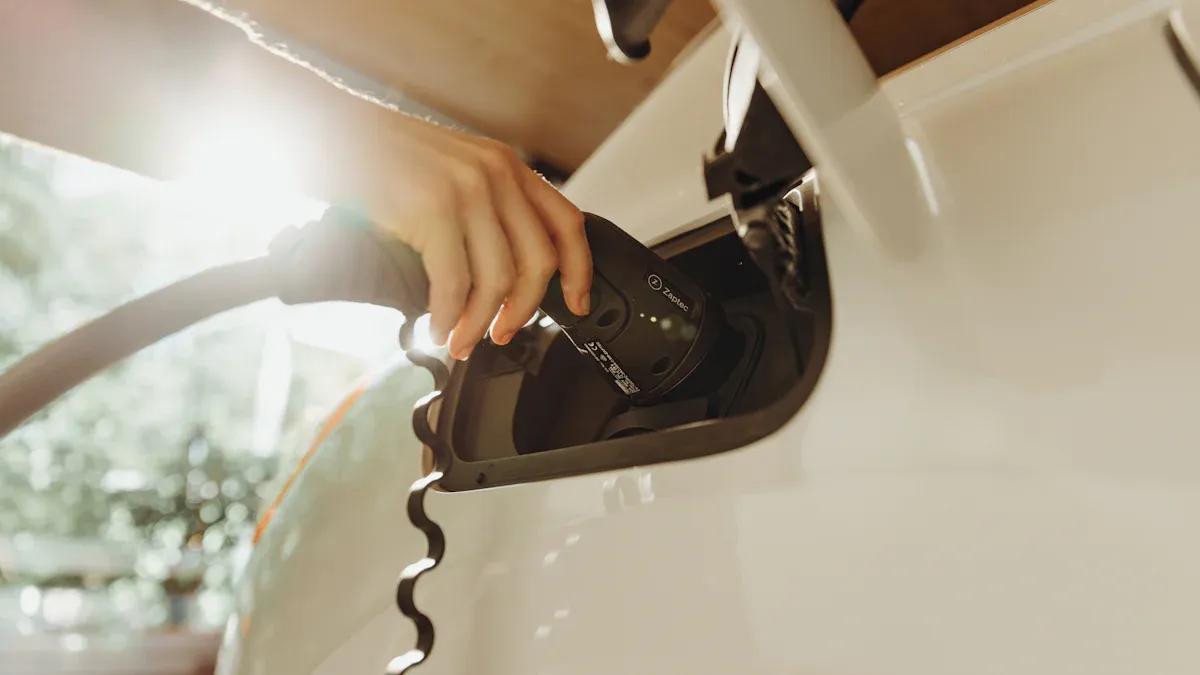
Preparing Your EV and Adapter
Inspecting the Adapter
Before starting any charging session, drivers should inspect the adapter for signs of damage or wear. They check the plug ends for cracks, bent pins, or corrosion. A clean and intact adapter ensures safe operation and maintains ev plug compatibility. Drivers verify that the locking mechanism functions smoothly. They also confirm that the waterproof seals remain intact. A quick inspection prevents unexpected issues at charging stations.
Checking Your EV’s Charging Port
Drivers examine the charging port on their EV for debris or moisture. They look for any obstructions that could interfere with the plug connection. A clean charging port allows the adapter to fit securely. Drivers confirm that the port matches the j1772 standard. They check for any signs of wear or loose fittings. Proper preparation ensures reliable compatibility and efficient charging.
Connecting to a Charger
Plugging in the Adapter
Drivers align the j1772 plug with the adapter and insert it firmly. They listen for a click that signals a secure connection. Next, they connect the adapter to the Type 2 charger at the station. The plug must fit tightly to prevent interruptions during charging. Drivers check that both ends lock in place. A secure connection supports safe power transfer and communication between the EV and the charger.
Starting the Charging Session
After connecting the adapter, drivers activate the charging station. They follow the instructions on the station’s display or app. The charger initiates a handshake with the EV through the adapter. Drivers monitor the station for confirmation that charging has started. They check the EV dashboard for charging indicators. A successful session begins when both the station and the vehicle display active charging status.
Tip: If the charging session does not start, drivers should recheck all plug connections and consult the station’s troubleshooting guide.
Safe Operation Tips
Контроль за ходом зарядки
Drivers monitor the charging progress using the EV dashboard or the station’s display. They check the charging speed and estimated completion time. If the station supports notifications, drivers enable alerts for charging status updates. Regular monitoring helps detect any interruptions or errors early.
Disconnecting Safely
When charging completes, drivers stop the session using the station controls. They unlock the plug from the charger and adapter. Drivers remove the adapter from the EV charging port. They avoid pulling on the cable to prevent damage. Safe disconnection protects both the adapter and the vehicle’s charging port.
Storing the Adapter Properly
Drivers store the adapter in a dry, secure location after use. They avoid exposure to extreme temperatures or moisture. Proper storage extends the adapter’s lifespan and maintains reliable compatibility. Drivers keep the adapter in a dedicated case or compartment to prevent accidental damage.
| Шаг | Действие |
|---|---|
| Inspect Adapter | Check for damage, clean plug ends, verify locking mechanism |
| Check Charging Port | Remove debris, confirm j1772 standard, inspect for wear |
| Connect Adapter | Align plug, insert firmly, lock both ends |
| Start Charging | Activate station, monitor dashboard, confirm charging status |
| Monitor Progress | Check speed, enable alerts, watch for errors |
| Disconnect Safely | Stop session, unlock plug, remove adapter carefully |
| Store Adapter | Keep dry, use case, avoid extreme conditions |
Note: Following these steps ensures safe and efficient charging at all Malaysian charging stations.
Common Mistakes with Compatibility
Drivers often encounter issues when connecting Japanese import EVs to Malaysian charging stations. Understanding common mistakes helps prevent disruptions and ensures safe charging sessions. The following analysis highlights frequent errors related to plug compatibility and provides practical guidance.
Using the Wrong Adapter Type
Selecting the correct adapter remains essential for successful charging. Many owners mistakenly purchase adapters designed for different plug standards. For example, a Type 2 to Type 1 adapter will not fit a J1772 plug. This mismatch prevents the EV from connecting to the station and may damage the charging port. He should always verify the plug type before buying an adapter. A compatibility chart assists in matching the vehicle’s plug with the station’s socket.
| Тип вилки | Compatible Adapter Needed | Result of Wrong Adapter |
|---|---|---|
| J1772 (тип 1) | J1772 to Type 2 | No charging possible |
| Тип 2 (Меннеке) | Type 2 to J1772 | No charging possible |
Tip: He should check the plug shape and pin configuration before purchasing any adapter.
Overloading the Adapter
Overloading occurs when the charging station supplies more power than the adapter can handle. Some drivers connect their EV to high-capacity stations without checking the adapter’s amperage and voltage ratings. This mistake leads to overheating, electrical faults, or even permanent damage to the plug and charging port. She must always match the adapter’s specifications with the station’s output and the vehicle’s requirements. Monitoring the charging session prevents accidental overloads.
- Check the adapter’s maximum amperage rating.
- Confirm the station’s power output.
- Monitor the plug for signs of heat during charging.
Alert: Overloading the adapter can void warranties and compromise safety.
Ignoring Weather Conditions
Weather conditions affect the performance and safety of charging equipment. Many drivers ignore rain, humidity, or extreme temperatures when connecting the plug to the station. Moisture can enter the charging port, causing corrosion or electrical shorts. He should use adapters with proper waterproof ratings and store them in dry locations. She must avoid charging outdoors during heavy rain unless the adapter meets high-level protection standards.
| Weather Condition | Risk to Plug and Adapter | Рекомендуемое действие |
|---|---|---|
| Rain | Water ingress | Use waterproof adapter |
| Влажность | Коррозия | Store adapter in dry place |
| Extreme Heat | Material degradation | Avoid charging midday |
Note: Always inspect the plug and adapter for moisture or debris before starting a charging session.
Drivers who avoid these mistakes achieve reliable compatibility and extend the lifespan of their charging equipment. He should remain vigilant during every charging session and follow manufacturer guidelines for safe operation.
Troubleshooting J1772 to Type 2 Adapter Issues
Адаптер не распознается зарядным устройством
Возможные причины
Зарядное устройство может не распознавать адаптер J1772 — Type 2 по нескольким причинам. Владельцу следует проверить устаревшее программное обеспечение на автомобиле или на зарядной станции. Неисправная прошивка может препятствовать корректному обмену данными между разъемом и зарядным устройством. Физические повреждения, такие как трещины в корпусе или окисленные контакты, часто нарушают соединение. Ненадежная проводка внутри адаптера или разъема также может вызывать проблемы с распознаванием. Внешние факторы, включая пыль или влагу, могут мешать электрическому контакту.
- Устаревшее программное обеспечение или прошивка
- Физические повреждения разъема или адаптера
- Ненадежная или поврежденная проводка
- Пыль или влага в зарядном порту
Быстрые решения
Большинство проблем с распознаванием можно решить простыми действиями. Сначала следует обновить прошивку автомобиля и зарядной станции до последней версии. Затем необходимо осмотреть разъем и адаптер на наличие видимых повреждений. Очистка зарядного порта сухой тканью удалит пыль и влагу. Если проводка кажется ненадежной, следует обратиться к техническому специалисту для ремонта. Перезагрузка зарядного устройства иногда восстанавливает корректный обмен данными.
Совет: Регулярное обслуживание и обновление программного обеспечения помогают предотвратить проблемы с распознаванием на зарядных станциях.
Неожиданное прекращение зарядки
Диагностика проблемы
Прерывания зарядки могут вызывать разочарование у владельцев электромобилей. Следует начать с проверки разъема на физические повреждения. Трещины в корпусе или окисленные контакты часто приводят к остановке зарядки. Ненадежная проводка внутри адаптера может вызывать прерывистый поток энергии. Устаревшее программное обеспечение на автомобиле или зарядном устройстве также может провоцировать неожиданные остановки. Внешние факторы, такие как пыль или влага, могут воздействовать на зарядный порт и нарушать сеанс зарядки.
| Причина | Диагностическое действие |
|---|---|
| Физические повреждения | Осмотреть разъем и адаптер |
| Ненадежная проводка | Проверить внутренние соединения |
| Устаревшее программное обеспечение | Обновить прошивку |
| Экологические факторы | Очистить зарядный порт |
Что делать дальше
Следует устранить первопричину перед возобновлением сеанса. При наличии физических повреждений необходимо заменить разъем или адаптер. В случае ненадежной проводки следует обратиться к профессиональному ремонту. Обновление прошивки как на автомобиле, так и на зарядном устройстве обеспечивает совместимость. Очистка зарядного порта удаляет внешние загрязнения. После устранения проблемы можно повторно подключить адаптер и возобновить зарядку.
Внимание: Игнорирование повторяющихся прерываний может привести к необратимому повреждению разъема или адаптера.
Физические повреждения или износ
Признаки, на которые следует обратить внимание
Физические повреждения или износ снижают надежность адаптера J1772 — Type 2. Следует искать трещины в корпусе разъема, погнутые или окисленные контакты, а также изношенные кабели. Можно заметить затруднения при фиксации разъема в зарядном устройстве. Изменение цвета или оплавление вблизи разъема указывает на перегрев. Регулярный осмотр помогает своевременно выявлять эти проблемы.
- Трещины в корпусе разъема
- Погнутые или окисленные контакты
- Изношенные или поврежденные кабели
- Затруднения при фиксации разъема
- Изменение цвета или оплавление
Когда следует заменить адаптер
Адаптер следует заменить при появлении любых признаков повреждения. Постоянные прерывания зарядки, даже после очистки и обновления программного обеспечения, указывают на внутренние неисправности. Необходимо избегать использования адаптеров с видимым износом, чтобы предотвратить риски для безопасности. Приобретение нового адаптера обеспечивает надежную зарядку на зарядных станциях любого уровня.
Примечание: Своевременная замена поврежденных адаптеров защищает электромобиль и обеспечивает безопасную эксплуатацию.
Практические советы для владельцев электромобилей японского импорта
Планирование остановок для зарядки с учетом совместимости
Поиск совместимых зарядных устройств
Перед поездкой на электромобиле японского импорта всегда следует планировать маршрут заранее. Многие зарядные станции в Малайзии используют разъем Type 2, поэтому владельцу необходимо подтвердить совместимость иметь адаптер для разъема J1772 своего автомобиля. Владельцы могут уточнить информацию о станциях онлайн или на сайтах производителей для получения актуальных данных. Некоторые станции указывают типы разъемов и уровни мощности в своих приложениях или на указателях. Быстрая проверка помогает избежать ненужных задержек и обеспечивает беспроблемный процесс зарядки.
| Название станции | Тип вилки | Уровень мощности | Расположение |
|---|---|---|---|
| ChargeNow KL | Тип 2 | AC 22 кВт | Куала-Лумпур |
| EV Connection JB | Тип 2 | AC 7,4 кВт | Джохор-Бару |
| GreenTech Penang | Тип 2 | AC 11 кВт | Пенанг |
Использование приложений для зарядки
Можно использовать приложения для зарядки для поиска совместимых станций. Приложения, такие как PlugShare и ChargEV, предоставляют информацию в реальном времени о доступности станций и типах разъемов. Эти платформы позволяют фильтровать станции по стандартам разъемов и уровням мощности. Можно настроить оповещения о nearby станциях и ознакомиться с отзывами других владельцев электромобилей. Приложения для зарядки упрощают планирование маршрута и помогают водителям повысить эффективность во время длительных поездок.
Совет: Приложения для зарядки часто содержат пользовательские рейтинги и фотографии, что облегчает идентификацию надежных станций.
Наличие резервного адаптера J1772 — Type 2
Почему это полезно
Резервный адаптер обеспечивает спокойствие владельцам японских импортных электромобилей. Он может столкнуться с непредвиденными проблемами с основным адаптером, такими как физические повреждения или неисправность. Наличие запасного гарантирует бесперебойный доступ к зарядным станциям, особенно во время длительных поездок или в удалённых местах. Она избегает задержек и сохраняет гибкость при переключении между различными типами зарядных устройств.
Рекомендуемые правила хранения
Он должен хранить резервный адаптер в специальном чехле, чтобы защитить его от влаги и пыли. Чехол должен надёжно размещаться в багажнике автомобиля или бардачке. Она регулярно проверяет адаптер на признаки износа и хранит его вдали от экстремальных температур. Правильное хранение сохраняет долговечность адаптера и обеспечивает надёжную совместимость на каждой зарядной остановке.
- Используйте водонепроницаемый чехол для хранения.
- Проверяйте адаптер ежемесячно.
- Избегайте размещения тяжёлых предметов на чехле.
Следите за обновлениями инфраструктуры зарядных устройств
Новые разработки в Малайзии
Он должен быть в курсе новых зарядных станций и модернизации инфраструктуры. Малайзийские власти и отраслевые группы электромобилей объявляют о новых местоположениях и уровнях мощности через пресс-релизы и социальные сети. Она следит за официальными каналами, чтобы узнавать о станциях с расширенными функциями, такими как быстрая зарядка или улучшенная совместимость разъёмов. Актуальная информация помогает владельцам планировать маршруты и использовать новейшие технологии.
Присоединение к местным сообществам электромобилей
Она получает пользу от участия в местных сообществах электромобилей и онлайн-форумах. Эти группы делятся опытом из первых рук, обзорами станций и советами по устранению неполадок. Он может задавать вопросы о совместимости зарядных устройств и получать советы от опытных владельцев. Участие в сообществе способствует обмену знаниями и информирует водителей об изменениях в инфраструктуре.
Примечание: Активное участие в сообществах электромобилей помогает владельцам адаптироваться к развивающимся технологиям и поддерживать оптимальные методы зарядки.
- Водители в Малайзии могут легко заряжать японские импортные электромобили с помощью адаптеров J1772 к Type 2.
- Качественные адаптеры обеспечивают совместимость на всех уровнях общественной инфраструктуры.
- Безопасная зарядка становится обычной практикой, когда владельцы следуют лучшим методам.
Обладая правильными знаниями, каждый владелец электромобиля может уверенно использовать зарядную сеть Малайзии.
ЧАСТО ЗАДАВАЕМЫЕ ВОПРОСЫ
Что такое адаптер J1772 к Type 2?
Адаптер J1772 к Type 2 подключает японские импортные электромобили с разъёмами J1772 к малайзийским зарядным станциям, использующим розетки Type 2. Адаптер обеспечивает бесперебойную зарядку и гарантирует совместимость между различными стандартами разъёмов.
Какие японские модели электромобилей поддерживают адаптеры J1772 к Type 2?
Он может использовать адаптер с Nissan Leaf, Mitsubishi Outlander PHEV и некоторыми моделями Tesla, импортированными из Японии. Адаптер работает с большинством японских электромобилей, оснащённых зарядным портом J1772.
Безопасны ли адаптеры J1772 к Type 2 для зарядки на открытом воздухе?
Производители проектируют адаптеры со степенью защиты от воды, такой как IP54 или IP55. Она может безопасно заряжать на открытом воздухе, если адаптер соответствует этим стандартам. Всегда проверяйте адаптер на наличие повреждений перед использованием.
Совет: Храните адаптер в сухом чехле после зарядки, чтобы продлить срок его службы.
Как быстро может заряжаться японский импортный электромобиль с помощью адаптера?
Скорость зарядки зависит от автомобиля и станции. Большинство адаптеров поддерживают до 7,4 кВт для однофазной зарядки. Он должен проверить характеристики бортового зарядного устройства электромобиля для определения максимальной поддерживаемой скорости.
| Тип адаптера | Максимальная выходная мощность |
|---|---|
| J1772 to Type 2 | 7,4 кВт |
Где владельцы могут купить адаптеры J1772 к Type 2 в Малайзии?
Она может приобрести адаптеры у местных розничных продавцов электромобилей, на онлайн-рынках или импортировать их у зарубежных поставщиков. Всегда проверяйте сертификаты и совместимость с малайзийскими зарядными станциями перед покупкой.
Что должны делать водители, если адаптер перестаёт работать?
Он должен проверить адаптер на физические повреждения, осмотреть на наличие ослабленной проводки и очистить зарядный порт. Если проблемы сохраняются, обратитесь к производителю или замените адаптер для обеспечения безопасной зарядки.
Могут ли водители использовать адаптер на всех малайзийских зарядных станциях?
Большинство общественных станций с розетками Type 2 поддерживают адаптер. Она должна проверять детали станции с помощью зарядных приложений или веб-сайтов, чтобы подтвердить совместимость перед посещением.