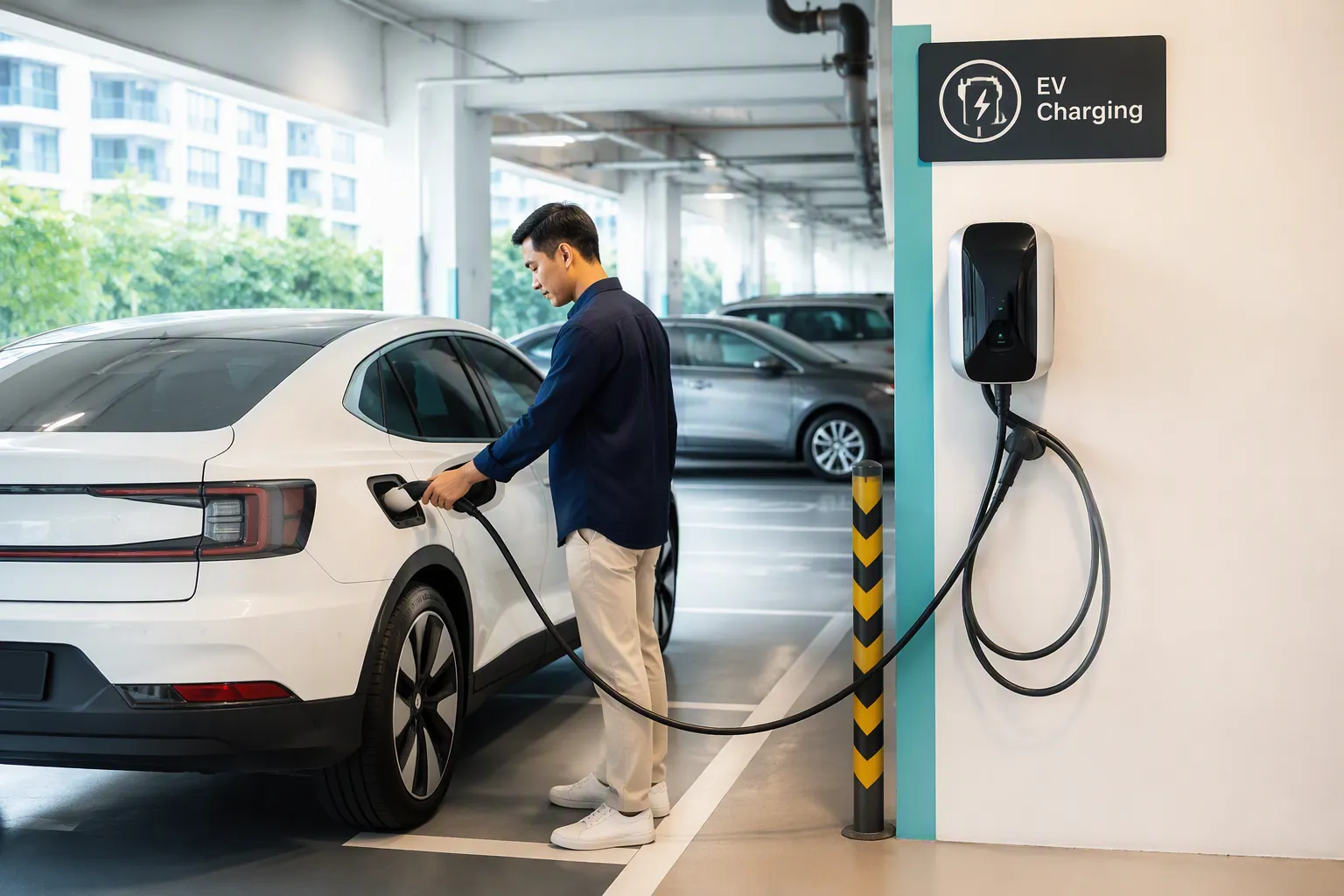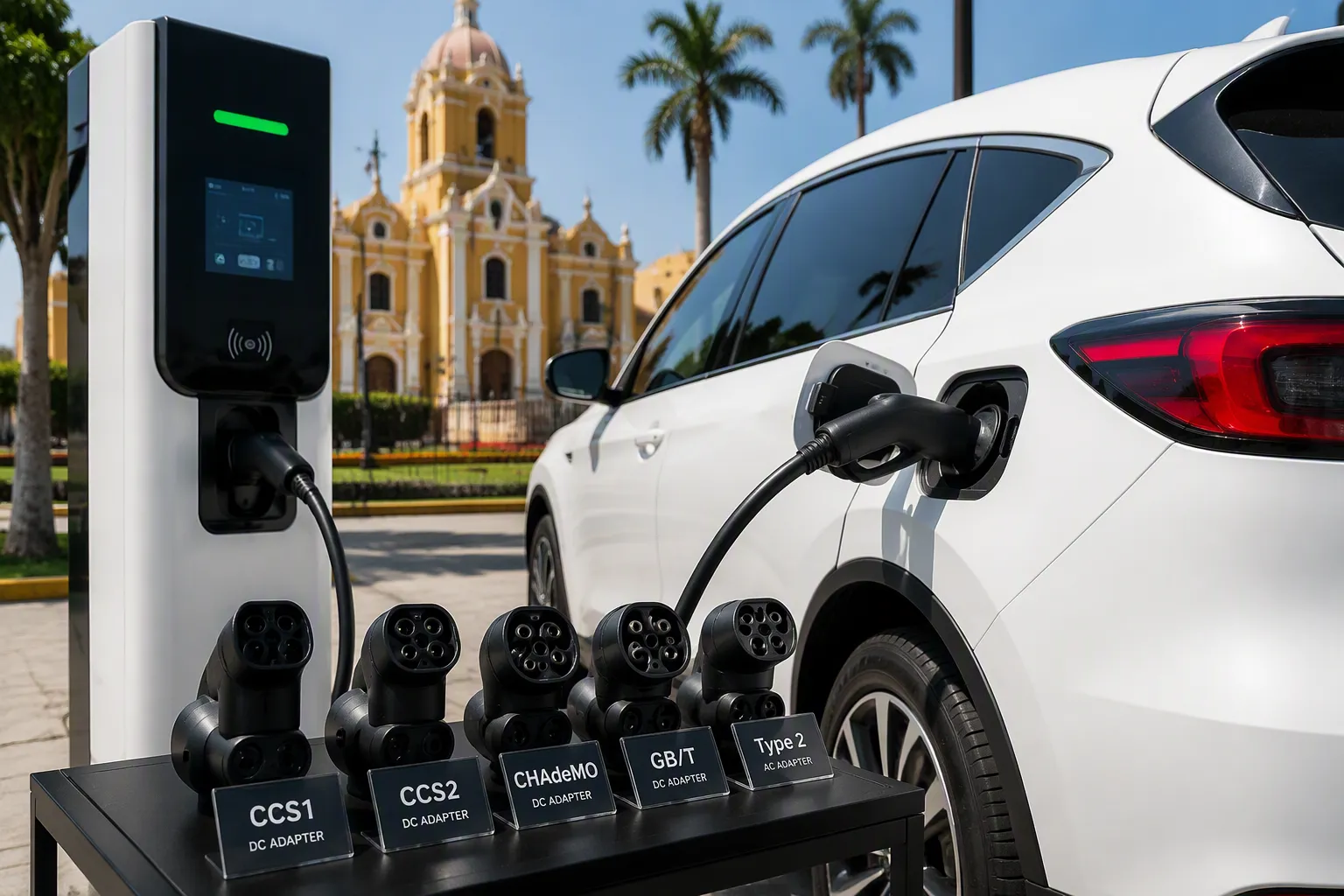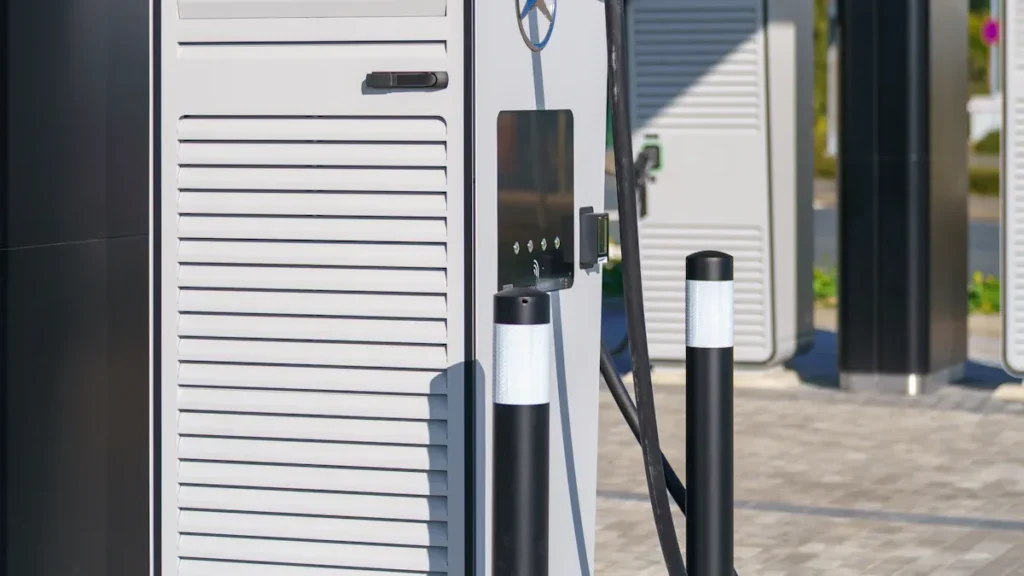

Japanese import electric vehicles often use the J1772 plug, which differs from the standard connectors found at Malaysian charging stations. Drivers encounter ev plug compatibility challenges when they try to connect their EV to a local Carregador EV. J1772 to type 2 adapters offer a practical solution for seamless charging. With this adapter, owners access Soluções de carregamento de veículos eléctricos de vários Fabricantes de carregadores para veículos eléctricos, incluindo carregadores ev portáteis. The right charger ensures safe charging for every EV.
Charging becomes straightforward when drivers use an adapter designed for both J1772 and Type 2 connections.
EV Plug Compatibility: J1772 vs Type 2
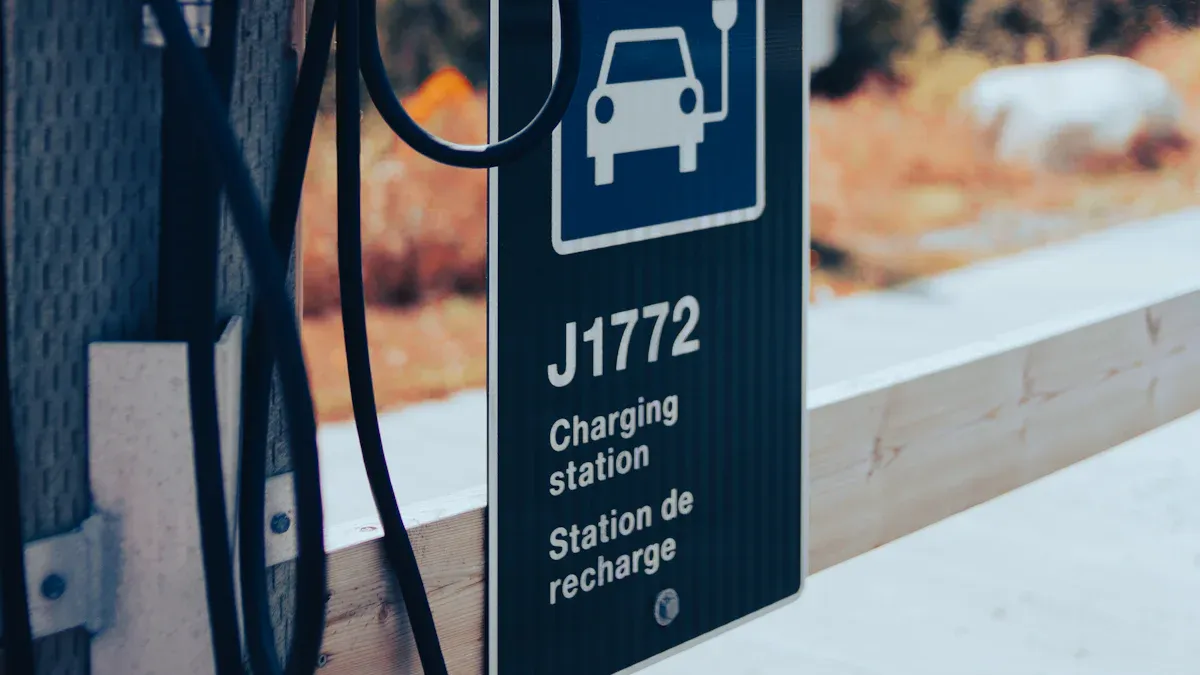
J1772 Connector Overview
Features of J1772 (Type 1)
The J1772 connector stands as one of the most common EV plug types for electric vehicles imported from Japan. Manufacturers design the J1772 plug with five pins, supporting single-phase charging only. The connector uses a manual locking clip for secure attachment. Many Japanese EVs, including Tesla models, rely on J1772 for efficient charging. The plug features high-grade, weather-resistant materials, weighs about 0.2kg, and offers enhanced safety through over-current protection and short-circuit prevention. Owners benefit from a simple plug-and-play design, which ensures easy connection and reliable performance.
| Feature/Specification | Descrição |
|---|---|
| Tipo de conetor | Type1 J1772 to Tesla |
| Material | High-grade, weather-resistant plastic and metal components |
| Peso | 0.2kg |
| Compatibilidade | Tesla Model X, Model Y, Model 3, and Model S |
| High-Quality Construction | Durable, weather-resistant materials for long-lasting performance |
| Efficient Charging | Facilitates fast and efficient charging to reduce downtime |
| Segurança reforçada | Over-current protection and short-circuit prevention |
Japanese Import EVs and J1772
Japanese import EVs typically use the J1772 plug. This standard dominates North America, Japan, and Taiwan. Owners in Malaysia often face ev plug compatibility issues because local charging stations use a different connector. To resolve compatibility, drivers must purchase adapters that bridge J1772 and Type 2 plug standards.
Type 2 Connector Overview
Features of Type 2
The Type 2 plug, also known as Mennekes, features seven pins and supports both single-phase and three-phase charging. The plug uses an automatic locking mechanism, which increases safety and convenience. Type 2 offers a maximum charging capacity of up to 22 kW, making it suitable for faster charging sessions. The connector adheres to the EN 62196 standard, which ensures compatibility across many EV models in Europe and Malaysia.
Malaysian Charger Infrastructure
Malaysia’s charging stations primarily use the Type 2 plug. This infrastructure supports both AC and DC charging, thanks to the combined charging system (CCS). The widespread adoption of Type 2 in Malaysia means Japanese import EV owners must use adapters to achieve ev plug compatibility. Charging stations in Malaysia provide reliable power and performance, but only when the vehicle’s plug matches the charger.
Compatibility Differences
Physical Design
J1772 and Type 2 plugs differ in pin layout and locking mechanisms. J1772 uses five pins and a manual clip, while Type 2 features seven pins and an automatic lock. These physical differences create compatibility challenges for Japanese import EVs at Malaysian charging stations.
| Caraterística | J1772 (Tipo 1) | Tipo 2 |
|---|---|---|
| Pin Layout | 5 pins | 7 pins |
| Mecanismo de bloqueio | Manual locking clip | Automatic locking mechanism |
Charging Speed and Power
Type 2 plug supports higher charging speeds, with capacities up to 22 kW. J1772 offers up to 7.4 kW. The difference in charging speed impacts how quickly drivers can recharge their EVs. Type 2’s three-phase support allows for more efficient charging, especially at public charging stations.
Utilização regional
J1772 dominates in North America, Japan, and Taiwan. Type 2 leads in Europe and Malaysia. These regional preferences influence charger infrastructure and compatibility. Japanese import EV owners in Malaysia must address ev plug compatibility by using adapters, ensuring their vehicles can connect to local charging stations.
Owners should always check plug compatibility before visiting a charger to avoid charging delays.
J1772 to Type 2 Adapters: How They Work
Adapter Functionality
Connecting J1772 to Type 2 Chargers
J1772 to type 2 adapters bridge the gap between Japanese import EVs and Malaysian charging stations. The adapter connects the J1772 plug on the vehicle to the Type 2 socket found at most local chargers. Drivers insert the J1772 plug into the adapter, then attach the adapter to the Type 2 charger. This process enables seamless charging, allowing the vehicle to draw power from the station without compatibility issues. The adapter ensures that the physical connection matches both plug types, making it possible for Japanese EVs to access Malaysia’s charging infrastructure.
Power and Communication Handling
The adapter manages both power transfer and communication between the vehicle and the charger. It translates the signals from the J1772 plug to the Type 2 charger, ensuring proper handshake and safety protocols. The adapter supports single-phase charging, which matches the capabilities of most Japanese EVs. It also handles the communication required for charging authorization and session monitoring. The adapter maintains the integrity of the charging process, preventing errors and interruptions. This level of functionality allows drivers to use public charging stations confidently.
Compatibility with EVs and Chargers
Supported Japanese Import EV Models
Many Japanese import EVs rely on the J1772 plug for charging. Models such as Nissan Leaf, Mitsubishi Outlander PHEV, and certain Tesla vehicles use the sae j1772 plug. The adapter supports these vehicles, ensuring compatibility with Malaysian charging stations. Owners of Japanese EVs benefit from the adapter’s ability to connect their vehicles to Type 2 chargers, eliminating the need for specialized infrastructure.
Supported Malaysian Charging Stations
Malaysian charging stations primarily feature Type 2 sockets. The adapter allows Japanese EVs to use these stations without modification. Drivers can access both public and private chargers, including portable units. The adapter works with most level 2 charging stations, providing flexibility and convenience. Compatibility extends to stations from various manufacturers, making the adapter a versatile solution for EV owners.
Tip: Always check the compatibility of your EV charging plugs and charging stations before starting a session.
Safety and Limitations
Caraterísticas de segurança incorporadas
J1772 to type 2 adapters incorporate several caraterísticas de segurança. Manufacturers design the adapter with impact resistance rated to 1m, ensuring durability during daily use. Waterproof protection meets IP54 standards, allowing safe operation in wet conditions. The adapter complies with multiple safety standards, including SAE J2929, ISO 26262, and ECE R100. These features protect both the vehicle and the charger during charging.
- Impact resistance up to 1 meter
- Waterproof protection (IP54)
- Compliance with international safety standards
Power Limits and Restrictions
The adapter supports single-phase charging, which matches the capabilities of most Japanese EVs. Charging speed depends on the vehicle and the charger, with a maximum output typically around 7.4 kW. The adapter cannot increase the charging speed beyond the limits of the J1772 plug or the vehicle’s onboard charger. Drivers must avoid overloading the adapter by checking amperage and voltage ratings before use. The adapter ensures safe operation within these limits, preventing overheating and electrical hazards.
Weather Resistance and Durability
Manufacturers build the adapter with high-grade materials to withstand harsh environments. The adapter meets protection classes such as IP6K9K and IP6K7, offering resistance to dust and water. Operating temperature ranges from -40°C to 105°C, making the adapter suitable for Malaysia’s climate. The adapter’s robust construction ensures long-lasting performance, even with frequent use at outdoor charging stations.
| Padrão | Descrição |
|---|---|
| SAE J1772 | North American standard for electrical connectors for electric vehicles. |
| IEC 61851-1 | International standard for EV conductive charging systems. |
| SAE J2929 | Electric and Hybrid Vehicle Propulsion Battery System Safety. |
| ISO 26262 | Road Vehicles – Functional safety standard. |
| ISO 6469-3 | Safety specifications for electric road vehicles. |
| ECE R100 | Protection against electric shock standard. |
| IEC 61000 | Electromagnetic Compatibility (EMC) standard. |
| IEC 61851-21 | Requirements for conductive connection to AC/DC supply for electric vehicles. |
| IEC 60950 | Safety of Information Technology Equipment standard. |
| UL 2202 | Standard for Electric Vehicle (EV) Charging System Equipment. |
| FCC Part 15 B | EMC emission measurement services for information technology equipment. |
| IP6K9K, IP6K7 | Protection classes for environmental resistance. |
| Temperature Range | Operating temperature range from -40°C to 105°C. |
Note: The adapter must meet these standards to ensure safe and reliable charging for electric vehicles.
Choosing the Right J1772 to Type 2 Adapter
Key Features for Compatibility
Amperage and Voltage Ratings
First-time EV owners often overlook amperage and voltage ratings when selecting j1772 to type 2 adapters. These ratings determine the maximum power that the adapter can safely handle during charging. Most Japanese import electric vehicles support 240V AC single-phase charging at 16A, which delivers up to 3.7kW per hour. Owners should always match the adapter’s ratings with their vehicle’s requirements to ensure safe and efficient charging at any station.
Cable Length and Build Quality
Cable length and build quality play a crucial role in daily use. A longer cable offers flexibility at public charger locations, especially when the charging station’s plug is not close to the vehicle’s port. High-quality materials, such as weather-resistant plastics and robust electrical connections, increase durability and safety. Universal adapters with IP55 waterproof ratings withstand Malaysia’s humid climate and frequent rain, making them ideal for outdoor charging stations.
Certification and Standards
Certification ensures that the adapter meets international safety and performance standards. TPSON and other reputable brands design universal adapters that comply with IEC 61851, SAE J1772, and other relevant standards. These certifications guarantee compatibility with both ac ev charging and dc ev charging connectors. Owners should always check for certification marks before purchasing to avoid compatibility issues and ensure reliable charging.
Tip: Use a compatibility checklist to confirm that the adapter supports your EV model, charging connectors, and local charging stations.
| Caraterística | Descrição |
|---|---|
| Compatibilidade universal | Fully compatible with all UK and European standard charging points, ensuring seamless connection. |
| Desempenho | Supports 240V AC Single Phase and 16A, charging at up to 3.7KW per hour for efficient performance. |
| Caraterísticas de segurança | Designed for durability with IP55 waterproof rating and robust electrical connections for safety. |
| Ease of Use | Plug-and-play design for simple operation without vendor lock-in or app registrations. |
Where to Buy Adapters in Malaysia
Local Retailers
Many local retailers in Malaysia stock universal adapters for j1772 charging connectors. These stores often provide hands-on advice for first-time EV owners and allow buyers to inspect the plug and cable quality before purchase. TPSON offers advanced solutions through authorized dealers, ensuring reliable compatibility and after-sales support.
Online Marketplaces
Online marketplaces provide a wide selection of universal adapters for various charging connectors. Shoppers can compare prices, read product specifications, and select adapters that match their EV plug compatibility needs. Most platforms offer fast delivery to major cities and towns, making it convenient for EV owners to access the right adapter.
Importing from Overseas
Some owners choose to import universal adapters from overseas suppliers. This option expands the range of available products, including specialized adapters for unique charging connectors. Buyers should verify certification and compatibility with Malaysian charging stations before importing to avoid issues with level 2 charging or dc ev charging.
Price Range and Warranty
Typical Costs
The price of a J1772 to Type 2 adapter varies based on features and build quality. In Malaysia, the cost typically starts at $84.00 for a basic Type 1 to Type 2 EV car adapter. Universal adapters with tethered cables range from £76.67 to £130.40, depending on cable length and additional safety features.
- Type 1 to Type 2 EV Car Adapter: $84.00
- Type 2 Tethered Cable: £76.67 – £130.40
Garantia e assistência
Warranty and support provide peace of mind for first-time EV owners. Leading brands like TPSON offer warranties that cover manufacturing defects and ensure long-term reliability. Buyers should always check warranty terms and available support channels before purchasing an adapter for their charging station.
Note: Reliable warranty and support help maintain safe and efficient charging for all electric vehicles.
Step-by-Step Guide: Using J1772 to Type 2 Adapters
Preparing Your EV and Adapter
Inspecting the Adapter
Before starting any charging session, drivers should inspect the adapter for signs of damage or wear. They check the plug ends for cracks, bent pins, or corrosion. A clean and intact adapter ensures safe operation and maintains ev plug compatibility. Drivers verify that the locking mechanism functions smoothly. They also confirm that the waterproof seals remain intact. A quick inspection prevents unexpected issues at charging stations.
Checking Your EV’s Charging Port
Drivers examine the charging port on their EV for debris or moisture. They look for any obstructions that could interfere with the plug connection. A clean charging port allows the adapter to fit securely. Drivers confirm that the port matches the j1772 standard. They check for any signs of wear or loose fittings. Proper preparation ensures reliable compatibility and efficient charging.
Connecting to a Charger
Plugging in the Adapter
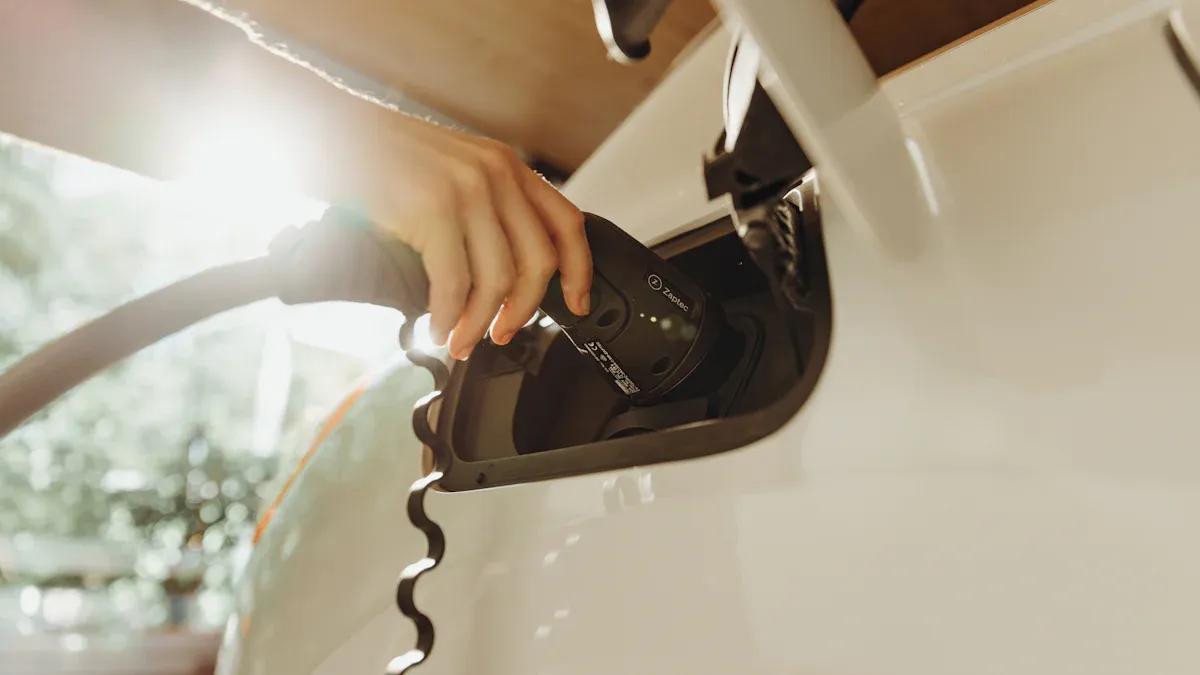
Drivers align the j1772 plug with the adapter and insert it firmly. They listen for a click that signals a secure connection. Next, they connect the adapter to the Type 2 charger at the station. The plug must fit tightly to prevent interruptions during charging. Drivers check that both ends lock in place. A secure connection supports safe power transfer and communication between the EV and the charger.
Starting the Charging Session
After connecting the adapter, drivers activate the charging station. They follow the instructions on the station’s display or app. The charger initiates a handshake with the EV through the adapter. Drivers monitor the station for confirmation that charging has started. They check the EV dashboard for charging indicators. A successful session begins when both the station and the vehicle display active charging status.
Tip: If the charging session does not start, drivers should recheck all plug connections and consult the station’s troubleshooting guide.
Safe Operation Tips
Acompanhamento do progresso do carregamento
Drivers monitor the charging progress using the EV dashboard or the station’s display. They check the charging speed and estimated completion time. If the station supports notifications, drivers enable alerts for charging status updates. Regular monitoring helps detect any interruptions or errors early.
Disconnecting Safely
When charging completes, drivers stop the session using the station controls. They unlock the plug from the charger and adapter. Drivers remove the adapter from the EV charging port. They avoid pulling on the cable to prevent damage. Safe disconnection protects both the adapter and the vehicle’s charging port.
Storing the Adapter Properly
Drivers store the adapter in a dry, secure location after use. They avoid exposure to extreme temperatures or moisture. Proper storage extends the adapter’s lifespan and maintains reliable compatibility. Drivers keep the adapter in a dedicated case or compartment to prevent accidental damage.
| Etapa | Ação |
|---|---|
| Inspect Adapter | Check for damage, clean plug ends, verify locking mechanism |
| Check Charging Port | Remove debris, confirm j1772 standard, inspect for wear |
| Connect Adapter | Align plug, insert firmly, lock both ends |
| Start Charging | Activate station, monitor dashboard, confirm charging status |
| Monitor Progress | Check speed, enable alerts, watch for errors |
| Disconnect Safely | Stop session, unlock plug, remove adapter carefully |
| Store Adapter | Keep dry, use case, avoid extreme conditions |
Note: Following these steps ensures safe and efficient charging at all Malaysian charging stations.
Common Mistakes with Compatibility
Drivers often encounter issues when connecting Japanese import EVs to Malaysian charging stations. Understanding common mistakes helps prevent disruptions and ensures safe charging sessions. The following analysis highlights frequent errors related to plug compatibility and provides practical guidance.
Using the Wrong Adapter Type
Selecting the correct adapter remains essential for successful charging. Many owners mistakenly purchase adapters designed for different plug standards. For example, a Type 2 to Type 1 adapter will not fit a J1772 plug. This mismatch prevents the EV from connecting to the station and may damage the charging port. He should always verify the plug type before buying an adapter. A compatibility chart assists in matching the vehicle’s plug with the station’s socket.
| Tipo de ficha | Compatible Adapter Needed | Result of Wrong Adapter |
|---|---|---|
| J1772 (Tipo 1) | J1772 to Type 2 | No charging possible |
| Tipo 2 (Mennekes) | Type 2 to J1772 | No charging possible |
Tip: He should check the plug shape and pin configuration before purchasing any adapter.
Overloading the Adapter
Overloading occurs when the charging station supplies more power than the adapter can handle. Some drivers connect their EV to high-capacity stations without checking the adapter’s amperage and voltage ratings. This mistake leads to overheating, electrical faults, or even permanent damage to the plug and charging port. She must always match the adapter’s specifications with the station’s output and the vehicle’s requirements. Monitoring the charging session prevents accidental overloads.
- Check the adapter’s maximum amperage rating.
- Confirm the station’s power output.
- Monitor the plug for signs of heat during charging.
Alert: Overloading the adapter can void warranties and compromise safety.
Ignoring Weather Conditions
Weather conditions affect the performance and safety of charging equipment. Many drivers ignore rain, humidity, or extreme temperatures when connecting the plug to the station. Moisture can enter the charging port, causing corrosion or electrical shorts. He should use adapters with proper waterproof ratings and store them in dry locations. She must avoid charging outdoors during heavy rain unless the adapter meets high-level protection standards.
| Weather Condition | Risk to Plug and Adapter | Ação Recomendada |
|---|---|---|
| Rain | Water ingress | Use waterproof adapter |
| Humidade | Corrosão | Store adapter in dry place |
| Extreme Heat | Material degradation | Avoid charging midday |
Nota: Sempre inspecione o plugue e o adaptador quanto à presença de umidade ou detritos antes de iniciar uma sessão de carregamento.
Condutores que evitam esses erros alcançam compatibilidade confiável e estendem a vida útil de seus equipamentos de carregamento. Ele deve permanecer vigilante durante cada sessão de carregamento e seguir as diretrizes do fabricante para operação segura.
Solução de Problemas do Adaptador J1772 para Tipo 2
Adaptador Não Reconhecido pelo Carregador
Possíveis Causas
Um carregador pode falhar em reconhecer o adaptador J1772 para Tipo 2 por várias razões. Ele deve verificar a presença de software desatualizado no veículo ou na estação de carregamento. Firmware defeituoso pode impedir a comunicação adequada entre o plugue e o carregador. Danos físicos, como invólucros rachados ou pinos corroídos, frequentemente interrompem a conexão. Fiação solta dentro do adaptador ou plugue também pode causar problemas de reconhecimento. Fatores ambientais, incluindo poeira ou umidade, podem interferir nos contatos elétricos.
- Software ou firmware desatualizado
- Danos físicos ao plugue ou adaptador
- Fiação solta ou danificada
- Poeira ou umidade na porta de carregamento
Soluções Rápidas
Ela pode resolver a maioria dos problemas de reconhecimento com etapas simples. Primeiro, ela deve atualizar o firmware do veículo e da estação de carregamento para a versão mais recente. Em seguida, precisa inspecionar o plugue e o adaptador em busca de danos visíveis. Limpar a porta de carregamento com um pano seco remove poeira e umidade. Se a fiação parecer solta, ele deve consultar um técnico para reparo. Reiniciar o carregador às vezes restaura a comunicação adequada.
Sugestão: Manutenção regular e atualizações de software ajudam a prevenir problemas de reconhecimento nas estações de carregamento.
O carregamento pára inesperadamente
Diagnosticando o Problema
Interrupções no carregamento podem frustrar proprietários de VE. Ele deve começar verificando o plugue quanto a danos físicos. Invólucros rachados ou pinos corroídos frequentemente fazem com que o carregamento pare. Fiação solta dentro do adaptador pode levar a um fluxo de energia intermitente. Software desatualizado no veículo ou carregador também pode desencadear paradas inesperadas. Fatores ambientais, como poeira ou umidade, podem afetar a porta de carregamento e interromper a sessão.
| Causa | Ação de Diagnóstico |
|---|---|
| Danos físicos | Inspecionar plugue e adaptador |
| Fiação solta | Verificar conexões internas |
| Software desatualizado | Atualizar firmware |
| Fatores ambientais | Limpar porta de carregamento |
O que fazer a seguir
Ela deve abordar a causa raiz antes de reiniciar a sessão. Se houver danos físicos, ela deve substituir o plugue ou adaptador. Para fiação solta, ele deve buscar reparo profissional. Atualizar o firmware tanto no veículo quanto no carregador garante compatibilidade. Limpar a porta de carregamento remove contaminantes ambientais. Após resolver o problema, ele pode reconectar o adaptador e retomar o carregamento.
Alerta: Ignorar interrupções repetidas pode levar a danos permanentes ao plugue ou adaptador.
Danos ou Desgaste Físico
Sinais para Observar
Danos ou desgaste físico reduzem a confiabilidade do adaptador J1772 para Tipo 2. Ele deve procurar por rachaduras no invólucro do plugue, pinos dobrados ou corroídos e cabos desfiados. Ela pode notar dificuldade em travar o plugue no carregador. Descoloração ou derretimento próximo ao plugue indica superaquecimento. A inspeção de rotina ajuda a identificar esses problemas precocemente.
- Invólucro do plugue rachado
- Pinos dobrados ou corroídos
- Cabos desfiados ou danificados
- Dificuldade em travar o plugue
- Descoloração ou derretimento
Quando Substituir o Adaptador
Ele deve substituir o adaptador se qualquer sinal de dano aparecer. Interrupções persistentes no carregamento, mesmo após limpeza e atualização de software, sugerem falhas internas. Ela deve evitar usar adaptadores com desgaste visível para prevenir riscos de segurança. Comprar um novo adaptador garante carregamento confiável em qualquer nível de estações de carregamento.
Nota: A substituição oportuna de adaptadores danificados protege o VE e mantém a operação segura.
Dicas Práticas para Proprietários de VE Importados Japoneses
Planejando Paradas de Carregamento para Compatibilidade
Encontrando Carregadores Compatíveis
Ele deve sempre planejar com antecedência antes de iniciar uma viagem com um VE importado japonês. Muitas estações de carregamento na Malásia usam o plugue Tipo 2, então ele deve confirmar a compatibilidade com o conector J1772 de seu veículo. Proprietários podem verificar detalhes das estações online ou visitar sites do fabricante para informações atualizadas. Algumas estações exibem tipos de plugue e níveis de potência em seus aplicativos ou sinalização. Uma revisão rápida o ajuda a evitar atrasos desnecessários e garante uma experiência de carregamento tranquila.
| Nome da Estação | Tipo de ficha | Nível de potência | Localização |
|---|---|---|---|
| ChargeNow KL | Tipo 2 | CA 22 kW | Kuala Lumpur |
| EV Connection JB | Tipo 2 | CA 7.4 kW | Johor Bahru |
| GreenTech Penang | Tipo 2 | CA 11 kW | Penang |
Usando Aplicativos de Carregamento
Ela pode usar aplicativos de carregamento para localizar estações compatíveis. Aplicativos como PlugShare e ChargEV fornecem atualizações em tempo real sobre disponibilidade da estação e tipos de plugue. Essas plataformas permitem que os usuários filtrem por padrões de conector e níveis de potência. Ele pode configurar alertas para estações próximas e verificar avaliações de outros proprietários de VE. Aplicativos de carregamento simplificam o planejamento de rotas e ajudam os motoristas a maximizar a eficiência durante viagens longas.
Dica: Aplicativos de carregamento frequentemente incluem avaliações e fotos de usuários, facilitando a identificação de estações confiáveis.
Mantendo um Adaptador J1772 para Tipo 2 de Reserva
Por que é Útil
Um adaptador de reserva oferece tranquilidade aos proprietários de EVs importados japoneses. Ele pode enfrentar problemas inesperados com o adaptador principal, como danos físicos ou mau funcionamento. Levar um sobressalente garante acesso ininterrupto às estações de carregamento, especialmente durante viagens longas ou em locais remotos. Ela evita atrasos e mantém flexibilidade ao alternar entre diferentes tipos de carregadores.
Práticas Recomendadas de Armazenamento
Ele deve armazenar o adaptador de reserva em uma caixa dedicada para protegê-lo da umidade e poeira. A caixa deve caber com segurança no porta-malas ou no porta-luvas do veículo. Ela verifica regularmente o adaptador em busca de sinais de desgaste e o mantém longe de temperaturas extremas. O armazenamento adequado preserva a durabilidade do adaptador e garante compatibilidade confiável em cada parada de carregamento.
- Use uma caixa impermeável para armazenamento.
- Inspecione o adaptador mensalmente.
- Evite colocar objetos pesados sobre a caixa.
Manter-se Atualizado sobre a Infraestrutura de Carregamento
Novos Desenvolvimentos na Malásia
Ele deve se manter informado sobre novas estações de carregamento e atualizações de infraestrutura. Autoridades malaias e grupos da indústria de EVs anunciam novos locais e níveis de potência por meio de comunicados à imprensa e mídias sociais. Ela segue canais oficiais para conhecer estações com recursos avançados, como carregamento mais rápido ou compatibilidade de plugue aprimorada. Manter-se atualizado ajuda os proprietários a planejar rotas e acessar a tecnologia mais recente.
Participar de Comunidades Locais de EVs
Ela se beneficia ao participar de comunidades locais de EVs e fóruns online. Esses grupos compartilham experiências em primeira mão, avaliações de estações e dicas de solução de problemas. Ele pode fazer perguntas sobre compatibilidade do carregador e receber conselhos de proprietários experientes. O envolvimento com a comunidade promove o compartilhamento de conhecimento e mantém os motoristas cientes das mudanças na infraestrutura.
Nota: A participação ativa em comunidades de EVs ajuda os proprietários a se adaptarem à tecnologia em evolução e a manter práticas de carregamento ideais.
- Motoristas na Malásia podem facilmente carregar EVs importados japoneses com adaptadores j1772 para tipo 2.
- Adaptadores de qualidade garantem compatibilidade em todos os níveis da infraestrutura pública.
- O carregamento seguro torna-se rotina quando os proprietários seguem as melhores práticas.
Com o conhecimento certo, todo proprietário de EV pode usar com confiança a rede de carregamento da Malásia.
FAQ
O que é um adaptador J1772 para Tipo 2?
Um adaptador J1772 para Tipo 2 conecta EVs importados japoneses com plugues J1772 a estações de carregamento malaias que usam tomadas Tipo 2. O adaptador permite carregamento contínuo e garante compatibilidade entre diferentes padrões de plugue.
Quais modelos de EV japoneses suportam adaptadores J1772 para Tipo 2?
Ele pode usar o adaptador com Nissan Leaf, Mitsubishi Outlander PHEV e certos modelos Tesla importados do Japão. O adaptador funciona com a maioria dos EVs japoneses que possuem porta de carregamento J1772.
Adaptadores J1772 para Tipo 2 são seguros para carregamento externo?
Os fabricantes projetam adaptadores com classificações à prova d'água, como IP54 ou IP55. Ela pode carregar com segurança ao ar livre se o adaptador atender a esses padrões. Sempre inspecione o adaptador em busca de danos antes do uso.
Dica: Armazene o adaptador em uma caixa seca após o carregamento para prolongar sua vida útil.
Quão rápido um EV importado japonês pode carregar usando o adaptador?
A velocidade de carregamento depende do veículo e da estação. A maioria dos adaptadores suporta até 7,4 kW para carregamento monofásico. Ele deve verificar as especificações do carregador de bordo do EV para a velocidade máxima suportada.
| Tipo de Adaptador | Potência máxima de saída |
|---|---|
| J1772 to Type 2 | 7,4 kW |
Onde os proprietários podem comprar adaptadores J1772 para Tipo 2 na Malásia?
Ela pode comprar adaptadores em varejistas locais de EVs, marketplaces online ou importá-los de fornecedores estrangeiros. Sempre verifique certificações e compatibilidade com as estações de carregamento malaias antes de comprar.
O que os motoristas devem fazer se o adaptador parar de funcionar?
Ele deve inspecionar o adaptador em busca de danos físicos, verificar fiações soltas e limpar a porta de carregamento. Se os problemas persistirem, entre em contato com o fabricante ou substitua o adaptador para garantir carregamento seguro.
Os motoristas podem usar o adaptador em todas as estações de carregamento da Malásia?
A maioria das estações públicas com tomadas Tipo 2 suporta o adaptador. Ela deve verificar os detalhes da estação usando aplicativos ou sites de carregamento para confirmar a compatibilidade antes de visitar.