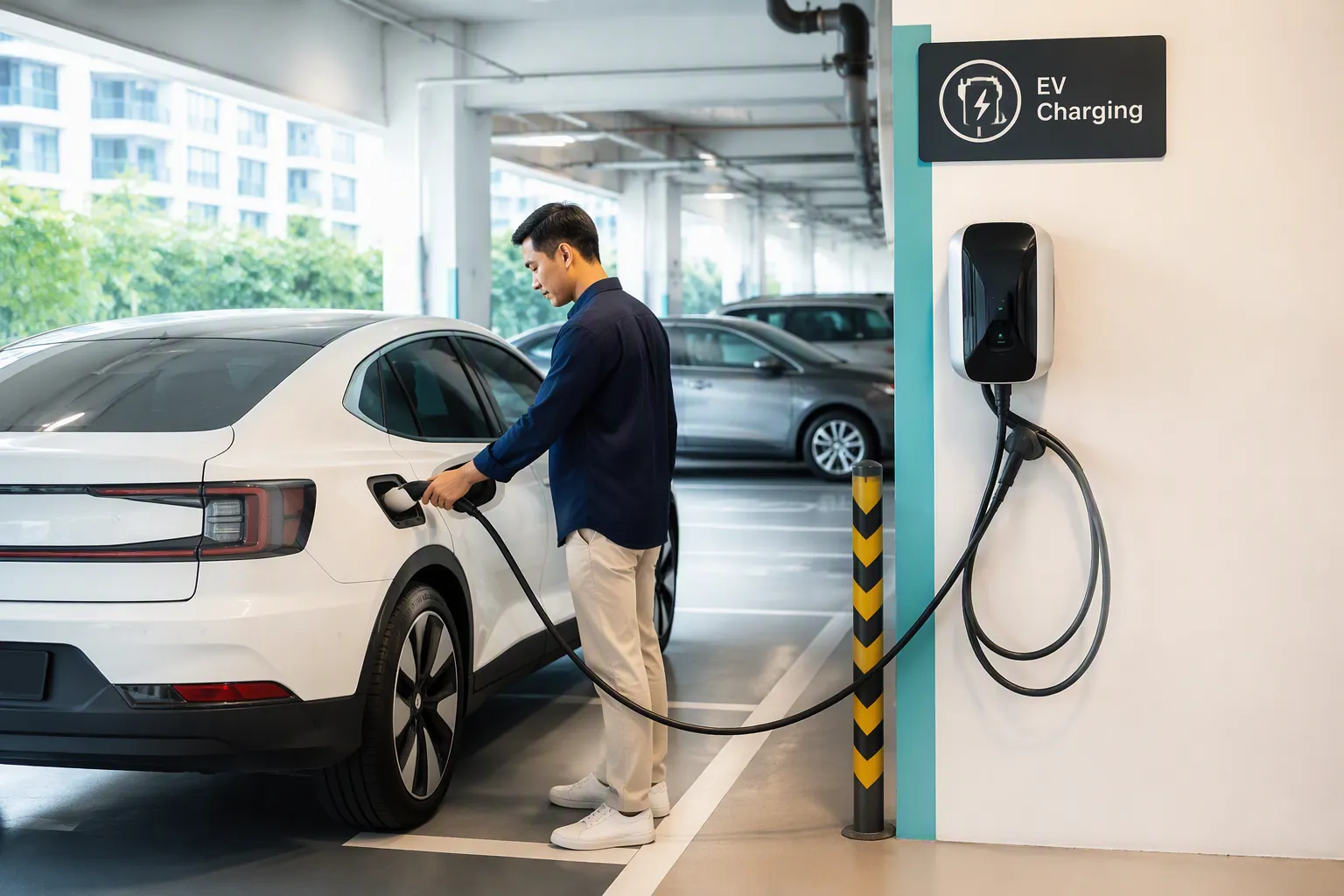

Drivers can charge an electric vehicle in multiple ways. The primary method is charging at home, offering convenience with a dedicated Carregador de veículos eléctricos ou mesmo carregadores portáteis para veículos eléctricos. For travel, public electric car charging is essential. The network is expanding rapidly; the United States government allocated $7.5 billion for 500,000 stations by 2030. Understanding how to charge is simple.
Global Network Growth
Europe’s public network also shows this growth. It is projected to double from 1 million charge points in 2025 to 2 million by 2029. Fabricantes de carregadores para veículos eléctricos fornecer diversos Soluções de carregamento de veículos eléctricos, making it easier to charge ev and manage charging electric vehicles.
Where to Charge an Electric Vehicle: Home and Public Options
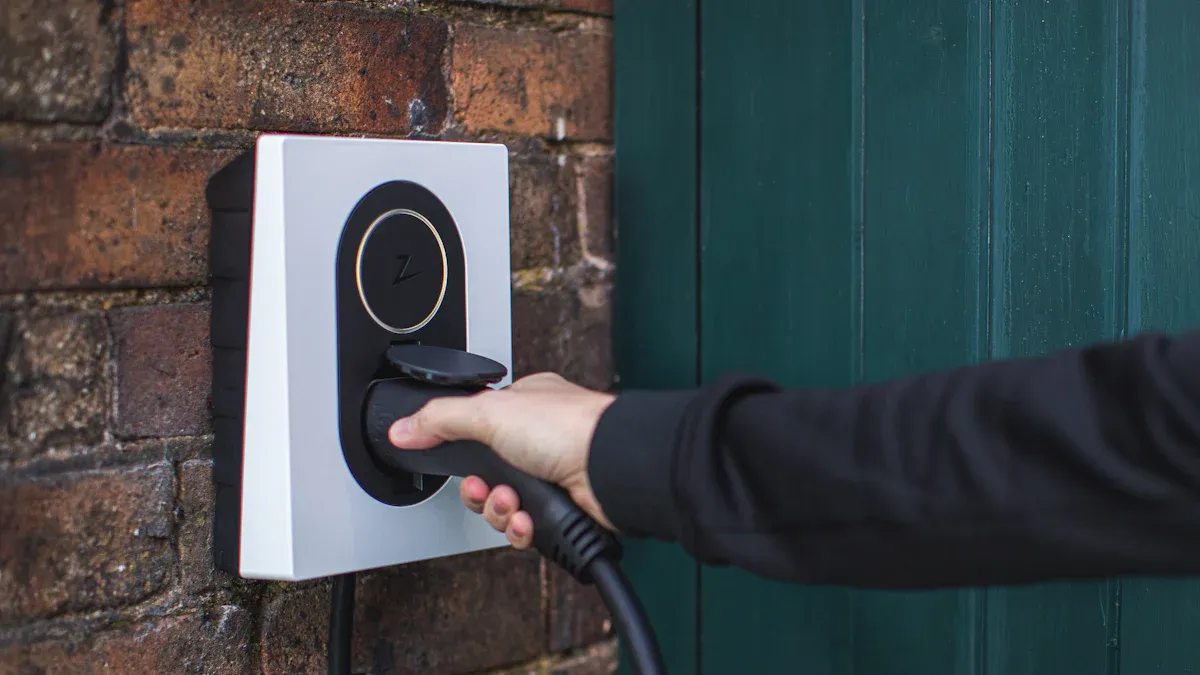
EV drivers have two primary environments for charging: the convenience of home and the necessity of public stations. Understanding the options in each category helps drivers plan their energy needs effectively. The most common and cost-effective method for daily driving is charging at home. For longer journeys or for drivers without private parking, the public network provides essential power.
Charging at Home: Your Daily Power-Up
Charging an EV at home is the foundation of electric vehicle ownership for most drivers. It allows them to start each day with a full battery, similar to charging a smartphone overnight. There are two main ways to accomplish this.
Dedicated Wall Box Chargers (Level 2)
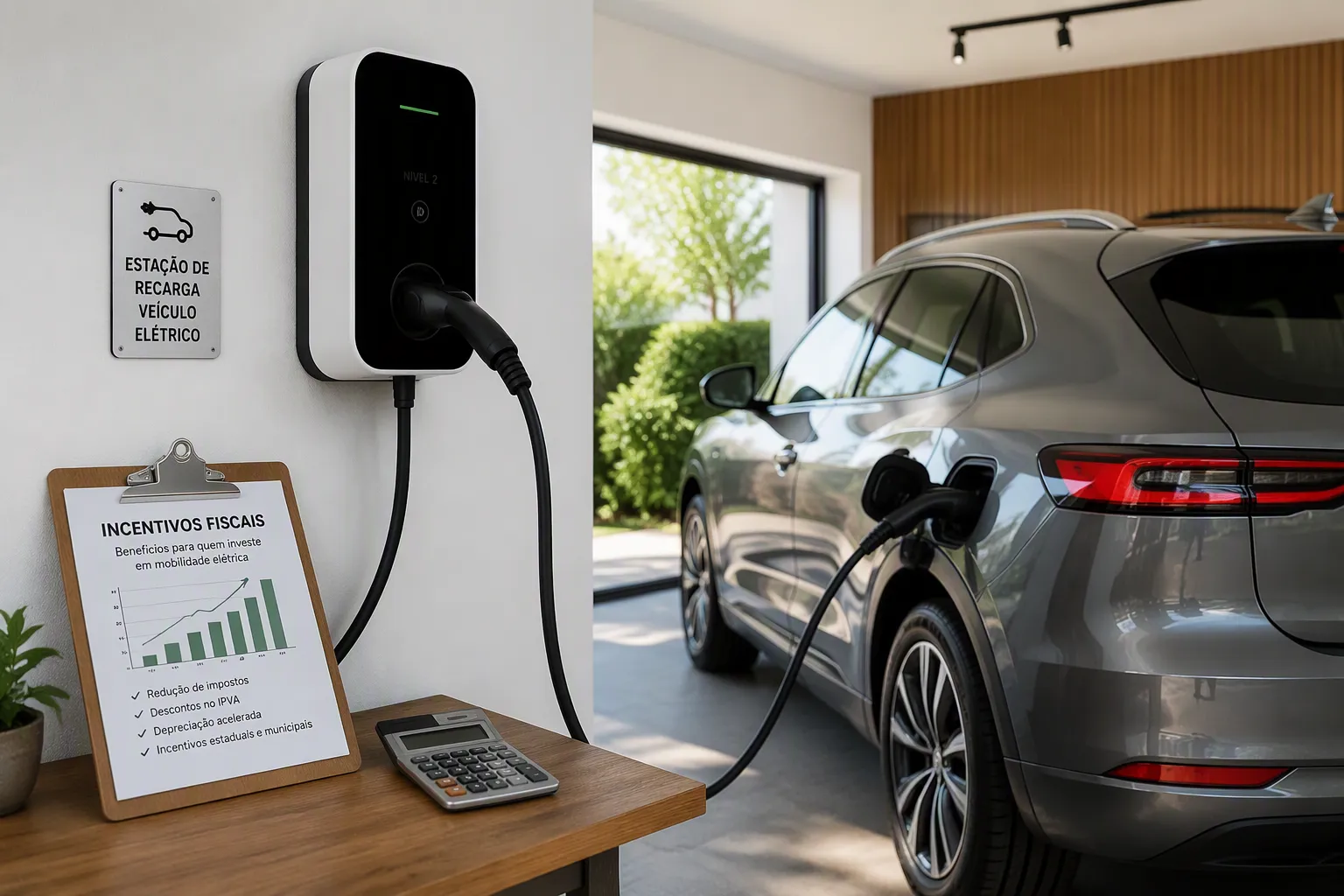
A dedicated wall box, or home charging station, is the most efficient way to handle electric car charging at home. These units provide much faster speeds than a standard socket. A typical 7kW home charger can fully charge most EVs overnight.
The process to install an ev charging station involves a qualified electrician. They will assess the home’s electrical system to ensure it can support the new load. The total cost to install an ev charging station, including the unit and labor, generally ranges from $800 a $1 500. For example, a 7kW charger unit might cost around $600, with installation adding another $400. Technologically advanced providers like TPSON offer a range of these smart EV charging solutions.
Pro Tip: Electrical System Check ⚡ Before installing a home charging station, a professional must verify the electrical system’s capacity. Key considerations include:
- A dedicated circuit, often requiring pelo menos 40 amperes.
- Notification or approval from the Operador da Rede de Distribuição (DNO).
- Potential upgrades to the main fuse or fuse box if capacity is insufficient.
Standard Domestic Sockets (Level 1)
Drivers can also charge an EV using a standard domestic wall socket with a suitable cable. This method, known as Level 1 charging, is significantly slower. It delivers power at a rate of up to 3kW. This can take over 24 hours for a full charge on a typical EV battery.
- Best Use: Overnight top-ups for plug-in hybrids or as an emergency backup for battery-electric vehicles.
- Limitação: The slow speed makes it impractical for daily use for drivers with long commutes.
- Segurança: Always use a high-quality, manufacturer-approved cable designed for this purpose.
Charging in Public: Power for the Road
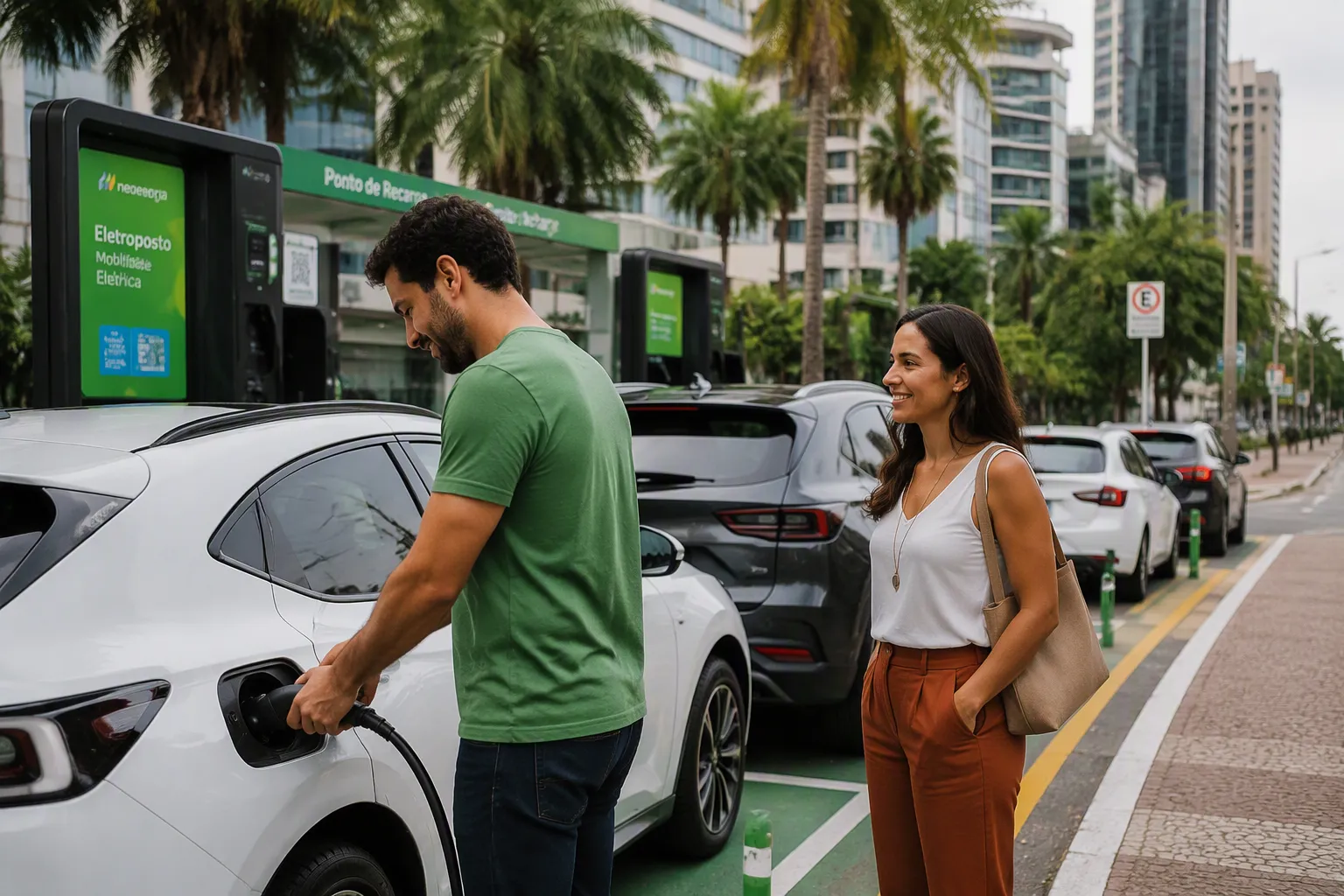
Public EV charging infrastructure is crucial for enabling long-distance travel and serving drivers without home charging access. This network is diverse, with charging points located in various accessible places.
Carregamento no local de trabalho
Many companies now offer charging facilities for their employees. This is a significant benefit, allowing drivers to charge their vehicles during the workday. It effectively extends their daily range and functions similarly to charging at home.
Destination Charging (Supermarkets, Malls)
Destination chargers are becoming common at retail parks, supermarkets, hotels, and shopping malls. These are typically fast chargers (7-22kW). They allow drivers to add a significant amount of range in the one to two hours they might spend shopping or dining.
Redes públicas de carregamento
For rapid charging on long journeys, drivers rely on dedicated public charging networks. These networks operate the fast and ultra-rapid chargers found at highway service stations and charging hubs. Prominent operators across Europe incluir:
- Allego
- EVBox (Engie)
- Innogy
- Shell Recharge Solutions
- Vattenfall
- Virta
How to Find Public Charging Stations
Locating available and compatible charging points is a simple process thanks to modern technology. Drivers can use smartphone apps or their vehicle’s built-in systems.
Using Smartphone Apps
📱 A wide range of smartphone apps helps drivers find chargers. These applications provide a comprehensive map of charging stations from various networks.
- Um melhor planeador de rotas (ABRP) excels at planning long journeys, suggesting optimal charging stops based on the vehicle, weather, and elevation.
- ChargeMap uses a large user community to provide real-time insights on charger reliability, availability, and pricing.
- Apps often show dados em tempo real, including whether a charger is currently in use, its power output, and accepted payment methods.
Using Your Car’s Navigation
Most modern electric vehicles integrate charger search functions directly into their navigation systems. The car’s system can automatically plan routes that include necessary charging stops. These integrated systems often provide a seamless experience. They can show if a charger is available in real-time and may even allow drivers to initiate and pay for a session directly from the car’s infotainment screen.
Understanding the Basics of Electric Car Charging
Navigating the world of electric car charging requires a basic understanding of two key elements: charger speeds and connector types. The speed determines how long a driver must wait, while the connector ensures the charger is compatible with the vehicle. Mastering these concepts helps drivers make informed decisions for both daily commutes and long-distance journeys.
Charger Speeds Explained
Charger speed is measured in kilowatts (kW). A higher kW rating means faster energy delivery to the vehicle’s battery. Chargers are broadly categorized into three speeds, which correspond to different use cases and technologies (AC vs. DC).
AC vs. DC Power ⚡
Alternating Current (AC) is the type of electricity supplied to homes. When an EV uses an AC charger, the car’s onboard converter must change it to Direct Current (DC) to store it in the battery. DC chargers perform this conversion outside the car, allowing them to deliver power directly and much more quickly.
Slow Charging (AC, up to 3kW)
Slow charging uses Alternating Current (AC) at a power level of up to 3kW. This is the speed drivers get when plugging into a standard household wall socket. It is the most basic way to charge ev batteries. While convenient as a backup, its slow pace makes it best suited for plug-in hybrids with smaller batteries or for overnight top-ups on a battery-electric vehicle.
Fast Charging (AC, 7-22kW)
Fast chargers also use AC power but operate at a higher output of 7kW to 22kW. These are the most common types of chargers found in home wall boxes and public pontos de carregamento at destinations like supermarkets, gyms, and workplaces. A 7kW unit is standard for home installation and can fully replenish most EV batteries overnight, making it a practical solution for daily driving needs.
Rapid & Ultra-Rapid Charging (DC, 50kW+)
Rapid and ultra-rapid chargers deliver Direct Current (DC) power at speeds of 50kW and higher, with some modern units exceeding 350kW. This method bypasses the car’s onboard converter, enabling incredibly fast charging times. These chargers are essential for long-distance travel and are typically located along major highways and at dedicated charging hubs. The primary goal of rapid dc charging is to add significant range in a short amount of time.
The table below outlines the key differences in use cases for each charging type.
| Tipo de carregamento | Caso de utilização |
|---|---|
| Slow (AC) | Ideal for overnight, at-home charging; gentler on the battery and uses cheaper electricity tariffs. |
| Fast (AC) | Suitable for public spaces (e.g., shopping, work) and home wall boxes, offering a full charge in several hours. |
| Rapid (DC) | Perfect for long-distance travel or commercial fleets where speed is critical, adding substantial range quickly. |
| Ultra-Rapid (DC) | Makes long trips highly efficient, enabling a near-full charge in under 30 minutes for compatible vehicles. |
Common EV Connectors You’ll Encounter
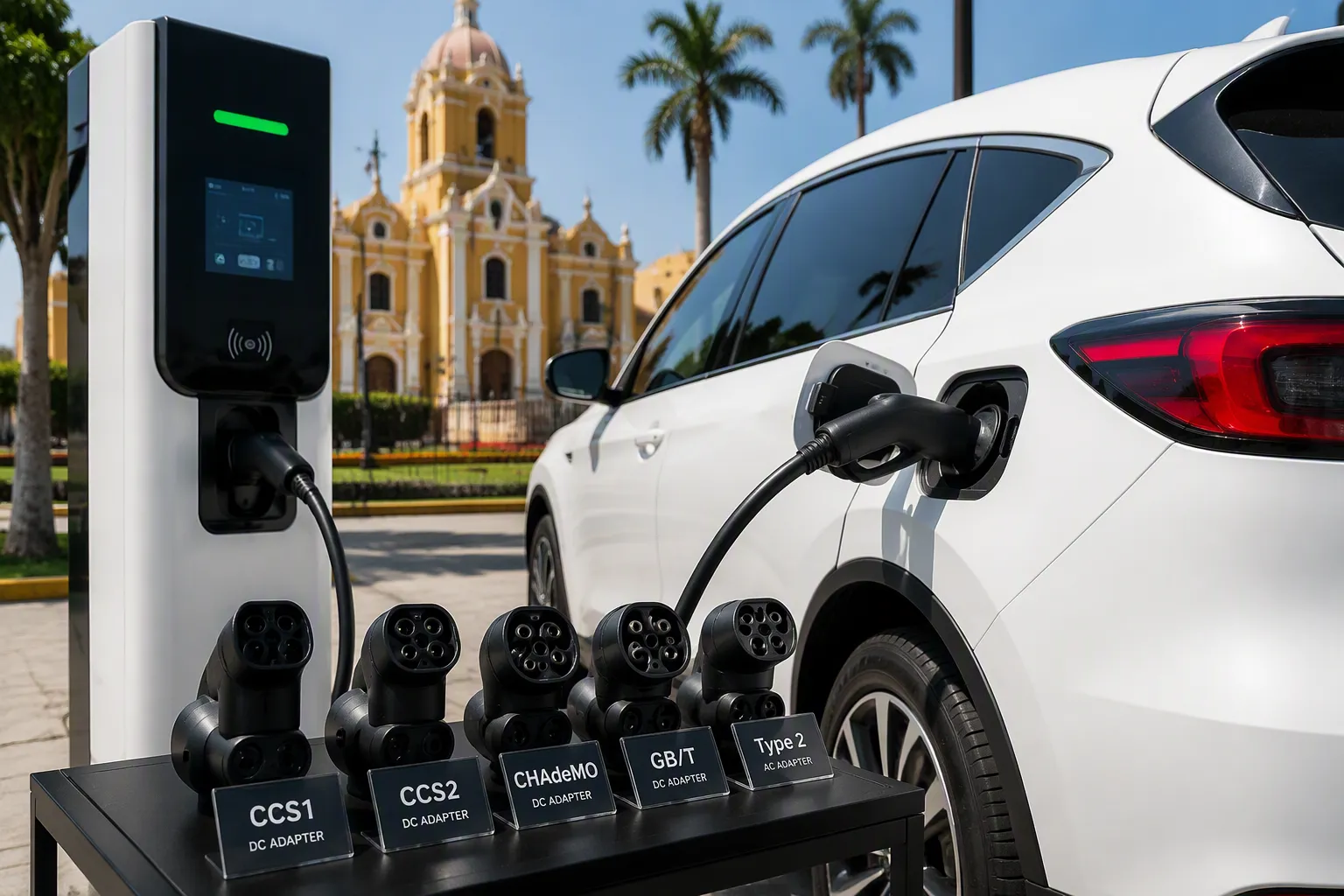
Just as smartphones have different charging ports, electric vehicles use various connectors. While the industry is standardizing, drivers will still encounter a few different types. Knowing which plug their car uses is fundamental to successful electric car charging.
Type 2 (AC Charging Standard)
The Type 2 connector is the universal standard for AC charging across Europe. All modern electric vehicles sold in the region, including Tesla models, feature a Type 2 inlet for slow and fast charging. Its versatile design allows for single-phase (up to 7.4kW) and three-phase (up to 22kW) power.
CCS (DC Fast Charging Standard)
The Combined Charging System, or CCS, is the dominant standard for rapid dc charging. It cleverly adds two large DC pins below the standard Type 2 port, creating a single, combined connector. This design allows vehicles to use the same socket for both AC and DC charging. Major manufacturers that have adopted the CCS standard include:
- Audi
- BMW
- Volkswagen
- Volvo
- Tesla (Model 3, Model Y, and newer Model S/X)
CHAdeMO and NACS (Tesla)
Two other important connectors are CHAdeMO and NACS.
- CHAdeMO: This is a DC charging standard developed in Japan. It was an early rival to CCS and is primarily found on older models from Japanese automakers, such as the Nissan Leaf and Mitsubishi Outlander PHEV.
- NACS (Norma de Carregamento da América do Norte): Developed by Tesla, NACS was initially proprietary. However, Tesla has opened its design, and it is now being adopted by numerous other automakers in North America. To improve interoperability, adapters are available that allow vehicles with other connectors to use Tesla’s network. For instance, some adapters let a driver with a Type 2 cable plug into a NACS socket for AC charging.
How to Use a Public EV Charger

Using a public charger is a straightforward task once a driver understands the basic steps. While units vary between networks, the core actions remain consistent. Drivers typically initiate a session with an app, a payment card, or an RFID fob before connecting the vehicle.
Starting a Charging Session
Authentication is the first step at most public charging stations. Drivers must identify themselves and authorize payment. There are three common methods to do this.
Using a Smartphone App
Most charging networks require drivers to use a dedicated smartphone app. The driver first downloads the app and creates an account with payment details. At the station, they open the app, select the specific charger (often by scanning a QR code), and follow the prompts to begin charging.
Paying with a Contactless Card
Many newer charging stations offer a simpler payment method. Networks like Evolt are equipping their chargers with contactless payment terminals. Drivers can simply tap their bank card, Apple Pay, or Google Wallet on the reader to start and stop a session. This method eliminates the need for an app or a network account, though a small pre-authorization fee may apply.
Using an RFID Card or Fob
Some drivers prefer using a Radio-Frequency Identification (RFID) card. These cards are linked to a driver’s account with a specific charging network. Holding the card against the designated reader on the charger authenticates the user and starts the session. Many networks provide an RFID card upon registration.
The Step-by-Step Charging Process
The physical charging process involves a few simple actions. Following these steps ensures a safe and successful connection every time.
Connecting the Cable to Your Car
First, drivers must park in the designated bay. If the charger has a tethered cable, they simply plug it into their vehicle’s charging port. If the charger is untethered, drivers must use the car charger cable that came with their vehicle, connecting one end to the charger and the other to the car.
Authenticating and Starting the Charge
After connecting the cable, the driver authenticates using one of the methods described above (app, contactless, or RFID). The charger will communicate with the vehicle to confirm a secure connection. The charging process begins once authentication is successful, often indicated by a solid blue or green light on the unit.
Troubleshooting Tips: If a Charge Fails to Start 💡 Sometimes a session does not begin after authentication. Here are a few common checks:
- Check the Charger: A solid blue light usually means it is ready. Other colors or flashing lights indicate an issue.
- Inspecione o Cabo: Ensure the cable is securely plugged into both the charger and the vehicle.
- Verificar Autenticação: Certifique-se de que o carregador correto foi selecionado no aplicativo ou que o cartão RFID foi aproximado do leitor até que ele emitisse um sinal sonoro.
- Verificar Configurações do Veículo: Confirme que um temporizador de carregamento programado dentro do veículo não está impedindo o início da sessão.
Encerrar a Sessão e Desconectar
Para parar o carregamento, os condutores utilizam o mesmo método usado para iniciar. Podem encerrar a sessão pelo aplicativo, tocando novamente o cartão sem contato ou apresentando o cartão RFID. Assim que o carregador liberar o bloqueio, podem desconectar o cabo do veículo e recolocá-lo no suporte. Isso completa o processo de carregamento.
Quanto Tempo Leva para Carregar Baterias de VE?
O tempo necessário para carregar a bateria de um veículo elétrico depende de várias variáveis interligadas. Não há uma resposta única que se aplique a todas as situações. Compreender esses elementos-chave ajuda os condutores a prever os tempos de carregamento e a planear os seus horários de forma eficaz. Os principais fatores incluem o tamanho da bateria, a potência do carregador, os limites próprios do veículo e as condições ambientais.
Fatores-Chave que Influenciam o Tempo de Carregamento
Quatro fatores primários atuam em conjunto para determinar a velocidade de qualquer sessão de carregamento de carro elétrico.
Tamanho da bateria (kWh)
A capacidade da bateria de um veículo, medida em quilowatt-hora (kWh), é o fator mais básico. Uma bateria maior armazena mais energia e naturalmente levará mais tempo a encher do que uma menor, assumindo que a potência de carregamento se mantém constante.
Potência de Saída do Carregador (kW)
A potência de saída do carregador, medida em quilowatts (kW), determina a rapidez com que pode fornecer energia. Um carregador rápido de 50kW recarregará uma bateria muito mais rápido do que um carregador doméstico de 7kW.
Taxa Máxima de Carregamento do Seu Veículo
Um veículo só pode aceitar energia tão rapidamente quanto os seus sistemas a bordo permitirem. Para carregamento AC, o carregador a bordo do carro converte energia AC em energia DC para a bateria. Este componente tem uma classificação de potência máxima.
- Se o carregador a bordo de um carro tiver uma classificação de 7,4kW, ele só irá consumir 7,4kW de potência, mesmo quando ligado a uma estação de 22kW.
- O veículo comunica com o ponto de carregamento para garantir que nunca consome mais energia do que pode suportar com segurança.
Nível Atual da Bateria e Temperatura
A velocidade de carregamento não é linear. Segue uma “curva de carregamento”, desacelerando significativamente à medida que a bateria se aproxima dos 80% de capacidade para proteger a sua saúde. A temperatura também desempenha um papel crítico.
Impacto da Temperatura no Carregamento 🌡️
Temperaturas extremas forçam o sistema de gestão da bateria do veículo a trabalhar mais. Em tempo frio, o sistema deve aquecer a bateria até uma temperatura ideal, desacelerando a velocidade inicial de carregamento. Em tempo muito quente, deve arrefecer a bateria, o que também pode limitar a potência para evitar danos.
Tempos de Carregamento Estimados por Tipo de Carregador
Para ilustrar estas diferenças, seguem-se os tempos estimados para carregar uma bateria típica de VE de 60kWh de 20% para 80%. Esta faixa é frequentemente utilizada porque os últimos 20% do carregamento são muito mais lentos.
| Tipo de carregador | Potência de saída | Tempo Estimado (20-80%) |
|---|---|---|
| Nível 1 | ~2,3kW | 12 – 15 horas |
| Nível 2 | 7kW | 8 – 12 horas |
| Carregador rápido DC | 150kW+ | ~40 minutos |
Nível 1 (saída padrão)
Utilizar uma tomada de parede padrão é a forma mais lenta de carregar baterias de VE. É melhor para recargas noturnas em híbridos plug-in ou como uma opção de emergência.
Nível 2 (Wall Box)
A Uma wall box de Nível 2 ou carregador doméstico fornece uma solução prática para necessidades diárias. Pode carregar de forma fiável a maioria dos VE durante a noite.
Carregador rápido DC
O carregamento rápido DC é concebido para viagens de longa distância. Estas estações potentes podem adicionar autonomia significativa em menos de uma hora, tornando as viagens rodoviárias muito mais convenientes. A velocidade do carregamento rápido DC torna-o um fator de mudança para condutores em movimento.
Os Custos de Carregamento de Veículos Elétricos
Compreender o aspeto financeiro da posse de um VE é crucial. O custo para carregar um VE varia significativamente entre carregar em casa e utilizar infraestrutura pública. O carregamento doméstico é quase sempre a opção mais económica, enquanto os custos do carregamento público dependem da velocidade e localização.
Calcular Custos de Carregamento Doméstico
Calcular a despesa de carregar em casa é simples. Depende principalmente do preço da eletricidade do fornecedor de serviços residencial.
Compreender a Sua Fatura de Eletricidade
O custo da eletricidade é medido em cêntimos por quilowatt-hora (kWh). No início de 2023, a média nacional nos EUA era de cerca de 15–17 cêntimos por kWh. Para encontrar o custo de uma carga completa, o condutor multiplica o tamanho da sua bateria (em kWh) pela sua tarifa de eletricidade. Por exemplo, encher uma bateria de 60 kWh a0,17 por kWh custaria aproximadamente 10,20€. No entanto, as tarifas diferem por região.
| Região | Tarifa Residencial Média (por kWh) |
|---|---|
| Nacional | 15–17 cêntimos |
| Arkansas | ~$0.12 |
| Califórnia | >0,30€ (em algumas regiões) |
Aproveitar Tarifas Fora de Pico e de Tempo de Uso
Muitas empresas de serviços públicos oferecem planos tarifários especiais para reduzir o custo para carregar um VE. As tarifas de tempo de uso (ToU) fornecem eletricidade mais barata durante as horas fora de pico, tipicamente durante a noite. Os proprietários de VE podem reduzir significativamente as despesas programando a sua estação de carregamento doméstica para operar durante estes períodos. Inscrever-se nestes planos geralmente envolve alguns passos:
- Apply Online: Customers can often switch to an EV or ToU tariff through their utility’s website.
- Meet Requirements: This typically requires having an EV, a smart meter, and an online account.
- Confirmation: The utility handles the switch and confirms the start date.
- Switch Complete: The new, lower rates apply during the designated off-peak hours.
Public Charging Costs Explained
Public electric car charging costs are more varied. Prices are influenced by the charging network, the charger’s speed, and the pricing model used.
Preço por Quilowatt-hora (kWh)
Most public stations bill per kWh, similar to a gas station billing per gallon. DC fast chargers deliver power more quickly and are therefore more expensive than slower Level 2 chargers. A driver can expect to pay a premium for the convenience of speed. The price to charge ev at a public station reflects this difference.
| Tipo de carregamento | Price Range per kWh |
|---|---|
| Público Nível 2 | $0.30 – $0.40 |
| Carregamento rápido DC | $0.45 – $0.85 |
| Carregamento rápido (7-22 kW) | $0.30 – $0.45 |
| Rapid Charging (50-150 kW) | $0.50 – $0.79 |
Session Fees and Per-Minute Billing
Some networks add a flat fee to start a session or bill by the minute instead of by energy delivered. Per-minute billing can become expensive if a vehicle has a slow charging rate, as the car will occupy the bay for a longer time.
Network Subscriptions and Memberships
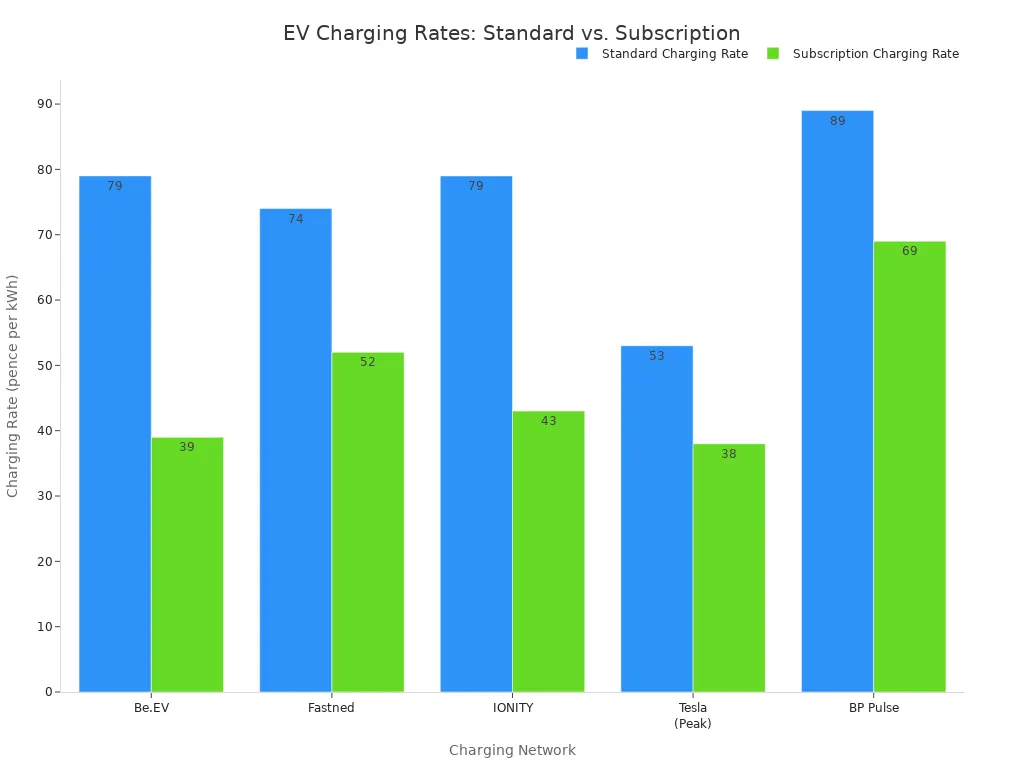
For drivers who frequently use public stations, many networks offer monthly or annual subscriptions. These memberships provide access to lower per-kWh rates in exchange for a recurring fee. Networks like BP Pulse and IONITY use this model for charging electric vehicles, offering significant savings for high-mileage drivers. A subscription can dramatically reduce the overall cost to charge an ev on the road.
Best Practices for Efficient Charging
Adopting smart charging habits helps drivers preserve their vehicle’s battery and extend its driving range. Proper battery care and efficient driving techniques are simple yet powerful ways to get the most out of an electric vehicle.
Tips for Maintaining Battery Health
A vehicle’s battery is its most vital component. Following a few key principles ensures its longevity and performance over many years.
The 80% Rule for Daily Charging
For most daily driving, it is best to limit the battery’s charge to 80%. Carregar até 100% places significant stress on lithium-ion battery components. The final 20% of charging requires higher voltage, which generates heat and accelerates chemical aging. The optimal operating range for these batteries is between 20% and 80%. Keeping the charge within this “sweet spot” minimizes degradation and extends the battery’s lifespan.
A Note on Battery Chemistry 🧪
This 80% rule is less critical for vehicles with Lithium Iron Phosphate (LiFePO4) batteries. These batteries have a flatter charge curve, making it difficult to target a specific percentage. For LiFePO4 batteries, it is more important to avoid extreme high or low voltages than to stick to a strict 80% limit.
Avoiding Very Low Battery Levels
Just as a full charge can be stressful, consistently letting the battery drop to very low levels (below 20%) can also harm its long-term health. Drivers should aim to plug in before the battery level becomes critically low. This simple habit helps maintain the battery’s capacity over time.
Managing Charging in Extreme Weather
Temperature significantly affects battery performance and the electric car charging process.
- Freezing Winter Conditions: Cold weather reduces charging efficiency. Drivers should account for longer charging periods. It is wise to start commutes with a full battery to counteract the cold’s impact on range.
- Extreme Summer Heat: EV battery management systems are designed to protect the battery. In intense heat, the system may automatically stop a charging session if temperatures become too high. This is a safety feature to prevent overheating and preserve battery health.
How to Maximize Your Driving Range
Efficient driving habits can dramatically increase how far a vehicle travels on a single charge.
Drive Smoothly and Avoid Hard Acceleration
Aggressive driving consumes energy rapidly. Smooth acceleration and gentle braking are far more efficient. Maintaining a steady speed, especially on highways, helps conserve battery power and maximize the vehicle’s range.
Utilize Regenerative Braking
Regenerative braking is a key feature of electric vehicles. When a driver lifts their foot off the accelerator or applies the brakes, the electric motor reverses its function. It captures the car’s kinetic energy, which would be lost as heat in a traditional car. This system can recover and reuse up to 70% of the energy from braking, sending it back to the battery and extending the driving range.
Precondition Your Cabin While Plugged In
Heating or cooling the cabin uses a significant amount of energy. Drivers can use their vehicle’s app to “precondition” the cabin to a comfortable temperature while the car is still plugged into the charger. This action draws power from the grid instead of the battery, preserving precious range for the drive ahead.
Getting Started with Your First Charge
A new EV driver’s first charging experiences at home and in public are simple milestones. Understanding what to expect in each environment ensures a smooth transition into electric vehicle ownership. Home charging focuses on convenience and routine, while public charging requires a bit of planning and courtesy.
What to Expect at Home
Charging at home is the cornerstone of EV ownership. It provides a reliable and cost-effective way to start each day with sufficient range.
Using the Cable Provided with Your Car
Most new electric vehicles come with a standard Level 1 charging cable. This cable allows the car to plug directly into a typical household wall socket. It provides power at a rate of approximately 2.3-3 kW. This slow speed adds only about 8-10 miles of range for every hour of charging. A full charge could take over 20 hours, making this method best for occasional top-ups or emergencies rather than daily use.
Setting a Charging Schedule
Os condutores podem gerir os custos e a conveniência do carregamento definindo um horário. Isto é frequentemente feito através do sistema de infotenimento do veículo ou de uma aplicação para smartphone. A programação permite que o carro carregue durante as horas de vazio, quando as tarifas de eletricidade são mais baixas. Embora seja possível com qualquer método de carregamento, esta funcionalidade funciona melhor com um carregador dedicado. Os condutores que instalam uma estação de carregamento para veículos elétricos beneficiam de um carregamento mais rápido e inteligente. Um carregador inteligente estação de carregamento doméstica pode iniciar e parar sessões automaticamente com base no preço da energia. Por esta razão, muitos proprietários optam por instalam uma estação de carregamento para veículos elétricos instalar um carregador dedicado para uma experiência mais integrada e eficiente. Um carregador dedicado carregador doméstico e um estação de carregamento doméstica é a solução mais eficaz a longo prazo.
O Que Esperar numa Estação Pública
Utilizar uma estação pública pela primeira vez é um processo simples. Algumas considerações-chave ajudam a tornar a experiência perfeita.
Verificar a compatibilidade dos conectores
Antes de chegar a uma estação, o condutor deve confirmar que o carregador tem o conector correto para o seu veículo. A maioria dos veículos elétricos modernos nos EUA utilizam uma ficha CCS ou NACS (Tesla) para carregamento rápido DC. As aplicações de carregamento e o sistema de navegação do carro permitem que os condutores filtrem estações com fichas compatíveis, evitando deslocações desnecessárias.
Compreender a Etiqueta de Carregamento
O carregamento público é um recurso partilhado. Seguir algumas regras simples garante que a rede permaneça acessível para todos.
As Regras Não Escritas do Carregamento Público A etiqueta é crucial para uma experiência comunitária positiva.
- Carregue e Siga Viagem: Ocupe uma baía de carregamento apenas enquanto o veículo estiver a carregar ativamente. Mova o carro assim que tiver autonomia suficiente para a viagem.
- Não Estacione se Não Estiver a Carregar: Os lugares de carregamento são para carregar, não para estacionar. Nunca bloqueie uma baía se não tiver a intenção de ligar o carro.
- Evite Carregar até 100% em Carregadores Rápidos: A velocidade de carregamento diminui drasticamente após os 80%. A menos que seja absolutamente necessário, desligar aos 80% liberta o carregador rápido muito mais cedo para o próximo condutor.
Carregar um veículo elétrico é um processo simples. O carregamento doméstico é o método mais económico, permitindo aos condutores poupar em média 622,60€ anualmente em comparação com os proprietários de carros a gasolina. A rede em expansão de pontos de carregamento público, incluindo acesso a carregamento rápido DC, torna as viagens de longa distância cada vez mais convenientes. Ao compreender os tipos de carregadores e adotar hábitos inteligentes, os condutores podem poupar dinheiro otimizar o carregamento e proteger a sua bateria. Com um planeamento mínimo, a utilização destes pontos de carregamento torna-se uma parte simples do dia a dia.
FAQ
Os condutores podem carregar um VE à chuva?
Sim. Os sistemas de carregamento de VEs são concebidos para todas as condições meteorológicas. Os conectores e portas são impermeáveis. Uma ligação segura impede que a eletricidade flua até que o sistema confirme que é seguro, tornando o processo completamente seguro.
É mau usar apenas carregadores DC rápidos?
O carregamento rápido DC frequente pode degradar a bateria mais rapidamente ao longo do tempo devido ao aumento de calor. Para necessidades diárias, o carregamento AC mais lento é mais suave e melhor para a saúde da bateria a longo prazo. Os condutores devem reservar o carregamento rápido para viagens longas.
Preciso de uma ficha especial para carregar em casa?
Não. Os condutores podem usar uma tomada doméstica padrão com o cabo de Nível 1. fornecido com o carro. No entanto, instalar um carregador dedicado de Nível 2 (estação de carregamento doméstica) proporciona um carregamento muito mais rápido e eficiente para uso diário.
O que acontece se um VE ficar sem bateria?
O carro fornece vários avisos à medida que a bateria fica baixa. Se se esgotar completamente, o veículo irá parar. O condutor terá de chamar assistência em viagem para rebocar o veículo até à estação de carregamento mais próxima.
Dica profissional 💡
A maioria das apólices de seguro e programas de assistência dos fabricantes automóveis incluem serviços de reboque para esta exata situação.
Porque é que o carregamento fica mais lento depois do 80%?
O sistema de gestão da bateria do veículo reduz a velocidade de carregamento para proteger a bateria. Este processo reduz o calor e o stresse nas células da bateria. Esta ação ajuda a preservar a sua saúde a longo prazo e a capacidade geral.
Qualquer veículo elétrico pode utilizar qualquer carregador público?
Não. Os condutores devem verificar a compatibilidade do conector. Nos EUA, a maioria dos novos VEs usa fichas CCS ou NACS (Tesla). As aplicações de carregamento e os sistemas de navegação do carro ajudam os condutores a encontrar estações com a ficha correta para o seu veículo.