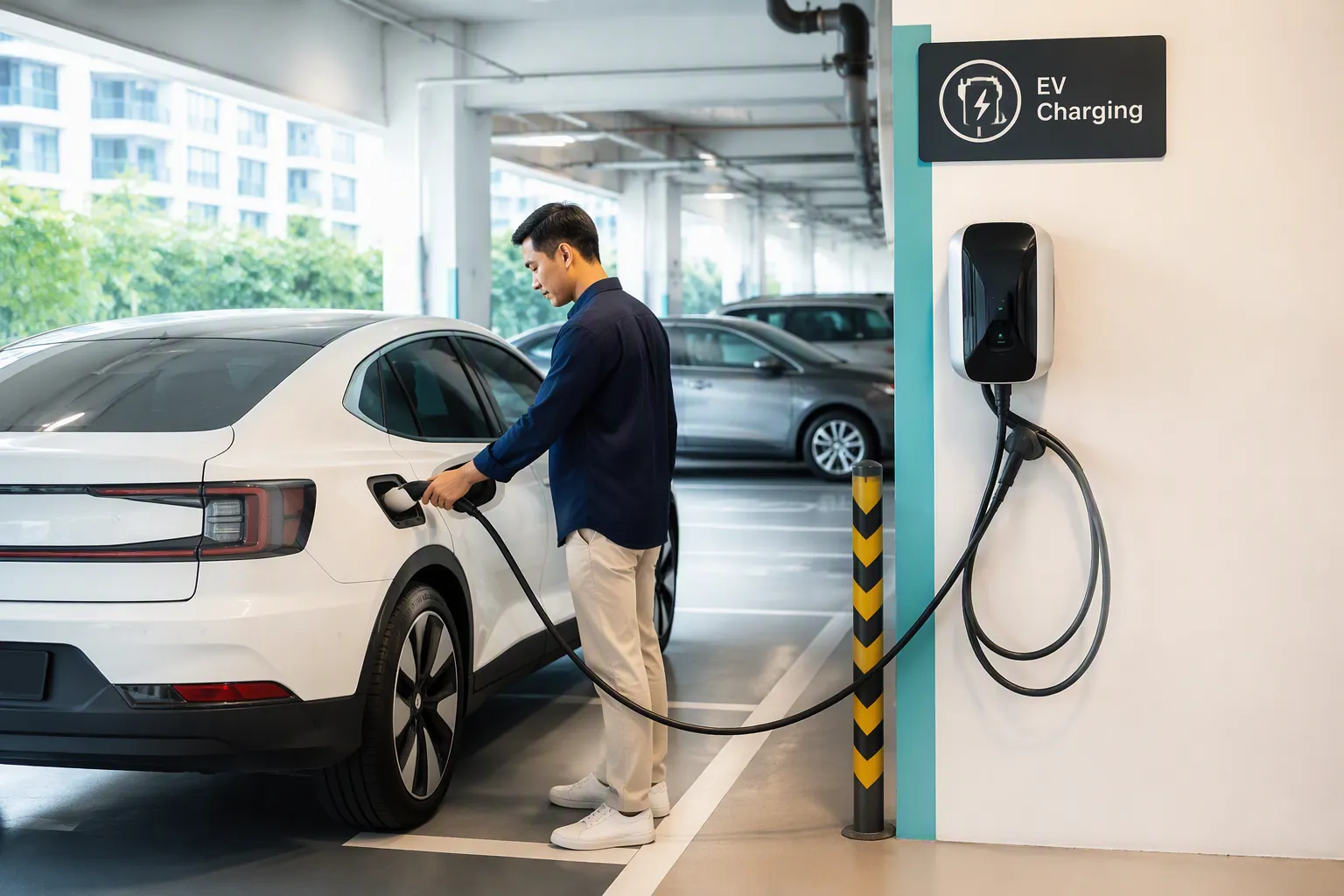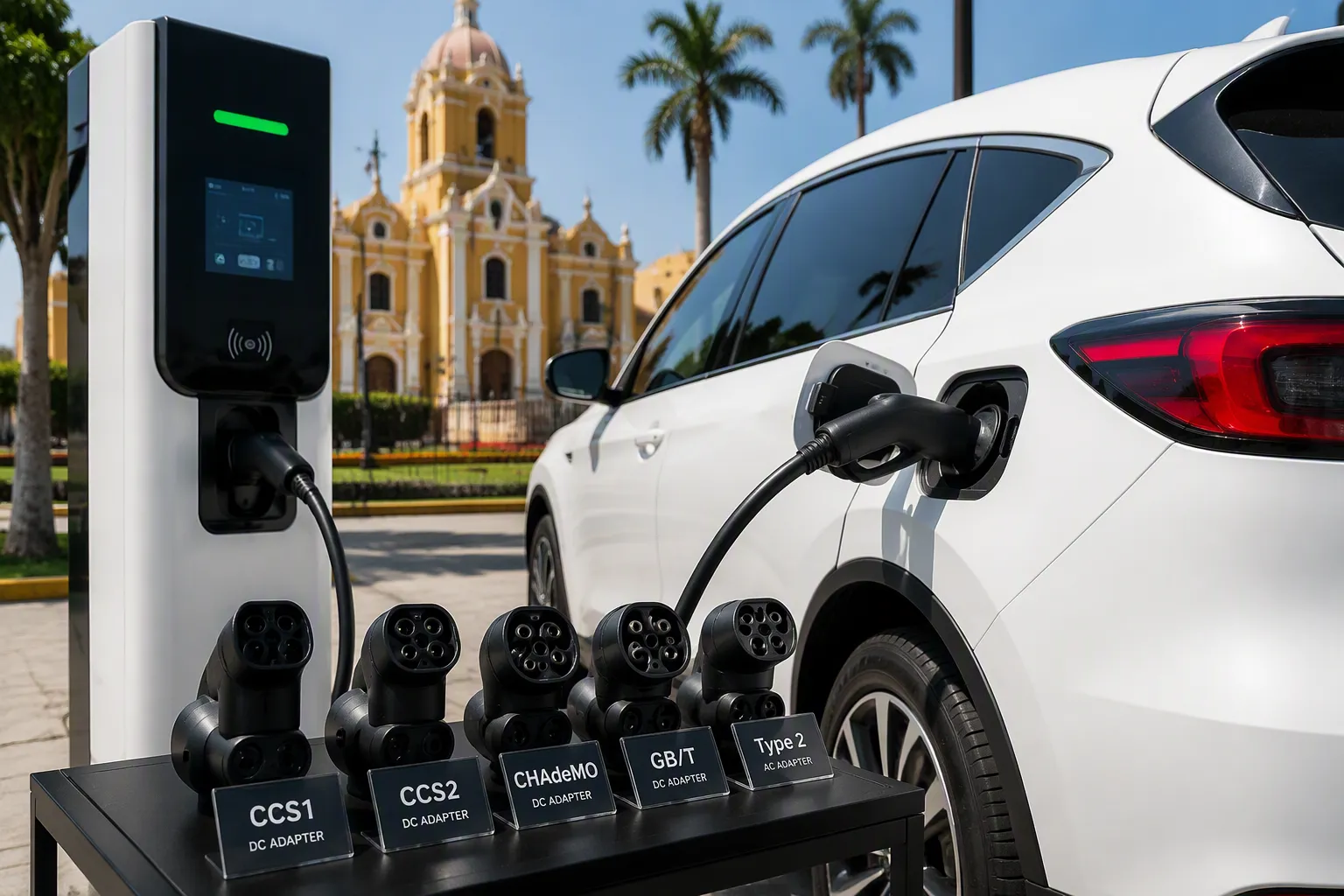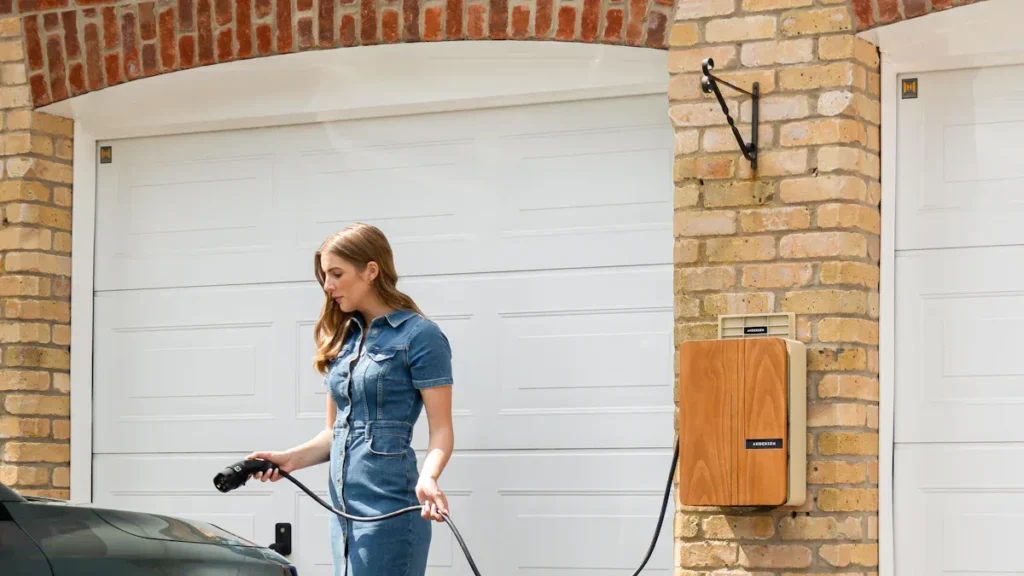

Um proprietário de VE tem duas opções principais para carregar um VE em casa. Pode usar uma tomada de parede padrão ou um carregador doméstico dedicado para VE. Um carregador dedicado Carregador de veículos eléctricos proporciona um carregamento mais rápido e seguro. É o método recomendado para a maioria dos proprietários de veículos elétricos. Carregar em casa com uma unidade dedicada de marcas líderes Fabricantes de carregadores para veículos eléctricos oferece uma Soluções de carregamento de veículos eléctricos superior em comparação com as carregadores portáteis para veículos eléctricos. básicas. Isso garante que o VE esteja sempre pronto para a estrada.
Compreendendo as Suas Opções de Carregamento Doméstico para Veículos Elétricos

Um proprietário de VE deve primeiro compreender os dois níveis primários de carregamento disponíveis para uso residencial. Estes são conhecidos como Nível 1 e Nível 2. Cada nível oferece um equilíbrio distinto entre velocidade, custo e requisitos de instalação. Fazer a escolha certa é fundamental para uma experiência de propriedade positiva.
Carregamento Nível 1: Usando uma Tomada Padrão
O que é Carregamento Nível 1?
O carregamento Nível 1 é o método mais básico de carregamento de carro elétrico. Utiliza uma tomada de parede doméstica padrão de 120 volts, do mesmo tipo usada para alimentar uma televisão ou uma lâmpada. Este método requer um cabo de carregamento móvel, que normalmente vem incluído na compra de um novo VE. O proprietário simplesmente liga uma extremidade à parede e a outra à porta de carregamento do veículo. Nenhuma instalação especial é necessária.
Velocidade de Carregamento e Casos de Uso Ideais
A principal característica do carregamento Nível 1 é a sua baixa velocidade. Normalmente adiciona apenas 3 a 5 milhas de autonomia por hora de carregamento. Por exemplo, carregar totalmente uma bateria de VE de 60kWh a partir de vazio pode levar um tempo significativo, frequentemente entre 18 e 22 horas..
Nota: Devido ao seu ritmo lento, o carregamento Nível 1 é mais adequado para veículos elétricos híbridos plug-in (PHEVs) com baterias menores ou para proprietários de VEs que percorrem muito poucas milhas diariamente. Também serve como uma opção de backup confiável ou para uso quando se visita amigos ou familiares.
Carregamento Nível 2: A Solução Dedicada para Casa
O que é o carregamento de nível 2?
O Nível 2 é o padrão para carregamento doméstico dedicado. Este método utiliza um circuito de 240 volts, semelhante ao que alimenta um eletrodoméstico grande como um forno elétrico ou um secador de roupa. Um carregador Nível 2, também chamado de Equipamento de Fornecimento para Veículo Elétrico (EVSE), deve ser instalado profissionalmente.. Este equipamento fornece energia ao VE de forma muito mais rápida e eficiente do que uma tomada padrão.
Porque é o Padrão para Uso Doméstico
O Nível 2 é a solução de carregamento de veículo elétrico recomendada para a maioria dos proprietários porque se alinha com as necessidades diárias de condução de um VE. Oferece uma forma prática e poderosa de carregar um carro elétrico durante a noite. As principais vantagens incluem:
- Conveniência: Um VE pode receber uma carga completa em aproximadamente 4 a 8 horas, garantindo que esteja pronto todas as manhãs.
- Fiabilidade: Proporciona uma taxa de carregamento consistente e mais rápida, o que ajuda a reduzir a ansiedade de autonomia para quem faz deslocações diárias.
- Segurança: Circuitos dedicados e funcionalidades de segurança integradas nas unidades de Nível 2 reduzem a sobrecarga elétrica na fiação doméstica.
Opção 1: Como Carregar um VE com uma Tomada de Parede
Usar uma tomada de parede padrão, conhecida como Carregamento de nível 1, carregamento Nível 1,.
é a forma mais acessível de carregar um VE. Este método não requer instalação especial e utiliza equipamento que frequentemente vem com o veículo. Serve como uma solução de carregamento fundamental, especialmente para novos proprietários ou como um backup confiável.
O Equipamento de que Precisa
Usando o Conector Móvel cabo de carregamento para telemóvel. A maioria dos veículos elétricos inclui um.
conector móvel.
Este dispositivo portátil é a peça-chave do equipamento para carregamento Nível 1. Uma extremidade do cabo apresenta um plugue padrão de três pinos para uma tomada de parede. A outra extremidade tem um conector J1772 (ou um conector específico da Tesla) que se liga diretamente ao VE. Os componentes internos do cabo gerem o fluxo de eletricidade de forma segura entre a casa e o veículo. Ligando a uma Tomada de 120 Volts O conector móvel liga-se a uma tomada doméstica comum de
- 120 volts.
- Na América do Norte, esta é tipicamente uma tomada NEMA 5-15. Um proprietário pode identificar esta tomada pelo seu design específico:.
Duas ranhuras verticais, planas e paralelas. Um terceiro orifício redondo para o pino de terra. O pino de terra é uma característica de segurança crítica. É mais longo do que as outras lâminas para garantir que o VE está aterrado, antes de a eletricidade começar a fluir. Esta tomada padrão está classificada para.
15 amperes a 125 volts,
o que limita a potência que pode fornecer com segurança durante longos períodos.
Vantagens do Carregamento Nível 1.
Sem Custos de Instalação
A vantagem mais significativa do carregamento Nível 1 é a ausência de custos de instalação. Um proprietário pode começar a carregar o seu VE no dia em que o leva para casa sem precisar de contratar um eletricista ou modificar a fiação da casa. Isto torna-o um excelente ponto de entrada para a propriedade de um veículo elétrico.
Portabilidade Máxima
O conector móvel é compacto e fácil de transportar. Um proprietário pode guardá-lo no porta-bagagens e ter a capacidade de carregar em qualquer lugar onde haja uma tomada padrão disponível. Esta portabilidade proporciona tranquilidade durante viagens para visitar amigos ou familiares, garantindo que uma opção de carregamento está sempre à mão.
Desvantagens do Carregamento Nível 1.
Velocidades de Carregamento Muito Lentas A principal desvantagem do carregamento Nível 1 é a sua velocidade extremamente lenta. A potência limitada de uma tomada de 120 volts traduz-se num ganho de autonomia mínimo. Um VE normalmente adiciona apenas cerca de.
3 a 5 milhas de autonomia.
por cada hora ligado. Uma carga noturna de oito horas pode adicionar apenas 30 a 40 milhas de autonomia, o que muitas vezes é insuficiente para recarregar a bateria após um dia típico de condução.
Esta taxa lenta torna-o impraticável como solução de carregamento primária para a maioria dos condutores.
- Sobrecarga Elétrica Potencial Depender de uma tomada padrão para carregar um carro elétrico pode colocar uma carga significativa e prolongada no circuito elétrico de uma casa. Um VE consome muito mais energia do que um eletrodoméstico típico. Este consumo sustentado de alta potência pode levar a vários problemas: Sobre-aquecimento dos Fios:.
- A fiação do circuito pode não estar projetada para uma carga tão pesada e contínua, criando um risco potencial de incêndio. Falha do Disjuntor: A tensão constante pode fazer com que.
For these reasons, many experts advise using Level 1 charging only for emergencies or for plug-in hybrids with much smaller batteries.
Option 2: The Benefits of Level 2 Electric Car Charging at Home
While Level 1 charging offers a basic solution, a professionally installed Level 2 charger represents the gold standard for home charging. It transforms the ownership experience by providing superior speed, safety, and intelligence. For the daily driver, the benefits of a dedicated Level 2 unit are substantial.
Faster and More Convenient Charging
The most immediate advantage of a Level 2 charger is its significant speed improvement. This enhancement makes the process of charging an EV seamless and integrated into a daily routine.
Get a Full Charge Overnight
A Level 2 charger operates on a 240-volt circuit, delivering power much more rapidly than a standard outlet. While a Level 1 charger adds only 3-5 miles of range per hour, a typical 7.4 kW Level 2 home charger adds approximately 25-30 miles of range for every hour it is connected.
This dramatic increase in speed means an EV owner can replenish a full battery in just 4 to 8 hours. A driver can arrive home, plug in their vehicle, and wake up to a fully charged EV every morning.
Reduce Range Anxiety
The reliability of a full charge each day directly combats range anxiety. An owner no longer needs to worry if their vehicle has enough power for an unplanned trip or a long commute. The convenience of starting every day with the maximum possible range provides confidence and peace of mind, making the transition to an electric lifestyle smooth and worry-free.
Enhanced Safety and Reliability
Dedicated Level 2 chargers are engineered with safety as a top priority. They provide a more robust and secure connection than a standard household outlet, protecting both the vehicle and the home’s electrical system.
Caraterísticas de segurança incorporadas
Level 2 charging units come equipped with multiple safety protocols that are not present in a standard wall socket. These features include:
- Ground Fault Protection: The unit immediately shuts off power if it detects an electrical fault, preventing shock hazards.
- Monitorização da temperatura: Internal sensors monitor heat levels and can reduce power or shut down to prevent overheating.
- Secure Connection: The charger communicates with the EV to ensure the plug is properly seated before electricity begins to flow.
Reduces Wear on Household Wiring
A Level 2 charger is installed on a dedicated 240-volt circuit, just like an electric stove or dryer. An electrician installs wiring appropriately sized for the continuous high-power draw required to charge an electric car. This professional installation eliminates the risk of overloading a standard household circuit, which can cause wires to overheat and circuit breakers to fail over time.
Access to Smart Features
Modern Level 2 chargers offer a suite of “smart” capabilities that enhance the electric car charging experience. These features provide greater control, Os carregadores modernos oferecem mais do que apenas fornecimento de energia. As funcionalidades inteligentes proporcionam conveniência,, and insight into energy consumption.
Schedule Charging for Off-Peak Rates
Many utility companies offer Time-of-Use (TOU) electricity plans with lower rates during off-peak hours, typically late at night. Smart chargers allow an owner to schedule charging sessions to begin automatically during these low-cost periods. By shifting energy consumption, an EV owner can achieve annual savings ranging from $350 to $700, depending on their utility plan and driving habits.
Monitor Energy Usage via Apps
Most smart chargers connect to a home’s Wi-Fi network and pair with a smartphone app. These applications give the owner complete remote control and visibility. For example, apps from manufacturers like Tesla, Wallbox, e CITA allow users to:
- Start, pause, or stop charging sessions remotely.
- Monitor real-time charging status and energy usage.
- View charging history and associated costs.
- Receber notificações quando o veículo elétrico estiver totalmente carregado.
This level of control ensures an owner can manage their vehicle’s energy needs efficiently from anywhere.
How to Choose the Right Level 2 Home Charger
Selecting the right Level 2 EV home charger involves considering power, convenience, and smart technology. An owner must evaluate their vehicle’s needs and their home’s electrical setup to find the perfect match. Leading providers like TPSON offer technologically advanced solutions to meet these diverse requirements.
Power Output (kW) Explained
O O proprietário deve compreender a velocidade de carregamento e a of a charger, measured in kilowatts (kW), directly determines how quickly it can charge an electric car. A higher kW rating delivers more power, resulting in a faster charging session.
Common Power Levels (7.4kW, 11kW)
Most home chargers operate at 7.4kW or 11kW. A 7.4kW unit is the most common choice for home charging. It runs on a single-phase electrical supply and can fully charge most EVs overnight. An 11kW charger requires a three-phase supply, which is less common in residential properties but offers even faster speeds for compatible vehicles.
Match Your Car’s Capabilities
A charger’s power is only one part of the equation. Every EV has a taxa máxima de carregamento determined by its onboard charger. A home ev charger with a higher output will not charge an EV faster than the vehicle’s limit.
For example, if a car’s maximum AC charging rate is 7.4kW, using an 11kW EV home charger will not speed up the process; the car will still only draw 7.4kW. An owner should check their vehicle’s specifications to choose a charger that aligns with its capabilities.
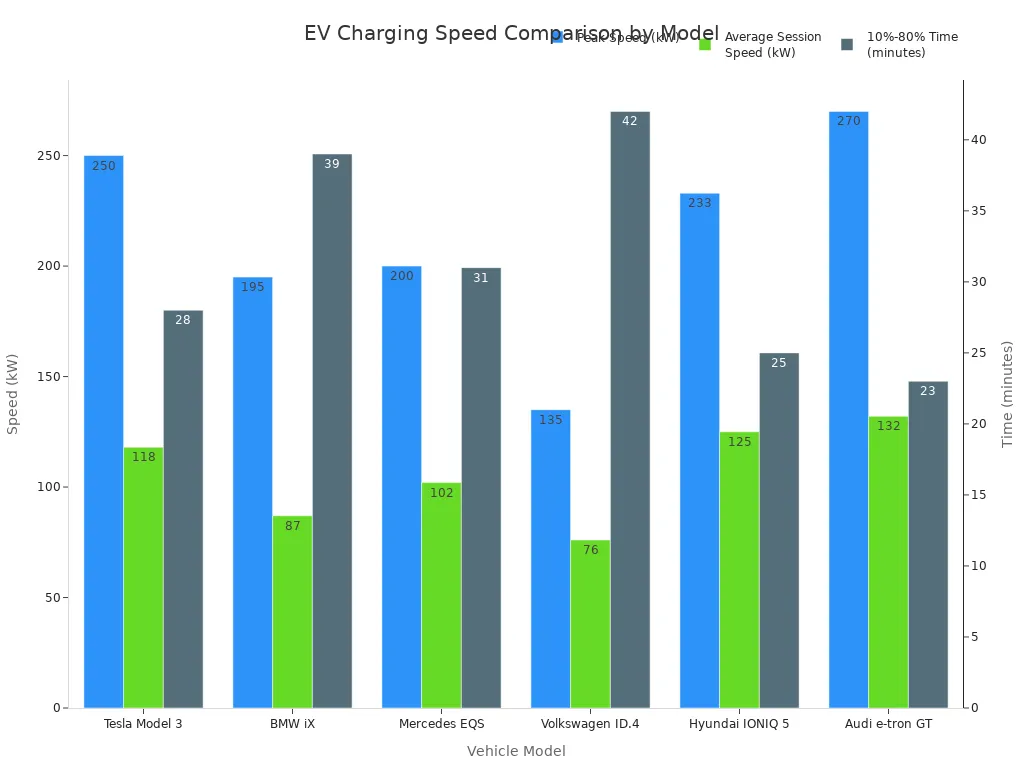
The following chart shows the varying charging performance across different EV models, highlighting that each vehicle has unique peak and average charging speeds.
Carregadores com fio vs. Carregadores sem fio
An owner must also decide between a tethered or untethered charger design.
Tethered: Attached Cable
A tethered charger has a charging cable permanently attached to the unit. This design offers maximum convenience. The owner simply parks their EV, grabs the cable, and plugs it in. There is no need to retrieve a cable from the trunk.
Untethered: Use Your Own Cable
An untethered charger features a universal socket instead of an attached cable. This requires the owner to use the portable cable that came with their EV. This option provides greater flexibility, as it can accommodate any vehicle with a compatible plug type.
Must-Have Smart Features
Modern chargers offer intelligent features that optimize the charging experience, enhance safety, and reduce costs.
Wi-Fi e controlo de aplicações
Smart chargers connect to a home’s Wi-Fi, allowing an owner to manage charging through a smartphone app. User surveys show that owners highly value features like remote start/stop, scheduled charging to take advantage of off-peak electricity rates, and real-time energy monitoring.
Gestão dinâmica da carga
Gerenciamento dinâmico de carga is a critical safety feature for the modern home. This technology continuously monitors the home’s total electricity consumption. If it detects that the electrical circuit is nearing its capacity—for instance, when an oven and air conditioner are running—it automatically reduces the power going to the EV to prevent an overload. This intelligent power distribution prevents tripped circuit breakers and avoids the need for costly electrical panel upgrades.
The Installation Process for Your Home Charger

Instalação home charge points is a straightforward process when broken down into clear steps. From choosing the right hardware to the final professional setup, each stage ensures a safe and efficient system. This process guarantees that an owner can reliably charge an electric car at home.
Step 1: Select Your Charger
The first step is selecting an carregador doméstico de VE gratuito that matches the owner’s vehicle and lifestyle. An owner should consider factors like charging speed, smart features, and budget. Several models are highly regarded for their performance and reliability.
- KD Energy 11kW Home EV Charger: Known for its fast charging and durable, weatherproof design.
- ChargePoint Home Flex: Praised for its powerful smart features and user-friendly app.
- JuiceBox 40: A reliable and affordable option with excellent energy tracking.
- Caixa de parede Pulsar Plus: Appreciated for its compact size and smart app integration.
- Conector de parede Tesla: The ideal choice for Tesla owners, offering seamless compatibility.
Step 2: Find a Qualified Electrician
Once a charger is chosen, the next step is to find a qualified professional for the installation. This is not a DIY project; it requires specialized knowledge to ensure safety and compliance.
The Importance of Certified Installers
Hiring a certified installer is critical. A qualified electrician possesses specific training for EV charger installations, ensuring the work meets all safety standards. Key qualifications include:
- A Level 3 Electrotechnical Qualification.
- Certification in the 18th Edition Wiring Regulations.
- Specialist training for installing EV charging equipment.
These credentials guarantee the installer understands how to handle high-voltage systems and can configure the charger safely within the home’s electrical infrastructure. Using a certified professional protects the EV, the home, and the warranty of the charging unit.
How to Get Installation Quotes
An owner should obtain at least three quotes from different certified electricians. Many charger manufacturers, including technologically advanced providers like TPSON, maintain a network of approved installers on their websites. Contacting these recommended professionals is an excellent starting point. Each quote should provide a detailed breakdown of costs for labor and materials.
Step 3: The On-Site Assessment
Before installation day, the electrician will conduct an on-site assessment. This visit is essential for planning the installation and identifying any potential challenges with the property’s electrical system.
Evaluating Your Electrical Panel
The electrician’s first task is to inspect the main electrical panel (or main electrical panel).
The professional will assess the home’s existing electrical capacity to determine if there is enough spare power to support the new EV charger. They will identify other heavy loads, like an electric shower or HVAC system, to ensure the circuit will not be overloaded.
If the panel lacks sufficient capacity, the electrician will recommend necessary upgrades.
Deciding on the Best Location
Next, the electrician helps the owner choose the best location for the charger. The ideal spot is typically in a garage or on an exterior wall close to the usual parking spot for the EV. The professional plans the most direct and safe cable route from the electrical panel to the charger, minimizing disruption and ensuring the final setup is both convenient and secure.
Step 4: What to Expect on Installation Day
With the on-site assessment complete, installation day is typically a smooth and efficient process. A standard Level 2 charger installation usually takes a qualified electrician between three to four hours from start to finish. The owner can expect a professional and methodical workflow to ensure the system is safe, compliant, and ready for use.
The electrician will perform several key tasks during the visit. The process ensures a secure and robust connection from the home’s electrical supply to the vehicle.
- Mounting the Charger: The electrician begins by securely fitting the EV charger unit onto a permanent structure. This is often a garage wall or an exterior brick surface near the parking space.
- Running the Cable: A dedicated power cable is run from the main electrical panel to the charger’s location. A standard installation typically includes up to 15 meters of cable. The electrician will route it neatly, sometimes drilling a small hole through a wall and using plastic trunking to conceal interior wiring.
- Installing Circuit Protection: The professional installs necessary safety devices at the electrical panel. This often involves adding a new, dedicated circuit breaker inside a small main electrical panel specifically for the EV charger. This isolates the charger from the rest of the home’s circuits.
- Adding Surge Protection: A Surge Protection Device (SPD) is installed. This crucial component protects the expensive charging equipment and the vehicle’s onboard electronics from potential damage caused by voltage spikes on the electrical grid.
- Testing and Certification: After the physical installation, the electrician conducts a series of tests. These checks confirm the charger operates correctly and safely. The owner will then receive an Electrical Installation Certificate (EIC) as formal documentation that the work meets all regulatory standards.
The entire job revolves around three core phases. First, the electrician confirms the assessment. Second, they complete the physical installation of the 240-volt circuit and charging station. Finally, they test the system to ensure it operates safely and complies with all local codes.
Before leaving, the electrician will provide a full demonstration of the new charger. They will show the owner how to operate it, explain any smart features, and assist with connecting the unit to its smartphone app. This final step ensures the owner feels confident and ready to begin charging their EV at home. 🔌
Costs and Incentives for Home EV Charging
An owner can make carregamento doméstico more affordable by understanding the total investment and available financial incentives. The initial expense for an EV setup involves the charger unit and professional installation, but various programs can significantly reduce this upfront cost.
Breaking Down the Total Cost
The total cost is a combination of the hardware price and the fee for professional installation services. An owner should budget for both components.
Charger Unit Price
The price of the charger itself varies widely. Costs depend on the brand, power output (kW), and smart features. Basic models are more affordable, while chargers with advanced app controls and dynamic load management command a higher price.
Professional Installation Fees
Professional installation is a critical part of the budget for electric car charging. The total cost to purchase and install a unit typically ranges from $800 to over $2,000 in the U.S., depending on the complexity of the job. A standard installation fee often includes:
- Custos de mão de obra para um eletricista qualificado, geralmente em torno de $300 ou mais.
- Até 15 metros de cablagem segura do quadro elétrico ao carregador.
- Um novo dispositivo de corte de segurança e disjuntor.
- Hardware como suportes de montagem e conduíte.
Nota: Se o quadro elétrico de uma casa necessitar de uma atualização para suportar a nova carga, os custos de instalação serão mais elevados. O proprietário deve sempre obter um orçamento detalhado antes do início dos trabalhos.
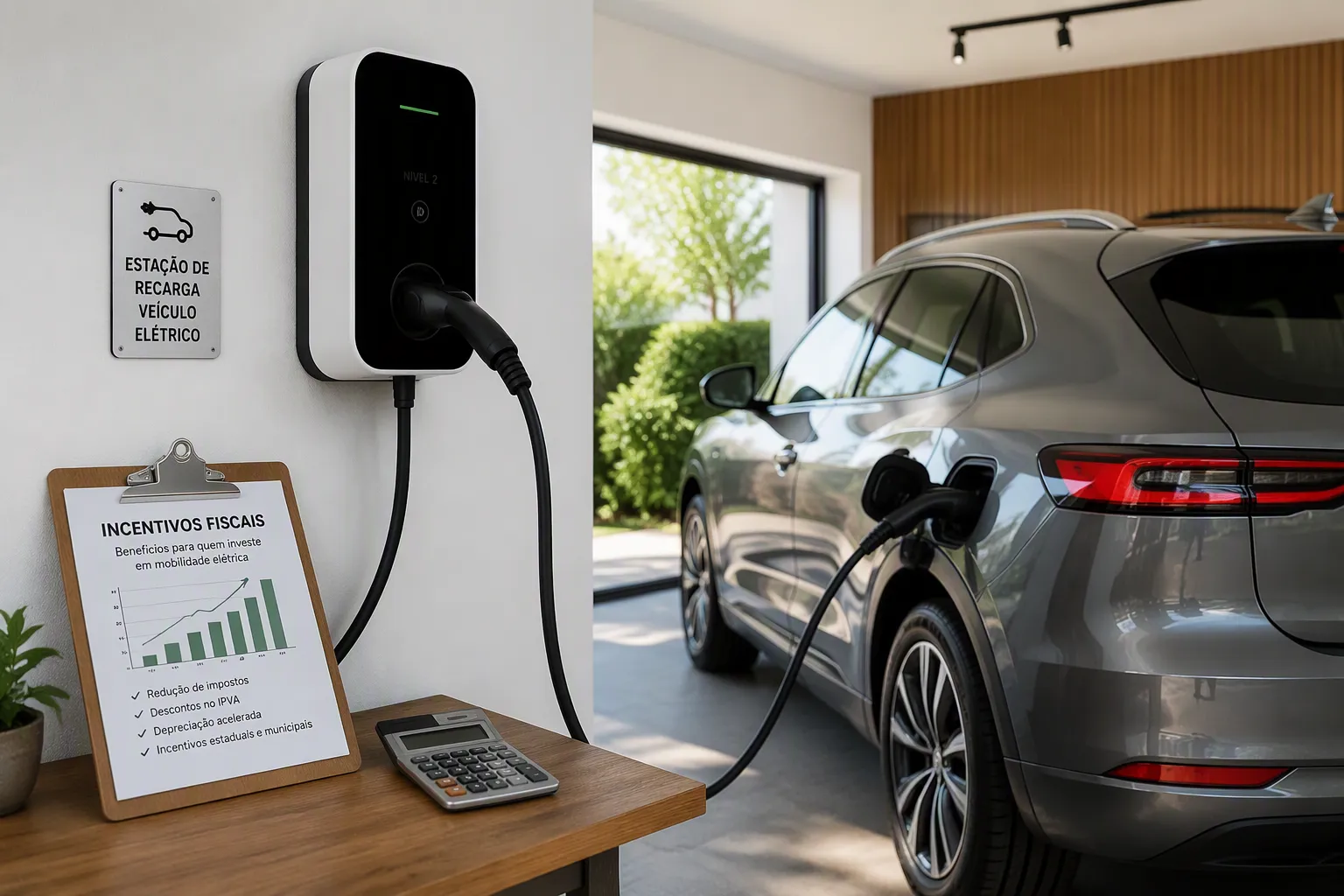
Como Encontrar Reembolsos e Créditos Fiscais
Programas governamentais e de concessionárias de energia oferecem incentivos financeiros para encorajar a adoção de pontos de carregamento domésticos. Esses reembolsos e créditos podem tornar o investimento muito mais acessível para um proprietário de um VE.
Créditos fiscais federais
O governo federal dos EUA oferece um crédito fiscal para equipamentos de carregamento de veículos elétricos qualificados. O incentivo mais significativo é o Crédito Fiscal Federal de Energia Limpa Residencial. Este programa permite que os proprietários reivindiquem um crédito fiscal de 30% do custo total do seu sistema de painéis solares e armazenamento em bateria. Para um sistema de US$ 35.000, isto se traduz numa redução de US$ 10.500 na responsabilidade fiscal. Um crédito separado para a instalação do carregador doméstico de VE cobre. Este incentivo é um crédito não reembolsável deduzido dos impostos federais devidos. No entanto, a elegibilidade é frequentemente restrita a proprietários de habitação que residem em zonas censitárias de baixa renda ou não urbanas.
Descontos de governos estaduais e locais
Muitos governos estaduais e locais fornecem os seus próprios reembolsos para reduzir o custo de compra e instalação de um carregador. Estes programas variam consoante a localização, pelo que um proprietário deve verificar os sites da agência de energia do seu estado e do município local para conhecer os incentivos disponíveis.
Incentivos das Concessionárias de Energia
As concessionárias de energia locais são uma fonte primária de poupança. Muitas fornecedoras oferecem programas concebidos para promover o uso eficiente de energia para um VE. Incentivos comuns incluem:
- Reembolsos diretos que cobrem uma parte do carregador e dos custos de instalação.
- Planos especiais de Tempo de Uso (TOU) com tarifas de eletricidade reduzidas para carregamento noturno.
- Compensação por enviar eletricidade não utilizada de volta para a rede com tecnologia veículo-para-rede (V2G).
Um proprietário deve contactar o seu fornecedor de eletricidade para descobrir quais os programas disponíveis na sua área. 💰
Um carregador doméstico de VE Nível 2 instalado profissionalmente é a forma superior de carregar um VE em casa. Proporciona o melhor equilíbrio entre velocidade, segurança e conveniência para os proprietários de veículos elétricos. Embora uma tomada padrão possa carregar um VE, é demasiado lenta para a maioria das necessidades diárias de carregamento doméstico. A diferença de desempenho é clara.

Esta solução garante que um VE está sempre pronto. Um proprietário pode carregar um carro elétrico durante a noite com confiança. Pesquise sempre incentivos financeiros para reduzir o custo inicial. ✅
FAQ
Posso instalar um carregador de Nível 2 sozinho?
Não. Um eletricista qualificado deve instalar um carregador Nível 2. O processo envolve fiação de alta tensão e requer conhecimento profissional. Isto garante que a instalação é segura, cumpre os códigos elétricos e não anula a garantia do carregador. ⚡
Quanto custa carregar um VE em casa?
O custo depende das tarifas locais de eletricidade e do modelo do VE. Um proprietário pode calcular o total multiplicando o preço por quilowatt-hora (kWh) da sua concessionária pela quantidade de energia adicionada à bateria durante uma sessão de carregamento. 💲
Um carregador de VE funciona na chuva?
Sim. Os carregadores domésticos de VE são especificamente concebidos para uso exterior e são à prova de intempéries. Incluem funcionalidades de segurança robustas que protegem contra água e humidade, tornando-os completamente seguros para operar na chuva ou neve. 🌧️
Preciso de um medidor especial para carregamento de veículo elétrico?
Não é necessário um medidor especial para carregamento de veículo elétrico. No entanto, algumas concessionárias de energia oferecem medidores de Tempo de Uso opcionais. Estes podem ajudar um proprietário a poupar dinheiro, monitorizando o uso de energia para taxas de carregamento mais baixas fora dos horários de pico. ⏱️
Qualquer VE pode usar qualquer carregador Nível 2?
A maioria dos VEs na América do Norte utiliza o conector padrão J1772, tornando-os compatíveis com a maioria dos carregadores Nível 2. Os veículos Tesla requerem um adaptador para usar carregadores não-Tesla, mas este adaptador normalmente vem com o veículo. 🔌