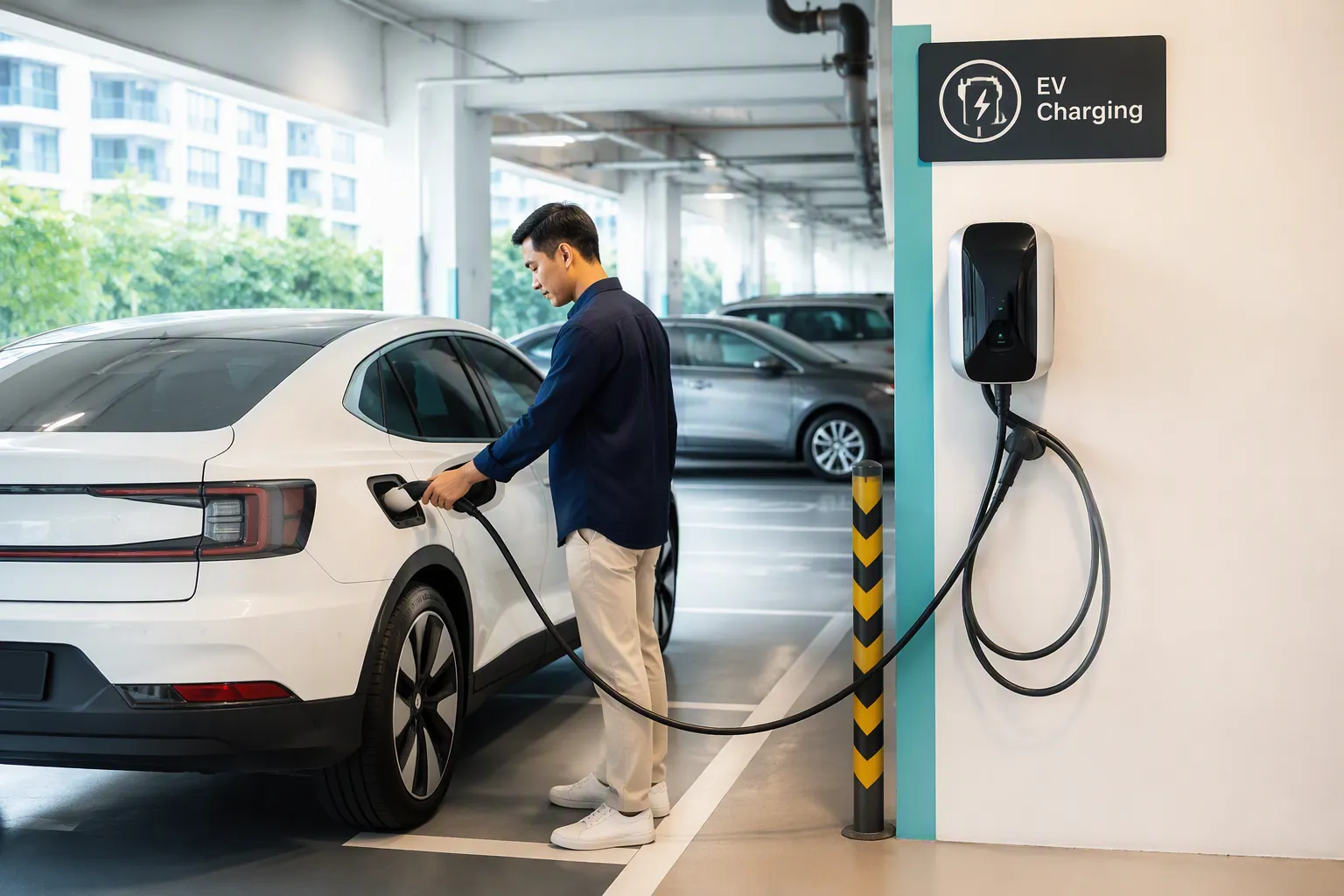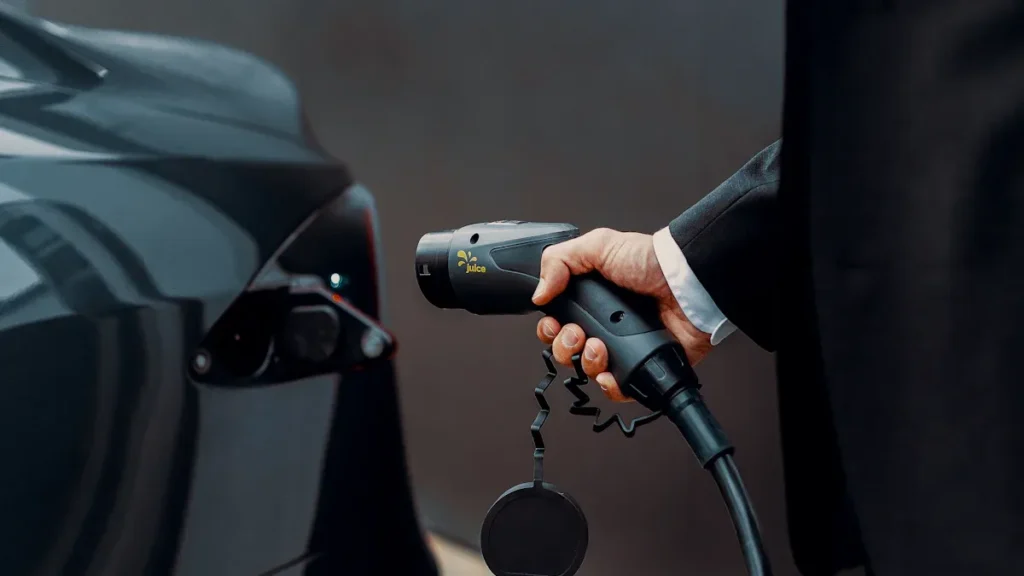
Drivers can charge an electric vehicle in multiple ways. The primary method is charging at home, offering convenience with a dedicated Pengisi daya listrik atau bahkan pengisi daya EV portabel. For travel, public electric car charging is essential. The network is expanding rapidly; the United States government allocated $7.5 billion for 500,000 stations by 2030. Understanding how to charge is simple.
Global Network Growth
Europe’s public network also shows this growth. It is projected to double from 1 million charge points in 2025 to 2 million by 2029. Produsen pengisi daya EV menyediakan beragam Solusi pengisian daya kendaraan listrik, making it easier to charge ev and manage charging electric vehicles.
Where to Charge an Electric Vehicle: Home and Public Options
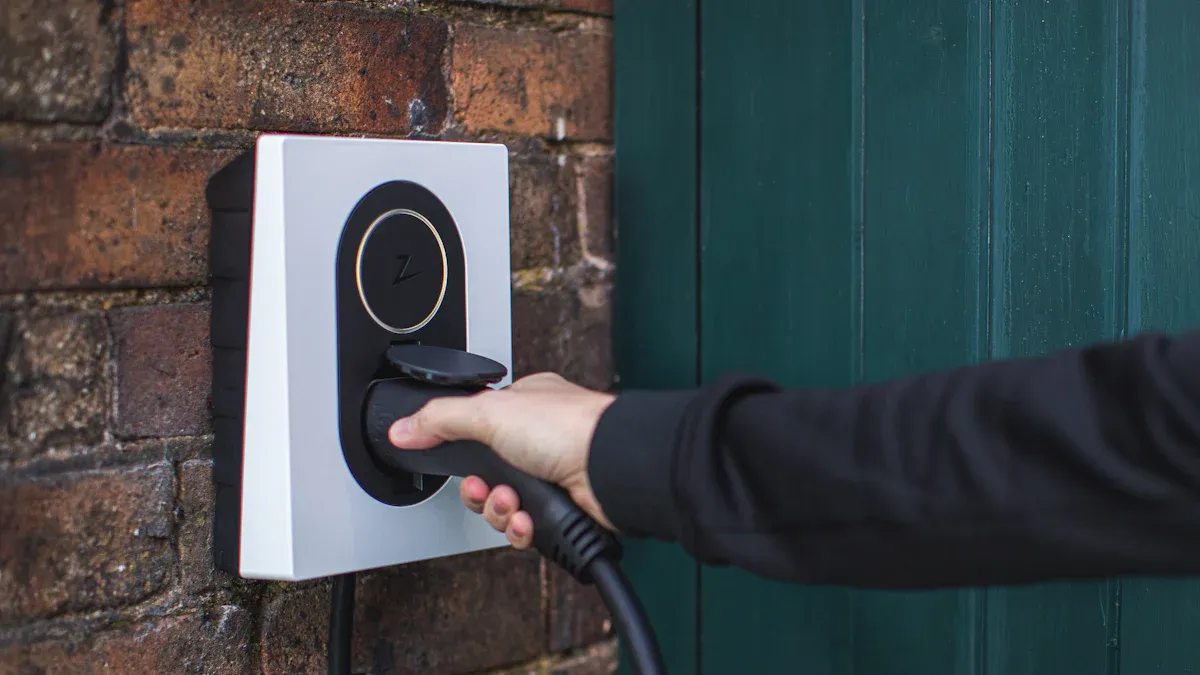
EV drivers have two primary environments for charging: the convenience of home and the necessity of public stations. Understanding the options in each category helps drivers plan their energy needs effectively. The most common and cost-effective method for daily driving is charging at home. For longer journeys or for drivers without private parking, the public network provides essential power.
Charging at Home: Your Daily Power-Up
Charging an EV at home is the foundation of electric vehicle ownership for most drivers. It allows them to start each day with a full battery, similar to charging a smartphone overnight. There are two main ways to accomplish this.
Dedicated Wall Box Chargers (Level 2)
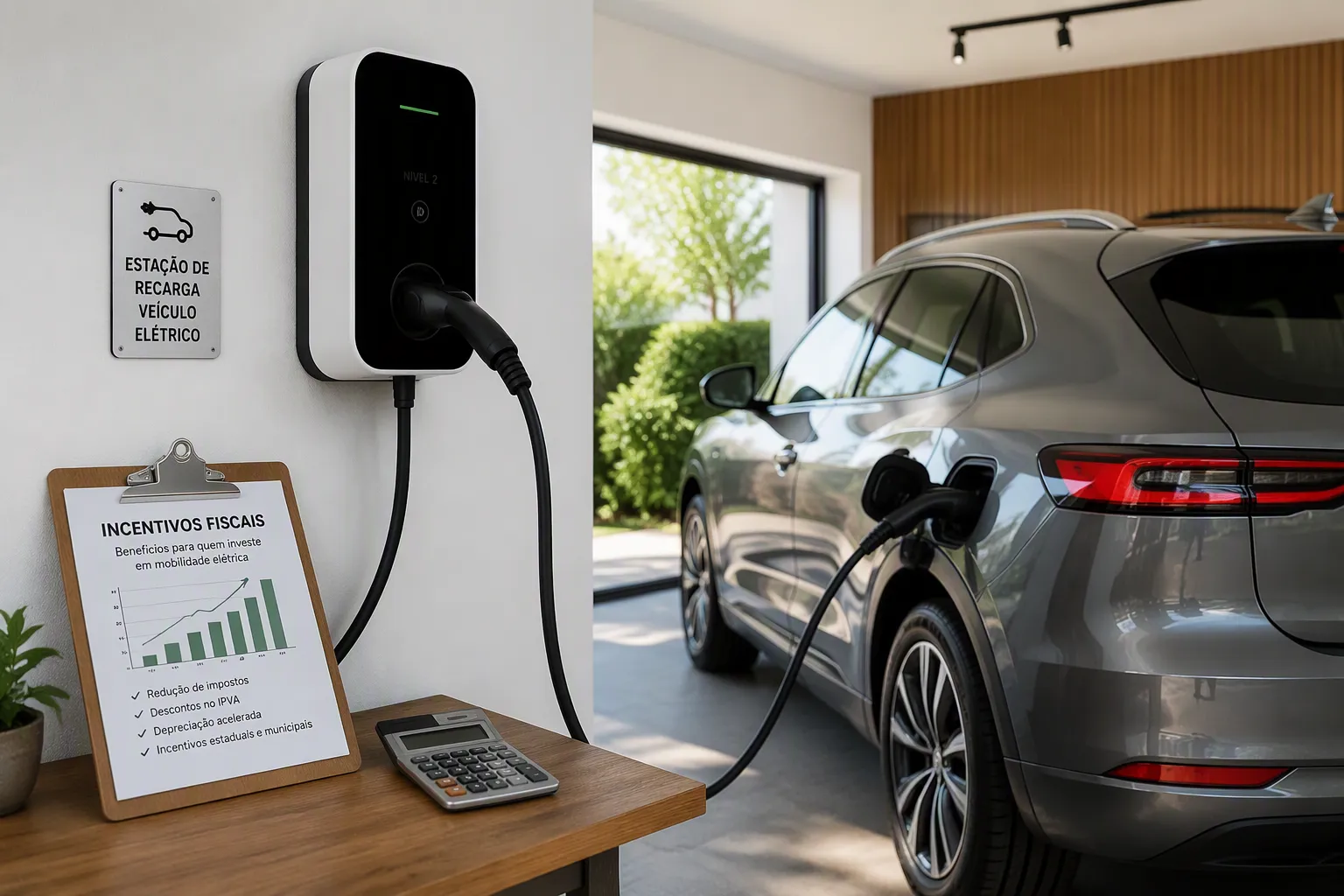
A dedicated wall box, or home charging station, is the most efficient way to handle electric car charging at home. These units provide much faster speeds than a standard socket. A typical 7kW home charger can fully charge most EVs overnight.
The process to install an ev charging station involves a qualified electrician. They will assess the home’s electrical system to ensure it can support the new load. The total cost to install an ev charging station, including the unit and labor, generally ranges from $800 hingga $1.500. For example, a 7kW charger unit might cost around $600, with installation adding another $400. Technologically advanced providers like TPSON offer a range of these smart EV charging solutions.
Pro Tip: Electrical System Check ⚡ Before installing a home charging station, a professional must verify the electrical system’s capacity. Key considerations include:
- A dedicated circuit, often requiring setidaknya 40 ampere.
- Notification or approval from the Distribution Network Operator (DNO).
- Potential upgrades to the main fuse or fuse box if capacity is insufficient.
Standard Domestic Sockets (Level 1)
Drivers can also charge an EV using a standard domestic wall socket with a suitable cable. This method, known as Level 1 charging, is significantly slower. It delivers power at a rate of up to 3kW. This can take over 24 hours for a full charge on a typical EV battery.
- Penggunaan Terbaik: Overnight top-ups for plug-in hybrids or as an emergency backup for battery-electric vehicles.
- Batasan: The slow speed makes it impractical for daily use for drivers with long commutes.
- Keamanan: Always use a high-quality, manufacturer-approved cable designed for this purpose.
Charging in Public: Power for the Road
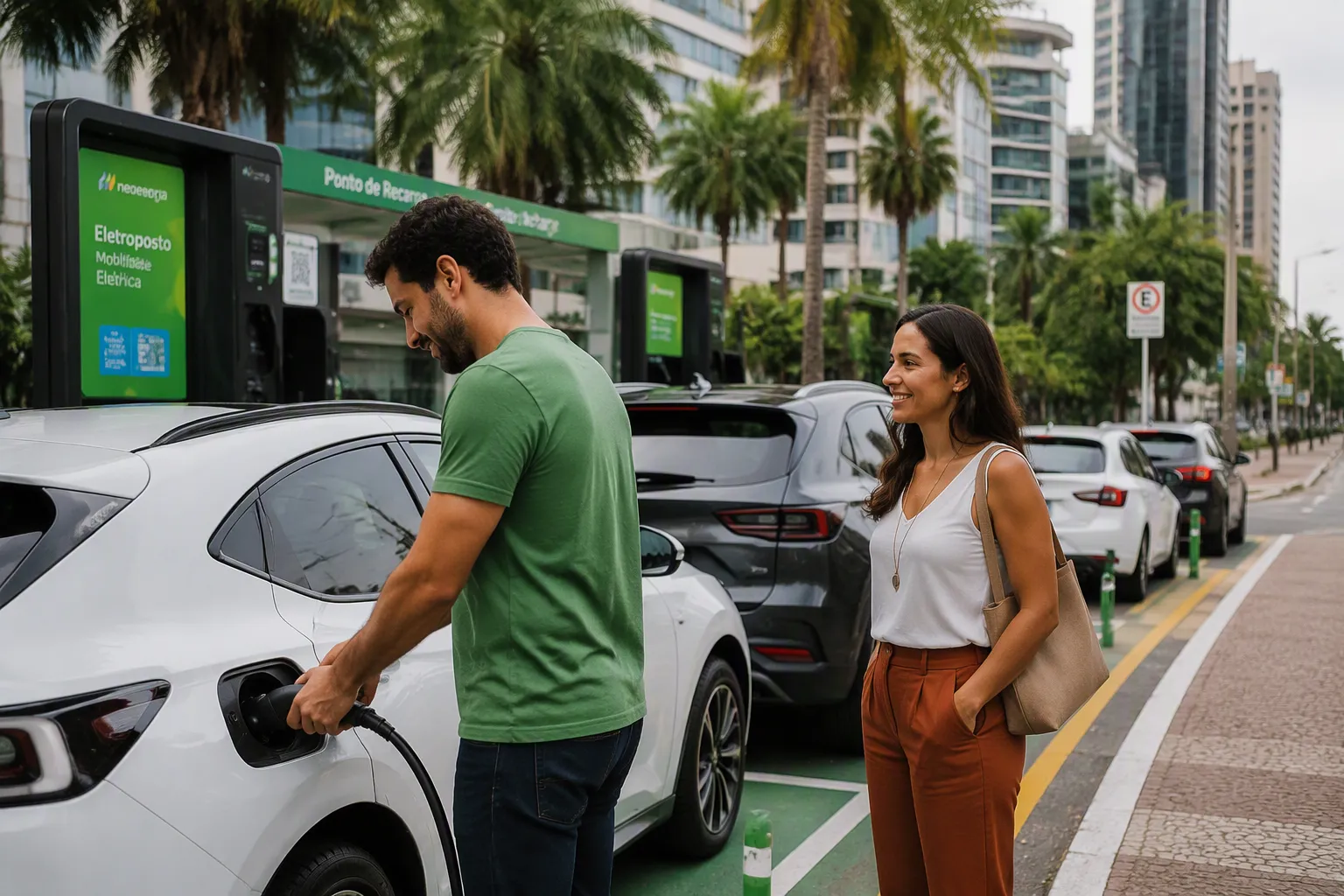
Public EV charging infrastructure is crucial for enabling long-distance travel and serving drivers without home charging access. This network is diverse, with charging points located in various accessible places.
Pengisian Daya di Tempat Kerja
Many companies now offer charging facilities for their employees. This is a significant benefit, allowing drivers to charge their vehicles during the workday. It effectively extends their daily range and functions similarly to charging at home.
Destination Charging (Supermarkets, Malls)
Destination chargers are becoming common at retail parks, supermarkets, hotels, and shopping malls. These are typically fast chargers (7-22kW). They allow drivers to add a significant amount of range in the one to two hours they might spend shopping or dining.
Jaringan Pengisian Daya Publik
For rapid charging on long journeys, drivers rely on dedicated public charging networks. These networks operate the fast and ultra-rapid chargers found at highway service stations and charging hubs. Prominent operators across Europe termasuk:
- Allego
- EVBox (Engie)
- Innogy
- Shell Recharge Solutions
- Vattenfall
- Virta
How to Find Public Charging Stations
Locating available and compatible charging points is a simple process thanks to modern technology. Drivers can use smartphone apps or their vehicle’s built-in systems.
Using Smartphone Apps
📱 A wide range of smartphone apps helps drivers find chargers. These applications provide a comprehensive map of charging stations from various networks.
- Perencana Rute yang Lebih Baik (ABRP) excels at planning long journeys, suggesting optimal charging stops based on the vehicle, weather, and elevation.
- ChargeMap uses a large user community to provide real-time insights on charger reliability, availability, and pricing.
- Apps often show data waktu nyata, including whether a charger is currently in use, its power output, and accepted payment methods.
Using Your Car’s Navigation
Most modern electric vehicles integrate charger search functions directly into their navigation systems. The car’s system can automatically plan routes that include necessary charging stops. These integrated systems often provide a seamless experience. They can show if a charger is available in real-time and may even allow drivers to initiate and pay for a session directly from the car’s infotainment screen.
Understanding the Basics of Electric Car Charging
Navigating the world of electric car charging requires a basic understanding of two key elements: charger speeds and connector types. The speed determines how long a driver must wait, while the connector ensures the charger is compatible with the vehicle. Mastering these concepts helps drivers make informed decisions for both daily commutes and long-distance journeys.
Charger Speeds Explained
Charger speed is measured in kilowatts (kW). A higher kW rating means faster energy delivery to the vehicle’s battery. Chargers are broadly categorized into three speeds, which correspond to different use cases and technologies (AC vs. DC).
AC vs. DC Power ⚡
Alternating Current (AC) is the type of electricity supplied to homes. When an EV uses an AC charger, the car’s onboard converter must change it to Direct Current (DC) to store it in the battery. DC chargers perform this conversion outside the car, allowing them to deliver power directly and much more quickly.
Slow Charging (AC, up to 3kW)
Slow charging uses Alternating Current (AC) at a power level of up to 3kW. This is the speed drivers get when plugging into a standard household wall socket. It is the most basic way to charge ev batteries. While convenient as a backup, its slow pace makes it best suited for plug-in hybrids with smaller batteries or for overnight top-ups on a battery-electric vehicle.
Fast Charging (AC, 7-22kW)
Fast chargers also use AC power but operate at a higher output of 7kW to 22kW. These are the most common types of chargers found in home wall boxes and public titik pengisian daya at destinations like supermarkets, gyms, and workplaces. A 7kW unit is standard for home installation and can fully replenish most EV batteries overnight, making it a practical solution for daily driving needs.
Rapid & Ultra-Rapid Charging (DC, 50kW+)
Rapid and ultra-rapid chargers deliver Direct Current (DC) power at speeds of 50kW and higher, with some modern units exceeding 350kW. This method bypasses the car’s onboard converter, enabling incredibly fast charging times. These chargers are essential for long-distance travel and are typically located along major highways and at dedicated charging hubs. The primary goal of rapid dc charging is to add significant range in a short amount of time.
The table below outlines the key differences in use cases for each charging type.
| Jenis Pengisian Daya | Kasus Penggunaan |
|---|---|
| Slow (AC) | Ideal for overnight, at-home charging; gentler on the battery and uses cheaper electricity tariffs. |
| Cepat (AC) | Suitable for public spaces (e.g., shopping, work) and home wall boxes, offering a full charge in several hours. |
| Rapid (DC) | Perfect for long-distance travel or commercial fleets where speed is critical, adding substantial range quickly. |
| Ultra-Rapid (DC) | Makes long trips highly efficient, enabling a near-full charge in under 30 minutes for compatible vehicles. |
Common EV Connectors You’ll Encounter
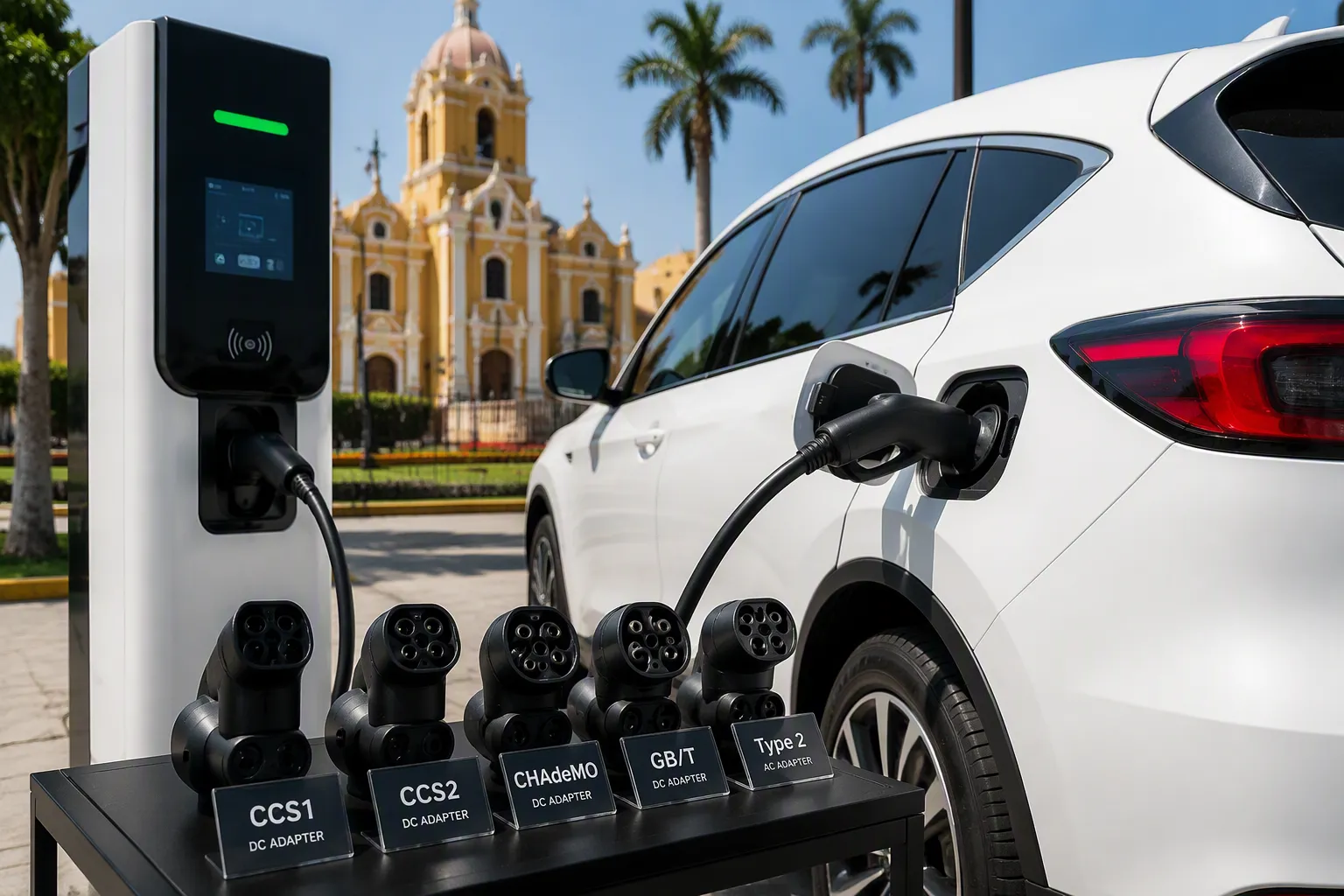
Just as smartphones have different charging ports, electric vehicles use various connectors. While the industry is standardizing, drivers will still encounter a few different types. Knowing which plug their car uses is fundamental to successful electric car charging.
Type 2 (AC Charging Standard)
The Type 2 connector is the universal standard for AC charging across Europe. All modern electric vehicles sold in the region, including Tesla models, feature a Type 2 inlet for slow and fast charging. Its versatile design allows for single-phase (up to 7.4kW) and three-phase (up to 22kW) power.
CCS (DC Fast Charging Standard)
The Combined Charging System, or CCS, is the dominant standard for rapid dc charging. It cleverly adds two large DC pins below the standard Type 2 port, creating a single, combined connector. This design allows vehicles to use the same socket for both AC and DC charging. Major manufacturers that have adopted the CCS standard include:
- Audi
- BMW
- Volkswagen
- Volvo
- Tesla (Model 3, Model Y, and newer Model S/X)
CHAdeMO and NACS (Tesla)
Two other important connectors are CHAdeMO and NACS.
- CHAdeMO: This is a DC charging standard developed in Japan. It was an early rival to CCS and is primarily found on older models from Japanese automakers, such as the Nissan Leaf and Mitsubishi Outlander PHEV.
- NACS (Standar Pengisian Daya Amerika Utara): Developed by Tesla, NACS was initially proprietary. However, Tesla has opened its design, and it is now being adopted by numerous other automakers in North America. To improve interoperability, adapters are available that allow vehicles with other connectors to use Tesla’s network. For instance, some adapters let a driver with a Type 2 cable plug into a NACS socket for AC charging.
How to Use a Public EV Charger

Menggunakan sebuah public charger is a straightforward task once a driver understands the basic steps. While units vary between networks, the core actions remain consistent. Drivers typically initiate a session with an app, a payment card, or an RFID fob before connecting the vehicle.
Starting a Charging Session
Authentication is the first step at most public charging stations. Drivers must identify themselves and authorize payment. There are three common methods to do this.
Using a Smartphone App
Most charging networks require drivers to use a dedicated smartphone app. The driver first downloads the app and creates an account with payment details. At the station, they open the app, select the specific charger (often by scanning a QR code), and follow the prompts to begin charging.
Paying with a Contactless Card
Many newer charging stations offer a simpler payment method. Networks like Evolt are equipping their chargers with contactless payment terminals. Drivers can simply tap their bank card, Apple Pay, or Google Wallet on the reader to start and stop a session. This method eliminates the need for an app or a network account, though a small pre-authorization fee may apply.
Using an RFID Card or Fob
Some drivers prefer using a Radio-Frequency Identification (RFID) card. These cards are linked to a driver’s account with a specific charging network. Holding the card against the designated reader on the charger authenticates the user and starts the session. Many networks provide an RFID card upon registration.
Proses Pengisian Daya Langkah-demi-Langkah
The physical charging process involves a few simple actions. Following these steps ensures a safe and successful connection every time.
Connecting the Cable to Your Car
First, drivers must park in the designated bay. If the charger has a tethered cable, they simply plug it into their vehicle’s charging port. If the charger is untethered, drivers must use the car charger cable that came with their vehicle, connecting one end to the charger and the other to the car.
Authenticating and Starting the Charge
After connecting the cable, the driver authenticates using one of the methods described above (app, contactless, or RFID). The charger will communicate with the vehicle to confirm a secure connection. The charging process begins once authentication is successful, often indicated by a solid blue or green light on the unit.
Troubleshooting Tips: If a Charge Fails to Start 💡 Sometimes a session does not begin after authentication. Here are a few common checks:
- Check the Charger: A solid blue light usually means it is ready. Other colors or flashing lights indicate an issue.
- Periksa Kabel: Ensure the cable is securely plugged into both the charger and the vehicle.
- Verify Authentication: Make sure the correct charger is selected in the app or that the RFID card was held over the reader until it beeped.
- Check Vehicle Settings: Confirm that a scheduled charging timer inside the vehicle is not preventing the session from starting.
Ending the Session and Unplugging
Untuk menghentikan pengisian daya, pengemudi menggunakan metode yang sama seperti saat memulai. Mereka dapat mengakhiri sesi melalui aplikasi, dengan mengetuk kartu nirsentuh mereka lagi, atau dengan menampilkan kartu RFID mereka. Setelah pengisi daya melepaskan kunci, mereka dapat mencabut kabel dari kendaraan dan mengembalikannya ke sarungnya. Ini menyelesaikan proses pengisian daya.
Berapa Lama Waktu yang Diperlukan untuk Mengisi Baterai Kendaraan Listrik?
Waktu yang diperlukan untuk mengisi baterai kendaraan listrik bergantung pada beberapa variabel yang saling terkait. Tidak ada jawaban tunggal yang cocok untuk setiap situasi. Memahami elemen-elemen kunci ini membantu pengemudi memperkirakan waktu pengisian dan merencanakan jadwal mereka secara efektif. Faktor utama meliputi ukuran baterai, daya pengisi daya, batasan kendaraan itu sendiri, dan kondisi lingkungan.
Faktor Kunci yang Mempengaruhi Waktu Pengisian
Empat faktor utama bekerja sama untuk menentukan kecepatan setiap sesi pengisian daya mobil listrik.
Ukuran Baterai (kWh)
Kapasitas baterai kendaraan, diukur dalam kilowatt-jam (kWh), adalah faktor paling dasar. Baterai yang lebih besar menyimpan lebih banyak energi dan secara alami akan membutuhkan waktu lebih lama untuk diisi penuh dibandingkan baterai yang lebih kecil, dengan asumsi daya pengisian tetap konstan.
Daya Keluaran Pengisi Daya (kW)
Daya keluaran pengisi daya, diukur dalam kilowatt (kW), menentukan seberapa cepat ia dapat memberikan energi. Pengisi daya cepat 50kW akan mengisi ulang baterai jauh lebih cepat daripada pengisi daya rumah 7kW.
Tingkat Pengisian Maksimum Kendaraan Anda
Kendaraan hanya dapat menerima daya secepat yang diizinkan oleh sistem onboard-nya. Untuk pengisian AC, pengisi daya onboard mobil mengubah daya AC menjadi daya DC untuk baterai. Komponen ini memiliki peringkat daya maksimum.
- Jika pengisi daya onboard mobil memiliki peringkat 7.4kW, ia hanya akan menarik daya 7,4kW, bahkan saat terhubung ke stasiun 22kW.
- Kendaraan berkomunikasi dengan titik pengisian untuk memastikan tidak pernah menarik daya lebih dari yang dapat ditangani dengan aman.
Tingkat Baterai Saat Ini dan Suhu
Kecepatan pengisian tidak linier. Ia mengikuti “kurva pengisian,” melambat secara signifikan saat baterai mendekati kapasitas 80% untuk menjaga kesehatannya. Suhu juga memainkan peran kritis.
Dampak Suhu pada Pengisian Daya 🌡️
Suhu ekstrem memaksa sistem manajemen baterai kendaraan bekerja lebih keras. Dalam cuaca dingin, sistem harus memanaskan baterai ke suhu optimal, memperlambat kecepatan pengisian awal. Dalam cuaca sangat panas, sistem harus mendinginkan baterai, yang juga dapat membatasi daya untuk mencegah kerusakan.
Perkiraan Waktu Pengisian Berdasarkan Jenis Pengisi Daya
Untuk mengilustrasikan perbedaan ini, berikut adalah perkiraan waktu untuk mengisi baterai EV 60kWh tipikal dari 20% hingga 80%. Rentang ini sering digunakan karena 20% terakhir pengisian daya jauh lebih lambat.
| Jenis Pengisi Daya | Keluaran Daya | Perkiraan Waktu (20-80%) |
|---|---|---|
| Level 1 | ~2,3kW | 12 – 15 jam |
| Level 2 | 7kW | 8 – 12 jam |
| Pengisi Daya Cepat DC | 150kW+ | ~ 40 menit |
Level 1 (Gerai Standar)
Menggunakan stopkontak dinding standar adalah cara paling lambat untuk mengisi baterai EV. Ini paling baik untuk pengisian daya semalaman pada kendaraan hybrid plug-in atau sebagai opsi darurat.
Level 2 (Wall Box)
A Wall box atau pengisi daya rumah Level 2 memberikan solusi praktis untuk kebutuhan sehari-hari. Ia dapat mengisi daya sebagian besar EV dengan andal dalam semalam.
Pengisi Daya Cepat DC
Pengisian DC cepat dirancang untuk perjalanan jarak jauh. Stasiun bertenaga ini dapat menambah jarak tempuh yang signifikan dalam waktu kurang dari satu jam, membuat perjalanan darat jauh lebih nyaman. Kecepatan pengisian DC cepat menjadikannya pengubah permainan bagi pengemudi yang sedang dalam perjalanan.
Biaya Mengisi Daya Kendaraan Listrik
Memahami aspek keuangan kepemilikan EV sangat penting. Biaya untuk mengisi daya EV sangat bervariasi antara mengisi daya di rumah dan menggunakan infrastruktur publik. Pengisian daya di rumah hampir selalu merupakan opsi paling ekonomis, sementara biaya pengisian daya publik bergantung pada kecepatan dan lokasi.
Menghitung Biaya Pengisian Daya di Rumah
Menghitung biaya pengisian daya di rumah cukup sederhana. Ini terutama bergantung pada harga listrik dari penyedia utilitas perumahan.
Memahami Tagihan Listrik Anda
Biaya listrik diukur dalam sen per kilowatt-jam (kWh). Pada awal 2023, rata-rata nasional AS adalah sekitar 15–17 sen per kWh. Untuk menemukan biaya pengisian penuh, pengemudi mengalikan ukuran baterai mereka (dalam kWh) dengan tarif listrik mereka. Misalnya, mengisi baterai 60 kWh pada$0,17 per kWh akan menelan biaya sekitar $10,20. Namun, tarif berbeda berdasarkan wilayah.
| Wilayah | Rata-rata Tarif Perumahan (per kWh) |
|---|---|
| Nasional | 15–17 sen |
| Arkansas | ~$0.12 |
| California | >$0,30 (di beberapa wilayah) |
Memanfaatkan Tarif Luar Jam Sibuk dan Tarif Berdasarkan Waktu
Banyak perusahaan utilitas menawarkan paket tarif khusus untuk menurunkan Biaya untuk mengisi daya EV. Tarif berdasarkan waktu (ToU) menyediakan listrik yang lebih murah selama jam-jam luar sibuk, biasanya semalaman. Pemilik EV dapat mengurangi pengeluaran secara signifikan dengan menjadwalkan stasiun pengisian daya rumah mereka untuk beroperasi selama periode ini. Mendaftar dalam paket ini biasanya melibatkan beberapa langkah:
- Ajukan Secara Online: Pelanggan sering kali dapat beralih ke tarif EV atau ToU melalui situs web utilitas mereka.
- Penuhi Persyaratan: Ini biasanya membutuhkan memiliki EV, meteran pintar, dan akun online.
- Konfirmasi: Perusahaan utilitas menangani peralihan dan mengonfirmasi tanggal mulai.
- Switch Complete: The new, lower rates apply during the designated off-peak hours.
Public Charging Costs Explained
Public electric car charging costs are more varied. Prices are influenced by the charging network, the charger’s speed, and the pricing model used.
Harga per Kilowatt-Jam (kWh)
Most public stations bill per kWh, similar to a gas station billing per gallon. DC fast chargers deliver power more quickly and are therefore more expensive than slower Level 2 chargers. A driver can expect to pay a premium for the convenience of speed. The price to charge ev at a public station reflects this difference.
| Jenis Pengisian Daya | Price Range per kWh |
|---|---|
| Tingkat Publik 2 | $0.30 – $0.40 |
| Pengisian Cepat DC | $0.45 – $0.85 |
| Fast Charging (7-22 kW) | $0.30 – $0.45 |
| Rapid Charging (50-150 kW) | $0.50 – $0.79 |
Session Fees and Per-Minute Billing
Some networks add a flat fee to start a session or bill by the minute instead of by energy delivered. Per-minute billing can become expensive if a vehicle has a slow charging rate, as the car will occupy the bay for a longer time.
Network Subscriptions and Memberships
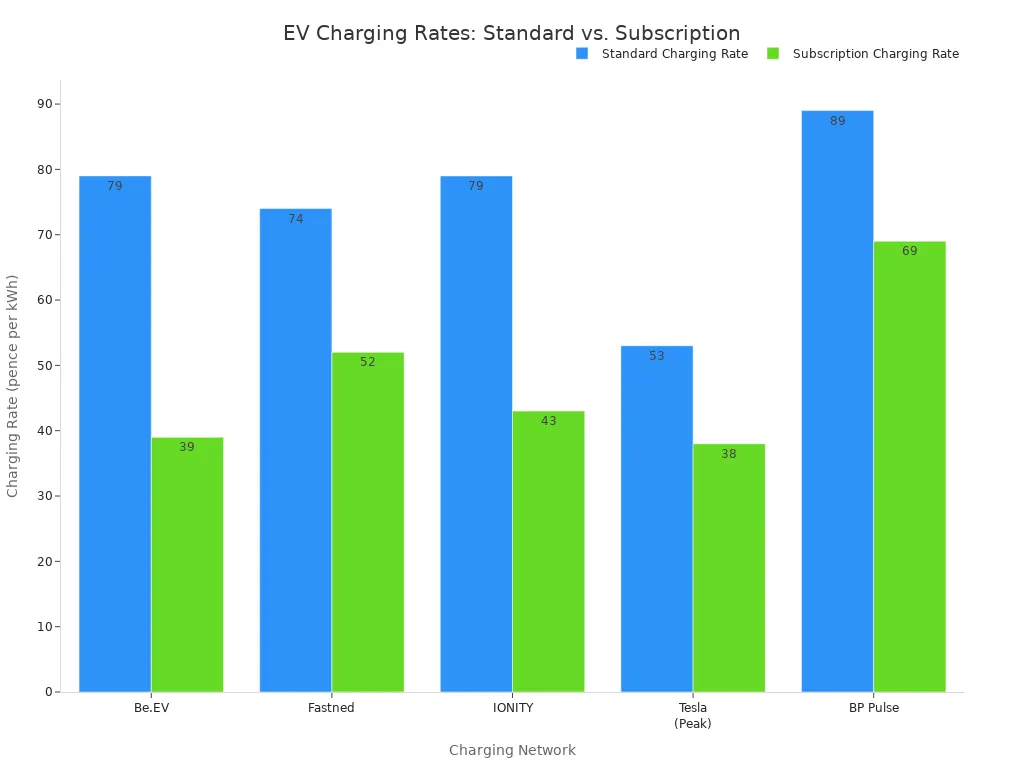
For drivers who frequently use public stations, many networks offer monthly or annual subscriptions. These memberships provide access to lower per-kWh rates in exchange for a recurring fee. Networks like BP Pulse and IONITY use this model for charging electric vehicles, offering significant savings for high-mileage drivers. A subscription can dramatically reduce the overall cost to charge an ev on the road.
Best Practices for Efficient Charging
Adopting smart charging habits helps drivers preserve their vehicle’s battery and extend its driving range. Proper battery care and efficient driving techniques are simple yet powerful ways to get the most out of an electric vehicle.
Tips for Maintaining Battery Health
A vehicle’s battery is its most vital component. Following a few key principles ensures its longevity and performance over many years.
The 80% Rule for Daily Charging
For most daily driving, it is best to limit the battery’s charge to 80%. Mengisi hingga 100% places significant stress on lithium-ion battery components. The final 20% of charging requires higher voltage, which generates heat and accelerates chemical aging. The optimal operating range for these batteries is between 20% and 80%. Keeping the charge within this “sweet spot” minimizes degradation and extends the battery’s lifespan.
A Note on Battery Chemistry 🧪
This 80% rule is less critical for vehicles with Lithium Iron Phosphate (LiFePO4) batteries. These batteries have a flatter charge curve, making it difficult to target a specific percentage. For LiFePO4 batteries, it is more important to avoid extreme high or low voltages than to stick to a strict 80% limit.
Avoiding Very Low Battery Levels
Just as a full charge can be stressful, consistently letting the battery drop to very low levels (below 20%) can also harm its long-term health. Drivers should aim to plug in before the battery level becomes critically low. This simple habit helps maintain the battery’s capacity over time.
Managing Charging in Extreme Weather
Temperature significantly affects battery performance and the electric car charging process.
- Freezing Winter Conditions: Cold weather reduces charging efficiency. Drivers should account for longer charging periods. It is wise to start commutes with a full battery to counteract the cold’s impact on range.
- Extreme Summer Heat: EV battery management systems are designed to protect the battery. In intense heat, the system may automatically stop a charging session if temperatures become too high. This is a safety feature to prevent overheating and preserve battery health.
How to Maximize Your Driving Range
Efficient driving habits can dramatically increase how far a vehicle travels on a single charge.
Drive Smoothly and Avoid Hard Acceleration
Aggressive driving consumes energy rapidly. Smooth acceleration and gentle braking are far more efficient. Maintaining a steady speed, especially on highways, helps conserve battery power and maximize the vehicle’s range.
Utilize Regenerative Braking
Regenerative braking is a key feature of electric vehicles. When a driver lifts their foot off the accelerator or applies the brakes, the electric motor reverses its function. It captures the car’s kinetic energy, which would be lost as heat in a traditional car. This system can recover and reuse up to 70% of the energy from braking, sending it back to the battery and extending the driving range.
Precondition Your Cabin While Plugged In
Heating or cooling the cabin uses a significant amount of energy. Drivers can use their vehicle’s app to “precondition” the cabin to a comfortable temperature while the car is still plugged into the charger. This action draws power from the grid instead of the battery, preserving precious range for the drive ahead.
Getting Started with Your First Charge
A new EV driver’s first charging experiences at home and in public are simple milestones. Understanding what to expect in each environment ensures a smooth transition into electric vehicle ownership. Home charging focuses on convenience and routine, while public charging requires a bit of planning and courtesy.
What to Expect at Home
Charging at home is the cornerstone of EV ownership. It provides a reliable and cost-effective way to start each day with sufficient range.
Using the Cable Provided with Your Car
Most new electric vehicles come with a standard Level 1 charging cable. This cable allows the car to plug directly into a typical household wall socket. It provides power at a rate of approximately 2.3-3 kW. This slow speed adds only about 8-10 miles of range for every hour of charging. A full charge could take over 20 hours, making this method best for occasional top-ups or emergencies rather than daily use.
Setting a Charging Schedule
Drivers can manage charging costs and convenience by setting a schedule. This is often done through the vehicle’s infotainment system or a smartphone app. Scheduling allows the car to charge during off-peak hours when electricity rates are lowest. While possible with any charging method, this feature works best with a dedicated charger. Drivers who install an ev charging station benefit from faster, smarter charging. A smart stasiun pengisian daya rumah can automatically start and stop sessions based on utility pricing. For this reason, many owners choose to install an ev charging station for a more integrated and efficient experience. A dedicated pengisi daya rumah dan stasiun pengisian daya rumah merupakan solusi jangka panjang yang paling efektif.
Yang Dapat Diharapkan di Stasiun Pengisian Umum
Menggunakan stasiun pengisian umum untuk pertama kalinya adalah proses yang sederhana. Beberapa pertimbangan kunci membantu membuat pengalaman berjalan lancar.
Memeriksa Kompatibilitas Konektor
Sebelum tiba di stasiun, pengemudi harus memastikan pengisi daya memiliki konektor yang sesuai untuk kendaraan mereka. Sebagian besar EV modern di AS menggunakan colokan CCS atau NACS (Tesla) untuk pengisian cepat DC. Aplikasi pengisian dan sistem navigasi mobil memungkinkan pengemudi menyaring stasiun dengan colokan yang kompatibel, mencegah perjalanan sia-sia.
Memahami Etiket Pengisian Daya
Pengisian daya umum adalah sumber daya bersama. Mengikuti beberapa aturan sederhana memastikan jaringan tetap dapat diakses oleh semua orang.
Aturan Tak Tertulis Pengisian Daya Umum etiket sangat penting untuk pengalaman komunitas yang positif.
- Isi Daya dan Lanjutkan Perjalanan: Hanya menempati tempat pengisian saat kendaraan sedang aktif diisi dayanya. Pindahkan mobil setelah memiliki jangkauan yang cukup untuk perjalanan.
- Jangan Parkir jika Tidak Mengisi Daya: Tempat pengisian daya diperuntukkan untuk mengisi daya, bukan untuk parkir. Jangan pernah memblokir tempat jika tidak berniat mencolokkan kabel.
- Hindari Mengisi hingga 100% di Pengisi Daya Cepat: Kecepatan pengisian melambat drastis setelah 80%. Kecuali benar-benar diperlukan, mencabut pada 80% membebaskan pengisi daya cepat untuk pengemudi berikutnya jauh lebih cepat.
Mengisi daya kendaraan listrik adalah proses yang sederhana. Pengisian daya di rumah berfungsi sebagai metode yang paling hemat biaya, menghemat rata-rata pengemudi sebesar $622,60 per tahun dibandingkan dengan pemilik mobil bensin. Jaringan titik pengisian umum yang terus berkembang, termasuk akses ke pengisian cepat dc, membuat perjalanan jarak jauh semakin nyaman. Dengan memahami jenis pengisi daya dan mengadopsi kebiasaan cerdas, pengemudi dapat menghemat uang dan melindungi baterai mereka. Dengan perencanaan minimal, menggunakan titik pengisian ini menjadi bagian sederhana dari kehidupan sehari-hari.
PERTANYAAN YANG SERING DIAJUKAN
Bisakah pengemudi mengisi daya EV saat hujan?
Ya. Sistem pengisian daya EV dirancang untuk semua kondisi cuaca. Konektor dan portnya kedap air. Sambungan yang aman mencegah aliran listrik hingga sistem mengonfirmasi bahwa kondisi aman, membuat proses ini sepenuhnya terjamin.
Apakah buruk jika hanya menggunakan pengisi daya cepat DC?
Pengisian cepat DC yang sering dapat menurunkan kinerja baterai lebih cepat seiring waktu karena peningkatan panas. Untuk kebutuhan harian, pengisian AC yang lebih lambat lebih lembut dan lebih baik untuk kesehatan baterai jangka panjang. Pengemudi sebaiknya menggunakan pengisian cepat hanya untuk perjalanan jauh.
Apakah saya perlu colokan khusus untuk mengisi daya di rumah?
Tidak. Pengemudi dapat menggunakan stopkontak rumah tangga standar dengan kabel Level 1. yang disediakan mobil. Namun, memasang pengisi daya Level 2 khusus (stasiun pengisian rumah) memberikan pengisian daya yang jauh lebih cepat dan efisien untuk penggunaan sehari-hari.
Apa yang terjadi jika baterai EV habis?
Mobil akan memberikan beberapa peringatan saat baterai rendah. Jika benar-benar habis, kendaraan akan berhenti. Pengemudi perlu memanggil bantuan jalan untuk ditarik ke stasiun pengisian terdekat.
Kiat Pro 💡
Sebagian besar polis asuransi dan program bantuan pabrikan mobil mencakup layanan derek untuk situasi persis seperti ini.
Mengapa pengisian daya melambat setelah 80%?
Sistem manajemen baterai kendaraan memperlambat kecepatan pengisian untuk melindungi baterai. Proses ini mengurangi panas dan tekanan pada sel baterai. Tindakan ini membantu menjaga kesehatan jangka panjang dan kapasitas keseluruhannya.
Dapatkah EV menggunakan pengisi daya umum?
Tidak. Pengemudi harus memeriksa kompatibilitas konektor. Di AS, sebagian besar EV baru menggunakan colokan CCS atau NACS (Tesla). Aplikasi pengisian dan sistem navigasi dalam mobil membantu pengemudi menemukan stasiun dengan colokan yang tepat untuk kendaraan mereka.