
Electric vehicle drivers in France navigate a complex pricing landscape for public charging. The typical DC fast charging cost for pay-as-you-go users in 2025 ranges from €0.45 to €0.79 per kilowatt-hour (kWh). However, with the right network subscription, this price can drop to as low as €0.29/kWh. The final cost a driver pays is determined by several factors. These include the specific charging network, the user’s subscription status, the Carregador de veículos eléctricos location (motorway versus city), and even the time of day. Understanding these charging costs is crucial as France remains a key EU market for electric vehicles, despite a recent stagnation in new registrations. The average price for highway fast charging sits between €0.50 and €0.80 per kWh, making strategic charging essential. Companies like TPSON, a technologically advanced Soluções de carregamento de veículos eléctricos provider, contribute to the expanding infrastructure that supports this market, which includes various options from carregadores portáteis para veículos eléctricos to powerful DC stations. This variability in price highlights the importance for drivers to research options from different Fabricantes de carregadores para veículos eléctricos to manage expenses effectively.
Key Factors Influencing DC Fast Charging Cost in France
Several variables determine the final dc fast charging cost for an electric vehicle driver in France. Understanding these factors helps drivers manage their public charging costs effectively. The price can change significantly based on the operator, payment method, and even the location of the station.
The Charging Network Operator
The company that operates the charging station is the single biggest factor in pricing. The French market includes a diverse range of providers, from major energy companies to specialized EV charging networks. Companies like TPSON contribute to this infrastructure by providing advanced charging solutions to various network operators.
Premium vs. Budget Networks
Premium networks like Ionity and TotalEnergies typically operate high-power stations (150kW+) along major motorways. Their convenience and speed come at a higher price. In contrast, budget-friendly networks such as Electra or certain supermarket chains often offer lower rates. These stations are more common in urban and suburban areas, providing a cost-effective option for local charging needs.
Location-Based Price Differences
Even within the same network, the location of a charger impacts the cost. A station at a busy motorway service area will almost always be more expensive than one in a quieter retail park. Operators adjust their price to reflect higher land rental costs and greater demand in prime locations.
Your Subscription Status
Drivers can choose between paying on the spot or committing to a monthly plan. This choice directly influences the per-kWh rate and overall charging costs.
Pay-As-You-Go (Ad Hoc) Pricing
Pay-as-you-go, or ad hoc, charging allows drivers to pay for a single session using a credit card or a network’s app without any commitment. This method offers maximum flexibility but comes with the highest per-kWh rates. It is ideal for tourists or drivers who rarely use public charging.
Monthly Subscription Benefits
For frequent users, monthly subscriptions offer significant savings. Drivers pay a recurring fee (e.g., €5 to €15 per month) to access much lower per-kWh charging rates. Networks like Ionity, Tesla, and Fastned all provide subscription plans that can cut the cost of charging by 30-50%, making them essential for long-distance commuters.
Roaming vs. Direct Payment
The payment method also plays a crucial role. Drivers can pay a network directly or use a third-party service that provides access to multiple networks.
Using a Network’s Native App
Paying directly through the operator’s own mobile app is often the most straightforward way to access the best rates, especially with a subscription. The app shows the exact price before the charging session begins and handles payment seamlessly.
Using a Third-Party Roaming Card
What is Roaming? Roaming services, offered by providers like Chargemap or Izivia, give drivers access to thousands of chargers across different networks with a single card or app. This convenience sometimes comes at a cost, as roaming providers may add a small markup or session fee on top of the network’s base rate.
Using a roaming card simplifies the public charging experience. However, drivers should always check the price in the roaming app before plugging in, as it can differ from the rate displayed on the charger itself.
Time of Day and Demand
The cost of a charging session in France can also fluctuate based on the time of day and the level of demand on the electrical grid. Some network operators use variable pricing models to manage station congestion and balance energy consumption. This approach creates opportunities for drivers to save money by being strategic about when they plug in.
On-Peak vs. Off-Peak Pricing
A growing number of French networks are adopting a time-of-use pricing structure. This model divides the day into distinct periods with different rates.
- Horas de Ponta: These are typically during the day (e.g., 8:00 AM to 8:00 PM) when electricity demand is highest. The price per kWh is more expensive during this window.
- Fora do horário de pico: These hours usually fall during the late evening and overnight (e.g., 8:00 PM to 8:00 AM). Charging during this period is cheaper, rewarding drivers who can be flexible.
Networks like Electra have pioneered this model in France. They offer significantly lower rates for overnight charging sessions. This strategy helps distribute the load on their stations and the power grid. Drivers can save as much as 30-40% simply by timing their visit to a station.
How Dynamic Pricing Works
Dynamic pricing is a more sophisticated version of the on-peak/off-peak model. Instead of fixed time windows, the price adjusts in near real-time based on multiple factors. This system requires advanced infrastructure, where solutions from providers like TPSON enable operators to manage complex pricing algorithms effectively.
Key factors influencing dynamic prices include:
- Station Occupancy: The price may increase when all chargers at a location are in use and decrease when the station is empty.
- Grid Demand: During periods of high national electricity consumption, charging prices may rise to discourage non-essential use.
- Wholesale Energy Costs: The price can fluctuate based on the real-time cost of electricity that the operator pays.
Dica para o condutor: Always check the price in the network’s app immediately before starting a session. With dynamic pricing, the cost displayed at 2:00 PM could be different from the cost at 2:30 PM at the very same station. This simple check prevents unexpected expenses.
This pricing model is still emerging in France but is expected to become more common as the EV market matures. It gives operators a powerful tool to manage their assets efficiently.
DC Fast Charging Price Breakdown by Major Network
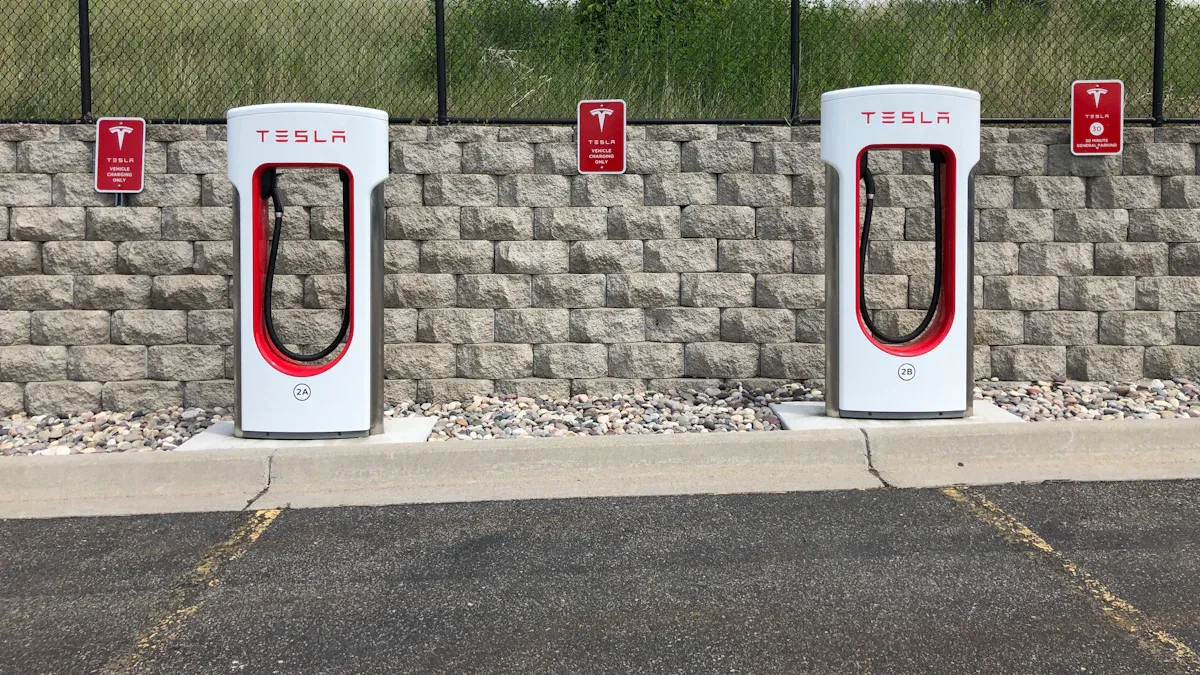
O dc fast charging cost in France varies significantly from one operator to another. Drivers must compare networks to manage their public . Ele precisa identificar o disjuntor específico que protege a tomada que pretende usar. A classificação de amperagem do disjuntor (ex.: 10A ou 20A) deve corresponder ao tipo de tomada. Em residências antigas, a fiação pode não ser suficiente para a carga sustentada de costs effectively. This breakdown covers the standard 2025 pricing for France’s most prominent fast-charging providers.
Pay-As-You-Go (Ad Hoc) Price Comparison
Pay-as-you-go pricing is the standard rate for drivers without a subscription. This option offers flexibility but generally has the highest cost per kWh.
Ionidade
Ionity operates a premium high-power charging network along European motorways. Its ad hoc preço de carregamento reflete suas localizações privilegiadas e velocidades rápidas.
- Tarifa Padrão: €0,59/kWh
Tesla Superchargers (para veículos não-Tesla)
A Tesla abriu grande parte de sua rede Supercharger para todas as marcas de VE. O preço para condutores de veículos não-Tesla é mais elevado e pode variar conforme a estação e o horário do dia.
- Preço Médio: €0,55 – €0,67/kWh
TotalEnergias
A TotalEnergies aproveita sua extensa rede de postos de serviço para oferecer carregamento de alta potência. Seu preço é competitivo no mercado de carregamento em rodovias.
- Carregamento de Alta Potência (até 300 kW): €0,59/kWh
Rápido
As estações Fastned são reconhecíveis por seus toldos solares amarelos. A empresa foca em fornecer uma experiência de carregamento confiável e rápida.
- Tarifa Padrão: €0,59/kWh
Allego
A Allego oferece uma mistura de carregadores ultrarrápidos e rápidos por toda a França, frequentemente localizados em parques comerciais e áreas urbanas. O custo na estação pode variar conforme a localização.
- Carregamento Ultrarrápido (até 300 kW): €0,68/kWh
Electra
A Electra é uma rede em rápido crescimento, conhecida por seu aplicativo intuitivo e preços competitivos, especialmente com suas tarifas fora de pico.
- Tarifa de Pico (8:00 – 20:00): €0,54/kWh
- Tarifa Fora de Pico (20:00 – 8:00): €0,44/kWh
Comparativo de Preços de Planos de Assinatura
Para condutores que usam carregamento público com frequência, as assinaturas oferecem uma forma eficaz de reduzir os custos. Uma taxa mensal desbloqueia uma tarifa por kWh mais baixa.
Ionity Passport
A Ionity oferece dois níveis de assinatura para atender a diferentes necessidades de condução. Os planos Passport reduzem significativamente a tarifa por kWh, tornando as viagens de longa distância frequentes mais acessíveis.
| Nível de Assinatura | Taxa Mensal (EUR) | Tarifa por kWh na França (EUR) |
|---|---|---|
| IONITY PASSPORT POWER | 11,99 (7,99 no primeiro mês) | 0.33 |
| IONITY PASSPORT MOTION | 5,99 (3,99 no primeiro mês) | 0.39 |
Assinatura Tesla
Condutores de veículos não-Tesla podem adquirir uma Assinatura Tesla para acessar o mesmo preço de carregamento reduzido dos proprietários de Tesla.
- Taxa Mensal: €12,99/mês
- Tarifa com Assinatura: Aproximadamente €0,40 – €0,50/kWh (varia conforme a estação)
Assinatura “Populaire” da Electra
A assinatura da Electra é projetada para usuários regulares, oferecendo uma forma simples de economizar em cada carregamento, sem níveis complexos.
- Taxa Mensal: €9,99/mês
- Tarifa com Assinatura: €0,35/kWh (24 horas por dia, 7 dias por semana)
Membro Gold Fastned
A Fastned recompensa seus clientes fiéis com um plano Membro Gold. Esta assinatura oferece um desconto consistente sobre sua tarifa padrão.
- Taxa Mensal: €11,99/mês
- Tarifa com Assinatura: €0,45/kWh
Tabela Comparativa de Preços: Custos das Redes em 2025
Esta tabela resume as estruturas de preços das principais redes francesas, ajudando os condutores a comparar rapidamente suas opções de carregamento público. A confiabilidade dessas redes frequentemente depende da qualidade de seu hardware, com muitos operadores usando soluções avançadas de fornecedores como a TPSON para garantir disponibilidade e desempenho.
| Rede | Custo por kWh (Pagamento por Uso) | Custo por kWh (Assinatura) | Taxa Mensal de Assinatura |
|---|---|---|---|
| Ionidade | €0.59 | €0.33 / €0.39 | €11.99 / €5.99 |
| Tesla | ~€0.61 | ~€0.45 | €12.99 |
| TotalEnergias | €0.59 | N/A | N/A |
| Rápido | €0.59 | €0.45 | €11.99 |
| Allego | €0.68 | N/A | N/A |
| Electra | €0,54 (Pico) | €0.35 | €9.99 |
Nota: Os preços da Tesla são dinâmicos e podem variar. Os valores mostrados são médias representativas para 2025. Sempre verifique a tarifa exata no aplicativo antes de carregar.
Como Reduzir o Custo do Carregamento DC Rápido
Os condutores podem reduzir significativamente seus gastos adotando hábitos estratégicos de carregamento. O custo total de uma viagem depende fortemente das escolhas feitas antes de conectar o veículo. A combinação da assinatura correta, uso inteligente de serviços de roaming e o horário pode gerar economias substanciais.
Escolhendo o Plano de Assinatura Correto
Uma assinatura mensal é a ferramenta mais eficaz para reduzir despesas elevadas com carregamento público. Os condutores devem analisar seus padrões de viagem para selecionar um plano que se alinhe às suas necessidades.
Para Condutores Frequentes em Rodovias
Condutores que viajam regularmente longas distâncias nas autoestradas francesas beneficiam-se mais das assinaturas de redes premium.
- Ionity Passport (Power ou Motion): Este plano é ideal para condutores que usam frequentemente a rede de alta velocidade da Ionity ao longo dos principais corredores de viagem. O significativo desconto por kWh compensa rapidamente a taxa mensal para quem faz várias viagens longas por mês.
- Assinatura Tesla: Proprietários de veículos não-Tesla que consideram os Superchargers convenientes em suas rotas podem obter economias consideráveis com esta assinatura, aproximando suas tarifas do que pagam os proprietários de Tesla.
Para Viajantes Ocasionais de Longa Distância
Condutores que realizam apenas algumas viagens longas por ano podem considerar uma assinatura completa antieconômica. Para este grupo, uma abordagem diferente é mais adequada.
- Pagamento por Utilização: Manter-se nas tarifas ad hoc é frequentemente a opção mais económica se um condutor utilizar carregadores DC rápidos menos de uma ou duas vezes por mês.
- Subscrições de Nível Inferior: Planos como o Passport Motion da Ionity oferecem um desconto menor por uma mensalidade mais baixa, proporcionando um meio-termo para viajantes pouco frequentes, mas regulares.
Cálculo do ponto de equilíbrio
Os condutores podem determinar se uma subscrição vale a pena calculando o seu ponto de equilíbrio. Este cálculo mostra quanto carregamento um condutor deve fazer por mês para que a subscrição se pague a si própria.
Como Calcular o Seu Ponto de Equilíbrio
- Encontrar a Diferença de Preço: Subtrair o preço por kWh da subscrição do preço por kWh do pagamento por utilização.
- Calcular os kWh de Equilíbrio: Dividir a mensalidade da subscrição pela diferença de preço.
kWh de Equilíbrio = Mensalidade / (Tarifa Ad Hoc - Tarifa da Subscrição)Exemplo com a Electra:
- Mensalidade: €9,99
- Tarifa Ad Hoc (Pico): €0,54/kWh
- Tarifa da Subscrição: €0,35/kWh
- Cálculo:
€9,99 / (€0,54 - €0,35) = €9,99 / €0,19 ≈ 52,6 kWhUm condutor precisa de carregar mais de 52,6 kWh por mês na rede Electra para que a subscrição gere poupanças.
Aproveitar Serviços de Roaming e Cartões de Carregamento
Os serviços de roaming permitem o acesso a múltiplas redes de carregamento com uma única conta e método de pagamento. Oferecem conveniência, mas exigem uma verificação cuidadosa dos preços. A infraestrutura tecnológica para estes sistemas interoperáveis depende frequentemente de soluções de fornecedores avançados como a TPSON, garantindo uma comunicação perfeita entre diferentes marcas de carregadores.
Compreender Como Funciona o Roaming em França
Os fornecedores de roaming, também conhecidos como Provedores de Serviços de e-Mobilidade (eMSPs), estabelecem acordos com vários Operadores de Pontos de Carregamento (CPOs). Um condutor com um cartão de roaming, como um Chargemap Pass, pode iniciar uma sessão numa estação compatível da Allego, Fastned ou de dezenas de outras redes, sem precisar da aplicação específica de cada operador. O eMSP trata da faturação numa única fatura mensal.
Preços e Taxas do Chargemap Pass
O Chargemap é um dos serviços de roaming mais populares em França. É conhecido pelo seu mapa abrangente e pela ampla aceitação da rede.
- Taxa do Cartão: Uma taxa de compra única de €19,90 para o cartão físico.
- Preços: O Chargemap exibe o preço de cada carregador na sua aplicação. Este preço pode incluir uma pequena margem sobre a tarifa direta do operador. Os condutores devem sempre verificar o custo na aplicação, pois é o preço final que pagarão.
Preços e Acesso à Rede do Izivia Pass
A Izivia, uma subsidiária da gigante energética EDF, oferece o seu próprio passe de roaming com amplo acesso em França e na Europa. Disponibiliza várias ofertas de subscrição adaptadas a diferentes níveis de utilização, algumas das quais incluem energia de um contrato doméstico. A sua estrutura de preços pode ser complexa, por isso é essencial verificar na aplicação a tarifa específica numa determinada estação.
Quando Usar um Cartão de Roaming vs. uma Aplicação de Rede Direta
A escolha entre um cartão de roaming e uma aplicação direta de uma rede depende das prioridades do condutor.
| Método | Melhor para | Prós | Contras |
|---|---|---|---|
| Aplicação da Rede | Condutores preocupados com custos, utilizadores frequentes de uma rede | Acesso às tarifas mais baixas, subscrições e ofertas especiais. | Requer múltiplas aplicações para diferentes redes. |
| Cartão de Roaming | Condutores que procuram conveniência, utilizadores pouco frequentes | Um cartão/aplicação para milhares de carregadores, faturação simplificada. | As tarifas podem ser superiores ao pagamento direto; nem todos os carregadores estão incluídos. |
Encontrar Descontos de Carregamento em Horas de Vazio
Algumas redes oferecem preços mais baixos durante períodos de baixa procura. Esta estratégia ajuda a equilibrar a carga da rede e recompensa os condutores com flexibilidade.
Identificar Redes com Preços Baseados no Tempo
Em França, a Electra é a rede líder na implementação de preços claros de pico e fora de pico. Um número crescente de outros operadores está a experimentar preços dinâmicos, onde as tarifas podem mudar com base na procura em tempo real. Os condutores devem verificar nas aplicações das redes se existem banners ou avisos sobre descontos por horário de utilização.
Horas de Vazio Típicas e Poupanças
Os descontos fora de pico são concebidos para incentivar o carregamento noturno.
- Horas Típicas: As tarifas mais baratas aplicam-se geralmente desde a noite até de manhã, por exemplo, das 20:00 às 08:00.
- Poupanças Potenciais: Ao deslocar uma sessão de carregamento para estas horas, um condutor pode poupar significativamente. Na rede Electra, a tarifa fora de pico oferece um desconto de cerca de 20% em comparação com a tarifa de pico, o que se traduz em poupanças diretas em cada carregamento.
Compreender o Custo Total do Carregamento: Taxas Adicionais
Um condutor de veículo elétrico (VE) em França pode verificar que o custo final do carregamento vai além do simples preço por quilowatt-hora (kWh). Várias taxas adicionais podem aumentar o despesa total custo de uma sessão de carregamento público. Compreender estas cobranças potenciais é crucial para um orçamento preciso e para evitar custos inesperados na estrada. Estas taxas, incluindo taxas de sessão e penalizações por inatividade, são uma parte importante do panorama financeiro global para os proprietários de VEs.
Taxas de Sessão e Custos de Ligação
Alguns operadores adicionam uma taxa fixa a cada sessão de carregamento, independentemente da quantidade de energia consumida. Esta cobrança cobre o custo de iniciar a ligação e processar o pagamento.
O que é uma Taxa de Sessão?
Uma taxa de sessão é uma cobrança única e fixa aplicada no início de cada sessão de carregamento. Pode variar de alguns cêntimos a mais de um euro. Esta taxa é comum nos serviços de roaming, que a utilizam para cobrir os seus custos operacionais de fornecer acesso a múltiplas redes.
Exemplo: Se um provedor de roaming cobrar uma taxa de sessão de €0,50 e a tarifa da rede for €0,59/kWh, uma sessão de 20 kWh custaria:
(20 kWh * €0,59/kWh) + €0,50 = €11,80 + €0,50 = €12,30
Redes em França que Cobram por Sessão
Embora menos comum para pagamentos diretos na rede, as taxas de sessão são frequentemente aplicadas por Provedores de Serviços de e-Mobilidade (eMSPs) como o Chargemap. Algumas redes menores ou regionais também podem incluir um custo de ligação. Os condutores devem sempre verificar a estrutura de preços na aplicação do fornecedor antes de iniciar uma sessão para ver se se aplica um custo por sessão.
Taxas de Bloqueio (Taxas por Inatividade)
As taxas de bloqueio, ou taxas por inatividade, são penalizações cobradas aos condutores que deixam o seu veículo ligado a um carregador após a bateria estar cheia. Estas taxas incentivam os condutores a moverem os seus carros prontamente, libertando a estação para o próximo utilizador.
Como as Taxas de Ociosidade São Calculadas
Os operadores geralmente cobram taxas de ociosidade por minuto. A taxa começa a acumular após o término da sessão de carregamento e após o término de um breve período de cortesia. O valor pode ser significativo, geralmente em torno de €0,10 a €0,20 por minuto, aumentando rapidamente se o carro for deixado por um período prolongado.
Períodos de Cortesia Antes do Início das Taxas
A maioria das redes oferece um breve período de cortesia, geralmente entre 5 e 15 minutos, após a conclusão do ciclo de carregamento. Esta janela dá ao condutor tempo suficiente para retornar ao seu veículo e desligar o cabo antes que qualquer penalidade seja aplicada. Por exemplo, a Tesla oferece um período de cortesia de 5 minutos em suas estações Supercharger.
Como Evitar Taxas de Bloqueio com Notificações por Aplicativo
A melhor maneira de evitar taxas de ociosidade é monitorar ativamente o processo de carregamento.
- Ativar Notificações do Aplicativo: Todos os principais aplicativos de rede podem enviar uma notificação push para o smartphone do condutor quando a sessão está se aproximando da conclusão ou foi finalizada.
- Definir um Temporizador Pessoal: Como backup, os condutores podem definir um temporizador em seu telefone com base no tempo estimado do carro para carga completa.
Como Verificar o Preço Final Antes de Carregar
Os condutores podem confirmar facilmente o preço total antes de conectar o veículo usando várias ferramentas disponíveis. Este simples passo evita surpresas na fatura.
Utilizar a aplicação móvel da rede
O aplicativo nativo do operador é a fonte mais confiável para informações de preços. Ele exibe a taxa atual por kWh, quaisquer taxas de sessão aplicáveis e detalhes sobre possíveis taxas de ociosidade.
Verificando o Preço na Tela do Carregador
Muitos carregadores rápidos de CC modernos, incluindo aqueles equipados com soluções avançadas de fornecedores como a TPSON, possuem telas grandes que exibem os preços atuais. Esta informação deve corresponder ao que é mostrado no aplicativo.
Verificando Custos em Aplicativos de Roaming como Chargemap
Ao usar um serviço de roaming, os condutores devem verificar o preço dentro desse aplicativo de roaming específico (por exemplo, Chargemap, Izivia). A taxa mostrada lá é o preço final que o condutor pagará, que pode diferir do preço exibido no próprio carregador ou no aplicativo direto da rede.
Como Encontrar e Pagar pelos Carregadores Rápidos de CC Mais Baratos na França
Encontrar e pagar pelos carregadores públicos de CC mais acessíveis na França requer as ferramentas digitais certas e uma compreensão das opções de pagamento disponíveis. Os condutores podem aproveitar aplicativos móveis especializados para localizar estações econômicas e escolher um método de pagamento que se alinhe com seu orçamento e necessidades de conveniência.
Melhores Aplicativos para Filtrar por Preço
Vários aplicativos móveis ajudam os condutores de veículos elétricos a navegar no complexo cenário de preços. Esses aplicativos fornecem dados em tempo real sobre localização, disponibilidade e custo, facilitando o planejamento de uma parada de carregamento econômica.
Usando Filtros de Preço do Chargemap
O Chargemap é uma ferramenta essencial para condutores franceses de veículos elétricos. Seu extenso banco de dados cobre quase todos os pontos de carregamento na Europa. Os condutores podem usar seus filtros poderosos para refinar as opções por rede, tipo de conector e velocidade de carregamento. Para encontrar o melhor preço, um usuário pode filtrar para mostrar apenas estações compatíveis com sua assinatura de baixo custo ou seu Chargemap Pass.
Usando Filtros de Preço do PlugShare
O PlugShare opera com um modelo orientado pela comunidade. Os usuários fazem check-in e relatam o status e os preços da estação. Seu aplicativo permite que os condutores filtrem os carregadores por custo, mostrando estações gratuitas, pagas ou de uso privado. Esses dados gerados pelos usuários fornecem uma visão prática e realista das despesas de carregamento.
Configurações de Custo do A Better Routeplanner (ABRP)
O A Better Routeplanner (ABRP) é uma ferramenta de primeira linha para planejar viagens de longa distância. Embora não filtre a estação única mais barata em tempo real, ele permite que os condutores insiram os detalhes de seu veículo e custo preferências. O aplicativo então calcula uma rota completa com paradas de carregamento ideais, levando em consideração o consumo e os custos estimados para projetar a despesa total da viagem.
Métodos de Pagamento Aceitos nas Estações Francesas
O método que um condutor usa para pagar o carregamento público pode impactar tanto o custo quanto a conveniência. As redes francesas suportam várias opções de pagamento, cada uma com vantagens distintas.
Pagamento com Cartão de Crédito/Débito
O método de pagamento mais direto é usar um cartão de crédito ou débito sem contato. Muitos carregadores novos, frequentemente equipados com hardware avançado de fornecedores como a TPSON, possuem terminais de pagamento integrados. Esta opção é ideal para carregamentos esporádicos, mas não fornece acesso a descontos de assinatura.
Pagamento via Aplicativo da Rede
Usar o aplicativo móvel nativo de uma rede é a chave para obter as tarifas mais baixas. Os condutores podem vincular um método de pagamento uma vez para transações perfeitas.
Dica profissional: Usuários regulares podem frequentemente recarregar uma carteira ou saldo de crédito no aplicativo. Isso agiliza o processo de pagamento e é necessário para usufruir dos preços com desconto da assinatura.
Pagamento com um Cartão de Carregamento RFID
Um cartão RFID, seja de uma rede específica ou de um provedor de roaming, oferece o máximo de conveniência. Um único cartão pode ativar carregadores em várias redes. Serviços de roaming como o Chargemap Pass ou Izivia Pass oferecem amplo acesso, embora suas tarifas possam incluir uma pequena taxa de serviço.
| Método de pagamento | Melhor para | Vantagem Principal | Desvantagem Potencial |
|---|---|---|---|
| Cartão de Crédito/Débito | Turistas e usuários ocasionais | Nenhum aplicativo ou registro necessário | Tarifas por kWh mais altas |
| Aplicação da Rede | Usuários frequentes de uma rede | Acesso a descontos de assinatura | Requer múltiplos aplicativos para viagens |
| Cartão RFID | Condutores que buscam conveniência | Um cartão para muitas redes | Taxas de roaming podem ser aplicadas |
Exemplos Reais de Custos de Carregamento Rápido CC
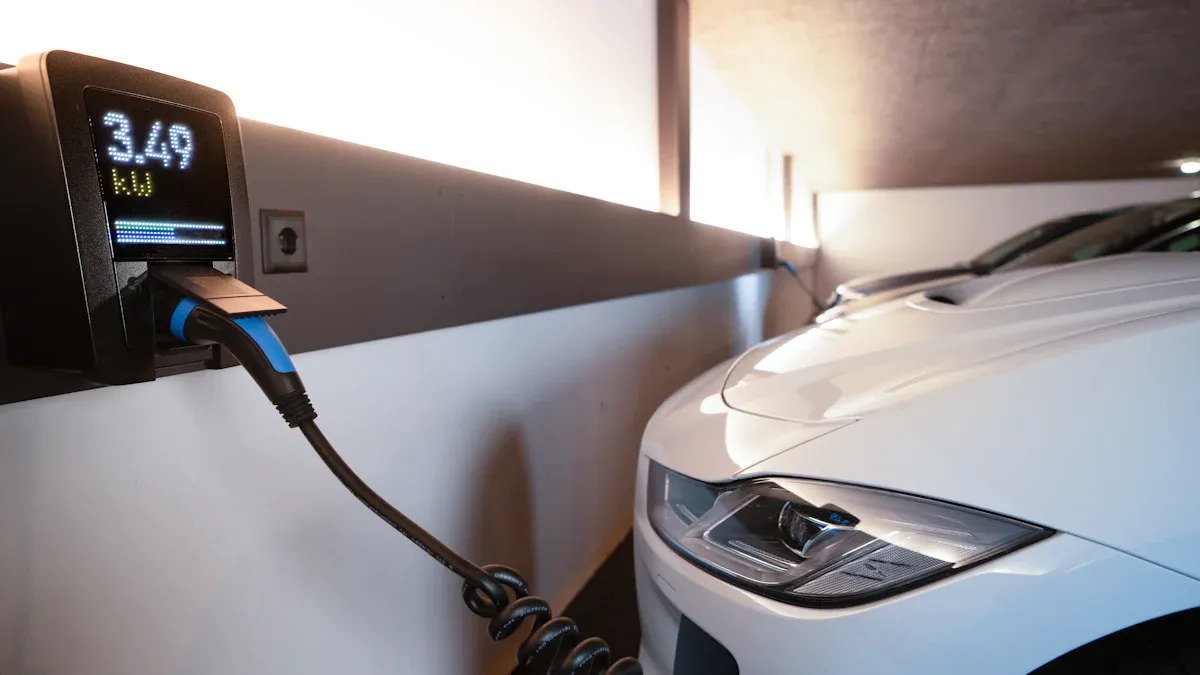
Os preços teóricos são úteis, mas cenários reais mostram como custos de faturação se acumulam na estrada e na cidade. Estes exemplos detalham as despesas para viagens e veículos comuns na França, demonstrando como diferentes escolhas impactam o orçamento do condutor.
Custo para uma Viagem de Paris a Nice
Uma viagem de Paris a Nice cobre aproximadamente 930 quilômetros. O custo total de carregamento rápido CC depende muito da eficiência do veículo e das assinaturas de rede do condutor.
Carregando um Renault Megane E-Tech
Um condutor de um Renault Megane E-Tech (bateria de 60 kWh) provavelmente precisaria de três a quatro paradas para carregar. Com uma assinatura Ionity Passport, o custo é significativamente reduzido.
- Energia Total Necessária: ~160 kWh
- Custo de Carregamento (com Ionity Passport):
160 kWh * €0,39/kWh = €62,40 - Custo Total da Viagem: €62,40 + €5,99 (taxa mensal) = €68.39
Carregar um Tesla Model Y
Um Tesla Model Y Long Range beneficia da extensa e eficiente rede Supercharger. O custo para este carro elétrico é competitivo, especialmente para proprietários de Tesla.
- Energia Total Necessária: ~155 kWh
- Custo de Carregamento (Tarifa para Proprietários de Tesla):
155 kWh * ~€0,45/kWh = €69,75 - Custo Total da Viagem: Aproximadamente €69.75
Perspetiva de Viagem: Para uma viagem longa, um plano de subscrição oferece poupanças substanciais. A despesa total com carregamento público permanece bem abaixo do custo da gasolina para um veículo de combustão interna comparável.
Custo para uma Semana de Condução Urbana
Muitos condutores urbanos dependem de cobrança pública para recargas ocasionais. A estratégia aqui muda da velocidade para encontrar o preço mais baixo.
Recarregar um Peugeot e-208
Um condutor de um Peugeot e-208 pode precisar de uma recarga rápida de 25 kWh durante a semana. Utilizar uma rede como a Electra durante as horas de vazio é uma estratégia económica.
- Energia necessária: 25 kWh
- Custo de Carregamento (Electra em Vazio):
25 kWh * €0,44/kWh = €11,00 - Custos Semanais de Carregamento Público: €11.00
Comparação de Custos: Carregamento Rápido vs. Carregamento Doméstico
A vantagem financeira do carregamento doméstico é significativa. Embora a infraestrutura pública, que frequentemente utiliza hardware fiável de fornecedores como a TPSON, seja essencial para viagens, o carregamento doméstico oferece as tarifas mais baixas para necessidades diárias. Esta comparação destaca a diferença para uma única sessão de carregamento de 25 kWh.
| Método de carregamento | Tarifa (por kWh) | Custo Total para 25 kWh |
|---|---|---|
| Carregamento Público Rápido (Horas de Vazio) | €0.44 | €11.00 |
| Carregamento Doméstico (Tarifa Regulada) | ~€0.25 | €6.25 |
Este exemplo simples mostra que carregar um veículo elétrico em casa pode reduzir as despesas semanais de energia quase para metade, em comparação com a dependência exclusiva de postos públicos.
Em 2025, o custo do carregamento rápido DC em França varia entre um mínimo de €0,29/kWh com subscrição e um máximo de €0,79/kWh para uso ocasional. A estratégia mais eficaz para gerir o preço médio do carregamento público envolve analisar os hábitos de condução para selecionar um plano adequado, como o Ionity Passport. Esta abordagem garante que uma viagem de VE custe duas a três vezes menos do que um veículo a gasolina.
Dica Final: 💡 Utilize sempre uma aplicação móvel para verificar a tarifa final por kWh e quaisquer taxas de sessão antes de iniciar o carregamento. Esta simples verificação evita despesas inesperadas na sua viagem.
FAQ
Qual é a forma mais barata de carregar rapidamente um VE em França?
O método mais económico é utilizar um plano de subscrição de rede. Os condutores também podem poupar dinheiro carregando durante as horas de vazio, tipicamente durante a noite. Combinar uma subscrição com carregamento em horas de vazio proporciona as tarifas por kWh mais baixas possíveis no carregamento público.
É mais barato carregar um Tesla ou um VE não-Tesla?
Os proprietários de Tesla geralmente pagam menos nos Superchargers. Os condutores de não-Tesla pagam uma tarifa ocasional mais elevada. No entanto, podem adquirir uma Tesla Membership para aceder a preços semelhantes aos dos proprietários de Tesla, tornando o custo altamente competitivo.
Um condutor pode usar cartão de crédito em todos os carregadores rápidos?
Muitos novos carregadores rápidos DC em França aceitam pagamentos com cartão de crédito contactless. Esta opção é conveniente para uso ocasional, mas não dá acesso a tarifas de subscrição mais baixas. É necessário utilizar a aplicação de uma rede para obter preços com desconto.
O que é uma taxa de inatividade e como pode um condutor evitá-la?
Uma taxa de inatividade é uma penalização por minuto por deixar o carro ligado após a conclusão do carregamento. Os condutores podem facilmente evitar esta taxa ativando notificações na aplicação, que os alertam quando a sessão de carregamento termina.
Por que razão os preços de carregamento mudam durante o dia?
Algumas redes utilizam tarifas de ponta e de vazio para gerir a procura. Os preços são mais elevados durante as horas diurnas de maior movimento e mais baixos durante a noite. Esta estratégia ajuda a equilibrar a carga na rede elétrica e recompensa os condutores por carregarem em horários menos congestionados.
Um cartão de roaming, como o Chargemap Pass, é sempre mais caro?
Nem sempre, mas os serviços de roaming podem adicionar uma pequena taxa pela conveniência. O preço mostrado na aplicação de roaming é o preço final que o condutor paga. Oferece acesso a muitas redes com um único cartão, o que pode valer o pequeno custo adicional.
Como é que a qualidade do hardware afeta a experiência de carregamento?
Hardware de alta qualidade garante uma sessão de carregamento fiável e eficiente. Fornecedores de soluções tecnologicamente avançadas para carregamento de VE, como a TPSON, fornecem equipamento robusto aos operadores. Isto resulta em menos erros nas estações, fornecimento de energia consistente e uma melhor experiência geral para o condutor.