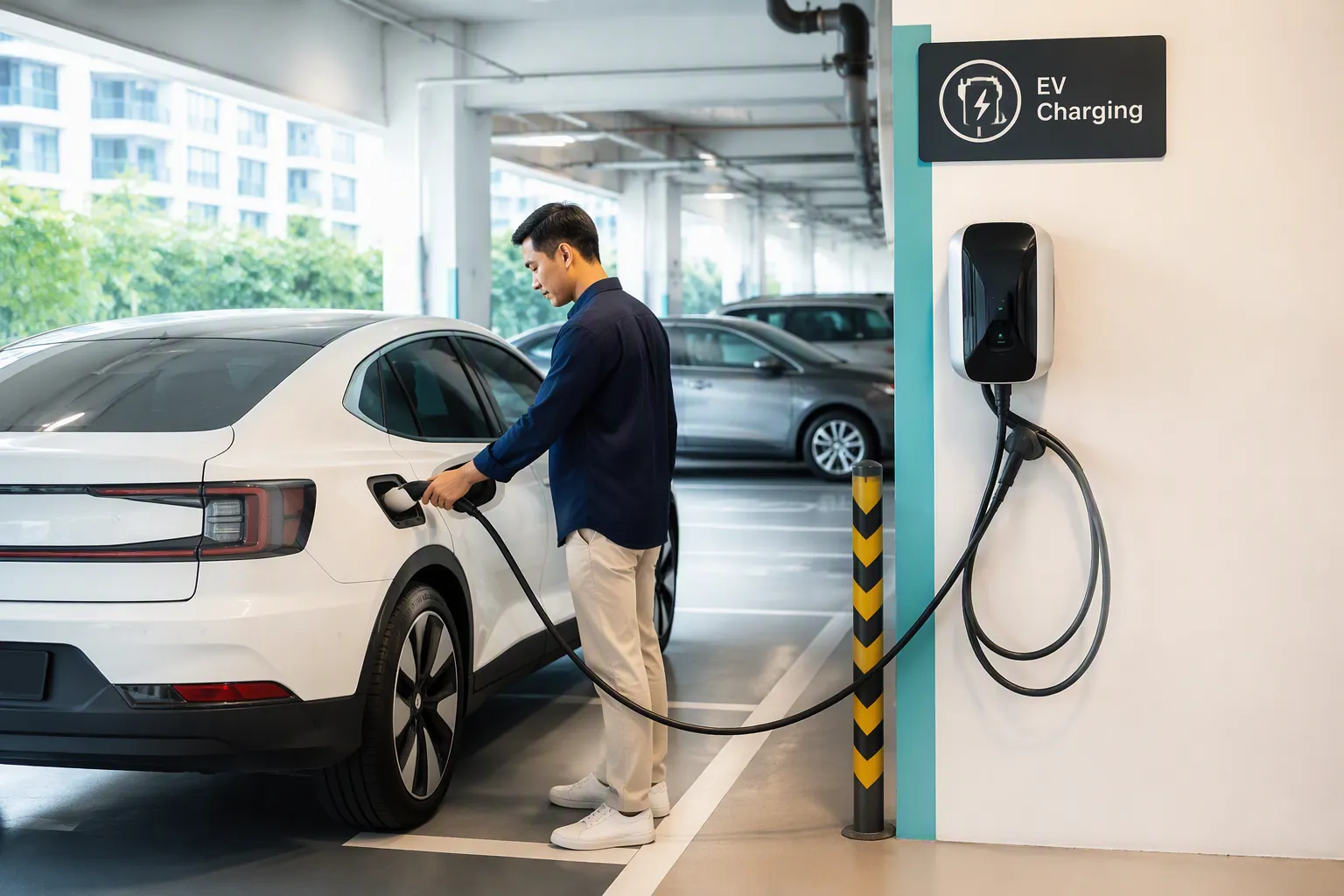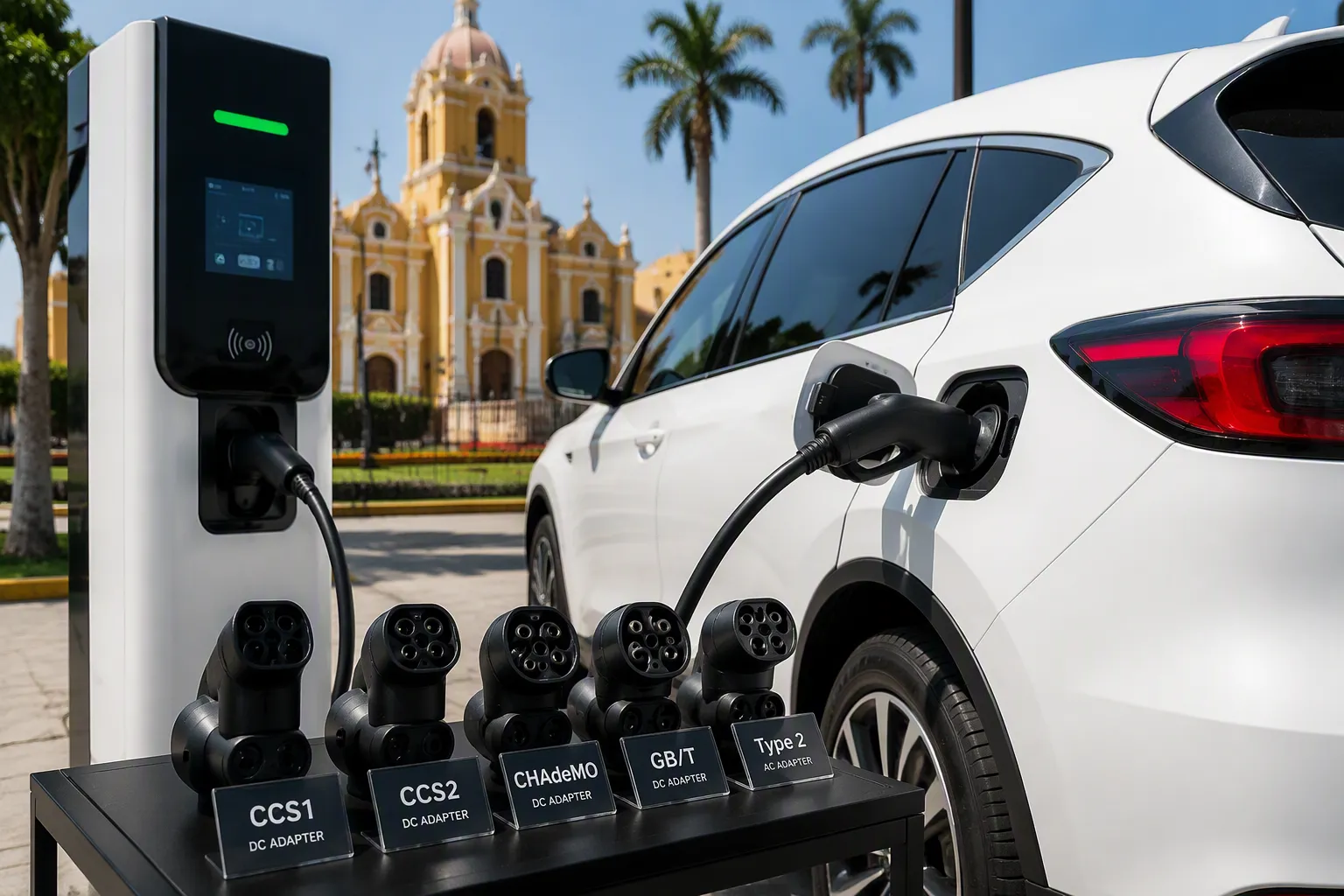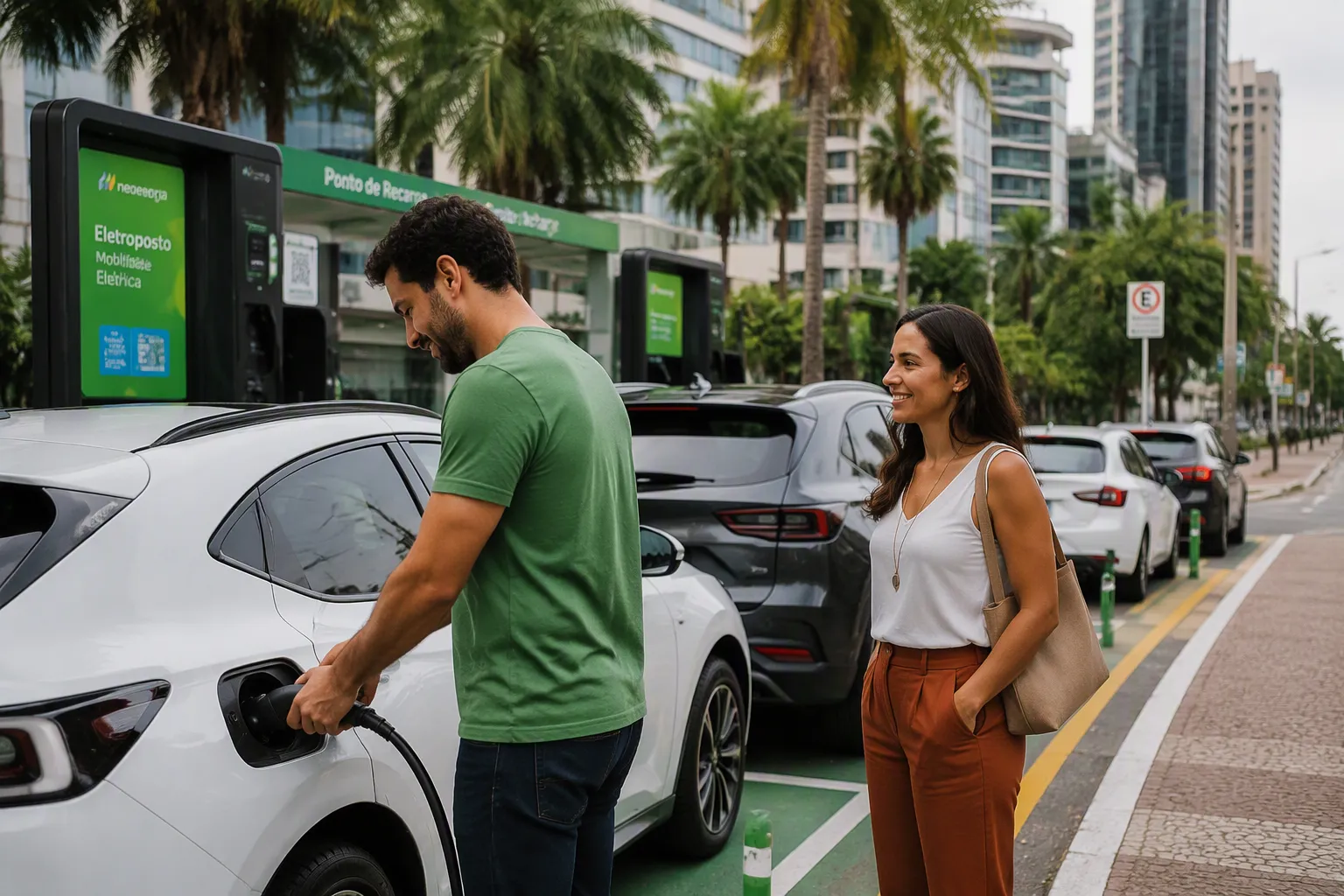

Electric vehicle drivers in France navigate a complex pricing landscape for public charging. The typical DC fast charging cost for pay-as-you-go users in 2025 ranges from €0.45 to €0.79 per kilowatt-hour (kWh). However, with the right network subscription, this price can drop to as low as €0.29/kWh. The final cost a driver pays is determined by several factors. These include the specific charging network, the user’s subscription status, the Зарядное устройство для электромобилей location (motorway versus city), and even the time of day. Understanding these charging costs is crucial as France remains a key EU market for electric vehicles, despite a recent stagnation in new registrations. The average price for highway fast charging sits between €0.50 and €0.80 per kWh, making strategic charging essential. Companies like TPSON, a technologically advanced Решения для зарядки электромобилей provider, contribute to the expanding infrastructure that supports this market, which includes various options from портативные зарядные устройства для электромобилей to powerful DC stations. This variability in price highlights the importance for drivers to research options from different Производители зарядных устройств для электромобилей to manage expenses effectively.
Key Factors Influencing DC Fast Charging Cost in France
Several variables determine the final dc fast charging cost for an electric vehicle driver in France. Understanding these factors helps drivers manage their public charging costs effectively. The price can change significantly based on the operator, payment method, and even the location of the station.
The Charging Network Operator
The company that operates the charging station is the single biggest factor in pricing. The French market includes a diverse range of providers, from major energy companies to specialized EV charging networks. Companies like TPSON contribute to this infrastructure by providing advanced charging solutions to various network operators.
Premium vs. Budget Networks
Premium networks like Ionity and TotalEnergies typically operate high-power stations (150kW+) along major motorways. Their convenience and speed come at a higher price. In contrast, budget-friendly networks such as Electra or certain supermarket chains often offer lower rates. These stations are more common in urban and suburban areas, providing a cost-effective option for local charging needs.
Location-Based Price Differences
Even within the same network, the location of a charger impacts the cost. A station at a busy motorway service area will almost always be more expensive than one in a quieter retail park. Operators adjust their price to reflect higher land rental costs and greater demand in prime locations.
Your Subscription Status
Drivers can choose between paying on the spot or committing to a monthly plan. This choice directly influences the per-kWh rate and overall charging costs.
Pay-As-You-Go (Ad Hoc) Pricing
Pay-as-you-go, or ad hoc, charging allows drivers to pay for a single session using a credit card or a network’s app without any commitment. This method offers maximum flexibility but comes with the highest per-kWh rates. It is ideal for tourists or drivers who rarely use public charging.
Monthly Subscription Benefits
For frequent users, monthly subscriptions offer significant savings. Drivers pay a recurring fee (e.g., €5 to €15 per month) to access much lower per-kWh charging rates. Networks like Ionity, Tesla, and Fastned all provide subscription plans that can cut the cost of charging by 30-50%, making them essential for long-distance commuters.
Roaming vs. Direct Payment
The payment method also plays a crucial role. Drivers can pay a network directly or use a third-party service that provides access to multiple networks.
Using a Network’s Native App
Paying directly through the operator’s own mobile app is often the most straightforward way to access the best rates, especially with a subscription. The app shows the exact price before the charging session begins and handles payment seamlessly.
Using a Third-Party Roaming Card
What is Roaming? Roaming services, offered by providers like Chargemap or Izivia, give drivers access to thousands of chargers across different networks with a single card or app. This convenience sometimes comes at a cost, as roaming providers may add a small markup or session fee on top of the network’s base rate.
Using a roaming card simplifies the public charging experience. However, drivers should always check the price in the roaming app before plugging in, as it can differ from the rate displayed on the charger itself.
Time of Day and Demand
The cost of a charging session in France can also fluctuate based on the time of day and the level of demand on the electrical grid. Some network operators use variable pricing models to manage station congestion and balance energy consumption. This approach creates opportunities for drivers to save money by being strategic about when they plug in.
On-Peak vs. Off-Peak Pricing
A growing number of French networks are adopting a time-of-use pricing structure. This model divides the day into distinct periods with different rates.
- On-Peak Hours: These are typically during the day (e.g., 8:00 AM to 8:00 PM) when electricity demand is highest. The price per kWh is more expensive during this window.
- В непиковые часы: These hours usually fall during the late evening and overnight (e.g., 8:00 PM to 8:00 AM). Charging during this period is cheaper, rewarding drivers who can be flexible.
Networks like Electra have pioneered this model in France. They offer significantly lower rates for overnight charging sessions. This strategy helps distribute the load on their stations and the power grid. Drivers can save as much as 30-40% simply by timing their visit to a station.
How Dynamic Pricing Works
Dynamic pricing is a more sophisticated version of the on-peak/off-peak model. Instead of fixed time windows, the price adjusts in near real-time based on multiple factors. This system requires advanced infrastructure, where solutions from providers like TPSON enable operators to manage complex pricing algorithms effectively.
Key factors influencing dynamic prices include:
- Station Occupancy: The price may increase when all chargers at a location are in use and decrease when the station is empty.
- Grid Demand: During periods of high national electricity consumption, charging prices may rise to discourage non-essential use.
- Wholesale Energy Costs: The price can fluctuate based on the real-time cost of electricity that the operator pays.
Совет водителя: Always check the price in the network’s app immediately before starting a session. With dynamic pricing, the cost displayed at 2:00 PM could be different from the cost at 2:30 PM at the very same station. This simple check prevents unexpected expenses.
This pricing model is still emerging in France but is expected to become more common as the EV market matures. It gives operators a powerful tool to manage their assets efficiently.
DC Fast Charging Price Breakdown by Major Network
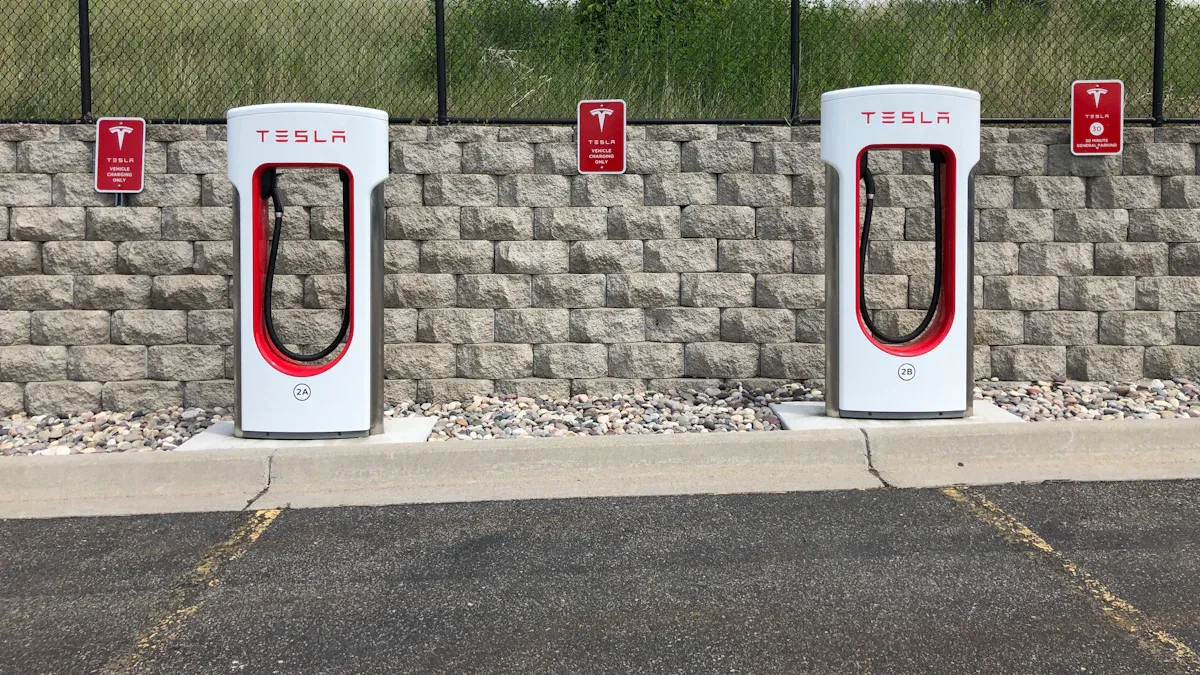
Сайт dc fast charging cost in France varies significantly from one operator to another. Drivers must compare networks to manage their public в пиковые и ночные часы одинаковой по цене. costs effectively. This breakdown covers the standard 2025 pricing for France’s most prominent fast-charging providers.
Pay-As-You-Go (Ad Hoc) Price Comparison
Pay-as-you-go pricing is the standard rate for drivers without a subscription. This option offers flexibility but generally has the highest cost per kWh.
Ionity
Ionity operates a premium high-power charging network along European motorways. Its ad hoc charging price отражает его премиальное расположение и высокую скорость зарядки.
- Стандартный тариф: 0,59 €/кВт·ч
Tesla Superchargers (для автомобилей не Tesla)
Tesla открыла значительную часть своей сети Supercharger для всех марок электромобилей. Для водителей не Tesla цена выше и может колебаться в зависимости от станции и времени суток.
- Средняя цена: 0,55 – 0,67 €/кВт·ч
TotalEnergies
TotalEnergies использует свою обширную сеть автозаправочных станций для предоставления высокомощной зарядки. Её цены конкурентоспособны для рынка зарядки на автомагистралях.
- Высокомощная зарядка (до 300 кВт): 0,59 €/кВт·ч
Fastned
Станции Fastned узнаваемы по своим жёлтым солнечным навесам. Компания делает акцент на предоставлении надёжного и быстрого опыта зарядки.
- Стандартный тариф: 0,59 €/кВт·ч
Allego
Allego предоставляет сочетание ультрабыстрых и быстрых зарядных устройств по всей Франции, часто расположенных в торговых зонах и городских районах. Стоимость зарядки может варьироваться в зависимости от местоположения.
- Ультрабыстрая зарядка (до 300 кВт): 0,68 €/кВт·ч
Электра
Electra — это быстрорастущая сеть, известная своим удобным приложением и конкурентоспособными ценами, особенно в непиковые часы.
- Пиковый тариф (8:00 – 20:00): 0,54 €/кВт·ч
- Непиковый тариф (20:00 – 8:00): 0,44 €/кВт·ч
Сравнение цен подписочных планов
Для водителей, которые часто пользуются общественной зарядкой, подписки предлагают эффективный способ снизить затраты на зарядку. Ежемесячная плата открывает доступ к сниженной ставке за кВт·ч.
Ionity Passport
Ionity предлагает два уровня подписки, чтобы удовлетворить различные потребности в поездках. Планы Passport значительно снижают ставку за кВт·ч, делая частые дальние поездки более доступными.
| Уровень подписки | Ежемесячная плата (EUR) | Ставка за кВт·ч во Франции (EUR) |
|---|---|---|
| IONITY PASSPORT POWER | 11,99 (7,99 за первый месяц) | 0.33 |
| IONITY PASSPORT MOTION | 5,99 (3,99 за первый месяц) | 0.39 |
Членство Tesla
Водители не Tesla могут приобрести членство Tesla, чтобы получить доступ к той же сниженной цене за зарядку, что и владельцы Tesla.
- Ежемесячная плата: 12,99 €/месяц
- Тариф по подписке: Приблизительно 0,40 – 0,50 €/кВт·ч (варьируется в зависимости от станции)
Подписка Electra “Populaire”
Подписка Electra разработана для регулярных пользователей, предлагая простой способ экономии на каждой зарядке без сложных уровней.
- Ежемесячная плата: 9,99 €/месяц
- Тариф по подписке: 0,35 €/кВт·ч (круглосуточно)
Участник Gold от Fastned
Fastned поощряет своих постоянных клиентов планом Gold Member. Эта подписка обеспечивает постоянную скидку от стандартного тарифа.
- Ежемесячная плата: 11,99 €/месяц
- Тариф по подписке: 0,45 €/кВт·ч
Сравнительная таблица цен: Стоимость сетей в 2025 году
В этой таблице обобщены структуры ценообразования основных французских сетей, что помогает водителям быстро сравнить варианты общественной зарядки. Надёжность этих сетей часто зависит от качества их оборудования, при этом многие операторы используют передовые решения от поставщиков, таких как TPSON, для обеспечения бесперебойной работы и производительности.
| Сеть | Стоимость за кВт·ч (оплата по факту) | Стоимость за кВт·ч (по подписке) | Ежемесячная плата за подписку |
|---|---|---|---|
| Ionity | €0.59 | €0.33 / €0.39 | €11.99 / €5.99 |
| Tesla | ~€0.61 | ~€0.45 | €12.99 |
| TotalEnergies | €0.59 | Н/Д | Н/Д |
| Fastned | €0.59 | €0.45 | €11.99 |
| Allego | €0.68 | Н/Д | Н/Д |
| Электра | 0,54 € (Пиковый) | €0.35 | €9.99 |
Примечание: Ценообразование у Tesla динамичное и может меняться. Приведённые цифры являются репрезентативными средними значениями на 2025 год. Всегда проверяйте точный тариф в приложении перед началом зарядки.
Как снизить стоимость быстрой зарядки постоянным током (DC)
Водители могут значительно сократить свои расходы, выработав стратегические привычки зарядки. Общая стоимость поездки в значительной степени зависит от выбора, сделанного до подключения к зарядке. Сочетание правильной подписки, разумного использования услуг роуминга и выбора времени может привести к существенной экономии.
Выбор правильного подписочного плана
Ежемесячная подписка — наиболее эффективный инструмент для снижения расходов на интенсивную общественную зарядку. Водители должны проанализировать свои модели поездок, чтобы выбрать план, соответствующий их потребностям.
Для частых поездок по автомагистралям
Водители, которые регулярно совершают дальние поездки по французским автомагистралям, получают наибольшую выгоду от премиальных сетевых подписок.
- Ionity Passport (Power или Motion): Этот план идеально подходит для водителей, которые часто используют высокоскоростную сеть Ionity вдоль основных транспортных коридоров. Значительная скидка за кВт·ч быстро компенсирует ежемесячную плату для тех, кто совершает несколько длительных поездок в месяц.
- Членство Tesla: Владельцы автомобилей не Tesla, которым Superchargers удобны на их маршрутах, могут достичь значительной экономии с этим членством, приблизив свои тарифы к тем, что платят владельцы Tesla.
Для тех, кто изредка совершает дальние поездки
Водителям, которые совершают длительные поездки всего несколько раз в год, полная подписка может показаться неэкономичной. Для этой группы лучше подходит другой подход.
- Оплачивайте как хотите: Следование разовым тарифам часто является самым дешёвым вариантом, если водитель пользуется быстрыми зарядными устройствами постоянного тока реже одного-двух раз в месяц.
- Lower-Tier Subscriptions: Plans like Ionity’s Passport Motion offer a smaller discount for a lower monthly fee, providing a middle ground for infrequent but regular travelers.
Расчет точки безубыточности
Drivers can determine if a subscription is worthwhile by calculating their break-even point. This calculation shows how much charging a driver must do each month for the subscription to pay for itself.
How to Calculate Your Break-Even Point
- Find the Price Difference: Subtract the subscription kWh price from the pay-as-you-go kWh price.
- Calculate the Break-Even kWh: Divide the monthly subscription fee by the price difference.
Break-Even kWh = Monthly Fee / (Ad Hoc Rate - Subscription Rate)Example with Electra:
- Monthly Fee: €9.99
- Ad Hoc Rate (Peak): €0.54/kWh
- Subscription Rate: €0.35/kWh
- Расчет:
€9.99 / (€0.54 - €0.35) = €9.99 / €0.19 ≈ 52.6 kWhA driver needs to charge more than 52.6 kWh per month on the Electra network for the subscription to generate savings.
Leveraging Roaming Services and Charging Cards
Roaming services provide access to multiple charging networks with a single account and payment method. They offer convenience but require careful price checking. The technological backbone for these interoperable systems often relies on solutions from advanced providers like TPSON, ensuring seamless communication between different brands of chargers.
Understanding How Roaming Works in France
Roaming providers, also known as e-Mobility Service Providers (eMSPs), make agreements with various Charge Point Operators (CPOs). A driver with a roaming card, like a Chargemap Pass, can initiate a session at a compatible station from Allego, Fastned, or dozens of other networks without needing each operator’s specific app. The eMSP handles the billing in a single monthly invoice.
Chargemap Pass Pricing and Fees
Chargemap is one of France’s most popular roaming services. It is known for its comprehensive map and wide network acceptance.
- Card Fee: A one-time purchase fee of €19.90 for the physical card.
- Ценообразование: Chargemap displays the price for each charger in its app. This price may include a small markup over the operator’s direct rate. Drivers should always verify the cost in the app, as it is the final price they will pay.
Izivia Pass Pricing and Network Access
Izivia, a subsidiary of the energy giant EDF, offers its own roaming pass with broad access across France and Europe. It provides several subscription offers tailored to different usage levels, some of which bundle energy from a home contract. Its pricing structure can be complex, so checking the app for the specific rate at a given station is essential.
When to Use a Roaming Card vs. a Network App
The choice between a roaming card and a direct network app depends on a driver’s priorities.
| Method | Лучшее для | Плюсы | Cons |
|---|---|---|---|
| Сетевое приложение | Cost-conscious drivers, frequent users of one network | Access to lowest rates, subscriptions, and special offers. | Requires multiple apps for different networks. |
| Roaming Card | Drivers seeking convenience, infrequent users | One card/app for thousands of chargers, simplified billing. | Rates can be higher than direct payment; not all chargers are included. |
Finding Off-Peak Charging Discounts
Some networks offer lower prices during periods of low demand. This strategy helps balance grid load and rewards drivers with flexibility.
Identifying Networks with Time-Based Pricing
In France, Electra is the leading network for implementing clear on-peak and off-peak pricing. A growing number of other operators are experimenting with dynamic pricing, where rates can change based on real-time demand. Drivers should check network apps for banners or notices about time-of-use discounts.
Typical Off-Peak Hours and Savings
Off-peak discounts are designed to encourage overnight charging.
- Typical Hours: The cheaper rates usually apply from evening until morning, for example, from 8:00 PM (20:00) to 8:00 AM (08:00).
- Potential Savings: By shifting a charging session to these hours, a driver can save significantly. On the Electra network, the off-peak rate provides a discount of nearly 20% compared to the peak rate, which translates into direct savings on every charge.
Understanding the Full Cost of Charging: Additional Fees
An electric vehicle (EV) driver in France can find that the final cost of charging extends beyond the simple price per kilowatt-hour (kWh). Several additional fees can increase the общие расходы of a public charging session. Understanding these potential charges is crucial for accurate budgeting and avoiding unexpected costs on the road. These fees, including session charges and idle penalties, are an important part of the overall financial picture for EV owners.
Session Fees and Connection Charges
Some operators add a fixed fee to each charging session, regardless of the amount of energy consumed. This charge covers the cost of initiating the connection and processing the payment.
What is a Session Fee?
A session fee is a one-time, flat-rate charge applied at the beginning of every charging session. It can range from a few cents to over a euro. This fee is common with roaming services, which use it to cover their operational costs for providing access to multiple networks.
Пример: If a roaming provider charges a €0.50 session fee and the network rate is €0.59/kWh, a 20 kWh session would cost:
(20 kWh * €0.59/kWh) + €0.50 = €11.80 + €0.50 = €12.30
Networks in France That Charge Per Session
While less common for direct network payments, session fees are frequently applied by e-Mobility Service Providers (eMSPs) like Chargemap. Some smaller or regional networks might also include a connection charge. Drivers should always verify the pricing structure in the provider’s app before starting a session to see if a per-session cost applies.
Blocking Fees (Idle Fees)
Blocking fees, or idle fees, are penalties charged to drivers who leave their vehicle connected to a charger after the battery is full. These fees encourage drivers to move their cars promptly, freeing up the station for the next user.
How Idle Fees are Calculated
Operators typically charge idle fees on a per-minute basis. The fee starts accumulating after the charging session ends and a short grace period expires. The rate can be significant, often around €0.10 to €0.20 per minute, quickly adding up if a car is left for an extended period.
Grace Periods Before Fees Start
Most networks provide a short grace period, usually between 5 and 15 minutes, after the charging cycle completes. This window gives the driver enough time to return to their vehicle and unplug it before any penalties are applied. For example, Tesla provides a 5-minute grace period at its Supercharger stations.
How to Avoid Blocking Fees with App Notifications
The best way to avoid idle fees is to monitor the charging process actively.
- Enable App Notifications: All major network apps can send a push notification to a driver’s smartphone when the session is nearing completion or has finished.
- Set a Personal Timer: As a backup, drivers can set a timer on their phone based on the car’s estimated time to full charge.
How to Check the Final Price Before You Charge
Drivers can easily confirm the total price before plugging in by using several available tools. This simple step prevents any billing surprises.
Using the Network’s Mobile App
The operator’s native app is the most reliable source for pricing information. It displays the current per-kWh rate, any applicable session fees, and details about potential idle fees.
Checking the Price on the Charger Screen
Many modern DC fast chargers, including those powered by advanced solutions from providers like TPSON, feature large screens that display the current pricing. This information should match what is shown in the app.
Verifying Costs in Roaming Apps like Chargemap
When using a roaming service, drivers must check the price within that specific roaming app (e.g., Chargemap, Izivia). The rate shown there is the final price the driver will pay, which may differ from the price displayed on the charger itself or in the direct network app.
How to Find and Pay for the Cheapest DC Fast Chargers in France
Finding and paying for the most affordable dc public chargers in France requires the right digital tools and an understanding of the payment options available. Drivers can leverage specialized mobile apps to locate cost-effective stations and choose a payment method that aligns with their budget and convenience needs.
Best Apps for Filtering by Price
Several mobile applications help EV drivers navigate the complex pricing landscape. These apps provide real-time data on location, availability, and cost, making it easier to plan an economical charging stop.
Using Chargemap Price Filters
Chargemap is an essential tool for French EV drivers. Its extensive database covers nearly all charging points in Europe. Drivers can use its powerful filters to narrow down options by network, connector type, and charging speed. To find the best price, a user can filter to show only stations compatible with their low-cost subscription or their Chargemap Pass.
Using PlugShare Price Filters
PlugShare operates with a community-driven model. Users check in and report on station status and pricing. Its app allows drivers to filter chargers by cost, showing stations that are free, require payment, or are for private use. This user-generated data provides a practical, on-the-ground view of charging expenses.
A Better Routeplanner (ABRP) Cost Settings
A Better Routeplanner (ABRP) is a premier tool for planning long-distance journeys. While it does not filter for the single cheapest station in real-time, it allows drivers to input their vehicle details and стоимость preferences. The app then calculates an entire route with optimal charging stops, factoring in consumption and estimated costs to project the total expense for a trip.
Accepted Payment Methods at French Stations
The method a driver uses to pay for public charging can impact both cost and convenience. French networks support several payment options, each with distinct advantages.
Paying with a Credit/Debit Card
The most direct payment method is using a contactless credit or debit card. Many new chargers, often equipped with advanced hardware from providers like TPSON, feature built-in payment terminals. This option is ideal for ad hoc charging but does not provide access to subscription discounts.
Paying via a Network App
Using a network’s native mobile app is the key to unlocking the lowest rates. Drivers can link a payment method once for seamless transactions.
Совет профессионала: Regular users can often top up an in-app wallet or credit balance. This streamlines the payment process and is necessary to benefit from discounted subscription pricing.
Paying with an RFID Charging Card
An RFID card, either from a specific network or a roaming provider, offers maximum convenience. A single card can activate chargers across multiple networks. Roaming services like Chargemap Pass or Izivia Pass provide broad access, though their rates may include a small service fee.
| Способ оплаты | Лучшее для | Key Advantage | Potential Downside |
|---|---|---|---|
| Credit/Debit Card | Tourists & occasional users | No app or registration needed | Highest per-kWh rates |
| Сетевое приложение | Frequent users of one network | Access to subscription discounts | Requires multiple apps for travel |
| RFID-карта | Drivers seeking convenience | One card for many networks | Roaming fees may apply |
Real-World DC Fast Charging Cost Examples
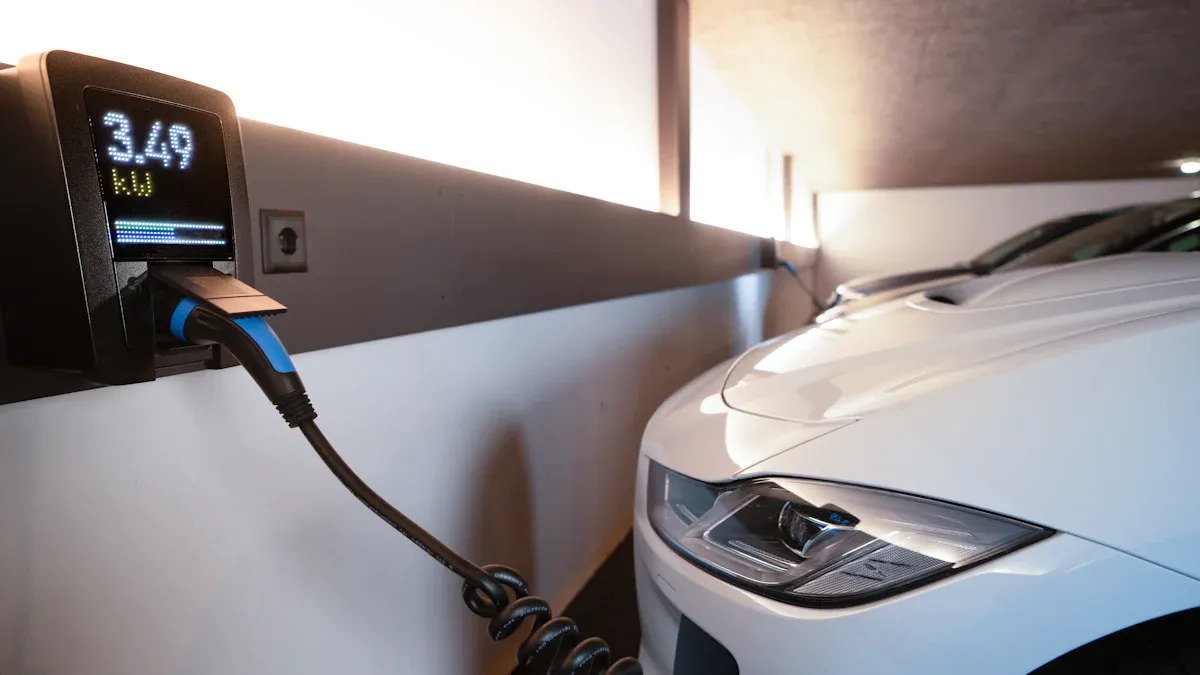
Theoretical prices are useful, but real-world scenarios show how Для среднестатистического водителя, проезжающего 625 миль в месяц, разница в add up on the road and in the city. These examples break down the expenses for common journeys and vehicles in France, demonstrating how different choices impact a driver’s budget.
Cost for a Paris to Nice Road Trip
A road trip from Paris to Nice covers approximately 930 kilometers. The total dc fast charging cost depends heavily on the vehicle’s efficiency and the driver’s network subscriptions.
Charging a Renault Megane E-Tech
A driver of a Renault Megane E-Tech (60 kWh battery) would likely need three to four charging stops. With an Ionity Passport subscription, the cost is significantly reduced.
- Total Energy Needed: ~160 kWh
- Charging Cost (with Ionity Passport):
160 kWh * €0.39/kWh = €62.40 - Total Trip Cost: €62.40 + €5.99 (monthly fee) = €68.39
Charging a Tesla Model Y
A Tesla Model Y Long Range benefits from the extensive and efficient Supercharger network. The cost for this electric car is competitive, especially for Tesla owners.
- Total Energy Needed: ~155 kWh
- Charging Cost (Tesla Owner Rate):
155 kWh * ~€0.45/kWh = €69.75 - Total Trip Cost: Примерно €69.75
Road Trip Insight: For a long journey, a subscription plan offers substantial savings. The total expense for public charging remains well below the cost of gasoline for a comparable internal combustion engine vehicle.
Cost for a Week of Urban Driving
Many urban drivers rely on общественная зарядка for occasional top-ups. The strategy here shifts from speed to finding the lowest price.
Topping Up a Peugeot e-208
A driver of a Peugeot e-208 might need one quick 25 kWh top-up during the week. Using a network like Electra during off-peak hours is a cost-effective strategy.
- 625 миль ÷ 4 мили/кВт·ч = 156,25 кВт·ч в месяц 25 кВтч
- Charging Cost (Electra Off-Peak):
25 kWh * €0.44/kWh = €11.00 - Weekly Public Charging Costs: €11.00
Comparing Quick Charging vs. Home Charging Costs
The financial advantage of home charging is significant. While public infrastructure, often using reliable hardware from providers like TPSON, is essential for travel, home charging offers the lowest rates for daily needs. This comparison highlights the difference for a single 25 kWh charging session.
| Способ зарядки | Rate (per kWh) | Total Cost for 25 kWh |
|---|---|---|
| Public Fast Charging (Off-Peak) | €0.44 | €11.00 |
| Home Charging (Regulated Tariff) | ~€0.25 | €6.25 |
This simple example shows that charging an electric vehicle at home can cut weekly energy expenses nearly in half compared to relying solely on public stations.
In 2025, the dc fast charging cost in France spans from a low of €0.29/kWh with a subscription to a high of €0.79/kWh for ad hoc use. The most effective strategy for managing the average price of public charging involves analyzing driving habits to select a suitable plan like Ionity Passport. This approach ensures an EV trip costs two to three times less than a gasoline vehicle.
Заключительный совет: 💡 Always use a mobile app to verify the final per-kWh rate and any session fees before you start charging. This simple check prevents unexpected expenses on your journey.
ЧАСТО ЗАДАВАЕМЫЕ ВОПРОСЫ
What is the cheapest way to fast charge an EV in France?
The most cost-effective method is using a network subscription plan. Drivers can also save money by charging during off-peak hours, typically overnight. Combining a subscription with off-peak charging provides the lowest possible per-kWh rates for public charging.
Is it cheaper to charge a Tesla or a non-Tesla EV?
Tesla owners generally pay less at Superchargers. Non-Tesla drivers pay a higher ad hoc rate. However, they can purchase a Tesla Membership to access prices similar to what Tesla owners pay, making the cost highly competitive.
Can a driver use a credit card at all fast chargers?
Many new DC fast chargers in France accept contactless credit card payments. This option is convenient for ad hoc use but does not provide access to lower subscription rates. Using a network’s app is required for discounted pricing.
What is an idle fee and how can a driver avoid it?
An idle fee is a per-minute penalty for leaving a car plugged in after it has finished charging. Drivers can easily avoid this fee by enabling app notifications, which alert them when the charging session is complete.
Why do charging prices change during the day?
Some networks use on-peak and off-peak pricing to manage demand. Prices are higher during busy daytime hours and lower overnight. This strategy helps balance the load on the electrical grid and rewards drivers for charging at less congested times.
Is a roaming card like Chargemap Pass always more expensive?
Not always, but roaming services may add a small fee for convenience. The price shown in the roaming app is the final price a driver pays. It offers access to many networks with one card, which can be worth the minor cost.
How does hardware quality affect the charging experience?
High-quality hardware ensures a reliable and efficient charging session. Technologically advanced EV charging solutions providers like TPSON supply operators with robust equipment. This leads to fewer station errors, consistent power delivery, and a better overall experience for the driver.