


Electric vehicle drivers in France navigate a complex pricing landscape for public charging. The typical DC fast charging cost for pay-as-you-go users in 2025 ranges from €0.45 to €0.79 per kilowatt-hour (kWh). However, with the right network subscription, this price can drop to as low as €0.29/kWh. The final cost a driver pays is determined by several factors. These include the specific charging network, the user’s subscription status, the شاحن السيارة الكهربائية location (motorway versus city), and even the time of day. Understanding these charging costs is crucial as France remains a key EU market for electric vehicles, despite a recent stagnation in new registrations. The average price for highway fast charging sits between €0.50 and €0.80 per kWh, making strategic charging essential. Companies like TPSON, a technologically advanced حلول شحن السيارات الكهربائية provider, contribute to the expanding infrastructure that supports this market, which includes various options from شواحن السيارات الكهربائية المحمولة to powerful DC stations. This variability in price highlights the importance for drivers to research options from different الشركات المصنعة لشاحن السيارة الكهربائية to manage expenses effectively.
Key Factors Influencing DC Fast Charging Cost in France
Several variables determine the final dc fast charging cost for an electric vehicle driver in France. Understanding these factors helps drivers manage their public charging costs effectively. The price can change significantly based on the operator, payment method, and even the location of the station.
The Charging Network Operator
The company that operates the charging station is the single biggest factor in pricing. The French market includes a diverse range of providers, from major energy companies to specialized EV charging networks. Companies like TPSON contribute to this infrastructure by providing advanced charging solutions to various network operators.
Premium vs. Budget Networks
Premium networks like Ionity and TotalEnergies typically operate high-power stations (150kW+) along major motorways. Their convenience and speed come at a higher price. In contrast, budget-friendly networks such as Electra or certain supermarket chains often offer lower rates. These stations are more common in urban and suburban areas, providing a cost-effective option for local charging needs.
Location-Based Price Differences
Even within the same network, the location of a charger impacts the cost. A station at a busy motorway service area will almost always be more expensive than one in a quieter retail park. Operators adjust their price to reflect higher land rental costs and greater demand in prime locations.
Your Subscription Status
Drivers can choose between paying on the spot or committing to a monthly plan. This choice directly influences the per-kWh rate and overall charging costs.
Pay-As-You-Go (Ad Hoc) Pricing
Pay-as-you-go, or ad hoc, charging allows drivers to pay for a single session using a credit card or a network’s app without any commitment. This method offers maximum flexibility but comes with the highest per-kWh rates. It is ideal for tourists or drivers who rarely use public charging.
Monthly Subscription Benefits
For frequent users, monthly subscriptions offer significant savings. Drivers pay a recurring fee (e.g., €5 to €15 per month) to access much lower per-kWh charging rates. Networks like Ionity, Tesla, and Fastned all provide subscription plans that can cut the cost of charging by 30-50%, making them essential for long-distance commuters.
Roaming vs. Direct Payment
The payment method also plays a crucial role. Drivers can pay a network directly or use a third-party service that provides access to multiple networks.
Using a Network’s Native App
Paying directly through the operator’s own mobile app is often the most straightforward way to access the best rates, especially with a subscription. The app shows the exact price before the charging session begins and handles payment seamlessly.
Using a Third-Party Roaming Card
What is Roaming? Roaming services, offered by providers like Chargemap or Izivia, give drivers access to thousands of chargers across different networks with a single card or app. This convenience sometimes comes at a cost, as roaming providers may add a small markup or session fee on top of the network’s base rate.
Using a roaming card simplifies the public charging experience. However, drivers should always check the price in the roaming app before plugging in, as it can differ from the rate displayed on the charger itself.
Time of Day and Demand
The cost of a charging session in France can also fluctuate based on the time of day and the level of demand on the electrical grid. Some network operators use variable pricing models to manage station congestion and balance energy consumption. This approach creates opportunities for drivers to save money by being strategic about when they plug in.
On-Peak vs. Off-Peak Pricing
A growing number of French networks are adopting a time-of-use pricing structure. This model divides the day into distinct periods with different rates.
- ساعات الذروة: These are typically during the day (e.g., 8:00 AM to 8:00 PM) when electricity demand is highest. The price per kWh is more expensive during this window.
- ساعات خارج الذروة: These hours usually fall during the late evening and overnight (e.g., 8:00 PM to 8:00 AM). Charging during this period is cheaper, rewarding drivers who can be flexible.
Networks like Electra have pioneered this model in France. They offer significantly lower rates for overnight charging sessions. This strategy helps distribute the load on their stations and the power grid. Drivers can save as much as 30-40% simply by timing their visit to a station.
How Dynamic Pricing Works
Dynamic pricing is a more sophisticated version of the on-peak/off-peak model. Instead of fixed time windows, the price adjusts in near real-time based on multiple factors. This system requires advanced infrastructure, where solutions from providers like TPSON enable operators to manage complex pricing algorithms effectively.
Key factors influencing dynamic prices include:
- Station Occupancy: The price may increase when all chargers at a location are in use and decrease when the station is empty.
- Grid Demand: During periods of high national electricity consumption, charging prices may rise to discourage non-essential use.
- Wholesale Energy Costs: The price can fluctuate based on the real-time cost of electricity that the operator pays.
نصيحة السائق: Always check the price in the network’s app immediately before starting a session. With dynamic pricing, the cost displayed at 2:00 PM could be different from the cost at 2:30 PM at the very same station. This simple check prevents unexpected expenses.
This pricing model is still emerging in France but is expected to become more common as the EV market matures. It gives operators a powerful tool to manage their assets efficiently.
DC Fast Charging Price Breakdown by Major Network
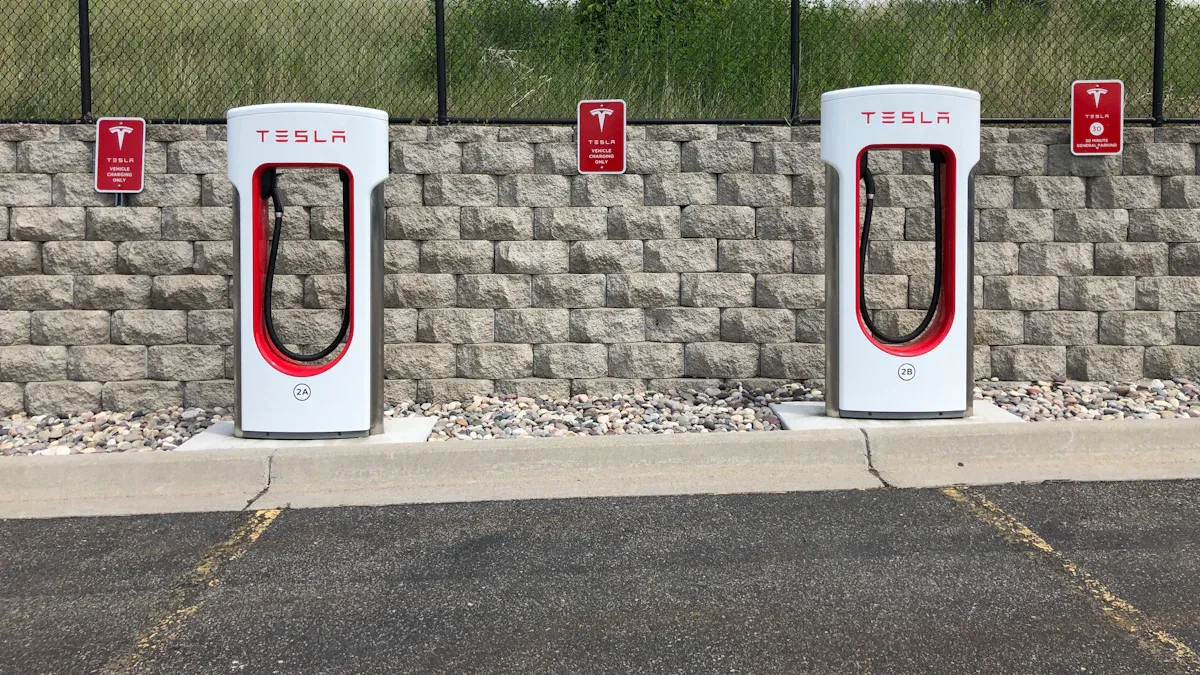
إن dc fast charging cost in France varies significantly from one operator to another. Drivers must compare networks to manage their public شحن costs effectively. This breakdown covers the standard 2025 pricing for France’s most prominent fast-charging providers.
Pay-As-You-Go (Ad Hoc) Price Comparison
Pay-as-you-go pricing is the standard rate for drivers without a subscription. This option offers flexibility but generally has the highest cost per kWh.
الأيونات
Ionity operates a premium high-power charging network along European motorways. Its ad hoc charging price يعكس مواقعها المتميزة وسرعاتها العالية.
- السعر القياسي: 0.59 يورو/كيلوواط ساعة
محطات Tesla Superchargers (للسيارات غير تيسلا)
فتحت تيسلا جزءًا كبيرًا من شبكة محطات الشحن الفائقة الخاصة بها لجميع علامات السيارات الكهربائية. يكون السعر لسائقي السيارات غير تيسلا أعلى ويمكن أن يتقلب حسب المحطة والوقت من اليوم.
- متوسط السعر: 0.55 – 0.67 يورو/كيلوواط ساعة
TotalEnergies
تستفيد توتال إنرجيز من شبكتها الواسعة من محطات الخدمة لتقديم شحن عالي الطاقة. أسعارها تنافسية في سوق الشحن على الطرق السريعة.
- الشحن عالي الطاقة (حتى 300 كيلوواط): 0.59 يورو/كيلوواط ساعة
فاستنيد
يمكن التعرف على محطات Fastned من خلال مظلاتها الشمسية الصفراء. تركز الشركة على توفير تجربة شحن موثوقة وسريعة.
- السعر القياسي: 0.59 يورو/كيلوواط ساعة
أليجو
تقدم Allego مزيجًا من أجهزة الشحن فائقة السرعة والسريعة في جميع أنحاء فرنسا، وتقع غالبًا في مجمعات البيع بالتجزئة والمناطق الحضرية. قد تختلف تكلفة محطة الشحن حسب الموقع.
- الشحن فائق السرعة (حتى 300 كيلوواط): 0.68 يورو/كيلوواط ساعة
إلكترا
Electra هي شبكة سريعة النمو معروفة بتطبيقها سهل الاستخدام وأسعارها التنافسية، خاصة في فترات خارج أوقات الذروة.
- سعر وقت الذروة (8:00 – 20:00): 0.54 يورو/كيلوواط ساعة
- سعر خارج أوقات الذروة (20:00 – 8:00): 0.44 يورو/كيلوواط ساعة
مقارنة أسعار خطط الاشتراك
بالنسبة للسائقين الذين يستخدمون الشحن العام بشكل متكرر، تقدم الاشتراكات طريقة فعالة لتقليل تكاليف الشحن. تتيح الرسوم الشهرية سعرًا أقل لكل كيلوواط ساعة.
Ionity Passport
تقدم Ionity مستويين من الاشتراك لتلبية احتياجات القيادة المختلفة. تقلل خطط Passport سعر الكيلوواط ساعة بشكل كبير، مما يجعل السفر لمسافات طويلة بشكل متكرر أكثر تحملًا من الناحية المالية.
| مستوى الاشتراك | الرسوم الشهرية (يورو) | السعر لكل كيلوواط ساعة في فرنسا (يورو) |
|---|---|---|
| IONITY PASSPORT POWER | 11.99 (7.99 لأول شهر) | 0.33 |
| IONITY PASSPORT MOTION | 5.99 (3.99 لأول شهر) | 0.39 |
عضوية تيسلا
يمكن لسائقي السيارات غير تيسلا شراء عضوية تيسلا للوصول إلى نفس سعر الشحن المنخفض المطبق لمالكي سيارات تيسلا.
- الرسوم الشهرية: 12.99 يورو/شهر
- سعر المشتركين: حوالي 0.40 – 0.50 يورو/كيلوواط ساعة (يختلف حسب المحطة)
اشتراك Electra “Populaire”
تم تصميم اشتراك Electra للمستخدمين المنتظمين، حيث يقدم طريقة بسيطة للتوفير في كل عملية شحن دون مستويات معقدة.
- الرسوم الشهرية: 9.99 يورو/شهر
- سعر المشتركين: 0.35 يورو/كيلوواط ساعة (على مدار الساعة طوال أيام الأسبوع)
عضو Fastned الذهبي
تكافئ Fastned عملائها المخلصين بخطة العضو الذهبي. يوفر هذا الاشتراك خصمًا ثابتًا على سعرها القياسي.
- الرسوم الشهرية: 11.99 يورو/شهر
- سعر المشتركين: 0.45 يورو/كيلوواط ساعة
جدول مقارنة الأسعار: تكاليف الشبكات لعام 2025
يلخص هذا الجدول هياكل التسعير عبر الشبكات الفرنسية الرئيسية، مما يساعد السائقين على مقارنة خياراتهم للشحن العام بسرعة. تعتمد موثوقية هذه الشبكات غالبًا على جودة أجهزتها، حيث يستخدم العديد من المشغلين حلولًا متقدمة من مزودين مثل TPSON لضمان وقت التشغيل والأداء.
| الشبكة | التكلفة لكل كيلوواط ساعة (الدفع عند الاستخدام) | التكلفة لكل كيلوواط ساعة (الاشتراك) | رسوم الاشتراك الشهرية |
|---|---|---|---|
| الأيونات | €0.59 | €0.33 / €0.39 | €11.99 / €5.99 |
| تيسلا | ~€0.61 | ~€0.45 | €12.99 |
| TotalEnergies | €0.59 | غير متاح | غير متاح |
| فاستنيد | €0.59 | €0.45 | €11.99 |
| أليجو | €0.68 | غير متاح | غير متاح |
| إلكترا | 0.54 يورو (ذروة) | €0.35 | €9.99 |
ملاحظة: تسعير تيسلا ديناميكي ويمكن أن يختلف. الأرقام المعروضة تمثل متوسطات تمثيلية لعام 2025. تحقق دائمًا من التطبيق للحصول على السعر الدقيق قبل الشحن.
كيفية تقليل تكلفة الشحن السريع بالتيار المستمر
يمكن للسائقين خفض نفقاتهم بشكل كبير من خلال اعتماد عادات شحن استراتيجية. تعتمد التكلفة الإجمالية للرحلة بشكل كبير على الخيارات التي يتم اتخاذها قبل توصيل السيارة. يمكن أن يؤدي الجمع بين الاشتراك المناسب، والاستخدام الذكي لخدمات التجوال، واختيار التوقيت المناسب إلى توفير كبير.
اختيار خطة الاشتراك المناسبة
يعد الاشتراك الشهري أكثر الأدوات فعالية لتقليل نفقات الشحن العام عالي الحجم. يجب على السائقين تحليل أنماط سفرهم لاختيار خطة تتوافق مع احتياجاتهم.
لسائقي الطرق السريعة المتكررين
يستفيد السائقون الذين يسافرون بانتظام لمسافات طويلة على الطرق السريعة الفرنسية بشكل أكبر من اشتراكات الشبكات المتميزة.
- Ionity Passport (Power أو Motion): هذه الخطة مثالية للسائقين الذين يستخدمون بشكل متكرر شبكة Ionity عالية السرعة على طول ممرات السفر الرئيسية. يغطي الخصم الكبير لكل كيلوواط ساعة الرسوم الشهرية بسرعة لأي شخص يقوم بعدة رحلات طويلة شهريًا.
- عضوية تيسلا: يمكن لمالكي السيارات غير تيسلا الذين يجدون محطات الشحن الفائقة مناسبة على طرقاتهم تحقيق توفير كبير من خلال هذه العضوية، مما يجعل أسعارهم أقرب إلى ما يدفعه مالكو تيسلا.
للمسافرين لمسافات طويلة من حين لآخر
قد يجد السائقون الذين يقومون برحلات طويلة بضع مرات فقط في السنة أن الاشتراك الكامل غير اقتصادي. بالنسبة لهذه المجموعة، يكون النهج المختلف أفضل.
- الدفع عند الاستخدام: Sticking to ad hoc rates is often the cheapest option if a driver uses DC fast chargers less than once or twice a month.
- Lower-Tier Subscriptions: Plans like Ionity’s Passport Motion offer a smaller discount for a lower monthly fee, providing a middle ground for infrequent but regular travelers.
حساب نقطة التعادل
Drivers can determine if a subscription is worthwhile by calculating their break-even point. This calculation shows how much charging a driver must do each month for the subscription to pay for itself.
How to Calculate Your Break-Even Point
- Find the Price Difference: Subtract the subscription kWh price from the pay-as-you-go kWh price.
- Calculate the Break-Even kWh: Divide the monthly subscription fee by the price difference.
Break-Even kWh = Monthly Fee / (Ad Hoc Rate - Subscription Rate)Example with Electra:
- Monthly Fee: €9.99
- Ad Hoc Rate (Peak): €0.54/kWh
- Subscription Rate: €0.35/kWh
- الحساب:
€9.99 / (€0.54 - €0.35) = €9.99 / €0.19 ≈ 52.6 kWhA driver needs to charge more than 52.6 kWh per month on the Electra network for the subscription to generate savings.
Leveraging Roaming Services and Charging Cards
Roaming services provide access to multiple charging networks with a single account and payment method. They offer convenience but require careful price checking. The technological backbone for these interoperable systems often relies on solutions from advanced providers like TPSON, ensuring seamless communication between different brands of chargers.
Understanding How Roaming Works in France
Roaming providers, also known as e-Mobility Service Providers (eMSPs), make agreements with various Charge Point Operators (CPOs). A driver with a roaming card, like a Chargemap Pass, can initiate a session at a compatible station from Allego, Fastned, or dozens of other networks without needing each operator’s specific app. The eMSP handles the billing in a single monthly invoice.
Chargemap Pass Pricing and Fees
Chargemap is one of France’s most popular roaming services. It is known for its comprehensive map and wide network acceptance.
- Card Fee: A one-time purchase fee of €19.90 for the physical card.
- التسعير: Chargemap displays the price for each charger in its app. This price may include a small markup over the operator’s direct rate. Drivers should always verify the cost in the app, as it is the final price they will pay.
Izivia Pass Pricing and Network Access
Izivia, a subsidiary of the energy giant EDF, offers its own roaming pass with broad access across France and Europe. It provides several subscription offers tailored to different usage levels, some of which bundle energy from a home contract. Its pricing structure can be complex, so checking the app for the specific rate at a given station is essential.
When to Use a Roaming Card vs. a Network App
The choice between a roaming card and a direct network app depends on a driver’s priorities.
| Method | الأفضل لـ | الإيجابيات | السلبيات |
|---|---|---|---|
| Network App | Cost-conscious drivers, frequent users of one network | Access to lowest rates, subscriptions, and special offers. | Requires multiple apps for different networks. |
| Roaming Card | Drivers seeking convenience, infrequent users | One card/app for thousands of chargers, simplified billing. | Rates can be higher than direct payment; not all chargers are included. |
Finding Off-Peak Charging Discounts
Some networks offer lower prices during periods of low demand. This strategy helps balance grid load and rewards drivers with flexibility.
Identifying Networks with Time-Based Pricing
In France, Electra is the leading network for implementing clear on-peak and off-peak pricing. A growing number of other operators are experimenting with dynamic pricing, where rates can change based on real-time demand. Drivers should check network apps for banners or notices about time-of-use discounts.
Typical Off-Peak Hours and Savings
Off-peak discounts are designed to encourage overnight charging.
- Typical Hours: The cheaper rates usually apply from evening until morning, for example, from 8:00 PM (20:00) to 8:00 AM (08:00).
- Potential Savings: By shifting a charging session to these hours, a driver can save significantly. On the Electra network, the off-peak rate provides a discount of nearly 20% compared to the peak rate, which translates into direct savings on every charge.
Understanding the Full Cost of Charging: Additional Fees
An electric vehicle (EV) driver in France can find that the final cost of charging extends beyond the simple price per kilowatt-hour (kWh). Several additional fees can increase the إجمالي المصروفات of a public charging session. Understanding these potential charges is crucial for accurate budgeting and avoiding unexpected costs on the road. These fees, including session charges and idle penalties, are an important part of the overall financial picture for EV owners.
رسوم الجلسة ورسوم الاتصال
Some operators add a fixed fee to each charging session, regardless of the amount of energy consumed. This charge covers the cost of initiating the connection and processing the payment.
What is a Session Fee?
A session fee is a one-time, flat-rate charge applied at the beginning of every charging session. It can range from a few cents to over a euro. This fee is common with roaming services, which use it to cover their operational costs for providing access to multiple networks.
مثال على ذلك: If a roaming provider charges a €0.50 session fee and the network rate is €0.59/kWh, a 20 kWh session would cost:
(20 kWh * €0.59/kWh) + €0.50 = €11.80 + €0.50 = €12.30
Networks in France That Charge Per Session
While less common for direct network payments, session fees are frequently applied by e-Mobility Service Providers (eMSPs) like Chargemap. Some smaller or regional networks might also include a connection charge. Drivers should always verify the pricing structure in the provider’s app before starting a session to see if a per-session cost applies.
Blocking Fees (Idle Fees)
Blocking fees, or idle fees, are penalties charged to drivers who leave their vehicle connected to a charger after the battery is full. These fees encourage drivers to move their cars promptly, freeing up the station for the next user.
How Idle Fees are Calculated
Operators typically charge idle fees on a per-minute basis. The fee starts accumulating after the charging session ends and a short grace period expires. The rate can be significant, often around €0.10 to €0.20 per minute, quickly adding up if a car is left for an extended period.
Grace Periods Before Fees Start
Most networks provide a short grace period, usually between 5 and 15 minutes, after the charging cycle completes. This window gives the driver enough time to return to their vehicle and unplug it before any penalties are applied. For example, Tesla provides a 5-minute grace period at its Supercharger stations.
How to Avoid Blocking Fees with App Notifications
The best way to avoid idle fees is to monitor the charging process actively.
- Enable App Notifications: All major network apps can send a push notification to a driver’s smartphone when the session is nearing completion or has finished.
- Set a Personal Timer: As a backup, drivers can set a timer on their phone based on the car’s estimated time to full charge.
How to Check the Final Price Before You Charge
Drivers can easily confirm the total price before plugging in by using several available tools. This simple step prevents any billing surprises.
Using the Network’s Mobile App
The operator’s native app is the most reliable source for pricing information. It displays the current per-kWh rate, any applicable session fees, and details about potential idle fees.
Checking the Price on the Charger Screen
Many modern DC fast chargers, including those powered by advanced solutions from providers like TPSON, feature large screens that display the current pricing. This information should match what is shown in the app.
Verifying Costs in Roaming Apps like Chargemap
When using a roaming service, drivers must check the price within that specific roaming app (e.g., Chargemap, Izivia). The rate shown there is the final price the driver will pay, which may differ from the price displayed on the charger itself or in the direct network app.
How to Find and Pay for the Cheapest DC Fast Chargers in France
Finding and paying for the most affordable dc public chargers in France requires the right digital tools and an understanding of the payment options available. Drivers can leverage specialized mobile apps to locate cost-effective stations and choose a payment method that aligns with their budget and convenience needs.
Best Apps for Filtering by Price
Several mobile applications help EV drivers navigate the complex pricing landscape. These apps provide real-time data on location, availability, and cost, making it easier to plan an economical charging stop.
Using Chargemap Price Filters
Chargemap is an essential tool for French EV drivers. Its extensive database covers nearly all charging points in Europe. Drivers can use its powerful filters to narrow down options by network, connector type, and charging speed. To find the best price, a user can filter to show only stations compatible with their low-cost subscription or their Chargemap Pass.
Using PlugShare Price Filters
PlugShare operates with a community-driven model. Users check in and report on station status and pricing. Its app allows drivers to filter chargers by cost, showing stations that are free, require payment, or are for private use. This user-generated data provides a practical, on-the-ground view of charging expenses.
A Better Routeplanner (ABRP) Cost Settings
A Better Routeplanner (ABRP) is a premier tool for planning long-distance journeys. While it does not filter for the single cheapest station in real-time, it allows drivers to input their vehicle details and التكلفة preferences. The app then calculates an entire route with optimal charging stops, factoring in consumption and estimated costs to project the total expense for a trip.
Accepted Payment Methods at French Stations
The method a driver uses to pay for public charging can impact both cost and convenience. French networks support several payment options, each with distinct advantages.
Paying with a Credit/Debit Card
The most direct payment method is using a contactless credit or debit card. Many new chargers, often equipped with advanced hardware from providers like TPSON, feature built-in payment terminals. This option is ideal for ad hoc charging but does not provide access to subscription discounts.
Paying via a Network App
Using a network’s native mobile app is the key to unlocking the lowest rates. Drivers can link a payment method once for seamless transactions.
نصيحة محترف: Regular users can often top up an in-app wallet or credit balance. This streamlines the payment process and is necessary to benefit from discounted subscription pricing.
Paying with an RFID Charging Card
An RFID card, either from a specific network or a roaming provider, offers maximum convenience. A single card can activate chargers across multiple networks. Roaming services like Chargemap Pass or Izivia Pass provide broad access, though their rates may include a small service fee.
| طريقة الدفع | الأفضل لـ | الميزة الرئيسية | Potential Downside |
|---|---|---|---|
| Credit/Debit Card | Tourists & occasional users | No app or registration needed | Highest per-kWh rates |
| Network App | Frequent users of one network | Access to subscription discounts | Requires multiple apps for travel |
| بطاقة RFID | Drivers seeking convenience | One card for many networks | Roaming fees may apply |
Real-World DC Fast Charging Cost Examples
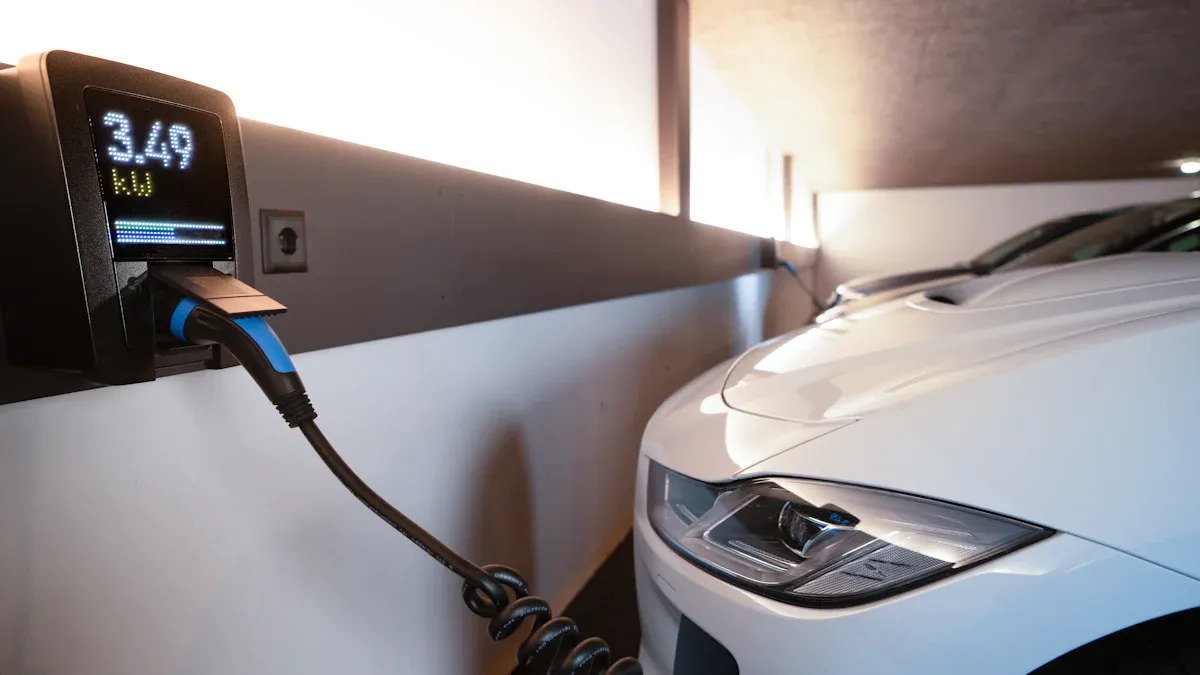
Theoretical prices are useful, but real-world scenarios show how تكاليف الشحن add up on the road and in the city. These examples break down the expenses for common journeys and vehicles in France, demonstrating how different choices impact a driver’s budget.
Cost for a Paris to Nice Road Trip
A road trip from Paris to Nice covers approximately 930 kilometers. The total dc fast charging cost depends heavily on the vehicle’s efficiency and the driver’s network subscriptions.
Charging a Renault Megane E-Tech
A driver of a Renault Megane E-Tech (60 kWh battery) would likely need three to four charging stops. With an Ionity Passport subscription, the cost is significantly reduced.
- Total Energy Needed: ~160 kWh
- Charging Cost (with Ionity Passport):
160 kWh * €0.39/kWh = €62.40 - إجمالي تكلفة الرحلة: 62.40 يورو + 5.99 يورو (رسوم شهرية) = €68.39
شحن تيسلا موديل واي
تستفيد سيارة تيسلا موديل Y لونج رينج من شبكة الشاحن الفائق الواسعة والفعالة. وتتميز تكلفة هذه السيارة الكهربائية بتنافسيتها، خاصة لأصحاب سيارات تيسلا.
- Total Energy Needed: ~155 كيلوواط ساعة
- تكلفة الشحن (سعر مالك تيسلا):
155 كيلوواط ساعة * ~0.45 يورو/كيلوواط ساعة = 69.75 يورو - إجمالي تكلفة الرحلة: تقريبًا €69.75
فكرة عن رحلة برية: بالنسبة لرحلة طويلة، تقدم خطة الاشتراك توفيراً كبيراً. يبقى إجمالي مصاريف الشحن العام أقل بكثير من تكلفة البنزين لمركبة تعمل بمحرك احتراق داخلي مماثل.
تكلفة أسبوع من القيادة الحضرية
يعتمد العديد من السائقين في المناطق الحضرية على الشحن العام الشحن العارض لتعويض النقص. تتحول الاستراتيجية هنا من السرعة إلى البحث عن أدنى سعر.
تعبئة سيارة بيجو e-208
قد يحتاج سائق سيارة بيجو e-208 إلى تعبئة سريعة واحدة بقدرة 25 كيلوواط ساعة خلال الأسبوع. يُعد استخدام شبكة مثل إلكترا خلال ساعات الذروة المنخفضة استراتيجية فعالة من حيث التكلفة.
- الطاقة اللازمة: 25 كيلوواط/ساعة
- تكلفة الشحن (إلكترا - خارج أوقات الذروة):
25 كيلوواط ساعة * 0.44 يورو/كيلوواط ساعة = 11.00 يورو - تكاليف الشحن العام الأسبوعية: €11.00
مقارنة تكاليف الشحن السريع مقابل الشحن المنزلي
الميزة المالية للشحن المنزلي كبيرة. بينما يعد البنية التحتية العامة، التي تستخدم غالباً أجهزة موثوقة من موردين مثل TPSON، ضرورية للسفر، فإن الشحن المنزلي يقدم أقل الأسعار للاحتياجات اليومية. تبرز هذه المقارنة الفرق لجلسة شحن واحدة بقدرة 25 كيلوواط ساعة.
| طريقة الشحن | السعر (لكل كيلوواط ساعة) | التكلفة الإجمالية لـ 25 كيلوواط ساعة |
|---|---|---|
| الشحن العام السريع (خارج أوقات الذروة) | €0.44 | €11.00 |
| الشحن المنزلي (تعريفة منظمة) | ~€0.25 | €6.25 |
يظهر هذا المثال البسيط أن شحن مركبة كهربائية في المنزل يمكن أن يخفض نفقات الطاقة الأسبوعية إلى النصف تقريباً مقارنة بالاعتماد فقط على المحطات العامة.
في عام 2025، تتراوح تكلفة الشحن السريع بالتيار المستمر في فرنسا من منخفض يبلغ 0.29 يورو/كيلوواط ساعة مع اشتراك إلى ارتفاع يصل إلى 0.79 يورو/كيلوواط ساعة للاستخدام العارض. تتضمن الاستراتيجية الأكثر فعالية لإدارة متوسط سعر الشحن العام تحليل عادات القيادة لاختيار خطة مناسبة مثل Ionity Passport. تضمن هذه الطريقة أن تكلفة رحلة بالمركبة الكهربائية أقل بمرتين إلى ثلاث مرات من مركبة تعمل بالبنزين.
نصيحة أخيرة: 💡 استخدم دائماً تطبيقاً على الهاتف المحمول للتحقق من السعر النهائي لكل كيلوواط ساعة وأي رسوم للجلسة قبل بدء الشحن. تمنع هذه الخطوة البسيطة نفقات غير متوقعة في رحلتك.
الأسئلة الشائعة
ما هي أرخص طريقة للشحن السريع لمركبة كهربائية في فرنسا؟
الطريقة الأكثر فعالية من حيث التكلفة هي استخدام خطة اشتراك في شبكة. يمكن للسائقين أيضاً توفير المال عن طريق الشحن خلال ساعات الذروة المنخفضة، عادة أثناء الليل. يجمع بين الاشتراك والشحن خارج أوقات الذروة يوفر أقل أسعار ممكنة لكل كيلوواط ساعة للشحن العام.
هل شحن تيسلا أرخص أم شحن مركبة كهربائية غير تيسلا؟
يدفع مالكو تيسلا بشكل عام أقل في محطات الشاحن الفائق. يدفع سائقو السيارات غير التيسلا سعراً أعلى للاستخدام العارض. ومع ذلك، يمكنهم شراء عضوية تيسلا للوصول إلى أسعار مشابهة لما يدفعه مالكو تيسلا، مما يجعل التكلفة تنافسية للغاية.
هل يمكن للسائق استخدام بطاقة ائتمان في جميع أجهزة الشحن السريع؟
تقبل العديد من أجهزة الشحن السريع بالتيار المستمر الجديدة في فرنسا الدفع ببطاقة الائتمان اللاسلكية. هذا الخيار مناسب للاستخدام العارض ولكنه لا يوفر الوصول إلى أسعار اشتراك مخفضة. يلزم استخدام تطبيق الشبكة للحصول على أسعار مخفضة.
ما هي رسوم الخمول وكيف يمكن للسائق تجنبها؟
رسوم الخمول هي غرامة تدفع لكل دقيقة لترك السيارة موصولة بعد انتهاء الشحن. يمكن للسائقين تجنب هذه الرسوم بسهولة عن طريق تمكين إشعارات التطبيق، والتي تنبههم عند اكتمال جلسة الشحن.
لماذا تتغير أسعار الشحن خلال اليوم؟
تستخدم بعض الشبكات تسعير أوقات الذروة وخارج الذروة لإدارة الطلب. تكون الأسعار أعلى خلال ساعات النهار المزدحمة وأقل أثناء الليل. تساعد هذه الاستراتيجية في موازنة الحمل على شبكة الكهرباء وتكافئ السائقين على الشحن في أوقات أقل ازدحاماً.
هل تكون بطاقة التجوال مثل Chargemap Pass دائماً أكثر تكلفة؟
ليس دائماً، ولكن قد تضيف خدمات التجوال رسوماً صغيرة مقابل الراحة. السعر المعروض في تطبيق التجوال هو السعر النهائي الذي يدفعه السائق. فهو يوفر الوصول إلى العديد من الشبكات ببطاقة واحدة، مما قد يستحق التكلفة البسيطة.
كيف تؤثر جودة الأجهزة على تجربة الشحن؟
تضمن الأجهزة عالية الجودة جلسة شحن موثوقة وفعالة. يزود موردو حلول شحن المركبات الكهربائية المتقدمة تقنياً مثل TPSON المشغلين بمعدات قوية. يؤدي هذا إلى أخطاء أقل في المحطات، وتوصيل طاقة ثابت، وتجربة عامة أفضل للسائق.




