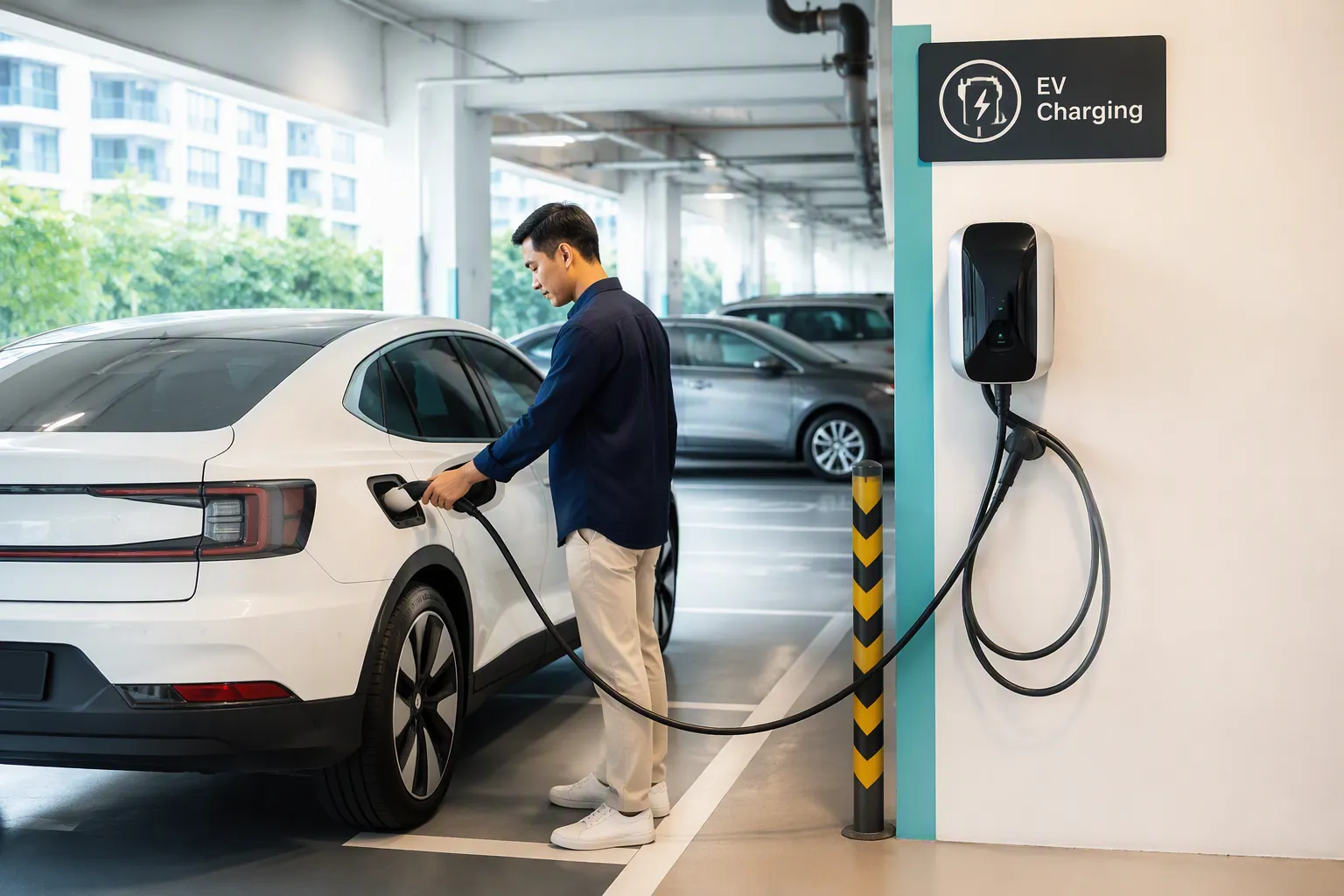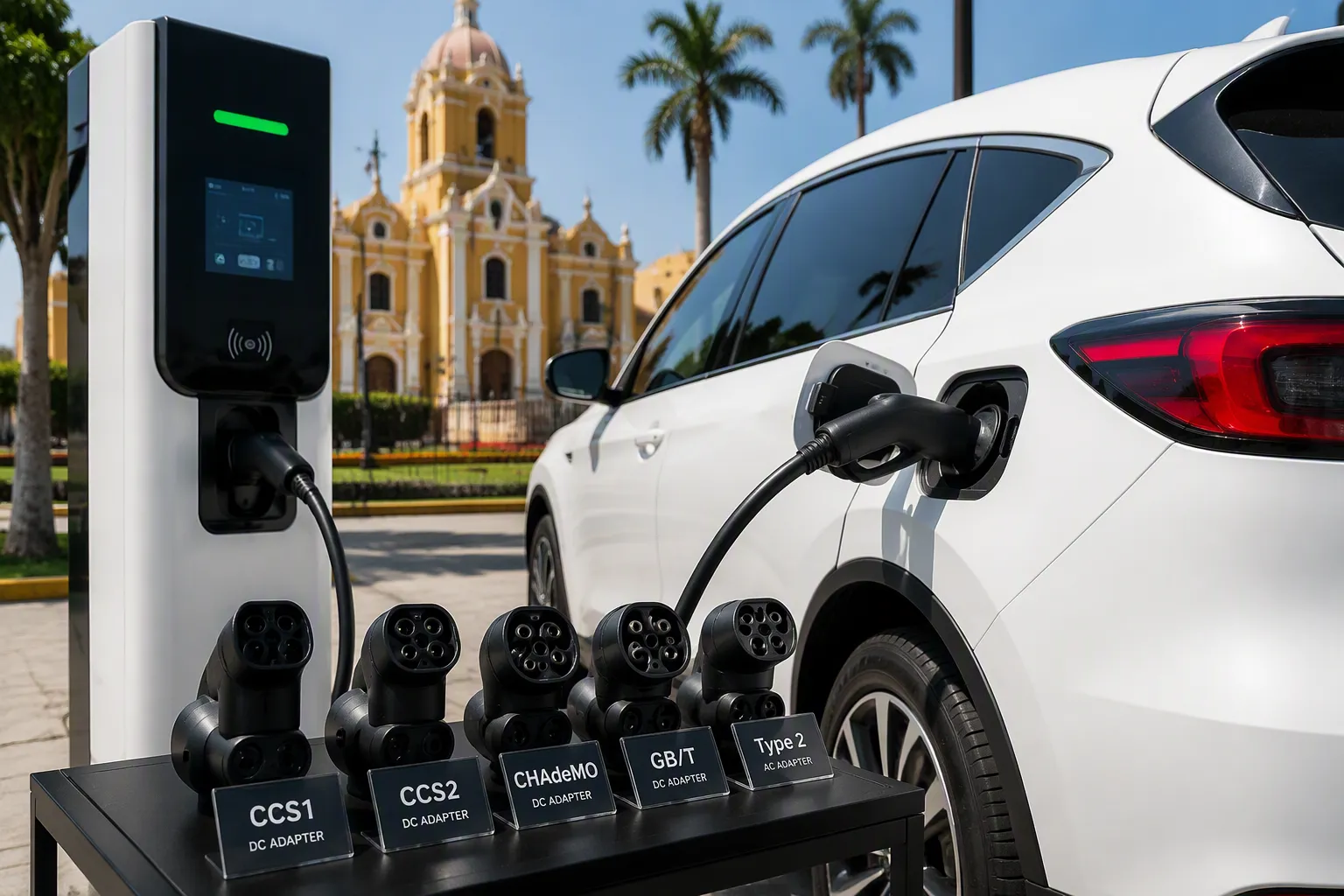

Electric vehicle ownership is rapidly expanding across the United States, with fully electric vehicles reaching a record 7.9% market share in Q3 2023. This growth makes a home Chargeur de VE an increasingly valuable addition for new owners. To install EV charger hardware, you must first select a unit compatible with your vehicle and home’s electrical system. Many Fabricants de chargeurs de VE proposent une variété de Solutions de recharge pour véhicules électriques, ranging from powerful, wall-mounted units to simple chargeurs portables pour VE. A licensed electrician must perform the installation of the Chargeur de VE. This professional ensures the installation is safe and meets all electrical codes. The process typically involves assessing your home’s electrical panel capacity and running a new, dedicated circuit for the charging station.
First, Understand Your Home EV Charger Options
An EV owner needs to understand the available options de chargement before selecting a unit. The choice directly impacts charging speed, installation complexity, and overall cost. The industry categorizes electric vehicle charging into three main levels. Each level offers different power outputs and use cases.
EV Charger Levels Explained
The primary difference between charging levels is the puissance de sortie, which determines how quickly an EV’s battery can be refilled.
Chargement de niveau 1 (120V)
Level 1 charging uses a standard 120-volt household outlet, the same kind used for a phone or laptop. This method requires no special installation. The EV owner simply uses a portable cord set that comes with most electric vehicles. However, it is extremely slow. A Level 1 charger adds only about 3 to 7 miles of range per hour of charging. A full charge can take over 22 hours, making it impractical for drivers with long daily commutes. It serves best as a backup option or for plug-in hybrid vehicles with smaller batteries.
Chargement de niveau 2 (240V)
Level 2 is the most common and practical solution for a home EV charger. These units use a 240-volt circuit, similar to an electric dryer or oven. This higher voltage allows for much faster charging speeds, typically adding 10 to 75 miles of range per hour. A full charge for a typical EV battery can be completed in just a few hours, usually overnight. This level requires professional installation of a dedicated circuit and the charging station itself.
Chargement rapide DC (niveau 3)
DC Fast Charging, or Level 3, provides the quickest charging available. These powerful stations can charge an EV battery to 80% in under 20 minutes. They achieve this by converting AC power to DC power externally and delivering it directly to the battery, bypassing the car’s slower onboard converter. Due to their extremely high power output (30-400+ kW) and immense cost, DC Fast Chargers are not installed in homes. They are found exclusively at public charging stations along highways and in urban centers.
Why Level 2 is the Standard for Home Charging
For most EV owners, a Level 2 charger provides the ideal balance of speed, cost, and convenience for daily use.
Faster Charging Speeds
The most significant advantage of Level 2 charging is its speed. While a Level 1 charger might take over 22 hours to fill a Batterie de 60 kWh, a typical 7.4kW Level 2 charger can do the same job in about 8 hours. This ensures a full battery every morning, even after a long day of driving. The difference in performance is substantial.

Increased Convenience and Efficiency
A Level 2 charger transforms the EV ownership experience. It eliminates range anxiety for daily driving by providing a reliable and quick overnight charge. This convenience ensures the vehicle is always ready for the next day’s commute or errands. The efficiency of Level 2 charging means less time waiting and more time driving, making it the definitive standard for residential installations.
Étape 1 : Évaluer le système électrique de votre maison
An EV charger installation is a significant electrical project. Before purchasing any hardware, a homeowner must first assess their home’s electrical system. This crucial first step determines if the existing infrastructure can safely support the added load of a Level 2 charger. A thorough evaluation prevents potential hazards and costly surprises down the line.
Evaluate Your Electrical Panel (Breaker Box)
The electrical panel, or breaker box, is the heart of a home’s electrical system. It distributes power to all circuits. An electrician will inspect it to confirm its capacity and available space.
Checking Your Main Breaker Amperage
The main breaker is the largest switch in the panel, usually located at the top or bottom. This breaker shows the total amperage your home can draw from the grid. The number printed on it (e.g., 100 A, 150A, 200A) indicates the panel’s total capacity. This value is a critical factor. It helps determine if the panel can handle the continuous load of an EV charger in addition to the home’s existing appliances.
Identifying Space for a New 240V Breaker
A Level 2 charger requires a dedicated 240-volt circuit. This circuit needs a new “double-pole” breaker, which takes up two adjacent physical slots in the panel. An electrician will check for two open, side-by-side slots. If the panel is full, they may be able to consolidate existing circuits using “tandem” breakers to free up space. In some cases, a small sub-panel might be a viable solution.
Determine Your Home’s Service Capacity
A home’s service capacity refers to the total amount of electricity supplied by the utility company. This capacity must be sufficient for both the home’s current needs and the new EV charger.
Understanding 100A vs. 200A Service
Most modern homes have a 200-amp service, which is generally sufficient for adding an EV charger. Many older or smaller homes, however, may only have 100-amp or even 60-amp service. A 100-amp service can often support an EV charger, but it depends heavily on the home’s other electrical loads, such as electric heating or a hot tub. An electrician must confirm the service can handle the increased demand safely.
When a Service Panel Upgrade is Necessary
A service panel upgrade becomes necessary if the existing panel lacks the capacity for the new charger. Signs that an upgrade is needed include a low-amperage main breaker (e.g., 60A or 100A in a home with high electrical usage) or a physically full panel with no room for a new 240V breaker. This is a more involved and costly project but ensures the home’s electrical system is safe and future-proof.
L'importance d'un calcul de charge professionnel
A professional load calculation is a non-negotiable step performed by a licensed electrician. It provides a detailed analysis of a home’s total electrical demand to ensure the system is not overloaded.
What is an Electrical Load Calculation?
An electrical load calculation is a systematic process defined by the National Electrical Code (NEC). An electrician inventories all major electrical loads in the home to determine the total power consumption. This includes fixed appliances and potential future loads. The calculation accounts for items such as:
- Refrigerator and oven
- HVAC system
- Water heater
- Dishwasher and microwave
- Lighting and general outlets
La sécurité avant tout : This calculation is not a simple estimate. It is a formal procedure that ensures the new EV charger circuit will not exceed the safe capacity of the electrical panel or the home’s main service.
Why This Step is Critical for Safety
This calculation is critical for preventing dangerous overloads. Adding a high-power device like an EV charger without a proper assessment can trip breakers, damage appliances, or, in the worst case, cause an electrical fire. A professional load calculation guarantees that the installation complies with all safety codes. It protects the homeowner, their property, and their new electric vehicle.
Step 2: Choose the Right Home EV Charge Point

After confirming the home’s electrical system can support a new load, the next step is selecting the ideal home EV charging station. The market offers a wide array of options. A buyer must consider power output, physical design, and smart features to find the best fit for their vehicle and lifestyle.
Puissance de sortie et vitesse de chargement
The power output of a charger, measured in amperes (A), directly determines how quickly it can replenish an EV’s battery.
Amperage Options (16A to 48A)
Level 2 chargers come in various amperage ratings, typically from 16A to 48A. A higher amperage delivers more power, resulting in faster charging. The speed is often measured in miles of range added per hour.
| Ampérage | Miles of Range Added Per Hour (Approx.) |
|---|---|
| 16A | ~15 miles |
| 32A | ~30 miles |
| 48A | ~45 miles |
A 32A or 40A charger is a popular choice for most households. It provides a substantial speed increase over Level 1 charging without requiring a major electrical service upgrade in most cases.
Matching Charger to Your Car’s Onboard Charger
An EV has an onboard charger that converts AC power from the wall into DC power for the battery. This component has a maximum acceptance rate. A car with a 7.4 kW onboard charger cannot charge any faster, even if connected to an 11 kW (48A) station. An owner should select a home ev charger that matches or slightly exceeds their vehicle’s maximum AC charging rate to ensure optimal performance without overspending on unneeded power.
Physical Charger Types
Chargers also differ in their physical installation and cable configuration. These choices affect convenience, flexibility, and installation complexity.
Hardwired vs. Plug-In (NEMA 14-50)
A homeowner can choose between a hardwired unit or a plug-in model.
- Câblée fixe : An electrician wires the charger directly to the circuit. This permanent installation is often required for higher-amperage chargers (above 40A) and can be more reliable. It avoids potential issues with déclenchements intempestifs, which can occur when a plug-in charger’s internal GFCI conflicts with a required GFCI breaker on the outlet.
- Plug-In: These chargers use a heavy-duty plug, like a NEMA 14-50. This offers flexibility, as the owner can unplug the unit and take it with them. It is an excellent option for renters or those who may move.
Tethered (Attached Cable) vs. Untethered (Socket)
This choice comes down to convenience versus aesthetics.
- Câble fixe (Tethered) : The charging cable is permanently attached to the unit. This is highly convenient; the driver simply parks and plugs in.
- Câble détachable (Untethered) : The unit has a socket, and the driver uses a separate cable (often the one stored in the car’s trunk) to connect. This provides a cleaner look when not in use.
Fonctionnalités et connectivité intelligentes
Chargeurs modernes de fournisseurs tels que TPSON offer advanced features that enhance the charging experience and can save money.
Wi-Fi, App Control, and Scheduling
Smart chargers connect to a home’s Wi-Fi network. This allows the owner to monitor and control charging sessions via a smartphone app. A key benefit is scheduling. An owner can program the charger to begin charging during off-peak hours when electricity rates are lowest.
Utility Rate and Demand Response Integration
Some advanced chargers can integrate directly with utility company energy tariffs. The charger’s software automatically optimizes the charging schedule to use the cheapest electricity available. This ensures the car is ready by a set time while minimizing cost.
Connecting to Home Solar Systems
For homes with solar panels, certain smart chargers can prioritize using surplus solar energy. The system directs free, clean power from the sun into the EV’s battery. This maximizes self-consumption of solar energy and further reduces reliance on the grid.
Step 3: Plan the EV Charger Installation Location

Strategic planning of the charger’s location is essential for daily convenience and installation efficiency. A homeowner should work with their electrician to identify the optimal spot. This decision impacts both the cost of the project and the ease of future charging sessions.
Selecting the Best Spot for Your Charger
Finding the best place to installer un chargeur de VE involves balancing accessibility, safety, and the vehicle’s design.
Proximity to Your Parking Space
The charger should be installed as close as possible to where the EV is normally parked. This ensures the charging cable can reach the vehicle’s port comfortably without being stretched or creating a tripping hazard. Most standard charging cables are around 18 to 25 feet long. A well-placed unit makes the daily routine of plugging in effortless.
Considering Your Car’s Charging Port Location
Electric vehicles have charging ports in different locations—some are on the front, others on the side, and some at the rear. The homeowner must consider their specific vehicle’s port location when choosing a wall for the charger. This prevents the need to park in an awkward position or drape the cable over the vehicle.
Indoor (Garage) vs. Outdoor Installation
The choice between an indoor or outdoor installation depends on the property layout and owner preference.
- Indoor (Garage): A garage is often the best place to install an ev charger. It protects the unit from weather, potential vandalism, and extreme temperatures, which can extend its lifespan. Proper ventilation is still important to dissipate any heat generated during charging.
- Outdoor: If a garage is not available, an outdoor installation is a perfectly viable option. In this case, the owner must select a charger with a high Ingress Protection (IP) rating, such as IP65. This rating ensures the unit is sealed against dust and rain. The charger and its wiring must also be UV-resistant to prevent sun damage.
Planifier le Tracé du Câblage
An electrician will map out the most efficient path for the electrical cable, which is a critical part of the installation plan.
Path from Breaker Panel to Charger
The ideal wiring route is the shortest and most direct path from the electrical panel to the charger location. A shorter cable run is less complex and reduces material and labor costs. The electrician will identify a route that minimizes disruption to finished walls and ceilings.
Running Cable Through Walls, Attics, or Conduit
To achieve a clean and safe installation, an electrician runs the heavy-gauge cable through concealed spaces.
For indoor installations, the cable can often be routed through walls, attics, or basements. For outdoor runs or surface mounting in a garage, the cable must be protected inside a durable conduit. This protects the wiring from physical damage and moisture, ensuring compliance with all local electrical codes.
Planning for Data Cable if Needed
Some smart chargers may require a hardwired data connection (Ethernet cable) for reliable communication if the home’s Wi-Fi signal is weak at the charging location. A homeowner should discuss this possibility with the installer during the planning phase to ensure all necessary wiring is run at the same time.
Step 4: Hire a Professional to Install EV Charger
While some home projects are suitable for a DIY approach, an Installation de chargeurs de VE is not one of them. The high-voltage electrical work requires specialized knowledge and skills. A homeowner must hire a licensed professional to ensure the project is completed safely and correctly.
Why You Must Use a Licensed Electrician
Using a qualified electrician is a non-negotiable requirement for this type of installation. It protects the homeowner, their property, and their investment.
Garantir la sécurité et la conformité au code
A licensed electrician understands the complex requirements of the National Electrical Code (NEC). They ensure the installation uses the correct wire gauge, breaker type, and safety devices like a GFCI. This professional work guarantees the system operates safely and passes any required municipal inspections, preventing dangerous electrical faults.
The Dangers of a DIY Installation
Attempting to install ev charger hardware without proper training is extremely hazardous. The risks associated with improper work are severe and can have catastrophic consequences.
- Electrical Shock: Direct contact with live wires can cause serious injury or even death.
- Fire Hazards: Incorrect wiring, poor connections, or an overloaded circuit can cause components to overheat and start a fire.
- Violations du code: A DIY ev charger installation will not meet local building codes, leading to fines and the need for a complete rework by a professional.
Protecting Your Home and EV Warranty
Most EV and charger manufacturers require professional installation to keep their warranties valid. An improper installation can damage the vehicle’s charging system or the charger itself, and the manufacturer will not cover the repairs.
Furthermore, if an electrical fire or other damage occurs due to a DIY installation, a homeowner’s insurance policy may deny the claim. A certified installation provides the necessary documentation to protect these crucial warranties and policies.
How to Find and Vet an Installer
Finding the right electrician is a critical step. A homeowner should look for professionals with specific experience in this field.
Searching for Certified EV Installers
Many charger manufacturers maintain a network of preferred or certified installers. A homeowner can often find a list of qualified local electricians on the manufacturer’s website. These professionals have received specific training on that brand’s products, ensuring a high-quality installation.
Questions à poser avant d'embaucher
Before committing to an electrician, a homeowner should ask several key questions:
- Do you have experience with ev charger installation projects?
- Êtes-vous titulaire d'une licence et d'une assurance pour les travaux d'électricité résidentiels ?
- Can you provide a detailed, itemized quote?
- Will you handle the permitting and inspection process?
- What is the warranty on your workmanship?
Verifying Licenses, Insurance, and References
A homeowner should always verify an electrician’s credentials. They can ask for a copy of the electrician’s state license and certificate of insurance. Checking online reviews and asking for references from previous clients provides additional confidence in their ability to perform a safe and reliable installation.
Step 5: The Installation Day and Final Inspection
With the planning complete and a professional hired, the day of the Installation de chargeurs de VE marks the final step in the process. Knowing what to expect can make the day go smoothly. The process culminates with a final inspection to certify the work is safe and compliant with all regulations.
À quoi s'attendre pendant l'installation
A professional ev charger installation is a systematic process. The electrician follows a clear set of steps to ensure a safe and efficient outcome. A standard installation typically takes a few hours from start to finish.
Electrician’s Workflow: On the day of the installation, the electrician will typically follow a structured plan:
- Final Site Review: The electrician arrives and confirms the agreed-upon location for the charger and the planned route for the electrical cable. They will verify the charger is placed where a car cannot accidentally hit it.
- Cable Route Execution: They plan and execute the “cable run” from the breaker box to the charger. The electrician will discuss any sections of visible cable with the homeowner.
- Fuse Box Preparation: The professional inspects the breaker box to confirm the spare slot for the new circuit. If the panel is full, they will install a small sub-panel as previously discussed.
- Physical Installation: Once all details are confirmed, the electrician begins the physical work of drilling, mounting the hardware, and clipping the cable securely in place.
Installing the New Dedicated Circuit and Breaker
The first major electrical task is creating the new circuit. For safety, the electrician shuts off all power to the home at the main breaker. They then install a new double-pole breaker into the two available slots in the electrical panel. This breaker is specifically rated for the amperage of the new dedicated EV charger.
Mounting the Charging Unit Securely
Next, the electrician securely mounts the charging unit to the wall. They will use heavy-duty fasteners to ensure the charger is stable and can withstand the repeated plugging and unplugging of the heavy charging cable. The height and location will match the plan, ensuring easy access from the vehicle’s charge port.
Running and Securing the Power Cable
The electrician runs the heavy-gauge power cable from the breaker panel to the charger’s location. They follow the pre-planned route through walls, attics, or crawlspaces. For any exposed sections, especially in a garage or outdoors, the cable is protected inside a rigid conduit. This protects the wiring from damage and moisture, a critical step for a safe installation.
Final Connections and System Testing
With the main components in place, the electrician makes the final connections. They wire the power cable to the charging unit and double-check all connections in the panel. After restoring power to the home, they perform a series of tests. This includes checking the voltage, confirming the charger powers on, and testing its communication features to complete the installation.
Permis et inspections
A professional installation includes handling all necessary paperwork. Permits and inspections are not obstacles; they are safeguards that protect the homeowner.
When an Electrical Permit is Required
Most jurisdictions require an electrical permit to install ev charger hardware. The electrician typically handles the permit application process. A permit is almost always necessary because the project involves adding a new, high-power circuit to the home. Specific situations that mandate permits or special approvals include:
- Installations in a shared space, like a condominium parking garage.
- Work that requires a service panel upgrade or a new sub-panel.
- Propriétés disposant d’un “branchement électrique partagé,”, pouvant nécessiter l’approbation de la compagnie de services publics.
- Installations ne répondant pas aux critères des ‘normes de construction standard‘, comme l’installation d’une borne sur un monument historique.
Rôle de l’inspection électrique finale
Une fois les travaux terminés, un inspecteur du bâtiment local peut devoir effectuer une vérification finale. Cette validation par un tiers constitue l’approbation ultime du projet. L’inspecteur a pour mission de confirmer que les travaux sont conformes à toutes les normes électriques nationales et locales. Lors de l’inspection, il vérifiera plusieurs aspects clés de l’installation :
- Tout l’équipement, y compris la borne, le disjoncteur et le câblage, est correctement dimensionné et calibré pour l’ampérage du circuit.
- Le circuit dispose d’une protection adéquate contre les défauts à la terre et les courts-circuits.
- L’unité de charge est solidement fixée à la hauteur réglementaire.
- Une ventilation appropriée est présente pour les installations intérieures.
- Un dispositif de sectionnement est accessible pour tous les composants concernés.
La réussite de cette inspection finale offre au propriétaire une tranquillité d’esprit, sachant que l’installation de sa nouvelle borne de recharge pour véhicule électrique est réalisée de manière professionnelle et, surtout, sécurisée.
Coût d’installation d’une borne de recharge pour véhicule électrique
Comprendre Le coût d’installation d’une borne de recharge pour véhicule électrique est un élément crucial du processus de planification pour tout nouveau propriétaire de véhicule électrique. La dépense totale se compose de deux éléments principaux : le prix du matériel lui-même et le coût de la main-d’œuvre professionnelle pour l’ installation. Ces montants peuvent varier considérablement selon l’équipement choisi et la complexité de l’installation électrique du logement.
Détail des coûts matériels
La première dépense importante est l’achat de la borne de recharge de niveau 2. Le marché propose une large gamme de produits aux fonctionnalités et capacités différentes, ce qui influence directement le prix.
Fourchette de prix pour les bornes de niveau 2
Un propriétaire peut s’attendre à ce que le prix d’une borne de niveau 2 résidentielle de qualité se situe entre environ 400 € et plus de 1 200 €. Les bornes basiques, non connectées, se trouvent généralement en bas de cette fourchette. Les modèles plus avancés, riches en fonctionnalités et issus de marques premium, atteignent des prix plus élevés.
Facteurs influençant le prix de la borne
Plusieurs facteurs clés déterminent le prix final coût de l’unité de recharge. Un acheteur doit prendre en compte ces éléments pour choisir une borne répondant à ses besoins sans dépasser son budget.
- Puissance de sortie (ampérage) : Les bornes à ampérage plus élevé (par ex. 48 A) offrant des vitesses de charge identique en prix. plus rapides coûtent généralement plus cher que les modèles à ampérage inférieur (par ex. 16 A ou 32 A).
- Caractéristiques intelligentes : Les bornes avec connectivité Wi-Fi, commandes par application smartphone et capacités de surveillance de la consommation sont plus onéreuses que les bornes basiques “ non intelligentes ”.
- Marque et qualité de fabrication : Les marques établies, reconnues pour leur fiabilité et leurs conceptions robustes et étanches, ont souvent un prix plus élevé.
- Longueur du câble : Les unités dotées de câbles de recharge plus longs (25 pieds contre 18 pieds) entraînent généralement un coût légèrement supérieur.
Si le gestionnaire de réseau détermine que l'infrastructure locale ne peut pas supporter la recharge haute puissance, il peut refuser la demande ou exiger une mise à niveau du réseau. De telles mises à niveau peuvent impliquer des travaux importants et des coûts supplémentaires. Le propriétaire de VE est généralement responsable de ce coût supplémentaire, ce qui peut augmenter considérablement le prix total du projet. Ces coûts potentiels rendent la consultation initiale avec un électricien très importante.
La main-d’œuvre pour une installation professionnelle installation représente une part significative du coût total du projet. Le prix final dépend largement des spécificités de la propriété et de l’infrastructure électrique existante.
Ce qu’inclut une “ installation standard ”
Une “ installation standard ” ou “ basique ” installation suppose une configuration simple. Le prix de ce service se situe généralement entre 600 € et 1 500 €. Bien que chaque projet soit unique, un forfait standard couvre généralement les éléments suivants :
- Installation d’un nouveau circuit dédié 240 V et du disjoncteur approprié dans le tableau électrique.
- Fixation murale de l’unité de recharge identique en prix. dans un garage ou sur un mur extérieur.
- Tirage d’une longueur limitée de câble électrique (par ex. moins de 40 pieds) entre le tableau et la borne.
- Connexion finale, mise en service et test de la borne pour garantir son bon fonctionnement.
Facteurs courants augmentant les coûts de main-d’œuvre
De nombreuses habitations nécessitent plus qu’une installation standard, ce qui augmente le coût de la main-d’œuvre coût. Un électricien identifiera ces facteurs lors de l’évaluation initiale sur site. Les propriétaires doivent être conscients des éléments qui font grimper le prix lorsqu’ils évaluent le coût d’installation d’une borne de recharge pour véhicule électrique.
Coûts supplémentaires potentiels :
- Distance par rapport au tableau : Plus la borne est éloignée du tableau électrique, plus la quantité de câble et la main-d’œuvre nécessaires sont importantes. De longues distances de câblage augmentent significativement le coût du projet.
- Creusement de tranchées: Pour les installations extérieures éloignées de la maison, un électricien peut devoir creuser une tranchée pour enterrer la conduite électrique. Cette seule tâche peut ajouter 300 € à 500 € ou plus à la facture.
- Mise à niveau du tableau électrique : Si le tableau est saturé ou manque de capacité, une mise à niveau ou l'ajout d'un sous-tableau est nécessaire. Cela peut ajouter plusieurs centaines à plus de deux mille dollars au coût total.
- Permis : Des permis électriques municipaux sont souvent requis et peuvent coûter entre 50 et 200 dollars.
Recherche de remises et de crédits d'impôt
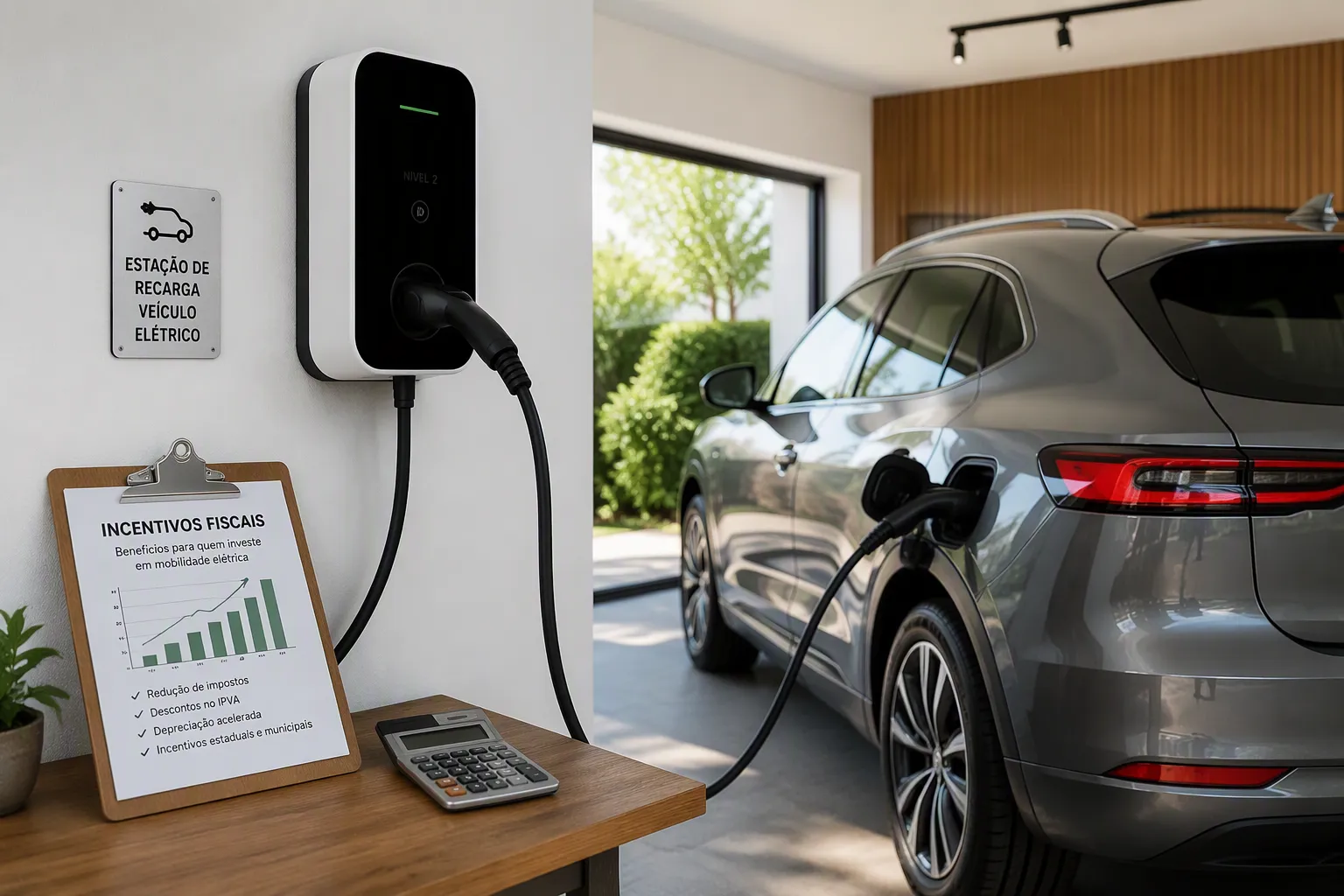
Pour aider à compenser les frais, les propriétaires peuvent profiter de diverses incitations gouvernementales et des services publics. Ces programmes peuvent réduire considérablement le coût net coût d'achat et d'installation d'équipement de recharge identique en prix. domestique.
Crédits d'impôt fédéraux pour l'équipement de recharge des VE
Aux États-Unis, les propriétaires peuvent être éligibles au Crédit d'impôt pour les infrastructures de carburants alternatifs. crédit d'impôt fédéral pour véhicules électriques. Cette incitation fédérale peut couvrir un pourcentage du coût total du projet, coût, incluant à la fois le matériel et les installation frais d'installation. Un propriétaire devrait consulter un professionnel fiscal pour confirmer son éligibilité et comprendre les avantages spécifiques disponibles pour l'année fiscale en cours.
Remises des compagnies d'électricité locales et des États
Au-delà des incitations fédérales, de nombreux États, gouvernements locaux et compagnies d'électricité proposent leurs propres remises. Ces programmes sont conçus pour encourager l'adoption des véhicules électriques en rendant la recharge à domicile plus abordable. Un propriétaire devrait rechercher les incitations disponibles dans sa région spécifique. Ces remises peuvent parfois prendre la forme d'un remboursement direct sur l'achat d'un chargeur éligible ou d'un crédit sur la facture d'électricité du propriétaire.
Installer un chargeur de véhicule électrique à domicile est une étape clé pour maximiser le confort et la rentabilité de la possession d'un véhicule électrique. L'ensemble du processus d'installation d'un chargeur VE nécessite une planification minutieuse, depuis l'évaluation du système électrique à jusqu'au choix du matériel approprié.. Un propriétaire doit toujours faire appel à un électricien qualifié et licencié pour installer le matériel du chargeur VE en toute sécurité.
Cette installation professionnelle garantit que le chargeur VE domestique est fiable et conforme aux normes.. Une installation correcte protège l'investissement dans un chargeur VE domestique et offre une tranquillité d'esprit totale. 🛡️
FAQ
Un propriétaire peut-il installer lui-même un chargeur de VE ?
Un propriétaire ne devrait jamais tenter une installation en bricolage. Il s'agit d'un projet à haute tension nécessitant un électricien licencié. L'installation professionnelle garantit la sécurité, la conformité aux normes et la protection des garanties de la maison et du véhicule. Un câblage inapproprié crée des risques importants d'incendie et d'électrocution.
Combien de temps dure l'installation d'un chargeur de VE standard ?
Une installation standard est généralement réalisée en quelques heures. L'électricien installera le nouveau circuit, montera l'unité et testera le système. Les travaux plus complexes, comme ceux nécessitant une mise à niveau du tableau ou de longs tracés de câbles, prendront plus de temps.
Toutes les installations de chargeurs VE nécessitent-elles un permis ?
La plupart des juridictions exigent un permis électrique pour l'ajout d'un nouveau circuit 240V. L'électricien licencié se charge de cette démarche. Un permis garantit qu'un inspecteur indépendant vérifie que les travaux sont sûrs et respectent tous les codes électriques locaux et nationaux.
Un chargeur VE peut-il être branché sur une rallonge ?
Non. Un propriétaire ne doit jamais utiliser une rallonge avec un chargeur VE de niveau 2. Ces appareils consomment une puissance importante en continu. Une rallonge peut surchauffer et créer un risque d'incendie grave. Le chargeur nécessite son propre circuit dédié et installé de façon permanente.
Que se passe-t-il si un tableau électrique est saturé ?
Un électricien a plusieurs solutions si un tableau n'a plus d'emplacements libres. Il peut parfois regrouper des circuits en utilisant des disjoncteurs tandem. Si ce n'est pas possible, il installera un petit sous-tableau pour créer l'espace nécessaire pour le nouveau circuit du chargeur.
N'importe quel chargeur de niveau 2 fonctionne-t-il avec n'importe quelle voiture électrique ?
Presque tous les véhicules électriques modernes et les chargeurs de niveau 2 en Amérique du Nord utilisent le même connecteur J1772. Cette standardisation assure l'interopérabilité. Les véhicules Tesla nécessitent un petit adaptateur, généralement fourni à l'achat du véhicule, pour utiliser un chargeur non-Tesla.
De combien un chargeur domestique augmentera-t-il une facture d'électricité ?
Le coût dépend des tarifs locaux de l'électricité et des habitudes de conduite. Recharger la nuit pendant les heures creuses réduit considérablement la dépense. Un chargeur intelligent avec des fonctions de programmation aide un propriétaire à recharger automatiquement lorsque l'électricité est la moins chère, optimisant ainsi le coût par kilomètre. ⚡