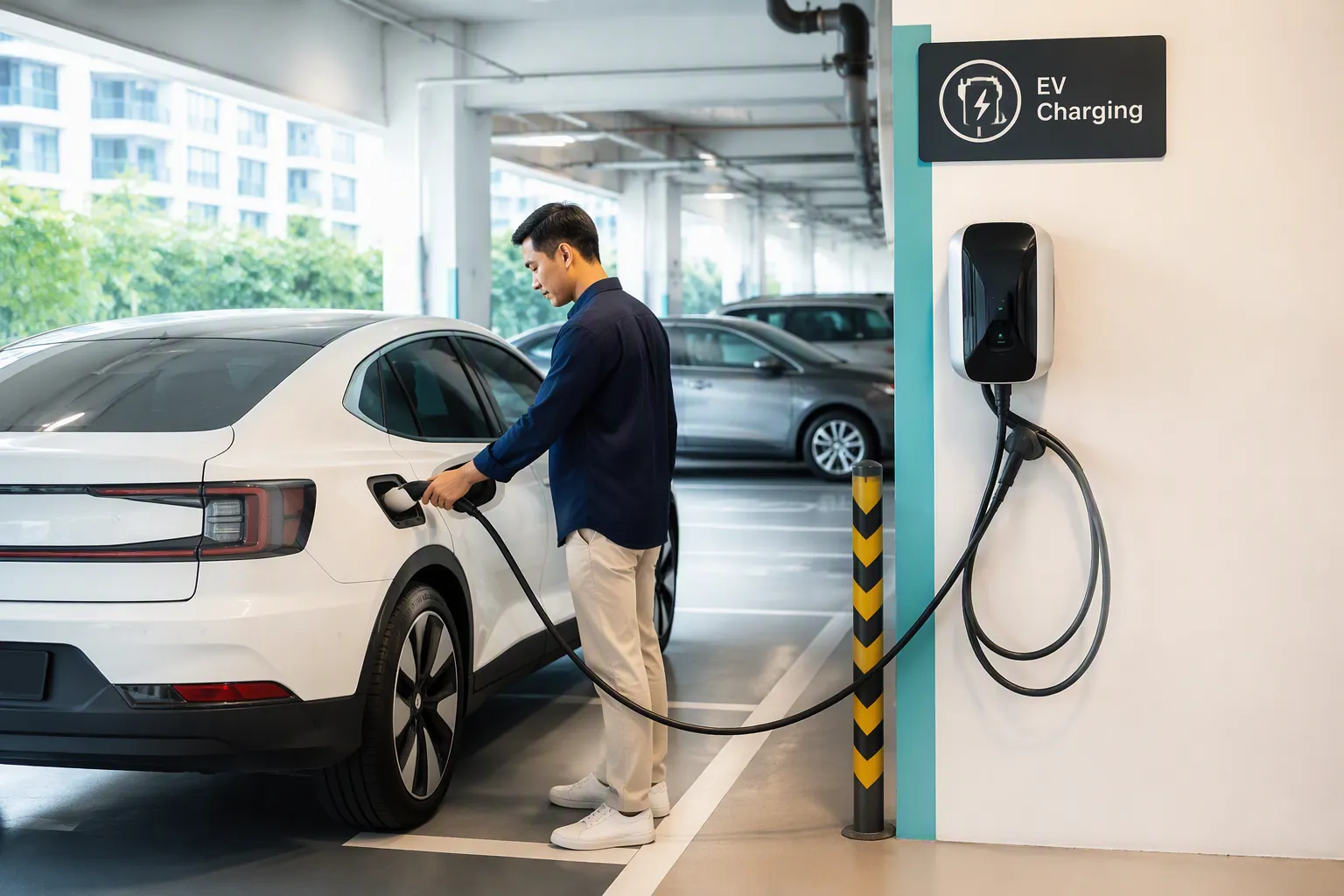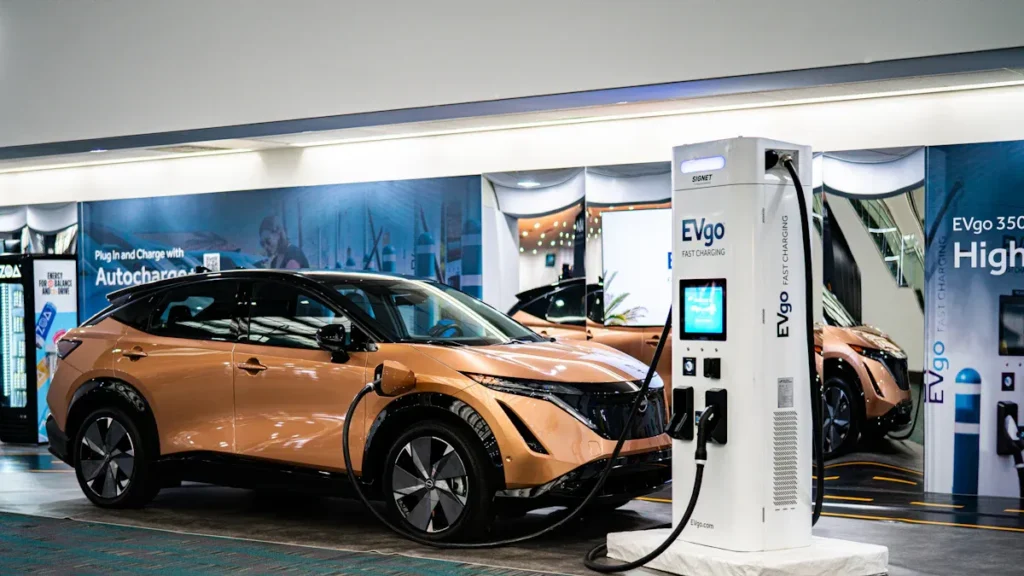

Una estación de carga doméstica para vehículos eléctricos tiene un costo promedio de instalación entre 1.000 y 2.500 dólares. El Cargador EV equipo en sí normalmente añade entre 300 y 800 dólares a este costo total, cubriendo el gasto restante la instalación profesional.
Fabricantes de cargadores para VE proporcionan muchos Soluciones de recarga de vehículos eléctricos para un vehículo eléctrico, desde unidades inteligentes avanzadas hasta básicas cargadores portátiles para vehículos eléctricos. Si bien el precio del cargador es fijo, una instalación compleja puede elevar el costo final por encima de los 5.000 dólares.
Desglose del costo de una estación de carga para vehículos eléctricos por nivel

En El costo total de una estación de carga para vehículos eléctricos depende en gran medida de su nivel de potencia. Los cargadores se clasifican en tres niveles principales, cada uno con precios, rendimiento y requisitos de instalación distintos. Comprender estas diferencias ayuda a los propietarios de vehículos eléctricos a seleccionar la solución adecuada para sus necesidades y presupuesto.
Costo del cargador Nivel 1: 0 – 300 dólares
Un cargador Nivel 1 es la forma más básica y económica de cargar un vehículo eléctrico. Proporciona una carga lenta durante la noche, suficiente para conductores con desplazamientos diarios cortos.
Precio unitario del cargador
La mayoría de los vehículos eléctricos incluyen un cargador Nivel 1 como equipo estándar, por lo que el costo efectivo es de 0 dólares para muchos nuevos propietarios. Si se necesita un reemplazo o una segunda unidad, un nuevo cargador Nivel 1 suele costar entre 150 y 300 dólares.
Precio de instalación
Los cargadores Nivel 1 no requieren una instalación especial. Se conectan directamente a un enchufe de pared estándar de 120 voltios, del mismo tipo que se utiliza para los electrodomésticos. Esto elimina la necesidad de un electricista, haciendo que el costo de instalación sea de 0 dólares.
Coste total estimado
El costo total estimado para la carga Nivel 1 está entre 0 y 300 dólares. Su principal desventaja es su baja velocidad. Cargar una batería de vehículo eléctrico de 60 kWh desde vacío puede llevar un tiempo considerable.
La carga Nivel 1, a menudo llamada ‘carga de emergencia’, suele tomar alrededor de 22 horas para cargar completamente una batería de 60 kWh. Esto la convierte en una opción práctica solo para recargas nocturnas.
Costo del cargador Nivel 2: 1.000 – 2.500 dólares
A Cargador de nivel 2 es la solución más común y práctica para la carga doméstica. Ofrece una velocidad de carga mucho más rápida que el Nivel 1, lo que la hace adecuada para casi todos los conductores de vehículos eléctricos.
Precio unitario del cargador
El hardware para un cargador Nivel 2 generalmente oscila entre 300 y 800 dólares. Los precios varían según la marca, el amperaje y las funciones inteligentes como conectividad Wi-Fi e integración con aplicaciones.
Precio de instalación estándar
Se requiere instalación profesional para un cargador Nivel 2 y suele costar entre 700 y 1.700 dólares. Este proceso implica que un electricista instale un circuito dedicado de 240 voltios desde el cuadro eléctrico hasta la ubicación del cargador. El precio final de instalación depende de la distancia y la complejidad del tendido del cableado.
Coste total estimado
Para la mayoría de los propietarios de viviendas, el costo total instalado de un cargador Nivel 2 se sitúa entre 1.000 y 2.500 dólares. Esta inversión proporciona una configuración de carga doméstica confiable y eficiente que puede cargar completamente la mayoría de los vehículos eléctricos durante la noche.
Costo del cargador rápido de CC (Nivel 3): 40.000 – 150.000+ dólares
Los cargadores rápidos de CC, también conocidos como cargadores Nivel 3, son unidades de grado comercial diseñadas para repostaje rápido. No están destinados a instalación residencial debido a sus requisitos de potencia extremos y su costo prohibitivo.
Precio unitario del cargador
Solo la unidad del cargador rápido de CC cuesta entre 20.000 y 100.000 dólares. El precio depende de la potencia de salida, que puede oscilar entre 50 kW y más de 350 kW.
Precio de instalación
La instalación de un cargador rápido de CC es un proyecto industrial importante, con un costo de 20.000 a 50.000+ dólares. Requiere trabajos eléctricos extensos, incluyendo posibles actualizaciones de la red, transformadores y equipos de conmutación de alta capacidad. Más allá de la instalación inicial, estas unidades tienen costos operativos continuos significativos.
- Mantenimiento: Los contratos anuales para actualizaciones de software e inspecciones de hardware pueden costar cientos de dólares por cargador.
- Electricidad: Las tarifas comerciales por tiempo de uso y los cargos por alta demanda añaden gastos mensuales sustanciales.
- Tarifas de red: La gestión de pagos, datos y acceso de usuarios a través de un proveedor de red añade tarifas mensuales recurrentes.
Coste total estimado
El costo inicial total para comprar e instalar un solo cargador rápido de CC oscila entre 40.000 y más de 150.000 dólares. Estos sistemas potentes se utilizan exclusivamente para redes de carga pública, a menudo ubicados en ubicaciones estratégicas para apoyar los viajes de larga distancia y a conductores sin acceso a carga doméstica.
| Caso práctico | Ejemplo de ubicación | Descripción |
|---|---|---|
| Centro en la calle | Fettes Avenue, Edimburgo | Múltiples cargadores de CC instalados en una avenida amplia para residentes y visitantes. |
| Parada rural | Crianlarich, Stirling | Un solo cargador de CC que atiende a locales y viajeros de larga distancia en una intersección clave. |
| Estación de servicio en autopista | Princes Street, Dundee | Una gasolinera remodelada con numerosos cargadores rápidos para repostaje rápido. |
| Centro de transporte | Castleview, Stirling | Un gran centro que conecta a los conductores de automóviles con el transporte público, con docenas de cargadores. |
Factores clave que aumentan los costos de instalación
While a standard installation is straightforward, several common factors can significantly increase the final price. Homeowners should be aware of these potential complexities, as they can add thousands to the on-site installation costs. Understanding these variables helps set a realistic budget for the project.
Electrical Panel Upgrades: $1,500 – $4,000+
Your home’s electrical panel, or breaker box, is the heart of its electrical system. A Level 2 charger is a high-power appliance that places a significant new load on this system. Many older homes were not designed to handle this extra demand.
Why Your Panel Might Need an Upgrade
An electrician performs a load calculation to determine if your panel can safely support an EV charger. An upgrade is often necessary under specific conditions.
- The panel has insufficient amperage, such as an old 60-amp service.
- A load calculation shows the panel cannot handle the additional draw from the charger.
- There are no physical breaker spaces left to add a new 240-volt circuit.
- The main meter and connected wiring do not meet the ampacity requirements for the increased current.
Cost of a New Panel
The cost to replace an electrical panel typically ranges from $1,500 to over $4,000. The price depends on the panel’s amperage and the complexity of the installation. Upgrading from a 100-amp to a 200-amp service is a common requirement for EV charger installation.
| Panel Rating | Costo Estimado de Materiales | Typical Labor & Certification |
|---|---|---|
| 100 A | $150–$275 | $450–$700 |
| 200 A | $275–$400 | $550–$950 |
Trenching and Long Wiring Runs: $500 – $3,000+
The distance from your electrical panel to your charger’s location is a major cost driver. The further the electrician must run the wire, the more you will pay for labor and materials.
Detached Garages and Outdoor Chargers
Installing a charger in a detached garage or an outdoor parking spot often requires trenching. This involves digging a channel to bury the electrical conduit underground. This process protects the wiring and complies with electrical codes, but it adds significant labor to the installation.
Cost Per Foot for Trenching
Consejo profesional: Trenching costs can vary widely based on the terrain. Digging through soft soil is much cheaper than cutting through concrete or asphalt. Expect to pay between $10 to $30 per foot for trenching services.
Permits and Inspections: $100 – $500
Nearly all Level 2 charger installations require an electrical permit from your local municipality. This is a non-negotiable step that ensures the work is done safely and to code.
Why Permits Are Necessary
Permits trigger a third-party inspection of the electrician’s work. This process protects the homeowner by verifying that the installation is safe and will not pose a fire hazard. An unpermitted installation can void your homeowner’s insurance and create problems if you sell your home.
Typical Permit Fees
Permit fees are set by local building departments and generally range from $100 to $500. Your electrician will typically handle the permit application process and include the fee in their overall quote.
Labor Rates by Location
The electrician’s hourly rate is a significant variable in the total price of an EV charger installation. This rate is not standardized and fluctuates considerably based on geographic location, market demand, and the electrician’s experience level.
Urban vs. Rural Electrician Costs
Labor prices often differ between metropolitan and rural areas due to varying economic factors. Homeowners can expect to see these differences reflected in their quotes.
- Urban and Suburban Areas: Electricians in major cities typically have higher hourly rates, often ranging from $100 to $150 per hour or more. This is driven by a higher cost of living, greater demand for skilled labor, and increased operational expenses.
- Rural Areas: In less populated regions, hourly rates may be lower, potentially between $70 and $120 per hour. However, if the electrician must travel a long distance to the job site, they may add a travel surcharge to the final bill.
These rates directly influence the labor portion of the installation, which can account for more than half of the project’s total expense.
Obtener varios presupuestos
Securing several estimates is the most effective strategy for homeowners to ensure a fair price and high-quality work. Experts recommend obtaining at least three detailed quotes from different licensed and insured electricians before making a decision. This practice provides a clear picture of the local market rate for the project.
A comprehensive quote should be more than just a final number. Homeowners should look for an itemized breakdown that includes:
- Cost of the charger circuit breaker and wiring
- Labor hours and the hourly rate
- Permit and inspection fees
- Any potential charges for drywall repair or other incidental work
Comparing detailed quotes helps homeowners identify any outliers and choose an electrician who offers the best value. It is a critical step for managing the budget of any home charging project.
Home vs. Commercial EV Charger Installation Cost

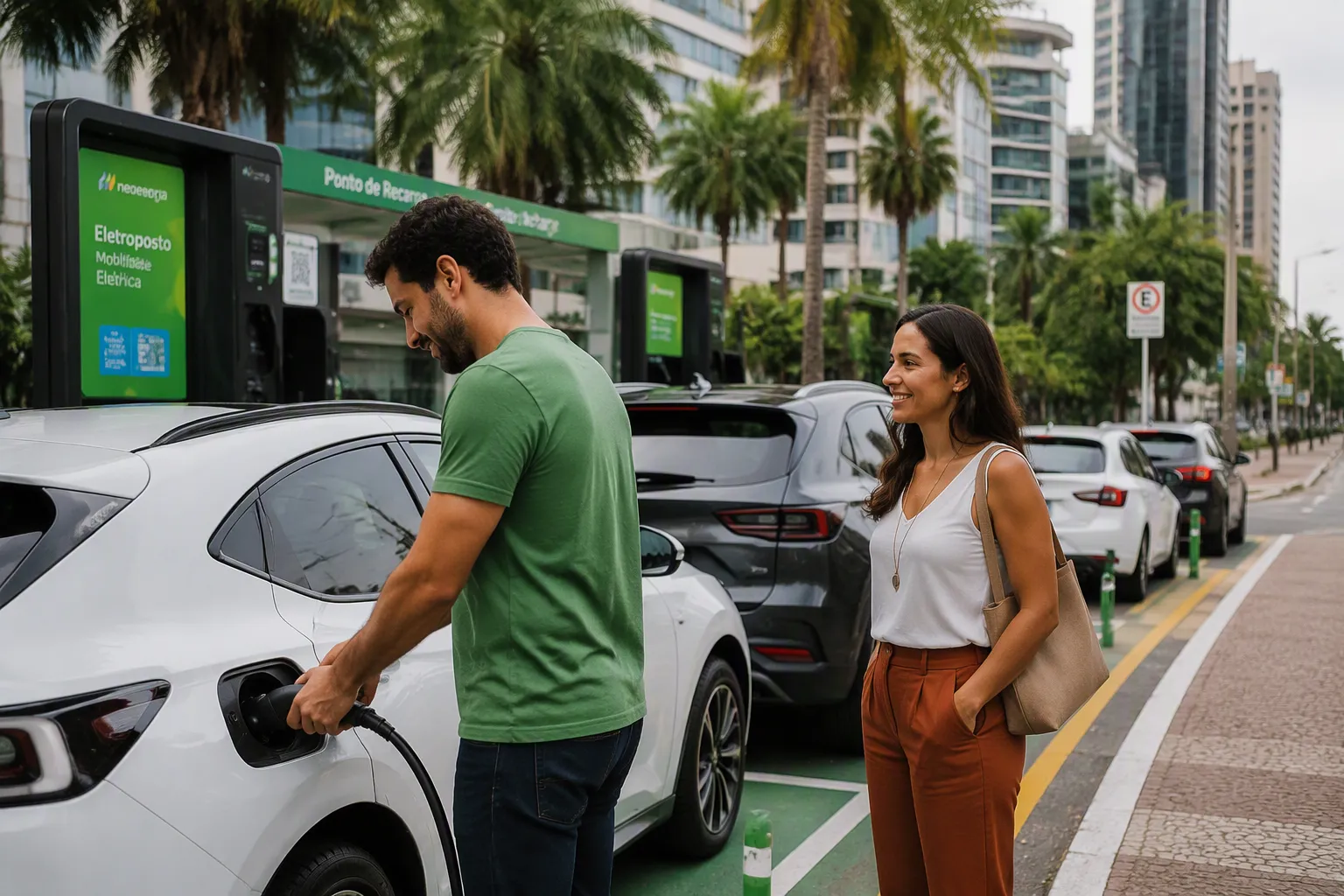
The cost to install an EV charging station varies dramatically between residential and commercial settings. Homeowners focus on convenience and overnight charging, while businesses must consider public access, billing, and return on investment. This difference in purpose creates a large gap in the overall commercial ev charger installation cost compared to a home setup.
Residential Installation Cost Summary
A home installation provides a private, reliable charging solution for EV owners. The process is typically straightforward, but homeowners should be aware of common challenges to manage their budget effectively.
Focus on Level 1 and Level 2
Residential charging almost exclusively uses Level 1 and Level 2 chargers. Level 1 chargers plug into standard outlets with no installation cost. Level 2 chargers, the most popular choice, require professional installation for a dedicated 240-volt circuit. This installation is the primary driver of the final price for homeowners.
Common Homeowner Scenarios
Homeowners often face predictable hurdles during the installation process. Avoiding these common mistakes ensures a smooth and cost-effective project.
- Choosing the Wrong Charger: Many people select a charger that is underpowered for their EV, leading to slow charging. Others overspend on features they do not need.
- Ignoring Electrical Capacity: Older homes may have electrical panels that cannot handle the extra load. An electrician must perform a load calculation to prevent tripped circuits or safety hazards.
- Poor Charger Placement: Installing a charger in an inconvenient or exposed location can cause daily frustration and accelerate wear from the elements.
- Overlooking Total Costs: The initial price of the unit is only part of the expense. Homeowners must budget for labor, wiring, and potential trenching, which all increase the final bill.
Commercial Installation Cost Summary
En commercial ev charger installation cost is significantly higher due to more powerful hardware and complex requirements. Businesses install chargers to attract customers, serve employees, or generate revenue. The commercial chargepoint cost reflects these broader goals.
Focus on Level 2 and DC Fast Charging
Commercial sites primarily use networked Level 2 chargers and powerful DC Fast Chargers. These units are built for high-traffic use and rapid refueling. The commercial ev charger installation cost for these systems is substantial, involving heavy-duty wiring and sometimes utility upgrades. The commercial ev charger installation cost is a major capital expense.
Additional Business Costs
Beyond the hardware and installation, the commercial ev charger installation cost includes several ongoing expenses. These additional factors are critical for calculating the total commercial chargepoint cost and potential return on investment. Businesses must account for software, networking, and maintenance, which all contribute to the commercial ev charger installation cost.
Businesses often pay for network subscriptions, data plans for connectivity, y software management systems for billing and user access. These recurring fees are a key part of the commercial ev charger installation cost.
The payback period for a commercial EV charger can vary.
| Métrica | Valor del Ejemplo |
|---|---|
| Net Installed Cost | $3,200 |
| Annual Net Profit | $190 |
| Payback (1 user/day) | 6 years |
| Payback (2 users/day) | 3 años |
Comparing Top Home EV Charger Brands by Price
The market for home EV charging stations offers a wide array of options catering to different budgets and needs. The price of a charger often reflects its features, from basic “dumb” units to sophisticated smart devices. Understanding these tiers helps homeowners select the best hardware for their vehicle and lifestyle.
Entry-Level Chargers: $300 – $500
Entry-level chargers provide a no-frills, reliable charging experience. They are ideal for EV owners who simply want to plug in their car and have it ready by morning without needing advanced connectivity or features.
Grizzl-E Classic
The Grizzl-E Classic is known for its robust, durable construction. It is a simple and powerful charger built to withstand harsh weather conditions, making it a popular choice for both indoor and outdoor installations. It lacks Wi-Fi but offers adjustable power output via internal switches.
Lectron V-BOX
Lectron’s V-BOX offers a straightforward and affordable charging solution. It features a clear LCD screen that displays key information like charging time, voltage, and current. This unit is a dependable choice for users who prioritize function over smart capabilities.
Mid-Range Smart Chargers: $500 – $700
Mid-range chargers introduce smart technology, giving users greater control over their charging habits. These units connect to a home’s Wi-Fi network, unlocking features that can help manage energy consumption and reduce electricity costs.
ChargePoint Home Flex
The ChargePoint Home Flex is a popular smart charger that offers flexibility and robust app integration. It allows users to schedule charging for off-peak hours when electricity rates are lowest.
Enel X Way JuiceBox
The Enel X Way JuiceBox is another leading smart charger praised for its powerful software. Both the JuiceBox and ChargePoint provide significant advantages over basic units through their aplicaciones móviles.
- Wi-Fi connectivity for remote control and monitoring.
- Customizable charging schedules to optimize energy costs.
- Detailed tracking of energy consumption and charging history.
- Real-time notifications about the charging status.
Premium Chargers: $700+
Premium chargers combine sleek design with advanced technology and maximum power output. These models appeal to users seeking the best performance and a seamless user experience, often integrating with broader home energy systems.
Conector universal de pared Tesla
Tesla’s Universal Wall Connector is designed to charge both Tesla and non-Tesla vehicles. It features a built-in adapter and offers power-sharing capabilities, allowing multiple units to intelligently distribute power from a single circuit.
Wallbox Pulsar Plus
The Wallbox Pulsar Plus is notable for its extremely compact size and powerful performance. While established brands offer excellent products, technologically advanced electric vehicle charging solution providers like TPSON also contribute to a competitive market with innovative features.
How to Save Money on Your EV Charger Installation Cost
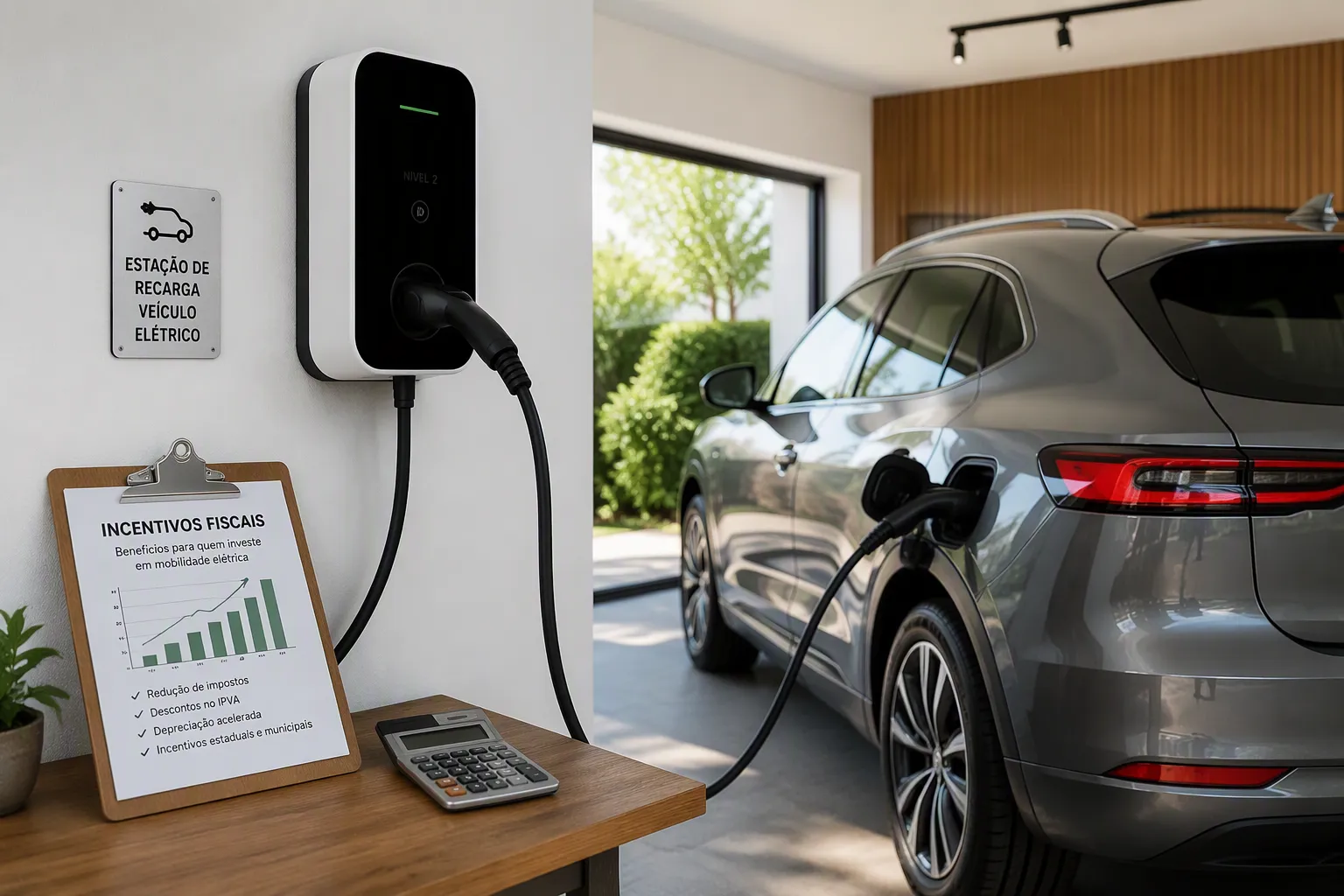
The initial price of a home EV charger installation can be reduced significantly through various incentives and smart purchasing decisions. Homeowners can take advantage of tax credits, rebates, and careful hardware selection to lower the overall project cost.
Federal Tax Credits: Up to 30% Off
The federal government offers a substantial tax credit to encourage the adoption of electric vehicles and related infrastructure. This incentive can directly lower a homeowner’s tax liability.
El Crédito Fiscal por Propiedad de Repostaje para Vehículos de Combustibles Alternativos
This credit, often known as IRS Form 8911, allows individuals to claim 30% of the cost of their charger and installation, up to a maximum of $1,000. To qualify, homeowners must meet specific criteria.
- The charging station must be installed at their main residence.
- The residence must be located in an eligible low-income or non-urban census tract.
- The credit covers the hardware and installation expenses.
- It also applies to bidirectional (two-way) charging equipment.
How to Claim the Credit
Homeowners can claim the credit by completing and filing IRS Form 8911 with their annual federal tax return. An accountant or tax software can guide them through this process.
State and Local Rebates: $250 – $1,000+
Beyond federal incentives, many state and local governments offer their own programs to make home charging more affordable. These rebates can often be combined with the federal tax credit.
Finding Your State’s Incentives
Each state has different programs, so homeowners should check their state’s official energy department website or the U.S. Department of Energy’s Alternative Fuels Data Center for a list of available incentives.
Utility Company Rebate Programs
Many utility companies provide rebates for installing an electric vehicle charger. This initiative is part of their broader effort to promote cleaner energy use. Customers should contact their local electricity provider to see if they offer rebates on hardware or installation.
Elegir el cargador adecuado a sus necesidades
Selecting the appropriate hardware is a key step in managing your budget. Overspending on a charger with unnecessary features or power is a common mistake.
Do You Need a “Smart” Charger?
A smart charger offers Wi-Fi connectivity, allowing users to schedule charging during off-peak hours to save on electricity. However, these units have a higher upfront price and more complex technology. A non-smart charger is simpler, less expensive, and can be a great choice for users who do not need remote features.
Smart Charger Pros:
- Eligible for certain grants and rebates
- Allows remote monitoring and control
- Enables scheduled charging to reduce energy bills
Matching Amperage to Your Car
Not every EV can accept the maximum power from a high-amperage charger. Homeowners should check their vehicle’s maximum AC charging rate. Choosing a charger that matches the car’s capability avoids paying for power the vehicle cannot use, ensuring a cost-effective purchase.
The “Hidden” Costs of an EV Charging Station
The initial purchase and installation are not the only expenses associated with an ev charging station. Homeowners should also account for ongoing operational costs, potential maintenance, and the impact on their home’s energy ecosystem. Understanding these factors provides a complete picture of the long-term investment.
Impact on Your Electricity Bill
Charging an electric vehicle at home will naturally increase a household’s monthly electricity consumption. The size of this increase depends heavily on driving habits and the local utility’s rate structure.
Calculating Your Monthly Charging Cost
After installing a charger, homeowners can expect their electricity bill to rise. The exact amount varies, but a typical increase is between 10% and 15%. For a household with a monthly bill of $140, this translates to an additional $14 to $21.
Planes de Tarifas por Horario de Uso (TOU)
Many utility companies offer Time-of-Use (TOU) rate plans to help manage this new expense. These plans have variable electricity prices, with lower rates during off-peak hours, usually overnight. EV owners can significantly reduce their monthly energy cost by scheduling charging sessions for these cheaper periods. Un cargador inteligente automates this process, ensuring the EV charges when electricity is least expensive.
| Método de carga | Estimated Cost per kWh | Estimated Cost to Charge 60kWh EV |
|---|---|---|
| Home (standard rate) | $0.28 | $16.80 |
| Home (off-peak TOU) | $0.10 | $6.00 |
| Cobro público | $0.45–$1.00 | $27.00–$60.00 |
Costes de mantenimiento y reparación
While home EV chargers are generally reliable, they are not immune to wear and tear. Understanding their lifespan and warranty coverage is crucial for long-term budget planning.
Typical Lifespan of an EV Charger
A quality home charger is designed to last for many years, but certain issues can lead to premature failure. Common problems incluyen:
- Electrical system malfunctions from power surges or faulty installation.
- Degradation of connectors and cables from continuous use.
- Damage from environmental factors like extreme heat, rain, or UV rays.
- Software glitches or outdated firmware in smart units.
Garantía y asistencia
Most manufacturers provide a warranty that protects against defects. The standard warranty period varies by brand, with many offering three years of coverage, while some provide up to five.
| Marca | Standard Warranty Period |
|---|---|
| Ohme | Three years |
| Easee | Three years |
| Myenergi | Three years (extendable to five) |
| Pod | Five years |
| Indra | Five years (some older models have three) |

Potential Need for a Home Energy Management System
For some households, adding an EV charger may necessitate a more advanced approach to managing electricity.
What It Is and Why You Might Need It
A Home Energy Management System (HEMS) is a smart device that analyzes a home’s energy consumption patterns. It helps lower bills by identifying the most cost-effective times to use electricity. A HEMS can automatically pause EV charging when other high-power appliances are running, preventing circuit overloads and ensuring the home operates efficiently.
Associated Costs
A HEMS represents an additional upfront expense. However, its ability to optimize energy use can lead to long-term savings that offset the initial investment.
For most EV owners, a Level 2 charger is the optimal choice. The average installed cost for this ev charging station ranges from $1,000 to $2,500. Several factors influence the final price.
Your home’s electrical system and local labor rates are the primary drivers of the total cost. Homeowners can lower the net installed cost by utilizing federal tax credits and local rebates. Always obtain at least three quotes from qualified electricians before beginning any work.
PREGUNTAS FRECUENTES
¿Puedo instalar yo mismo un cargador de Nivel 2?
No, a qualified and licensed electrician must install a Level 2 charger. This work involves a high-voltage circuit. Professional installation ensures safety, code compliance, and protects a home’s electrical system. DIY installations can void homeowner’s insurance and create significant fire risks.
¿Cuánto dura una instalación normal?
A standard Level 2 charger installation usually takes between two and six hours. The duration depends on the distance from the electrical panel to the charger location. Projects requiring panel upgrades or trenching may take one to two full days to complete.
¿Aumentará un cargador para vehículos eléctricos el valor de mi vivienda?
An EV charger can enhance a home’s appeal to potential buyers, particularly in areas with high EV ownership. It is a modern amenity that signals a home is future-ready. While it may not add significant dollar value, it can be a strong selling point.
¿Cuál es la diferencia entre un cargador cableado y uno enchufable?
Un cargador empotrado se conecta directamente al circuito eléctrico. Un cargador enchufable se conecta a un tomacorriente de 240 voltios, similar al de una secadora eléctrica. Las unidades enchufables ofrecen portabilidad, mientras que las unidades empotradas proporcionan una conexión más permanente y resistente a la intemperie, especialmente para instalaciones exteriores.
¿Necesito un permiso para un cargador de nivel 1?
No se requiere permiso para un cargador de Nivel 1. Estas unidades se enchufan directamente a un tomacorriente de pared estándar de 120 voltios y no requieren modificaciones eléctricas. El proceso es tan simple como enchufar cualquier otro electrodoméstico.
¿Puedo usar cualquier cargador con mi coche eléctrico?
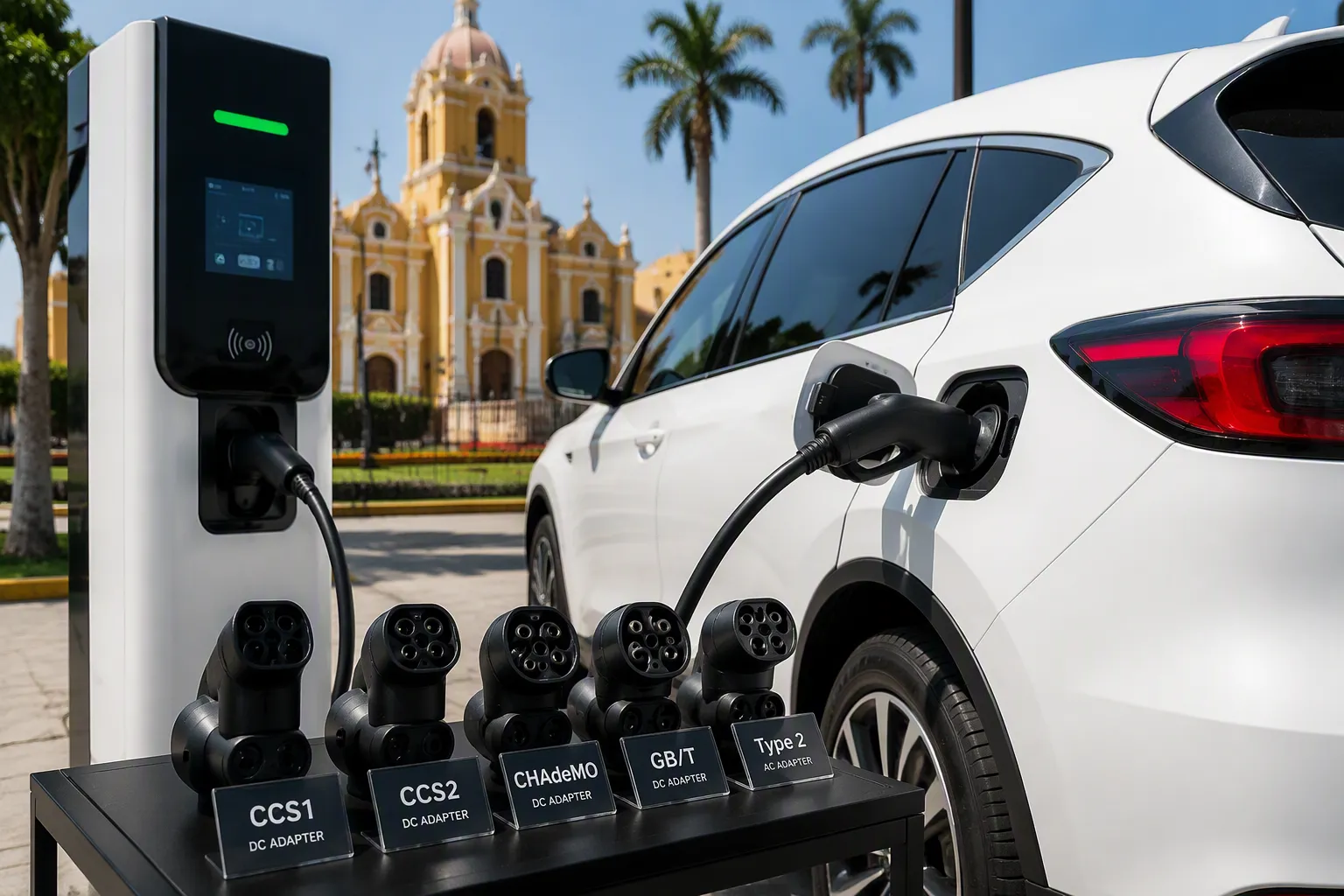
La mayoría de los vehículos eléctricos no Tesla en Norteamérica utilizan un conector universal J1772. Los vehículos Tesla requieren un adaptador para usar estos cargadores. Los propietarios deben confirmar el tipo de conector de su vehículo antes de comprar un cargador para garantizar la compatibilidad.