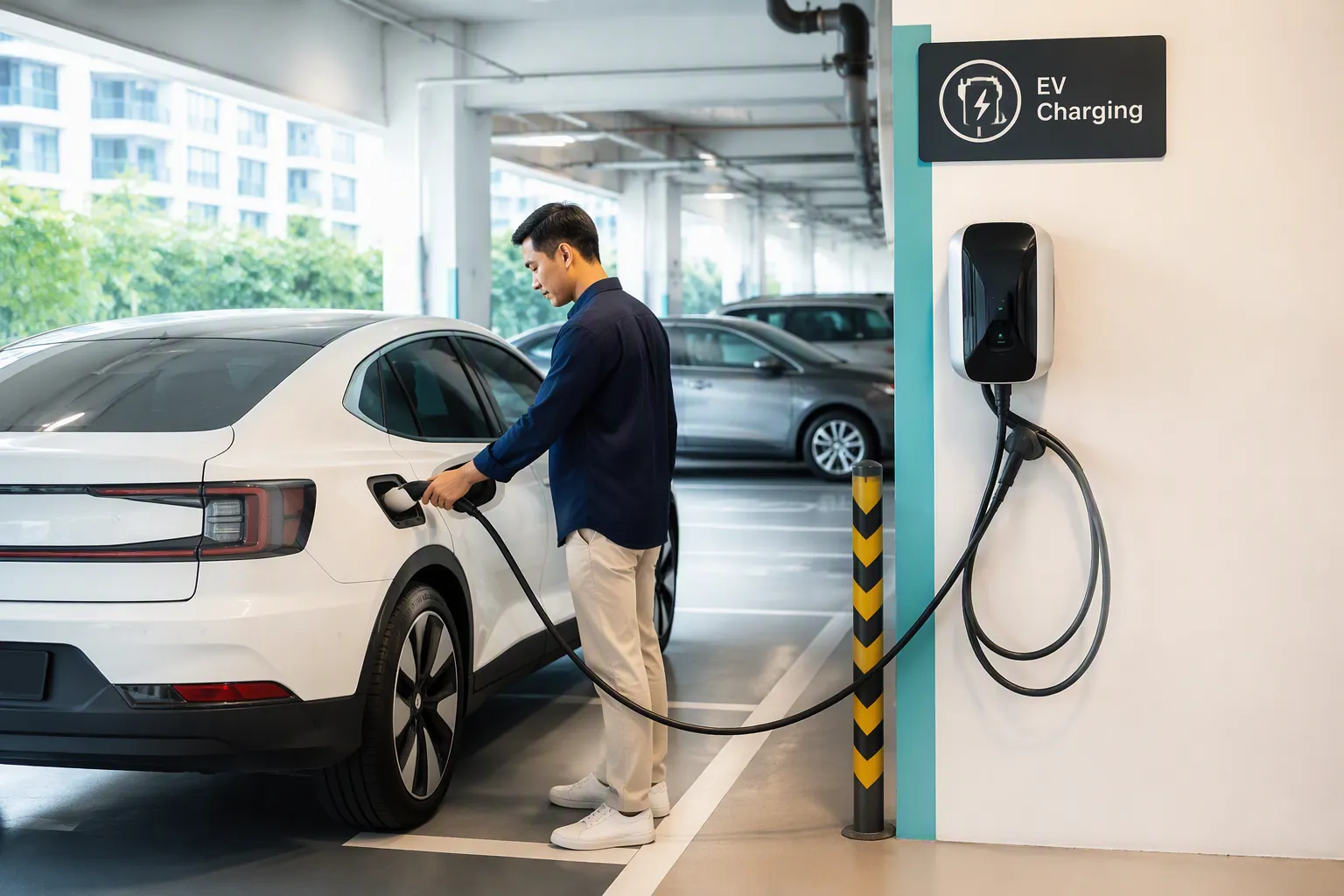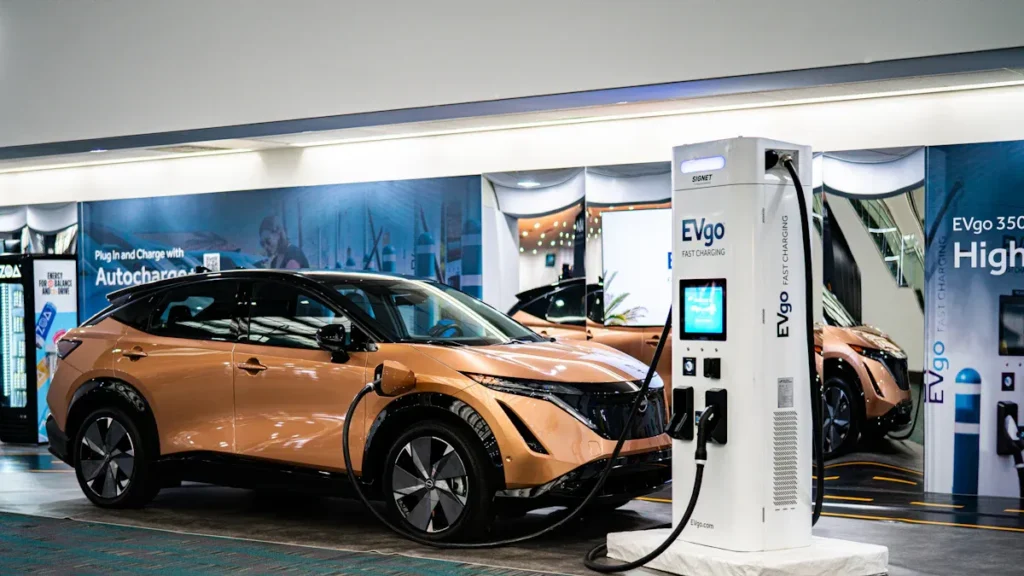

Stasiun pengisian EV rumah memiliki biaya pemasangan rata-rata antara $1.000 dan $2.500. Pengisi daya listrik Unit itu sendiri biasanya menambah $300 hingga $800 ke total biaya ini, dengan sisa biaya mencakup pemasangan profesional.
Produsen pengisi daya EV menyediakan banyak Solusi pengisian daya kendaraan listrik untuk EV, dari unit pintar canggih hingga dasar pengisi daya EV portabel. Meskipun harga pengisi daya tetap, pemasangan yang kompleks dapat mendorong biaya akhir di atas $5.000.
Rincian Biaya Stasiun Pengisian EV berdasarkan Tingkat

The Total biaya stasiun pengisian EV sangat bergantung pada tingkat dayanya. Pengisi daya dikategorikan menjadi tiga tingkat utama, masing-masing dengan harga, kinerja, dan persyaratan pemasangan yang berbeda. Memahami perbedaan ini membantu pemilik EV memilih solusi yang tepat untuk kebutuhan dan anggaran mereka.
Biaya Pengisi Daya Tingkat 1: $0 – $300
Pengisi daya Tingkat 1 adalah cara paling dasar dan terjangkau untuk mengisi daya kendaraan listrik. Ini memberikan pengisian semalaman yang lambat, cukup untuk pengemudi dengan perjalanan harian pendek.
Harga Satuan Pengisi Daya
Sebagian besar kendaraan listrik menyertakan pengisi daya Tingkat 1 sebagai peralatan standar, sehingga biaya efektifnya $0 bagi banyak pemilik baru. Jika penggantian atau unit kedua diperlukan, pengisi daya Tingkat 1 baru biasanya berharga antara $150 dan $300.
Harga Pemasangan
Pengisi daya Tingkat 1 tidak memerlukan pemasangan khusus. Mereka langsung dicolokkan ke stopkontak dinding standar 120 volt, jenis yang sama yang digunakan untuk peralatan rumah tangga. Ini menghilangkan kebutuhan akan tukang listrik, sehingga biaya pemasangan menjadi $0.
Total Perkiraan Biaya
Total perkiraan biaya untuk pengisian Tingkat 1 adalah antara $0 dan $300. Kelemahan utamanya adalah kecepatannya yang lambat. Mengisi baterai EV 60 kWh dari kosong dapat memakan waktu yang signifikan.
Pengisian Tingkat 1, sering disebut ‘pengisian nenek’, biasanya membutuhkan waktu sekitar 22 jam untuk mengisi penuh baterai 60 kWh. Ini menjadikannya pilihan praktis hanya untuk pengisian semalaman.
Biaya Pengisi Daya Tingkat 2: $1.000 – $2.500
A Pengisi daya level 2 adalah solusi paling umum dan praktis untuk pengisian daya di rumah. Ini menawarkan kecepatan pengisian yang jauh lebih cepat daripada Tingkat 1, sehingga cocok untuk hampir semua pengemudi EV.
Harga Satuan Pengisi Daya
Perangkat keras untuk pengisi daya Tingkat 2 umumnya berkisar dari $300 hingga $800. $300 hingga $800.
. Harga bervariasi berdasarkan merek, ampere, dan fitur pintar seperti konektivitas Wi-Fi dan integrasi aplikasi.
Harga Pemasangan Standar Pemasangan profesional diperlukan untuk pengisi daya Tingkat 2 dan biasanya berbiaya antara. $700 dan $1.700.
Total Perkiraan Biaya
. Proses ini melibatkan tukang listrik yang menjalankan sirkuit khusus 240 volt dari panel listrik ke lokasi pengisi daya. Harga pemasangan akhir tergantung pada jarak dan kompleksitas jalur kabel. Bagi sebagian besar pemilik rumah, total biaya terpasang untuk pengisi daya Tingkat 2 berada di antara. $1.000 dan $2.500.
. Investasi ini menyediakan pengaturan pengisian daya rumah yang andal dan efisien yang dapat mengisi penuh sebagian besar EV semalaman.
Biaya Pengisi Daya Cepat DC (Tingkat 3): $40.000 – $150.000+.
Harga Satuan Pengisi Daya
Pengisi Daya Cepat DC, juga dikenal sebagai pengisi daya Tingkat 3, adalah unit kelas komersial yang dirancang untuk pengisian bahan bakar cepat. Mereka tidak dimaksudkan untuk pemasangan perumahan karena persyaratan daya yang ekstrem dan biaya yang sangat tinggi. Unit pengisi daya saja untuk Pengisi Daya Cepat DC berharga antara. $20.000 dan $100.000.
Harga Pemasangan
. Harganya tergantung pada daya keluaran, yang dapat berkisar dari 50 kW hingga lebih dari 350 kW. Pemasangan untuk Pengisi Daya Cepat DC adalah proyek industri besar, dengan biaya. $20.000 hingga $50.000+ . Ini memerlukan pekerjaan listrik ekstensif, termasuk kemungkinan peningkatan utilitas, transformator, dan peralatan sakelar berat. Di luar pemasangan awal, unit-unit ini memiliki.
- Pemeliharaan: biaya operasional berkelanjutan yang signifikan.
- Listrik: Kontrak tahunan untuk pembaruan perangkat lunak dan inspeksi perangkat keras dapat menghabiskan biaya ratusan dolar per pengisi daya.
- Tarif penggunaan waktu komersial dan biaya permintaan tinggi menambah pengeluaran bulanan yang besar. Biaya Jaringan:.
Total Perkiraan Biaya
Mengelola pembayaran, data, dan akses pengguna melalui penyedia jaringan menambah biaya bulanan berulang. Total biaya awal untuk membeli dan memasang satu Pengisi Daya Cepat DC berkisar dari. $40.000 hingga lebih dari $150.000 . Sistem yang kuat ini digunakan secara eksklusif untuk jaringan pengisian daya publik, sering ditemukan di lokasi strategis.
| Kasus Penggunaan | untuk mendukung perjalanan jarak jauh dan pengemudi tanpa akses pengisian daya di rumah. | Deskripsi |
|---|---|---|
| Contoh Lokasi | Pusat jalanan | Fettes Avenue, Edinburgh. |
| Beberapa pengisi daya DC dipasang di jalan lebar untuk penduduk dan pengunjung. | Perhentian pedesaan | Crianlarich, Stirling. |
| Satu pengisi daya DC melayani penduduk lokal dan pelancong jarak jauh di persimpangan utama. | Halaman depan jalan raya | Princes Street, Dundee. |
| Stasiun bensin yang dikembangkan kembali dengan banyak pengisi daya cepat untuk pengisian bahan bakar cepat. | Pusat Transportasi | Castleview, Stirling. |
Pusat besar yang menghubungkan pengemudi mobil ke transportasi publik dengan puluhan pengisi daya.
Faktor Kunci yang Meningkatkan Biaya Pemasangan.
Electrical Panel Upgrades: $1,500 – $4,000+
Your home’s electrical panel, or breaker box, is the heart of its electrical system. A Level 2 charger is a high-power appliance that places a significant new load on this system. Many older homes were not designed to handle this extra demand.
Why Your Panel Might Need an Upgrade
An electrician performs a load calculation to determine if your panel can safely support an EV charger. An upgrade is often necessary under specific conditions.
- The panel has insufficient amperage, such as an old 60-amp service.
- A load calculation shows the panel cannot handle the additional draw from the charger.
- There are no physical breaker spaces left to add a new 240-volt circuit.
- The main meter and connected wiring do not meet the ampacity requirements for the increased current.
Cost of a New Panel
The cost to replace an electrical panel typically ranges from $1,500 to over $4,000. The price depends on the panel’s amperage and the complexity of the installation. Upgrading from a 100-amp to a 200-amp service is a common requirement for EV charger installation.
| Rating Panel | Perkiraan Biaya Material | Tenaga Kerja & Sertifikasi Khas |
|---|---|---|
| 100 A | $150–$275 | $450–$700 |
| 200 A | $275–$400 | $550–$950 |
Trenching and Long Wiring Runs: $500 – $3,000+
The distance from your electrical panel to your charger’s location is a major cost driver. The further the electrician must run the wire, the more you will pay for labor and materials.
Detached Garages and Outdoor Chargers
Installing a charger in a detached garage or an outdoor parking spot often requires trenching. This involves digging a channel to bury the electrical conduit underground. This process protects the wiring and complies with electrical codes, but it adds significant labor to the installation.
Cost Per Foot for Trenching
Kiat Pro: Trenching costs can vary widely based on the terrain. Digging through soft soil is much cheaper than cutting through concrete or asphalt. Expect to pay between $10 to $30 per foot for trenching services.
Permits and Inspections: $100 – $500
Nearly all Level 2 charger installations require an electrical permit from your local municipality. This is a non-negotiable step that ensures the work is done safely and to code.
Why Permits Are Necessary
Permits trigger a third-party inspection of the electrician’s work. This process protects the homeowner by verifying that the installation is safe and will not pose a fire hazard. An unpermitted installation can void your homeowner’s insurance and create problems if you sell your home.
Typical Permit Fees
Permit fees are set by local building departments and generally range from $100 to $500. Your electrician will typically handle the permit application process and include the fee in their overall quote.
Labor Rates by Location
The electrician’s hourly rate is a significant variable in the total price of an EV charger installation. This rate is not standardized and fluctuates considerably based on geographic location, market demand, and the electrician’s experience level.
Urban vs. Rural Electrician Costs
Labor prices often differ between metropolitan and rural areas due to varying economic factors. Homeowners can expect to see these differences reflected in their quotes.
- Urban and Suburban Areas: Electricians in major cities typically have higher hourly rates, often ranging from $100 to $150 per hour or more. This is driven by a higher cost of living, greater demand for skilled labor, and increased operational expenses.
- Rural Areas: In less populated regions, hourly rates may be lower, potentially between $70 and $120 per hour. However, if the electrician must travel a long distance to the job site, they may add a travel surcharge to the final bill.
These rates directly influence the labor portion of the installation, which can account for more than half of the project’s total expense.
Mendapatkan Beberapa Kutipan
Securing several estimates is the most effective strategy for homeowners to ensure a fair price and high-quality work. Experts recommend obtaining at least three detailed quotes from different licensed and insured electricians before making a decision. This practice provides a clear picture of the local market rate for the project.
A comprehensive quote should be more than just a final number. Homeowners should look for an itemized breakdown that includes:
- Cost of the charger circuit breaker and wiring
- Labor hours and the hourly rate
- Permit and inspection fees
- Any potential charges for drywall repair or other incidental work
Comparing detailed quotes helps homeowners identify any outliers and choose an electrician who offers the best value. It is a critical step for managing the budget of any home charging project.
Home vs. Commercial EV Charger Installation Cost

The cost to install an EV charging station varies dramatically between residential and commercial settings. Homeowners focus on convenience and overnight charging, while businesses must consider public access, billing, and return on investment. This difference in purpose creates a large gap in the overall commercial ev charger installation cost compared to a home setup.
Residential Installation Cost Summary
A home installation provides a private, reliable charging solution for EV owners. The process is typically straightforward, but homeowners should be aware of common challenges to manage their budget effectively.
Focus on Level 1 and Level 2
Residential charging almost exclusively uses Level 1 and Level 2 chargers. Level 1 chargers plug into standard outlets with no installation cost. Level 2 chargers, the most popular choice, require professional installation for a dedicated 240-volt circuit. This installation is the primary driver of the final price for homeowners.
Common Homeowner Scenarios
Homeowners often face predictable hurdles during the installation process. Avoiding these common mistakes ensures a smooth and cost-effective project.
- Choosing the Wrong Charger: Many people select a charger that is underpowered for their EV, leading to slow charging. Others overspend on features they do not need.
- Ignoring Electrical Capacity: Older homes may have electrical panels that cannot handle the extra load. An electrician must perform a load calculation to prevent tripped circuits or safety hazards.
- Poor Charger Placement: Installing a charger in an inconvenient or exposed location can cause daily frustration and accelerate wear from the elements.
- Overlooking Total Costs: The initial price of the unit is only part of the expense. Homeowners must budget for labor, wiring, and potential trenching, which all increase the final bill.
Commercial Installation Cost Summary
The Biaya instalasi pengisi daya EV komersial is significantly higher due to more powerful hardware and complex requirements. Businesses install chargers to attract customers, serve employees, or generate revenue. The commercial chargepoint cost reflects these broader goals.
Focus on Level 2 and DC Fast Charging
Commercial sites primarily use networked Level 2 chargers and powerful DC Fast Chargers. These units are built for high-traffic use and rapid refueling. The commercial ev charger installation cost for these systems is substantial, involving heavy-duty wiring and sometimes utility upgrades. The commercial ev charger installation cost is a major capital expense.
Additional Business Costs
Beyond the hardware and installation, the commercial ev charger installation cost includes several ongoing expenses. These additional factors are critical for calculating the total commercial chargepoint cost and potential return on investment. Businesses must account for software, networking, and maintenance, which all contribute to the commercial ev charger installation cost.
Businesses often pay for network subscriptions, data plans for connectivity, dan software management systems for billing and user access. These recurring fees are a key part of the commercial ev charger installation cost.
The payback period for a commercial EV charger can vary.
| Metrik | Nilai Contoh |
|---|---|
| Net Installed Cost | $3,200 |
| Annual Net Profit | $190 |
| Payback (1 user/day) | 6 years |
| Payback (2 users/day) | 3 tahun |
Comparing Top Home EV Charger Brands by Price
Pasar untuk home EV charging stations offers a wide array of options catering to different budgets and needs. The price of a charger often reflects its features, from basic “dumb” units to sophisticated smart devices. Understanding these tiers helps homeowners select the best hardware for their vehicle and lifestyle.
Entry-Level Chargers: $300 – $500
Entry-level chargers provide a no-frills, reliable charging experience. They are ideal for EV owners who simply want to plug in their car and have it ready by morning without needing advanced connectivity or features.
Grizzl-E Classic
The Grizzl-E Classic is known for its robust, durable construction. It is a simple and powerful charger built to withstand harsh weather conditions, making it a popular choice for both indoor and outdoor installations. It lacks Wi-Fi but offers adjustable power output via internal switches.
Lectron V-BOX
Lectron’s V-BOX offers a straightforward and affordable charging solution. It features a clear LCD screen that displays key information like charging time, voltage, and current. This unit is a dependable choice for users who prioritize function over smart capabilities.
Mid-Range Smart Chargers: $500 – $700
Mid-range chargers introduce smart technology, giving users greater control over their charging habits. These units connect to a home’s Wi-Fi network, unlocking features that can help manage energy consumption and reduce electricity costs.
ChargePoint Home Flex
The ChargePoint Home Flex is a popular smart charger that offers flexibility and robust app integration. It allows users to schedule charging for off-peak hours when electricity rates are lowest.
Enel X Way JuiceBox
The Enel X Way JuiceBox is another leading smart charger praised for its powerful software. Both the JuiceBox and ChargePoint provide significant advantages over basic units through their aplikasi seluler.
- Wi-Fi connectivity for remote control and monitoring.
- Customizable charging schedules to optimize energy costs.
- Detailed tracking of energy consumption and charging history.
- Real-time notifications about the charging status.
Premium Chargers: $700+
Premium chargers combine sleek design with advanced technology and maximum power output. These models appeal to users seeking the best performance and a seamless user experience, often integrating with broader home energy systems.
Konektor Dinding Universal Tesla
Tesla’s Universal Wall Connector is designed to charge both Tesla and non-Tesla vehicles. It features a built-in adapter and offers power-sharing capabilities, allowing multiple units to intelligently distribute power from a single circuit.
Wallbox Pulsar Plus
The Wallbox Pulsar Plus is notable for its extremely compact size and powerful performance. While established brands offer excellent products, technologically advanced electric vehicle charging solution providers like TPSON also contribute to a competitive market with innovative features.
How to Save Money on Your EV Charger Installation Cost
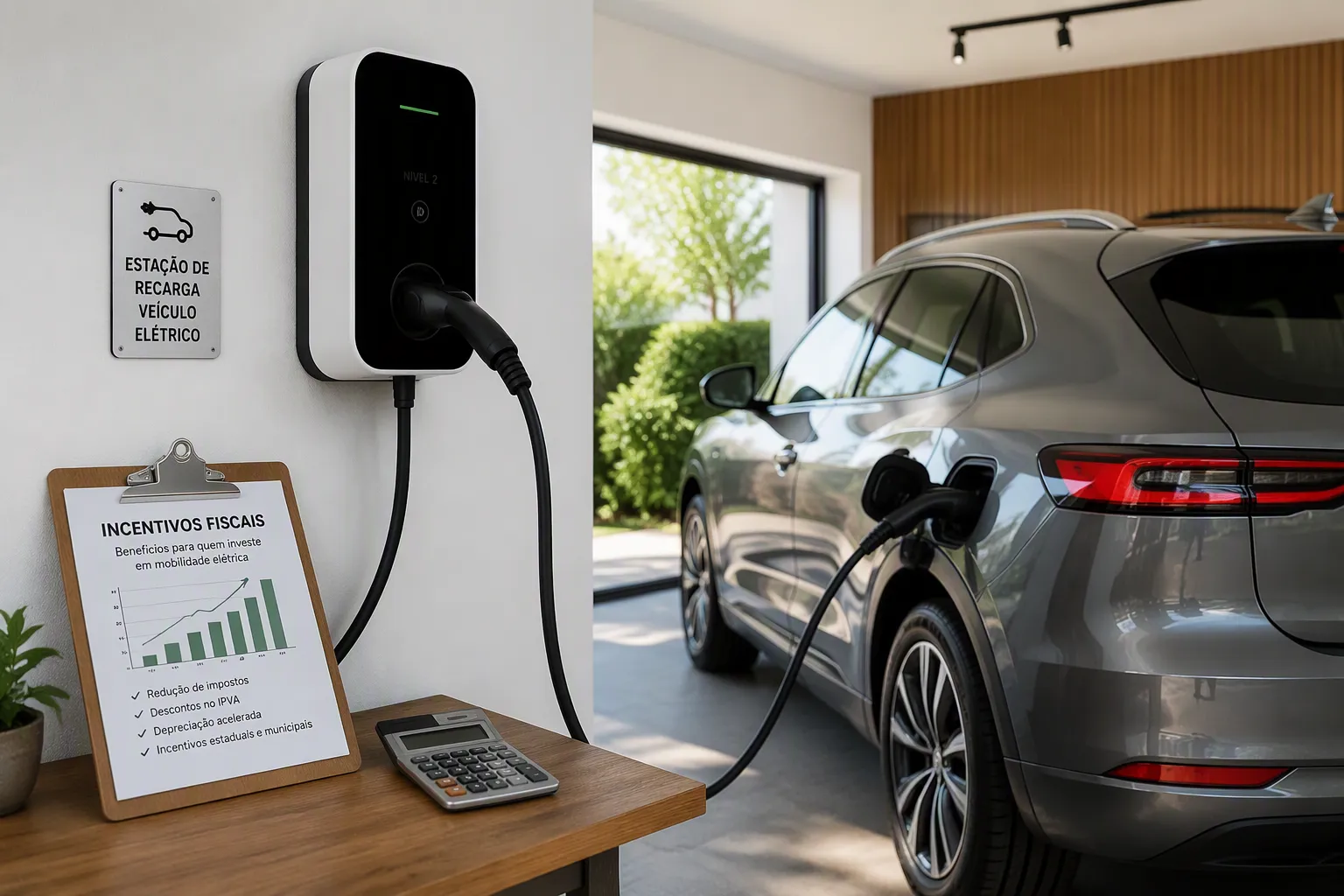
The initial price of a home EV charger installation can be reduced significantly through various incentives and smart purchasing decisions. Homeowners can take advantage of tax credits, rebates, and careful hardware selection to lower the overall project cost.
Federal Tax Credits: Up to 30% Off
The federal government offers a substantial tax credit to encourage the adoption of electric vehicles and related infrastructure. This incentive can directly lower a homeowner’s tax liability.
Kredit Properti Pengisian Bahan Bakar Kendaraan Alternatif
This credit, often known as IRS Form 8911, allows individuals to claim 30% of the cost of their charger and installation, up to a maximum of $1,000. To qualify, homeowners must meet specific criteria.
- The charging station must be installed at their main residence.
- The residence must be located in an eligible low-income or non-urban census tract.
- The credit covers the hardware and installation expenses.
- It also applies to bidirectional (two-way) charging equipment.
How to Claim the Credit
Homeowners can claim the credit by completing and filing IRS Form 8911 with their annual federal tax return. An accountant or tax software can guide them through this process.
State and Local Rebates: $250 – $1,000+
Beyond federal incentives, many state and local governments offer their own programs to make home charging more affordable. These rebates can often be combined with the federal tax credit.
Mencari Insentif Negara Bagian Anda
Each state has different programs, so homeowners should check their state’s official energy department website or the U.S. Department of Energy’s Alternative Fuels Data Center for a list of available incentives.
Program Rabat Perusahaan Utilitas
Many utility companies provide rebates for installing an electric vehicle charger. This initiative is part of their broader effort to promote cleaner energy use. Customers should contact their local electricity provider to see if they offer rebates on hardware or installation.
Memilih Pengisi Daya yang Tepat untuk Kebutuhan Anda
Selecting the appropriate hardware is a key step in managing your budget. Overspending on a charger with unnecessary features or power is a common mistake.
Do You Need a “Smart” Charger?
A smart charger offers Wi-Fi connectivity, allowing users to schedule charging during off-peak hours to save on electricity. However, these units have a higher upfront price and more complex technology. A non-smart charger is simpler, less expensive, and can be a great choice for users who do not need remote features.
Smart Charger Pros:
- Eligible for certain grants and rebates
- Allows remote monitoring and control
- Enables scheduled charging to reduce energy bills
Matching Amperage to Your Car
Not every EV can accept the maximum power from a high-amperage charger. Homeowners should check their vehicle’s maximum AC charging rate. Choosing a charger that matches the car’s capability avoids paying for power the vehicle cannot use, ensuring a cost-effective purchase.
The “Hidden” Costs of an EV Charging Station
The initial purchase and installation are not the only expenses associated with an ev charging station. Homeowners should also account for ongoing operational costs, potential maintenance, and the impact on their home’s energy ecosystem. Understanding these factors provides a complete picture of the long-term investment.
Impact on Your Electricity Bill
Charging an electric vehicle at home will naturally increase a household’s monthly electricity consumption. The size of this increase depends heavily on driving habits and the local utility’s rate structure.
Calculating Your Monthly Charging Cost
After installing a charger, homeowners can expect their electricity bill to rise. The exact amount varies, but a typical increase is between 10% and 15%. For a household with a monthly bill of $140, this translates to an additional $14 to $21.
Rencana Tarif Berdasarkan Waktu Penggunaan (Time-of-Use/TOU)
Many utility companies offer Time-of-Use (TOU) rate plans to help manage this new expense. These plans have variable electricity prices, with lower rates during off-peak hours, usually overnight. EV owners can significantly reduce their monthly energy cost by scheduling charging sessions for these cheaper periods. Pengisi daya yang cerdas automates this process, ensuring the EV charges when electricity is least expensive.
| Metode Pengisian Daya | Estimated Cost per kWh | Estimated Cost to Charge 60kWh EV |
|---|---|---|
| Home (standard rate) | $0.28 | $16.80 |
| Home (off-peak TOU) | $0.10 | $6.00 |
| Pengisian daya publik | $0.45–$1.00 | $27.00–$60.00 |
Biaya Pemeliharaan dan Perbaikan
While home EV chargers are generally reliable, they are not immune to wear and tear. Understanding their lifespan and warranty coverage is crucial for long-term budget planning.
Typical Lifespan of an EV Charger
A quality home charger is designed to last for many years, but certain issues can lead to premature failure. Common problems termasuk:
- Electrical system malfunctions from power surges or faulty installation.
- Degradation of connectors and cables from continuous use.
- Damage from environmental factors like extreme heat, rain, or UV rays.
- Software glitches or outdated firmware in smart units.
Garansi dan Dukungan
Most manufacturers provide a warranty that protects against defects. The standard warranty period varies by brand, with many offering three years of coverage, while some provide up to five.
| Merek | Standard Warranty Period |
|---|---|
| Ohme | Three years |
| Easee | Three years |
| Myenergi | Three years (extendable to five) |
| Pod | Five years |
| Indra | Five years (some older models have three) |

Potential Need for a Home Energy Management System
For some households, adding an EV charger may necessitate a more advanced approach to managing electricity.
What It Is and Why You Might Need It
A Home Energy Management System (HEMS) is a smart device that analyzes a home’s energy consumption patterns. It helps lower bills by identifying the most cost-effective times to use electricity. A HEMS can automatically pause EV charging when other high-power appliances are running, preventing circuit overloads and ensuring the home operates efficiently.
Associated Costs
A HEMS represents an additional upfront expense. However, its ability to optimize energy use can lead to long-term savings that offset the initial investment.
For most EV owners, a Level 2 charger is the optimal choice. The average installed cost for this ev charging station ranges from $1,000 to $2,500. Several factors influence the final price.
Your home’s electrical system and local labor rates are the primary drivers of the total cost. Homeowners can lower the net installed cost by utilizing federal tax credits and local rebates. Always obtain at least three quotes from qualified electricians before beginning any work.
PERTANYAAN YANG SERING DIAJUKAN
Bisakah saya memasang pengisi daya Level 2 sendiri?
No, a qualified and licensed electrician must install a Level 2 charger. This work involves a high-voltage circuit. Professional installation ensures safety, code compliance, and protects a home’s electrical system. DIY installations can void homeowner’s insurance and create significant fire risks.
Berapa lama waktu yang dibutuhkan untuk instalasi?
A standard Level 2 charger installation usually takes between two and six hours. The duration depends on the distance from the electrical panel to the charger location. Projects requiring panel upgrades or trenching may take one to two full days to complete.
Apakah pengisi daya EV akan meningkatkan nilai rumah saya?
An EV charger can enhance a home’s appeal to potential buyers, particularly in areas with high EV ownership. It is a modern amenity that signals a home is future-ready. While it may not add significant dollar value, it can be a strong selling point.
Apa perbedaan antara pengisi daya terpasang dan pengisi daya plug-in?
A hardwired charger connects directly to the electrical circuit. A plug-in charger connects to a 240-volt outlet, similar to an electric dryer. Plug-in units offer portability, while hardwired units provide a more permanent and weather-resistant connection, especially for outdoor installations.
Apakah saya memerlukan izin untuk pengisi daya Level 1?
A permit is not necessary for a Level 1 charger. These units plug directly into a standard 120-volt wall outlet and do not require any electrical modifications. The process is as simple as plugging in any other household appliance.
Can I use any charger with my electric car?
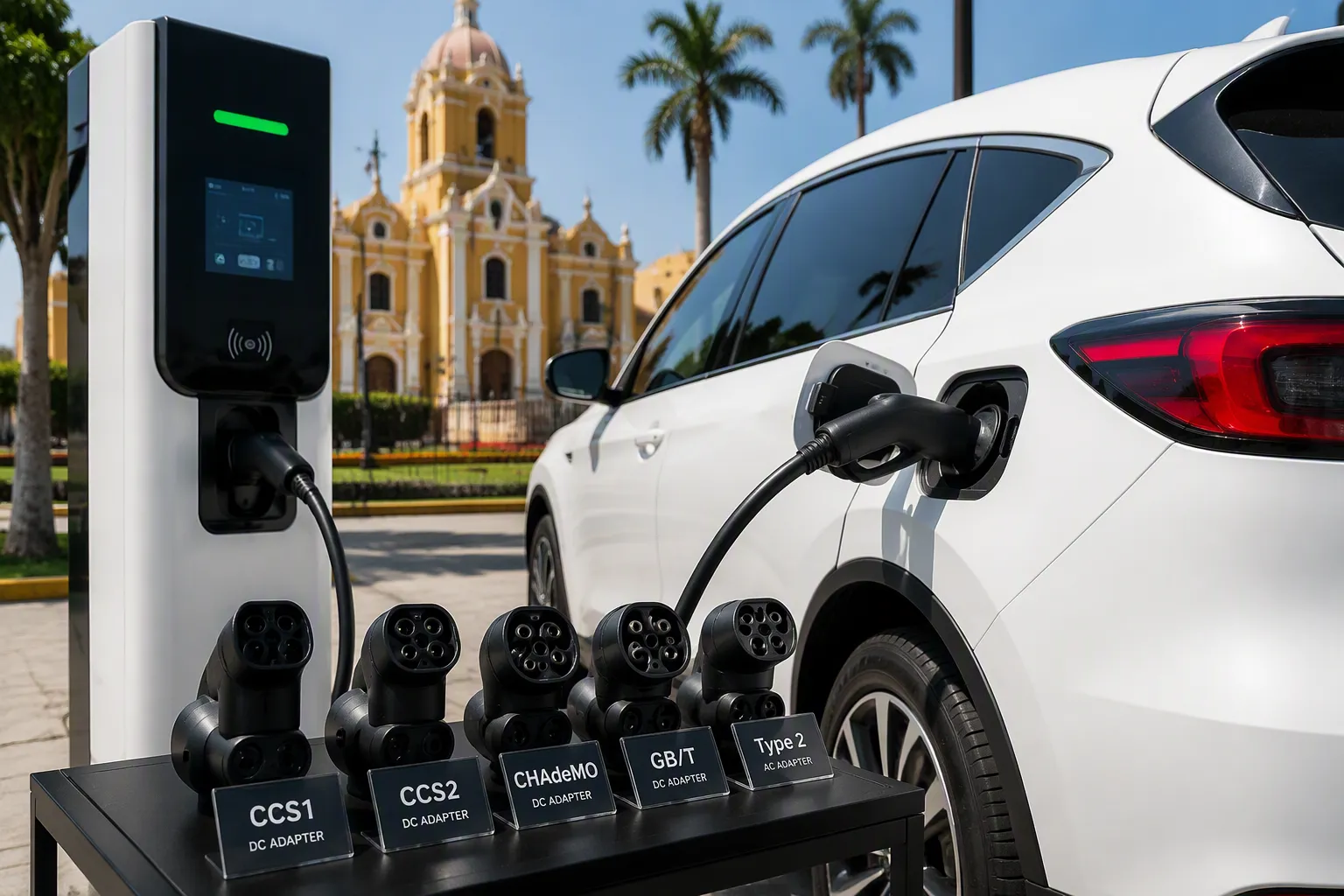
Most non-Tesla EVs in North America use a universal J1772 connector. Tesla vehicles require an adapter to use these chargers. Homeowners should confirm their vehicle’s connector type before purchasing a charger to ensure compatibility.