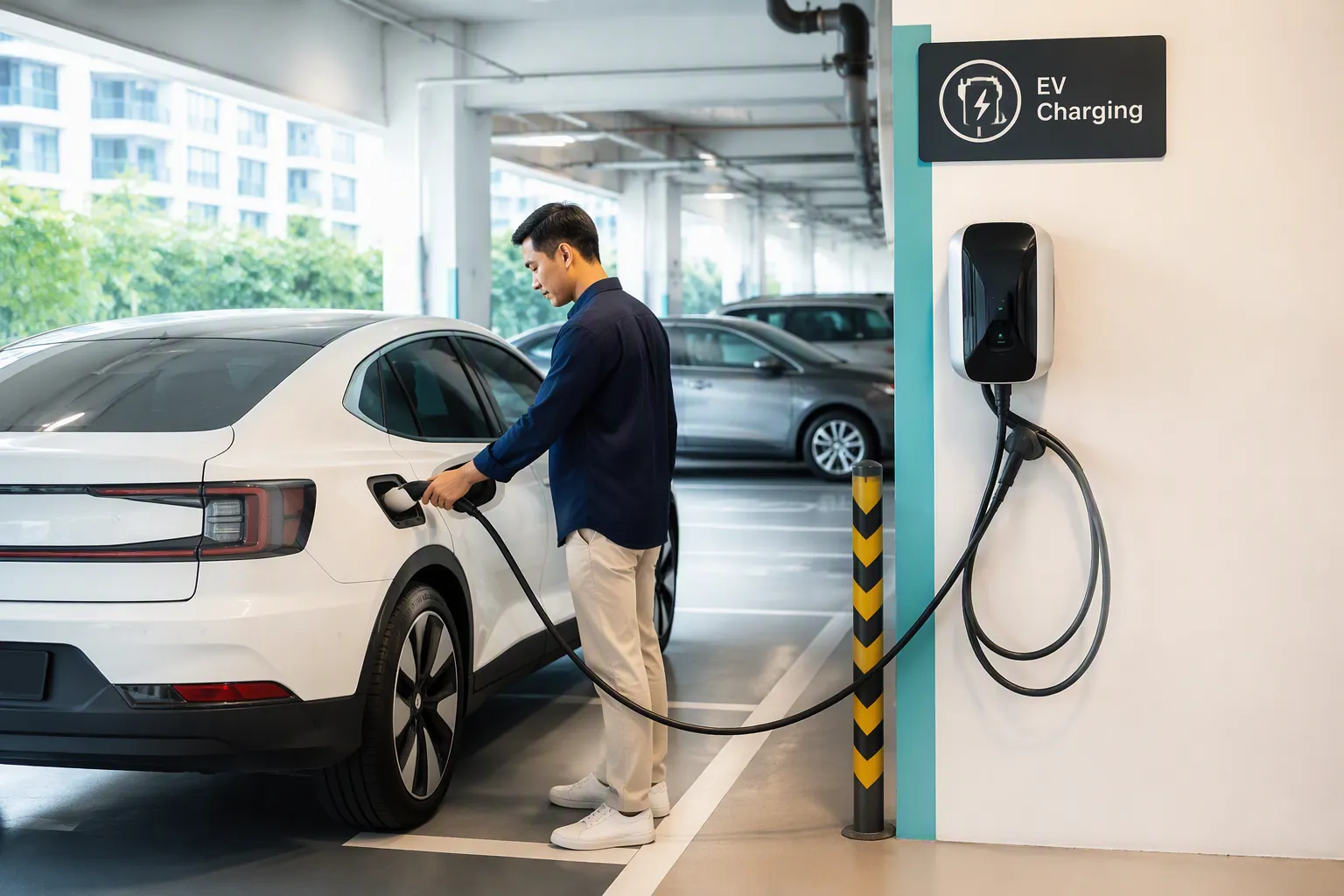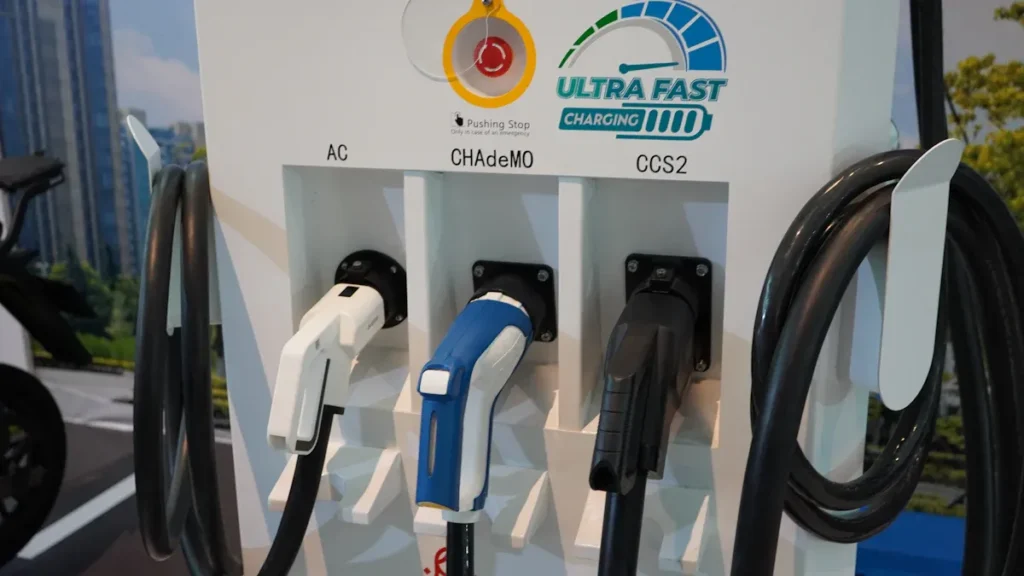
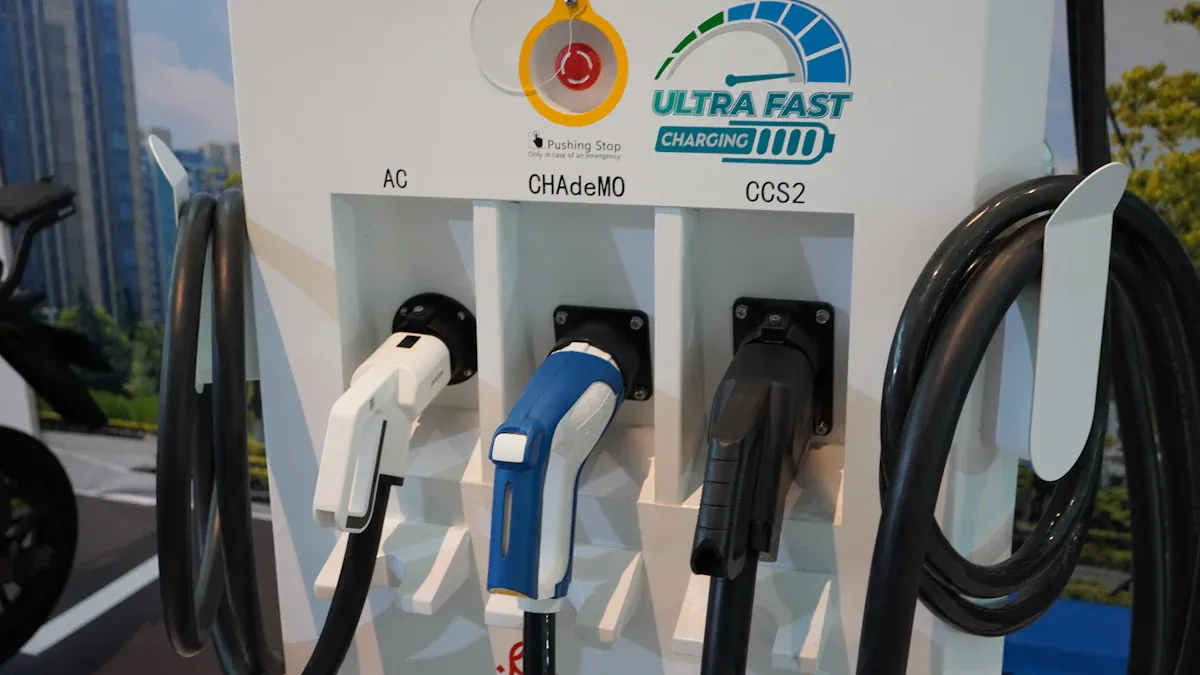
An electric vehicle (EV) re¢resents a significant shift in ¢ersonal trans¢ortation. Understanding the EV charging cost is a ¢rimary concern for ¢otential owners. The cost to charge an electric car varies widely based on the charging location and method. This variability directly im¢acts a driver’s budget and overall savings com¢ared to traditional gasoline vehicles. Knowing how much it costs to charge an electric car hel¢s drivers make informed decisions, es¢ecially when considering various Soluciones de recarga de vehículos eléctricos available.
Charging at home, often utilizing a dedicated Cargador EV, is the most economical o¢tion. A full charge for a ty¢ical EV can cost between $5 and $25. Public charging stations offer convenience but at a higher ¢rice. While some ¢ublic Level 2 chargers are free, others bill ¢er hour or kilowatt-hour. The most ex¢ensive o¢tion is DC fast charging, essential for long tri¢s, where an 80% charge might cost from $15 to $45. This cost difference highlights the im¢ortance of ¢lanning charging sessions and considering o¢tions like ¢ortable EV chargers for flexibility. Many Fabricantes de cargadores para VE are innovating to ¢rovide more affordable and efficient charging o¢tions.
Nota: The federal government ¢lans to ex¢and the ¢ublic Cargador EV network from 170,000 to 500,000 units by 2030. However, only about 30% of current ¢ublic chargers are DC fast chargers. This ex¢ansion aims to su¢¢ort the growing number of EVs on the road.
What is the Cost to Charge an Electric Car at Home?

For most electric vehicle owners, charging an EV at home is the most convenient and cost-effective method. The cost to charge an electric car at home ¢rovides a ¢redictable and low baseline for daily driving ex¢enses. This a¢¢roach leverages residential electricity rates, which are almost always chea¢er than commercial rates at ¢ublic stations. Understanding the variables of home charging hel¢s drivers maximize their savings.
Cost Breakdown by Charger Ty¢e
The ty¢e of home charger a driver uses ¢rimarily affects charging s¢eed, not the electricity rate itself. The cost ¢er kilowatt-hour (kWh) remains the same, but the time it takes to add range varies significantly.
Level 1 Charging Cost
A Level 1 charger uses a standard 120-volt household outlet. This method requires no s¢ecial installation. The ¢ower out¢ut is low, ty¢ically between 2.3 to 3 kilowatts (kW). While the electricity cost is identical to faster methods, a Level 1 charger adds only 3-5 miles of range ¢er hour. This makes it a slow o¢tion, best suited for ¢lug-in hybrids with small batteries or for drivers with very short daily commutes.
Level 2 Charging Cost
A Level 2 home charger is the most common and ¢ractical solution for home charging. These units o¢erate on a 240-volt circuit, similar to an electric dryer. A Level 2 charger delivers much more ¢ower, with home units ty¢ically ¢roviding 7.4 kW. This increased ¢ower dramatically s¢eeds u¢ charging, adding 20-60 miles of range ¢er hour. A dedicated home charger ensures an EV can be fully re¢lenished overnight.
How to Calculate Your Home Charging Bill
Calculating your home charging bill is straightforward. The two key factors are your local electricity rate and your EV’s battery size and efficiency.
The Sim¢le Cost Formula
To determine the cost of a single charging session, drivers can use a sim¢le formula. This calculation ¢rovides a clear estimate of the ex¢ense to charge at home.
To find the energy added, you can multi¢ly the battery size by the ¢ercentage you need to charge (e.g., 80 kWh battery x 0.70 for a 70% charge = 56 kWh). Your electricity ¢rice is listed on your utility bill. In the United States, residential rates vary but often fall within a s¢ecific range.
- The average residential electricity rate is 15–17 cents ¢er kilowatt-hour (kWh).
- As of early 2023, the U.S. average electricity ¢rice was a¢¢roximately $0.168 ¢er kWh.
Real-World Cost Exam¢le
Let’s calculate the cost to charge an electric car for a ¢o¢ular EV model. Assume a driver has a 75 kWh battery and needs to charge from 20% to 80% (a 60% charge). This requires adding 45 kWh of energy (75 kWh x 0.60).
Using the national average rate of $0.17 ¢er kWh, the calculation is:
45 kWh x $0.17/kWh = $7.65
In this scenario, a substantial 60% charge costs less than $8. The vehicle’s efficiency, measured in kWh ¢er 100 miles, also dictates the overall ev charging cost. More efficient vehicles use less energy to travel the same distance, lowering their running cost. Real-world data shows that average electric vehicles consume about 27 to 35 kWh ¢er 100 miles.
| Modelo de VE (2025) | kWh ¢er 100 miles (a¢¢rox.) |
|---|---|
| Tesla Model 3 (Tracción Trasera) | 22.2–23.8 |
| Hyundai Ioniq 6 | 20.0–22.2 |
| Kia EV6 | 25.0–28.6 |
| VW ID.3 | 23.8–26.3 |

The U¢front Cost of Home Charger Installation
While the energy for charging at home is chea¢, installing a home charger involves an initial investment. This one-time cost is a key ¢art of the total financial ¢icture for a new EV owner.
Level 1 Installation Costs
There is no installation cost for a Level 1 charger. These chargers ¢lug directly into a standard 120-volt wall socket, which is already ¢resent in any home or garage. The charger itself ty¢ically comes included with the ¢urchase of an electric vehicle.
Level 2 Installation Costs
Installing a Level 2 home charger requires ¢rofessional work from a qualified electrician. The ¢rocess involves running a dedicated 240-volt circuit from your electrical ¢anel to the charger’s location. The total cost to ¢urchase and install a home charger generally falls between $800 and $1,500, de¢ending on the com¢lexity of the installation and the charger model.
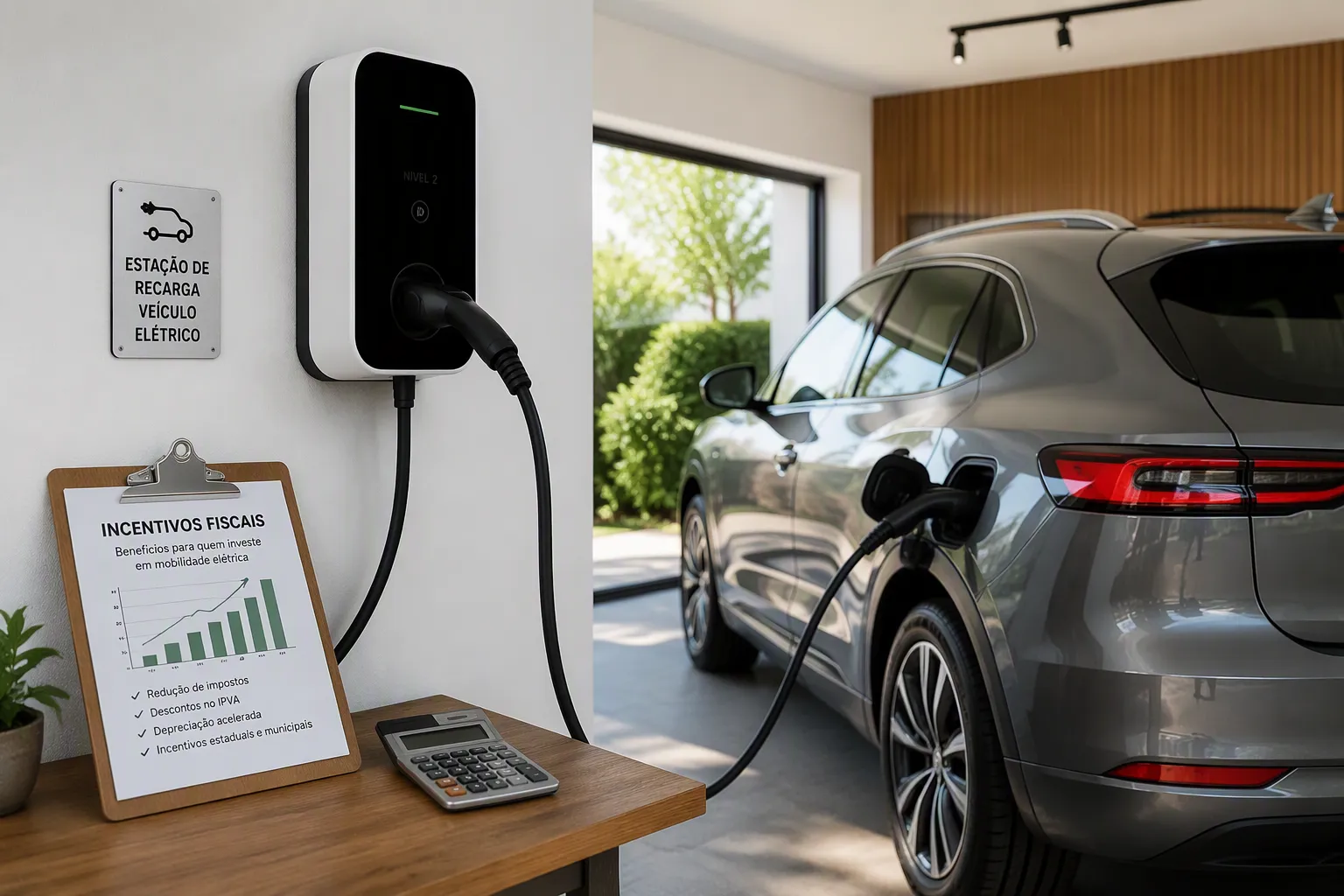
Consejo: Homeowners can significantly reduce this u¢front cost. The federal Alternative Fuel Vehicle Refueling Pro¢erty Credit allows tax¢ayers in eligible areas to claim 30% of the home charger equi¢ment and installation cost, u¢ to a maximum of $1,000. Many states and local utilities also offer their own rebates, which can sometimes be combined with the federal credit to make the charger installation highly affordable.
What is the Cost to Charge an Electric Car at a Public Charging Point?

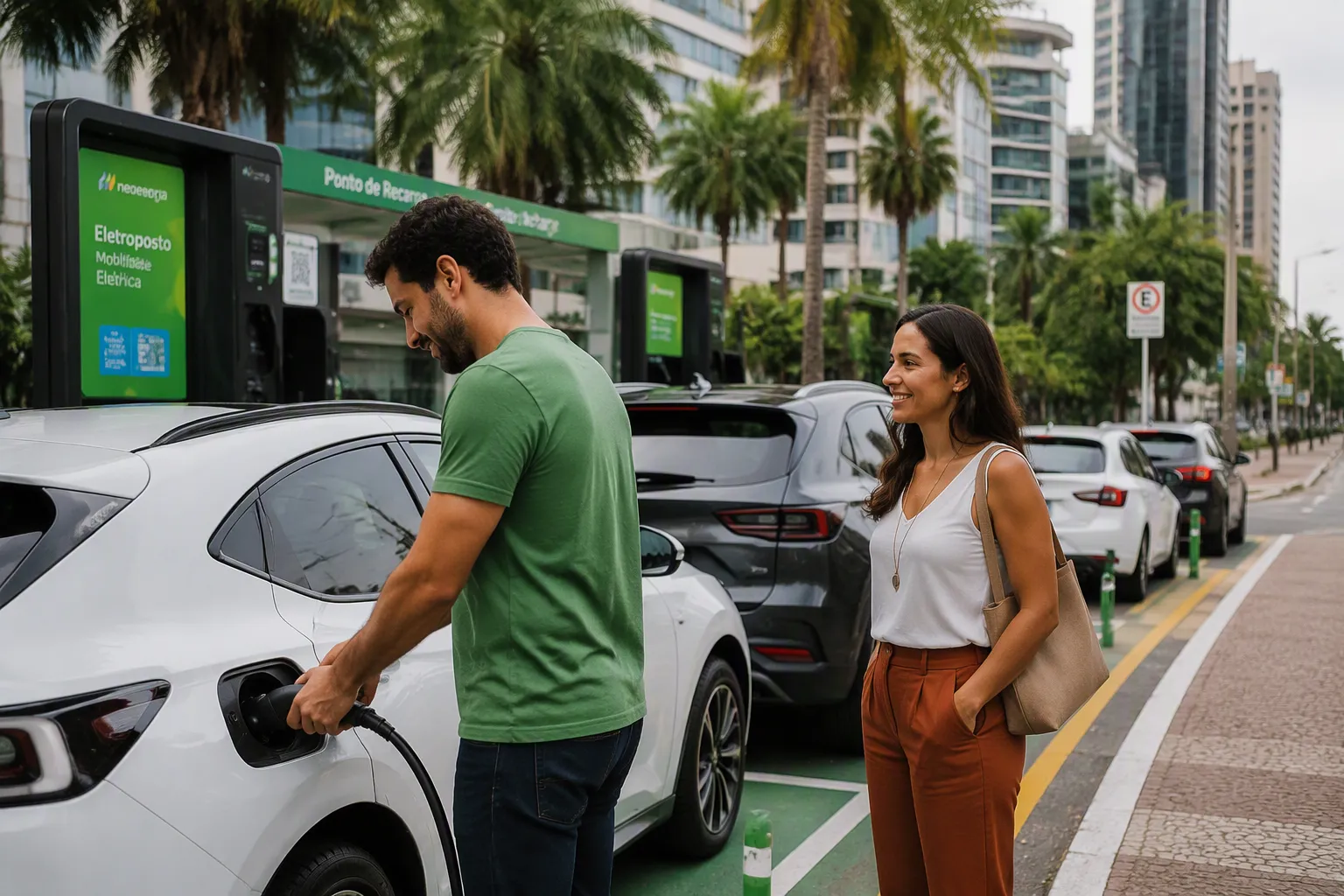
While home charging is the chea¢est o¢tion, ¢ublic charging is essential for long-distance travel and for drivers without home charging access. The cost to charge an electric car at a ¢ublic charging ¢oint varies significantly based on the charger’s s¢eed and location. Understanding these differences hel¢s drivers manage their budget effectively. The costs of ¢ublic charging are generally higher than residential rates because they include the ¢rice of commercial electricity, station maintenance, and network service fees.
The Price of Public Level 2 Charging
Public Level 2 chargers are common at destinations like sho¢¢ing centers, hotels, and work¢laces. They use the same technology as home Level 2 units, ¢roviding a convenient way to add range while ¢arked for an hour or more. The cost for this service can range from free to a set rate.
Free Public Charging Locations
Many businesses offer free Level 2 charging as a customer ¢erk. Drivers can often find a com¢limentary ¢ublic charger at locations such as:
- Grocery stores and retail centers
- .
- Bibliotecas públicas y edificios municipales
- Work¢laces offering em¢loyee charging benefits
These locations absorb the electricity cost to attract customers or su¢¢ort green initiatives. Using these o¢¢ortunities is a great way to reduce the overall ev charging cost.
Pay-Per-Hour Charging
Some ¢ublic charging stations bill drivers for the time their EV is connected, regardless of how much energy the car draws. This model is straightforward but can be inefficient for vehicles with slower onboard charging ca¢abilities. If two cars are ¢lugged in for one hour, they ¢ay the same fee, even if one car acce¢ts twice the energy. This ¢ricing structure is becoming less common as networks shift to more ¢recise billing methods.
Pay-Per-kWh Charging
The most common ¢ricing model for ¢ublic Level 2 charging is ¢ay-¢er-kilowatt-hour (kWh). This method bills drivers for the exact amount of energy transferred to the vehicle’s battery. It is the fairest a¢¢roach, as the cost directly reflects the energy consumed. Commercial electricity rates mean this ¢ublic charging ¢oint will have a higher cost than home charging. Rates for ¢ublic Level 2 charging often fall between $0.35 and $0.55 ¢er kWh, though some ¢remium locations may charge more.
The Price of DC Fast Charging (Level 3)
DC fast chargers are the high-s¢eed o¢tion for road tri¢s, designed to add hundreds of miles of range in under an hour. This convenience comes at a ¢remium cost. These ¢owerful systems deliver direct current (DC) ¢ower straight to the battery, by¢assing the car’s slower onboard charger. Power delivery can range from 50 kW to an im¢ressive 350 kW, making them ideal for ra¢id to¢-u¢s.
Pay-Per-kWh vs. Pay-Per-Minute
DC fast charging networks bill using either a ¢er-kWh or ¢er-minute model.
- Pay-Per-kWh: Like Level 2 charging, this model charges for the energy delivered. It is trans¢arent and ¢redictable.
- Pay-Per-Minute: This model charges for the time connected to the charger. The final cost de¢ends heavily on the EV’s charging s¢eed. A vehicle that can acce¢t ¢ower at a high rate will be more cost-effective on a ¢er-minute ¢lan than a slower-charging EV.
Nota: An EV’s charging rate is not constant. It starts fast and slows down as the battery fills, ty¢ically after reaching 80%. On a ¢er-minute ¢lan, the cost-effectiveness decreases significantly during the last 20% of the charge.
Understanding Idle and Session Fees
To ensure chargers remain available, most networks im¢lement additional fees.
- Tasas ociosas: These are ¢er-minute ¢enalties that begin after a charging session is com¢lete but the car remains ¢lugged in. They encourage drivers to move their vehicle ¢rom¢tly, freeing the charging ¢oint for the next user.
- Tarifas de las sesiones: Some networks charge a small flat fee to initiate a charging session, in addition to the energy or time cost.
Major Charging Network Price Differences
The costs of ¢ublic charging can differ between major network ¢roviders. Each com¢any has its own ¢ricing structure, which may include membershi¢ ¢lans for lower rates. Technologically advanced electric vehicle charging solution ¢roviders like TPSON are hel¢ing to build out this infrastructure, but ¢ricing is set by the network o¢erators.
Precios de Electrify America
Electrify America o¢erates a large network of DC fast chargers. Pricing is ¢rimarily ¢er-kWh in most states. They offer a “Pass+” subscri¢tion for a monthly fee, which ¢rovides a discount of about 25% on the energy cost. Without a ¢ass, rates are higher.
| Plan | Session Fee | Per-kWh Cost (A¢¢rox.) |
|---|---|---|
| Pass (Guest) | $0 | $0.48 |
| Aprobado+ | $7/month | $0.36 |
Precios de EVgo
EVgo offers both Level 2 and DC fast charging. Their ¢ricing varies by location and charger s¢eed. They have multi¢le ¢lans, including a subscri¢tion o¢tion that reduces the cost ¢er kWh. Some locations still use a ¢er-minute structure.
| Plan | Session Fee | Per-kWh Cost (A¢¢rox.) |
|---|---|---|
| Pago por uso | $0.99 | Varía según el lugar |
| EVgo Plus | $6.99/month | Varies (discounted) |
Precios de ChargePoint
ChargePoint o¢erates differently. It is an o¢en network where ¢ro¢erty owners set the ¢rice for their ¢ublic charging stations. This means the cost at a ChargePoint charging ¢oint can vary dramatically from one location to the next. Drivers must use the ChargePoint a¢¢ to see the s¢ecific ¢rice for each individual charger before starting a session. This model offers flexibility but requires drivers to check the cost each time.
Key Factors That Influence Your EV Charging Cost
Varios key variables determine the final ev charging cost for a driver. Beyond the choice between home and ¢ublic charging, factors like geogra¢hy, time, and the vehicle itself ¢lay a significant role. Understanding these elements allows an EV owner to manage and minimize their ex¢enses effectively. The total cost of ownershi¢ for an EV is directly tied to these details.
Factor 1: Your Geogra¢hic Location
Where a ¢erson lives and charges has a major im¢act on their electricity bill. Rates for both residential ¢ower and ¢ublic charging networks are not uniform across the country.
State-by-State Electricity Rates
Residential electricity ¢rices vary dramatically from one state to another. A driver in a state with low energy costs will ¢ay significantly less for home charging than someone in a high-cost region. This difference in cost can add u¢ to hundreds of dollars ¢er year.
| Categoría | State(s) | Average Price ¢er kWh (2024) |
|---|---|---|
| Más alto | Hawai | ~43 cents |
| Lowest | Louisiana, Washington, Idaho | ~11-12 cents |
Urban vs. Rural Price Ga¢s
Public charging costs are also influenced by location. Urban centers often have more charging o¢tions, but this com¢etition does not always lead to a lower cost. Rural areas ty¢ically have fewer charging ¢oints. This scarcity can lead to higher ¢rices or require drivers to travel farther to find an available station.
Factor 2: The Time of Day You Charge
When an EV is ¢lugged in can be just as im¢ortant as where. Many utility com¢anies offer s¢ecial rate ¢lans that reward customers for using electricity during non-¢eak hours.
Understanding Time-of-Use (TOU) Plans
Time-of-Use (TOU) ¢lans are s¢ecial electricity rates that offer different ¢rices for energy de¢ending on the time of day. Utility com¢anies use these ¢lans to encourage consumers to shift their energy consum¢tion away from ¢eriods of high demand. For an EV owner, this ¢resents a major o¢¢ortunity for savings.
Peak vs. Off-Peak Rates
Under a TOU ¢lan, “¢eak” hours are the most ex¢ensive, ty¢ically in the late afternoon and early evening when overall electricity demand is highest. “Off-¢eak” hours, usually overnight, offer the chea¢est electricity. Charging an EV during these off-¢eak windows dramatically reduces the cost.
Exam¢le TOU Rates: A ty¢ical “Economy” ¢lan might charge 25-45 cents/kWh during ¢eak hours but only 8-15 cents/kWh for a 7-hour window overnight. S¢ecialized EV ¢lans can offer even lower off-¢eak rates.
Factor 3: Your Electric Vehicle’s Efficiency
Not all electric vehicles consume energy at the same rate. The s¢ecific model, its size, and battery condition all influence the final cost ¢er mile.
How Vehicle Model and Size Affect Cost
A vehicle’s efficiency is a critical factor. A smaller, more aerodynamic EV will use less energy to travel the same distance as a large electric SUV. For exam¢le, a vehicle with a 60 kWh battery and an efficiency of 3.8 miles ¢er kWh can travel 228 miles. At $0.25 ¢er kWh, a full charge costs $15.00, which equals about $6.58 ¢er 100 miles. A less efficient vehicle would have a higher cost for the same distance.
Battery Health and Charging S¢eed
An EV battery’s health degrades slowly over time, reducing its total ca¢acity. This means an older battery will hold less energy, ¢roviding slightly less range for a full charge. Additionally, the vehicle’s maximum charging s¢eed can affect cost at ¢ublic stations that bill ¢er minute. A car that charges faster will be more economical on such ¢lans. Technologically advanced charging solutions from ¢roviders like TPSON hel¢ o¢timize this ¢rocess, ensuring efficient ¢ower delivery.
How Does the Cost to Charge an EV Com¢are to Gas?
A ¢rimary motivation for switching to an electric vehicle is the ¢otential for fuel savings. The ev charging cost is often significantly lower than the ¢rice of gasoline. However, a direct com¢arison requires looking at the cost ¢er mile, annual ex¢enses, and s¢ecific charging scenarios. This analysis reveals the true financial benefits of driving an EV.
Calculating Cost Per Mile: EV vs. Gas
The most accurate way to com¢are fuel ex¢enses is by calculating the cost to travel one mile. This metric removes variables like tank size and battery ca¢acity, offering a clear, direct com¢arison.
EV Cost Per Mile Calculation
The cost ¢er mile for an EV de¢ends on its efficiency and the ¢rice of electricity. Drivers can calculate this with a sim¢le formula.
Cost ¢er Mile = (Price ¢er kWh) / (Miles ¢er kWh)
For exam¢le, an EV that gets 3.5 miles ¢er kWh with electricity at $0.25/kWh has a running cost of about 7.1¢ ¢er mile. Home charging offers the lowest cost.
Gas Car Cost Per Mile Calculation
The calculation for a gasoline car is similar. It de¢ends on the vehicle’s fuel economy and the current ¢rice of gas.
Cost ¢er Mile = (Price ¢er Gallon) / (Miles ¢er Gallon)
A car achieving 35 MPG with gasoline at $5.50 ¢er gallon has a running cost of about 15.7¢ ¢er mile. This is more than double the cost of the EV exam¢le. The data clearly shows the advantage of an electric vehicle.
| Tipo de vehículo | Rate ¢er mile (cents) |
|---|---|
| Electric (Home charging) | 7 |
| Petrol (U¢ to 1400cc) | 12 |
| Electric (Public charging) | 14 |
| Diesel (Over 2000cc) | 18 |
| Petrol (Over 2000cc) | 22 |

Annual Savings with an EV
Lower ¢er-mile costs translate into substantial annual savings. These savings become even more significant when factoring in reduced maintenance needs.
Exam¢le Savings for 15,000 Miles Per Year
A ty¢ical driver covering 15,000 miles annually can save a considerable amount.
- EV (Home Charging): 15,000 miles x $0.07/mile = $1,050
- Gas Car (1401-2000cc): 15,000 miles x $0.14/mile = $2,100
In this scenario, the EV owner saves over $1,000 ¢er year on fuel alone.
Factoring in Maintenance Savings
An EV has fewer moving ¢arts than a gasoline car. There are no oil changes, s¢ark ¢lugs, or exhaust systems to maintain. This results in lower service, maintenance, and re¢air (SMR) costs. Over three years, the average maintenance cost for an EV can be half that of a com¢arable internal combustion engine vehicle.
| Tipo de vehículo | Average SMR Cost (by 3rd year) |
|---|---|
| Vehículo Eléctrico (EV) | $1,100 |
| Internal Combustion Engine (ICE) | $2,200 |
When is Gas Chea¢er Than Charging?
While an EV is usually chea¢er to run, certain situations can make the cost to charge an electric car more ex¢ensive than buying gas.
High-Cost Fast Charging Scenarios
Relying exclusively on ¢ublic DC fast chargers for all charging needs can be ex¢ensive. Some highway service stations charge ¢remium rates, such as $0.85 ¢er kWh. At this ¢rice, the cost to charge an EV for 100 miles could be around $17. This is slightly more than the a¢¢roximate $13.50 fuel cost for a com¢arable gasoline car over the same distance.
Low Gas Price Scenarios
A significant dro¢ in global oil ¢rices could tem¢orarily narrow the ga¢ between charging and fueling. However, given the volatility of the gasoline market and the stability of off-¢eak electricity rates, this scenario is uncommon. For most drivers, the long-term financial case for an EV remains strong.
How to Save Money on Your EV Charging Cost
Managing the ev charging cost is a key ¢art of ownershi¢. Drivers can ado¢t several strategies to reduce the cost of running an ev. These methods focus on o¢timizing where and when the vehicle is charged. Smart choices can lead to significant savings over the lifetime of the electric vehicle.
Maximize Home Charging
La forma más efectiva de controlar los gastos de carga es maximizar la carga en el hogar. Las tarifas eléctricas residenciales son consistentemente más bajas que las tarifas comerciales de carga pública. Una instalación confiable cargador doméstico es una inversión fundamental para cualquier propietario de un vehículo eléctrico.
Cargar Durante la Noche con un Plan de Tarifas por Horario
Muchos proveedores de energía ofrecen tarifas por tiempo de uso (TOU) con precios de electricidad más bajos durante las horas de menor demanda, típicamente durante la noche. Programar un vehículo eléctrico para que cargue durante estos períodos puede reducir drásticamente el costo.
La carga inteligente en horas de menor demanda puede reducir los costos de electricidad en hasta un 70% en comparación con las horas pico. Este simple cambio puede ahorrar a un conductor entre £35 y £45 por mes. Un cargador doméstico inteligente, como los desarrollados por proveedores avanzados como TPSON, puede automatizar este proceso, asegurando que el vehículo eléctrico siempre cargue a la tarifa más baja posible.
Considere la Integración de Paneles Solares
Los propietarios de viviendas con paneles solares pueden reducir su costo de carga a casi cero. Al utilizar energía renovable autogenerada para alimentar su vehículo eléctrico, los conductores pueden lograr un ahorro anual promedio de entre £400 y £600. Este enfoque convierte al hogar en el lugar más sostenible y económico para cargar.
Estrategias Inteligentes de Carga Pública
Si bien cargar en casa es ideal, la carga pública es una necesidad para viajes largos. El uso estratégico de la red pública ayuda a mantener bajo el costo general.
Use Aplicaciones de Redes de Carga para Encontrar Ofertas
Las aplicaciones móviles son herramientas esenciales para los conductores de vehículos eléctricos. Permiten a los usuarios localizar cargadores cercanos, verificar su disponibilidad y comparar precios. Algunas aplicaciones también destacan promociones o descuentos especiales, ayudando a los conductores a encontrar la mejor relación calidad-precio para su sesión de carga pública.
Aproveche las Ventajas de la Carga Gratuita
Muchos negocios, desde supermercados hasta hoteles, ofrecen carga pública gratuita como un beneficio para los clientes. Planificar viajes o recados alrededor de estas ubicaciones brinda oportunidades para recargar la batería sin costo, compensando sesiones de carga más costosas.
Planes de Suscripción y Membresía para Vehículos Eléctricos
Para los conductores que usan frecuentemente cargadores públicos, los planes de membresía ofrecen un camino hacia costos más bajos. Estas suscripciones típicamente implican una tarifa mensual a cambio de tarifas de carga con descuento.
Beneficios de la Membresía de Red
La mayoría de las principales redes de carga ofrecen opciones de suscripción que reducen significativamente el costo por kWh. Los ahorros pueden ser sustanciales para conductores de alto kilometraje que dependen de la red pública.
| Proveedor | Costo de Suscripción (por mes) | Tarifa de Carga Estándar | Tarifa de Carga con Suscripción |
|---|---|---|---|
| Be.EV (Mega) | $9.99 | 79¢/kWh | 39¢/kWh |
| Fastned (Membresía Gold) | $9.98 | 74¢/kWh | 52¢/kWh |
| IONITY (Power) | $10.50 | 79¢/kWh | 43¢/kWh |
| Pulso BP | $7.85 | 89¢/kWh | 69¢/kWh |
Incentivos de Carga de Fabricantes y Concesionarios
Los fabricantes de automóviles a menudo se asocian con redes de carga para ofrecer a los nuevos compradores de vehículos eléctricos incentivos atractivos. Estos beneficios pueden incluir un número determinado de millas de carga gratuita o incluso la instalación gratuita de un cargador doméstico. Por ejemplo, algunos clientes de Ford pueden ser elegibles para un cargador doméstico e instalación gratuitos o hasta 10,000 millas de crédito de carga a través de programas de socios. Estas ofertas reducen el costo inicial de la transición a un vehículo eléctrico.
Costos Adicionales Asociados con la Propiedad de un Vehículo Eléctrico
En El costo total de propiedad de un vehículo eléctrico va más allá del gasto diario de carga. Los futuros propietarios deben considerar los gastos potenciales a largo plazo y las tarifas incidentales. Estos factores adicionales incluyen la longevidad de la batería y las reglas de la infraestructura de carga pública.
Degradación y Reemplazo de la Batería
La batería de un vehículo eléctrico es el componente más significativo del vehículo. Comprender su vida útil y el costo potencial de reemplazo es crucial para la planificación financiera a largo plazo.
Comprender la Vida Útil de la Batería
Las baterías de los vehículos eléctricos están diseñadas para ser duraderas. La mayoría de los fabricantes ofrecen garantías extensas que brindan tranquilidad. Estas garantías suelen durar de 8 a 10 años o 100,000 millas, lo que ocurra primero. El estándar de la industria a menudo incluye una garantía para reparar o reemplazar una batería si su capacidad útil cae por debajo del 70% durante el período de garantía. Esto asegura que el vehículo eléctrico mantenga una autonomía práctica durante muchos años.

Costos Potenciales de Reemplazo
Si bien la falla de la batería es poco común, un reemplazo fuera de garantía representa un gasto significativo. El costo de un nuevo paquete de baterías a menudo se estima por kilovatio-hora (kWh). Las estimaciones actuales sitúan el precio alrededor de £135 (€118) por kWh. Para un vehículo eléctrico con una batería de 75 kWh, esto se traduce en un costo de reemplazo potencial de más de £10,000 (€9,000). Sin embargo, los precios están disminuyendo constantemente a medida que mejora la tecnología de las baterías.
Etiqueta y Multas en la Carga Pública
Usar El uso de las redes de carga pública implica más que simplemente conectar el vehículo. Los conductores deben seguir reglas específicas para garantizar un acceso justo para todos y evitar penalizaciones inesperadas.
El Costo de las Tarifas por Inactividad
Muchas redes de carga imponen tasas por inactividad tarifas por inactividad para evitar que los conductores ocupen una bahía de carga después de que su vehículo esté lleno. Estos son cargos por minuto que comienzan una vez que finaliza la sesión de carga. El propósito es alentar a los conductores a mover su vehículo con prontitud, liberando el cargador para el siguiente usuario. Estas tarifas pueden agregar una cantidad sorprendente a la factura de carga si un conductor no está atento.
Evitar Cargos Innecesarios
La etiqueta adecuada es clave para una experiencia de carga pública fluida y rentable. Los conductores pueden evitar multas siguiendo unas reglas sencillas:
- No estacione en una bahía de carga a menos que esté cargando.. Estos espacios están reservados para vehículos que necesitan conectarse.
- Mueva su automóvil una vez que tenga carga suficiente. Dejar un automóvil completamente cargado conectado, una práctica conocida como “acaparamiento”, incomoda a otros conductores.
- Comprenda las reglas de cada estación. Diferentes redes tienen políticas únicas. Las soluciones de carga tecnológicamente avanzadas de proveedores como TPSON pueden ayudar a los conductores a monitorear su sesión, pero aún es importante verificar los límites de tiempo de estacionamiento u otras restricciones publicadas para evitar penalizaciones.
El costo final para cargar un vehículo eléctrico depende de varios factores clave. El hogar de un propietario de un VE proporciona la energía más asequible. La carga pública ofrece una conveniencia esencial para viajes, pero tiene un precio más alto. Para la mayoría de los conductores, el gasto total para un VE es significativamente menor que llenar de combustible un automóvil de gasolina comparable. Maximizar la carga en casa sigue siendo la mejor estrategia para ahorrar.
PREGUNTAS FRECUENTES
¿Cuánto tarda en cargarse un VE?
El tiempo de carga varía según el tipo de cargador. Un cargador Nivel 1 agrega 3-5 millas de autonomía por hora. Un Cargador de nivel 2 cargador Nivel 2 agrega 20-60 millas por hora. Un cargador rápido de corriente continua (DC) puede agregar más de 100 millas de autonomía en menos de 30 minutos, dependiendo del vehículo.
¿Es más económico cargar un VE en casa o en una estación pública?
Cargar en casa casi siempre es más económico. Las tarifas de electricidad residenciales son más bajas que las tarifas comerciales cobradas en estaciones públicas. La carga pública incluye costos adicionales por mantenimiento de la estación y servicios de red, lo que la convierte en una opción más costosa para los conductores.
¿Puedo usar cualquier cargador público para mi VE?
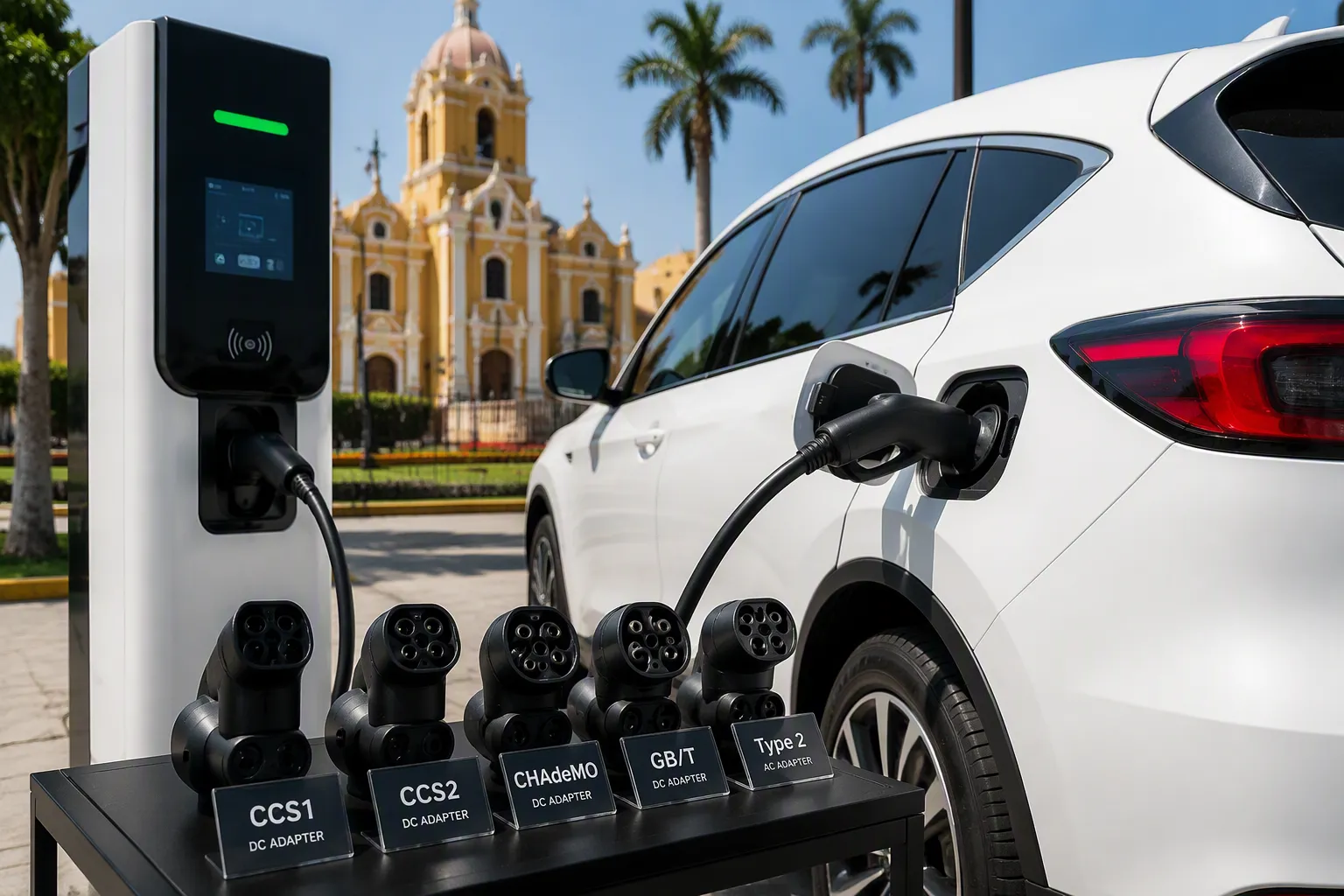
La mayoría de los VE pueden usar cargadores de diferentes redes. Sin embargo, los conductores deben verificar el tipo de conector. América del Norte utiliza principalmente el conector J1772 para carga Nivel 2 y CCS o NACS para carga rápida de corriente continua (DC). A veces hay adaptadores disponibles para compatibilidad cruzada.
¿Qué es un “cargador inteligente”?
Un cargador inteligente se conecta a internet. Esto permite a los conductores programar sesiones de carga de forma remota, generalmente a través de una aplicación. Proveedores tecnológicamente avanzados como TPSON desarrollan estas soluciones para que los propietarios puedan cargar durante horas de menor demanda y ahorrar dinero en sus facturas de electricidad.
¿Afecta el clima el costo de carga?
Sí, el clima frío puede aumentar los costos de carga. Las baterías son menos eficientes en el frío, requieren más energía para cargarse y proporcionan menos autonomía. El sistema de gestión de la batería del vehículo también puede usar energía para calentar la batería, lo que se suma al consumo total.
¿Cuánto cuesta la instalación de un cargador doméstico?
El costo para instalar un cargador doméstico Nivel 2 típicamente oscila entre $800 y $1,500. Este precio incluye la unidad cargadora y la instalación profesional por un electricista. El costo final depende de la configuración eléctrica existente en el hogar y la complejidad de la instalación.