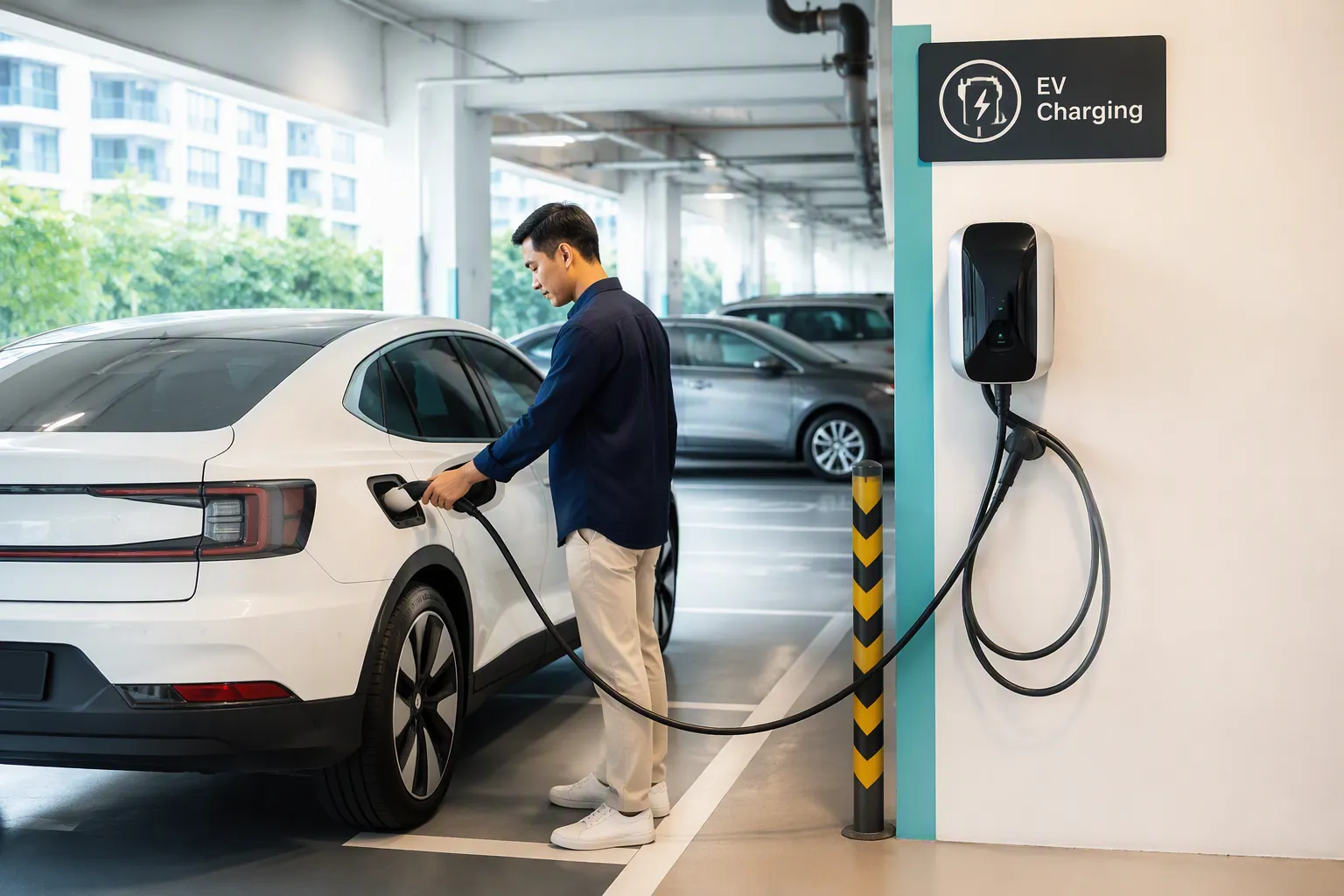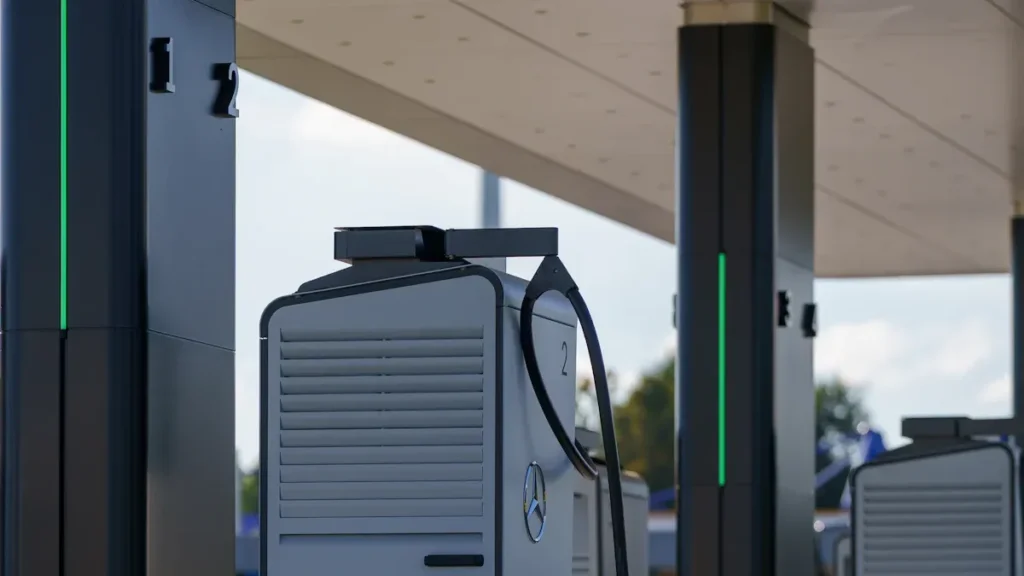
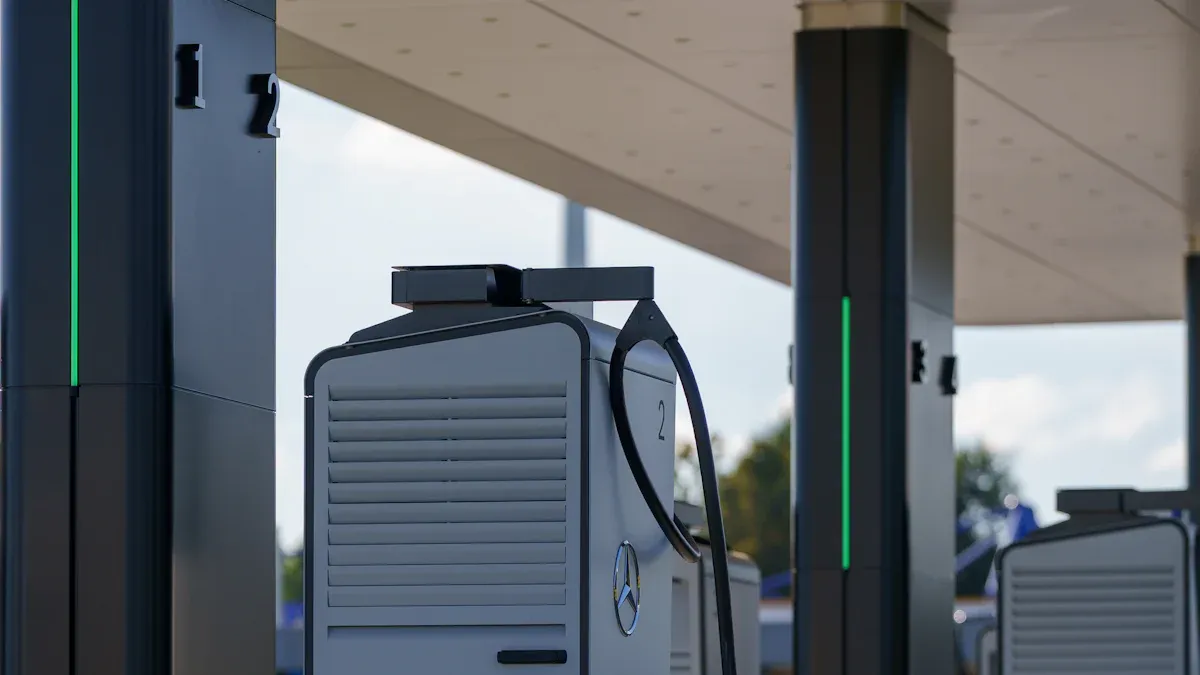
Los gestores de flotas españoles se enfrentan a un proceso complejo para electrificar sus vehículos. Deben tener en cuenta la selección del emplazamiento, el cumplimiento de la normativa, las actualizaciones de la red y las opciones tecnológicas. Un depósito permanente de recarga de vehículos eléctricos exige una estrategia diferente a la de depender de la red eléctrica. cargadores portátiles ev. Para tener éxito hay que elegir bien Cargador EV de muchos Fabricantes de cargadores para VE. Tecnologías avanzadas Soluciones de recarga de vehículos eléctricos proveedores como TPSON pueden ayudar. Dominar este proceso es la clave para desbloquear importantes beneficios financieros y medioambientales para cualquier flota comercial.
Fase 1: Planificación estratégica y evaluación financiera
El éxito de la transición a una flota eléctrica comienza con un sólido plan estratégico. Esta fase fundamental garantiza que todas las decisiones, desde la selección de la tecnología hasta la inversión financiera, se ajusten a la realidad operativa de la flota. Los gestores deben analizar meticulosamente sus necesidades antes de poner la primera piedra.
Definir el perfil de carga de su flota
Comprender exactamente cómo funciona una flota es el primer paso. Este perfil basado en datos se convierte en el anteproyecto de todo el proyecto de infraestructura de recarga.
Análisis de tipos de vehículos y ciclos de trabajo
Los gestores de flotas deben empezar por catalogar cada vehículo. Deben analizar las rutas diarias, las distancias medias recorridas y los tiempos de permanencia típicos (periodos de estacionamiento). Una furgoneta de reparto que vuelve al depósito por la noche tiene unas necesidades de carga diferentes a las de un autobús lanzadera que opera en varios turnos.
Cálculo de las necesidades diarias de energía y potencia
A continuación, los gestores calculan la energía total necesaria. Multiplican el número de vehículos por su distancia media diaria y su consumo de energía (kWh/km). Esto determina el total de kWh necesarios cada día. También calculan la potencia máxima (kW) necesaria si varios vehículos deben cargar simultáneamente.
Determinación de las velocidades de carga necesarias (CA frente a CC)
Los ciclos de trabajo de la flota dictan la tecnología de carga necesaria.
- Cargadores de CA: Ideales para vehículos con tiempos de permanencia prolongados, como el estacionamiento nocturno. Ofrecen una solución más económica para reponer las baterías durante varias horas.
- Cargadores rápidos de CC: Imprescindibles para los vehículos que necesitan una carga rápida. Pueden cargar un vehículo en menos de una hora, minimizando el tiempo de inactividad durante las horas operativas.
Modelización de las fluctuaciones estacionales de la demanda
El clima de España influye en el rendimiento de las baterías. Los gestores deben prever un mayor consumo de energía durante los veranos calurosos (debido al aire acondicionado) y los inviernos fríos (debido a la calefacción). Así se garantiza que el depósito de recarga de vehículos eléctricos pueda satisfacer la demanda durante todo el año.
Selección del emplazamiento y diseño del depósito
La ubicación física y la distribución son fundamentales para la eficiencia y el crecimiento futuro. Un emplazamiento mal elegido puede crear cuellos de botella operativos a largo plazo.
Criterios clave para la evaluación de emplazamientos
Un emplazamiento adecuado debe tener espacio suficiente, una zonificación apropiada para la actividad industrial y fácil acceso para vehículos. Y lo que es más importante, necesita una capacidad de red suficiente. Una evaluación temprana de la potencia eléctrica disponible puede evitar costosas sorpresas posteriores.
Diseñar para una circulación eficaz y segura
El diseño del depósito debe dar prioridad a la seguridad y la eficiencia. Necesita rutas de tráfico unidireccional claras, muelles de carga designados y pasos peatonales seguros. El diseño debe evitar atascos y permitir que los vehículos entren, carguen y salgan sin problemas.
Planificación de la escalabilidad y expansión futuras
La electrificación de la flota suele producirse por etapas. El diseño inicial debe incorporar planes para futuras ampliaciones. Esto incluye la asignación de espacio para estaciones de carga adicionales y la planificación de futuras actualizaciones de la red eléctrica.
Evaluación de los requisitos de seguridad del emplazamiento
Un depósito con activos valiosos requiere una fuerte seguridad. Los gestores deben evaluar las necesidades de vallado, iluminación, videovigilancia (CCTV) y sistemas de control de acceso para proteger los vehículos y los equipos de carga.
Análisis de costes iniciales y proyección de la rentabilidad
Una evaluación financiera detallada valida la viabilidad del proyecto. Proveedores de soluciones de recarga de vehículos eléctricos tecnológicamente avanzados como TPSON puede ofrecer un hardware que optimice el valor a largo plazo.
Nota: Un plan financiero completo es esencial para garantizar la aprobación interna y la financiación externa. Transforma el proyecto de una idea a un caso empresarial mensurable.
Presupuestación de los gastos de capital (CAPEX)
CAPEX incluye todos los costes iniciales. Incluye la compra de cargadores, la mano de obra de instalación, la obra civil, las mejoras de conexión a la red y el software de gestión.
Estimación de los gastos operativos (OPEX)
Los OPEX representan los costes de funcionamiento corrientes. Los componentes clave son las tarifas eléctricas, los contratos de mantenimiento preventivo, las cuotas de suscripción al software y los posibles costes de reparación.
Cálculo del coste total de propiedad (TCO)
El coste total de propiedad proporciona una visión financiera holística. Combina los gastos de capital y los gastos operativos previstos durante la vida útil de la infraestructura de recarga. Esta cifra permite una comparación precisa con los costes de funcionamiento de una flota tradicional de combustibles fósiles.
Proyección del rendimiento de la inversión (ROI)
El ROI mide la rentabilidad del proyecto. Los gestores lo calculan comparando el TCO de la flota eléctrica con el TCO de un equivalente diésel. El ahorro en combustible y mantenimiento, compensado por la inversión inicial, determina el periodo de amortización y la rentabilidad financiera global.
Fase 2: Navegar por la normativa y los permisos españoles
Tras la planificación estratégica, los gestores de flotas deben abordar el complejo panorama normativo español. El cumplimiento de la normativa no es opcional; es esencial para disponer de un depósito de carga legal, seguro y asegurable. Esta fase requiere una cuidadosa atención a las normas nacionales, regionales y locales.
Entender el marco normativo español
La normativa española garantiza que todas las instalaciones eléctricas cumplan unas normas de seguridad estrictas. Un gestor de flotas debe familiarizarse con varios documentos legales clave para orientar correctamente el proyecto.
El papel del Reglamento Electrotécnico para Baja Tensión (REBT)
El REBT es la piedra angular de todas las instalaciones eléctricas de baja tensión en España. Establece los requisitos técnicos y las garantías de seguridad para cualquier proyecto, incluido un depósito de recarga de vehículos eléctricos. Todos los aspectos de la instalación, desde el cableado hasta los dispositivos de protección, deben cumplir sus artículos.
Una inmersión profunda en la ITC-BT-52 para puntos de recarga
Dentro del REBT, la instrucción técnica específica para la infraestructura de recarga de VE es la ITC-BT-52. Este capítulo detalla los requisitos obligatorios para los esquemas de instalación de puntos de recarga, las medidas de protección contra descargas eléctricas y las especificaciones para conectores y cableado. Es la guía técnica principal para cualquier instalador certificado.
Diferenciar las normas nacionales de las autonómicas
Aunque el REBT y la ITC-BT-52 son leyes nacionales, las 17 comunidades autónomas españolas pueden tener normativas adicionales. Éstas pueden afectar a los procesos de concesión de permisos, requisitos técnicos específicos o códigos de seguridad contra incendios. Los gestores deben verificar las normas locales de su región específica para evitar problemas de cumplimiento.
Reglamento de seguridad contra incendios y obras civiles
Además de los códigos eléctricos, el proyecto debe cumplir la normativa de seguridad contra incendios y construcción. Esto incluye garantizar una ventilación adecuada, instalar sistemas de extinción de incendios y cumplir los requisitos estructurales de cualquier obra civil. Estas normas protegen tanto los bienes como el personal del depósito.
El proceso de concesión de permisos: Guía paso a paso
La obtención de los permisos correctos es una secuencia crítica en el calendario del proyecto. Cada permiso tiene una finalidad distinta y debe obtenerse en el orden adecuado.
Consejo profesional: Inicie el proceso de obtención de permisos lo antes posible. Los retrasos burocráticos son habituales, y empezar pronto ayuda a mantener el proyecto dentro de plazo.
Obtención de la Licencia de Obras
Si el proyecto implica la construcción o modificaciones importantes del emplazamiento, se exigirá un Licencia de Obras (permiso de obras) es el primer paso. El ayuntamiento local (Ayuntamiento) expide este permiso tras revisar los planes técnicos del proyecto.
Obtención de la Licencia de Actividad
Esta licencia autoriza el uso del emplazamiento para la actividad comercial específica de recarga de vehículos. El sitio Ayuntamiento concede la Licencia de Actividad tras confirmar que la instalación cumple todas las normativas de seguridad, medio ambiente y zonificación.
Finalización del Boletín Eléctrico
Una vez finalizada la instalación, un instalador certificado expide el Certificado de Instalación Eléctrica (también conocido como Boletín Eléctrico). Este documento certifica que la instalación cumple con el REBT y la ITC-BT-52. Es necesario para finalizar el contrato con el proveedor de electricidad.
Plazos previstos para cada permiso
Los plazos de concesión de permisos varían considerablemente según el municipio. A Licencia de Obras puede durar varios meses, mientras que el Boletín Eléctrico una vez superada la inspección. Los gestores deben presupuestar entre 6 y 12 meses para todo el proceso de autorización y legalización.
Contratar a un profesional certificado
Navegar por la normativa española no es tarea exclusiva del gestor de flotas. La ley exige que un profesional certificado diseñe, ejecute y legalice el proyecto.
El papel obligatorio del Instalador Autorizado
En Instalador Autorizado en Baja Tensión (Instalador Autorizado de Baja Tensión) está legalmente obligado a ejecutar y dar el visto bueno al proyecto eléctrico. Este profesional garantiza que toda la instalación es conforme y segura, desde la conexión a la red hasta el cargador final.
Cómo seleccionar al socio certificado adecuado
Elegir al socio adecuado es fundamental para un proyecto a gran escala. Los gestores de flotas deben evaluar a los posibles instaladores en función de sus cualificaciones y su capacidad para ofrecer una solución sólida. Los criterios clave son:
- Experiencia demostrada: El socio debe tener una cartera de proyectos comerciales similares de recarga de VE.
- Formación del fabricante: Los instaladores formados por proveedores tecnológicamente avanzados como TPSON poseen un profundo conocimiento del hardware.
- Certificaciones oficiales: Deben poseer las credenciales españolas necesarias como Instalador Autorizado.
- Escalabilidad e integración: El socio debe demostrar su capacidad para diseñar un sistema que pueda crecer con la flota e integrarse en la red eléctrica.
- Fiabilidad: La solución que proponen debe ser fiable y capaz de satisfacer las necesidades de recarga de la flota.
El proceso de legalización y aprobación final del proyecto
El socio certificado gestiona todo el proceso de legalización. Esto implica la presentación del proyecto técnico (proyecto técnico) a la autoridad industrial regional, supervisando las inspecciones y garantizando el registro final de la instalación.
Definir el alcance del trabajo en su contrato
El contrato con el socio instalador debe definir claramente todas las responsabilidades. Debe detallar el alcance del trabajo, las especificaciones de los equipos, el calendario del proyecto, los hitos de pago y las condiciones de la garantía. Un contrato completo protege la inversión del gestor de flotas.
Fase 3: Construcción de su depósito de recarga de VE: Hardware y software

Con un plan sólido y los permisos en marcha, la atención pasa a centrarse en la tecnología que impulsará la flota. Seleccionar la combinación adecuada de hardware y software es crucial para crear un sistema eficiente, escalable y rentable. Depósito de recarga de VE.
Elegir el hardware de carga adecuado
Los cargadores físicos son la parte más visible del depósito. La elección entre la tecnología de CA y la de CC depende totalmente de las necesidades operativas de la flota.
Cargadores de CA (nivel 2) para pernoctar
Los cargadores de CA son la solución ideal para los vehículos que permanecen estacionados durante largos periodos de tiempo, como por ejemplo durante la noche. Proporcionan una carga constante y de baja potencia que es suave con las baterías de los vehículos y menos exigente con la red eléctrica. Esto los convierte en una opción rentable para flotas con base en depósitos que regresan a la base al final del día.
Cargadores rápidos de CC para una respuesta rápida
Para los vehículos que requieren un tiempo de inactividad mínimo, los cargadores rápidos de CC son esenciales. Estas unidades de alta potencia pueden reponer una cantidad significativa de autonomía en menos de una hora, haciendo que los vehículos vuelvan a la carretera rápidamente. Son fundamentales para las flotas que operan en varios turnos o las que tienen rutas diarias impredecibles.
Adaptación de la potencia del cargador a las especificaciones de la batería del vehículo
Los gestores de flotas deben seleccionar cargadores con potencias (medidas en kW) que se ajusten a las velocidades máximas de carga de sus vehículos. Utilizar un cargador demasiado potente para un vehículo no ofrece ninguna ventaja, mientras que un cargador poco potente creará retrasos operativos.
Evaluación de la durabilidad y la garantía del hardware
El hardware de carga comercial debe soportar un uso constante y condiciones meteorológicas variables. Los gestores deben buscar cargadores con altos grados de protección IP (Ingress Protection) e IK (Impact Protection). Una garantía completa y un sólido contrato de servicio de una proveedor tecnológicamente avanzado como TPSON garantizar la fiabilidad a largo plazo y proteger la inversión.
Evaluación del software de gestión de cobros (CMS)
El CMS es el cerebro de la operación de carga. Proporciona la inteligencia necesaria para gestionar la energía, controlar el acceso y supervisar el rendimiento.
Funciones básicas: Equilibrio de carga y supervisión remota
El equilibrio de carga es una función esencial del CMS que distribuye la potencia disponible entre todos los cargadores activos, evitando sobrecargas de la red. La supervisión remota permite a los gestores ver el estado de los cargadores, iniciar o detener sesiones y solucionar problemas desde un panel central sin necesidad de estar in situ.
Control de acceso, autenticación de usuarios y RFID
Un CMS robusto permite a los gestores controlar quién puede utilizar los cargadores. Esto suele gestionarse mediante tarjetas RFID o aplicaciones móviles asignadas a los conductores autorizados, lo que garantiza que solo los vehículos de la flota consumen energía y proporciona un registro claro de cada sesión de carga.
Gestión de la energía y herramientas avanzadas de elaboración de informes
Un software avanzado proporciona informes detallados sobre el consumo de energía, la duración de las sesiones de carga y los costes asociados. Estos análisis ayudan a los gestores a hacer un seguimiento de los gastos operativos y a identificar oportunidades para optimizar los horarios de carga y obtener tarifas eléctricas más bajas.
Integración con los sistemas de gestión de flotas existentes
Para lograr la máxima eficiencia, el CMS debe integrarse con el software de gestión de flotas existente en la empresa. Así se crea una plataforma única y unificada para gestionar todas las operaciones de los vehículos, desde las rutas y la telemática hasta la reposición de energía.
Prepare su pila tecnológica para el futuro
La tecnología evoluciona rápidamente. Tomar decisiones inteligentes hoy garantiza que el depósito siga siendo eficaz y relevante en los años venideros.
La importancia del Protocolo Abierto de Puntos de Carga (OCPP)
Adoptar una tecnología basada en OCPP es la mejor manera de evitar la dependencia de un proveedor. En un estándar de comunicación de código abierto garantiza la interoperabilidad entre hardware y software de distintos fabricantes.
- En separa la estación de recarga (hardware) del sistema de gestión (software).
- Los operadores tienen libertad para combinar proveedores de hardware y software.
- Permite a las empresas ampliar sus redes añadiendo equipos de cualquier proveedor que cumpla la normativa OCPP.
- Esta flexibilidad garantiza que el depósito pueda utilizar siempre la tecnología mejor y más rentable disponible.
Selección de hardware modular y actualizable
Los gestores deben elegir cargadores con un diseño modular. Esto facilita las reparaciones y futuras ampliaciones de potencia sin sustituir toda la unidad, lo que reduce los gastos de capital a largo plazo.
Preparación para la Tecnología Vehículo-a-Red (V2G)
La tecnología V2G permitirá a las flotas enviar energía desde las baterías de los vehículos a la red, creando nuevas fuentes de ingresos. La selección de hardware y software preparados para V2G prepara al depósito para esta capacidad futura.
Compatibilidad con futuros modelos de VE
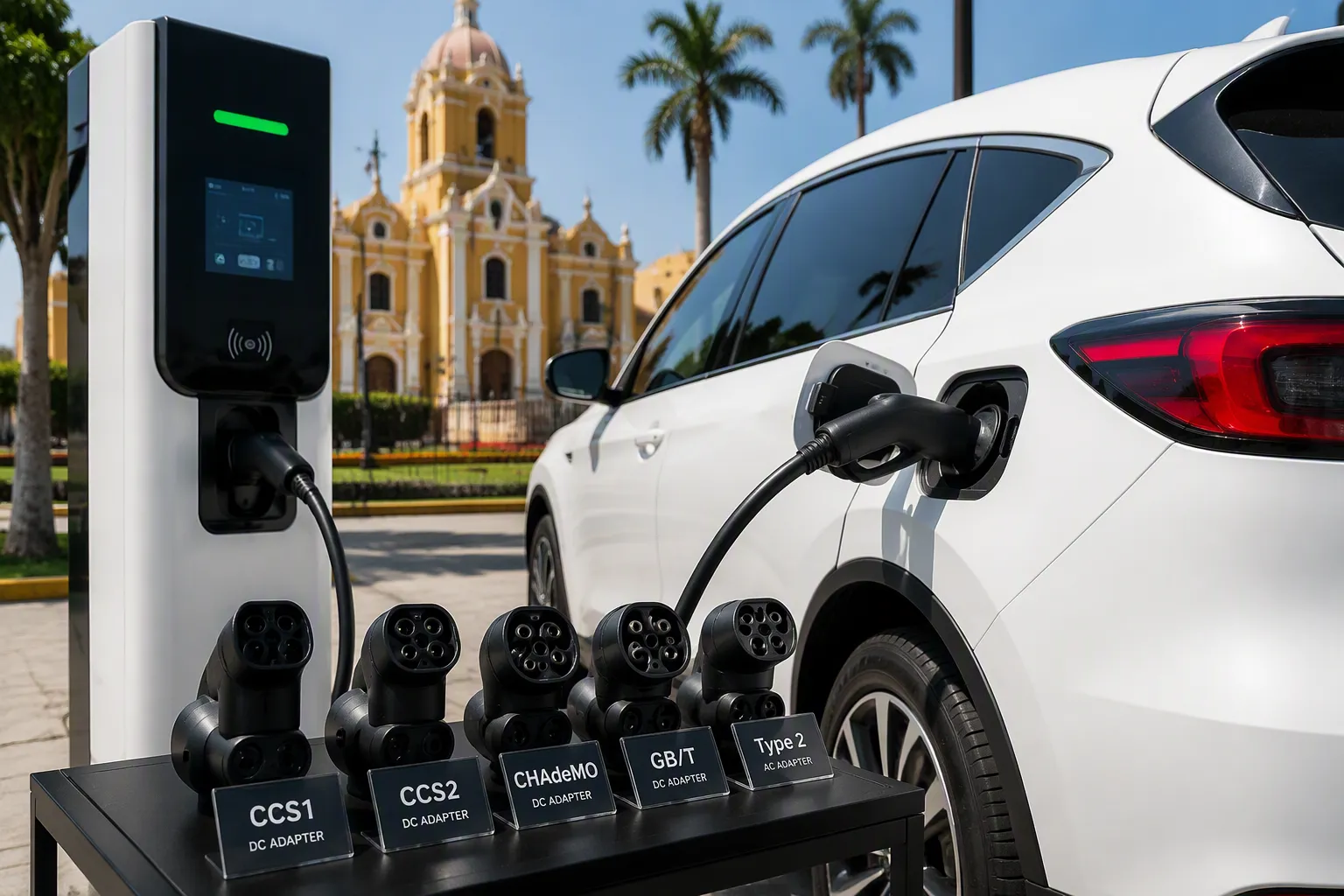
El mercado de los vehículos eléctricos introduce constantemente nuevos modelos con diferentes químicas de batería y estándares de carga. Elegir cargadores que admitan varios tipos de conectores y reciban actualizaciones de software por aire garantiza la compatibilidad con el futuro de la flota.
Fase 4: Conexión a la red y gestión de la energía
El éxito de un depósito depende de su relación con la red eléctrica. Los gestores de flotas deben asegurarse una potencia adecuada y gestionarla de forma inteligente para controlar los costes y garantizar la fiabilidad operativa. Esta fase abarca los pasos críticos desde la conexión inicial a la red hasta la optimización avanzada de la energía.
Gestione su conexión a la red eléctrica
La red local es el alma del depósito de recarga. El compromiso proactivo con el distribuidor de electricidad no es negociable.
Cómo solicitar una evaluación energética a su distribuidor
Antes de cualquier instalación, el gestor de la flota debe ponerse en contacto con el distribuidor local de electricidad (distribuidora). Solicitarán un estudio de disponibilidad de energía para el emplazamiento. Esta evaluación determina si la conexión a la red existente puede soportar la carga eléctrica prevista del depósito.
El proceso de mejora de la red (Aumento de Potencia)
Si la evaluación revela que la potencia es insuficiente, el gestor debe solicitar una mejora de la red, o bien aumento de potencia. Este proceso implica que la distribuidora instale nuevos transformadores o líneas de mayor capacidad. Puede ser un procedimiento largo y costoso, por lo que es vital iniciarlo pronto.
Tarifas eléctricas y tarifas por consumo en España
En España se aplican tarifas según la hora de consumo, en las que los precios de la electricidad varían según la hora del día y la estación del año. Para los almacenes comerciales, la tarifa 6,0TD es habitual. Los gestores deben conocer los distintos periodos (punta, llano, valle) para programar la carga durante las horas más baratas, normalmente por la noche.
Negociación del contrato de suministro eléctrico
Con la conexión a la red asegurada, los gestores negocian un contrato con un proveedor de electricidad (comercializadora). Es crucial comparar ofertas y asegurarse condiciones favorables, con la posibilidad de fijar tarifas fijas o precios flexibles que se ajusten al plan de recarga de la flota.
Aplicación de estrategias de recarga inteligentes
La recarga inteligente convierte el consumo de energía de un coste fijo en una variable gestionada. Utiliza software para optimizar cómo y cuándo consumen energía los vehículos.
Consejo profesional: La carga inteligente es la herramienta más eficaz para reducir los costes operativos de electricidad de un depósito. Las soluciones de carga de vehículos eléctricos tecnológicamente avanzadas de proveedores como TPSON suelen incluir un sólido software que permite aplicar estas estrategias.
Gestión de la carga para evitar la sobrecarga de la red
El software de gestión de la carga distribuye automáticamente la potencia disponible entre todos los vehículos de carga. Esto evita que el depósito supere el límite de potencia contratado (potencia contratada), evitando costosas sanciones y posibles apagones.
Programación de la tarificación para reducir los picos de demanda
Los gestores pueden utilizar un sistema de gestión de la recarga (CMS) para programar la mayoría de las sesiones de recarga fuera de las horas punta (valle) horas. Esta sencilla estrategia reduce drásticamente el coste medio por kWh.
Reparto dinámico de la energía entre cargadores activos
Esta avanzada función permite a un grupo de cargadores compartir un circuito de alimentación. El sistema asigna de forma inteligente más potencia a los vehículos con estados de carga más bajos o mayor prioridad, garantizando un uso eficiente de la energía.
Prioridad de carga para vehículos críticos
El CMS puede priorizar la carga de vehículos específicos. Un gestor puede asegurarse de que una furgoneta de reparto crítica se cargue por completo en primer lugar, garantizando que esté lista para su ruta matutina.
Integración de soluciones energéticas in situ
La generación in situ añade una capa de control de costes y resistencia energética. Reduce la dependencia de la red y protege contra la volatilidad de los precios de la electricidad.
Argumentos económicos para la integración de la energía solar fotovoltaica
La instalación de paneles solares fotovoltaicos permite al depósito generar su propia electricidad limpia y barata. Durante los días soleados, la energía solar puede cargar directamente los vehículos o compensar el consumo energético general de las instalaciones.
Uso de sistemas de almacenamiento de energía en baterías (BESS) para la reducción de picos
Un BESS almacena energía cuando es barata (de la red durante la noche o de la energía solar durante el día). El depósito puede entonces descargar esta energía almacenada durante las horas punta más caras, una práctica conocida como peak shaving.
Combinar energías renovables para aumentar la resiliencia energética y ahorrar costes
La combinación de energía solar fotovoltaica y un BESS crea un potente sistema. Maximiza el autoconsumo de energía renovable, proporciona energía de reserva durante los cortes de red y reduce significativamente los gastos energéticos a largo plazo.
Normativa sobre generación in situ
España cuenta con una normativa específica para el autoconsumo (autoconsumo). Los gestores de flotas deben trabajar con su instalador certificado para garantizar que el sistema de generación in situ cumple todos los requisitos legales y técnicos.
Fase 5: Conseguir financiación e incentivos en España
Construir un depósito de recarga privado es una inversión significativa. Los gestores de flotas pueden reducir sustancialmente esta carga financiera aprovechando el sólido sistema español de subvenciones e incentivos. Un enfoque estratégico de la financiación es tan importante como el propio plan técnico.
Aprovechamiento del Programa MOVES III
El Plan MOVES III es la principal herramienta del Gobierno español para fomentar la electromovilidad. Proporciona ayudas directas a las empresas, haciendo más asequible la transición a una flota eléctrica.
Criterios de admisibilidad para vehículos de flota y puntos de recarga
MOVES III cubre tanto la adquisición de los vehículos eléctricos subvencionables como la instalación de la infraestructura de recarga. Para poder optar a la ayuda, los puntos de recarga deben ser nuevos y estar instalados por un profesional certificado. El proyecto debe cumplir todas las especificaciones técnicas descritas en el REBT.
Comprender los importes de subvención y los límites de cobertura
El programa ofrece subvenciones directas para reducir la inversión inicial. El importe varía en función del tipo de instalación y del tamaño de la empresa.
- Las empresas reciben un Subvención 30% para puntos de recarga de uso privado. Esta cifra aumenta a 40% en los municipios de menos de 5.000 habitantes.
- Para los cargadores de acceso público de más de 50 kW, la subvención básica es de 35%. Las pequeñas y medianas empresas (PYME) pueden recibir ayudas adicionales.
- Los costes subvencionables incluyen la estación de recarga, la obra civil, la gestión del proyecto y la legalización.
- El programa tiene un límite de subvención de 800.000 euros por solicitante y convocatoria.
Principales plazos y limitaciones del programa
MOVES III funciona con un presupuesto fijo y una ventana de solicitud específica, que se amplió hasta el 31 de julio de 2024. Los fondos son gestionados y distribuidos por cada comunidad autónoma. Suelen concederse por orden de solicitud hasta que se agota el presupuesto.
MOVES III frente a MOVES Singulares para proyectos de mayor envergadura
Aunque MOVES III es ideal para la mayoría de los proyectos de depósito, los gestores de flotas que planeen instalaciones excepcionalmente grandes o innovadoras deberían investigar el programa MOVES Singulares. Esta iniciativa independiente financia proyectos de electromovilidad únicos y a gran escala que van más allá de los despliegues estándar.
El proceso de solicitud de MOVES III
Solicitar MOVES III requiere una preparación cuidadosa y atención a los detalles. Cada comunidad autónoma gestiona su propio portal y proceso de solicitud.
Consejo profesional: Nunca compre equipos ni comience la instalación antes de recibir la aprobación oficial de la subvención. La mayoría de los programas descalifican las solicitudes retroactivas.
Documentación necesaria para las empresas
Los solicitantes deben preparar un expediente completo. Normalmente incluye el número de identificación fiscal (NIF) de la empresa, planes detallados del proyecto, presupuestos de hardware e instalación y pruebas de actividad económica. Asociarse con un proveedor como TPSON puede ayudar a garantizar que todas las especificaciones técnicas del hardware estén debidamente documentadas.
Navegar por el Portal de Aplicaciones de su Comunidad Autónoma
Los gestores de flotas deben identificar el organismo gubernamental específico y el portal en línea responsable de MOVES III en su región. Los requisitos y la interfaz de la aplicación pueden variar ligeramente de una comunidad a otra.
Errores comunes que deben evitarse durante la aplicación
Simples errores pueden dar lugar a una denegación. Entre los errores más comunes figuran la presentación de formularios incompletos, la falta de documentación o el cálculo erróneo de los costes subvencionables. Es fundamental una revisión exhaustiva antes de la presentación.
Comprender los plazos de pago tras la aprobación
La paciencia es esencial después de recibir una notificación de aprobación. El desembolso efectivo de los fondos puede tardar muchos meses. Las empresas deben disponer de capital para cubrir la inversión inicial mientras esperan el pago de la subvención.
Explorar ayudas financieras adicionales
Además de MOVES III, otras vías financieras pueden ayudar a financiar un depósito de recarga.
Deducciones fiscales para inversiones en tecnologías verdes
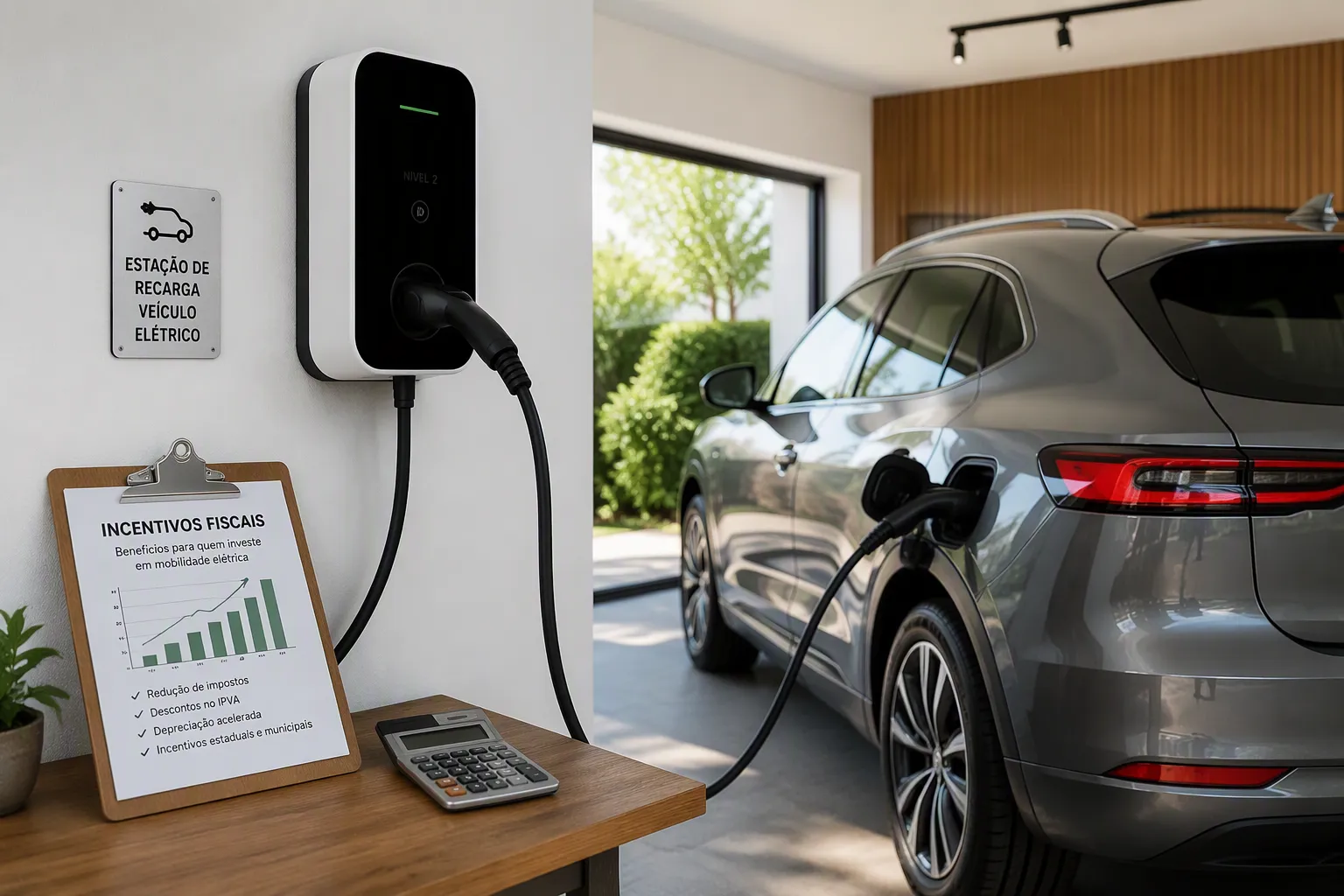
Las empresas pueden optar a deducciones en el impuesto de sociedades relacionadas con inversiones en tecnología sostenible y eficiencia energética. Un asesor financiero puede orientarle sobre cómo aprovechar estas ventajas en España.
Subvenciones específicas de las Comunidades Autónomas
Algunas comunidades autónomas ofrecen sus propias subvenciones regionales para iniciativas ecológicas. Estos programas pueden complementar o existir independientemente del plan nacional MOVES III.
Posibles subvenciones a nivel local y municipal
Ayuntamientos (Ayuntamientos) conceden a veces pequeñas subvenciones a las empresas que ayudan a cumplir los objetivos medioambientales municipales. Los gestores deben informarse en su administración local sobre las oportunidades disponibles.
Opciones de financiación verde de los bancos españoles
Muchos bancos españoles ofrecen “préstamos verdes” o productos de financiación sostenible. Suelen ofrecer tipos de interés preferenciales para proyectos que contribuyen a la sostenibilidad medioambiental, como la construcción de un parque eólico. Depósito de recarga de VE.
Fase 6: Operaciones, mantenimiento y optimización

Una vez construido el depósito, la atención se centra en el rendimiento a largo plazo. Un planteamiento proactivo de las operaciones, el mantenimiento y la optimización garantiza el Depósito de recarga de VE ofrece el máximo valor y fiabilidad durante toda su vida útil.
Establecimiento de protocolos operativos
Unos procedimientos claros y repetibles son la base de un almacén eficiente. Minimizan los errores, garantizan la seguridad y agilizan las actividades diarias de todo el personal.
Formación de conductores sobre procedimientos de cobro
Los gestores de flotas deben proporcionar a todos los conductores una formación clara. Esta formación incluye el uso correcto de los cargadores, la manipulación segura de los conectores y la notificación de averías, para garantizar tanto la seguridad de los conductores como la longevidad de los equipos.
Configuración de la autenticación de usuarios y las reglas de acceso
Con el software de gestión de carga (CMS), los gestores establecen estrictas normas de acceso. Asignan tarjetas RFID o credenciales de aplicaciones móviles a los conductores autorizados, evitando el uso no autorizado y realizando un seguimiento preciso de cada sesión de carga.
Creación de un plan de respuesta para el tiempo de inactividad del cargador
Es esencial contar con un plan claro para gestionar las averías de los cargadores. Este protocolo debe definir con quién hay que ponerse en contacto para solicitar ayuda, cómo redirigir los vehículos a cargadores que funcionen y cómo comunicar las actualizaciones de estado a los conductores para minimizar las interrupciones operativas.
Listas de control operativas diarias, semanales y mensuales
Los responsables deben elaborar listas de comprobación sencillas para las inspecciones rutinarias. Estas listas guían al personal a través de rápidas comprobaciones visuales de daños, limpieza y funcionalidad básica, lo que permite la detección temprana de posibles problemas.
Planificación del mantenimiento a largo plazo
El hardware y el software requieren una atención periódica para funcionar con fiabilidad. Un plan de mantenimiento estructurado protege la inversión inicial y evita costosas reparaciones de emergencia.
Consejo profesional: Aunque a menudo se recomiendan revisiones rutinarias cada 12-18 meses, los depósitos de alto uso pueden requerir inspecciones profesionales más frecuentes.
Creación de un programa de mantenimiento preventivo
Un programa de mantenimiento preventivo no es negociable. Formaliza el cuidado proactivo para mantener los cargadores en condiciones óptimas. Las tareas clave incluyen:
- Inspecciones visuales: Comprobación periódica de daños físicos en carcasas, cables y conectores.
- Limpieza del sistema: Limpiar las unidades y asegurarse de que las rejillas de refrigeración están libres de polvo y suciedad.
- Cuidado de cables y conectores: Inspeccionar los cables en busca de desgaste y asegurarse de que los conectores estén bien bloqueados.
- Actualizaciones de Software y Firmware: Verificar periódicamente que todos los cargadores ejecuten el software más reciente por seguridad y compatibilidad.
Comprender los Acuerdos de Nivel de Servicio (SLA) con los Proveedores
Al seleccionar un proveedor de hardware, los gestores deben examinar minuciosamente el Acuerdo de Nivel de Servicio (SLA). Este contrato define el compromiso del proveedor con los tiempos de respuesta para reparaciones. Un SLA sólido de un proveedor como TPSON garantiza un soporte rápido cuando surgen problemas.
Presupuestar Repuestos y Reparaciones
El presupuesto operativo debe incluir un fondo de contingencia para mantenimiento. Esto cubre el costo de repuestos comunes, como cables o conectores de carga, y la mano de obra para reparaciones fuera de garantía.
Actualizaciones de Software y Gestión de Ciberseguridad
El mantenimiento va más allá del hardware físico. Los gestores deben trabajar con su proveedor del Sistema de Gestión de Carga (CMS) para instalar actualizaciones de software periódicas. Estas actualizaciones corrigen vulnerabilidades de seguridad, mejoran el rendimiento y a menudo añaden nuevas funciones.
Optimizar el Rendimiento del Depósito
Un depósito operativo genera una gran cantidad de datos. Los gestores de flotas astutos utilizan esta información para refinar continuamente las operaciones, reducir costos y mejorar la eficiencia.
Analizar Datos de Carga para Refinar Horarios
Los gestores analizan datos sobre la duración de las sesiones y el consumo de energía. Esta información les ayuda a refinar los horarios de carga para alinearlos mejor con los tiempos de permanencia de los vehículos y los turnos de los conductores.
Usar Informes del CMS para Rastrear Costos y Uso de Energía
El CMS proporciona informes detallados sobre el uso de energía por vehículo o por sesión de carga. Estos informes son cruciales para rastrear los costos de electricidad frente al presupuesto e identificar patrones de consumo anormales.
Optimizar Continuamente las Reglas de Balance de Carga
A medida que evolucionan las necesidades de la flota, los gestores pueden ajustar las reglas de balance de carga en el CMS. Pueden afinar la asignación de energía para priorizar vehículos críticos o minimizar aún más los cargos por demanda máxima.
Evaluar el Rendimiento frente a las Proyecciones Iniciales de ROI
Finalmente, los gestores deben comparar los datos operativos reales con los modelos financieros creados en la Fase 1. Rastrean los ahorros reales de energía y los costos de mantenimiento para evaluar el rendimiento del proyecto frente a su Retorno de la Inversión (ROI) proyectado.
Establecer un depósito privado de carga para vehículos eléctricos comerciales en España es un proyecto multifacético. Un enfoque estructurado y por fases transforma este desafío en una ventaja estratégica. Al planificar meticulosamente, navegar por las regulaciones y gestionar la energía, los gestores de flotas construyen una infraestructura resiliente para una flota moderna. El viaje comienza ahora. Un análisis detallado de la flota y un instalador certificado español sientan las bases para un Depósito de Carga EV exitoso y conforme.
PREGUNTAS FRECUENTES
¿Cuánto tiempo se tarda en construir un depósito de carga?
Todo el proceso puede llevar de 9 a 18 meses. Este cronograma incluye la planificación estratégica, la obtención de permisos como el Licencia de Obras, las mejoras en la conexión a la red y la instalación física. La planificación temprana es crucial para gestionar estos plazos de manera efectiva y evitar retrasos.
¿Cuál es la regulación más importante en España?
En El Reglamento Electrotécnico para Baja Tensión (REBT) es la ley fundamental. Específicamente, la ITC-BT-52 dentro del REBT detalla todos los requisitos técnicos y de seguridad obligatorios para la infraestructura de carga de vehículos eléctricos. El cumplimiento es innegociable para cualquier proyecto.
¿Puede una empresa instalar sus propios cargadores?
No, la ley española exige un profesional certificado. Un Instalador Autorizado en Baja Tensión instalador eléctrico autorizado debe diseñar, ejecutar y legalizar toda la instalación eléctrica. Esto garantiza que el depósito sea seguro, conforme y asegurable.
¿Cuál es la diferencia entre cargadores AC y DC?
Cargadores de CA Los cargadores AC son ideales para la carga nocturna cuando los vehículos tienen largos tiempos de permanencia. Los cargadores rápidos DC suministran alta potencia para recargas rápidas, minimizando el tiempo de inactividad de los vehículos durante las horas operativas. El ciclo de servicio de la flota determina el tipo necesario.
¿Por qué es importante OCPP para mi depósito?
El Protocolo Abierto de Punto de Carga (OCPP) evita la dependencia de un proveedor. Permite a los gestores combinar hardware y software de diferentes fabricantes. Esta flexibilidad garantiza que el depósito pueda siempre utilizar la tecnología más avanzada y rentable disponible.
¿Cómo puedo reducir los costos de electricidad del depósito?
Los gestores deben usar un Sistema de Gestión de Carga (CMS) para programar la carga durante las horas valle (periodo valle). Estrategias de carga inteligente como el balance de carga también evitan los costosos cargos por demanda máxima, reduciendo significativamente los gastos operativos.
¿Qué debo buscar en el hardware de carga?
Los gestores de flotas deben seleccionar hardware duradero con altas clasificaciones IP/IK para resistencia a la intemperie y a impactos. Proveedores tecnológicamente avanzados Proveedores de soluciones de recarga de VE como TPSON ofrecen cargadores confiables, compatibles con OCPP y con garantías sólidas, asegurando un rendimiento operativo a largo plazo y protegiendo la inversión.