Fleet managers in Spain face a complex process to electrify their vehicles. They must navigate site selection, regulatory compliance, grid upgrades, and technology choices. A permanent EV charging depot demands a different strategy than relying on портативные зарядные устройства. Success requires choosing the right Зарядное устройство для электромобилей from many Производители зарядных устройств для электромобилей. Технологически продвинутый Решения для зарядки электромобилей providers like TPSON can help. Mastering this process is the key to unlocking significant financial and environmental benefits for any commercial fleet.
Phase 1: Strategic Planning and Financial Assessment
A successful transition to an electric fleet begins with a robust strategic plan. This foundational phase ensures that every decision, from technology selection to financial investment, aligns with the fleet’s operational realities. Managers must meticulously analyze their needs before any ground is broken.
Defining Your Fleet’s Charging Profile
Understanding exactly how a fleet operates is the first step. This data-driven profile becomes the blueprint for the entire charging infrastructure project.
Analyzing Vehicle Types and Duty Cycles
Fleet managers should begin by cataloging every vehicle. They must analyze daily routes, average distances traveled, and typical dwell times (parking periods). A delivery van returning to the depot overnight has a different charging need than a shuttle bus operating in multiple shifts.
Calculating Daily Energy and Power Needs
Next, managers calculate the total energy required. They multiply the number of vehicles by their average daily distance and energy consumption (kWh/km). This determines the total kWh needed each day. They also calculate the peak power (kW) required if multiple vehicles must charge simultaneously.
Determining Required Charging Speeds (AC vs. DC)
The fleet’s duty cycles dictate the necessary charging technology.
- Зарядные устройства переменного тока: Ideal for vehicles with long dwell times, such as overnight parking. They offer a lower-cost solution for replenishing batteries over several hours.
- Ускоренные зарядные устройства постоянного тока: Essential for vehicles needing a rapid turnaround. They can charge a vehicle in under an hour, minimizing downtime during operational hours.
Modeling for Seasonal Demand Fluctuations
Spain’s climate impacts battery performance. Managers must model for increased energy consumption during hot summers (due to air conditioning) and cold winters (due to heating). This ensures the EV charging depot can meet demand year-round.
Site Selection and Depot Layout Design
The physical location and layout are critical for efficiency and future growth. A poorly chosen site can create long-term operational bottlenecks.
Key Criteria for Site Evaluation
A suitable site must have adequate space, proper zoning for industrial activity, and easy vehicle access. Most importantly, it needs sufficient grid capacity. An early assessment of the available electrical power can prevent costly surprises later.
Designing for Efficient Traffic Flow and Safety
The depot layout should prioritize safety and efficiency. It needs clear one-way traffic routes, designated charging bays, and safe pedestrian walkways. The design must prevent congestion and allow vehicles to enter, charge, and exit smoothly.
Planning for Future Scalability and Expansion
Fleet electrification often happens in stages. The initial design should incorporate plans for future expansion. This includes allocating space for additional charging stations and planning for future grid power upgrades.
Assessing Site Security Requirements
A depot with valuable assets requires strong security. Managers should assess needs for fencing, lighting, video surveillance (CCTV), and access control systems to protect vehicles and charging equipment.
Initial Cost Analysis and ROI Projection
A detailed financial assessment validates the project’s viability. Technologically advanced EV charging solutions providers like TPSON can offer hardware that optimizes long-term value.
Примечание: A comprehensive financial plan is essential for securing internal approval and external funding. It transforms the project from an idea into a measurable business case.
Budgeting for Capital Expenditures (CAPEX)
CAPEX includes all upfront costs. This covers the purchase of chargers, installation labor, civil works, grid connection upgrades, and management software.
Estimating Operational Expenditures (OPEX)
OPEX represents the ongoing running costs. Key components are electricity tariffs, preventive maintenance contracts, software subscription fees, and potential repair costs.
Calculating Total Cost of Ownership (TCO)
TCO provides a holistic financial view. It combines CAPEX and projected OPEX over the lifespan of the charging infrastructure. This figure allows for an accurate comparison against the costs of running a traditional fossil fuel fleet.
Projecting Return on Investment (ROI)
ROI measures the project’s profitability. Managers calculate it by comparing the TCO of the electric fleet against the TCO of a diesel equivalent. The savings in fuel and maintenance, offset by the initial investment, determine the payback period and overall financial return.
Phase 2: Navigating Spanish Regulations and Permits
After strategic planning, fleet managers must tackle Spain’s complex regulatory landscape. Compliance is not optional; it is essential for a legal, safe, and insurable charging depot. This phase requires careful attention to national, regional, and local rules.
Understanding the Spanish Regulatory Framework
Spain’s regulations ensure all electrical installations meet high safety standards. A fleet manager must become familiar with several key legal documents to guide the project correctly.
The Role of the Reglamento Electrotécnico para Baja Tensión (REBT)
The REBT is the cornerstone of all low-voltage electrical installations in Spain. It establishes the technical requirements and safety guarantees for any project, including an EV charging depot. Every aspect of the installation, from wiring to protection devices, must adhere to its articles.
A Deep Dive into ITC-BT-52 for Charging Points
Within the REBT, the specific technical instruction for EV charging infrastructure is ITC-BT-52. This chapter details the mandatory requirements for charging point installation schemes, protection measures against electric shock, and specifications for connectors and wiring. It is the primary technical guide for any certified installer.
Differentiating National vs. Autonomous Community Rules
While the REBT and ITC-BT-52 are national laws, Spain’s 17 autonomous communities may have additional regulations. These can affect permitting processes, specific technical requirements, or fire safety codes. Managers must verify local rules in their specific region to avoid compliance issues.
Fire Safety and Civil Works Regulations
Beyond electrical codes, the project must comply with building and fire safety regulations. This includes ensuring adequate ventilation, installing fire suppression systems, and meeting structural requirements for any civil works. These rules protect both the assets and personnel at the depot.
The Permitting Process: A Step-by-Step Guide
Obtaining the correct permits is a critical sequence in the project timeline. Each license serves a distinct purpose and must be secured in the proper order.
Совет профессионала: Begin the permitting process as early as possible. Bureaucratic delays are common, and starting early helps keep the project on schedule.
Securing the Building Permit (Licencia de Obras)
If the project involves construction or significant site modifications, a Licencia de Obras (Building Permit) is the first step. The local town hall (Ayuntamiento) issues this permit after reviewing the technical project plans.
Obtaining the Activity License (Licencia de Actividad)
Данная лицензия разрешает использование площадки для конкретной коммерческой деятельности по зарядке транспортных средств. Ayuntamiento предоставляет Лицензию на осуществление деятельности (Licencia de Actividad) после подтверждения соответствия объекта всем требованиям безопасности, экологическим и градостроительным нормам.
Оформление Сертификата электромонтажа (Boletín Eléctrico)
После завершения монтажа сертифицированный установщик выдает Сертификат электромонтажа (Certificado de Instalación Eléctrica) (также известный как Boletín Eléctrico). Этот документ подтверждает, что установка соответствует нормам REBT и ITC-BT-52. Он требуется для заключения договора с поставщиком электроэнергии.
Ожидаемые сроки получения каждого разрешения
Сроки получения разрешений значительно различаются в зависимости от муниципалитета. Licencia de Obras может занять несколько месяцев, в то время как Boletín Eléctrico выдается после успешной проверки. Руководителям следует закладывать от 6 до 12 месяцев на весь процесс получения разрешений и легализации.
Привлечение сертифицированного специалиста
Навигация по нормативным требованиям Испании — не задача для менеджера автопарка в одиночку. Закон требует, чтобы сертифицированный специалист спроектировал, выполнил и легализовал проект.
Обязательная роль Авторизованного установщика (Instalador Autorizado)
. Авторизованный установщик низковольтного оборудования (Instalador Autorizado en Baja Tensión) требуется по закону для выполнения и подписания электропроекта. Этот специалист обеспечивает соответствие и безопасность всей установки — от подключения к сети до конечного зарядного устройства.
Как выбрать правильного сертифицированного партнера
Выбор правильного партнера критически важен для масштабного проекта. Менеджеры автопарков должны оценивать потенциальных установщиков на основе их квалификации и способности предоставить надежное решение. Ключевые критерии включают:
- Подтвержденный опыт: Партнер должен иметь портфолио аналогичных коммерческих проектов по зарядке электромобилей.
- Обучение у производителя: Установщики, прошедшие обучение у технологически продвинутых поставщиков, таких как TPSON, обладают глубокими знаниями оборудования.
- Официальные сертификаты: Они должны иметь необходимые испанские сертификаты, такие как статус Авторизованного установщика (Instalador Autorizado)..
- Масштабируемость и интеграция: Партнер должен продемонстрировать способность спроектировать систему, которая может расти вместе с автопарком и интегрироваться с энергосетью.
- Надежность: Предлагаемое ими решение должно быть надежным и способным удовлетворять потребности автопарка в зарядке высокой мощности.
Процесс легализации проекта и окончательное согласование
Сертифицированный партнер управляет всем процессом легализации. Это включает подачу технического проекта (proyecto técnico) в региональный орган промышленного надзора, контроль проверок и получение окончательной регистрации установки.
Определение объема работ в контракте
Контракт с партнером по установке должен четко определять все обязанности. В нем необходимо детализировать объем работ, спецификации оборудования, сроки проекта, этапы оплаты и условия гарантии. Всесторонний контракт защищает инвестиции менеджера автопарка.
Этап 3: Создание вашей зарядной станции для электромобилей: оборудование и программное обеспечение

При наличии надежного плана и запущенных процессов получения разрешений внимание переключается на технологии, которые будут обеспечивать автопарк. Выбор правильного сочетания оборудования и программного обеспечения имеет решающее значение для создания эффективной, масштабируемой и рентабельной Зарядной станции для электромобилей (EV Charging Depot)..
Выбор правильного зарядного оборудования
Физические зарядные устройства — самая заметная часть станции. Выбор между технологиями переменного (AC) и постоянного (DC) тока полностью зависит от операционных потребностей автопарка.
Зарядные устройства переменного тока (AC, уровень 2) для длительных простоев (например, ночью)
Зарядные устройства переменного тока — идеальное решение для транспортных средств, которые паркуются на длительное время, например, на ночь. Они обеспечивают стабильную зарядку меньшей мощности, что щадит батареи транспортных средств и менее требовательно к энергосети. Это делает их экономически эффективным выбором для автопарков, базирующихся на станции и возвращающихся на базу в конце дня.
Быстрые зарядные устройства постоянного тока (DC) для быстрого оборота
Для транспортных средств, требующих минимального времени простоя, необходимы быстрые зарядные устройства постоянного тока. Эти высокомощные устройства могут восполнить значительный запас хода менее чем за час, быстро возвращая транспортные средства на дорогу. Они критически важны для автопарков, работающих в несколько смен, или с непредсказуемыми ежедневными маршрутами.
Соответствие мощности зарядного устройства характеристикам аккумулятора транспортного средства
Менеджеры автопарков должны выбирать зарядные устройства с выходной мощностью (измеряемой в кВт), соответствующей максимальной скорости зарядки их транспортных средств. Использование зарядного устройства, слишком мощного для автомобиля, не дает преимуществ, а маломощное зарядное устройство создаст операционные задержки.
Оценка долговечности оборудования и гарантийных условий
Коммерческое зарядное оборудование должно выдерживать постоянное использование и различные погодные условия. Менеджеры должны искать зарядные устройства с высокими рейтингами IP (степень защиты от проникновения) и IK (защита от ударов). Всеобъемлющая гарантия и надежное сервисное соглашение от технологически продвинутого поставщика, такого как TPSON, обеспечивают долгосрочную надежность и защищают инвестиции.
Оценка программного обеспечения для управления зарядкой (CMS)
CMS — это мозг зарядной операции. Оно обеспечивает интеллектуальные функции, необходимые для управления энергией, контроля доступа и мониторинга производительности.
Ключевые функции: Балансировка нагрузки и удаленный мониторинг
Балансировка нагрузки — критически важная функция CMS, которая распределяет доступную мощность между всеми активными зарядными устройствами, предотвращая перегрузку сети. Удаленный мониторинг позволяет менеджерам просматривать статус зарядных устройств, запускать или останавливать сеансы и устранять неполадки с центральной панели управления без необходимости присутствия на месте.
Контроль доступа, аутентификация пользователей и RFID
Надежная CMS позволяет менеджерам контролировать, кто может использовать зарядные устройства. Обычно это управляется с помощью RFID-карт или мобильных приложений, назначенных авторизованным водителям, что гарантирует потребление энергии только транспортными средствами автопарка и обеспечивает четкую запись каждого сеанса зарядки.
Управление энергопотреблением и расширенные инструменты отчетности
Продвинутое программное обеспечение предоставляет подробные отчеты о потреблении энергии, продолжительности сеансов зарядки и связанных затратах. Эта аналитика помогает менеджерам отслеживать операционные расходы и выявлять возможности для оптимизации графиков зарядки в целях использования более низких тарифов на электроэнергию.
Интеграция с существующими системами управления автопарком
Для максимальной эффективности CMS должна интегрироваться с существующим программным обеспечением компании для управления автопарком. Это создает единую унифицированную платформу для управления всеми операциями с транспортными средствами — от маршрутизации и телематики до пополнения энергии.
Обеспечение долгосрочной актуальности вашего технологического стека
Технологии быстро развиваются. Принятие разумных решений сегодня гарантирует, что станция останется эффективной и актуальной в течение многих лет.
The Importance of Open Charge Point Protocol (OCPP)
Adopting technology based on OCPP is the single best way to avoid vendor lock-in. This open-source communication standard ensures interoperability between hardware and software from different manufacturers.
- Это separates the charging station (hardware) from the management system (software).
- Operators gain the freedom to mix and match vendors for both hardware and software.
- It allows businesses to scale their networks by adding equipment from any OCPP-compliant provider.
- This flexibility ensures the depot can always use the best and most cost-effective technology available.
Selecting Modular and Upgradable Hardware
Managers should choose chargers with a modular design. This allows for easier repairs and future power upgrades without replacing the entire unit, reducing long-term capital expenditures.
Подготовка к использованию технологии Vehicle-to-Grid (V2G)
V2G technology will allow fleets to send power from vehicle batteries back to the grid, creating new revenue streams. Selecting V2G-ready hardware and software prepares the depot for this future capability.
Ensuring Compatibility with Future EV Models
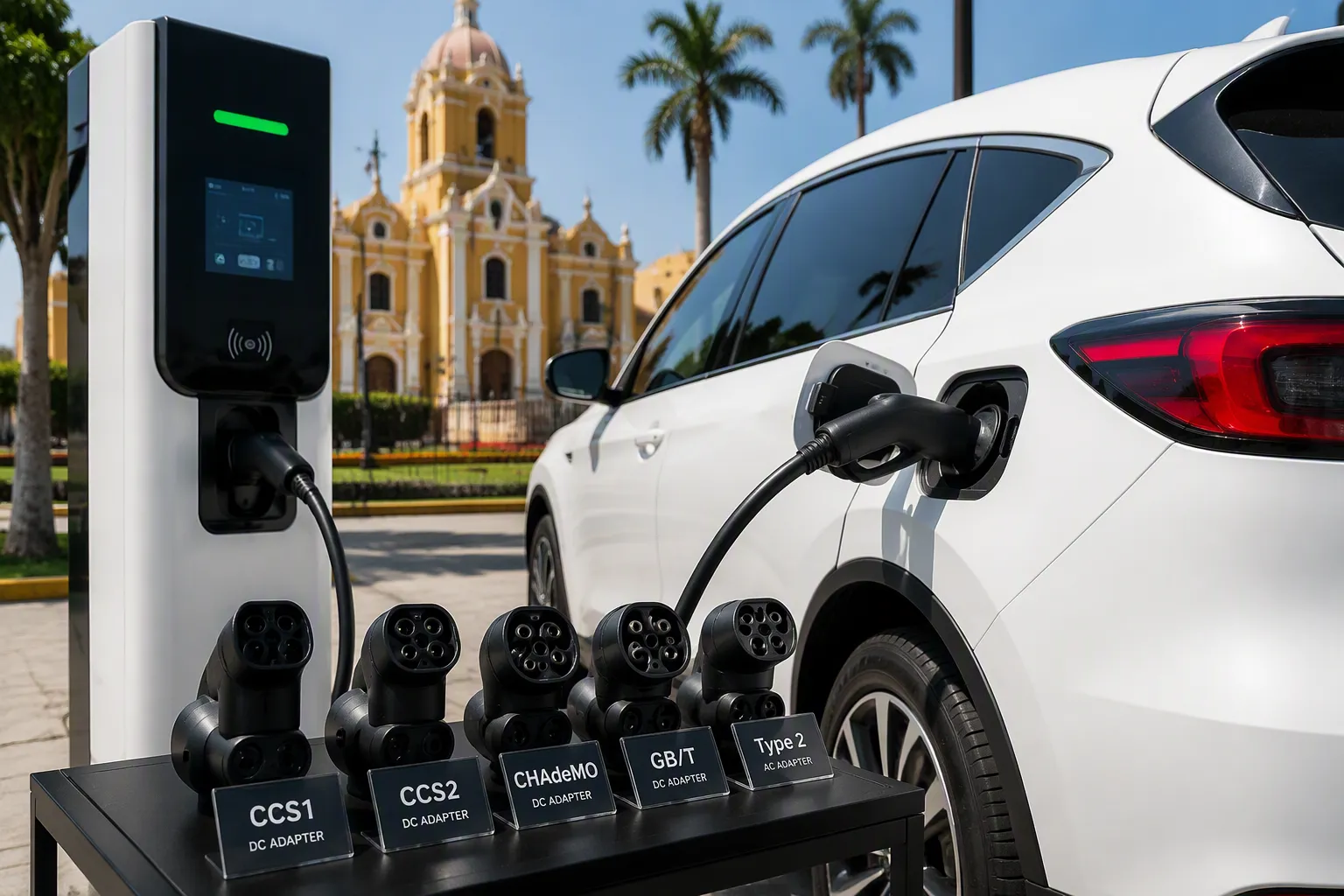
The EV market is constantly introducing new models with different battery chemistries and charging standards. Choosing chargers that support multiple connector types and receive over-the-air software updates ensures compatibility with the future of the fleet.
Phase 4: Grid Connection and Power Management
A depot’s success hinges on its relationship with the electrical grid. Fleet managers must secure adequate power and manage it intelligently to control costs and ensure operational reliability. This phase covers the critical steps from initial grid connection to advanced energy optimization.
Managing Your Connection to the Electrical Grid
The local grid is the lifeblood of the charging depot. Proactive engagement with the electricity distributor is non-negotiable.
How to Request a Power Assessment from Your Distribuidora
Before any installation, the fleet manager must contact the local electricity distributor (distribuidora). They will request a power availability study for the site. This assessment determines if the existing grid connection can support the depot’s projected electrical load.
The Process for a Grid Upgrade (Aumento de Potencia)
If the assessment reveals insufficient power, the manager must request a grid upgrade, or aumento de potencia. This process involves the distributor installing new transformers or higher-capacity lines. It can be a lengthy and expensive procedure, so initiating it early is vital.
Understanding Spanish Electricity Tariffs and Time-of-Use Rates
Spain uses time-of-use (ToU) tariffs, where electricity prices vary by the time of day and season. For commercial depots, the 6.0TD tariff is common. Managers must understand the different periods (punta, llano, valle) to schedule charging during the cheapest hours, typically overnight.
Negotiating Your Power Supply Contract
With the grid connection secured, managers negotiate a contract with an electricity supplier (comercializadora). It is crucial to compare offers and secure favorable terms, potentially locking in fixed rates or flexible pricing that aligns with the fleet’s charging schedule.
Implementing Smart Charging Strategies
Smart charging turns energy consumption from a fixed cost into a managed variable. It uses software to optimize how and when vehicles draw power.
Совет профессионала: Smart charging is the single most effective tool for reducing a depot’s operational electricity costs. Technologically advanced EV charging solutions from providers like TPSON often include robust software to enable these strategies.
Using Load Management to Avoid Grid Overload
Load management software automatically distributes the available power across all charging vehicles. This prevents the depot from exceeding its contracted power limit (договорная мощность), avoiding costly penalties and potential blackouts.
Scheduling Charging to Reduce Peak Demand Charges
Managers can use a Charging Management System (CMS) to schedule most charging sessions during off-peak (valle) hours. This simple strategy dramatically lowers the average cost per kWh.
Dynamic Power Sharing Among Active Chargers
This advanced feature allows a group of chargers to share a power circuit. The system intelligently allocates more power to vehicles with lower states of charge or higher priority, ensuring efficient energy use.
Setting Priority Charging for Critical Vehicles
The CMS can prioritize charging for specific vehicles. A manager can ensure that a critical delivery van is fully charged first, guaranteeing it is ready for its morning route.
Integrating On-Site Energy Solutions
On-site generation adds a layer of cost control and energy resilience. It reduces reliance on the grid and hedges against volatile electricity prices.
The Business Case for Solar PV Integration
Installing solar photovoltaic (PV) panels allows the depot to generate its own clean, low-cost electricity. During sunny days, solar power can directly charge vehicles or offset the facility’s general energy consumption.
Using Battery Energy Storage Systems (BESS) for Peak Shaving
A BESS stores energy when it is cheap (from the grid overnight or from solar during the day). The depot can then discharge this stored energy during expensive peak hours, a practice known as peak shaving.
Combining Renewables for Energy Resilience and Cost Savings
The combination of solar PV and a BESS creates a powerful system. It maximizes self-consumption of renewable energy, provides backup power during grid outages, and significantly lowers long-term energy expenditures.
Navigating Regulations for On-Site Generation
Spain has specific regulations for self-consumption (autoconsumo). Fleet managers must work with their certified installer to ensure the on-site generation system is fully compliant with all legal and technical requirements.
Phase 5: Securing Funding and Incentives in Spain
Building a private charging depot is a significant investment. Fleet managers can substantially reduce this financial burden by leveraging Spain’s robust system of grants and incentives. A strategic approach to funding is as important as the technical plan itself.
Leveraging the MOVES III Program
The Plan MOVES III is the Spanish government’s primary tool for promoting electromobility. It provides direct aid to companies, making the transition to an electric fleet more affordable.
Eligibility Criteria for Fleet Vehicles and Charging Points
MOVES III covers both the acquisition of eligible electric vehicles and the installation of charging infrastructure. To qualify, the charging points must be new and installed by a certified professional. The project must adhere to all technical specifications outlined in the REBT.
Understanding Subsidy Amounts and Coverage Limits
The program offers direct subsidies to lower the initial investment. The amount varies based on the type of installation and company size.
- Companies receive a 30% subsidy for private-use charging points. This increases to 40% in municipalities with fewer than 5,000 inhabitants.
- For publicly accessible chargers over 50 kW, the base subsidy is 35%. Small and medium-sized enterprises (SMEs) can receive additional aid.
- Eligible costs include the charging station, civil works, project management, and legalization.
- The program has a subsidy limit of €800,000 per applicant per call.
Key Program Deadlines and Limitations
MOVES III operates with a fixed budget and a specific application window, which was extended to July 31, 2024. Funds are managed and distributed by each autonomous community. They are often awarded on a first-come, first-served basis until the budget is exhausted.
MOVES III vs. MOVES Singulares for Larger Projects
While MOVES III is ideal for most depot projects, fleet managers planning exceptionally large or innovative installations should investigate the MOVES Singulares program. This separate initiative funds unique, large-scale electromobility projects that go beyond standard deployments.
The MOVES III Application Process
Applying for MOVES III requires careful preparation and attention to detail. Each autonomous community manages its own application portal and process.
Совет профессионала: Never purchase equipment or begin installation before receiving official subsidy approval. Most programs disqualify retroactive applications.
Required Documentation for Businesses
Applicants must prepare a comprehensive dossier. This typically includes the company’s tax identification number (NIF), detailed project plans, quotes for hardware and installation, and proof of economic activity. Partnering with a provider like TPSON can help ensure all technical specifications for the hardware are properly documented.
Navigating the Application Portal in Your Autonomous Community
Fleet managers must identify the specific government body and online portal responsible for MOVES III in their region. The requirements and application interface can vary slightly between communities.
Common Pitfalls to Avoid During Application
Simple mistakes can lead to rejection. Common errors include submitting incomplete forms, missing documentation, or miscalculating eligible costs. A thorough review before submission is critical.
Understanding Payment Timelines After Approval
Patience is essential after receiving an approval notice. The actual disbursement of funds can take many months. Companies must have the capital to cover the initial investment while awaiting the subsidy payment.
Exploring Additional Financial Support
Beyond MOVES III, other financial avenues can help fund a charging depot.
Tax Deductions for Green Technology Investments
Companies may be eligible for corporate tax deductions related to investments in sustainable technology and energy efficiency. A financial advisor can provide guidance on how to leverage these benefits in Spain.
Specific Subsidies from Autonomous Communities
Some autonomous communities offer their own regional subsidies for green initiatives. These programs can supplement or exist independently of the national MOVES III plan.
Potential Local and Municipal-Level Grants
Local town halls (Ayuntamientos) sometimes provide small grants to businesses that help meet municipal environmental goals. Managers should check with their local government for available opportunities.
Green Financing Options from Spanish Banks
Many Spanish banks offer “green loans” or sustainable financing products. These often feature preferential interest rates for projects that contribute to environmental sustainability, such as building an EV charging depot.
Phase 6: Operations, Maintenance, and Optimization
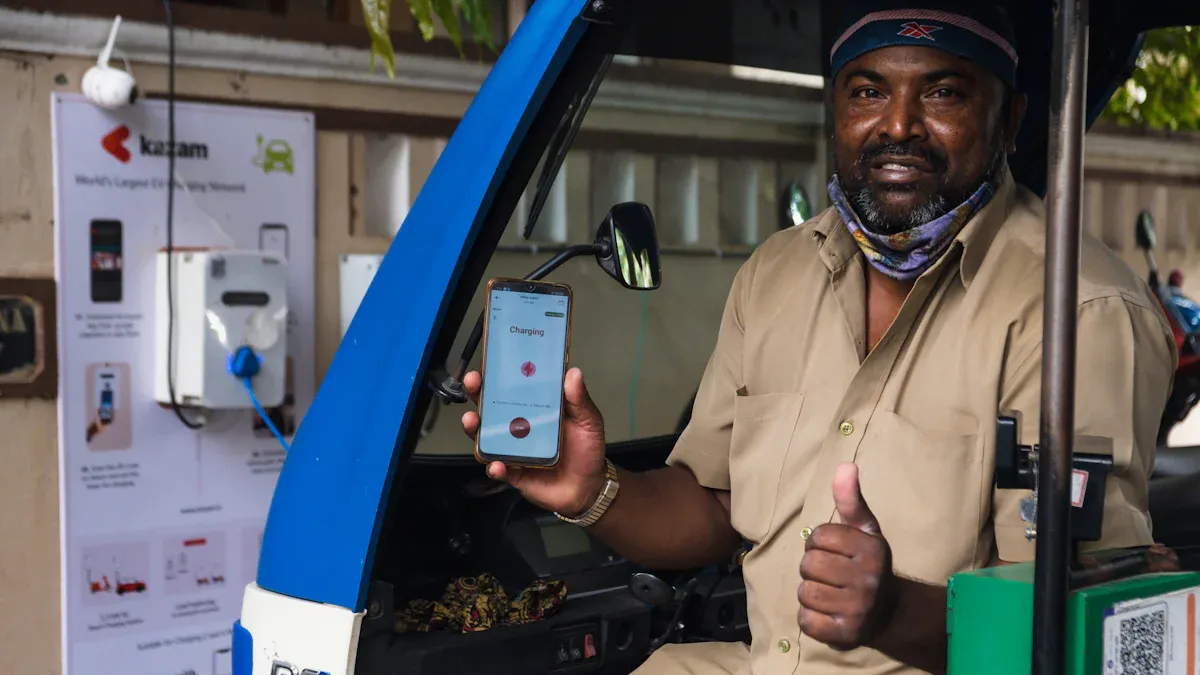
With the depot built, the focus shifts to long-term performance. A proactive approach to operations, maintenance, and optimization ensures the Зарядной станции для электромобилей (EV Charging Depot). delivers maximum value and reliability throughout its lifespan.
Establishing Operational Protocols
Clear, repeatable procedures are the foundation of an efficient depot. They minimize errors, ensure safety, and streamline daily activities for all personnel.
Training Drivers on Charging Procedures
Fleet managers must provide all drivers with clear training. This instruction covers how to use the chargers correctly, handle connectors safely, and report any faults, ensuring both driver safety and equipment longevity.
Setting Up User Authentication and Access Rules
Using the Charging Management Software (CMS), managers establish strict access rules. They assign RFID cards or mobile app credentials to authorized drivers, preventing unauthorized use and accurately tracking every charging session.
Creating a Response Plan for Charger Downtime
A clear plan for handling charger malfunctions is essential. This protocol should define who to contact for support, how to redirect vehicles to working chargers, and how to communicate status updates to drivers to minimize operational disruptions.
Daily, Weekly, and Monthly Operational Checklists
Managers should implement simple checklists for routine inspections. These lists guide staff through quick visual checks for damage, cleanliness, and basic functionality, allowing for early detection of potential issues.
Planning for Long-Term Maintenance
Hardware and software require regular attention to perform reliably. A structured maintenance plan protects the initial investment and prevents costly emergency repairs.
Совет профессионала: While routine servicing is often recommended every 12-18 months, high-usage depots may require more frequent professional inspections.
Creating a Preventive Maintenance Schedule
A preventive maintenance schedule is non-negotiable. It formalizes proactive care to keep chargers in optimal condition. Key tasks include:
- Визуальные осмотры: Regularly checking for physical damage to casings, cables, and connectors.
- System Cleaning: Wiping down units and ensuring cooling vents are free of dust and debris.
- Cable and Connector Care: Inspecting cables for wear and ensuring connectors lock securely.
- Обновления программного обеспечения и микропрограмм: Периодическая проверка того, что все зарядные устройства работают на последней версии программного обеспечения для обеспечения безопасности и совместимости.
Понимание Соглашений об уровне обслуживания (SLA) с поставщиками
При выборе поставщика оборудования менеджеры должны тщательно изучить Соглашение об уровне обслуживания (SLA). Этот контракт определяет обязательства поставщика по срокам реагирования на ремонт. Надежное SLA от такого поставщика, как TPSON, гарантирует оперативную поддержку при возникновении проблем.
Бюджетирование запасных частей и ремонтов
Операционный бюджет должен включать резервный фонд на техническое обслуживание. Он покрывает стоимость распространенных запасных частей, таких как зарядные кабели или разъемы, а также трудозатраты на любой ремонт, не покрываемый гарантией.
Обновления ПО и управление кибербезопасностью
Техническое обслуживание выходит за рамки физического оборудования. Менеджеры должны сотрудничать со своим поставщиком CMS для установки регулярных обновлений программного обеспечения. Эти обновления устраняют уязвимости безопасности, повышают производительность и часто добавляют новые функции.
Оптимизация работы депо
Работающее депо генерирует огромный объем данных. Опытные менеджеры автопарков используют эту информацию для постоянного совершенствования операций, снижения затрат и повышения эффективности.
Анализ данных о зарядке для оптимизации графиков
Менеджеры анализируют данные о продолжительности сеансов и потреблении энергии. Эти данные помогают им оптимизировать графики зарядки, чтобы лучше согласовывать их со временем простоя транспортных средств и сменами водителей.
Использование отчетов CMS для отслеживания затрат и объемов потребления энергии
CMS предоставляет подробные отчеты об использовании энергии на транспортное средство или за сеанс зарядки. Эти отчеты имеют решающее значение для отслеживания затрат на электроэнергию в соответствии с бюджетом и выявления любых аномальных моделей потребления.
Постоянная оптимизация правил балансировки нагрузки
По мере изменения потребностей автопарка менеджеры могут корректировать правила балансировки нагрузки в CMS. Они могут точно настраивать распределение мощности, чтобы отдавать приоритет критически важным транспортным средствам или еще больше минимизировать плату за пиковое потребление.
Оценка производительности по сравнению с первоначальными прогнозами ROI
Наконец, менеджеры должны сравнивать фактические операционные данные с финансовыми моделями, созданными на Этапе 1. Они отслеживают фактические сбережения энергии и затраты на техническое обслуживание, чтобы оценить эффективность проекта по сравнению с прогнозируемой окупаемостью инвестиций (ROI).
Создание частного коммерческого зарядного депо для электромобилей в Испании — это многогранный проект. Структурированный пошаговый подход превращает эту задачу в стратегическое преимущество. Тщательно планируя, соблюдая нормативные требования и управляя энергопотреблением, менеджеры автопарков создают устойчивую инфраструктуру для современного парка транспортных средств. Путь начинается сейчас. Подробный анализ автопарка и сертифицированный испанский установщик закладывают основу для успешного и соответствующего нормам Зарядного Депо для Электромобилей.
ЧАСТО ЗАДАВАЕМЫЕ ВОПРОСЫ
Сколько времени занимает строительство зарядного депо?
Весь процесс может занять от 9 до 18 месяцев. Этот срок включает стратегическое планирование, получение разрешений, таких как Licencia de Obras, модернизацию подключения к сети и физический монтаж. Раннее планирование имеет решающее значение для эффективного управления этими сроками и предотвращения задержек.
Какой самый важный нормативный акт в Испании?
Сайт Регламент электроустановок низкого напряжения (REBT) является основополагающим законом. В частности, ITC-BT-52 в рамках REBT детализирует все обязательные технические и требования безопасности для инфраструктуры зарядки электромобилей. Соответствие им является обязательным для любого проекта.
Может ли компания установить собственные зарядные устройства?
Нет, испанское законодательство требует привлечения сертифицированного специалиста. Авторизованный установщик низковольтного оборудования (Instalador Autorizado en Baja Tensión) должен спроектировать, выполнить и легализовать всю электрическую установку. Это гарантирует, что депо будет безопасным, соответствующим нормам и застрахованным.
В чем разница между зарядными устройствами переменного и постоянного тока?
Зарядные устройства переменного тока лучше всего подходят для ночной зарядки, когда транспортные средства находятся на стоянке длительное время. Быстрые зарядные устройства постоянного тока обеспечивают высокую мощность для быстрой зарядки, сводя к минимуму время простоя транспортных средств в рабочие часы. Рабочий цикл автопарка определяет необходимый тип.
Почему OCPP важен для моего депо?
Открытый протокол для зарядных станций (OCPP) предотвращает зависимость от одного поставщика. Он позволяет менеджерам комбинировать оборудование и программное обеспечение от разных производителей. Эта гибкость гарантирует, что депо всегда может использовать самые передовые и экономически эффективные технологии.
Как я могу снизить затраты на электроэнергию для депо?
Менеджеры должны использовать Систему управления зарядкой (CMS) для планирования зарядки в непиковые часы (periodo valle). Интеллектуальные стратегии зарядки, такие как балансировка нагрузки, также предотвращают дорогостоящие платежи за пиковое потребление, значительно снижая операционные расходы.
На что следует обращать внимание при выборе зарядного оборудования?
Менеджеры автопарков должны выбирать прочное оборудование с высокими рейтингами IP/IK для устойчивости к погодным условиям и ударам. Технологически продвинутые Поставщики решений для зарядки электромобилей , такие как TPSON, предлагают надежные, совместимые с OCPP зарядные устройства с надежной гарантией, обеспечивая долгосрочную работоспособность и защищая инвестиции.