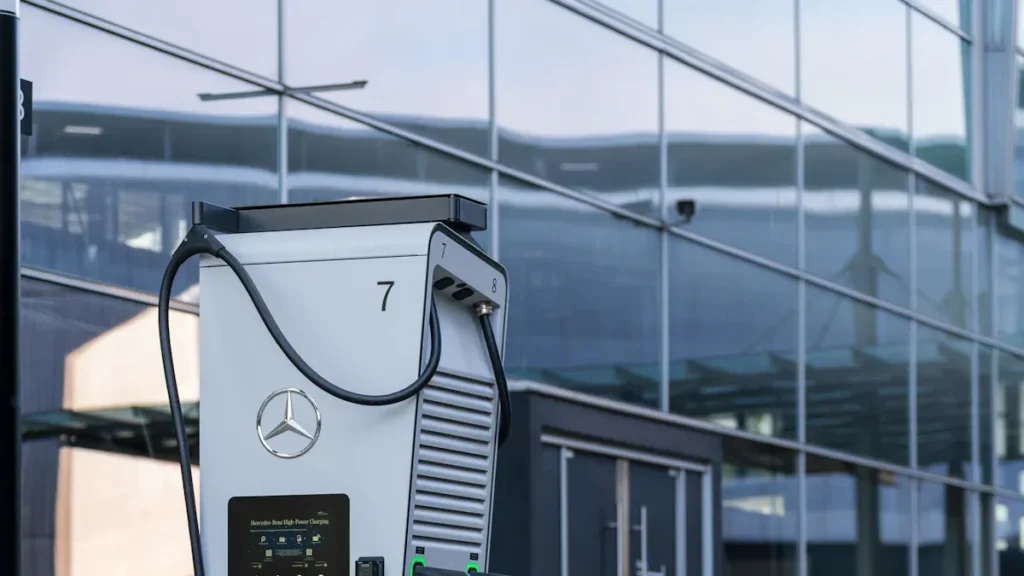
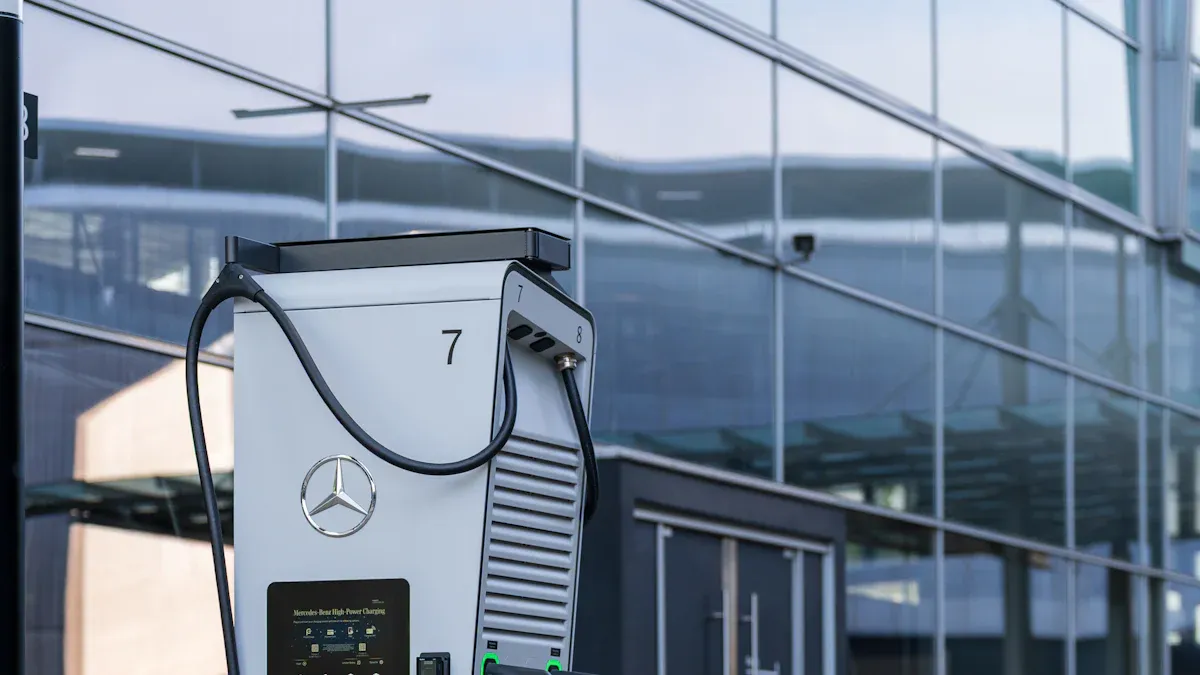
Choosing the right commercial EV charging station often depends on business needs and customer expectations. Many French businesses find Level 2 charging stations suitable for daily operations, while Level 3 fast chargers serve locations with high vehicle turnover. The table below compares both options:
| Característica | Level 2 Charging Station | Level 3 Charging Station |
|---|---|---|
| Velocidad de carga | 4-8 horas | 20-40 minutos |
| Fuente de energía | CA | DC |
| Uso ideal | Long stays | Quick stops |
| Coste de instalación | Moderado | Alta |
- Level 2 charging stations work best for offices, hotels, and places where electric vehicles remain parked for several hours.
- Level 3 charging stations suit highway stops, fleet operators, or sites with frequent short visits.
Fabricantes de cargadores para VE Ofrecen una gama de Soluciones de recarga de vehículos eléctricos, incluyendo cargadores portátiles para vehículos eléctricos. Businesses should consider these options when upgrading stations or expanding their Cargador EV infraestructura.
Understanding EV Charging Stations: Level 2 vs. Level 3

Level 2 charging station: Key features and benefits
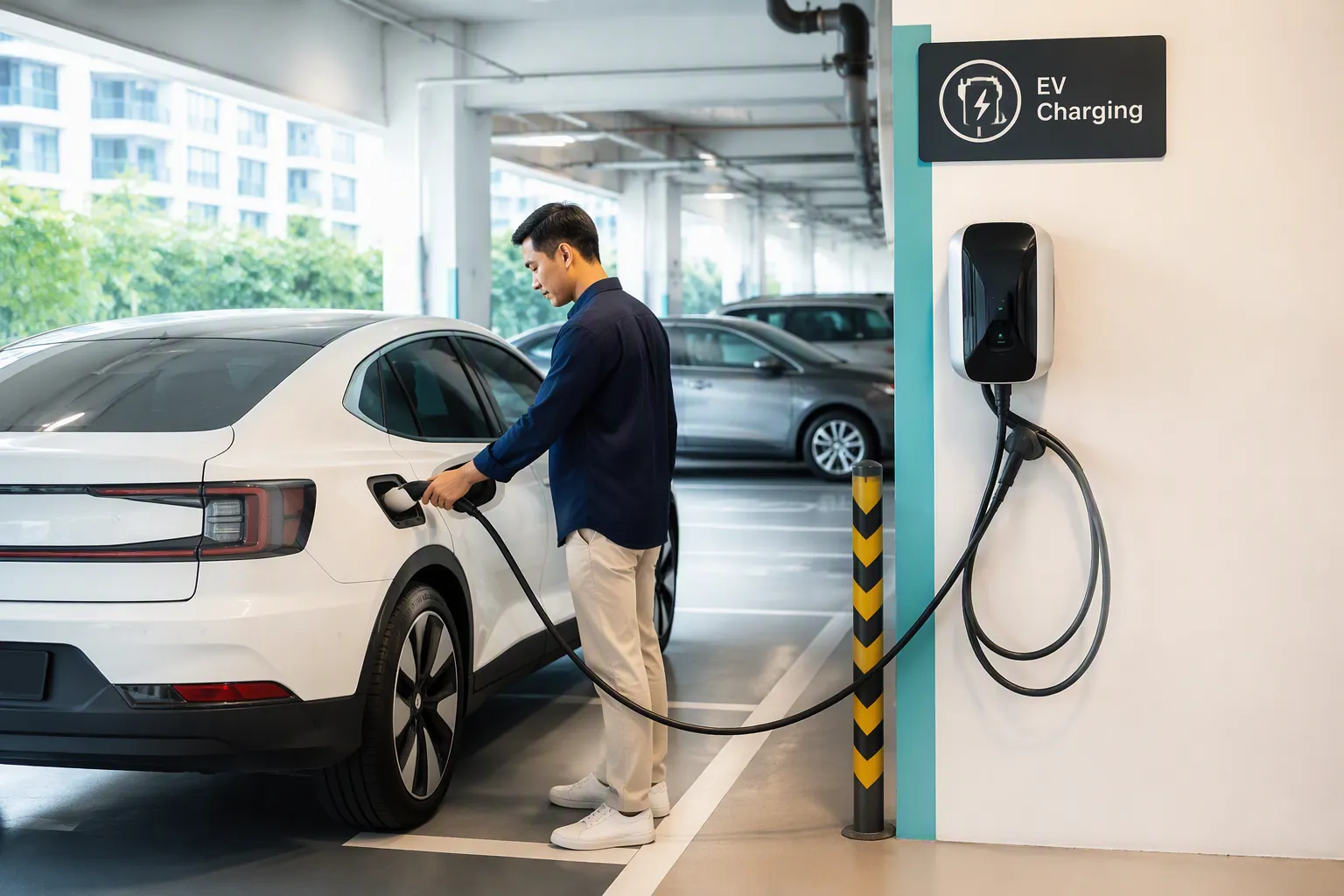
Estaciones de carga de nivel 2 deliver a practical solution for many French businesses. These stations operate at 240 volts and use the J1772 plug type, which supports most electric vehicles found in France. Level 2 charging typically provides a power output of 7.4kW for single-phase or up to 22kW for three-phase installations. This setup allows a full charge in about eight hours, making it ideal for locations where vehicles remain parked for extended periods, such as office buildings or hotels.
Key benefits of level 2 charging include:
- Lower installation and equipment costs compared to higher-powered alternatives.
- Smaller size, which simplifies placement in both indoor and outdoor environments.
- Compatibility with a wide range of EVs, although plug type may limit some models.
Tip: Businesses with regular, long-duration parking benefit most from level 2 charging stations.
Level 3 charging station: Key features and benefits
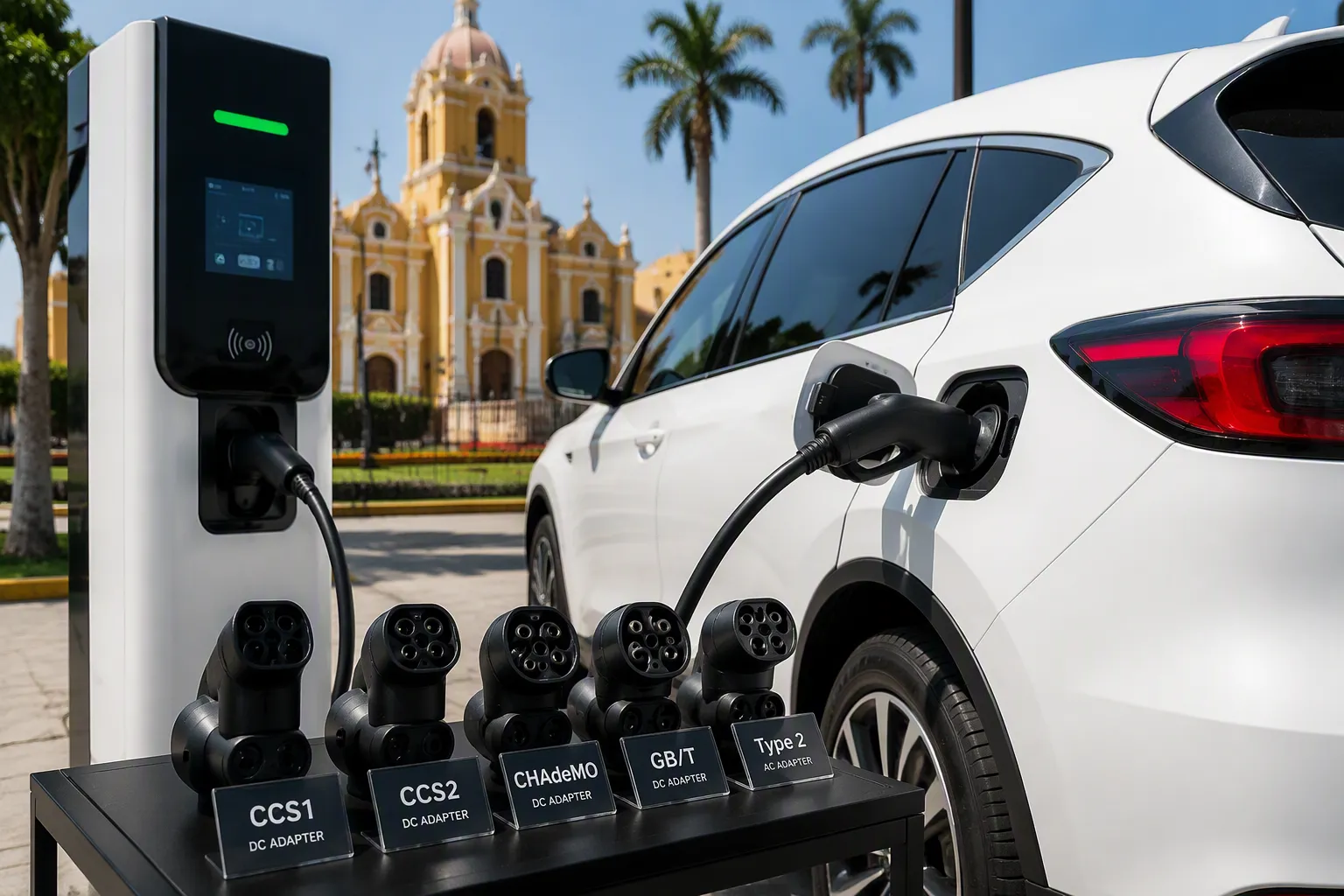
Carga de nivel 3 stations, also known as direct current fast charging, offer rapid energy delivery for commercial settings with high vehicle turnover. These stations require a 480-volt power supply and use standardized CCS or CHAdeMo plugs, which increases compatibility with modern electric vehicles. Level 3 charging stations deliver between 50kW and 350kW, enabling a charge from 10% to 80% in just 20 to 30 minutes.
Key features and benefits of level 3 charging:
- Significantly faster charging times, supporting busy transportation corridors and fleet operations.
- Larger physical footprint, often weighing upwards of 500 pounds.
- Higher upfront and ongoing costs, reflecting advanced technology and power requirements.
- Broad compatibility due to standardized plug types.
Note: Level 3 charging stations suit businesses that need to serve customers quickly or support commercial fleets.
Level 2 vs. Level 3: Summary of main differences
En el siguiente cuadro se destacan los main differences between level 2 and level 3 charging stations for commercial use in France:
| Característica | Level 2 Charging Station | Level 3 Charging Station (DC Fast Charging) |
|---|---|---|
| Requisitos de tensión | 240 voltios | 480 volts |
| Potencia de salida | 7.4kW (Single-Phase) or 22kW (Three-Phase) | 50kW to 350kW+ |
| Velocidad de carga | Full charge in about 8 hours | 10% to 80% in 20 to 30 minutes |
| Tipo de enchufe | J1772 | CCS and CHAdeMo |
| Talla | Smaller | Upwards of 500 pounds |
| Coste | Significantly lower | Upwards of 200 times more |
| Lo mejor para | Residential, offices, hotels | Highways, fleets, busy commercial sites |
| Impacto de la compatibilidad | Limited by plug type | Standardized plugs increase compatibility |
Level 2 charging stations fit businesses with longer parking durations and moderate budgets. Level 3 charging stations address the needs of high-traffic locations and commercial fleets, where speed and compatibility matter most.
Power Requirements for Commercial EV Charging Stations
Level 2 charging station: Electrical needs
Level 2 charging stations operate on a 240-volt electrical supply, which is common in most commercial buildings across France. These stations typically require a dedicated circuit, often rated between 32 and 40 amps. Many businesses can integrate a level 2 charger into their existing electrical infrastructure with minimal upgrades. The installation process usually involves connecting the charger to the building’s main panel and ensuring proper circuit protection. Level 2 charging stations do not demand extensive modifications to the power system, making them a practical choice for offices, hotels, and retail locations.
Tip: Businesses should consult a certified electrician to confirm that their current wiring and circuit breakers can handle the additional load from a level 2 charging station.
Level 3 charging station: Electrical needs
Level 3 charging stations, also known as DC fast chargers, require a much higher power supply. These stations operate on a 480-volt three-phase connection and often draw between 100 and 400 amps, depending on the charger’s output. The installation of a level 3 charger usually demands significant upgrades to the building’s electrical infrastructure. Many sites must reinforce their power supply or even request a new connection from the local utility provider. The complexity of underground power systems in French cities can further complicate the process, as larger and more intricate networks increase both installation and maintenance challenges.
Level 3 charging stations also generate more heat and require additional safety measures, such as advanced cooling systems and robust circuit protection. These requirements contribute to higher installation costs and longer project timelines.
Assessing your business’s power capacity for EV charging stations
Before installing any ev charging stations, businesses must evaluate their current power capacity. This assessment involves reviewing the main electrical panel, identifying available circuits, and calculating the total load. For level 2 chargers, most commercial properties can accommodate the additional demand with minor adjustments. However, level 3 chargers often exceed the existing capacity, especially in older buildings or densely populated urban areas.
Grid capacity remains a significant concern for many French businesses. Limited access to the grid and the high costs of reinforcement can delay or even prevent the installation of level 3 charging stations. The initial capital expenditure for upgrading infrastructure poses another major hurdle, particularly for fleet operators managing tight budgets. Businesses should work closely with utility providers and certified installers to determine the feasibility of their project and to plan for any necessary upgrades.
Note: Early planning and a thorough site assessment help avoid costly surprises and ensure a smooth installation process.
Upgrading infrastructure for a new charging station
Upgrading infrastructure for a new commercial Estación de carga para vehículos eléctricos involves several critical steps. French businesses must plan carefully to ensure safe, reliable, and future-proof installations. The process differs significantly between Level 2 and Level 3 charging stations due to their distinct power requirements and technical demands.
Key Steps in Infrastructure Upgrades:
Evaluación del emplazamiento:
A certified electrician or energy consultant evaluates the existing electrical system. They check the main service panel, wiring, and available capacity. This assessment identifies whether the current infrastructure can support the desired charging station.Load Calculation:
The professional calculates the total electrical load. They consider all existing equipment and the additional demand from the new charging station. For Level 2 chargers, most commercial properties require only minor upgrades. Level 3 chargers often need substantial enhancements.Utility Coordination:
Businesses contact their local utility provider early in the process. The utility company reviews the site’s power needs and determines if the grid can supply the necessary voltage and amperage. For Level 3 installations, the utility may need to upgrade transformers or even install a new service line.Panel and Wiring Upgrades:
If the existing panel lacks capacity, the electrician installs a larger panel or adds subpanels. They also upgrade wiring to handle higher currents, especially for Level 3 chargers. Proper grounding and circuit protection remain essential for safety.Permisos y conformidad:
French regulations require permits for most la carga comercial para vehículos eléctricos installations. The business must submit plans and technical documents to local authorities. Inspectors verify compliance with electrical codes and safety standards before approving the project.Physical Site Preparation:
The installation team prepares the site by creating concrete pads, trenching for cables, and ensuring accessibility. Outdoor installations may require weatherproof enclosures and bollards for protection.
⚡ Consejo: Businesses planning for future expansion should consider installing extra conduit and oversized panels during the initial upgrade. This foresight reduces costs and disruption when adding more charging stations later.
Comparison Table: Typical Infrastructure Upgrades
| Upgrade Area | Level 2 Charging Station | Level 3 Charging Station |
|---|---|---|
| Panel Upgrade | Sometimes required | Almost always required |
| Wiring | Moderate gauge | Heavy-duty, high-capacity |
| Coordinación de servicios públicos | Mínimo | Extensive |
| Permisos | Estándar | More complex |
| Site Prep | Simple | Often extensive |
A well-planned infrastructure upgrade ensures reliable operation and maximizes return on investment. Businesses that invest in robust electrical systems today position themselves for the growing demand for EV charging in France.
Installation Considerations for Level 2 and Level 3 Charging Stations
Space and location for commercial EV charging stations
Selecting the right space and location for commercial EV charging stations ensures efficient operation and customer satisfaction. French regulations require businesses with ten or more parking spaces to pre-equip at least 20% of those spaces with wiring for EV charging. This rule applies to new commercial buildings and to existing condominiums undergoing major renovations that cost at least 25% of the building’s value. These requirements help businesses future-proof their parking facilities and support the growing demand for electric vehicles.
| Tipo de requisito | Detalles |
|---|---|
| Mandatory Pre-Equipment | At least 20% of parking spaces in commercial buildings with 10 or more spaces must have the necessary wiring for EV charging. |
| Renovations | Existing condominiums undergoing major renovations (costing at least 25% of the building’s value) must also comply with pre-equipment obligations for EV charging infrastructure. |
Level 2 charging stations fit well in locations where vehicles remain parked for longer periods. Carga de nivel 3 stations require more space and robust infrastructure, making them suitable for sites with high vehicle turnover.
Indoor vs. outdoor charging station placement
Businesses must decide whether to install charging stations indoors or outdoors. Indoor installations protect equipment from weather and vandalism. Outdoor placements offer greater accessibility and visibility, especially for customers who need quick charging. Level 2 chargers often appear in parking garages or covered lots, while level 3 chargers usually stand in open parking areas near main entrances or exits.
Tip: Outdoor installations should use weatherproof enclosures and protective barriers to ensure durability and safety.
Accessibility for customers and staff at your charging station
Accessibility remains a key factor in the success of commercial EV charging stations. Charging points must be easy to reach for both customers and staff. Clear signage, unobstructed pathways, and proximity to main entrances improve user experience. Businesses should also consider the needs of people with reduced mobility by providing wider spaces and lower mounting heights for controls.
Installation timeline for Level 2 and Level 3 charging stations
The installation timeline varies between level 2 and level 3 charging stations. Cargadores de nivel 2 usually require less time, often completing installation within a few days. The process includes wiring, mounting, and basic site preparation. Level 3 chargers demand more extensive work, including electrical upgrades, utility coordination, and advanced site preparation. Installation may take several weeks or even months, depending on the complexity of the project and local regulations.
Note: Early planning and coordination with certified installers help reduce delays and ensure compliance with French standards.
Permitting and regulations for EV charging stations in France
Permitting and regulatory compliance play a crucial role in installing commercial EV charging stations. French law mandates permits for most installations, especially for level 3 chargers due to their higher power requirements. Businesses must submit technical plans and safety documentation to local authorities. Inspectors review the project to ensure it meets national electrical codes and accessibility standards. Compliance with pre-equipment obligations and renovation rules remains essential for avoiding legal issues and penalties.
⚠️ Businesses should consult local authorities early in the planning process to understand specific permitting requirements and streamline approval.
Cost Breakdown: Level 2 vs. Level 3 Charging Station
Upfront equipment costs for commercial EV charging stations
Level 2 charging stations offer a more affordable entry point for French businesses. Equipment prices for these chargers usually range from €1,000 to €3,000 per unit. The compact design and lower power requirements contribute to the reduced price. Level 3 charging stations, on the other hand, demand a significant investment. Businesses often pay between €20,000 and €60,000 for each unit, depending on the power output and features. Advanced technology, cooling systems, and compatibility with multiple plug types drive up the price. Companies must consider their expected usage and customer needs before selecting the right equipment.
Installation costs for Level 2 and Level 3 charging stations
Installation costs vary widely between Level 2 and Level 3 charging stations. Level 2 chargers require minimal site preparation and electrical upgrades. Most businesses spend €2,000 to €5,000 on installation, which includes wiring, mounting, and basic permitting. Level 3 chargers involve complex electrical work, utility coordination, and extensive site preparation. Installation expenses often reach €30,000 or more. The need for heavy-duty wiring, transformer upgrades, and advanced safety measures increases the total cost. Businesses should plan for longer timelines and higher labor costs when installing Level 3 chargers.
Note: Early coordination with certified installers and utility providers helps reduce unexpected expenses and ensures compliance with French regulations.
Ongoing maintenance and operating costs of EV charging stations
Operating and maintaining commercial EV charging stations in France involves several recurring expenses. Charging costs depend on utility rates and usage patterns. Electricity remains cheaper than gasoline, which benefits both businesses and customers. Regular maintenance and repairs keep the chargers functional and prevent downtime. Technicians perform routine checks, replace worn components, and address any technical issues. Software and management systems add another layer of expense. Businesses pay for monitoring, payment processing, and cybersecurity to protect user data.
| Tipo de coste | Descripción |
|---|---|
| Gastos de cobro | Depend on utility rates and usage, generally cheaper than gas. |
| Charger maintenance and repairs | Regular checks are necessary to ensure functionality and prevent issues. |
| Software and management | Costs associated with monitoring, payment processing, and system security. |
Routine maintenance ensures reliable operation and maximizes customer satisfaction. Investing in robust management software streamlines payment processing and enhances security. Companies that budget for these ongoing expenses position themselves for long-term success in the growing EV market.
Incentives and grants for French businesses installing charging stations
French businesses can access a range of incentives and grants to support the installation of commercial EV charging stations. These financial aids help reduce the initial investment and encourage the adoption of electric mobility across the country. Understanding the available options allows companies to make informed decisions and maximize their return on investment.
National Incentives
The French government offers several national programs to promote EV charging infrastructure. The most prominent is the ADVENIR program. This initiative provides subsidies for both equipment and installation costs. The program targets businesses, public parking operators, and multi-unit dwellings. ADVENIR covers up to 50% of eligible expenses, with a maximum grant amount that varies based on the type of site and charger installed.
| Programa | Cobertura | Maximum Grant per Charger | Eligible Sites |
|---|---|---|---|
| ADVENIR | Up to 50% of expenses | €1,700 (Level 2), €9,000 (Level 3) | Workplaces, public parking, fleets |
Note: The ADVENIR program updates its terms regularly. Businesses should check the latest guidelines before applying.
Regional and Local Grants
Many French regions and municipalities offer additional support. These grants often complement national incentives and can further reduce the financial burden. For example, Île-de-France and Provence-Alpes-Côte d’Azur provide extra funding for businesses that install charging stations in strategic locations. Eligibility criteria and application processes differ by region.
- Some local authorities prioritize projects that improve public access or support green mobility goals.
- Regional grants may require businesses to use certified installers or meet specific technical standards.
Tax Benefits and Deductions
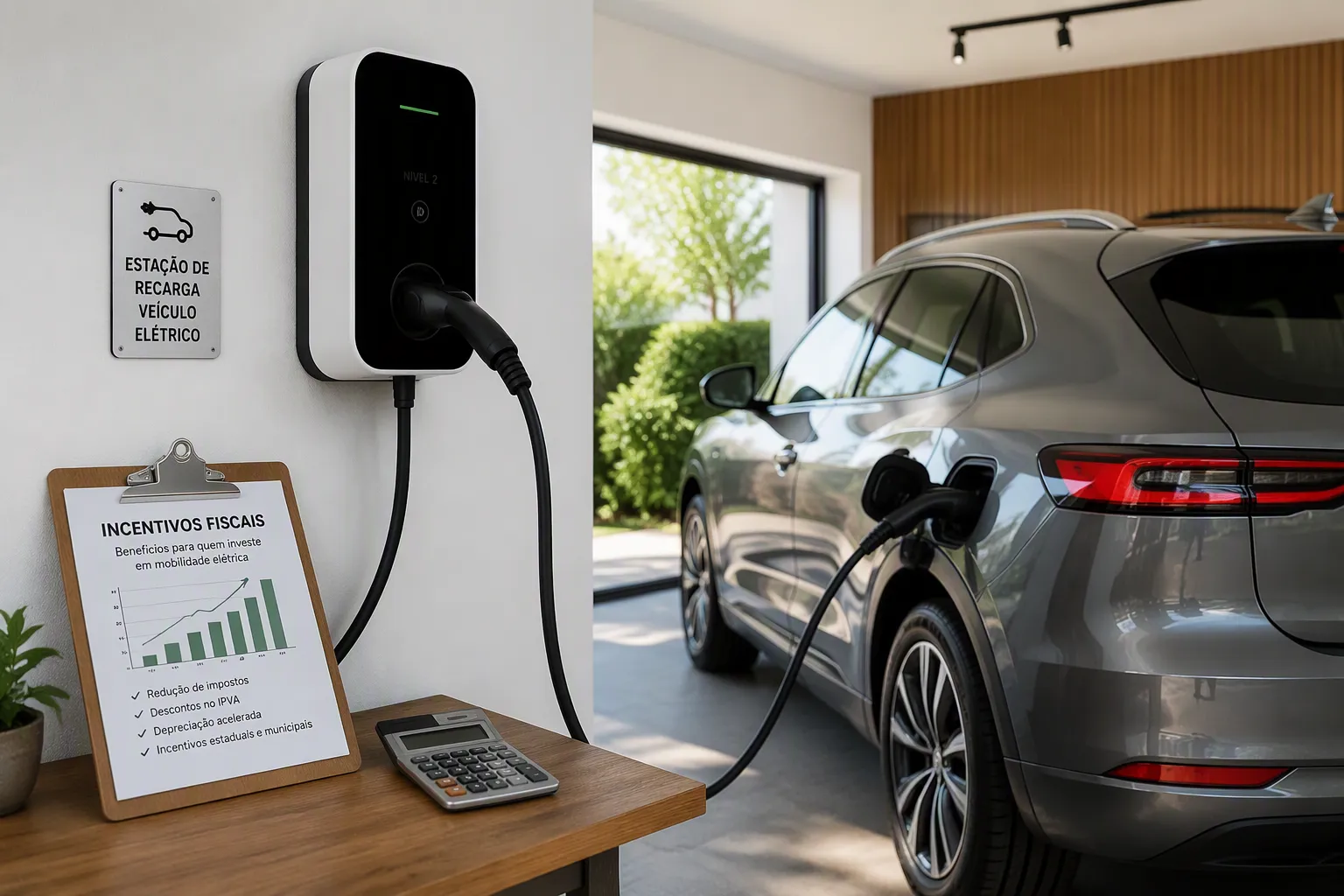
French tax law allows businesses to deduct part of the investment in EV charging infrastructure from their taxable income. Accelerated depreciation schemes enable companies to write off the value of charging stations over a shorter period. This approach improves cash flow and makes the investment more attractive.
Application Process and Best Practices
Businesses should follow these steps to secure incentives and grants:
- Review eligibility criteria for each program.
- Gather required documents, such as quotes, technical specifications, and site plans.
- Submit applications through official portals or local authorities.
- Track deadlines and respond promptly to requests for additional information.
Tip: Early planning increases the chances of approval and helps businesses align their project timeline with funding cycles.
Government incentives and grants play a crucial role in offsetting the cost of installing commercial EV charging stations. By leveraging these opportunities, French businesses can accelerate their transition to electric mobility and enhance their sustainability profile.
Charging Speed and User Experience with EV Charging Stations

Level 2 charging station: Charging speed and typical use
Estaciones de carga de nivel 2 deliver a practical solution for many commercial sites in France. These stations provide a charging speed that typically ranges from 7 to 22 kW. Most electric vehicles can gain a full charge in four to eight hours. This pace suits locations where drivers leave their vehicles for extended periods. Office buildings, hotels, and shopping centers often choose Level 2 chargers for this reason.
The user experience with Level 2 charging stations remains straightforward. Drivers park, connect their EV, and continue with their activities. The slower charging speed does not disrupt their schedule because they expect to stay for several hours. Businesses benefit from lower installation costs and simpler maintenance. Level 2 stations also support a wide range of EV models, making them a flexible choice for mixed-use parking areas.
Consejo: Carga de nivel 2 works best for destinations where dwell time exceeds two hours.
Level 3 charging station: Charging speed and typical use
Level 3 charging stations, also known as DC fast chargers, offer a much higher charging speed. These units deliver between 50 kW and 350 kW, allowing most electric vehicles to reach 80% charge in 20 to 40 minutes. This rapid charging speed appeals to drivers who need quick turnaround, such as those stopping at highway service areas or fleet operators with tight schedules.
The user experience at Level 3 charging stations focuses on speed and convenience. Drivers expect to plug in, wait a short time, and continue their journey. Businesses that install Level 3 chargers attract customers who value efficiency. These stations often feature advanced payment systems and real-time status updates, enhancing the overall experience.
Note: Level 3 charging stations require robust infrastructure and higher investment but deliver unmatched speed for busy locations.
Impact of charging station speed on customer satisfaction and business turnover
Charging speed plays a critical role in shaping customer satisfaction and influencing business turnover. Fast charging reduces wait times and increases the number of vehicles served each day. Retailers and service providers see higher foot traffic when customers know they can recharge quickly. Satisfied drivers are more likely to return and recommend the location to others.
A table below summarizes the impact of charging speed on business outcomes:
| Velocidad de carga | Satisfacción del cliente | Business Turnover |
|---|---|---|
| Level 2 (7-22 kW) | High (long stays) | Moderado |
| Level 3 (50-350 kW) | Very High (quick stops) | Alta |
Businesses must match their charging solution to their customer profile. Locations with longer dwell times can rely on Level 2 charging. Sites with high vehicle turnover or time-sensitive users benefit from Level 3 charging. By aligning charging speed with user needs, companies maximize both satisfaction and revenue.
Business Use Cases: Choosing the Right Commercial EV Charging Station
Retail and hospitality: Level 2 vs. Level 3 charging station
Retail stores and hospitality venues in France face unique challenges when choosing the right commercial EV charging station. Customer behavior in these sectors often involves longer stays, such as shopping trips, dining, or overnight hotel visits. Estaciones de carga de nivel 2 align well with these patterns. They allow guests to recharge their vehicles while enjoying the services offered. The moderate installation cost and compatibility with most electric vehicles make level 2 chargers a practical choice for many retail and hospitality businesses.
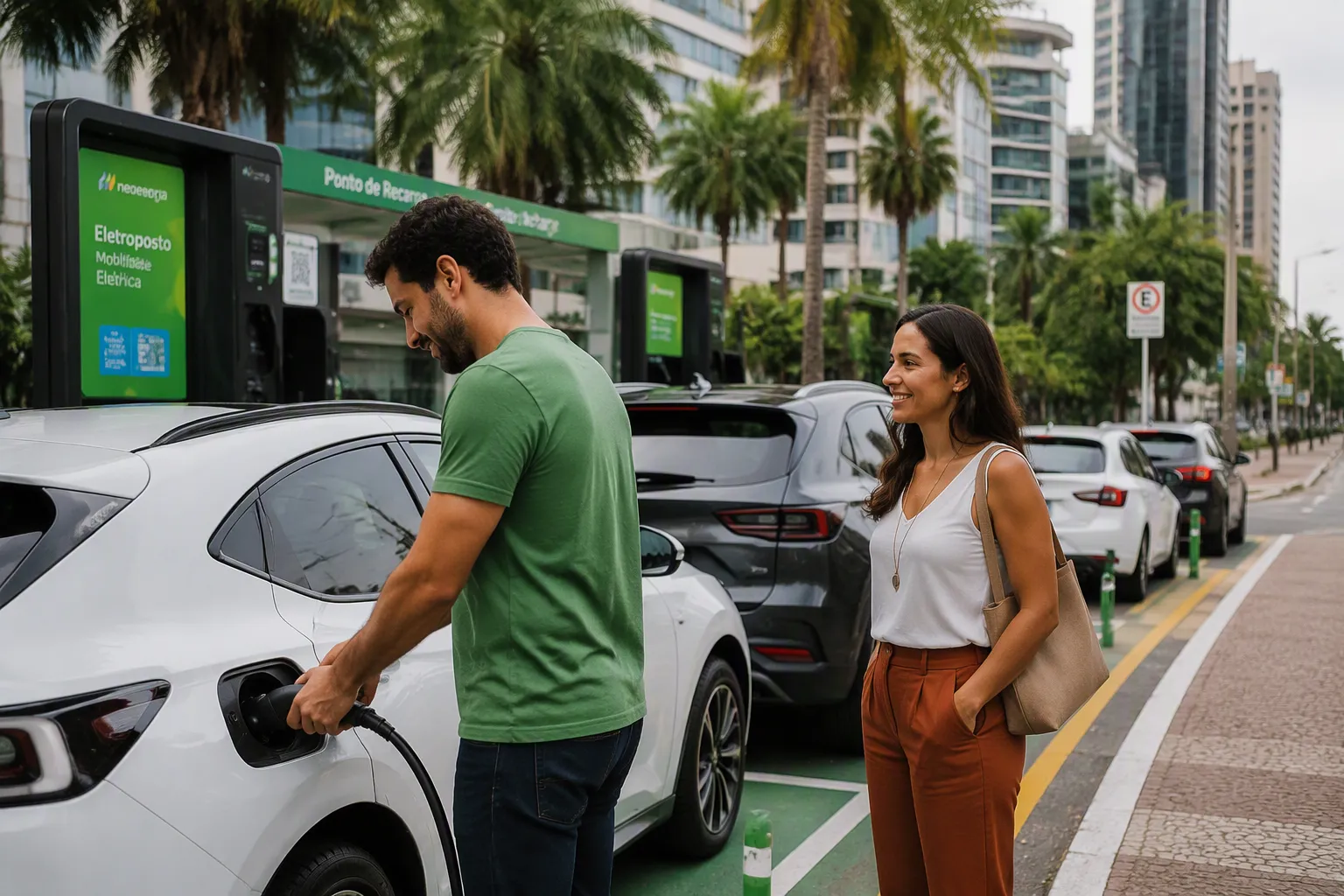
Some retail locations, especially those near highways or in high-traffic urban centers, may benefit from installing a level 3 charging station. These fast chargers attract drivers who need a quick top-up and increase foot traffic from EV owners seeking rapid service. However, the higher investment and infrastructure requirements mean that level 3 chargers suit only locations with significant demand for fast charging.
Tip: Retailers and hoteliers should analyze customer dwell times and parking turnover before selecting a charging solution. A mix of both charging station types can maximize customer satisfaction and revenue.
Office and workplace: Best charging station options
Office buildings and workplaces in France typically see employees parking their vehicles for several hours each day. This environment makes level 2 charging stations the preferred option. Employees can plug in their EVs at the start of the workday and return to a fully charged vehicle by the end of their shift. The lower power requirements and straightforward installation process reduce disruption to daily operations.
Employers who wish to support sustainability goals and employee satisfaction often choose to install multiple level 2 chargers. This approach ensures that more staff members have access to charging facilities. Some companies may consider a single level 3 charger for visitors or company vehicles that require quick turnaround. However, for most workplaces, level 2 charging stations provide the best balance of cost, convenience, and compatibility.
Nota: TPSON offers advanced electric vehicle charging solutions that integrate seamlessly into office environments, supporting both employee and visitor needs.
Fleet and logistics: Choosing the right charging station
Fleet and logistics operators in France must evaluate several factors when choosing the right la carga comercial para vehículos eléctricos estación. El tipo de vehículos, el kilometraje diario y los horarios operativos influyen en la solución de carga óptima. Las empresas que gestionan furgonetas o camiones de reparto suelen requerir una combinación de velocidades de carga para mantener la eficiencia.
El siguiente cuadro resume las principales opciones de carga para operaciones de flotas y logística:
| Tipo de cargador | Potencia (kWh) | Tiempo de Carga (aprox.) | Caso de uso ideal |
|---|---|---|---|
| Carga rápida | 7-22 | 50 millas en 30 minutos | Tiempos de permanencia largos, p. ej., durante la noche |
| Carga rápida | 50-100 | 100 millas en 30 minutos | Ubicaciones en ruta, p. ej., centros comerciales |
| Carga ultrarrápida | 100+ | 200 millas en 30 minutos | Centros y depósitos con rotación rápida |
Los gestores de flotas con horarios predecibles y estacionamiento nocturno pueden depender de estaciones de carga rápida, que ofrecen 7-22 kWh y se adaptan a vehículos que permanecen inactivos durante períodos prolongados. Las estaciones de carga ultrarrápida, que ofrecen 50-100 kWh, funcionan bien en ubicaciones en ruta donde los vehículos se detienen brevemente durante las entregas. La carga ultra rápida, con potencia superior a 100 kWh, es adecuada para centros y depósitos que requieren rotación rápida y alto volumen de vehículos.
⚡ Las empresas logísticas deben evaluar sus patrones operativos y la infraestructura del sitio antes de invertir en nuevas estaciones de carga. TPSON ofrece soluciones escalables que se adaptan a las necesidades cambiantes de la flota y respaldan una gestión eficiente de los vehículos eléctricos.
Elegir la estación de carga comercial para vehículos eléctricos adecuada para cada tipo de negocio garantiza un servicio confiable, maximiza el retorno de la inversión y respalda la transición a la movilidad eléctrica en toda Francia.
Estacionamiento público y viviendas multifamiliares: ¿Nivel 2 o Nivel 3?
Las instalaciones de estacionamiento público y las viviendas multifamiliares en Francia enfrentan desafíos únicos al seleccionar la estación de carga comercial para vehículos eléctricos adecuada. Estos entornos atienden a un grupo diverso de usuarios, incluidos residentes, visitantes y viajeros. La elección entre estaciones de carga de nivel 2 y nivel 3 depende de varios factores, como el comportamiento del usuario, la duración del estacionamiento, las limitaciones de infraestructura y los objetivos de inversión.
Patrones de Usuario y Necesidades de Carga
Los estacionamientos públicos suelen tener una alta rotación de vehículos. Los conductores pueden estacionar por períodos cortos mientras compran, realizan gestiones o asisten a citas. Por el contrario, las viviendas multifamiliares, como complejos de apartamentos y condominios, suelen tener vehículos estacionados durante la noche o por muchas horas. Comprender estos patrones ayuda a los administradores de propiedades y a los dueños de negocios a adaptar las soluciones de carga a las expectativas de los usuarios.
- Estacionamiento Público:
Muchos usuarios buscan carga rápida para maximizar la conveniencia. La carga rápida puede atraer a más conductores de vehículos eléctricos y aumentar la utilización del estacionamiento. - Viviendas Multifamiliares:
Los residentes prefieren una carga confiable durante la noche o en estancias largas. Para la mayoría de los inquilinos, el acceso constante es más importante que la velocidad.
Consideraciones de Infraestructura y Costo
Instalar estaciones de carga para vehículos eléctricos en espacios públicos o compartidos requiere una planificación cuidadosa. Los propietarios deben evaluar la capacidad eléctrica disponible, el espacio y el presupuesto.
| Factor | Estacionamiento Público | Viviendas Multifamiliares |
|---|---|---|
| Tiempo de Estacionamiento Típico | 1-3 horas | 8+ horas (nocturno) |
| Rotación de Usuarios | Alta | Baja a moderada |
| Mejoras eléctricas | A menudo significativa | Usualmente moderada |
| Prioridad de Inversión | Maximizar el volumen atendido | Maximizar la satisfacción de los residentes |
Las estaciones de carga de nivel 2 ofrecen una solución práctica para viviendas multifamiliares. Proporcionan potencia suficiente para la carga nocturna, requieren mejoras eléctricas menos complejas y mantienen los costos de instalación manejables. Los residentes se benefician de un acceso predecible, y los administradores pueden instalar múltiples unidades para atender a más vehículos.
Los operadores de estacionamiento público pueden considerar estaciones de carga de nivel 3 para satisfacer las necesidades de conductores que demandan carga rápida. Estas estaciones proporcionan recargas energéticas rápidas, reducen los tiempos de espera y aumentan el número de vehículos atendidos diariamente. Sin embargo, los mayores costos de instalación y operación, junto con mayores demandas de infraestructura, significan que los cargadores de nivel 3 solo son adecuados para ubicaciones de alto tráfico o sitios cerca de rutas de tránsito principales.
Factores Regulatorios y Operativos
Las regulaciones francesas fomentan el despliegue de infraestructura de carga para vehículos eléctricos tanto en entornos públicos como residenciales. Los propietarios deben cumplir con las obligaciones de pre-equipamiento, estándares de accesibilidad y códigos de seguridad. En viviendas multifamiliares, políticas claras para el acceso, facturación y mantenimiento de los cargadores ayudan a prevenir disputas y garantizan una operación fluida.
Consejo: Los administradores de propiedades deben encuestar a los residentes o usuarios antes de invertir en nuevas estaciones de carga. Comprender la demanda real ayuda a evitar una inversión insuficiente o excesiva.
Lista de Verificación para la Decisión
Al elegir entre estaciones de carga de nivel 2 y nivel 3 para estacionamiento público o viviendas multifamiliares, considere lo siguiente:
- Duración promedio del estacionamiento y rotación de usuarios
- Capacidad eléctrica disponible y costos de mejora
- Retorno de inversión esperado y oportunidades de financiamiento
- Requisitos regulatorios y cumplimiento
- Preferencias de los usuarios y escalabilidad futura
Seleccionar la solución de carga adecuada respalda la movilidad sostenible, mejora el valor de la propiedad y satisface las necesidades cambiantes de los conductores franceses de vehículos eléctricos.
Tomando la Decisión Final: Seleccionando Su Estación de Carga Comercial para Vehículos Eléctricos
Lista de verificación para elegir la estación de carga comercial para vehículos eléctricos correcta
Las empresas francesas enfrentan muchos factores al elegir la estación de carga comercial para vehículos eléctricos correcta. Una lista de verificación estructurada ayuda a agilizar el proceso de selección y garantiza que se cumplan todos los requisitos críticos. La siguiente tabla resume los puntos clave a considerar:
| Lista de control Elemento | Descripción |
|---|---|
| Conectividad | Soporta control y monitoreo remoto a través de WiFi, 4G o Ethernet. |
| Compatibilidad Solar | Diseñado para optimizar el uso de energía y funciona con sistemas de energía solar. |
| Gestión de la carga | Cuenta con balanceo dinámico de carga para prevenir la sobrecarga del sitio. |
| Protecciones de seguridad | Incluye protección contra fugas de corriente de 30 mA CA y 6 mA CC. |
| Comportamiento de Carga Verde | Soporta carga de energía verde 100% y maximiza la utilización de excedentes energéticos. |
| Coordinación del Sistema | Se integra con los sistemas energéticos del sitio para una mejor gestión de los recursos energéticos. |
| Programación Remota | Permite alinear la carga con la producción solar y las ventanas de tarifas mediante una aplicación. |
| Protocolos de comunicación | Soporta múltiples protocolos para integración en controles de sitio más amplios. |
| Gestión RFID | Proporciona acceso controlado, importante para entornos de carga de flotas y lugares de trabajo. |
Consejo: Las empresas deben revisar cada elemento de la lista de verificación antes de tomar una decisión final. Este enfoque garantiza que la estación de carga cumpla con los objetivos operativos, técnicos y de sostenibilidad.
Errores comunes que se deben evitar al seleccionar una estación de carga
Muchas empresas encuentran dificultades durante el proceso de elección de la estación de carga comercial para vehículos eléctricos adecuada. Evitar estos errores mejora la satisfacción a largo plazo y reduce gastos inesperados.
- Pasar por alto la capacidad eléctrica del sitio y las limitaciones de infraestructura.
- Ignorar la compatibilidad con sistemas energéticos existentes o paneles solares.
- No considerar las necesidades futuras de escalabilidad y expansión.
- Seleccionar una estación sin protecciones de seguridad robustas o funciones de gestión de carga.
- Subestimar la importancia de los controles de acceso de usuarios, especialmente para entornos de flotas o lugares de trabajo.
- Centrarse únicamente en el costo inicial sin evaluar los gastos continuos de mantenimiento y operación.
⚠️ Las empresas deben priorizar una evaluación holística en lugar de centrarse solo en el precio o la velocidad. Esta estrategia evita actualizaciones costosas y interrupciones operativas.
Cuándo consultar a un experto sobre su estación de carga para vehículos eléctricos
Consultar a un experto proporciona un valioso apoyo durante la transición a la movilidad eléctrica. Los expertos ayudan en la planificación, implementación y gestión continua, garantizando que se cumplan todos los requisitos de carga. Las empresas francesas se benefician de la orientación experta al configurar una estación de carga en un solo sitio o planificar un despliegue multiubicación. Los especialistas ayudan a evaluar las necesidades de uso, las limitaciones de infraestructura y la escalabilidad futura.
La consultoría experta se vuelve esencial durante la transición a la movilidad sostenible. Los profesionales evalúan las expectativas operativas y ofrecen soluciones personalizadas que se alinean con los objetivos empresariales. Garantizan que la red de carga siga siendo escalable y preparada para el futuro, minimizando riesgos y maximizando el retorno de la inversión.
Nota: Involucrar a un experto al inicio del proceso agiliza la instalación, garantiza el cumplimiento normativo y optimiza el rendimiento de la estación de carga.
Las empresas francesas pueden seleccionar la estación de carga para vehículos eléctricos adecuada alineando sus necesidades con las tendencias del mercado. La siguiente tabla destaca la fuerte presencia de Park’n Plug en París, mostrando la creciente demanda de soluciones de carga comercial:
| Estación de carga | Número de Sitios | Enfoque Geográfico | Puntos de recarga | Planes de futuro |
|---|---|---|---|---|
| Park’n Plug | 350 | 80+ en París | ~6,000 | Expandirse a 700 sitios más |
Los factores clave incluyen la capacidad eléctrica del sitio, la rotación de usuarios y la compatibilidad con energías renovables.
Próximos pasos recomendados:
- Preparar las operaciones para el futuro instalando estaciones de carga para vehículos eléctricos.
- Explorar ayudas financieras, subvenciones y programas gubernamentales para reducir costos.
- Integrar energía renovable para una mayor sostenibilidad.
PREGUNTAS FRECUENTES
¿Cuál es la principal diferencia entre las estaciones de carga Nivel 2 y Nivel 3?
Las estaciones Nivel 2 usan corriente alterna (CA) y cargan los vehículos en varias horas. Las estaciones Nivel 3 usan corriente continua (CC) y cargan la mayoría de los vehículos eléctricos en menos de una hora. El Nivel 3 requiere más infraestructura e inversión.
¿Todos los vehículos eléctricos admiten carga de Nivel 3?
No todos los vehículos eléctricos admiten carga de Nivel 3. Algunos modelos antiguos o de nivel básico solo aceptan carga de Nivel 2. Siempre verifique las especificaciones del vehículo antes de instalar un cargador de Nivel 3.
¿Cómo puede una empresa estimar el número de estaciones de carga necesarias?
Una empresa debe analizar los patrones diarios de estacionamiento, la rotación de clientes y las tasas esperadas de adopción de vehículos eléctricos. Consultar con un experto en carga de vehículos eléctricos ayuda a determinar el número óptimo de estaciones para las necesidades actuales y futuras.
¿Existen incentivos gubernamentales para instalar estaciones de carga comercial para vehículos eléctricos en Francia?
Sí. El gobierno francés y muchas regiones ofrecen subvenciones y beneficios fiscales. El programa ADVENIR cubre hasta el 50% de los costos elegibles. Las autoridades locales pueden proporcionar apoyo adicional.
¿Qué mantenimiento requieren las estaciones comerciales de recarga de VE?
El mantenimiento de rutina incluye actualizaciones de software, inspecciones de cables y limpieza. Los técnicos verifican el desgaste, prueban los sistemas de seguridad y garantizan un funcionamiento confiable. El servicio regular previene tiempos de inactividad y prolonga la vida útil del equipo.
¿Puede una empresa integrar paneles solares con estaciones de carga para vehículos eléctricos?
Sí. Muchas estaciones de carga comercial para vehículos eléctricos admiten la integración con sistemas de energía solar. Esta configuración reduce los costos de electricidad y apoya los objetivos de sostenibilidad. Las empresas deben seleccionar cargadores con funciones de compatibilidad solar.
¿Cuánto se tarda en instalar una estación de recarga comercial para vehículos eléctricos?
Las estaciones Nivel 2 generalmente se instalan en unos pocos días. Las estaciones Nivel 3 pueden requerir varias semanas o meses debido a las actualizaciones eléctricas y los permisos. La planificación temprana y la coordinación con instaladores certificados ayudan a reducir los retrasos.