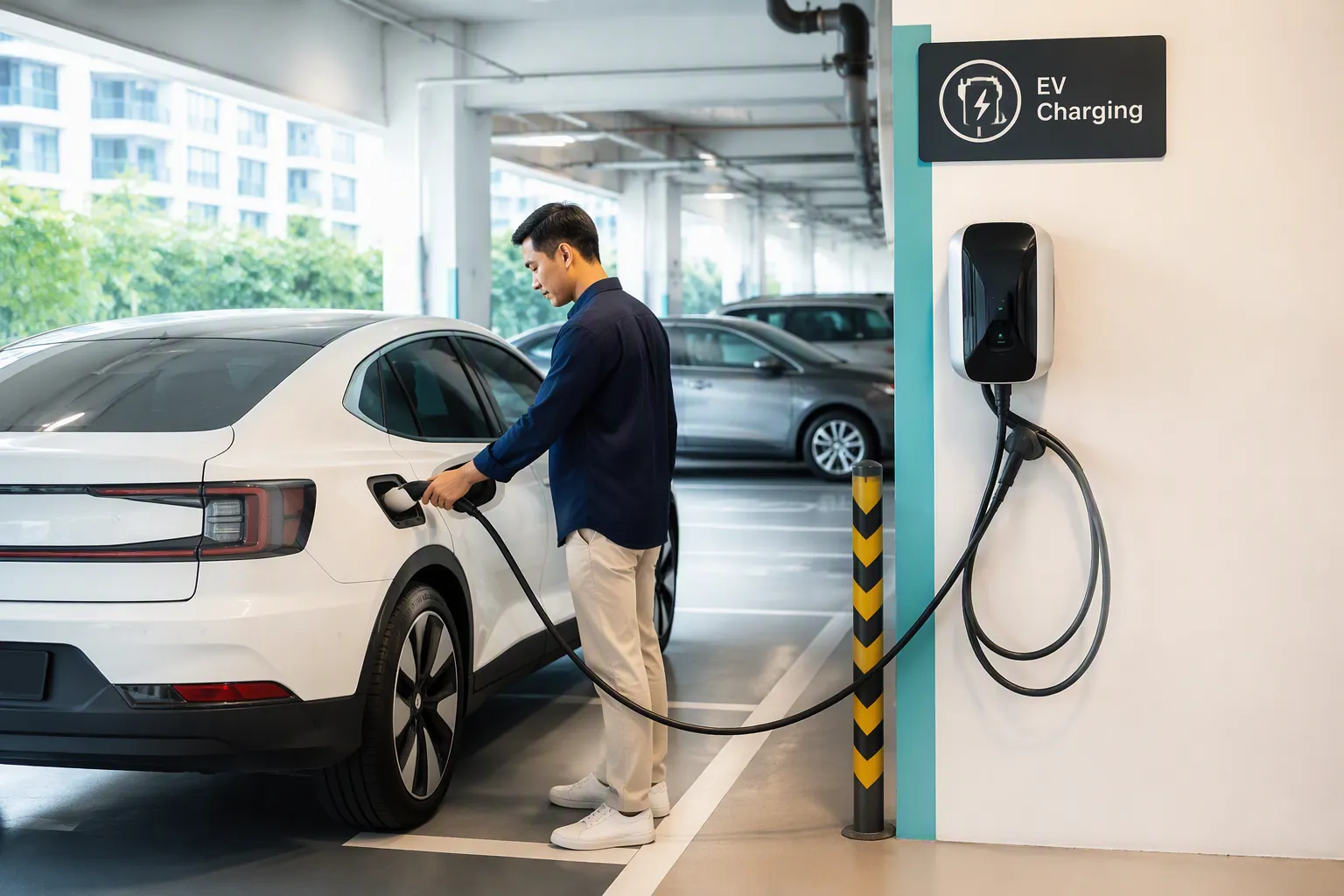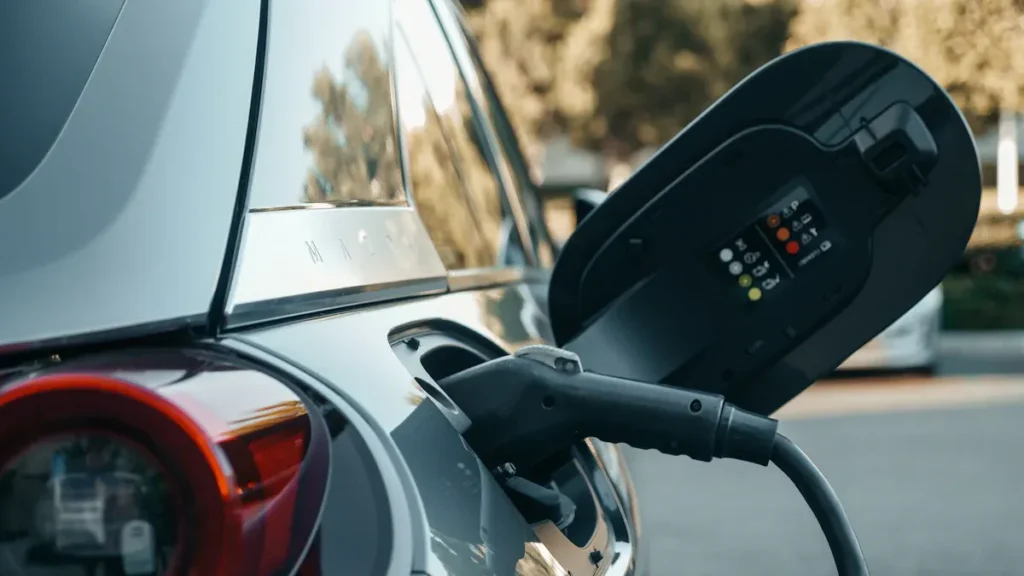
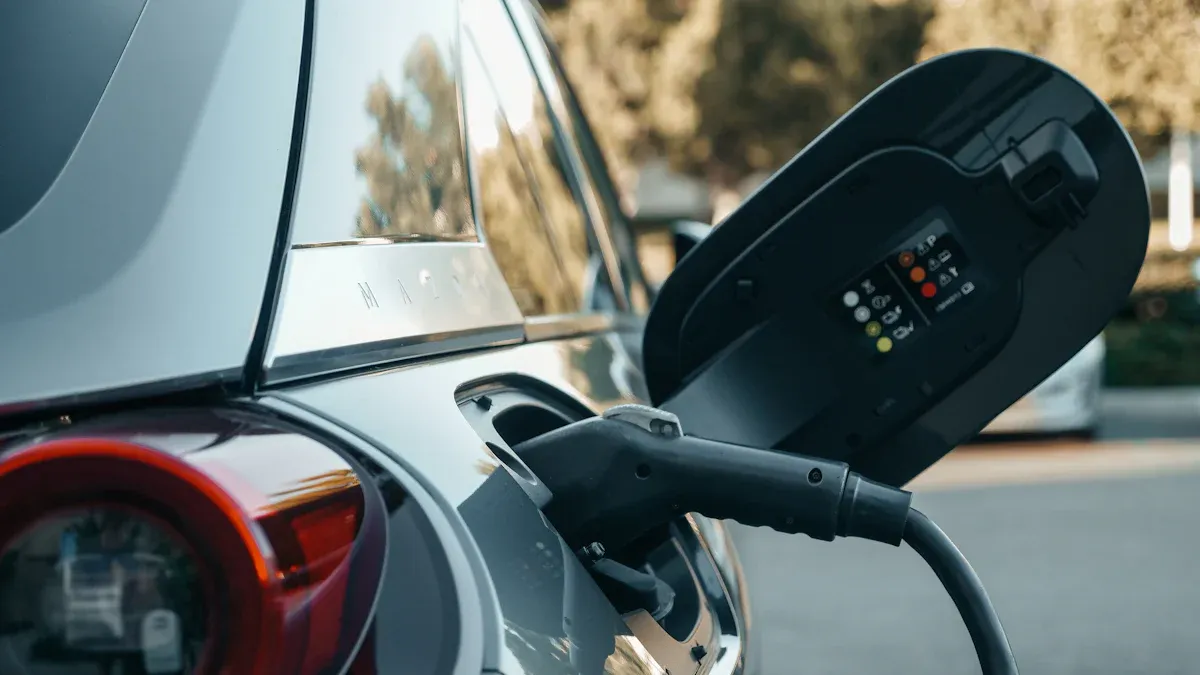
Los cargadores de Nivel 2 para VE ofrecen a los propietarios de viviendas del Reino Unido una mejora práctica respecto a las opciones de carga estándar. Proporcionan una carga más rápida, mayor seguridad y una mejor fiabilidad para cualquier hogar. Muchos Fabricantes de cargadores para VE han sido diseñados Soluciones de recarga de vehículos eléctricos adaptados al mercado del Reino Unido, atendiendo las necesidades específicas de los propietarios. A diferencia de cargadores portátiles para vehículos eléctricos, un cargador fijo respalda el uso diario del VE con comodidad y control. Un Cargador EV ayuda a preparar la vivienda para el futuro, adaptándola a la evolución de la tecnología de los vehículos eléctricos.
Comprensión de la Carga de VE y la Carga Doméstica
Conceptos Básicos de Carga de VE para Propietarios de Viviendas del Reino Unido
Cómo Funciona la Carga de VE en el Hogar
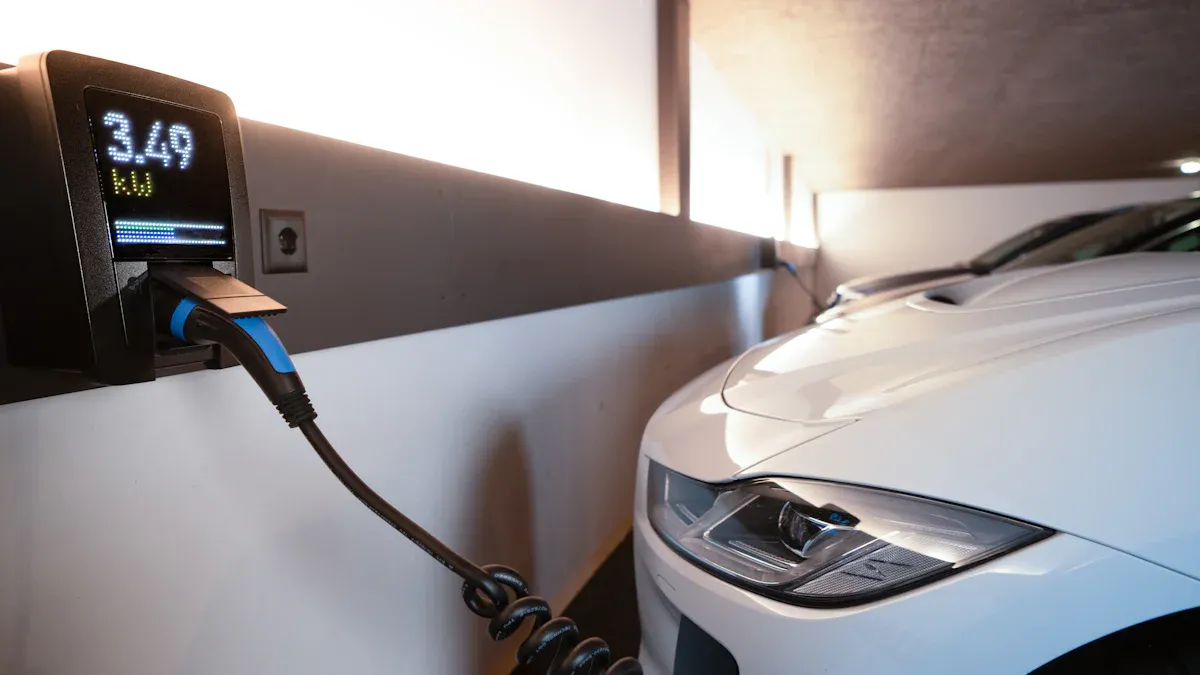
La carga residencial de VE permite a los propietarios de viviendas en el Reino Unido alimentar sus vehículos eléctricos de forma conveniente. Un cargador de VE se conecta al suministro eléctrico del hogar, entregando energía directamente a la batería del vehículo. La mayoría de los cargadores domésticos para VE utilizan un circuito dedicado para garantizar una carga segura y eficiente. Las soluciones de carga doméstica ofrecen flexibilidad, permitiendo a los usuarios cargar durante la noche o en horas de menor demanda. El proceso implica conectar el VE al cargador, que se comunica con el vehículo para regular el flujo de energía y monitorizar el estado de la batería. Los propietarios se benefician de la capacidad de controlar los tiempos de carga y monitorizar el uso de energía, haciendo de la carga residencial de VE una opción práctica para el uso diario.
Tipos de Cargadores Domésticos para VE Explicados
Los hogares del Reino Unido suelen disponer de dos tipos principales de cargadores para vehículos eléctricos. La siguiente tabla describe las diferencias:
| Tipo de cargador | Descripción | Potencia de salida | Tiempo de carga |
|---|---|---|---|
| Nivel 1 | Carga Lenta utilizando un enchufe doméstico estándar | 2–3 kW | 24 – 38 horas |
| Nivel 2 | Carga Rápida con un conector Tipo 2 | 7-22 kW | 100+ millas en pocas horas con cargador de 7 kW |
Los cargadores de Nivel 1 ofrecen una carga básica para vehículos eléctricos pero requieren tiempos de carga prolongados. Los cargadores de VE de Nivel 2 ofrecen soluciones de carga más rápidas, lo que los hace ideales para uso residencial. Los propietarios que instalan un cargador doméstico de VE con capacidad de Nivel 2 disfrutan de una mayor comodidad y eficiencia.
Cargadores de Nivel 2 para VE: Velocidad, Seguridad y Comodidad
Tiempos de Carga y Potencia de Salida
Los cargadores de Nivel 2 ofrecen mejoras significativas en la velocidad de carga en comparación con las unidades de Nivel 1. La siguiente tabla destaca las diferencias clave:
| Tipo de cargador | Potencia (kW) | Autonomía Añadida (millas/hora) | Tiempo de carga completa (horas) |
|---|---|---|---|
| Nivel 1 | 2.3-3 | 8-10 | >20 |
| Nivel 2 | 7.4 | 25-30 | 6-8 |
Los cargadores de VE de Nivel 2 pueden añadir una media de 32 millas de autonomía por hora de carga. La mayoría de los vehículos eléctricos alcanzan la carga completa en 4-8 horas, dependiendo del tamaño de la batería. Cargar durante la noche con un cargador de Nivel 2 garantiza que el vehículo esté listo para el uso diario. La carga doméstica con soluciones de Nivel 2 se adapta a estilos de vida ocupados y reduce la dependencia de las estaciones de carga públicas.
Consejo: La carga de Nivel 2 en casa o en el trabajo suele completar una carga completa en 4-8 horas, lo que la hace adecuada para la carga nocturna.
Características de Seguridad y Fiabilidad
La seguridad sigue siendo una prioridad máxima para la carga residencial de VE en el Reino Unido. Los cargadores de VE de Nivel 2 deben cumplir estrictas normas para garantizar un funcionamiento fiable. La siguiente tabla resume las principales normativas de seguridad:
| Estándar | Descripción |
|---|---|
| ISO 15118-2 | Define la comunicación vehículo-cargador, permitiendo la función Plug & Charge |
| ISO 15118-20 | Amplía la comunicación vehículo-cargador, permitiendo V2G |
| SESS | Sistemas Inteligentes de Energía Segura: marco regulatorio para controladores de carga |
| OCPP 1.6 → 2.0.1 / 2.1 | Gestiona el intercambio de datos entre cargadores y sistemas de gestión |
| IEC 61851 / 62196 | Especifica la seguridad eléctrica y los formatos de conectores |
| Reglamento de Puntos de Carga Inteligentes 2021 | Impone ciberseguridad y programación en horas de menor demanda |
| Reglamento sobre puntos de recarga públicos 2023 | Requiere pago, fiabilidad y transparencia de datos abiertos |
| PAS 1899 | Garantiza un diseño accesible para la carga pública |
Los fabricantes diseñan los cargadores domésticos para VE para cumplir con estas normas, proporcionando tranquilidad a los propietarios. Los cargadores de VE de Nivel 2 ofrecen sólidas características de seguridad, incluyendo corte automático, protección contra sobretensiones y protocolos de comunicación seguros. Las soluciones de carga fiables ayudan a proteger tanto los vehículos como los hogares, apoyando la transición a la carga de vehículos eléctricos en el Reino Unido.
Beneficios de los Cargadores de Nivel 2 para VE en la Carga Doméstica
Carga Más Rápida y Comodidad Diaria
Cargadores de nivel 2 para vehículos eléctricos transforman las rutinas diarias de los propietarios de viviendas del Reino Unido. Estos cargadores ofrecen una velocidad de carga que supera con creces el enchufe estándar de tres clavijas. Una wallbox dedicada proporciona hasta 7.4kW, lo que es aproximadamente tres veces más rápido que un enchufe tradicional. Los propietarios experimentan un aumento significativo en la eficiencia, ya que un cargador de nivel 2 añade aproximadamente 25 a 30 millas de autonomía por hora. En contraste, un enchufe estándar añade solo 3 a 5 millas por hora. Esta mejora significa que los cargadores de nivel 2 son entre 3 y 6 veces más rápidos, lo que los hace ideales para la carga residencial de VE.
Nota: La carga nocturna garantiza que los vehículos estén listos para el uso diario, ofreciendo una comodidad inigualable para las familias ocupadas.
La siguiente tabla destaca cómo los cargadores de VE de nivel 2 mejoran las rutinas diarias:
| Beneficio | Descripción |
|---|---|
| Carga Nocturna | Garantiza que el vehículo esté listo para el uso diario, mejorando la comodidad de los propietarios de VE. |
| Carga rápida | Añade una autonomía significativa rápidamente, permitiendo una recarga completa durante la noche. |
| Batería Completa Cada Mañana | Garantiza que el coche esté completamente cargado y listo para usar cada día, mejorando las rutinas diarias. |
Flexibility and Control Over EV Charging
Homeowners gain greater flexibility and control with a home charging point. Modern home EV chargers offer advanced features that support residential EV charging. App connectivity enables remote monitoring and management of charging sessions. Scheduling charging during off-peak hours can reduce costs by up to 40%. Real-time tracking of energy consumption provides insight into kWh usage and charging costs. Notifications alert users when charging starts, completes, or encounters issues. Adjusting charging speeds helps balance household power demands instantly. Diagnostic information facilitates troubleshooting without needing a technician. Solar PV integration maximizes renewable energy usage, prioritizing solar-generated electricity for charging. Dynamic load balancing prevents circuit overloads by distributing power intelligently across devices. Energy management systems integrate with time-of-use tariffs to minimize electricity costs.
| Característica | Beneficio |
|---|---|
| App connectivity | Enables remote monitoring and management of charging sessions from anywhere. |
| Schedule charging sessions | Allows charging during off-peak hours, reducing costs by up to 40%. |
| Seguimiento del consumo de energía | Provides real-time data on kWh usage and charging costs. |
| Recibir notificaciones | Alerts when charging starts, completes, or encounters issues. |
| Adjust charging speeds | Balances household power demands instantly. |
| Access diagnostic information | Facilitates troubleshooting without needing a technician. |
| Solar PV integration | Maximizes renewable energy usage by prioritizing solar-generated electricity for charging. |
| Equilibrio dinámico de la carga | Prevents circuit overloads by distributing power intelligently across devices. |
| Energy management systems | Integrates with time-of-use tariffs to minimize electricity costs. |
Future-Proofing Your Home for EVs
Installing a home EV charger prepares a residential property for the evolving landscape of electric vehicles. Smart app control allows remote management of charging, providing cost-saving and convenience. Dynamic load balancing adjusts power distribution to prevent system overloads. V2G and V2H capabilities enable energy flow from EV to home, potentially powering the home with stored energy. Connectivity options such as Wi-Fi, Bluetooth, and RFID ensure seamless integration. Solar integration allows charging from solar energy, reducing reliance on the grid. Scalability supports future EV models and increased energy demands. Smart technology offers features like smart scheduling and load balancing. Renewable integration maximizes energy efficiency by working with solar and battery systems. OZEV grant eligibility provides financial incentives for homeowners.
Tip: Investing in level 2 EV chargers ensures that a home remains compatible with future EV models and supports sustainable energy solutions.
A home charging point with advanced features positions homeowners to benefit from the latest innovations in EV charging. Homeowners who choose home EV chargers gain access to a range of benefits, including enhanced convenience, flexibility, and long-term value.
How to Choose the Right Level 2 EV Charger
Selecting the best level 2 EV charger for a UK home involves careful consideration of several important features. Homeowners must evaluate velocidad de carga, compatibility, smart technology, and durability to ensure optimal performance and safety.
Key Features to Consider in an EV Charger
Potencia de salida y velocidad de carga
Charging speed depends on the power output of the charger and the battery capacity of the EV. Fast chargers with ratings between 7kW and 22kW deliver a significant speed advantage over slow chargers. A 7kW charger suits most residential EV charging needs, providing a balance between efficiency and accessibility. Higher power chargers reduce charging time, but not all vehicles can accept maximum rates. Charging speed often slows as the battery approaches full capacity. Homeowners should match the charger’s power output to their EV’s capabilities and daily driving requirements.
Tip: A 7.4kW charger typically offers optimal performance for home charging, ensuring quick top-ups and reliable overnight charging.
Cable Length and Connector Types
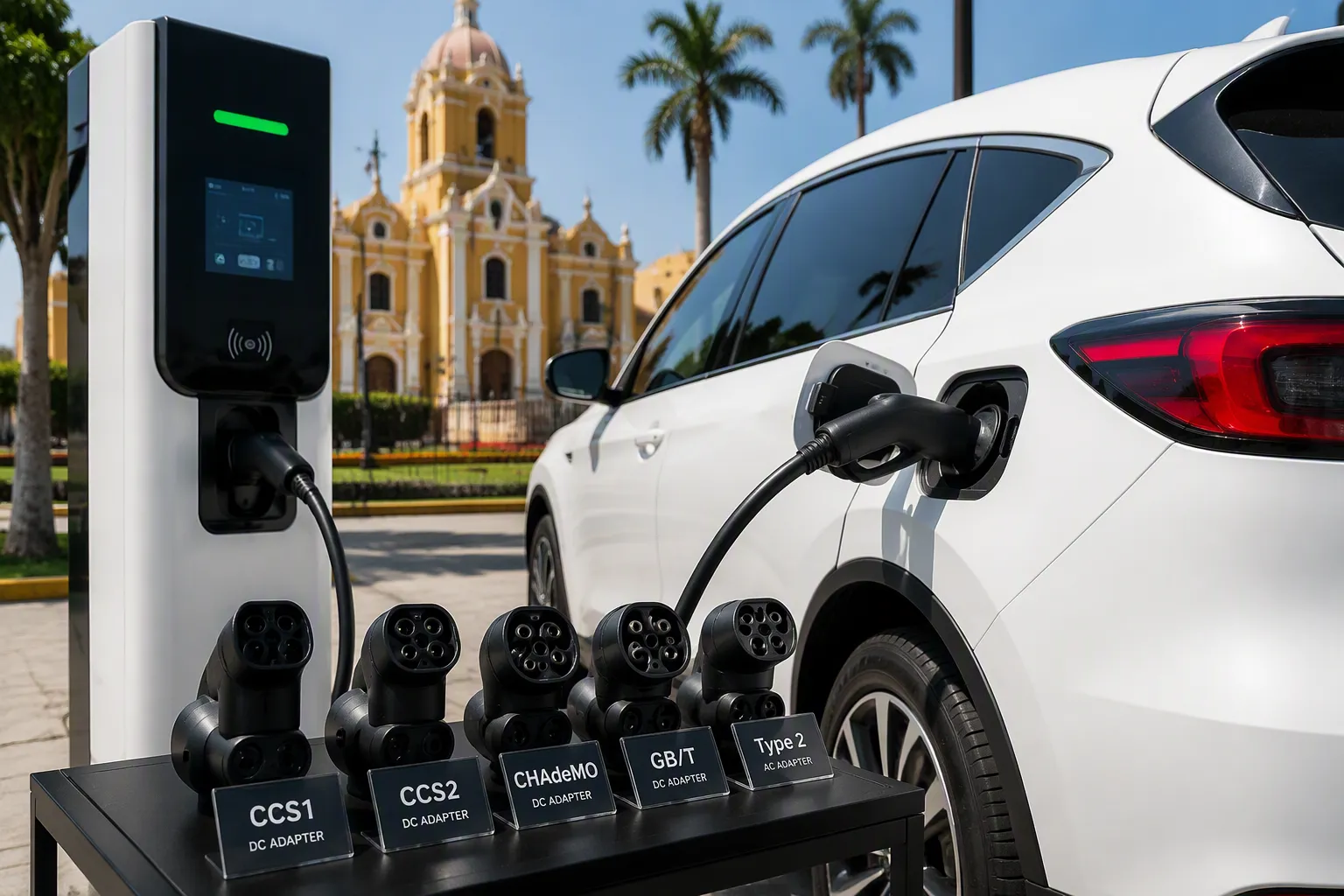
Cable length and connector type play a crucial role in usability. Most UK electric vehicle chargers use the Conector de tipo 2, which is compatible with nearly all modern EVs. Homeowners should assess their parking situation and choose a cable length that allows easy access from the charger to the vehicle. Tethered chargers feature a fixed cable, providing convenience and reducing setup time. Untethered chargers require a separate cable, offering flexibility for different vehicles. The Type 2 connector ensures compatibility across major brands, including Tesla, BMW, Volkswagen, Nissan, Renault, Jaguar, and Hyundai.
| Tipo de cargador | Tipo de conector | Cable Length Options | Adecuado para |
|---|---|---|---|
| Conectado | Tipo 2 | 5m, 7.5m, 10m | Single EV households |
| Sin ataduras | Tipo 2 | Customizable | Varios VE |
Funciones inteligentes e integración de aplicaciones
Smart features enhance control and convenience for residential EV charging. Many home EV chargers offer app connectivity, enabling remote monitoring, scheduled charging, and load management. Homeowners can track energy consumption, receive notifications, and adjust charging speeds. Smart scheduling allows charging during off-peak hours, reducing electricity costs. Software updates future-proof the charger, ensuring compatibility with evolving EV technology. Integration with solar PV systems maximizes renewable energy usage. Brand reputation and warranty options provide additional peace of mind.
- Key smart features to consider:
- Smartphone app control
- Carga programada
- Load management
- Energy tracking
- Diagnóstico remoto
- Actualizaciones de software
EV Compatibility and Home Electrical Requirements
Compatibility remains essential when choosing a level 2 charger. Nearly all new electric vehicles in the UK support Type 2 charging, making selection straightforward. Homeowners must verify that the charger matches their EV’s connector type and charging specifications. The installation requirements for residential EV charging include a circuito dedicado, adequate electrical service, and proper wiring. Most installations require a 240V supply and a 40-amp circuit breaker. Electricians must follow UK regulations, notify the Distribution Network Operator, and fit RCDs for safety. Ground Fault Circuit Interrupters protect against electrical imbalances, ensuring safe operation.
- Typical home electrical requirements:
- Dedicated circuit for the EV charger
- 240V electrical supply
- interruptor de circuito dedicado de 40 amperios
- Proper wiring (usually 8-gauge)
- Interruptor de circuito por fallo a tierra (GFCI)
- Compliance with UK installation codes
Note: Professional consultation ensures the electrical system supports the additional load and meets all safety standards.
Weatherproofing and Durability for UK Homes
Durability and weatherproofing are vital for outdoor installation in the UK climate. Level 2 chargers must withstand rain, dust, sunlight, and corrosion. The IP rating indicates protection against environmental factors. An IP65 rating or higher ensures reliable operation in outdoor conditions. UV resistance prevents material degradation from sunlight exposure. Corrosion-resistant materials protect chargers in coastal or humid areas.
| Característica | Importancia | Recomendación |
|---|---|---|
| Clasificación IP | Protects against dust and rain, ensuring functionality in outdoor conditions | Choose IP65 or higher |
| Resistencia UV | Prevents material degradation from sunlight exposure | Select products designed for outdoor use |
| Corrosion Resistance | Esencial en zonas costeras/húmedas para prevenir el deterioro | Utilizar materiales resistentes a la corrosión |
Un punto de carga doméstico robusto garantiza fiabilidad y seguridad a largo plazo para la carga de vehículos eléctricos en viviendas. Los propietarios deben seleccionar cargadores para vehículos eléctricos diseñados para el clima del Reino Unido, asegurando un rendimiento constante y un mantenimiento mínimo.
Marcas de confianza y certificaciones de seguridad
Seleccionar un cargador de nivel 2 fiable sigue siendo esencial para todo propietario de vivienda en el Reino Unido que valore la seguridad y el rendimiento a largo plazo. El mercado ofrece varias marcas de confianza, cada una reconocida por sus puntos fuertes en diseño, funciones inteligentes y durabilidad. Los propietarios suelen buscar productos que combinen una ingeniería robusta con tecnología avanzada para garantizar experiencias de carga sin interrupciones.
Marcas líderes para cargadores de nivel 2 en el Reino Unido
- El cargador KD Energy de 11 kW destaca por su capacidad de carga rápida y construcción robusta. La alta clasificación IP66 garantiza una excelente durabilidad en exteriores, mientras que las funciones inteligentes permiten a los usuarios monitorizar la carga de forma remota.
- ChargePoint Home Flex atrae a quienes valoran controles intuitivos mediante aplicación. Las funciones de programación y seguimiento de energía simplifican las rutinas diarias, y el proceso de instalación es sencillo.
- JuiceBox 40 ofrece un equilibrio entre fiabilidad y asequibilidad. Muchos usuarios aprecian su funcionalidad mediante aplicación, lo que lo convierte en una opción práctica para quienes buscan valor sin sacrificar rendimiento.
- Wallbox Pulsar Plus presenta un diseño compacto y ofrece velocidades de carga fiables. Su integración con aplicación inteligente permite una gestión energética flexible.
- Easee One recibe altas puntuaciones en satisfacción de instalación, con un 96% de los usuarios reportando experiencias positivas. Sin embargo, algunos usuarios han señalado un servicio postventa más lento y problemas ocasionales con la velocidad de carga.
- TPSON proporciona soluciones tecnológicamente avanzadas para la carga de vehículos eléctricos. Sus productos se centran en la innovación, seguridad e integración con sistemas energéticos inteligentes.
Consejo: Los propietarios deben considerar tanto la fiabilidad del producto como el soporte postventa al elegir una marca de cargador.
Certificaciones de seguridad para cargadores en el Reino Unido
La seguridad sigue siendo una prioridad máxima para cada instalación. El Reino Unido aplica estándares estrictos para proteger tanto la propiedad como a los usuarios. Los propietarios deben verificar que cualquier cargador de nivel 2 cumpla con los siguientes requisitos:
- Cumplimiento de la Parte P de las Regulaciones de Edificación, Parte P, que regula la seguridad eléctrica en propiedades domésticas.
- Adhesión a la Parte S, que exige que las viviendas nuevas con plazas de aparcamiento incluyan puntos de carga para vehículos eléctricos.
- Instalación conforme a las regulaciones de cableado BS 7671, garantizando un cableado correcto y una operación segura.
- Compatibilidad con funciones de gestión energética inteligente, que ayudan a optimizar la carga y reducir costes energéticos.
- Inclusión de protección RCD (Dispositivo de Corriente Residual) y carcasa resistente a la intemperie para mayor seguridad.
- Toma de tierra adecuada, según especifica la BS 7671, para prevenir riesgos eléctricos.
La siguiente tabla resume las certificaciones y características de seguridad esenciales:
| Certificación/Característica | Propósito | Requisito en el Reino Unido |
|---|---|---|
| Parte P (Reglamentos de Edificación) | Seguridad eléctrica en propiedades domésticas | Sí |
| Parte S (Reglamentos de Edificación) | Puntos de carga para vehículos eléctricos en viviendas nuevas | Sí |
| BS 7671 | Cableado e instalación seguros | Sí |
| Protección RCD | Previene descargas eléctricas | Sí |
| Carcasa resistente a la intemperie | Durabilidad en exteriores | Sí |
| Gestión inteligente de la energía | Optimiza la carga y el uso de energía | Sí |
| Toma de tierra adecuada | Previene fallos eléctricos | Sí |
Los propietarios que seleccionen un cargador de una marca reputada y confirmen estas certificaciones pueden confiar en que su sistema proporcionará carga segura, eficiente y preparada para el futuro para cualquier vehículo eléctrico. Este enfoque garantiza el cumplimiento de las regulaciones del Reino Unido y apoya una transición fluida a la movilidad eléctrica.
Proceso de instalación y costes del cargador para vehículos eléctricos
Encontrar un instalador cualificado de cargadores para vehículos eléctricos
Qué buscar en un instalador
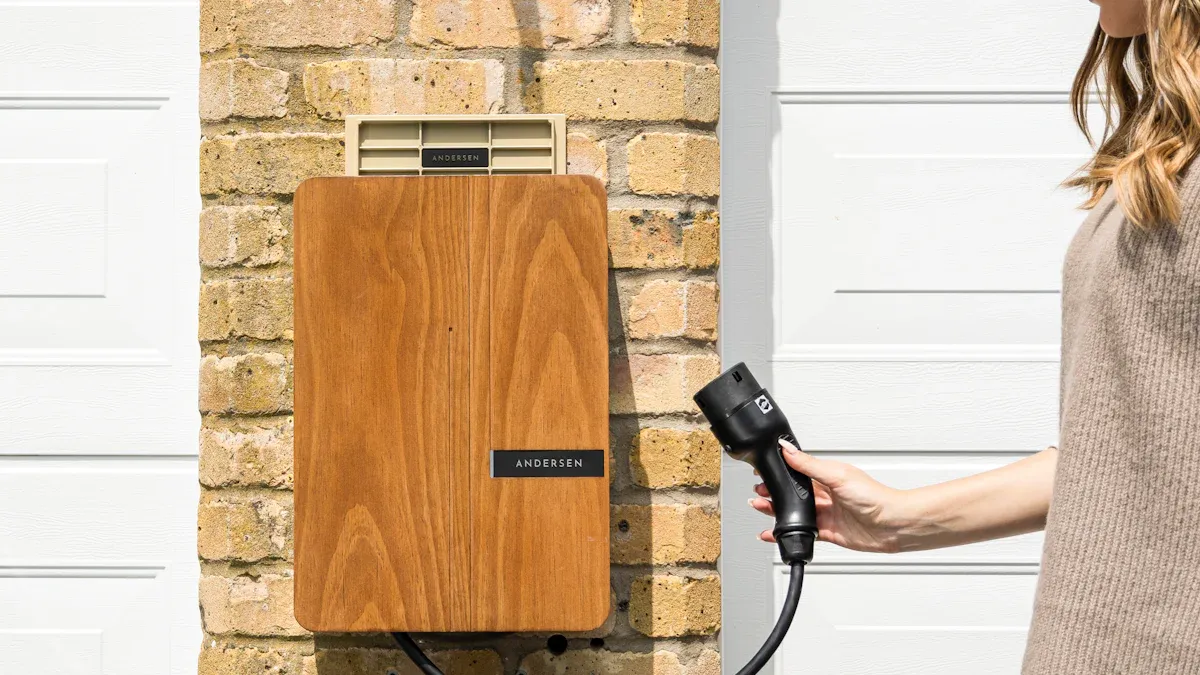
Seleccionar el instalador adecuado para un punto de carga doméstico para vehículos eléctricos garantiza seguridad y cumplimiento normativo. Los propietarios de viviendas en el Reino Unido deben priorizar a profesionales con experiencia demostrada en cargadores para vehículos eléctricos. Los instaladores deben completar formación especializada en equipos de carga para vehículos eléctricos. La aprobación por la Oficina para Vehículos de Cero Emisiones demuestra experiencia en soluciones de carga doméstica. La experiencia previa con infraestructura de carga para vehículos eléctricos añade confianza en la calidad del trabajo.
Acreditación y estándares de seguridad
La acreditación sigue siendo esencial para cualquier instalador. La siguiente tabla describe los requisitos de cualificación clave:
| Requisito de cualificación | Descripción |
|---|---|
| Registro profesional | Debe estar registrado en NAPIT, NICEIC o un organismo similar. |
| Autocertificación | Capacidad para autocertificar el trabajo bajo la Parte P de los Reglamentos de Edificación. |
| Regulaciones de cableado | Todo el trabajo debe cumplir con las Regulaciones de Cableado BS 7671. |
Los instaladores que cumplen estos estándares garantizan que el proceso de instalación sigue las regulaciones del Reino Unido. Los propietarios se benefician de la tranquilidad de saber que su cargador para vehículos eléctricos cumple todos los requisitos de seguridad.
Qué esperar durante la instalación del cargador para vehículos eléctricos
Estudio y evaluación del emplazamiento
El proceso de instalación comienza con una inspección del sitio. El instalador evalúa el sistema eléctrico de la propiedad y determina la mejor ubicación para el punto de carga. Verifica un suministro eléctrico adecuado y revisa las disposiciones de aparcamiento para garantizar un acceso fácil al cargador.
Mejoras y preparación eléctrica
Algunas viviendas requieren mejoras eléctricas antes de instalar un cargador de nivel 2. El instalador puede necesitar instalar un circuito dedicado o actualizar la unidad de consumo. El cumplimiento de las regulaciones de cableado BS 7671 garantiza una operación segura. La preparación incluye verificar la capacidad del sistema eléctrico y asegurar una toma de tierra adecuada.
Pasos del día de instalación
El día de la instalación, el instalador monta el cargador y lo conecta al suministro eléctrico. Prueba el punto de carga en cuanto a funcionalidad y seguridad. El instalador proporciona orientación sobre el uso del cargador y explica los requisitos de mantenimiento. Los propietarios reciben documentación que confirma el cumplimiento de los estándares del Reino Unido.
Consejo: La instalación profesional garantiza que el cargador para vehículos eléctricos opere de forma segura y eficiente, reduciendo los riesgos asociados con la carga doméstica de vehículos eléctricos.
Installation Costs and Factors Affecting Price
Installation costs for Level 2 EV chargers in the UK vary. The average cost of a Type 2 home EV charger ranges from £700 to £1,300. The charger unit alone costs between £400 and £800. Professional installation fees are estimated at £300 to £500. Overall, the total cost for purchasing and installing a charging point typically falls between £800 and £1,500.
Several factors influence the price of charging point installation. The type and power output of the charger set the baseline cost. Properties with older electrical systems may require upgrades, increasing costs. Labor rates differ across regions, affecting the final price. Additional charges may apply for longer cable runs or complex installations.
Note: Investing in a quality charger and professional installation supports reliable home charging and long-term value for EV owners.
Grants and Incentives for Home EV Charging in the UK
The OZEV EV Chargepoint Grant Explained
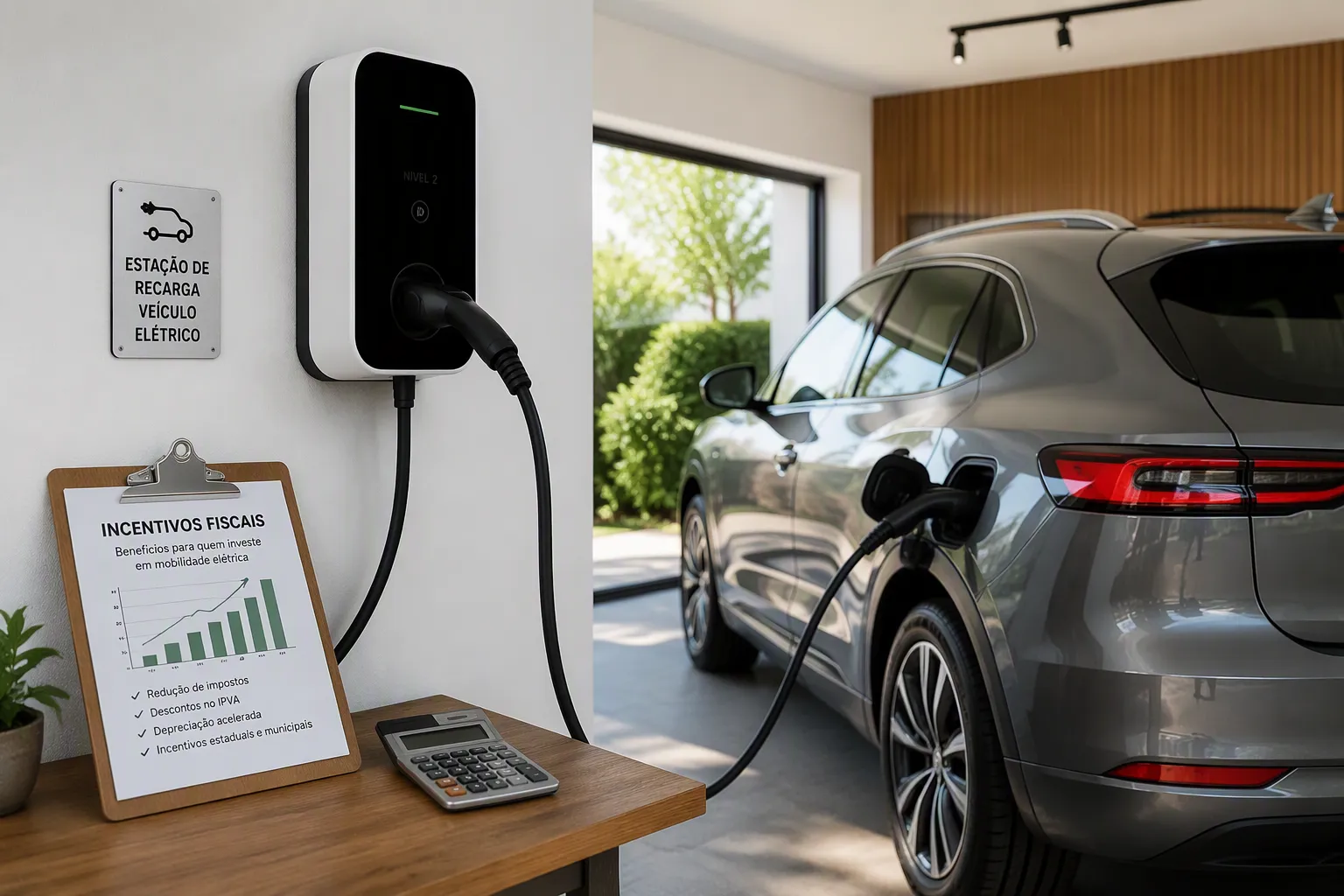
The UK government supports the transition to electric vehicles by offering financial incentives for residential charging infrastructure. The Office for Zero Emission Vehicles (OZEV) EV Chargepoint Grant provides homeowners with a substantial discount on the purchase and installation of eligible charging points. This grant covers up to 75% of the total cost, capped at £350. Homeowners benefit from reduced upfront expenses, making the adoption of EV technology more accessible.
Who Qualifies and How to Apply
Eligibility for the OZEV EV Chargepoint Grant depends on several criteria. Individuals must meet specific requirements to receive funding:
- Residents must live in a flat they own or rent a residential property.
- The property must feature a private off-street parking space.
- Applicants must own or use an eligible vehicle listed by OZEV.
- The grant excludes homeowners living in houses unless converted into flats.
- Residents cannot apply if they rent accommodation where the landlord or homeowner lives.
- The grant does not support applicants planning to move or those who have already claimed the grant.
- Replacement or relocation of existing chargepoints is not covered.
- Properties must be located in the UK, excluding the Channel Islands and Isle of Man.
- Supporting evidence, such as a rental agreement, is required for renters.
Additional vehicle-related requirements include:
- Only vehicles on the OZEV-approved list qualify.
- Applicants must be registered keepers or lease an eligible vehicle for at least six months.
- Company car users or primary users of eligible vehicles may also qualify.
Applicants must submit documentation and follow the official application process. OZEV reviews each submission to ensure compliance with uk ev charging regulations.
What the Grant Covers for Homeowners
The grant assists with the cost of buying and installing a home EV charging point. Homeowners receive a discount of up to £350, which covers both hardware and installation fees. The grant applies to new installations only. It does not support upgrades or replacements of existing chargers. This financial support encourages more residents to invest in EV technology and aligns with the UK’s sustainability goals.
Tip: Homeowners should consult OZEV’s official guidance to confirm eligibility and maximize grant benefits.
Other Local and Regional EV Charging Incentives
Local authorities across the UK offer additional incentives to promote EV adoption. These programs complement national grants and provide further support for residents.
- Local grants and financial incentives help communities transition to electric vehicles.
- Some cities, such as Oxford and Milton Keynes, offer free parking spaces for EVs.
- Residents may access street parking permits and use bus lanes in select areas.
- Dundee provides free public charging stations for local EV owners.
- Local Electric Vehicle Infrastructure (LEVI) funding supports local authorities.
- LEVI funding enables installation of on-street charging infrastructure in areas without off-street parking.
- Authorities must complete an application process to secure funding.
These incentives make EV ownership more attractive and practical for a wider range of residents. Local schemes often address unique challenges, such as limited parking or access to charging facilities.
Note: Residents should check with their local council for the latest incentives and eligibility requirements.
Ongoing Costs and Saving on Home EV Charging
How Much Does Home EV Charging Cost?
Homeowners in the UK often find that charging an EV at home is more affordable than using public chargers. The average annual cost for home charging depends on the electricity tariff and the vehicle’s energy consumption. Most drivers pay between £165 and £512 per year for charging, based on their chosen tariff. Home charging integrates seamlessly into the household electricity bill, making it easier to track energy usage and manage costs. Many EV owners have halved their fueling expenses by switching to home charging, especially when they select a tariff tailored for EV use. Installation costs for a home EV charger are a one-time expense, while ongoing costs relate to electricity usage and maintenance.
Choosing the Right Electricity Tariff for EV Charging
Selecting the right electricity tariff can significantly reduce the cost of charging an EV at home. Time-of-use tariffs, such as Octopus Agile or OVO Charge Anytime, reward users who charge during low-cost periods. These tariffs offer dynamic pricing, allowing homeowners to benefit from lower rates when demand is low. EV-specific tariffs cater to those with unpredictable schedules, providing flexibility and savings.
Off-Peak and EV-Friendly Tariffs
Charging during off-peak hours remains one of the most effective ways to lower costs. The table below compares standard and EV off-peak tariffs:
| Tipo de tarifa | Annual Cost (£) | Savings (£) |
|---|---|---|
| Standard Tariff | 512 | N/A |
| EV Off-Peak Tariff | 165 | 347 |
EV-friendly tariffs can save homeowners up to £347 annually. Charging overnight or during designated off-peak periods maximizes these savings. Many energy suppliers in the UK now offer tariffs designed specifically for EV charging, making it easier for homeowners to optimize their charging routines.
Tip: Scheduling charging sessions during off-peak hours can reduce electricity costs by up to 40%.
Tips for Reducing Your EV Charging Costs
Homeowners can adopt several strategies to minimize ongoing costs associated with EV charging:
- Home charging is generally more affordable than public chargers, especially with a good energy tariff.
- Tracking energy usage is simpler when charging is integrated into the home electricity bill.
- Installing solar panels allows for free daytime charging, potentially saving over £500 annually.
- Solar panels can generate electricity when the charger is idle, allowing for energy storage for later use.
- A home battery system enables charging during the evening with solar energy captured during the day.
- Charging directly from solar energy during the day helps avoid peak electricity rates.
- Partial solar charging can significantly lower annual running costs, especially for those who work from home.
- Combining solar charging with off-peak EV tariffs enhances cost efficiency.
Smart scheduling, solar integration, and choosing the right tariff all contribute to lower costs. Homeowners who invest in these solutions enjoy greater control over their energy expenses and maximize the value of their Cargador EV installation.
Common Concerns and Troubleshooting for Home EV Chargers
Safety, Maintenance, and Support
Safety remains a primary concern for homeowners in the UK who install a Level 2 EV charger. Certified installers ensure compliance with national safety standards, reducing the risk of electrical fires and system malfunctions. Mantenimiento regular helps maintain the efficiency and reliability of the charger. Over time, components may wear out, so scheduled inspections and timely replacements prevent costly repairs and voided warranties.
Key safety features in EV chargers protect users from electrical and fire hazards. Chargers shut down immediately when they detect electrical faults, minimizing risks. Compliance with the National Electric Code is essential for safe operation. Homeowners should establish a maintenance schedule to keep their EV charger functioning efficiently.
- Safety features protect against electrical hazards.
- Chargers shut down during faults to prevent accidents.
- Regular maintenance ensures efficiency and reliability.
Professional support from manufacturers and installers provides guidance on troubleshooting and repairs. Homeowners benefit from warranty coverage and access to technical assistance, which helps resolve issues quickly.
Moving Home with Your EV Charger
Relocating a charger when moving home presents unique challenges. Homeowners in the UK often wish to take their EV charger to a new property. They must consult a certified installer to disconnect and reinstall the charger safely. The installer assesses the new site for compatibility and electrical requirements. Moving a charger may incur additional costs, including installation fees and potential upgrades to the electrical system.
Homeowners should check the warranty terms before relocating the charger. Some warranties may not cover reinstallation or damage during transit. Registering the charger at the new address ensures continued support and compliance with UK regulations. Proper planning and professional assistance simplify the process and maintain the reliability of the EV charging system.
Tip: Always use an OZEV-authorized installer for relocation to ensure safety and preserve warranty coverage.
Dealing with Power Outages and Charging Issues
Power outages and charging issues can disrupt daily routines for EV owners. Homeowners in the UK should monitor their charger for signs of external damage, exposed wiring, or slower charging times. Regular cleaning and drying of cable connectors maintain functionality and prevent faults. Storing charging cables properly extends their lifespan.
Troubleshooting steps for common issues include:
- Inspect the charger for visible damage.
- Check for exposed wiring that may pose safety hazards.
- Monitor charging speed; slower rates may indicate underlying problems.
Professional inspections help prevent malfunctions and safety hazards. Homeowners should schedule regular checks to ensure compliance with industry standards and maintain system reliability. Registering the warranty immediately after installation avoids future complications. Promptly addressing issues reduces downtime and protects the investment in EV charging technology.
Note: Regular maintenance and professional support keep the EV charger safe, efficient, and ready for daily use.
Level 2 EV chargers offer UK homeowners a range of benefits that make daily life easier and more efficient. Key advantages include:
- Conveniencia: Charge an EV at home overnight and avoid waiting at public stations.
- Cost-effectiveness: Home charging saves money, especially with off-peak rates.
- Faster charging: A charger adds up to 30 miles of range per hour, ideal for busy schedules.
- Increased property value: Homes with a charger attract more buyers.
- Environmental benefits: Charging at home with renewable energy supports sustainability.
Taking the next step toward installing a home EV charger helps homeowners enjoy these benefits. Support and guidance remain available from trusted installers and local resources across the UK.
PREGUNTAS FRECUENTES
How long does it take to charge an EV at home with a Level 2 charger?
Charging an EV at home with a Level 2 charger usually takes between 4 and 8 hours. Battery size and charging speed determine the exact time. Most drivers find overnight charging meets their daily needs.
Can a Level 2 EV charger be installed outdoors?
Manufacturers design Level 2 EV chargers for outdoor installation. Weatherproof housing and high IP ratings protect the unit from rain and dust. Installers recommend placing the charger in a sheltered location for added durability.
Is a dedicated circuit required for a home EV charger?
A dedicated circuit is required for safe operation. Electricians install the circuit to prevent overloads and ensure compliance with UK regulations. This setup protects both the charger and the home’s electrical system.
Will a Level 2 charger work with any electric vehicle?
Most Level 2 chargers use a Type 2 connector, which fits nearly all modern EVs in the UK. Owners should check compatibility with their vehicle before installation. Manufacturers provide compatibility lists for reference.
¿Qué mantenimiento necesita un cargador EV doméstico?
Routine maintenance includes visual inspections, cleaning connectors, and checking for damage. Installers recommend annual checks to ensure safety and performance. Warranty coverage often includes support for troubleshooting and repairs.
Are there grants available for installing a home EV charger?
The UK government offers the OZEV EV Chargepoint Grant. Eligible homeowners receive up to £350 toward installation costs. Local authorities may provide additional incentives, depending on the region.
What happens if there is a power outage during charging?
Charging stops immediately during a power outage. The EV charger resumes operation when power returns. Owners should inspect the charger for damage after outages and contact support if issues arise.
Can the EV charger be moved to a new home?
Installers can relocate the charger to a new property. Owners must consult a certified professional for safe removal and reinstallation. Warranty terms may affect coverage after moving the unit.