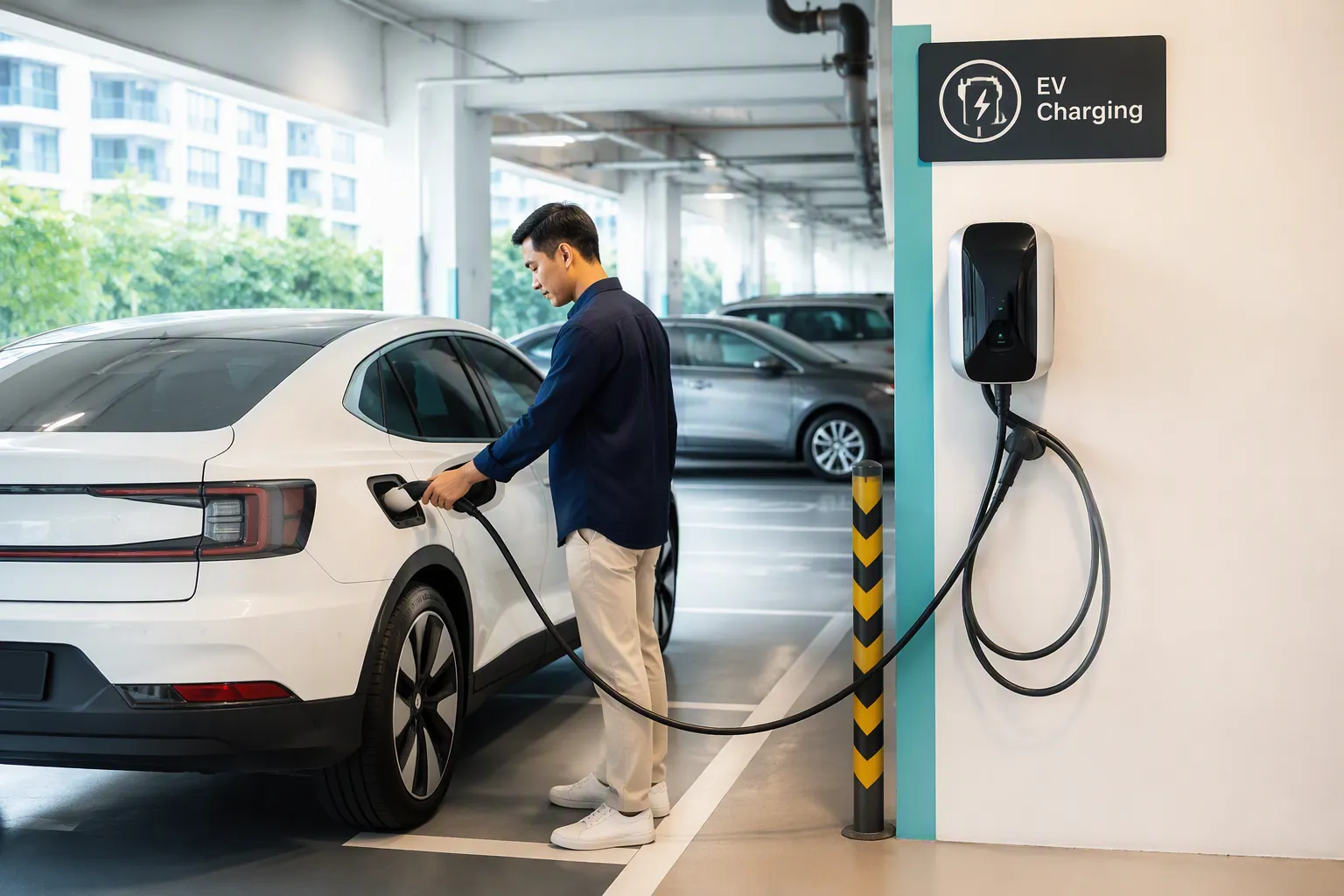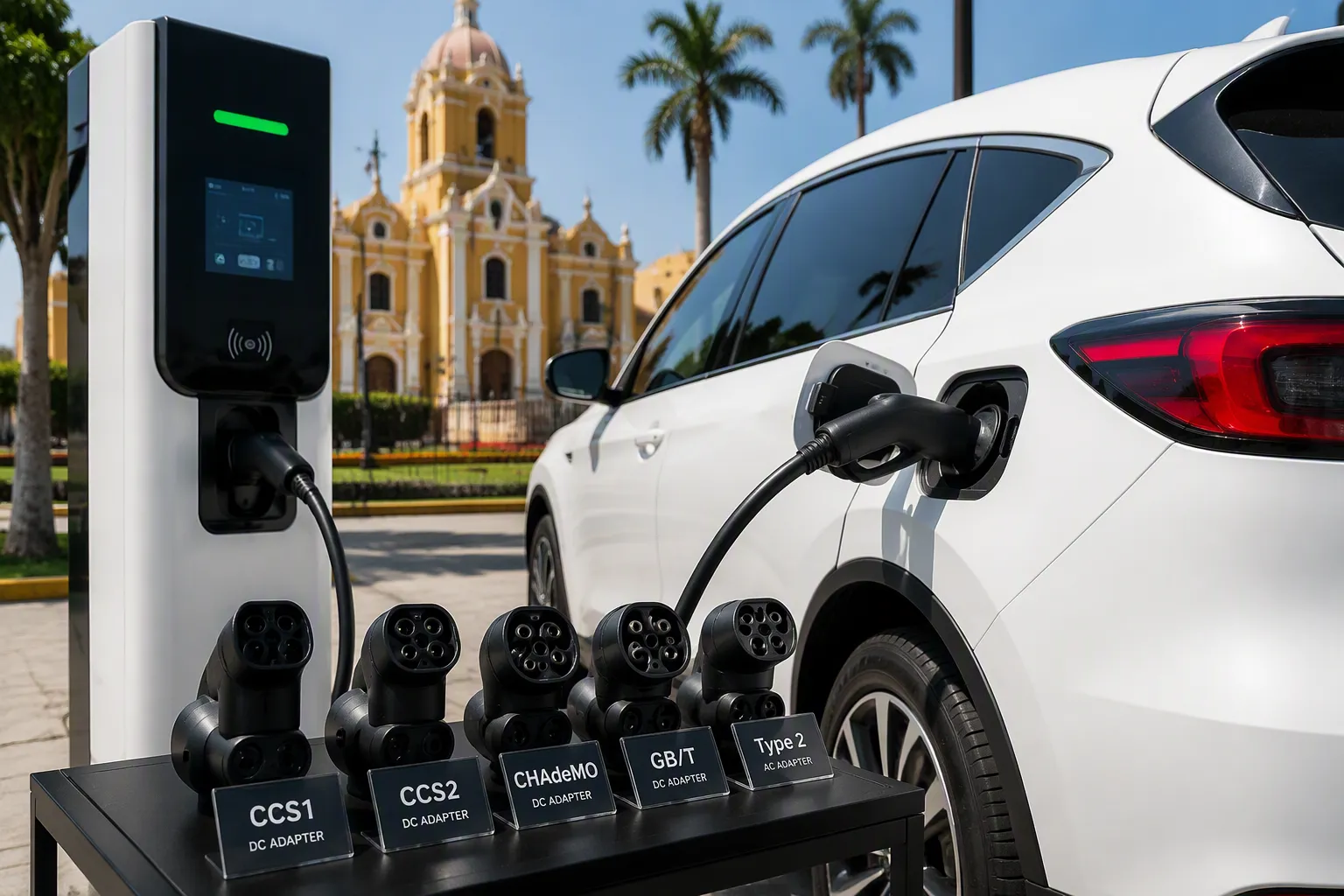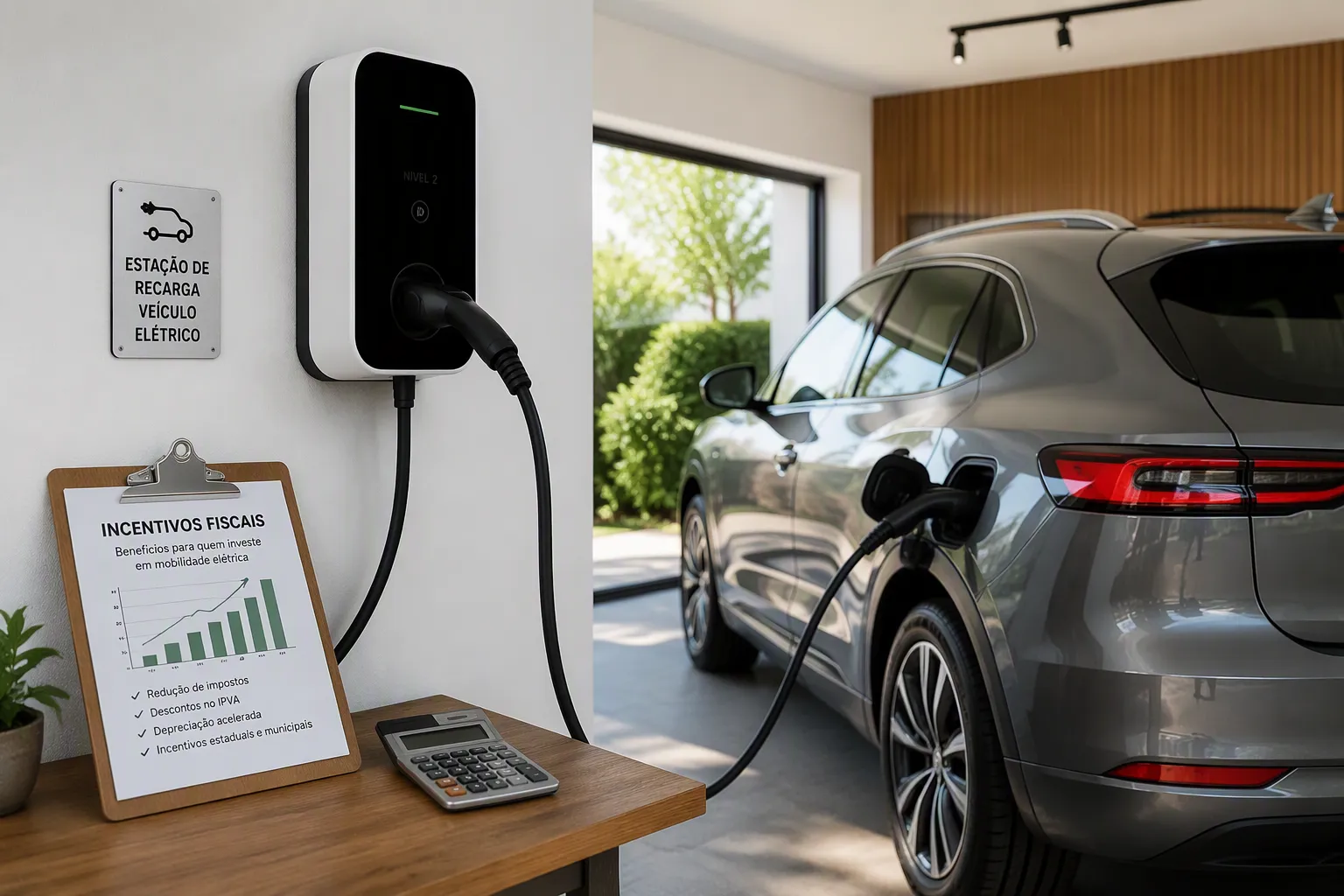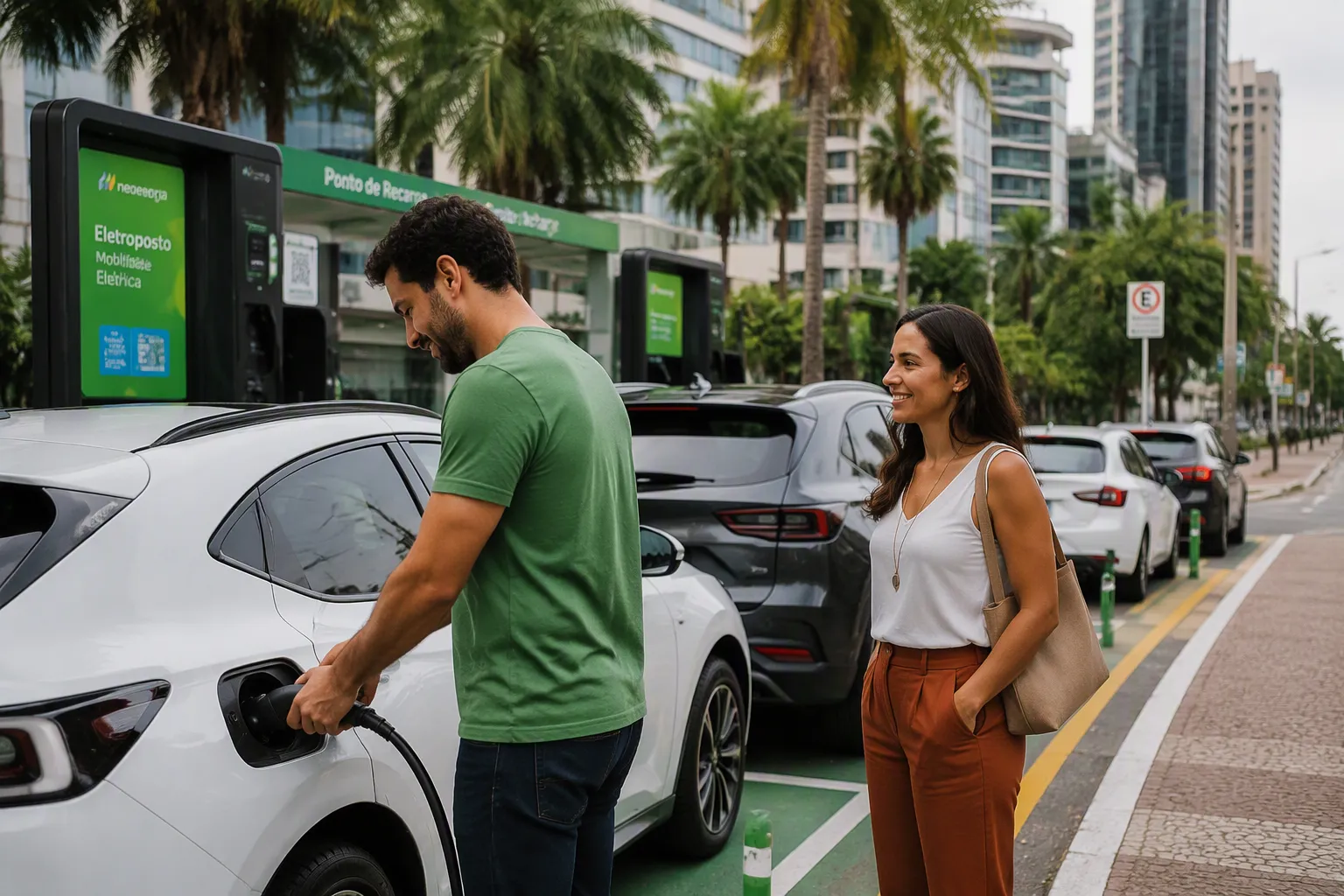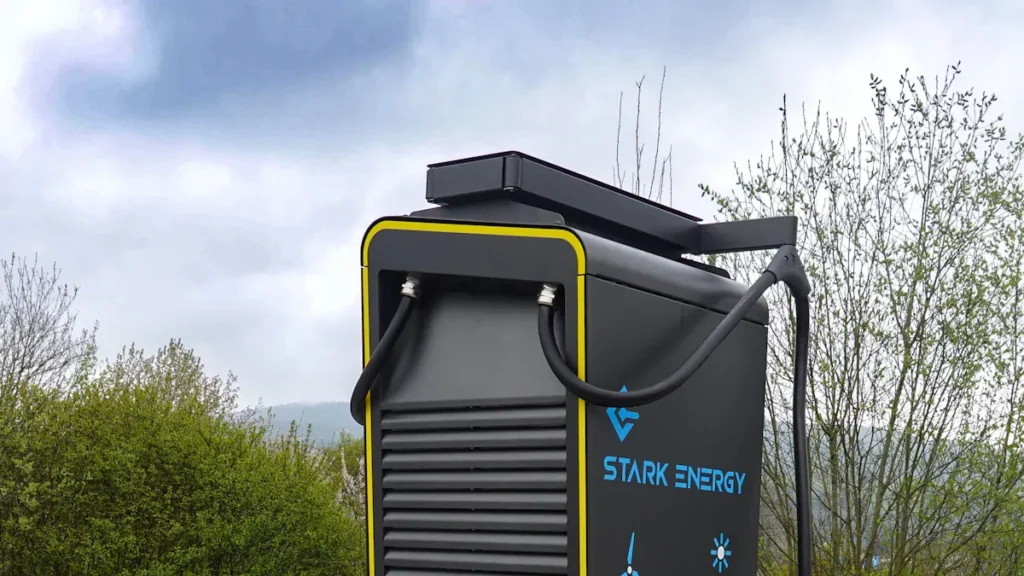
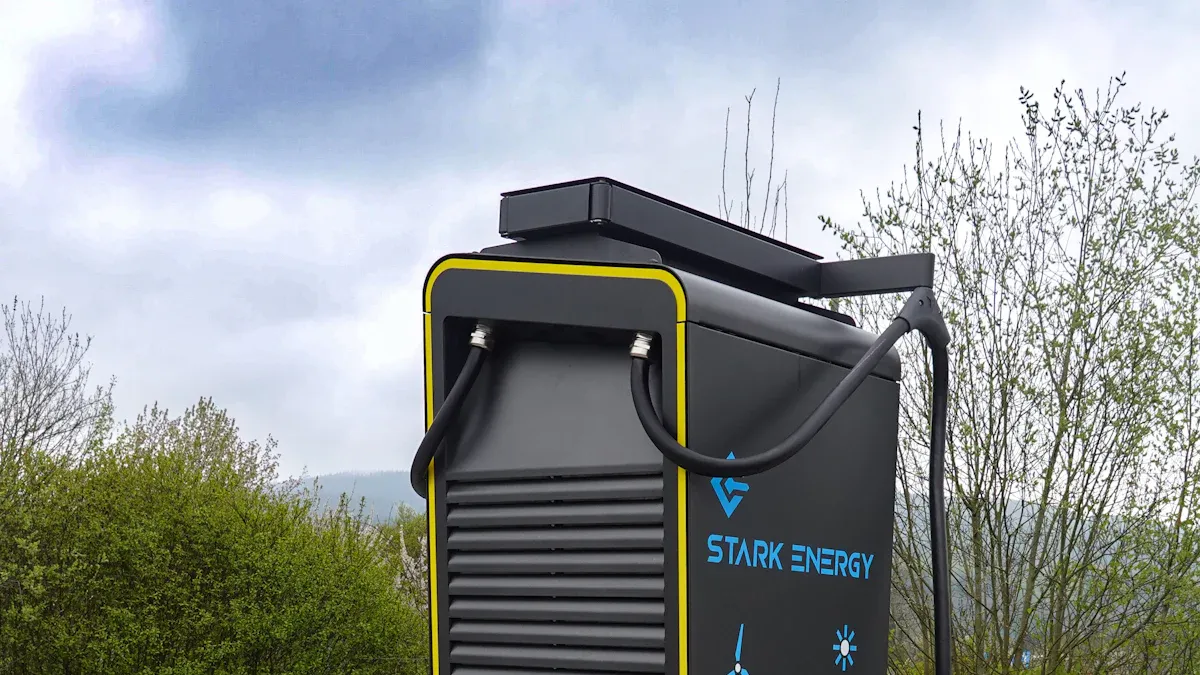
Business owners evaluating the cost to buy and install a commercial EV charger in 2025 should expect varied expenses.
- Level 2 commercial EV charging solutions generally range from $3,000 to $10,000 per unit, including installation.
- DC fast chargers start near $20,000, with total installation costs reaching $100,000 due to electrical upgrades and site modifications.
| Cost Category | Range |
|---|---|
| Hardware | $20,000 – $250,000 |
| Electrical Infrastructure | $15,000 – $100,000 |
| Site Preparation | $5,000 – $50,000 |
| Permitting | $2,000 – $10,000 |
EV charger manufacturers offer different products to suit the needs of vehicles fleets and commercial EV charging sites.
Cost to Buy a Commercial Electric Vehicle Charger

Hardware Costs for Commercial EV Charging
Commercial EV charging systems include several core hardware components. Each plays a critical role in delivering reliable charging for vehicles. The cost to buy these components in 2025 varies by charger type and system complexity.
| Component Type | Cost Range (USD) |
|---|---|
| DC Fast Charging Stations | 62,160 – 248,640 |
| Installation Costs | 20,836 – 104,180 |
| AC Chargers | More affordable, specific costs not provided |
| Component Type | Description |
|---|---|
| Charging Stations (EVSE) | Core component for charging EVs |
| Power Electronics | Manage electricity flow |
| Connectors | Interface for vehicle connection |
| Cabling Systems | Facilitate electricity transfer |
| Control Software | Manages charging process |
| Energy Management Systems | Optimize energy use |
| Grid Interconnection Interfaces | Connect to power grid |
Level 2 Commercial EV Charger Pricing
Level 2 chargers remain the most popular choice for many businesses. These units typically cost between $3,000 and $10,000 per station, including basic installation. Level 2 chargers operate at lower voltages, making them compatible with standard electrical systems. Most sites can install these chargers with minimal modifications, which keeps the commercial installation cost lower. Businesses often select Level 2 chargers for locations where vehicles park for extended periods, such as office lots or retail centers.
DC Fast Commercial EV Charger Pricing
DC fast charging stations offer rapid charging for vehicles, but they come with a higher cost to buy and install. The price for a single DC fast charger ranges from $62,160 to $248,640, depending on power output and features. These chargers require robust electrical systems and dedicated infrastructure. DC fast charging stations often need significant upgrades to the electrical grid, which increases the overall cost of commercial charge points. Businesses that serve high-traffic areas or need to support quick vehicle turnaround often choose DC fast chargers.
Number of Units and Bulk Purchase Discounts
The total cost to buy commercial electric vehicle charger hardware depends on the number of units ordered. Many manufacturers offer bulk purchase discounts for larger orders. For example, a business installing multiple charging stations may receive a lower per-unit price. This approach helps reduce the overall commercial installation cost, especially for fleet operators or large commercial sites.
Commercial EV Charger Installation Costs
The installation process for commercial EV charging involves several steps. Each step contributes to the total commercial EV charger installation costs.
Site Assessment and Planning Fees
A thorough site assessment ensures the project meets technical and regulatory requirements. Typical fees for site assessment and planning range from $300 to $2,500. This phase includes evaluating the location, electrical capacity, and accessibility for vehicles.
Labor and Materials for Installation
Labor and materials represent a significant portion of installation costs for commercial electric vehicle charging stations. The average installation cost in 2025 is $964, with a normal range between $551 and $1,382. Labor costs depend on the complexity of the project and the need for licensed electricians. Materials include cabling, mounting hardware, and protective equipment.
Permitting and Compliance Expenses
Permitting and compliance expenses vary by region. Local regulations may require permits and inspections, which add to the total cost. Typical permitting fees range from $50 to $500. Compliance with safety and accessibility standards ensures the installation meets legal requirements.
| Factor | Description | Cost Range |
|---|---|---|
| Equipment Cost | Level 2 charger price varies by brand and features. | $300–$1,200 |
| Electrical Upgrades | New circuit installation and panel upgrades may be necessary. | $200–$2,000 |
| Labor Costs | Hiring a licensed electrician and potential additional fees for complexity. | $400–$1,500 |
| Permits & Inspections | Costs vary based on local regulations. | $50–$500 |
| Installation Complexity | Groundworks and team size affect overall costs. | N/A |
| Electricity Supply | Upgrading to handle higher charging rates can be costly. | £4,500 – £6,000 |
| Grant Funding | Government grants available for commercial installations. | N/A |
Installation Costs for Commercial Electric Vehicle Charging Stations: Grid Upgrade Expenses
Grid upgrades often represent the most significant hidden cost for commercial EV charging projects. These upgrades ensure the site can support the increased electrical demand from multiple charging stations.
The most significant hidden cost is the grid connection upgrade, which can add tens of thousands of pounds to the budget and extend the project timeline. A thorough site survey is essential to avoid unexpected expenses.
Utility Service Upgrades
DC fast charging stations have higher voltage and power demands. These stations require robust electrical systems and often need dedicated utility service upgrades. Utility coordination becomes essential for managing increased loads and ensuring reliable operation.
Transformer and Electrical Panel Upgrades
Level 2 chargers typically utilize the existing electrical grid without extensive upgrades. In contrast, DC fast charging stations necessitate substantial upgrades to transformers and electrical panels. These upgrades support higher power delivery and maintain safety standards.
Demand Charges from Utility Providers
Utility providers may impose demand charges based on peak electricity usage. Fast charging stations, with their high power draw, can trigger higher demand charges. Businesses should factor these ongoing costs into their financial planning for commercial EV charging.
- DC fast charging stations require significant infrastructure enhancements due to their high-power demands.
- Level 2 chargers can be installed with minimal modifications to existing electrical systems, making them more cost-effective.
- Fast charging stations need dedicated electrical systems to manage the increased load and often involve coordination with utility providers.
Additional Cost Factors for Commercial EV Charging
Charger Speed and Power Output
Charger speed and power output play a significant role in determining both upfront and long-term expenses for commercial EV charging projects. Higher power output enables faster charging, but it also increases equipment and installation costs. Businesses must match charger speed to their operational needs.
The following table highlights how charger type, power output, and total cost align with different commercial use cases:
| Charger Type | Total Cost per Port | Power Output | Ideal Segments |
|---|---|---|---|
| Level 2 Chargers | $3,500 to $15,000 | 3.3 kW to 19.2 kW | Workplace, multifamily, retail, fleets |
| DC Fast Chargers | $18,000 to $350,000+ | 50 kW to 500 kW | Travel centers, high-traffic sites |
Level 2 chargers suit locations where vehicles remain parked for several hours. DC fast chargers serve high-traffic areas that require rapid turnaround. The cost to buy and install a DC fast charger can be significantly higher than a Level 2 charger due to the need for advanced power electronics and grid upgrades.
Location and Site Complexity
Location and site complexity influence installation costs and project timelines. Urban sites often present challenges such as limited space, underground utilities, and strict permitting requirements. Rural locations may require longer cable runs or new utility connections.
Tip: Early site assessments help identify potential obstacles and reduce unexpected expenses.
Complex sites may need additional trenching, concrete work, or custom mounting solutions. These factors can increase both labor and material costs. Businesses should consider the physical layout, existing infrastructure, and proximity to electrical panels when planning commercial EV charging installations.
Accessibility and ADA Compliance Requirements
Accessibility remains a critical consideration for commercial EV charging stations. Federal and state regulations require that charging stations accommodate users with disabilities. Compliance with the Americans with Disabilities Act (ADA) may involve:
- Installing accessible parking spaces adjacent to charging units
- Providing clear pathways and signage
- Ensuring charger controls are within reach range
Failure to meet ADA requirements can result in costly retrofits or legal penalties. Businesses should include accessibility features in the initial design to avoid additional expenses later.
Brand Selection and Warranty Options
Brand selection affects both the initial investment and long-term reliability of commercial EV charging equipment. Leading manufacturers offer a range of features, network compatibility, and support services. Some brands provide extended warranties or service agreements, which can reduce maintenance costs over time.
When evaluating brands, businesses should consider:
- Warranty length and coverage details
- Availability of replacement parts
- Technical support and customer service reputation
- Compatibility with existing management software
Selecting a reputable brand with strong warranty options can protect against unexpected repair costs and minimize downtime.
Ongoing Operational Expenses for Commercial EV Charging
Maintenance and Repairs for Commercial Electric Vehicle Charger
Routine Service and Preventive Maintenance Costs
Routine maintenance ensures reliable operation and extends the lifespan of commercial EV charging equipment. Service contracts typically cover remote diagnostics, on-site repairs, firmware updates, and cable replacements. Annual maintenance costs for Level 2 chargers average $400 per station, while DC fast chargers may require nearly double that amount. Regular service throughout the year helps prevent major issues and protects warranties. Neglecting maintenance can increase the overall cost of commercial charge points and lead to unexpected downtime.
| Component | Cost Range |
|---|---|
| Maintenance Contract | £200 – £500 per unit |
| Remote Diagnostics | Included in contract |
| On-site Repairs | Included in contract |
| Firmware Updates | Included in contract |
| Replacing Damaged Cables | Included in contract |
Replacement Parts and Component Upgrades
Over time, commercial EV charging stations may require replacement parts or component upgrades. Damaged cables, connectors, or power modules can impact performance. Many maintenance contracts include these replacements, but some advanced upgrades may incur additional charges. Extended warranties for DC fast chargers can exceed $800 per year, reflecting the higher costs of commercial electric vehicle charging stations with advanced features.
Software and Network Fees for Commercial EV Charging
Management Platform Subscription Costs
Most commercial EV charging installations rely on networked management platforms. These platforms provide real-time monitoring, remote troubleshooting, and user access control. Subscription fees vary by provider and feature set. Networking fees represent a recurring operational expense that businesses must factor into their budgets.
Payment Processing and Transaction Fees
Payment processing and transaction fees directly impact the ongoing cost of commercial EV charger operation. As utilization increases, these fees can become a significant expense category.
Both transaction types scale directly with your success. The more customers you serve and the more energy you deliver, the higher these costs become. These costs add up quickly, often representing hundreds of thousands in annual expenses that many CPOs don’t fully account for during initial business planning.
- Transaction costs stack on top of existing fixed and variable expenses.
- Higher utilization rates lead to increased transaction fees.
- For growing networks, transaction fees can quickly become a dominant operational cost.
Energy and Utility Costs for Commercial EV Charging
Electricity Rates and Consumption
Electricity costs form a major part of ongoing expenses for commercial EV charging. Rates depend on equipment type, time of day, and usage duration. DC fast chargers, which support rapid charging for vehicles, often incur higher per kilowatt-hour charges and demand fees. Businesses must monitor energy consumption to manage the total cost to buy and operate charging stations.
Peak Demand Charges and Load Management
Peak demand charges can significantly increase the costs of commercial electric vehicle charging stations. Smart load management strategies help reduce these expenses:
- Load management and smart charging distribute electrical load to avoid high peak demands.
- Energy storage systems store energy during low demand and release it during peak times.
- On-site renewable energy generation offsets grid demand.
- Demand response programs adjust usage in response to utility signals.
- Time-of-use rates and scheduling align charging with lower electricity rates.
Effective load management lowers commercial EV charger installation costs and supports long-term financial sustainability for businesses operating multiple vehicles.
Factors Influencing Commercial EV Charger Installation Costs

Charger Type and Speed Selection
Selecting the right charger type and speed stands as a primary factor in determining installation costs for commercial EV charging. Businesses must assess their current and future needs, considering utility coordination, space for additional units, and maintenance access. These elements directly impact the total project budget.
- Businesses operating mainly during daylight hours may not require rapid chargers if vehicles charge overnight.
- For 24/7 operations, a combination of fast and rapid chargers may be necessary, which can increase overall installation expenses.
- The right hardware and charger speeds must align with specific business needs, influencing the total cost.
Level 2 vs. DC Fast Commercial EV Charging
Level 2 chargers offer lower costs and easier installation compared to DC fast chargers. DC fast chargers require a high-voltage power supply, specialized connections, and professional electricians. The installation process often involves permits, inspections, and construction work. Total investments for DC fast chargers can reach up to $200,000 per unit. Businesses must weigh the benefits of rapid charging against the significant infrastructure and operational costs.
Careful planning, including a thorough site assessment and utility service capacity review, helps avoid unexpected expenses and ensures the selected charger type matches operational requirements.
Number of Charging Stations Needed
The number of charging stations a business installs significantly affects the overall installation budget. Effective cost management remains essential for profitability, balancing installation and operational costs with revenue from charging fees and other income sources.
- The annual impact of a charging station on surrounding businesses can cover approximately 11.2% of the average infrastructure and installation cost of a standard charging station.
Single vs. Multiple Commercial Electric Vehicle Chargers
Installing a single charger or multiple units presents unique challenges and cost implications. The decision depends on the specific needs and demands of the commercial property. The type of charger (AC vs. DC) and the overall demand for EV charging infrastructure influence the final budget. Multiple chargers can unlock new revenue streams and attract more customers, but they also require greater investment in infrastructure and ongoing maintenance.
Site Complexity and Location
Site complexity and location play a crucial role in determining installation costs. Installation complexity increases with site preparation and electrical upgrades. Urban areas often have higher costs due to labor rates and permitting requirements.
- The condition of the installation site significantly impacts costs, especially if electrical capacity is insufficient.
- Complex site work, such as trenching and concrete cutting, increases expenses.
- Older buildings may require electrical assessments and upgrades before installation.
Urban vs. Rural Installation Costs
Urban installations typically face higher costs because of elevated labor rates and stricter permitting requirements. Rural sites may require longer cable runs or new utility connections, which can also add to the budget. The distance from the power source and the need for extensive upgrades can dramatically affect costs.
Existing Infrastructure and Upgrades
The state of existing infrastructure determines the extent of necessary upgrades. Sites needing extensive upgrades will incur higher expenses. Typical costs associated with upgrading existing infrastructure include:
| Cost Component | Estimated Cost Range |
|---|---|
| Electrical upgrades | $5,000 – $30,000 |
| Transformer installation | Varies |
| Electrical panel upgrades | Varies |
| Running new power lines | Varies |
Businesses should conduct a thorough site assessment to identify potential challenges and plan for future expansion. This approach helps control costs and ensures a successful commercial EV charging deployment.
Electricity Supply and Grid Capacity for Commercial EV Charging
Utility Coordination and Service Availability
Electricity supply and grid capacity play a critical role in the success of commercial EV charging projects. Businesses must evaluate the local grid’s ability to handle the increased electrical load from multiple charging stations. A thorough load assessment ensures the charging station operates efficiently without overloading the system. Utility providers often require detailed information about projected energy use before approving new connections.
| Factor | Description |
|---|---|
| Load Assessment | Evaluating the electrical load requirements is essential to ensure the charging station operates effectively without overloading the grid. |
| Grid Capacity | Assessing the local grid’s ability to handle additional load is crucial; insufficient capacity may require costly upgrades. |
| Site Selection | Choosing an optimal location impacts both operational efficiency and installation costs, considering factors like accessibility and proximity to major roads. |
Site selection also affects service availability. Locations near major roads or business centers often have better access to robust electrical infrastructure. However, sites with limited grid capacity may require transformer upgrades or new service lines. These upgrades can increase installation costs and extend project timelines. Early coordination with utility companies helps identify potential challenges and ensures the site meets all technical requirements.
Tip: Businesses should schedule a site assessment with their utility provider early in the planning process. This step helps avoid unexpected delays and budget overruns.
Renewable Energy Integration Options
Integrating renewable energy sources, such as solar or wind, with commercial EV charging stations offers both financial and environmental benefits. Many governments and utilities provide grants, tax incentives, and rebates for installing EV charging stations powered by renewable energy. These programs can significantly offset installation costs and make renewable integration more attractive for businesses.
Key benefits of renewable energy integration include:
- Lower energy costs: Solar or wind energy reduces reliance on grid power, leading to decreased utility expenses.
- Energy independence: On-site renewable systems help businesses avoid fluctuations in energy prices and potential grid outages.
- Reduced carbon footprint: Charging electric vehicles with renewable energy enhances their environmental impact.
Despite these advantages, businesses must consider several factors before integrating renewables:
- Installation costs for solar panels or wind turbines can be substantial.
- Ongoing maintenance is necessary to ensure renewable systems operate efficiently.
- Regulatory compliance may require additional permits and adherence to local standards.
Note: Researching available incentives and understanding local regulations can help businesses maximize the value of renewable energy integration while controlling costs.
By carefully evaluating electricity supply, grid capacity, and renewable energy options, businesses can create a reliable and cost-effective commercial EV charging solution for 2025 and beyond.
Financial Incentives and Grants for Commercial EV Charging
Federal Incentives for Commercial Electric Vehicle Charger Installation
Tax Credits for Businesses
Federal tax credits remain a major driver for commercial EV charging projects in 2025. The Alternative Fuel Vehicle Refueling Property Credit (26 USC 30C) provides a 30% tax credit on installation costs, up to $100,000 per property. This incentive covers not only the EV charger hardware but also electrical wiring and supporting equipment. Commercial developers, including those managing multi-family housing or mixed-use developments, qualify for this credit. Projects must reach completion by December 31, 2032, to remain eligible.
Federal Grant Programs
Federal grant programs supplement tax credits by offering direct funding for commercial EV charging infrastructure. These grants often target underserved areas or support the electrification of public transit and heavy-duty fleets. Businesses can combine grants with tax credits to reduce upfront costs and improve project feasibility.
Businesses should review federal grant opportunities regularly, as new programs may launch to support evolving transportation needs.
State and Local Incentives for Commercial EV Charging
Regional Rebates and Subsidies
State and local governments offer a variety of rebates and subsidies that can significantly lower the total cost of installing commercial EV charging stations. For example, California and New York provide substantial rebates for businesses that install chargers in public or employee parking areas. These incentives often cover both equipment and installation expenses, making commercial EV charging more accessible.
| Incentive Type | Description |
|---|---|
| Federal Tax Credit | 6% tax credit for each charger installed, up to $100,000 per charger until 2032. |
| State and Local Grants | Vary by location, significantly reduce upfront costs, especially in underserved areas. |
| Additional Fleet-Specific Funding | Grants available for electrifying public transit or heavy-duty fleets, with potential rebates for smart charging systems. |
Utility Company Incentive Programs
Many utility companies offer their own incentive programs to encourage EV adoption. These programs may include rebates for commercial Level 2 chargers, which have increased by 16% to an average of $2,638 per charger. Incentives for DC fast chargers average $19,649, sometimes including additional support for site preparation and make-ready costs. Utility incentives can further reduce the financial burden for businesses investing in EV charging infrastructure.
Eligibility Criteria for Commercial EV Charger Incentives
Business Requirements and Qualifications
Eligibility for financial incentives for a business to install ev charge points depends on several factors. Most programs require the applicant to be a commercial entity, such as a business owner, property manager, or fleet operator. Some incentives target specific sectors, like public transit or multi-family housing. Incentives can vary by region, so businesses should consult city and state government websites, as well as local utility representatives, to identify available programs.
Government incentives and rebates often support both equipment and installation costs. These programs help offset upfront expenses and make commercial EV charging projects more financially viable.
Application Process and Documentation
The application process for incentives usually involves submitting detailed project documentation. Businesses must provide proof of purchase, installation records, and compliance with technical standards. Some programs require pre-approval before installation begins. Accurate documentation ensures timely approval and maximizes the value of available incentives.
Tip: Early engagement with local industry associations and community leaders can help businesses navigate the application process and secure the best incentives for their projects.
Total Cost Summary and Next Steps for Commercial EV Charging
Example Cost Scenarios for Commercial Electric Vehicle Charger Installation
Businesses planning for commercial EV charging in 2025 can expect a wide range of installation expenses. The total cost depends on the number of chargers, charger type, and site requirements. The following table illustrates typical scenarios for different business types:
| Business Type | Number of Chargers | Total Cost |
|---|---|---|
| Small Business (Café) | 2 Level 2 | $15,000 |
| Large Retail (Shopping Mall) | 10 Level 2, 2 DC | $250,000 |
| Gas Station | 4 DC Fast | $500,000 |
A small café installing two Level 2 chargers may spend around $15,000. A large shopping mall with a mix of Level 2 and DC fast chargers could see installation costs reach $250,000. Gas stations that install four DC fast chargers may face a total cost of $500,000. These examples highlight the importance of matching installation scale and charger type to the needs of the vehicles served.
Budgeting Tips for Commercial EV Charger Installation Costs
Accurate budgeting helps businesses avoid unexpected expenses during installation. The following tips support effective cost management:
- Utilize incentives: Research government grants, tax credits, and utility rebates that can offset equipment and installation costs.
- Select cost-effective locations: Choose sites with existing electrical infrastructure to minimize upgrades.
- Match equipment to needs: Opt for chargers that align with usage demands, such as Level 2 chargers for longer stays.
- Hire experienced professionals: Work with contractors who specialize in EV installations to avoid unnecessary costs.
- Scale for savings: Bundle multiple installations to negotiate better pricing.
Careful planning and professional guidance can help businesses control installation costs and maximize return on investment.
Steps to Get Started with Commercial EV Charging
Site Assessment and Feasibility Study
A thorough site assessment forms the foundation of a successful installation. Professionals evaluate the location, electrical capacity, and accessibility for vehicles. This process identifies potential challenges and ensures the site can support the planned charging infrastructure.
Choosing the Right Commercial Electric Vehicle Charger Type
Selecting the appropriate charger type depends on the vehicles that will use the station and the expected charging patterns. Level 2 chargers suit locations where vehicles remain parked for several hours. DC fast chargers serve sites with high vehicle turnover and short dwell times. Businesses should consider current needs and future growth when choosing equipment.
Applying for Financial Incentives and Grants
Businesses can reduce installation costs by applying for available financial incentives. Federal, state, and utility programs offer grants, rebates, and tax credits for commercial EV charging projects. Early application and accurate documentation help secure funding and keep projects on schedule.
Business owners planning commercial EV charging in 2025 should expect a total installation cost ranging from $15,000 to $500,000, depending on charger type and site complexity. Key factors include hardware selection, grid upgrades, and regulatory requirements.
Tip: They should start with a site assessment, choose suitable equipment, and apply for available incentives.
Ongoing expenses such as maintenance and energy fees require careful budgeting. Leveraging financial incentives helps reduce upfront investment and supports long-term sustainability.
FAQ
What is the average cost to install a commercial EV charger in 2025?
Most businesses can expect installation costs between $15,000 and $500,000. The final price depends on charger type, site complexity, and required electrical upgrades.
How long does it take to install a commercial EV charging station?
Installation typically takes two to eight weeks. The timeline includes site assessment, permitting, equipment delivery, and construction. Complex sites may require additional time.
Are there ongoing fees after installation?
Yes. Businesses should budget for maintenance, software subscriptions, payment processing, and electricity costs. These expenses vary by charger type and usage.
Do commercial EV chargers require special permits?
Most locations require permits for commercial EV charger installation. Local authorities may also mandate inspections and compliance with safety or accessibility standards.
Can businesses get financial incentives for installing EV chargers?
Many federal, state, and utility programs offer grants, rebates, or tax credits. Eligibility depends on business type, location, and project scope.
What factors most affect total installation cost?
Key factors include charger type, number of units, site complexity, grid capacity, and required upgrades. Location and accessibility also influence the final budget.
How often do commercial EV chargers need maintenance?
Routine maintenance occurs annually or semi-annually. Service contracts often cover diagnostics, repairs, and firmware updates. Regular upkeep ensures reliable operation and extends equipment lifespan.