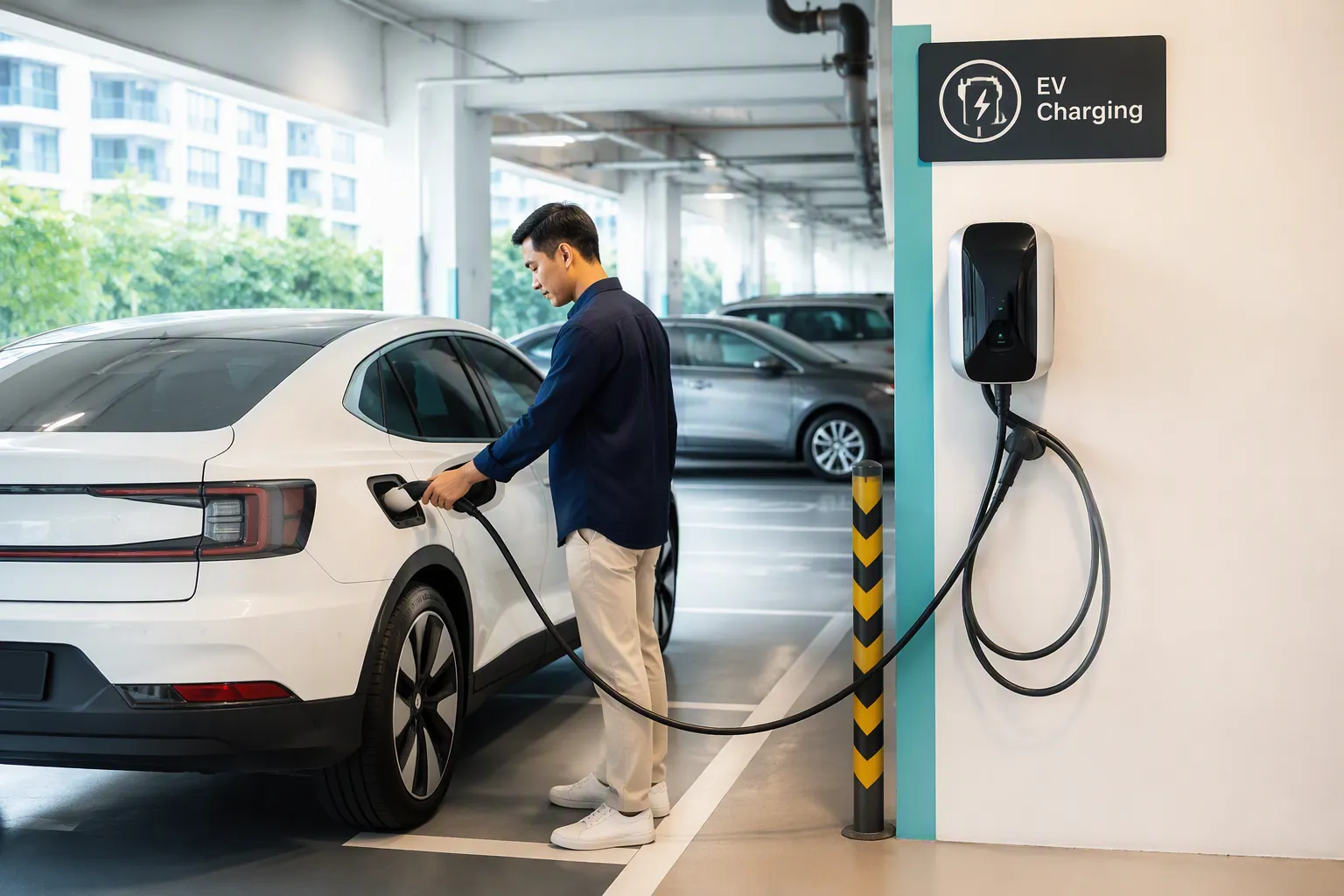
Load management explained gives property managers an effective way to install EV charging without costly electrical upgrades. Many Fabricantes de cargadores para VE now offer Soluciones de recarga de vehículos eléctricos that rely on intelligent systems to balance energy use. With load management explained, a building can add an Cargador EV o incluso cargadores portátiles ev while keeping operations stable. Load management explained also helps prevent overloads and reduces the risk of outages. By using load management explained, building owners can optimize energy distribution and extend infrastructure life.
Load Management Explained: What Is It and Why Is It Essential?
Basic Definition of Load Management
A load management system controls how much energy different devices use in a building. It helps distribute available power efficiently, especially when several high-demand devices operate at the same time. In the context of EV charging networks, this system ensures that each charger receives the right amount of energy without exceeding the building’s total capacity.
How Load Management Works for EV Charging
A load management system monitors the building’s total energy use and adjusts the power sent to each EV charger. When demand increases, the system can reduce the charging rate for some vehicles or schedule charging sessions to avoid overloading the grid. This approach allows multiple EVs to charge even if the building has limited electrical capacity.
Tip: With a load management system, property managers can add more EV chargers without the need for expensive electrical upgrades.
Why Load Management Matters in Chile
In Chile, many buildings face strict limits on available energy. Adding several EV chargers can strain the existing infrastructure. A load management system addresses this challenge by:
- Optimizing energy distribution and preventing grid overloads
- Enhancing energy efficiency, which leads to cost savings for users
- Supporting grid stability, which is crucial for managing multiple charging points
- Allowing charging stations to allocate available power supply efficiently
- Ensuring charging can occur even with limited power supply
- Enabling smart charging to manage load balancing without increasing costs
Types of Load Management Systems
Different types of load management systems offer unique benefits for EV charging networks. The two main categories are static and dynamic load management.
Static vs. Dynamic Load Management
The table below compares the two main types of load management systems:
| Load Management Type | Descripción | Effectiveness | Coste |
|---|---|---|---|
| Static Load Management (SLM) | Sets a fixed power limit for chargers, sharing power evenly. | Less effective in scenarios with limited power capacity. | Generally lower cost. |
| Gestión dinámica de la carga (DLM) | Allows flexible power limits based on real-time conditions and demand. | More effective in optimizing charging under limited capacity. | Typically higher cost due to additional requirements. |
Dynamic load management provides greater flexibility for EV charging networks. It adjusts power allocation in real time, making it ideal for buildings with fluctuating energy demands.
Smart Features for EV Charging Networks
Modern load management systems often include smart features such as:
- Real-time monitoring of energy use
- Automated scheduling for charging sessions
- Communication between chargers to balance loads
- User-friendly interfaces for managing charging priorities
These features help maximize the efficiency of EV charging networks and ensure reliable operation, even in buildings with limited energy resources.
Challenges of EV Charger Installation in Existing Buildings

Electrical Capacity and Grid Overload
Risks of Overloading the Grid
Many existing buildings in Chile face grid capacity limitations. When property managers add an EV charger to a building, the total consumption of electricity increases. If the building already operates near its maximum capacity, adding new charging stations can push the system beyond safe limits. Overloading the grid can cause circuit breakers to trip, disrupt essential services, and even damage electrical infrastructure. Facility managers must consider these risks before installing multiple chargers. They need to monitor total consumption and ensure that the building does not exceed its designed limits.
Unbalanced Power Distribution Issues
Unbalanced power distribution often occurs when several high-demand devices, such as EV chargers, operate simultaneously. This imbalance can cause voltage drops, overheating of electrical panels, and uneven wear on equipment. In some cases, certain areas of the building may experience reduced performance or unexpected shutdowns. Proper load management helps distribute power evenly, preventing these issues and maintaining stable operations. Without such systems, buildings may struggle to support additional EV charging infrastructure.
Peak Usage and Building Operations
Impact on Daily Operations
Peak usage challenges arise when many devices draw power at the same time. During these periods, the building’s electrical system faces its greatest strain. The addition of EV chargers can intensify these challenges, especially if charging occurs during business hours or other high-demand periods. Smart energy management strategies enable dynamic sharing of power across charging bays, accommodating peak usage challenges effectively. Load balancing distributes electricity demand evenly, reducing strain during peak times. Modular designs allow for easy expansion of charging infrastructure as demand grows, ensuring long-term operational efficiency. Energy storage systems smooth out peaks in electricity demand, reducing grid constraints and supporting future expansion.
| Estrategia | Impact on Building Operations |
|---|---|
| Smart energy management | Enables dynamic sharing of power across charging bays, accommodating peak usage effectively. |
| Equilibrio de la carga | Helps distribute electricity demand evenly, reducing strain during peak times. |
| Modular designs | Allows for easy expansion of charging infrastructure as demand grows, ensuring long-term operational efficiency. |
| Energy storage systems | Smooths out peaks in electricity demand, reducing grid constraints and supporting future expansion. |
Potential for Power Outages
Power outages represent a significant risk when buildings exceed their electrical capacity. High consumption during peak periods can trip breakers or overload circuits, leading to unexpected downtime. These outages disrupt daily operations and may damage sensitive equipment. Facility managers must plan for these risks when considering EV charger installation. By understanding consumption patterns and implementing load management, they can minimize the risk of outages and maintain reliable service for all building occupants.
How Load Management Explained Solves EV Charging Challenges
Real-Time Power Distribution for EV Charging Networks
Modern load management systems transform the way buildings handle EV charging networks. These systems use real-time data to allocate available energy among all connected chargers. This approach ensures that every EV receives the optimal charging rate without exceeding the building’s total charging capability. By monitoring energy consumption and adjusting distribution instantly, property managers can maximize charging performance and maintain efficient charging for all users.
| Beneficio | Descripción |
|---|---|
| Optimized Power Allocation | Allocates available power based on current demand and supply conditions, ensuring maximum power for EV chargers without exceeding capacity. |
| Integración de energías renovables | Facilitates better integration of renewable sources like solar energy into the charging network. |
| Control en tiempo real | Constantly monitors power consumption and adjusts EV charging allocation dynamically based on building’s overall power usage. |
Dynamic Adjustment of Charging Rates
Dynamic load management plays a crucial role in adjusting charging rates for each EV charger. The system evaluates the building’s current energy use and modifies the charging rate for each vehicle in real time. When demand rises, the system reduces charging speed for some vehicles, allowing others to charge at a higher rate. This flexibility helps maintain the building’s charging capability and prevents overloads.
- Load management systems dynamically allocate power among connected vehicles, ensuring efficient use of available capacity.
- Dynamic load management helps charge point operators manage limited grid capacity effectively.
- A well-designed EV load management system maximizes existing power capacity without overspending on infrastructure.
This method guarantees that every EV receives the necessary energy for charging, even during periods of high demand. The result is a stable and reliable charging experience for all users.
Prioritizing Essential Loads Automatically
Load management systems do more than just balance energy. They also prioritize essential loads automatically. For example, if a vehicle needs to leave soon, the system can assign a higher charging priority to that charger. This feature enhances operational efficiency and ensures that critical needs are met first.
- These systems prioritize charging for vehicles that need it most, such as those scheduled to leave soon.
- They ensure safe and cost-effective use of limited power by intelligently controlling charger electricity draw.
By automating these decisions, property managers can support multiple EV charging networks without manual intervention. This automation leads to improved charging performance and better use of available resources.
Preventing Overload and Outages
Load management systems protect buildings from electrical overload and outages during EV charging. They use advanced monitoring and control features to keep the system safe and reliable.
Monitoring and Control Systems Integration
Integration with monitoring and control systems allows property managers to track energy use and charger status in real time. These systems detect potential issues before they escalate, reducing the risk of outages. Inspecciones periódicas, preventive maintenance, and protection devices such as circuit breakers and fuses form the backbone of a safe charging network.
| Método | Descripción |
|---|---|
| Inspecciones periódicas | Conduct routine inspections to identify potential issues, loose connections, and signs of wear. |
| Mantenimiento preventivo | Implement a program for regular checks and servicing to address minor issues before they escalate. |
| Protection Devices | Equip systems with circuit breakers, fuses, and GFCIs to safeguard against overloads and faults. |
| Control de la temperatura | Install sensors to monitor overheating in critical components, indicating potential failures. |
| Emergency Response Plan | Develop a plan for dealing with unexpected failures, including shutdown procedures and technician contact. |
| Smart Charging Compliance | Automatically shift charging sessions away from peak hours to reduce demand and protect installations. |
| Equilibrio dinámico de la carga | Adjusts energy flow to chargers based on real-time usage to prevent overload. |
| Grid Protection Mechanisms | Charge points must respond to grid frequency variations to protect local transformers from overload. |
These strategies work together to ensure that the building’s charging capability remains stable and that EV charging networks operate without interruption.
Automatic Phase Switching Benefits
Automatic phase switching further enhances the safety and efficiency of EV charging. This technology detects imbalances in the electrical system and shifts the load between phases as needed. By distributing energy evenly, automatic phase switching prevents overheating and reduces wear on electrical components.
Note: Automatic phase switching is especially valuable in multi-unit buildings, where uneven power distribution can cause significant issues.
With these advanced features, load management systems provide a comprehensive solution for supporting EV charger installations. They enable optimal charging rate allocation, protect against overloads, and ensure reliable charging performance for every user.
How Load Management Systems Work for EV Installation
Automatic Power Allocation and Load Sharing
Load management systems play a critical role in distributing energy among EV chargers. These systems use equilibrio de carga dinámico to share available power across all active chargers. When fewer vehicles connect to the charging network, each charger receives a larger portion of the available energy. As more EVs plug in, the system automatically adjusts, distributing power evenly without exceeding the building’s electrical limit. This approach ensures that the charging process remains stable and efficient, even as demand fluctuates.
Sensors and Software Integration
Sensors and software form the backbone of automatic power allocation. Sensors monitor real-time energy consumption and detect when new EVs connect to the charging network. Software algorithms analyze this data and make instant decisions about how much power each charger should receive. The system prioritizes EV charging based on the operation of other heavy-duty equipment in the building, ensuring that business operations continue smoothly. This integration allows property managers to scale the charging network as more tenants adopt EVs, preventing overloads and maintaining consistent performance.
Tip: Smart sensors and software integration enable seamless expansion of EV charging networks in multi-unit buildings, supporting future growth.
Communication Between EV Chargers
Communication between chargers is essential for effective load sharing. Each charger sends and receives information about its status and energy needs. The system uses this data to coordinate the charging process, balancing energy distribution and preventing bottlenecks. As demand increases, the network adapts, ensuring that every EV receives the necessary energy for charging. This intelligent communication supports scalability and reliability, making it possible to add more chargers without risking overload.
- Load management systems distribute power intelligently, preventing overloads in multi-unit buildings.
- They ensure consistent performance as the demand for EV charging increases among tenants.
- These systems are essential for scalability, especially as more electric vehicles are adopted.
Real-Time Adjustments and Scheduling
Real-time adjustments and scheduling optimize the charging process for buildings with limited electrical capacity. The system monitors energy usage and responds instantly to changes in demand. Scheduling features allow property managers to set charging times, aligning the process with off-peak hours or periods of renewable energy generation.
Responding to Building Demand
The system responds to building demand by adjusting charging rates and prioritizing essential loads. When energy consumption rises due to other equipment, the system reduces the charging rate for EVs, preventing grid overload. This flexibility ensures that the building operates smoothly, even during peak periods.
| Beneficio | Descripción |
|---|---|
| Ahorro de costes | Reduces electricity costs by charging during off-peak hours when rates are significantly lower. |
| Eficiencia energética | Optimizes energy usage, helping to reduce overall energy consumption in buildings with limited capacity. |
| Estabilidad de la red | Prevents grid overload by distributing charging over time, balancing energy consumption effectively. |
| Impacto medioambiental | Aligns charging with renewable energy generation, reducing reliance on fossil fuels and lowering emissions. |
User Preferences and Charging Priorities
User preferences and charging priorities further enhance the system’s effectiveness. Property managers can set rules for which EVs receive priority based on departure times or operational needs. The system adapts the charging process to meet these preferences, ensuring that critical vehicles charge first. This approach maximizes energy efficiency and supports reliable operation for all users.
Note: Real-time scheduling and user prioritization help property managers optimize energy use and reduce costs, making EV charger installation more accessible.
Practical Steps for EV Charger Installation with Load Management

Assessing Your Building’s Electrical Capacity
Professional Evaluation and Monitoring
Homeowners planning renovations or charging station operators must begin with a thorough assessment of the current electrical load. A professional evaluation ensures the building can support new EV charging solutions without risking overload. The process typically involves:
- Evaluate the current load to determine if the system can handle additional EV chargers.
- Identify potential upgrades, especially for older electrical panels.
- Coordinate with the Distribution Network Operator to discuss possible upgrades or new connections.
- Conduct a site survey, including reviewing the electricity bill for Maximum Import Capacity.
This approach helps charge point operators avoid underestimating the energy required for reliable charging solutions.
Identifying Peak Loads and Usage Patterns
Understanding when the building uses the most energy is crucial. Professionals monitor daily and weekly consumption to identify peak loads. This data allows for smart energy management, ensuring that EV charging does not coincide with other high-demand periods. Homeowners planning renovations benefit from this insight, as it helps prevent blown fuses and unexpected outages.
Choosing the Right Load Management Solution
Selecting Compatible EV Chargers
Selecting the right EV chargers is essential for a successful installation. Charge point operators should consider the type of vehicles, charging speed requirements, and compatibility with load management systems. TPSON, a technologically advanced provider, offers solutions that integrate seamlessly with dynamic load management, supporting both residential and commercial needs.
Software and Hardware Options for EV Charging Networks
The choice of software and hardware impacts the efficiency of the charging network. Operators should look for systems that provide real-time monitoring, automated scheduling, and communication between chargers. These features enable energy optimization and support future expansion. Charging station operators must ensure that all components meet local safety and regulatory standards.
Proceso de instalación
Working with Certified Installers
A professional installation process reduces the risk of common mistakes. Certified installers follow a structured approach:
- Pre-installation survey with photos and measurements.
- Preparation, including isolating power and confirming cable lengths.
- Mounting the charger securely with waterproof fixings.
- Routing cables neatly and safely.
- Assessing the electrical panel and installing necessary circuit breakers.
- Setting up Wi-Fi and pairing with management apps.
Improper cable handling can cause failures, so professional expertise is vital.
Testing, Commissioning, and Integration
After installation, thorough testing and commissioning ensure system reliability. Installers conduct earth fault loop impedance and functional tests. They also update firmware and integrate the system with monitoring software. This step guarantees that the EV charging network operates safely and efficiently, providing reliable charging solutions for all users.
Tip: Always verify compliance with local regulations and safety standards to avoid hazards and insurance issues.
Cost Comparison: Load Management Explained vs. Electrical Upgrades
Upfront Costs of EV Charger Installation
Equipment, Installation, and Permitting
When property managers consider adding an ev charger to a building, they often worry about the initial investment. The cost of equipment, installation, and permitting can vary widely. Load management systems allow buildings to add multiple charging points without a major upgrade to the electrical infrastructure. This approach reduces the need for expensive rewiring or panel replacements. In contrast, a traditional upgrade often involves significant construction, new transformers, and higher labor costs.
A typical load management installation includes:
- Smart charging hardware
- Sensors and control software
- Professional installation services
- Standard permitting fees
A full electrical upgrade may require:
- New electrical panels
- Upgraded wiring throughout the building
- Additional safety devices
- Extended permitting and inspection processes
Note: Load management systems streamline the installation process, making it faster and less disruptive for building occupants.
Fees and Regulatory Expenses
Regulatory expenses can add to the total cost of an ev charger project. Load management solutions often simplify compliance because they keep the building within its existing electrical limits. This reduces the need for costly permits or utility approvals. An upgrade to the main electrical service, however, usually triggers higher fees and more complex regulatory requirements. These extra steps can delay the project and increase overall expenses.
Ongoing Savings and Return on Investment
Reduced Maintenance and Lower Utility Bills
Load management systems deliver ongoing savings for both residential and commercial buildings. These systems optimize charging schedules and balance energy use, which lowers utility bills over time. They also reduce wear on electrical components, leading to fewer maintenance issues. Businesses benefit from improved employee retention and productivity, with soft benefits valued at thousands of dollars per year. Revenue from visitor charging and energy arbitrage can further offset initial investments. Tax relief and government grants improve cash flow, making the investment even more attractive.
Payback Period and Long-Term Benefits
The payback period for a load management system is often much shorter than for a full electrical upgrade. Lower upfront costs and ongoing savings help building owners recover their investment quickly. Over the long term, load management provides several advantages:
| Beneficio | Descripción |
|---|---|
| Fiabilidad | Maintains safe operation by preventing overloads, even as more charging stations are added. |
| Eficacia | Offers tools for monitoring and managing energy use, which helps control costs. |
| Escalabilidad | Supports future growth in charging demand without the need for another costly upgrade. |
A load management approach allows property managers to expand their charging network as demand increases. They avoid repeated upgrades and maintain stable operations. This strategy ensures that both immediate and future needs are met without unnecessary expense.
Regulatory Considerations for EV Charging Networks in Chile
Local Electrical Codes and Compliance
Permitting Process for EV Installation
Every EV charging project in Chile must follow strict local electrical codes. These regulations protect both property and people. Installers must submit detailed plans to the local municipality. The plans include technical drawings, load calculations, and safety measures. The municipality reviews these documents before granting a permit. Only certified electricians can perform the installation. They must follow the Chilean Electrical Regulation (Reglamento Eléctrico de Chile). This regulation sets standards for wiring, grounding, and protection devices.
Tip: Early engagement with local authorities can speed up the permitting process and prevent costly delays.
Meeting Compliance Requirements
Compliance does not end with installation. Inspectors visit the site to verify that the work meets all standards. They check for proper labeling, secure mounting, and correct breaker sizing. The system must include protection against overloads and short circuits. Installers must provide test results and certificates of conformity. Building owners keep these documents for future audits. Non-compliance can result in fines or forced removal of the charging equipment.
Incentives and Support for EV Charging Networks
Government Programs and Subsidies
Chile’s government supports the growth of EV charging networks through several initiatives. These programs lower the cost of installation and encourage wider adoption. In recent years, the government has set ambitious goals for expanding charging infrastructure. For example:
- In 2021, Chile announced plans to increase the number of electric vehicle charging stations nationwide.
- A partnership between Enel X and Sodimac aimed to add 30 new charging stations in different regions by 2023.
These efforts make it easier for building owners to invest in EV charging solutions. Subsidies often cover part of the equipment or installation costs. Some programs offer tax incentives for businesses that install charging stations.
Utility Company Policies and Support
Utility companies in Chile play a key role in supporting EV charging networks. They provide technical guidelines for connecting chargers to the grid. Many utilities offer special tariffs for EV charging during off-peak hours. These rates help reduce operating costs for building owners. Some companies also provide online tools to estimate energy use and plan installations. Utilities may require load studies before approving new connections. This process ensures that the local grid can handle the extra demand.
Note: Collaboration with utility companies helps building owners avoid unexpected service interruptions and ensures long-term reliability.
A clear understanding of regulations, incentives, and utility policies allows property managers to install EV charging networks efficiently and safely. This approach supports Chile’s transition to cleaner transportation and a more sustainable future.
Load management offers a smart solution for adding EV chargers without expensive upgrades. Building managers and homeowners in Chile benefit from lower costs and improved efficiency. The right system supports EV charging networks, ensures compliance, and saves money.
- Assess building needs
- Choose a compatible load management system
- Consult local experts for installation
Tip: Careful planning leads to reliable and future-proof EV charging infrastructure.
PREGUNTAS FRECUENTES
What is load management in EV charging?
Load management refers to the intelligent control of energy distribution among EV chargers. The system ensures that the building does not exceed its electrical capacity while supporting multiple charging points.
Can a building add EV chargers without upgrading its electrical panel?
Sí. Load management systems allow buildings to add EV chargers without major electrical upgrades. These systems balance energy use and prevent overloads.
How does dynamic load management differ from static load management?
Dynamic load management adjusts charging power in real time based on current demand. Static load management sets a fixed power limit for all chargers. Dynamic systems offer greater flexibility and efficiency.
Are load management systems compatible with all EV chargers?
Most modern EV chargers support load management integration. Property managers should verify compatibility with both hardware and software before installation.
What are the main benefits of using load management for EV charging?
- Lower installation costs
- Improved energy efficiency
- Reduced risk of outages
- Scalable charging infrastructure
Does Chile offer incentives for EV charger installation?
Yes. The Chilean government and utility companies provide incentives, such as subsidies and special tariffs, to support EV charging network expansion.
Who should install a load management system for EV chargers?
Certified electricians with experience in EV charging infrastructure should handle installation. They ensure compliance with Chilean regulations and guarantee safe operation.