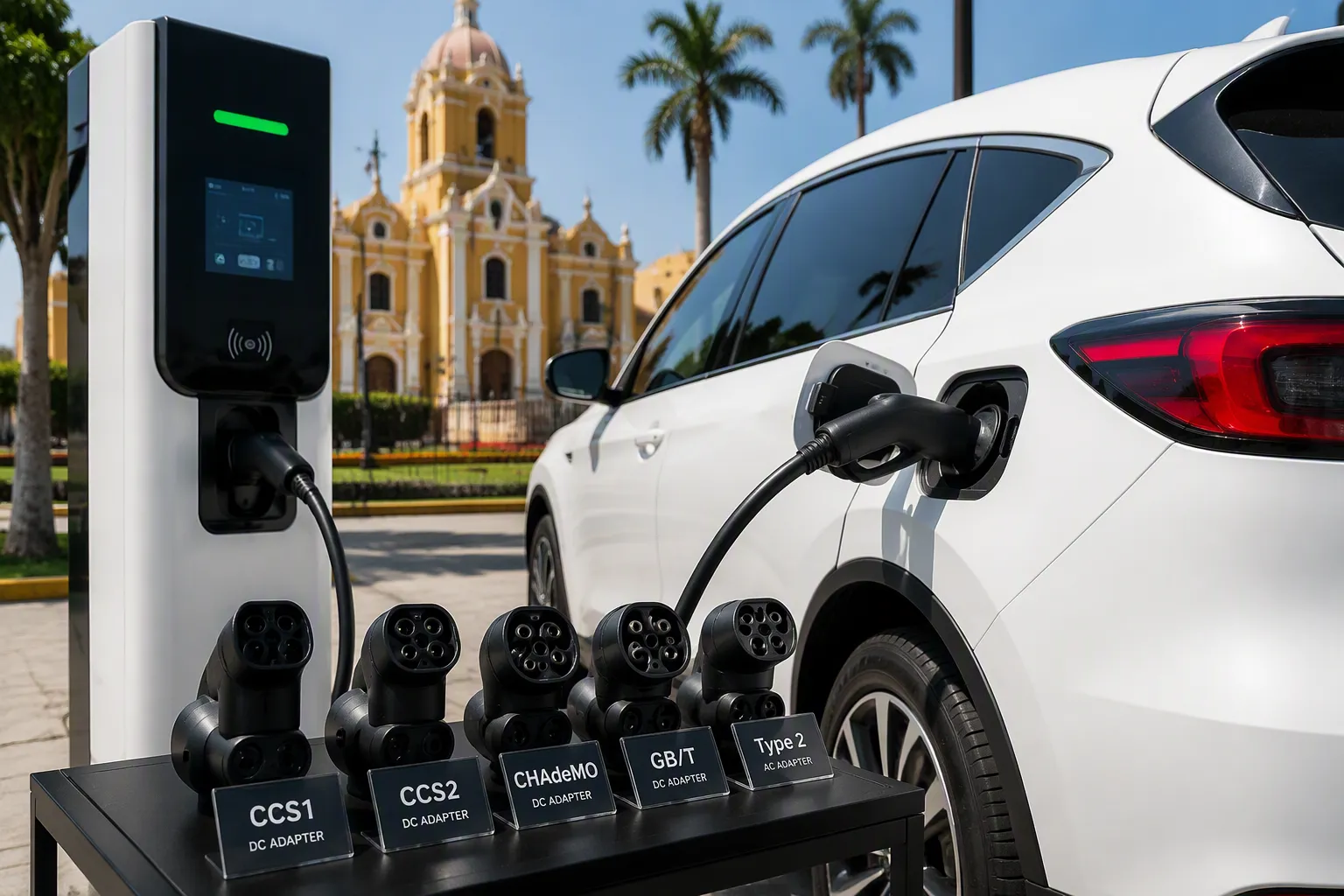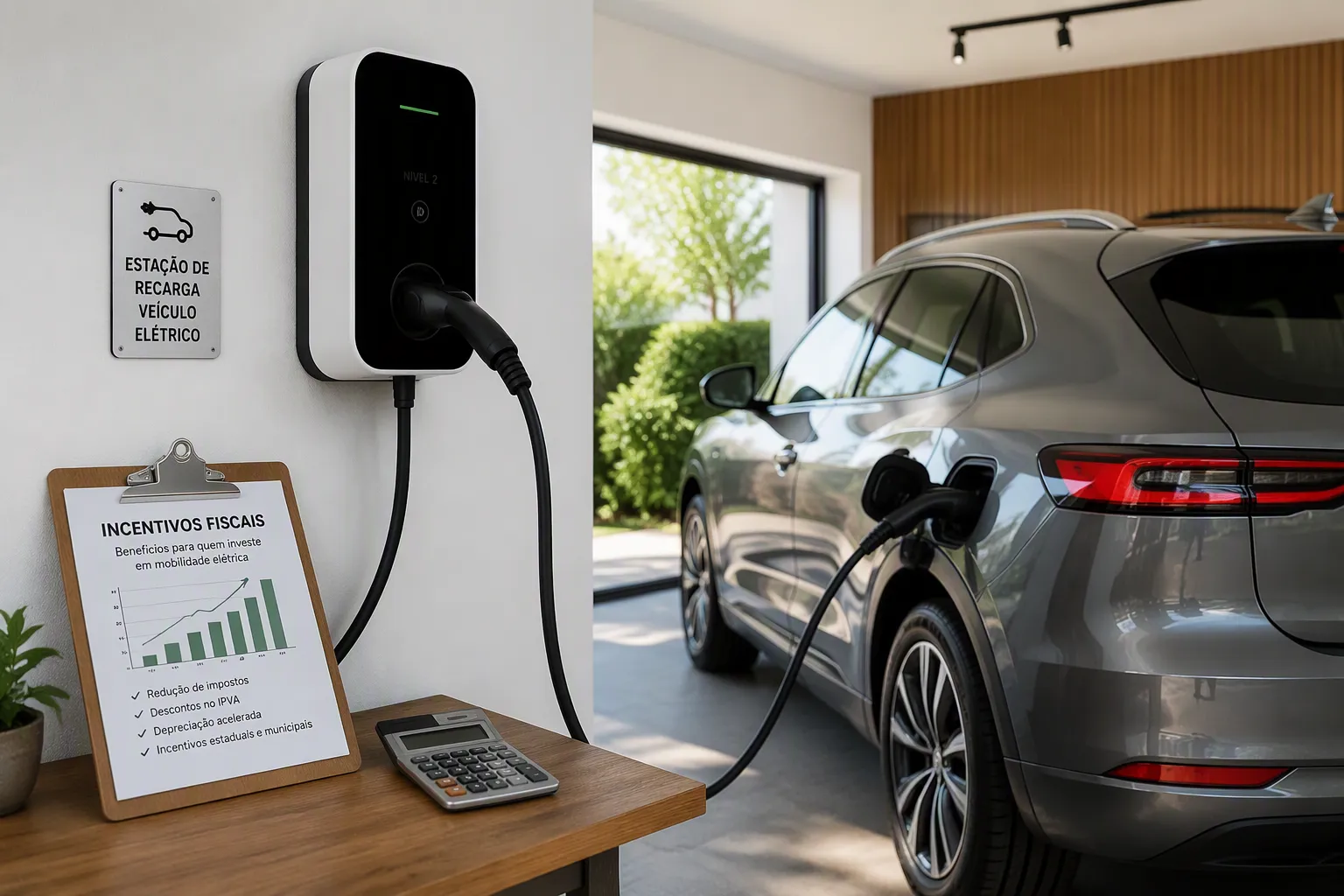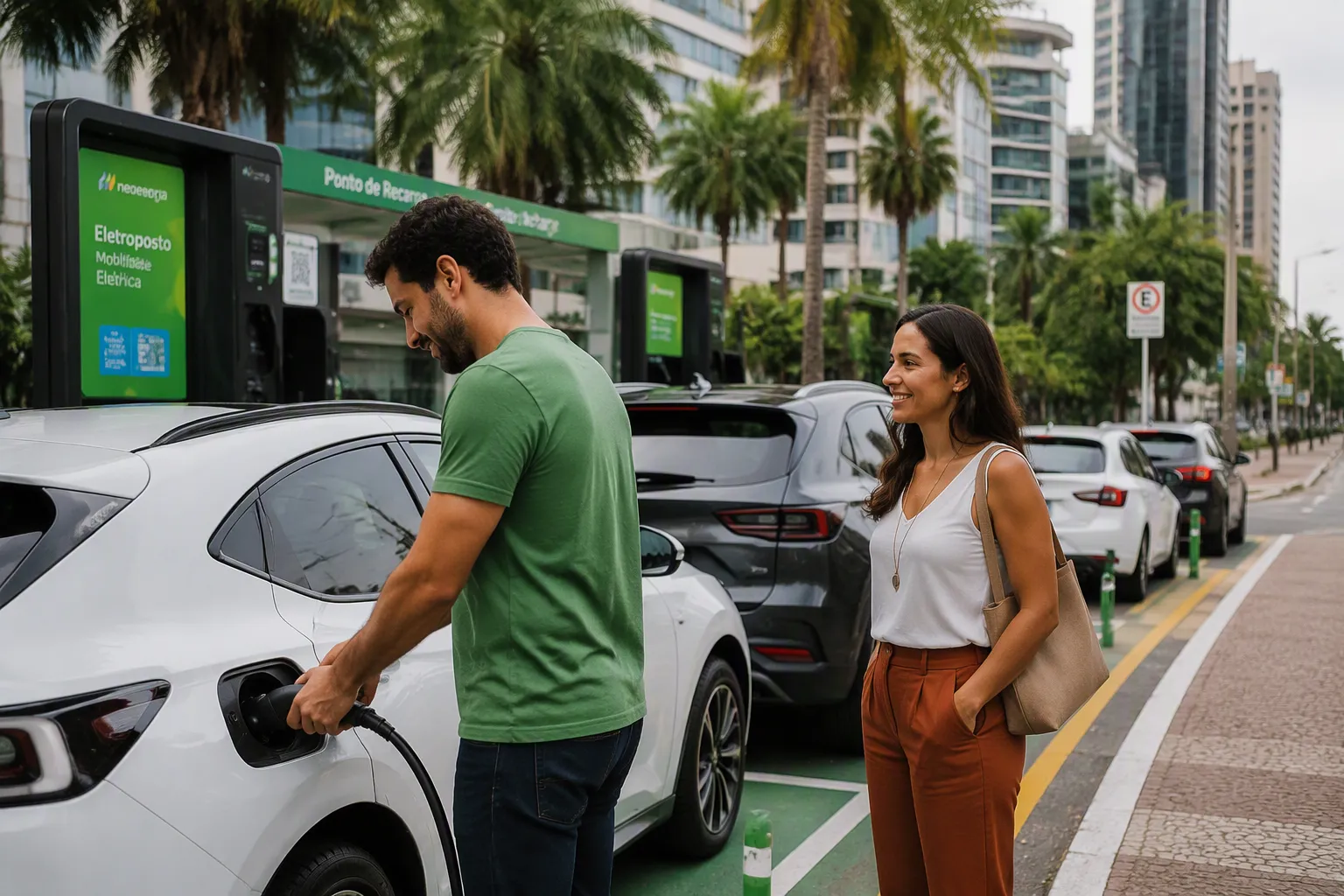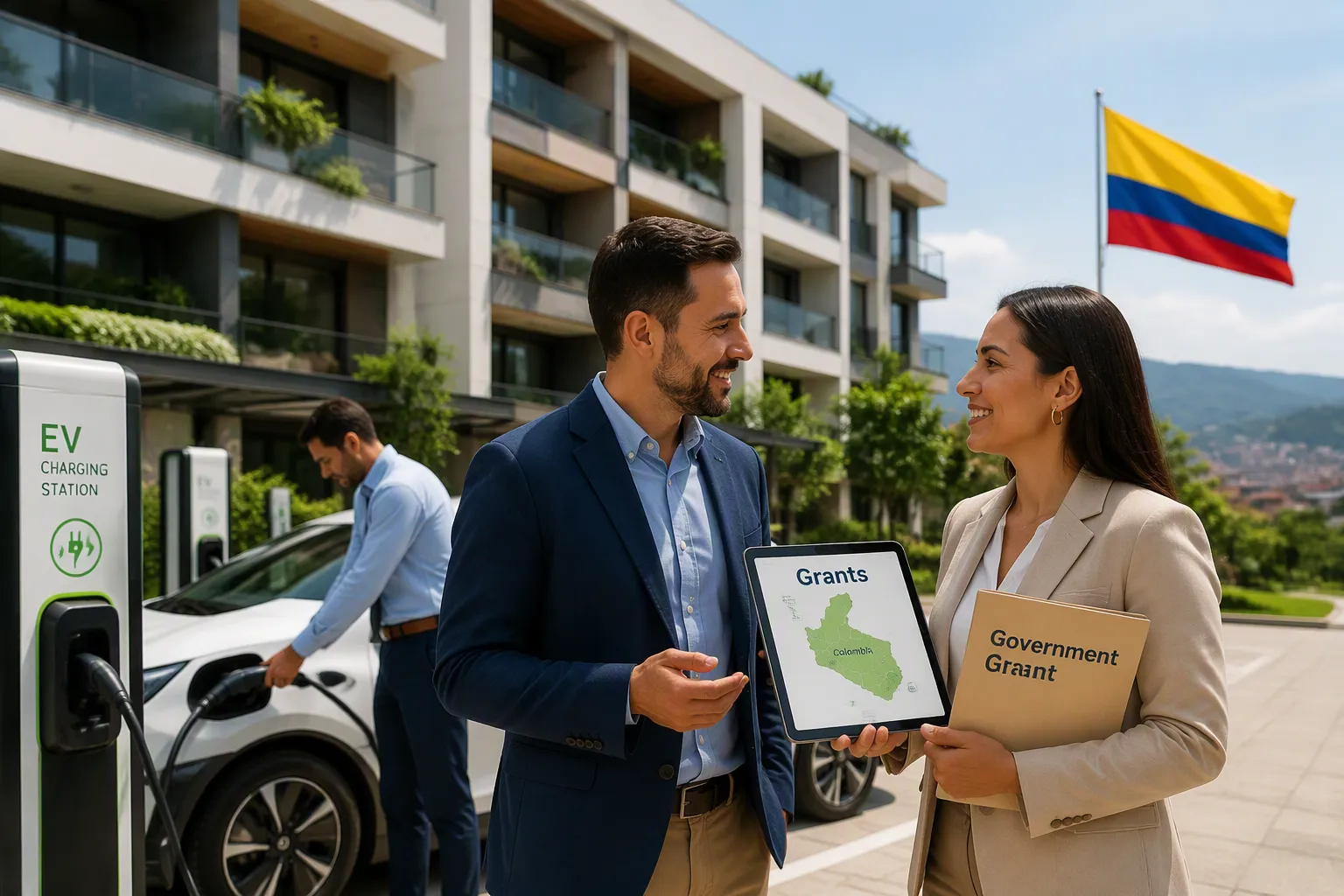

The ROI of a Level 3 Charging Station provides a powerful advantage for Thai businesses. It combines direct revenue from charging fees with increased customer spending during the 20-40 minute dwell time. Government incentives, including BOI tax exemptions, accelerate this financial return. Leading Fabricantes de cargadores para VE and providers of advanced Soluciones de recarga de vehículos eléctricos, like TPSON, offer fixed systems far superior to basic cargadores portátiles ev. Installing a modern Cargador EV is a strategic move for gaining a competitive edge.
Calculating the Direct Financial ROI
A core component of the ROI of a Level 3 Charging Station comes from direct, measurable revenue. Businesses can establish a clear path to profitability by setting strategic pricing, projecting charger usage, and accurately calculating net profit after operational costs.
Direct Revenue from Charging Fees
Businesses control the pricing structure for their charging stations. This flexibility allows them to create a model that aligns with their financial goals and customer expectations. Technologically advanced electric vehicle charging solution providers, like TPSON, offer software that makes managing these pricing schemes simple.
Per-kWh Pricing Model
This is the most straightforward and common model. The business purchases electricity from the grid at a wholesale rate and sells it to EV drivers at a marked-up price per kilowatt-hour (kWh).
Ejemplo: If the commercial electricity cost is ฿4 per kWh, a business might set its charging fee at ฿7.5 per kWh, generating a gross profit of ฿3.5 for every kWh delivered.
Time-Based Pricing Model
In this model, customers pay for the amount of time their vehicle is connected to the charger, regardless of how much energy they consume. This can encourage faster turnover but is generally less popular for DC fast charging, where the goal is rapid energy delivery.
Hybrid and Session-Based Fees
A hybrid model offers the most flexibility. Businesses can implement a structure that combines different fees, such as:
- A flat fee to initiate a charging session.
- A per-kWh rate for the energy consumed.
- An additional per-minute fee (idle fee) if a fully charged car remains parked in the bay.
Projecting Utilization and Occupancy
Accurate revenue projections depend on estimating how often customers will use the charger.
Factors Influencing Charger Usage
Several key factors determine a charger’s utilization rate:
- Location Visibility: Proximity to major roads and highways.
- Nearby Amenities: Availability of retail, dining, or services.
- Competition: The number of other public chargers in the area.
- Signage and Marketing: How well drivers know the station exists.
Estimating Daily Charging Sessions
A business can start with a conservative estimate. For example, a new station at a community mall might initially project 4-6 charging sessions per day, with each session lasting 30 minutes and delivering around 25 kWh.
Peak vs. Off-Peak Demand
Usage patterns will fluctuate. A charger may see high demand during lunch hours, evenings, and weekends. Understanding these patterns is crucial for both revenue forecasting and managing electricity costs.
Calculating Net Profit
Net profit is the ultimate measure of direct financial return. It is the revenue left after all electricity and operational costs are paid.
Understanding Electricity Costs in Thailand
The primary operational cost is the electricity itself. Businesses purchase this energy from either the Metropolitan Electricity Authority (MEA) in the Bangkok region or the Provincial Electricity Authority (PEA) elsewhere.
Factoring in Time of Use (TOU) Rates
Most commercial properties in Thailand use a Time of Use (TOU) tariff. This means electricity prices change depending on the time of day. Businesses must account for these variable rates.
| Rate Type | Periodo de tiempo | Marco Temporal Típico (Días Laborables) |
|---|---|---|
| On-Peak | 9:00 AM – 10:00 PM (Mon-Fri) | Más alto |
| Valle | 10:00 PM – 9:00 AM (Mon-Fri) & All Day (Sat-Sun) | Baja |
Subtracting Costs for Net Profit
The final calculation is simple: Total Revenue minus Total Costs. By setting a charging fee that provides a healthy margin above even the highest On-Peak electricity rates, a business ensures profitability. This calculation solidifies the direct financial ROI of a Level 3 Charging Station.
The Indirect ROI: Attracting and Retaining Customers

Beyond direct revenue, the indirect returns from a Level 3 charger significantly boost a business’s long-term value. These benefits come from attracting new customers, creating a competitive edge, and strengthening the company’s brand identity.
Boosting Foot Traffic and Sales
Installing an EV charger transforms a business location into a multi-purpose stop for a growing and affluent customer base.
The Power of “Dwell Time”
Level 3 chargers typically require 20-45 minutes to bring an EV battery to 80% capacity. This “dwell time” is a valuable opportunity. Unlike a quick stop for gasoline, EV drivers are captive on-site for an extended period, actively looking for ways to spend their time.
Turning EV Drivers into Customers
EV drivers actively seek destinations where they can charge while engaging in other activities. A charging station at a retail park, restaurant, or community mall encourages them to shop or dine. Studies show this effect is substantial.
Customers who use on-site EV charging facilities often spend more time and money. Some reports indicate they may stay 50% longer and spend more than double the amount of a typical customer during their visit.
Measuring Increased Customer Spend
Businesses can track this uplift by comparing sales data before and after the charger installation. They can also use loyalty programs or promotions offered through charging network apps to directly measure the spending of customers who use the chargers.
Gaining a Competitive Advantage
In an evolving market, an EV charger is a strategic asset that differentiates a business from its competitors.
Becoming a Destination for EV Drivers
A publicly listed Level 3 charger puts a business on the map—literally. EV drivers use apps like PlugShare to find their next charging stop. A business with a charger becomes a planned destination, drawing traffic from main roads and surrounding areas.
Attracting High-Value Demographics
EV owners often represent a desirable, high-value demographic with greater disposable income. Providing a premium amenity like fast charging attracts these customers, who are likely to spend more on goods and services.
Future-Proofing Your Business Location
As Thailand moves toward its goal of having 30% of automotive production be EVs by 2030, properties without charging infrastructure will be at a disadvantage. Installing chargers now future-proofs a commercial property, significantly boosting its appeal and market value for years to come. The complete ROI of a Level 3 Charging Station includes this long-term increase in property value.
Enhancing Your Brand Image
A Level 3 charger is a visible statement about a company’s values and forward-thinking vision.
Showcasing Sustainability Leadership
Installing EV charging infrastructure demonstrates a tangible commitment to sustainability and reducing carbon emissions. It positions a company as a leader in the transition to clean energy.
Generating Positive PR and Media
A new fast-charging station is a newsworthy event. It can generate positive local media coverage and social media buzz, providing valuable public relations opportunities at a minimal cost.
Aligning with Corporate ESG Goals
For companies focused on Environmental, Social, and Governance (ESG) metrics, EV chargers are a perfect fit.
- Environmental: Directly supports the transition to low-carbon technology.
- Social: Promotes cleaner transportation for the community.
- Governance: Aligns with national sustainability goals and evolving disclosure standards in Asia, demonstrating responsible investment and transparent reporting.
Unlocking New Opportunities with Data and Marketing
A Level 3 charging station is more than just a power source; it is a powerful data-gathering tool. Technologically advanced electric vehicle charging solution providers, like TPSON, equip their systems with software that transforms raw data into strategic business intelligence. This allows companies to understand their new EV-driving customers and create highly effective marketing initiatives.
Gaining Actionable Customer Insights
Modern charging management software provides a dashboard of valuable information. Businesses can move beyond simple revenue tracking and begin to understand the “who, what, when, and why” behind each charging session. This data is crucial for optimizing operations and marketing efforts.
Understanding Visitor Patterns
The software automatically logs every session, revealing key visitor trends. Businesses can identify their busiest charging times, average session durations, and the frequency of repeat customers. This information helps with staffing decisions, inventory management, and identifying opportunities to engage customers during peak hours.
Analyzing Charging Behavior
Advanced platforms offer detailed analytics that paint a clear picture of customer activity. Businesses gain access to a wealth of information that supports strategic planning and ESG reporting. Key data points often include:
- Real-time charger status, uptime, and energy usage.
- Total power delivered (kWh) per session and per user.
- Calculated CO2 savings for sustainability reports.
- Detailed billing, revenue generation, and payment data.
- User profiles and usage patterns for efficient load distribution.
Creating Targeted Marketing Campaigns
Actionable data empowers businesses to launch marketing campaigns that resonate directly with EV drivers. This targeted approach increases customer loyalty and drives sales for the primary business.
Loyalty Programs for EV Drivers
Los estudios demuestran que over 70% of EV drivers desire a loyalty program that rewards them for charging. Businesses can capitalize on this by creating exclusive membership plans. For example, a company could offer a monthly subscription for discounted charging rates or a points system where every charging session earns rewards, similar to the successful model used by Circle K to integrate EV charging into its ‘Extra’ loyalty app.
Cross-Promotions with Your Primary Business
The “dwell time” during charging is a perfect opportunity for cross-promotion. A significant majority of EV drivers—around 80%—would appreciate discounts at nearby shops or cafés while they wait.
A restaurant can offer a free drink coupon through the charging app, or a retail store can provide a 10% discount to any customer who initiates a charging session. These simple offers turn charging customers into paying customers.
Utilizing Charging Network Apps
Public chargers are listed on popular network apps that EV drivers use to find their next stop. Businesses can leverage these platforms to push notifications about special offers, new products, or on-site events directly to drivers in the area, attracting them with more than just an available plug.
Analyzing the Full ROI of a Level 3 Charging Station
An investment’s true return is calculated by weighing its total benefits against its total costs. A comprehensive analysis of the ROI of a Level 3 Charging Station requires a clear-eyed look at both the initial investment and the recurring operational expenses. While these figures represent the cost side of the equation, understanding them is essential for accurately projecting profitability and payback periods.
Costes de inversión inicial
The initial capital outlay is the most significant financial hurdle. These costs cover everything from the hardware itself to the necessary site modifications and professional services required to bring the station online.
Level 3 Charger Hardware Costs
The charger unit is the centerpiece of the investment. Level 3 DC fast chargers are sophisticated pieces of equipment, and their cost varies based on power output (from 50 kW to over 350 kW) and features. Higher-power units cost more but deliver faster charging, which is more attractive to drivers. Leading providers like TPSON offer a range of technologically advanced systems to fit different business needs and budgets.
Evaluación y preparación del emplazamiento
Before installation, a professional site assessment is crucial. This evaluation determines the optimal location for the charger, assesses accessibility, and identifies any potential groundwork needed. Preparation costs may include:
- Trenching for electrical conduits.
- Pouring a concrete pad for the charger base.
- Installing protective bollards.
- Painting parking bay markings and adding signage.
Professional Installation and Commissioning
Installing a high-voltage DC fast charger is not a DIY project. It requires certified electricians with specialized experience. Installation costs cover the physical mounting of the unit, connecting it to the electrical supply, and commissioning the system. Commissioning involves testing the hardware and software to ensure it communicates correctly with the network and functions safely.
Modernización del sistema eléctrico
This is often a significant and overlooked expense. A commercial building’s existing electrical system may not have the capacity to support the high power draw of a DC fast charger. Upgrading the electrical infrastructure is a critical step. Costs can range widely depending on the complexity. Higher power chargers (e.g., 180+ kW) demand more substantial and costly supplementary electrical equipment compared to smaller 50 kW units. Grid reinforcement might even be necessary, adding a considerable amount to the budget to enhance capacity for the new demand.
Ongoing Operational Costs
After the initial installation, businesses must account for recurring costs to keep the station running smoothly, safely, and profitably.
Tarifas de software y redes
Modern chargers operate on sophisticated software platforms. These platforms process payments, monitor station health, and provide the valuable usage data discussed earlier. Providers typically charge an annual or monthly fee for this service. These software licensing fees can range from £50 to £150 per charging point annually. Some providers also offer remote monitoring services for a monthly fee to ensure maximum uptime.
Payment Processing Fees
Just like any credit card transaction, each charging session incurs a small payment processing fee. This fee is a percentage of the total transaction amount and is paid to the payment gateway (e.g., Visa, Mastercard). While small on a per-session basis, these fees add up and must be factored into the net profit calculation.
Routine and Corrective Maintenance
Periodic maintenance is essential for reliable operation. Maintenance costs vary based on charger usage and complexity. Businesses should budget for these expenses to ensure a positive customer experience.
- Basic Maintenance: Annual costs for simple cleaning and inspection can range from $100 to $500 per unit.
- Maintenance Contracts: Comprehensive annual contracts often cost between £150 and £400 per charger. These typically cover software updates, technical support, and preventive site visits.
- Warranties: Extended warranties can help reduce repair costs and provide peace of mind.
Seguro de responsabilidad civil
A public charging station introduces new risks to a property. Businesses must update their public liability insurance to cover any potential incidents related to the charging equipment or its use by customers. This protects the business from potential claims and is a non-negotiable operational expense.
Maximizing ROI with Thailand-Specific Incentives
The Thai government actively encourages investment in EV infrastructure through a range of powerful incentives. These programs significantly reduce the initial financial burden and shorten the payback period for a Level 3 charging station. Businesses can leverage these opportunities to dramatically improve the overall ROI of their investment.
Government Subsidies and Grants
Financial support from government agencies directly lowers the upfront cost of installing a charging network. These programs make the investment more accessible for a wider range of businesses.
The Thailand Board of Investment (BOI)
The BOI is a key driver of Thailand’s EV transition. It offers a suite of incentives for businesses that invest in public charging infrastructure. The BOI’s promotional schemes aim to expand the nation’s charging network rapidly. Partnering with a technologically advanced electric vehicle charging solution provider like TPSON can help businesses prepare a strong application that meets the BOI’s technical requirements.
Energy Policy and Planning Office (EPPO) Support
The EPPO also plays a vital role in promoting clean energy adoption. It periodically launches subsidy programs and grants aimed at businesses and state agencies installing EV chargers. These initiatives provide direct financial assistance, further reducing the capital required to purchase and install charging equipment. Businesses should monitor EPPO announcements for new funding opportunities.
Tax Incentives and Deductions
Beyond direct grants, the Thai government provides significant tax advantages that boost an investment’s long-term profitability. These incentives reduce a company’s tax liability, allowing it to retain more of the revenue generated from charging services.
Accelerated Depreciation for EV Equipment
Businesses can benefit from accelerated depreciation on their EV charging equipment. This tax measure allows a company to deduct the cost of the charger from its taxable income at a faster rate than standard assets. This results in lower tax payments in the early years of the charger’s operation, improving cash flow when it matters most.
Corporate Income Tax (CIT) Exemption
One of the most valuable incentives comes from the BOI’s tax exemption policies. For qualifying projects, the government offers a substantial break on corporate income tax.
Nota: This exemption directly applies to the revenue generated from EV charging services, making the business case even more compelling.
To qualify for a three-year CIT exemption, a project must meet several conditions:
- It must have at least 10 charging dispensers.
- A minimum of 25% of these dispensers must be DC fast chargers.
- En charging station must be located in a designated industrial estate or promoted industrial zone.
- The service must be accessible to all brands of electric vehicles.
Case Study: ROI Projection for a Thai Business
Applying these concepts to a real-world scenario clarifies the financial potential. A hypothetical case study for a community mall in Bangkok demonstrates how the direct and indirect benefits combine to create a compelling return on investment. This projection uses conservative estimates to model a realistic outcome.
Scenario: A Community Mall in Bangkok
A mid-sized community mall in a busy Bangkok suburb decides to install two 50 kW Level 3 DC fast chargers. The mall partners with a technologically advanced electric vehicle charging solution provider like TPSON for the hardware and management software. The goal is to attract new customers, increase shopper spending, and generate a new revenue stream.
Desglose de la Inversión Inicial
El costo total inicial es un punto de partida crítico para cualquier cálculo de ROI. La inversión del centro comercial incluye varios componentes clave:
- Hardware: Dos cargadores rápidos de CC de 50 kW.
- Instalación: Trabajos eléctricos profesionales y puesta en marcha.
- Preparación del Sitio: Losas de hormigón, bolardos y señalización.
- Mejoras eléctricas: Un nuevo transformador y cuadro eléctrico para soportar la carga.
- Software y Red: Tarifas de configuración inicial de la plataforma de gestión.
💡 Consejo: La inversión total estimada para esta configuración de dos cargadores es de aproximadamente ฿2,000,000. Esta cifra puede variar significativamente según las condiciones específicas del sitio y las elecciones de equipamiento.
Cálculo de los Ingresos Directos Proyectados
El centro comercial proyecta un promedio de 15 sesiones de carga por día en ambas unidades durante el primer año. Estos ingresos directos forman la base del retorno financiero. La siguiente tabla ilustra los posibles ingresos anuales solo por tarifas de carga.
| Artículo | Valor |
|---|---|
| Sesiones por día | 15 |
| Energía entregada por sesión | 25 kWh |
| Precio por kWh | ฿7.5 |
| Ingresos por sesión | ฿187.5 |
| Ingresos diarios | ฿2,812.5 |
| Ingresos Brutos Anuales | ~฿1,026,562 |
Después de restar los costos de electricidad (promedio de ฿4.5/kWh) y las tarifas operativas, la ganancia neta de los ingresos directos proporciona un camino claro para recuperar la inversión inicial.
Estimación del Aumento de Ingresos Indirectos
El ROI indirecto proviene del mayor gasto de los clientes durante los 30 minutos de “tiempo de permanencia”. El centro comercial anticipa que cada sesión de carga atraerá a un cliente que gaste ฿500 adicionales en compras o comida.
- Cálculo: 15 sesiones/día x ฿500/sesión = ฿7,500 de ventas diarias adicionales.
- Impacto anual: Esto se traduce en más de ฿2,700,000 en ingresos anuales adicionales para el centro comercial y sus inquilinos.
Cálculo del ROI Total y Período de Recuperación
Combinando los ingresos directos netos con el aumento estimado de ingresos indirectos se revela el panorama financiero completo. Incluso sin incentivos gubernamentales, el período de recuperación es atractivo. Al considerar una exención fiscal de la BOI sobre los ingresos por carga, el plazo se acorta considerablemente. Esta poderosa combinación de ingresos directos, aumento de ventas y apoyo gubernamental solidifica el valor estratégico de la inversión, ofreciendo un fuerte ROI en solo unos años.
El ROI de una Estación de Carga Nivel 3 ofrece una poderosa combinación de ingresos directos y beneficios indirectos, incluido un mayor tráfico de clientes y una reputación de marca mejorada. Si bien la inversión inicial es considerable, los incentivos gubernamentales apoyan el objetivo de Tailandia de 12,000 cargadores rápidos para 2030, convirtiéndola en una estrategia vital de preparación para el futuro. Para las empresas que buscan una ventaja competitiva, la pregunta es qué tan rápido implementar esta tecnología.
Las empresas deben realizar un análisis específico del sitio. Pueden consultar con proveedores líderes como Gentari Go, Virta, Gresgying, o con un proveedor de soluciones de carga para vehículos eléctricos tecnológicamente avanzado como TPSON para obtener una proyección detallada.
PREGUNTAS FRECUENTES
¿Cuál es el principal beneficio de un cargador Nivel 3?
Un cargador Nivel 3 proporciona las velocidades de carga más rápidas, típicamente de 20 a 45 minutos. Este corto “tiempo de permanencia” atrae a los conductores de vehículos eléctricos y crea oportunidades significativas para que gasten dinero en el negocio anfitrión mientras esperan que su vehículo se cargue.
¿Cuánto cuesta la instalación de un cargador Nivel 3 en Tailandia?
La inversión total varía según las condiciones del sitio y la potencia del cargador. Una configuración completa con dos cargadores de 50 kW, incluyendo hardware y mejoras eléctricas, puede costar aproximadamente ฿2,000,000. Una evaluación detallada del sitio proporciona un presupuesto preciso para una ubicación específica.
¿Cuáles son los principales incentivos de la BOI para cargadores de vehículos eléctricos?
La Junta de Inversiones de Tailandia (BOI) ofrece ventajas fiscales significativas. Los proyectos calificados pueden recibir una exención del impuesto sobre la renta de las sociedades (CIT) por hasta tres años sobre los ingresos de los servicios de carga, lo que acelera enormemente el retorno de la inversión.
¿Cómo gestionan las empresas los pagos y precios de los cargadores?
Las empresas utilizan software especializado para controlar sus estaciones de carga. Los proveedores de soluciones de carga para vehículos eléctricos tecnológicamente avanzados, como TPSON, ofrecen plataformas que permiten a las empresas establecer precios personalizados, procesar pagos y monitorear los datos de uso en tiempo real.
¿Cuál es un período de recuperación realista para esta inversión?
El período de recuperación depende de la utilización del cargador, los precios y los incentivos gubernamentales. Al combinar los ingresos directos de las tarifas de carga con los ingresos indirectos del mayor gasto de los clientes, las empresas a menudo pueden lograr un retorno total de su inversión en solo unos años.
¿Puede cualquier propiedad comercial instalar un cargador rápido de CC?
La mayoría de las propiedades comerciales pueden hacerlo, pero una evaluación profesional del sitio es esencial. La instalación requiere espacio suficiente y, lo más importante, capacidad eléctrica adecuada. Algunos sitios pueden necesitar mejoras significativas en el sistema eléctrico para soportar el alto consumo de energía de un cargador de CC.
¿Cuánto mantenimiento requieren estos cargadores?
Los cargadores rápidos de CC requieren mantenimiento de rutina para garantizar su fiabilidad. Esto incluye inspecciones periódicas, limpieza y actualizaciones de software. Muchas empresas optan por un contrato de mantenimiento anual con su proveedor para cubrir el cuidado preventivo y garantizar el máximo tiempo de actividad de su estación de carga.