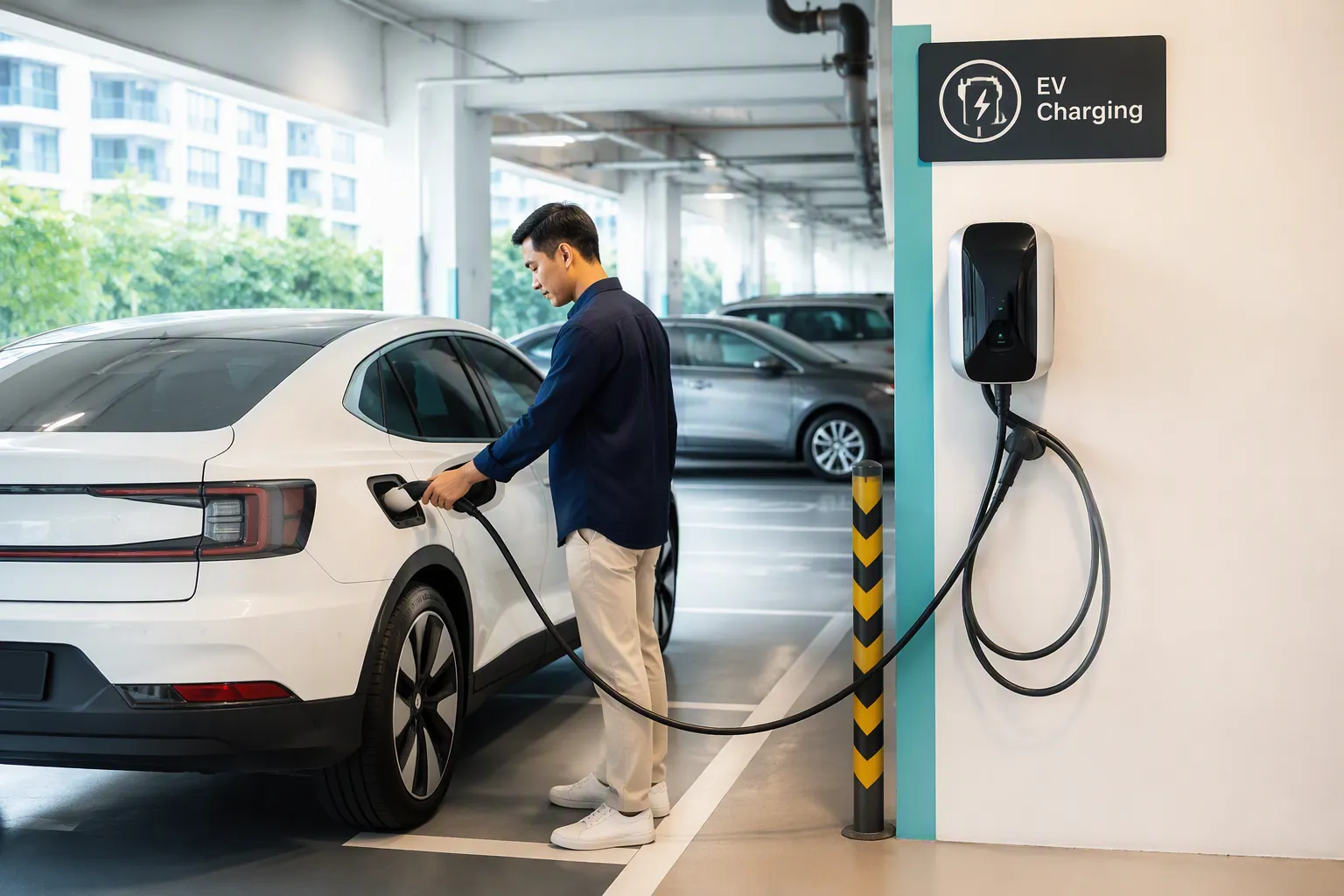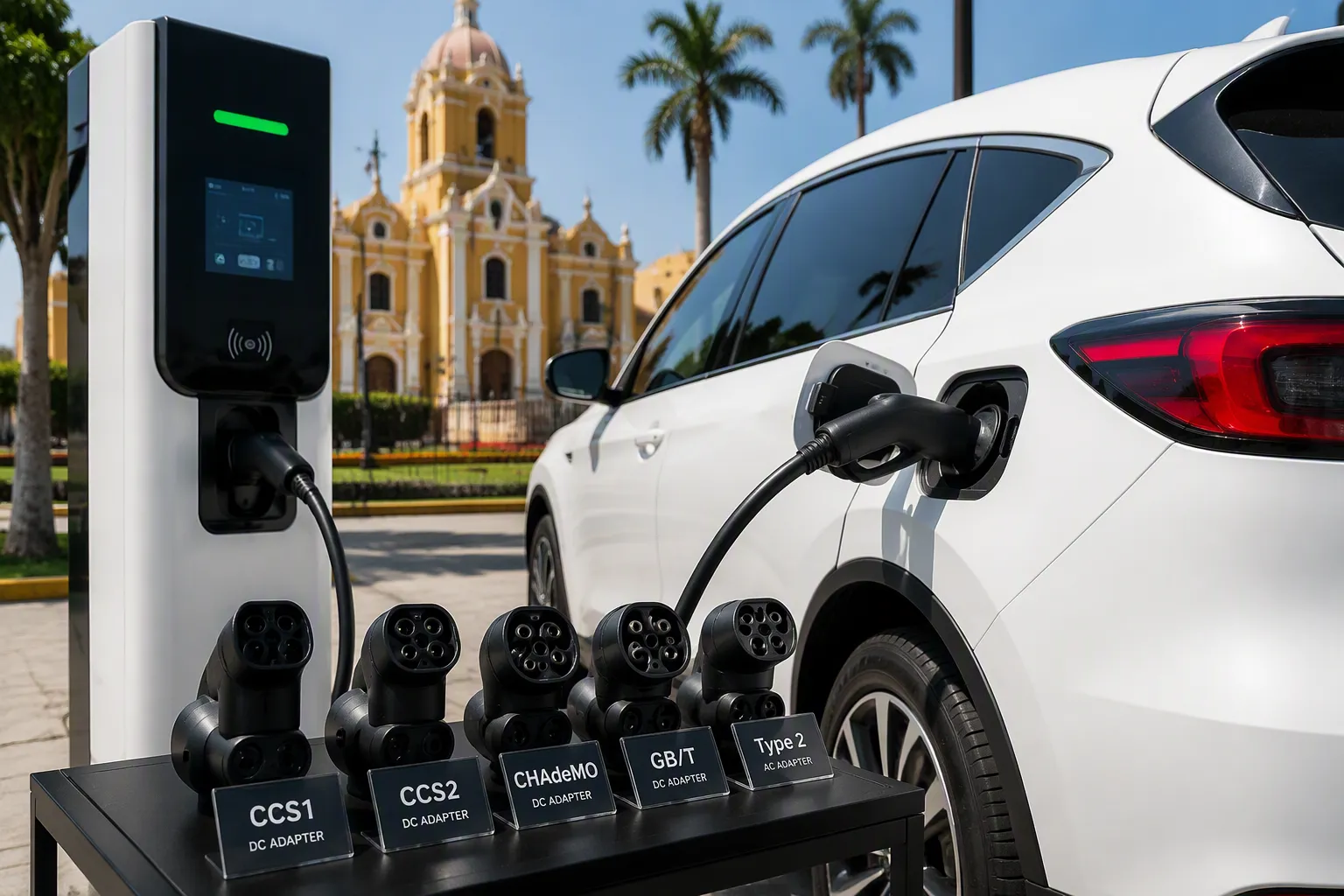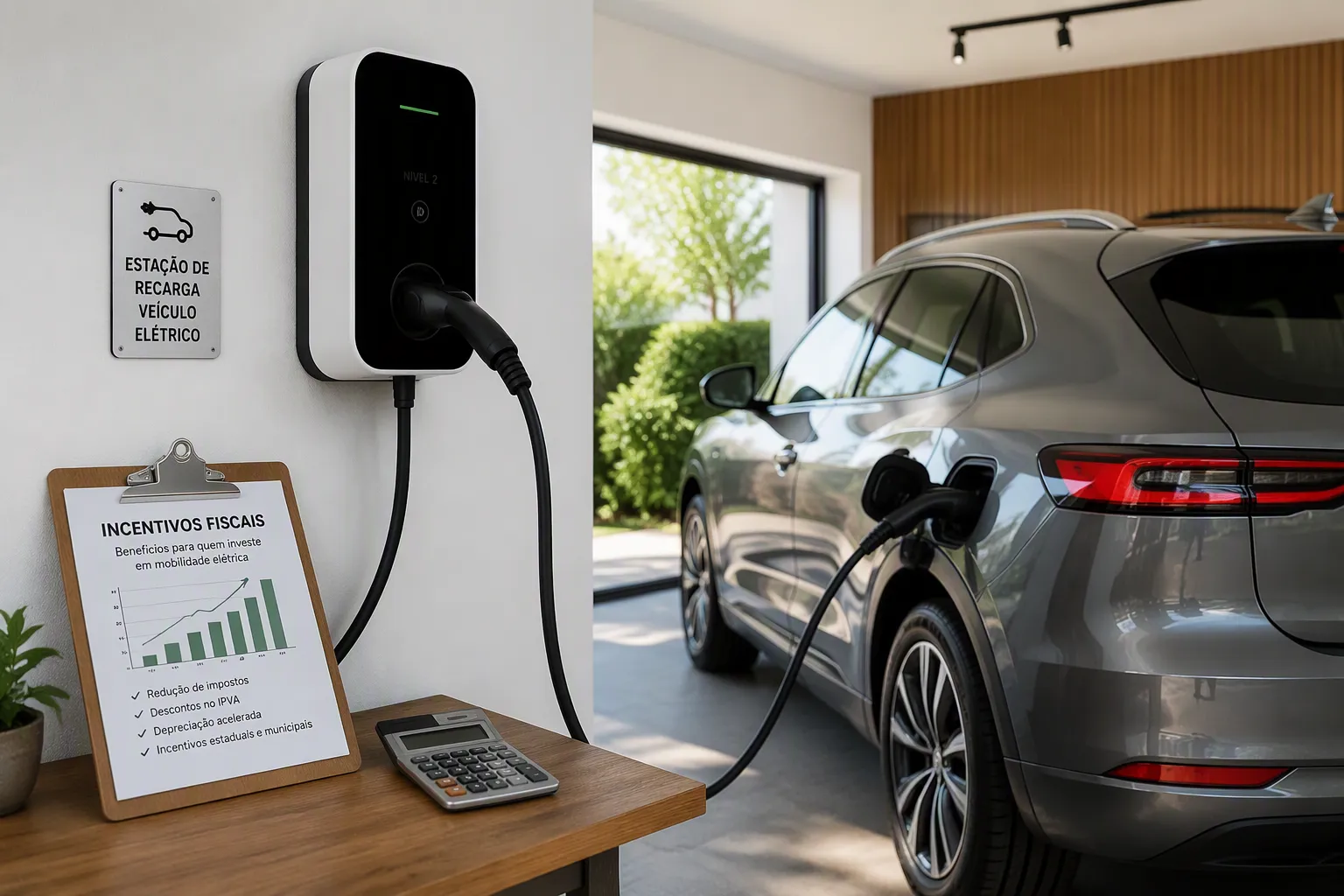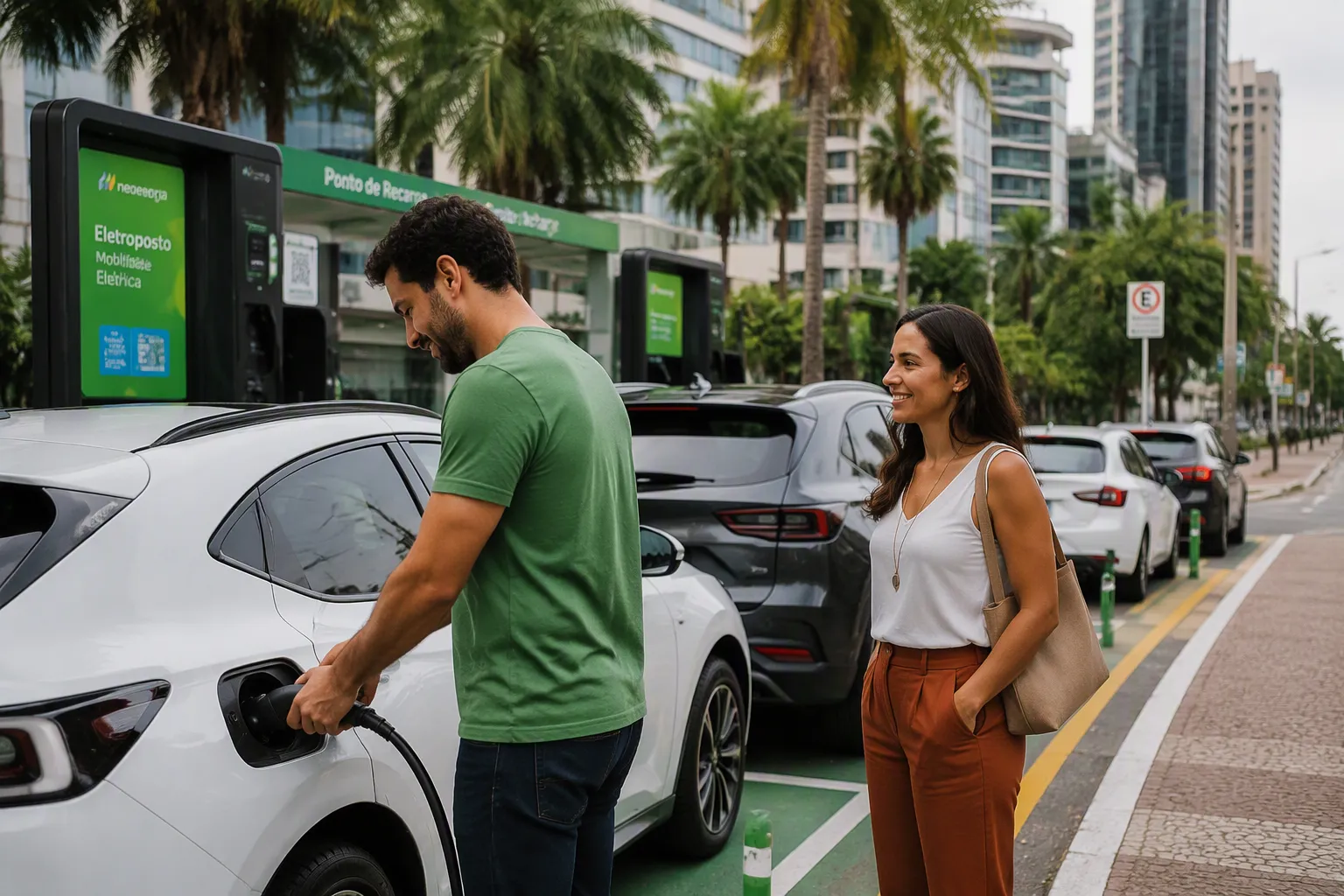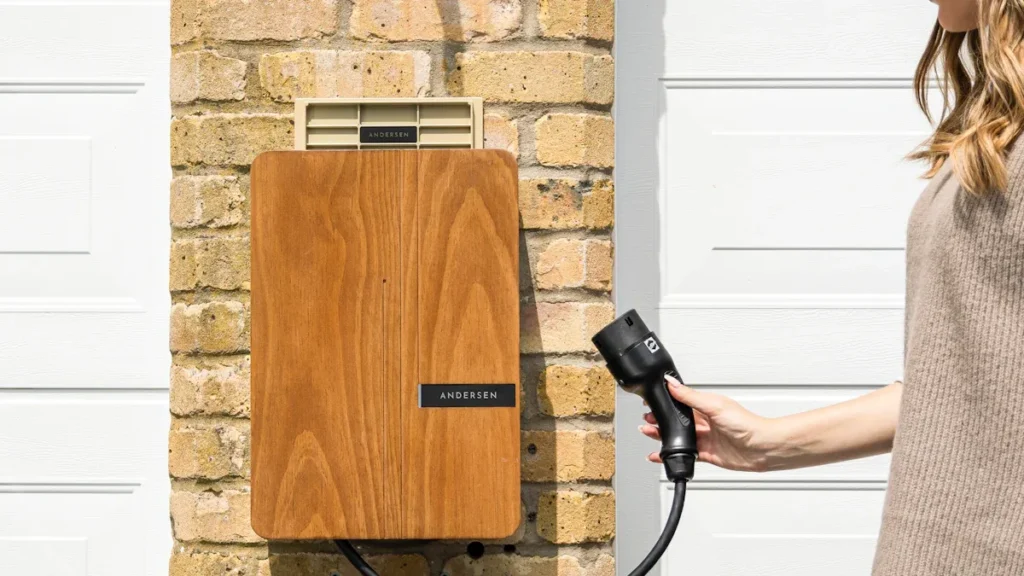
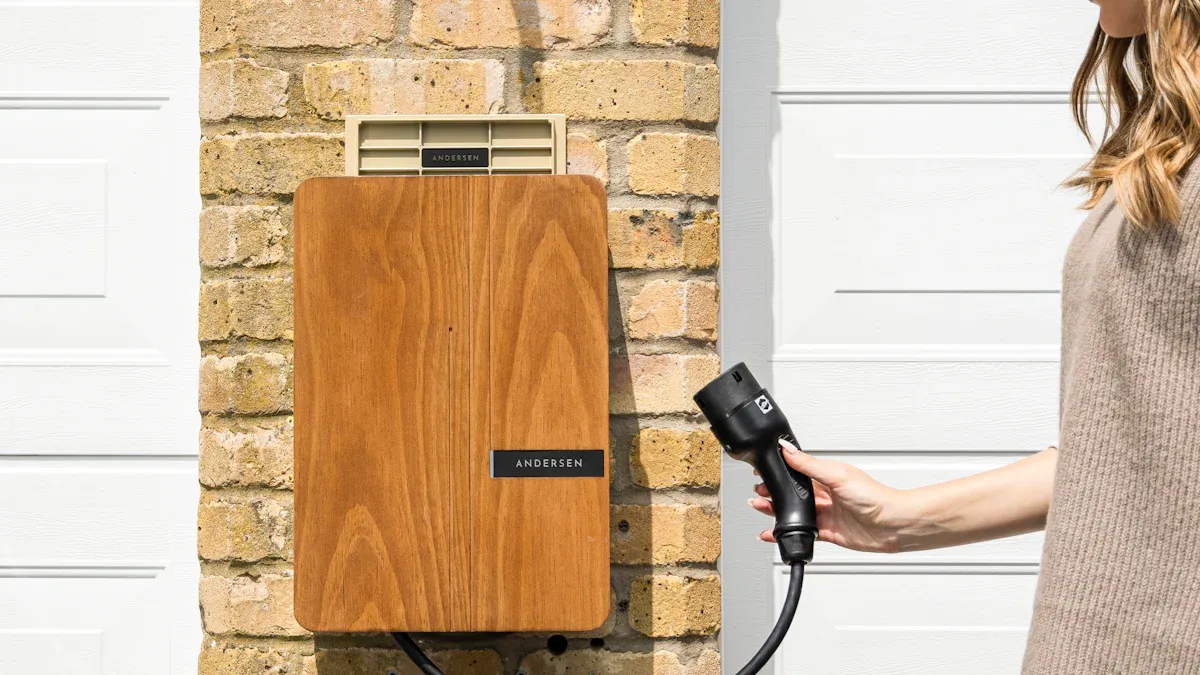
For the average daily commute in Santiago, a level 1 charger is an absolutely sufficient power source. It reliably adds enough range overnight to cover a typical drive. Fabricantes de cargadores para VE like TPSON provide technologically advanced Soluciones de recarga de vehículos eléctricos, including efficient cargadores portátiles ev. The success of this strategy in Chile depends on two key factors.
An EV owner’s daily mileage and consistent access to an Cargador EV for 8-10 hours overnight determine its practicality.
What Exactly is a Level 1 Charger?
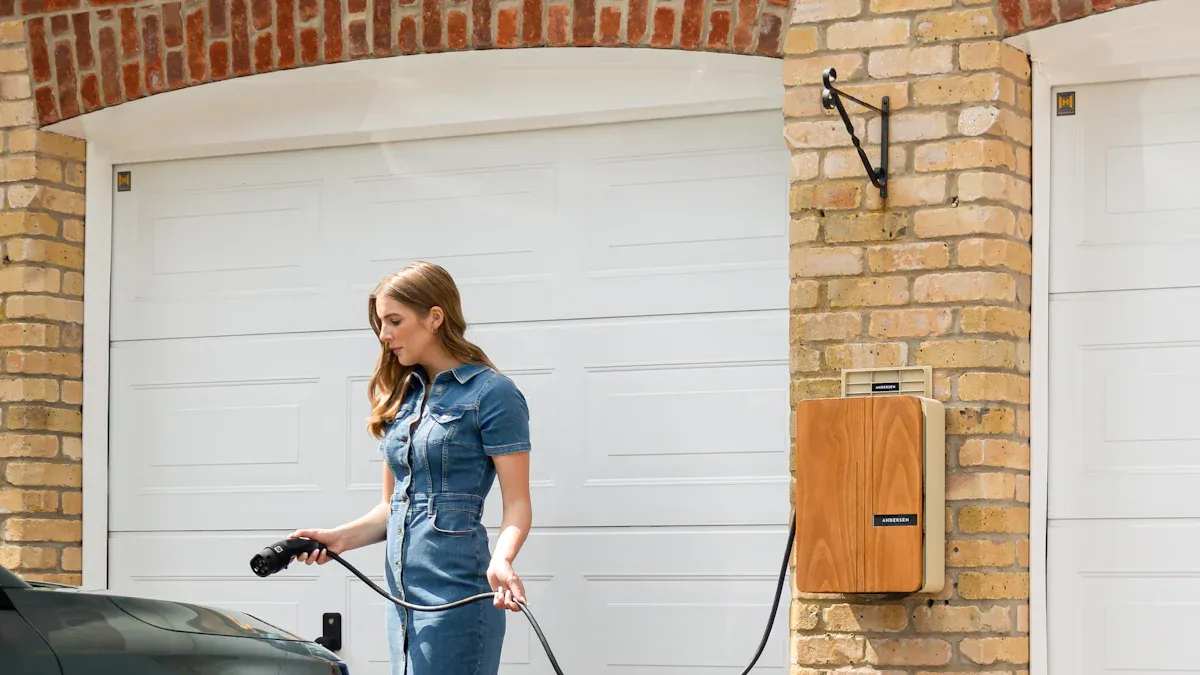
A level 1 charger represents the most accessible method for charging an electric vehicle. It does not require any special installation. Instead, it uses the portable charging cable that typically comes standard with the purchase of a new EV. Technologically advanced EV charging solution providers like TPSON manufacture these efficient portable chargers. This equipment allows an EV owner to power their vehicle from any standard wall socket.
The Basics of Charging from a Standard Outlet
Understanding the Included Equipment
The equipment for Level 1 charging is a simple, durable cable. One end of the cable plugs into the vehicle’s charging port. The other end plugs directly into a standard household electrical outlet. This simplicity makes it an incredibly convenient option for new EV owners who want to start charging at home immediately.
Chile’s Type L Socket and 220V System
Chile’s electrical grid provides a key advantage for home charging. Homes here use the “Type L” socket and operate on a 220-volt (V) system. This voltage is double that of the 110V/120V systems found in other regions. The higher voltage allows the charger to deliver more power, resulting in faster charging times compared to Level 1 charging in countries with 120V systems.
Setting Up Your Level 1 Charger at Home
Finding a Suitable and Safe Outlet
An EV owner should identify a dedicated and easily accessible outlet for overnight charging. The ideal location is inside a garage or carport, which protects the connection from weather elements like rain. Using a heavy-duty extension cord is strongly discouraged, as it can overheat and pose a significant safety risk.
Essential Safety Checks for Home Wiring
Consejo profesional: Before relying on an outlet for daily charging, it is wise to have a qualified electrician inspect the circuit. They can confirm that the home’s wiring and the specific circuit breaker can safely handle a continuous electrical load for 8-12 hours every night.
How Fast is a Level 1 Charger in Santiago?
Typical Kilometers Added Per Hour
Thanks to the 220V system, charging speed in Santiago is quite practical for daily needs. An EV can typically gain between 8 and 12 kilometers of range for every hour it is plugged in.
| Charging Duration | Approximate Range Added |
|---|---|
| 1 Hour | 8 – 12 km |
| 8 Hours (Overnight) | 64 – 96 km |
| 10 Hours (Overnight) | 80 – 120 km |
Real-World Factors Affecting Charging Speed
The exact charging rate is not always constant. Several factors can influence the speed:
- Battery Temperature: Very cold or very hot batteries may charge slower as the vehicle’s management system works to protect them.
- Current State of Charge: A battery charges fastest when it is less full. The speed often slows down as it approaches 100%.
- Eficiencia del Vehículo: The specific make and model of the EV will determine how many kilometers it can travel per kilowatt-hour (kWh) of energy.
Calculating Your Daily Charging Needs in Santiago
Understanding your specific driving habits is the key to determining if a Level 1 setup is right for you. An EV owner can perform a simple calculation to match their daily commute against the range added during an overnight charge. This analysis removes guesswork and provides a clear picture of charging needs.
How Much Range Can You Add Overnight?
The amount of range an EV gains overnight is surprisingly consistent and easy to predict. This reliability is a hallmark of modern charging equipment from providers like TPSON, whose technology ensures a steady delivery of power.
The Simple Formula: Hours x Speed = Range
An owner can estimate the added range with a straightforward formula. The calculation multiplies the number of hours the vehicle is plugged in by the velocidad de carga.
Charging Time (in Hours) x Charging Speed (in km/hr) = Total Range Added (in km)
In Chile, the charging speed for a Level 1 unit is typically between 8 and 12 kilometers per hour, thanks to the 220V electrical system.
Example: An 8-Hour Overnight Charge
An 8-hour charging session is a realistic timeframe for most people. Plugging in at 11 PM and unplugging at 7 AM fits this window perfectly.
- Cálculo: 8 Hours x 8-12 km/hr = 64 to 96 kilometers of added range.
This amount of range comfortably covers the majority of daily commutes within the city. General studies on Level 1 charging often note an addition of around De 5 a 8 km (or about 5 to 8 kilometers) of range per hour, which aligns with the performance on a 220V system.
Example: A 10-Hour Overnight Charge
For those with longer charging windows, the benefits increase significantly. A 10-hour session provides an even greater buffer for daily driving.
- Cálculo: 10 Hours x 8-12 km/hr = 80 to 120 kilometers of added range.
This extended charge provides enough energy for a typical commute plus significant extra capacity for unplanned errands or heavier traffic.
Analyzing Santiago’s Commute Distances
Commute distances in the Santiago Metropolitan Region vary greatly depending on where a person lives and works. Analyzing these routes is the next step in the calculation.
Average Commutes in the Metropolitan Region
Most daily work-related travel within the city falls between 30 and 60 kilometers for a round trip. This range is the sweet spot where overnight charging shows its greatest strength and convenience.
Commuting from Las Condes or Providencia
Residents commuting from centrally located communes like Las Condes or Providencia often have shorter routes. A round trip from these areas to a downtown office might only be 20 to 40 kilometers. These shorter distances are easily replenished in just a few hours of charging.
Longer Commutes from Maipú or Puente Alto
Commutes from more distant communes such as Maipú or Puente Alto are typically longer. A daily round trip can easily extend to 50, 60, or even 70 kilometers. These distances require a more careful assessment of overnight charging capacity, as they begin to approach the upper limits of what an 8-hour charge can provide. This is a common scenario for many drivers in Chile.
Will a Level 1 Charger Cover Your Route?
By combining the overnight range calculation with a specific commute distance, an EV owner can make a final determination.
The Common 50 km Round-Trip Scenario
Let’s consider a driver with a 50-kilometer round-trip commute.
- Daily Need: 50 km
- Range Added (8-hour charge): 64-96 km
In this very common scenario, the overnight charge not only covers the entire commute but also leaves a surplus of 14 to 46 kilometers. This demonstrates that for a typical daily drive, a Level 1 setup is more than sufficient.
The Importance of a “Buffer Zone” for Range
That extra range is not wasted; it is a crucial “buffer zone.” Relying on a charger that just barely covers a daily commute is a risky strategy. A healthy buffer provides peace of mind and accounts for real-world variables.
Consejo profesional: Aim to replenish your daily usage plus an extra 25-30% each night. This buffer ensures you are always prepared for the unexpected without causing range anxiety.
A buffer is essential for several reasons:
- Unexpected Detours: A quick trip to the supermarket or a change of plans.
- Heavy Traffic: Stop-and-go traffic, common in parts of Chile, consumes more energy.
- Weather Conditions: Using the heater or air conditioner increases energy consumption.
- Battery Health: Avoiding deep discharges helps preserve the battery’s long-term health.
For drivers across Chile, having this buffer makes the EV ownership experience seamless and stress-free, proving that a simple level 1 charger is a powerful tool for daily life.
The Ideal Scenario: When a Level 1 Charger is a Perfect Fit
For many electric vehicle owners, the standard charging equipment included with their car is the perfect solution. A specific driver profile and lifestyle align perfectly with the capabilities of a Level 1 charger. This setup offers maximum convenience with minimal investment for the right user.
The Ideal User Profile for Level 1 Charging
An EV owner can assess their daily habits to see if they fit the ideal profile. Two conditions are essential for a seamless Level 1 charging experience.
Consistent Daily Routes Under 60 km
The perfect candidate for this charging method is a driver with a predictable daily routine. A person who travels a consistent, sub-60-kilometer round trip for work or school will find this setup highly effective. This driving pattern allows the vehicle’s battery to be fully replenished overnight with a significant buffer. Their daily energy consumption rarely exceeds what an 8-hour charge can provide, making range anxiety a non-issue. This scenario is very common for commuters within Santiago.
Guaranteed Overnight Parking at Home
Consistent access to a safe parking spot is non-negotiable. The ideal user has a private garage, carport, or dedicated parking space with a nearby electrical outlet. This guarantees a secure place to plug in the vehicle every night, protected from weather and public interference. Apartment dwellers without assigned, powered parking will find this method challenging. This secure home base is the foundation of a successful Level 1 charging strategy in Chile.
Major Benefits of Sticking with a Level 1 Charger
Choosing to use the standard charger offers significant advantages beyond just meeting daily needs. These benefits make it the most logical and economical choice for many drivers in Chile.
Zero Installation Costs
The most compelling benefit is the financial savings. A Level 1 charger requires no special installation.
- It uses a standard Type L wall socket.
- No electrician is needed for wiring upgrades.
- The charging cable is typically included with the vehicle purchase.
This eliminates an expense that can be substantial, making the transition to an EV more affordable for a wider range of people across Chile.
Unbeatable Convenience and Simplicity
The process could not be simpler. Technologically advanced cargadores portátiles from providers like TPSON are designed for reliability and ease of use. The daily routine becomes effortless.
The driver arrives home, parks the car, and plugs it into the wall. The vehicle charges overnight and is ready with a full battery the next morning.
This plug-and-play simplicity removes any complexity from the EV ownership experience. It transforms home into a personal fuel station, offering a level of convenience that gasoline cars cannot match.
Red Flags: When a Level 1 Charger is NOT Enough
While a Level 1 charger is an excellent tool for many, it is not a universal solution. Certain commutes, living situations, and driving habits can quickly expose its limitations. An EV owner who overlooks these red flags may experience frequent range anxiety and inconvenience, undermining the benefits of electric vehicle ownership. Recognizing these scenarios is crucial for making an informed charging decision.
The Daily Range Deficit Explained
The core problem arises when a driver consistently uses more energy in a day than a Level 1 charger can replenish overnight. This creates a “daily range deficit,” where the battery’s state of charge slowly decreases day after day, eventually forcing a trip to a public charger to catch up.
Commutes Exceeding 70 km
A daily round-trip commute longer than 70 kilometers pushes the boundaries of a Level 1 charger. While an 8-hour overnight charge can add 64-96 km, this leaves a very small buffer for error. General studies recommend Level 1 charging primarily for drivers who travel less than 50 kilometers daily. A 70 km commute on a cold day with the heater running can easily consume more range than the charger can replace, creating an immediate energy deficit.
Driving into Santiago from Outside the City
This issue is especially relevant for individuals who live in surrounding towns and commute into the capital. A driver traveling from a location like Paine or Talagante into the business districts of Santiago can easily accumulate over 80-100 kilometers in a single day. In this case, a Level 1 charger is simply not powerful enough to fully restore the battery’s charge overnight, making a Level 2 charger a necessity, not a luxury.
When Charging Opportunities are Limited
Consistent access to power is the foundation of a successful home charging strategy. When that access is unreliable or restricted, a Level 1 charger becomes impractical.
Apartment Living Without Dedicated Parking
A significant portion of residents in Chile live in apartment buildings, which presents a major obstacle. Without a private, assigned parking space with an electrical outlet, Level 1 charging is often impossible. EV owners in this situation face numerous challenges:
- Reliance on the more expensive public charging network for daily needs.
- Difficulty getting approval from building management or homeowners’ associations to install outlets.
- The logistical problem of running cables across public walkways, creating safety hazards.
This lack of reliable home charging access is a primary reason for upgrading to a Level 2 charger at a workplace or relying entirely on the public infrastructure.
Less Than 8 Hours of Charging Time
The effectiveness of a Level 1 charger depends on a long, uninterrupted charging session. An EV owner who works irregular hours or returns home late and leaves early may not have the required 8-10 hour window.
Ejemplo: A 6-hour charging window only adds approximately 48-72 kilometers of range. This may cover a short commute but leaves no buffer for errands, traffic, or weather-related energy consumption.
How Lifestyle and Driving Habits Impact Your Needs
An EV’s range is not a fixed number; it is heavily influenced by driver behavior and lifestyle. Even with a short commute, certain habits can make a Level 1 charger insufficient.
Frequent, Unplanned Long-Distance Trips
A Level 1 charger is ideal for a predictable daily routine. It is less suitable for a driver with a spontaneous lifestyle. If an owner frequently decides to take weekend trips to the coast or mountains, they will need their vehicle to be at or near a full charge on Friday evening. A Level 1 charger, which may only be topping up the daily commute usage, might leave the car with only 60-70% battery, forcing a lengthy stop at a DC fast charger before leaving town.
Aggressive Driving and Heavy Traffic
How a person drives has a direct and significant impact on energy consumption. Hábitos de conducción agresiva can drastically reduce an EV’s range, making the overnight charge from a Level 1 unit inadequate. This is a common factor for many drivers in Chile.
- Rapid Acceleration: Flooring the accelerator pedal, especially in stop-and-go traffic, draws a large amount of power from the battery.
- High Speeds: Driving at high speeds on highways increases aerodynamic drag, forcing the motor to work harder and consume more energy.
- Frequent Braking: While regenerative braking recaptures some energy, it is far less efficient than coasting smoothly to a stop.
These habits can easily reduce a vehicle’s efficiency by 20-30%, quickly erasing the buffer provided by an overnight charge.
Cost Analysis: Level 1 Charging vs. Alternatives in Santiago
An EV owner can analyze the costs to see the financial benefits of Level 1 charging. This analysis compares home charging against gasoline and public charging options. The numbers clearly show why using a standard outlet is the most economical choice for daily commuting in Santiago.
Calculating Your Monthly Electricity Bill
Understanding the impact on a household electricity bill is the first step. The cost is minimal, but knowing the exact figures provides clarity.
Reading Your Enel or CGE Bill
An EV owner should first find the price per kilowatt-hour (kWh) on their monthly utility bill from providers like Enel or CGE. This rate is the basis for all cost calculations. The bill will show a “Cargo por energía” line item, which lists the cost in Chilean Pesos (CLP) per kWh.
Estimating kWh Needed for a 50 km Commute
Next, the owner needs to estimate their vehicle’s daily energy consumption. An average electric vehicle consumes approximately 7.5 kWh of electricity to travel 50 kilometers. This figure can vary based on the specific EV model and driving conditions.
Calculating Your Monthly Cost in Chilean Pesos (CLP)
With these two numbers, calculating the monthly cost is simple. Assume a driver commutes 22 days a month.
(Daily kWh Usage) x (Cost per kWh) x (Number of Commuting Days) = Monthly Charging Cost
- Ejemplo de cálculo:
- Daily Usage: 7.5 kWh
- Cost per kWh (example): $150 CLP
- Commuting Days: 22
7.5 kWh x $150/kWh x 22 days = $24,750 CLP per month
This calculation shows the direct, affordable cost of powering a daily commute from home.
Level 1 Charging vs. Gasoline Costs
The savings become dramatic when comparing home charging to the cost of gasoline. This is a major advantage for drivers in Chile.
Cost of Gasoline for the Same 50 km Commute
A comparable gasoline car might average 12 kilometers per liter. A 50 km commute would require about 4.17 liters of gasoline.
- Ejemplo de cálculo:
- Gasoline Needed: 4.17 Liters
- Gasoline Price (example): $1,300 CLP/Liter
4.17 L x $1,300/L = $5,421 CLP per day
Your Monthly Savings with a Level 1 Charger
The difference in daily cost is significant. Over a month, the savings are substantial.
| Métrica | EV Home Charging | Coche de gasolina |
|---|---|---|
| Daily Cost (50 km) | ~$1,125 CLP | ~$5,421 CLP |
| Costo Mensual (22 días) | ~$24.750 CLP | ~$119.262 CLP |
| Ahorro mensual | – | ~$94.512 CLP |
Cambiarse a un vehículo eléctrico y usar un cargador Nivel 1 puede ahorrarle a un conductor casi $100.000 CLP cada mes.
Costos de Carga Nivel 1 vs. Carga Pública
La carga en casa también sigue siendo más económica que usar estaciones de carga públicas. Aunque los cargadores públicos son esenciales para viajes largos, no son la solución más rentable para las necesidades diarias.
Comparación de Costos con Cargadores Públicos Nivel 2
Los cargadores públicos Nivel 2, que suelen encontrarse en centros comerciales o supermercados, generalmente tienen un costo por kWh mayor que la electricidad doméstica. El precio puede ser 2-3 veces superior, transformando una factura mensual de $25.000 CLP en $50.000-$75.000 CLP.
Cuándo Usar los Costosos Cargadores Rápidos de Corriente Continua (DC)
Los cargadores rápidos de corriente continua (DC) son la opción más cara. Están diseñados para carga rápida durante viajes de larga distancia, no para recargas diarias. Depender de ellos para el desplazamiento regular eliminaría gran parte del beneficio financiero de tener un vehículo eléctrico en Chile.
Por Qué la Carga Doméstica Sigue Siendo la Opción Más Barata
La carga doméstica ofrece el precio por kWh más bajo posible. Aprovecha la tarifa eléctrica residencial sin cargos por servicio adicionales. Para cualquier propietario de un vehículo eléctrico en Chile con acceso a un enchufe doméstico, la carga Nivel 1 es el campeón indiscutido de la rentabilidad.
Usar la Red de Carga Pública de Santiago como su Respaldo
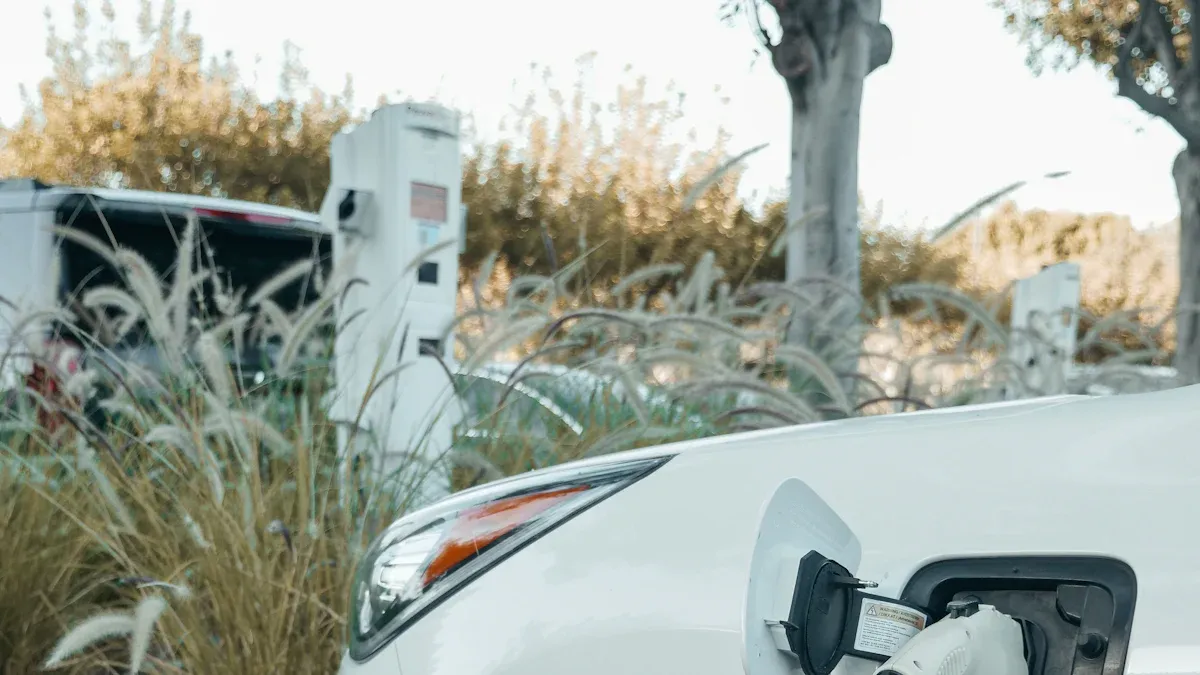
Un propietario de un vehículo eléctrico debe ver la red de carga pública de Santiago como un respaldo valioso, no como una solución primaria diaria. Si bien la carga doméstica con una unidad Nivel 1 es el método más económico, los cargadores públicos brindan flexibilidad esencial para viajes más largos e imprevistos. Un enfoque estratégico para usar esta infraestructura garantiza que el propietario esté siempre preparado.
Cómo Encontrar Cargadores Públicos en Santiago
Localizar un cargador público en Santiago es sencillo con las herramientas digitales adecuadas. Varias aplicaciones móviles proporcionan mapas en tiempo real y datos de disponibilidad, facilitando encontrar un punto de carga cuando se necesita.
Usando Aplicaciones como Copec Voltex y Enel X Way
La forma más confiable de encontrar cargadores en Chile es a través de aplicaciones dedicadas de los proveedores.
- Copec Voltex: Esta aplicación muestra la extensa red de cargadores en estaciones de servicio Copec, un lugar común en todo el país.
- Enel X Way: Esta aplicación localiza los cargadores de uno de los mayores proveedores de energía de Chile, a menudo situados en centros urbanos y áreas comerciales.
Estas aplicaciones permiten al propietario ver ubicaciones de cargadores, tipos (Nivel 2 o Cargador Rápido DC) y disponibilidad actual, lo cual es crucial para una planificación efectiva.
Ubicaciones Comunes de Cargadores: Centros Comerciales y Supermercados
Muchos cargadores públicos están ubicados convenientemente donde la gente ya pasa tiempo. Un propietario de un vehículo eléctrico a menudo puede encontrar estaciones de carga en:
- Centros comerciales: Centros comerciales como Costanera Center o Parque Arauco suelen tener plazas de estacionamiento dedicadas para vehículos eléctricos.
- Supermercados: Cadenas como Líder y Jumbo están instalando cada vez más cargadores para uso de los clientes.
- Edificios de oficinas: Algunos complejos de oficinas modernos ofrecen carga como un servicio para inquilinos y visitantes.
Un Enfoque Estratégico para la Carga Pública
Usar los cargadores públicos de manera efectiva significa integrarlos en la rutina existente. Este enfoque minimiza las interrupciones y maximiza la conveniencia.
Recargar Mientras se Realizan Diligencias
Un propietario de un vehículo eléctrico puede adoptar una mentalidad de “carga en destino”. Al planificar un viaje al centro comercial o supermercado, puede elegir una ubicación con cargadores. Conectarse durante una o dos horas de compras puede agregar una cantidad significativa de autonomía, proporcionando un colchón útil sin requerir una parada especial. Este háito convierte el tiempo de inactividad en tiempo de carga productivo.
Usando Cargadores Rápidos para Viajes de Fin de Semana
Los cargadores rápidos DC se reservan mejor para viajes de larga distancia, como un viaje de fin de semana desde Santiago a la costa. Estas estaciones potentes pueden cargar una batería hasta 80% en menos de una hora. Un propietario debe planificar estas paradas con anticipación. Es mejor cargar solo hasta el 80%, ya que la velocidad de carga disminuye drásticamente después de este punto para proteger la batería. Esta práctica es más eficiente y considerada con otros conductores de vehículos eléctricos que esperan usar el cargador.
La Confiabilidad de la Red Pública de Santiago
La infraestructura de carga pública en Chile está creciendo, pero tiene limitaciones. Un propietario de un vehículo eléctrico debe planificar con anticipación para evitar problemas potenciales.
Estado Actual de la Infraestructura Pública para Vehículos Eléctricos
La red se está expandiendo rápidamente, pero no es tan densa como en algunos otros países. Los cargadores se concentran en la capital y a lo largo de las principales carreteras. Un propietario encontrará que la confiabilidad puede variar entre redes. Algunas estaciones pueden estar operativas de manera más consistente que otras.
Planificando con Anticipación para Evitar Cargadores en Uso o Averiados
Consejo profesional: Siempre tenga un plan de respaldo. Use aplicaciones móviles para verificar el estado en vivo de un cargador antes de conducir hasta él. Es prudente identificar un grupo de cargadores en un área en lugar de depender de uno solo.
Un propietario debe usar filtros en las aplicaciones para priorizar redes confiables. Si un cargador está ocupado inesperadamente o fuera de servicio, tener una alternativa cercana previene la ansiedad por la autonomía y mantiene el viaje libre de estrés. Esta previsión es clave para usar con éxito la red pública en Chile.
Para la mayoría de los viajeros en Santiago, Chile, un cargador nivel 1 es la solución más práctica y económica. Satisface eficazmente las necesidades diarias bajo condiciones específicas. Un propietario de un vehículo eléctrico en Chile puede usar una simple lista de verificación para decidir.
Su Lista de Verificación:
- ¿Su viaje diario de ida y vuelta es inferior a 60 kilómetros?
- ¿Puede conectarlo durante 8+ horas cada noche?
Si la respuesta es sí a ambas, este método de carga es adecuado para usted. Los conductores con desplazamientos más largos o tiempo de carga limitado en Chile deberían considerar un cargador Nivel 2 para mayor flexibilidad.
PREGUNTAS FRECUENTES
¿Puedo usar un cable de extensión con mi cargador Nivel 1?
No, usar un cable de extensión estándar representa un riesgo de seguridad significativo. Puede sobrecalentarse y causar un incendio. Un propietario de un vehículo eléctrico siempre debe conectar el cable de carga directamente a un enchufe de pared. Esto garantiza una conexión segura y confiable para la carga nocturna en Chile.
¿Necesito un electricista para usar un cargador Nivel 1?
No se requiere un electricista para la instalación. Sin embargo, un profesional calificado debe inspeccionar el circuito del tomacorriente. Esta verificación de seguridad confirma que el cableado puede soportar la carga continua, una precaución sensata para cualquier propietario de vehículo eléctrico en Chile.
¿Qué pasa si mi vehículo eléctrico no vino con un cargador portátil?
Un propietario de un vehículo eléctrico puede Adquiera un cargador portátil de alta calidad por separado. Proveedores de soluciones de carga para vehículos eléctricos tecnológicamente avanzados como TPSON fabrican unidades confiables compatibles con el sistema eléctrico en Chile. Estos cargadores ofrecen la misma conveniencia de conectar y usar.
¿La carga Nivel 1 daña la batería de mi auto?
No, la carga Nivel 1 es muy suave con la batería de un vehículo eléctrico. La velocidad de carga más lenta genera menos calor, lo que ayuda a preservar la salud de la batería a largo plazo. Este método es ideal para las necesidades de carga diaria de los conductores en todo Chile.
¿Cómo afecta el clima frío en Chile a la carga Nivel 1?
Las bajas temperaturas pueden ralentizar ligeramente el proceso de carga. El sistema de gestión de baterías del vehículo puede limitar la velocidad de carga para proteger la batería. A pesar de esto, una carga nocturna de 8 horas aún proporciona autonomía suficiente para la mayoría de los desplazamientos diarios en Chile.
¿Es más económico que usar un cargador público en Santiago?
Sí, absolutamente. La carga en el hogar utiliza tarifas de electricidad residencial, que son significativamente más bajas que los precios en las estaciones de carga públicas. Para los desplazamientos diarios, la carga doméstica Nivel 1 es la solución más rentable disponible en Chile.