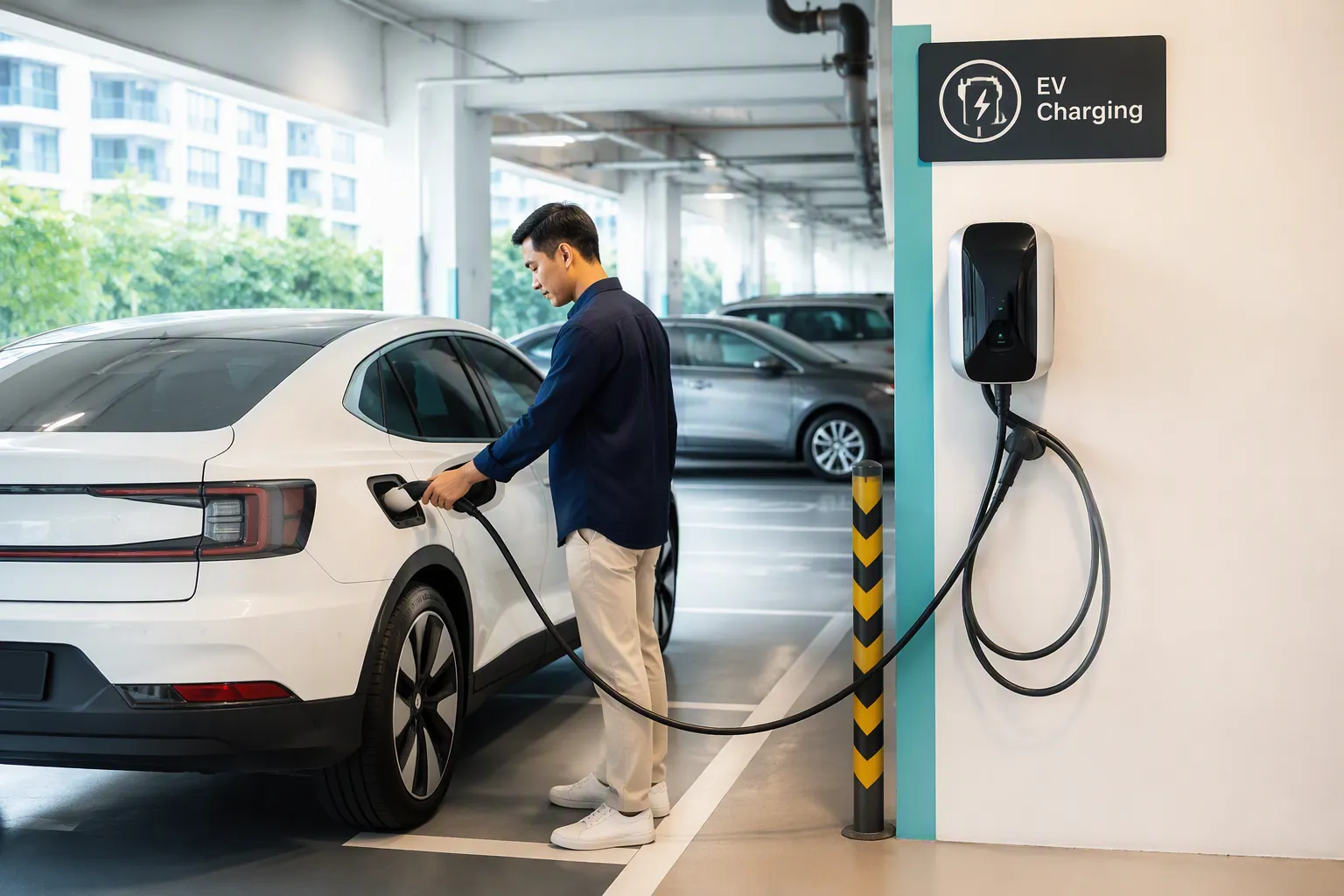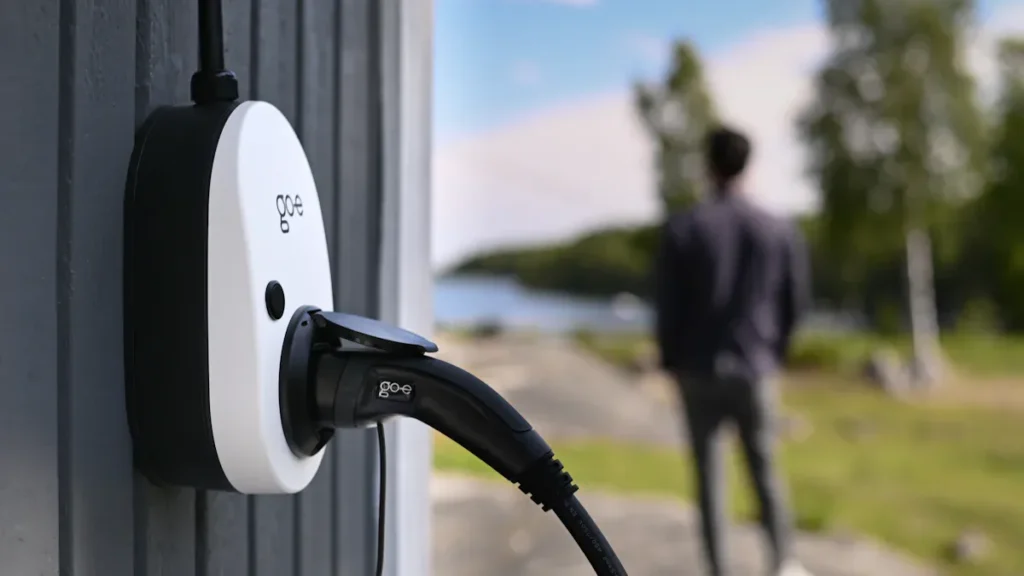
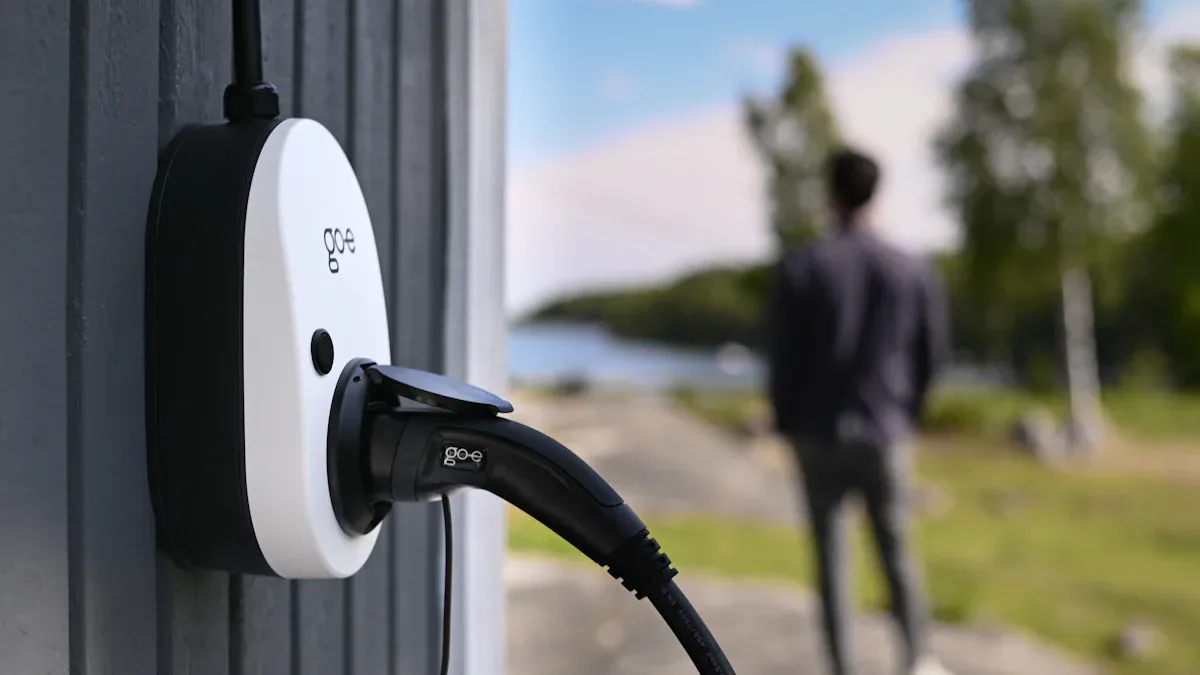
Çoğu elektrikli araç sahibi için, özel bir Seviye 2 EV Şarj Cihazı akıllı bir finansal yatırımı temsil eder. Başlangıç maliyeti olsa da, bu maliyet hızla kolaylık, şarj hızı ve güvenlikteki önemli kazanımlarla telafi edilir. Bu EV şarj cihazı günlük kullanım için standart bir duvar prizine kıyasla üstün bir seçenektir.
Birçok saygın Elektrikli araç şarj cihazı üreticileri , duvara monte birimler ve Elektrikli araç şarj çözümleri, dahil olmak üzere çeşitli taşınabilir elektrikli araç şarj cihazları. sunar. Güvenilir bir markadan profesyonel bir ev şarj kurulumuna geçmek, herhangi bir elektrikli araç için daha güvenli ve verimli bir deneyim sağlar.
Başlangıç Yatırımı: Seviye 2 EV Şarj Cihazı Maliyetinin Analizi

Bir EV sahibinin öncelikli düşüncesi genellikle başlangıç yatırımıdır. Bu maliyetin bileşenlerini anlamak, şarj cihazının uzun vadeli değerini değerlendirmedeki ilk adımdır. Toplam gider, donanımın kendisi ve profesyonel kurulum, birleşimidir; her ikisi de özelliklere ve karmaşıklığa bağlı olarak değişen fiyat noktalarına sahiptir.
Donanım Maliyeti: Şarj Cihazınızı Seçmek
Şarj cihazı veya wallbox, duvara monte edilen fiziksel ünitedir. Piyasa, temel birimlerden oldukça gelişmiş sistemlere kadar geniş bir yelpazede seçenek sunar. TPSON gibi teknolojik olarak gelişmiş sağlayıcılar, çeşitli kullanıcı ihtiyaçlarını karşılamak için bir dizi elektrikli araç şarj çözümü sunar.
Giriş Seviyesi Şarj Cihazları (5.000 – 8.000 NOK)
Giriş seviyesi şarj cihazları temel işlevi sağlar: güvenli ve verimli şarj. Bu birimler genellikle bağlantı özelliklerinden yoksun oldukları için “aptal” şarj cihazları olarak adlandırılır. Sahibi, şarj seansını başlatmak için EV'sini fişe takar ve durdurmak için çıkarır. Standart bir prizden güvenilir ve uygun fiyatlı bir yükseltmedir ancak gelişmiş enerji yönetim yetenekleri sunmaz.
Akıllı Şarj Cihazları (8.000 – 15.000 NOK)
Akıllı şarj cihazları Norveç'teki ev sahipleri için en popüler kategoriyi temsil eder. Bu birimler Wi-Fi'ye bağlanır ve bir akıllı telefon uygulamasıyla birlikte gelir. Bu bağlantı, güçlü özelliklerin kilidini açar:
- Uzaktan Çalıştırma/Durdurma: Şarj seanslarını her yerden kontrol edin.
- Planlı Şarj: Elektriğin en ucuz olduğu saatler dışı saatlerde çalışması için şarj cihazını ayarlayın.
- Enerji İzleme: Her şarj seansı için elektrik tüketimini takip edin.
Easee gibi birçok Norveç yapımı şarj cihazı, kendi pazarında kanıtlanmış ve ileri teknolojisiyle bilinir. Bu gibi bir markadan 22 kW'lık bir akıllı şarj cihazı yaklaşık 11.000 NOK'a mal olabilir ve bu orta seviye fiyat aralığına tam olarak uyar.
Premium Şarj Cihazları (15.000+ NOK)
Premium şarj cihazları, kesinlikle en iyisini isteyen kullanıcılar için en son özellikleri sunar. Bu modeller şunları içerebilir:
- Kararlı Wi-Fi olmayan yerler için entegre 4G bağlantısı.
- Ticari veya ortak kullanım için yerleşik ödeme sistemleri.
- Birden fazla şarj cihazı arasında gücü yönetmek için gelişmiş yük dengeleme.
- Araçtan Şebekeye (V2G) hazırlık, geleceğe dönük bir özellik.
Norveç'te Profesyonel Kurulum Maliyeti
Güvenli ve yasal bir seviye 2 EV şarj cihazı kurulumu, sertifikalı bir elektrikçi tarafından profesyonel kurulum gerektirir. Kurulum maliyeti, toplam yatırımın önemli bir parçasıdır.
Standart Bir Kurulumun İçerdikleri (7.000 – 12.000 NOK)
Standart bir kurulum paketi birçok ev için uygundur ve genellikle temel işi kapsar. Fiyat genellikle şunları içerir:
- Sigorta kutusundan şarj cihazı konumuna kadar en fazla 10-15 metre kablo.
- Sigorta kutusunda özel bir devre kesici kurulumu.
- Bir standart duvardan (ahşap veya sıva) delme.
- Sistemin güvenli ve uyumlu olduğundan emin olmak için tüm işçilik ve testler.
- Kurulumun belgelenmesi (
uygunluk beyanı).
Kurulum Maliyetlerini Artıran Faktörler
İş daha karmaşıksa, nihai kurulum fiyatı standart aralığı aşabilir. Yaygın faktörler şunlardır:
- Uzun Kablo Mesafeleri: 15 metreden fazla kablo gereksinimi.
- Karmaşık Delme İşleri: Beton veya kalın duvarlardan delme gerekliliği.
- Zemin Çalışması: Müstakil bir garaja veya park yerine kablo döşemek için hendek kazma gerekliliği.
- Sigorta Kutusu Yükseltmeleri: Evin ana elektrik panosunun yeni yükü desteklemek için yükseltilmesi gerekebilir.
- Apartman Karmaşıklığı: Ortak bir garajda kurulum, yük dengeleme sistemleri için ek iş gerektirebilir.
Neden Sertifikalı Bir Elektrikçi Kullanmalısınız?
Güvenlik ve Uyumluluk Pazarlık Konusu Değildir Norveç'te, özel bir EV şarj noktasının sertifikalı bir profesyonel tarafından kurulması yasal bir gerekliliktir. Norveç Sivil Koruma Müdürlüğü (DSB), yangın riski nedeniyle standart bir Schuko prizinden düzenli şarj yapılmasını şiddetle tavsiye etmemektedir. Profesyonel bir kurulum, şarj cihazının doğru şekilde özel bir devreye bağlandığından, tüm güvenlik kodlarına uyduğundan ve evinizin elektrik sistemini aşırı yüklemeden çalıştığından emin olur.
Toplam Başlangıç Giderinizi Hesaplama
Toplam başlangıç yatırımı, donanım ve kurulum maliyetlerinin toplamıdır. İşte iki yaygın senaryo.
Örnek Maliyet: Ortak Garajlı Apartman
Bir apartman binasındaki bir EV sahibi için, ortak gücü yönetmek için genellikle akıllı bir şarj cihazı en iyi seçimdir.
| Öğe | Tahmini Maliyet |
|---|---|
| Akıllı Şarj Cihazı Donanımı | 9.500 NOK |
| Standart Kurulum | 8.000 NOK |
| Toplam Tahmini Yatırım | 17.500 NOK |
Örnek Maliyet: Müstakil Ev
Özel garajı olan bir ev sahibi, kurulum sürecinin biraz daha zahmetli olabileceğini bilmekle birlikte, istediği herhangi bir şarj cihazını seçebilir.
| Öğe | Tahmini Maliyet |
|---|---|
| Akıllı Şarj Cihazı Donanımı | 11.000 NOK |
| Karmaşık Kurulum (örneğin, daha uzun kablo mesafesi) | 13.000 NOK |
| Toplam Tahmini Yatırım | 24.000 NOK |
Seviye 2 Elektrikli Araç Şarj Cihazının Hız ve Kolaylık Avantajları
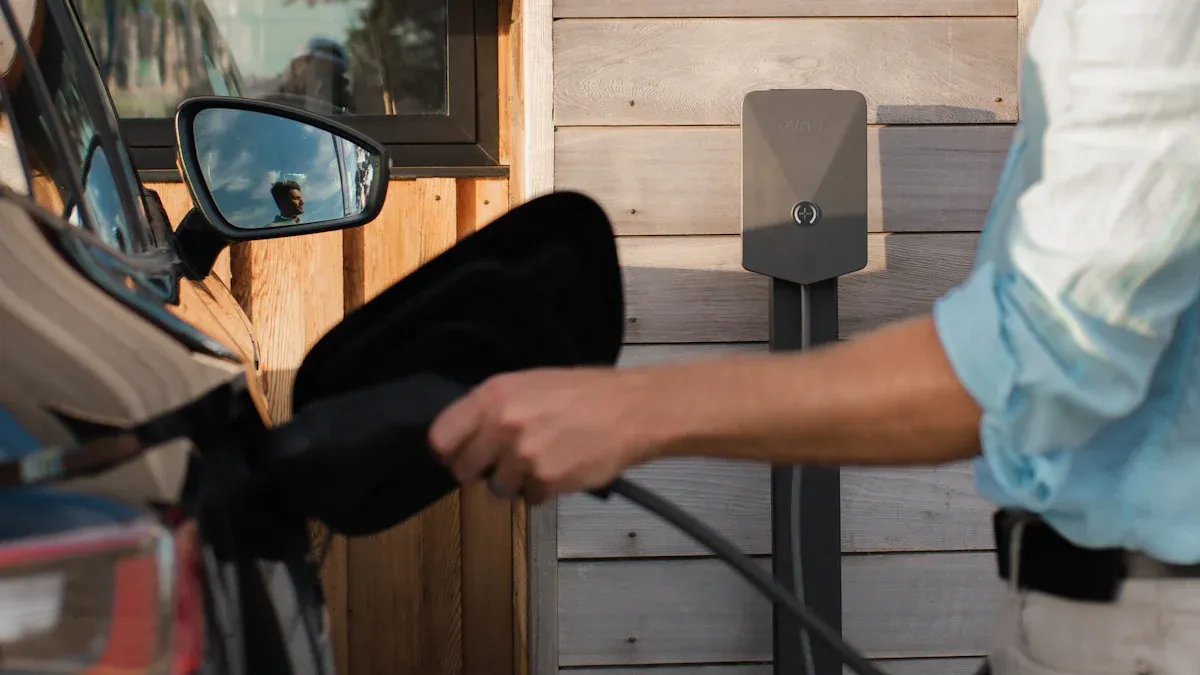
Mali hesaplamaların ötesinde, bir ev şarj cihazının en acil ve somut faydası, günlük kullanım rahatlığında sağladığı büyük artış. Bu yenilik, elektrikli araç sahipliği deneyimini planlama ve bekleme sürecinden, zahmetsiz bir hazırlık sürecine dönüştürüyor.
Şarj Sürelerinde Önemli Ölçüde Azalma
Bir [şey]'in en önemli avantajı 2. seviye elektrikli araç şarj cihazı En büyük avantajı hızıdır. Bu özellik, elektrikli araçların şarjda kalması gereken süreyi önemli ölçüde kısaltarak, şarj işlemini zaman alan bir angarya olmaktan çıkarmakta ve araç sahibinin günlük rutinine sorunsuz bir şekilde entegre etmektedir.
Seviye 1 (Schuko) ile Seviye 2 Hız Karşılaştırması
Standart bir Schuko prizi çok yavaş şarj sağlar ve genellikle saatte sadece birkaç kilometre menzil artışı sağlar. Bir Seviye 2 şarj cihazı çok daha güçlüdür.
| Şarj Cihazı Tipi | Tipik Güç Çıkışı | Saat Başına Eklenen Yaklaşık Menzil |
|---|---|---|
| Seviye 1 (Schuko) | 1,4 kW – 2,3 kW | 8 – 12 km |
| Seviye 2 Şarj Cihazı | 7,4 kW – 22 kW | 40 – 120 km |
Gerçek Hayattaki Etkisi: Günlük Kontör Yüklemeleri
Günlük ortalama 50 km yol kateden bir elektrikli araç sahibi için, bataryayı tamamen şarj etmek üzere bir Schuko prizi kullanıldığında 4-6 saat sürer. Seviye 2 şarj cihazı ise aynı işi bir saatten kısa sürede halleder. Bu hız, elektrikli aracın her an plansız yolculuklara hazır olmasını sağlar.
Gerçek Hayattaki Etkisi: Tam Gece Şarjı
Bu fark, tam şarj söz konusu olduğunda hayati önem kazanır. Büyük bir bataryaya sahip uzun menzilli bir elektrikli araç, Schuko prizinde boş durumdan şarj olması için 40 saatten fazla süreye ihtiyaç duyabilir. Seviye 2 şarj ünitesi ise aynı elektrikli aracı bir gecede tam olarak şarj edebilir ve her sabah tam dolu bir batarya garantisi verir.
Günlük Hayattaki Kolaylığın Değeri
Bu yeni kazanılan hız, doğrudan daha rahat ve stresten uzak bir yaşam tarzına dönüşüyor. Araç sahipleri artık şarj işlemlerini kamuya açık şarj istasyonlarına göre titizlikle planlamak zorunda kalmıyor.
Menzil ve Şarj Kaygısını Ortadan Kaldırmak
Ev şarj cihazı, menzil endişesinin en etkili çözümü. Tam şarjlı bir bataryaya bir gecelik şarjla ulaşabileceğini bilmek, tam bir iç huzur sağlar. Elektrikli araç sahipleri, kullanılabilir şarj istasyonları bulma endişesi duymadan araçlarının menzilini sonuna kadar kullanabilirler.
“Tak ve Başla” Rutininin Kolaylığı
Evde şarj etme, basit ve zahmetsiz bir rutin oluşturur. Araç sahibi eve gelir, arabasını prize takar ve sabah uyandığında tam şarjlı bir elektrikli araba ile karşılaşır. Bu süreç, bir akıllı telefonu şarj etmek kadar basittir ve aracın enerji ihtiyaçlarını yönetme yükünü ortadan kaldırır.
Elektrikli Araçlar İçin Kamuya Açık Şarj İstasyonlarına Bağımlılığın Azaltılması
Kamuya açık elektrikli araç şarj istasyonlarına güvenmek belirsizlik yaratır. Bu istasyonlar dolu, arızalı veya daha pahalı olabilir. Bir ev şarj ünitesi, kamuya açık şarj ağını günlük bir ihtiyaç olmaktan çıkararak uzun yolculuklar için bir yedek haline getirir. Bu, kamuya açık EV şarj istasyonlarında bekleme süresini azaltır ve sahipleri üçüncü taraf şarj ağının öngörülemezliğinden kurtarır. Birçok EV sahibi, günlük sürüş ihtiyaçları için kamuya açık EV şarj istasyonlarını nadiren kullandıklarını fark eder.
Güvenlik ve Sürdürülebilirlik Alanında Önemli Bir İlerleme
Özel bir şarj cihazına yatırım yapmak sadece hız meselesi değildir; bu, güvenlik ve sürdürülebilirlik açısından temel bir iyileştirmedir. Bu yatırım, yanlış şarj yöntemleriyle ilişkili ciddi riskleri azaltır ve elektrikli araç sahiplerinin daha çevreci bir enerji ekosistemine katkıda bulunmalarını sağlar.
Standart Schuko Şarjının İçsel Riskleri
Elektrikli araçların günlük şarjı için standart bir ev prizi (Schuko) kullanmak, son derece tehlikeli bir uygulamadır. Bu prizler bu amaç için tasarlanmamıştır.
Aşırı Isınma ve Yangın Tehlikeleri
Schuko prizi, bir elektrikli aracın şarj edilmesi için gereken yüksek ve sürekli güç tüketimini kaldıracak şekilde tasarlanmamıştır. Bu uzun süreli yük, prizin ve fişin aşırı ısınmasına neden olarak garaj veya ev içinde ciddi bir yangın tehlikesi oluşturabilir.
Evinizin Elektrik Sistemindeki Aşınma
Elektrikli araç şarjının yarattığı sürekli yük, evin iç kablolama sistemi ve priz bileşenlerinin aşınmasını ve yıpranmasını hızlandırır. Zamanla bu yıpranma, bağlantı arızalarına yol açabilir ve elektrik kazası riskini daha da artırır.
DSB Neden Özel Şarj Cihazlarını Öneriyor?
Norveçli yetkililer bu riski ciddiye almaktadır. Sivil Savunma Genel Müdürlüğü (DSB), elektrikli araç şarjı için Schuko prizlerinin düzenli kullanımından kesinlikle kaçınılmasını tavsiye etmektedir. Resmi kılavuzlarında, tek güvenli ve uzun vadeli çözüm olarak profesyonelce kurulmuş, bu amaca özel bir şarj istasyonunun kullanılması önerilmektedir.
Seviye 2 Elektrikli Araç Şarj Cihazının Yerleşik Güvenlik Özellikleri
Özel olarak tasarlanmış 2. seviye elektrikli araç şarj cihazı standart bir duvar prizinde bulunmayan çok katmanlı koruma sistemiyle tasarlanmıştır.
Topraklama Hatası Koruması
Her sertifikalı şarj cihazında dahili toprak kaçağı koruması (Tip B toprak kaçağı devre kesici) bulunur. Bu sistem, bir kaçak tespit ettiğinde elektrik akımını anında keserek kullanıcıları ciddi elektrik çarpması tehlikesinden korur.
Aşırı Akım ve Sıcaklık İzleme
Akıllı dahili sensörler şarj işlemini sürekli olarak izler. Şarj cihazı aşırı akım veya iç sıcaklıkta bir artış tespit ederse, hasarı önlemek ve güvenliği sağlamak amacıyla gücü otomatik olarak düşürür veya tamamen kapanır.
Güvenli, hava koşullarına dayanıklı bağlantılar
Evde şarj için kullanılan Tip 2 konektörler sağlamdır ve araçla güvenli, sıkı bir bağlantı sağlar. Hava koşullarına dayanıklı olarak tasarlanmışlardır ve Norveç'teki yağmur ve kara maruz kaldıklarında bile güvenli ve güvenilir bir çalışma sağlarlar.
Elektrikli Aracınızın Çevre Dostu Özelliklerini Artırma
Akıllı şarj cihazı, bir elektrikli aracı (EV) sıradan bir ulaşım aracından, sürdürülebilir bir enerji geleceğinin aktif bir bileşenine dönüştürür. Sürdürülebilirliğe olan bu bağlılık, en önemli avantajlarından biridir.
Akıllı Şarj ile Enerji Kullanımını Optimize Etme
Akıllı şarj teknolojisi sürdürülebilirliği teşvik etmek için güçlü bir araçtır. Bu araç, araç sahiplerinin elektrikli araçlarının ne zaman ve nasıl şarj edileceğini kontrol etmelerini sağlar.
- Ertelenen Oturumlar: Kullanıcılar, şarj işleminin elektrik talebinin en düşük olduğu saatlerde, genellikle geceleri başlaması için programlayabilirler.
- Yük Dengeleme: Sistem, mevcut gücü akıllı bir şekilde dağıtabilir; bu özellik, özellikle çok sayıda şarj cihazının bulunduğu binalarda devreye aşırı yük bindirmeden verimli enerji kullanımı sağladığı için oldukça kullanışlıdır. Bu optimizasyon, sürdürülebilirliği teşvik etmenin ve genel sürdürülebilirliği artırmanın temel bir parçasıdır.
Norveç’in Yeşil Enerji Hedeflerine Uyum Sağlamak
Akıllı şarjın kullanılması, Norveç’in ulusal sürdürülebilirlik hedeflerini doğrudan desteklemektedir. Elektrikli araç sahipleri, enerji talebini yoğun saatlerin dışına kaydırarak ulusal elektrik şebekesinin istikrarına katkıda bulunurlar. Bu istikrar, hidroelektrik ve rüzgâr gibi yenilenebilir enerji kaynaklarından elde edilen elektriğin şebekeye entegrasyonunu kolaylaştırır. Bu sayede her elektrikli araç, sürdürülebilirliğin teşvik edilmesinde aktif bir rol üstlenir. Yenilenebilir enerji kaynaklarıyla bu uyum, uzun vadeli sürdürülebilirlik açısından hayati öneme sahiptir. Yenilenebilir enerji kaynaklarının etkin kullanımı, ülkenin enerji politikasının temel taşlarından biridir ve akıllı şarj, bu sürdürülebilirlik çabasını güçlendirir. Sürdürülebilirliğe verilen bu önem, herkesin yararınadır.
Mali Kazanç: Seviye 2 Şarj Cihazı Size Nasıl Tasarruf Sağlar?
Seviye 2 elektrikli araç şarj cihazı, sadece bir kolaylık değildir; aynı zamanda yüksek bir yatırım getirisi (ROI) sağlayan bir finansal araçtır. Bu ilk yatırım Norveç'te elektrikli araç sahibi olmanın genel karlılığını artırarak, uzun vadede önemli tasarruflar sağlar. Araç sahipleri elektrik maliyetlerini aktif olarak düşürebilir ve yeni şebeke ücretlerinden kaçınabilir; bu da şarj cihazını mali stratejilerinin önemli bir parçası haline getirir. Bu teknolojinin karlılığı, Norveç elektrik piyasasıyla olan etkileşimi incelendiğinde net bir şekilde ortaya çıkmaktadır.
Akıllı Şarj Cihazı ile Norveç Elektrik Piyasasından Yararlanmak
Akıllı şarj teknolojisi, elektrikli araç sahiplerinin enerji giderlerini kontrol etmelerini sağlar. Bu özellik, şarj cihazının yatırım getirisi ve uzun vadeli karlılığı açısından hayati öneme sahiptir. Şarj sürecini otomatikleştiren bu teknoloji, aracın en ekonomik saatlerde şarj edilmesini sağlayarak yatırım getirisini doğrudan artırır.
Spot Fiyat (Spotpris) Dalgalanmalarını Anlamak
Norveç'te elektrik fiyatı, spot fiyat olarak bilinir (spot fiyat), saat saat değişmektedir. Geçmişte, bol hidroelektrik enerjisi sayesinde fiyatlar istikrarlıydı. Ancak, son zamanlarda ortaya çıkan faktörler gibi yeni uluslararası elektrik kabloları ve dalgalanan gaz fiyatları özellikle Norveç'in güneyinde önemli fiyat dalgalanmalarına yol açmıştır. Bu, elektrikli araçları şarj etmenin maliyetinin, yoğun talep saatlerinde (örneğin öğleden sonraları) yoğun olmayan saatlere (gece geç saatler) kıyasla çok daha yüksek olabileceği anlamına gelir. Bu dalgalanmaları anlamak, daha iyi bir yatırım getirisi elde etmenin ilk adımıdır.
Maliyetleri Düşürmek İçin Yoğun Olmayan Saatlerde Şarj İşlemlerini Otomatikleştirme
A akıllı şarj cihazı bu fiyat dalgalanmasını doğrudan ele alıyor. Bir akıllı telefon uygulaması aracılığıyla, ev sahibi şarj cihazına elektrik fiyatı belirli bir eşiğin altına düştüğünde güç çekmesi talimatını verebilir.
Bir elektrikli araç sahibi, eve geldiğinde aracını şarj etmeyi ve uygulamayı “akıllı şarj” moduna ayarlamayı yeterlidir. Sistem daha sonra, şarj işlemini otomatik olarak başlatmak için gece saatlerinde elektrik fiyatlarının en düşük olduğu zamanı bekler. Bu basit işlem, tasarrufu en üst düzeye çıkarır ve yatırımın karlılığını artırır.
Bu otomasyon, karmaşık bir pazarı basit bir tasarruf kaynağına dönüştürerek şarj cihazının yatırım getirisinin (ROI) temel bir parçasını oluşturur.
Kullanım Zamanına Göre Tarifeyle Yıllık Tasarruf Hesaplama
Akıllı şarjın mali etkisi oldukça büyüktür. Yoğun ve yoğun olmayan saatlerdeki elektrik tarifeleri arasındaki fark, şarj cihazının karlılığını doğrudan etkiler. Yılda 15.000 km yol kateden tipik bir elektrikli araç sahibi düşünün.
| Şarj Senaryosu | Ortalama Elektrik Fiyatı (kWh başına) | Yıllık Şarj Maliyeti | Yıllık Tasarruflar |
|---|---|---|---|
| Yoğun Saatlerde Ücretlendirme | 2,00 NOK | 6.000 NOK | 0 NOK |
| Akıllı Yoğun Olmayan Saatlerde Şarj | 0,80 NOK | 2.400 NOK | 3.600 NOK |
Not: Elektrikli araç tüketiminin 20 kWh/100 km olduğu varsayılmıştır. Fiyatlar örnek niteliğindedir.
Bu tablo, akıllı şarjın nasıl net bir yatırım getirisi sağladığını göstermektedir. Yıllık tasarruflar, şarj cihazının mükemmel yatırım getirisine ve uzun vadeli karlılığına doğrudan katkıda bulunmaktadır.
Yeni Kapasite Tabanlı Şebeke Tarifesinin Yönetimi (Nettleie)
Akıllı şarj cihazı, sahiplerin yeni şebeke tarifesini yönetmelerine de yardımcı olur (şebeke tarifesi) modelini Norveç'te uygulamaktadır. Bu yeni fiyatlandırma yapısı, yüksek ve aynı anda gerçekleşen elektrik tüketimini caydırmak üzere tasarlanmıştır. Bu, teknolojinin karlılığını ortaya koyduğu bir başka alandır.
“Power Peak” Tarifesi Nasıl İşliyor?
Yeni tarife, hane halklarını yüksek “elektrik tüketim zirveleri” nedeniyle cezalandırıyor. Bu tarife, bir hanenin gün içinde en fazla elektrik tükettiği saati ölçer. Bu pik tüketim ne kadar yüksekse, şebeke şirketinden alınan aylık sabit ücret de o kadar yüksek olur. Fırın, su ısıtıcısı ve elektrikli araç şarj cihazı gibi birçok yüksek güçlü cihazı aynı anda çalıştırmak, maliyetli bir pik tüketime neden olabilir. Bu da, iyi bir yatırım getirisi elde etmek için elektrik kullanımını yönetmeyi çok önemli hale getirir.
Yüksek Maliyetli Cezaları Önlemek İçin Seviye 2 Elektrikli Araç Şarj Cihazı Kullanımı
Elektrikli araç fişe takılır takılmaz tam güçte çalışmaya başlayan “akılsız” bir şarj cihazı, kolayca yeni bir güç pikine yol açarak aylık faturaları artırabilir. Akıllı bir şarj cihazı ise bu dezavantajı ortadan kaldırır. Yoğun saatlerde yavaş şarj yapması veya evdeki genel tüketim düşük olana kadar beklemesi için programlanabilir. Bu akıllı yönetim, şarj cihazının karlılığı ve hızlı bir yatırım getirisi için çok önemlidir.
Yük Dağıtım Teknolojisinin Rolü
Yük dengeleme, bu süreci mükemmelleştiren gelişmiş bir özelliktir. Bu teknoloji, evin toplam elektrik tüketimini gerçek zamanlı olarak aktif bir şekilde izler.
- Sistem, evdeki elektrik tüketiminin zirveye yaklaştığını algıladığında, elektrikli aracın şarj hızını otomatik olarak düşürür.
- Diğer cihazlar kapandığında, şarj hızını tekrar güvenli bir şekilde artırır.
Bu dinamik yönetim, elektrikli aracın yüksek tarife ücretlerine yol açmadan ihtiyaç duyduğu şarjı almasını sağlayarak şarj cihazının yatırım getirisini ve genel karlılığını en üst düzeye çıkarır.
Mülkünüzün Değerini Artırmak
Son olarak, mali avantajlar gayrimenkulün değerine de yansımaktadır. Norveç gibi gelişmiş bir pazarda, ev şarj istasyonu gayrimenkulün yatırım getirisini artıran önemli bir varlıktır.
Bir elektrikli araç şarj cihazı, önemli bir satış argümanı
Profesyonelce kurulmuş bir şarj istasyonu, bir gayrimenkulü potansiyel alıcılar için daha cazip hale getiren modern bir donanımdır. Bu, evin modern, geleceğe dönük ve elektrikli araç sahipliğinin gerekliliklerine hazır olduğunu gösterir. Birçok alıcı için bu, somut bir değer katan ve evin nihai satış fiyatına katkıda bulunarak ev sahibinin yatırım getirisini artıran, son derece arzu edilen bir özelliktir.
Elektrikli araçların hakim olduğu bir pazarda alıcıları çekmek
Dünyanın önde gelen elektrikli araç pazarı olan Norveç’te, özel bir şarj cihazı artık bir lüks olmaktan çıkıp hızla standart bir beklenti haline gelmektedir. Böyle bir şarj cihazının bulunmadığı bir ev, dezavantajlı durumda olabilir. Anahtar teslimi bir şarj çözümü sunmak, bir gayrimenkulün öne çıkmasını sağlayabilir, daha ciddi alıcıları çekebilir ve potansiyel olarak daha hızlı bir satışa yol açabilir. Bu pazar avantajı, şarj cihazının mükemmel yatırım getirisi ve uzun vadeli karlılığının önemli bir bileşenidir.
Norveç’e Özgü Faktörler: Soğuk İklim ve Şebeke Hazırlığı
Norveç’teki bir elektrikli araç sahibi, ülkenin iklim ve enerji yapısına özgü faktörleri göz önünde bulundurmalıdır. Bir Seviye 2 şarj cihazı Bu sadece bir kolaylık değil; kış aylarındaki performansı yönetmek ve elektrik şebekesinin geleceğine hazırlanmak için hayati bir araçtır.
Soğuk Havanın Elektrikli Aracınıza Etkisi
Soğuk hava, elektrikli araç akülerinin performansını önemli ölçüde etkiler. Lityum-iyon akülerdeki kimyasal reaksiyonlar yavaşlar ve bu da hem menzili hem de şarj hızını düşürür. Araştırmalara göre, elektrikli araçlar donma noktasına yakın koşullarda menzillerinin ila 'unu kaybedebilir.
Kış Aylarında Akü Ön Hazırlığı Neden Önemlidir?
Pil ön koşullandırma Soğuk havalarda menzil kaybıyla mücadele etmenin en etkili stratejisidir. Bu özellik, elektrikli aracın şarj cihazından gelen gücü kullanarak aküsünü ve kabinini ısıtmasını sağlar önce sahibi yola çıkar. Bu süreç, yolculuk başladığı andan itibaren akünün en uygun sıcaklıkta çalışmasını sağlar, yol için şarjını koruyarak.
Soğuk Havalarda Seviye 2 Şarj Cihazlarının Üstün Performansı
Standart bir priz, etkili ön şarj için gereken gücü sağlayamaz. Oysa Seviye 2 şarj cihazı, yeterli güç elektrikli aracın kendi enerji rezervlerini tüketmeden aküyü ve kabini verimli bir şekilde ısıtmak. Soğuk bir aküyü şarj etmek çok daha uzun sürdüğü için bu büyük bir fark yaratır. Normalde Yaz aylarında 1,5 saat, iki saat veya daha uzun sürebilir kışın. Soğuğun etkisi modele göre değişiklik gösterir.
| EV Modeli | Menzil Kaybı Yüzdesi |
|---|---|
| HiPhi Z | 5.9% |
| Polestar 2 | 30% veya daha fazla |
| Volvo C40 Recharge | 30% veya daha fazla |
| Toyota bZ4X | 30% veya daha fazla |
| Volkswagen ID.7 | 30% veya daha fazla |
| Tesla Model 3 | 29.9% |
| Kia EV9 | 12.5% |
Bu kış sorunlarının üstesinden gelmek için güçlü bir ev şarj sistemi şarttır.
Pil Sağlığının Uzun Vadede Korunması
Çok soğuk bir aküyü sürekli olarak şarj etmek, zamanla bileşenlerine aşırı yük bindirebilir. Ön hazırlık aşamasında Seviye 2 şarj cihazı kullanmak, akünün ideal sıcaklık aralığında kalmasına yardımcı olur. Bu doğru şarj alışkanlığı, aracın en pahalı bileşeninin uzun vadeli sağlığı ve ömrüne katkıda bulunur.
Norveç Elektrik Şebekesi ve Elektrikli Araç Şarjının Geleceği
Norveç’in sağlam elektrik şebekesi ve ileri görüşlü politikaları, ev şarjını ulusal enerji altyapısının ayrılmaz bir parçası haline getiriyor.
Norveç’in Şebeke Kapasitesi ve İstikrarı
Bol hidroelektrik kaynaklarına dayanan Norveç elektrik şebekesi, dünyadaki en istikrarlı ve en çevreci şebekelerden biridir. Bu güvenilir altyapı, elektrikli araçların ve ev şarj çözümlerinin yaygın olarak benimsenmesi için sağlam bir temel oluşturmaktadır.
Araç-Şebeke Arası (V2G) Teknolojisinin Geleceğe Hazır Hale Getirilmesi
Akıllı şarj cihazı, geleceğe yapılan bir yatırımdır. Norveç, Araçtan Şebekeye (V2G) teknolojisi konusunda Avrupa'da öncü bir ülkedir. V2G teknolojisi, bir gün elektrikli araçların talep yoğun olduğu saatlerde şebekeye geri enerji sağlamasına olanak tanıyacak. Modern ve ağa bağlı bir şarj cihazına sahip olmak, araç sahibinin bu gelecekteki enerji piyasasına katılmasını sağlayacaktır.
Şebeke Yönetiminde Evde Şarjın Rolü
Günümüzde akıllı ev şarjı, elektrik şebekesinin yönetiminde hayati bir rol oynamaktadır. Elektrikli araç sahipleri, şarj işlemlerini yoğun olmayan saatlere planlayarak ulusal altyapı üzerindeki yükün dengelenmesine katkıda bulunmaktadır. Enerji tüketimine yönelik bu dağıtık yaklaşım, ülkenin şarj altyapısı stratejisinin önemli bir parçasıdır ve elektrikli araç sayısının artmasıyla birlikte istikrarı sağlamaktadır.
Özel Seviye 2 Elektrikli Araç Şarj Cihazına Alternatiflerin İncelenmesi
Özel bir ev şarj cihazı önerilen çözüm olsa da, birçok yeni elektrikli araç sahibi iki ana alternatifi değerlendiriyor: ya tamamen halka açık elektrikli araç şarj istasyonlarına güvenmek ya da standart bir Schuko duvar prizi kullanmak. Daha yakından incelendiğinde, her iki yaklaşımın da önemli dezavantajları ortaya çıkıyor.
Kamuya Açık Elektrikli Araç Şarj İstasyonlarına Güvenmenin Gerçek Maliyeti
Kamuya açık şarj ağı, uzun mesafeli seyahatler için vazgeçilmez bir unsurdur; ancak günlük şarj ihtiyaçları için pahalı ve zahmetli bir seçenektir. Elektrikli araçlar için kamuya açık şarj istasyonlarına bağımlılık, çeşitli zorlukları beraberinde getirmektedir.
kWh Başına Fiyat: Evde Şarj ile Kamuya Açık Şarj İstasyonları Karşılaştırması
En önemli dezavantajı maliyettir. Norveç’teki kamuya açık hızlı şarj ücretleri, evsel elektrik fiyatlarından önemli ölçüde daha yüksektir. Bir elektrikli araç sahibi, kamuya açık şarj istasyonlarında kWh başına evde şarj etmeye kıyasla birkaç kat daha fazla ödeme yapmak zorunda kalabilir. Bu fiyat farkı hızla artarak, elektrikli araçları cazip kılan yakıt tasarrufunu ortadan kaldırmaktadır.
Zaman ve Rahatsızlığın Gizli Maliyeti
Zaman, geri dönüşü olmayan değerli bir varlıktır. Halka açık EV şarj istasyonlarına güvenmek, araç sahibinin aktif olarak bir yer aramasını, boş bir şarj cihazı beklemesi ve ardından araç şarj olurken 30 dakika ila bir saat arasında zaman harcamasını gerektirir. Bu süreç, araç sahibinin programına önemli bir zaman yükü ekler. EV şarj istasyonlarına yapılan bu sık seyahatler, basit bir görevi tekrarlayan bir angarya haline getirir.
Kullanılabilirlik ve Güvenilirlikle İlgili Sorunlar
Halka açık şarj ağı her zaman güvenilir değildir. Bir elektrikli araç sürücüsü, bir yere vardığında tüm şarj istasyonlarının dolu veya hizmet dışı olduğunu görebilir. Bu öngörülemezlik, özellikle batarya seviyesi düşük olduğunda ciddi strese neden olabilir. Bir şarj istasyonu bakım nedeniyle kapalı olabilir veya başka bir sürücü o yeri beklenenden daha uzun süre işgal edebilir. Bu durum, günlük işe gidip gelme için kamuya açık elektrikli araç şarj istasyonlarına güvenmeyi riskli bir strateji haline getirir.
Seviye 1 (Schuko) Şarjın Neden Uzun Vadeli Bir Çözüm Olmadığı
Şunu kullanarak taşınabilir şarj cihazı Elektrikli araçlarla birlikte gelen şarj cihazını standart bir Schuko prizine takmak geçici bir çözümdür, kalıcı bir çözüm değildir. Bu yöntem verimsiz ve pratik değildir; ayrıca ciddi güvenlik riskleri de barındırır.
Verimsizlik ve Uzun Şarj Süreleri
Bir Schuko prizi, şarjı çok yavaş gerçekleştirir. Modern bir elektrikli aracın tam şarj olması 24 ila 40 saat veya daha uzun sürebilir. Bu son derece yavaş şarj hızı, normal bir sürüş gününün ardından bataryayı bir gecede şarj etmeyi neredeyse imkansız hale getirir. Şarj süreci, sürekli bir zamanla yarışa dönüşür.
Günlük sürüş ihtiyaçlarına uygun olmaması
Yavaş şarj hızı, Schuko prizini çoğu elektrikli araç sürücüsünün günlük ihtiyaçları için uygun olmayan bir seçenek haline getiriyor. Günde 50-100 km yol kateden bir sürücü, bu prizin gece boyunca yeterli menzil sağlamadığını fark edecektir. Bu durum, sürücünün her sabah kısmen şarj edilmiş bir batarya ile uyanmasına neden olarak esnekliğini kısıtlar ve menzil endişesini yeniden gündeme getirir.
Norveçli Yetkililerin Güvenlikle İlgili Endişeleri
Norveçli güvenlik yetkilileri, elektrikli araçların şarj edilmesi için Schuko prizlerinin düzenli olarak kullanılmaması konusunda açıkça uyarıda bulunuyor. Norveç Sivil Savunma Genel Müdürlüğü (DSB) bu uygulamayla ilişkili önemli riskler tespit etmiştir.
Başlıca endişeler şunlardır:
- Yangın Tehlikesi: Standart prizler, elektrikli araçların şarjı için gereken yüksek ve sürekli elektrik yükünü kaldıracak şekilde tasarlanmamıştır; bu durum aşırı ısınmaya ve yangına neden olabilir.
- Sistem Aşınması: Uzun süreli elektrik yükü, evin elektrik tesisatının ve prizin kendisinin aşınmasını hızlandırır.
- Resmi Tavsiye: DSB, tek güvenli ve uzun vadeli ev şarj yöntemi olarak profesyonelce kurulmuş, özel bir şarj istasyonunu önermektedir.
Veriler, Seviye 2 şarj cihazının ilk maliyetinin sadece bir gider değil, stratejik bir yatırım olduğunu doğrulamaktadır. Daha hızlı şarj, üstün güvenlik ve uzun vadeli tasarrufların bir araya gelmesi, bu cihazı Norveç’te elektrikli araç sahipliğinin vazgeçilmez bir parçası haline getirmektedir. Özel bir şarj cihazı, her türlü elektrikli araç için daha uygun maliyetli ve rahat bir şarj deneyimi sunar. Bu elektrikli araç şarj çözümü, diğer seçeneklere göre daha üstündür.
Nihai Karar: Elektrikli araç sahiplerinin çoğu için, Seviye 2 elektrikli araç şarj cihazı kesinlikle yatırım yapmaya değer bir üründür.
SSS
Bir ev sahibi elektrikli araç şarj cihazını kendisi kurabilir mi?
Hayır. Norveç yasalarına göre, bu işin yapılması için sertifikalı bir elektrikçi gereklidir. herhangi bir özel elektrikli araç şarj istasyonu kurmak. Bu sayede kurulumun güvenli olması, tüm yönetmeliklere uygun olması ve yangın tehlikesi oluşturmaması sağlanır. Kendi başına kurulum yapmak yasa dışıdır ve tehlikelidir.
Elektrikli araç şarj cihazları tüm elektrikli otomobil markalarıyla uyumlu mu?
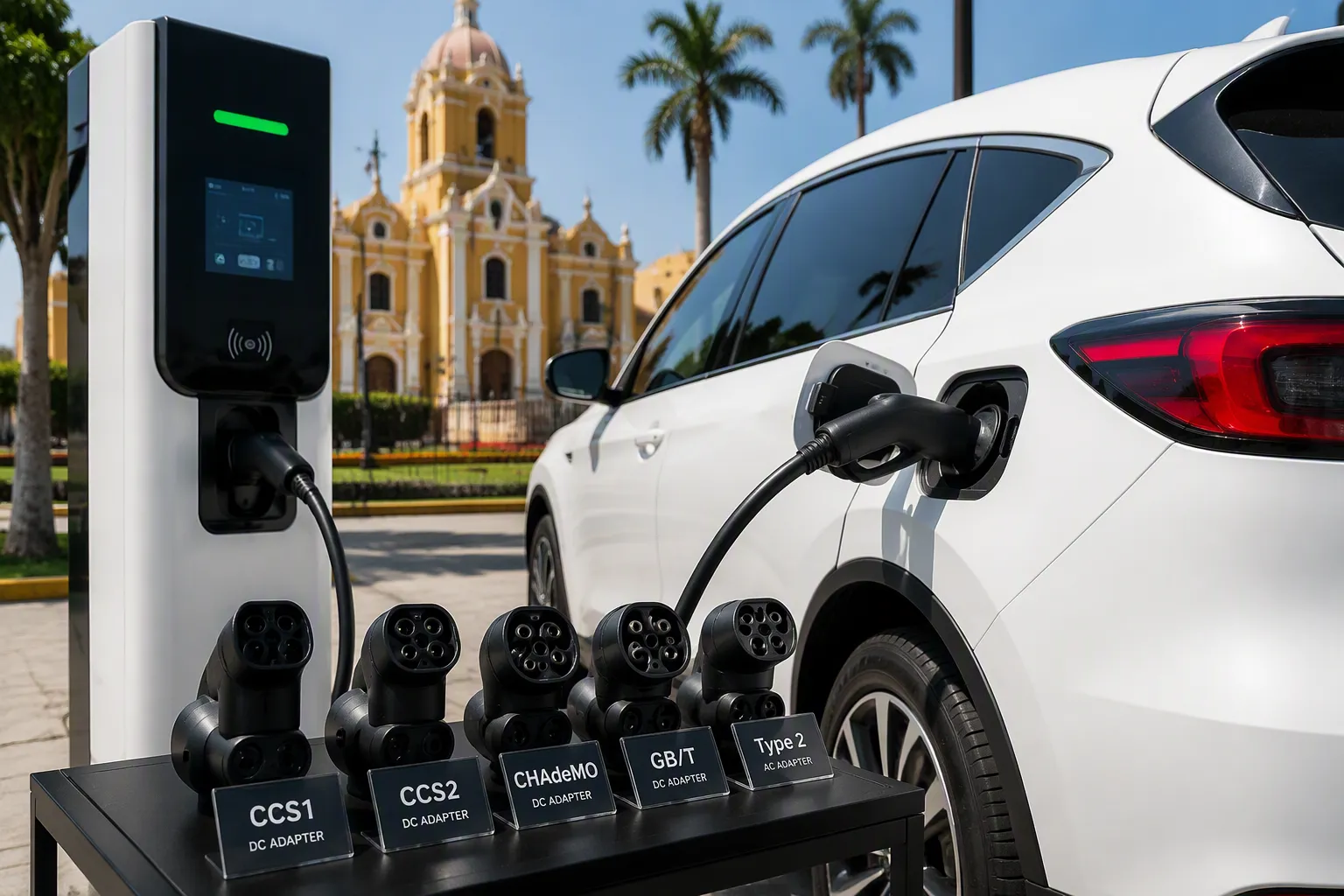
Evet. Norveç ve Avrupa'da satılan elektrikli araçların neredeyse tamamı standart Tip 2 konektörünü kullanmaktadır. Tip 2 fiş veya kabloya sahip bir Seviye 2 şarj cihazı, Tesla, Volkswagen, Polestar ve diğer markalarla uyumludur.
Akıllı şarj cihazı gerekli midir?
Akıllı şarj cihazı zorunlu değildir, ancak kesinlikle tavsiye edilir. Bu teknoloji, araç sahibinin yoğun olmayan saatlerde şarj yapmasını sağlar. Bu özellik, elektrik maliyetlerini önemli ölçüde düşürür ve yeni kapasite bazlı şebeke tarifesini yönetmeye yardımcı olarak tasarrufları en üst düzeye çıkarır.
7,4 kW'lık şarj cihazı ile 22 kW'lık şarj cihazı arasındaki fark nedir?
Kilovat (kW) değeri şarj hızını gösterir. 22 kW’lık bir şarj cihazı, 7,4 kW’lık bir cihaza kıyasla yaklaşık üç kat daha hızlı şarj sağlayabilir. Ancak, maksimum şarj hızını nihai olarak belirleyen faktörler, aracın kendi şarj cihazı ve evin elektrik kapasitesidir.
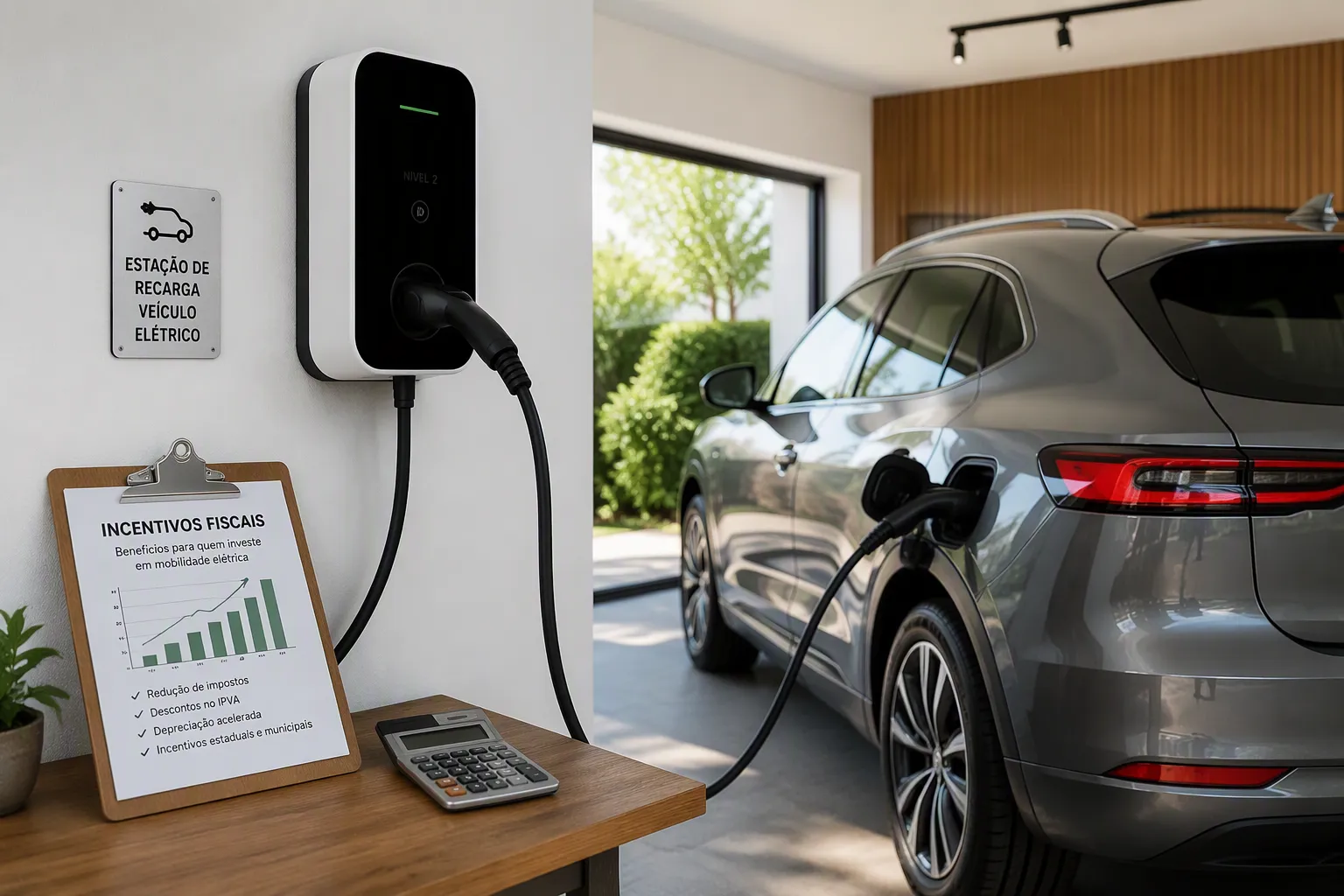
Ev tipi elektrikli araç şarj cihazları için devlet desteği var mı?
Şu anda, ev şarj istasyonu kuran bireyler için herhangi bir devlet desteği bulunmamaktadır. Bazı belediyeler veya konut kooperatifleri (konut kooperatifleri) yerel destek programları sunabilir. Mülk sahipleri, mevcut teşvikler hakkında bilgi almak için yerel yetkililere danışmalıdır.
Apartmanlarda elektrik faturalandırması nasıl yapılır?
Ortak bir garaja şarj cihazı kurmak için genellikle konut yönetim kurulunun onayı gerekir (yönetim kurulu). Binada, gücü birden fazla şarj cihazı arasında verimli bir şekilde dağıtmak için bir yük dengeleme sistemine ihtiyaç duyulabilir. Bu, binanın elektrik sisteminin aşırı yüklenmemesini sağlar.