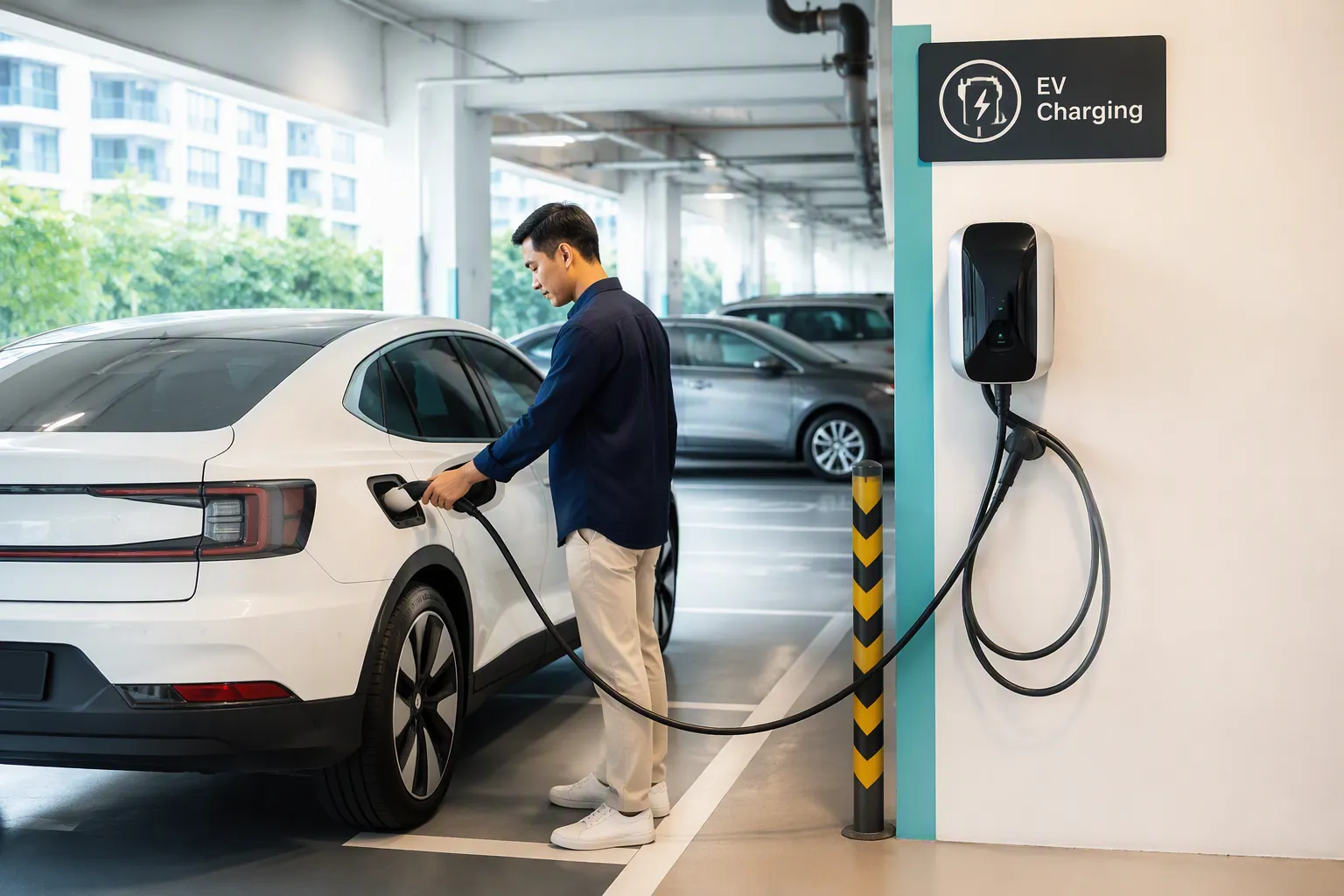
A portable EV şarj cihazı provides Singaporean drivers with flexibility and peace of mind. These compact devices allow users to power their vehicles wherever a compatible outlet is available, reducing dependence on fixed Elektrikli araç şarj çözümleri. Many drivers in Singapore choose taşınabilir elektrikli araç şarj cihazları for several reasons:
| Sebep | Açıklama |
|---|---|
| Kolaylık | Allows for on-the-go charging, ensuring the vehicle remains powered during long journeys. |
| Uyarlanabilirlik | Comes with various plug options to fit different power outlets, suitable for various systems. |
| Maliyet etkinliği | Provides an affordable alternative to significant upfront investments in charging installations. |
| Backup option | Acts as a reliable backup during emergencies, preventing low battery situations. |
Portable EV charging appeals to those who value mobility, cost savings, and adaptability. However, users should note that charging speeds may vary and not all Elektrikli araç şarj cihazı üreticileri offer universal compatibility with every EV model.
Understanding Portable EV Chargers
Taşınabilir Elektrikli Araç Şarj Cihazları Nedir?
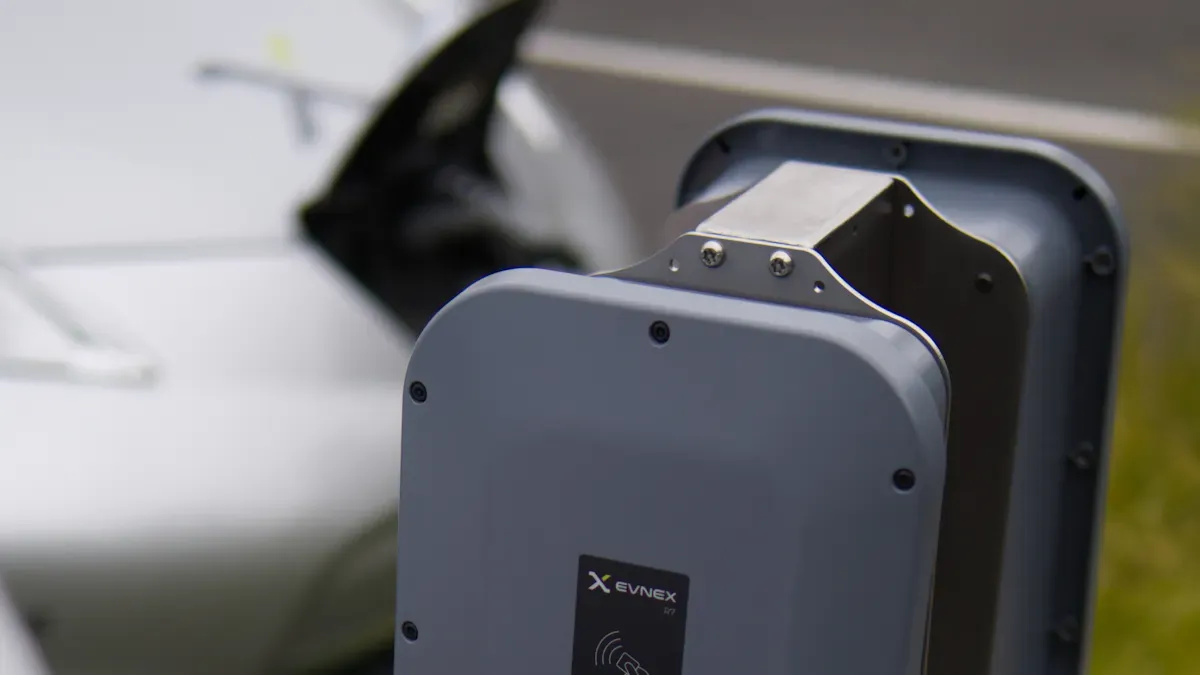
Taşınabilir elektrikli araç şarj cihazları are compact devices designed to supply power to electric vehicles without the need for permanent installation. These chargers allow drivers to connect their EVs to standard electrical outlets or compatible sockets, making electric car charging more accessible in various locations. Unlike fixed charging stations, taşınabilir elektrikli araç şarj cihazları offer flexibility and mobility, which suits the dynamic lifestyle of many Singaporean drivers.
Taşınabilir Elektrikli Araç Şarj Cihazları Nasıl Çalışır?
A taşınabilir elektrikli araç şarj cihazı operates by drawing electricity from a compatible power source, such as a household socket or a commercial outlet. The charger converts this electricity into a form suitable for the vehicle’s battery. Users simply plug one end of the charger into the power source and the other end into the EV’s charging port. Most chargers feature built-in safety mechanisms that monitor voltage, current, and temperature to protect both the vehicle and the user.
Tip: Always check the power rating of the outlet before connecting a portable EV charger to avoid overloading the circuit.
Main Features of Portable EV Chargers
Portable EV chargers come equipped with several features that enhance convenience and safety. Key features include:
- Adjustable Power Settings: Many chargers allow users to select the charging speed based on the available power supply.
- Multiple Connector Types: Chargers often support different plug types, making them compatible with various EV models.
- Compact Design: Lightweight and easy to carry, these chargers fit easily in a car boot or storage compartment.
- Safety Protections: Built-in safeguards such as overcurrent, overvoltage, and overheating protection ensure safe operation.
- Weather Resistance: Some chargers feature weatherproof casings, allowing for outdoor use in Singapore’s humid climate.
The combination of these features makes portable EV chargers a practical solution for drivers who require flexibility in their electric vehicle charging routine.
Who Needs a Portable EV Charger in Singapore?
Portable EV chargers serve a wide range of users in Singapore. They appeal to drivers who value flexibility, as well as those who may not have access to dedicated charging stations at home or work.
Common Use Cases for Portable EV Charging
In Singapore, portable EV charging is commonly used during short stops at shopping malls, where drivers may want to top up their battery while running errands or having a meal. This approach maximizes convenience, especially when public charging stations are occupied or unavailable. Drivers also use portable chargers at workplaces, landed properties, or during road trips, ensuring their EV remains powered throughout the day.
When Portable EV Chargers Make Sense
A portable EV charger makes sense for drivers who:
- Do not have access to a fixed charging point at home or in their condominium.
- Frequently travel long distances or visit areas with limited charging infrastructure.
- Require a backup solution for emergencies, such as unexpected low battery situations.
- Prefer the flexibility to charge their EV at different locations, including friends’ homes or public venues.
| Senaryo | Why a Portable EV Charger Helps |
|---|---|
| No fixed charger at home | Enables regular charging without installation |
| Traveling to remote areas | Provides peace of mind and backup power |
| Shopping mall or public parking | Allows top-up charging during short visits |
| Emergency low battery | Prevents being stranded on the road |
Portable EV chargers empower Singaporean drivers to maintain control over their charging needs, regardless of location or circumstance. This flexibility supports the growing adoption of electric vehicles and helps address the challenges of limited charging infrastructure.
Types of Portable EV Chargers
Seviye 1 Taşınabilir Elektrikli Araç Şarj Cihazları
Features and Charging Speed
Level 1 portable electric car chargers use a standard 120V power outlet. These chargers require no special installation and offer a straightforward charging solution. Charging speed remains slow, typically taking between 8 to 20 hours to fully charge an electric vehicle. Drivers often use Level 1 chargers for overnight charging at home.
| Şarj Cihazı Tipi | Güç Çıkışı | Şarj Hızı | İçin En İyisi |
|---|---|---|---|
| Seviye 1 | 120V | 8-20 hours | Gece boyunca evde şarj |
Note: Level 1 chargers provide convenience but may not suit drivers who need frequent or rapid charging.
Typical Use Cases in Singapore
Singaporean drivers who park their vehicles in landed properties or have access to a standard outlet often choose Level 1 portable EV chargers. These chargers work well for users with predictable daily routines and limited driving distances. They also serve as backup charging solutions during emergencies.
- No special equipment required
- Gece şarjı için uygundur
- Not ideal for frequent long-distance travel
Seviye 2 Taşınabilir Elektrikli Araç Şarj Cihazları
Features and Charging Speed
Seviye 2 portable electric car chargers operate at 240V and deliver faster charging speeds. Most Level 2 chargers in Singapore range from 3.3 kW to 7.2 kW, with some models reaching 22 kW if the property supports a 3-phase supply. A 7.4 kW charger can fully charge a 60kWh battery in about 8 hours, adding roughly 25 miles of range per hour.
| Şarj Cihazı Tipi | Güç Çıkışı | Charging Time (for 60kWh battery) | Saat Başına Eklenen Aralık |
|---|---|---|---|
| 7.4kW EV Charger | 7,4 kW | ~8 saat | ~25 miles |
| 22kW EV Charger | 22 kW | Limited by car’s onboard charger | Değişir |
Tip: Level 2 chargers offer faster charging but may require professional installation and a compatible power supply.
Use Cases for Level 2 Chargers
Level 2 portable EV chargers suit daily drivers and those who need quicker charging at home or work. Singaporean drivers with longer commutes or unpredictable schedules benefit from the faster charging speeds. Properties with 3-phase electrical supply can take advantage of higher power output.
- Faster than Level 1 chargers
- Widely available for home and workplace use
- Ideal for daily drivers and those needing rapid charging
Akıllı Taşınabilir Elektrikli Araç Şarj Cihazları
Connectivity and Advanced Features
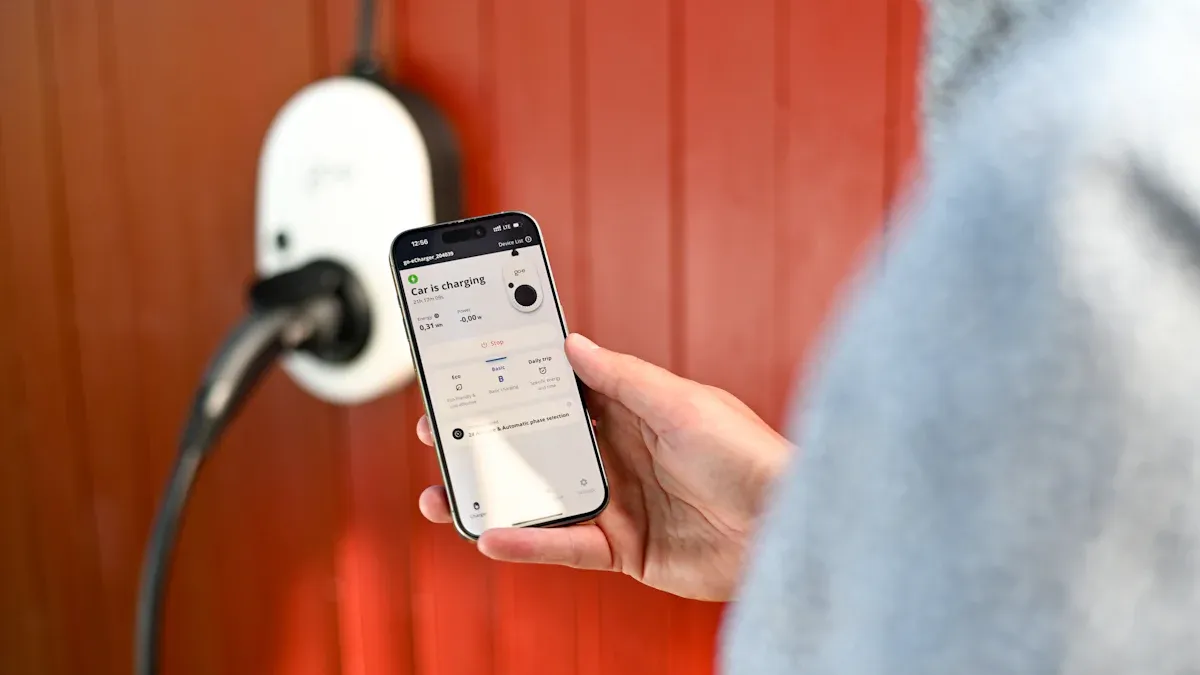
Smart portable electric car chargers incorporate advanced technology to enhance user experience and charging efficiency. These chargers support features such as smart dynamic load balancing, renewable energy utilization, and intelligent design elements like RFID management and app-based remote control.
| Özellik | Açıklama |
|---|---|
| Renewable Energy Utilization | Uses surplus green energy in zero-export systems |
| Smart Dynamic Load Balancing | Efficient power distribution for sustainable charging |
| Güvenlik Özellikleri | Current leakage protection and dynamic load balance control |
| Intelligent Design | RFID management and smart app remote control |
| Flexible Adaptability | Selectable plug or socket outlet, easy installation, multiple communication protocols |
Benefits of Smart Portable EV Charging
Smart portable EV chargers provide several advantages for Singaporean drivers. Fast charging capability reduces downtime, while app-based control allows users to manage charging sessions and personalize settings. Scheduling charging during off-peak hours leads to cost savings.
| Özellik | Fayda |
|---|---|
| Hızlı Şarj Özelliği | Quick energy replenishment, less downtime |
| User Control via Apps | Manage charging sessions, enhance convenience |
| Scheduling During Off-Peak | Charge when electricity is cheaper, save on costs |
Tip: Smart chargers improve efficiency and offer greater control, making them ideal for tech-savvy drivers and those seeking sustainable charging solutions.
Singaporean drivers can select from various types of EV chargers based on their needs, property setup, and driving habits. Portable EV chargers, including Level 1, Level 2, and smart models, provide flexibility and adaptability for a range of charging scenarios. DC fast charging remains an option for public or commercial sites, offering rapid energy replenishment for long-distance travel.
Portable EV Charging vs. Fixed EV Charging Solutions
Key Differences Between Portable and Fixed Chargers
Installation and Mobility
Portable EV chargers offer unmatched flexibility. Drivers can use these chargers at home, at work, or on the road. They do not require permanent installation. Users simply plug the charger into a compatible outlet and connect it to the EV. This mobility allows drivers to charge their vehicles in various locations, including places without dedicated charging stations.
Fixed chargers, on the other hand, require professional installation. These chargers stay in one location, usually at a home, office, or public charging station. Fixed chargers often provide higher power output and faster charging speeds. However, they lack the mobility of portable solutions. Drivers must return to the same spot to use a fixed charger.
Kolaylık ve Erişilebilirlik
Portable EV charging increases accessibility for drivers who do not have a private parking space or live in condominiums without dedicated charging infrastructure. They can carry the charger in the vehicle and use it wherever a compatible outlet exists. This convenience reduces dependence on public charging stations, which may be occupied or located far from the driver’s destination.
Fixed charging stations provide a reliable and consistent charging experience. They suit drivers with regular parking spots and those who prefer a set-and-forget approach. However, these chargers may not serve users who travel frequently or lack access to a fixed parking space.
Pros and Cons of Portable EV Chargers
Advantages of Portable EV Charging
Taşınabilir elektrikli araç şarj cihazları provide several benefits for Singaporean drivers:
- Esneklik: Drivers can charge their EV at multiple locations, including homes, workplaces, and public areas.
- Maliyet Tasarrufu: Portable chargers often cost less than installing a fixed charging station.
- Emergency Use: These chargers serve as a backup during unexpected low battery situations.
- No Installation Required: Users avoid the hassle and expense of professional installation.
Note: Portable EV charging empowers drivers to maintain control over their charging needs, especially in areas with limited charging infrastructure.
Limitations Compared to Fixed EV Chargers
Despite their advantages, portable EV chargers have some limitations:
- Slower Charging Speeds: Most portable chargers offer lower power output compared to fixed chargers, resulting in longer charging times.
- Outlet Dependency: Drivers must find a compatible outlet, which may not always be available.
- Less Suitable for Daily High-Volume Charging: Frequent, high-capacity charging may wear out standard outlets and is better suited for fixed charging stations.
- Limited Smart Features: Some portable chargers lack advanced features found in fixed smart charging stations.
| Özellik | Taşınabilir EV Şarj Cihazı | Sabit Şarj Cihazı |
|---|---|---|
| Hareketlilik | Yüksek | Düşük |
| Installation Needed | Hayır | Evet |
| Şarj Hızı | Orta düzeyde | Yüksek |
| Maliyet | Daha düşük | Daha yüksek |
| Acil Durum Kullanımı | Evet | Hayır |
Drivers should evaluate their lifestyle, parking situation, and charging habits before choosing between portable and fixed electric vehicle charging solutions.
Compatibility of Portable EV Chargers with Singaporean Vehicles
Supported Electric Vehicle Models
Popular EV Brands in Singapore
Singapore’s electric vehicle market has grown rapidly. Drivers can find a wide range of EV models from global brands. Tesla, BYD, Hyundai, Kia, and MG have established a strong presence. Mercedes-Benz, BMW, and Audi also offer several electric models. These brands equip their vehicles with charging ports that match international standards. Most new electric vehicles in Singapore support charging through widely adopted connector types.
How to Check Compatibility
Drivers should always confirm that a portable EV charger matches their vehicle’s charging port. The vehicle’s manual lists the supported connector type and charging specifications. Car dealerships and official brand websites provide compatibility charts. Many portable EV charger manufacturers publish lists of supported models. Drivers can also check the label near the charging port for connector details. If unsure, they should consult the vehicle’s authorized service center.
Tip: Always verify both the connector type and the supported charging power before purchasing a charger.
Konnektör Tipleri ve Standartları
Type 2 and Other Connectors
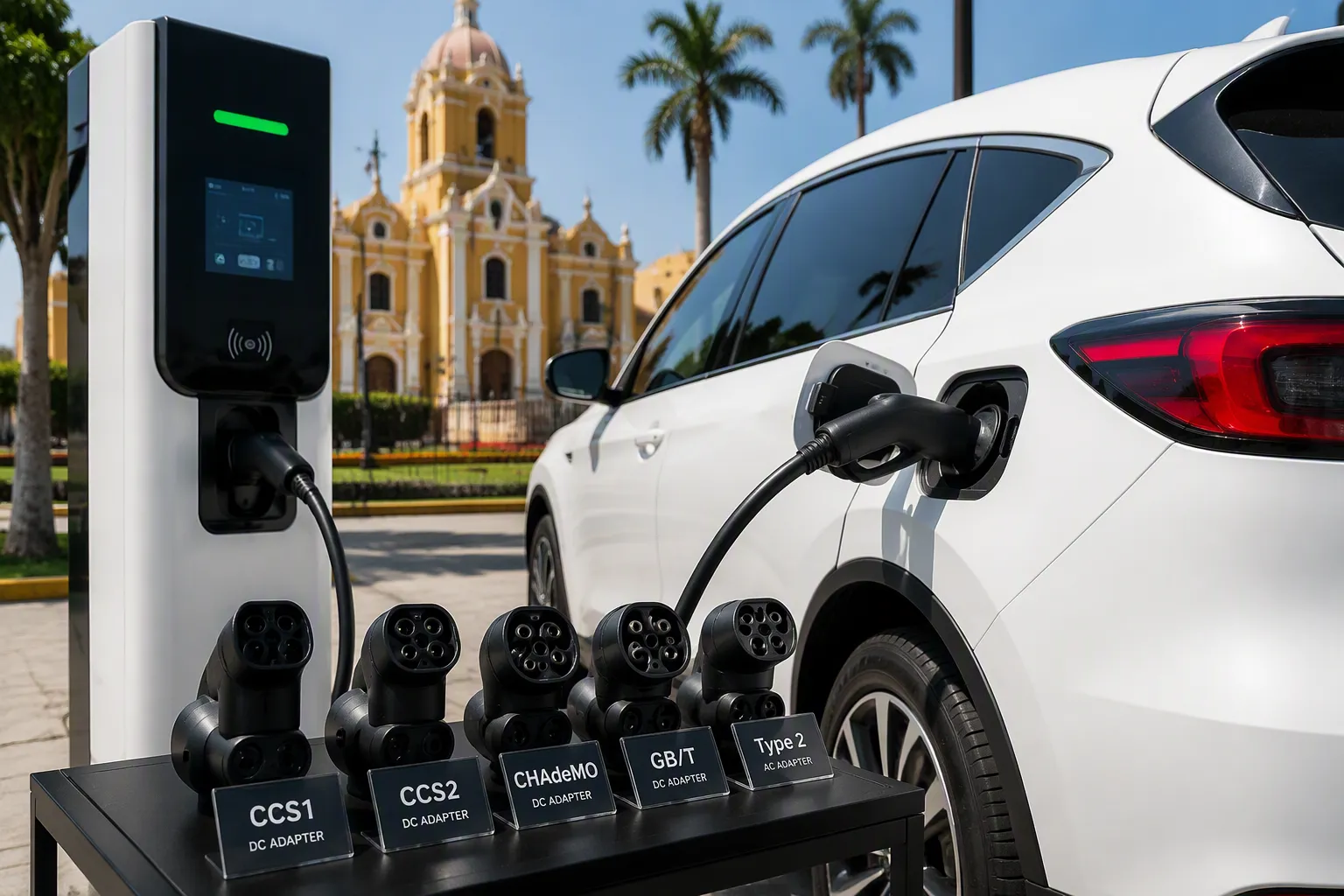
Type 2 connectors dominate Singapore’s charging infrastructure. Major networks like Bluecharge operate 1,500 charging points, with 90% located in public housing areas and compatible with Type 2 sockets. Shell Recharge also supports both CCS and Type 2 connectors at 22 stations across the island. This widespread adoption ensures that most electric vehicles and portable EV chargers use the Type 2 standard. Some older or imported EVs may use different connectors, such as Type 1 or CHAdeMO, but these are less common.
| Konektör Tipi | Common Use in Singapore | Typical Application |
|---|---|---|
| Tip 2 | Very common | Most new EVs, public points |
| CCS | Increasing | Fast charging, new EVs |
| Tip 1 | Rare | Some older imports |
| CHAdeMO | Rare | Japanese models |
Adapter Options for Portable EV Chargers
Adapters help bridge compatibility gaps. Drivers who own an EV with a less common connector can use an adapter to connect to a Type 2 portable EV charger. Many charger brands offer adapter kits for Type 1, CCS, or CHAdeMO. Before using an adapter, drivers should check the maximum supported power and ensure it meets safety standards. Using the correct adapter allows seamless charging at most public and private locations.
Note: Adapters provide flexibility, but drivers should always use certified products to maintain safety and avoid damaging the vehicle or charger.
Key Considerations Before Buying a Portable EV Charger
Şarj Hızı ve Güç Çıkışı
How Fast Can You Charge with a Portable EV Charger?
Charging speed remains a top priority for many drivers in Singapore. The speed depends on several factors, including the type of charger, the vehicle’s battery capacity, and the available power supply. The following table summarizes these key factors:
| Faktör | Açıklama |
|---|---|
| Şarj Cihazı Tipi | Different chargers (e.g., home wall socket vs. DC fast charger) affect speed. |
| Vehicle’s Battery Capacity | The size of the battery influences how quickly it can be charged. |
| Available Power Supply | The power source’s capacity determines the maximum charging speed possible. |
Most home ev chargers use ac charging, which typically offers slower speeds compared to dc charging. Common dc charging options range from 50 kW to 200 kW, with higher kW ratings providing faster charging. However, portable ev chargers designed for home use usually operate at lower power levels, making them suitable for overnight charging or as a backup solution.
Matching Charger Specifications to Your Needs
Selecting the right portable ev charger involves matching its specifications to your driving habits and vehicle requirements. Drivers who travel long distances or need rapid charging should consider higher-output chargers. Those with smaller battery capacities or predictable routines may find standard home charger models sufficient. Always check if the charger supports both ac charging and dc charging, as this impacts compatibility with different ev charging solutions.
Safety, Certification, and Local Regulations
Compliance with Singapore Standards
Safety and compliance play a crucial role in the selection process. Portable ev chargers sold in Singapore must meet strict local and international standards. The table below lists common compliance standards:
| Compliance Standard | Code |
|---|---|
| GB/T 18487-2023 | |
| GB/T 27930-2023 | |
| NB/T 33001-2018 | |
| NB/T 33008-2018 | |
| GB/T 34657-2017 | |
| IEC 61851-2017 | |
| IEC 62196 |
Buyers should always verify that their chosen home ev charger meets these requirements to ensure safe and legal operation.
Built-in Safety Features of Portable EV Chargers
Modern home ev chargers include advanced safety features to protect users and vehicles. These features often include:
- Over-current protection
- Temperature control
- Arıza tespiti
- Continuous voltage monitoring between live, neutral, and earth conductors
- Rapid isolation of supply if an imbalance is detected
- Electric shock prevention
These built-in protections help maintain a safe charging process, even during unexpected power fluctuations or faults.
Cost and Value of Portable EV Chargers
Price Range in Singapore
The price of portable ev chargers in Singapore varies based on features and power output. Entry-level home charger models start from a few hundred dollars, while advanced units with smart features or higher dc charging capabilities can cost significantly more. Pricing for dc charging tends to remain consistent across different power outputs from the same provider.
Long-term Savings and Value
Investing in a quality home ev charger can lead to long-term savings. Drivers reduce reliance on public dc charging stations and enjoy the convenience of charging at home. Over time, the cost of home ev chargers pays off through lower charging fees and increased flexibility. Choosing a reliable charger with robust safety features and compliance certifications ensures lasting value and peace of mind.
Portability and Storage
Size, Weight, and Ease of Transport
Portable EV chargers stand out for their compact design and manageable weight. Most models weigh between 2 kg and 7 kg, which makes them easy to carry in a vehicle’s trunk or storage compartment. Manufacturers design these chargers with drivers’ mobility in mind. Many units feature ergonomic handles, reinforced cables, and sturdy cases. These features help users transport the charger without strain.
The following table compares typical specifications for popular portable EV chargers in Singapore:
| Model Type | Approx. Weight | Dimensions (cm) | Carrying Case Included |
|---|---|---|---|
| Standard Level 1 | 2 – 3 kg | 30 x 10 x 8 | Evet |
| Level 2 Compact | 4 – 5 kg | 35 x 12 x 10 | Evet |
| Smart Portable Model | 6 – 7 kg | 40 x 15 x 12 | Opsiyonel |
A lighter charger suits drivers who need frequent portability, such as those who switch vehicles or travel between locations. Heavier models often provide higher power output or advanced features, which may benefit users who prioritize charging speed over portability.
Tip: Drivers should consider both the weight and the length of the charging cable. A longer cable offers more flexibility but may add bulk.
Storage Tips for Portable EV Chargers
Proper storage extends the lifespan of a portable EV charger and ensures safe operation. Drivers should always store the charger in a dry, cool area within the vehicle. Moisture and extreme heat can damage electronic components. Most carrying cases offer basic protection against dust and minor impacts.
Here are some best practices for storing portable EV chargers:
- Coil the cable loosely: Avoid tight loops or knots, which can damage the internal wiring.
- Use the provided case: Place the charger and accessories in the manufacturer’s case to prevent scratches and dust buildup.
- Keep away from direct sunlight: Prolonged exposure to sunlight can degrade plastic and rubber parts.
- Check for damage regularly: Inspect the cable and connectors before each use to ensure safety.
- Secure during travel: Fasten the case in the trunk or under a seat to prevent movement while driving.
Note: Drivers should never store the charger near flammable materials or in areas prone to water leaks.
A well-maintained portable EV charger remains reliable for years. By following these storage tips, drivers in Singapore can maximize the value and safety of their charging equipment.
Practical Tips for Using Portable EV Chargers in Singapore
Everyday Portable EV Charging Scenarios
Home Charging in Landed Properties
Drivers who own landed properties in Singapore often use portable ev chargers for daily charging. They plug the charger into a household outlet and connect it to their ev. This method offers convenience and flexibility. The charger remains portable, so drivers can store it when not in use. Evde şarj etme reduces reliance on public charging stations and allows drivers to start each day with a full battery.
Charging at Work or Public Locations
Many Singaporean drivers charge their ev at work or in public locations. Office buildings sometimes provide charging stations for employees. Drivers can use portable ev chargers if the facility offers compatible outlets. Shopping malls and public charging points also support portable ev charging. Drivers benefit from topping up their battery while shopping or attending meetings. This approach maximizes the use of available charging infrastructure and reduces waiting times at public charging stations.
Emergency Portable EV Charging
What to Do When Running Low on Battery
Drivers may encounter situations where their ev battery runs low and no charging stations are nearby. Portable power stations offer a practical solution. These devices provide a few extra miles of range, which can help drivers reach the nearest public charging point. Even a small charge, such as three to five miles, makes a significant difference in emergencies. Portable power stations also support short-distance travel in remote areas and can power ev camping gear.
Tip: Drivers should keep a portable power station in their vehicle for added peace of mind during long journeys.
Roadside Charging Solutions
Roadside charging solutions help drivers who face unexpected battery depletion. Portable ev chargers allow drivers to connect their ev to any compatible outlet, such as those found at petrol stations or roadside shops. Some service providers offer mobile charging assistance, delivering power directly to stranded vehicles. These solutions ensure drivers avoid being stranded and reach the nearest charging stations safely.
Safe and Efficient Use of Portable EV Chargers
Proper Setup and Handling
Safe setup and handling of portable ev chargers protect both the vehicle and the user. Drivers should inspect the charger and cable for damage before each use. They must connect the charger to a dry, stable outlet and avoid using extension cords. The charger should remain on a flat surface during charging. Drivers must follow the manufacturer’s instructions to ensure proper operation.
Maintenance and Care Tips
Regular maintenance extends the lifespan of portable ev chargers. Drivers should clean the charger and cable with a dry cloth. They must store the charger in a cool, dry place away from direct sunlight. Checking connectors for wear and tear prevents malfunctions. Drivers should update firmware if the charger supports smart features. Proper care ensures reliable ev charging and reduces the risk of faults.
How to Choose the Right Portable EV Charger
Assessing Your Portable EV Charging Needs
Singaporean drivers must evaluate their daily routines before selecting a portable ev charger. The type of vehicle, expected charge time, and travel distance influence the choice. Drivers who commute short distances may prefer chargers with slower speeds, while those who travel longer routes require faster charging options. The compatibility between the charger and the vehicle’s charge level remains essential. Some vehicles accept only Level 1 charging, while others support Level 2 or higher.
Aşağıdaki tabloda özetlenmektedir göz önünde bulundurulmasi gereken temel faktörler:
| Faktör | Açıklama |
|---|---|
| Make and model of your EV | Different EVs have varying charging requirements. |
| Acceptable charge time | Drivers should consider how long they are willing to wait for a full charge. |
| Additional drive time required | Assessing how far they can drive before needing to recharge is crucial. |
| Charge level compatibility | Understanding if the EV accepts Level 1, 2, or 3 charging is essential. |
| Charging method | Different methods (e.g., Level 1 vs. Level 2) impact charging speed. |
Driving Habits and Range Considerations
Drivers who use their ev for daily commutes often select chargers that match their predictable schedules. Those who travel across Singapore or take frequent road trips need chargers with higher power output. The range of the vehicle and the frequency of charging stops affect the choice. Drivers must ensure the portable ev charger meets their needs for both routine and emergency situations.
Frequency of Portable EV Charger Use
The frequency of use determines the durability and features required. Drivers who charge their ev multiple times a week should invest in robust chargers with advanced safety features. Occasional users may prioritize portability and ease of storage. TPSON offers technologically advanced solutions that cater to both frequent and occasional users.
Comparing Popular Portable EV Charger Models
Aranacak Temel Özellikler
Drivers must examine several features when comparing chargers. Charging speed, connector compatibility, and safety mechanisms remain important. Weather resistance and smart functions, such as app control or scheduling, enhance convenience. The length of the cable and the weight of the charger affect portability. TPSON’s chargers provide dynamic load balancing and intelligent design, which improve efficiency and safety.
Tip: Always check if the charger supports your vehicle’s connector type and desired charging speed.
User Reviews and Recommendations in Singapore
Singaporean drivers often rely on peer feedback and expert recommendations. Reviews highlight reliability, ease of use, and after-sales support. Many drivers prefer chargers with clear instructions and responsive customer service. TPSON receives positive attention for its advanced technology and user-friendly features.
Where to Buy Portable EV Chargers in Singapore
Yetkili Satıcılar ve Çevrimiçi Perakendeciler
Drivers can purchase portable ev chargers from authorized dealers or reputable online platforms. Authorized dealers ensure genuine products and provide guidance on compatibility. Online retailers offer a wide selection and convenient delivery options. TPSON partners with trusted distributors across Singapore, making their chargers accessible to a broad audience.
Warranty and After-sales Support
Warranty coverage and after-sales support protect drivers from unexpected issues. Reliable brands offer warranties that cover defects and malfunctions. After-sales support includes technical assistance and replacement services. Drivers should choose chargers from providers with strong reputations for customer care. TPSON stands out for its comprehensive warranty and responsive support team.
Portable ev chargers give drivers in Singapore flexibility and peace of mind. These devices help users charge their ev at home, work, or on the road. Key benefits include mobility, cost savings, and emergency support. Some limitations exist, such as slower charging speeds and outlet dependency. Before buying, drivers should review their daily routines and check local regulations. > Choosing the right charger ensures safe and efficient charging for every journey.
SSS
What is the main advantage of a portable EV charger in Singapore?
A portable EV charger gives drivers flexibility. They can charge their vehicles at home, work, or public locations. This option helps drivers who do not have access to fixed charging stations.
Can a portable EV charger damage my car battery?
Manufacturers design quality portable EV chargers with built-in safety features. These features protect the battery from overcharging, overheating, and electrical faults. Drivers should always use certified chargers to ensure safety.
Taşınabilir şarj cihazı ile bir elektrikli aracı tamamen şarj etmek ne kadar sürer?
Charging time depends on the charger’s power output and the vehicle’s battery size. Level 1 chargers may take up to 20 hours. Level 2 chargers can reduce charging time to 6–8 hours for most vehicles.
Are portable EV chargers safe to use outdoors in Singapore’s climate?
Most portable EV chargers come with weather-resistant casings. Drivers can use them outdoors, but they should avoid direct exposure to heavy rain or flooding. Always check the manufacturer’s guidelines for outdoor use.
Do all electric vehicles in Singapore support portable EV chargers?
Most new electric vehicles in Singapore support Type 2 connectors, which are compatible with many portable chargers. Drivers should check their vehicle’s manual or consult the dealer to confirm compatibility before purchase.
Can I use a portable EV charger at public charging points?
Public charging points in Singapore usually provide their own charging cables. Portable EV chargers work best with standard power outlets, such as those found at homes or workplaces, not at public charging stations.
What should I do if my portable EV charger stops working?
Drivers should first check the power source and inspect the charger for visible damage. If the issue persists, they should contact the manufacturer or authorized dealer for technical support or warranty service.