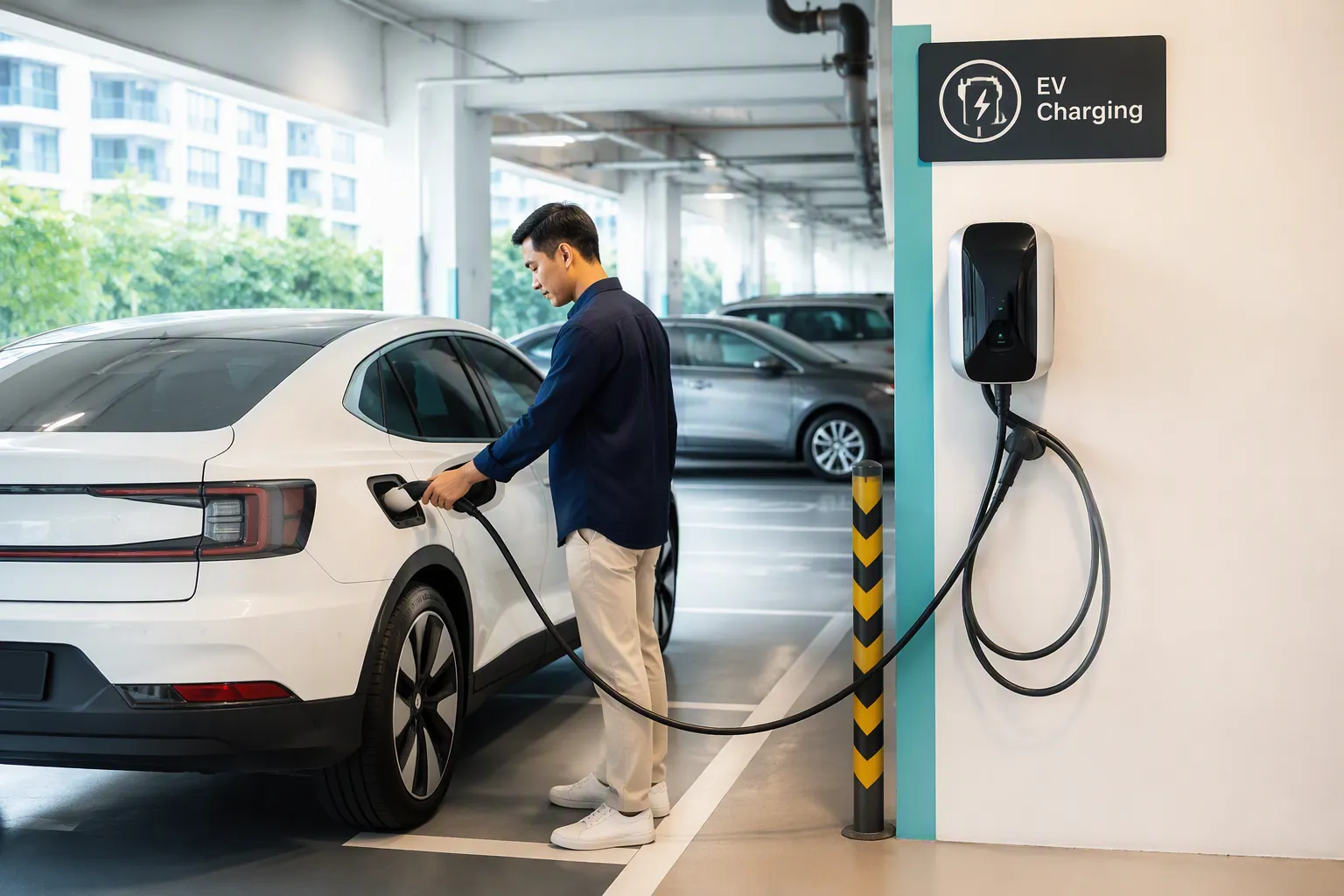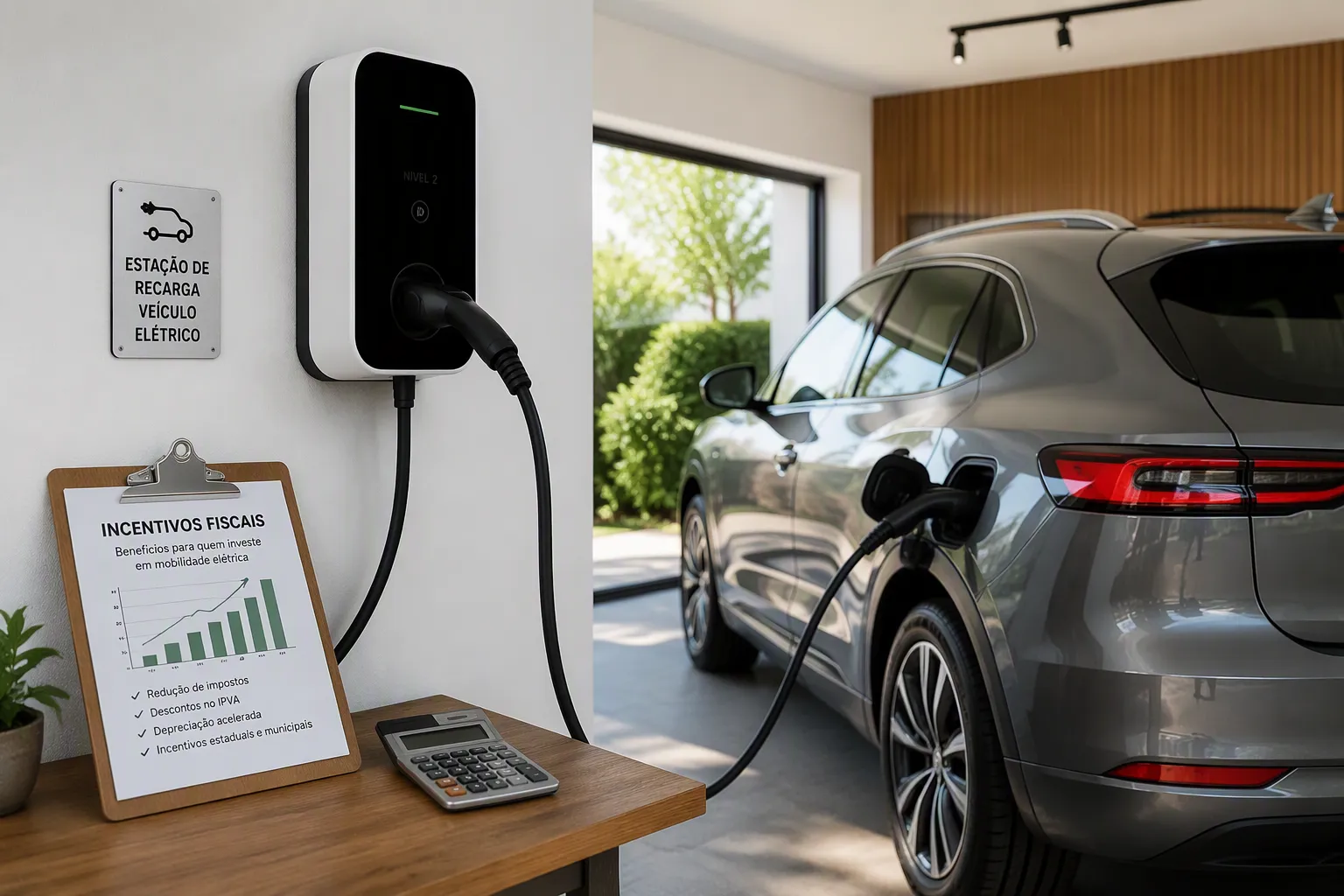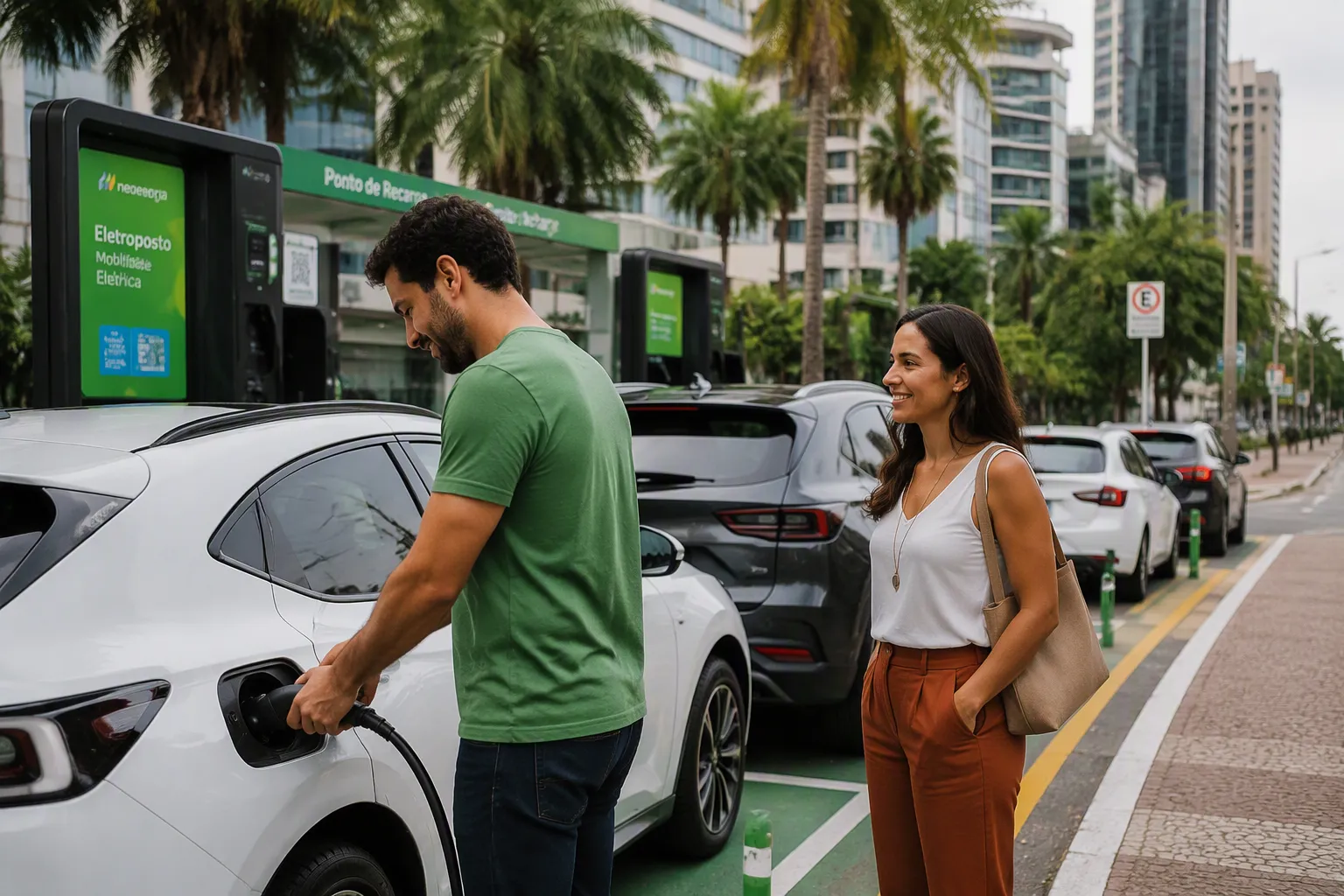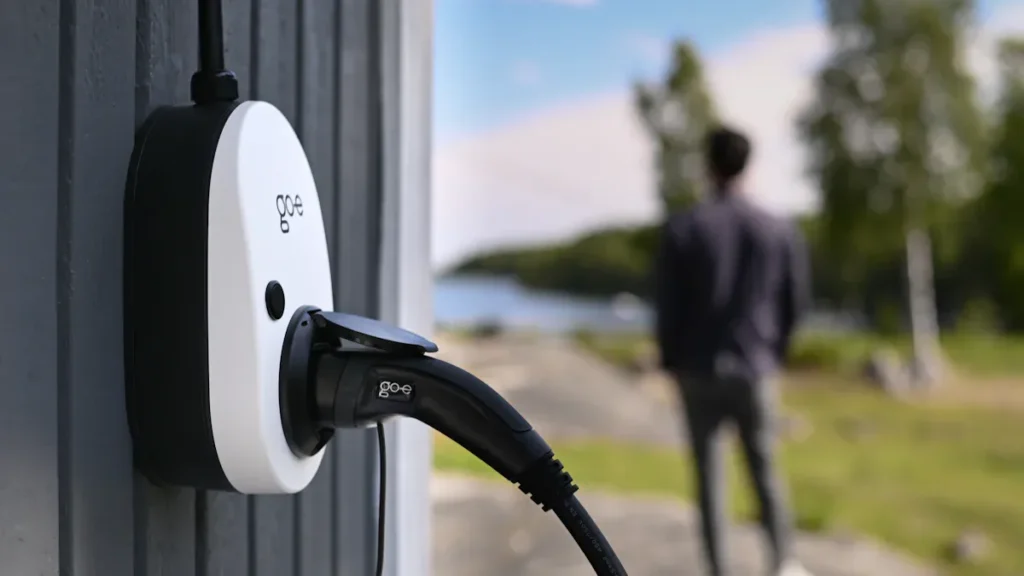
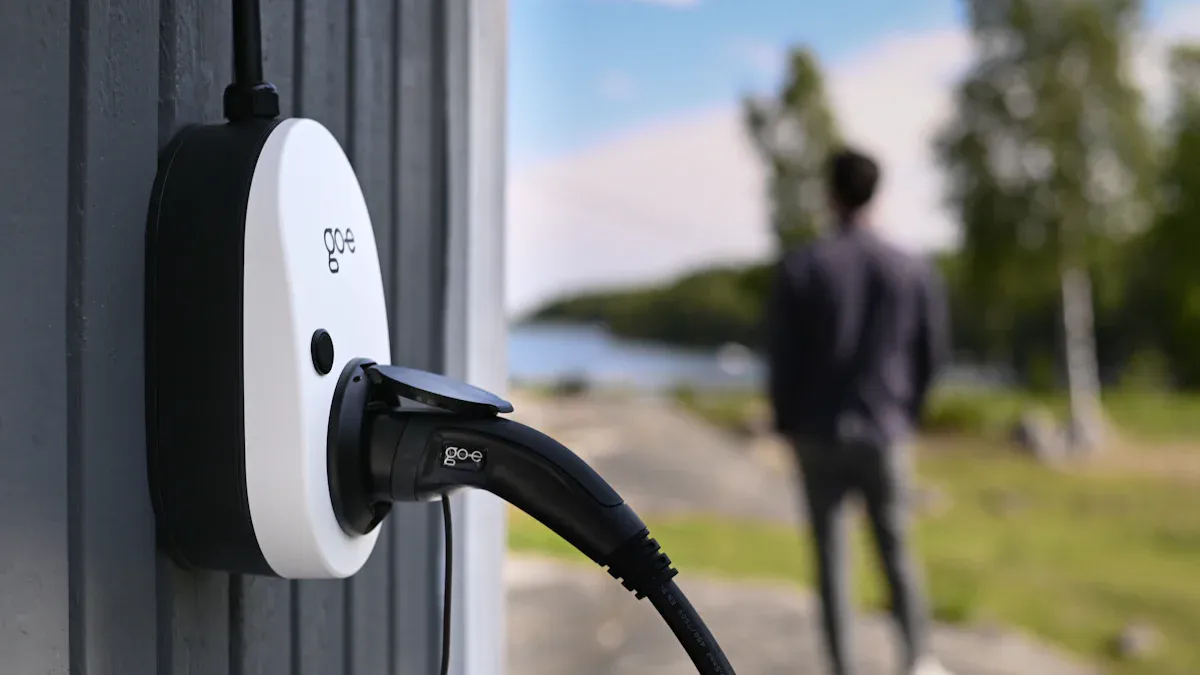
Um carregador portátil Carregador de veículos eléctricos proporciona aos condutores de Singapura flexibilidade e tranquilidade. Estes dispositivos compactos permitem aos utilizadores carregar os seus veículos onde houver uma tomada compatível, reduzindo a dependência de Soluções de carregamento de veículos eléctricos. estações de carregamento fixas. Muitos condutores em Singapura escolhem carregadores portáteis para veículos eléctricos carregadores portáteis por várias razões:
| Motivo | Descrição |
|---|---|
| Conveniência | Permite carregamento em movimento, garantindo que o veículo permaneça carregado durante viagens longas. |
| Adaptabilidade | Vem com várias opções de plugues para se adaptar a diferentes tomadas de energia, adequado para vários sistemas. |
| Relação custo-eficácia | Fornece uma alternativa acessível a grandes investimentos iniciais em instalações de carregamento. |
| Opção de backup | Atua como um backup fiável durante emergências, prevenindo situações de bateria fraca. |
O carregamento portátil para VE atrai aqueles que valorizam a mobilidade, a poupança de custos e a adaptabilidade. No entanto, os utilizadores devem notar que as velocidades de carregamento podem variar e nem todos Fabricantes de carregadores para veículos eléctricos os carregadores portáteis oferecem compatibilidade universal com todos os modelos de VE.
Compreender os Carregadores Portáteis para VE
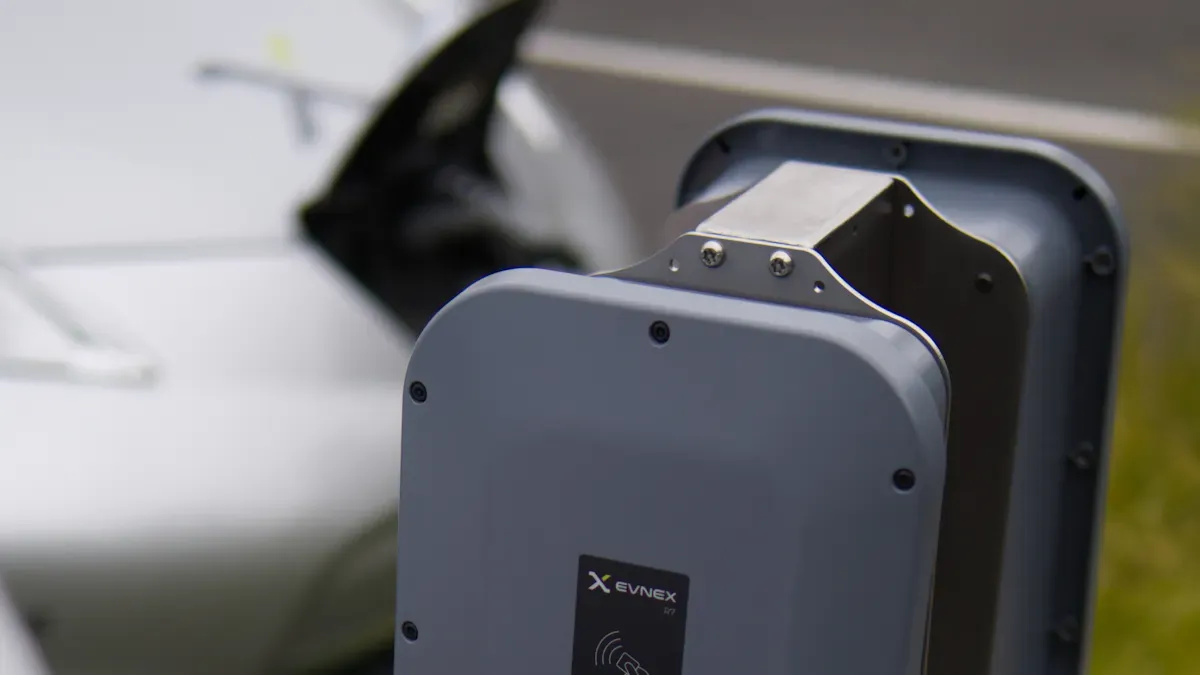
O que são carregadores portáteis para veículos eléctricos?
Carregadores portáteis para veículos eléctricos são dispositivos compactos concebidos para fornecer energia a veículos elétricos sem necessidade de instalação permanente. Estes carregadores permitem aos condutores ligar os seus VE a tomadas elétricas padrão ou tomadas compatíveis, tornando o carregamento de carros elétricos mais acessível em vários locais. Ao contrário das estações de carregamento fixas, carregadores portáteis para veículos eléctricos os carregadores portáteis oferecem flexibilidade e mobilidade, o que se adequa ao estilo de vida dinâmico de muitos condutores de Singapura.
Como funcionam os carregadores portáteis para veículos eléctricos
A carregador portátil para veículos eléctricos Um carregador portátil opera utilizando eletricidade de uma fonte de energia compatível, como uma tomada doméstica ou comercial. O carregador converte esta eletricidade numa forma adequada para a bateria do veículo. Os utilizadores simplesmente ligam uma extremidade do carregador à fonte de energia e a outra extremidade à porta de carregamento do VE. A maioria dos carregadores portáteis possui mecanismos de segurança integrados que monitorizam a voltagem, corrente e temperatura para proteger tanto o veículo como o utilizador.
mecanismos de segurança integrados que monitorizam a tensão, corrente e temperatura para proteger tanto o veículo como o utilizador.
Dica: Verifique sempre a potência nominal da tomada antes de ligar um carregador portátil para VE para evitar sobrecarregar o circuito.
Principais Características dos Carregadores Portáteis para VE
- Os carregadores portáteis para VE vêm equipados com várias características que aumentam a conveniência e a segurança. As características principais incluem: Configurações de Potência Ajustáveis:.
- Muitos carregadores permitem aos utilizadores selecionar a velocidade de carregamento com base no fornecimento de energia disponível. Múltiplos Tipos de Conectores:.
- Os carregadores suportam frequentemente diferentes tipos de plugues, tornando-os compatíveis com vários modelos de VE. Design Compacto:.
- Leves e fáceis de transportar, estes carregadores cabem facilmente no porta-bagagens ou compartimento de armazenamento de um carro. Proteções de Segurança:.
- Salvaguardas integradas, como proteção contra sobrecorrente, sobretensão e sobreaquecimento, garantem uma operação segura. Resistência às Intempéries:.
A combinação destas características torna os carregadores portáteis para VE uma solução prática para motoristas que requerem flexibilidade na sua rotina de carregamento de veículos elétricos.
que requerem flexibilidade na sua rotina de carregamento de veículos elétricos.
Quem Precisa de um Carregador Portátil para VE em Singapura?.
Os carregadores portáteis para VE servem uma ampla gama de utilizadores em Singapura. Atraem condutores que valorizam a flexibilidade, bem como aqueles que podem não ter acesso a estações de carregamento dedicadas em casa ou no trabalho.
Casos de Uso Comuns para Carregamento Portátil de VE Em Singapura, o carregamento portátil de VE é comumente usado durante, paragens curtas em centros comerciais.
, onde os condutores podem querer recarregar a bateria enquanto fazem recados ou tomam uma refeição. Esta abordagem maximiza a conveniência, especialmente quando as estações de carregamento públicas estão ocupadas ou indisponíveis. Os condutores também usam carregadores portáteis nos locais de trabalho, propriedades térreas ou durante viagens de carro, garantindo que o seu VE permaneça carregado ao longo do dia.
Quando os Carregadores Portáteis para VE Fazem Sentido
- Um carregador portátil para VE faz sentido para condutores que:.
- Não têm acesso a um ponto de carregamento fixo em casa ou no seu condomínio.
- Viajam frequentemente longas distâncias ou visitam áreas com infraestrutura de carregamento limitada.
- Requerem uma solução de backup para emergências, como situações inesperadas de bateria fraca.
| Cenário | Preferem a flexibilidade de carregar o seu VE em diferentes locais, incluindo casas de amigos ou locais públicos. |
|---|---|
| Porque é que um Carregador Portátil para VE Ajuda | Sem carregador fixo em casa |
| Permite carregamento regular sem instalação | Viajar para áreas remotas |
| Proporciona tranquilidade e energia de backup | Centro comercial ou estacionamento público |
| Permite carregamento adicional durante visitas curtas | Emergência de bateria fraca |
Os carregadores portáteis para VE capacitam os motoristas de Singapura a manter o controlo sobre as suas necessidades de carregamento, independentemente da localização ou circunstância. Esta flexibilidade apoia a crescente adoção de veículos elétricos e ajuda a enfrentar os desafios da infraestrutura limitada de carregamento.
a manter o controlo sobre as suas necessidades de carregamento, independentemente da localização ou circunstância. Esta flexibilidade apoia a crescente adoção de veículos elétricos e ajuda a enfrentar os desafios da infraestrutura de carregamento limitada.
Carregadores portáteis de nível 1 para veículos eléctricos
Características e Velocidade de Carregamento
Carregadores portáteis para carros elétricos Nível 1 utilizam uma tomada elétrica padrão de 120V. Esses carregadores não requerem instalação especial e oferecem uma solução de carregamento direta. A velocidade de carregamento permanece lenta, geralmente levando entre 8 a 20 horas para carregar totalmente um veículo elétrico. Os motoristas costumam usar carregadores Nível 1 para carregamento noturno em casa.
| Tipo de carregador | Potência de saída | Velocidade de carregamento | Melhor para |
|---|---|---|---|
| Nível 1 | 120V | 8-20 horas | Carregamento doméstico noturno |
Nota: Os carregadores Nível 1 oferecem conveniência, mas podem não ser adequados para motoristas que necessitam de carregamento frequente ou rápido.
Casos de Uso Típicos em Singapura
Motoristas em Singapura que estacionam seus veículos em propriedades térreas ou têm acesso a uma tomada padrão frequentemente escolhem carregadores portáteis Nível 1 para VE . Esses carregadores funcionam bem para usuários com rotinas diárias previsíveis e distâncias de condução limitadas. Eles também servem como soluções de carregamento de backup durante emergências.
- Nenhum equipamento especial necessário
- Adequado para carregamento noturno
- Não é ideal para viagens longas frequentes
Carregadores portáteis de nível 2 para veículos eléctricos
Características e Velocidade de Carregamento
Nível 2 Carregadores portáteis para carros elétricos Nível 2 operam a 240V e oferecem velocidades de carregamento mais rápidas. A maioria dos carregadores Nível 2 em Singapura varia de 3,3 kW a 7,2 kW, com alguns modelos atingindo 22 kW se a propriedade suportar uma alimentação trifásica. Um carregador de 7,4 kW pode carregar totalmente uma bateria de 60kWh em cerca de 8 horas, adicionando aproximadamente 25 milhas de autonomia por hora.
| Tipo de carregador | Potência de saída | Tempo de Carregamento (para bateria de 60kWh) | Gama adicionada por hora |
|---|---|---|---|
| Carregador de VE 7.4kW | 7,4 kW | ~8 horas | ~25 milhas |
| Carregador de VE 22kW | 22 kW | Limitado pelo carregador embarcado do carro | Varia |
Dica: Os carregadores Nível 2 oferecem carregamento mais rápido, mas podem exigir instalação profissional e uma fonte de alimentação compatível.
Casos de Uso para Carregadores Nível 2
Carregadores portáteis de VE Nível 2 são adequados para motoristas diários e para aqueles que precisam de carregamento mais rápido em casa ou no trabalho. Motoristas em Singapura com deslocamentos mais longos ou horários imprevisíveis se beneficiam das velocidades de carregamento mais rápidas. Propriedades com alimentação elétrica trifásica podem aproveitar a maior potência de saída.
- Mais rápido que os carregadores Nível 1
- Amplamente disponível para uso doméstico e no local de trabalho
- Ideal para motoristas diários e para quem precisa de carregamento rápido
Carregadores portáteis inteligentes para veículos eléctricos
Conectividade e Recursos Avançados
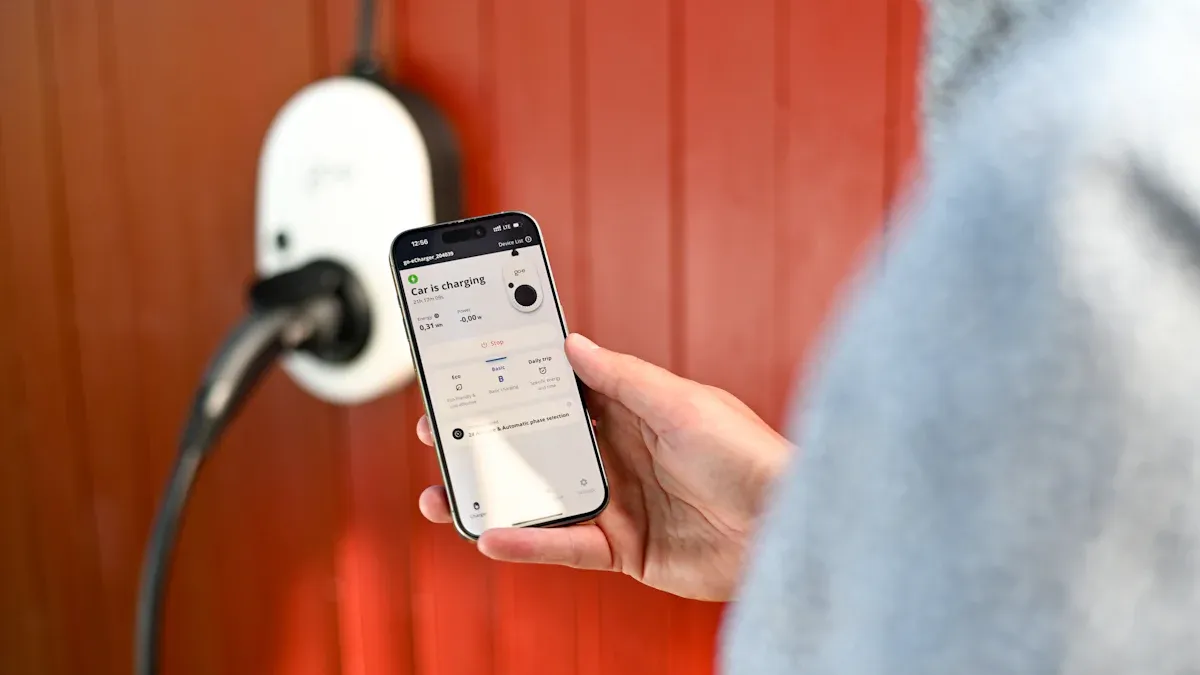
Carregadores portáteis inteligentes para carros elétricos incorporam tecnologia avançada para melhorar a experiência do usuário e a eficiência do carregamento. Esses carregadores suportam recursos como balanceamento dinâmico inteligente de carga, utilização de energia renovável e elementos de design inteligente, como gerenciamento por RFID e controle remoto baseado em aplicativo.
| Caraterística | Descrição |
|---|---|
| Utilização de Energia Renovável | Utiliza excedente de energia verde em sistemas de não exportação |
| Balanceamento Dinâmico Inteligente de Carga | Distribuição eficiente de energia para carregamento sustentável |
| Caraterísticas de segurança | Proteção contra fuga de corrente e controle de balanceamento dinâmico de carga |
| Design Inteligente | Gerenciamento por RFID e controle remoto inteligente via aplicativo |
| Adaptabilidade Flexível | Tomada ou plug selecionável, instalação fácil, múltiplos protocolos de comunicação |
Benefícios do Carregamento Portátil Inteligente para VE
Carregadores portáteis inteligentes para VE oferecem várias vantagens para os motoristas de Singapura. A capacidade de carregamento rápido reduz o tempo de inatividade, enquanto o controle via aplicativo permite que os usuários gerenciem sessões de carregamento e personalizem configurações. Agendar o carregamento durante horários de baixa demanda resulta em economia de custos.
| Caraterística | Benefício |
|---|---|
| Capacidade de carregamento rápido | Reabastecimento rápido de energia, menos tempo de inatividade |
| Controle do Usuário via Aplicativos | Gerenciar sessões de carregamento, aumentar a conveniência |
| Agendamento Durante Horários de Baixa Demanda | Carregar quando a eletricidade é mais barata, economizar custos |
Dica: Os carregadores inteligentes melhoram a eficiência e oferecem maior controle, sendo ideais para motoristas familiarizados com tecnologia e para aqueles que buscam soluções de carregamento sustentáveis.
Os motoristas de Singapura podem escolher entre vários tipos de carregadores para VE com base em suas necessidades, configuração da propriedade e hábitos de condução. Carregadores portáteis para VE, incluindo modelos Nível 1, Nível 2 e inteligentes, oferecem flexibilidade e adaptabilidade para uma variedade de cenários de carregamento. O carregamento rápido DC permanece uma opção para locais públicos ou comerciais, oferecendo reabastecimento rápido de energia para viagens de longa distância.
Carregamento Portátil para VE vs. Soluções de Carregamento Fixo para VE
Principais Diferenças Entre Carregadores Portáteis e Fixos
Instalação e Mobilidade
Carregadores portáteis para VE oferecem flexibilidade incomparável. Os motoristas podem usar esses carregadores em casa, no trabalho ou na estrada. Eles não requerem instalação permanente. Os usuários simplesmente conectam o carregador a uma tomada compatível e o ligam ao VE. Essa mobilidade permite que os motoristas carreguem seus veículos em vários locais, incluindo lugares sem estações de carregamento dedicadas.
Os carregadores fixos, por outro lado, requerem instalação profissional. Esses carregadores permanecem em um local, geralmente em uma casa, escritório ou estação de carregamento pública. Carregadores fixos geralmente fornecem maior potência de saída e velocidades de carregamento mais rápidas. No entanto, eles carecem da mobilidade das soluções portáteis. Os motoristas devem retornar ao mesmo local para usar um carregador fixo.
Conveniência e Acessibilidade
O carregamento portátil para VE aumenta a acessibilidade para motoristas que não têm uma vaga de estacionamento privada ou vivem em condomínios sem infraestrutura de carregamento dedicada. Eles podem transportar o carregador no veículo e usá-lo onde houver uma tomada compatível. Essa conveniência reduz a dependência de estações de carregamento públicas, que podem estar ocupadas ou localizadas longe do destino do motorista.
As estações de carregamento fixas proporcionam uma experiência de carregamento confiável e consistente. Elas são adequadas para motoristas com vagas de estacionamento regulares e para aqueles que preferem uma abordagem "configurar e esquecer". No entanto, esses carregadores podem não atender usuários que viajam com frequência ou não têm acesso a uma vaga de estacionamento fixa.
Prós e Contras dos Carregadores Portáteis para VE
Vantagens do Carregamento Portátil para VE
Carregadores portáteis para veículos eléctricos oferecem vários benefícios para os motoristas de Singapura:
- Flexibilidade: Os motoristas podem carregar seu VE em vários locais, incluindo residências, locais de trabalho e áreas públicas.
- Poupança de custos: Carregadores portáteis geralmente custam menos do que instalar uma estação de carregamento fixa.
- Uso de Emergência: These chargers serve as a backup during unexpected low battery situations.
- No Installation Required: Users avoid the hassle and expense of professional installation.
Note: Portable EV charging empowers drivers to maintain control over their charging needs, especially in areas with limited charging infrastructure.
Limitations Compared to Fixed EV Chargers
Despite their advantages, portable EV chargers have some limitations:
- Slower Charging Speeds: Most portable chargers offer lower power output compared to fixed chargers, resulting in longer charging times.
- Outlet Dependency: Drivers must find a compatible outlet, which may not always be available.
- Less Suitable for Daily High-Volume Charging: Frequent, high-capacity charging may wear out standard outlets and is better suited for fixed charging stations.
- Limited Smart Features: Some portable chargers lack advanced features found in fixed smart charging stations.
| Caraterística | Carregador portátil para veículos eléctricos | Carregador fixo |
|---|---|---|
| Mobilidade | Elevado | Baixa |
| Installation Needed | Não | Sim |
| Velocidade de carregamento | Moderado | Elevado |
| Custo | Inferior | Mais alto |
| Utilização de emergência | Sim | Não |
Drivers should evaluate their lifestyle, parking situation, and charging habits before choosing between portable and fixed electric vehicle charging solutions.
Compatibility of Portable EV Chargers with Singaporean Vehicles
Supported Electric Vehicle Models
Popular EV Brands in Singapore
Singapore’s electric vehicle market has grown rapidly. Drivers can find a wide range of EV models from global brands. Tesla, BYD, Hyundai, Kia, and MG have established a strong presence. Mercedes-Benz, BMW, and Audi also offer several electric models. These brands equip their vehicles with charging ports that match international standards. Most new electric vehicles in Singapore support charging through widely adopted connector types.
Como verificar a compatibilidade
Drivers should always confirm that a portable EV charger matches their vehicle’s charging port. The vehicle’s manual lists the supported connector type and charging specifications. Car dealerships and official brand websites provide compatibility charts. Many portable EV charger manufacturers publish lists of supported models. Drivers can also check the label near the charging port for connector details. If unsure, they should consult the vehicle’s authorized service center.
Tip: Always verify both the connector type and the supported charging power before purchasing a charger.
Tipos e normas de conectores
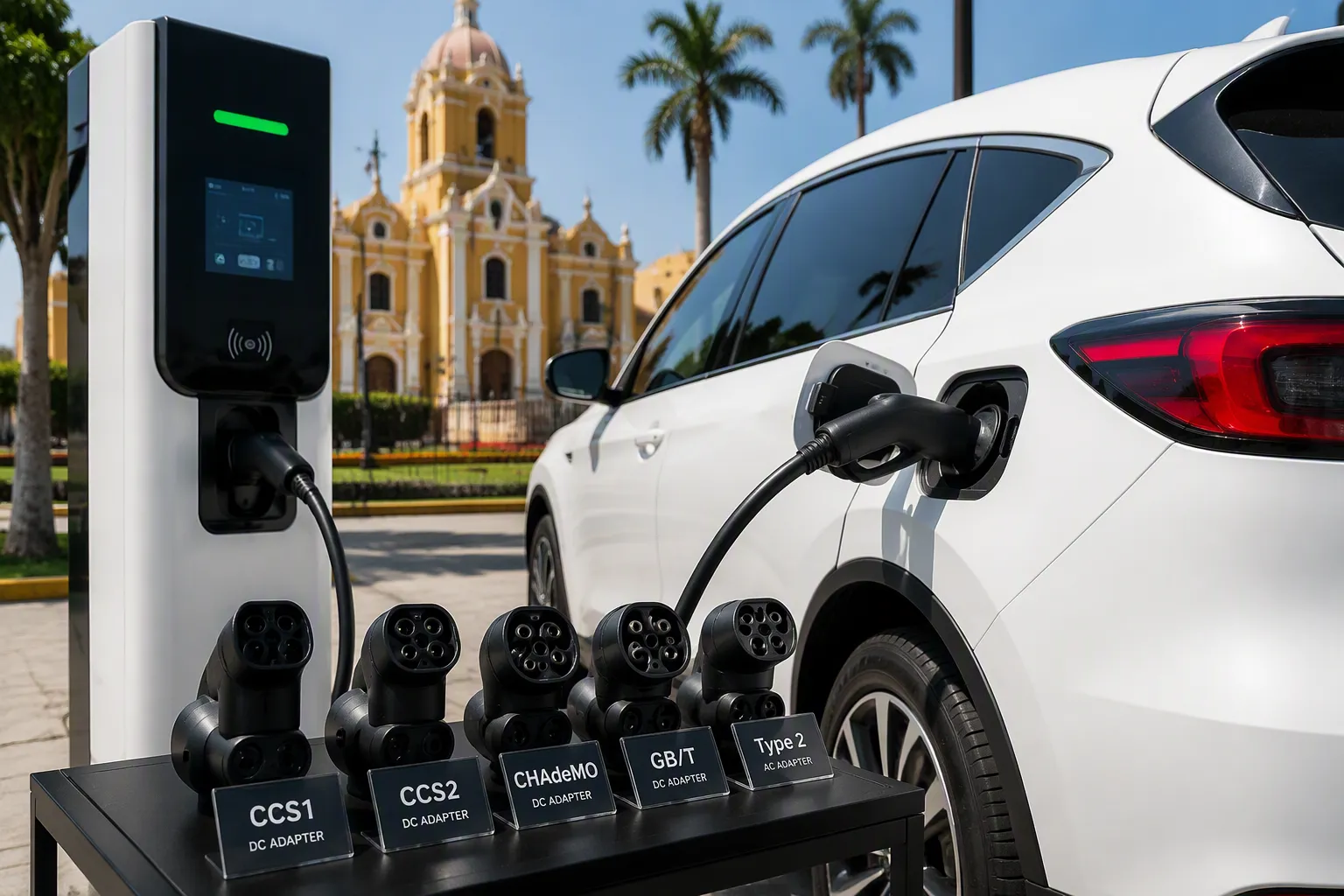
Type 2 and Other Connectors
Type 2 connectors dominate Singapore’s charging infrastructure. Major networks like Bluecharge operate 1,500 charging points, with 90% located in public housing areas and compatible with Type 2 sockets. Shell Recharge also supports both CCS and Type 2 connectors at 22 stations across the island. This widespread adoption ensures that most electric vehicles and portable EV chargers use the Type 2 standard. Some older or imported EVs may use different connectors, such as Type 1 or CHAdeMO, but these are less common.
| Tipo de conetor | Common Use in Singapore | Typical Application |
|---|---|---|
| Tipo 2 | Very common | Most new EVs, public points |
| CCS | Increasing | Fast charging, new EVs |
| Tipo 1 | Raro | Some older imports |
| CHAdeMO | Raro | Japanese models |
Adapter Options for Portable EV Chargers
Adapters help bridge compatibility gaps. Drivers who own an EV with a less common connector can use an adapter to connect to a Type 2 portable EV charger. Many charger brands offer adapter kits for Type 1, CCS, or CHAdeMO. Before using an adapter, drivers should check the maximum supported power and ensure it meets safety standards. Using the correct adapter allows seamless charging at most public and private locations.
Note: Adapters provide flexibility, but drivers should always use certified products to maintain safety and avoid damaging the vehicle or charger.
Key Considerations Before Buying a Portable EV Charger
Velocidade de carregamento e potência de saída
How Fast Can You Charge with a Portable EV Charger?
Charging speed remains a top priority for many drivers in Singapore. The speed depends on several factors, including the type of charger, the vehicle’s battery capacity, and the available power supply. The following table summarizes these key factors:
| Fator | Descrição |
|---|---|
| Tipo de carregador | Different chargers (e.g., home wall socket vs. DC fast charger) affect speed. |
| Vehicle’s Battery Capacity | The size of the battery influences how quickly it can be charged. |
| Available Power Supply | The power source’s capacity determines the maximum charging speed possible. |
Most home ev chargers use ac charging, which typically offers slower speeds compared to dc charging. Common dc charging options range from 50 kW to 200 kW, with higher kW ratings providing faster charging. However, portable ev chargers designed for home use usually operate at lower power levels, making them suitable for overnight charging or as a backup solution.
Matching Charger Specifications to Your Needs
Selecting the right portable ev charger involves matching its specifications to your driving habits and vehicle requirements. Drivers who travel long distances or need rapid charging should consider higher-output chargers. Those with smaller battery capacities or predictable routines may find standard home charger models sufficient. Always check if the charger supports both ac charging and dc charging, as this impacts compatibility with different ev charging solutions.
Safety, Certification, and Local Regulations
Compliance with Singapore Standards
Safety and compliance play a crucial role in the selection process. Portable ev chargers sold in Singapore must meet strict local and international standards. The table below lists common compliance standards:
| Compliance Standard | Code |
|---|---|
| GB/T 18487-2023 | |
| GB/T 27930-2023 | |
| NB/T 33001-2018 | |
| NB/T 33008-2018 | |
| GB/T 34657-2017 | |
| IEC 61851-2017 | |
| IEC 62196 |
Buyers should always verify that their chosen home ev charger meets these requirements to ensure safe and legal operation.
Built-in Safety Features of Portable EV Chargers
Modern home ev chargers include advanced safety features to protect users and vehicles. These features often include:
- Over-current protection
- Temperature control
- Deteção de falhas
- Continuous voltage monitoring between live, neutral, and earth conductors
- Rapid isolation of supply if an imbalance is detected
- Electric shock prevention
These built-in protections help maintain a safe charging process, even during unexpected power fluctuations or faults.
Cost and Value of Portable EV Chargers
Price Range in Singapore
The price of portable ev chargers in Singapore varies based on features and power output. Entry-level home charger models start from a few hundred dollars, while advanced units with smart features or higher dc charging capabilities can cost significantly more. Pricing for dc charging tends to remain consistent across different power outputs from the same provider.
Long-term Savings and Value
Investing in a quality home ev charger can lead to long-term savings. Drivers reduce reliance on public dc charging stations and enjoy the convenience of charging at home. Over time, the cost of home ev chargers pays off through lower charging fees and increased flexibility. Choosing a reliable charger with robust safety features and compliance certifications ensures lasting value and peace of mind.
Portability and Storage
Size, Weight, and Ease of Transport
Portable EV chargers stand out for their compact design and manageable weight. Most models weigh between 2 kg and 7 kg, which makes them easy to carry in a vehicle’s trunk or storage compartment. Manufacturers design these chargers with drivers’ mobility in mind. Many units feature ergonomic handles, reinforced cables, and sturdy cases. These features help users transport the charger without strain.
The following table compares typical specifications for popular portable EV chargers in Singapore:
| Model Type | Approx. Weight | Dimensions (cm) | Carrying Case Included |
|---|---|---|---|
| Standard Level 1 | 2 – 3 kg | 30 x 10 x 8 | Sim |
| Level 2 Compact | 4 – 5 kg | 35 x 12 x 10 | Sim |
| Smart Portable Model | 6 – 7 kg | 40 x 15 x 12 | Opcional |
A lighter charger suits drivers who need frequent portability, such as those who switch vehicles or travel between locations. Heavier models often provide higher power output or advanced features, which may benefit users who prioritize charging speed over portability.
Tip: Drivers should consider both the weight and the length of the charging cable. A longer cable offers more flexibility but may add bulk.
Storage Tips for Portable EV Chargers
Proper storage extends the lifespan of a portable EV charger and ensures safe operation. Drivers should always store the charger in a dry, cool area within the vehicle. Moisture and extreme heat can damage electronic components. Most carrying cases offer basic protection against dust and minor impacts.
Here are some best practices for storing portable EV chargers:
- Coil the cable loosely: Avoid tight loops or knots, which can damage the internal wiring.
- Use the provided case: Place the charger and accessories in the manufacturer’s case to prevent scratches and dust buildup.
- Keep away from direct sunlight: Prolonged exposure to sunlight can degrade plastic and rubber parts.
- Check for damage regularly: Inspect the cable and connectors before each use to ensure safety.
- Secure during travel: Fasten the case in the trunk or under a seat to prevent movement while driving.
Note: Drivers should never store the charger near flammable materials or in areas prone to water leaks.
A well-maintained portable EV charger remains reliable for years. By following these storage tips, drivers in Singapore can maximize the value and safety of their charging equipment.
Practical Tips for Using Portable EV Chargers in Singapore
Everyday Portable EV Charging Scenarios
Home Charging in Landed Properties
Drivers who own landed properties in Singapore often use portable ev chargers for daily charging. They plug the charger into a household outlet and connect it to their ev. This method offers convenience and flexibility. The charger remains portable, so drivers can store it when not in use. Carregar em casa reduces reliance on public charging stations and allows drivers to start each day with a full battery.
Charging at Work or Public Locations
Many Singaporean drivers charge their ev at work or in public locations. Office buildings sometimes provide charging stations for employees. Drivers can use portable ev chargers if the facility offers compatible outlets. Shopping malls and public charging points also support portable ev charging. Drivers benefit from topping up their battery while shopping or attending meetings. This approach maximizes the use of available charging infrastructure and reduces waiting times at public charging stations.
Emergency Portable EV Charging
What to Do When Running Low on Battery
Drivers may encounter situations where their ev battery runs low and no charging stations are nearby. Portable power stations offer a practical solution. These devices provide a few extra miles of range, which can help drivers reach the nearest public charging point. Even a small charge, such as three to five miles, makes a significant difference in emergencies. Portable power stations also support short-distance travel in remote areas and can power ev camping gear.
Tip: Drivers should keep a portable power station in their vehicle for added peace of mind during long journeys.
Roadside Charging Solutions
Roadside charging solutions help drivers who face unexpected battery depletion. Portable ev chargers allow drivers to connect their ev to any compatible outlet, such as those found at petrol stations or roadside shops. Some service providers offer mobile charging assistance, delivering power directly to stranded vehicles. These solutions ensure drivers avoid being stranded and reach the nearest charging stations safely.
Safe and Efficient Use of Portable EV Chargers
Proper Setup and Handling
Safe setup and handling of portable ev chargers protect both the vehicle and the user. Drivers should inspect the charger and cable for damage before each use. They must connect the charger to a dry, stable outlet and avoid using extension cords. The charger should remain on a flat surface during charging. Drivers must follow the manufacturer’s instructions to ensure proper operation.
Maintenance and Care Tips
Regular maintenance extends the lifespan of portable ev chargers. Drivers should clean the charger and cable with a dry cloth. They must store the charger in a cool, dry place away from direct sunlight. Checking connectors for wear and tear prevents malfunctions. Drivers should update firmware if the charger supports smart features. Proper care ensures reliable ev charging and reduces the risk of faults.
How to Choose the Right Portable EV Charger
Assessing Your Portable EV Charging Needs
Singaporean drivers must evaluate their daily routines before selecting a portable ev charger. The type of vehicle, expected charge time, and travel distance influence the choice. Drivers who commute short distances may prefer chargers with slower speeds, while those who travel longer routes require faster charging options. The compatibility between the charger and the vehicle’s charge level remains essential. Some vehicles accept only Level 1 charging, while others support Level 2 or higher.
O quadro seguinte resume factores-chave a considerar:
| Fator | Descrição |
|---|---|
| Make and model of your EV | Different EVs have varying charging requirements. |
| Acceptable charge time | Drivers should consider how long they are willing to wait for a full charge. |
| Additional drive time required | Assessing how far they can drive before needing to recharge is crucial. |
| Charge level compatibility | Understanding if the EV accepts Level 1, 2, or 3 charging is essential. |
| Charging method | Different methods (e.g., Level 1 vs. Level 2) impact charging speed. |
Driving Habits and Range Considerations
Drivers who use their ev for daily commutes often select chargers that match their predictable schedules. Those who travel across Singapore or take frequent road trips need chargers with higher power output. The range of the vehicle and the frequency of charging stops affect the choice. Drivers must ensure the portable ev charger meets their needs for both routine and emergency situations.
Frequency of Portable EV Charger Use
The frequency of use determines the durability and features required. Drivers who charge their ev multiple times a week should invest in robust chargers with advanced safety features. Occasional users may prioritize portability and ease of storage. TPSON offers technologically advanced solutions that cater to both frequent and occasional users.
Comparing Popular Portable EV Charger Models
Principais caraterísticas a procurar
Drivers must examine several features when comparing chargers. Charging speed, connector compatibility, and safety mechanisms remain important. Weather resistance and smart functions, such as app control or scheduling, enhance convenience. The length of the cable and the weight of the charger affect portability. TPSON’s chargers provide dynamic load balancing and intelligent design, which improve efficiency and safety.
Tip: Always check if the charger supports your vehicle’s connector type and desired charging speed.
User Reviews and Recommendations in Singapore
Singaporean drivers often rely on peer feedback and expert recommendations. Reviews highlight reliability, ease of use, and after-sales support. Many drivers prefer chargers with clear instructions and responsive customer service. TPSON receives positive attention for its advanced technology and user-friendly features.
Where to Buy Portable EV Chargers in Singapore
Revendedores autorizados e retalhistas online
Drivers can purchase portable ev chargers from authorized dealers or reputable online platforms. Authorized dealers ensure genuine products and provide guidance on compatibility. Online retailers offer a wide selection and convenient delivery options. TPSON partners with trusted distributors across Singapore, making their chargers accessible to a broad audience.
Warranty and After-sales Support
Warranty coverage and after-sales support protect drivers from unexpected issues. Reliable brands offer warranties that cover defects and malfunctions. After-sales support includes technical assistance and replacement services. Drivers should choose chargers from providers with strong reputations for customer care. TPSON stands out for its comprehensive warranty and responsive support team.
Portable ev chargers give drivers in Singapore flexibility and peace of mind. These devices help users charge their ev at home, work, or on the road. Key benefits include mobility, cost savings, and emergency support. Some limitations exist, such as slower charging speeds and outlet dependency. Before buying, drivers should review their daily routines and check local regulations. > Choosing the right charger ensures safe and efficient charging for every journey.
FAQ
What is the main advantage of a portable EV charger in Singapore?
A portable EV charger gives drivers flexibility. They can charge their vehicles at home, work, or public locations. This option helps drivers who do not have access to fixed charging stations.
Can a portable EV charger damage my car battery?
Manufacturers design quality portable EV chargers with built-in safety features. These features protect the battery from overcharging, overheating, and electrical faults. Drivers should always use certified chargers to ensure safety.
Quanto tempo é necessário para carregar totalmente um veículo elétrico com um carregador portátil?
Charging time depends on the charger’s power output and the vehicle’s battery size. Level 1 chargers may take up to 20 hours. Level 2 chargers can reduce charging time to 6–8 hours for most vehicles.
Are portable EV chargers safe to use outdoors in Singapore’s climate?
Most portable EV chargers come with weather-resistant casings. Drivers can use them outdoors, but they should avoid direct exposure to heavy rain or flooding. Always check the manufacturer’s guidelines for outdoor use.
Do all electric vehicles in Singapore support portable EV chargers?
Most new electric vehicles in Singapore support Type 2 connectors, which are compatible with many portable chargers. Drivers should check their vehicle’s manual or consult the dealer to confirm compatibility before purchase.
Can I use a portable EV charger at public charging points?
Public charging points in Singapore usually provide their own charging cables. Portable EV chargers work best with standard power outlets, such as those found at homes or workplaces, not at public charging stations.
What should I do if my portable EV charger stops working?
Drivers should first check the power source and inspect the charger for visible damage. If the issue persists, they should contact the manufacturer or authorized dealer for technical support or warranty service.