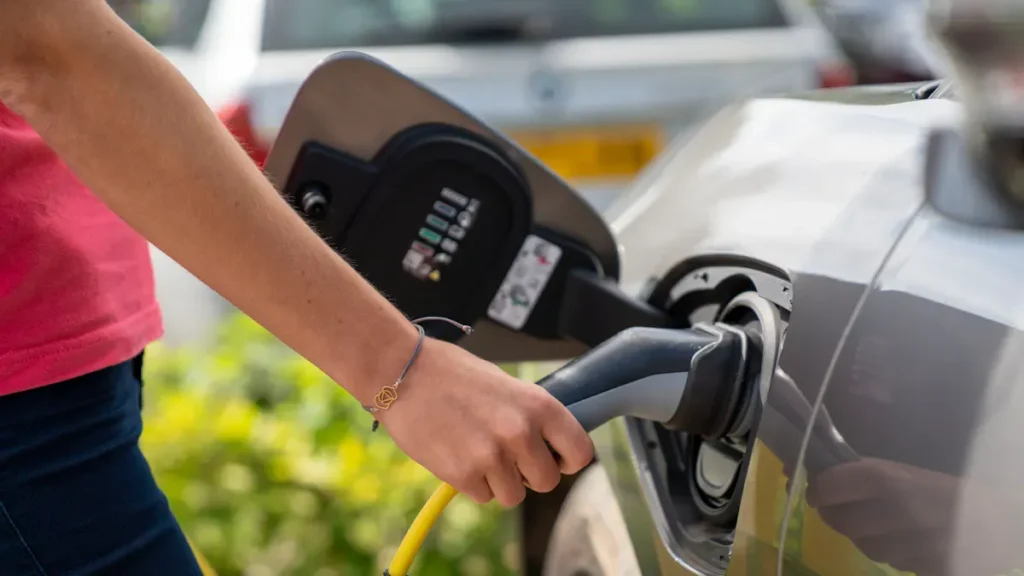
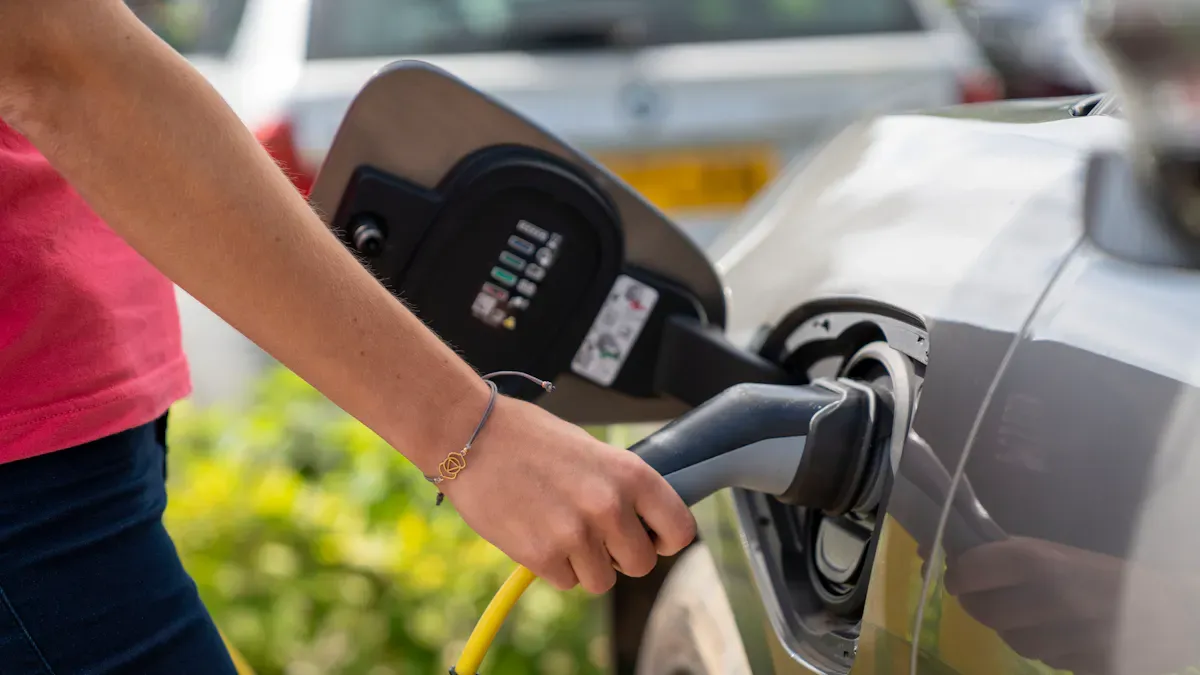
The open charge point protocol has transformed the way Fabricantes de carregadores para veículos eléctricos design and deploy Soluções de carregamento de veículos eléctricos. OCPP gives every Carregador EV the ability to communicate with multiple networks and platforms, which enhances charging flexibility for users. This protocol enables smart features that carregadores ev portáteis need to support seamless charging sessions. OCPP also allows users to avoid compatibility issues and ensures that any Estação de carregamento de veículos eléctricos purchased today will remain relevant as technology evolves.
Understanding OCPP and EV Charging Stations

What Is the Open Charge Point Protocol?
The open charge point protocol, often called OCPP, sets the standard for communication between estações de carregamento para veículos elétricos comerciais and central management systems. OCPP creates a universal language that allows different brands of charging hardware and software to work together. This protocol supports the integration of new features and services, making it easier for manufacturers and operators to expand their infrastructure. OCPP integration ensures that every charging station can connect to a central system, regardless of the manufacturer.
The main components of OCPP include the charge point and the central system management system (CSMS). The table below outlines their roles and functions:
| Componente | Descrição | Funções |
|---|---|---|
| Charge Point | The physical charging station | Delivers electricity to the EV, initiates charging sessions, monitors energy consumption |
| Central System Management System (CSMS) | The software managing the charge points | Authorizes sessions, monitors status, manages pricing, performs diagnostics, updates firmware |
OCPP provides a foundation for reliable and secure communication, which is essential for the growth of electric vehicle charging stations worldwide.
The Role of OCPP in EV Charging Stations
OCPP plays a critical role in the operation of Estações de carregamento de veículos eléctricos. It enables seamless communication between the charging station and the central management system. This connection allows operators to monitor charging sessions, authorize users, and manage pricing remotely. OCPP also supports diagnostics and firmware updates, which help maintain the reliability of the charging infrastructure.
OCPP integration benefits both operators and EV owners. Operators can oversee multiple charging stations from a single platform. EV owners enjoy consistent service and access to funcionalidades inteligentes, such as remote start and stop or real-time status updates. OCPP charging station networks can adapt to new requirements without replacing hardware, which protects investments in charging infrastructure.
How OCPP Works with Smart AC Wall Chargers
OCPP uses a structured message exchange to facilitate communication between smart AC wall chargers and central management systems. The protocol sends messages over secure channels, such as Wi-Fi or Ethernet, to ensure safe data transfer. Each message contains a header, body, and sometimes a signature, which organizes information for efficient processing.
- OCPP enables communication between EV charging stations and central management systems through a structured message exchange.
- Messages are sent over secure channels like Wi-Fi or Ethernet, ensuring safe communication.
- Each message consists of a header, body, and sometimes a signature, which organizes the information effectively.
- Different types of messages serve specific functions, such as initiating communication, providing updates, or sharing transaction details.
- The central management system oversees multiple charging stations, directing operations and collecting session data.
OCPP integration allows smart AC wall chargers to support advanced features, such as load management and remote monitoring. This flexibility ensures that the charging station remains compatible with future upgrades and new services. OCPP makes it possible for users to manage their charging experience efficiently, whether at home or in public locations.
Key Benefits of OCPP for Smart AC Wall Chargers
Interoperability Across EV Charging Stations
OCPP stands as a cornerstone for interoperability in the world of electric vehicle charging. This open charge point protocol enables different brands of smart AC wall chargers to communicate seamlessly with various central management systems. Interoperability ensures that users can access a wide range of charging solutions without compatibility concerns.
Using Different Brands and Networks
OCPP allows EV owners to use charging stations from multiple manufacturers within the same network. This flexibility means that a driver can charge their vehicle at home, at work, or in public spaces without worrying about hardware limitations. Operators can integrate new charging stations into their existing infrastructure, regardless of the brand. This approach simplifies expansion and supports the growth of diverse charging networks.
Avoiding Vendor Lock-In
Vendor lock-in poses a significant challenge for organizations managing EV charging infrastructure. OCPP addresses this issue by remaining vendor-agnostic and future-proof. The protocol empowers eMobility providers to build scalable and flexible networks, reducing dependence on a single supplier. OCPP 1.6, in particular, enhances interoperability, allowing organizations to manage fleets without being tied to one vendor. This minimizes operational risks and supports long-term planning.
Tip: Choosing OCPP-compatible chargers helps organizations avoid costly transitions and ensures access to the latest features from multiple providers.
Flexibility and Customization for EV Owners
OCPP brings a high degree of flexibility and customization to EV owners. The protocol’s open-source nature allows businesses to tailor their charging station management systems to meet specific requirements. This adaptability ensures that the charging experience aligns with individual preferences and operational needs.
Adapting to New Features and Services
OCPP enables the integration of new features and services as technology evolves. EV owners can customize charging parameters, such as scheduling, energy limits, or user authentication methods. This adaptability ensures that the charging infrastructure remains relevant and continues to deliver value over time. Operators can introduce unique features that enhance user satisfaction and operational efficiency.
Supporting Multiple Use Cases
Smart AC wall chargers equipped with OCPP support a variety of use cases. These include residential charging, workplace solutions, and public charging networks. The protocol allows for easy integration with energy management systems, solar panels, or battery storage. This versatility ensures that both individual users and organizations can optimize their charging strategies based on their unique needs.
Future-Proofing with OCPP-Compatible Chargers
OCPP-compatible chargers offer significant advantages when it comes to future-proofing investments in EV charging infrastructure. The protocol’s atualizações contínuas garantir adaptabilidade a novas tecnologias e padrões de segurança. Este compromisso com a evolução protege tanto os operadores quanto os usuários contra a rápida obsolescência.
Manter-se Preparado para Atualizações Tecnológicas
Os perfis e chaves de configuração do OCPP permitem personalização e desempenho ideal. Os operadores podem atualizar firmware, adicionar novos recursos ou trocar de provedores de rede sem substituir os carregadores físicos. Esta flexibilidade possibilita transições fáceis entre sistemas de gerenciamento de backend, reduzindo custos e complexidade operacionais.
Garantir Valor de Longo Prazo
Carregadores compatíveis com OCPP mantêm valor de longo prazo ao oferecer flexibilidade e versatilidade. Os usuários podem trocar software ou hardware sem enfrentar problemas de compatibilidade. O protocolo suporta gerenciamento de dispositivos, carregamento inteligente e medidas de segurança robustas, o que aumenta a eficiência operacional. A economia de custos surge da capacidade de atualizar sistemas sem grandes alterações na infraestrutura, levando à redução de despesas de manutenção e utilidades.
TPSON, como provedor tecnologicamente avançado de soluções de carregamento para veículos elétricos, integra o OCPP em seus carregadores de parede CA inteligentes. Esta abordagem garante que os clientes recebam soluções confiáveis e preparadas para o futuro, que se adaptam às demandas evolutivas do mercado.
OCPP vs. Protocolos Proprietários no Carregamento de VE
O que são Protocolos Proprietários?
Protocolos proprietários no contexto de carregamento de VE frequentemente originam-se de fabricantes específicos. Esses protocolos criam sistemas fechados que restringem o acesso apenas a determinadas marcas ou modelos de estações de carregamento. Diferentemente do protocolo de ponto de carregamento aberto, soluções proprietárias limitam a interoperabilidade e forçam os proprietários de ativos a depender de um único provedor. Esta dependência pode levar ao aprisionamento ao fornecedor, dificultando que os operadores troquem de redes ou atualizem sua infraestrutura de carregamento. O OCPP, como padrão de código aberto, oferece um contraste claro ao promover compatibilidade entre várias estações de carregamento e sistemas de gerenciamento. Os operadores ganham flexibilidade e evitam riscos de longo prazo associados a sistemas proprietários.
Limitações dos Sistemas Proprietários
Sistemas de carregamento proprietários apresentam vários desafios para proprietários e operadores de VE.
- O aprisionamento ao fornecedor restringe a flexibilidade na escolha de provedores de serviços.
- A falta de interoperabilidade impede que diferentes sistemas funcionem em conjunto.
- Potenciais problemas de gerenciamento de dados surgem de práticas pouco claras de manipulação de dados.
Essas limitações dificultam o crescimento das estações de carregamento de VE e reduzem a capacidade de adaptação a novas soluções. Os operadores podem ter dificuldade em integrar novos recursos ou expandir sua rede sem substituir o hardware existente. A conformidade com padrões em evolução torna-se difícil, e os usuários podem experimentar experiências de carregamento inconsistentes entre diferentes estações.
Nota: Protocolos proprietários podem retardar a inovação e aumentar os custos operacionais para proprietários de infraestrutura de carregamento.
Vantagens de Padrões Abertos como o OCPP
Padrões abertos como o OCPP oferecem benefícios significativos para a infraestrutura de carregamento de VE.
- Configuração econômica minimiza custos de cabeamento e maximiza a utilização por quilowatt instalado, posicionando os carregadores próximos à fonte de energia principal.
- O gerenciamento inteligente de carga distribui a energia disponível entre vários carregadores, permitindo carregamento simultâneo sem exceder os limites de potência.
- Segurança e confiabilidade garantem proteção elétrica completa e desempenho consistente por meio de equipamentos certificados.
- O gerenciamento centralizado conecta todos os carregadores a um backend digital unificado para maior controle operacional.
- A experiência digital do usuário permite o gerenciamento perfeito das sessões de carregamento por meio de aplicativos móveis.
- A escalabilidade futura facilita a expansão fácil à medida que a adoção de VE cresce, sem necessidade de reconfiguração da fiação.
- A cobrança automatizada integra-se aos sistemas de gerenciamento de propriedades para refletir diretamente o uso nas tarifas mensais de serviço.
O OCPP permite que as estações de carregamento operem dentro de uma rede flexível, apoiando a interoperabilidade e a conformidade com os padrões do setor. Os operadores podem gerenciar várias estações a partir de uma única plataforma, adaptar-se a novas soluções e manter o valor de longo prazo. O protocolo suporta recursos avançados, como monitoramento remoto e carregamento inteligente, que melhoram a experiência do usuário. O protocolo de ponto de carregamento aberto garante que as estações de carregamento de VE permaneçam relevantes à medida que a tecnologia evolui, fornecendo uma base para soluções de carregamento confiáveis e escaláveis.
| Caraterística | Protocolos Proprietários | OCPP (Padrões Abertos) |
|---|---|---|
| Interoperabilidade | Limitada | Elevado |
| Aprisionamento ao Fornecedor | Comum | Evitado |
| Flexibilidade | Restrito | Melhorado |
| Conformidade | Desafiador | Otimizado |
| Escalabilidade | Difícil | Fácil |
O OCPP destaca-se como o protocolo preferido para soluções modernas de carregamento de VE, oferecendo flexibilidade, confiabilidade e preparação para o futuro incomparáveis tanto para operadores quanto para usuários.
Recursos e Versões do OCPP para Carregadores de Parede CA Inteligentes
Recursos Essenciais do OCPP
O OCPP destaca-se na indústria de VE devido ao seu robusto conjunto de recursos que suporta operadores e usuários. O protocolo permite comunicação perfeita entre estações de carregamento e sistemas de gerenciamento central, que formam a espinha dorsal dos modernos sistemas de gerenciamento de pontos de carregamento. A tabela abaixo destaca os recursos essenciais que diferenciam o OCPP de outros protocolos:
| Caraterística | Descrição |
|---|---|
| Interoperabilidade | Facilita a comunicação entre diferentes marcas de estações de carregamento, evitando o aprisionamento ao fornecedor. |
| Escalabilidade e segurança | Suporta o gerenciamento de redes de grande escala e inclui protocolos de segurança como TLS. |
| Capacidades de carregamento inteligente | Otimiza o uso de energia ajustando as taxas de carregamento com base em condições em tempo real. |
| Comunicação assíncrona | Garante comunicação suave com mensagens de solicitação-resposta unicamente identificáveis. |
Monitoramento e Controle Remotos
O OCPP permite que os operadores monitorem e controlem carregadores de parede CA inteligentes de qualquer local. Eles podem rastrear sessões de carregamento, ajustar taxas de carregamento e gerenciar a infraestrutura de carregamento de forma eficiente. Os operadores podem iniciar ou parar sessões de carregamento remotamente e monitorar o uso em tempo real. Esta capacidade de gerenciamento remoto garante que o sistema de gerenciamento central possa responder rapidamente a quaisquer problemas, maximizando o tempo de atividade e a satisfação do usuário.
Os operadores beneficiam-se da capacidade do OCPP de suportar funcionalidades de carregamento inteligente like load balancing and demand response, which are essential for effective remote management.
Carregamento inteligente e gestão de carga
Smart charging capabilities play a critical role in optimizing energy consumption. OCPP enables dynamic adjustment of charging rates based on grid demand, user preferences, or time-of-use tariffs. This feature helps prevent overloads and reduces energy costs for both operators and EV owners. Load management ensures that multiple chargers can operate simultaneously without exceeding the available power supply. As a result, charging infrastructure remains efficient and reliable.
Security and Data Protection
Security remains a top priority for any EV charging solution. OCPP includes advanced security protocols such as TLS, which protect data exchanged between charging stations and central management systems. These measures safeguard user information and prevent unauthorized access. Operators can trust that their networks remain secure, even as the number of connected devices grows.
OCPP Versions for EV Charging Stations
Which Version Should You Look For?
OCPP has evolved to meet the changing needs of the EV market. OCPP 1.6 introduced JSON over WebSocket, which reduced data usage and improved communication efficiency. OCPP 2.0.1 brought significant enhancements, including advanced transaction management, device management, and integration with ISO 15118 for plug-and-charge functionality. Enhanced security features and remote firmware updates also became standard in OCPP 2.0.1. The latest edition refines the protocol further, adding certification profiles and new test cases for better implementation support.
| OCPP 1.6 Features | OCPP 2.0.1 Features | Updates in 3rd Edition |
|---|---|---|
| Basic communication functions between charging points and control systems. | Advanced transaction management, enhanced security features, device management, smart charging, remote firmware updates, and integration with ISO 15118. | Clarifications and corrections to improve protocol accuracy, introduction of certification profiles, and new test cases for implementation support. |
OCPP 2.0.1 stands as the preferred choice for future-proofing EV charging infrastructure. It supports advanced features and ensures compatibility with upcoming technologies.
Backward Compatibility Considerations
When selecting a smart AC wall charger, users should consider backward compatibility. Many networks still operate on OCPP 1.6, so choosing a charger that supports both OCPP 1.6 and OCPP 2.0.1 ensures seamless integration with existing and future systems. This approach protects investments and allows for smooth transitions as the industry adopts newer standards.
Choosing an OCPP-Compatible Charger for Your EV
Security and Privacy Considerations
Security and privacy play a crucial role when selecting an OCPP-compatible charger for an EV. OCPP-compatible EV chargers offer advanced protection features that safeguard both user data and the charging process. Central management systems rely on secure communication protocols to ensure reliability and prevent unauthorized access. The following table outlines key security features found in OCPP-compatible chargers:
| Funcionalidade de Segurança | Descrição |
|---|---|
| Transport Layer Security (TLS 1.2) | Ensures encrypted communication and mutual authentication. |
| Security Profiles | Includes Base, Client, and TLS with client-side certificate. |
| Certificate-based authentication | Provides a method for secure identification of devices. |
| Logging and anomaly detection | Enables forensic analysis through detailed logging of activities. |
| Integration with ISO 15118 | Ensures secure EV identification and supports advanced features like Plug and Charge. |
These features help protect sensitive information during charging sessions. Operators can monitor activity through logging and anomaly detection, which enhances reliability and supports forensic analysis. Certificate-based authentication ensures that only authorized devices connect to the central management system. Integration with ISO 15118 allows secure EV identification and enables smart features such as Plug and Charge. OCPP-compatible chargers provide a user-friendly charging infrastructure that meets modern security standards.
Tip: Always verify that the station supports the latest OCPP security profiles to maintain robust protection for both users and operators.
Integração com sistemas energéticos domésticos
Integration with home energy systems enables EV owners to optimize their charging experience and manage energy consumption efficiently. OCPP-compatible chargers support multiple integration methods, allowing seamless communication with central management systems and local energy management solutions. The table below summarizes common integration approaches:
| Integration Method | Descrição |
|---|---|
| Direct OCPP connection | Integrate seamlessly with OCPP servers for comprehensive management of the charging experience. |
| API integration | Use custom APIs to connect with partner cloud services for tailored control and monitoring. |
| Local EMS connection | Connect with Energy Management Systems locally, allowing the EMS to manage user experience while monitoring the charger. |
These integration methods provide flexibility for EV owners. Direct OCPP connection allows centralized management and monitoring through central management systems. API integration offers tailored control, supporting advanced features and custom solutions. Local EMS connection enables smart energy management at home, optimizing charging based on energy availability and user preferences. OCPP-compatible chargers adapt to evolving energy needs, ensuring reliability and efficient operation.
Note: Integration with home energy systems can reduce energy costs and support sustainable charging practices.
Scalability for Future Needs
Scalability remains essential for EV charging infrastructure as demand continues to grow. OCPP-compatible chargers support expansion and adaptation, allowing operators and homeowners to future-proof their investments. The following table highlights scalability options available with OCPP-compatible chargers:
| Scalability Option | Descrição |
|---|---|
| Interoperabilidade | OCPP enables different brands of chargers to work together, promoting vendor independence. |
| Flexibilidade | Allows integration of new hardware and software as demand grows. |
| Future Applications | Supports dynamic load management, renewable energy integration, and vehicle-to-grid solutions. |
OCPP allows seamless communication between charging equipment from different manufacturers. This interoperability enhances scalability and efficiency of EV charging networks. Operators can integrate new hardware and software as needs change, ensuring compatibility and improved management capabilities. OCPP supports future applications such as dynamic load management, renewable energy integration, and vehicle-to-grid solutions. These features help maintain reliability and optimize charging stations for evolving requirements.
- OCPP-compatible chargers enable expansion without replacing existing infrastructure.
- Central management systems facilitate efficient management of multiple stations.
- Smart features support advanced energy solutions and user-friendly charging infrastructure.
Callout: Choosing an OCPP-compatible charger ensures that EV owners and operators stay ready for future technology upgrades and maintain long-term value.
Support and Updates from Manufacturers
Manufacturers play a pivotal role in maintaining the reliability and performance of OCPP-compatible chargers. They deliver ongoing support and regular updates to ensure that charging stations remain secure, efficient, and compatible with evolving industry standards. These updates often include enhancements to smart charging profiles, security protocols, and device management features.
Manufacturers release firmware updates that introduce new capabilities and address vulnerabilities. OCPP 2.0.1, for example, brought advanced device management and vehicle-to-grid (V2G) functionalities. These improvements demonstrate that manufacturers actively upgrade their products to meet the demands of modern electric vehicle infrastructure.
A strong support system from manufacturers includes several key elements:
- Detailed changelogs accompany firmware updates, allowing users to track improvements and understand changes.
- Robust communication channels provide access to customer support and technical documentation.
- Technical documentation helps users and operators troubleshoot issues and optimize charger performance.
- Regular firmware updates enhance security and add new features, keeping chargers aligned with the latest OCPP standards.
Good communication between manufacturers and users ensures that technical issues receive prompt attention. Operators benefit from clear documentation and responsive support teams.
Manufacturers who prioritize transparency and responsiveness build trust with their customers. Analyzing changelogs helps operators evaluate the level of support and commitment from a manufacturer. Reliable support and timely updates protect investments and maximize the value of OCPP-compatible chargers. This approach ensures that charging stations remain future-ready and continue to deliver a seamless user experience.
Real-World Scenarios: OCPP in Action for EV Owners

Switching Charging Networks Without Replacing Hardware
EV owners often need to switch charging networks as their needs change or as new providers enter the market. OCPP allows seamless transitions between networks without requiring hardware replacement. The protocol supports interoperability, so users can connect their smart AC wall charger to different central management systems. This flexibility reduces costs and simplifies upgrades. Charging stations that use OCPP remain compatible with multiple software platforms, enabling operators to adapt quickly.
Switching networks becomes a straightforward process. Owners avoid downtime and maintain access to reliable charging services. OCPP ensures that the station continues to operate efficiently, regardless of the backend provider.
Adding Smart Features Over Time
OCPP has evolved since its introduction in 2009, enhancing smart charging capabilities and adopting standards like ISO 15118. EV owners benefit from these advancements by adding new features to their chargers over time. The protocol provides flexibility for hardware and software integration, making it easy to incorporate smart features such as device management, load balancing, and real-time price adjustments.
- Owners can modify their chargers to support specific needs, including different billing methods.
- Remote control of charging sessions becomes possible, improving convenience and efficiency.
- Smart charging features optimize energy distribution and reduce energy costs.
OCPP’s open-source nature enables continuous improvement. As EV adoption increases, secure networks develop to protect user data and maintain reliability. Owners gain access to advanced features without replacing their existing equipment.
Managing Multiple Chargers at Home or Work
Managing several chargers at home or in a workplace presents unique challenges. OCPP simplifies this process by enabling centralized control and monitoring. Operators can oversee multiple charging stations from a single platform, adjusting settings and tracking usage in real time. The protocol supports integration with energy management systems, allowing for efficient load balancing and smart charging.
| Cenário | OCPP Benefit |
|---|---|
| Home with multiple EVs | Centralized control and scheduling |
| Workplace fleet | Efficient load management and billing |
| Public charging network | Scalable integration and monitoring |
OCPP’s vendor-agnostic approach allows owners to mix and match chargers from different manufacturers. The protocol supports scalable networks, making expansion easy as demand grows. Owners maintain flexibility and avoid vendor lock-in, ensuring long-term value for their charging infrastructure.
Tip: Centralized management through OCPP improves operational efficiency and supports future technology upgrades.
Common Challenges with OCPP-Compatible Chargers
Ensuring True OCPP Compatibility
Many EV owners expect seamless integration when they purchase an OCPP-compatible charger. However, not all products deliver the same level of compliance. Some manufacturers claim OCPP support but only implement a limited set of features. This partial implementation can lead to issues with interoperability and management. Users may find that their charging station does not connect properly to certain networks or lacks remote control functions. To avoid these problems, buyers should verify Conformidade com a OCPP by checking for certification or detailed documentation from the manufacturer. True compliance ensures that the charger will work with a wide range of management systems and support future upgrades.
Dealing with Software Updates and Support
Actualizações de software play a vital role in the performance and reliability of OCPP-compatible chargers. Regular updates maintain connectivity with management software, whether the charger operates on a local network or through a wide area network. Network stability remains essential for effective operation. Staying current with OCPP protocol versions allows users to access remote control, updates, and billing features.
- Software updates help maintain compatibility with evolving management systems.
- Firmware management enables performance improvements and new features.
- Diagnostic log file downloads support troubleshooting and performance monitoring.
Manufacturers who provide timely updates and strong support help users avoid disruptions. Without proper updates, chargers may lose access to important management functions or become vulnerable to security risks. Owners should choose products from companies with a proven track record of ongoing support and transparent update policies.
Navigating the Market for Reliable Products
The market for OCPP-compatible EV charging products continues to expand. Selecting a reliable charger requires careful evaluation of several criteria. The following table outlines key factors to consider:
| Critérios | Descrição |
|---|---|
| Conformidade com a OCPP | Ensures that the product adheres to the Open Charge Point Protocol, facilitating interoperability. |
| Flexibility and Choice | Users can select from various hardware manufacturers, avoiding dependency on a single supplier. |
| Effective Management | OCPP compliant products can be managed through a Charge Point Management System for better control. |
| Competitive Solutions | Products must offer feature-rich and cost-effective solutions to remain attractive in the market. |
Os compradores devem priorizar a conformidade com OCPP para garantir interoperabilidade e valor a longo prazo. A flexibilidade permite que os usuários escolham hardware adequado às suas necessidades sem ficarem presos a um único fornecedor. A gestão eficaz garante que o carregador se integre perfeitamente aos sistemas centrais. Soluções competitivas oferecem recursos avançados a um preço razoável. Ao focar nesses critérios, os proprietários de veículos elétricos podem navegar no mercado com confiança e selecionar produtos que ofereçam carregamento confiável e capacidades robustas de gestão.
O protocolo aberto de pontos de carga point protocol é um requisito essencial para carregadores de parede CA inteligentes e estações de carregamento para veículos elétricos. Escolher OCPP oferece benefícios duradouros, incluindo flexibilidade, gestão remota, personalização, experiência aprimorada do cliente, preparação para o futuro e economia orçamentária.
| Benefício | Descrição |
|---|---|
| Flexibilidade | Os proprietários podem controlar e atualizar sua infraestrutura conforme necessário. |
| Gestão remota | Monitoramento e diagnósticos melhoram a confiabilidade e reduzem custos. |
| Personalização | Os recursos podem ser personalizados para atender necessidades específicas. |
| Preparar o futuro | Atualizações regulares mantêm os sistemas compatíveis com novas tecnologias. |
Ao selecionar um carregador compatível com OCPP para um veículo elétrico, os especialistas recomendam:
- Avaliar velocidades de carregamento e tipos de conectores.
- Verificar a potência de saída e os requisitos de instalação.
- Buscar carregamento inteligente recursos e durabilidade.
- Considerar custo, garantia e preparação para o futuro.
O carregamento inteligente e o agendamento ideal maximizam o uso da energia da rede e apoiam a economia de custos.
FAQ
O que significa compatibilidade com OCPP para um carregador de veículo elétrico?
Compatibilidade com OCPP significa que o carregador pode se comunicar com diferentes sistemas de gestão central. Esse recurso permite que os usuários troquem de redes, adicionem funcionalidades inteligentes e evitem o aprisionamento a fornecedores. Os operadores ganham flexibilidade e preparam sua infraestrutura de carregamento para o futuro.
Carregadores OCPP funcionam com qualquer veículo elétrico?
Carregadores OCPP suportam a maioria dos veículos elétricos. O protocolo gerencia a comunicação entre o carregador e os sistemas de back-end. O veículo deve usar um conector e padrão de carregamento compatíveis. O OCPP garante operação confiável entre marcas e modelos.
Como o OCPP melhora a segurança para o carregamento de veículos elétricos?
O OCPP utiliza protocolos de segurança avançados, como TLS e autenticação baseada em certificados. Esses recursos protegem os dados do usuário e previnem acessos não autorizados. Os operadores monitoram atividades por meio de registro e detecção de anomalias. Perfis de segurança ajudam a manter ambientes de carregamento seguros.
É possível atualizar carregadores OCPP com novos recursos?
Os fabricantes lançam atualizações de firmware para carregadores OCPP. Essas atualizações adicionam novos recursos, melhoram o desempenho e reforçam a segurança. Os proprietários podem atualizar seus carregadores sem substituir o hardware. O OCPP suporta melhoria contínua e adaptação a novas tecnologias.
O que os compradores devem verificar antes de adquirir um carregador OCPP?
Os compradores devem verificar a conformidade com OCPP, as versões de protocolo suportadas e os recursos de segurança. Eles precisam revisar o suporte do fabricante e as políticas de atualização. Verificar opções de integração com sistemas de energia residencial garante compatibilidade. Documentação confiável e certificação indicam suporte verdadeiro ao OCPP.
Carregadores OCPP podem integrar-se com painéis solares ou sistemas de energia residencial?
Carregadores OCPP conectam-se a sistemas de gestão de energia e painéis solares. A integração permite que os usuários otimizem o carregamento com base na disponibilidade de energia. Os proprietários reduzem custos e apoiam práticas sustentáveis. O protocolo possibilita agendamento inteligente e gestão de carga.
Carregadores OCPP exigem instalação especial?
A maioria dos carregadores OCPP segue procedimentos de instalação padrão. Eletricistas instalam o carregador e o conectam à rede. O carregador deve suportar canais de comunicação seguros. Os operadores configuram o sistema de gestão central para monitoramento e controle remotos.
Como o OCPP ajuda a gerenciar múltiplos carregadores em um local?
O OCPP permite controle centralizado e monitoramento de múltiplos carregadores. Os operadores ajustam configurações, rastreiam uso e equilibram cargas a partir de uma única plataforma. O protocolo suporta redes escaláveis e gestão eficiente para residências, locais de trabalho ou estações de carregamento públicas.