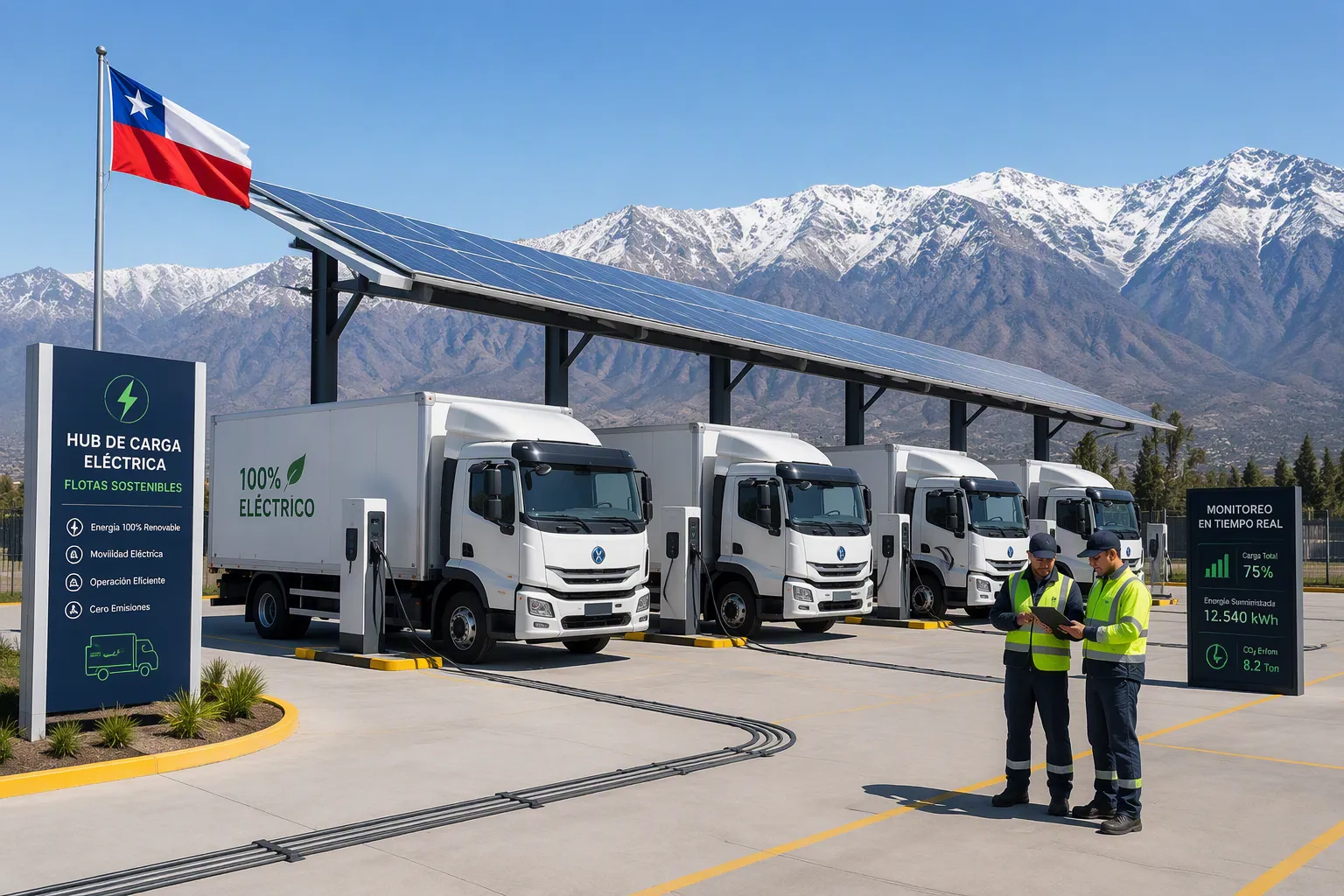

The open charge point protocol has transformed the way Hersteller von EV-Ladegeräten design and deploy EV-Ladelösungen. OCPP gives every EV-Ladegerät the ability to communicate with multiple networks and platforms, which enhances charging flexibility for users. This protocol enables smart features that tragbare ev-ladegeräte need to support seamless charging sessions. OCPP also allows users to avoid compatibility issues and ensures that any EV-Ladestation purchased today will remain relevant as technology evolves.
Understanding OCPP and EV Charging Stations

What Is the Open Charge Point Protocol?
The open charge point protocol, often called OCPP, sets the standard for communication between Elektrofahrzeug-Ladestationen and central management systems. OCPP creates a universal language that allows different brands of charging hardware and software to work together. This protocol supports the integration of new features and services, making it easier for manufacturers and operators to expand their infrastructure. OCPP integration ensures that every charging station can connect to a central system, regardless of the manufacturer.
The main components of OCPP include the charge point and the central system management system (CSMS). The table below outlines their roles and functions:
| Komponente | Beschreibung | Funktionen |
|---|---|---|
| Charge Point | The physical charging station | Delivers electricity to the EV, initiates charging sessions, monitors energy consumption |
| Central System Management System (CSMS) | The software managing the charge points | Authorizes sessions, monitors status, manages pricing, performs diagnostics, updates firmware |
OCPP provides a foundation for reliable and secure communication, which is essential for the growth of electric vehicle charging stations worldwide.
The Role of OCPP in EV Charging Stations
OCPP plays a critical role in the operation of EV-Ladestationen. It enables seamless communication between the charging station and the central management system. This connection allows operators to monitor charging sessions, authorize users, and manage pricing remotely. OCPP also supports diagnostics and firmware updates, which help maintain the reliability of the charging infrastructure.
OCPP integration benefits both operators and EV owners. Operators can oversee multiple charging stations from a single platform. EV owners enjoy consistent service and access to intelligente Funktionen, such as remote start and stop or real-time status updates. OCPP charging station networks can adapt to new requirements without replacing hardware, which protects investments in charging infrastructure.
How OCPP Works with Smart AC Wall Chargers
OCPP uses a structured message exchange to facilitate communication between smart AC wall chargers and central management systems. The protocol sends messages over secure channels, such as Wi-Fi or Ethernet, to ensure safe data transfer. Each message contains a header, body, and sometimes a signature, which organizes information for efficient processing.
- OCPP enables communication between EV charging stations and central management systems through a structured message exchange.
- Messages are sent over secure channels like Wi-Fi or Ethernet, ensuring safe communication.
- Each message consists of a header, body, and sometimes a signature, which organizes the information effectively.
- Different types of messages serve specific functions, such as initiating communication, providing updates, or sharing transaction details.
- The central management system oversees multiple charging stations, directing operations and collecting session data.
OCPP integration allows smart AC wall chargers to support advanced features, such as load management and remote monitoring. This flexibility ensures that the charging station remains compatible with future upgrades and new services. OCPP makes it possible for users to manage their charging experience efficiently, whether at home or in public locations.
Key Benefits of OCPP for Smart AC Wall Chargers
Interoperability Across EV Charging Stations
OCPP stands as a cornerstone for interoperability in the world of electric vehicle charging. This open charge point protocol enables different brands of smart AC wall chargers to communicate seamlessly with various central management systems. Interoperability ensures that users can access a wide range of charging solutions without compatibility concerns.
Using Different Brands and Networks
OCPP allows EV owners to use charging stations from multiple manufacturers within the same network. This flexibility means that a driver can charge their vehicle at home, at work, or in public spaces without worrying about hardware limitations. Operators can integrate new charging stations into their existing infrastructure, regardless of the brand. This approach simplifies expansion and supports the growth of diverse charging networks.
Avoiding Vendor Lock-In
Vendor lock-in poses a significant challenge for organizations managing EV charging infrastructure. OCPP addresses this issue by remaining vendor-agnostic and future-proof. The protocol empowers eMobility providers to build scalable and flexible networks, reducing dependence on a single supplier. OCPP 1.6, in particular, enhances interoperability, allowing organizations to manage fleets without being tied to one vendor. This minimizes operational risks and supports long-term planning.
Tip: Choosing OCPP-compatible chargers helps organizations avoid costly transitions and ensures access to the latest features from multiple providers.
Flexibility and Customization for EV Owners
OCPP brings a high degree of flexibility and customization to EV owners. The protocol’s open-source nature allows businesses to tailor their charging station management systems to meet specific requirements. This adaptability ensures that the charging experience aligns with individual preferences and operational needs.
Adapting to New Features and Services
OCPP enables the integration of new features and services as technology evolves. EV owners can customize charging parameters, such as scheduling, energy limits, or user authentication methods. This adaptability ensures that the charging infrastructure remains relevant and continues to deliver value over time. Operators can introduce unique features that enhance user satisfaction and operational efficiency.
Supporting Multiple Use Cases
Smart AC wall chargers equipped with OCPP support a variety of use cases. These include residential charging, workplace solutions, and public charging networks. The protocol allows for easy integration with energy management systems, solar panels, or battery storage. This versatility ensures that both individual users and organizations can optimize their charging strategies based on their unique needs.
Future-Proofing with OCPP-Compatible Chargers
OCPP-compatible chargers offer significant advantages when it comes to future-proofing investments in EV charging infrastructure. The protocol’s Laufende Aktualisierungen Gewährleistung der Anpassungsfähigkeit an neue Technologien und Sicherheitsstandards. Dieses Engagement für kontinuierliche Weiterentwicklung schützt sowohl Betreiber als auch Nutzer vor schneller Veralterung.
Bereitschaft für Technologie-Upgrades
Die Profile und Konfigurationsschlüssel von OCPP ermöglichen Anpassungen und optimale Leistung. Betreiber können Firmware aktualisieren, neue Funktionen hinzufügen oder Netzbetreiber wechseln, ohne die physischen Ladestationen ersetzen zu müssen. Diese Flexibilität erleichtert den Wechsel zwischen Backend-Managementsystemen und reduziert Betriebskosten sowie Komplexität.
Sicherstellung des langfristigen Werts
OCPP-kompatible Ladestationen behalten ihren langfristigen Wert durch Flexibilität und Vielseitigkeit. Nutzer können Software oder Hardware wechseln, ohne Kompatibilitätsprobleme befürchten zu müssen. Das Protokoll unterstützt Gerätemanagement, intelligentes Laden und robuste Sicherheitsmaßnahmen, was die Betriebseffizienz steigert. Kosteneinsparungen ergeben sich aus der Möglichkeit, Systeme ohne umfangreiche Infrastrukturänderungen zu modernisieren, was zu geringeren Wartungs- und Betriebskosten führt.
TPSON, als technologisch fortschrittlicher Anbieter von Elektrofahrzeug-Ladelösungen, integriert OCPP in seine intelligenten AC-Wandladestationen. Dieser Ansatz stellt sicher, dass Kunden zuverlässige, zukunftssichere Lösungen erhalten, die sich an sich wandelnde Marktanforderungen anpassen.
OCPP vs. proprietäre Protokolle im Bereich EV-Ladung
Was sind proprietäre Protokolle?
Proprietäre Protokolle im Kontext der Elektrofahrzeug-Ladung stammen häufig von bestimmten Herstellern. Diese Protokolle schaffen geschlossene Systeme, die den Zugriff auf nur bestimmte Marken oder Modelle von Ladestationen beschränken. Im Gegensatz zum Open Charge Point Protocol schränken proprietäre Lösungen die Interoperabilität ein und zwingen Anlagenbetreiber zur Abhängigkeit von einem einzigen Anbieter. Diese Abhängigkeit kann zu Anbieterbindung (Vendor Lock-in), führen, was es Betreibern erschwert, Netzwerke zu wechseln oder ihre Ladeinfrastruktur zu modernisieren. OCPP bietet als Open-Source-Standard einen klaren Kontrast, indem es die Kompatibilität zwischen verschiedenen Ladestationen und Managementsystemen fördert. Betreiber gewinnen Flexibilität und vermeiden langfristige Risiken, die mit proprietären Systemen verbunden sind.
Einschränkungen proprietärer Systeme
Proprietäre Ladesysteme stellen mehrere Herausforderungen für Elektrofahrzeug-Besitzer und Betreiber dar.
- Anbieterbindung schränkt die Flexibilität bei der Wahl von Dienstleistern ein.
- Fehlende Interoperabilität verhindert das Zusammenarbeiten verschiedener Systeme.
- Potenzielle Datenmanagementprobleme entstehen durch undurchsichtige Datenverarbeitungspraktiken.
Diese Einschränkungen behindern das Wachstum von EV-Ladestationen und verringern die Anpassungsfähigkeit an neue Lösungen. Betreiber könnten Schwierigkeiten haben, neue Funktionen zu integrieren oder ihr Netzwerk zu erweitern, ohne bestehende Hardware zu ersetzen. Die Einhaltung sich entwickelnder Standards wird erschwert, und Nutzer können inkonsistente Ladeerfahrungen an verschiedenen Stationen erleben.
Hinweis: Proprietäre Protokolle können Innovationen verlangsamen und die Betriebskosten für Ladeinfrastrukturbetreiber erhöhen.
Vorteile offener Standards wie OCPP
Offene Standards wie OCPP bieten erhebliche Vorteile für die Elektrofahrzeug-Ladeinfrastruktur.
- Kosteneffiziente Installation minimiert Verkabelungskosten und maximiert die Auslastung pro installiertem Kilowatt durch Platzierung der Ladestationen nahe der Hauptstromquelle.
- Intelligentes Lastmanagement verteilt die verfügbare Leistung auf mehrere Ladestationen und ermöglicht gleichzeitiges Laden ohne Überschreitung der Leistungsgrenzen.
- Sicherheit und Zuverlässigkeit gewährleisten vollständigen elektrischen Schutz und konsistente Leistung durch zertifizierte Geräte.
- Zentralisiertes Management verbindet alle Ladestationen mit einem einheitlichen digitalen Backend für verbesserte operative Kontrolle.
- Digitale Nutzererfahrung ermöglicht die nahtlose Verwaltung von Ladevorgängen über mobile Anwendungen.
- Zukunftsskalierbarkeit erleichtert die einfache Erweiterung mit wachsender Elektrofahrzeug-Verbreitung ohne Neuverkabelung.
- Automatisierte Abrechnung integriert sich in Facility-Management-Systeme zur direkten Abbildung der Nutzung in monatlichen Servicegebühren.
OCPP ermöglicht es Ladestationen, in einem flexiblen Netzwerk zu operieren, unterstützt Interoperabilität und Einhaltung von Industriestandards. Betreiber können mehrere Stationen von einer einzigen Plattform aus verwalten, sich neuen Lösungen anpassen und langfristigen Wert erhalten. Das Protokoll unterstützt erweiterte Funktionen wie Fernüberwachung und intelligentes Laden, die das Nutzererlebnis verbessern. Das Open Charge Point Protocol stellt sicher, dass Elektrofahrzeug-Ladestationen mit der technologischen Entwicklung relevant bleiben, und bietet eine Grundlage für zuverlässige und skalierbare Ladelösungen.
| Merkmal | Proprietäre Protokolle | OCPP (Offene Standards) |
|---|---|---|
| Interoperabilität | Begrenzt | Hoch |
| Anbieterbindung | Häufig | Vermieden |
| Flexibilität | Eingeschränkt | Erweitert |
| Einhaltung der Vorschriften | Herausfordernd | Optimiert |
| Skalierbarkeit | Schwierig | Einfach |
OCPP sticht als das bevorzugte Protokoll für moderne Elektrofahrzeug-Ladelösungen hervor und bietet Betreibern und Nutzern unübertroffene Flexibilität, Zuverlässigkeit und Zukunftssicherheit.
OCPP-Funktionen und Versionen für intelligente AC-Wandladestationen
Wesentliche Funktionen von OCPP
OCPP sticht in der Elektrofahrzeug-Branche aufgrund seines robusten Funktionsumfangs hervor, der sowohl Betreiber als auch Nutzer unterstützt. Das Protokoll ermöglicht nahtlose Kommunikation zwischen Ladestationen und zentralen Managementsystemen, die das Rückgrat moderner Ladepunkt-Managementsysteme bilden. Die folgende Tabelle hebt die wesentlichen Funktionen hervor, die OCPP von anderen Protokollen unterscheiden:
| Merkmal | Beschreibung |
|---|---|
| Interoperabilität | Ermöglicht Kommunikation zwischen verschiedenen Ladestationsmarken und vermeidet Anbieterbindung. |
| Skalierbarkeit und Sicherheit | Unterstützt die Verwaltung groß angelegter Netzwerke und beinhaltet Sicherheitsprotokolle wie TLS. |
| Intelligente Ladefunktionen | Optimiert die Energienutzung durch Anpassung der Laderaten basierend auf Echtzeitbedingungen. |
| Asynchrone Kommunikation | Gewährleistet reibungslose Kommunikation mit eindeutig identifizierbaren Anfrage-Antwort-Nachrichten. |
Fernüberwachung und -steuerung
OCPP ermöglicht es Betreibern, intelligente AC-Wandladestationen von jedem Standort aus zu überwachen und zu steuern. Sie können Ladevorgänge verfolgen, Laderaten anpassen und die gesamte Ladeinfrastruktur effizient verwalten. Betreiber können Ladevorgänge fernstarten oder -stoppen und die Nutzung in Echtzeit überwachen. Diese Fernverwaltungsfähigkeit stellt sicher, dass das zentrale Managementsystem schnell auf Probleme reagieren kann, was die Verfügbarkeit und Nutzerzufriedenheit maximiert.
Betreiber profitieren von der Fähigkeit von OCPP, ... zu unterstützen. intelligente Ladefunktionen like load balancing and demand response, which are essential for effective remote management.
Smart Charging und Lastmanagement
Smart charging capabilities play a critical role in optimizing energy consumption. OCPP enables dynamic adjustment of charging rates based on grid demand, user preferences, or time-of-use tariffs. This feature helps prevent overloads and reduces energy costs for both operators and EV owners. Load management ensures that multiple chargers can operate simultaneously without exceeding the available power supply. As a result, charging infrastructure remains efficient and reliable.
Security and Data Protection
Security remains a top priority for any EV charging solution. OCPP includes advanced security protocols such as TLS, which protect data exchanged between charging stations and central management systems. These measures safeguard user information and prevent unauthorized access. Operators can trust that their networks remain secure, even as the number of connected devices grows.
OCPP Versions for EV Charging Stations
Which Version Should You Look For?
OCPP has evolved to meet the changing needs of the EV market. OCPP 1.6 introduced JSON over WebSocket, which reduced data usage and improved communication efficiency. OCPP 2.0.1 brought significant enhancements, including advanced transaction management, device management, and integration with ISO 15118 for plug-and-charge functionality. Enhanced security features and remote firmware updates also became standard in OCPP 2.0.1. The latest edition refines the protocol further, adding certification profiles and new test cases for better implementation support.
| OCPP 1.6 Features | OCPP 2.0.1 Features | Updates in 3rd Edition |
|---|---|---|
| Basic communication functions between charging points and control systems. | Advanced transaction management, enhanced security features, device management, smart charging, remote firmware updates, and integration with ISO 15118. | Clarifications and corrections to improve protocol accuracy, introduction of certification profiles, and new test cases for implementation support. |
OCPP 2.0.1 stands as the preferred choice for future-proofing EV charging infrastructure. It supports advanced features and ensures compatibility with upcoming technologies.
Backward Compatibility Considerations
When selecting a smart AC wall charger, users should consider backward compatibility. Many networks still operate on OCPP 1.6, so choosing a charger that supports both OCPP 1.6 and OCPP 2.0.1 ensures seamless integration with existing and future systems. This approach protects investments and allows for smooth transitions as the industry adopts newer standards.
Choosing an OCPP-Compatible Charger for Your EV
Security and Privacy Considerations
Security and privacy play a crucial role when selecting an OCPP-compatible charger for an EV. OCPP-compatible EV chargers offer advanced protection features that safeguard both user data and the charging process. Central management systems rely on secure communication protocols to ensure reliability and prevent unauthorized access. The following table outlines key security features found in OCPP-compatible chargers:
| Sicherheitsfunktion | Beschreibung |
|---|---|
| Transport Layer Security (TLS 1.2) | Ensures encrypted communication and mutual authentication. |
| Security Profiles | Includes Base, Client, and TLS with client-side certificate. |
| Certificate-based authentication | Provides a method for secure identification of devices. |
| Logging and anomaly detection | Enables forensic analysis through detailed logging of activities. |
| Integration with ISO 15118 | Ensures secure EV identification and supports advanced features like Plug and Charge. |
These features help protect sensitive information during charging sessions. Operators can monitor activity through logging and anomaly detection, which enhances reliability and supports forensic analysis. Certificate-based authentication ensures that only authorized devices connect to the central management system. Integration with ISO 15118 allows secure EV identification and enables smart features such as Plug and Charge. OCPP-compatible chargers provide a user-friendly charging infrastructure that meets modern security standards.
Tip: Always verify that the station supports the latest OCPP security profiles to maintain robust protection for both users and operators.
Integration mit Hausenergieanlagen
Integration with home energy systems enables EV owners to optimize their charging experience and manage energy consumption efficiently. OCPP-compatible chargers support multiple integration methods, allowing seamless communication with central management systems and local energy management solutions. The table below summarizes common integration approaches:
| Integration Method | Beschreibung |
|---|---|
| Direct OCPP connection | Integrate seamlessly with OCPP servers for comprehensive management of the charging experience. |
| API integration | Use custom APIs to connect with partner cloud services for tailored control and monitoring. |
| Local EMS connection | Connect with Energy Management Systems locally, allowing the EMS to manage user experience while monitoring the charger. |
These integration methods provide flexibility for EV owners. Direct OCPP connection allows centralized management and monitoring through central management systems. API integration offers tailored control, supporting advanced features and custom solutions. Local EMS connection enables smart energy management at home, optimizing charging based on energy availability and user preferences. OCPP-compatible chargers adapt to evolving energy needs, ensuring reliability and efficient operation.
Note: Integration with home energy systems can reduce energy costs and support sustainable charging practices.
Scalability for Future Needs
Scalability remains essential for EV charging infrastructure as demand continues to grow. OCPP-compatible chargers support expansion and adaptation, allowing operators and homeowners to future-proof their investments. The following table highlights scalability options available with OCPP-compatible chargers:
| Scalability Option | Beschreibung |
|---|---|
| Interoperabilität | OCPP enables different brands of chargers to work together, promoting vendor independence. |
| Flexibilität | Allows integration of new hardware and software as demand grows. |
| Future Applications | Supports dynamic load management, renewable energy integration, and vehicle-to-grid solutions. |
OCPP allows seamless communication between charging equipment from different manufacturers. This interoperability enhances scalability and efficiency of EV charging networks. Operators can integrate new hardware and software as needs change, ensuring compatibility and improved management capabilities. OCPP supports future applications such as dynamic load management, renewable energy integration, and vehicle-to-grid solutions. These features help maintain reliability and optimize charging stations for evolving requirements.
- OCPP-compatible chargers enable expansion without replacing existing infrastructure.
- Central management systems facilitate efficient management of multiple stations.
- Smart features support advanced energy solutions and user-friendly charging infrastructure.
Callout: Choosing an OCPP-compatible charger ensures that EV owners and operators stay ready for future technology upgrades and maintain long-term value.
Support and Updates from Manufacturers
Manufacturers play a pivotal role in maintaining the reliability and performance of OCPP-compatible chargers. They deliver ongoing support and regular updates to ensure that charging stations remain secure, efficient, and compatible with evolving industry standards. These updates often include enhancements to smart charging profiles, security protocols, and device management features.
Manufacturers release firmware updates that introduce new capabilities and address vulnerabilities. OCPP 2.0.1, for example, brought advanced device management and vehicle-to-grid (V2G) functionalities. These improvements demonstrate that manufacturers actively upgrade their products to meet the demands of modern electric vehicle infrastructure.
A strong support system from manufacturers includes several key elements:
- Detailed changelogs accompany firmware updates, allowing users to track improvements and understand changes.
- Robust communication channels provide access to customer support and technical documentation.
- Technical documentation helps users and operators troubleshoot issues and optimize charger performance.
- Regular firmware updates enhance security and add new features, keeping chargers aligned with the latest OCPP standards.
Good communication between manufacturers and users ensures that technical issues receive prompt attention. Operators benefit from clear documentation and responsive support teams.
Manufacturers who prioritize transparency and responsiveness build trust with their customers. Analyzing changelogs helps operators evaluate the level of support and commitment from a manufacturer. Reliable support and timely updates protect investments and maximize the value of OCPP-compatible chargers. This approach ensures that charging stations remain future-ready and continue to deliver a seamless user experience.
Real-World Scenarios: OCPP in Action for EV Owners

Switching Charging Networks Without Replacing Hardware
EV owners often need to switch charging networks as their needs change or as new providers enter the market. OCPP allows seamless transitions between networks without requiring hardware replacement. The protocol supports interoperability, so users can connect their smart AC wall charger to different central management systems. This flexibility reduces costs and simplifies upgrades. Charging stations that use OCPP remain compatible with multiple software platforms, enabling operators to adapt quickly.
Switching networks becomes a straightforward process. Owners avoid downtime and maintain access to reliable charging services. OCPP ensures that the station continues to operate efficiently, regardless of the backend provider.
Adding Smart Features Over Time
OCPP has evolved since its introduction in 2009, enhancing smart charging capabilities and adopting standards like ISO 15118. EV owners benefit from these advancements by adding new features to their chargers over time. The protocol provides flexibility for hardware and software integration, making it easy to incorporate smart features such as device management, load balancing, and real-time price adjustments.
- Owners can modify their chargers to support specific needs, including different billing methods.
- Remote control of charging sessions becomes possible, improving convenience and efficiency.
- Smart charging features optimize energy distribution and reduce energy costs.
OCPP’s open-source nature enables continuous improvement. As EV adoption increases, secure networks develop to protect user data and maintain reliability. Owners gain access to advanced features without replacing their existing equipment.
Managing Multiple Chargers at Home or Work
Managing several chargers at home or in a workplace presents unique challenges. OCPP simplifies this process by enabling centralized control and monitoring. Operators can oversee multiple charging stations from a single platform, adjusting settings and tracking usage in real time. The protocol supports integration with energy management systems, allowing for efficient load balancing and smart charging.
| Szenario | OCPP Benefit |
|---|---|
| Home with multiple EVs | Centralized control and scheduling |
| Workplace fleet | Efficient load management and billing |
| Public charging network | Scalable integration and monitoring |
OCPP’s vendor-agnostic approach allows owners to mix and match chargers from different manufacturers. The protocol supports scalable networks, making expansion easy as demand grows. Owners maintain flexibility and avoid vendor lock-in, ensuring long-term value for their charging infrastructure.
Tip: Centralized management through OCPP improves operational efficiency and supports future technology upgrades.
Common Challenges with OCPP-Compatible Chargers
Ensuring True OCPP Compatibility
Many EV owners expect seamless integration when they purchase an OCPP-compatible charger. However, not all products deliver the same level of compliance. Some manufacturers claim OCPP support but only implement a limited set of features. This partial implementation can lead to issues with interoperability and management. Users may find that their charging station does not connect properly to certain networks or lacks remote control functions. To avoid these problems, buyers should verify OCPP-Konformität by checking for certification or detailed documentation from the manufacturer. True compliance ensures that the charger will work with a wide range of management systems and support future upgrades.
Dealing with Software Updates and Support
Software-Aktualisierungen play a vital role in the performance and reliability of OCPP-compatible chargers. Regular updates maintain connectivity with management software, whether the charger operates on a local network or through a wide area network. Network stability remains essential for effective operation. Staying current with OCPP protocol versions allows users to access remote control, updates, and billing features.
- Software updates help maintain compatibility with evolving management systems.
- Firmware management enables performance improvements and new features.
- Diagnostic log file downloads support troubleshooting and performance monitoring.
Manufacturers who provide timely updates and strong support help users avoid disruptions. Without proper updates, chargers may lose access to important management functions or become vulnerable to security risks. Owners should choose products from companies with a proven track record of ongoing support and transparent update policies.
Navigating the Market for Reliable Products
The market for OCPP-compatible EV charging products continues to expand. Selecting a reliable charger requires careful evaluation of several criteria. The following table outlines key factors to consider:
| Kriterien | Beschreibung |
|---|---|
| OCPP-Einhaltung | Ensures that the product adheres to the Open Charge Point Protocol, facilitating interoperability. |
| Flexibility and Choice | Users can select from various hardware manufacturers, avoiding dependency on a single supplier. |
| Effective Management | OCPP compliant products can be managed through a Charge Point Management System for better control. |
| Competitive Solutions | Products must offer feature-rich and cost-effective solutions to remain attractive in the market. |
Käufer sollten OCPP-Konformität priorisieren, um Interoperabilität und langfristigen Wert zu gewährleisten. Flexibilität ermöglicht Nutzern die Auswahl von Hardware, die ihren Bedürfnissen entspricht, ohne an einen Anbieter gebunden zu sein. Effektives Management stellt sicher, dass die Ladestation nahtlos in zentrale Systeme integriert wird. Wettbewerbsfähige Lösungen bieten erweiterte Funktionen zu einem angemessenen Preis. Durch die Konzentration auf diese Kriterien können EV-Besitzer den Markt sicher navigieren und Produkte auswählen, die zuverlässiges Laden und robuste Managementfähigkeiten bieten.
Das Open Charge point protocol ist ein Muss für intelligente AC-Wandladestationen und EV-Ladestationen. Die Wahl von OCPP bringt dauerhafte Vorteile, darunter Flexibilität, Fernverwaltung, Anpassungsfähigkeit, verbessertes Kundenerlebnis, Zukunftssicherheit und Kosteneinsparungen.
| Nutzen Sie | Beschreibung |
|---|---|
| Flexibilität | Besitzer können ihre Infrastruktur nach Bedarf steuern und aktualisieren. |
| Fernverwaltung | Überwachung und Diagnose verbessern die Zuverlässigkeit und reduzieren Kosten. |
| Personalisierung | Funktionen können an spezifische Anforderungen angepasst werden. |
| Zukunftssicher | Regelmäßige Updates halten Systeme mit neuen Technologien kompatibel. |
Bei der Auswahl eines OCPP-kompatiblen Ladegeräts für ein EV empfehlen Experten:
- Ladegeschwindigkeiten und Anschlusstypen bewerten.
- Leistungsausgabe und Installationsanforderungen prüfen.
- Auf intelligente Aufladung Funktionen und Haltbarkeit achten.
- Kosten, Garantie und Zukunftssicherheit berücksichtigen.
Intelligentes Laden und optimale Zeitplanung maximieren die Netznutzung und unterstützen Kosteneinsparungen.
FAQ
Was bedeutet OCPP-Kompatibilität für eine EV-Ladestation?
OCPP-Kompatibilität bedeutet, dass die Ladestation mit verschiedenen zentralen Managementsystemen kommunizieren kann. Diese Funktion ermöglicht Nutzern den Wechsel von Netzwerken, das Hinzufügen intelligenter Funktionen und vermeidet Anbieterbindung. Betreiber gewinnen Flexibilität und machen ihre Ladeinfrastruktur zukunftssicher.
Können OCPP-Ladestationen mit jedem Elektrofahrzeug arbeiten?
OCPP-Ladestationen unterstützen die meisten Elektrofahrzeuge. Das Protokoll verwaltet die Kommunikation zwischen Ladestation und Backend-Systemen. Das Fahrzeug muss einen kompatiblen Stecker und Ladestandard verwenden. OCPP gewährleistet zuverlässigen Betrieb über Marken und Modelle hinweg.
Wie verbessert OCPP die Sicherheit für das EV-Laden?
OCPP verwendet fortschrittliche Sicherheitsprotokolle wie TLS und zertifikatbasierte Authentifizierung. Diese Funktionen schützen Nutzerdaten und verhindern unbefugten Zugriff. Betreiber überwachen Aktivitäten durch Protokollierung und Anomalieerkennung. Sicherheitsprofile helfen, sichere Ladeumgebungen aufrechtzuerhalten.
Ist es möglich, OCPP-Ladestationen mit neuen Funktionen zu aktualisieren?
Hersteller veröffentlichen Firmware-Updates für OCPP-Ladestationen. Diese Updates fügen neue Funktionen hinzu, verbessern die Leistung und erhöhen die Sicherheit. Besitzer können ihre Ladestationen aktualisieren, ohne Hardware zu ersetzen. OCPP unterstützt kontinuierliche Verbesserung und Anpassung an neue Technologien.
Was sollten Käufer vor dem Kauf einer OCPP-Ladestation prüfen?
Käufer sollten OCPP-Konformität, unterstützte Protokollversionen und Sicherheitsfunktionen verifizieren. Sie müssen die Herstellerunterstützung und Update-Richtlinien überprüfen. Die Prüfung von Integrationsmöglichkeiten mit Heimenergiesystemen stellt Kompatibilität sicher. Zuverlässige Dokumentation und Zertifizierung zeigen echte OCPP-Unterstützung an.
Können OCPP-Ladestationen mit Solarmodulen oder Heimenergiesystemen integriert werden?
OCPP-Ladestationen verbinden sich mit Energiemanagementsystemen und Solarmodulen. Die Integration ermöglicht Nutzern, das Laden basierend auf Energieverfügbarkeit zu optimieren. Besitzer reduzieren Kosten und unterstützen nachhaltige Praktiken. Das Protokoll ermöglicht intelligente Zeitplanung und Lastmanagement.
Benötigen OCPP-Ladestationen eine spezielle Installation?
Die meisten OCPP-Ladestationen folgen Standardinstallationsverfahren. Elektriker installieren die Ladestation und verbinden sie mit dem Netzwerk. Die Ladestation muss sichere Kommunikationskanäle unterstützen. Betreiber konfigurieren das zentrale Managementsystem für Fernüberwachung und -steuerung.
Wie hilft OCPP bei der Verwaltung mehrerer Ladestationen an einem Standort?
OCPP ermöglicht zentrale Steuerung und Überwachung mehrerer Ladestationen. Betreiber passen Einstellungen an, verfolgen die Nutzung und balancieren Lasten von einer einzigen Plattform aus. Das Protokoll unterstützt skalierbare Netzwerke und effizientes Management für Haushalte, Arbeitsplätze oder öffentliche Ladestationen.