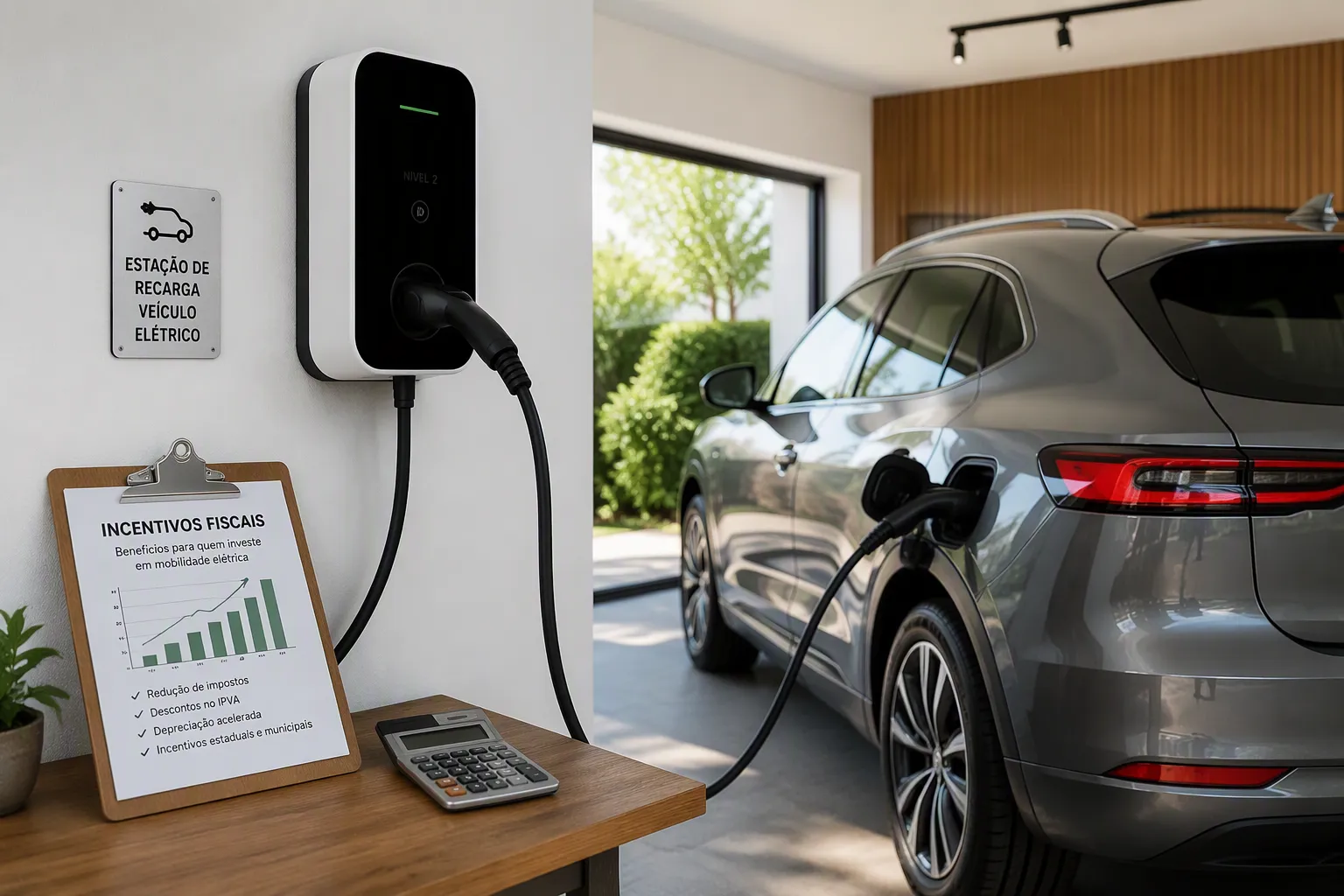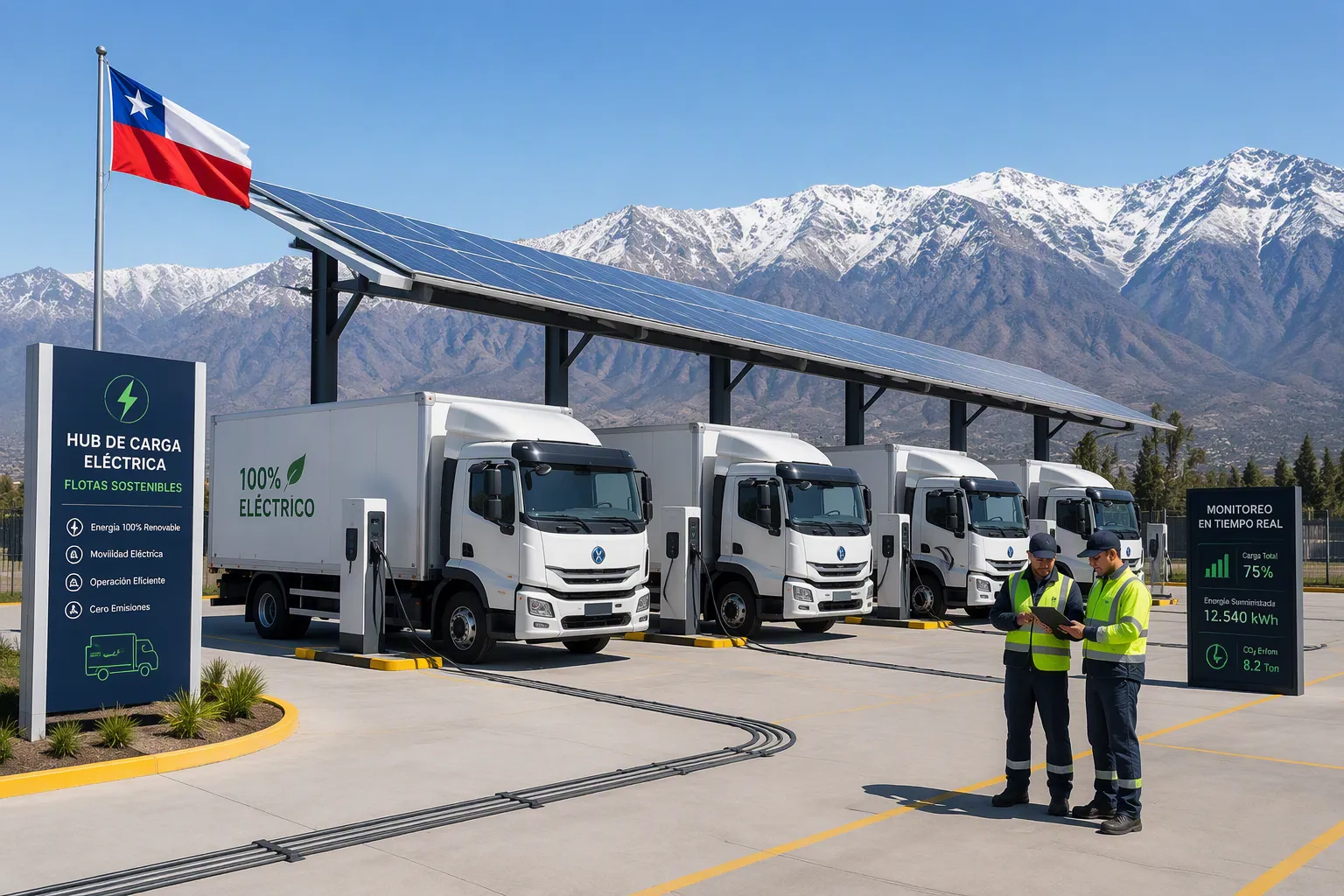

The open charge point protocol has transformed the way Fabricants de chargeurs de VE design and deploy Solutions de recharge pour véhicules électriques. OCPP gives every Chargeur EV the ability to communicate with multiple networks and platforms, which enhances charging flexibility for users. This protocol enables smart features that chargeurs ev portables need to support seamless charging sessions. OCPP also allows users to avoid compatibility issues and ensures that any Station de recharge pour VE purchased today will remain relevant as technology evolves.
Understanding OCPP and EV Charging Stations

What Is the Open Charge Point Protocol?
The open charge point protocol, often called OCPP, sets the standard for communication between electric vehicle charging stations and central management systems. OCPP creates a universal language that allows different brands of charging hardware and software to work together. This protocol supports the integration of new features and services, making it easier for manufacturers and operators to expand their infrastructure. OCPP integration ensures that every charging station can connect to a central system, regardless of the manufacturer.
The main components of OCPP include the charge point and the central system management system (CSMS). The table below outlines their roles and functions:
| Composant | Description | Fonctions |
|---|---|---|
| Charge Point | The physical charging station | Delivers electricity to the EV, initiates charging sessions, monitors energy consumption |
| Central System Management System (CSMS) | The software managing the charge points | Authorizes sessions, monitors status, manages pricing, performs diagnostics, updates firmware |
OCPP provides a foundation for reliable and secure communication, which is essential for the growth of electric vehicle charging stations worldwide.
The Role of OCPP in EV Charging Stations
OCPP plays a critical role in the operation of Bornes de recharge pour VE. It enables seamless communication between the charging station and the central management system. This connection allows operators to monitor charging sessions, authorize users, and manage pricing remotely. OCPP also supports diagnostics and firmware updates, which help maintain the reliability of the charging infrastructure.
OCPP integration benefits both operators and EV owners. Operators can oversee multiple charging stations from a single platform. EV owners enjoy consistent service and access to caractéristiques intelligentes, such as remote start and stop or real-time status updates. OCPP charging station networks can adapt to new requirements without replacing hardware, which protects investments in charging infrastructure.
How OCPP Works with Smart AC Wall Chargers
OCPP uses a structured message exchange to facilitate communication between smart AC wall chargers and central management systems. The protocol sends messages over secure channels, such as Wi-Fi or Ethernet, to ensure safe data transfer. Each message contains a header, body, and sometimes a signature, which organizes information for efficient processing.
- OCPP enables communication between EV charging stations and central management systems through a structured message exchange.
- Messages are sent over secure channels like Wi-Fi or Ethernet, ensuring safe communication.
- Each message consists of a header, body, and sometimes a signature, which organizes the information effectively.
- Different types of messages serve specific functions, such as initiating communication, providing updates, or sharing transaction details.
- The central management system oversees multiple charging stations, directing operations and collecting session data.
OCPP integration allows smart AC wall chargers to support advanced features, such as load management and remote monitoring. This flexibility ensures that the charging station remains compatible with future upgrades and new services. OCPP makes it possible for users to manage their charging experience efficiently, whether at home or in public locations.
Key Benefits of OCPP for Smart AC Wall Chargers
Interoperability Across EV Charging Stations
OCPP stands as a cornerstone for interoperability in the world of electric vehicle charging. This open charge point protocol enables different brands of smart AC wall chargers to communicate seamlessly with various central management systems. Interoperability ensures that users can access a wide range of charging solutions without compatibility concerns.
Using Different Brands and Networks
OCPP allows EV owners to use charging stations from multiple manufacturers within the same network. This flexibility means that a driver can charge their vehicle at home, at work, or in public spaces without worrying about hardware limitations. Operators can integrate new charging stations into their existing infrastructure, regardless of the brand. This approach simplifies expansion and supports the growth of diverse charging networks.
Avoiding Vendor Lock-In
Vendor lock-in poses a significant challenge for organizations managing EV charging infrastructure. OCPP addresses this issue by remaining vendor-agnostic and future-proof. The protocol empowers eMobility providers to build scalable and flexible networks, reducing dependence on a single supplier. OCPP 1.6, in particular, enhances interoperability, allowing organizations to manage fleets without being tied to one vendor. This minimizes operational risks and supports long-term planning.
Tip: Choosing OCPP-compatible chargers helps organizations avoid costly transitions and ensures access to the latest features from multiple providers.
Flexibility and Customization for EV Owners
OCPP brings a high degree of flexibility and customization to EV owners. The protocol’s open-source nature allows businesses to tailor their charging station management systems to meet specific requirements. This adaptability ensures that the charging experience aligns with individual preferences and operational needs.
Adapting to New Features and Services
OCPP enables the integration of new features and services as technology evolves. EV owners can customize charging parameters, such as scheduling, energy limits, or user authentication methods. This adaptability ensures that the charging infrastructure remains relevant and continues to deliver value over time. Operators can introduce unique features that enhance user satisfaction and operational efficiency.
Supporting Multiple Use Cases
Smart AC wall chargers equipped with OCPP support a variety of use cases. These include residential charging, workplace solutions, and public charging networks. The protocol allows for easy integration with energy management systems, solar panels, or battery storage. This versatility ensures that both individual users and organizations can optimize their charging strategies based on their unique needs.
Future-Proofing with OCPP-Compatible Chargers
OCPP-compatible chargers offer significant advantages when it comes to future-proofing investments in EV charging infrastructure. The protocol’s mises à jour en cours garantir l'adaptabilité aux nouvelles technologies et normes de sécurité. Cet engagement envers l'évolution protège à la fois les opérateurs et les utilisateurs contre une obsolescence rapide.
Se Tenir Prêt pour les Mises à Niveau Technologiques
Les profils et clés de configuration de l'OCPP permettent la personnalisation et des performances optimales. Les opérateurs peuvent mettre à jour le micrologiciel, ajouter de nouvelles fonctionnalités ou changer de fournisseur de réseau sans remplacer les chargeurs physiques. Cette flexibilité permet des transitions faciles entre les systèmes de gestion backend, réduisant les coûts et la complexité opérationnels.
Garantir la Valeur à Long Terme
Les chargeurs compatibles OCPP maintiennent leur valeur à long terme en offrant flexibilité et polyvalence. Les utilisateurs peuvent changer de logiciel ou de matériel sans rencontrer de problèmes de compatibilité. Le protocole prend en charge la gestion des appareils, la charge intelligente et des mesures de sécurité robustes, ce qui améliore l'efficacité opérationnelle. Les économies de coûts découlent de la capacité à mettre à niveau les systèmes sans changements d'infrastructure majeurs, conduisant à une réduction des frais de maintenance et des dépenses d'utilité.
TPSON, en tant que fournisseur de solutions de recharge pour véhicules électriques technologiquement avancé, intègre l'OCPP dans ses bornes de recharge murales AC intelligentes. Cette approche garantit que les clients reçoivent des solutions fiables et prêtes pour l'avenir qui s'adaptent aux demandes évolutives du marché.
OCPP vs. Protocoles Propriétaires dans la Recharge de VE
Que Sont les Protocoles Propriétaires ?
Les protocoles propriétaires dans le contexte de la recharge de VE proviennent souvent de fabricants spécifiques. Ces protocoles créent des systèmes fermés qui restreignent l'accès à certaines marques ou modèles de bornes de recharge uniquement. Contrairement au protocole de point de charge ouvert, les solutions propriétaires limitent l'interopérabilité et obligent les propriétaires d'actifs à dépendre d'un seul fournisseur. Cette dépendance peut conduire à un verrouillage fournisseur, rendant difficile pour les opérateurs de changer de réseau ou de mettre à niveau leur infrastructure de recharge. L'OCPP, en tant que standard open source, offre un contraste net en favorisant la compatibilité entre diverses bornes de recharge et systèmes de gestion. Les opérateurs gagnent en flexibilité et évitent les risques à long terme associés aux systèmes propriétaires.
Limites des Systèmes Propriétaires
Les systèmes de recharge propriétaires présentent plusieurs défis pour les propriétaires et opérateurs de VE.
- Le verrouillage fournisseur restreint la flexibilité dans le choix des prestataires de services.
- Le manque d'interopérabilité empêche différents systèmes de fonctionner ensemble.
- Des problèmes potentiels de gestion des données découlent de pratiques de traitement des données peu claires.
Ces limites entravent le développement des stations de recharge de VE et réduisent la capacité à s'adapter à de nouvelles solutions. Les opérateurs peuvent avoir du mal à intégrer de nouvelles fonctionnalités ou à étendre leur réseau sans remplacer le matériel existant. La conformité aux normes évolutives devient difficile, et les utilisateurs peuvent connaître des expériences de recharge incohérentes d'une station à l'autre.
Note : Les protocoles propriétaires peuvent ralentir l'innovation et augmenter les coûts opérationnels pour les propriétaires d'infrastructure de recharge.
Avantages des Standards Ouverts comme l'OCPP
Les standards ouverts tels que l'OCPP offrent des avantages significatifs pour l'infrastructure de recharge de VE.
- Installation rentable minimise les coûts de câblage et maximise l'utilisation par kilowatt installé en plaçant les chargeurs près de la source d'alimentation principale.
- La gestion intelligente de la charge répartit la puissance disponible sur plusieurs chargeurs, permettant une charge simultanée sans dépasser les limites de puissance.
- La sécurité et la fiabilité assurent une protection électrique complète et des performances constantes grâce à un équipement certifié.
- La gestion centralisée connecte tous les chargeurs à un backend numérique unifié pour un contrôle opérationnel amélioré.
- L'expérience utilisateur numérique permet une gestion transparente des sessions de recharge via des applications mobiles.
- L'évolutivité future facilite une expansion aisée à mesure que l'adoption des VE croît, sans nécessiter de recâblage.
- La facturation automatisée s'intègre aux systèmes de gestion immobilière pour refléter directement l'utilisation dans les frais de service mensuels.
L'OCPP permet aux bornes de recharge de fonctionner au sein d'un réseau flexible, en soutenant l'interopérabilité et la conformité aux normes de l'industrie. Les opérateurs peuvent gérer plusieurs bornes depuis une seule plateforme, s'adapter à de nouvelles solutions et maintenir la valeur à long terme. Le protocole prend en charge des fonctionnalités avancées, telles que la surveillance à distance et la charge intelligente, qui améliorent l'expérience utilisateur. Le protocole de point de charge ouvert garantit que les bornes de recharge de VE restent pertinentes à mesure que la technologie évolue, fournissant une base pour des solutions de recharge fiables et évolutives.
| Fonctionnalité | Protocoles Propriétaires | OCPP (Standards Ouverts) |
|---|---|---|
| Interopérabilité | Limitée | Haut |
| Verrouillage Fournisseur | Courant | Évité |
| Flexibilité | Restreint | Améliorée |
| Conformité | Difficile | Rationalisé |
| Évolutivité | Difficile | Facile |
L'OCPP se distingue comme le protocole privilégié pour les solutions modernes de recharge de VE, offrant une flexibilité, une fiabilité et une pérennité inégalées pour les opérateurs et les utilisateurs.
Fonctionnalités et Versions de l'OCPP pour les Bornes de Recharge Murales AC Intelligentes
Fonctionnalités Essentielles de l'OCPP
L'OCPP se distingue dans l'industrie du VE grâce à son ensemble robuste de fonctionnalités qui soutiennent à la fois les opérateurs et les utilisateurs. Le protocole permet une communication transparente entre les bornes de recharge et les systèmes de gestion centraux, ce qui constitue l'épine dorsale des systèmes modernes de gestion des points de charge. Le tableau ci-dessous met en lumière les fonctionnalités essentielles qui différencient l'OCPP des autres protocoles :
| Fonctionnalité | Description |
|---|---|
| Interopérabilité | Facilite la communication entre différentes marques de bornes de recharge, évitant le verrouillage fournisseur. |
| Évolutivité et sécurité | Prend en charge la gestion de réseaux à grande échelle et inclut des protocoles de sécurité comme TLS. |
| Capacités de charge intelligente | Optimise l'utilisation de l'énergie en ajustant les taux de charge en fonction des conditions en temps réel. |
| Communication asynchrone | Assure une communication fluide avec des messages requête-réponse identifiables de manière unique. |
Surveillance et contrôle à distance
L'OCPP permet aux opérateurs de surveiller et de contrôler les bornes de recharge murales AC intelligentes depuis n'importe quel endroit. Ils peuvent suivre les sessions de recharge, ajuster les taux de charge et gérer l'infrastructure de recharge globale efficacement. Les opérateurs peuvent démarrer ou arrêter à distance les sessions de recharge et surveiller l'utilisation en temps réel. Cette capacité de gestion à distance garantit que le système de gestion central peut répondre rapidement à tout problème, maximisant le temps de fonctionnement et la satisfaction des utilisateurs.
Les opérateurs bénéficient de la capacité de l'OCPP à prendre en charge fonctions de charge intelligente des fonctionnalités comme l'équilibrage de charge et la réponse à la demande, essentielles pour une gestion à distance efficace.
Chargement intelligent et gestion de la charge
Smart charging capabilities play a critical role in optimizing energy consumption. OCPP enables dynamic adjustment of charging rates based on grid demand, user preferences, or time-of-use tariffs. This feature helps prevent overloads and reduces energy costs for both operators and EV owners. Load management ensures that multiple chargers can operate simultaneously without exceeding the available power supply. As a result, charging infrastructure remains efficient and reliable.
Security and Data Protection
Security remains a top priority for any EV charging solution. OCPP includes advanced security protocols such as TLS, which protect data exchanged between charging stations and central management systems. These measures safeguard user information and prevent unauthorized access. Operators can trust that their networks remain secure, even as the number of connected devices grows.
OCPP Versions for EV Charging Stations
Which Version Should You Look For?
OCPP has evolved to meet the changing needs of the EV market. OCPP 1.6 introduced JSON over WebSocket, which reduced data usage and improved communication efficiency. OCPP 2.0.1 brought significant enhancements, including advanced transaction management, device management, and integration with ISO 15118 for plug-and-charge functionality. Enhanced security features and remote firmware updates also became standard in OCPP 2.0.1. The latest edition refines the protocol further, adding certification profiles and new test cases for better implementation support.
| OCPP 1.6 Features | OCPP 2.0.1 Features | Updates in 3rd Edition |
|---|---|---|
| Basic communication functions between charging points and control systems. | Advanced transaction management, enhanced security features, device management, smart charging, remote firmware updates, and integration with ISO 15118. | Clarifications and corrections to improve protocol accuracy, introduction of certification profiles, and new test cases for implementation support. |
OCPP 2.0.1 stands as the preferred choice for future-proofing EV charging infrastructure. It supports advanced features and ensures compatibility with upcoming technologies.
Backward Compatibility Considerations
When selecting a smart AC wall charger, users should consider backward compatibility. Many networks still operate on OCPP 1.6, so choosing a charger that supports both OCPP 1.6 and OCPP 2.0.1 ensures seamless integration with existing and future systems. This approach protects investments and allows for smooth transitions as the industry adopts newer standards.
Choosing an OCPP-Compatible Charger for Your EV
Security and Privacy Considerations
Security and privacy play a crucial role when selecting an OCPP-compatible charger for an EV. OCPP-compatible EV chargers offer advanced protection features that safeguard both user data and the charging process. Central management systems rely on secure communication protocols to ensure reliability and prevent unauthorized access. The following table outlines key security features found in OCPP-compatible chargers:
| Fonctionnalité de Sécurité | Description |
|---|---|
| Transport Layer Security (TLS 1.2) | Ensures encrypted communication and mutual authentication. |
| Security Profiles | Includes Base, Client, and TLS with client-side certificate. |
| Certificate-based authentication | Provides a method for secure identification of devices. |
| Logging and anomaly detection | Enables forensic analysis through detailed logging of activities. |
| Integration with ISO 15118 | Ensures secure EV identification and supports advanced features like Plug and Charge. |
These features help protect sensitive information during charging sessions. Operators can monitor activity through logging and anomaly detection, which enhances reliability and supports forensic analysis. Certificate-based authentication ensures that only authorized devices connect to the central management system. Integration with ISO 15118 allows secure EV identification and enables smart features such as Plug and Charge. OCPP-compatible chargers provide a user-friendly charging infrastructure that meets modern security standards.
Tip: Always verify that the station supports the latest OCPP security profiles to maintain robust protection for both users and operators.
Intégration aux systèmes énergétiques domestiques
Integration with home energy systems enables EV owners to optimize their charging experience and manage energy consumption efficiently. OCPP-compatible chargers support multiple integration methods, allowing seamless communication with central management systems and local energy management solutions. The table below summarizes common integration approaches:
| Integration Method | Description |
|---|---|
| Direct OCPP connection | Integrate seamlessly with OCPP servers for comprehensive management of the charging experience. |
| API integration | Use custom APIs to connect with partner cloud services for tailored control and monitoring. |
| Local EMS connection | Connect with Energy Management Systems locally, allowing the EMS to manage user experience while monitoring the charger. |
These integration methods provide flexibility for EV owners. Direct OCPP connection allows centralized management and monitoring through central management systems. API integration offers tailored control, supporting advanced features and custom solutions. Local EMS connection enables smart energy management at home, optimizing charging based on energy availability and user preferences. OCPP-compatible chargers adapt to evolving energy needs, ensuring reliability and efficient operation.
Note: Integration with home energy systems can reduce energy costs and support sustainable charging practices.
Scalability for Future Needs
Scalability remains essential for EV charging infrastructure as demand continues to grow. OCPP-compatible chargers support expansion and adaptation, allowing operators and homeowners to future-proof their investments. The following table highlights scalability options available with OCPP-compatible chargers:
| Scalability Option | Description |
|---|---|
| Interopérabilité | OCPP enables different brands of chargers to work together, promoting vendor independence. |
| Flexibilité | Allows integration of new hardware and software as demand grows. |
| Future Applications | Supports dynamic load management, renewable energy integration, and vehicle-to-grid solutions. |
OCPP allows seamless communication between charging equipment from different manufacturers. This interoperability enhances scalability and efficiency of EV charging networks. Operators can integrate new hardware and software as needs change, ensuring compatibility and improved management capabilities. OCPP supports future applications such as dynamic load management, renewable energy integration, and vehicle-to-grid solutions. These features help maintain reliability and optimize charging stations for evolving requirements.
- OCPP-compatible chargers enable expansion without replacing existing infrastructure.
- Central management systems facilitate efficient management of multiple stations.
- Smart features support advanced energy solutions and user-friendly charging infrastructure.
Callout: Choosing an OCPP-compatible charger ensures that EV owners and operators stay ready for future technology upgrades and maintain long-term value.
Support and Updates from Manufacturers
Manufacturers play a pivotal role in maintaining the reliability and performance of OCPP-compatible chargers. They deliver ongoing support and regular updates to ensure that charging stations remain secure, efficient, and compatible with evolving industry standards. These updates often include enhancements to smart charging profiles, security protocols, and device management features.
Manufacturers release firmware updates that introduce new capabilities and address vulnerabilities. OCPP 2.0.1, for example, brought advanced device management and vehicle-to-grid (V2G) functionalities. These improvements demonstrate that manufacturers actively upgrade their products to meet the demands of modern electric vehicle infrastructure.
A strong support system from manufacturers includes several key elements:
- Detailed changelogs accompany firmware updates, allowing users to track improvements and understand changes.
- Robust communication channels provide access to customer support and technical documentation.
- Technical documentation helps users and operators troubleshoot issues and optimize charger performance.
- Regular firmware updates enhance security and add new features, keeping chargers aligned with the latest OCPP standards.
Good communication between manufacturers and users ensures that technical issues receive prompt attention. Operators benefit from clear documentation and responsive support teams.
Manufacturers who prioritize transparency and responsiveness build trust with their customers. Analyzing changelogs helps operators evaluate the level of support and commitment from a manufacturer. Reliable support and timely updates protect investments and maximize the value of OCPP-compatible chargers. This approach ensures that charging stations remain future-ready and continue to deliver a seamless user experience.
Real-World Scenarios: OCPP in Action for EV Owners

Switching Charging Networks Without Replacing Hardware
EV owners often need to switch charging networks as their needs change or as new providers enter the market. OCPP allows seamless transitions between networks without requiring hardware replacement. The protocol supports interoperability, so users can connect their smart AC wall charger to different central management systems. This flexibility reduces costs and simplifies upgrades. Charging stations that use OCPP remain compatible with multiple software platforms, enabling operators to adapt quickly.
Switching networks becomes a straightforward process. Owners avoid downtime and maintain access to reliable charging services. OCPP ensures that the station continues to operate efficiently, regardless of the backend provider.
Adding Smart Features Over Time
OCPP has evolved since its introduction in 2009, enhancing smart charging capabilities and adopting standards like ISO 15118. EV owners benefit from these advancements by adding new features to their chargers over time. The protocol provides flexibility for hardware and software integration, making it easy to incorporate smart features such as device management, load balancing, and real-time price adjustments.
- Owners can modify their chargers to support specific needs, including different billing methods.
- Remote control of charging sessions becomes possible, improving convenience and efficiency.
- Smart charging features optimize energy distribution and reduce energy costs.
OCPP’s open-source nature enables continuous improvement. As EV adoption increases, secure networks develop to protect user data and maintain reliability. Owners gain access to advanced features without replacing their existing equipment.
Managing Multiple Chargers at Home or Work
Managing several chargers at home or in a workplace presents unique challenges. OCPP simplifies this process by enabling centralized control and monitoring. Operators can oversee multiple charging stations from a single platform, adjusting settings and tracking usage in real time. The protocol supports integration with energy management systems, allowing for efficient load balancing and smart charging.
| Scénario | OCPP Benefit |
|---|---|
| Home with multiple EVs | Centralized control and scheduling |
| Workplace fleet | Efficient load management and billing |
| Public charging network | Scalable integration and monitoring |
OCPP’s vendor-agnostic approach allows owners to mix and match chargers from different manufacturers. The protocol supports scalable networks, making expansion easy as demand grows. Owners maintain flexibility and avoid vendor lock-in, ensuring long-term value for their charging infrastructure.
Tip: Centralized management through OCPP improves operational efficiency and supports future technology upgrades.
Common Challenges with OCPP-Compatible Chargers
Ensuring True OCPP Compatibility
Many EV owners expect seamless integration when they purchase an OCPP-compatible charger. However, not all products deliver the same level of compliance. Some manufacturers claim OCPP support but only implement a limited set of features. This partial implementation can lead to issues with interoperability and management. Users may find that their charging station does not connect properly to certain networks or lacks remote control functions. To avoid these problems, buyers should verify Conformité à l'OCPP by checking for certification or detailed documentation from the manufacturer. True compliance ensures that the charger will work with a wide range of management systems and support future upgrades.
Dealing with Software Updates and Support
Mises à jour du logiciel play a vital role in the performance and reliability of OCPP-compatible chargers. Regular updates maintain connectivity with management software, whether the charger operates on a local network or through a wide area network. Network stability remains essential for effective operation. Staying current with OCPP protocol versions allows users to access remote control, updates, and billing features.
- Software updates help maintain compatibility with evolving management systems.
- Firmware management enables performance improvements and new features.
- Diagnostic log file downloads support troubleshooting and performance monitoring.
Manufacturers who provide timely updates and strong support help users avoid disruptions. Without proper updates, chargers may lose access to important management functions or become vulnerable to security risks. Owners should choose products from companies with a proven track record of ongoing support and transparent update policies.
Navigating the Market for Reliable Products
The market for OCPP-compatible EV charging products continues to expand. Selecting a reliable charger requires careful evaluation of several criteria. The following table outlines key factors to consider:
| Critères | Description |
|---|---|
| Conformité à l'OCPP | Ensures that the product adheres to the Open Charge Point Protocol, facilitating interoperability. |
| Flexibility and Choice | Users can select from various hardware manufacturers, avoiding dependency on a single supplier. |
| Effective Management | OCPP compliant products can be managed through a Charge Point Management System for better control. |
| Competitive Solutions | Products must offer feature-rich and cost-effective solutions to remain attractive in the market. |
Buyers should prioritize OCPP compliance to guarantee interoperability and long-term value. Flexibility allows users to choose hardware that fits their needs without being locked into one supplier. Effective management ensures that the charger integrates smoothly with central systems. Competitive solutions provide advanced features at a reasonable price. By focusing on these criteria, EV owners can navigate the market with confidence and select products that deliver reliable charging and robust management capabilities.
La charge ouverte point protocol s'impose comme un indispensable pour les chargeurs muraux CA intelligents et les stations de recharge pour véhicules électriques. Choisir OCPP procure des avantages durables, notamment la flexibilité, la gestion à distance, la personnalisation, l'amélioration de l'expérience client, l'adaptabilité future et des économies budgétaires.
| Bénéfice | Description |
|---|---|
| Flexibilité | Les propriétaires peuvent contrôler et mettre à niveau leur infrastructure selon leurs besoins. |
| Gestion à distance | La surveillance et les diagnostics améliorent la fiabilité et réduisent les coûts. |
| Personnalisation | Les fonctionnalités peuvent être adaptées pour répondre à des besoins spécifiques. |
| La protection de l'avenir | Les mises à jour régulières maintiennent la compatibilité des systèmes avec les nouvelles technologies. |
Lors du choix d'un chargeur compatible OCPP pour un VE, les experts recommandent :
- Évaluer les vitesses de charge et les types de connecteurs.
- Vérifier la puissance de sortie et les exigences d'installation.
- Rechercher des charge intelligente fonctionnalités et une durabilité.
- Prendre en compte le coût, la garantie et l'adaptabilité future.
La charge intelligente et la planification optimale maximisent l'utilisation de l'énergie du réseau et favorisent les économies.
FAQ
Que signifie la compatibilité OCPP pour un chargeur de VE ?
La compatibilité OCPP signifie que le chargeur peut communiquer avec différents systèmes de gestion centraux. Cette fonctionnalité permet aux utilisateurs de changer de réseau, d'ajouter des fonctions intelligentes et d'éviter l'enfermement propriétaire. Les opérateurs gagnent en flexibilité et assurent l'adaptabilité future de leur infrastructure de recharge.
Les chargeurs OCPP peuvent-ils fonctionner avec n'importe quel véhicule électrique ?
Les chargeurs OCPP prennent en charge la plupart des véhicules électriques. Le protocole gère la communication entre le chargeur et les systèmes backend. Le véhicule doit utiliser un connecteur et une norme de charge compatibles. OCPP garantit un fonctionnement fiable quelle que soit la marque ou le modèle.
Comment OCPP améliore-t-il la sécurité de la recharge des VE ?
OCPP utilise des protocoles de sécurité avancés comme TLS et l'authentification par certificat. Ces fonctionnalités protègent les données des utilisateurs et empêchent les accès non autorisés. Les opérateurs surveillent l'activité via la journalisation et la détection d'anomalies. Les profils de sécurité aident à maintenir des environnements de recharge sûrs.
Est-il possible de mettre à niveau les chargeurs OCPP avec de nouvelles fonctionnalités ?
Les fabricants publient des mises à jour du micrologiciel pour les chargeurs OCPP. Ces mises à jour ajoutent de nouvelles fonctionnalités, améliorent les performances et renforcent la sécurité. Les propriétaires peuvent mettre à niveau leurs chargeurs sans remplacer le matériel. OCPP soutient l'amélioration continue et l'adaptation aux nouvelles technologies.
Que doivent vérifier les acheteurs avant d'acheter un chargeur OCPP ?
Les acheteurs doivent vérifier la conformité OCPP, les versions de protocole prises en charge et les fonctionnalités de sécurité. Ils doivent examiner le support du fabricant et ses politiques de mise à jour. Vérifier les options d'intégration avec les systèmes énergétiques domestiques garantit la compatibilité. Une documentation fiable et une certification indiquent un véritable support OCPP.
Les chargeurs OCPP peuvent-ils s'intégrer à des panneaux solaires ou à des systèmes énergétiques domestiques ?
Les chargeurs OCPP se connectent aux systèmes de gestion de l'énergie et aux panneaux solaires. L'intégration permet aux utilisateurs d'optimiser la recharge en fonction de la disponibilité de l'énergie. Les propriétaires réduisent leurs coûts et soutiennent des pratiques durables. Le protocole permet une planification intelligente et la gestion de charge.
Les chargeurs OCPP nécessitent-ils une installation spéciale ?
La plupart des chargeurs OCPP suivent des procédures d'installation standard. Les électriciens installent le chargeur et le connectent au réseau. Le chargeur doit prendre en charge des canaux de communication sécurisés. Les opérateurs configurent le système de gestion central pour la surveillance et le contrôle à distance.
Comment OCPP aide-t-il à gérer plusieurs chargeurs sur un même site ?
OCPP permet le contrôle et la surveillance centralisés de plusieurs chargeurs. Les opérateurs ajustent les paramètres, suivent l'utilisation et équilibrent les charges depuis une seule plateforme. Le protocole prend en charge des réseaux évolutifs et une gestion efficace pour les domiciles, les lieux de travail ou les stations de recharge publiques.