
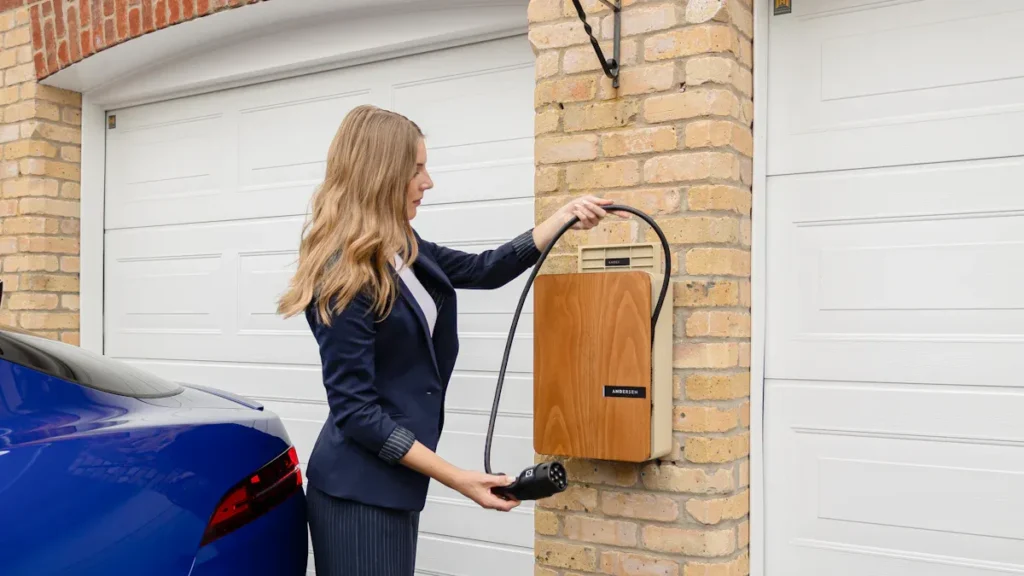

When you install an electric vehicle charger at home, you unlock significant financial advantages. Charging at home usually costs less than public stations or gasoline. The table below shows average annual costs, highlighting the savings you gain with a home electric vehicle charger:
| Método de carregamento | Average Annual Cost | Savings Compared to Gasoline |
|---|---|---|
| Home EV Charging | $485 | $632 – $1,515 |
| Veículo a gasolina | $1,117 | N/A |
Smart electric car charging habits and rebates from Fabricantes de carregadores para veículos eléctricos help you maximize your savings.
Upfront Costs to Install an Electric Vehicle Charger

Electric Car Charger Equipment Costs
Level 1 vs. Level 2 Electric Vehicle Charging
When you consider installing electric car charging stations at home, you need to choose between Level 1 and Level 2 chargers. Level 1 chargers use a standard household outlet and work best for overnight charging. Level 2 chargers require a dedicated 240-volt circuit and deliver faster charging speeds, making them ideal for daily use.
Sugestão: Level 2 chargers can add up to 35 miles of range per hour, while Level 1 chargers typically provide only 3-5 miles per hour.
Features That Affect Electric Car Charger Price
The price of electric car charger equipment depends on the type and features you select. You may want a basic model or a smart charger with advanced scheduling and remote monitoring. The table below shows typical price ranges for popular charger types:
| Tipo de carregador | Gama de preços (€) | Descrição |
|---|---|---|
| Tomada reforçada Green'Up | 150 – 300 | Economical option for light users, ideal for overnight charging. |
| Standard 7kW wallboxes | 500 – 800 | Best compromise for most users, charges about 35 km per hour. |
| Smart connected stations | 800 – 1500 | Advanced features, remote scheduling, and optimization for heavy users. |
| Three-phase stations (11-22 kW) | 1200 – 2000 | High-end solution for fast charging, requires installation upgrades. |
If you want the fastest charging speeds, you may need to upgrade your electrical system, which increases the cost to install an electric car charger.
Installation Expenses for Electric Vehicle Charging
Professional Installation vs. DIY for EV Chargers
You can choose to install an Carregador de veículos eléctricos yourself or hire a professional electrician. Professional installation ensures safety and compliance with local codes. Labor costs for electricians usually range from $40 to $100 per hour. Simple installations typically cost between $800 and $1,300, but prices vary by region. Costs are higher in the Western and Northeastern U.S., while Central and Southeast states offer lower rates.
Electrical Upgrades for Electric Vehicle Charging
If your home’s electrical panel cannot support a Level 2 charger, you may need upgrades. These upgrades can add $200 to $1,000 or more to your total expenses. The complexity of the installation, local labor rates, and the condition of your existing infrastructure all influence the final price. Most homeowners spend between $800 and $2,500 para instalar um carregador para carro elétrico, including equipment and labor.
Comparing Home Installation to Public Electric Car Charging
Convenience vs. Cost of Electric Vehicle Charging
When you install an electric car charger at home, you gain convenience and long-term savings. Charging at home can reduce your costs by 30-50% compared to public stations. Over your vehicle’s lifetime, you may save $6,000 to $10,000. Annual savings range from $506 to $720, especially if you drive long distances. Public charging can be up to three times more expensive for the same amount of electricity.
Nota: Home charging offers predictable costs and saves you time by eliminating trips to public stations.
Ongoing Savings from Home Electric Car Charging

Home Electric Vehicle Charging vs. Public Charging
Cost Per Kilowatt-Hour for Electric Car Charging
You can save a substantial amount by charging at home instead of using public stations. The cost per kilowatt-hour for home charging can be as low as 10p during off-peak hours. Public charging stations often charge up to 55p per kilowatt-hour for slow or fast charging. This difference means you pay up to 450% more at public stations compared to charging at home.
- Home charging: as low as 10p per kWh (off-peak)
- Public charging: up to 55p per kWh (slow/fast)
- Public charging is generally more expensive due to location-based energy costs and service premiums
If you install an electric vehicle charger at home, you control your charging schedule and avoid the high rates at public stations.
Subscription and Access Fees for Public Charging
Public charging networks often require you to pay subscription or access fees. These fees add to your overall cost and can make public charging less attractive. You may encounter monthly membership charges, connection fees, or minimum usage requirements. Charging at home eliminates these extra expenses, giving you a more predictable and manageable cost structure.
Carregar em casa helps you avoid hidden fees and gives you full control over your charging routine.
Home Electric Car Charging vs. Gasoline Vehicles
Fuel Cost Comparison: Electric Vehicle Charging vs. Gasoline
Switching from gasoline to electric car charging leads to significant fuel savings. Electric vehicles cost about half as much per mile to operate compared to petrol cars (6p vs 12p). You can save around £600 annually on fuel costs alone. For example, filling a Ford Focus for a year costs about £1,230. Charging a Volkswagen ID.3 at home costs around £630 annually. This difference highlights the financial advantage of charging an electric car at home.
- Veículos elétricos: 6p por milha
- Carros a gasolina: 12p por milha
- Economia anual: aproximadamente £600
Economias em Manutenção com Carregamento de Veículo Elétrico
Veículos elétricos exigem menos manutenção do que veículos a gasolina. Você evita trocas de óleo, reparos no escapamento e muitos outros serviços de rotina. A tabela abaixo mostra os custos de manutenção ao longo da vida útil para ambos os tipos de veículo:
| Tipo de veículo | Custos de Manutenção ao Longo da Vida Útil | Diferença de Custo |
|---|---|---|
| Veículos Elétricos | $4,600 | -$4,600 |
| Veículos a Gasolina | $9,200 | N/A |
Você pode esperar uma redução de 50% nos custos de manutenção ao dirigir um veículo elétrico. Despesas de manutenção mais baixas aumentam suas economias totais e tornam o carregamento de carro elétrico uma escolha inteligente.
| Tipo de veículo | Redução do Custo de Manutenção |
|---|---|
| Veículos Elétricos | 50% menor |
| Veículos a Gasolina | N/A |
Benefícios Financeiros de Longo Prazo da Instalação de um Carregador para VE
Custos Mensais Previsíveis para Carregamento de Carro Elétrico
Ao instalar um carregador de veículo elétrico em casa, você se beneficia de custos mensais previsíveis. Você evita flutuações nos preços dos combustíveis e taxas inesperadas de carregamento público. Você pode monitorar seu consumo de eletricidade e definir horários de carregamento para aproveitar tarifas fora de pico. Esse controle ajuda você a gerenciar seu orçamento e planejar suas despesas com confiança.
Desgaste Reduzido com Carregamento Doméstico
Carregar em casa reduz o desgaste do seu veículo. Você evita viagens frequentes a postos públicos e minimiza deslocamentos desnecessários. Você também protege sua bateria usando rotinas de carregamento consistentes. Com o tempo, esses hábitos estendem a vida útil do seu veículo e reduzem seu custo total de propriedade.
- Instalar um carregador doméstico para VE pode aumentar o valor da sua propriedade ao atrair compradores ecologicamente conscientes e familiarizados com tecnologia.
- Propriedades com estações de carregamento para VE estão se tornando recursos esperados em residências modernas, aumentando o apelo de mercado.
- Conformidade com incentivos governamentais reduz custos de instalação e alinha-se com metas de sustentabilidade, aumentando ainda mais o valor da propriedade.
Se você instalar um carregador de veículo elétrico, não apenas economiza dinheiro com combustível e manutenção, mas também aumenta o valor e o apelo da sua casa.
Incentivos e Reembolsos Governamentais para Instalação de Carregador para VE
Incentivos Federais para Carregamento de Veículo Elétrico
Créditos Fiscais para Instalação de Carregador de Carro Elétrico
Você pode reduzir seus custos iniciais ao instalar um carregador de veículo elétrico aproveitando créditos fiscais federais. O governo federal oferece um crédito fiscal no valor de até 30% das suas despesas totais de instalação, limitado a US$ 1.000 por residência. Esse crédito cobre o custo de carregadores domésticos Nível 2, atualizações do painel elétrico e instalação profissional. Você deve instalar o equipamento e colocá-lo em funcionamento até 31 de dezembro de 2032. Para reivindicar esse benefício, você precisa preencher o Formulário 8911 da Receita Federal.
- O crédito fiscal aplica-se à sua residência principal.
- Você pode incluir mão de obra e propriedade diretamente relacionados ao carregador.
- O crédito máximo é de US$ 1.000 por porta de carregamento.
Requisitos de Elegibilidade para Incentivos de Carregador para VE
Antes de solicitar incentivos federais, você deve revisar os critérios de elegibilidade. A tabela abaixo descreve os requisitos mais comuns:
| Tipo de requisito | Detalhes |
|---|---|
| Requisitos do Veículo | Deve atender a critérios como capacidade da bateria, classificação de peso e origem dos componentes. Limites de preço de venda sugerido (MSRP) se aplicam. |
| Requisitos do Comprador | Limitações de renda, por exemplo, Renda Bruta Ajustada Modificada (MAGI) acima de US$ 150.000 para declarantes individuais pode desqualificar compradores. |
| Eliminações Graduais | Fabricantes tinham limites para veículos elegíveis, agora vinculados a critérios da cadeia de suprimentos. |
| Crédito para VE Usado | Até US$ 4.000 disponíveis se o veículo atender a requisitos de idade e preço e o comprador atender aos limites de renda. |
Você deve confirmar sua elegibilidade antes de instalar um carregador para VE para garantir que se qualifica para os créditos fiscais disponíveis.
Reembolsos Estaduais e Locais para Carregamento de Veículo Elétrico
Programas Regionais para Instalação de Carregador de Carro Elétrico
Muitos estados e agências locais oferecem reembolsos para ajudar a compensar o custo de instalação de estações de carregamento de carro elétrico. A tabela abaixo destaca alguns dos maiores valores de reembolso disponíveis:
| Estado/Fornecedor | Montante do desconto |
|---|---|
| Central Electric Co-op | Até US$ 150 |
| Consumers Power Inc. | $400 |
| Douglas Electric Cooperative | $250 |
| Eugene Water & Electric Board | Até $500 |
| Lane Electric Cooperative | $500 |
| Pacific Power | Até $1,500 |
| Portland General Electric | US$ 300 (até US$ 1.000 para elegíveis por renda) |
| Springfield Utility Board | Até $500 |
| Tillamook PUD | $250 |
| Umatilla Electric Cooperative | $200 |
| Departamento de Proteção Ambiental da Pensilvânia | Até $2,000 |
| National Grid | Até US$ 1.400 |

Utility Company Offers for Electric Vehicle Charging
Utility companies also provide rebates and special programs to encourage you to install a home ev charger. These programs can cover a significant portion of your installation costs. For example, California’s SGIP and utility programs offer up to $800, while Colorado’s Xcel Energy rebate provides up to $1,500 for qualifying households. Massachusetts, New York, and Texas also have programs ranging from $250 to $1,000. Some programs target income-qualified customers, increasing accessibility.

You can combine federal, state, and utility rebates to save between $500 and $1,500, with some programs covering up to 75% of your total expenses.
How to Apply for Electric Vehicle Charging Incentives
Documentation Needed for EV Charger Rebates
When you apply for rebates or incentives, you must gather specific documentation. The table below lists the typical requirements:
| Documentation Type | Descrição |
|---|---|
| Proof of Purchase | Sales agreement, bill of sale, or lease agreement. |
| Vehicle details | VIN (Vehicle Identification Number), make, model, year. |
| Personal data | Driver’s license, proof of residency, income documentation. |
| Charging Equipment Receipts | Receipts for home charger installation if claiming rebates. |
You should keep all receipts and paperwork related to your purchase and installation.
Application Process for Electric Car Charger Incentives
To apply for incentives, you need to follow these steps:
- Review eligibility requirements for each program.
- Collect all necessary documentation.
- Complete the required application forms, such as IRS Form 8911 for federal tax credits.
- Submit your application online or by mail, depending on the program.
- Track your application status and respond to any requests for additional information.
Tip: Start your application soon after installing electric car charging stations to avoid missing deadlines.
Practical Tips to Maximize Savings When You Install an EV Charger
Charging During Off-Peak Hours for Electric Vehicle Charging
Time-of-Use Electricity Rates for Electric Car Charging
Pode maximize your savings by charging your EV during off-peak hours. Many utility providers offer time-of-use rates, which means electricity costs less late at night or early in the morning. Charging between midnight and 5 a.m. can reduce your costs by até 70% compared to peak times. The following table shows how much you can save per charge:
| Tempo de carregamento | Custo por Carga Completa | Savings per Charge |
|---|---|---|
| Off-Peak (12 am – 5 am) | £4-5 | £10-12 |
| Pico | £15-16 | N/A |
Specialist EV tariffs can drop your rate to as low as 6.7p per kWh. By consistently charging at these times, you can save hundreds of pounds each year.
Setting Charging Schedules for Maximum Savings
Most modern chargers and EVs allow you to set charging schedules. You can program your charger to start automatically during off-peak hours. This strategy ensures you always benefit from the lowest rates. Smart charging apps help you track your energy use and optimize your charging routine. You can also compare provider tariffs to find the best deal for your household.
Tip: Use telematics to monitor your kWh usage and avoid energy waste.
Choosing the Right Electric Car Charger for Your Needs
Assessing Daily Driving Habits for Electric Vehicle Charging
Selecting the right charger depends on your driving patterns. If you drive short distances daily, a lower-power charger may suffice. For longer commutes or frequent travel, a Level 2 charger offers faster and more efficient charging. Consider the following factors when choosing a charger:
| Fator | Descrição |
|---|---|
| Driving Habits | Match charger power to your daily mileage (3.6kW, 7kW, or 22kW). |
| Available Space | Ensure your home has enough room and electrical capacity for installation. |
| Económico | Chargers range from £350 to £1,500; balance cost with features. |
| Velocidade de carregamento | Select a charger that matches your vehicle’s capabilities. |
| Tipo de conetor | Confirm compatibility with your EV’s charging port. |
| Requisitos de instalação | Check your home’s electrical system and safety standards. |
Future-Proofing Your Electric Car Charging Setup
You should plan for future needs when installing a charger. Choose a model with remote monitoring and control features. Smart chargers can help you save energy and reduce costs, potentially saving up to £200 a year. If you expect to upgrade your EV or add another vehicle, select a charger with higher capacity and flexible connectivity.
Maintaining Your Electric Vehicle Charger
Regular Inspections for Electric Car Chargers
Routine maintenance keeps your charger reliable and safe. Inspect the charging cable and plug for wear or damage. Clean the plug and charging port regularly to prevent poor connections. Monitor electrical components for unusual heat or noises.
Troubleshooting Common Issues with EV Chargers
Firmware updates enhance your charger’s functionality and reliability. If you notice charging interruptions or slow performance, check for software updates or consult your manufacturer’s support resources. Addressing minor issues early prevents costly repairs and ensures long-term savings.
Note: Consistent maintenance extends the life of your charger and protects your investment in charging an electric car.
Additional Ways to Save with Home Electric Vehicle Charging
Sharing Electric Car Charging Costs
Multi-Vehicle Households and Electric Vehicle Charging
If your household owns more than one electric vehicle, you can maximize savings by sharing a single home charger. This approach reduces the need for multiple installations and lowers both initial and ongoing maintenance costs. Smart chargers help you manage charging times for each vehicle, so you avoid peak electricity rates and optimize your energy use. You can also integrate your charging setup with renewable energy sources, such as solar panels, to further decrease expenses.
- Sharing a charger cuts down on installation and maintenance costs.
- Smart charging schedules help you minimize electricity expenses.
- Integrating with solar power can drive costs even lower.
Neighborhood Charging Co-ops for Electric Car Charging
You can join or form a neighborhood charging co-op to share the benefits of installing electric car charging stations. By pooling resources, you and your neighbors can split installation and maintenance costs. This arrangement works well in communities where not every home has the infrastructure for a dedicated charger. Smart scheduling ensures everyone gets access when needed, and group purchasing may unlock discounts on equipment or installation.
Integrating Solar Power with Electric Vehicle Charging
Solar Panel Installation for Electric Car Charging
Pairing solar panels with your home charging station leads to significant financial and environmental benefits. You reduce your monthly utility bills and make your electric vehicle charging more cost-effective. When you add battery storage, you can store excess solar energy for use during peak hours, maximizing your savings. This setup also lowers your carbon footprint, supporting a cleaner environment.
Net Metering Benefits for Electric Vehicle Charging
Net metering programs allow you to sell excess solar energy back to the grid, which further enhances your savings. Solar energy costs over 60% less than grid electricity, making it a smart choice for powering your EV. Charging your vehicle with solar energy ensures your driving remains 100% carbon-free. Installing a solar system locks in your electricity costs for up to 25 years, protecting you from rising utility rates.
- You benefit from reduced electricity bills.
- You may sell excess energy back to the grid.
- The initial investment in solar panels leads to long-term cost savings.
Monitoring and Managing Energy Use for Electric Car Charging
Smart Charging Apps for Electric Vehicle Charging
Smart charging apps give you powerful tools to manage your energy use and control costs. These apps let you set charging schedules, collect data on electricity usage, and receive notifications about your charging sessions. The table below highlights key features:
| Caraterística | Descrição |
|---|---|
| Set charging schedules | Charge at convenient times to take advantage of lower rates and avoid overloading circuits. |
| Collect data, insights, and statistics | Track electricity usage and charging behavior to optimize costs and battery life. |
| Receive notifications and alerts | Get updates on charging status and alerts for any issues during the session. |
Tracking Savings Over Time with Electric Car Charging
You can track your savings over time by reviewing your charging data and utility bills. Many smart apps provide monthly reports, so you see exactly how much you save by charging at home. Monitoring your usage helps you adjust your habits and maximize the benefits of your home charging setup.
Common Misconceptions About the Cost to Install an Electric Vehicle Charger
Myth: Home Electric Car Chargers Are Too Expensive
Breaking Down Real Costs of Electric Vehicle Charging
Many drivers believe that installing a home electric vehicle charger costs too much. You might hear that the upfront investment is out of reach for most households. However, the reality often surprises people. Here are some facts that challenge this myth:
- 27% of petrol or diesel car owners think charging an EV at home costs more than refueling a traditional vehicle.
- Installation costs for home chargers usually range from $800 to $2,000. The final price depends on factors like the distance from your electrical panel and the type of charger you select.
- Not every home charger needs professional installation. Some models plug directly into existing outlets, which can reduce your expenses.
You can see that the initial cost is manageable for many homeowners. When you compare these numbers to the ongoing costs of gasoline, the investment becomes even more attractive.
Comparing to Long-Term Savings from Home Charging
You save money over time by charging your EV at home. The overall cost of running an electric vehicle is now 50% lower than fueling a car with an internal combustion engine for the same distance. You avoid frequent trips to the gas station and benefit from tarifas de eletricidade mais baixas, especially if you charge during off-peak hours. The savings add up quickly, making the upfront cost of a home charger a smart financial decision.
Tip: You can further reduce your costs by taking advantage of available rebates and incentives for home charger installation.
Myth: Public Electric Vehicle Charging Is Always Cheaper
Hidden Fees and Inconveniences of Public Charging
Some drivers assume that using a public charging point will always cost less than charging at home. This belief often overlooks hidden fees and extra charges. Public charging networks may require you to pay connection fees, subscription costs, or higher rates for fast charging. These expenses can make public charging more expensive than you expect.
Public electric vehicle charging can be more expensive than home charging, especially when you use fast chargers. The type of public charge point and current electricity prices both affect your total cost. You also spend more time waiting for your vehicle to charge, which adds inconvenience to your routine.
Reliability and Accessibility of Electric Car Charging
You may also face challenges with reliability and accessibility at public charging stations. Sometimes, chargers are out of service or already in use. You might need to drive out of your way to find an available spot. Home charging gives you control and convenience, letting you charge your vehicle whenever you need without extra hassle.
Note: Charging at home offers predictable costs and greater peace of mind compared to relying on public infrastructure.
Is It Worth It to Install an EV Charger at Home?
Assessing Your Home’s Suitability for Electric Vehicle Charging
Electrical Capacity for Installing an EV Charger
Before you instalar um carregador ev, you need to check your home’s electrical system. Your panel must handle the extra load, especially if you want a Level 2 charger. Many homes can support a Level 1 charger with no upgrades, but Level 2 units often require a dedicated circuit. You should also confirm that your wiring meets national and local codes. In the U.S., NEC 625 sets the standard for safe installation. This includes a dedicated circuit, GFCI protection, and proper grounding.
Parking and Accessibility for Electric Car Charging
You should consider where you park your vehicle. The ideal location for your charger is close to your parking spot, whether in a garage or driveway. Think about whether you need an indoor or outdoor installation. Make sure the area is accessible and safe for daily use. Some local building codes require permits for installation, so check with your city or county before you begin.
Dica: O fácil acesso ao seu carregador torna o carregamento diário simples e sem estresse.
Fatores-chave a avaliar:
- Capacidade do sistema elétrico
- Espaço e local de instalação
- Códigos de construção locais e requisitos de licenciamento
Avaliação dos Seus Padrões de Condução para Carregamento de Veículo Elétrico
Necessidades de Deslocamento Diário e Carregamento de Carro Elétrico
Os seus hábitos de condução desempenham um papel importante na sua poupança potencial. Se conduzir muitos quilómetros por ano, carregará o seu veículo com mais frequência em casa. Isto leva a uma maior poupança em eletricidade comparativamente à gasolina. Carregar em casa também permite aproveitar tarifas fora de horas de ponta, o que pode reduzir ainda mais os seus custos.
Viagens Longas Ocasionais e Carregamento de Veículo Elétrico
Se fizer viagens longas apenas ocasionalmente, ainda pode beneficiar do carregamento doméstico. A maior parte do seu carregamento ocorrerá em casa, onde as tarifas são mais baixas. Para viagens raras, poderá utilizar carregadores públicos, mas a sua principal poupança vem do uso diário em casa. As tarifas locais de eletricidade e os preços da gasolina na sua área também afetam a sua poupança total.
- O carregamento frequente em casa maximiza os seus benefícios de custo.
- Tarifação fora de horas de ponta aumenta a sua poupança.
- Os elevados preços locais da gasolina tornam a mudança para elétrico ainda mais atrativa.
Tomar a Decisão de Instalar um Carregador de Veículo Elétrico
Análise Custo-Benefício para Carregamento de Carro Elétrico
Deve ponderar os custos e benefícios antes de instalar um carregador de veículo elétrico. A tabela abaixo descreve os principais pontos a considerar:
| Categoria | Detalhes |
|---|---|
| Custos Iniciais de Instalação | O custo típico total varia entre 1.000€ e 2.500€, incluindo carregador, instalação e possíveis melhorias. |
| Custos Contínuos de Eletricidade | O custo médio por quilómetro para VE é de aproximadamente 0,04€-0,05€, significativamente inferior ao custo da gasolina de 0,14€ por quilómetro. |
| Poupança Anual Potencial | Para 16.000 km percorridos, a poupança pode atingir 1.000€ anualmente comparativamente a veículos a gasolina. |
| Benefícios Não Financeiros | Inclui conveniência, melhor saúde da bateria, poupança de tempo e independência energética. |
Próximos Passos para Instalar um Carregador de VE
Para avançar, siga estes passos:
- Avalie a sua infraestrutura elétrica para garantir que suporta um carregador de ve.
- Escolha um carregador que se adapte ao tipo de conector do seu veículo e necessidades futuras.
- Compreenda os requisitos de instalação, incluindo códigos locais e normas de segurança.
- Pesquise incentivos e reembolsos disponíveis para compensar os seus custos de instalação.
Nota: O cumprimento dos códigos de cablagem e normas de segurança garante operação fiável e segura nos próximos anos.
Ao avaliar a adequação da sua casa, os seus padrões de condução e o impacto financeiro, pode tomar uma decisão informada sobre se deve instalar um carregador de ve em casa.
Instalar um carregador de veículo elétrico em casa ajuda-o a poupar dinheiro em combustível e manutenção. Beneficia de créditos fiscais federais, reembolsos estatais e gestão inteligente de carregamento. Também aumenta o valor da sua propriedade. Reveja a tabela abaixo para ver como estes fatores melhoram o seu retorno do investimento:
| Benefício | Impacto na Poupança |
|---|---|
| Incentivos fiscais | Crédito fiscal federal de 61% |
| Poupança de Custos a Longo Prazo | Custos de manutenção 40% mais baixos |
| Poupança Imediata em Combustível | Custos energéticos mais baixos |
| Gestão Inteligente de Carregamento | Até 45% de redução nos custos energéticos |
| Aumento do valor da propriedade | Maior rendimento de aluguer |
| Subsídios e Reembolsos | Custo inicial de instalação mais baixo |
Considere os seus hábitos de condução e incentivos disponíveis. Pode maximizar as suas poupanças com um carregador doméstico de VE.
FAQ
Quanto custa a instalação de um carregador doméstico de veículos eléctricos?
Normalmente gasta entre 800€ e 2.500€ em equipamento e instalação. O preço final depende do tipo de carregador, taxas de mão de obra e quaisquer melhorias elétricas necessárias.
Você pode instalar um carregador para VE sozinho?
Pode instalar alguns carregadores Nível 1 sozinho. Para carregadores Nível 2, deve contratar um eletricista licenciado para garantir segurança e conformidade com os códigos locais.
Que incentivos estão disponíveis para instalar um carregador de VE?
Pode qualificar-se para créditos fiscais federais, reembolsos estatais e ofertas de empresas de serviços públicos. Estes incentivos podem cobrir até 75% dos seus custos de instalação. Verifique a elegibilidade antes de se candidatar.
Um carregador doméstico de VE funciona com qualquer veículo elétrico?
A maioria dos carregadores utiliza conectores padrão como J1772. Deve confirmar a compatibilidade com a porta de carregamento do seu veículo antes da compra.
Com que frequência deve fazer manutenção ao seu carregador de VE?
Deve inspecionar mensalmente o seu carregador quanto a desgaste ou danos. Limpe regularmente o plugue e a porta. Agende inspeções profissionais anuais para garantir operação segura.
Instalar um carregador de VE aumenta o valor da sua casa?
Pode aumentar o apelo da sua propriedade ao adicionar um carregador de VE. Muitos compradores procuram casas com estações de carregamento, especialmente em áreas com alta adoção de VE.
Quanto pode poupar ao carregar em casa em vez de estações públicas?
Poupa até 50% nos custos de carregamento ao usar eletricidade doméstica, especialmente durante horas fora de ponta. Também evita taxas de subscrição e acesso das redes públicas.
O que deve fazer se o seu carregador de VE parar de funcionar?
Você deve verificar se há conexões soltas e redefinir o carregador. Se os problemas persistirem, entre em contato com o fabricante ou com um eletricista certificado para obter suporte.




