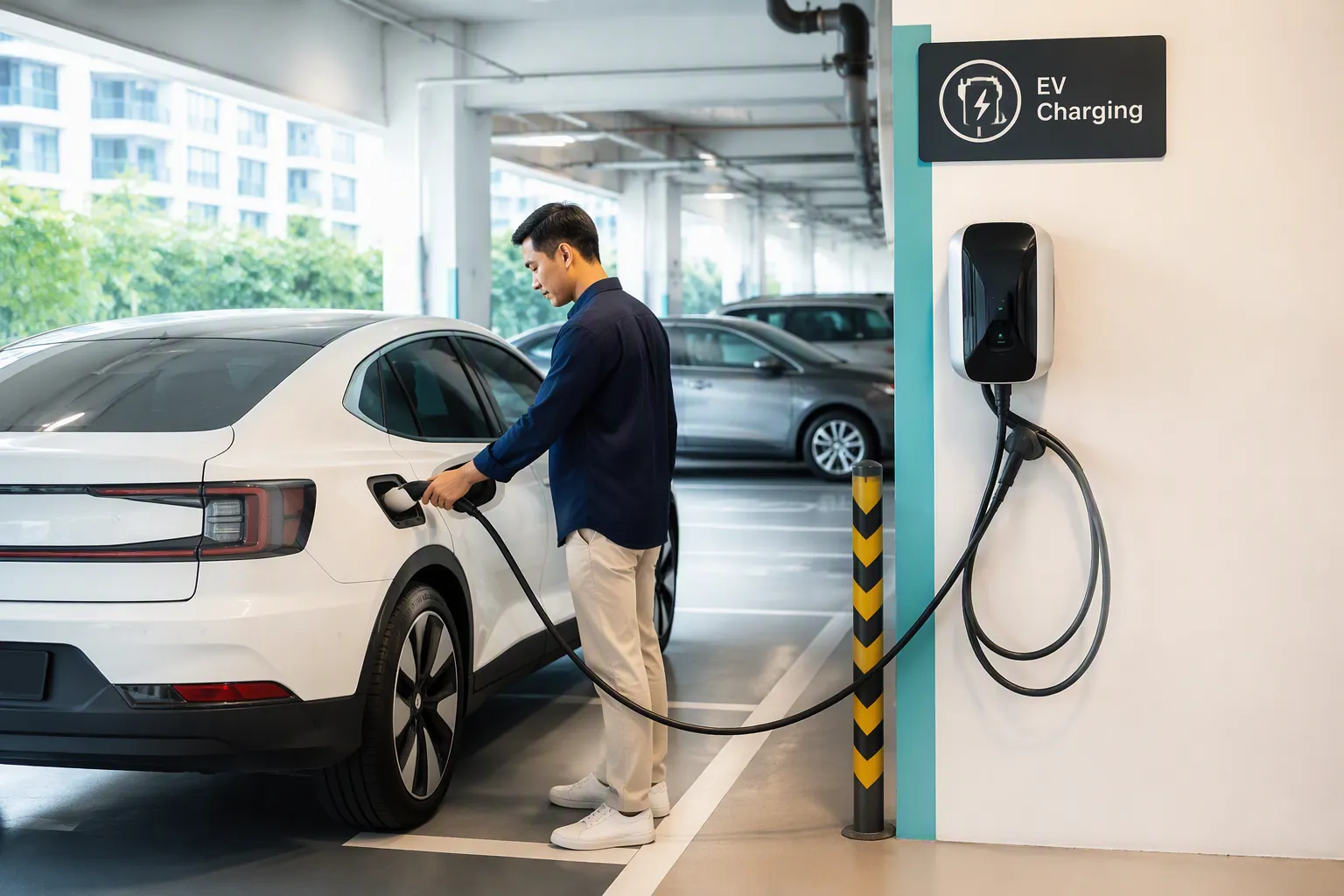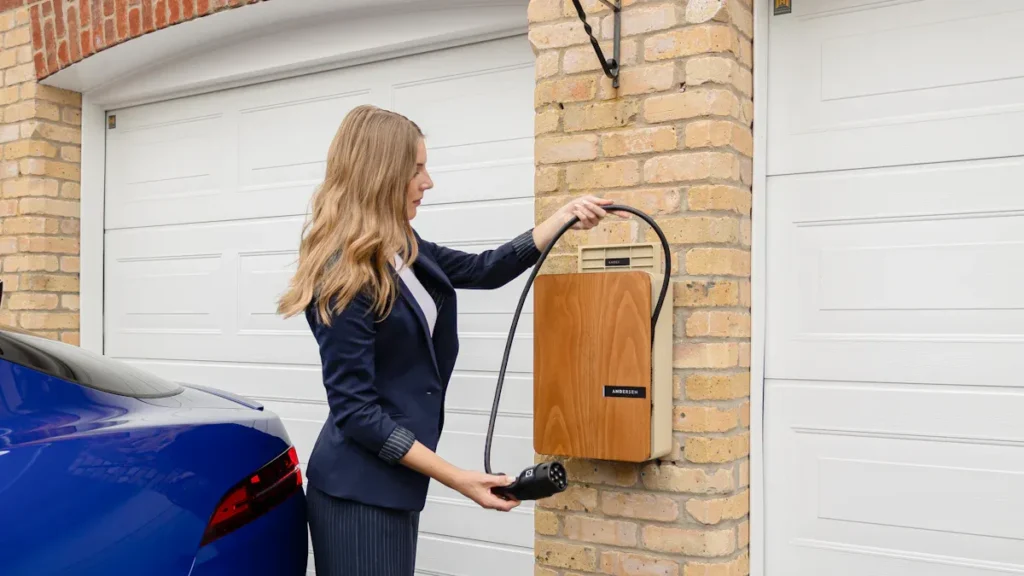

When you install an electric vehicle charger at home, you unlock significant financial advantages. Charging at home usually costs less than public stations or gasoline. The table below shows average annual costs, highlighting the savings you gain with a home electric vehicle charger:
| Methode der Aufladung | Average Annual Cost | Savings Compared to Gasoline |
|---|---|---|
| Home EV Charging | $485 | $632 – $1,515 |
| Benzinfahrzeug | $1,117 | K.A. |
Smart electric car charging habits and rebates from Hersteller von EV-Ladegeräten help you maximize your savings.
Upfront Costs to Install an Electric Vehicle Charger

Electric Car Charger Equipment Costs
Laden von Elektrofahrzeugen der Stufe 1 im Vergleich zur Stufe 2
When you consider installing electric car charging stations at home, you need to choose between Level 1 and Level 2 chargers. Level 1 chargers use a standard household outlet and work best for overnight charging. Level 2 chargers require a dedicated 240-volt circuit and deliver faster charging speeds, making them ideal for daily use.
Tipp: Level 2 chargers can add up to 35 miles of range per hour, while Level 1 chargers typically provide only 3-5 miles per hour.
Features That Affect Electric Car Charger Price
The price of electric car charger equipment depends on the type and features you select. You may want a basic model or a smart charger with advanced scheduling and remote monitoring. The table below shows typical price ranges for popular charger types:
| Ladegerät Typ | Price Range (€) | Beschreibung |
|---|---|---|
| Green’Up reinforced socket | 150 – 300 | Economical option for light users, ideal for overnight charging. |
| Standard 7kW wallboxes | 500 – 800 | Best compromise for most users, charges about 35 km per hour. |
| Smart connected stations | 800 – 1500 | Advanced features, remote scheduling, and optimization for heavy users. |
| Three-phase stations (11-22 kW) | 1200 – 2000 | High-end solution for fast charging, requires installation upgrades. |
If you want the fastest charging speeds, you may need to upgrade your electrical system, which increases the cost to install an electric car charger.
Installation Expenses for Electric Vehicle Charging
Professional Installation vs. DIY for EV Chargers
You can choose to install an EV-Ladegerät yourself or hire a professional electrician. Professional installation ensures safety and compliance with local codes. Labor costs for electricians usually range from $40 to $100 per hour. Simple installations typically cost between $800 and $1,300, but prices vary by region. Costs are higher in the Western and Northeastern U.S., while Central and Southeast states offer lower rates.
Electrical Upgrades for Electric Vehicle Charging
If your home’s electrical panel cannot support a Level 2 charger, you may need upgrades. These upgrades can add $200 to $1,000 or more to your total expenses. The complexity of the installation, local labor rates, and the condition of your existing infrastructure all influence the final price. Most homeowners spend between $800 and $2,500 zu eine Elektroauto-Ladestation installieren, including equipment and labor.
Comparing Home Installation to Public Electric Car Charging
Convenience vs. Cost of Electric Vehicle Charging
When you install an electric car charger at home, you gain convenience and long-term savings. Charging at home can reduce your costs by 30-50% compared to public stations. Over your vehicle’s lifetime, you may save $6,000 to $10,000. Annual savings range from $506 to $720, especially if you drive long distances. Public charging can be up to three times more expensive for the same amount of electricity.
Anmerkung: Home charging offers predictable costs and saves you time by eliminating trips to public stations.
Ongoing Savings from Home Electric Car Charging

Home Electric Vehicle Charging vs. Public Charging
Cost Per Kilowatt-Hour for Electric Car Charging
You can save a substantial amount by charging at home instead of using public stations. The cost per kilowatt-hour for home charging can be as low as 10p during off-peak hours. Public charging stations often charge up to 55p per kilowatt-hour for slow or fast charging. This difference means you pay up to 450% more at public stations compared to charging at home.
- Home charging: as low as 10p per kWh (off-peak)
- Public charging: up to 55p per kWh (slow/fast)
- Public charging is generally more expensive due to location-based energy costs and service premiums
If you install an electric vehicle charger at home, you control your charging schedule and avoid the high rates at public stations.
Subscription and Access Fees for Public Charging
Public charging networks often require you to pay subscription or access fees. These fees add to your overall cost and can make public charging less attractive. You may encounter monthly membership charges, connection fees, or minimum usage requirements. Charging at home eliminates these extra expenses, giving you a more predictable and manageable cost structure.
Das Laden zu Hause helps you avoid hidden fees and gives you full control over your charging routine.
Home Electric Car Charging vs. Gasoline Vehicles
Fuel Cost Comparison: Electric Vehicle Charging vs. Gasoline
Switching from gasoline to electric car charging leads to significant fuel savings. Electric vehicles cost about half as much per mile to operate compared to petrol cars (6p vs 12p). Sie können allein bei den Kraftstoffkosten jährlich etwa 600 £ sparen. Beispielsweise kostet das Betanken eines Ford Focus für ein Jahr etwa 1.230 £. Das Laden eines Volkswagen ID.3 zu Hause kostet jährlich etwa 630 £. Dieser Unterschied unterstreicht den finanziellen Vorteil des Ladens eines Elektroautos zu Hause.
- Elektrofahrzeuge: 6p pro Meile
- Benzinfahrzeuge: 12p pro Meile
- Jährliche Ersparnis: etwa 600 £
Wartungskosteneinsparungen durch Elektrofahrzeug-Ladung
Elektrofahrzeuge benötigen weniger Wartung als Benzinfahrzeuge. Sie vermeiden Ölwechsel, Abgasreparaturen und viele andere routinemäßige Dienstleistungen. Die folgende Tabelle zeigt die Lebensdauer-Wartungskosten für beide Fahrzeugtypen:
| Fahrzeugtyp | Lebensdauer-Wartungskosten | Kostenunterschied |
|---|---|---|
| Elektrofahrzeuge | $4,600 | -$4,600 |
| Benzin Fahrzeuge | $9,200 | K.A. |
Sie können eine 50%ige Reduzierung der Wartungskosten erwarten wenn Sie ein Elektrofahrzeug fahren. Geringere Wartungsausgaben tragen zu Ihren Gesamteinsparungen bei und machen das Laden von Elektroautos zu einer klugen Wahl.
| Fahrzeugtyp | Reduzierung der Wartungskosten |
|---|---|
| Elektrofahrzeuge | 50% niedriger |
| Benzin Fahrzeuge | K.A. |
Langfristige finanzielle Vorteile der Installation einer EV-Ladestation
Vorhersehbare monatliche Kosten für das Laden von Elektroautos
Wenn Sie eine Elektrofahrzeug-Ladestation zu Hause installieren, profitieren Sie von vorhersehbaren monatlichen Kosten. Sie vermeiden schwankende Kraftstoffpreise und unerwartete Gebühren für öffentliches Laden. Sie können Ihren Stromverbrauch überwachen und Ladezeiten einstellen, um von Niedrigtarifen zu profitieren. Diese Kontrolle hilft Ihnen, Ihr Budget zu verwalten und Ihre Ausgaben sicher zu planen.
Geringerer Verschleiß durch Heimladung
Das Laden zu Hause reduziert den Verschleiß an Ihrem Fahrzeug. Sie vermeiden häufige Fahrten zu öffentlichen Stationen und minimieren unnötiges Fahren. Sie schützen auch Ihre Batterie durch konsequente Laderoutinen. Langfristig verlängern diese Gewohnheiten die Lebensdauer Ihres Fahrzeugs und senken Ihre Gesamtbetriebskosten.
- Die Installation einer Heim-EV-Ladestation kann Ihren Immobilienwert steigern indem sie umweltbewusste und technikaffine Käufer anzieht.
- Immobilien mit EV-Ladestationen werden zunehmend zu erwarteten Merkmalen in modernen Häusern und steigern die Marktattraktivität.
- Die Inanspruchnahme staatlicher Anreize reduziert die Installationskosten und steht im Einklang mit Nachhaltigkeitszielen, was den Immobilienwert weiter erhöht.
Wenn Sie eine Elektrofahrzeug-Ladestation installieren, sparen Sie nicht nur Geld für Kraftstoff und Wartung, sondern steigern auch den Wert und die Attraktivität Ihres Hauses.
Staatliche Anreize und Rabatte für die Installation einer EV-Ladestation
Bundesanreize für das Laden von Elektrofahrzeugen
Steuergutschriften für die Installation einer Elektroauto-Ladestation
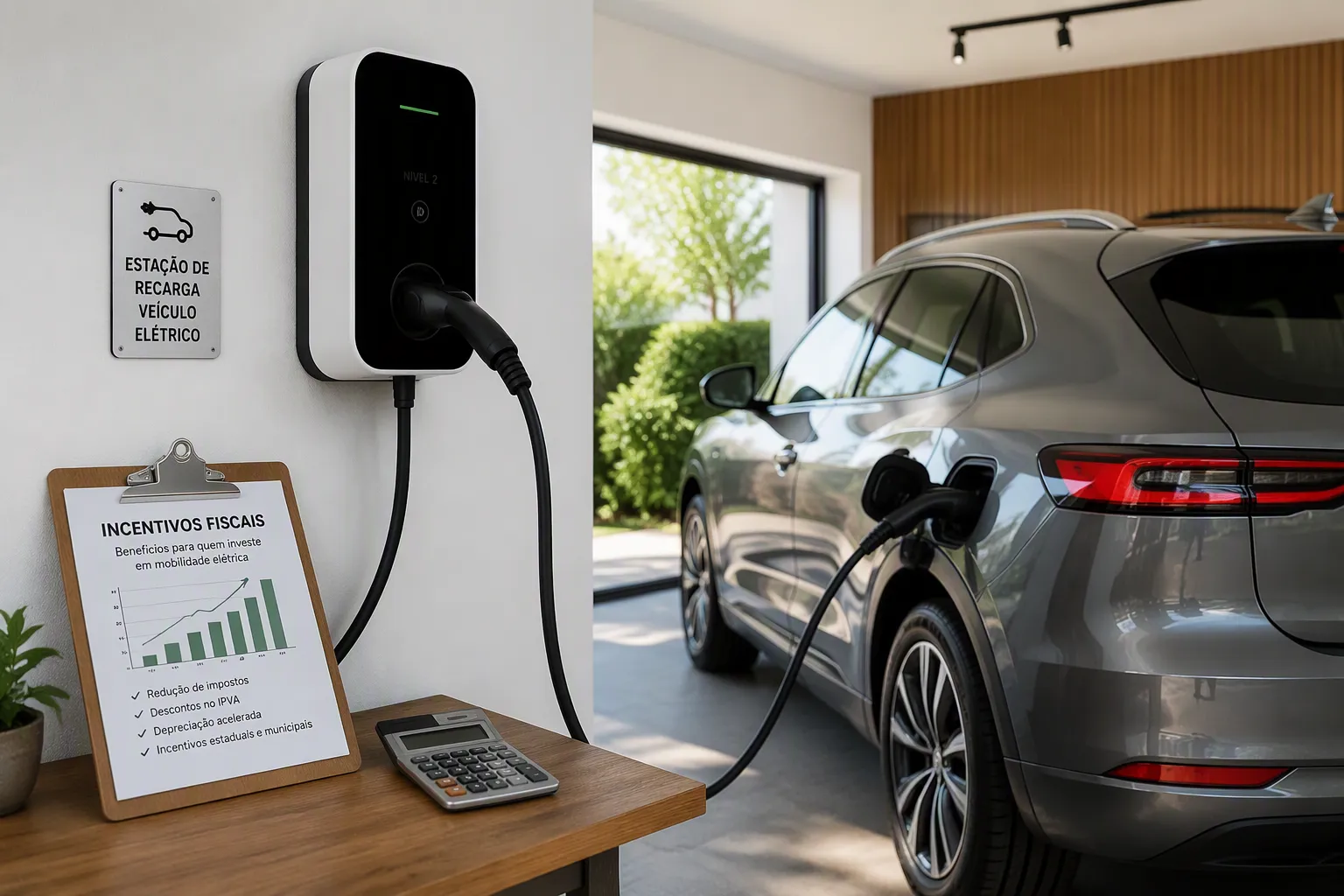
Sie können Ihre Anschaffungskosten bei der Installation einer Elektrofahrzeug-Ladestation senken, indem Sie Bundessteuergutschriften nutzen. Die Bundesregierung bietet eine Steuergutschrift in Höhe von bis zu 30% Ihrer gesamten Installationskosten, gedeckelt auf 1.000 $ pro Haushalt. Diese Gutschrift deckt die Kosten für Level-2-Heimladestationen, Elektroverteiler-Upgrades und professionelle Installation. Sie müssen die Ausrüstung installieren und bis zum 31. Dezember 2032 in Betrieb nehmen. Um diesen Vorteil zu beanspruchen, müssen Sie das IRS-Formular 8911 ausfüllen.
- Die Steuergutschrift gilt für Ihren Hauptwohnsitz.
- Sie können Arbeitskräfte und Eigentum einbeziehen, die direkt mit der Ladestation zusammenhängen.
- Die maximale Gutschrift beträgt 1.000 $ pro Ladepunkt.
Zulassungsvoraussetzungen für EV-Ladestationsanreize
Bevor Sie sich für Bundesanreize bewerben, sollten Sie die Zulassungskriterien prüfen. Die folgende Tabelle skizziert die häufigsten Anforderungen:
| Anforderung Typ | Einzelheiten |
|---|---|
| Fahrzeuganforderungen | Muss Kriterien wie Batteriekapazität, Gewichtsklasse und Herkunft der Komponenten erfüllen. Es gelten Listenpreisgrenzen. |
| Käuferanforderungen | Einkommensbeschränkungen, z. B., MAGI über 150.000 $ für Einzelveranlager können Käufer disqualifizieren. |
| Auslaufregelungen | Hersteller hatten Obergrenzen für förderfähige Fahrzeuge, die jetzt an Lieferkettenkriterien geknüpft sind. |
| Gebrauchtwagen-Gutschrift | Bis zu 4.000 $ verfügbar, wenn das Fahrzeug Alters- und Preisvoraussetzungen erfüllt und der Käufer Einkommensgrenzwerte einhält. |
Sie sollten Ihre Förderfähigkeit bestätigen, bevor Sie eine EV-Ladestation installieren, um sicherzustellen, dass Sie für die verfügbaren Steuergutschriften qualifiziert sind.
Staatliche und lokale Rabatte für das Laden von Elektrofahrzeugen
Regionale Programme für die Installation von Elektroauto-Ladestationen
Viele Bundesstaaten und lokale Behörden bieten Rabatte an, um die Kosten für die Installation von Elektroauto-Ladestationen zu decken. Die folgende Tabelle hebt einige der höchsten verfügbaren Rabattbeträge hervor:
| Bundesstaat/Anbieter | Rabatt-Betrag |
|---|---|
| Central Electric Co-op | Bis zu 150 $ |
| Consumers Power Inc. | $400 |
| Douglas Electric Cooperative | $250 |
| Eugene Water & Electric Board | Bis zu $500 |
| Lane Electric Cooperative | $500 |
| Pacific Power | Bis zu $1,500 |
| Portland General Electric | 300 $ (bis zu 1.000 $ für einkommensberechtigte Personen) |
| Springfield Utility Board | Bis zu $500 |
| Tillamook PUD | $250 |
| Umatilla Electric Cooperative | $200 |
| Pennsylvania Department of Environmental Protection | Bis zu $2.000 |
| National Grid | Up to $1,400 |

Utility Company Offers for Electric Vehicle Charging
Utility companies also provide rebates and special programs to encourage you to install a home ev charger. These programs can cover a significant portion of your installation costs. For example, California’s SGIP and utility programs offer up to $800, while Colorado’s Xcel Energy rebate provides up to $1,500 for qualifying households. Massachusetts, New York, and Texas also have programs ranging from $250 to $1,000. Some programs target income-qualified customers, increasing accessibility.

You can combine federal, state, and utility rebates to save between $500 and $1,500, with some programs covering up to 75% of your total expenses.
How to Apply for Electric Vehicle Charging Incentives
Documentation Needed for EV Charger Rebates
When you apply for rebates or incentives, you must gather specific documentation. The table below lists the typical requirements:
| Documentation Type | Beschreibung |
|---|---|
| Proof of Purchase | Sales agreement, bill of sale, or lease agreement. |
| Vehicle details | VIN (Vehicle Identification Number), make, model, year. |
| Personal data | Driver’s license, proof of residency, income documentation. |
| Charging Equipment Receipts | Receipts for home charger installation if claiming rebates. |
You should keep all receipts and paperwork related to your purchase and installation.
Application Process for Electric Car Charger Incentives
To apply for incentives, you need to follow these steps:
- Review eligibility requirements for each program.
- Collect all necessary documentation.
- Complete the required application forms, such as IRS Form 8911 for federal tax credits.
- Submit your application online or by mail, depending on the program.
- Track your application status and respond to any requests for additional information.
Tip: Start your application soon after installing electric car charging stations to avoid missing deadlines.
Practical Tips to Maximize Savings When You Install an EV Charger
Charging During Off-Peak Hours for Electric Vehicle Charging
Time-of-Use Electricity Rates for Electric Car Charging
Sie können maximize your savings by charging your EV during off-peak hours. Many utility providers offer time-of-use rates, which means electricity costs less late at night or early in the morning. Charging between midnight and 5 a.m. can reduce your costs by bis zu 70% compared to peak times. The following table shows how much you can save per charge:
| Aufladezeit | Kosten pro Vollladung | Savings per Charge |
|---|---|---|
| Off-Peak (12 am – 5 am) | £4-5 | £10-12 |
| Höchststand | £15-16 | K.A. |
Specialist EV tariffs can drop your rate to as low as 6.7p per kWh. By consistently charging at these times, you can save hundreds of pounds each year.
Setting Charging Schedules for Maximum Savings
Most modern chargers and EVs allow you to set charging schedules. You can program your charger to start automatically during off-peak hours. This strategy ensures you always benefit from the lowest rates. Smart charging apps help you track your energy use and optimize your charging routine. You can also compare provider tariffs to find the best deal for your household.
Tip: Use telematics to monitor your kWh usage and avoid energy waste.
Choosing the Right Electric Car Charger for Your Needs
Assessing Daily Driving Habits for Electric Vehicle Charging
Selecting the right charger depends on your driving patterns. If you drive short distances daily, a lower-power charger may suffice. For longer commutes or frequent travel, a Level 2 charger offers faster and more efficient charging. Consider the following factors when choosing a charger:
| Faktor | Beschreibung |
|---|---|
| Driving Habits | Match charger power to your daily mileage (3.6kW, 7kW, or 22kW). |
| Available Space | Ensure your home has enough room and electrical capacity for installation. |
| Budget | Chargers range from £350 to £1,500; balance cost with features. |
| Aufladegeschwindigkeit | Select a charger that matches your vehicle’s capabilities. |
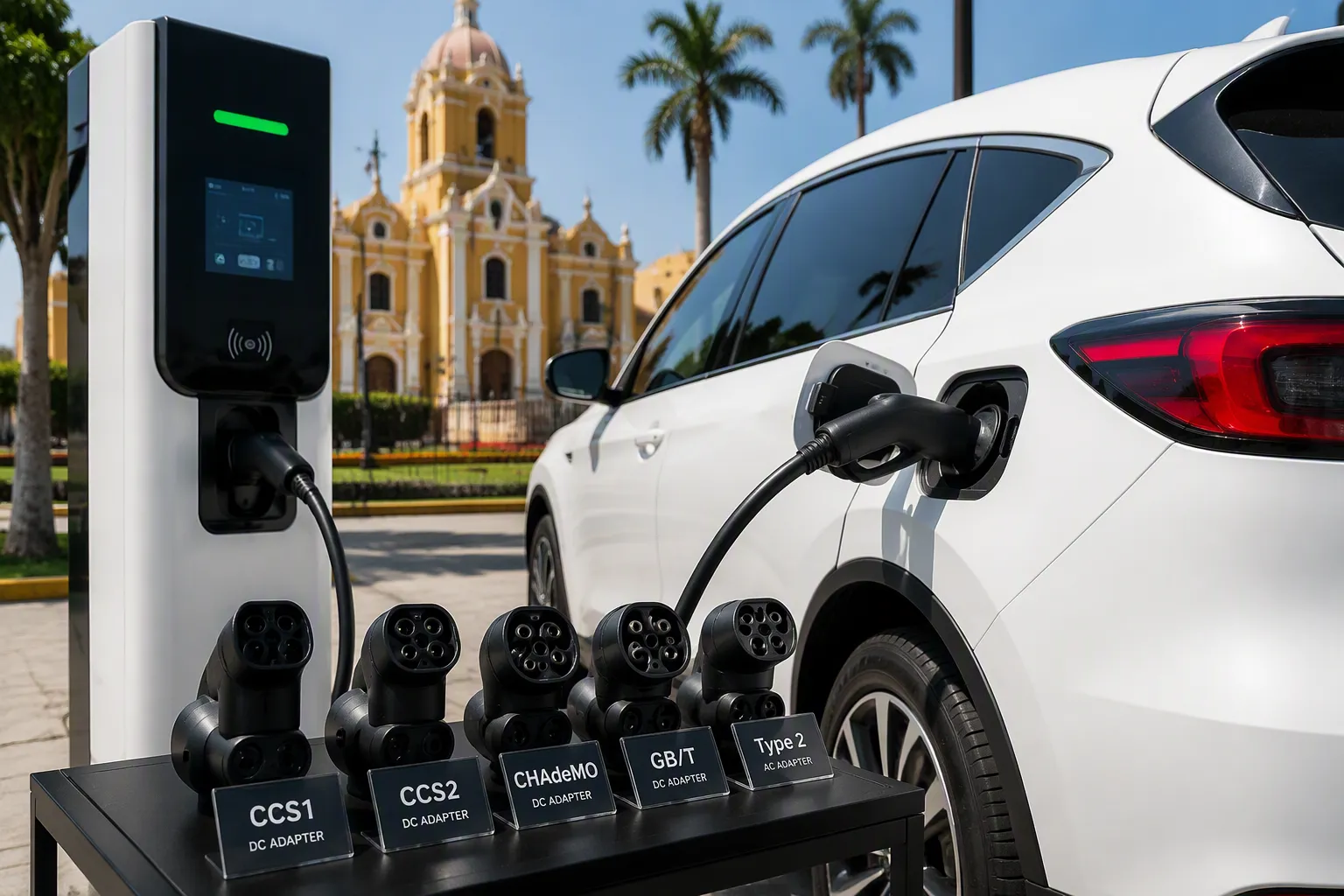
| Stecker Typ | Confirm compatibility with your EV’s charging port. |
| Anforderungen an die Installation | Check your home’s electrical system and safety standards. |
Future-Proofing Your Electric Car Charging Setup
You should plan for future needs when installing a charger. Choose a model with remote monitoring and control features. Smart chargers can help you save energy and reduce costs, potentially saving up to £200 a year. If you expect to upgrade your EV or add another vehicle, select a charger with higher capacity and flexible connectivity.
Maintaining Your Electric Vehicle Charger
Regular Inspections for Electric Car Chargers
Routine maintenance keeps your charger reliable and safe. Inspect the charging cable and plug for wear or damage. Clean the plug and charging port regularly to prevent poor connections. Monitor electrical components for unusual heat or noises.
Troubleshooting Common Issues with EV Chargers
Firmware updates enhance your charger’s functionality and reliability. If you notice charging interruptions or slow performance, check for software updates or consult your manufacturer’s support resources. Addressing minor issues early prevents costly repairs and ensures long-term savings.
Note: Consistent maintenance extends the life of your charger and protects your investment in charging an electric car.
Additional Ways to Save with Home Electric Vehicle Charging
Sharing Electric Car Charging Costs
Multi-Vehicle Households and Electric Vehicle Charging
If your household owns more than one electric vehicle, you can maximize savings by sharing a single home charger. This approach reduces the need for multiple installations and lowers both initial and ongoing maintenance costs. Smart chargers help you manage charging times for each vehicle, so you avoid peak electricity rates and optimize your energy use. You can also integrate your charging setup with renewable energy sources, such as solar panels, to further decrease expenses.
- Sharing a charger cuts down on installation and maintenance costs.
- Smart charging schedules help you minimize electricity expenses.
- Integrating with solar power can drive costs even lower.
Neighborhood Charging Co-ops for Electric Car Charging
You can join or form a neighborhood charging co-op to share the benefits of installing electric car charging stations. By pooling resources, you and your neighbors can split installation and maintenance costs. This arrangement works well in communities where not every home has the infrastructure for a dedicated charger. Smart scheduling ensures everyone gets access when needed, and group purchasing may unlock discounts on equipment or installation.
Integrating Solar Power with Electric Vehicle Charging
Solar Panel Installation for Electric Car Charging
Pairing solar panels with your home charging station leads to significant financial and environmental benefits. You reduce your monthly utility bills and make your electric vehicle charging more cost-effective. When you add battery storage, you can store excess solar energy for use during peak hours, maximizing your savings. This setup also lowers your carbon footprint, supporting a cleaner environment.
Net Metering Benefits for Electric Vehicle Charging
Net metering programs allow you to sell excess solar energy back to the grid, which further enhances your savings. Solar energy costs over 60% less than grid electricity, making it a smart choice for powering your EV. Charging your vehicle with solar energy ensures your driving remains 100% carbon-free. Installing a solar system locks in your electricity costs for up to 25 years, protecting you from rising utility rates.
- You benefit from reduced electricity bills.
- You may sell excess energy back to the grid.
- The initial investment in solar panels leads to long-term cost savings.
Monitoring and Managing Energy Use for Electric Car Charging
Smart Charging Apps for Electric Vehicle Charging
Smart charging apps give you powerful tools to manage your energy use and control costs. These apps let you set charging schedules, collect data on electricity usage, and receive notifications about your charging sessions. The table below highlights key features:
| Merkmal | Beschreibung |
|---|---|
| Set charging schedules | Charge at convenient times to take advantage of lower rates and avoid overloading circuits. |
| Collect data, insights, and statistics | Track electricity usage and charging behavior to optimize costs and battery life. |
| Receive notifications and alerts | Get updates on charging status and alerts for any issues during the session. |
Tracking Savings Over Time with Electric Car Charging
You can track your savings over time by reviewing your charging data and utility bills. Many smart apps provide monthly reports, so you see exactly how much you save by charging at home. Monitoring your usage helps you adjust your habits and maximize the benefits of your home charging setup.
Common Misconceptions About the Cost to Install an Electric Vehicle Charger
Myth: Home Electric Car Chargers Are Too Expensive
Breaking Down Real Costs of Electric Vehicle Charging
Many drivers believe that installing a home electric vehicle charger costs too much. You might hear that the upfront investment is out of reach for most households. However, the reality often surprises people. Here are some facts that challenge this myth:
- 27% of petrol or diesel car owners think charging an EV at home costs more than refueling a traditional vehicle.
- Installation costs for home chargers usually range from $800 to $2,000. The final price depends on factors like the distance from your electrical panel and the type of charger you select.
- Not every home charger needs professional installation. Some models plug directly into existing outlets, which can reduce your expenses.
You can see that the initial cost is manageable for many homeowners. When you compare these numbers to the ongoing costs of gasoline, the investment becomes even more attractive.
Comparing to Long-Term Savings from Home Charging
You save money over time by charging your EV at home. The overall cost of running an electric vehicle is now 50% lower than fueling a car with an internal combustion engine for the same distance. You avoid frequent trips to the gas station and benefit from niedrigere Stromtarife, especially if you charge during off-peak hours. The savings add up quickly, making the upfront cost of a home charger a smart financial decision.
Tip: You can further reduce your costs by taking advantage of available rebates and incentives for home charger installation.
Myth: Public Electric Vehicle Charging Is Always Cheaper
Hidden Fees and Inconveniences of Public Charging
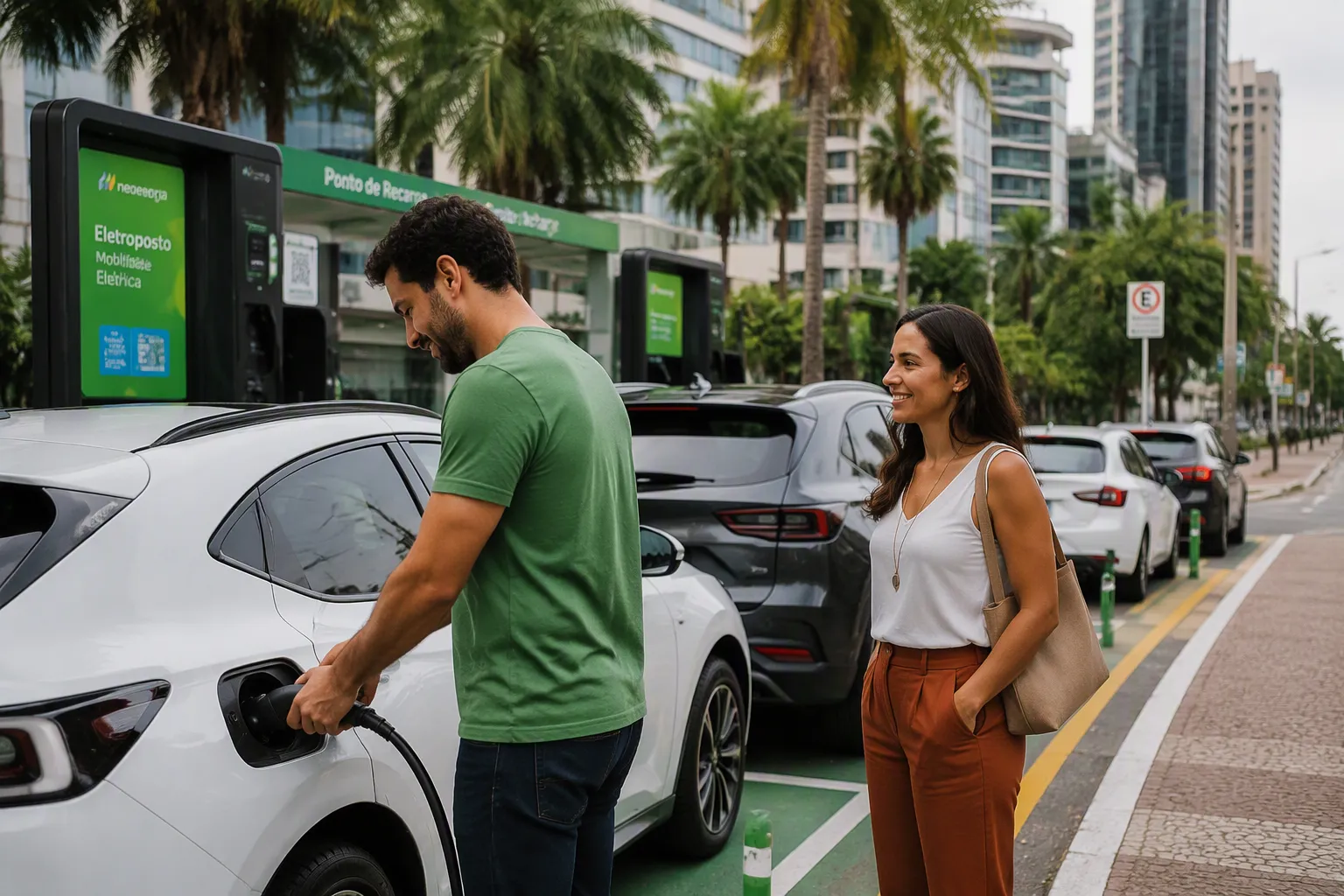
Some drivers assume that using a public charging point will always cost less than charging at home. This belief often overlooks hidden fees and extra charges. Public charging networks may require you to pay connection fees, subscription costs, or higher rates for fast charging. These expenses can make public charging more expensive than you expect.
Public electric vehicle charging can be more expensive than home charging, especially when you use fast chargers. The type of public charge point and current electricity prices both affect your total cost. You also spend more time waiting for your vehicle to charge, which adds inconvenience to your routine.
Reliability and Accessibility of Electric Car Charging
You may also face challenges with reliability and accessibility at public charging stations. Sometimes, chargers are out of service or already in use. You might need to drive out of your way to find an available spot. Home charging gives you control and convenience, letting you charge your vehicle whenever you need without extra hassle.
Note: Charging at home offers predictable costs and greater peace of mind compared to relying on public infrastructure.
Is It Worth It to Install an EV Charger at Home?
Assessing Your Home’s Suitability for Electric Vehicle Charging
Electrical Capacity for Installing an EV Charger
Before you ein ev-ladegerät installieren, you need to check your home’s electrical system. Your panel must handle the extra load, especially if you want a Level 2 charger. Many homes can support a Level 1 charger with no upgrades, but Level 2 units often require a dedicated circuit. You should also confirm that your wiring meets national and local codes. In the U.S., NEC 625 sets the standard for safe installation. This includes a dedicated circuit, GFCI protection, and proper grounding.
Parking and Accessibility for Electric Car Charging
You should consider where you park your vehicle. The ideal location for your charger is close to your parking spot, whether in a garage or driveway. Think about whether you need an indoor or outdoor installation. Make sure the area is accessible and safe for daily use. Some local building codes require permits for installation, so check with your city or county before you begin.
Tip: Easy access to your charger makes daily charging simple and stress-free.
Key factors to evaluate:
- Electrical system capacity
- Space and installation location
- Local building codes and permit requirements
Evaluating Your Driving Patterns for Electric Vehicle Charging
Daily Commute Needs and Electric Car Charging
Your driving habits play a major role in your potential savings. If you drive many miles each year, you will charge your vehicle more often at home. This leads to greater savings on electricity compared to gasoline. Charging at home also lets you take advantage of off-peak rates, which can lower your costs even further.
Occasional Long Trips and Electric Vehicle Charging
If you take long trips only occasionally, you can still benefit from home charging. Most of your charging will happen at home, where rates are lowest. For rare road trips, you may use public chargers, but your main savings come from daily home use. Local electricity rates and gasoline prices in your area also affect your total savings.
- Frequent home charging maximizes your cost benefits.
- Off-peak pricing increases your savings.
- High local gas prices make switching to electric even more attractive.
Making the Decision to Install an Electric Vehicle Charger
Cost-Benefit Analysis for Electric Car Charging
You should weigh the costs and benefits before you install an electric vehicle charger. The table below outlines the main points to consider:
| Kategorie | Einzelheiten |
|---|---|
| Upfront Installation Costs | Total typical cost ranges from $1,000 to $2,500, including charger, installation, and potential upgrades. |
| Laufende Stromkosten | Average cost per mile for EV is approximately $0.04-$0.05, significantly lower than gas costs of $0.14 per mile. |
| Potential Annual Savings | For 10,000 miles driven, savings can reach $1,000 annually compared to gas vehicles. |
| Non-Financial Benefits | Includes convenience, improved battery health, time savings, and energy independence. |
Next Steps to Install an EV Charger
To move forward, follow these steps:
- Assess your electrical infrastructure to ensure it can support an ev charger.
- Choose a charger that fits your vehicle’s connector type and future needs.
- Understand installation requirements, including local codes and safety standards.
- Research available incentives and rebates to offset your installation costs.
Note: Compliance with wiring codes and safety standards ensures reliable and safe operation for years to come.
By evaluating your home’s suitability, your driving patterns, and the financial impact, you can make an informed decision about whether to install an ev charger at home.
Installing an electric vehicle charger at home helps you save money on fuel and maintenance. You benefit from federal tax credits, state rebates, and smart charging management. You also increase your property value. Review the table below to see how these factors improve your return on investment:
| Nutzen Sie | Impact on Savings |
|---|---|
| Steuerliche Anreize | 6% federal tax credit |
| Long-Term Cost Savings | 40% lower maintenance costs |
| Immediate Fuel Savings | Lower energy costs |
| Smart Charging Management | Up to 45% reduced energy costs |
| Erhöhter Immobilienwert | Higher rental income |
| Grants and Rebates | Lower upfront installation cost |
Consider your driving habits and available incentives. You can maximize your savings with a home EV charger.
FAQ
Wie viel kostet die Installation eines E-Ladegeräts zu Hause?
You typically spend between $800 and $2,500 for equipment and installation. The final price depends on your charger type, labor rates, and any electrical upgrades needed.
Can you install an EV charger yourself?
You can install some Level 1 chargers yourself. For Level 2 chargers, you should hire a licensed electrician to ensure safety and compliance with local codes.
What incentives are available for installing an EV charger?
You may qualify for federal tax credits, state rebates, and utility company offers. These incentives can cover up to 75% of your installation costs. Check eligibility before you apply.
Will a home EV charger work with any electric vehicle?
Most chargers use standard connectors like J1772. You should confirm compatibility with your vehicle’s charging port before purchasing.
How often should you maintain your EV charger?
You should inspect your charger monthly for wear or damage. Clean the plug and port regularly. Schedule professional inspections annually to ensure safe operation.
Does installing an EV charger increase your home’s value?
Sie können die Attraktivität Ihrer Immobilie steigern, indem Sie eine EV-Ladestation installieren. Viele Käufer suchen gezielt nach Häusern mit Lademöglichkeiten, insbesondere in Regionen mit hoher Elektrofahrzeug-Dichte.
Wie viel können Sie sparen, indem Sie zu Hause statt an öffentlichen Stationen laden?
Sie sparen bis zu 50 % der Ladekosten durch die Nutzung von Haushaltsstrom, insbesondere in Schwachlastzeiten. Zudem entfallen Abonnement- und Zugangsgebühren öffentlicher Ladesäulen.
Was sollten Sie tun, wenn Ihre EV-Ladestation nicht mehr funktioniert?
Überprüfen Sie lockere Verbindungen und setzen Sie die Ladestation zurück. Bei anhaltenden Problemen wenden Sie sich an den Hersteller oder einen zertifizierten Elektriker.