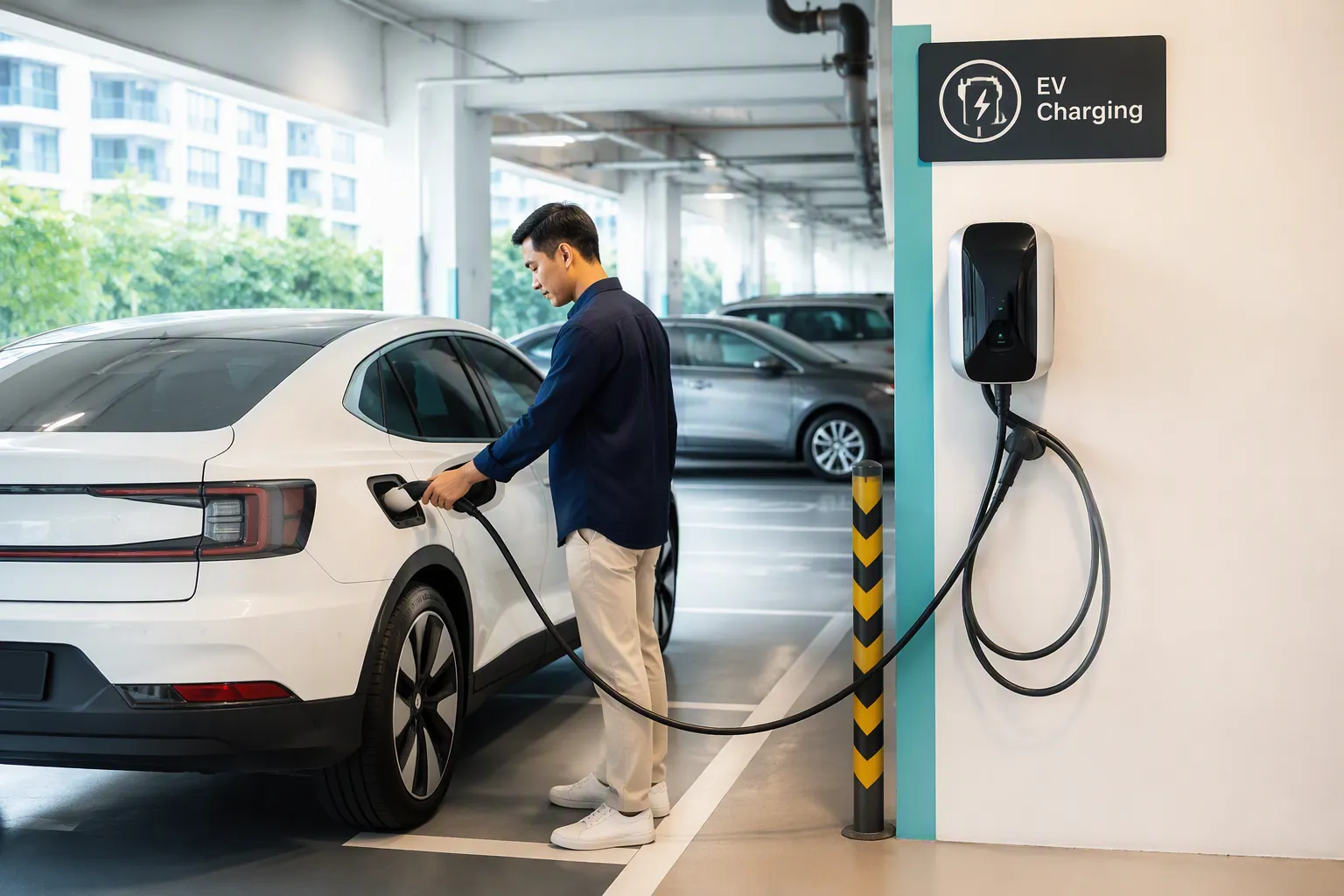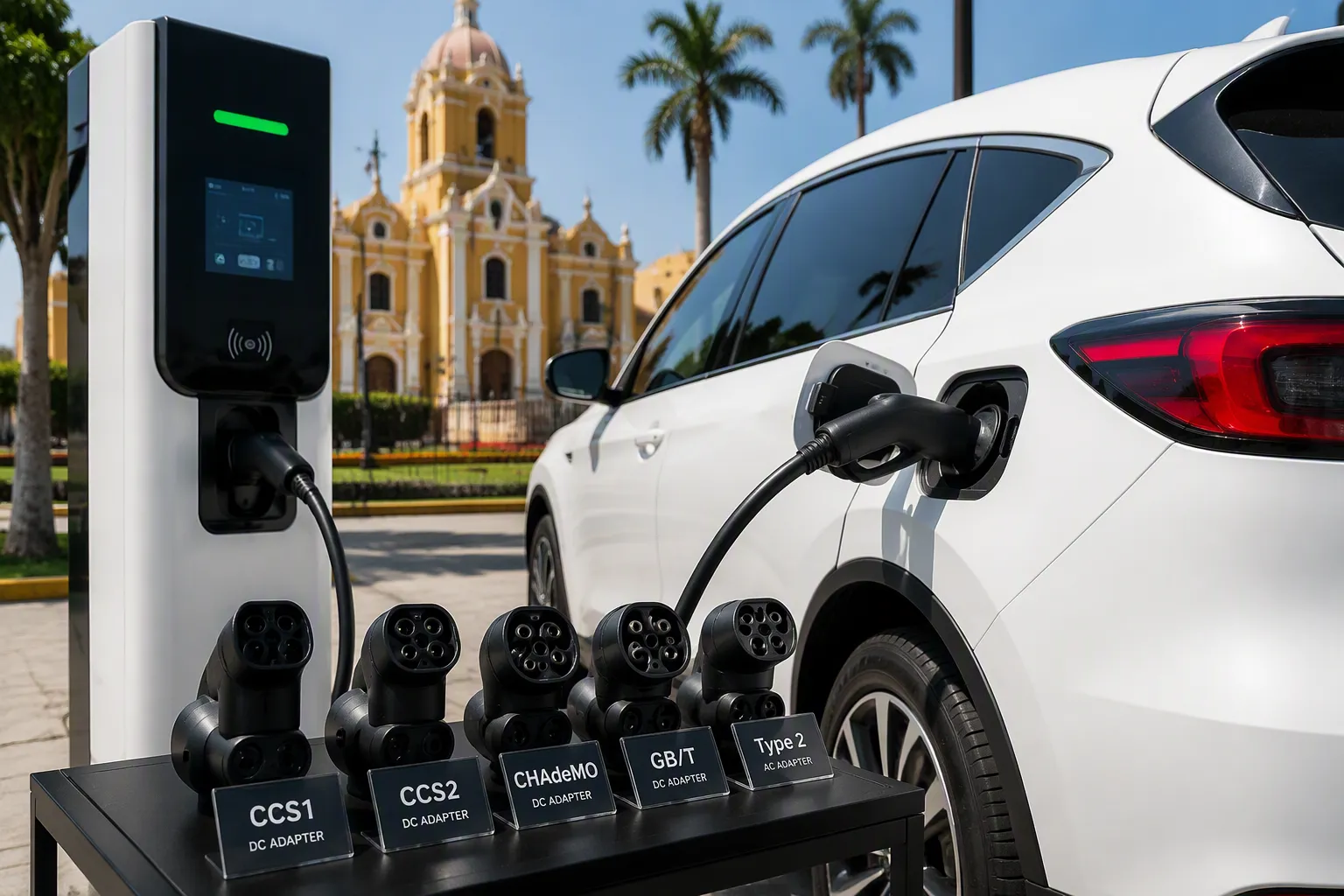
Travelers crossing between Malaysia and Thailand see rapid growth in electric vehicle adoption. The essential ev adapter kit includes a Type 2 to Type 1 adapter, CCS2 adapter, CHAdeMO adapter, Tesla-specific adapter, BYD adapter, and universal travel plug adapters. These tools ensure every EV can access Soluções de carregamento de veículos eléctricos, regardless of local standards. Fabricantes de carregadores para veículos eléctricos design these adapters to support various electric models and carregadores ev portáteis along the route. The table below highlights the surging EV market in both countries:
| País | GDP per capita (USD) | Population (m) | EV penetration (%) | EV sales in 2023 (thousands) | Annual growth (2023) |
|---|---|---|---|---|---|
| Malásia | 39,030 | 33.46 | 2 | 10 | 286% |
| Tailândia | 23,401 | 70.27 | 10 | 90 | 450% |
A complete essential ev adapter kit removes obstacles at any Carregador EV on the journey.
Why You Need an Essential EV Adapter Kit for Long-Distance Trips

Charging Standards in Malaysia vs. Thailand
Malaysia and Thailand use different charging standards for electric vehicles. In Malaysia, most public charging stations support Type 2 and CCS2 connectors. These standards dominate the market due to European and Chinese EV imports. Thailand, on the other hand, features a mix of Type 1, Type 2, CCS2, and CHAdeMO connectors. Japanese electric models remain popular in Thailand, which explains the presence of CHAdeMO. This variation creates a challenge for drivers who plan long-distance trips across the border. They must prepare for different plug types at each charging point along the route.
Sugestão: Always check the connector type at your next charging stop before departure. This reduces the risk of delays and ensures a smoother journey.
Common Plug Types and Protocols for EVs
EV drivers encounter several plug types and charging protocols during long-distance trips. The most common connectors include:
- Type 1 (SAE J1772): Used mainly by older Japanese and American electric vehicles.
- Type 2 (Mennekes): Standard for European and many new Asian EVs.
- CCS2 (Combined Charging System): Supports fast charging for most modern electric vehicles.
- CHAdeMO: Popular among Japanese brands like Nissan and Mitsubishi.
- Tesla-specific connectors: Used at Tesla Superchargers and destination chargers.
Each protocol supports different charging speeds and power levels. Some charging stations only offer one or two connector types. Drivers must carry the right adapters to ensure their EV can connect to any available charger. This preparation becomes essential for uninterrupted travel, especially when crossing borders where standards differ.
The Importance of Adapter Compatibility on Your Route
Adapter compatibility plays a critical role in successful long-distance trips. Without the correct adapters, drivers may find themselves unable to charge at key points along the route. The journey between Malaysia and Thailand highlights this issue. Many drivers reserve charging stations in advance to avoid being stranded. They understand that infra-estruturas de tarifação remains uneven, and not every station supports every electric vehicle. Carrying an essential EV adapter kit allows drivers to use a wider range of charging stations. This flexibility reduces stress and increases confidence during cross-border travel.
A well-prepared driver checks adapter compatibility before starting the trip. They also monitor the locations of charging stations and plan stops accordingly. This approach ensures that the electric vehicle remains powered throughout the journey.
Essential EV Adapter Kit Checklist for Cross-Border Travel
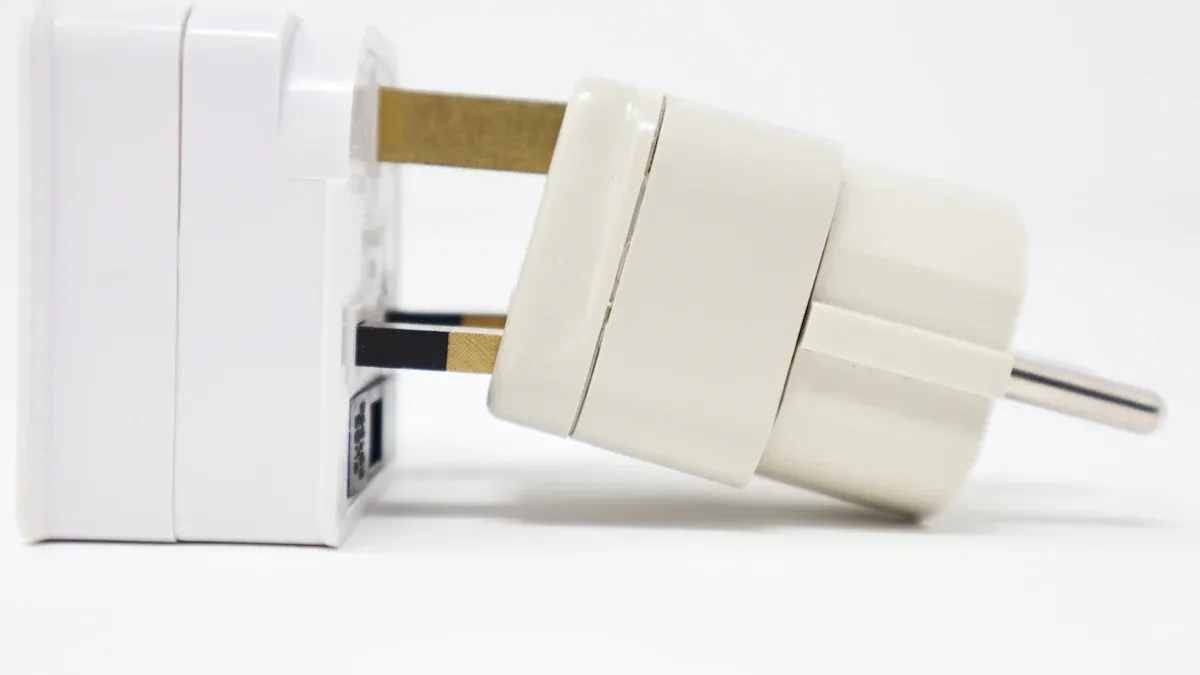
Type 2 to Type 1 Adapter
A Type 2 to Type 1 adapter remains a vital component for any cross-border EV journey. This adapter bridges the gap between different connector standards, allowing seamless charging for various electric vehicles.
Compatibility with Malaysian Charging Stations
Most public charging stations in Malaysia use the Type 2 connector. Drivers with vehicles equipped with a Type 1 inlet need this adapter to access these stations. The adapter enables the connection between the Type 2 charger and the vehicle’s Type 1 port. TPSON, a technologically advanced electric vehicle charging solution provider, offers reliable adapters that support stable current flow and protect the battery during charging. Drivers should always verify the compatibility of their adapter with the charging station before use.
Compatibility with Thai Charging Stations
Thailand features a mix of Type 1 and Type 2 connectors at charging stations. The Type 2 to Type 1 adapter increases charging options for drivers, especially those with Japanese or American EV models. This adapter ensures that the vehicle can connect to both older and newer charging infrastructure. It also helps drivers avoid unnecessary detours along the route by expanding the number of accessible charging stations.
CCS2 Adapter for Fast Charging
The CCS2 adapter supports fast charging for modern electric vehicles. This adapter connects the vehicle to high-power DC fast charging stations, reducing charging time and increasing convenience for long-distance travel.
Fast Charging Support in Both Countries
Malaysia and Thailand have rapidly expanded their networks of CCS2 charging stations. These stations deliver high power output, making them ideal for drivers who need to recharge quickly. The CCS2 adapter allows access to these fast chargers, which often feature advanced safety features and real-time monitoring. Drivers benefit from shorter stops and more efficient battery management during their journey.
Compatibilidade de veículos
Most new electric vehicles in both countries support CCS2 charging. However, some older models may require a specific adapter to connect to CCS2 chargers. TPSON provides adapters that ensure compatibility with a wide range of EV models. Drivers should check their vehicle’s charging port and confirm that the CCS2 adapter matches the required specifications. This step prevents charging interruptions and protects the battery from potential damage.
CHAdeMO Adapter for EV Charging
The CHAdeMO adapter remains essential for drivers of Japanese electric vehicles. This adapter connects the vehicle to CHAdeMO charging stations, which are common in certain regions.
Where CHAdeMO is Used in Malaysia and Thailand
CHAdeMO charging stations appear mainly in urban centers and along major highways in Thailand. Malaysia also maintains a smaller network of CHAdeMO chargers, often located at commercial hubs and shopping centers. Drivers who rely on CHAdeMO charging must plan their stops carefully, as these stations may not be as widespread as CCS2 or Type 2 options.
Supported EV Models
Japanese brands such as Nissan and Mitsubishi use the CHAdeMO standard for their electric vehicles. The CHAdeMO adapter ensures that these vehicles can access compatible charging stations throughout the route. Drivers should confirm that their adapter supports the latest CHAdeMO protocol and that it meets safety standards. Using a high-quality adapter from a trusted provider like TPSON helps maintain battery health and ensures reliable charging performance.
Nota: Carrying the correct adapters for each charging protocol increases flexibility and reduces the risk of being stranded. Drivers should always inspect adapters for wear and test them before departure.
Tesla Adapter Options for Seamless Charging
Tesla owners traveling between Malaysia and Thailand face unique charging challenges. Tesla vehicles use proprietary connectors, which can limit access to non-Tesla charging stations. The right adapters help drivers overcome these obstacles and ensure a smooth journey.
Tesla CCS Combo Adapter
The Tesla CCS Combo Adapter allows Tesla vehicles to connect to CCS2 fast chargers. Many public charging stations in both countries support CCS2, making this adapter an essential gear for cross-border trips. Drivers can take advantage of high-speed charging, which reduces downtime and keeps the battery at optimal levels. The adapter’s design ensures compatibility with most Tesla models sold in Southeast Asia. Before departure, drivers should verify that their vehicle supports CCS2 charging through a software update or hardware retrofit if necessary.
Sugestão: Always check the charging station’s power output before connecting. This practice helps protect the battery and ensures efficient charging.
Tesla Destination Charger Adapter
Tesla destination chargers appear at hotels, shopping centers, and tourist attractions. These chargers use a Tesla-specific connector, which may not fit non-Tesla vehicles. For Tesla owners, the destination charger adapter provides seamless access to these stations. The adapter’s portability makes it easy to store in the vehicle’s trunk or glove compartment. Drivers should inspect the adapter for wear and test it before each trip to guarantee reliable performance.
BYD and Other Brand-Specific Adapters
Brand-specific adapters address the unique charging requirements of different electric vehicle manufacturers. These adapters expand charging options and help drivers avoid compatibility issues on the road.
BYD Adapter Compatibility
BYD electric vehicles have gained popularity in both Malaysia and Thailand. Some BYD models use charging ports that differ from standard connectors. The BYD adapter bridges this gap, allowing drivers to connect to Type 2 or CCS2 charging stations. This solution ensures that BYD owners can access a wide network of chargers without worrying about compatibility. Drivers should confirm that the adapter matches their vehicle’s charging port and supports the required charging speed.
Other Popular Brand Adapters (e.g., Nissan, Hyundai)
Nissan and Hyundai electric vehicles often require specific adapters for certain charging protocols. For example, Nissan’s Leaf uses the CHAdeMO standard, while many Hyundai models support CCS2. Carrying the correct brand-specific adapter guarantees access to fast charging and protects the battery from improper connections. Drivers should research their vehicle’s charging requirements and invest in high-quality adapters from trusted suppliers.
Nota: Brand-specific adapters often include safety features that prevent overcharging and overheating. These features help extend battery life and improve charging efficiency.
Local Plug Adapters for Standard Outlets
Not every charging stop offers a dedicated EV charger. Sometimes, drivers must rely on standard electrical outlets, especially in rural areas or small towns.
Adapting to Local Power Outlets
Malaysia and Thailand use different plug types and voltage standards. A local plug adapter allows drivers to connect their portable electric vehicle charger to available outlets. This flexibility proves vital during emergencies or when public charging stations are unavailable. Drivers should check the outlet’s voltage and amperage to avoid damaging the vehicle’s battery or charging equipment.
Universal Travel Plug Adapters
Universal travel plug adapters offer a practical solution for cross-border trips. These adapters support multiple plug types and fit most standard outlets in Southeast Asia. Their portability makes them easy to carry and store. Drivers should choose adapters with built-in surge protection to safeguard the battery and charging equipment from power fluctuations.
Alerta: Always monitor the charging process when using standard outlets. Overheating or voltage spikes can damage the battery or pose safety risks.
How to Use Each Adapter for EV Charging on Your Route
Using Type 2 to Type 1 Adapter
Step-by-Step Instructions at Malaysian Stations
Drivers with a Type 1 inlet on their EV can use a Type 2 to Type 1 adapter at most Malaysian charging stations. First, park the vehicle close to the charger. Next, connect the Type 2 end of the adapter to the charging station’s cable. Then, insert the Type 1 end into the vehicle’s charging port. Most stations display a green light or a charging status on the screen when the connection is successful. Always monitor the charging process and follow any on-screen prompts. After charging, disconnect the adapter from the vehicle first, then from the station.
Step-by-Step Instructions at Thai Stations
Thailand offers both Type 1 and Type 2 charging stations. For stations with a Type 2 connector, drivers follow a similar process as in Malaysia. They attach the Type 2 end to the station and the Type 1 end to the EV. Some Thai stations require users to activate the charger through a mobile app or RFID card. Drivers should check for instructions at each location. After charging, remove the adapter and store it safely for the next stop on the route.
Using CCS2 Adapter for Long-Distance Trips
Connecting to Fast Chargers
The CCS2 adapter enables fast charging at high-power charging stations in both countries. Drivers begin by plugging the CCS2 adapter into the vehicle’s charging port. Next, they connect the charger’s cable to the adapter. Many fast chargers require user authentication, often through a mobile app or membership card. Once activated, the charger delivers rapid power, reducing wait times for EV owners.
Ensuring Proper Fit and Safety
A secure connection ensures safe and efficient charging. Drivers should inspect the adapter and charging cable for damage before use. The adapter must fit snugly into both the vehicle and the charger. If the connection feels loose or the charger displays an error, stop the process and check for debris or misalignment. Safety features in modern adapters help prevent overheating or electrical faults. Drivers should never force connections or use damaged equipment.
Using CHAdeMO Adapter for Your EV
Locating CHAdeMO Chargers
EV drivers can locate CHAdeMO chargers along the Malaysia-Thailand route using several reliable platforms:
- PlugShare provides detailed maps with filter options for connector types, charging speeds, and network providers.
- ChargeHub offers similar features, including user reviews and operational status alerts.
These tools help drivers plan stops and avoid unavailable charging stations.
Adapter Setup Process
To use a CHAdeMO adapter, drivers park the vehicle near the charger and ensure the car is turned off. They connect the CHAdeMO adapter to the vehicle’s charging port, then attach the charger’s cable to the adapter. Most CHAdeMO stations require a start command, either from the station’s screen or a mobile app. Charging begins once the system verifies the connection. After charging, disconnect the charger, then remove the adapter from the vehicle. Always store the adapter in a dry, secure place.
Using Tesla Adapters on the Route
Connecting to Tesla Superchargers and Destination Chargers
Tesla owners traveling between Malaysia and Thailand often rely on Tesla adapters to access the region’s growing network of Superchargers and destination chargers. These adapters allow Tesla vehicles to connect directly to Tesla-branded charging infrastructure. Drivers should always check the compatibility of their adapter with the specific model of their vehicle before starting the journey. Most Tesla Superchargers in Southeast Asia support the latest Tesla connector standards. When using a Supercharger, drivers simply plug the adapter into the vehicle’s port, then connect the charger. The system will automatically initiate charging and display the progress on the vehicle’s dashboard.
Destination chargers, found at hotels and shopping centers, offer slower charging speeds but provide convenience during overnight stays. Drivers can use the same adapter for these chargers. They should monitor the charging session through the Tesla app to ensure a full charge before resuming travel. Tesla’s network provides reliable service, but drivers should always confirm station availability using the Tesla navigation system or third-party apps.
Sugestão: Drivers should keep their Tesla adapter in an accessible location, such as the glove compartment, to avoid delays during charging stops.
Compatibility with Non-Tesla Stations
Tesla adapters also enable access to non-Tesla charging stations along the Malaysia-Thailand route. Many public stations use Type 2 or CCS2 connectors. With the appropriate adapter, Tesla owners can connect to these chargers and expand their charging options. Before connecting, drivers should inspect both the adapter and the charger for any visible damage. They should follow the station’s instructions for authentication, which may involve a mobile app or RFID card.
A table below summarizes Tesla adapter compatibility:
| Tipo de Adaptador | Compatible Chargers | Caso de utilização típico |
|---|---|---|
| Tesla CCS Combo | CCS2 Fast Chargers | Highway Fast Charging |
| Tesla Type 2 | Type 2 AC Chargers | Urban & Hotel Charging |
Drivers should always verify the power rating of the charger to prevent overloading the vehicle’s battery management system.
Using Local Plug Adapters for Charging
Charging from Standard Outlets
In remote areas or small towns, drivers may need to use standard electrical outlets for charging. Local plug adapters allow connection between the portable EV charger and the available wall socket. Drivers should ensure the outlet is in good condition and can handle the required current. Charging from a standard outlet takes longer than using a dedicated EV charger, so drivers should plan for extended stops when relying on this method.
Alerta: Drivers should never use damaged outlets or extension cords, as these can pose fire risks.
Voltage and Amperage Considerations
Malaysia and Thailand use different voltage and plug standards. Before charging, drivers should check the voltage and amperage ratings of both the outlet and the vehicle’s onboard charger. Most EVs can handle a range of voltages, but exceeding the recommended amperage can damage the charging system. Universal travel plug adapters with built-in surge protection help safeguard the vehicle’s electronics from power fluctuations.
A checklist for safe charging from standard outlets:
- Confirm outlet voltage matches vehicle requirements.
- Use only certified plug adapters.
- Monitor the charging process for overheating.
- Disconnect immediately if any issue arises.
By following these steps, drivers can safely use local outlets for emergency charging during their cross-border journey.
Where to Buy or Rent Your Essential EV Adapter Kit
Trusted Online Retailers for EV Adapters
Many drivers prefer to purchase EV adapters online for convenience and variety. Several reputable e-commerce platforms serve customers in Malaysia and Thailand. These platforms offer a wide selection of adapters, including Type 2 to Type 1, CCS2, CHAdeMO, Tesla, and BYD-specific models. TPSON, a technologically advanced electric vehicle charging solution provider, lists its products on major online marketplaces. Shoppers can compare specifications, check compatibility, and select adapters that meet their vehicle’s requirements.
Popular online retailers include:
- Lazada Malaysia and Lazada Thailand
- Shopee Malaysia and Shopee Thailand
- TPSON official online store
Sugestão: Always verify the seller’s credentials and product authenticity before making a purchase. Look for detailed product descriptions and clear compatibility information.
Local EV Accessory Shops in Malaysia and Thailand
Local EV accessory shops provide hands-on support and immediate access to essential adapters. These shops often stock a range of charging solutions, including adapters for different brands and charging standards. Staff members can assist with product selection and answer technical questions. Many shops partner with leading manufacturers such as TPSON to ensure quality and reliability.
Key benefits of shopping locally:
- Immediate product availability
- Expert advice from trained staff
- Opportunity to inspect adapters before purchase
A table below highlights typical locations for EV accessory shops:
| País | Localizações comuns | Notable Cities |
|---|---|---|
| Malásia | Auto malls, EV service centers | Kuala Lumpur, Penang |
| Tailândia | Shopping malls, car accessory hubs | Bangkok, Chiang Mai |
Nota: Local shops may offer installation services or demonstrations for first-time EV owners.
Rental Services for Short-Term Long-Distance Trips
Some travelers may not need to purchase adapters for occasional cross-border journeys. Rental services provide a practical solution for short-term needs. These services allow drivers to rent essential adapters for the duration of their trip. Many EV rental agencies and accessory shops in major cities offer this option.
Advantages of renting adapters:
- Cost-effective for infrequent travelers
- Access to the latest adapter models
- No long-term storage concerns
To rent an adapter, drivers usually need to provide identification and a security deposit. Rental agreements often include instructions for safe use and return procedures.
Alerta: Inspect all rented adapters for damage before use. Report any issues to the rental provider immediately to avoid liability.
By exploring these purchasing and rental options, drivers can equip themselves with the right adapters for a smooth and reliable EV journey between Malaysia and Thailand.
Tips for Verifying Adapter Quality and Safety
Electric vehicle adapters play a critical role in cross-border travel. Drivers must ensure that every adapter in their kit meets strict quality and safety standards. High-quality adapters protect both the vehicle and the user from electrical hazards, communication errors, and environmental stress.
A reliable adapter undergoes several types of testing before reaching the market. The table below outlines the main criteria that manufacturers and industry experts use to verify adapter quality and safety:
| Criteria Type | Descrição |
|---|---|
| Electrical Safety Testing | Ensures the electrical components are safe for use. |
| EMC / EMF, FCC / ISED Testing | Verifies compliance with electromagnetic compatibility and radio equipment standards. |
| Wireless and IoT Testing | Tests for wireless communication standards and IoT product certification. |
| Functional Safety Testing | Assesses the safety of the product’s functionality. |
| Durability Testing | Evaluates the product’s lifespan and reliability. |
| Data Communication / Protocol Testing | Tests communication protocols like CHAdeMO and CharIN. |
| Climate Testing | Assesses the product’s performance under various environmental conditions. |
| Mechanical and Material Testing | Tests for flammability and other material properties. |
| Compliance with International Standards | Ensures adherence to major international regulations and directives. |
Drivers should check for certifications and test results when purchasing an adapter. Labels such as CE, FCC, or TUV indicate that the product has passed recognized safety and quality assessments. These marks often appear on the adapter body or in the product documentation.
Sugestão: Always request a copy of the adapter’s test report or certificate from the retailer. This document provides proof of compliance with international standards.
A visual inspection helps identify potential issues. Drivers should look for solid construction, sturdy connectors, and high-quality materials. Cracks, loose pins, or exposed wires signal poor manufacturing and pose safety risks.
A checklist for verifying adapter quality and safety includes:
- Confirm the presence of certification marks.
- Inspect the adapter for physical damage or defects.
- Review the product manual for supported charging protocols.
- Ask about warranty coverage and after-sales support.
- Test the adapter with a low-power charger before using it at high-power stations.
Adapters must withstand different climates and frequent use. Climate testing ensures that the product performs well in both hot and humid environments, common in Malaysia and Thailand. Durability testing guarantees that the adapter will last through many charging cycles.
Professional drivers never compromise on safety. They invest in adapters from reputable brands and avoid counterfeit or uncertified products. By following these tips, travelers can reduce the risk of charging failures and enjoy a safer, more reliable journey.
Tips for a Smooth Charging Experience on Your Route
Planning Charging Stops for Long-Distance EV Trips
Strategic route planning remains essential for a successful EV journey between Malaysia and Thailand. Drivers should identify key charging stations before departure. SengTeong Chua, Managing Director of ChargEV, highlights Malaysia’s focus on building charging hubs at important locations. These hubs allow for faster charging and minimize wait times. A nationwide network of chargers now stretches from the Singapore border to the Thailand border. This infrastructure supports efficient route planning and enhances the travel experience for EV users. Drivers should review the distance between each charger and estimate the battery range required for each segment. They can avoid unnecessary detours by selecting charging stations near major highways or popular rest stops. Planning ahead ensures that the EV remains powered throughout the trip.
Sugestão: Schedule charging sessions during meal breaks or sightseeing stops to maximize travel efficiency.
Using Charging Station Apps and Maps
Navigation apps play a vital role in route planning for cross-border EV travel. These tools help drivers locate charging stations, check real-time availability, and plan optimal routes. The most effective apps for this region include:
- ChargePoint
- Superchargers da Tesla
- EVgo
- Piscar os olhos
- PlugShare
Drivers can use these apps to find the best charging stations along their route. They should aim to keep the battery level between 20% and 80% for optimal efficiency. Many travelers schedule charging during meals or sightseeing to save time. Overnight charging at hotels also provides convenience and peace of mind. Navigation apps often display charger types, power ratings, and user reviews, which help drivers make informed decisions. Reliable route planning with these tools reduces stress and increases confidence during long-distance travel.
Resolução de problemas comuns de adaptadores
Adapter issues can disrupt an EV journey if not addressed promptly. Drivers may encounter problems such as loose connections, error messages, or slow charging rates. They should inspect each adapter for visible damage before use. If a charger fails to initiate charging, drivers can try reconnecting the adapter or switching to another charging station. Keeping backup adapters in the vehicle adds an extra layer of security. Drivers should also consult the vehicle’s manual for troubleshooting steps related to adapter compatibility. Navigation apps sometimes provide user-generated tips for resolving common issues at specific locations. Quick problem-solving ensures that the EV remains ready for the next segment of the route.
Alerta: Never force an adapter into a charging port. Forcing connections can damage both the adapter and the vehicle’s charging system.
Keeping Backup Adapters and Cables for Safety
Experienced EV travelers understand the importance of preparation. They always keep backup adapters and cables in their vehicles. This practice prevents unexpected delays during cross-border journeys between Malaysia and Thailand. Charging infrastructure can vary, and not every station provides the right connector for every vehicle. A backup kit ensures that drivers can adapt to any situation on the road.
A well-organized backup kit should include:
- A spare Type 2 to Type 1 adapter
- An extra CCS2 adapter for fast charging
- A CHAdeMO adapter if the vehicle supports this protocol
- Brand-specific adapters, such as Tesla or BYD, based on the vehicle model
- Universal travel plug adapters for standard outlets
- At least one additional charging cable compatible with the vehicle
Drivers should store these items in a dedicated bag or compartment within the vehicle. This organization allows for quick access during emergencies. Clean and inspect all adapters and cables before each trip. Damaged equipment can cause malfunctions or pose risks to the vehicle’s electrical system.
Sugestão: Label each adapter and cable with its connector type and compatible vehicle model. This practice reduces confusion during urgent situations.
Backup adapters and cables serve as insurance against unforeseen circumstances. For example, a charging station may have a faulty cable, or another driver may occupy the only compatible charger. In these cases, a backup adapter or cable can save valuable time and reduce stress.
A table below outlines the essential backup items and their recommended storage location:
| Item | Recommended Storage Location |
|---|---|
| Spare adapters | Glove compartment or trunk bag |
| Extra charging cable | Under-floor trunk storage |
| Universal plug adapters | Center console or side pocket |
Drivers should check the compatibility of all backup equipment with their vehicle before departure. They should also test each item at home or at a local charging station. This step ensures that every component functions correctly when needed.
Backup adapters and cables contribute to overall safety during long-distance travel. They provide peace of mind and help drivers handle unexpected challenges on the road. By preparing a comprehensive backup kit, travelers can focus on enjoying their journey rather than worrying about charging interruptions.
Safety and Legal Considerations for Cross-Border EV Travel
Safe Handling of EV Adapters
Travelers must prioritize safety when handling EV adapters during cross-border journeys. They should inspect each adapter before connecting it to a charger or charging stations. Clean connectors prevent electrical faults and extend battery life. Drivers should avoid using damaged adapters, as these can cause overheating or disrupt the charging process. Many electric scooter owners carry a dedicated bag for adapters to reduce the risk of loss or contamination. Safety precautions include wearing insulated gloves and keeping adapters dry. Drivers should never force an adapter into a port. A secure fit ensures efficient charging and protects the battery. Charging stations often display instructions for safe use. Travelers should follow these guidelines to maintain the integrity of their electric scooter and EV.
Sugestão: Always store adapters away from direct sunlight and moisture to preserve their functionality.
Cross-Border Regulations and Customs for Adapters
Cross-border travel introduces legal challenges for EV owners. Customs officers in Malaysia and Thailand may inspect adapters and chargers for compliance with local standards. Travelers should carry documentation that proves the adapters meet international safety requirements. Some regions restrict the import of uncertified electric scooter adapters. Drivers must declare all charging equipment at border checkpoints. Authorities may request proof of purchase or certification. Travelers should research regulations before departure to avoid delays. A table below summarizes key customs requirements:
| País | Required Documents | Common Restrictions |
|---|---|---|
| Malásia | Certification, receipts | Uncertified adapters banned |
| Tailândia | Safety certificates | Limited number of chargers |
Electric scooter owners should pack adapters in original packaging to facilitate inspection. Customs officers value transparency and proper documentation. Compliance with regulations ensures a smooth transition between countries and protects the vehicle from legal complications.
Warranty and Insurance Implications for Your EV
Warranty and insurance policies play a crucial role in cross-border EV travel. Manufacturers often specify conditions for maintaining battery life and coverage. Using uncertified adapters or chargers may void the warranty. Insurance providers require proof that all charging stations and equipment meet safety standards. Electric scooter owners should review their policy before traveling. Some insurers offer coverage for damage caused by faulty adapters. Drivers must keep records of all charging sessions and equipment used. Proper documentation supports claims in case of battery or charger failure. Travelers should contact their provider to confirm coverage for international journeys. Maintaining compliance with warranty and insurance terms protects the electric scooter and ensures financial security.
Alerta: Always check the warranty terms before using new adapters or chargers at unfamiliar charging stations.
A well-prepared EV adapter kit ensures seamless travel between Malaysia and Thailand. Drivers should include Type 2 to Type 1, CCS2, CHAdeMO, Tesla, BYD, and universal plug adapters in their kit. They must check compatibility for every charging stop.
Sugestão: Always inspect adapters for damage and confirm they meet safety standards before departure.
A careful approach guarantees a smooth, safe, and enjoyable cross-border EV journey.
FAQ
What is the most important adapter for EV travel between Malaysia and Thailand?
Drivers consider the Type 2 to Type 1 adapter essential. This adapter enables compatibility with the majority of public charging stations in both countries. It ensures that most EVs can connect to available infrastructure.
Can one adapter work for all EV models?
No single adapter fits every EV model. Each vehicle may require brand-specific or protocol-specific adapters. Drivers should check their vehicle’s charging port and confirm compatibility before travel.
Where can travelers find real-time charging station information?
Apps like PlugShare and ChargePoint provide real-time updates. These platforms show charger availability, connector types, and user reviews. Many drivers rely on these tools for efficient route planning.
Are universal travel plug adapters safe for EV charging?
Universal travel plug adapters work for low-power charging in emergencies. Drivers should use certified adapters with surge protection. High-power charging requires dedicated EV adapters for safety and efficiency.
How can drivers avoid charging delays at border crossings?
Drivers should plan charging stops before reaching the border. They can use apps to locate stations on both sides. Carrying backup adapters and cables helps prevent unexpected delays.
What should drivers do if an adapter fails during a trip?
Drivers should inspect the adapter for visible damage. If issues persist, they can switch to a backup adapter or try another charging station. Contacting the adapter’s manufacturer or rental provider may resolve technical problems.
Do customs officers inspect EV adapters at the border?
Customs officers may request documentation for adapters. Drivers should carry receipts and certification papers. Packing adapters in original packaging can speed up inspections and reduce complications.