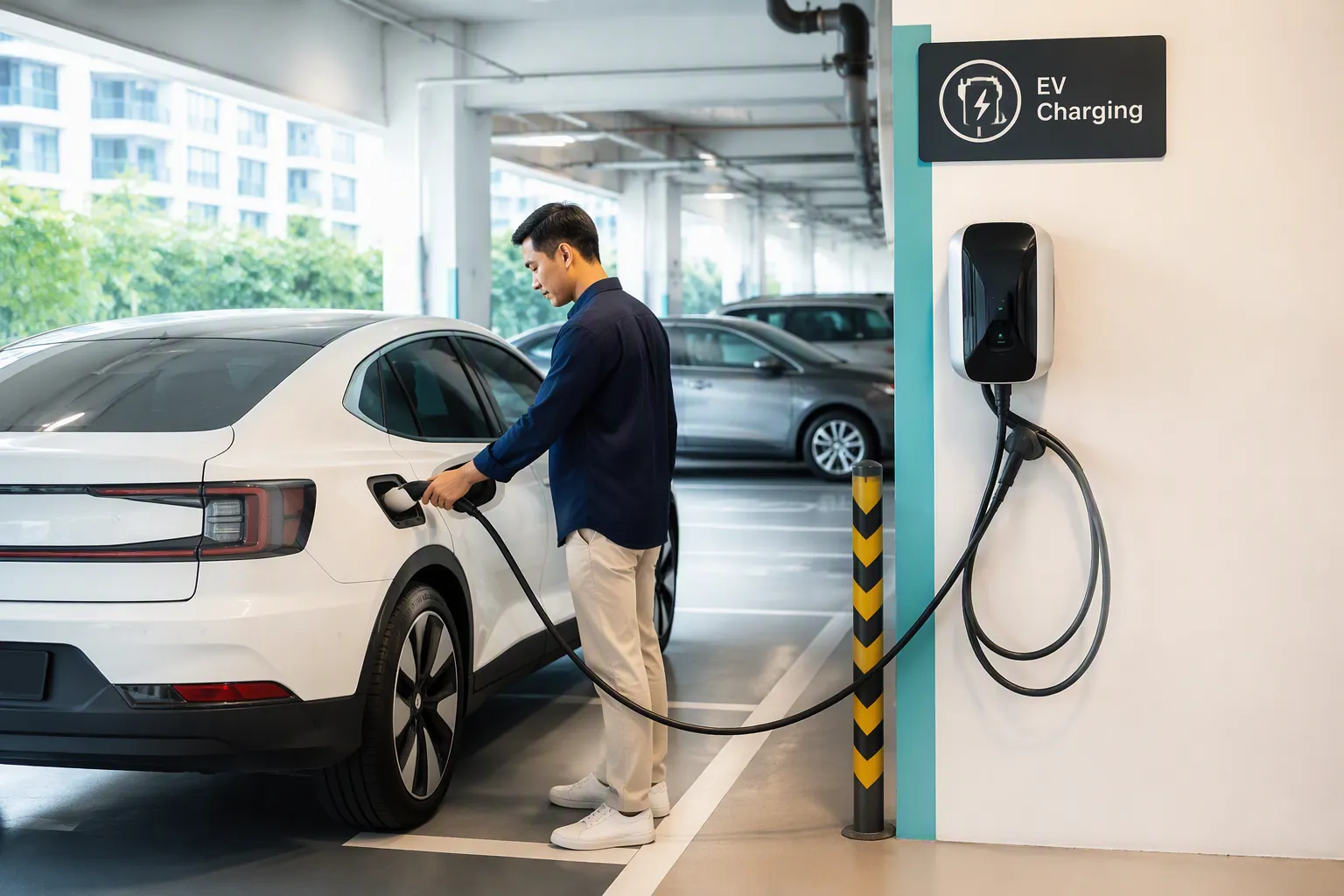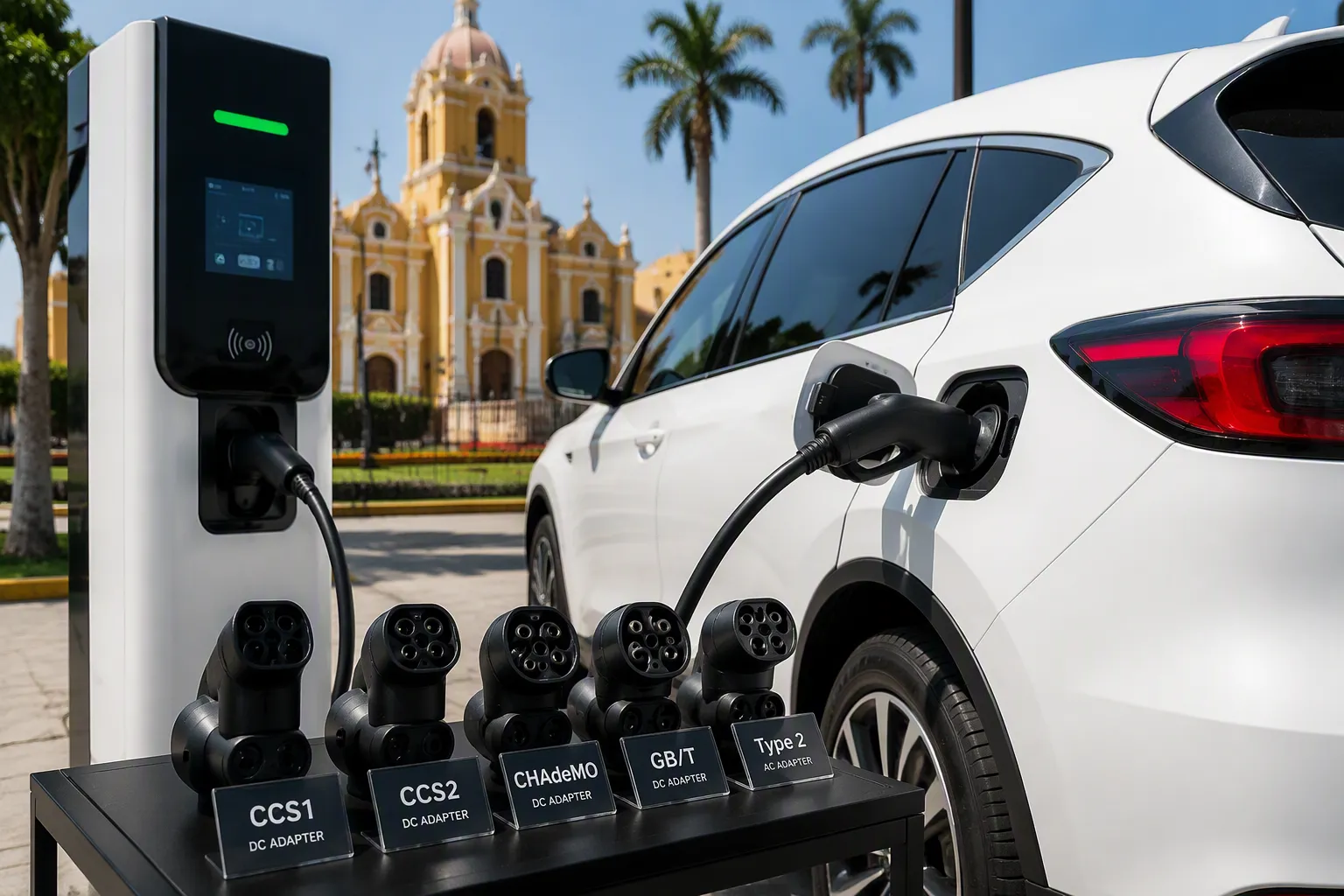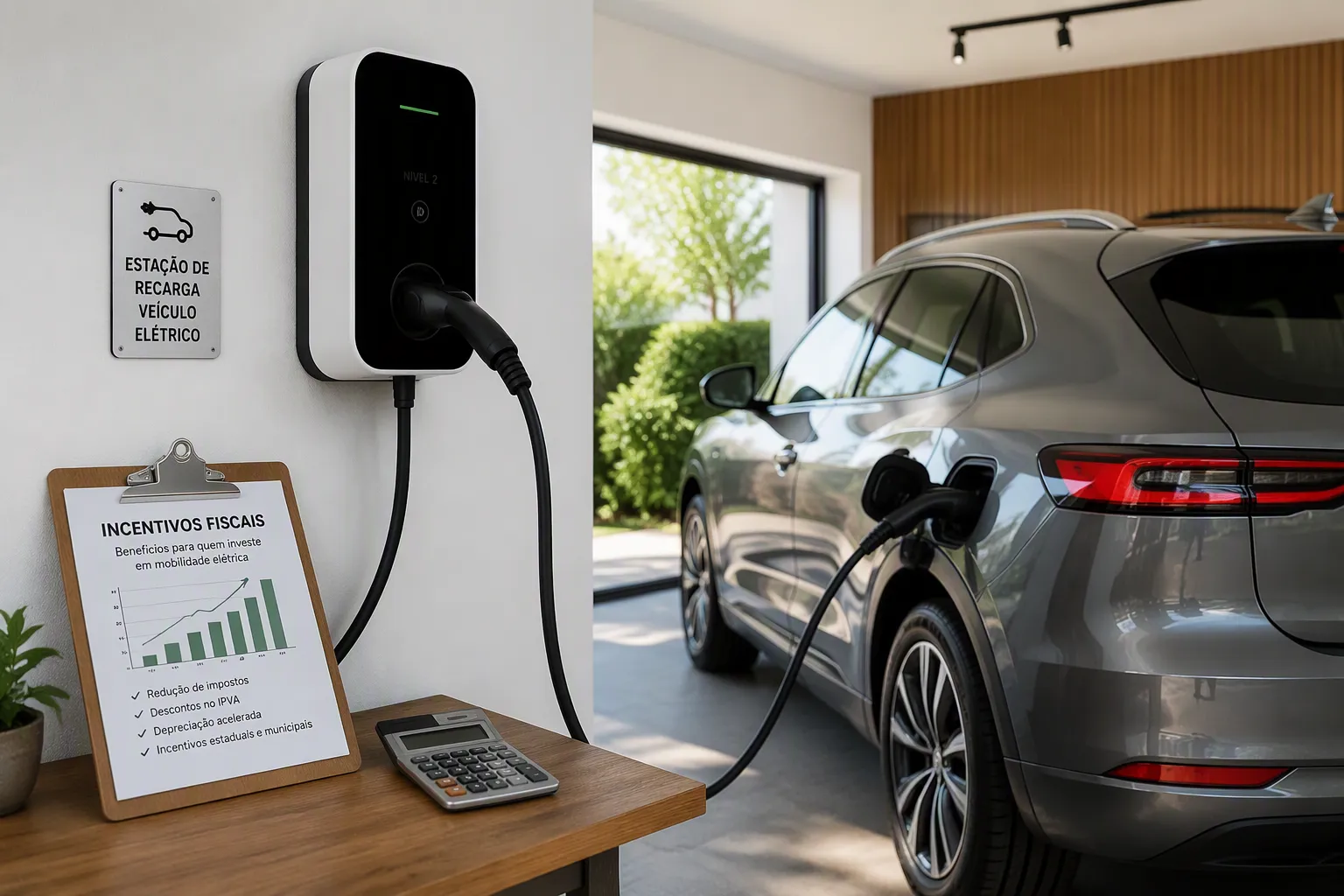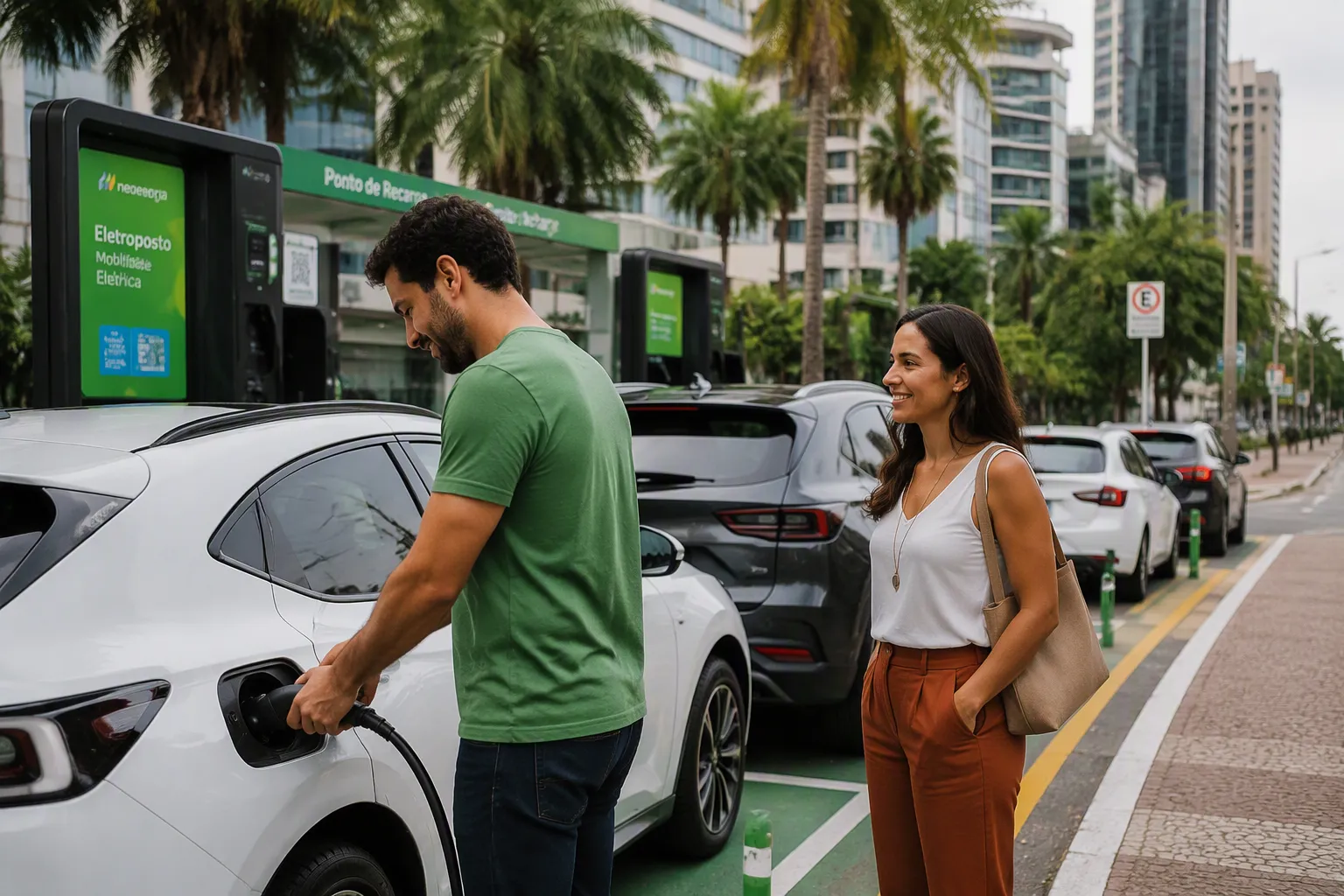

Um proprietário de veículo elétrico (VE) pode calcular o custo de carregamento com uma fórmula simples. Multiplica-se a tarifa de eletricidade pela energia adicionada à bateria. Para uma carga completa, a fórmula é: Tarifa de Eletricidade (€/kWh) x Capacidade da Bateria (kWh) = Custo Total (€). Por exemplo, carregar uma bateria de 65 kWh a uma tarifa de €0,15 por kWh resulta num custo de carregamento de €9,75.
Pesquisas independentes mostram que os proprietários de VE podem economizar significativamente em comparação com condutores de carros a gasolina. Um proprietário de Volkswagen ID.3, por exemplo, pode ver uma poupança anual de £1.785,45 em relação a um Volkswagen Golf a gasolina comparável.
| Categoria de custos | Volkswagen ID.3 (Elétrico) | Volkswagen Golf (Gasolina) |
|---|---|---|
| Custo anual do combustível | £538.26 | £1,181.64 |
| Custo Anual de Manutenção | £360 | £522 |
| Custo Total Anual de Utilização | £4,360.97 | £6,146.42 |
| Poupança Anual em Custos de Utilização | £1,785.45 | – |

Liderança Fabricantes de carregadores para veículos eléctricos Empresas como a TPSON, um fornecedor tecnologicamente avançado, oferecem várias Soluções de carregamento de veículos eléctricos. Estes variam desde um modelo fixo Carregador de veículos eléctricos para carregadores portáteis para veículos eléctricos, ajudando os condutores a gerir despesas de forma eficaz.
A Fórmula Principal para Calcular o Custo de Carregamento de VE
Calcular a despesa de carregar um veículo elétrico começa por compreender os seus componentes principais. Os princípios fundamentais são diretos. Eles capacitam o proprietário de um VE a prever e gerir com precisão os custos de utilização do seu veículo.
Entendendo os Quilowatt-horas (kWh)
O quilowatt-hora (kWh) é a unidade padrão de energia que as empresas de serviços públicos utilizam para faturação. Para um condutor de VE, o kWh é o equivalente a um galão ou litro de gasolina. Mede a quantidade de energia armazenada na bateria do veículo.
O que é um kWh?
Um quilowatt-hora (kWh) é uma unidade de medição de energia. Representa a energia total consumida quando um aparelho de 1.000 watts (ou 1 quilowatt) funciona durante uma hora. Por exemplo, um aquecedor de 2 kW a funcionar durante 3 horas consome 6 kWh de energia. Muitos eletrodomésticos comuns têm diferentes necessidades energéticas, o que fornece uma perspetiva útil sobre o consumo.

kWh vs. Quilowatts (kW)
É essencial distinguir entre quilowatt (kW) e quilowatt-hora (kWh).
- Kilowatt (kW): Este é uma unidade de potência. A potência é a taxa à qual a energia é utilizada. Uma classificação de kW mais elevada significa que mais potência está a ser fornecida num determinado momento, levando a um carregamento mais rápido.
- Kilowatt-hora (kWh): Este é uma unidade de energia. A energia é a quantidade total de potência utilizada durante um período de tempo. A relação é simples:
Energia (kWh) = Potência (kW) × Tempo (horas).
Analogia: Pense nisso como água. O kW é a velocidade da água que flui de uma mangueira (potência), enquanto o kWh é a quantidade total de água recolhida num balde ao longo do tempo (energia).
A Matemática Simples para o Carregamento
Com uma compreensão clara destas unidades, um proprietário pode facilmente calcular o custo de carregamento de VE. Soluções de carregamento tecnologicamente avançadas de fornecedores como a TPSON dão aos condutores as ferramentas para monitorizar o consumo de energia e gerir estas despesas de forma eficaz.
Fórmula para uma Carga Completa
Para encontrar o custo mensal de carregamento custo de carregar uma bateria de VE de vazia para cheia, utiliza-se uma simples fórmula de multiplicação. A capacidade total da bateria do veículo é multiplicada pelo preço da eletricidade por kWh.
Capacidade da Bateria (kWh) × Tarifa de Eletricidade (€/kWh) = Custo Total para uma Carga Completa (€)
Fórmula para uma Carga Parcial
A maioria das sessões de carregamento não envolve uma carga completa de 0% a 100%. Os condutores normalmente completam a sua bateria. Para estas situações, a fórmula é ajustada para refletir apenas a energia adicionada.
Energia Adicionada (kWh) × Tarifa de Eletricidade (€/kWh) = Custo da Carga Parcial (€)
Por exemplo, se um condutor adicionar 25 kWh à sua bateria a uma tarifa de €0,15/kWh, o custo dessa sessão é de €3,75 (25 kWh x €0,15).
Como Calcular Custos de Carregamento Doméstico

Carregar em casa é o método mais conveniente e económico para a maioria dos proprietários de veículos elétricos. O processo para calcular o custo de carregamento de VE calcular o custo de carregamento em casa envolve três passos simples: encontrar a tarifa de eletricidade, conhecer a capacidade da bateria do veículo, e aplicar a fórmula principal.
Passo 1: Encontre Sua Tarifa de Eletricidade
O preço da eletricidade é a variável mais significativa nos custos de carregamento doméstico. Esta tarifa não é universal; varia consoante a localização, o fornecedor de serviços públicos e o plano de preços específico que o cliente escolhe.
Verifique a Sua Fatura de Serviços Públicos
A forma mais direta de encontrar uma tarifa de eletricidade é verificar a fatura mensal de serviços públicos. A fatura detalha o consumo de energia e lista o preço por quilowatt-hora (kWh). Este valor é a base para todos os cálculos de custos.
Tarifas Padrão vs. Tarifas Escalonadas
As empresas de serviços públicos oferecem vários tipos de estruturas de preços. Um plano padrão, ou de taxa fixa, cobra o mesmo preço por kWh, independentemente da quantidade de eletricidade utilizada. Em contraste, as tarifas escalonadas baseiam-se em níveis de consumo.
- As utilities estabelecem uma franquia de base de eletricidade ao preço mais baixo (Nível 1).
- O consumo além desta franquia coloca o cliente num nível de preço mais elevado (Nível 2).
- O preço por kWh aumenta a cada patamar sucessivo.
- Neste modelo, o horário do dia não influencia o custo.
Planos de Horário de Uso (TOU)
Os planos de Horário de Uso (TOU) são altamente benéficos para proprietários de veículos elétricos. Estes planos têm tarifas de carregamento diferentes consoante o horário do dia.
- Horas de Ponta: Períodos de elevada procura de eletricidade (ex.: finais da tarde) têm as tarifas mais altas.
- Fora do horário de pico: Períodos de baixa procura (ex.: altas horas da noite) têm as tarifas mais baixas.
- Horas Intermédias/Fora de Ponta Moderadas: Estas situam-se entre os horários de ponta e fora de ponta, com tarifas moderadas.
Um proprietário pode programar o seu VE para carregar durante as horas fora de ponta, reduzindo significativamente os custos.
Planos Tarifários Específicos para VE
Alguns fornecedores de serviços públicos oferecem planos tarifários especiais concebidos para proprietários de veículos elétricos. Estes planos apresentam frequentemente tarifas de carregamento noturnas extremamente baixas para incentivar o consumo de energia fora de ponta. Um proprietário deve contactar a sua empresa local de serviços públicos para verificar se tal plano está disponível, pois pode oferecer as maiores poupanças.
Passo 2: Conheça a Capacidade da Bateria do Seu Veículo
A segunda peça do puzzle é a capacidade da bateria do veículo, medida em kWh. Este número representa a quantidade total de energia que a bateria pode armazenar, semelhante ao tamanho de um depósito de combustível.
Onde Encontrar a Capacidade da Bateria
Um proprietário pode encontrar a capacidade da bateria do seu veículo em vários locais:
- O manual do proprietário
- O sítio web oficial do fabricante
- O sistema de infotenimento do veículo ou menu de definições
Nota: Os fabricantes listam frequentemente a capacidade “total” e a capacidade “utilizável” da bateria. A capacidade utilizável é o valor relevante para os cálculos de carregamento, pois representa a quantidade real de energia disponível para condução.
Capacidades de Bateria para VEs Populares
As capacidades das baterias variam muito consoante os modelos. Baterias maiores proporcionam maior autonomia, mas demoram mais tempo e custam mais a carregar a partir de vazio. Seguem-se as capacidades das baterias para vários modelos populares.
| Modelo do veículo | Capacidades de Bateria Disponíveis (kWh) |
|---|---|
| Tesla Model Y | ~75 kWh |
| Kia e-Niro | 64 kWh |
| Renault Scenic E-Tech | 60 kWh ou 87 kWh |
| Kia EV3 | 58,3 kWh ou 81,4 kWh |
| Renault 5 E-tech | 40 kWh ou 52 kWh |
Passo 3: Juntar Tudo
Conhecida a tarifa de eletricidade e a capacidade da bateria, um proprietário pode estimar com precisão os custos de carregamento para diferentes cenários.
Exemplo: Carga Completa com uma Tarifa Padrão
Considere um proprietário de um Tesla Model Y (bateria de 75 kWh) com um plano de eletricidade padrão que custa 0,15€ por kWh.
- Fórmula:
Capacidade da Bateria (kWh) × Tarifa de Eletricidade (€/kWh) = Custo Total - Cálculo:
75 kWh × 0,15€/kWh = 11,25€
Uma carga completa de 0% a 100% custaria aproximadamente 11,25€.
Exemplo: Carga Parcial com uma Tarifa TOU
A maioria dos condutores não carrega a partir de 0%. Um cenário mais comum é completar a bateria durante a noite com um plano TOU. Vamos calcular o custo para carregar um Kia e-Niro (bateria de 64 kWh) de 20% para 80% usando uma tarifa fora de ponta de 0,07€ por kWh.
- Determinar a Energia Necessária: O objetivo é adicionar 60% da capacidade da bateria (80% – 20% = 60%).
64 kWh (Capacidade Total) × 0,60 (60%) = 38,4 kWh - Identificar a Tarifa de Eletricidade: A tarifa TOU fora de ponta é de 0,07€ por kWh.
- Calcular o Custo Básico: Multiplicar a energia necessária pela tarifa fora de ponta.
38,4 kWh × 0,07€/kWh = 2,69€
Ajuste do Mundo Real: O carregamento não é 100% eficiente; parte da energia perde-se sob a forma de calor. Assumindo uma perda de eficiência de 10%, a energia real consumida da tomada seria maior. Um custo mais preciso seria próximo de 2,96€ (2,69€ × 1,10).
Este exemplo mostra as poupanças significativas possíveis ao combinar o carregamento parcial com uma baixa tarifa de eletricidade fora de ponta.
Fatores que Afetam a Eficiência do Carregamento Doméstico
Os cálculos de custo da secção anterior fornecem uma boa base. No entanto, os custos reais de carregamento são influenciados por fatores de eficiência. A energia que um carregador de VE consome da tomada não é a mesma quantidade que acaba armazenada na bateria. Compreender estas variáveis permite ao proprietário criar uma perspetiva financeira mais precisa.
Compreender as Perdas no Carregamento
Carregar um veículo elétrico é um processo de conversão e transferência de energia. Nenhuma transferência de energia é perfeitamente eficiente. Uma parte da eletricidade perde-se sempre, principalmente sob a forma de calor, antes de chegar ao conjunto de baterias.
O que é a Ineficiência de Carregamento?
A ineficiência de carregamento refere-se à diferença entre a energia consumida da tomada elétrica and the energy successfully stored in the EV’s battery. The main source of this loss occurs inside the vehicle itself. An EV’s onboard charger converts Alternating Current (AC) from the home’s power supply into Direct Current (DC) that the battery can use. This conversion process generates significant heat, which represents lost energy. While vehicles have cooling systems to manage this heat, the energy used for cooling also contributes to the overall inefficiency.
How Much Energy is Lost?
The amount of lost energy varies, but an owner can expect charging efficiency to be between 75% and 95%. This means for every 10 kWh pulled from the grid, between 0.5 and 2.5 kWh may be lost. Several elements contribute to this energy loss.
- Onboard Charger: The primary factor, with its inherent conversion inefficiency.
- Cables: Resistance in the charging cable generates a small amount of heat.
- Charging Power: Lower power (Level 1) charging can sometimes be less efficient than higher power (Level 2) charging.
- EV Battery: The battery’s own internal resistance and its current state of charge affect efficiency.
- Clima: Ambient temperature plays a major role.
Technologically advanced charging solutions from providers like TPSON deliver power effectively, but these physical limitations of energy conversion remain.
The Impact of Temperature
Ambient temperature is one of the most significant external factors affecting charging efficiency and battery performance. Lithium-ion batteries operate best within a specific temperature range.
Cold Weather and Battery Performance
Cold temperatures dramatically slow the chemical reactions inside a lithium-ion battery. The optimal operating temperature is typically between 20°C and 25°C (68°F to 77°F). When charging in the cold, several issues arise:
- The battery’s electrolyte becomes more viscous, hindering the movement of lithium ions.
- Reduced ion mobility makes the charging process less efficient.
- A dangerous condition called “lithium plating” can occur, where lithium deposits on the anode’s surface, permanently reducing capacity and lifespan.
Dica profissional: To combat these effects, an EV’s battery management system (BMS) will often use energy to heat the battery pack to an optimal temperature before and during a charging session.
Adjusting Calculations for Winter
An EV owner in a cold climate must adjust their cost calculations for winter. The vehicle will consume extra energy to warm its battery, increasing the total kWh drawn from the wall for a given session. A simple way to account for this is to increase the estimated energy needed by 10% to 25% when calculating winter charging costs. For example, if a charge normally requires 40 kWh in mild weather, an owner should budget for 44-50 kWh in freezing temperatures.
How to Calculate Public Charging Costs

While home charging offers predictable costs, charging on the go introduces more variables. An owner must know how to calculate ev charging cost at public stations, as pricing structures differ significantly between networks and locations. The hardware at these stations, from providers like TPSON, is technologically advanced, but the cost is set by the network operator. Understanding these payment models is essential for managing expenses away from home.
Common Public Charging Pricing Models
As redes de carregamento público employ several distinct pricing structures. An EV driver will encounter one or more of these models when using public charging points. Each model has its own method for determining the final cost of a session.
Preços por quilowatt-hora (kWh)
This is the most transparent and straightforward pricing model. The network charges the driver a set price for each kilowatt-hour (kWh) of energy delivered to the vehicle’s battery.
Analogia: This model works exactly like a traditional gas station, where a driver pays per gallon or liter of fuel. The cost directly reflects the amount of “fuel” (energy) the car receives.
This method is often preferred by drivers for its fairness, as the cost is tied directly to energy consumption.
Preços por minuto ou por hora
Under a time-based model, the network charges for the duration the vehicle is connected to the charger. The rate is set per minute or per hour. This model’s cost-effectiveness depends heavily on the vehicle’s charging speed.
- A vehicle that can accept power at a high rate (kW) will add a lot of energy in a short time, making this model economical.
- A vehicle with a slower charging speed will take longer to add the same amount of energy, resulting in a higher overall cost.
Preços de sessões a taxa fixa
Some charging stations charge a single, flat fee for a charging session. This fee applies whether the driver adds 5 kWh or 50 kWh to the battery. This model is most beneficial for drivers who need to add a significant amount of energy, effectively lowering the per-kWh cost. It can be expensive for a quick top-up.
Subscriptions and Memberships
Many major charging networks offer subscription or membership plans. A driver pays a recurring monthly or annual fee. In exchange, they gain access to lower charging rates across the network.
| Modelo de preços | Best For… | Considerações fundamentais |
|---|---|---|
| Per-kWh | Most charging scenarios | The price per kWh can vary widely. |
| Per-Minute | EVs with fast charging speeds | A slow charge becomes very expensive. |
| Flat-Fee | Drivers needing a near-full charge | Inefficient for small top-ups. |
| Assinatura | Frequent users of a specific network | The monthly fee must be offset by savings. |
Calculating Costs for Each Model
With an understanding of the pricing models, an owner can perform simple calculations to estimate the cost of a public charging session.
Example: Per-kWh Calculation
A driver with a Renault Scenic E-Tech needs to add 45 kWh to the battery. The charging station charges a rate of $0.55 per kWh.
- Fórmula:
Energy Added (kWh) × Rate ($/kWh) = Session Cost - Cálculo:
45 kWh × $0.55/kWh = $24.75
The total cost for this charging session would be $24.75.
Example: Time-Based Calculation
An owner plugs in their Kia EV3 at a station that charges $0.40 per minute. The vehicle charges for 35 minutes to reach the desired battery level.
- Fórmula:
Charging Time (minutes) × Rate ($/minute) = Session Cost - Cálculo:
35 minutes × $0.40/minute = $14.00
The session would cost $14.00. If another car charged for the same duration but added less energy due to a slower charging curve, the cost would remain the same.
Example: Session Fee Calculation
A charging station at a shopping center offers charging for a flat fee of $10.00 per session. A driver plugs in and charges their vehicle.
- Fórmula:
Session Fee = Total Cost - Cálculo:
$10.00 = $10.00
Regardless of whether the driver adds 10 kWh or 40 kWh, the cost for the session is fixed at $10.00. Some networks may add idle fees if the car remains plugged in after the battery is full.
The Cost to Charge: Level 2 vs. DC Fast Charging
An EV owner must understand the cost differences between various charging levels. The price to power a vehicle changes significantly between a standard Level 2 public charger and a DC fast charger. Knowing why these differences exist and how to calculate the expense for each helps a driver make informed decisions on the road.
Cost Differences Explained
The primary distinction between Level 2 and DC fast charging is speed, which directly impacts the price. DC fast charging provides rapid energy delivery but comes at a premium cost.
Why DC Fast Charging Costs More
DC fast charging is more expensive for several reasons related to infrastructure and operation. The hardware itself, especially high-power 180+ kW units, is costly. Installation can also be complex and expensive, sometimes requiring six-figure sums to cover supplementary electrical equipment and grid reinforcement.
Beyond the initial setup, operational costs are higher.
- Elevated Electricity Rates: Charging networks often pay higher commercial electricity rates, which lack the price caps available to residential customers.
- Demand Charges: Utilities may impose extra fees based on the peak power demand, a significant factor for high-power chargers.
- Investimento em infra-estruturas: Networks must price services to fund the ongoing expansion of their charging infrastructure.
- Higher VAT: Public charging is subject to a 20% Value Added Tax (VAT), whereas home charging is taxed at only 5%.
These factors combine to create a higher cost to charge at a DC fast station.
| Tipo de carregamento | Custo médio por kWh |
|---|---|
| Level 2 Public | $0.20–$0.30 |
| Carregamento rápido DC | $0.30–$0.60 |
When to Use Each Charging Level
The choice between Level 2 and DC fast charging depends on the situation.
- Carregamento de nível 2: This is ideal for situations where the vehicle will be parked for several hours. Examples include charging at the workplace, a shopping center, or a hotel overnight. The lower cost makes it a practical choice for routine top-ups.
- Carregamento rápido DC: This method is best for long-distance road trips when time is critical. A driver can add significant range in under an hour, making it essential for efficient travel between cities.
Calculating Costs at a DC Fast Charger
Calculating the cost to charge at a DC fast charger requires more than simple multiplication. An owner must consider the vehicle’s charging curve and the station’s pricing model.
Factoring in Charging Speed Taper
An EV’s charging curve dictates how much power the battery can accept at different states of charge. Manufacturers design this system to protect the battery’s long-term health.
- Charging is fastest between approximately 20% e 80% battery capacity.
- Above 80%, the charging speed slows down significantly in a process called “tapering.”
This tapering prevents the battery from overheating. It means charging from 80% to 100% can take as long as charging from 20% to 80%. On a per-minute plan, this final 20% becomes very expensive.
Dica profissional: For the most efficient and cost-effective DC fast charging session, an owner should plan to unplug around 80% and continue their journey.
Blended Pricing Models
Some networks use blended or hybrid pricing models that combine different structures. A common example includes:
- A per-kWh rate for the energy consumed.
- A time-based fee (per minute) that may start after a certain duration.
- A session initiation fee.
For example, a station might charge $0.45/kWh plus a flat $1.00 session fee. If a driver adds 40 kWh, the calculation is (40 kWh × $0.45/kWh) + $1.00, for a total of $19.00. An owner must always check the pricing details in the network’s app before starting a session to avoid surprises.
How to Find Cheaper EV Charging
An electric vehicle owner can significantly lower their running costs by adopting smart charging strategies. Finding cheaper electricity is possible both at home and on the road. A driver who understands their options can maximize savings and make EV ownership even more economical.
Saving Money at Home
Home is the primary and most affordable place to charge. An owner can implement several tactics to reduce their electricity bill.
Optimize with Time-of-Use Plans
A Time-of-Use (TOU) plan offers the most direct path to savings. These plans feature lower electricity rates during off-peak hours, typically late at night. An EV owner can schedule their vehicle to charge only during these low-cost periods.
- Program the vehicle’s charging timer through its infotainment system.
- Use a smart charger app to set a charging schedule.
This simple adjustment ensures the battery replenishes when grid demand and prices are at their lowest.
Check for Utility Rebates
Utility companies and government bodies often provide financial incentives to encourage EV adoption. An owner should research available programs in their area. These may include:
- Rebates on the purchase of a qualified home charger.
- Credits for installing a dedicated EV charging circuit.
- Special EV-specific rate plans with ultra-low overnight prices.
Sugestão: These incentives often require the installation of certified, high-quality hardware. Technologically advanced charging solutions from providers like TPSON may qualify for such programs, adding further value.
Saving Money on the Go
Public charging costs can vary widely. A proactive approach helps a driver avoid expensive sessions and find the best deals.
Using Charging Network Apps
Nearly every public charging network has a companion mobile app. These apps are essential tools for saving money on the road. A driver can use them to:
- View a map of nearby charging stations.
- Compare pricing between different locations in real-time.
- Filter for specific charger types or power levels.
- Identify stations with active promotions or lower rates.
Checking the app before plugging in prevents unexpected costs.
Finding Free Public Chargers
Free charging is the ultimate way to save money. While not always available, free chargers are more common than many drivers realize. An owner can often find them at:
- Retail shopping centers and supermarkets
- Hotels and restaurants (for patrons)
- Workplaces offering EV charging as an employee perk
- Some municipal parking garages
These locations offer free charging to attract customers or support sustainability goals.
Evaluating Network Subscriptions
For drivers who frequently use public chargers, a network subscription can be a worthwhile investment. A driver pays a monthly or annual fee to a specific network. In return, they receive a significant discount on per-kWh or per-minute charging rates.
An owner should analyze their public charging habits. If the monthly savings from discounted rates exceed the subscription fee, the plan is a financially sound choice.
Comparing EV Charging Costs to Gas
One of the most compelling advantages of EV ownership is the potential for significant fuel cost savings. To quantify these savings, an owner can calculate the cost per mile for both an electric vehicle and a comparable gasoline car. This direct comparison reveals the true financial benefit of switching to electric power.
Calculating Your Cost Per Mile
The cost per mile is the ultimate metric for understanding a vehicle’s running expenses. The calculation differs for EVs and gas cars, but the principle remains the same: dividing the cost of fuel by the distance traveled.
EV Cost Per Mile Formula
To find an EV’s cost per mile, an owner needs two figures: the electricity rate and the vehicle’s efficiency. Vehicle efficiency is measured in miles per kilowatt-hour (mi/kWh). An owner can find this by dividing the car’s total range by its battery size. For example, a car with a 240-mile range and a 60 kWh battery has an efficiency of 4 mi/kWh.
Fórmula:
Electricity Rate ($/kWh) ÷ Vehicle Efficiency (mi/kWh) = Cost Per Mile ($)
Using this formula, an owner can determine the average cost of charging per mile.
Gas Car Cost Per Mile Formula
Calculating the cost per mile for a gasoline car is a similar process. An owner needs the local price of gas per gallon and the car’s fuel efficiency, measured in miles per gallon (MPG).
Fórmula:
Price Per Gallon ($) ÷ Miles Per Gallon (MPG) = Cost Per Mile ($)
This calculation provides a clear benchmark to compare against the custo de carregamento de um VE for the same distance.
A Real-World Cost Comparison
Putting these formulas into practice with a hypothetical 1,000-mile journey illustrates the savings. The results highlight how the lower cost to charge an EV translates into substantial long-term financial benefits.
Example: 1,000 Miles in an EV
Consider an electric vehicle with an efficiency of 4 miles per kWh. The owner charges at home using an off-peak electricity rate of $0.15 per kWh.
- Energia necessária:
1,000 miles ÷ 4 mi/kWh = 250 kWh - Custo total:
250 kWh × $0.15/kWh = $37.50
The total cost to travel 1,000 miles in this scenario is just $37.50. Using technologically advanced charging solutions from providers like TPSON helps ensure this energy is delivered efficiently.
Example: 1,000 Miles in a Gas Car
Now, consider a gasoline car with a fuel efficiency of 30 MPG. The owner fills up at a gas station where the price is $3.50 per gallon.
- Fuel Needed:
1,000 miles ÷ 30 MPG = 33.33 gallons - Custo total:
33.33 gallons × $3.50/gallon = $116.66
| Tipo de veículo | Cost for 1,000 Miles |
|---|---|
| Veículo elétrico | $37.50 |
| Carro a Gasolina | $116.66 |
In this comparison, driving the EV for 1,000 miles is over three times cheaper than driving the gasoline car.
Um proprietário pode calculate ev charging cost using a straightforward formula: Electricity Rate ($/kWh) × Energy Added (kWh). The most affordable strategy involves charging at home during off-peak hours, a process streamlined by technologically advanced solutions from providers like TPSON. Understanding public charging models, such as per-kWh or per-minute rates, is crucial for avoiding expensive surprises on the road. This knowledge empowers drivers to effectively manage their vehicle’s running expenses and maximize long-term savings.
FAQ
What is the cheapest way to charge an electric vehicle?
The most affordable method is carregamento em casa during off-peak hours. Utility companies often offer lower electricity rates late at night. An owner can schedule charging sessions to take advantage of these reduced prices, significantly lowering their overall fuel costs.
O clima frio aumenta os custos de carregamento?
Sim, os custos de carregamento aumentam no clima frio. O sistema de gestão da bateria do veículo utiliza energia adicional para aquecer a bateria até uma temperatura ideal para um carregamento seguro e eficiente. Este consumo energético extra da rede elétrica aumenta o custo total de uma sessão.
Por que o carregamento público é mais caro que o carregamento doméstico?
As redes de carregamento público têm custos mais elevados. Estes incluem hardware caro de carregamento rápido DC, instalação complexa e tarifas comerciais de eletricidade com encargos de demanda. As redes repassam essas despesas operacionais ao condutor, resultando em preços por kWh mais altos em comparação com as tarifas residenciais.
Um proprietário deve sempre carregar seu veículo elétrico até 100%?
Um proprietário deve evitar carregar até 100% diariamente. Carregar rotineiramente até no máximo 80% ajuda a preservar a saúde e a vida útil da bateria a longo prazo. Uma carga completa de 100% é melhor reservada para longas viagens rodoviárias, quando a autonomia máxima é necessária.
O que é um carregador inteligente?
Um carregador inteligente é um dispositivo que se conecta à internet. Ele permite que um proprietário agende sessões de carregamento, monitore o uso de energia e gerencie custos por meio de um aplicativo de smartphone. Soluções tecnologicamente avançadas de fornecedores como a TPSON oferecem esses recursos para um carregamento doméstico otimizado.
Os carregadores públicos gratuitos são realmente gratuitos?
Sim, muitos carregadores públicos são gratuitos para uso. Um proprietário frequentemente pode encontrá-los em locais como centros comerciais, hotéis ou locais de trabalho.
Nota: Embora a eletricidade seja gratuita, essas estações podem ter limites de tempo ou serem reservadas para clientes. Taxas de ociosidade podem ser aplicadas se um carro permanecer estacionado após a conclusão do carregamento.