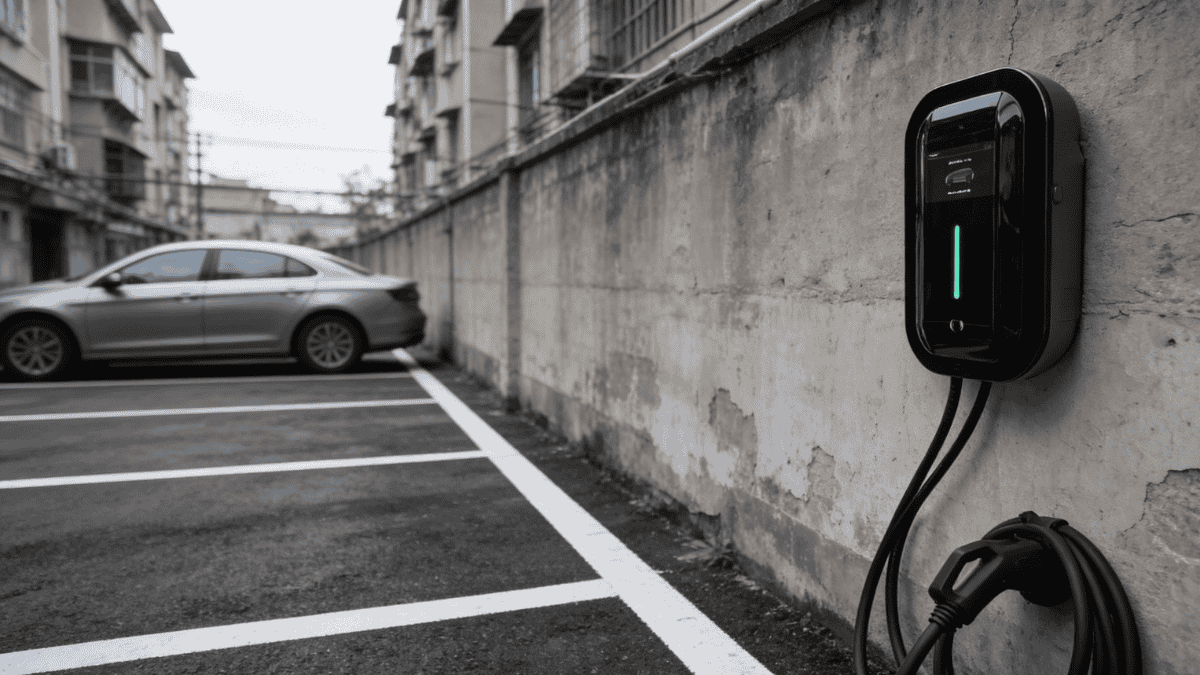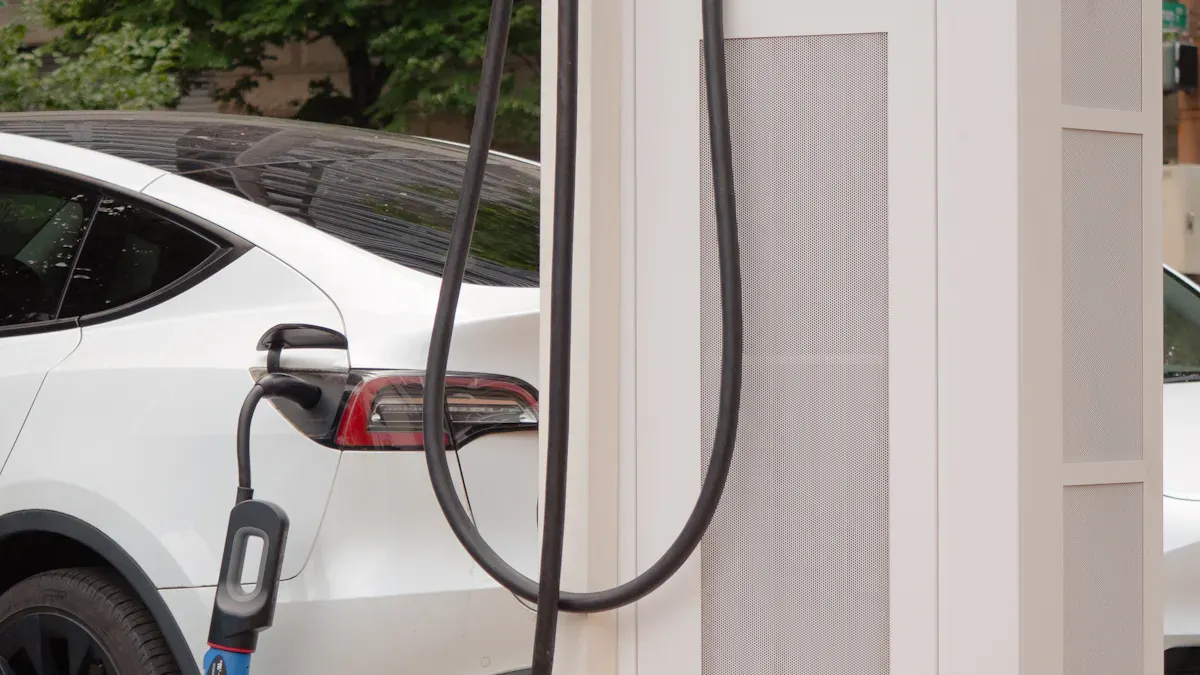
Many drivers in Europe trust their Pengisi Daya Listrik to deliver safe and reliable power. The Dangers of Cheap Adapters threaten not only vehicles but also homes and lives. Produsen pengisi daya EV invest in strict safety standards, but uncertified products can bypass these controls. Fires can start quickly when low-quality adapters overheat. Reliable Solusi pengisian daya kendaraan listrik protect both property and people. Pengisi daya ev portabel should always meet certified requirements to ensure peace of mind for every journey.
What Makes an EV Adapter Safe?
Certification Standards and Safety
CE Marking and European Safety Standards
European safety standards set strict requirements for EV adapters. The CE mark stands as the most recognized symbol of compliance. This mark shows that the product meets EU safety, electromagnetic compatibility, and environmental standards. Other marks, such as UL and CSA, also indicate adherence to rigorous safety protocols. The following table summarizes common certification marks found on EV adapters in Europe:
| Certification Mark | Deskripsi |
|---|---|
| CE | European Conformity, indicating compliance with EU safety standards. |
| UL | Underwriters Laboratories, a mark ensuring safety and performance standards. |
| CSA | Canadian Standards Association, indicating adherence to safety requirements. |
Manufacturers like TPSON ensure their adapters display these marks, which assures drivers of product reliability and safety.
Importance of Third-Party Testing
Third-party testing adds another layer of trust. Independent organizations, such as TÜV, verify that adapters meet international standards like IEC/EN 61851 and 62196. These tests check for electrical safety, fire resistance, and proper operation under stress. Products that pass third-party testing offer drivers peace of mind, knowing the adapter will perform safely in real-world conditions.
Legal Requirements for EV Adapters in Europe
National and EU Regulations
European regulations require all EV adapters to comply with specific standards. For example, BS EN 61851-1:2019 mandates electrical safety and interoperability for public charging installations. The Alternative Fuels Infrastructure Regulation (AFIR) requires new public chargers above 50kW to use CCS2 connectors by 2025. EU Regulation 2014/94/EU standardizes Type 2 connectors for public AC charging stations. The table below outlines key regulations:
| Regulasi/Standar | Deskripsi |
|---|---|
| BS EN 61851-1:2019 | Mandates compliance for all public charging installations to ensure electrical safety and interoperability. |
| AFIR | Requires all new public chargers above 50kW to include CCS2 connectors by 2025, affecting around 400,000 charging points. |
| EU Regulation 2014/94/EU | Mandates Type 2 connectors for public AC charging stations, standardizing plugs for user convenience. |
Consequences of Non-Compliance
Non-compliance carries serious consequences. Authorities may impose fines up to €15 million or 2.5% of global annual turnover. They can withdraw non-compliant products from the market. Manufacturers may also face public warnings and legal liability for damages caused by unsafe adapters. These penalties highlight the importance of choosing certified products.
Why Certification Matters for Drivers
Ensuring Safe Operation
Certified adapters protect users from electrical hazards. Standards such as IEC 62955 and IEC 62752 require features like DC residual current detection and proper insulation. These features reduce the risk of fire, electric shock, and equipment failure.
Protecting Your Warranty and Insurance
Certification also safeguards warranties and insurance coverage. Many vehicle manufacturers and insurers exclude claims involving uncertified adapters. By choosing certified products from reputable providers like TPSON, drivers ensure their coverage remains valid and their vehicles stay protected.
Dangers of Cheap Adapters: Fire, Shock, and More
Fire Hazards from Uncertified Adapters
Overheating and Melting Risks
Cheap, uncertified EV adapters often lack the robust engineering found in certified products. These adapters can overheat during normal use. Terlalu panas may cause the plastic casing to melt, exposing live wires and increasing the risk of fire. Many incidents occur because these adapters cannot handle the electrical load required for safe charging. Voltage instability is another common issue. Uncertified adapters may fail to regulate voltage, which leads to dangerous fluctuations and further increases the risk of overheating.
- Overheating can ignite nearby materials.
- Melting adapters expose users to live electrical parts.
- Voltage instability stresses both the adapter and the vehicle’s battery.
Poor Quality Materials
Manufacturers of cheap adapters often use inferior materials to cut costs. These materials may not withstand high temperatures or prolonged use. Poor insulation and substandard connectors can fail under stress, leading to thermal runaway in lithium-ion batteries. Thermal runaway is a chain reaction that can cause fires in both the adapter and the vehicle. The dangers of cheap adapters become clear when low-quality materials compromise the entire charging process.
⚠️ Note: Thermal runaway remains one of the most serious risks associated with faulty charging equipment. Once started, it can be difficult to stop and may result in significant property damage.
Electric Shock Risks to Users
Inadequate Insulation
Uncertified adapters often lack proper insulation between high-voltage and low-voltage components. This design flaw increases the risk of electric shock. Users may experience shocks when plugging in or unplugging the adapter. Inadequate creepage distance, the space between conductive parts, further raises the danger. Many fires and electric shocks link directly to cheap, unsafe counterfeit electrical products, including adapters.
- Insufficient insulation exposes users to dangerous voltages.
- Poor design can allow electricity to arc between components.
- Fake chargers often ignore basic safety measures.
Faulty Wiring and Construction
Faulty wiring is a frequent problem in low-cost adapters. Manufacturers may skip essential safety checks or use incorrect wiring techniques. These shortcuts can lead to exposed wires, loose connections, or even short circuits. Uncertified electrical installations increase the risk of both electric shocks and fires. The dangers of cheap adapters extend beyond the user, as faulty construction can also damage the vehicle and the charging infrastructure.
Vehicle and Charger Damage
Electrical System Failures
Cheap adapters can cause significant damage to both the vehicle and the charging station. Incompatible or uncertified adapters may not match the vehicle’s requirements, leading to overheating and equipment failure. The following table summarizes the types of damage and risks associated with using these adapters:
| Type of Damage/Risk | Deskripsi |
|---|---|
| Terlalu panas | Caused by using incompatible adapters that do not match the vehicle’s requirements. |
| Equipment Failure | Results from using uncertified or damaged adapters, leading to potential breakdowns. |
| Voiding Warranties | Using unauthorized adapters can invalidate vehicle warranties or insurance claims. |
Costly Repairs and Downtime
When an adapter fails, the resulting damage can be expensive to repair. Electrical system failures may require replacement of key vehicle components or the entire charging unit. Downtime while waiting for repairs disrupts daily routines and can leave drivers stranded. Many manufacturers and insurers refuse to cover damages caused by uncertified adapters, leaving owners to bear the full cost. The dangers of cheap adapters include not only immediate safety risks but also long-term financial consequences.
Voided Warranties and Insurance Problems
Manufacturer Warranty Exclusions
Vehicle manufacturers design warranties to protect owners from defects and failures caused by normal use. These warranties often include strict terms about which accessories and components drivers can use. When drivers choose uncertified EV adapters, they risk violating these terms. Manufacturers may refuse to cover any damage linked to non-approved charging equipment.
A typical warranty policy might include the following exclusions:
- Use of non-genuine or uncertified parts
- Damage from improper installation or operation
- Electrical faults caused by third-party accessories
Catatan: If a technician discovers evidence of a cheap, uncertified adapter during a repair, the manufacturer can void the entire warranty. This decision leaves the owner responsible for all repair costs.
The Dangers of Cheap Adapters extend beyond immediate safety risks. They can also strip away the financial protection that a warranty provides. Drivers should always check their vehicle’s warranty terms before purchasing any charging accessory.
Insurance Claim Denials
Insurance companies assess risk based on the use of certified and safe equipment. When a fire, electric shock, or vehicle damage occurs, insurers investigate the cause. If they find that an uncertified EV adapter contributed to the incident, they may deny the claim.
The table below outlines common reasons for insurance claim denials related to EV charging:
| Reason for Denial | Deskripsi |
|---|---|
| Use of uncertified adapters | Insurers require proof of certified charging equipment. |
| Failure to follow manufacturer guidelines | Claims denied if drivers ignore official instructions. |
| Evidence of tampering or modification | Any changes to the charging system can void coverage. |
Denied claims can lead to significant out-of-pocket expenses. Homeowners may face repair bills for fire or electrical damage. Vehicle owners may need to pay for costly repairs themselves. In some cases, insurance companies may even cancel policies for repeated violations.
⚠️ Always keep documentation for all charging equipment. Receipts, manuals, and certification labels can help support a claim if an incident occurs.
Drivers who understand the Dangers of Cheap Adapters can make informed choices. Certified adapters protect not only their safety but also their financial security.
Real-Life Incidents and Statistics on Dangers of Cheap Adapters
Documented Fire and Safety Cases
News Reports from Across Europe
European news outlets have reported a growing number of incidents linked to uncertified EV adapters. Fire departments in several countries have raised concerns about the increased risk of fires in homes and vehicles. In the United Kingdom, fire services have responded to a surge in battery-related fires. These incidents often involve adapters that fail to meet safety standards, leading to dangerous overheating or electrical faults.
Home and Vehicle Damage Examples
The financial and personal impact of these incidents can be severe. Recent statistics highlight the scale of the problem:
- Fires caused by lithium batteries average £50,000 per insurance claim.
- In 2024, Surrey Fire and Rescue Service responded to 55 battery-related fires, a sharp increase from 13 in 2021.
- Lithium batteries accounted for 48% of waste fires in 2022, resulting in £158 million in annual damages.
These numbers show that the consequences of using uncertified adapters extend far beyond minor inconvenience. Families have lost vehicles, homes, and personal belongings due to preventable fires.
Electric Shock and Injury Reports
User Experiences and Safety Recalls
Electric shock remains a significant risk for users of cheap adapters. Several individuals have reported receiving shocks while plugging in or unplugging uncertified charging devices. Safety recalls have also occurred in Europe. For example:
- Apple issued a recall for AC wall plug adapters due to electric shock risks.
- The recall followed reports of manufacturing defects that could cause electric shock.
- The affected adapters were distributed in multiple regions, including parts of Europe.
Although no major recalls have targeted EV adapters specifically, these cases demonstrate the potential dangers when manufacturers cut corners on safety.
Data on Insurance and Warranty Claims
Common Reasons for Claim Rejection
Insurance companies and vehicle manufacturers often deny claims related to damage from uncertified adapters. Common reasons include:
- Use of non-certified charging equipment.
- Failure to follow manufacturer guidelines.
- Evidence of tampering or unauthorized modifications.
These rejections leave owners responsible for costly repairs or replacements. The Dangers of Cheap Adapters become clear when considering the financial and safety risks that drivers face.
How to Identify Safe, Certified EV Adapters
Recognizing Certification Marks
CE, TÜV, and Other Trusted Labels
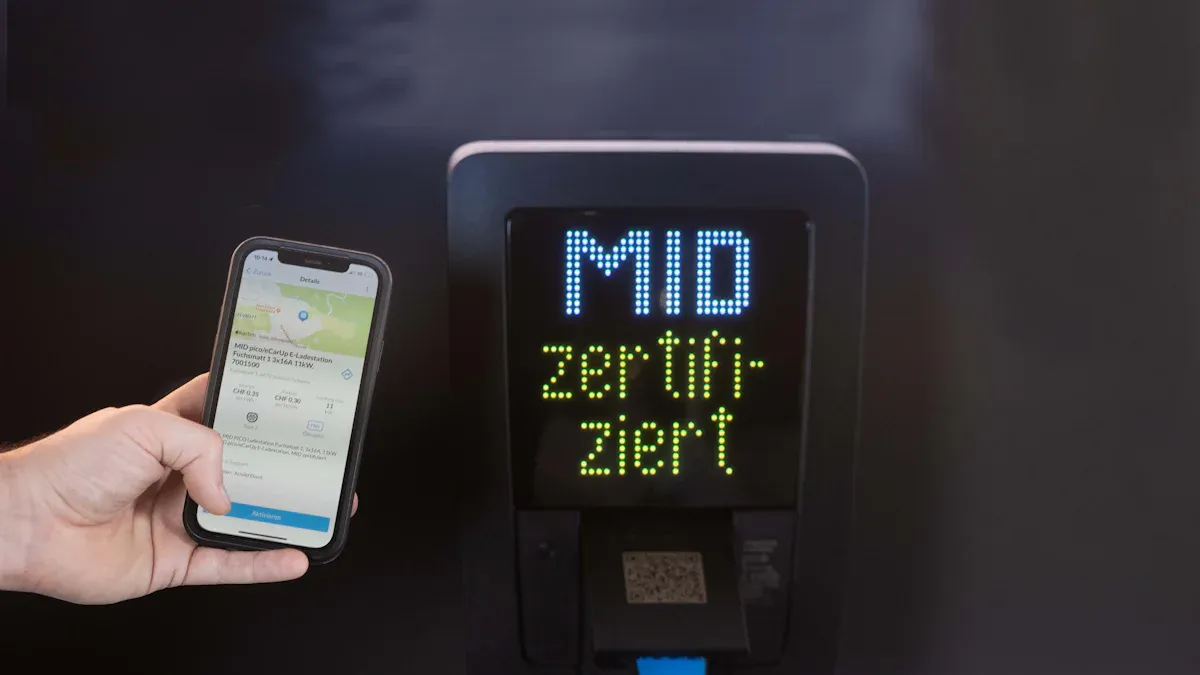
Certification marks play a crucial role in verifying the safety of EV adapters. The CE mark confirms that the product complies with European safety, health, and environmental requirements. TÜV certification, issued by the German Technical Inspection Association, signals that the adapter has passed rigorous third-party testing. Other trusted labels include GS (Geprüfte Sicherheit) and Intertek. These marks appear clearly on the adapter or its packaging. A genuine certification mark provides assurance that the manufacturer follows strict quality controls.
| Certification Mark | Arti | Issuing Body |
|---|---|---|
| CE | EU Safety Compliance | European Union |
| Jangan Menempati Pengisi Daya Setelah Selesai | Third-Party Safety Verification | TÜV Rheinland/SGS |
| GS | Tested Safety | German Authorities |
| Intertek | Product Quality & Safety | Intertek Group |
How to Spot Fake Certifications
Counterfeit adapters often display fake or misleading certification marks. Buyers should examine the logo for accuracy and clarity. Misspelled words, blurry printing, or missing registration numbers signal a potential fake. Authentic adapters include documentation that matches the certification mark. If the packaging lacks a user manual or technical sheet, the adapter may not be certified. Many fires start with cheap, unsafe counterfeit or unbranded electrical products. Careful inspection helps prevent these risks.
Choosing Reputable Brands and Sellers
Researching Manufacturer Reputation
Reputable brands invest in safety and quality. Buyers should research the manufacturer’s history and credentials. Well-known companies provide detailed product information and customer support. They often list certifications and test results on their websites. A lack of online presence or vague company details raises concerns about authenticity.
Reading Reviews and Recommendations
Customer reviews offer valuable insights into product reliability. Buyers should read both positive and negative feedback. Consistent complaints about overheating, poor build quality, or missing documentation suggest safety issues. Recommendations from trusted automotive forums or consumer groups add another layer of confidence.
Red Flags and Warning Signs
Suspiciously Low Prices
Extremely low prices often indicate poor quality or counterfeit products. Safe, certified adapters require investment in materials and testing. If an offer seems too good to be true, it likely involves hidden risks.
Missing or Incomplete Documentation
Safe adapters include clear manuals, warranty cards, and certification labels. Missing or incomplete documentation signals a lack of proper testing. Buyers should check for obvious signs of damage, such as wires hanging out, as well as hidden dangers that may not be immediately visible.
⚠️ Always verify the presence of certification marks and complete documentation before purchasing an EV adapter. This simple step protects both vehicles and lives.
What European Drivers Should Do to Avoid the Dangers of Cheap Adapters
Always Buy Certified Adapters
Where to Shop Safely
European drivers should prioritize trusted retailers when purchasing EV adapters. Authorized car dealerships, established automotive supply stores, and official manufacturer websites offer the highest level of safety assurance. These outlets provide products that comply with European regulations. Online marketplaces can also serve as safe options, but buyers must verify the seller’s credentials and customer feedback before making a purchase.
A simple checklist for safe shopping:
- Choose authorized dealers or official brand stores.
- Review seller ratings and customer reviews.
- Avoid unknown or unbranded online shops.
💡 Tip: If a deal appears suspiciously cheap, it often signals a counterfeit or uncertified product.
Checking for Certification Before Purchase
Before completing a purchase, drivers should inspect the product listing for clear certification marks. The CE mark must appear on both the adapter and its packaging. Additional certifications, such as TÜV or GS, provide extra confidence. Buyers should request documentation from the seller if certification details are missing or unclear. A genuine retailer will always provide proof of compliance.
Verify Documentation and Packaging
What to Look for in Manuals and Labels
Proper documentation signals a safe and certified EV adapter. Manuals should include clear instructions, safety warnings, and technical specifications. Labels on the adapter and packaging must display certification marks, the manufacturer’s name, and a serial number. Drivers should avoid products with missing, incomplete, or poorly translated manuals. Authentic adapters always include warranty information and customer support contacts.
A quick reference table for documentation:
| Item | Yang Harus Diperiksa |
|---|---|
| User Manual | Clear language, safety warnings |
| Certification Label | CE, TÜV, GS marks |
| Warranty Card | Valid contact information |
| Serial Number | Unique and traceable |
Report Unsafe Products and Protect Others
How to Notify Authorities or Consumer Groups
When drivers encounter unsafe or counterfeit adapters, they should report these products to local consumer protection agencies or national market surveillance authorities. Many countries provide online forms for reporting dangerous goods. Consumer groups, such as BEUC or national automobile clubs, also collect information on unsafe products. Prompt reporting helps remove hazardous adapters from the market and prevents accidents.
Sharing Your Experience to Help Others
Drivers can help others by sharing their experiences with unsafe adapters. Posting reviews on automotive forums, social media, or retailer websites raises awareness. Describing the issue and the steps taken to resolve it can guide others toward safer choices. Community action strengthens consumer protection and encourages manufacturers to maintain high safety standards.
🚨 Note: Reporting and sharing experiences can save lives and property by preventing the spread of dangerous products.
Cheap, uncertified EV adapters create serious risks for European drivers. These risks include fire, electric shock, vehicle damage, and loss of insurance or warranty coverage. Drivers should always select certified, reputable adapters to protect their vehicles and property.
- Certified products ensure safe charging.
- Reliable adapters help maintain insurance and warranty protection.
Prioritizing safety and sharing information about the Dangers of Cheap Adapters can help keep all drivers safe.
PERTANYAAN YANG SERING DIAJUKAN
What is a certified EV adapter?
A certified EV adapter meets European safety standards. Independent organizations test these adapters. Certification marks like CE or TÜV appear on the product and packaging. These marks show that the adapter passed strict safety and quality checks.
How can drivers spot a fake certification mark?
Drivers should check for spelling errors, blurry logos, or missing numbers. Authentic adapters include clear documentation. A table of genuine marks helps:
| Mark | Arti |
|---|---|
| CE | EU Safety |
| Jangan Menempati Pengisi Daya Setelah Selesai | Third-Party Tested |
Do cheap adapters always void car warranties?
Most manufacturers exclude coverage for damage from uncertified adapters. If a technician finds evidence of a cheap adapter, they may void the warranty. Drivers should always read their warranty terms before using any charging accessory.
Where should drivers buy safe EV adapters?
Drivers should buy from authorized dealers, official brand stores, or reputable online sellers. They should avoid unknown websites or unbranded products. Trusted retailers provide proof of certification and customer support.
What risks do uncertified adapters pose at home?
Uncertified adapters can overheat, melt, or cause fires. They may damage home wiring or electrical panels. Fire departments report increased incidents linked to unsafe charging equipment.
Can insurance companies deny claims for using cheap adapters?
Yes. Insurers often deny claims if they find uncertified adapters caused the damage. Drivers should keep receipts and manuals to support any future claims.
What should drivers do if they find a dangerous adapter?
Drivers should report unsafe products to consumer protection agencies or market authorities. Sharing experiences on forums or social media can help warn others and prevent accidents.