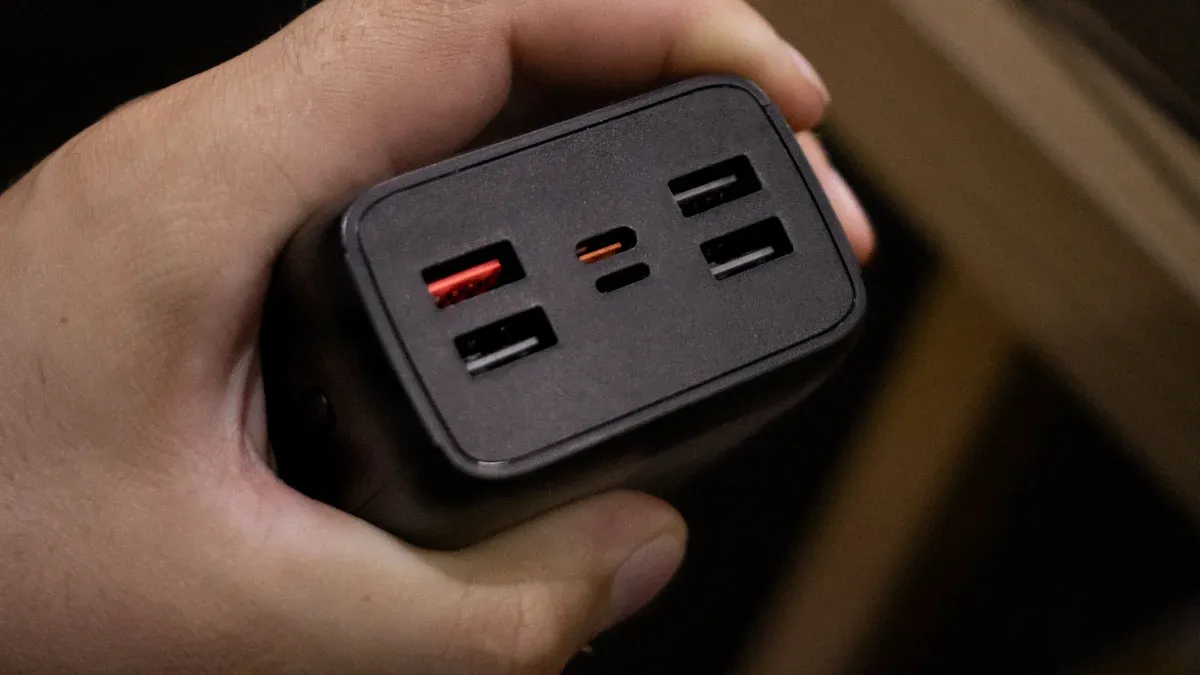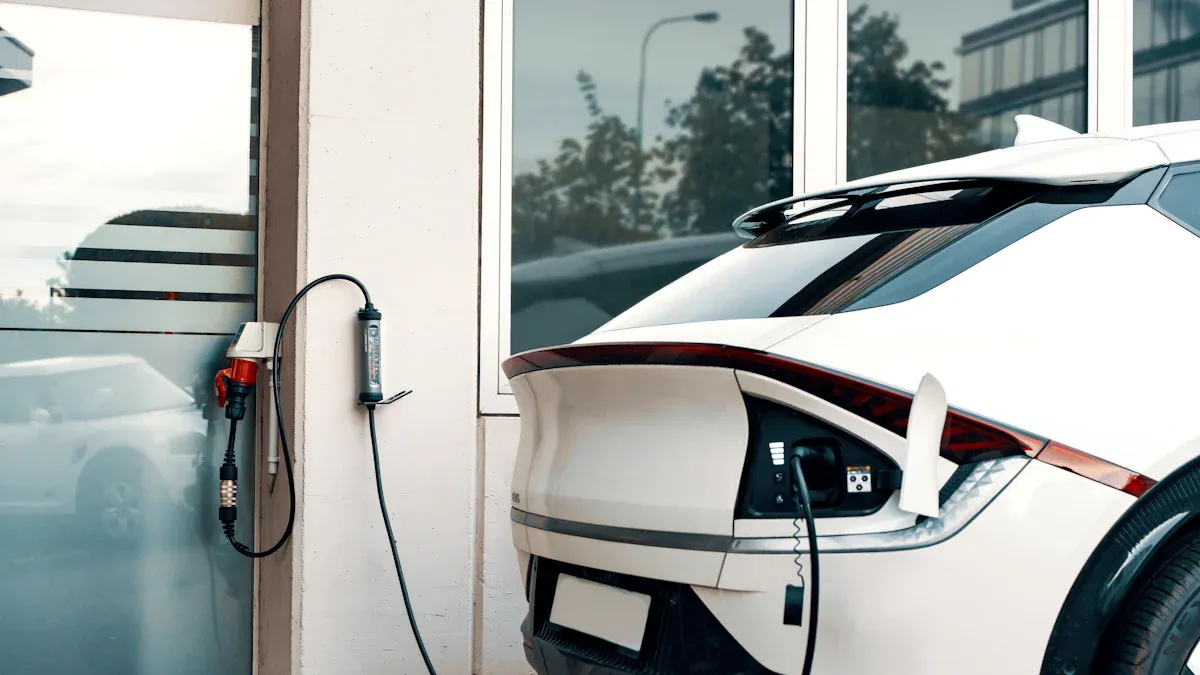
Owning an electric vehicle is more than just driving; it’s about embracing a new level of convenience, and the key is a home charging point. More than 80% of EV owners are already charging at home, a clear and prevalent trend. Imagine waking up every morning to a fully charged battery, ready for any journey, without ever needing to stop at a public station. A dedicated home EV charger, like those from technologically advanced EV charger manufacturers such as TPSON, slashes your “fueling” costs, offers significantly faster charging speeds, and ensures the highest level of safety. This dedicated EV charging point is central to the future of home charging.
The Ultimate Convenience: Why Home Charging is a Game-Changer
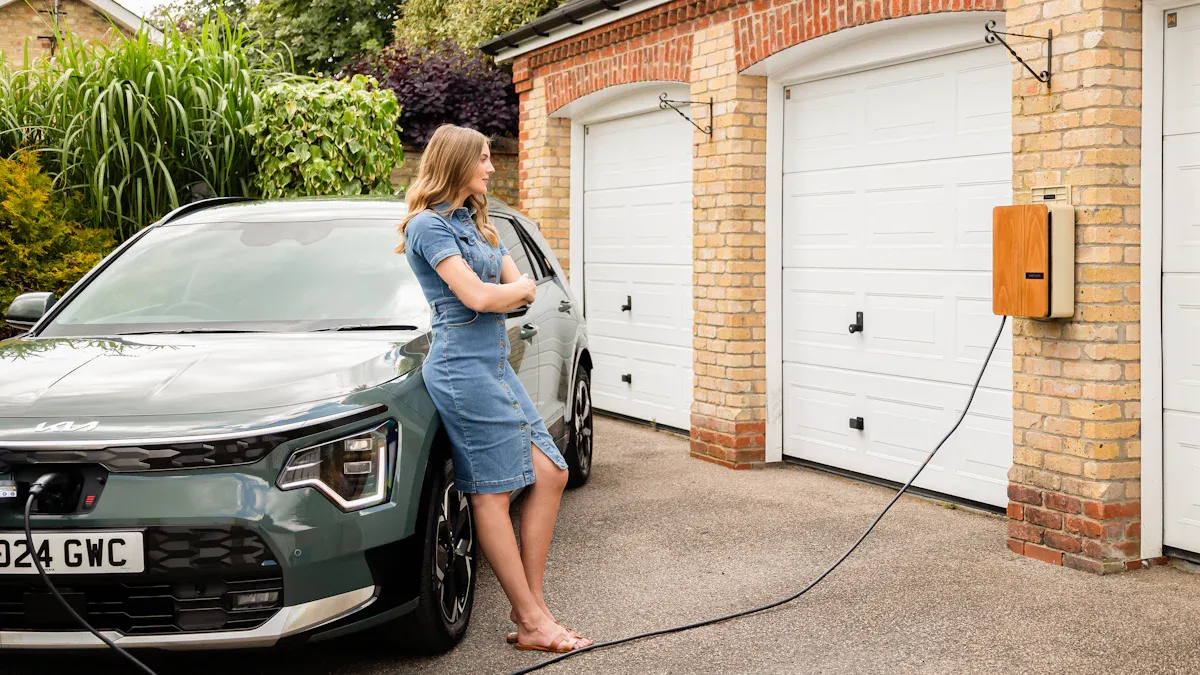
A dedicated home charging point fundamentally transforms the electric vehicle ownership experience. It shifts the entire concept of “refueling” from a chore into a seamless, background process. This upgrade makes driving an EV not just practical but exceptionally convenient, redefining the daily routine for drivers and their families.
Say Goodbye to Range Anxiety and Public Stations
Range anxiety, the fear of an EV running out of power before reaching a destination, is a significant concern for many drivers. A 2020 survey found that 91% of drivers worried about range before owning an electric vehicle. However, a home charging solution effectively eliminates this stress.
The “Always Full” Advantage
Imagine starting every day with a fully charged vehicle, just like a fully charged smartphone. This is the reality of home charging. An owner can simply plug in their EV overnight and wake up to a battery ready for any journey, whether it’s the daily commute or an unexpected trip. This “always full” advantage provides unparalleled peace of mind and flexibility. For example, a 7.4kW home charging point can fully charge an EV in about eight hours, a stark contrast to the 24 hours it might take with a standard wall socket.
Eliminating Public Charging Hassles
Relying solely on public infrastructure introduces several inconveniences. Drivers often face queues, broken or occupied chargers, and the need to plan their entire day around finding a charging station. Home charging eliminates these frustrations entirely.
A Shift in Lifestyle: Instead of searching for a public charger, an EV owner with a home setup simply arrives home, plugs in, and moves on with their evening. The vehicle charges safely and efficiently while they relax, spend time with family, or sleep.
Redefining Your Daily Routine
Integrating a home charger into daily life is effortless and creates a more efficient, stress-free lifestyle. The process is simple, intuitive, and quickly becomes second nature.
The Simple “Plug In and Forget” Method
The beauty of home charging lies in its simplicity. The routine is as easy as plugging in a mobile phone. An owner arrives home, connects the charging cable to their vehicle, and the system takes care of the rest. Advanced chargers from providers like TPSON can even be programmed to start charging during off-peak hours to minimize electricity costs. This “plug in and forget” method ensures the vehicle is always ready without any active effort from the owner.
Home Charging vs. Public Charging: A Lifestyle Comparison
The difference between relying on home versus public charging is a fundamental lifestyle shift. The future of home charging is about creating a self-sufficient and convenient ecosystem.
| Aspect | Home Charging | Public Charging |
|---|---|---|
| Convenience | ✅ Wake up to a full battery every day. | ❌ Requires detours and waiting in queues. |
| Time | ✅ Charging occurs overnight or while at home. | ❌ Adds significant time to travel and errands. |
| Reliability | ✅ Your personal charger is always available. | ❌ Stations can be broken, occupied, or slow. |
| Cost | ✅ Access to cheaper off-peak electricity rates. | ❌ Often involves premium pricing per kWh. |
Ultimately, home charging provides the freedom and reliability that makes owning an electric vehicle a truly superior experience.
Slash Your Fueling Costs with Smart Home Charging

An EV owner can significantly reduce their vehicle running costs by installing a home charging point. The financial benefits extend far beyond simply avoiding the pump. Home charging provides access to the cheapest electricity rates, creating substantial long-term cost savings. This makes the switch to an electric vehicle an economically sound decision.
The Clear Economics of Charging at Home
Charging at home offers a clear and compelling financial advantage over traditional fueling methods and public charging networks. The numbers demonstrate a dramatic reduction in the cost to power a vehicle.
Cost Per Mile: Home Electricity vs. Gasoline
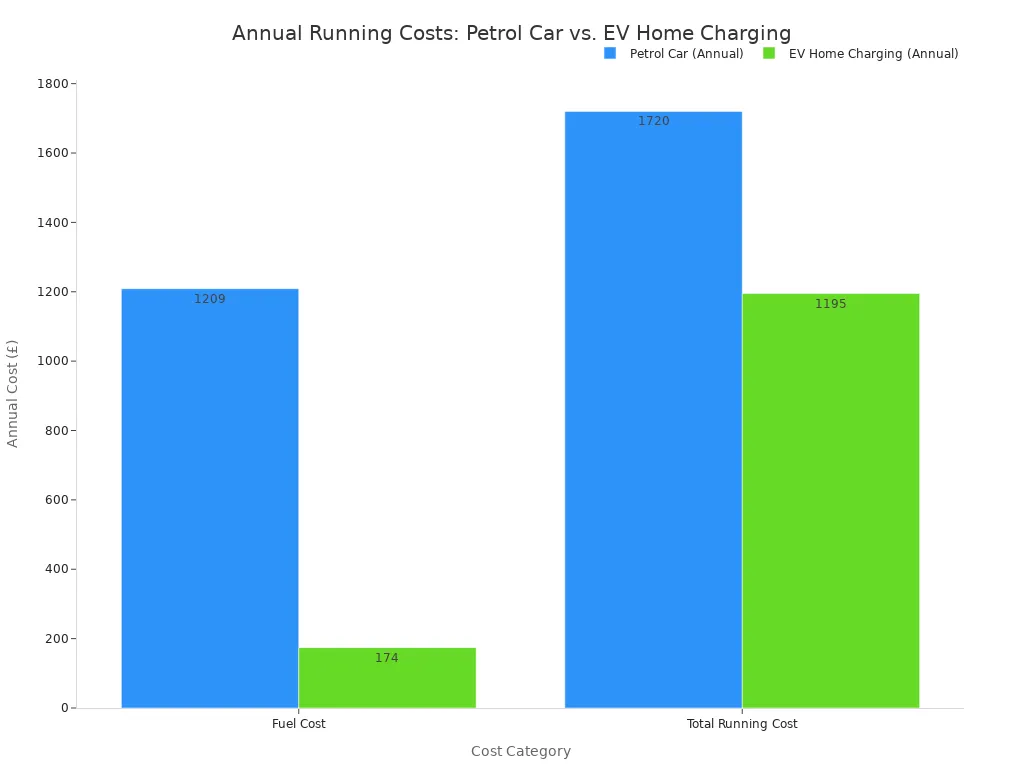
The cost per mile is a crucial metric for understanding vehicle running expenses. An electric vehicle charged at home is significantly cheaper to run than a gasoline or diesel car. An average EV costs just 4p per mile when using residential electricity. This figure drops to an impressive 3p per mile with off-peak rates. In contrast, a new gasoline car costs around 13p per mile to fuel.
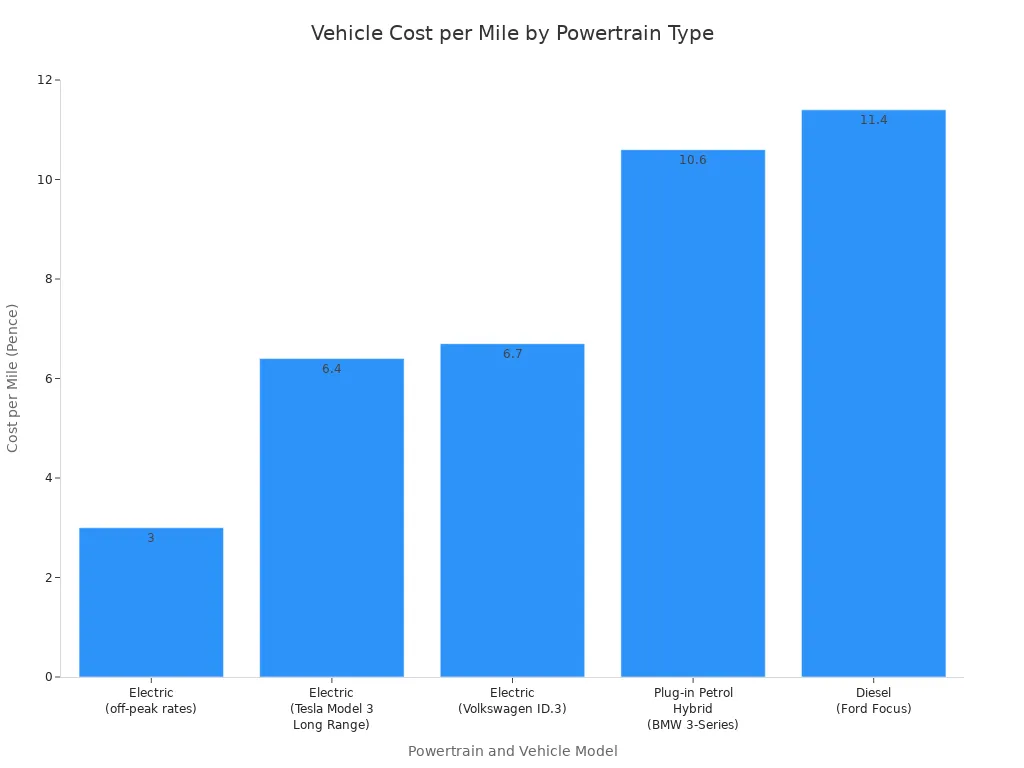
This difference adds up quickly. An EV owner driving 10,000 miles per year can achieve annual savings of over £1,000 compared to a gasoline car driver. High-mileage drivers on specialized EV energy tariffs can see their savings climb to as much as £1,780 per year.
Avoiding the Premium Costs of Public Chargers
Public charging stations, especially rapid and ultra-rapid chargers, come with a premium price tag. While convenient for long journeys, relying on them for daily charging is expensive. The average cost for home charging is around 32p per kWh, whereas public stations average 48p per kWh or more.
Cost Breakdown: To charge a typical 60kWh EV battery to 80%, the cost at home is approximately £16.32. Using a public ultra-rapid charger for the same amount of energy could cost over £35—more than double the price.
This stark contrast highlights the significant cost savings available to owners who primarily charge their vehicles at home.
Maximize Savings with Intelligent Charging Features
Modern home chargers are more than just power outlets; they are intelligent devices designed to optimize energy use and maximize savings. Smart charging technology automates the process, ensuring the vehicle charges at the most cost-effective times without any manual intervention.
Leveraging Off-Peak Electricity Rates for Cheaper Miles
Many energy suppliers offer special tariffs for EV owners with significantly lower electricity rates during off-peak hours, typically overnight. Smart charging allows owners to take full advantage of these cheaper rates automatically.
- Significant Savings: An owner with a 60 kWh battery can save around £12 on every full charge by using off-peak rates.
- Annual Impact: Charging just three times a week during these hours can lead to annual savings of over £600.
This strategy is one of the most effective ways to reduce the cost of EV ownership.
How Smart Charging Automation Works
Smart charging systems, like those from advanced providers such as TPSON, use Wi-Fi or Ethernet connectivity to communicate with a mobile app and the energy grid. This allows for sophisticated control over the charging process. The owner simply sets their preferences in the app, and the charger handles the rest.
Key features often include:
- Smart Scheduling: The owner can program the charger to begin charging only when off-peak rates are active.
- Remote Control: An owner can start, stop, and monitor charging sessions from anywhere using a smartphone app.
- Dynamic Load Balancing: This feature automatically adjusts the charging speed to prevent overloading the home’s electrical circuit, ensuring safety and stability.
- Solar Integration: Some chargers can be paired with home solar panel systems, allowing the EV to be charged with free, renewable energy.
These automated features make achieving maximum cost savings effortless, turning the home charger into a powerful tool for efficient energy management.
Faster and Safer Charging, Guaranteed
A dedicated home charging point delivers more than just convenience; it provides significant upgrades in speed and safety. An EV owner gains access to faster charging times and robust electrical protection. These benefits make a dedicated unit an essential component for any electric vehicle owner.
Supercharge Your Charging Speed
The difference in charging speed between a standard wall outlet and a dedicated home charger is substantial. A dedicated unit dramatically reduces the time needed to replenish an EV’s battery, ensuring the vehicle is always ready for the road.
Level 1 vs. Level 2 Charging Explained
EV charging solutions are categorized into different levels based on their power output and speed. For home use, the two primary types are Level 1 and Level 2.
- Level 1 Charging: This method uses a standard 120-volt wall outlet. It is the slowest option, adding only about 3-5 miles of range per hour. It can take several days to fully charge an electric vehicle.
- Level 2 Charging: This method uses a dedicated 240-volt circuit, similar to what large home appliances use. It is the standard for home charging installations and offers a powerful balance of speed and efficiency.
How Much Faster is a Dedicated Home Charger?
A Level 2 charger transforms the charging experience. A typical 7.4 kW Level 2 unit adds approximately 25-30 miles of range for every hour of charging. This means an EV can be fully charged overnight, a task that would take days with a Level 1 connection. This rapid replenishment ensures maximum flexibility for daily driving and unexpected trips.
Prioritizing Safety and Electrical Reliability
While speed is a major advantage, the safety benefits of a dedicated charger are paramount. Using a system designed specifically for an electric vehicle protects the home, the vehicle, and its occupants.
The Hidden Risks of Using Standard Wall Outlets
Relying on a standard wall outlet for regular EV charging introduces significant risks. These outlets are not designed to handle the high, continuous power draw required to charge a vehicle for many hours. This sustained load can lead to several problems:
- Overheating of the outlet and wiring.
- Increased risk of electrical fire.
- Potential damage to the home’s electrical system.
Important Note: Standard outlets lack the advanced safety features built into dedicated EV charging stations, such as thermal monitoring and automatic shutoff capabilities.
The Safety Benefits of a Professional Installation
A professional installation of a Level 2 charger eliminates these dangers. A certified electrician assesses the home’s electrical panel to ensure it can support the load. The installation includes a dedicated circuit with appropriate wiring and breakers, guaranteeing safe operation. Technologically advanced chargers, like those from providers such as TPSON, incorporate multiple safety protocols. These systems manage the flow of electricity, prevent overloads, and ensure a secure connection every time an owner plugs in their vehicle.
The Future of Home Charging: More Than Just Powering Your Car
The evolution of home charging extends beyond simple power delivery. It is transforming the electric vehicle into an active component of a home’s energy ecosystem. This advanced technology offers a glimpse into the future of home charging, where an EV contributes to a more efficient, resilient, and sustainable household. Investing in this technology is a key step in future-proofing a home.
Preparing for Tomorrow’s Grid Technology
Emerging grid technology is set to revolutionize how we manage and consume electricity. A modern EV charger prepares a home for these advancements, turning a personal vehicle into a dynamic energy asset. This technology is rapidly becoming a reality.
Vehicle-to-Grid (V2G) Capabilities Explained
Vehicle-to-Grid (V2G) technology enables two-way energy flow between an electric vehicle and the power grid. This innovation allows an EV to not only draw power for charging but also to send stored energy back to the grid during periods of high demand.
- Pilot Programs: Initiatives like the Electric Nation Project in the UK have already demonstrated the feasibility of V2G. Participants charged their vehicles during low-demand periods and sold excess energy back to the grid, helping to stabilize the network and generate income.
- Advanced Hardware: New smart chargepoints, compliant with regulations like the Public Charge Point Regulations (PCPR), support this bidirectional flow, enhancing reliability and user confidence in the technology.
Understanding Bidirectional Charging
Bidirectional charging is the core technology that makes V2G possible. It allows an EV’s battery to function as a mobile power source. A specific application of this is Vehicle-to-Home (V2H), where the vehicle can directly power a home during an outage or help reduce grid consumption. A growing number of electric vehicle models now support this technology, including:
- Nissan Leaf
- Hyundai Ioniq 5
- Kia EV6
- VW ID. Buzz
- Polestar 3
This capability transforms the EV from a mode of transport into a versatile energy storage solution.
Creating a Sustainable Home Ecosystem
Integrating an EV charger with other smart home technologies creates a powerful, self-sufficient, and sustainable ecosystem. This synergy optimizes energy usage, reduces costs, and minimizes environmental impact.
Pairing Your Home EV Charger with Solar Panels
Combining a home EV charger with solar panels unlocks the potential for a truly sustainable fueling solution. This setup allows an owner to power their vehicle with clean, free energy generated right on their rooftop. Smart chargers, like those from technologically advanced providers such as TPSON, can detect surplus solar energy and automatically direct it to the EV. This process makes the charging completely free and creates a sustainable cycle. This technology significantly reduces reliance on the grid and lowers a home’s carbon footprint.
Smart Home Integration and Energy Management
Advanced chargers integrate seamlessly into a smart home’s energy management system. This technology allows for sophisticated control over power flow, ensuring maximum efficiency.
Smart Charging Modes for a Sustainable Future:
- Solar Only Mode: This setting uses only surplus solar power for charging, offering the most sustainable option with zero grid reliance.
- Solar Smart Mode: This mode intelligently balances solar generation with grid power, optimizing for both cost and environmental impact.
This level of automation ensures the home and EV work together, creating a highly efficient and sustainable energy environment.
Choosing the Right Home EV Charger for Your Needs
Selecting the right home EV charger is a critical decision that impacts daily convenience, cost, and safety. With various models available, an owner must evaluate key features and installation types to find a solution that aligns with their vehicle, home, and lifestyle. Making an informed choice ensures a seamless and efficient charging experience for years to come.
Key Features to Consider Before You Buy
An owner should assess several factors beyond the initial price. Functionality, future-proofing, and aesthetics all play a role in identifying the ideal unit.
Charging Speed and Amperage (kW Rating)
The power output, measured in kilowatts (kW), directly determines how quickly a charger can replenish an EV’s battery. Most home chargers operate at 7.4 kW, which is sufficient for overnight charging. While some units offer three-phase capability for speeds up to 22 kW, the required electrical upgrade is often expensive and unnecessary for a typical household. A 7.4 kW or 9.6 kW charger provides an excellent balance of speed and cost.
Smart Connectivity and App Features
Modern home EV chargers offer advanced connectivity, transforming them into intelligent devices. These features provide significant benefits:
- Remote Control: An owner can start, stop, and monitor charging sessions from anywhere using a smartphone app.
- Energy Monitoring: Many apps track kWh consumption, which is useful for monitoring costs.
- Smart Scheduling: This allows the user to schedule charging for off-peak hours to take advantage of lower electricity rates.
This level of control is central to effective smart charging and maximizing savings. Technologically advanced providers like TPSON integrate these features seamlessly for an optimized user experience.
Cable Length, Durability, and Weatherproofing
Practical considerations are just as important as technical specifications. An owner must choose a cable length that comfortably reaches their vehicle’s charging port from the installation point. They also need to decide between two main cable types:
Tethered vs. Untethered: A tethered charger has a permanently attached cable, offering a neat and convenient solution. An untethered unit provides more flexibility, allowing the owner to use different cables, which is ideal for households with multiple EV models.
Finally, if the charger will be installed outdoors, it must have a high weatherproofing rating (e.g., IP65) to withstand rain, dust, and temperature changes.
Understanding the Top Charger Types
Home chargers are primarily installed in one of two ways: hardwired or plug-in. Each method has distinct advantages regarding installation, cost, and portability.
Hardwired Chargers for Permanent Installation
A hardwired charger is connected directly to the home’s electrical panel. This permanent installation is generally considered the safest option because it has no movable parts that can wear out or become faulty. It is also required for any charger with a power output above 9.6 kW. While the installation cost is typically higher, the unit itself may be slightly cheaper since it does not require an extra power plug.
Plug-In NEMA 14-50 Chargers for Flexibility
A plug-in charger connects to a 240-volt NEMA 14-50 outlet, similar to an electric stove. This option offers greater portability and flexibility. If an owner moves, they can easily unplug the unit and take it with them. The installation cost is often lower because the electrician only needs to install the outlet. The table below summarizes the key differences.
| Feature | Plug-in NEMA 14-50 Charger | Hardwired Charger |
|---|---|---|
| Safety | Involves a plug that can wear over time. | Considered safer with no movable parts. |
| Power Output | Typically up to 9.6 kW (40A). | Required for outputs above 9.6 kW. |
| Portability | Easily unplugged and moved. | Permanent and not portable. |
| Cost | Lower installation cost, higher unit price. | Higher installation cost, lower unit price. |
This choice allows an EV owner to balance the need for a permanent, high-power solution with the desire for flexibility and lower upfront installation expenses.
The Simple Path to Your Own Home Charging Point
Acquiring a home charging point is a straightforward process that enhances the EV ownership experience. The journey from initial inquiry to a fully functional installation is designed for simplicity and efficiency, turning a powerful upgrade into an easy project for any homeowner.
What to Expect During the Installation Process
A professional installation ensures safety, reliability, and optimal performance. The process typically involves three clear stages, guiding the owner from assessment to activation.
Step 1: The Initial Site Assessment
The first step is a professional site assessment. An electrician evaluates key factors to plan a safe and effective installation. This check includes:
- Verifying the property has suitable off-street parking.
- Confirming the home’s electrical supply can support the new charging load.
- Identifying the best location for the unit based on the parking space and power source distance.
This initial evaluation is crucial for a successful installation.
Step 2: Receiving Your Personalized Quote
Following the site assessment, the owner receives a detailed, personalized quote. This document outlines all costs associated with the charger and the complete installation service. After reviewing the quote and selecting a payment method, the chosen charger is shipped directly to the property, preparing for the final installation phase.
Step 3: The Professional Installation Day
The installation day is the final step. A certified engineer completes the physical installation of the home charging point.
A Typical Installation Day Includes:
- Hardware Setup: The engineer installs the charger and all necessary cabling.
- Commissioning: The unit is connected to the power supply and tested.
- App Configuration: The engineer helps connect the charger to its companion app for smart charging features.
- Final Sign-Off: The owner reviews the completed installation and signs off on the work.
This professional installation guarantees the system is safe and ready for immediate use.
Making a Smart Financial Investment
A home charger is more than a convenience; it is a sound financial investment. Owners can leverage incentives and increase their property’s long-term value.
Finding Federal, State, and Utility Incentives
Governments and utility providers often offer financial incentives to encourage the adoption of electric vehicle technology. An EV owner should research available tax credits or rebates that can help offset the cost of the charger and its installation, making the upgrade even more affordable.
How a Home Charger Increases Property Value
Installing a charger significantly boosts a home’s market appeal and financial value. With laws requiring charge points in new builds and a 2035 ban on new petrol car sales, a home with charging capabilities is future-proof. The National Association of Property Buyers estimates that a charger can increase a property’s value by £3,000–£5,000. For a potential buyer who already owns an EV, a pre-installed unit is a major convenience that adds immediate value. This upgrade differentiates a property, potentially accelerating its sale and increasing its overall value.
The Broader Impact: Home Charging and Environmental Goals
Installing a home charging point extends its benefits far beyond personal convenience. It represents a significant contribution to broader environmental goals. An EV owner becomes an active participant in the global shift toward sustainable transportation and cleaner energy. This decision has a powerful, positive ripple effect on the environment.
Your Role in a Greener Future
Every EV owner with a home charger plays a direct role in building a more sustainable future. This technology empowers individuals to make a tangible environmental difference from their own garage, reducing their personal environmental impact.
Reducing Your Carbon Footprint with Every Charge
A primary benefit of home charging is the substantial reduction of an individual’s carbon footprint. Electric vehicles produce zero tailpipe emissions, which immediately improves local air quality. The environmental advantages grow when an EV is powered by renewable energy.
An owner can pair their charger with a home solar panel system. This setup allows the vehicle to run on clean, self-generated energy, dramatically lowering its lifetime carbon footprint and reducing the overall environmental impact of driving.
This creates a truly sustainable transportation cycle. The convenience of home charging also encourages more frequent EV use, further displacing gasoline-powered miles and their associated emissions. This reduces an owner’s carbon footprint with every charge.
Supporting a Stable and Clean Energy Grid
Modern home chargers do more than just draw power; they can support the entire energy grid. Smart charging technology, like that offered by advanced providers such as TPSON, helps create a more stable and sustainable energy infrastructure.
- Grid Balancing: Bidirectional charging allows an EV to send stored energy back to the grid during peak demand. This V2G (Vehicle-to-Grid) capability helps balance supply and demand.
- Renewable Integration: An EV can store surplus energy from intermittent sources like wind and solar. This stored energy is then available when generation is low, making the grid more resilient.
- Load Management: Smart charging automatically adjusts the charging process based on grid capacity, preventing overloads and promoting efficient energy use.
This technology turns an EV into a mobile energy reservoir, supporting a cleaner and more reliable grid for everyone.
Meeting National and Global Targets
Widespread adoption of home charging is essential for achieving ambitious national and global environmental targets. It is a cornerstone of the strategy for decarbonizing the transportation sector.
How Home Charging Helps Achieve Net-Zero Goals
Governments recognize that transitioning to zero-emission vehicles is a critical measure for reaching net-zero goals. Home charging is a key enabler of this transition. It makes owning an EV practical and affordable, accelerating the move away from fossil fuels. By enabling drivers to power their cars with renewable energy, home charging directly reduces the carbon emissions tied to transportation. This has significant environmental advantages and a positive environmental impact.
The Collective Power of Individual Action
While one home charger may seem small, the collective action of millions of EV owners creates a massive positive change. Each installation contributes to a larger movement toward sustainable transportation. This collective effort reduces national carbon footprints, improves air quality in communities, and accelerates the transition to a sustainable energy ecosystem. Every individual choice to embrace home charging is a powerful step toward a healthier planet and a more sustainable environment.
A home charger is not just an accessory; it is an essential upgrade that transforms the EV ownership experience. It delivers unparalleled convenience, ensuring an owner starts every day with a full battery. An owner gains significant long-term cost savings and the benefits of faster, safer charging.
This investment is a key part of the future of home charging. An owner can fully unlock the potential of their electric vehicle. Contacting a certified electrician for a quote is the next step to explore home charging options.
FAQ
How long does a home charging installation take?
A standard installation is usually completed in a few hours. The process includes a site assessment, hardware setup, and system commissioning. A certified electrician ensures the charging point is installed safely and functions correctly before leaving the property.
Can any home have an EV charger installed?
Most homes with off-street parking are suitable for a charger installation. An electrician must first assess the property’s electrical system to confirm it can support the load. This check guarantees a safe and reliable charging setup for the electric vehicle.
What is the difference between a tethered and untethered charger?
A tethered charger has a permanently attached cable for maximum convenience. An untethered charger has a universal socket, allowing an owner to use their own separate cable. This offers flexibility, especially for households with more than one electric vehicle model.
Is a dedicated charger safer than a standard outlet?
Yes, a dedicated charger is significantly safer. It uses a dedicated circuit to prevent overloading and includes built-in safety features like thermal monitoring. Standard outlets are not designed for the sustained power draw required for electric vehicle charging.
How much does it cost to charge an electric vehicle at home?
The cost varies based on local electricity rates and the vehicle’s battery size. Charging an electric vehicle at home is substantially cheaper than using public stations or buying gasoline. Owners can further reduce costs by charging during off-peak hours.
Can an owner charge their electric vehicle in the rain?
Yes. EV chargers and connectors are designed with high weatherproofing standards to protect against water and dust. An owner can safely perform vehicle charging in various weather conditions, including rain and snow, without any risk.
What is smart charging?
Smart charging allows an owner to control and automate their vehicle charging sessions via a mobile app. Technologically advanced providers like TPSON offer features like scheduling for off-peak rates and solar integration, which helps maximize savings and energy efficiency.