The future of portable ev charging stations is defined by key innovations in speed and sustainability. EV charger manufacturers are creating smaller, faster, and smart portable ev chargers. These advanced portable ev chargers give EV owners unprecedented freedom for their electric vehicles.
Note: While surveys show up to 89% of current EV drivers are satisfied with range, the promise of mobile ev charging addresses any final barriers for all vehicles.
This evolution in the EV charger transforms the future of ev charging stations, making mobile ev charging a reality far from fixed stations. The era of truly portable power is here. ⚡
The Evolution of Portable EV Chargers: Key Innovations

The journey from fixed charging stations to true mobility is powered by relentless technological advancement. The latest trends and innovations are not just making portable EV chargers smaller; they are making them fundamentally faster, smarter, and more versatile. These innovations shaping the future of EV charging are transforming the user experience, turning the concept of on-demand power into a practical reality for every EV owner. Let’s explore the cutting-edge charging technologies driving this evolution.
The Quest for Speed: Ultra-Fast EV Charging on the Go
A primary barrier to the adoption of portable power has been charge time. That is rapidly changing. Manufacturers are engineering ultra-fast EV charging capabilities into portable units, delivering significant range in minutes, not hours. The power delivery of these devices now spans a wide spectrum, accommodating various needs from a simple top-off to a substantial emergency recharge. Current portable technologies can achieve impressive charging speeds:
- Up to 7.3kW
- Up to 11kW
- Up to 22kW
- Up to 120kW DC
- Up to 160kW DC
- Up to 180kW DC
Next-Generation Battery Chemistry
At the core of this speed revolution is battery science. Innovations in battery chemistry, such as the move toward solid-state batteries and advanced lithium-ion compositions, allow for higher energy density. This means more power can be stored in a smaller, lighter package. These new chemistries also support faster charging and discharging cycles without degrading battery health, a critical factor for a reliable portable device.
Gallium Nitride (GaN) Technology
Gallium Nitride (GaN) semiconductors are a game-changer for power electronics. Compared to traditional silicon, GaN components can operate at higher voltages and frequencies. For portable EV chargers, this translates into smaller power converters, reduced energy loss during charging, and significantly less heat generation. The result is a more compact, lightweight, and portable charger that maximizes energy efficiency.
Advanced Thermal Management
Delivering high power levels generates significant heat. Advanced thermal management systems are crucial for safety and performance. These systems use sophisticated solutions like liquid cooling, high-efficiency heat sinks, and AI-driven fan control to dissipate heat effectively. Proper thermal management protects the charger’s internal components and the EV’s battery, ensuring consistent, fast charging while improving overall energy efficiency.
The Rise of Wireless Portable Charging Solutions
The ultimate convenience in mobile EV charging is the elimination of cables. While still an emerging field, wireless EV charging is one of the most exciting trends, promising a future where an EV can be recharged simply by parking it near a portable power source. These charging solutions are evolving along several fronts.
Magnetic Resonance Charging
Magnetic resonance technology allows for power transfer over a short distance, meaning a vehicle does not need to be in perfect alignment with the charging unit. This flexibility makes it ideal for portable charging solutions, where a user could place a portable resonance unit near their vehicle in a garage or parking spot to initiate charging automatically.
Inductive Charging Pads
Similar to the technology used for smartphones, portable inductive charging pads for an EV would allow a driver to park directly over a mat for seamless power transfer. Developing these into truly portable and robust formats is a key area of research. This form of wireless EV charging would remove the hassle of handling heavy, and often dirty, charging cables.
Over-the-Air Power Transfer Concepts
The most futuristic concept involves true over-the-air power, where focused radio frequencies (RF) or lasers could beam power to a vehicle. While still in the conceptual and early experimental stages, these innovations and trends represent the long-term vision for effortless and continuous mobile EV charging, completely untethered from physical stations.
Smart and Connected Mobile EV Charging
Modern portable EV chargers are more than just batteries; they are intelligent, connected devices. This connectivity unlocks a host of smart features that enhance reliability, efficiency, and user control. The integration of smart and connected charging technologies makes the entire ecosystem more responsive and user-friendly.
A Word on Security: As portable chargers become smarter, they also become targets. The industry faces significant security challenges, including the “Brokenwire” vulnerability, which could allow attackers to disable charging remotely. Other risks include “quishing” (QR code fraud) to steal payment data and malicious reprogramming of stations. With reports indicating that 82% of EV charging businesses have faced an IoT-related security breach, robust cybersecurity is non-negotiable for building trust in these new technologies.
IoT-Enabled Remote Management
Internet of Things (IoT) connectivity allows operators to monitor and manage a fleet of portable chargers from a central dashboard. This capability is essential for commercial services and large-scale deployments. Key benefits include:
- Real-time performance monitoring and remote diagnostics to ensure units are operational.
- Remote management of charging stations, reducing the need for physical maintenance visits.
- Enhanced user experience through apps that show charger availability and status.
- Integration with smart grids to optimize energy distribution and avoid overloading local circuits.
AI for Predictive Charging
Artificial intelligence adds another layer of intelligence. AI algorithms can analyze an EV driver’s usage patterns, electricity rates, and the EV battery’s state of health. Based on this data, a smart portable charger can recommend optimal times to charge, helping the user save money and extend their battery’s lifespan.
V2X (Vehicle-to-Everything) Integration
V2X technology transforms an EV and its portable charger into a mobile power source. With bidirectional charging capabilities, a portable unit can not only charge a vehicle but also use the vehicle’s battery to power a home (Vehicle-to-Home, V2H), support the grid (Vehicle-to-Grid, V2G), or power tools and equipment on a job site.
App-Based Energy Optimization
A dedicated smartphone app puts control directly into the hands of the EV owner. Users can start or stop a mobile EV charging session remotely, schedule future charging, monitor energy consumption, and manage payments. This level of control makes the mobile EV charging experience seamless and personalized, far beyond what traditional gas stations could ever offer.
Designing the Future of Portable EV Charging Stations

The next wave of progress in mobile power focuses on thoughtful design. The future of portable EV charging stations is being shaped by two parallel goals: sustainability and user-centricity. These principles guide the development of devices that are not only powerful but also responsible and easy to use. This design philosophy is critical for making portable power a mainstream solution.
Sustainable and Green Charging Innovations
Creating a truly green mobility ecosystem requires that the charging infrastructure is as clean as the vehicles it powers. Manufacturers are embedding sustainable and eco-friendly innovations directly into their portable EV chargers, reducing their environmental footprint from production to operation. These advancements are key to the future of EV charging stations.
Integrated Solar Panels
Harnessing renewable energy on the go is becoming a reality. The latest portable units integrate solar charging capabilities, allowing users to generate clean power anywhere. This move toward renewable EV charging significantly boosts energy efficiency and independence from the grid.
- The EcoFlow DELTA Pro supports a 1,600W solar input, enabling it to recharge using portable solar panels.
- Advanced models like the EcoFlow DELTA Pro Ultra can leverage enough renewable solar power to serve as a home backup system.
Use of Recycled and Eco-Friendly Materials
The commitment to sustainability extends to the materials used in construction. Designers are increasingly incorporating recycled plastics and other eco-friendly materials into charger casings. This practice minimizes waste and promotes a circular economy, reducing the overall environmental impact of these portable stations.
Second-Life EV Batteries in Chargers
One of the most impactful innovations is the repurposing of used EV batteries. Instead of being discarded, batteries that no longer meet automotive standards are given a second life inside portable charging stations. This extends their useful lifespan and reduces the demand for new raw materials.
Jaguar Land Rover (JLR) partners with Allye Energy to create a portable charging system using seven second-life Range Rover battery packs. This initiative keeps valuable materials in use longer, preventing them from heading straight to recycling.
Kinetic Energy Harvesting
Looking ahead, some concepts explore kinetic energy harvesting. These future systems could capture energy from motion or vibrations, offering another avenue for self-sustaining renewable power generation in portable devices.
Enhanced Portability and User-Centric Design
For portable EV chargers to be truly effective, they must be easy for anyone to use and transport. Enhanced portability is a primary design goal. Engineers are focusing on creating devices that are not just powerful but also practical for everyday scenarios, from roadside emergencies to weekend camping trips.
Compact and Lightweight Form Factors
The bulky, heavy power packs of the past are disappearing. Modern portable chargers use advanced components and materials to achieve a smaller, lighter footprint. This focus on a compact form factor makes the units genuinely portable, allowing an EV owner to easily store one in their trunk.
Modular and Stackable Designs
Modularity offers unparalleled flexibility for both consumers and businesses. These designs allow users to customize their systems by adding or swapping components. For commercial operators, modularity enables scalable installations of charging stations. They can add more power modules as demand grows without replacing the entire setup, improving long-term energy efficiency.
Weatherproof and Ruggedized Casings
A portable charger must be dependable in all conditions. Manufacturers are building units with weatherproof and ruggedized casings to protect sensitive electronics from rain, dust, and impacts. This ensures the EV charging stations remain safe and reliable, whether on a construction site or at an outdoor festival.
User-Friendly Ergonomics
Great design considers the human element. The future of portable EV charging stations includes ergonomic features like comfortable handles, intuitive interfaces, and simple connection processes. These thoughtful touches make the portable charging experience seamless and accessible to all EV drivers.
Redefining the EV Owner Experience
Advanced portable power technology does more than just charge a car; it fundamentally redefines the relationship between drivers and their electric vehicles. These innovations are moving beyond theory and providing practical solutions that eliminate long-standing barriers to EV adoption. The result is a new level of freedom, confidence, and utility for every EV owner.
Solving ‘Range Anxiety’ Once and for All
Range anxiety has long been a psychological hurdle for potential EV buyers. The fear of running out of power far from a charging station is a significant concern. Portable power directly confronts this issue by providing a reliable safety net.
It is important to distinguish between charger types. Some portable chargers require an electrical outlet to function. True mobile EV charging units, however, contain their own batteries. They can store energy, offering complete independence from the grid for maximum flexibility.
These mobile units effectively solve range anxiety in several key ways:
- Bridging Infrastructure Gaps: They act as a crucial solution in “charging deserts” or areas with few permanent stations, ensuring a power source is always available.
- Providing Ultimate Flexibility: EV owners can charge their vehicles anytime and anywhere. This capability is vital for long road trips or travel through remote areas, removing the limitations imposed by fixed charging stations.
Emergency Roadside Assistance
A mobile charger in the trunk is the ultimate insurance policy. If an EV driver miscalculates their range or finds a public station is out of service, a portable unit provides enough power to reach the next charging point. This on-demand energy eliminates the stress of being stranded and transforms a potential crisis into a minor inconvenience.
Enabling Off-Grid Adventures
The spirit of adventure no longer stops where the grid ends. Portable charging solutions empower EV owners to take their vehicles on camping trips, to remote cabins, or into the wilderness with confidence. Companies like Renovagen have developed lightweight solar power systems that can be deployed anywhere, generating enough energy to power a home or recharge an EV. This technology makes off-grid living and recreation fully compatible with electric mobility.
Power for Rural and Remote Areas
Portable power is a transformative technology for communities with limited infrastructure. In many rural areas, the nearest public charging stations can be hours away.
- The Buffalo Grid Hub, a solar-powered charging unit, has proven successful in remote villages in Uganda and India for charging phones. This same principle applies to EV charging, providing essential power where none existed.
- Glamping sites like Oaksbrook use portable power packs with solar panels to run lights, fridges, and other amenities, demonstrating the viability of these systems for remote hospitality and living.
Temporary Workplace Charging
Businesses can support their employees’ transition to electric vehicles without committing to expensive permanent infrastructure. Companies can offer portable chargers as a workplace perk, allowing employees to top off their EV during the workday. This is especially useful for businesses in leased office spaces where installing permanent stations is not feasible.
New Applications and Use Cases
The utility of mobile EV charging extends far beyond personal convenience. These powerful, portable batteries are becoming versatile tools for commercial operations, event management, and emergency services. They unlock new capabilities and create new business models centered on mobile energy.
Powering Outdoor Events and Festivals
Outdoor events like concerts, festivals, and farmers’ markets often take place in locations without sufficient power infrastructure. Instead of relying on noisy, polluting diesel generators, event organizers can use clean, quiet mobile EV charging units. These stations can power food trucks, sound systems, and lighting while also offering a valuable charging service for attendees’ vehicles.
Mobile Fleet Charging Solutions
Commercial fleets are rapidly electrifying, but charging logistics remain a major challenge. Mobile chargers offer a flexible and scalable solution.
- They help businesses avoid the high costs and long delays associated with grid upgrades for permanent stations.
- They provide operational fluidity, allowing vehicles to be charged on-demand wherever they are, reducing downtime.
- Products like the Kempower Movable Charger and Heliox Mobile Charger are designed for commercial use, offering high-power charging for electric vans, trucks, and buses in depots or on worksites.
Energy for Construction and Field Operations
Construction sites and field operations often require significant power in off-grid locations. A high-capacity portable EV charger can do double duty. It can recharge electric work vehicles and also power tools, lights, and communication equipment. This consolidates energy needs into a single, clean, and portable source, increasing efficiency and safety on the job.
Disaster Relief and Emergency Power
In the aftermath of a natural disaster, power grids are often the first infrastructure to fail. Mobile power units become a lifeline for first responders and affected communities. The Nissan RE-LEAF concept, for example, turns an EV into a mobile power station using its V2X capability. A single, fully charged EV can provide electricity for days, powering critical equipment.

As the chart shows, a mobile power source can run essential life-saving devices:
| Device | Duration | Power Consumption |
|---|---|---|
| Electric Jack Hammer | 24 hours | 36 kWh |
| Pressure Ventilation Fan | 24 hours | 21.6 kWh |
| Intensive Care Medical Ventilator | 24 hours | 3 kWh |
| 100 watt LED flood light | 24 hours | 2.4 kWh |
This capability allows emergency crews to power medical ventilators, communication hubs, and even water filtration systems, making mobile EV charging a critical asset in disaster response.
Market Dynamics and Accessibility
The growing demand for mobile ev charging is reshaping the market. New products and business models are making these technologies more accessible than ever before. This expansion reflects strong market growth and future prospects for on-the-go power. The industry’s evolution is driven by a diverse product ecosystem, evolving standards, and innovative service models.
The Expanding Product Ecosystem
A wide range of portable charging solutions now caters to different user needs. This product diversity is essential for market growth.
Entry-Level Consumer Models
These compact units are designed for individual EV owners. They offer peace of mind for emergencies or a convenient top-off, easily fitting in a vehicle’s trunk.
Prosumer and High-Capacity Units
Prosumer models provide more power and faster charging speeds. They are ideal for EV enthusiasts or small business owners who need a more robust solution for frequent use.
Commercial-Grade Mobile Chargers
These heavy-duty systems serve commercial fleets, event organizers, and roadside assistance providers. They deliver DC fast charging capabilities comparable to some fixed stations, ensuring operational continuity.
Role of Government and Industry Standards
Governmental bodies and industry organizations play a crucial role in ensuring the safety and growth of the portable charger market. Their oversight builds consumer trust.
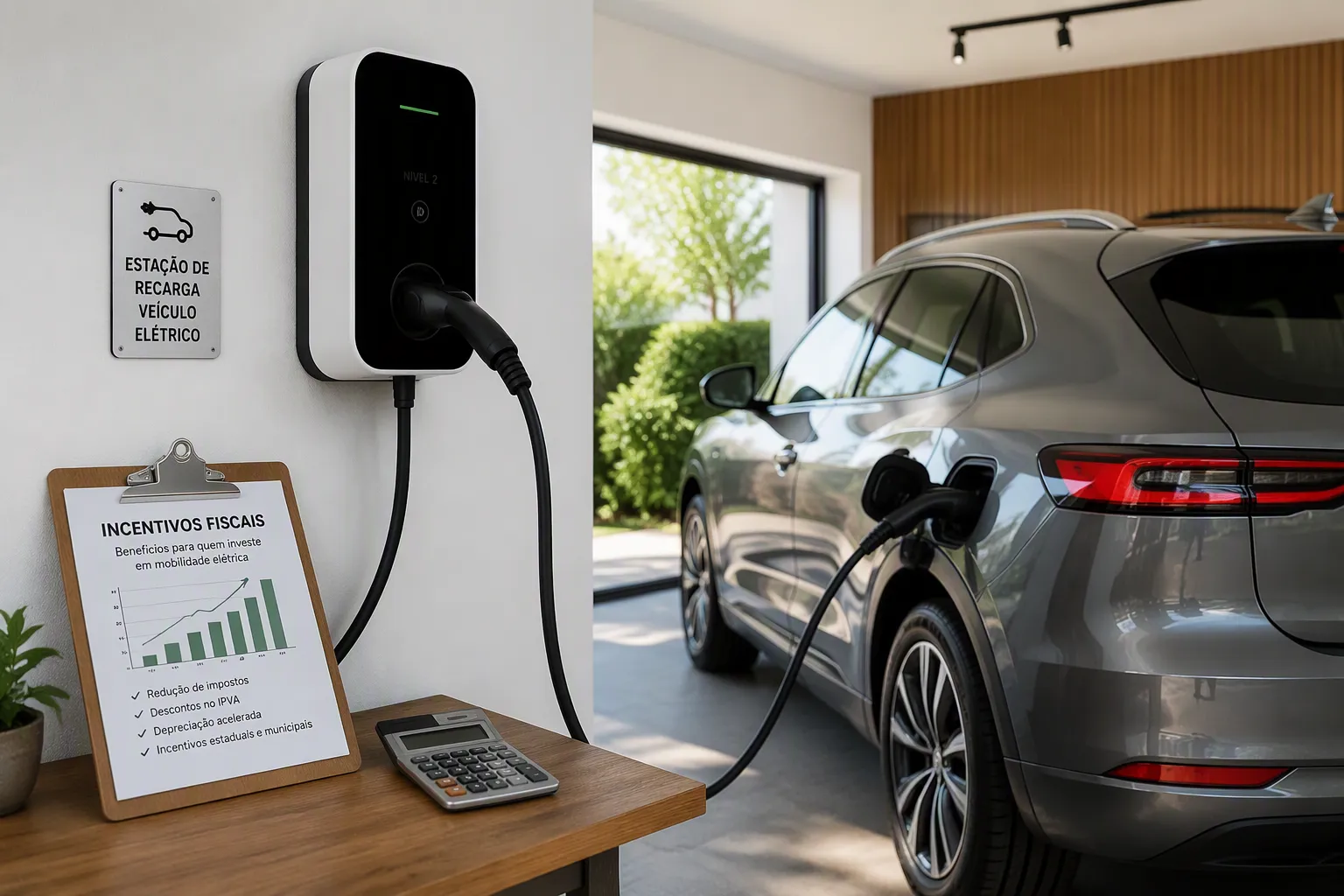
Rebates and Tax Incentives
Financial incentives are a powerful driver for EV adoption. However, support for portable equipment often lags behind fixed installations.
Standardization of Connectors and Protocols
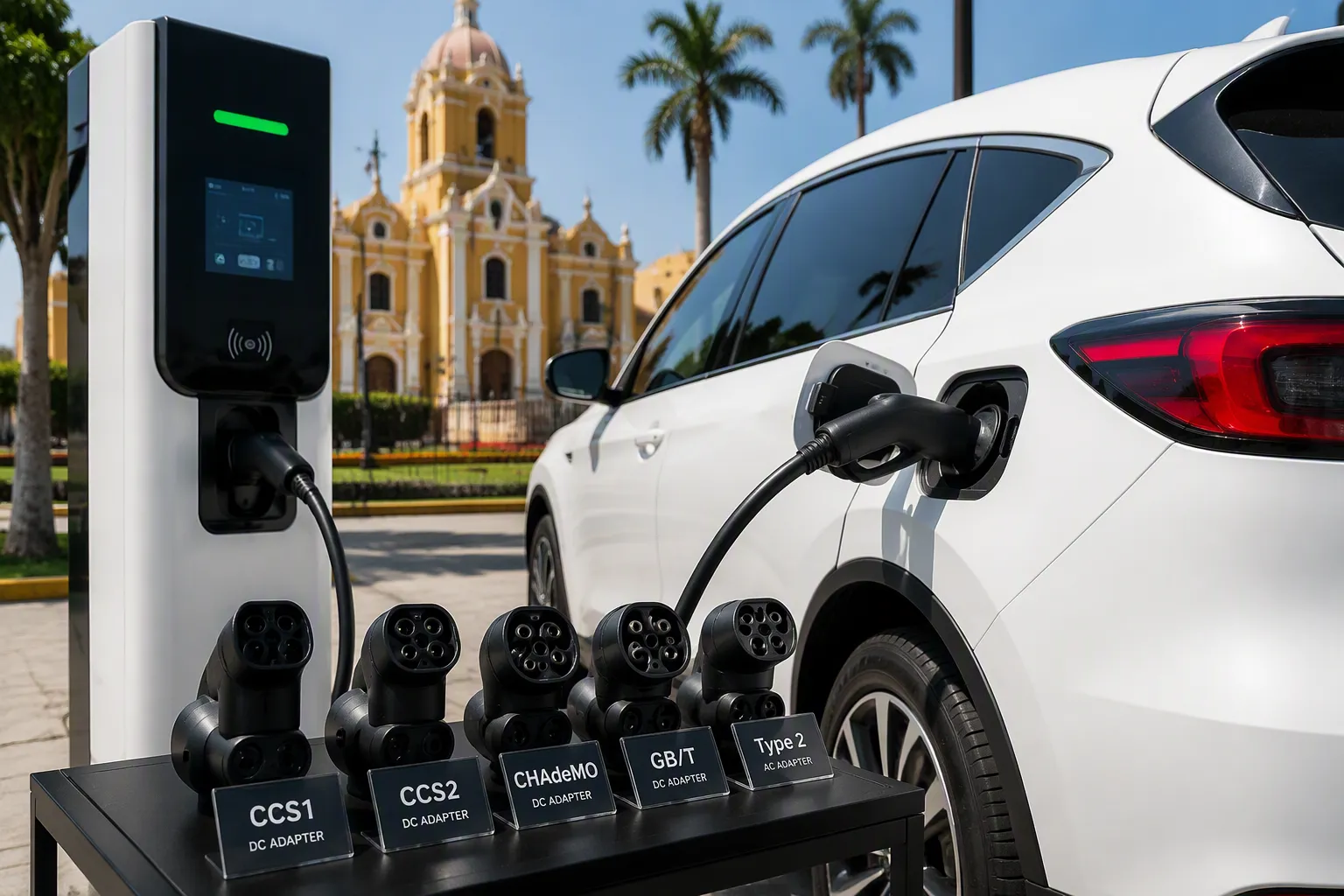
Standardization is key to a seamless user experience. It ensures that any charger can work with any EV. Leading providers like TPSON develop advanced technologies that comply with strict international safety protocols. Key certifications include:
- TUV certification ensures cables meet rigorous German safety and quality standards.
- CE and UKCA markings signify compliance with European and British safety regulations.
- IP ratings like IP65 or higher denote protection against dust and water, which is critical for portable stations used outdoors.
- RCD (Residual Current Device) integration is a legal requirement to protect users from electric shock.
Public-Private Partnerships in R&D
Collaboration between government agencies and private companies accelerates innovation. These partnerships fund research into next-generation battery technologies and help bring new products to market faster.
The Growth of Charging-as-a-Service (CaaS)
New service-based models are making mobile EV charging more convenient. These trends are transforming how drivers access power away from traditional stations. This growth creates new opportunities for businesses.
On-Demand Mobile Charging Services
Companies are now offering on-demand services that bring a charge directly to a driver’s location. These businesses typically generate revenue through service fees or per-kilowatt-hour rates, charging a premium for the convenience of mobile delivery.
Subscription-Based Power Banks
The CaaS model includes subscription or rental services for charging stations. This approach is already proven with smaller devices.
- Companies like ChargeBox and Chargezone offer managed services for mobile phone charging lockers in retail and hospitality settings.
- This same concept is emerging for EV power, allowing businesses to offer charging amenities without purchasing the hardware.
Peer-to-Peer Charger Sharing Networks
Future networks may allow EV owners to rent out their personal portable chargers to other drivers. This peer-to-peer model could create a decentralized network of charging stations, increasing power availability everywhere.
The future of portable EV charging stations is defined by faster, smart, and greener portable EV chargers. These ongoing innovations and trends transform theoretical concepts into practical, real-world solutions for every EV owner. The future of EV charging stations now includes truly portable power. This “charging anywhere” capability, delivered by portable EV chargers, removes key barriers and accelerates the global transition to electric mobility. The future of portable EV charging stations is here, making the promise of on-demand energy a reality.
FAQ
What is a mobile EV charger?
A mobile EV charger is a self-contained unit with its own battery. It stores energy and can charge an electric vehicle anywhere without needing an electrical outlet. This provides true grid independence for EV owners.
How fast can a portable charger charge an EV?
Charging speeds vary by model. Entry-level units provide a basic top-off. High-end commercial chargers can deliver DC fast charging up to 180kW. This speed adds significant range in minutes, not hours.
Are portable EV chargers safe to use?
Yes, reputable chargers are very safe. Manufacturers build them with weatherproof casings and integrated safety features. They must meet strict standards like TUV and CE certifications to protect both the user and the vehicle.
Can portable chargers use renewable energy?
Absolutely. Many modern units feature integrated solar panel inputs. This capability allows the charger to replenish its battery using clean, renewable energy. It offers complete off-grid power for maximum sustainability and energy efficiency. ☀️
What makes a portable charger ‘smart’?
A smart charger uses IoT connectivity and AI. These features allow for remote management and predictive charging recommendations. This smart technology optimizes energy use, saves money, and helps maintain the battery’s long-term health.
What is V2X technology in portable chargers?
V2X (Vehicle-to-Everything) enables bidirectional power flow. A portable charger with V2X can use an EV’s battery to power external devices. This turns the vehicle into a mobile power source for homes or job sites.
Can I use a portable charger for my business fleet?
Yes. Commercial-grade mobile chargers are designed for fleet use. They offer a flexible and scalable solution for charging electric vans or trucks. This avoids costly grid upgrades and reduces vehicle downtime.