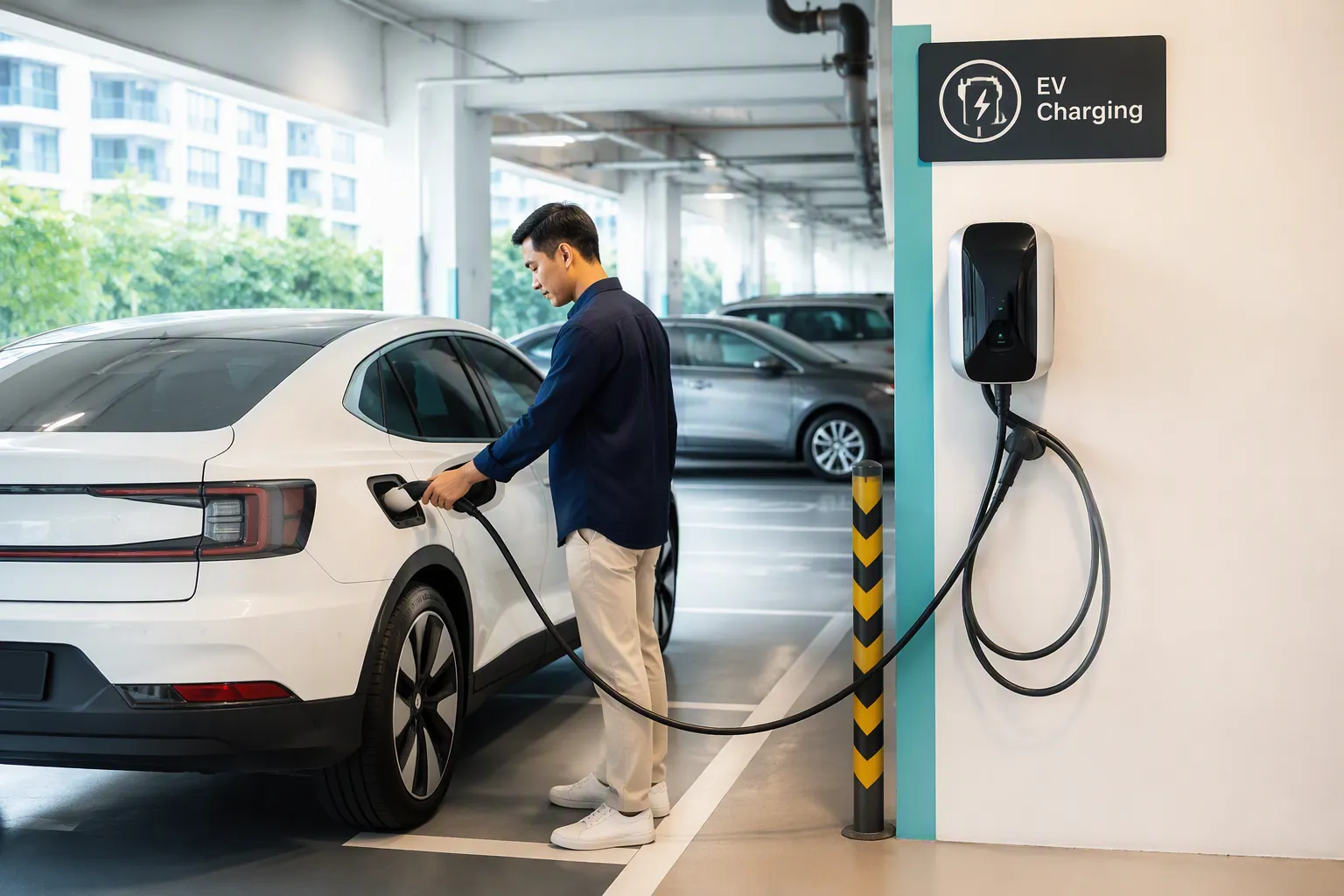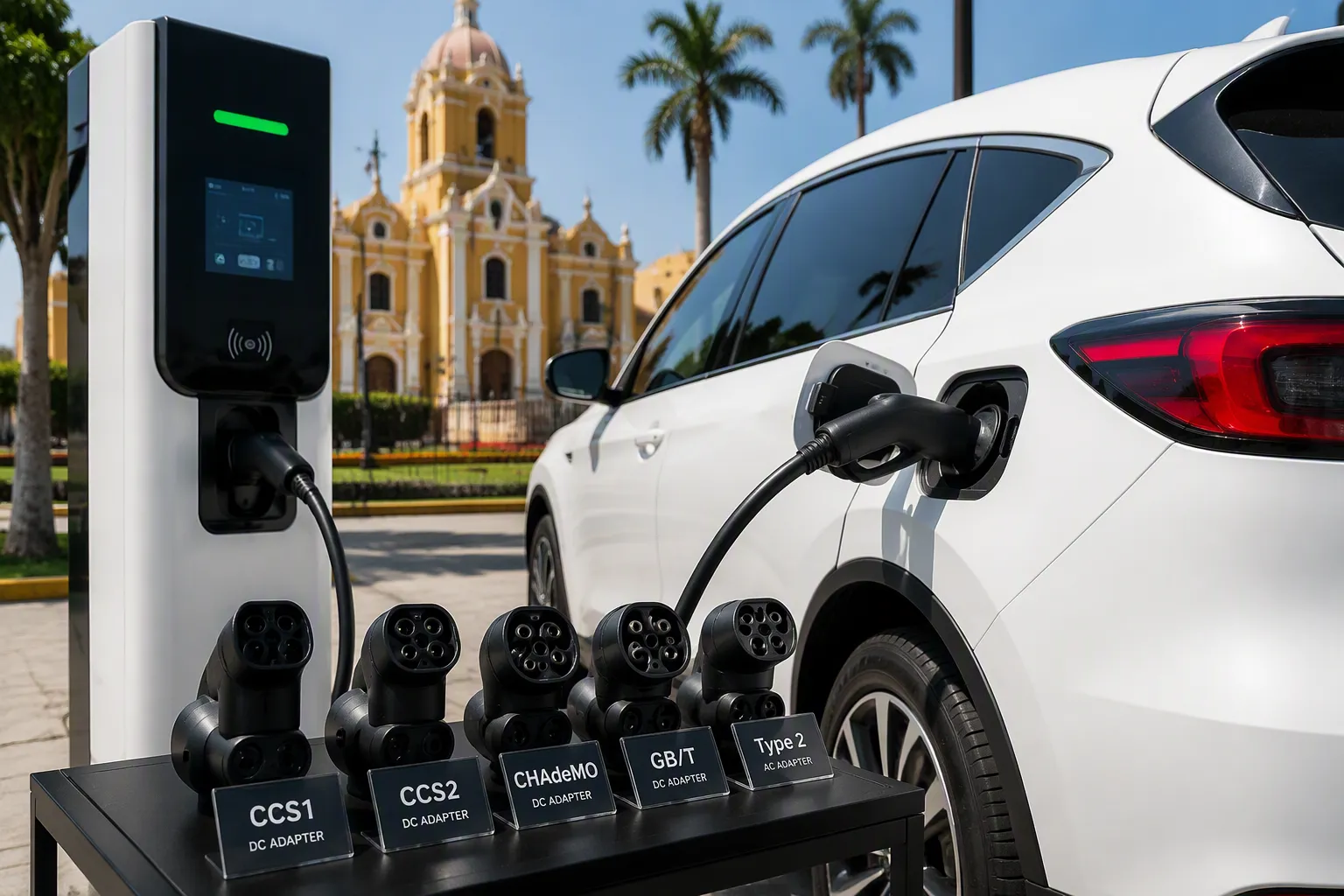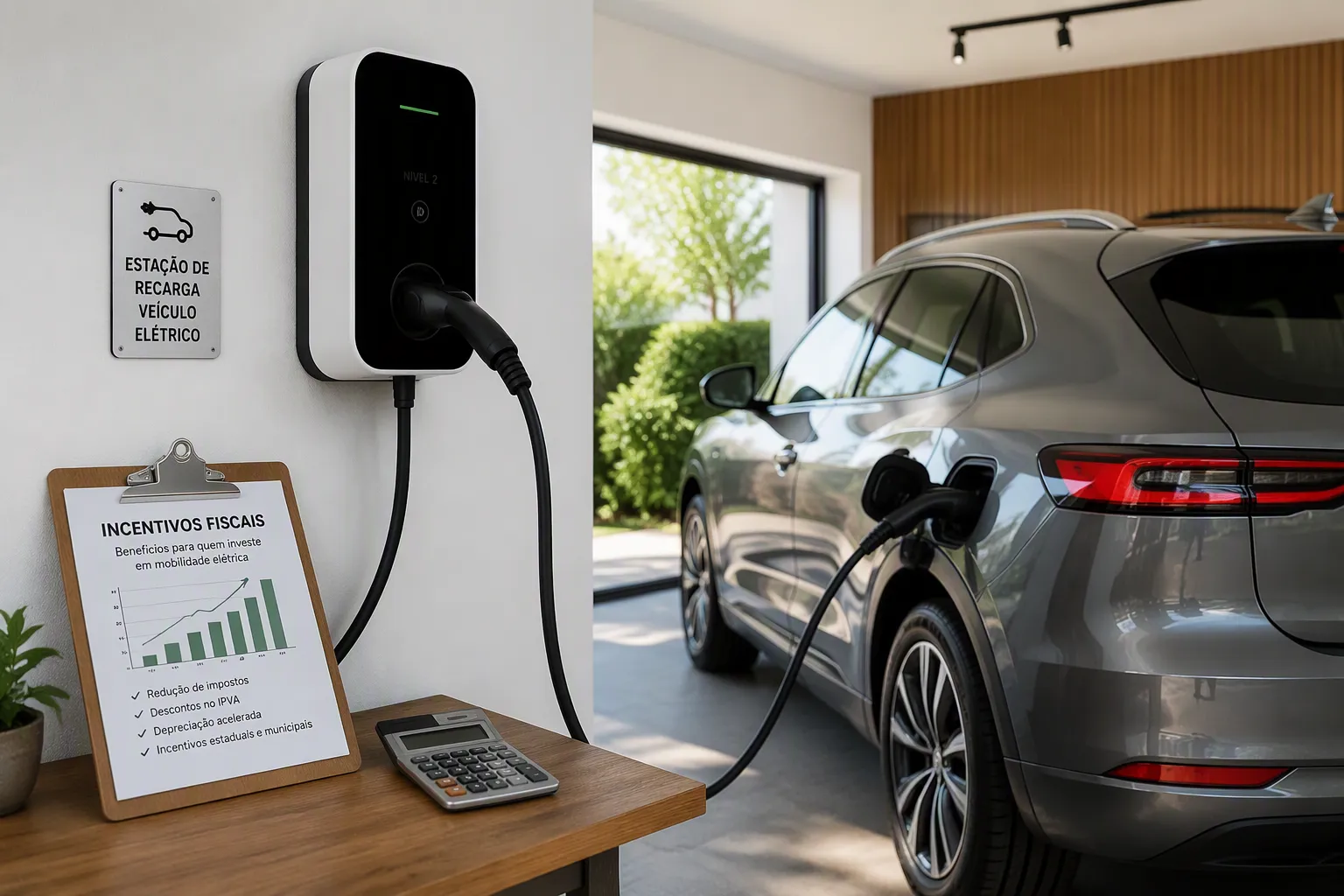
Homeowners can sell energy back to the grid with British Gas. This process uses innovative Vehicle-to-Grid (V2G) technology. It requires a specific bidirectional Cargador EV from approved Fabricantes de cargadores para VE, a compatible electric vehicle, and an eligible British Gas energy plan. This advanced ev charging method enables a two-way energy flow. The rapid growth in UK EV adoption underscores the technology’s relevance.
| Métrica | Value (as of Sept 2025) |
|---|---|
| Fully Electric Cars on UK Roads | >1.7 million |
| Market Share (New BEV Sales 2025 YTD) | 22.1% |
An ev charging point with V2G capability turns a car into a home energy asset, allowing smart charging and exporting.
How Does Selling Energy Back to the Grid Actually Work?
Selling energy back to the grid transforms an electric vehicle from a simple mode of transport into a dynamic energy asset. This process relies on a sophisticated ecosystem involving the vehicle, a special charger, and the smart grid.
Understanding Vehicle-to-Grid (V2G)
The Two-Way Flow of Energy
Vehicle-to-Grid (V2G) technology enables a bidirectional, or two-way, flow of energy. Standard ev charging is a one-way street where electricity flows from the grid to the car. V2G allows an EV to both draw power for charging and send its stored energy back to the grid when needed. Bidirectional converters and advanced control systems manage this process. They optimize the energy flow based on grid demand, electricity price signals, and the vehicle’s availability.
From Your EV to the National Grid
Exporting power from an EV to the National Grid is a carefully managed technical process. It allows the vehicle to support the grid during periods of high demand or when renewable energy generation is low. The system works through several key steps:
- The V2G system receives a signal from the grid operator indicating a need for more power.
- The bidirectional charger reverses its function, converting the EV’s DC power back into AC power.
- This electricity flows from the vehicle back into the home’s electrical system and then out to the grid.
- Sophisticated communication protocols ensure this exchange adheres to strict technical and safety standards.
The Role of a Bidirectional Charger
Standard vs. Bidirectional EV Charging
A standard, or unidirectional, charger contains internal components like diodes. These act as one-way valves, permitting electricity to flow only to the vehicle. A bidirectional charger is fundamentally different. It replaces diodes with active semiconductor switches. These advanced components allow electrical current to flow in both directions, enabling both charging and discharging. This added complexity requires more robust designs to handle the increased wear from two-way power flow.
Why a Standard Charger Is Not Enough
A standard charger cannot support V2G. Its hardware is physically incapable of reversing the flow of electricity. Attempting to export power requires a specialized bidirectional unit.
Nota: A bidirectional charger must comply with all utility interconnection requirements, much like a solar panel inverter. This ensures it can safely export power and communicate effectively with the energy network.
The Smart Grid Connection
Automated Charging and Discharging
The “smart” component of V2G comes from its automated decision-making. Artificial intelligence (AI) analyzes real-time data, including grid capacity and fluctuating electricity prices. It then creates an optimal charging schedule. The system can automatically delay charging during expensive peak hours or initiate discharging to sell power when rates are high. This automated demand response helps stabilize the grid without any manual input from the homeowner.
Communicating with the Energy Network
Seamless communication is critical for V2G operation. The system uses established communication standards to talk with the wider energy network. Protocols like ISO 15118 manage the data exchange between the EV and the charger. Other standards, such as IEEE 2030.5, facilitate secure, internet-based communication between the charger and the utility. This constant dialogue allows the grid to efficiently manage thousands of connected EVs as a single, virtual power plant.
What Do You Need to Get Started with British Gas?
Embarking on the Vehicle-to-Grid journey requires a specific set of components. Homeowners need the right charger, an appropriate energy plan, and a compatible vehicle. British Gas guides its customers through this process, typically as part of structured V2G trials.
The Required V2G Charger
Approved Bidirectional Charger Models
Participation in a British Gas V2G program requires an approved bidirectional charger. The company specifies certain models that have been tested for safety, reliability, and compatibility with its systems. These chargers are often supplied and installed as part of the trial package. Technologically advanced providers like TPSON are continuously developing sophisticated electric vehicle charging solutions, expanding future options. Homeowners should consult the official British Gas website for the most current list of approved hardware.
Características y Especificaciones Clave
A V2G-capable ev charging point possesses several critical features that distinguish it from standard units.
- Bidirectional Power Flow: The core function allowing the unit to both charge the EV and export power back to the grid.
- Conectividad inteligente: Wi-Fi or Ethernet connection is essential for communication with the utility and the user’s app.
- Grid Compliance: The charger must adhere to strict grid codes, such as the ISO 15118 communication protocol, to ensure safe and stable interaction with the energy network.
- High Power Rating: These units typically support charging and discharging at rates around 7kW to 11kW.
- Funciones de seguridad avanzadas: Includes protection against overvoltage, overheating, and current leakage to safeguard the vehicle and home electrical system.
Eligible British Gas Tariffs and Trials
Finding V2G-Specific Energy Plans
Standard energy tariffs do not support V2G functionality. Homeowners must enroll in a V2G-specific energy plan, which is currently available through limited trials. These programs provide the framework for buying and selling electricity. Prospective users should monitor the official British Gas website for announcements regarding new trial opportunities or the launch of commercial V2G tariffs. The ev charging schedule is managed through these specialized plans.
Tarifas por tiempo de uso
V2G tariffs are built on a Time-of-Use (ToU) rate structure. This model is essential for the financial viability of selling energy back to the grid.
Nota: A ToU tariff divides the day into different periods with varying electricity prices. Off-peak periods, usually overnight, have the lowest rates. Peak periods, typically in the late afternoon and early evening, have the highest rates. This structure enables the “buy low, sell high” strategy, where charging the vehicle is cheapest and exporting power is most profitable.
Compatible Electric Vehicles for V2G
The Importance of CHAdeMO Connectors
Many current V2G systems require vehicles equipped with a CHAdeMO connector. This standard has historically led the development of bidirectional charging technology. The CHAdeMO 2.0 protocol specifically includes built-in support for V2G, giving it an early advantage in grid integration projects. In contrast, the competing CCS standard only recently incorporated V2G functionality, explaining CHAdeMO’s prevalence in today’s V2G-ready vehicles.
Current List of V2G-Ready EV Models
The number of V2G-compatible vehicles is growing as manufacturers embrace bidirectional capabilities. While the Nissan Leaf has been a long-standing leader, several other models now support the technology. Some vehicles, like certain Volkswagen models, have even gained this ability through over-the-air software updates.
| Modelo de coche | V2G Compatible |
|---|---|
| Audi Q4 e-tron | Sí |
| Cupra Tavascan | Sí |
| Kia EV9 | Sí |
| Kia Soul EV | Sí |
| Mitsubishi Outlander PHEV | Sí |
| Nissan Leaf | Sí |
| Polestar 3 | Sí |
| Renault 5 EV | Sí |
| Skoda Enyaq | Sí |
| Volkswagen ID.4 / ID.5 | Sí |
Installing an EV Charger for V2G Capability
Instalación de un EV charger with V2G capability is a structured process. It begins with a thorough home evaluation and concludes with a professional setup. This ensures the system is safe, compliant, and ready to interact with the grid.
The Home Assessment Process
Checking Your Electrical System
An expert electrician first conducts a site survey. This assessment is critical for a safe installation. The electrician evaluates the home’s existing electrical infrastructure. They check the main electrical panel for sufficient capacity and space for a new circuit breaker. A V2G charger often requires a dedicated 240V circuit. If the panel is old or lacks space, an upgrade may be necessary. The assessment also confirms the wiring meets safety standards.
- Cableado: Copper wiring is recommended for its superior conductivity and durability. The wire gauge must be appropriate for the charger’s amperage.
- Seguridad: The system requires Ground Fault Circuit Interrupter (GFCI) protection to prevent electrical shock. All components must be properly grounded.
Finding a Suitable Location
The next step is choosing the best location for the home charge point. The ideal spot is typically in a garage or on an exterior wall close to where the EV is parked. This minimizes the length of the charging cable. Proximity to the main electrical panel can also reduce installation complexity and cost. The location must be convenient and protect the unit from potential damage.
The Professional Installation
Qué Esperar el Día de la Instalación
An expert installation is essential for safety and performance. On the scheduled day, a certified installer will:
- Mount the ev charging point securely to the wall.
- Run the necessary electrical wiring from the panel to the charger.
- Install the new circuit breaker in the electrical panel.
- Connect all components and test the system thoroughly. This professional service ensures the entire setup complies with all electrical codes. An expert installation guarantees the charger operates correctly from the start.
OZEV Grant and Cost Considerations
Homeowners may be able to reduce the cost of installing an EV charger. The Office for Zero Emission Vehicles (OZEV) offers grants for certain properties.
The EV Chargepoint Grant provides up to £350 (or 75% of the cost) for renters and flat owners. To qualify, you must have dedicated off-street parking and own or lease an eligible EV. The charger must be an OZEV-approved smart model.
The OZEV-approved installer handles most of the application process. They claim the grant on the homeowner’s behalf, and the discount is applied directly to the final bill.
Setting Up Your Hive EV Charging App
Connecting Your Charger and EV
After the physical installation, the final step is connecting the hardware to the Hive EV Charging app. This process involves linking the charger to the home’s Wi-Fi network. The app then syncs with both the charger and the vehicle, enabling smart control over all ev charging functions.
Configuring Smart Schedules
The Hive app unlocks the full potential of V2G technology. Its AI engine analyzes real-time energy prices, weather patterns, and user habits. It then creates an optimal schedule for charging and discharging. The system automatically initiates charging when electricity is cheap and exports power to the grid when prices are high. It also includes battery-safe features, ensuring the discharging process stays within manufacturer-approved limits to protect the vehicle’s warranty.
How Much Can You Earn or Save with V2G?
Vehicle-to-Grid technology offers a significant financial opportunity for EV owners. It transforms a vehicle into an active asset that can generate income and reduce household expenses. The core principle is simple yet powerful.
The “Buy Low, Sell High” Strategy
The financial model of V2G revolves around electricity price arbitrage. Smart systems automate this process, maximizing savings and earnings for the homeowner without manual intervention.
Charging During Cheap Off-Peak Hours
V2G systems are programmed to take advantage of Time-of-Use tariffs. These tariffs offer much lower electricity rates during off-peak hours, which are typically overnight. The cargador inteligente automatically initiates charging when the price per kilowatt-hour is at its lowest. This ensures the vehicle’s battery is replenished at the minimum possible cost.
Exporting During Expensive Peak Hours
The system then capitalizes on peak pricing periods. These usually occur in the late afternoon and early evening when grid demand is highest. During these times, the V2G charger reverses its flow. It exports stored energy from the EV’s battery back to the grid. The homeowner earns a premium rate for this exported power, effectively selling high after buying low.
Calculating Your Potential Earnings
Los ingresos potenciales varían según varios factores, pero los datos del mundo real proporcionan una imagen clara de los beneficios financieros.
Un ejemplo real de ahorro
Estudios realizados en el Reino Unido han demostrado la viabilidad económica del V2G. El Proyecto Sciurus, un notable caso de estudio del mundo real, analizó el uso doméstico de V2G. El modelo de optimización del proyecto determinó que los participantes podrían generar un ingreso anual promedio de aproximadamente £340. Esta cifra destaca los ingresos tangibles posibles simplemente estacionando un vehículo eléctrico.
Factores que influyen en su ganancia
Varias variables pueden afectar el monto total que un usuario puede ganar.
- Precios estacionales de la energía: Los patrones de ganancia cambian con las estaciones. En verano, el V2G ayuda a equilibrar la generación solar. En invierno, responde a las fluctuaciones menos predecibles de la energía eólica.
- Penetración en el mercado: Los usuarios iniciales de V2G pueden obtener mayores ganancias. A medida que más vehículos eléctricos participen, la diferencia de precio entre las horas punta y valle puede reducirse, disminuyendo ligeramente los ingresos por arbitraje.
- Hábitos de Conducción: El kilometraje diario determina cuánta energía está disponible para exportar.
- Capacidad de la batería del vehículo eléctrico: Una batería más grande puede almacenar más energía de bajo costo, aumentando la capacidad de exportación.
Nota: Los estudios muestran que los vehículos con carga bidireccional pueden lograr las facturas de electricidad más bajas, que incluso pueden volverse negativas. Esto significa que el hogar gana más por exportar energía de lo que gasta en ella, con ingresos potenciales de casi 300 euros por vehículo al año en algunos escenarios.
Otros incentivos financieros
Más allá de las ganancias directas del comercio de energía, el V2G proporciona beneficios financieros adicionales que contribuyen al ahorro general.
Reducir su factura energética total
La tecnología V2G reduce directamente los costos de energía de un hogar. Al utilizar la batería del vehículo eléctrico para alimentar la casa durante las horas punta (un proceso llamado Vehículo-a-Hogar o V2H), los propietarios pueden evitar consumir electricidad costosa de la red. Este autoconsumo reduce drásticamente la factura de servicios mensual y disminuye los costos generales de carga.
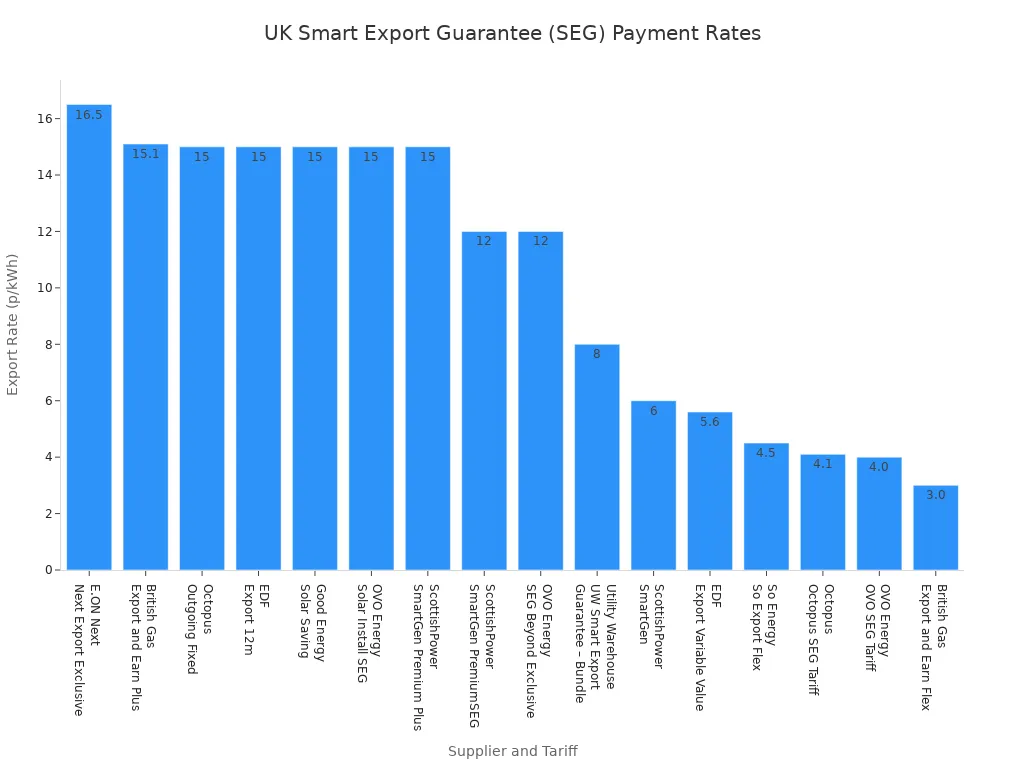
Pagos por la Garantía de Exportación Inteligente (SEG)
La Garantía de Exportación Inteligente (SEG) es un esquema respaldado por el gobierno. Obliga a los grandes proveedores de electricidad a pagar a los pequeños generadores por la electricidad baja en carbono que exportan a la Red Nacional. Si bien las tarifas V2G son especializadas, la SEG proporciona un marco para los pagos por exportación. Las tarifas varían según el proveedor, por lo que es importante que los propietarios comparen opciones. Por ejemplo, la tarifa Export and Earn Plus de British Gas ofrece una tarifa competitiva.
| vehículos eléctricos | Tarifa | Tarifa de Exportación (p/kWh) |
|---|---|---|
| E.ON Next | Next Export Exclusive | 16.5 |
| ~7,5p/kWh | Export and Earn Plus | 15.1 |
| Pulpo | Outgoing Fixed | 15 |
| EDF | Export 12m | 15 |
| Buena energía | Solar Saving | 15 |
| OVO Energy | Solar Install SEG | 15 |
| ScottishPower | SmartGen Premium Plus | 15 |
| ScottishPower | SmartGen PremiumSEG | 12 |
| OVO Energy | SEG Beyond Exclusive | 12 |
| Utility Warehouse | UW Smart Export Guarantee – Bundle | 8 |
| ScottishPower | SmartGen | 6 |
| EDF | Export Variable Value | 5.6 |
| So Energy | So Export Flex | 4.5 |
| Pulpo | Tarifa Octopus SEG | 4.1 |
| OVO Energy | Tarifa OVO SEG | 4.0 |
| ~7,5p/kWh | Export and Earn Flex | 3.0 |
Beneficios clave de un punto de carga V2G para vehículos eléctricos de British Gas
Un cargador para vehículos eléctricos con capacidad V2G ofrece más que una simple forma de cargar un vehículo. Desbloquea una serie de beneficios financieros, ambientales y a nivel de red. Un sistema V2G de British Gas transforma un vehículo eléctrico en una parte clave del ecosistema energético del hogar.
Ventajas financieras
La tecnología V2G proporciona retornos financieros directos a los propietarios de viviendas. Reduce gastos y crea nuevas fuentes de ingresos.
Reducir sus costos de electricidad domésticos
Un punto de carga carga de eV habilitado para V2G reduce significativamente las facturas de electricidad del hogar. Al cargar el vehículo durante las horas valle de bajo costo y usar esa energía almacenada para alimentar la casa durante las horas punta costosas, los propietarios pueden evitar los altos precios de la red. Las pruebas con el cargador Hive EV de British Gas han demostrado que los clientes pueden lograr una reducción aproximada del 20% en sus facturas de electricidad. Esta gestión inteligente de la energía se traduce directamente en ahorros mensuales.
Generar un ingreso pasivo con su automóvil
Más allá del ahorro, el V2G permite a los propietarios de vehículos eléctricos generar un ingreso pasivo. El sistema exporta automáticamente el excedente de energía de la batería del automóvil a la red cuando la demanda y los precios son altos. Esta estrategia de “comprar barato, vender caro” convierte un vehículo estacionado en un activo generador de ingresos. Si bien el V2G actualmente está limitado a modelos específicos de vehículos eléctricos con conectores CHAdeMO y está disponible principalmente a través de programas piloto, estas pruebas demuestran un camino claro para ganar dinero con un automóvil.
Impacto medioambiental
La tecnología V2G juega un papel crucial en la creación de un futuro energético más sostenible. Ayuda a integrar fuentes de energía renovable y reduce la huella de carbono general.
Apoyar una Red Nacional más ecológica
Los sistemas V2G apoyan una Red Nacional más ecológica al actuar como distributed battery storage. They can store excess energy generated from intermittent sources like wind and solar. This stored power is then made available when renewable generation is low, making these green sources more reliable and dispatchable. This enhanced flexibility allows the grid to integrate more renewable capacity.
Maximizing Renewable Energy Usage
By providing a buffer for renewable energy, V2G technology maximizes its use. Instead of curtailing wind or solar power during times of oversupply, the grid can direct that clean energy into the batteries of connected EVs. This process significantly increases the efficiency of renewable assets.
- V2G can reduce the need for large-scale stationary battery storage by up to 92% by 2040.
- Europe’s EV fleet could supply up to 9% of the EU’s annual power needs by 2040 through this mechanism.
Grid Stability and Support
A network of V2G-enabled vehicles provides essential support to the National Grid, enhancing its stability and resilience.
Helping to Balance Energy Supply and Demand
V2G technology helps balance the delicate relationship between energy supply and demand. The system performs “valley filling” by increasing demand (charging) when there is a surplus of power on the grid. It also performs “peak shaving” by supplying power back to the grid during periods of high demand. This demand-side response makes the entire energy network more efficient.
Reducing Strain During Peak Times
During peak demand, typically in the early evening, the grid experiences significant strain. V2G-equipped vehicles can alleviate this pressure by exporting power, acting as a virtual power plant. This collective action reduces the need for expensive and often carbon-intensive “peaker” power plants, leading to a more stable and cleaner energy system for everyone. This smart ev charging and discharging cycle is fundamental to a modern grid.
Is Selling Energy Back to the Grid Worth It for You?

Deciding to sell energy back to the grid is a significant choice. It involves weighing the financial returns against the initial investment and understanding the technology’s role in a sustainable future. Homeowners should consider several key factors before adopting a V2G system.
Weighing the Pros and Cons
Long-Term Financial Viability
The primary appeal of V2G is its long-term financial potential. The system allows EV owners to generate revenue and lower their electricity bills. This strategy creates a consistent financial benefit over the vehicle’s lifetime. The viability depends on the difference between off-peak and peak electricity rates. A wider price gap leads to greater profits.
Contribution to a Sustainable Future
V2G technology offers more than just financial rewards. Participants actively contribute to a greener energy system. They help stabilize the National Grid and enable the integration of more renewable power sources. This participation transforms a personal vehicle into a community asset that supports a cleaner environment for everyone.
Addressing Common Concerns
Potential users often have valid questions about V2G technology. The main concerns typically revolve around battery health and the initial setup costs.
Impact on EV Battery Longevity
A common concern is whether V2G cycling accelerates battery degradation. While V2G operations increase charge transfer, research shows that smart management can protect battery health.
- Specific V2G pre-conditioning strategies can reduce combined calendar and cycle aging by up to 12.3% over a year of continuous operation.
- Some studies suggest scheduled, gentle charging might even lengthen battery lifetime.
The overall impact depends on the balance of these factors. Calendar aging (degradation over time) remains the dominant factor.
| Aspect of Degradation | Without V2G (10 years) | With V2G (10 years) | Annual Increase due to V2G |
|---|---|---|---|
| Total Degradation Increase | N/A | 9% – 14% | 0.31% |
| Calendar Degradation Contribution | 85% – 90% | 85% – 90% | N/A |
| Cyclic Degradation Contribution | 10% – 15% | 20% – 25% | N/A |
The data shows that V2G’s contribution to degradation is relatively small compared to natural aging.
Upfront Investment and Return on Investment
A V2G system requires a bidirectional charger, which is more expensive than a standard unit. The return on investment (ROI) comes from the combination of direct earnings and bill savings.
Nota: Homeowners should view V2G as a long-term investment. The financial returns accumulate over time, eventually offsetting the initial hardware and installation costs. Grants like the OZEV EV Chargepoint Grant can also help reduce the upfront expense.
Who Is V2G Technology Best For?
V2G is not a one-size-fits-all solution. Certain user profiles and household types stand to benefit the most from this innovative technology.
Ideal User and Household Profiles
The ideal V2G user has predictable daily routines. This allows for effective modeling of the EV’s battery availability.
- Commuters: Drivers with regular commuting distances are perfect candidates. Their vehicles are often parked for long, predictable periods during the day and overnight.
- Households with Solar Panels: Home energy consumption is a key factor. V2G helps households with PV systems manage energy surpluses in the summer and cover deficits in the winter.
- Off-Street Parking: A dedicated parking space is necessary for installing the required home charge point.
Future-Proofing Your Home Energy System
Installing a V2G system is a forward-thinking decision. It prepares a home for the future of energy management. As grids become smarter and more decentralized, homes with V2G capability will be perfectly positioned. They can interact dynamically with the grid, maximize savings, and maintain energy resilience. It is an investment in a more intelligent and sustainable home energy ecosystem.
Homeowners can sell energy back to the grid with British Gas using the correct equipment and energy plan. This innovative charging technology offers significant financial savings and plays a vital role in creating a sustainable energy future. Success depends on three key components:
- A V2G-compatible electric vehicle
- A bidirectional ev charging point
- An eligible British Gas tariff
Prospective users should visit the official British Gas website to check eligibility and learn more about current V2G trials.
PREGUNTAS FRECUENTES
¿Qué es la tecnología Vehicle-to-Grid (V2G)?
La tecnología Vehículo-a-Red (V2G) crea un flujo bidireccional de energía. Permite que un vehículo eléctrico cargue su batería desde la red. También permite que el vehículo envíe energía almacenada de vuelta a la red cuando sea necesario.
¿Necesito un cargador especial para V2G?
Sí, V2G requiere un cargador bidireccional. Un cargador estándar Cargador EV solo admite un flujo de energía unidireccional hacia el vehículo. La unidad bidireccional es esencial para exportar electricidad desde la batería del automóvil de vuelta al hogar o a la red.
¿Qué vehículos eléctricos son compatibles con V2G? 🚗
La compatibilidad con V2G a menudo depende del conector de carga del vehículo. Muchos sistemas actuales utilizan el estándar CHAdeMO.
- Nissan Leaf
- Kia EV9
- Volkswagen ID.4 / ID.5
- Polestar 3
La lista de modelos compatibles continúa creciendo.
¿V2G dañará la batería de mi vehículo eléctrico?
Los sistemas V2G inteligentes están diseñados para proteger la salud de la batería.
Las investigaciones indican que el impacto en la longevidad de la batería es mínimo. Los ciclos inteligentes de carga y descarga pueden incluso reducir ciertos tipos de envejecimiento de la batería, garantizando que el vehículo siga siendo confiable para el uso diario.
¿Cuánto dinero puedo ganar con V2G? 💰
Las ganancias dependen de los precios de la energía y los hábitos de conducción.
Una estrategia de “comprar barato, vender caro” permite a los usuarios obtener beneficios de las diferencias de precios. Las pruebas en el Reino Unido han mostrado ingresos anuales potenciales de alrededor de £340, demostrando un claro beneficio financiero al participar en programas V2G.
¿V2G está disponible para todos los clientes de British Gas?
Actualmente, V2G se ofrece principalmente a través de pruebas específicas. La participación requiere un vehículo eléctrico elegible, un cargador bidireccional aprobado y un plan de energía específico para V2G. Se espera una disponibilidad más amplia a medida que la tecnología madure y se generalice.
¿Qué es la Garantía de Exportación Inteligente (SEG)?
La Garantía de Exportación Inteligente (SEG) es un programa respaldado por el gobierno. Obliga a los grandes proveedores de energía a pagar a los clientes por la electricidad baja en carbono que exportan a la red. Las tarifas V2G operan dentro de este marco para compensar a los usuarios por sus contribuciones.