Europe’s electric vehicle infrastructure is undergoing a dramatic transformation. Between 2020 and 2025, the number of public EV charging stations surged from 127,170 to over 882,012. This rapid expansion is heavily influenced by key EU regulations designed to create a seamless, transparent, and sustainable charging network for all users.
Key driver priorities, such as ease of use, access to green power, driver comfort, and transparent pricing, are now at the forefront of infrastructure planning, guiding manufacturers and operators in their development efforts.
Key EU Mandates Shaping the Infrastructure
Two major EU regulations are central to this transformation: the Alternative Fuels Infrastructure Regulation (AFIR) and the Renewable Energy Directive III (RED III).
1. The Alternative Fuels Infrastructure Regulation (AFIR)
AFIR establishes a foundational set of standards for public EV charging stations across the EU, with a strong focus on user protection and accessibility.
Main Requirements for Public Charging Stations:
- Pricing Transparency: Operators must display all costs before a charging session begins. The regulation mandates that prices must be reasonable, easily comparable, transparent, and non-discriminatory.
- Standardized Payment: For stations below 50 kW, ad-hoc payment via QR codes is required. For more powerful stations of 50 kW and above, pricing must be based on the price per kilowatt-hour (kWh).
- Occupancy Fees: While operators are permitted to charge fees per minute for vehicles occupying a spot after charging is complete, these fees must be clearly communicated in advance.
The table below summarizes AFIR’s core requirements:
| Requirement Type | Details |
|---|---|
| Payment Methods | QR codes for stations below 50 kW; card terminals not mandatory |
| Pricing Transparency | Prices must be reasonable, easily comparable, transparent, and non-discriminatory |
| Pricing for Stations 50 kW and Above | Charge based on price per kilowatt-hour (kWh) |
| Occupancy Fee | Allowed per minute; fees communicated before charging starts |
| Pricing for Stations Below 50 kW | Ad hoc pricing listed before charging begins |
Implementation Timelines and Targets
AFIR sets ambitious, binding targets for member states. A key goal is the establishment of charging zones every 60 km along the Trans-European Transport Network (TEN-T), with each zone providing a minimum capacity of 400 kW (increasing to 600 kW by 2027). The initial ad-hoc payment requirements became mandatory in April 2024, with further technical and data specifications rolling out between 2025 and 2027.
2. The Renewable Energy Directive III (Red III)
While AFIR focuses on accessibility, RED III drives the sustainability of the EV ecosystem by integrating renewable energy into the charging infrastructure.
Integration of Renewable Energy
RED III introduces mechanisms to ensure that the electricity powering EVs is increasingly green. It incentivizes Charge Point Operators (CPOs) to source renewable energy through credit mechanisms and supports the necessary grid modernization to handle the increased demand from EVs. The directive also encourages renewable energy credits trading, creating a market-based approach to reducing the transport sector’s carbon footprint.
| Mechanism | Impact on EV Charging Infrastructure |
|---|---|
| Credit mechanism | Incentivizes use of renewable energy for EV charging, aiding CPOs’ expenses. |
| Grid modernization | Enhances capacity to accommodate EV charging demand with renewable energy. |
| Renewable energy credits trading | Encourages adoption of renewable energy in transport through market-based incentives. |
National Targets and the Path Forward
Complementing these EU-wide regulations, individual countries are setting national targets for deploying public charging points. These obligations ensure that infrastructure growth keeps pace with the rising number of electric vehicles, directly supporting broader climate goals. Continued investment in grid modernization and the effective use of renewable energy credits are crucial for delivering a reliable and truly sustainable charging experience across Europe.
This coordinated regulatory framework is creating a standardized, user-friendly, and environmentally conscious EV charging network, paving the way for the future of mobility in Europe.
How EU Mandates Are Accelerating Europe’s EV Charging Infrastructure
The European Union’s comprehensive regulatory framework is a primary driver behind the rapid expansion of electric vehicle (EV) charging infrastructure. Beyond the core regulations like AFIR and RED III, several other key directives are shaping the landscape, from cross-border travel to the buildings where people live and work.
3. The Alternative Fuils Infrastructure Facility (AFIF)
While AFIR sets the regulatory standards, the Alternative Fuils Infrastructure Facility (AFIF) provides the financial muscle to make large-scale projects a reality. As a key funding instrument of the Connecting Europe Facility, AFIF offers grants to support the deployment of alternative fuels infrastructure.
Funding for Strategic Deployment
The EU has allocated significant funds through AFIF to accelerate the build-out of EV charging, particularly along strategic transport corridors. A €1.3 billion allocation is dedicated to scaling up infrastructure, with a specific €1 billion call for proposals in 2024 targeting high-impact projects. This funding is crucial for bridging investment gaps and encouraging private sector participation in developing fast-charging networks.
| Funding Amount | Purpose | Impact |
|---|---|---|
| €1.3B allocated | Scale up EV charging | Accelerates deployment along key transport corridors |
| €1B call in 2024 | Support high-impact projects | Enhances EV charging infrastructure across Europe |
Strengthening Cross-Border Connectivity
A specific focus of AFIF is enhancing connectivity between member states. An additional €570 million is allocated for the 2025-2026 period to fund cross-border projects along the Trans-European Transport Network (TEN-T). This centralized funding pool ensures that EV drivers can expect a consistent and reliable charging experience when traveling across international borders within the EU.
4. The Energy Performance of Buildings Directive (EPBD)
The Energy Performance of Buildings Directive (EPBD) recognizes that a vast amount of vehicle charging happens at destinations. This directive is instrumental in building the foundation for a ubiquitous “right-to-plug” by mandating EV readiness in both new and existing buildings.
Mandates for New and Existing Buildings
The EPBD sets clear, phased requirements for different types of buildings:
- New Buildings: New non-residential buildings with more than five parking spaces must install at least one smart EV charging point and pre-cable all remaining spaces. New residential buildings with more than three spaces require mandatory pre-cabling for every spot.
- Existing Buildings: For existing non-residential buildings and those occupied by public authorities with more than twenty parking spaces, the directive mandates one smart charging point for every ten spaces by 2027. Furthermore, 50% of all parking spaces must be equipped with charging infrastructure by 2033.
- Multi-Family Buildings: The directive ensures that residents in apartment blocks have the “right-to-plug,” meaning building owners must facilitate the installation of charging points upon request.
| Building Type | Requirement |
|---|---|
| New non-residential (more than 5 parking spaces) | Install one smart charging point and pre-cable all parking spaces |
| New residential (more than 3 parking spaces) | Mandatory pre-cabling for all parking spots |
| Existing buildings (more than 20 parking spaces) | One smart charging point for every 10 spaces by 2027; pre-cabling for half by 2033 (public authorities) |
| Multi-family buildings | Facilitate charging point installation for residents (right-to-plug) |
Note: Buildings undergoing major renovations are also required to include EV charging infrastructure in their plans, which can lower long-term installation costs and improve property value.
Impact on Private and Semi-Public Charging
The EPBD’s impact extends beyond public networks, significantly boosting the availability of private and semi-public charging. By requiring at least one charging point for every ten spaces in non-residential buildings from 2027 and equipping 50% of public building parking spaces by 2033, the directive ensures that charging becomes readily available at workplaces, shopping centers, and government facilities. This bridges a critical gap between fully public and home-based charging.
5. The Clean Vehicles Directive
The Clean Vehicles Directive (CVD) leverages the massive purchasing power of the public sector to stimulate the clean vehicle market and, by extension, the necessary charging infrastructure.
Driving Market Demand for Clean Transport
The directive sets minimum national targets for the procurement of clean vehicles (including EVs) by public authorities. It provides flexibility, allowing member states to distribute these targets among various contracting authorities like municipalities and state-owned companies.
| Aspect | Description |
|---|---|
| Minimum Targets | Sets minimum targets for clean vehicle procurement by Member States |
| Flexibility | Allows distribution of targets among contracting authorities |
| Market Signal | Encourages manufacturers to increase production of low and zero-emission vehicles |
| Infrastructure Development | Promotes development of charging infrastructure |
| Financial Considerations | Supports financial schemes to manage higher upfront costs |
This concerted public demand sends a powerful, predictable signal to automakers to ramp up EV production. Furthermore, to support their new clean vehicle fleets, public authorities are compelled to invest in the necessary charging infrastructure.
Catalyzing Municipal EV Deployment
The CVD has a direct trickle-down effect on cities and towns. Municipalities are leading by example, deploying EV charging stations to service their own fleets of electric buses, service vehicles, and cars. This public investment often extends to creating public charging hubs, which improves local air quality, encourages resident EV adoption, and ensures that public sector actions are aligned with the EU’s broader climate and infrastructure goals.
Tangible Impacts on Public Charging Infrastructure

1. Significant Growth in EV Charging Station Numbers
Expansion Rates Across Member States
The EU has witnessed a remarkable surge in public charging infrastructure. As of August 2025, the number of publicly accessible charging points reached 1,148,062, a significant increase from 632,423 at the end of 2023. This growth demonstrates the effectiveness of recent policy measures and investments. However, the expansion remains uneven across the region. The Netherlands, Germany, and France account for a substantial share of the total network, while other member states are working to accelerate their deployment.
Key milestones include:
- The EU recently surpassed one million public charging points, a major milestone for electric mobility.
- The total network consists of 941,953 AC and 206,109 DC charging points, supporting a wide range of charging needs
Urban vs. Rural Deployment Disparities
A clear disparity exists between urban and rural areas. Cities benefit from higher demand, easier grid connections, and supportive local policies, leading to much higher expansion rates. In contrast, rural and remote regions face challenges such as regulatory hurdles, lower population density, and higher infrastructure costs. This imbalance underscores the need for targeted investments and policies to ensure equitable access to reliable charging, regardless of location.
2. Marked Improvements in Accessibility
Minimum Coverage and Power Requirements
EU mandates have established clear, enforceable requirements to guarantee consistent charging coverage, particularly along major transport routes. The following table outlines the key infrastructure targets:
| Requirement Type | Distance Between Stations | Minimum Power Output |
|---|---|---|
| Fast-charging stations | Every 60 kilometers | 150 kW or greater |
| Heavy-duty EV charging stations | Every 60 kilometers (core TEN-T) | 600 kW total, 150 kW minimum |
| Heavy-duty EV charging stations | Every 100 kilometers (larger TEN-T) | 600 kW total, 150 kW minimum |
| Future requirement (2026) | Every 60 kilometers | 400 kW |
| Future requirement (2028) | Every 60 kilometers | 600 kW |
Accessibility for Users with Disabilities
Ensuring accessibility for all users, including disabled drivers, remains a critical challenge. While the Netherlands leads in charging points per capita, significant disparities in accessibility persist across Europe. Implementation of inclusive design standards has been inconsistent. The British Standards Institution is revising its accessibility guidance (PAS 1899) in response to poor adoption. Disabled drivers are actively campaigning for better implementation, with some charging networks monitoring the situation closely due to potential legal risks related to discrimination. Organizations like POLIS continue to promote inclusive mobility, highlighting the ongoing need for a fair and universally accessible transport system.
3. Key Enhancements in EV Charging Quality
Faster Charging Speeds and New Technologies
The quality of public charging is rapidly evolving. The number of DC fast chargers surged to 135,000 in 2024, with High-Power Charging (HPC) stations significantly reducing charging times. The introduction of Autocharge technology allows for a simplified “plug-and-charge” experience, automatically starting a session without the need for an app or RFID card. Furthermore, operators are exploring advanced solutions like Energy-as-a-Service (EaaS) and Vehicle-to-Grid (V2G) integration, which promise to enhance grid stability and overall infrastructure efficiency.
Standardization and Interoperability
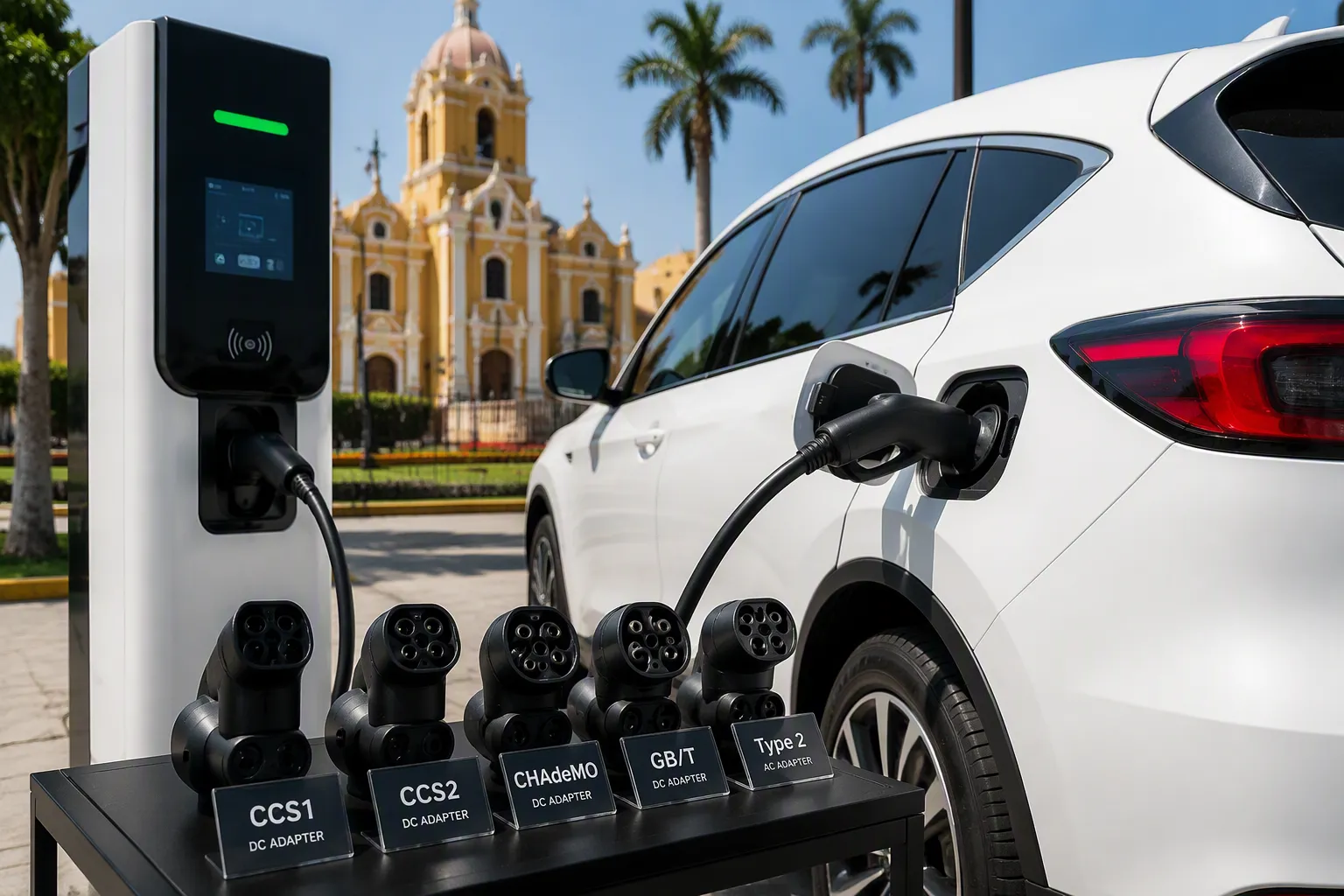
A major achievement of EU policy is the improved standardization and interoperability of charging networks. A key regulation mandates that all new electric vehicles must be compatible with CCS2 connectors, ensuring broad access to public infrastructure. This prevents market fragmentation and allows drivers to connect to a wide range of chargers without compatibility concerns.
| Evidence Type | Description |
|---|---|
| Regulation | The EU mandates that all new EVs must be compatible with CCS2 connectors, enhancing access to public charging infrastructure. |
| Projected Impact | The European Commission estimates a 20% increase in charging accessibility in the next five years due to this standardization. |
These interoperability standards, which will apply to all public charging points installed after January 2026, are also expected to foster greater competition and innovation while helping to reduce costs for consumers.
User Experience Upgrades in Public Charging Infrastructure
EU regulations are directly improving the public charging experience by standardizing payment systems, enhancing transparency, and integrating digital services.
1. Streamlined Payment Systems and Transparency
Recent mandates have made paying for a charging session significantly more convenient. A key improvement is the requirement for ad-hoc payment options, allowing any user to charge without needing to register, subscribe, or sign a contract.
Operators are now required to provide full pricing transparency. All costs, including energy rates and any potential occupancy fees, must be clearly displayed before a session begins, enabling users to make fully informed decisions.
To support this, a variety of payment methods are available at most locations, including:
- Payment card readers
- Contactless devices
- Mobile payment solutions
The backend infrastructure has also evolved. Many operators use cloud-based payment systems for seamless management across networks. At older sites, payment kiosks are often retrofitted with modern technology, ensuring a consistent and up-to-date user experience without requiring complete infrastructure replacement.
2. Real-Time Information and Digital Services
Digital integration is now a standard feature of the EV charging ecosystem. Drivers benefit from real-time data on charger availability, status, and pricing through various digital platforms and mobile applications. This allows for efficient route planning and helps avoid unnecessary detours or wait times.
Internet of Things (IoT) technology is central to this transformation. Sensors and connectivity in charging stations enable real-time monitoring of performance and usage. Mobile apps leverage this data, allowing users to:
- Locate the nearest available charger.
- Filter by charging speed, connector type, or price.
- Make in-app payments.
- Start, stop, and monitor charging sessions remotely.
For operators, these digital tools enhance business operations, including marketing, customer relationship management, and service delivery. Furthermore, SIM-based cellular connectivity allows for the flexible installation of chargers in optimal locations, even in areas lacking traditional internet infrastructure.
3. Practical Changes for EV Users
Easier Access and Reduced Range Anxiety
The dense and growing network of charging infrastructure is directly reducing range anxiety for EV drivers. EU policy mandates at least one 150 kW charging station every 60 kilometers on major roads by 2025. As of 2024, over 75% of highways already had fast chargers available every 50 kilometers.
This expanded coverage, combined with simplified payment and transparent pricing, makes long-distance travel more predictable and less stressful.
| Regulation Description | Impact on Range Anxiety |
|---|---|
| Installation of fast charging stations every 60km | Reduces the distance between charging points, alleviating concerns about running out of charge on long trips. |
| Simplified payment processes | Makes it easier for drivers to access charging stations without needing apps or subscriptions, enhancing convenience. |
| Transparent pricing and availability | Helps drivers make informed decisions about where to charge, reducing uncertainty and anxiety. |
More Reliable and Convenient Experiences
Overall reliability and convenience have increased. Access to real-time data on charger status helps users avoid non-functional or occupied stations. The combination of clear upfront pricing and multiple, easy payment options creates a smoother, more predictable experience, allowing drivers to spend less time managing the charging process and more time on the road.
4. Impacts on Public Charging Station Operators
Compliance Requirements and Reporting
tation operators must adapt to a new regulatory landscape focused on open access and data transparency. Key compliance requirements include:
- Providing open access to charging points.
- Supporting ad-hoc payments without registration.
- Displaying transparent, all-inclusive pricing.
- Sharing live data with third-party platforms (e.g., for navigation and route planning).
Operators are also required to meet deployment targets and maintain detailed reporting, which includes:
- Metered energy consumption per site.
- Timestamped session data.
- The source of electricity (renewable, grid-mix, etc.).
- Regional emission factors linking energy use to CO₂ output.
Business Model Adaptations
The economic reality of operating charging infrastructure is shaping business strategies. Evidence indicates that most chargers cannot recover their costs within three years without subsidies, even with high utilization.
| Evidence | Description |
|---|---|
| Charger Utilization | Most chargers fail to recover costs within three years without subsidies, even with high utilization rates. |
| Location Impact | Strong positive relationship between nearby business density and charger utilization. |
| Deployment Strategy | Incentives should prioritize chargers in commercially vibrant areas to enhance utilization and revenue. |
Consequently, operators are incentivized to focus deployment in commercially vibrant areas to maximize usage and revenue. The business model is evolving to prioritize high-utilization locations while meeting regulatory mandates for broader geographical coverage.
Effects on the Broader EV Ecosystem
The expansion of public charging infrastructure, driven by EU mandates, is creating ripple effects across the entire electric vehicle value chain, influencing automakers, energy providers, and the pace of EV adoption itself.
Influence on Automakers and Energy Providers
EU regulations are catalyzing significant investment from automakers and energy providers. The clear target of installing a 150 kW fast charger every 60 km on core highways by 2025 has de-risked infrastructure development and encouraged collaboration. Utilities are seeking and receiving regulatory approval for investment programs, while automakers are forming partnerships to ensure a reliable charging network exists to support their growing fleets of electric models. This multi-stakeholder collaboration is essential for building a network robust enough to support a full transition to electric mobility.
Role in Accelerating EV Adoption
The infrastructure build-out is directly accelerating EV adoption. The number of public charging ports in Europe increased by 35% in 2024, surpassing one million. This rapid growth is critical to building consumer confidence and ensuring the infrastructure is ready for the projected future where EVs could constitute 70-96% of new car sales by 2035. A visible, reliable, and expanding network makes the switch to an electric vehicle a practical reality for a greater number of consumers.
Challenges and Solutions in Expanding Public Charging Infrastructure
Grid Integration and Energy Supply
The rapid expansion of EV charging points places substantial new demand on the electricity grid, particularly during peak hours. Uncoordinated charging can lead to overloads and instability. Furthermore, the integration of intermittent renewable energy sources adds complexity to managing supply and demand.
| Challenge | Description |
|---|---|
| Increased Peak Demand | The rise in EV charging leads to higher peak power demand on the grid, causing potential overloads. |
| Uncoordinated Charging | Many EVs charge simultaneously due to user patterns, leading to spikes in demand and grid instability. |
| Impact of Renewable Energy | The integration of renewable energy sources can cause supply-demand imbalances due to their fluctuating nature. |
Solution: Smart Charging and Grid Balancing
Smart charging technology is a key solution to these challenges. These systems automatically adjust charging times and speeds based on grid conditions, distributing demand more evenly and reducing the risk of overloads. Utilities can use real-time data to manage the network and prioritize the use of renewable energy when it is most abundant, thereby supporting grid stability and enhancing the sustainability of the EV ecosystem.
Investment and Funding Barriers
A major challenge is ensuring a balanced rollout of infrastructure. While private investment naturally flows to high-profit, high-traffic urban and commercial zones, public funding is essential to address gaps in underserved areas.
Solution: Public-Private Partnerships and Targeted Funding
Collaboration between public and private sectors is crucial. Governments are allocating funds specifically to expand the network in rural and low-income communities. For example:
- Texas directed $408 million to rural communities.
- California ensures at least 50% of its funding reaches underserved and low-income communities.
- New York is investing $175 million in both rural areas and urban multi-unit dwellings.
These targeted investments are vital for creating an equitable charging network and ensuring all potential EV owners have access to reliable charging.
Harmonizing Standards Across Europe
A seamless user experience across national borders is a key goal of EU policy. This requires the technical and regulatory alignment of charging points. The EU is actively working to standardize connector types (like the mandated CCS2), payment systems, and safety protocols. This harmonization reduces confusion and ensures cross-border compatibility, allowing drivers to travel across Europe using the same payment methods and connectors, which in turn encourages greater EV adoption.
Looking Ahead: The Future of Public EV Charging
Upcoming Policy Developments
Future EU mandates are expected to focus on closing remaining infrastructure gaps. This will likely involve stricter requirements for high-power charger deployment, stricter enforcement of national coverage standards, and new rules that further encourage the use of renewable energy and digital solutions like smart charging and Vehicle-to-Grid (V2G) technology.
National Implementation Strategies
Individual member states will continue to develop tailored strategies to meet these evolving EU targets. Some will prioritize urban density, while others focus on rural access or cross-border connectivity. National governments will play a key role in providing incentives and streamlining permitting to accelerate deployment.
Long-Term Impact on EV Adoption and Public Charging Infrastructure
Projected growth in EV adoption and public charging points
Projections indicate massive growth is still to come. To meet demand, Europe will need an estimated 8.8 million chargers by 2030, requiring the installation of over 23,000 new chargers each week. By 2035, total charging demand in Europe is expected to reach 200 TWh.
The environmental and economic benefits of this expansion are substantial. A cleaner transportation sector will reduce air pollution and greenhouse gas emissions, while the build-out itself will create new jobs in manufacturing, installation, maintenance, and digital technology, positioning Europe as a leader in sustainable transport innovation.
EU mandates are fundamentally transforming the electric vehicle infrastructure across Europe. These comprehensive policies are creating a more available, reliable, and user-friendly public charging network. This strengthened infrastructure supports the growing number of EV drivers and provides new opportunities for industry stakeholders. While challenges such as grid integration and equitable access remain, continued policy support and investment are paving the way for Europe to lead the global shift to sustainable electric mobility.
FAQ
What is the main goal of EU mandates for public EV charging stations?
The primary goal of EU mandates is to establish a seamless, accessible, and reliable public charging network across Europe. They set clear, enforceable standards for infrastructure coverage, payment transparency, and technical interoperability to accelerate EV adoption and ensure a consistent user experience in all member states.
How do EU regulations improve payment options at charging stations?
EU rules require operators to offer ad-hoc payment methods, allowing anyone to charge without a subscription or contract. Drivers can typically use payment cards, contactless devices, or mobile apps. Operators are also mandated to display all costs, including any additional fees, clearly before a charging session begins.
Will I find enough charging stations when traveling across Europe?
Yes, EU mandates are ensuring comprehensive coverage, particularly on major highways. Regulations require fast-charging stations to be installed every 60 kilometers along the core Trans-European Transport Network (TEN-T), making long-distance travel across Europe increasingly practical for EV drivers.
How do EU mandates support renewable energy use in EV charging?
Policies like the Renewable Energy Directive (RED III) incentivize Charge Point Operators to source electricity from renewable sources. Through credit mechanisms and support for grid modernization, the EU is ensuring that the expansion of EV charging infrastructure goes hand-in-hand with the transition to clean energy.
What accessibility features should I expect at public charging points?
EU standards promote inclusive design to ensure charging stations are accessible for all users, including those with disabilities. This includes guidelines for clear signage, adequate space for maneuvering, and ease of use. Ongoing revisions to standards like PAS 1899 aim to improve implementation across the network.
How do EU mandates affect the cost of charging my EV?
The mandates enforce full pricing transparency, requiring all costs to be displayed before you start charging. This allows drivers to compare prices easily. The regulations themselves do not set prices, but the increased competition and standardized reporting help create a more transparent and competitive market.
What should I do if I encounter a problem at a public charging station?
Drivers should first contact the station operator directly using the contact information provided at the site, as most offer 24/7 support. If the issue is not resolved, it can be reported to the relevant national authority responsible for enforcing the AFIR regulations.