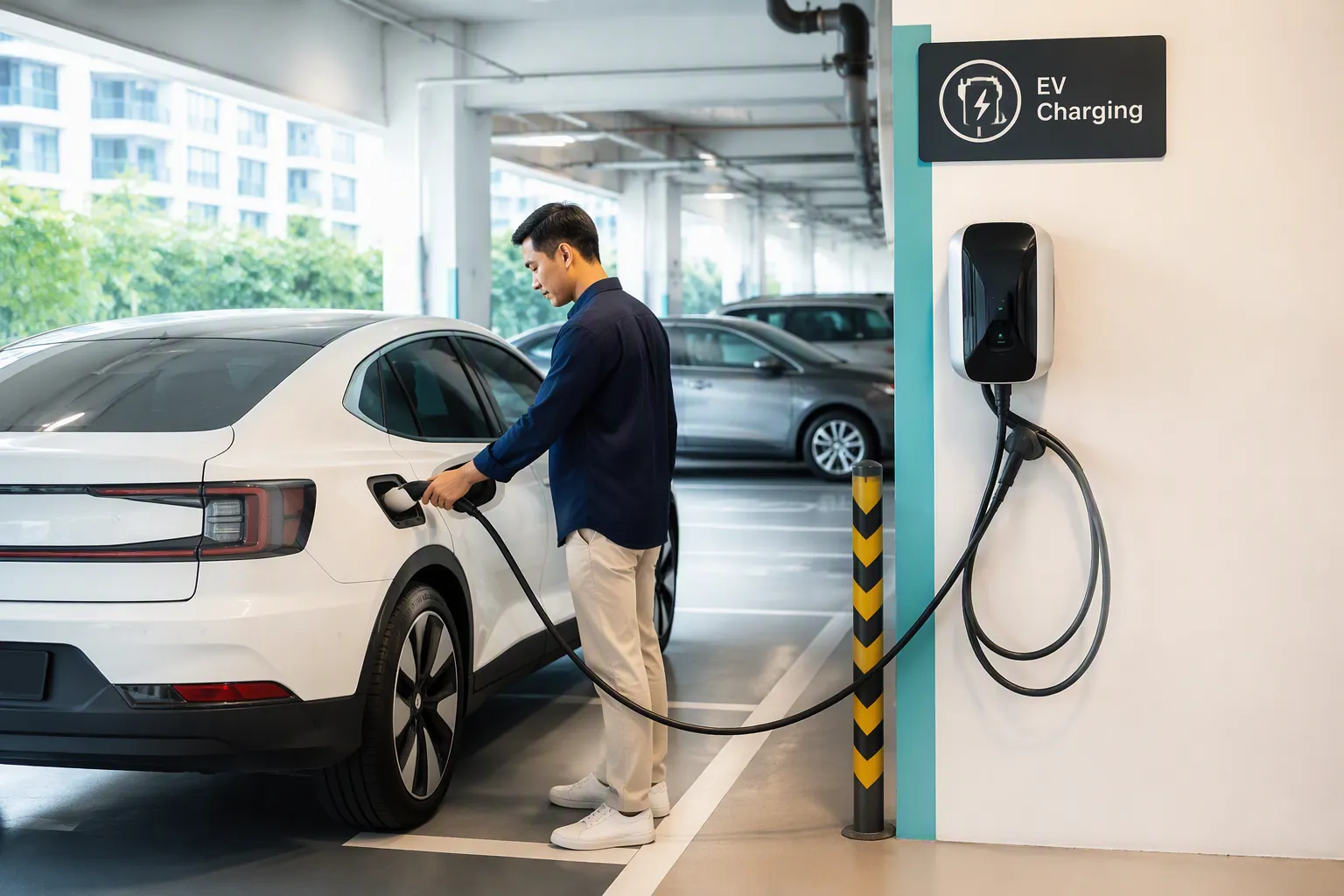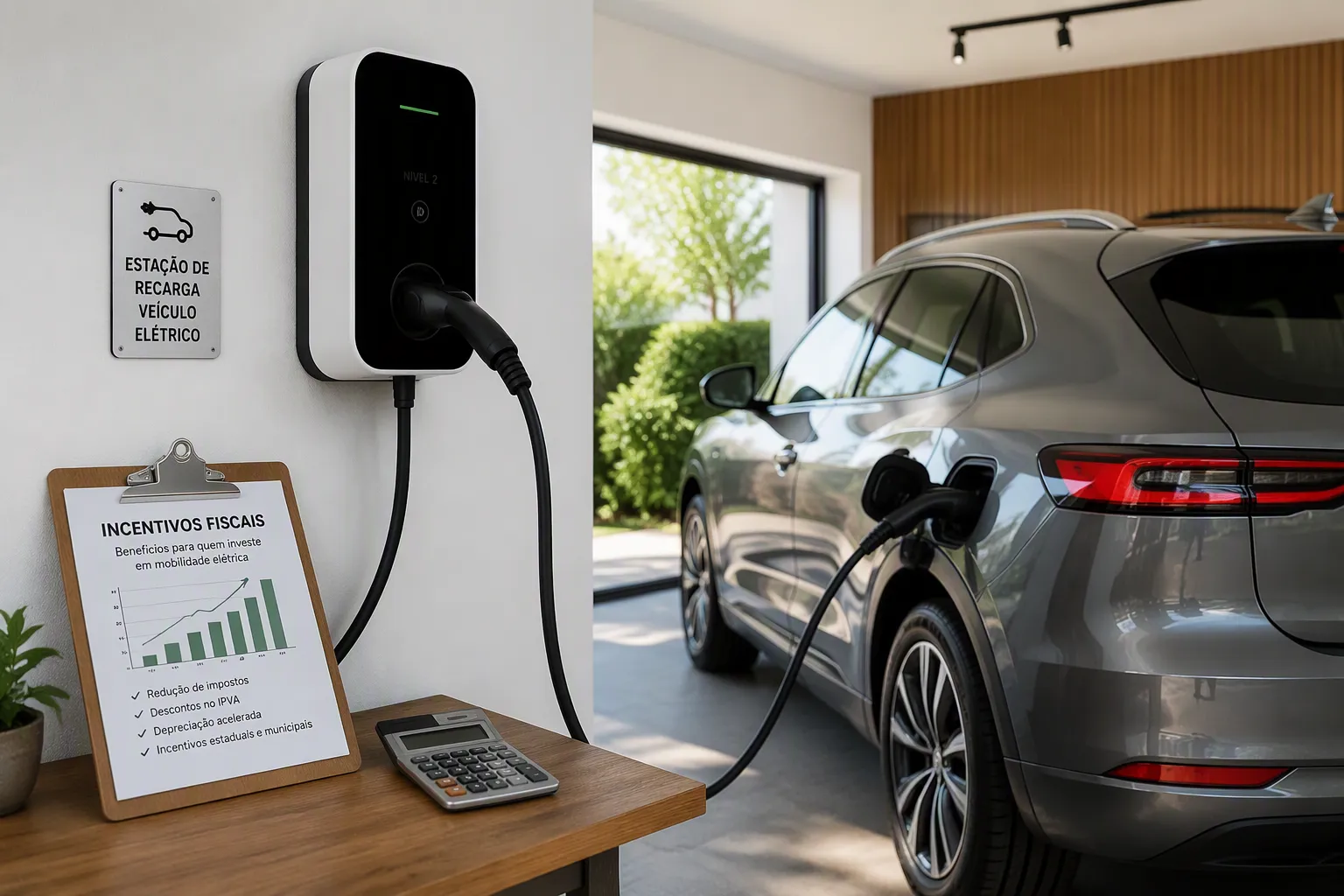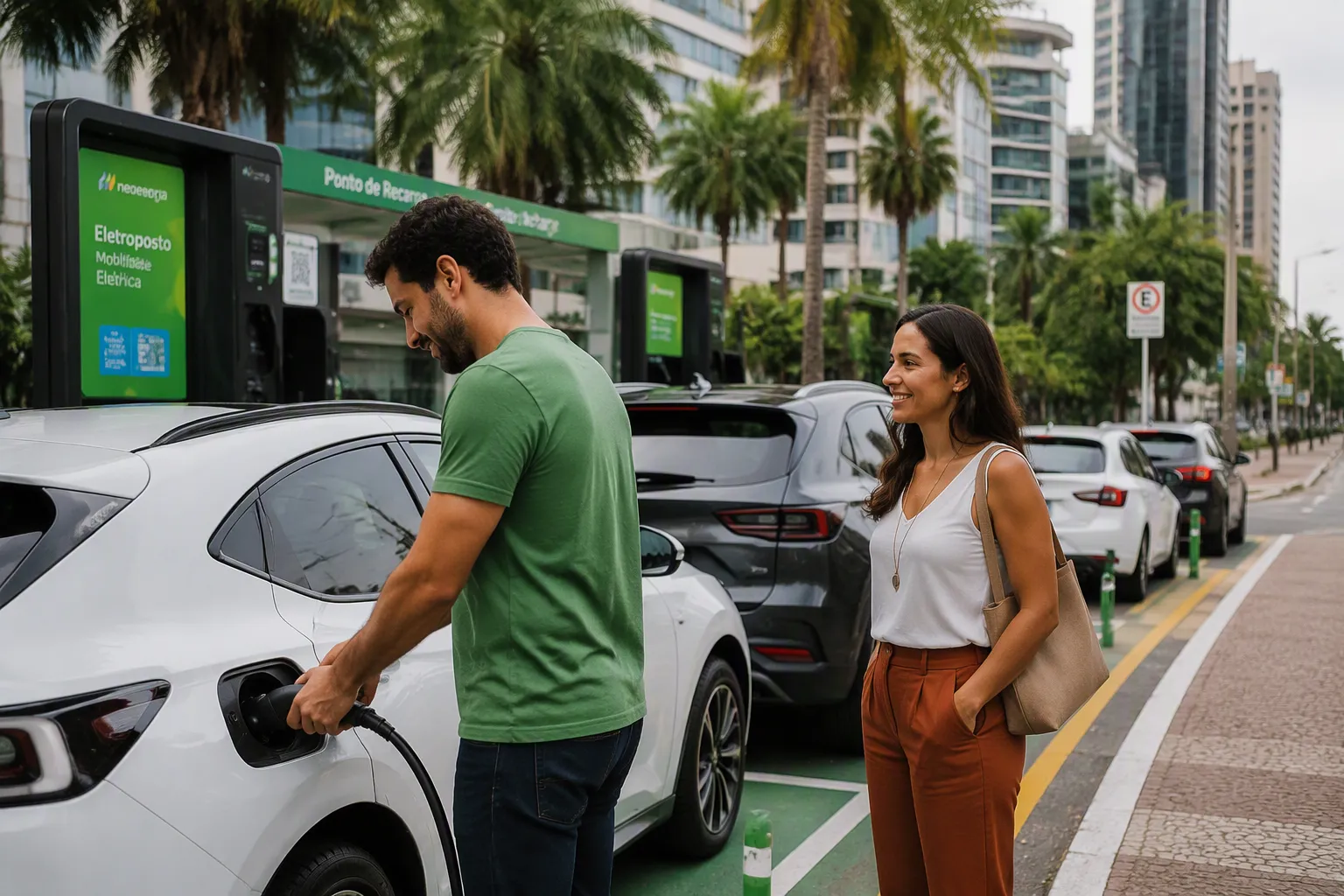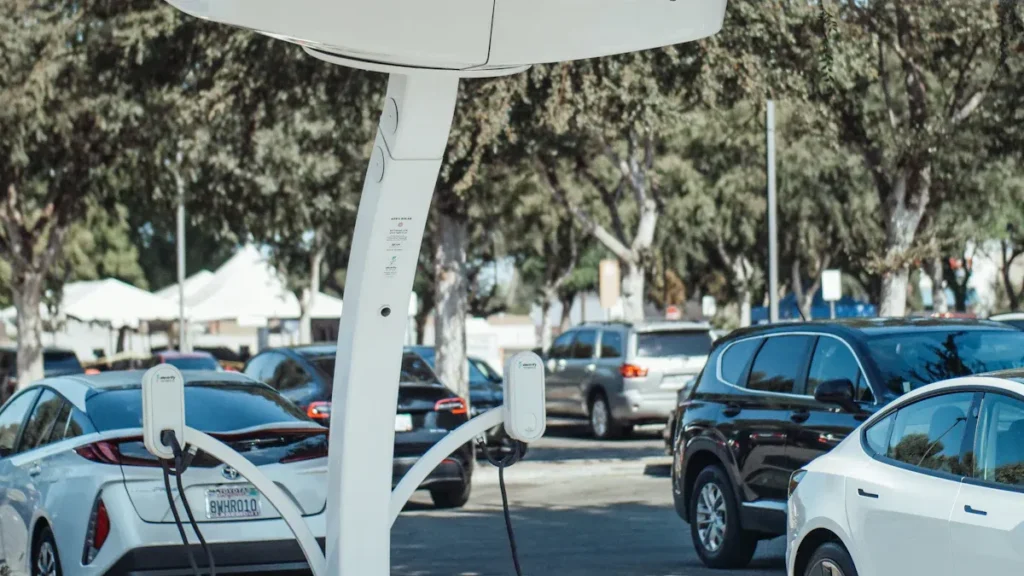

The future of home electric car charging is evolving beyond basic vehicle power-ups to embrace sophisticated smart energy integration. Your EV is poised to become an active component of your home’s energy ecosystem. Leading this transformation are Innovations to Watch like Vehicle-to-Home (V2H) and Vehicle-to-Grid (V2G) technologies. These advancements enable electric cars to power a house during outages or even send energy back to the grid. This capability, facilitated by advanced Cargador EV technology, offers substantial cost savings for owners and contributes to a more stable energy network for everyone. As these technologies become more widespread, the role of Fabricantes de cargadores para VE will be crucial in developing the infrastructure that supports this dynamic energy exchange.
Key Innovations to Watch in Home EV Charging

The landscape of home EV charging is undergoing a remarkable transformation. The focus is shifting from simple power delivery to intelligent energy management. These key innovations to watch are set to redefine the relationship between electric cars, homes, and the power grid.
Bidirectional Power: Vehicle-to-Everything (V2X)
The most significant development is bidirectional power, often called Vehicle-to-Everything (V2X). This technology allows an EV to not only receive an electric charge but also to send power back out. It effectively turns the vehicle into a large, mobile battery. This capability is split into two primary applications: Vehicle-to-Home (V2H) and Vehicle-to-Grid (V2G).
Vehicle-to-Home (V2H): Your EV as a Home Battery
Vehicle-to-Home (V2H) technology enables an electric vehicle to power a house directly. During a power outage, an EV with a full charge can supply electricity to keep essential appliances running for hours or even days. Beyond emergency backup, V2H allows owners to use stored energy from their car during peak-rate electricity hours, then recharge the vehicle when rates are low. Projected annual savings are significant.
- Compact EV: Over £700 annually
- Medium-sized EV: Over £1,000 annually
- Electric SUV: Up to £1,475 annually
This financial incentive highlights the practical value of integrating an EV into a home’s energy strategy.
Maria Bengtsson, UK head of mobility at EY, stated: “This study provides a compelling case around how V2G and smart charging solutions could enable consumers and electricity transmission and distribution grids to collaborate, helping to reduce EV running costs and optimise grid capacity.”
Vehicle-to-Grid (V2G): Earning Money from Your Car
Vehicle-to-Grid (V2G) takes the concept a step further. It allows EV owners to sell stored energy from their car’s batteries back to the electricity grid. Utility companies can draw on this power during periods of high demand to help stabilize the network. In return, owners receive payments or credits on their energy bills. This creates a new revenue stream and transforms a personal vehicle into an active grid asset.
The Hardware: What Makes a Charger Bidirectional?
Standard EV chargers only allow power to flow in one direction. Bidirectional charging requires specialized hardware. Estos advanced chargers contain an inverter that converts the DC power from the EV’s batteries into AC power suitable for a home or the grid.
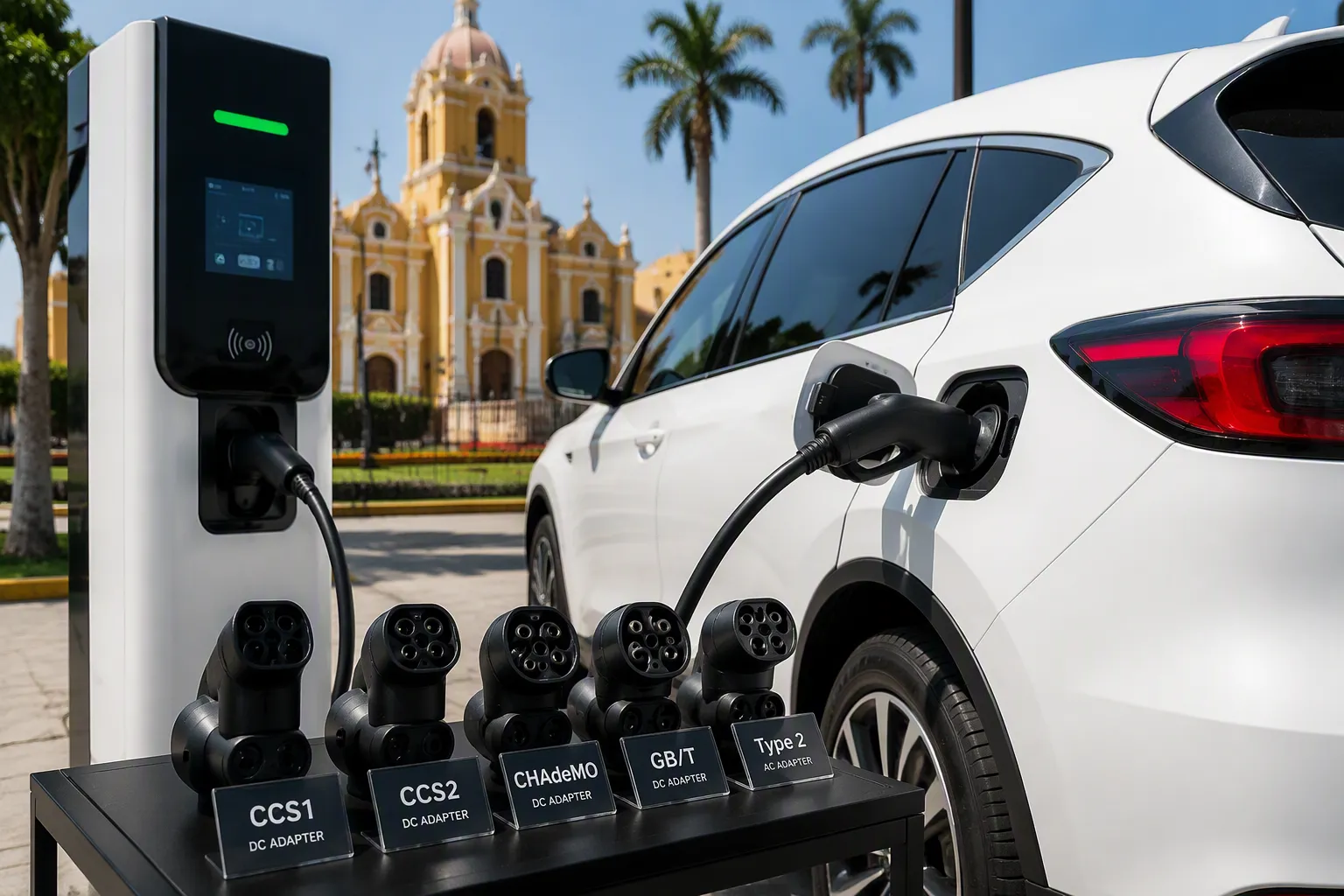
This process is governed by strict communication protocols to ensure safety and efficiency. The ISO 15118 standard, particularly the ISO 15118-20 update, is crucial. It defines the secure communication link between the vehicle and the charger that enables bidirectional energy transfer. Other protocols like CHAdeMO also support this function. The industry anticipates future standards, such as IEC 63110 y IEC 63119 between 2025-2027, to further refine these capabilities.
The Next Wave of Smart Charging Software
While hardware enables new functions, intelligent software is what optimizes them. The next generation of smart charging platforms uses data and automation to maximize savings and convenience. These are powerful innovations to watch.
AI-Driven Energy Optimization
Artificial intelligence (AI) is becoming central to the smart charging experience. AI-powered systems learn an owner’s driving patterns, monitor real-time electricity prices, and even check weather forecasts for solar production. The software then creates a personalized charging schedule that automatically ensures the vehicle is ready when needed, all while using the cheapest and greenest energy available.
Advanced Utility Tariff Integration
Smart charging platforms analyze complex utility electricity rates, including time-of-use tariffs. These systems automatically shift EV charging to off-peak hours, which are typically between 23:00 and 07:00, to drastically reduce costs. The software communicates directly with utility companies to access grid demand data and pricing information, making the optimization process seamless for the user.
Integration with Solar and Home Batteries
For homes with renewable energy, smart software creates a complete ecosystem. It prioritizes using self-generated solar or wind power to charge the EV first. Leading platforms and chargers offer deep integration.
- ev.energy: This system offers customizable schedules and can prioritize charging when solar panels generate maximum power.
- Zappi Charger: Known as a top solar EV charger for its direct integration with solar arrays.
- Hypervolt Home: Another charger recognized for its excellent solar integration capabilities.
- Indra Smart Pro: This charger also excels at working with home solar energy systems to maximize self-consumption.
New Charging Methods for Ultimate Convenience
Beyond intelligence, the physical act of charging is also evolving. New methods are emerging to make the process easier and faster, representing the final category of innovations to watch for the near future.
Wireless (Inductive) Charging at Home
Wireless charging eliminates the need for cables. This technology uses an inductive charging pad installed on the garage floor or in a parking space. The driver simply parks the electric car over the pad, and charging begins automatically. Current residential systems can achieve power levels of 7.2-11 kW with an efficiency of 90-93%, only slightly less than a typical wired connection. Major automotive brands like BMW and Genesis plan to integrate this option by 2025, promising a new level of convenience.
The Rise of Residential DC Fast Charging
While most home charging uses AC power, residential DC fast charging is an emerging frontier. These high-speed chargers bypass the vehicle’s onboard converter and supply DC power directly to the battery, significantly reducing charging times. The adoption of ultra-fast charging technology at home will require more robust electrical infrastructure and specialized hardware from technologically advanced electric vehicle charging solution providers like TPSON. This development points toward a future where a substantial charge is possible in minutes, not hours.
Will I Need to Replace My Current Charger?
Con tantas innovaciones en el horizonte, una pregunta clave para los propietarios actuales y futuros de vehículos eléctricos es si su hardware existente quedará obsoleto. La respuesta depende enteramente de qué nueva tecnología deseen adoptar. Para algunos avances, una simple actualización de software es suficiente. Para otros, un reemplazo completo del hardware es inevitable.
Para V2G y V2H: Sí, se Requiere un Nuevo Cargador
Adoptar las capacidades de Vehículo-a-Red (V2G) o Vehículo-a-Hogar (V2H) requiere un cargador nuevo y especializado. Los cargadores domésticos estándar actuales no están equipados para la compleja tarea del flujo bidireccional de energía.
Por Qué los Cargadores Actuales No Soportan Flujo Bidireccional
Los cargadores estándar de vehículos eléctricos están diseñados para una transferencia de energía unidireccional. Convierten la energía CA de la red en energía CC para cargar la batería del vehículo. Carecen de los sofisticados componentes internos necesarios para invertir este proceso. Un cargador bidireccional es un hardware fundamentalmente diferente. Contiene:
- Un Inversor: Este es el componente central que convierte la energía CC de la batería nuevamente en energía CA para usar en un hogar o en la red.
- Electrónica de Potencia Avanzada: Estos incluyen microcontroladores especializados para gestionar la dirección del flujo de energía, controladores de puerta para manejar módulos de potencia y transistores de alto rendimiento como Carburo de Silicio (SiC) o Nitruro de Galio (GaN).
- Diseños de Circuito Específicos: Se utilizan topologías como el convertidor resonante CLLC para permitir un flujo de corriente bidireccional, de alta frecuencia y eficiente, con aislamiento galvánico.
Estos componentes trabajan en conjunto para garantizar la exportación segura y eficiente de energía desde un automóvil eléctrico, una función que un cargador estándar simplemente no puede realizar.
Qué Buscar en un Cargador V2G/V2H
Al considerar una actualización, los propietarios deben buscar cargadores certificados específicamente para uso bidireccional. Wallbox fue pionero en este campo, lanzando el primer cargador bidireccional residencial en 2020. El mercado ahora se está expandiendo, con varias empresas ofreciendo o desarrollando soluciones.
| Empresa | Modelo de cargador | Estado | Características principales |
|---|---|---|---|
| Caja mural | Quasar | Disponible | 7.4kW, compatible con CHAdeMO, residencial |
| Caja mural | Quasar 2 | Próximamente | 11.5kW, WiFi, Ethernet, Bluetooth, compatible con CCS1 |
| Fermata Energy | FE-15 | Disponible | 15kW, compatible con CHAdeMO, montado en pared |
| Rectifier Tech | Highbury | Próximamente | 7kW/11kW, eficiencia 96%, compatible con CHAdeMO y CCS |
Otros proveedores como Sungrow y Alternergy (distribuyendo el Haier Smart Cube) también ofrecen cargadores diseñados para ecosistemas inteligentes de energía eléctrica.
Nota sobre Costos: La inversión es significativa. Si bien los costos de instalación suelen oscilar entre £500 y £1,000, el costo inicial total de un cargador V2G/V2H y su instalación puede ascender a £6,000.
Para Funciones Inteligentes Avanzadas: Probablemente No
Para los propietarios que simplemente desean acceder a una gestión de energía más inteligente sin V2G/V2H, a menudo no es necesario un reemplazo completo del hardware. Muchos cargadores “inteligentes” modernos pueden obtener nuevas funciones potentes mediante software.
El Poder de las Actualizaciones de Software por Aire (OTA)
Muchos cargadores conectados están diseñados para ser a prueba de futuro. Los fabricantes pueden enviar actualizaciones de software por aire (OTA) a estas unidades, de manera similar a como un teléfono inteligente recibe una actualización del sistema operativo. Estas actualizaciones pueden desbloquear nuevas capacidades, mejorar la eficiencia e integrarse con nuevos programas de servicios públicos.
Varias marcas son conocidas por aprovechar las actualizaciones OTA para mejorar continuamente sus productos. Los cargadores de Indra, Autel, y BG Sync EV todos reciben actualizaciones de software periódicas que añaden funciones y mejoran el rendimiento con el tiempo. El Módulo de Carga DC Sigen EV es otro ejemplo diseñado con futuras capacidades V2X que se habilitarán mediante actualizaciones OTA.
Cómo Verificar si su Cargador es Compatible
Un propietario puede determinar si su cargador admite actualizaciones avanzadas siguiendo unos simples pasos:
- Consultar el Manual: La documentación del producto a menudo especifica si el cargador admite actualizaciones OTA y protocolos avanzados como OCPP.
- Consultar la Aplicación: La aplicación móvil del cargador es la interfaz principal para las actualizaciones. Revise la sección de configuración o información para ver la versión del firmware y el historial de actualizaciones.
- Revisar los Sitios Web del Fabricante: Busque notas de lanzamiento o páginas de soporte que detallen las mejoras de software recientes.
- Verificar Protocolos: Confirme si el cargador admite estándares de comunicación modernos como OCPP 1.6J o superior, que son esenciales para la carga inteligente avanzada.
Para Carga Inalámbrica o de CC: Sí, se Necesita Hardware Especializado
La máxima comodidad de la carga inalámbrica o la velocidad de la carga rápida de CC residencial requiere una instalación de hardware completa y especializada. Estas tecnologías no se pueden lograr mediante actualizaciones de software en cargadores de CA existentes.
Los Requisitos Únicos de los Cargadores Inductivos y de CC
La carga inalámbrica (inductiva) requiere una almohadilla transmisora en el suelo y una almohadilla receptora compatible en el vehículo eléctrico. Este sistema utiliza campos magnéticos para transferir energía, un principio completamente diferente al de una conexión por cable físico.
Residential DC fast charging, offered by technologically advanced electric vehicle charging solution providers Empresas como TPSON, bypasses the car’s slower onboard AC-to-DC converter. It supplies high-voltage DC power directly to the battery. This requires a much more powerful and complex charger unit and often a more robust electric supply to the property.
Assessing if the Upgrade is Worth It for You
Deciding to upgrade to these advanced charging methods involves weighing convenience against cost. The initial infrastructure investment for both wireless and residential DC systems is substantial.
Financial Hurdle: The installation of wireless charging pads, in particular, presents significant logistical and financial challenges. High initial costs for the hardware and professional installation are a major barrier for many homeowners. The potential for higher maintenance costs and energy losses compared to traditional solutions also factors into the overall expenditure.
For most users today, a modern smart AC charger offers the best balance of speed, intelligence, and cost. However, for those prioritizing cutting-edge convenience or rapid home charging, these specialized hardware upgrades represent the next frontier.
The Future of EV Charging for Homes Without Driveways
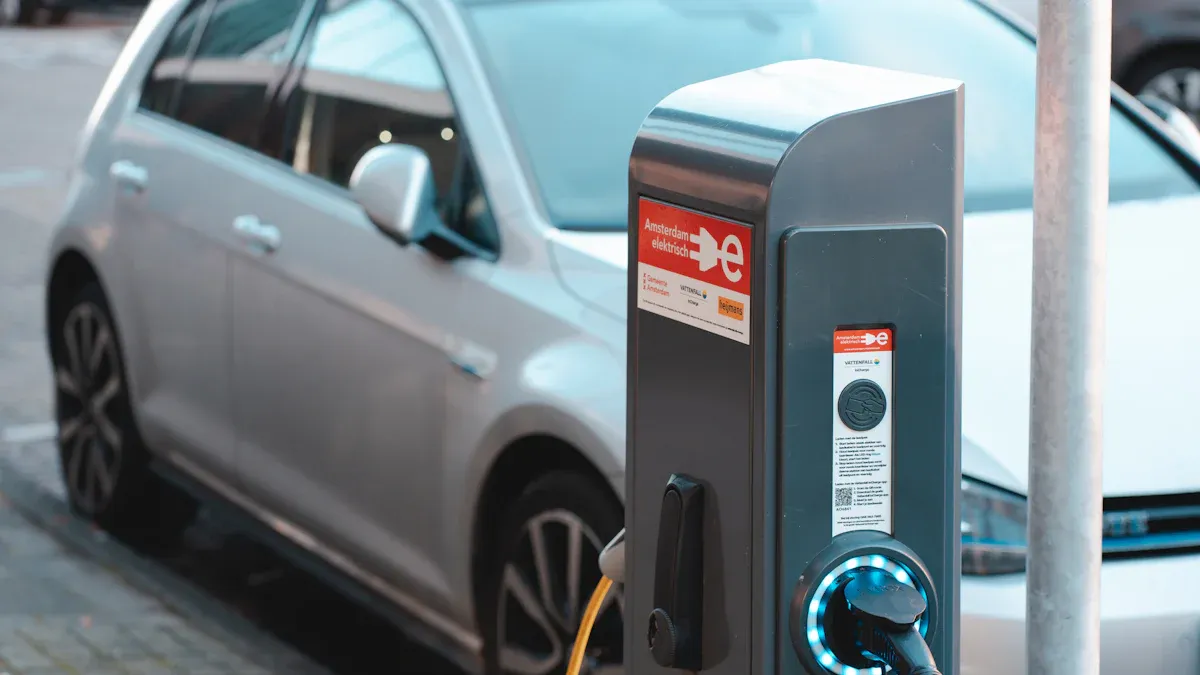
The widespread adoption of electric cars hinges on accessible charging for everyone, not just those with private driveways. In the UK, this is a significant challenge. Approximately one-third of homeowners lack a private driveway, a figure that rises to 60% in major cities. To close this gap, a multi-faceted approach combining kerbside innovation, communal hubs, and supportive policy is creating a robust public charging infrastructure.
Bringing Charging to the Kerbside
Creative solutions are transforming public streets into viable charging locations. These innovations make electric vehicle ownership practical for urban residents.
Lamppost and Bollard Chargers
Cities are retrofitting existing street furniture to provide charging points. Lamppost chargers, pioneered by companies like Shell Recharge ubitricity, integrate charging sockets directly into existing lighting columns. This approach minimizes street clutter and leverages existing electrical connections. Bollard chargers offer a similar, discreet solution for on-street parking bays.
Pop-Up and In-Pavement Charging Solutions
For an even less intrusive option, pop-up chargers retract into the pavement when not in use. In-pavement solutions involve channels built into the sidewalk. The installation of charging stations of this type is complex and requires significant coordination.
Managing Cables with Pavement Channels
A simpler solution involves installing shallow, covered channels across the pavement. These allow residents to run their charging cable from their home to their car safely without creating a trip hazard. This method provides a low-cost way to use a home charger for on-street parking.
Developing Communal and Neighborhood Hubs
Beyond individual kerbside spots, the expansion of shared charging networks is critical. These hubs serve multiple users and are becoming a cornerstone of the public charging ecosystem.
Shared Charging for Apartments and Condos
For multi-unit dwellings, installing shared electric charging stations in communal parking areas is an effective strategy. These systems often use smart software to manage load and billing among residents, making the expansion of charging networks in dense housing developments more efficient.
Dedicated Neighborhood Charging Plazas
Larger, dedicated hubs are emerging as a key part of the charging infrastructure in 2025 and beyond. These plazas, often funded through a mix of public and private investment, feature multiple fast or rapid stations. The UK’s Local EV Infrastructure (LEVI) Fund helps councils build these hubs, while private companies like InstaVolt and Connected Kerb are rapidly building out networks of public stations.
Workplace Charging as a Primary Solution
Workplace charging offers a powerful alternative for commuters. Employees can charge their EV during the workday, reducing reliance on home or public stations. Many companies now offer this as a perk, supported by providers who specialize in commercial installations.
Policy and Infrastructure Initiatives
Government action is essential to accelerate the rollout of accessible charging. New laws and building codes are removing barriers and ensuring the future-readiness of the nation’s infrastructure.
The Impact of “Right to Charge” Legislation
“Right to Charge” laws empower tenants and apartment dwellers by giving them the legal right to request the installation of electric vehicle charging stations, provided they are willing to cover the costs. This policy prevents landlords or property managers from unreasonably refusing requests for charging infrastructure.
New Building Codes and EV-Ready Mandates
New building regulations now mandate EV-readiness. For example, new residential buildings with associated parking must have charging points or at least the cable routes installed.
- New Homes: Every new home with associated parking must have an EV charge point.
- Major Renovations: Buildings undergoing major renovation with over 10 parking spaces must install charge points and cable routes.
- New Non-Residential Buildings: These must have a minimum number of charge points and cable routing for a percentage of remaining spaces.
These forward-thinking codes ensure that the building stock is prepared for the continued growth in electric vehicle adoption.
The Software and Systems Driving the Future
Advanced hardware is only half of the equation. The intelligence driving the next generation of home recarga de vehículos eléctricos resides in sophisticated software and integrated systems. These platforms are transforming how owners interact with their vehicles and the electric grid.
The Central Role of the Mobile App
The mobile app is evolving from a simple remote control into a powerful home energy command center. This software is becoming the primary interface for managing the entire electric vehicle ecosystem.
Evolving from a Remote Control to an Energy Manager
Early apps offered basic start, stop, and scheduling functions. Modern platforms now act as intelligent energy managers. They analyze driving habits, utility rates, and grid conditions to create optimal charging plans automatically.
Visualizing Savings and V2G Earnings
A key function of advanced apps is providing clear financial insights. They give owners a transparent view of their energy use and savings.
- Apps track home and public charging expenses, calculating exact costs based on specific electric tariffs.
- By optimizing schedules to use cheaper off-peak electricity, these systems can reduce charging costs by 40-60%.
- They also monitor grid demand, shifting charging to low-demand periods to unlock further savings through dynamic pricing.
Seamlessly Managing Multiple Charging Locations
Las mejores aplicaciones consolidan toda la experiencia de carga del propietario. Permiten a los usuarios gestionar su cargador doméstico, monitorizar sesiones en el lugar de trabajo y encontrar estaciones públicas compatibles, todo dentro de una única interfaz unificada.
Programas de Servicios Públicos e Integración con la Red
Los cargadores inteligentes hacen más que ahorrar dinero a sus propietarios; desempeñan un papel activo en la estabilización de toda la red eléctrica. Esto se logra mediante la participación en programas gestionados por las compañías eléctricas.
Comprender los Programas de Respuesta a la Demanda
Los programas de respuesta a la demanda son asociaciones entre las compañías eléctricas y los consumidores. En estos programas, los propietarios de vehículos eléctricos aceptan permitir que la compañía eléctrica pause brevemente o reduzca la velocidad de su carga durante momentos de alta demanda eléctrica general.
Cómo su Cargador Ayuda a Equilibrar la Red
La carga gestionada es esencial para prevenir sobrecargas en la red. Los sistemas inteligentes utilizan gestión dinámica de la carga para ajustar las tasas de carga según las condiciones de la red en tiempo real. Esto evita la tensión en los transformadores locales y las redes de distribución. Durante los picos de demanda, los cargadores pueden reducir automáticamente la potencia o, con V2G, incluso enviar el excedente de energía de la batería del vehículo eléctrico de vuelta a la red para apoyarla.
Incentivos Económicos por Participar
Las compañías eléctricas ofrecen recompensas económicas directas por inscribirse en programas de respuesta a la demanda. Los propietarios reciben pagos o créditos en la factura por permitir que su carga sea gestionada. Estos incentivos provienen de varias categorías de mercado:
Mercados de Capacidad: Pagos por estar disponible para reducir la carga. Servicios Auxiliares: Pagos por ayudar a equilibrar la frecuencia de la red en tiempo real.
La Importancia de los Estándares Abiertos
Para que este futuro interconectado funcione, todo el hardware y software deben hablar el mismo idioma. Los estándares abiertos garantizan la compatibilidad y protegen a los consumidores de quedar atrapados en el ecosistema de un único proveedor.
¿Qué es el Protocolo Abierto de Punto de Carga (OCPP)?
El Protocolo Abierto de Punto de Carga (OCPP) es un estándar universal que permite a cualquier cargador de vehículos eléctricos compatible comunicarse con cualquier software de gestión compatible. Actúa como un traductor universal, garantizando la interoperabilidad entre diferentes marcas de hardware y redes.
Garantizar su Libertad para Elegir Redes
OCPP evita la dependencia del proveedor. Si un propietario de un cargador no está satisfecho con las tarifas o características de su proveedor de software, puede cambiar a una plataforma de gestión diferente sin necesidad de reemplazar su costoso hardware. Esta libertad fomenta la competencia y reduce los costes. La estandarización de los conectores de carga y los protocolos de comunicación es vital para una experiencia de carga fluida.
Proteger su Inversión en Carga de Cara al Futuro
Elegir hardware que admita estándares abiertos como OCPP es la mejor manera de proteger una inversión en carga de cara al futuro. Garantiza que la infraestructura seguirá siendo compatible con las tecnologías y plataformas de software emergentes. Proveedores de soluciones de carga para vehículos eléctricos tecnológicamente avanzados como TPSON diseñan sus sistemas teniendo en cuenta estos estándares visionarios, preparándose para un futuro eléctrico totalmente integrado.
El futuro de la carga de vehículos eléctricos es inteligente, integrado y cada vez más accesible. Las innovaciones clave a seguir están impulsando la revolución del vehículo eléctrico. Tecnologías transformadoras como V2G convertirán un vehículo eléctrico en un activo energético doméstico, con pruebas que muestran ganancias potenciales de 725 libras anuales. La integración de software inteligente puede reducir los costes de carga hasta en un 60%. La creciente adopción de coches eléctricos está respaldada por un ecosistema en expansión para todos los usuarios. Esta evolución marca un nuevo capítulo en el futuro de la automoción, creando un futuro de transporte sostenible donde los vehículos apoyan activamente una red energética resiliente.
PREGUNTAS FRECUENTES
¿Cuál es el principal beneficio de la tecnología V2G?
La tecnología Vehículo-a-Red (V2G) permite a los propietarios de vehículos eléctricos vender el excedente de energía a la red. Esto crea una nueva fuente de ingresos. También ayuda a estabilizar el suministro energético público durante los períodos de máxima demanda, convirtiendo un vehículo personal en un valioso activo para la red.
¿Puede cualquier vehículo eléctrico utilizar un cargador bidireccional?
No, no todos los vehículos eléctricos son compatibles. El vehículo debe admitir flujo de energía bidireccional. Esta capacidad suele estar habilitada por protocolos de comunicación específicos como CHAdeMO o versiones más nuevas de CCS. Los propietarios deben verificar las especificaciones de su vehículo antes de invertir en un cargador V2G/V2H.
¿Cuánto puede ahorrar una persona con software de carga inteligente?
El software de carga inteligente puede reducir los costes de carga del propietario entre un 40% y un 60%. El sistema programa automáticamente la carga para las horas valle cuando las tarifas eléctricas son más bajas. Optimiza el uso de energía sin requerir intervención manual, maximizando el ahorro y la comodidad para el propietario.
¿Es la carga rápida de CC residencial una opción práctica hoy en día?
La carga rápida de CC residencial es una tecnología emergente para quienes buscan carga rápida en casa. Requiere mejoras eléctricas significativas y hardware especializado. Proveedores de soluciones de carga para vehículos eléctricos tecnológicamente avanzados como TPSON están desarrollando estos sistemas para uso doméstico futuro.
¿Cómo sabe un conductor si su cargador es “inteligente”?
Un cargador inteligente se conecta a internet a través de Wi-Fi o Ethernet. Tiene una aplicación móvil complementaria para control remoto, programación y monitorización. Los propietarios pueden consultar el manual del producto o el sitio web del fabricante para confirmar sus funciones de conectividad y soporte para actualizaciones de software.
¿Cuál es la solución de carga más sencilla para hogares sin entrada de vehículos?
Los cargadores en farolas ofrecen una solución simple y efectiva. Utilizan la infraestructura vial existente para proporcionar carga accesible en la calle. Este enfoque minimiza el desorden en la vía pública y evita la necesidad de obras extensas, convirtiéndolo en una opción práctica para muchas áreas urbanas.
Consejo: Antes de instalar cualquier solución de carga en la calle, los propietarios siempre deben consultar con las autoridades locales para comprender la normativa y obtener los permisos necesarios.