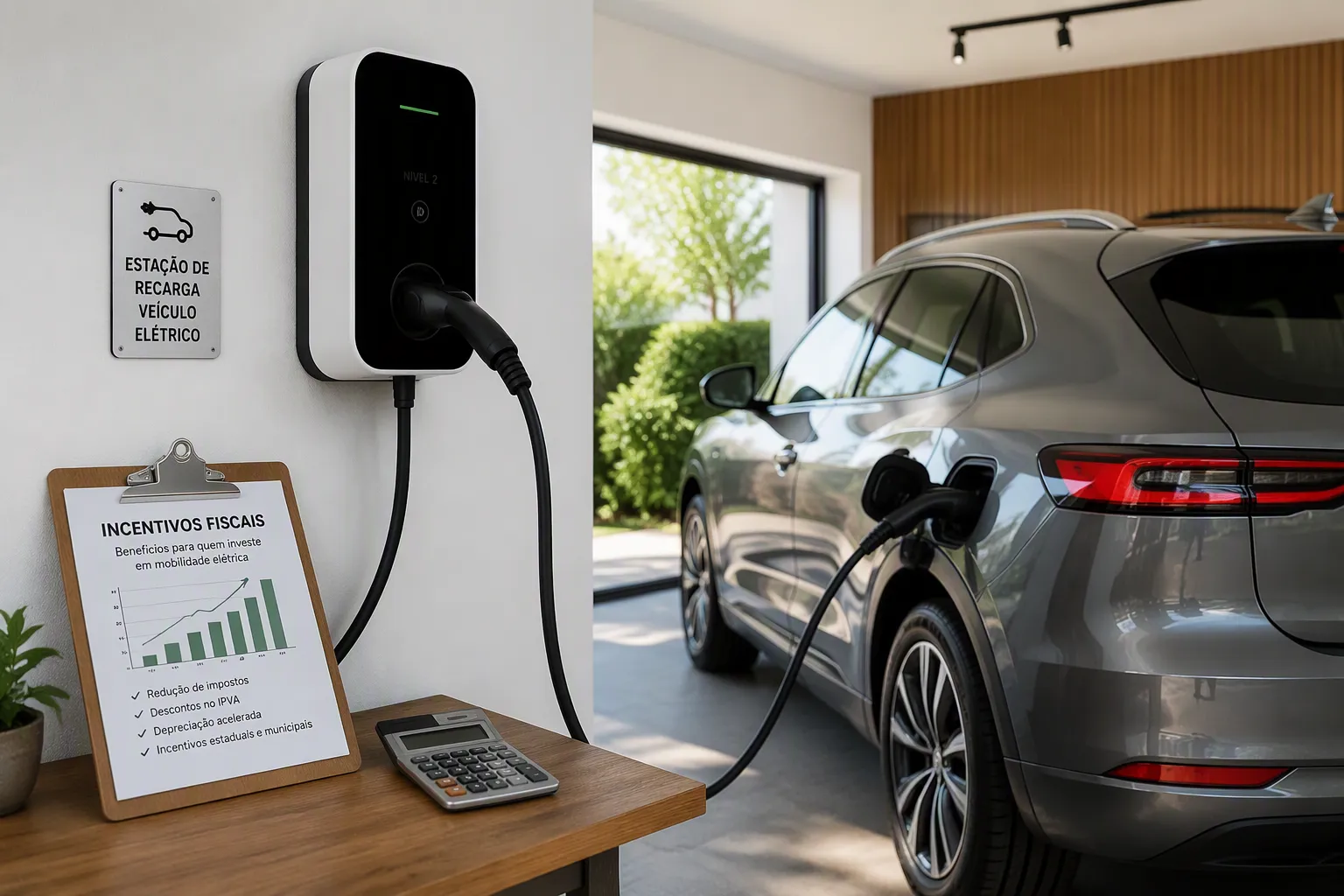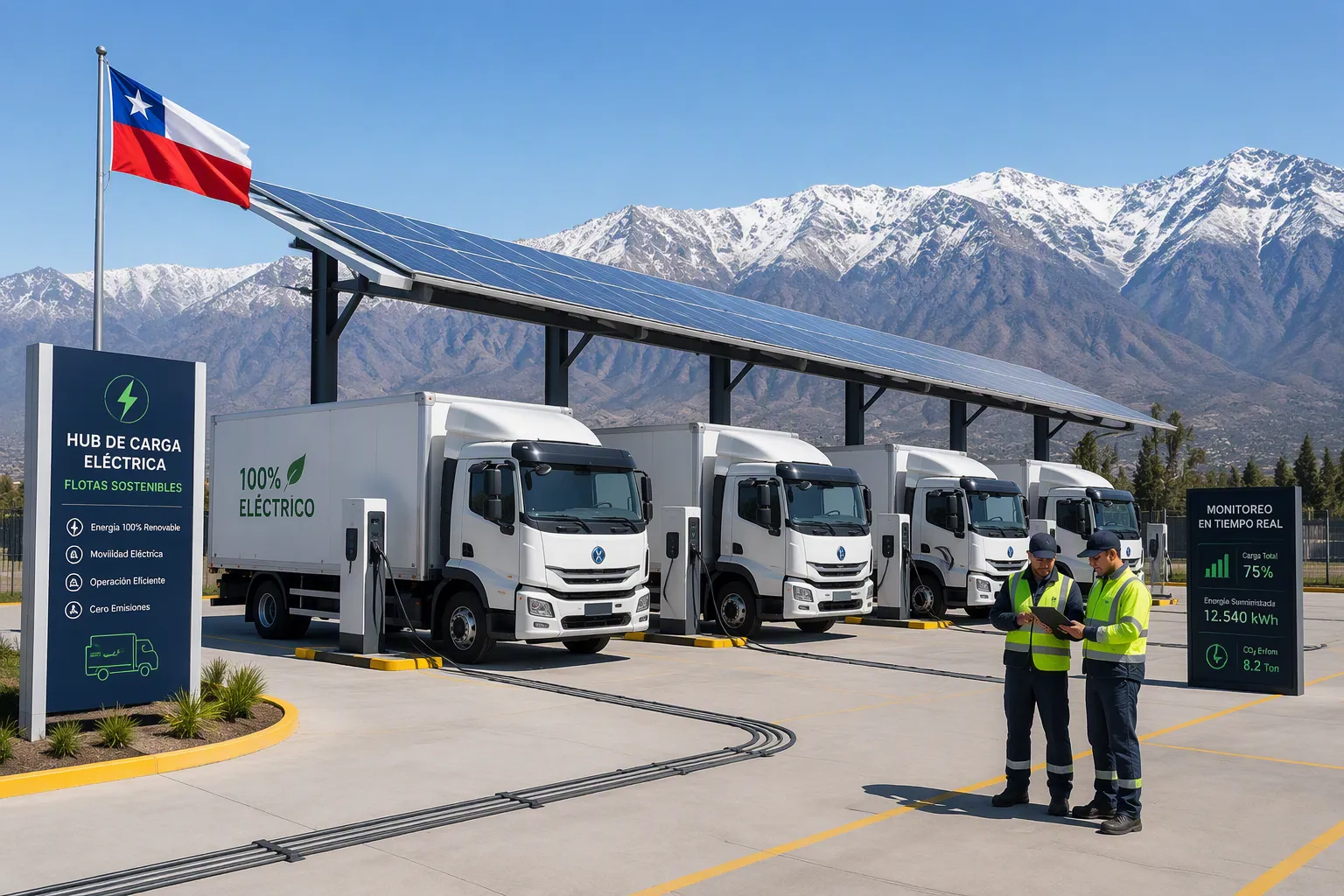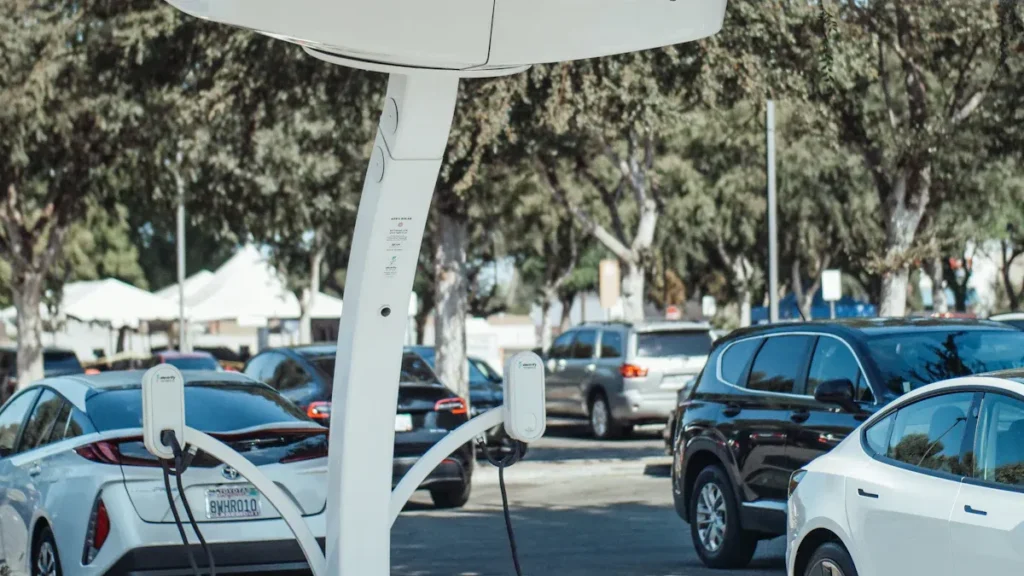

The future of home electric car charging is evolving beyond basic vehicle power-ups to embrace sophisticated smart energy integration. Your EV is poised to become an active component of your home’s energy ecosystem. Leading this transformation are Innovations to Watch like Vehicle-to-Home (V2H) and Vehicle-to-Grid (V2G) technologies. These advancements enable electric cars to power a house during outages or even send energy back to the grid. This capability, facilitated by advanced Carregador de veículos eléctricos technology, offers substantial cost savings for owners and contributes to a more stable energy network for everyone. As these technologies become more widespread, the role of Fabricantes de carregadores para veículos eléctricos will be crucial in developing the infrastructure that supports this dynamic energy exchange.
Key Innovations to Watch in Home EV Charging

The landscape of home EV charging is undergoing a remarkable transformation. The focus is shifting from simple power delivery to intelligent energy management. These key innovations to watch are set to redefine the relationship between electric cars, homes, and the power grid.
Bidirectional Power: Vehicle-to-Everything (V2X)
The most significant development is bidirectional power, often called Vehicle-to-Everything (V2X). This technology allows an EV to not only receive an electric charge but also to send power back out. It effectively turns the vehicle into a large, mobile battery. This capability is split into two primary applications: Vehicle-to-Home (V2H) and Vehicle-to-Grid (V2G).
Vehicle-to-Home (V2H): Your EV as a Home Battery
Vehicle-to-Home (V2H) technology enables an electric vehicle to power a house directly. During a power outage, an EV with a full charge can supply electricity to keep essential appliances running for hours or even days. Beyond emergency backup, V2H allows owners to use stored energy from their car during peak-rate electricity hours, then recharge the vehicle when rates are low. Projected annual savings are significant.
- Compact EV: Over £700 annually
- Medium-sized EV: Over £1,000 annually
- Electric SUV: Up to £1,475 annually
This financial incentive highlights the practical value of integrating an EV into a home’s energy strategy.
Maria Bengtsson, UK head of mobility at EY, stated: “This study provides a compelling case around how V2G and smart charging solutions could enable consumers and electricity transmission and distribution grids to collaborate, helping to reduce EV running costs and optimise grid capacity.”
Vehicle-to-Grid (V2G): Earning Money from Your Car
Vehicle-to-Grid (V2G) takes the concept a step further. It allows EV owners to sell stored energy from their car’s batteries back to the electricity grid. Utility companies can draw on this power during periods of high demand to help stabilize the network. In return, owners receive payments or credits on their energy bills. This creates a new revenue stream and transforms a personal vehicle into an active grid asset.
The Hardware: What Makes a Charger Bidirectional?
Standard EV chargers only allow power to flow in one direction. Bidirectional charging requires specialized hardware. These advanced chargers contain an inverter that converts the DC power from the EV’s batteries into AC power suitable for a home or the grid.
This process is governed by strict communication protocols to ensure safety and efficiency. The ISO 15118 standard, particularly the ISO 15118-20 update, is crucial. It defines the secure communication link between the vehicle and the charger that enables bidirectional energy transfer. Other protocols like CHAdeMO also support this function. The industry anticipates future standards, such as IEC 63110 e IEC 63119 between 2025-2027, to further refine these capabilities.
The Next Wave of Smart Charging Software
While hardware enables new functions, intelligent software is what optimizes them. The next generation of smart charging platforms uses data and automation to maximize savings and convenience. These are powerful innovations to watch.
AI-Driven Energy Optimization
Artificial intelligence (AI) is becoming central to the smart charging experience. AI-powered systems learn an owner’s driving patterns, monitor real-time electricity prices, and even check weather forecasts for solar production. The software then creates a personalized charging schedule that automatically ensures the vehicle is ready when needed, all while using the cheapest and greenest energy available.
Advanced Utility Tariff Integration
Smart charging platforms analyze complex utility electricity rates, including time-of-use tariffs. These systems automatically shift EV charging to off-peak hours, which are typically between 23:00 and 07:00, to drastically reduce costs. The software communicates directly with utility companies to access grid demand data and pricing information, making the optimization process seamless for the user.
Integration with Solar and Home Batteries
For homes with renewable energy, smart software creates a complete ecosystem. It prioritizes using self-generated solar or wind power to charge the EV first. Leading platforms and chargers offer deep integration.
- ev.energy: This system offers customizable schedules and can prioritize charging when solar panels generate maximum power.
- Zappi Charger: Known as a top solar EV charger for its direct integration with solar arrays.
- Hypervolt Home: Another charger recognized for its excellent solar integration capabilities.
- Indra Smart Pro: This charger also excels at working with home solar energy systems to maximize self-consumption.
New Charging Methods for Ultimate Convenience
Beyond intelligence, the physical act of charging is also evolving. New methods are emerging to make the process easier and faster, representing the final category of innovations to watch for the near future.
Wireless (Inductive) Charging at Home
Wireless charging eliminates the need for cables. This technology uses an inductive charging pad installed on the garage floor or in a parking space. The driver simply parks the electric car over the pad, and charging begins automatically. Current residential systems can achieve power levels of 7.2-11 kW with an efficiency of 90-93%, only slightly less than a typical wired connection. Major automotive brands like BMW and Genesis plan to integrate this option by 2025, promising a new level of convenience.
The Rise of Residential DC Fast Charging
While most home charging uses AC power, residential DC fast charging is an emerging frontier. These high-speed chargers bypass the vehicle’s onboard converter and supply DC power directly to the battery, significantly reducing charging times. The adoption of ultra-fast charging technology at home will require more robust electrical infrastructure and specialized hardware from technologically advanced electric vehicle charging solution providers like TPSON. This development points toward a future where a substantial charge is possible in minutes, not hours.
Precisarei Substituir o Meu Carregador Atual?
Com tantas inovações no horizonte, uma questão fundamental para os atuais e futuros proprietários de veículos elétricos é se o seu hardware existente se tornará obsoleto. A resposta depende inteiramente de qual nova tecnologia desejam adotar. Para alguns avanços, uma simples atualização de software é suficiente. Para outros, uma substituição completa do hardware é inevitável.
Para V2G e V2H: Sim, é Necessário um Novo Carregador
Adotar as capacidades Vehicle-to-Grid (V2G) ou Vehicle-to-Home (V2H) requer um novo carregador especializado. Os carregadores domésticos padrão atuais não estão equipados para a tarefa complexa de fluxo de energia bidirecional.
Por que os Carregadores Atuais Não Suportam Fluxo Bidirecional
Os carregadores padrão para veículos elétricos são projetados para transferência de energia unidirecional. Eles convertem a energia CA da rede em energia CC para carregar a bateria do veículo. Faltam-lhes os sofisticados componentes internos necessários para reverter este processo. Um carregador bidirecional é um hardware fundamentalmente diferente. Ele contém:
- Um Inversor: Este é o componente central que converte a energia CC da bateria de volta em energia CA para uso doméstico ou na rede.
- Eletrônica de Potência Avançada: Esta inclui microcontroladores especializados para gerenciar a direção do fluxo de energia, *gate drivers* para controlar os módulos de potência e transistores de alto desempenho como Carbeto de Silício (SiC) ou Nitreto de Gálio (GaN).
- Projetos de Circuito Específicos: Topologias como o conversor ressonante CLLC são usadas para permitir um fluxo de corrente bidirecional, de alta frequência e eficiente, com isolamento galvânico.
Estes componentes trabalham em conjunto para garantir a exportação segura e eficiente de energia de um carro elétrico, uma função que um carregador padrão simplesmente não pode realizar.
O que Procurar num Carregador V2G/V2H
Ao considerar uma atualização, os proprietários devem procurar carregadores especificamente certificados para uso bidirecional. A Wallbox foi pioneira neste espaço, lançando o primeiro carregador bidirecional residencial em 2020. O mercado está agora a expandir-se, com várias empresas a oferecer ou desenvolver soluções.
| Empresa | Modelo do carregador | Estado | Caraterísticas principais |
|---|---|---|---|
| Caixa de parede | Quasar | Disponível | 7.4kW, compatível com CHAdeMO, residencial |
| Caixa de parede | Quasar 2 | Em breve | 11.5kW, WiFi, Ethernet, Bluetooth, compatível com CCS1 |
| Fermata Energy | FE-15 | Disponível | 15kW, compatível com CHAdeMO, de parede |
| Rectifier Tech | Highbury | Em breve | 7kW/11kW, eficiência 96%, compatível com CHAdeMO & CCS |
Outros fornecedores como Sungrow e Alternergy (que distribui o Haier Smart Cube) também disponibilizam carregadores concebidos para ecossistemas inteligentes de energia elétrica.
Nota sobre Custos: O investimento é significativo. Embora os custos de instalação tipicamente variem entre £500 e £1.000, o custo inicial total para um carregador V2G/V2H e sua instalação pode chegar a £6.000.
Para Funcionalidades Inteligentes Avançadas: Provavelmente Não
Para proprietários que simplesmente desejam aceder a uma gestão de energia mais inteligente sem V2G/V2H, uma substituição completa do hardware é frequentemente desnecessária. Muitos carregadores “inteligentes” modernos podem adquirir novas funcionalidades poderosas através de software.
O Poder das Atualizações de Software *Over-the-Air* (OTA)
Muitos carregadores conectados são projetados para serem à prova de futuro. Os fabricantes podem enviar atualizações de software *Over-the-Air* (OTA) para estas unidades, tal como um *smartphone* recebe uma atualização do sistema operativo. Estas atualizações podem desbloquear novas capacidades, melhorar a eficiência e integrar-se com novos programas das concessionárias.
Várias marcas são conhecidas por aproveitar as atualizações OTA para melhorar continuamente os seus produtos. Carregadores da Indra, Autel, e BG Sync EV recebem todos atualizações de software regulares que adicionam funcionalidades e melhoram o desempenho ao longo do tempo. O Módulo de Carregamento CC Sigen EV é outro exemplo concebido com futuras capacidades V2X que serão ativadas via atualizações OTA.
Como Verificar se o Seu Carregador é Compatível
Um proprietário pode determinar se o seu carregador suporta atualizações avançadas através de alguns passos simples:
- Consultar o Manual: A documentação do produto frequentemente especifica se o carregador suporta atualizações OTA e protocolos avançados como OCPP.
- Consultar a Aplicação: A aplicação móvel do carregador é a interface principal para atualizações. Verifique a secção de definições ou informações para ver a versão do *firmware* e o histórico de atualizações.
- Rever os *Websites* dos Fabricantes: Procure notas de lançamento ou páginas de suporte que detalhem melhorias recentes de software.
- Verificar Protocolos: Confirme se o carregador suporta padrões de comunicação modernos como OCPP 1.6J ou superior, que são essenciais para o carregamento inteligente avançado.
Para Carregamento Sem Fios ou CC: Sim, é Necessário Hardware Especializado
A conveniência máxima do carregamento sem fios ou a velocidade do carregamento rápido CC residencial requer uma instalação de hardware completa e especializada. Estas tecnologias não são alcançáveis através de atualizações de software para carregadores CA existentes.
The Unique Requirements of Inductive and DC Chargers
Wireless (inductive) charging requires a ground-based transmitting pad and a compatible receiving pad on the electric vehicle. This system uses magnetic fields to transfer energy, a completely different principle from a physical cable connection.
Residential DC fast charging, offered by technologically advanced electric vehicle charging solution providers como o TPSON, bypasses the car’s slower onboard AC-to-DC converter. It supplies high-voltage DC power directly to the battery. This requires a much more powerful and complex charger unit and often a more robust electric supply to the property.
Assessing if the Upgrade is Worth It for You
Deciding to upgrade to these advanced charging methods involves weighing convenience against cost. The initial infrastructure investment for both wireless and residential DC systems is substantial.
Financial Hurdle: The installation of wireless charging pads, in particular, presents significant logistical and financial challenges. High initial costs for the hardware and professional installation are a major barrier for many homeowners. The potential for higher maintenance costs and energy losses compared to traditional solutions also factors into the overall expenditure.
For most users today, a modern smart AC charger offers the best balance of speed, intelligence, and cost. However, for those prioritizing cutting-edge convenience or rapid home charging, these specialized hardware upgrades represent the next frontier.
The Future of EV Charging for Homes Without Driveways
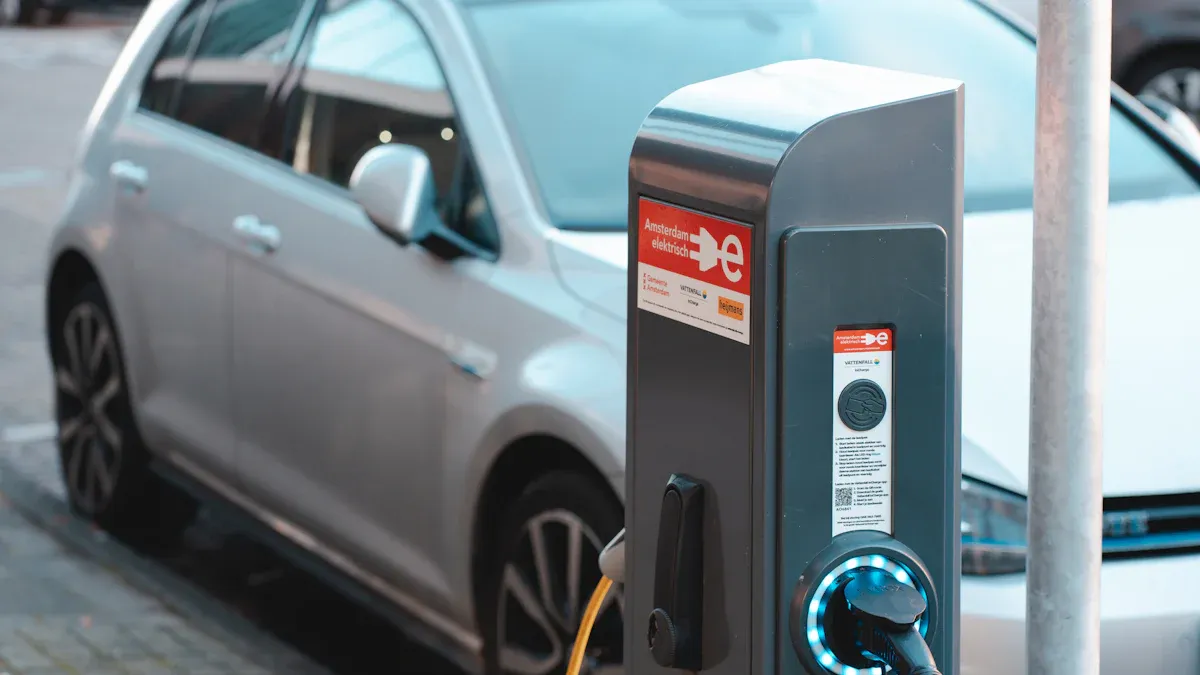
The widespread adoption of electric cars hinges on accessible charging for everyone, not just those with private driveways. In the UK, this is a significant challenge. Approximately one-third of homeowners lack a private driveway, a figure that rises to 60% in major cities. To close this gap, a multi-faceted approach combining kerbside innovation, communal hubs, and supportive policy is creating a robust public charging infrastructure.
Bringing Charging to the Kerbside
Creative solutions are transforming public streets into viable charging locations. These innovations make electric vehicle ownership practical for urban residents.
Lamppost and Bollard Chargers
Cities are retrofitting existing street furniture to provide charging points. Lamppost chargers, pioneered by companies like Shell Recharge ubitricity, integrate charging sockets directly into existing lighting columns. This approach minimizes street clutter and leverages existing electrical connections. Bollard chargers offer a similar, discreet solution for on-street parking bays.
Pop-Up and In-Pavement Charging Solutions
For an even less intrusive option, pop-up chargers retract into the pavement when not in use. In-pavement solutions involve channels built into the sidewalk. The installation of charging stations of this type is complex and requires significant coordination.
Managing Cables with Pavement Channels
A simpler solution involves installing shallow, covered channels across the pavement. These allow residents to run their charging cable from their home to their car safely without creating a trip hazard. This method provides a low-cost way to use a home charger for on-street parking.
Developing Communal and Neighborhood Hubs
Beyond individual kerbside spots, the expansion of shared charging networks is critical. These hubs serve multiple users and are becoming a cornerstone of the public charging ecosystem.
Shared Charging for Apartments and Condos
For multi-unit dwellings, installing shared electric charging stations in communal parking areas is an effective strategy. These systems often use smart software to manage load and billing among residents, making the expansion of charging networks in dense housing developments more efficient.
Dedicated Neighborhood Charging Plazas
Larger, dedicated hubs are emerging as a key part of the charging infrastructure in 2025 and beyond. These plazas, often funded through a mix of public and private investment, feature multiple fast or rapid stations. The UK’s Local EV Infrastructure (LEVI) Fund helps councils build these hubs, while private companies like InstaVolt and Connected Kerb are rapidly building out networks of public stations.
Workplace Charging as a Primary Solution
Workplace charging offers a powerful alternative for commuters. Employees can charge their EV during the workday, reducing reliance on home or public stations. Many companies now offer this as a perk, supported by providers who specialize in commercial installations.
Policy and Infrastructure Initiatives
Government action is essential to accelerate the rollout of accessible charging. New laws and building codes are removing barriers and ensuring the future-readiness of the nation’s infrastructure.
The Impact of “Right to Charge” Legislation
“Right to Charge” laws empower tenants and apartment dwellers by giving them the legal right to request the installation of electric vehicle charging stations, provided they are willing to cover the costs. This policy prevents landlords or property managers from unreasonably refusing requests for charging infrastructure.
New Building Codes and EV-Ready Mandates
New building regulations now mandate EV-readiness. For example, new residential buildings with associated parking must have charging points or at least the cable routes installed.
- New Homes: Every new home with associated parking must have an EV charge point.
- Major Renovations: Buildings undergoing major renovation with over 10 parking spaces must install charge points and cable routes.
- New Non-Residential Buildings: These must have a minimum number of charge points and cable routing for a percentage of remaining spaces.
These forward-thinking codes ensure that the building stock is prepared for the continued growth in electric vehicle adoption.
The Software and Systems Driving the Future
Advanced hardware is only half of the equation. The intelligence driving the next generation of home carregamento de veículos eléctricos resides in sophisticated software and integrated systems. These platforms are transforming how owners interact with their vehicles and the electric grid.
The Central Role of the Mobile App
The mobile app is evolving from a simple remote control into a powerful home energy command center. This software is becoming the primary interface for managing the entire electric vehicle ecosystem.
Evolving from a Remote Control to an Energy Manager
Early apps offered basic start, stop, and scheduling functions. Modern platforms now act as intelligent energy managers. They analyze driving habits, utility rates, and grid conditions to create optimal charging plans automatically.
Visualizing Savings and V2G Earnings
A key function of advanced apps is providing clear financial insights. They give owners a transparent view of their energy use and savings.
- Apps track home and public charging expenses, calculating exact costs based on specific electric tariffs.
- By optimizing schedules to use cheaper off-peak electricity, these systems can reduce charging costs by 40-60%.
- They also monitor grid demand, shifting charging to low-demand periods to unlock further savings through dynamic pricing.
Gestão Perfeita de Múltiplos Locais de Carregamento
Os melhores aplicativos consolidam toda a vida de carregamento de um proprietário. Eles permitem que os usuários gerenciem seu carregador doméstico, monitorem sessões no local de trabalho e encontrem estações públicas compatíveis, tudo em uma única interface unificada.
Programas das Concessionárias e Integração com a Rede
Os carregadores inteligentes fazem mais do que economizar dinheiro para seus proprietários; eles desempenham um papel ativo na estabilização de toda a rede elétrica. Isso é alcançado através da participação em programas gerenciados pelas concessionárias.
Compreendendo os Programas de Resposta à Demanda
Os programas de resposta à demanda são parcerias entre empresas concessionárias e consumidores. Nesses programas, os proprietários de veículos elétricos concordam em permitir que a concessionária pause brevemente ou reduza a velocidade de carregamento durante momentos de alta demanda geral de eletricidade.
Como o Seu Carregador Ajuda a Equilibrar a Rede
Carregamento gerenciado é essencial para prevenir sobrecargas na rede. Sistemas inteligentes utilizam gestão dinâmica da carga para ajustar as taxas de carregamento com base nas condições da rede em tempo real. Isso evita tensão nos transformadores locais e nas redes de distribuição. Durante o pico de demanda, os carregadores podem reduzir automaticamente a potência ou, com V2G, até mesmo enviar energia excedente da bateria do VE de volta para apoiar a rede.
Incentivos Financeiros para Participação
As concessionárias oferecem recompensas financeiras diretas pela inscrição em programas de resposta à demanda. Os proprietários recebem pagamentos ou créditos na conta por permitirem que seu carregamento seja gerenciado. Esses incentivos vêm de várias categorias de mercado:
Mercados de Capacidade: Pagamentos por estar disponível para reduzir a carga. Serviços Auxiliares: Pagamentos por ajudar a equilibrar a frequência da rede em tempo real.
A Importância dos Padrões Abertos
Para que este futuro interconectado funcione, todo o hardware e software devem falar a mesma língua. Padrões abertos garantem compatibilidade e protegem os consumidores de ficarem presos ao ecossistema de um único fornecedor.
O que é o Protocolo Aberto de Ponto de Carregamento (OCPP)?
O Protocolo Aberto de Ponto de Carregamento (OCPP) é um padrão universal que permite que qualquer carregador de VE compatível se comunique com qualquer software de gerenciamento compatível. Ele atua como um tradutor universal, garantindo interoperabilidade entre diferentes marcas de hardware e redes.
Garantindo Sua Liberdade de Escolher Redes
OCPP evita a dependência do fornecedor. Se um proprietário de carregador não estiver satisfeito com as taxas ou funcionalidades de seu provedor de software, ele pode mudar para uma plataforma de gerenciamento diferente sem substituir seu hardware caro. Essa liberdade promove a concorrência e reduz os custos. A padronização dos conectores de carregamento e dos protocolos de comunicação é vital para uma experiência de carregamento perfeita.
Protegendo Seu Investimento em Carregamento para o Futuro
Escolher hardware que suporte padrões abertos como o OCPP é a melhor maneira de proteger um investimento em carregamento para o futuro. Isso garante que a infraestrutura permanecerá compatível com tecnologias emergentes e plataformas de software. Provedores de soluções tecnologicamente avançadas para carregamento de veículos elétricos, como a TPSON, projetam seus sistemas com esses padrões visionários em mente, preparando-se para um futuro elétrico totalmente integrado.
O futuro do carregamento de VEs é inteligente, integrado e cada vez mais acessível. As principais inovações a serem observadas estão impulsionando a revolução do veículo elétrico. Tecnologias transformadoras como o V2G transformarão um VE em um ativo energético doméstico, com testes mostrando ganhos potenciais de £725 anualmente. A integração de software inteligente pode reduzir os custos de carregamento em até 60%. A crescente adoção de carros elétricos é apoiada por um ecossistema em expansão para todos os usuários. Esta evolução marca um novo capítulo no futuro da mobilidade, criando um futuro de transporte sustentável onde os veículos apoiam ativamente uma rede energética resiliente.
FAQ
Qual é o principal benefício da tecnologia V2G?
A tecnologia Veículo para Rede (V2G) permite que os proprietários de VEs vendam energia excedente de volta para a rede. Isso cria uma nova fonte de receita. Também ajuda a estabilizar o fornecimento público de energia durante os períodos de pico de demanda, transformando um veículo pessoal em um valioso ativo para a rede.
Qualquer veículo elétrico pode utilizar um carregador bidirecional?
Não, nem todos os VEs são compatíveis. O veículo deve suportar fluxo de energia bidirecional. Essa capacidade é frequentemente habilitada por protocolos de comunicação específicos, como CHAdeMO ou versões mais recentes do CCS. Os proprietários devem verificar as especificações de seu veículo antes de investir em um carregador V2G/V2H.
Quanto uma pessoa pode economizar com software de carregamento inteligente?
O software de carregamento inteligente pode reduzir os custos de carregamento de um proprietário em 40-60%. O sistema agenda automaticamente o carregamento para os horários fora de pico, quando as tarifas de eletricidade são mais baixas. Ele otimiza o uso de energia sem exigir entrada manual, maximizando a economia e a conveniência para o proprietário.
O carregamento rápido DC residencial é uma opção prática hoje?
O carregamento rápido DC residencial é uma tecnologia emergente para quem busca carregamento rápido em casa. Requer atualizações elétricas significativas e hardware especializado. Provedores de soluções tecnologicamente avançadas para carregamento de veículos elétricos, como a TPSON, estão desenvolvendo esses sistemas para uso doméstico futuro.
Como um motorista sabe se seu carregador é “inteligente”?
Um carregador inteligente se conecta à internet via Wi-Fi ou Ethernet. Ele possui um aplicativo móvel complementar para controle remoto, agendamento e monitoramento. Os proprietários podem verificar o manual do produto ou o site do fabricante para confirmar seus recursos de conectividade e suporte a atualizações de software.
Qual é a solução de carregamento mais simples para casas sem garagem ou entrada de veículos?
Os carregadores em postes de iluminação oferecem uma solução simples e eficaz. Eles utilizam a infraestrutura urbana existente para fornecer carregamento acessível na rua. Essa abordagem minimiza a desordem nas ruas e evita a necessidade de obras extensas, tornando-a uma escolha prática para muitas áreas urbanas.
Sugestão: Antes de instalar qualquer solução de carregamento na rua, os proprietários devem sempre consultar as autoridades locais para entender as regulamentações e obter as permissões necessárias.