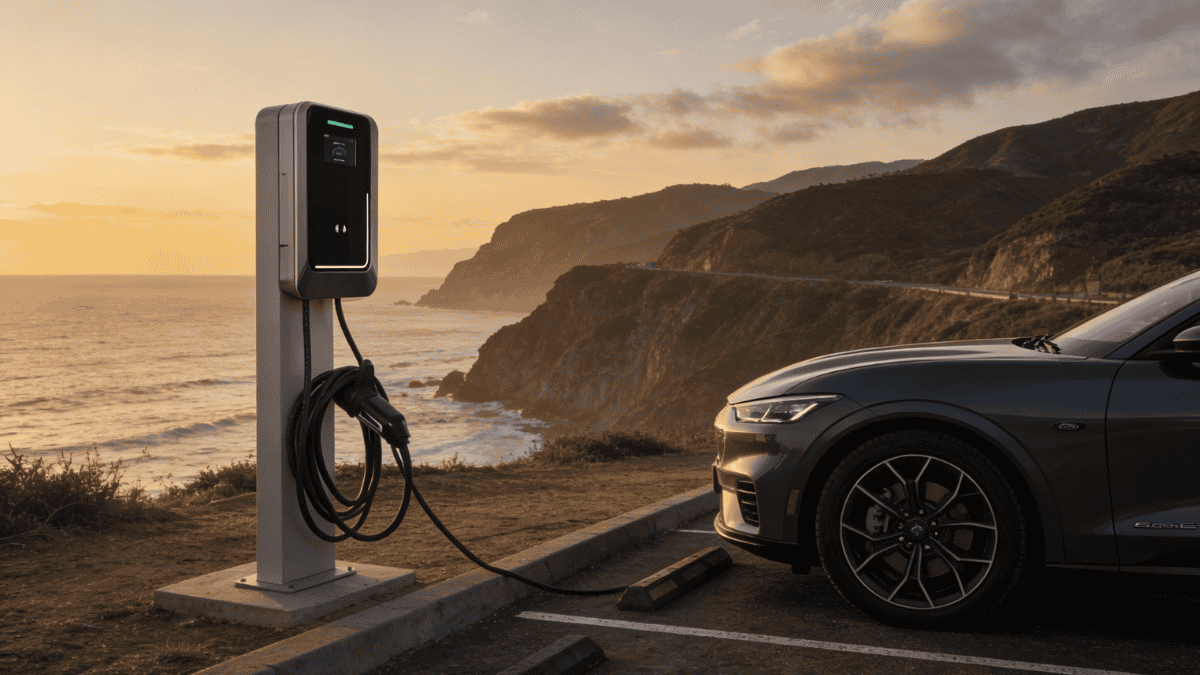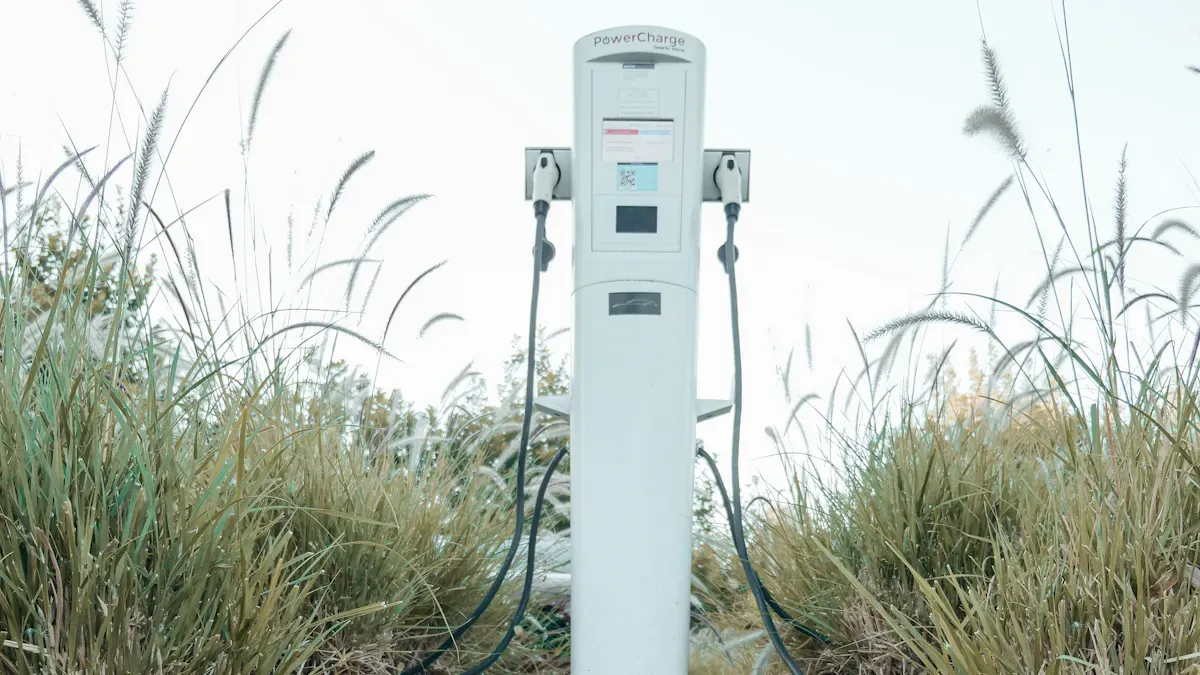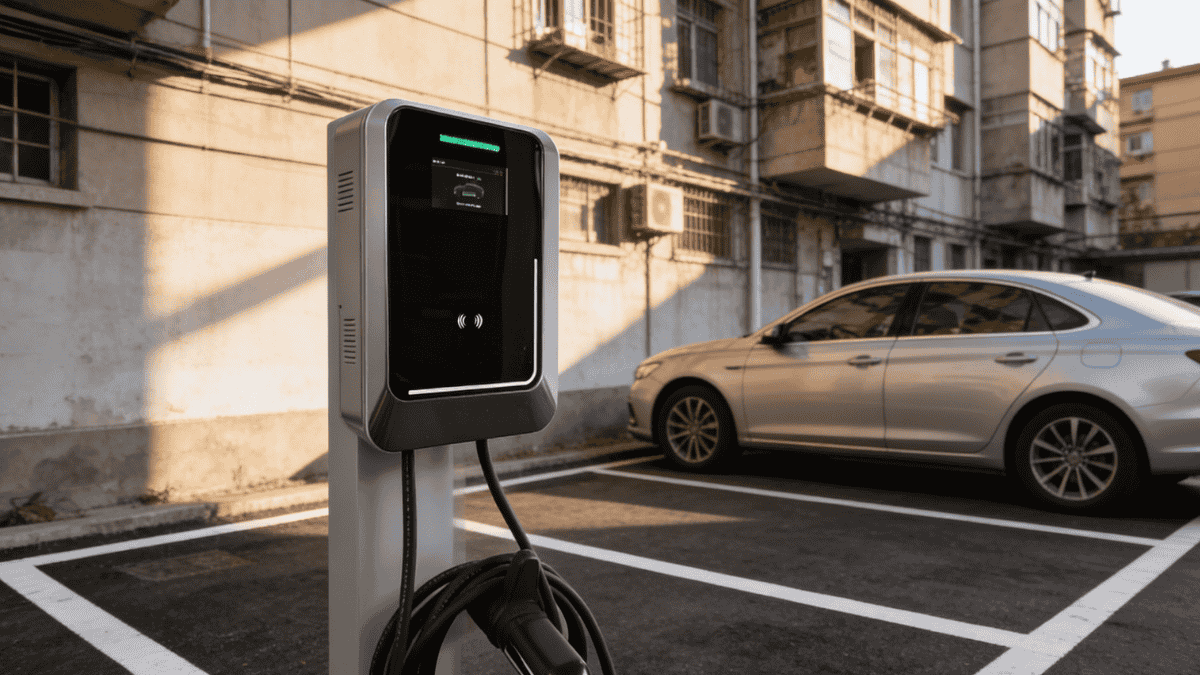
- Los cargadores portátiles para VE offer flexible and immediate Soluciones de recarga de vehículos eléctricos for Indonesia.
- Drivers in Indonesia face Charging Challenges in Indonesia due to limited infrastructure.
- Portable EV chargers empower users to charge their vehicles anywhere.
- Fabricantes de cargadores para VE address consumer needs with practical products.
- Indonesia’s rapid EV adoption drives demand for reliable Cargador EV options.
- EV charging solutions bridge gaps between urban and rural areas.
Charging Challenges in Indonesia’s EV Market
Indonesia’s Rapid EV Adoption
Explosive Growth in Electric Vehicle Sales
The market for electric vehicles in Indonesia has experienced remarkable expansion. Sales have surged, with a reported annual growth rate of 70% in 2023. This rapid increase reflects strong consumer interest and signals a shift toward sustainable transportation. The rising number of electric vehicles in Indonesia highlights the urgency of addressing charging challenges in Indonesia.
Government Mandates and Incentives
The government has implemented several mandates and incentives to accelerate adoption and address infrastructure challenges. El cuadro siguiente presenta the main policies and programs:
| Mandate/Incentive | Descripción |
|---|---|
| Presidential Regulation 55/2019 | Establishes the framework for battery-electric vehicle (BEV) adoption and charging infrastructure. |
| Presidential Regulation 79/2023 | Revises and strengthens the existing electric mobility policy. |
| National General Energy Plan (RUEN) | Sets broad electrification objectives for the transport sector. |
| Policy targets by the Ministry of Transportation | Aims to electrify 90% of urban mass public transport by 2030, 100% by 2040, and all public transport by 2045. |
| Fiscal incentives | Includes VAT reductions from 11% to 1% for locally assembled EVs and import duty exemptions. |
| City-level programmes | Jakarta’s TransJakarta plan for a fully electric bus fleet by 2030. |
These policies demonstrate a commitment to overcoming charging challenges in Indonesia and supporting the growth of electric vehicles in Indonesia.
Infrastructure Limitations
Shortage of Public Charging Stations
Infrastructure development has not kept pace with the growth of electric vehicles in Indonesia. The country currently has only 332 public charging stations for 1,095 registered electric vehicles. This limited number of estaciones de carga creates significant challenges for drivers and restricts the convenience of EV ownership.
Urban vs. Rural Accessibility
Urban centers receive most infrastructure investments, while rural areas often lack access to charging stations. This disparity intensifies charging challenges in Indonesia, especially for those living outside major cities. Many rural drivers face difficulties finding reliable charging options, which can discourage EV adoption.
Grid Reliability and Distribution Issues
The national grid faces reliability and distribution challenges. Power outages and inconsistent supply can disrupt charging infrastructure. These issues further complicate the experience for EV owners and highlight the need for robust solutions to charging challenges in Indonesia.
Persistent Challenges for EV Owners
Range Anxiety and Consumer Concerns
Many drivers worry about running out of power before reaching a charging station. Ansiedad de autonomía remains a top concern and represents one of the most persistent charging challenges in Indonesia. Consumers often hesitate to switch to electric vehicles in Indonesia due to uncertainty about infrastructure availability.
Environmental and Climatic Factors
Indonesia’s diverse climate and geography introduce additional challenges. Heavy rainfall, flooding, and high temperatures can affect both vehicles and charging infrastructure. These environmental factors require durable and adaptable solutions to ensure reliable charging for all users.
Portable EV Chargers: Solving Infrastructure Gaps

¿Qué Son los Cargadores Portátiles para VE?
Design and Functionality
Portable ev chargers serve as compact, mobile devices that deliver electric power to vehicles without the need for permanent installation. These chargers typically feature a lightweight body, a durable cable, and a user-friendly interface. Drivers can store them in a vehicle trunk and deploy them whenever charging becomes necessary. The design focuses on ease of use, allowing users to connect the charger to a standard power outlet or a compatible energy source. This flexibility makes portable ev chargers an essential tool for drivers who travel beyond the reach of fixed charging stations.
Types and Key Features
Manufacturers offer several types of portable ev chargers, each with unique features tailored to different needs. Some models provide alternating current (AC) charging, while others deliver direct current (DC) for faster energy transfer. The following table outlines the main technical specifications and features found in modern portable ev chargers:
| Feature/Specification | Descripción |
|---|---|
| Propósito | Provides temporary energy boost to EVs to reach public charging stations. |
| Charging Range | Typically offers around 20 miles of charge. |
| Power Ratings (AC Chargers) | Up to 9.6kW for private use, similar to standard home chargers. |
| Power Ratings (DC Chargers) | Up to 20kW for commercial use, allowing for up to 70 miles of range. |
| Tipos de conectores | Type 2 for AC chargers; CCS for DC chargers. |
| Longitud del cable | Recommended length is 5m for good reach and compact storage. |
| Current Rating (AC) | 16A for Type 2 connectors. |
| Current Rating (DC) | 32A for CCS connectors, thicker and more difficult to handle. |
TPSON and other advanced providers continue to innovate, ensuring that portable ev chargers meet international safety and performance standards.
Overcoming Charging Challenges in Indonesia
Carga en cualquier momento y lugar
Portable ev chargers enable drivers to charge their vehicles wherever they find a compatible power source. This capability proves especially valuable in Indonesia, where public charging infrastructure remains limited. Drivers can use portable ev chargers at home, at work, or during travel. They no longer need to rely solely on public stations, which may be scarce or located far from their routes. This flexibility supports the growing number of electric vehicles and helps bridge the gap between urban and rural charging access.
Reducing Range Anxiety for Drivers
Range anxiety often discourages potential buyers from choosing electric vehicles. Portable ev chargers address this concern by providing a reliable backup charging solution. Drivers gain confidence knowing they can recharge their vehicles if they cannot reach a public station. This assurance encourages more people to adopt electric vehicles and supports the government’s sustainability goals. Portable ev chargers play a critical role in building trust and convenience for new and experienced EV owners alike.
Practical Benefits for Indonesian Consumers
Flexibilidad y comodidad
Indonesian consumers value solutions that adapt to their daily routines. Portable ev chargers offer unmatched flexibility, allowing users to charge their vehicles at any location with a suitable power outlet. Commuters, business travelers, and families benefit from the convenience of charging at home, at the office, or even during leisure trips. The compact design and easy operation make portable ev chargers a practical choice for a wide range of users.
Cost-Effectiveness Compared to Fixed Stations
Installing a fixed charging station can involve significant costs, including equipment, installation, and maintenance. Portable ev chargers provide a more affordable alternative. Consumers avoid the expense of permanent infrastructure and can use the same device for multiple vehicles or locations. This cost-effectiveness makes portable ev chargers accessible to a broader segment of the population, supporting wider adoption of electric vehicles across Indonesia.
Emergency Use and Travel Solutions
Unexpected situations, such as power outages or detours, can leave drivers stranded without access to charging stations. Portable ev chargers serve as an emergency backup, ensuring that drivers can add enough range to reach the nearest public charger or complete their journey. Travelers exploring remote or rural areas benefit from the security that portable ev chargers provide. These devices help users overcome the unpredictability of Indonesia’s diverse geography and infrastructure.
Tip: Always check the compatibility of your portable ev charger with your vehicle model before traveling long distances.
Portable ev chargers continue to transform the electric vehicle experience in Indonesia. Their flexibility, affordability, and reliability make them a cornerstone of the country’s transition to sustainable mobility.
Certified OEMs and Quality Assurance
Importance of Certification for Portable EV Chargers
Ensuring Safety and Reliability
Certification plays a crucial role in the portable EV charger market. Certified products meet strict safety and performance standards. These standards protect users from electrical hazards and ensure reliable operation in Indonesia’s diverse environments. Certified OEMs test their chargers for durability, weather resistance, and compatibility with local power grids. This process gives consumers peace of mind and reduces the risk of accidents. Certified chargers also help build trust in the growing EV ecosystem, creating new opportunities for both manufacturers and drivers.
Risks of Non-Certified Products
Non-certified portable EV chargers pose significant risks. These products may lack proper insulation or fail to meet voltage requirements. Users could face electrical shocks, fires, or damage to their vehicles. Inconsistent quality can lead to frequent malfunctions, which disrupt daily routines and increase maintenance costs. Non-certified chargers also undermine consumer confidence, slowing the adoption of electric vehicles. By choosing certified OEMs, Indonesian drivers avoid these dangers and open up more opportunities for safe and reliable charging.
Trusted Brands and After-Sales Support in Indonesia
Warranty and Service Considerations
Leading portable EV charger brands in Indonesia offer comprehensive after-sales support. This support includes installation assistance, troubleshooting, regular maintenance, and warranty coverage. The table below outlines the main types of after-sales services available:
| Tipo de servicio | Descripción |
|---|---|
| Installation Assistance | Experts provide help with the installation of the EV chargers. |
| Troubleshooting | Support for resolving any issues that may arise during usage. |
| Mantenimiento | Regular maintenance services to ensure optimal performance. |
| Garantía | One year warranty for manufacturing defects, with options for extended coverage. |
These services create opportunities for consumers to maximize the value of their investment. Reliable after-sales support ensures that chargers remain in good condition and function as intended.
Local and International OEMs
Indonesia’s EV market features both local and international OEMs. Local manufacturers understand the unique needs of Indonesian drivers and design products for the country’s climate and infrastructure. International brands bring advanced technology and global expertise. Both groups compete to deliver high-quality, certified portable EV chargers. This competition drives innovation and creates more opportunities for consumers to access safe, reliable, and affordable charging solutions. As the market grows, partnerships between local and international OEMs will unlock further opportunities for sustainable mobility in Indonesia.
Note: Always verify the certification status of any portable EV charger before purchase to ensure safety and long-term reliability.
Overcoming Infrastructure and Accessibility Challenges
Bridging Urban-Rural Charging Gaps
Supporting Off-Grid and Remote Locations
Indonesia’s geography creates unique challenges for electric vehicle adoption. Many regions remain off-grid or have unreliable electricity. Portable EV chargers offer practical solutions for these areas. They allow drivers to access charging solutions even when public infrastructure is absent. These devices support the development of electric mobility in remote locations. Portable chargers can connect to generators or solar panels, providing flexible charging solutions for off-grid users. This approach encourages the growth of EV use outside major cities.
Portable Chargers in Rural Indonesia
Rural communities often lack fixed charging stations. Portable EV chargers fill this gap by delivering mobile charging solutions. Farmers, teachers, and small business owners can use these devices to keep their vehicles running. The development of portable charging solutions supports economic activity in rural areas. It also helps bridge the urban-rural divide. As more people adopt electric vehicles, the demand for reliable charging solutions will increase. Portable chargers play a key role in supporting this growth.
Cost and Market Accessibility
Affordability for Indonesian Consumers
Cost remains a major barrier for many Indonesians. Portable EV chargers provide affordable solutions compared to permanent charging stations. Consumers avoid high installation fees and ongoing maintenance costs. This affordability supports the development of the EV market. It also encourages more people to consider electric vehicles as a practical option. Portable charging solutions make EV ownership accessible to a wider audience.
Availability and Distribution Channels
Access to portable EV chargers depends on strong distribution networks. Retailers, online platforms, and automotive dealers all play a role in making charging solutions available. The development of these channels ensures that consumers can find the right solutions for their needs. Reliable distribution supports the growth of the EV market. It also helps manufacturers respond quickly to changes in demand.
Tip: Consumers should compare features and after-sales support before choosing portable charging solutions.
Technology and Compatibility Challenges
Compatibility with Multiple EV Models
Indonesia’s EV market includes many vehicle brands and models. Portable chargers must offer solutions that work with different connectors and power requirements. Manufacturers focus on the development of universal charging solutions. This approach reduces confusion and increases consumer confidence. Compatibility supports the growth of electric vehicle adoption across the country.
User-Friendly Design for Indonesian Conditions
Portable EV chargers must withstand Indonesia’s climate and road conditions. User-friendly designs make charging solutions easy to operate, even in challenging environments. Features like weatherproof casings and clear instructions improve safety and reliability. The development of these solutions ensures that all drivers can benefit from portable charging technology.
Opportunities for Growth and Innovation in Indonesia
Government Incentives and Policy Support
National EV Roadmap Integration
The Indonesian government continues to prioritize the integration of electric vehicles into the national transportation system. The EV roadmap sets ambitious targets for infrastructure development and aims to establish 50,000 charging stations by 2030. This plan supports the indonesian market for portable ev chargers by encouraging investments and creating a favorable environment for new technologies. Policymakers recognize the importance of portable solutions in bridging gaps where fixed stations remain scarce. The roadmap also emphasizes the need for reliable charging options to accelerate EV adoption across the country.
Support for Portable Charging Solutions
Government agencies provide incentives for manufacturers and consumers who invest in portable EV chargers. These incentives include tax reductions, import duty exemptions, and grants for research and development. Officials encourage partnerships between local companies and international brands to enhance the market. By supporting portable charging solutions, the government addresses infrastructure development challenges and ensures that drivers in urban and rural areas have access to reliable charging.
Industry Innovation and Partnerships
Local Manufacturing and Distribution
The indonesian market for portable ev chargers benefits from local manufacturing initiatives. Companies invest in research and development to create products suited for Indonesia’s climate and geography. Certified OEMs guarantee quality and reliability, which fosters consumer trust. Manufacturers expand distribution networks to reach more customers and support the growing EV market. The introduction of the ESTAR Ad Bright AC-22KW charging station, featuring a 43-inch intelligent advertising screen, demonstrates how innovation addresses infrastructure challenges and aligns with national goals.
Collaboration with Energy Providers
Local manufacturers and energy providers form partnerships to advance the portable EV charger market. These partnerships drive investments in new charging technologies and support infrastructure development across Indonesia’s diverse regions. Public-private partnerships play a crucial role in expanding access to EV charging. Energy providers collaborate with OEMs to ensure compatibility and reliability, which strengthens the market and encourages more drivers to adopt EVs.
Note: Industry partnerships help accelerate the deployment of portable EV chargers and improve infrastructure development in remote areas.
Consumer Education and Adoption
Raising Awareness of Portable EV Chargers
Consumer awareness remains essential for the growth of the EV market. Companies launch campaigns to educate drivers about the benefits of portable EV chargers. These efforts highlight flexibility, convenience, and cost-effectiveness. Educational programs target both urban and rural communities, ensuring that all drivers understand how portable chargers can solve charging challenges.
Training and Support for New Users
Manufacturers and retailers provide training and support for new EV owners. Workshops and online tutorials teach users how to operate portable chargers safely and efficiently. Customer service teams offer guidance and troubleshooting, which helps build confidence among consumers. Training initiatives contribute to higher adoption rates and support the expansion of the indonesian market for portable ev chargers.
Tip: New EV owners should participate in training sessions to maximize the benefits of portable charging solutions.
The Future of EV Charging Infrastructure in Indonesia
Evolving Charging Landscape
Role of Portable EV Chargers in Long-Term Planning
Indonesia stands at a turning point in transforming indonesia’s ev charging infrastructure. The exponential growth in ev adoption has created new demands for advanced charging solutions. Portable chargers now play a strategic role in long-term planning. They offer a flexible solution for drivers who need to charge electric vehicles in areas with limited infrastructure. As the electric vehicle market expands, the government and industry leaders recognize the importance of portable chargers in supporting a reliable charging network. These devices help bridge gaps in the charging landscape, especially in regions where fixed stations remain scarce.
Portable chargers also support public-private partnerships. Companies and government agencies work together to deploy portable charging solutions in both urban and rural areas. This collaboration ensures that the ev charger market can respond quickly to changes in demand. Portable chargers provide a scalable solution that adapts to the needs of Indonesia’s diverse geography.
Integration with Smart Grid Technology
Smart grid technology will shape the future of charging in Indonesia. Portable chargers can connect to smart grids, allowing for efficient energy management. This integration helps balance electricity supply and demand. Drivers benefit from real-time data on charging availability and energy costs. Smart grids also support remote monitoring and maintenance of chargers, which improves reliability.
The use of smart grids enables advanced charging solutions. Portable chargers can adjust charging speeds based on grid conditions. This flexibility reduces strain on the power system during peak hours. As Indonesia invests in smart grid infrastructure, portable chargers will become an essential part of the electric vehicle market.
Sustainable Mobility and Environmental Benefits
Ampliar el acceso al transporte limpio
Cargadores portátiles expand access to clean transportation. They make it possible for more people to own and operate electric vehicles. Drivers in remote areas can use portable charging solutions to keep their vehicles running. This access supports Indonesia’s goals for sustainable mobility. The use of electric vehicles reduces air pollution and lowers greenhouse gas emissions.
A growing charging network encourages more drivers to switch to electric vehicles. Portable chargers help create a seamless charging experience. They ensure that drivers can find a solution wherever they travel.
Portable Chargers and Green Initiatives
Green initiatives focus on reducing the environmental impact of transportation. Portable chargers support these efforts by enabling the use of renewable energy sources. Some portable charging solutions can connect to solar panels or other clean energy systems. This approach reduces reliance on fossil fuels and supports Indonesia’s commitment to sustainability.
Note: Drivers who use portable chargers powered by renewable energy contribute to a cleaner environment.
The future of charging in Indonesia depends on innovation, collaboration, and a commitment to sustainability. Portable chargers will remain a key solution for meeting the needs of a growing electric vehicle market.
- Portable EV chargers provide Indonesian drivers with immediate and practical charging solutions.
- Their convenience and affordability support rapid EV adoption across diverse regions.
- Industry leaders, government agencies, and technology innovators continue to drive advancements in portable charging.
Portable EV chargers will shape Indonesia’s sustainable transportation future by bridging infrastructure gaps and empowering more drivers to choose electric vehicles.
PREGUNTAS FRECUENTES
What is a portable EV charger?
A Un cargador portátil para VE is a compact device that allows drivers to charge electric vehicles using standard power outlets. It provides flexibility for charging at home, work, or remote locations without permanent installation.
Are portable EV chargers safe to use in Indonesia’s climate?
Certified portable EV chargers undergo rigorous testing for weather resistance and durability. They operate safely in Indonesia’s humid, rainy, and hot conditions. Users should always follow manufacturer guidelines for optimal safety.
¿Cuánto se tarda en cargar un VE con un cargador portátil?
Charging time depends on the charger’s power rating and the vehicle’s battery size. Most portable AC chargers provide 20–40 kilometers of range per hour. DC portable chargers offer faster charging but may require special connectors.
Can portable EV chargers work with all electric vehicle models?
Most portable chargers support multiple connector types, such as Type 2 or CCS. Drivers should check compatibility with their vehicle before purchase. Some models include adapters for broader compatibility.
Consejo: Always verify your vehicle’s connector type before buying a portable charger.
What are the main benefits of using a portable EV charger?
- Flexibilidad para cargar en cualquier lugar
- Lower installation costs
- Emergency backup during travel
- Compatibility with various power sources
These benefits make portable chargers ideal for Indonesia’s diverse regions.
¿Los cargadores portátiles para vehículos eléctricos requieren instalación profesional?
Most portable EV chargers do not require professional installation. Users can plug them into standard outlets. However, for higher-powered models, consulting an electrician ensures safe operation.
Where can Indonesian consumers buy certified portable EV chargers?
Consumers can purchase certified chargers from authorized automotive dealers, online marketplaces, and specialized electronics retailers. Always check for certification and after-sales support before buying.