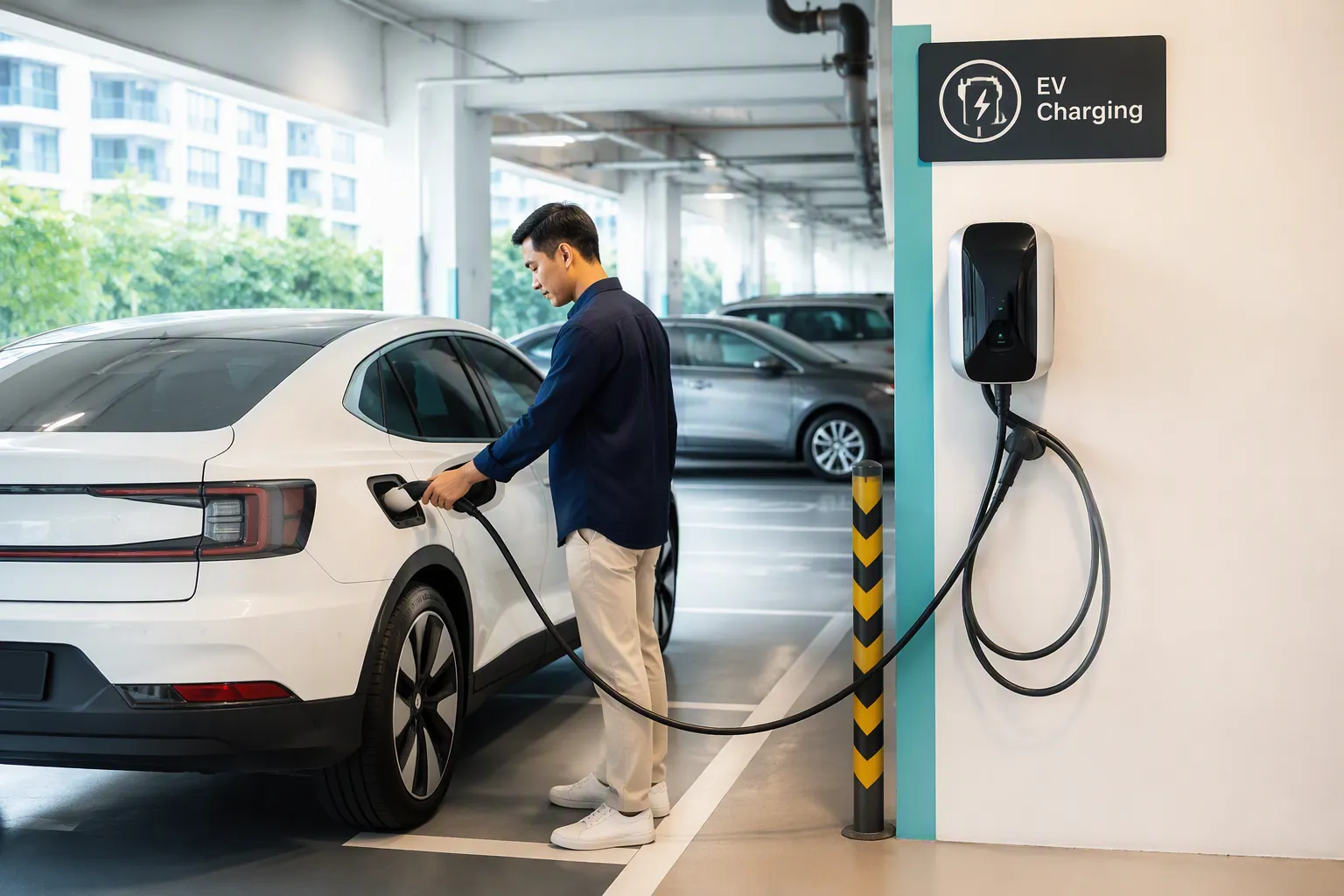

A portable electric vehicle charger gives drivers flexibility and peace of mind. Many drivers choose this device when they cannot install a home EV charger, need emergency backup, or travel to remote locations. Common reasons include:
- No off-street parking
- Emergency backup in breakdown situations
- Access to remote areas
- Temporary charging at events
Before charging, users should check that the portable electric car charger and power source match their vehicle’s requirements. EV charger manufacturers recommend regular inspection for safety and optimal performance.
What Is a Portable Electric Vehicle Charger?

A portable electric vehicle charger serves as a compact and versatile solution for electric car owners. This device allows users to charge their vehicles wherever a compatible power source exists, making it an essential tool for those who value flexibility and preparedness.
Key Features of a Portable Electric Car Charger
Size and Portability
Manufacturers design portable electric car chargers to be lightweight and easy to carry. Most models fit in a vehicle’s trunk or storage compartment. This portability ensures that drivers can transport the charger between locations, whether at home, work, or a public charging point. The compact size does not compromise performance, as these chargers include robust components for reliable operation.
Power Options and Flexibility
Portable electric car chargers offer a range of power settings and compatibility options. Many models support adjustable current levels, such as 13A, 16A, or 32A, and operate at voltages between 220V and 250V. Users can select the appropriate setting based on the available outlet and their vehicle’s requirements. Protection features—such as over-voltage, under-voltage, overload, leakage, and temperature safeguards—enhance safety during use.
Tip: Always check the charger’s compatibility with your vehicle and the available power source before starting a charging session.
The main components and technical specifications of a portable electric vehicle charger include:
| Component | Description |
|---|---|
| Charging Module | Converts AC power to DC power, crucial for performance and safety. |
| Charging Cables | Connects the charger to the vehicle, designed for high loads and durability. |
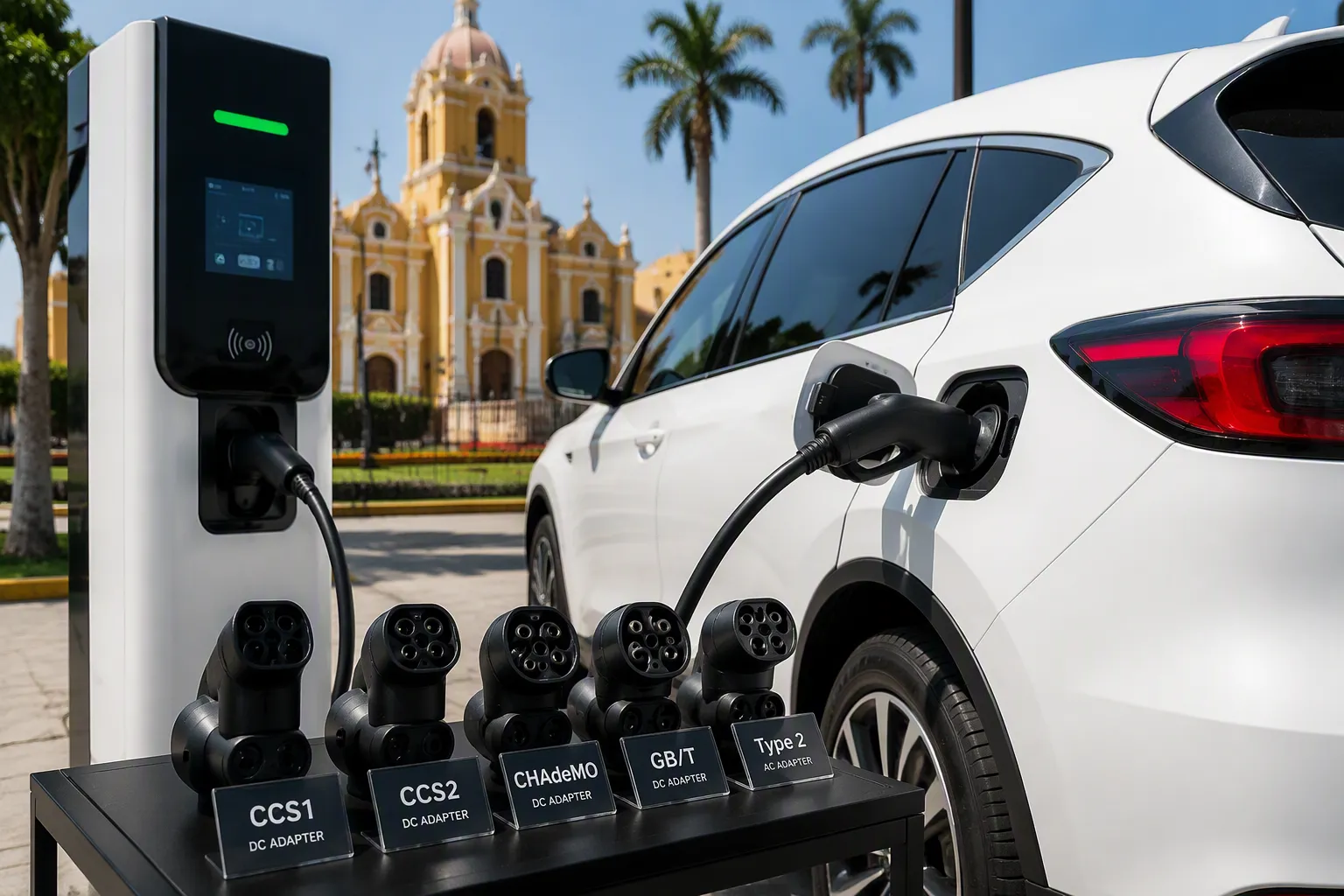
| Connectors | Standardized plugs for compatibility with various EVs (Type 1, Type 2, etc.) |
| Control Unit | Manages communication between the EV and charger for safe power delivery. |
| Safety Mechanisms | Includes GFCI, overcurrent, overvoltage, and temperature sensors. |
| Communication Module | Enables diagnostics and usage tracking. |
| Metering Systems | Tracks electricity usage for accurate billing. |
How a Portable Electric Vehicle Charger Differs from Stationary Chargers
Mobility and Convenience
A portable electric vehicle charger stands out for its mobility. Drivers can use it in various locations, such as at home, work, or while traveling. Unlike a home charger or a fixed charging station, a portable charger does not require permanent installation. This flexibility allows users to charge their vehicles at any place with a suitable outlet, reducing dependence on electric car charging points or public charging infrastructure.
Charging Speed Differences
Charging speed varies between portable and stationary chargers. The following table compares average charging speeds:
| Charger Type | Charging Speed |
|---|---|
| Portable EV Charging | Slow: 2 to 5 miles per hour |
| AC Chargers (Level 1/2) | 2 to 60 miles per hour |
| DC Fast Charging Station | 60 to 80 miles in 20 minutes |
Portable chargers typically deliver slower charging rates than dedicated public charging points or DC fast chargers. However, they provide unmatched convenience for top-ups and emergency use.
Benefits of Using a Portable Electric Vehicle Charger
Emergency Charging Solutions
A portable electric vehicle charger offers peace of mind during unexpected situations. Drivers can avoid being stranded by charging their vehicle from any compatible outlet. This feature proves especially valuable in emergencies or when no charging station is nearby.
Charging on the Go
Many users appreciate the ability to charge their vehicles wherever they find a power source. Portable chargers eliminate the need to search for electric car charging points or wait for a public charging point to become available. This flexibility reduces stress and supports a seamless electric vehicle charging experience.
Note: Always use chargers with recognized safety certifications, such as ETL, to ensure compliance with safety standards and reduce risks.
Getting Ready to Use Your Portable Electric Car Charger
Checking Your Portable Charger and Equipment
Inspecting the Charger for Safety
Before every charging session, users should perform a thorough inspection of their portable electric vehicle charger. Safety remains the top priority. Certified chargers—such as those with TUV, UL, or CE marks—offer assurance that the device meets recognized safety standards. Users should look for visible damage, frayed cables, or worn connectors. Chargers with features like plug temperature control, current switching, leakage protection, and overcurrent protection provide additional layers of safety.
- Always use certified portable EV chargers.
- Avoid charging in heavy rain, snow, or extreme heat unless the charger is rated for such conditions.
- Neatly coil the charging cable after each use to prevent wear and tear.
- Inspect the charging cable and connectors before each use.
- Do not leave the charger plugged in for extended periods unattended.
Tip: Invest in chargers with an IP65 or IP66 rating for outdoor use to ensure durability in various weather conditions.
Ensuring Compatibility with Your EV
Compatibility between the charger and the vehicle is essential. Users should confirm that the charger’s plug type matches the vehicle’s socket (Type 1 or Type 2). They should also check the electrical specifications, including maximum current and voltage, to ensure they meet the vehicle’s requirements. If adapters or extension cables are necessary, users must verify their suitability for the intended wall outlet and charging setup. Secure connections at all points help prevent overloads and ensure efficient charging.
Finding a Suitable Power Source for Your Portable Electric Vehicle Charger
Types of Outlets and Power Requirements
Portable electric vehicle chargers connect to standard electrical outlets, making them versatile for both residential and public settings. Most models operate on either 120V (Level 1) or 240V (Level 2) power sources. This flexibility allows users to charge at home, at work, or while traveling, as long as a suitable outlet is available.
- Portable AC chargers are designed for use with alternating current from standard outlets.
- They offer convenience for users who may not have access to dedicated charging stations.
- Chargers typically connect to 120V or 240V outlets, depending on the model.
Safety Considerations for Power Sources
Charging an electric vehicle requires significant power, which can overload home circuits if not properly managed. Users should always plug chargers into properly grounded and dedicated outlets. Avoiding extension cords helps prevent overheating and fire risks. Outlets equipped with GFCI breakers provide protection against electrical shocks. Chargers should carry UL or CE certification to ensure compliance with safety standards.
| Safety Risk | Description |
|---|---|
| Electrical Hazards | Risk of electric shock if chargers are not properly installed or used. |
| Thermal Runaway | Overheating of battery cells can cause fires, especially during fast charging. |
| Environmental Considerations | Improper outdoor charging can lead to equipment failure, particularly in wet conditions. |
| Extension Cord Risks | Using extension cords increases electrical resistance and fire risk. |
| Water Resistance (IP Ratings) | Chargers without proper IP ratings should not be used outdoors in rain or snow. |
| Improper Storage & Usage | Chargers must be stored in cool, dry places to prevent overheating and damage. |
| GFCI Protection | Outlets must have GFCI breakers to prevent electrical shocks during charging. |
| Certification | Chargers should have UL or CE certification to meet safety standards. |
Preparing Your Vehicle for Charging
Parking and Accessing the Charging Port
Proper parking ensures a smooth charging process. Drivers should only occupy a charging spot when actively charging their vehicle. Aligning the vehicle with the charging port makes it easier to connect the charger and avoids inconveniencing others. Users should always select a charging station compatible with their EV and vacate the charging bay promptly after finishing.
- Park at the correct charging port.
- Use a charging station that matches the vehicle’s requirements.
- Respect posted time limits and move the vehicle once charging is complete.
Setting Up in a Safe Location
Setting up in a safe location protects both the user and the equipment. Users should choose a dry, well-ventilated area for charging. Avoiding wet or hazardous conditions reduces the risk of equipment failure. Familiarity with the charger’s safety information and adherence to all precautions ensures a safe and efficient charging experience.
Note: Store the charger in a dry, well-ventilated space to protect it from extreme temperatures and environmental hazards.
Step-by-Step Guide to Charging with a Portable Electric Vehicle Charger

Connecting the Portable Electric Car Charger
Plugging into the Power Source
A user begins the charging process by preparing both the charger and the power source. They should follow a systematic approach to ensure safety and efficiency. The correct procedure includes:
- Locate the charging port on the vehicle.
- Inspect the portable electric car charger for any visible damage.
- Connect the charger to the power source, such as a household outlet or a dedicated 240-volt outlet.
- Confirm that the outlet is properly grounded and suitable for electric vehicle charging.
- Avoid using extension cords, as these can increase the risk of overheating.
Tip: Always use outlets equipped with GFCI protection to minimize electrical hazards.
Attaching the Charger to Your EV
After connecting the charger to the power source, the user should attach the charger to the vehicle. They must insert the connector into the charging port securely. A firm connection ensures that the charging session starts without interruptions. If the connector does not fit properly, the user should check for debris or damage on both the plug and the vehicle’s socket.
Starting the Charging Process
Setting the Charging Current (if available)
Some portable electric car chargers allow users to adjust the charging current. The user can select the appropriate current setting based on the available outlet and the vehicle’s specifications. For example, a 13A setting suits most household outlets, while a 32A setting works with dedicated 240-volt outlets. Adjusting the current helps optimize charging speed and prevents circuit overload.
Note: Always consult the vehicle’s manual and the charger’s instructions before changing current settings.
Confirming Charging Status and Indicator Lights
Once the charger is connected, the charging process should begin automatically. The user should observe the charger’s indicator lights and the vehicle’s dashboard. Most chargers display a green light when charging is active. A red or flashing light may indicate an error or connection issue. The vehicle’s dashboard often shows the charging status and estimated time to full charge.
Before starting, the user should perform several safety checks:
- Inspect the charging station and equipment for visible damage or wear.
- Check the cable and connector for exposed wires, frayed insulation, or corrosion.
- Examine the car’s charging port for damage or foreign objects.
- Notify the site owner or operator if any issues are found.
- Avoid using the station until it has been inspected and repaired.
Monitoring the Charging Session
Checking Progress and Safety
During the charging session, the user should monitor several key data points to ensure safety and efficiency. The following table outlines important metrics and their significance:
| Data Type | Importance |
|---|---|
| Voltage | Ensures appropriate voltage to prevent inefficient charging or battery damage. |
| Current | Helps track charging rate and detect unusual fluctuations indicating potential issues. |
| Power | Analyzes energy usage and aids in billing at commercial stations. |
| Charging State | Keeps users updated on whether the charger is in use, paused, or finished charging. |
| Charging Time | Offers insights into typical charging times for optimizing efficiency in high-traffic areas. |
| Battery State of Charge (SOC) | Provides information on how much charge has been added and what remains to reach full charge. |
| Temperature Monitoring | Detects abnormal temperatures to prevent hazards and ensure performance. |
| Error Codes and Alerts | Logs issues for quick identification and resolution, minimizing downtime. |
A user should check the charger and vehicle periodically. They must ensure that the cable remains securely connected and that the charger does not overheat. If the charger displays an error code or the charging stops unexpectedly, the user should consult the charger’s manual or contact the manufacturer.
Understanding Charging Notifications
Modern portable electric car chargers and vehicles provide notifications during the charging session. These notifications may include charging progress, estimated completion time, and alerts for any issues. If the charger displays a warning or error, the user should address the problem promptly. Common issues include connection errors, slow charging, or unexpected interruptions. The following table summarizes typical problems and solutions:
| Issue | Symptoms | Possible Causes & Fixes |
|---|---|---|
| Connection Errors | Charging session won’t start | Connector not fully inserted: Unplug and firmly reinsert the charging cable. |
| Charger displays “Plug not connected.” | Dirty or damaged plug: Inspect both the plug and socket for debris or corrosion. | |
| Vehicle alternates between “Ready to Charge” and “Not Ready.” | Vehicle not in Park: Most EVs require Park mode to initiate charging. | |
| Software handshake failure: Restart the charger and/or power cycle the vehicle. | ||
| Payment Failures | Charging won’t start at public stations | Expired or unsupported card/app: Make sure your payment method is current and supported. |
| Payment card not accepted | Network communication issue: Wait a few moments and try again, or switch to another payment method. | |
| App displays “Transaction Failed” | Unrecognized RFID card: Ensure it’s registered correctly; if not, use an alternative. | |
| Slow Charging | Charging speed is significantly slower | Onboard charger limitation: Some EVs charge slowly on AC power. Check your vehicle’s charging specs. |
| Full charge takes much longer than usual | Load balancing: In shared environments, charging speed may be reduced. | |
| Cold weather: Batteries charge more slowly when cold. Try pre-conditioning your EV before plugging in. | ||
| Charger Displays Error Code | Red lights or flashing indicators on charger | Residual current device (RCD) trip: Try a different outlet or consult a qualified electrician. |
| Error messages or codes on display | Hardware or firmware fault: A firmware update or service may be required. Contact the charger’s manufacturer or installer. | |
| Voltage irregularities: Overvoltage or undervoltage may cause the charger to shut down for safety. | ||
| Charging Stops Unexpectedly | Charging ends prematurely | Vehicle ended the session: Check the vehicle dashboard for any warnings or charging limits. |
| Session pauses and resumes repeatedly | Loose connection: Make sure the plug is fully inserted and secured. | |
| Overheating: Let the charger cool down before trying again. | ||
| Power fluctuations: Charging during off-peak hours may help if you’re on a shared electrical circuit. |
⚡ Alert: If the portable electric vehicle charger displays persistent error codes or fails to charge, the user should seek assistance from a qualified technician.
Finishing and Storing Your Portable Electric Vehicle Charger
Safely Disconnecting the Portable Electric Car Charger
Turning Off and Unplugging the Charger
Proper disconnection of a portable electric car charger ensures both user safety and equipment longevity. Users should always follow a systematic approach to avoid electrical hazards or accidental damage. The following steps outline the recommended process:
- Complete the charging process. Always check the vehicle’s dashboard or app to confirm that charging has finished.
- Confirm that the vehicle is off. This step prevents electrical interference and ensures a safe environment.
- Deactivate the charging lock if the vehicle uses one. Many electric vehicles feature a locking mechanism that secures the charging cable during operation.
- Grip the handle, press the release button, and gently pull the cable out from the vehicle’s charging port.
- After removing the cable from the vehicle, unlock and gently pull the cable from the power source or charging station.
⚠️ Tip: Never yank or twist the cable when unplugging. Gentle handling prevents wear on electric car charging cables and connectors.
Removing the Charger from the Vehicle and Outlet
After disconnecting the charger, users should inspect both the cable and connectors for any signs of wear or damage. If the charger or cable appears hot, allow it to cool before storing. Users should avoid leaving the charger exposed to the elements after use. Immediate storage in a safe location helps maintain the charger’s insulation and performance.
Proper Storage of Your Portable Electric Vehicle Charger
Coiling and Storing Cables
Correct storage of charging cables extends their lifespan and ensures reliable performance. Users should coil the cable loosely, avoiding tight bends or knots that can damage the internal wiring. A dedicated storage bag or compartment in the vehicle provides protection from accidental impacts and environmental hazards.
- Coil cables in large loops to prevent kinks.
- Use cable ties or Velcro straps to secure the loops.
- Store the charger and cables in a dry, dust-free compartment.
| Storage Tip | Benefit |
|---|---|
| Loose coiling | Prevents internal wire breakage |
| Dedicated storage bag | Shields from dirt and moisture |
| Avoiding sharp bends | Maintains cable insulation integrity |
Keeping the Charger Clean and Dry
Environmental factors can affect the performance of a portable electric vehicle charger. Users should always keep the charger away from moisture, direct sunlight, and corrosive substances. Exposure to water can cause short circuits or leakage, while sunlight may accelerate aging of the charger’s materials. Regular inspection helps identify any early signs of damage or wear.
💡 Note: Store the charger in a cool, dry place and schedule routine inspections to ensure safe operation.
By following these practices, users can maximize the lifespan of their portable electric vehicle charger and maintain safe, efficient charging sessions wherever they travel.
Safety Tips for Using a Portable Electric Vehicle Charger
General Safety Precautions for Portable Electric Car Chargers
Avoiding Wet or Hazardous Conditions
Charging an electric vehicle in wet or hazardous environments increases the risk of electrical shock and equipment failure. Drivers should always choose a dry, well-ventilated area for charging. Water, snow, or puddles near the charging station can create dangerous situations. If rain or moisture is present, users should wait until conditions improve or use a charger rated for outdoor use. Keeping the area clear of clutter and flammable materials also reduces the risk of accidents.
⚠️ Tip: Maintain a clear area around the charger. Remove any flammable objects or debris before starting the charging process.
Using Approved Outlets Only
Using only approved and properly grounded outlets is essential for safe operation. Outlets should meet the voltage and current requirements of the portable electric car charger. Unapproved or damaged outlets may cause overheating, power surges, or even fires. A surge protector can help protect the vehicle against voltage spikes during electric vehicle charging. Drivers should avoid using extension cords, as these can increase resistance and create fire hazards.
- Use outlets with GFCI protection.
- Change the electrical outlet periodically to ensure continued safety.
- Test the tension of the receptacle annually to avoid loose connections.
🔌 Unplug the vehicle once fully charged to prevent overcharging and extend battery life.
Handling and Maintaining Your Portable Electric Vehicle Charger
Preventing Overheating and Damage
Proper handling of the portable electric vehicle charger helps prevent overheating and extends its lifespan. Users should never cover the charger or its vents during operation. Overheating can occur if the charger is placed in direct sunlight or if airflow is restricted. Monitoring the charging speed and reporting any unusual performance can help identify problems early. If the charger or cable feels hot, users should stop charging and allow the equipment to cool before resuming.
- Store cables securely to prevent damage.
- Ensure the charger is not overloaded by checking the electrical panel capacity.
- Replace the cordset if damaged due to misuse.
Regular Inspection and Care
Routine inspection and maintenance keep the charger operating safely. Drivers should conduct visual inspections for external damage and check cables for fraying or excessive wear. Cleaning the charger with a damp cloth removes dust and debris, while ensuring vents remain unobstructed. Scheduling professional servicing annually or semi-annually helps maintain optimal performance. If any part of the charger appears damaged, users should replace it immediately.
- Regularly check charging cables for integrity.
- Monitor for any changes in charging speed or unusual sounds.
- Schedule professional servicing as recommended by the manufacturer.
🛠️ Consistent care and attention to maintenance routines ensure safe and reliable charging sessions.
Troubleshooting Your Portable Electric Vehicle Charger
When the Portable Electric Car Charger Won’t Start
Checking the Power Source
A portable electric vehicle charger may fail to start for several reasons. Technicians recommend a systematic approach to diagnosis.
- Inspect the cable and plug for frays, cracks, or visible damage.
- Check the power supply. Confirm that the breaker has not flipped and the circuit is not overloaded.
- Reboot the charger by turning it off and on again.
- Review the app or charger firmware for error messages or updates.
- Rule out the car by testing the charger with a different vehicle.
⚡ Tip: Always verify that the outlet provides the correct voltage and current before plugging in the charger.
Fixing Connection Issues
Connection problems often prevent charging from starting. Users should ensure the connector fits securely in the vehicle’s charging port. Cleaning the connector pins and checking for corrosion helps maintain a reliable connection. If the charger remains inactive, switching to another outlet or using a different cable may resolve the issue. Testing the charger with another electric vehicle can help determine if the problem lies with the charger or the car.
Slow Charging with a Portable Electric Vehicle Charger
Outlet Limitations and Solutions
Slow charging frustrates many drivers. Several factors contribute to reduced charging speed.
- Inspect the charging cable for physical damage or corrosion.
- Verify that connector pins are clean and undamaged.
- Ensure the charging circuit matches the charger’s output rating.
- Check the charger’s settings and confirm vehicle compatibility.
- Avoid charging in extreme temperatures.
- Look for current limits and compatibility issues.
- Schedule routine electrical inspections and maintenance.
A household outlet may not deliver enough power for fast charging. Upgrading to a dedicated circuit or using a higher-rated outlet can improve performance.
Adjusting Vehicle Settings
Vehicle settings also affect charging speed. Drivers should review the car’s onboard charging limits and adjust them if possible. Some vehicles allow users to select higher charging currents when connected to suitable outlets. Pre-conditioning the battery in cold weather can help achieve optimal charging rates.
Error Messages and Warning Lights on Your Portable Charger
What to Do Next
Portable electric car chargers display various warning lights and error messages. The following table summarizes common indicators and their meanings:
| Warning Light | Indication |
|---|---|
| EV system warning light | Malfunction in traction motor, charge port, battery system, cooling system, or emergency shut off. |
| Yellow master caution light | General warning indicating a potential issue in the vehicle’s systems. |
Other charger lights include:
- Solid green or blue: Charging normally
- Blinking red or orange: Fault, overheating, or ground issue
- No light: No power or internal failure
When an error appears, users should:
- Identify the charger error indicators using the owner’s manual.
- Ensure proper power and connection.
- Perform a charger reset by unplugging, waiting, and reconnecting.
- Confirm charger compatibility with the vehicle.
- Address grounding issues and inspect for damage.
- Evaluate temperature-related errors and allow cooling if needed.
- Check for firmware updates.
🛠️ Note: Always consult the manual before attempting advanced troubleshooting steps.
When to Seek Professional Help
Persistent issues require professional assistance. If the charger continues to display error codes or warning lights after basic troubleshooting, users should contact a qualified electrician or the manufacturer’s customer support. Professional diagnosis ensures safe operation and prevents further damage to the charger or vehicle.
Tips for Efficient Charging with a Granny Charger
Maximizing Charging Speed with a Portable Electric Vehicle Charger
Using Higher-Powered Outlets
Drivers who use a granny charger often seek ways to improve charging speed. Selecting a higher-powered outlet can make a significant difference. A dedicated 240-volt socket provides faster charging compared to a standard household outlet. The granny charger should match the vehicle’s power requirements to avoid inefficient charging. Technicians recommend checking the socket for wear and ensuring it is not shared with other devices. Plugging the granny charger directly into the wall socket prevents overheating and maintains a stable connection.
⚡ Tip: Always confirm the outlet’s voltage and current rating before starting a charging session with a granny charger.
Charging During Off-Peak Hours
Charging during off-peak hours can optimize efficiency and reduce costs. Many utility companies offer lower rates at night or early morning. Drivers who plan charging times according to travel needs avoid deep discharges and ensure the vehicle is ready when required. A stable environment, free from extreme temperatures, also enhances charging performance. Good ventilation around the granny charger helps prevent overheating and supports consistent operation.
| Charging Strategy | Benefit |
|---|---|
| Off-peak charging | Lower electricity costs |
| Stable environment | Improved charging efficiency |
| Direct wall socket use | Reduced risk of overheating |
Extending the Life of Your Granny Charger
Proper Storage and Handling
Proper storage and handling extend the lifespan of a granny charger. Drivers should coil cables loosely and store the charger in a dry, dust-free compartment. Avoiding sharp bends and knots protects the internal wiring. Regular cleaning removes dust and debris, while keeping the charger away from moisture prevents short circuits. Monitoring the charger during use helps detect overheating early. If the charger or cable feels hot, users should allow it to cool before storing.
🛡️ Note: A dedicated storage bag shields the granny charger from accidental impacts and environmental hazards.
Routine Maintenance
Routine maintenance ensures reliable performance from a granny charger. Technicians advise regular inspection of the socket and charger for signs of damage. Installing a dedicated circuit for frequent charging can prevent overloads and extend equipment life. Cleaning the charger and checking cables for wear maintain optimal performance. Using testing tools helps verify that the granny charger operates within safe parameters.
Drivers who follow these best practices maximize the efficiency and longevity of their granny charger. They enjoy safe, reliable charging sessions and reduce the risk of unexpected failures.
A portable electric vehicle charger offers drivers a practical solution for charging in diverse environments. They should connect the charger properly, confirm voltage and amperage match the vehicle, and select a well-ventilated area away from flammable materials. Important features include compatibility, charging speed, and built-in safety protections such as overcharge, short circuit, and temperature control. By following these steps, users can maximize the benefits of their portable electric car charger and maintain safe charging practices.
FAQ
How long does it take to charge an EV with a portable charger?
Charging time depends on the charger’s power output and the vehicle’s battery size. Most portable chargers add 2 to 5 miles of range per hour. Full charging may take several hours or overnight.
Can a portable EV charger work with any electric vehicle?
Most portable chargers support standard connectors like Type 1 or Type 2. Drivers should always check compatibility with their vehicle’s charging port and voltage requirements before use.
Is it safe to use a portable charger outdoors?
Manufacturers design many portable chargers for outdoor use. Users should confirm the charger’s IP rating. Only chargers rated for outdoor conditions should be used in wet or dusty environments.
What should drivers do if the charger gets hot during use?
If the charger or cable feels hot, users should stop charging immediately. Allow the equipment to cool. Inspect for visible damage. If overheating continues, contact the manufacturer or a qualified technician.
Can drivers use extension cords with portable EV chargers?
⚠️ Warning:
Extension cords can cause overheating and fire risks. Manufacturers recommend plugging the charger directly into a grounded outlet for maximum safety.
How often should users inspect their portable EV charger?
Regular inspection before each use is best practice. Users should check for frayed cables, damaged connectors, and signs of wear. Annual professional servicing helps maintain safety and performance.
What does it mean if the charger’s indicator light flashes red?
A flashing red light usually signals a fault, such as a connection error or overheating. Users should consult the charger’s manual for specific troubleshooting steps and resolve the issue before resuming charging.
Can portable chargers be left in the car when not in use?
Portable chargers can be stored in the car, but users should keep them in a dry, cool compartment. Avoid direct sunlight and moisture to prevent damage and ensure reliable operation.