
French EV owners often face a decision between cargadores portátiles para vehículos eléctricos and wall-mounted chargers. The best choice depends on their living situation and charging needs. Portable EV chargers suit renters, frequent travelers, and apartment dwellers who value flexibility and avoid permanent changes. Wall-mounted chargers fit homeowners with dedicated parking, daily commuters, and those seeking fast charging and advanced energy management at home. The table below highlights these usage patterns:
| Tipo de cargador | Patrones de uso |
|---|---|
| Cargadores portátiles | Ideal for renters, multiple residences, travelers, apartment dwellers, relocation flexibility |
| Wall-mounted Chargers | Best for homeowners, daily commuters, advanced energy management, long-term residency, convenience |
Matching the Cargador EV to lifestyle ensures reliable Soluciones de recarga de vehículos eléctricos. Fabricantes de cargadores para VE recommend careful selection to maximize value.
What Is a Portable EV Charger?
How a Portable EV Charger Works
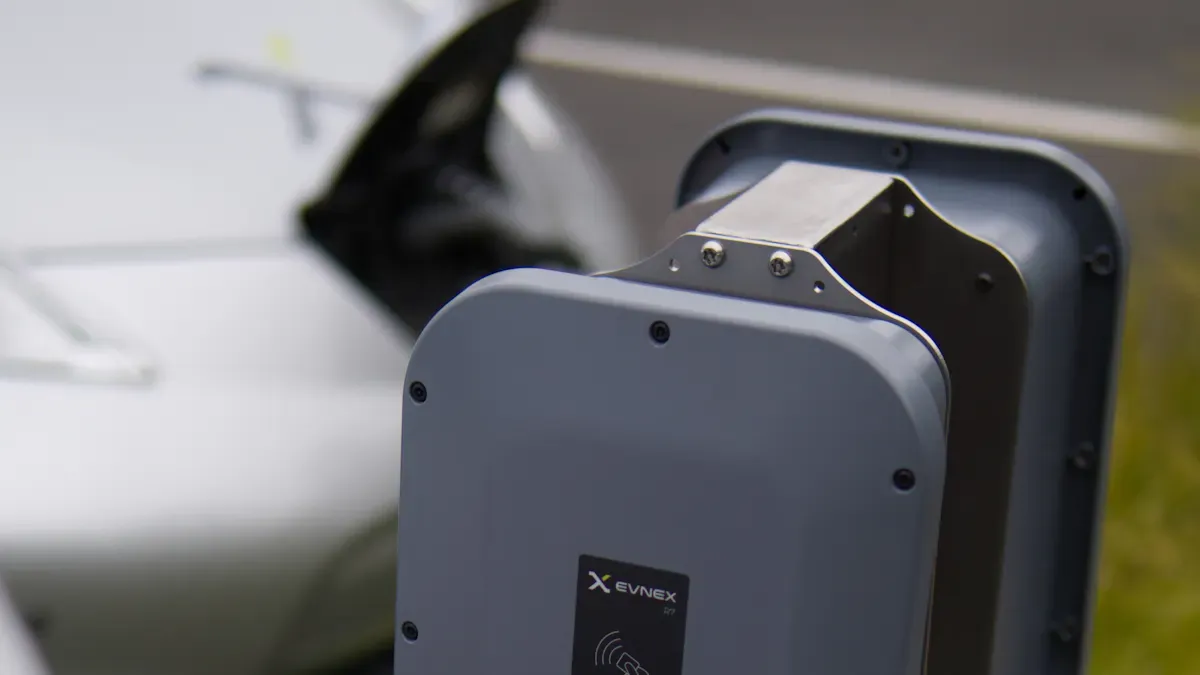
A portable EV charger enables electric vehicle owners to charge their cars wherever a compatible power source exists. The device connects to the vehicle’s charging port and draws electricity from a standard outlet or dedicated socket. The charger converts alternating current (AC) from the grid into direct current (DC) suitable for the EV battery. TPSON, a technologically advanced provider, designs cargadores portátiles para vehículos eléctricos that deliver reliable performance and user-friendly operation. Owners simply plug the charger into the power supply, select the charging mode, and monitor progress through a digital interface. The process offers flexibility for those who move frequently or lack access to permanent charging infrastructure.
Key Features of a Portable EV Charger
Los cargadores portátiles para VE offer several features that enhance convenience and safety. Most models include a robust charging cable, a digital display, and built-in safety mechanisms. The following table presents common technical specifications for portable EV chargers available in France:
| Especificación | TP-DC 20 kW | TP-DC 30 kW | TP-DC 40 kW |
|---|---|---|---|
| Potencia nominal | 20 kW | 30 kW | 40 kW |
| Longitud del cable de carga | 5 Meters | 5 Meters | 5 Meters |
| Tensión de entrada | AC380V±10%, 50±1Hz | AC380V±10%, 50±1Hz | AC380V±10%, 50±1Hz |
| Rango de tensión de salida | DC50-1000V | DC50-1000V | DC50-1000V |
| Corriente de salida | 0-66.7A | 0-100A | 0-133.3A |
| Interfaz de usuario | 7-inch color screen | 7-inch color screen | 7-inch color screen |
| Clasificación IP | IP20 | IP20 | IP20 |
Manufacturers equip portable EV chargers with touch screens for easy operation. The IP20 rating ensures basic protection against dust and accidental contact. Cable length allows flexible positioning during charging. High output power supports rapid charging for compatible EVs.
Tip: Owners should check the compatibility of their portable EV charger with their vehicle and local electrical standards before use.
Typical Use Cases for a Portable EV Charger
Portable EV chargers suit a variety of scenarios. Apartment dwellers often rely on portable charging when they lack access to dedicated parking spaces. Renters benefit from the flexibility to move their charger between residences. Frequent travelers use portable EV chargers to ensure reliable charging during road trips or at hotels. Owners with multiple vehicles can share one charger among several cars. Portable charging also serves as a backup solution during emergencies or when wall-mounted chargers are unavailable. The device adapts to different environments, making it a practical choice for those who value mobility and convenience.
What Is a Wall-Mounted EV Charger?
How a Wall-Mounted EV Charger Works
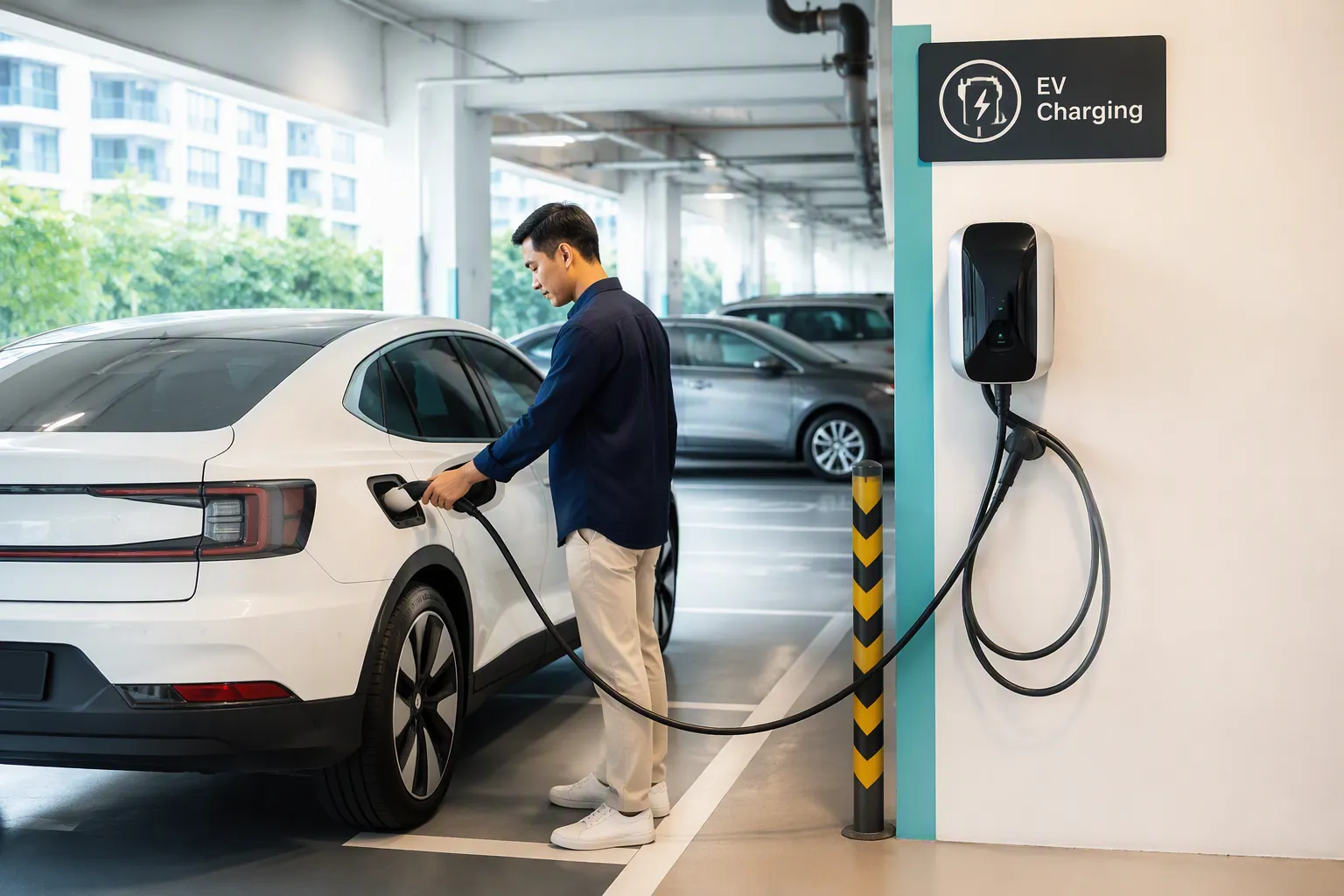
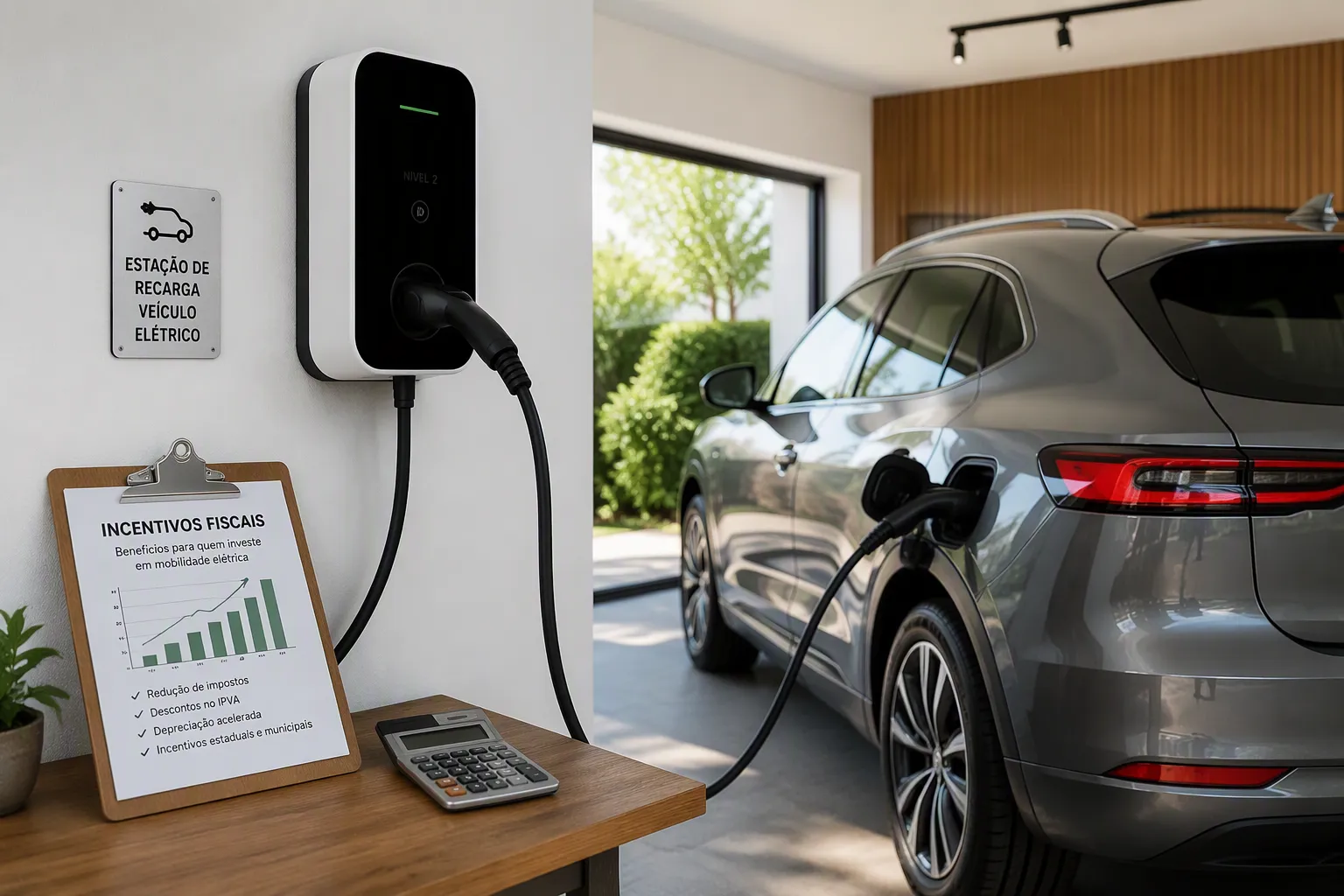
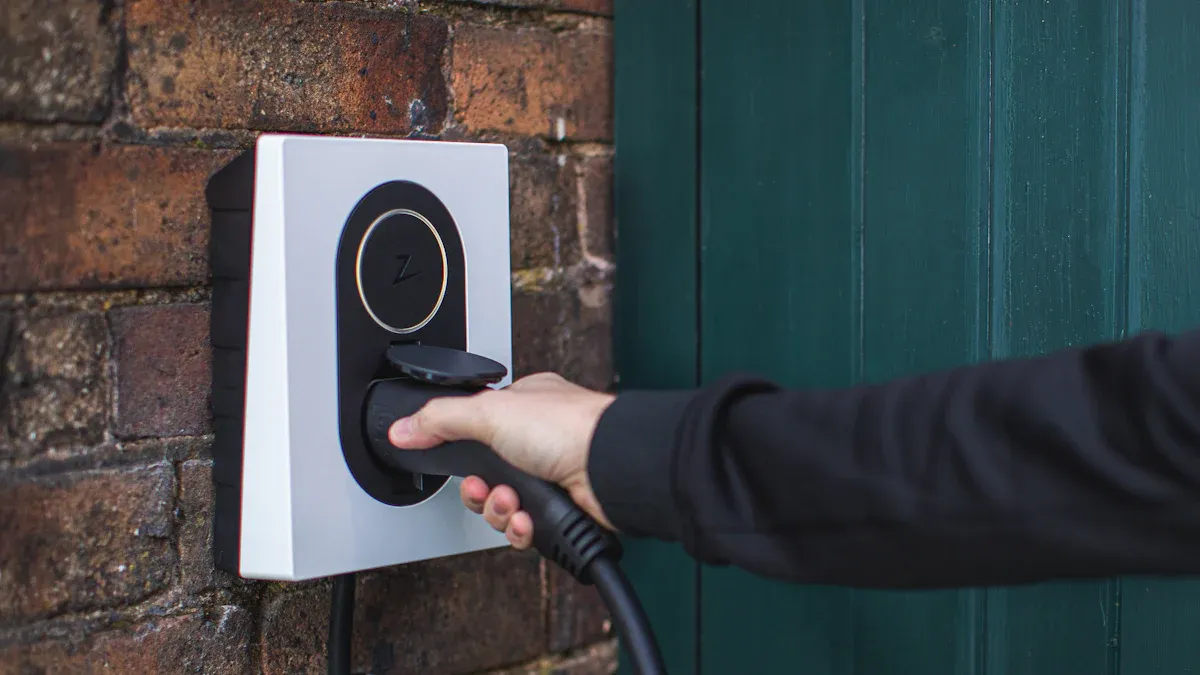
A cargador de pared para vehículos eléctricos delivers a stable and efficient charging solution for electric vehicles. The installer secures the wallbox charger to a fixed location, usually inside a garage or on an exterior wall. The device connects directly to the home’s electrical system, providing a dedicated circuit for charging. Owners plug their EV into the wallbox, and the charger manages the flow of electricity to the vehicle’s battery. The wallbox monitors voltage and current, optimizing the charging process for safety and speed. Many models feature smart controls that allow users to schedule charging sessions or monitor energy consumption remotely.
Note: Wall-mounted chargers require instalación profesional to ensure compliance with French electrical standards and to maximize safety.
Key Features of a Wall-Mounted EV Charger
Wallbox chargers offer advanced features that enhance the charging experience. Most units provide higher power output than portable chargers, resulting in faster charging times. Smart wallbox models include Wi-Fi connectivity, enabling remote control through mobile apps. Owners can track charging status, adjust settings, and receive notifications. Safety features such as overcurrent protection, temperature monitoring, and automatic shutoff protect both the EV and the home’s electrical system. Weatherproof casings allow outdoor installation, expanding placement options.
The following table highlights typical features found in wall-mounted EV chargers:
| Característica | Descripción |
|---|---|
| Potencia de salida | Up to 22 kW for residential models |
| Conectividad | Wi-Fi, Bluetooth, RFID |
| Mecanismos de seguridad | Overcurrent, surge, temperature protection |
| Interfaz de usuario | LED indicators, mobile app, touch screen |
| Lugar de instalación | Indoor or outdoor, fixed position |
Wallbox chargers integrate seamlessly with home energy management systems. Some models support load balancing, which prevents electrical overload during peak usage.
Typical Use Cases for a Wall-Mounted EV Charger
Homeowners with private parking spaces benefit most from wall-mounted EV chargers. Daily commuters rely on the wallbox for consistent overnight charging, ensuring their vehicle is ready each morning. Families with multiple EVs often install dual wallbox units to accommodate several vehicles. Residents who value convenience and speed choose wall-mounted chargers for their ability to deliver rapid charging without manual setup. Businesses and commercial properties also install wallbox chargers to support fleet vehicles or offer charging to employees.
- Apartment complexes with dedicated parking may provide wallbox chargers for tenants.
- Homeowners seeking advanced energy management integrate wallbox chargers with solar panels or smart meters.
- Drivers who prioritize reliability and safety prefer fixed charging solutions.
Tip: Before installing a wallbox charger, owners should consult a certified electrician to assess their home’s electrical capacity and ensure compatibility with their EV.
Portable EV Charger vs. Wall-Mounted Charger: Direct Comparison
Velocidad y eficacia de carga
Typical Charging Times for Each Charger
Charging speed remains a critical factor for French EV owners. Portable EV chargers deliver moderate rates, suitable for occasional use and travel. Wall-mounted chargers provide faster charging, ideal for daily home charging routines. The following table compares average velocidades de carga and power output:
| Característica | Cargador portátil para vehículos eléctricos | Wall-Mounted EV Charger |
|---|---|---|
| Potencia de salida | 1.4–7.7 kW | 7.4–11.5 kW |
| Velocidades de carga | 3–30 mi/hr | 35–40 mi/hr |
Portable chargers often require several hours to fully charge an EV, especially when using standard outlets. Wall-mounted chargers, with higher power output, achieve faster charging and reduce downtime. Homeowners who prioritize speed benefit from wall-mounted solutions.
Power Output Differences
Power output directly influences charging speed. Portable EV chargers typically operate at lower wattages, making them suitable for emergency or backup charging. Wall-mounted chargers, designed for residential use, offer higher wattages and support faster charging. Energy efficiency also differs between the two options. The table below highlights efficiency ratings:
| Tipo de cargador | Eficiencia energética |
|---|---|
| Cargadores portátiles | Moderado |
| Cargadores Portátiles | Highly Energy Efficient |
Wall-mounted chargers optimize energy use, reducing waste and lowering electricity costs. Portable chargers, while convenient, may not achieve the same efficiency levels. French EV owners seeking faster charging and improved efficiency often select wall-mounted chargers for their home charging setup.
Convenience and Flexibility in Charging
Portability and Travel Benefits
Portable EV chargers excel in flexibility. Owners can transport the charger between locations, making it ideal for road trips, hotel stays, or multiple residences. No installation needed allows renters and travelers to charge their EV without permanent changes. The portable design ensures that users maintain access to charging wherever a compatible outlet exists. Apartment dwellers and frequent travelers value this convenience.
Tip: Portable chargers serve as a reliable backup during emergencies or when wall-mounted chargers are unavailable.
Everyday Home Charging Experience
Wall-mounted chargers transform the daily home charging experience. Owners enjoy plug-and-play convenience, with the charger fixed in a dedicated location. The system supports faster charging, enabling EVs to reach full capacity overnight. Smart features, such as scheduling and remote monitoring, enhance user control. Homeowners with garages or private parking spaces benefit from seamless integration and consistent performance. The wall-mounted charger suits those who prioritize routine and efficiency in their charging setup.
Installation and Setup for Each Charger
Installation Requirements and Process
Portable EV chargers require minimal setup. Owners simply plug the charger into a compatible outlet and begin charging. No installation needed makes portable chargers accessible for renters and those without permanent parking spaces.
Wall-mounted chargers demand a more involved process. Professional installation ensures compliance with French electrical standards and maximizes safety. The table below outlines main los requisitos de instalación for wall-mounted chargers in French homes:
| Requisito | Descripción |
|---|---|
| Dedicated Power Line | Essential for faster charging and to prevent electrical overload. |
| Minimum Subscribed Power | Recommended minimum of 9 kVa for a 7 kW terminal to allow simultaneous charging and appliance use. |
| Electrical Protections | Use a dedicated differential circuit breaker and ensure compatibility with recent electrical panels. |
| Especificaciones del cable | Minimum cross-section of 10 mm², as per manufacturer’s guide. |
| Installation Height | Terminal should be fixed approximately 1.20 meters from the ground. |
| Instalación exterior | Choose models with a minimum IP54 rating and consider weatherproofing. |
| Testing the Installation | Perform a charging test to ensure proper functionality and check for overheating or power interruptions. |
Installation time varies. Basic wall-mounted charger installations take two to three hours. Complex setups may require several days, especially when upgrading electrical panels or adding weatherproofing.
| Tipo de instalación | Estimated Time |
|---|---|
| Instalación básica | 2-3 hours |
| Instalación compleja | Several days |
Ease of Use and Daily Operation
Portable EV chargers offer straightforward operation. Owners plug in the charger, select the mode, and monitor progress. The lightweight design and digital interface simplify daily use. Wall-mounted chargers, once installed, provide effortless charging. Owners connect their EV and rely on automated systems for safety and efficiency. Smart features, such as app control and scheduling, further enhance convenience. Both charger types support reliable operation, but wall-mounted chargers deliver a superior home charging experience for those seeking speed and advanced features.
Cost and Value: Which Charger Is the Best Choice?
Upfront Costs and Affordability
French EV owners often weigh the initial investment when selecting a charger. Los cargadores portátiles para VE offer a lower entry point, making them accessible for renters and those who move frequently. Wallbox chargers require a higher upfront cost, reflecting their advanced features and installation requirements. The following table compares average costs in France:
| Tipo de cargador | Average Cost (GBP) |
|---|---|
| Cargador portátil para vehículos eléctricos | £160–£300 |
| Wall-mounted Charger | £700–£1,500+ |
Portable chargers appeal to budget-conscious buyers. Wallbox chargers attract homeowners seeking long-term convenience and performance. Installation fees for wallbox chargers add to the total cost, especially when upgrades to the home’s electrical system are necessary.
Note: Owners should factor in installation costs and potential electrical upgrades when budgeting for a wallbox charger.
Long-Term Savings and Value
Long-term value depends on charging habits and lifestyle. Wallbox chargers deliver faster charging, reducing reliance on public charging stations and saving time. Homeowners benefit from energy management features that optimize electricity use and lower monthly bills. Portable EV chargers provide flexibility, allowing users to avoid installation costs and adapt to changing residences. However, slower charging speeds may increase reliance on public infrastructure, leading to higher ongoing expenses.
Wallbox chargers often integrate with solar panels or smart meters, maximizing savings for eco-conscious owners. Portable chargers serve as backup solutions, supporting occasional drivers and frequent travelers. The choice hinges on balancing upfront cost with ongoing value and convenience.
Safety and Reliability in EV Charging
Built-in Safety Features of Each Charger
Safety remains a top priority for EV owners. Portable EV chargers include basic protections such as overcurrent detection and temperature monitoring. Wallbox chargers offer advanced safety features, including surge protection, automatic shutoff, and weatherproof casings for outdoor installation. Smart wallbox models allow remote monitoring, alerting owners to potential issues.
The following table highlights key safety certifications required for EV chargers in France:
| Certification Body | Tipo de certificación | Descripción |
|---|---|---|
| Laboratoire national de métrologie et d’essais (LNE) | EV Charger Certification | First direct current billing meter certified for France’s EV charging market. |
| BSI Group | Kitemark Certification | Certification aligned with IEC 61851-1 standard for EV chargers, ensuring safety and quality. |
Wallbox chargers meet rigorous standards, providing peace of mind for homeowners. Portable chargers offer essential protections, suitable for temporary or emergency use.
Tip: Owners should verify that their charger meets French safety certifications before purchase.
Risks and Precautions for French EV Owners
French EV owners must consider safety considerations when installing and using chargers. Wallbox chargers require professional installation to prevent electrical hazards and ensure compliance with local standards. Portable chargers should only connect to outlets capable of handling the required power. Overloading circuits or using incompatible sockets increases the risk of fire or equipment damage.
Owners should inspect chargers regularly for wear and tear. Weatherproofing is essential for outdoor wallbox installations. Portable chargers must remain dry and protected from extreme temperatures. Following manufacturer guidelines and consulting certified electricians reduces risks and enhances reliability.
Alert: Never use damaged cables or chargers. Immediate replacement prevents accidents and protects the vehicle.
Compatibility with French Homes and EVs
Meeting French Electrical Standards
Compatibility with French electrical standards ensures safe and efficient charging. Wallbox chargers require a dedicated power line, minimum subscribed power, and proper electrical protections. Portable EV chargers must match the voltage and current specifications of the home’s outlets. Certification from LNE and BSI Group confirms compliance with national regulations.
French homes vary in electrical capacity. Owners should assess their system before installing a wallbox charger. Portable chargers offer flexibility but may not support high-power charging in older residences.
Vehicle Compatibility and Charging Options
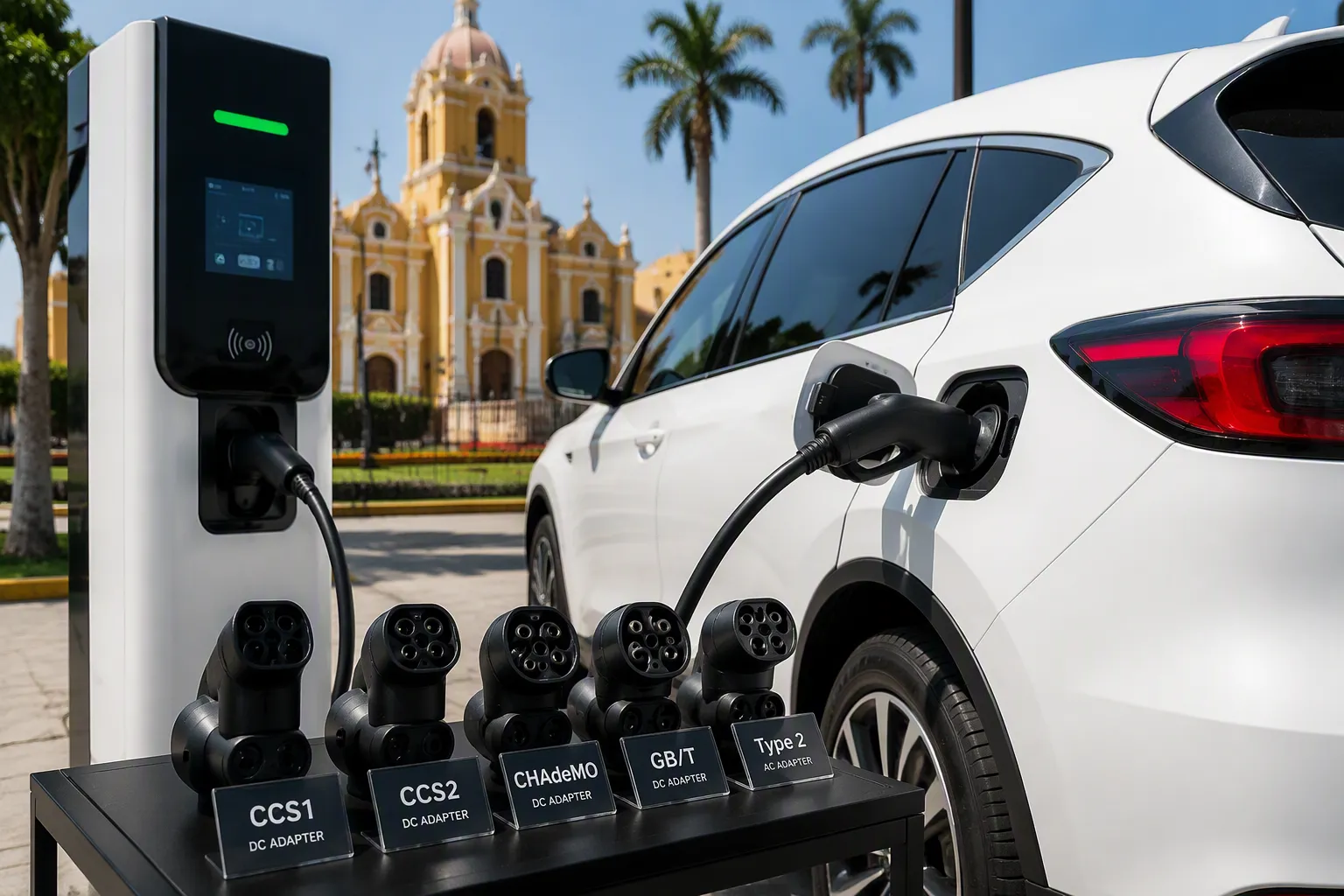
EV owners must select chargers compatible with their vehicle’s charging port and battery specifications. Wallbox chargers support a wide range of EV models, offering adjustable power output and smart features. Portable EV chargers suit vehicles with standard charging requirements, providing mobility and convenience.
Charging options depend on the vehicle’s onboard charger and battery size. Wallbox chargers deliver faster home charging, ideal for daily commuters and families with multiple vehicles. Portable chargers serve occasional drivers and those who travel frequently.
Note: Owners should consult their vehicle’s manual and charger specifications to ensure compatibility and optimal performance.
Pros and Cons of Portable EV Charger and Wall-Mounted Charger
Portable EV Charger: Pros
French EV owners recognize several advantages and disadvantages when considering a Un cargador portátil para VE. Portability stands out as a major benefit. Drivers can recharge their vehicles anywhere, whether at home, work, or while traveling. The charger’s small size and lightweight design make it easy to carry, supporting mobility and flexible charging options. No installation is required, so users avoid extra costs and can plug into existing sockets. This feature appeals to renters and those who move frequently. The portable charger offers versatile usage, allowing charging at home, workplaces, or campsites where an outlet is available. Many owners appreciate the lower cost compared to fixed charging stations.
| Ventaja | Descripción |
|---|---|
| Portabilidad | Small, lightweight, and easy to carry, providing charging flexibility. |
| No Installation Needed | Can be plugged into existing sockets, avoiding installation costs. |
| Versatile | Usable at home, workplaces, or campsites where an outlet is available. |
| Lower Cost | Typically cheaper than installing a fixed charging station. |
- Portability allows recharging anywhere, enhancing convenience.
- Versatile usage at various locations, including home and travel.
- Faster home charging options with minimal installation costs.
Tip: Portable chargers serve as a practical backup during emergencies or when wall-mounted chargers are unavailable.
Portable EV Charger: Cons
Despite the benefits, portable chargers present some limitations. Charging speed is often slower compared to wall-mounted units, especially when using standard outlets. This can lead to longer wait times for a full charge. Some portable chargers may not support high-power charging, restricting their use with larger EV batteries. Safety concerns arise if users connect the charger to incompatible or overloaded sockets. Weather conditions can affect performance, as portable chargers may lack robust protection against moisture or extreme temperatures. Owners must check compatibility with their vehicle and local electrical standards before use. Frequent travel with a portable charger may result in wear and tear, reducing reliability over time.
Alert: Always inspect the charger and cables for damage before use to prevent accidents and ensure safe charging.
Wall-Mounted Charger: Pros
Wall-mounted chargers deliver significant advantages for French EV owners. Charging at home provides unmatched convenience, eliminating the need to visit public stations. Owners can rely on faster charging speeds, ensuring their vehicle is ready for daily use. The charger integrates with home energy systems, supporting advanced features like scheduling and remote monitoring. Many wall-mounted chargers connect to renewable energy sources, such as solar panels, allowing drivers to power their EV with clean energy. This reduces running costs and minimizes the carbon footprint. Financial savings are substantial, with charging costs as low as 2p per mile compared to petrol vehicles. The fixed installation ensures reliability and safety, meeting French electrical standards.
Note: Wall-mounted chargers offer seamless integration with home energy management, supporting sustainable EV ownership.
Wall-Mounted Charger: Cons
Wall-mounted EV chargers offer many advantages, but French EV owners must consider several drawbacks before making a decision. These disadvantages can impact cost, convenience, and flexibility.
Higher Upfront Costs
Wall-mounted chargers require a significant initial investment. Owners must pay for the charger itself, professional installation, and sometimes upgrades to their home’s electrical system. These expenses can reach over £1,500, especially in older homes that need new wiring or panels.Complex Installation Process
Installing a wall-mounted charger demands expertise. Electricians must assess the home’s electrical capacity, install a dedicated circuit, and ensure compliance with French standards. This process can take several hours or even days. Apartment dwellers or renters may face restrictions from landlords or building management, making installation impossible.Lack of Portability
Wall-mounted chargers remain fixed in one location. Owners cannot move the charger if they relocate or travel. This limitation reduces flexibility for renters, frequent travelers, or those with multiple residences.Posibles Problemas de Compatibilidad
Some older homes in France may not support high-power charging. Owners must check their electrical system before installation. Wall-mounted chargers may not suit every EV model, especially if the vehicle requires a specific connector or charging protocol.Mantenimiento y reparaciones
Wall-mounted chargers require regular maintenance. Owners must inspect the unit for wear, weather damage, or electrical faults. Repairs can be costly and may require professional service.
| Disadvantage | Impact on French EV Owners |
|---|---|
| High Upfront Cost | Increases financial burden, especially for renters |
| Complejidad de la instalación | Limits accessibility for apartments and older homes |
| Fixed Location | Reduces flexibility for relocation or travel |
| Compatibility Concerns | May not suit all homes or EV models |
| Necesidades de mantenimiento | Adds ongoing costs and responsibilities |
Note: Owners should consult a certified electrician before purchasing a wall-mounted charger. This step ensures compatibility and safety.
French EV owners must weigh these disadvantages against the benefits. Wall-mounted chargers suit homeowners with stable residences and dedicated parking. Renters, travelers, and those seeking flexibility may prefer portable solutions. Careful consideration helps owners select the best charger for their needs.
Best Choice Scenarios: Who Should Choose Which EV Charger?
Best Choice for Apartment Dwellers
Apartment dwellers in France face unique challenges when selecting an EV charger. Many lack access to dedicated parking or permanent electrical infrastructure. Portable chargers offer the best use cases for these residents. They can move the charger as needed, avoid installation costs, and charge their vehicle at any compatible outlet. Plug-in chargers suit renters who relocate frequently or share parking spaces. Wall-mounted chargers, while offering faster charging, often require professional installation and landlord approval. The following table compares features relevant to apartment dwellers:
| Característica | Hardwired Chargers | Plug-in Chargers |
|---|---|---|
| Velocidad de carga | Capacidades de carga más rápida | Capacidades de carga más lenta |
| Coste de instalación | Mayor debido a la instalación profesional | Menor, puede ser autoinstalado |
| Portabilidad | Ubicación fija, no se mueve fácilmente | Portátil, puede moverse según sea necesario |
| Estética | Montado, menos desorden | Puede crear desorden, puede ser antiestético |
| Conveniencia | Siempre listo para usar | Requiere enchufar y desenchufar |
| Carga Eléctrica | N/A | Puede requerir actualización del cuadro eléctrico si es antiguo |
| Durabilidad | Generalmente más duradero | Normalmente menos duradero debido a la portabilidad |
| Compatibilidad | Puede tener problemas de compatibilidad con algunos VE | Normalmente compatible con todos los VE |
Los residentes de apartamentos se benefician más de cargadores portátiles, especialmente cuando importan la flexibilidad y la asequibilidad. Estos cargadores ofrecen los mejores casos de uso para situaciones de vivienda temporal y espacios compartidos.
Mejor Elección para Propietarios de Viviendas con Garajes
Los propietarios de viviendas con garajes disfrutan de un mayor control sobre su entorno de carga. Los cargadores de pared ofrecen los mejores casos de uso para estas personas. Proporcionan carga rápida, se integran con los sistemas energéticos del hogar y ofrecen un rendimiento constante. Los propietarios pueden instalar un circuito dedicado, garantizando seguridad y fiabilidad. Los cargadores de pared permanecen fijos, reduciendo el desorden y admitiendo funciones avanzadas como la programación y el monitoreo remoto. Los propietarios que conducen a diario o poseen varios vehículos encuentran que los cargadores de pared son ideales para sus necesidades. Los mejores casos de uso incluyen la carga nocturna, la gestión energética y la integración perfecta con paneles solares.
Consejo: Los propietarios de viviendas deben consultar a un electricista certificado antes de instalar un cargador de pared para garantizar la compatibilidad con su sistema eléctrico.
Mejor Elección para Viajeros Frecuentes
Los viajeros frecuentes requieren flexibilidad y acceso a la carga en movimiento. Los cargadores portátiles se adaptan a estas personas, permitiéndoles cargar su VE en hoteles, campings o residencias temporales. Los viajeros dependen de aplicaciones para localizar estaciones de carga pública y gestionar las sesiones de carga. El número y la disponibilidad de cargadores rápidos y ultrarrápidos en toda Francia juegan un papel crucial en sus planes de viaje. Los cargadores portátiles proporcionan opciones de respaldo cuando las estaciones públicas no están disponibles. Los mejores casos de uso para viajeros frecuentes incluyen viajes por carretera, carga de emergencia y carga en múltiples ubicaciones.
- Los cargadores de Nivel 1 ofrecen carga lenta durante la noche en enchufes estándar.
- Los cargadores de Nivel 2 proporcionan carga más rápida para necesidades diarias pero requieren instalación.
- Los cargadores de Nivel 3 ofrecen carga rápida en estaciones públicas, ideales para viajes de larga distancia.
Los viajeros frecuentes se benefician de los cargadores portátiles por su movilidad y conveniencia. También dependen de la infraestructura pública para la carga rápida durante viajes prolongados.
Mejor Elección para Conductores Ocasionales
Los conductores ocasionales en Francia suelen utilizar sus vehículos eléctricos para viajes de fin de semana, recados o actividades de ocio. No dependen de su VE para uso diario. Para estas personas, la flexibilidad y la rentabilidad son lo más importante. Un cargador de VE portátil satisface bien estas necesidades. Permite a los conductores cargar su vehículo en casa o mientras visitan a amigos y familiares. No se requiere instalación permanente, lo que ahorra dinero y evita la necesidad de ayuda profesional.
Un cargador portátil también sirve como solución de respaldo. Si una estación de carga pública no está disponible, el conductor puede usar cualquier enchufe compatible. Esta opción reduce el estrés en situaciones inesperadas. Los conductores ocasionales a menudo viven en apartamentos o viviendas compartidas. Puede que no tengan acceso a una plaza de aparcamiento privada. El cargador portátil se adapta a diferentes entornos y admite una variedad de vehículos.
Consejo: Los conductores ocasionales deben verificar la potencia de sus enchufes domésticos antes de usar un cargador portátil. Este paso garantiza una carga segura y eficiente.
Una comparación simple ayuda a aclarar la mejor elección:
| Criterios | Cargador portátil | Cargador de Pared |
|---|---|---|
| Costo Inicial | Bajo | Alta |
| Instalación fija | No | Sí |
| Flexibilidad | Alta | Bajo |
| Velocidad de carga | Moderado | Rápido |
| Mejor para | Conductores Ocasionales | Viajeros Diarios |
Los cargadores portátiles ofrecen el equilibrio adecuado entre asequibilidad y conveniencia para quienes no conducen a diario.
Mejor Elección para Viajeros Diarios
Los viajeros diarios en Francia dependen de sus vehículos eléctricos para viajar al trabajo, la escuela u otros destinos regulares. Necesitan una solución de carga fiable y rápida. Un cargador de pared proporciona la mejor experiencia para el uso diario. Ofrece una mayor potencia de salida, lo que significa que el vehículo se carga rápidamente durante la noche. El conductor comienza cada día con la batería llena y evita retrasos.
Los cargadores de pared a menudo incluyen funciones inteligentes. Estas funciones permiten a los usuarios programar sesiones de carga y monitorear el consumo de energía a través de una aplicación móvil. La ubicación fija garantiza que el cargador esté siempre listo. Los propietarios de viviendas con garaje o plaza de aparcamiento privada se benefician más de esta configuración. El cargador de pared se integra con los sistemas energéticos del hogar y admite funciones de seguridad avanzadas.
Nota: Los viajeros diarios deben consultar a un electricista certificado antes de instalar un cargador de pared. Este paso garantiza que el sistema eléctrico del hogar pueda manejar la mayor carga.
Un cargador de pared representa una inversión a largo plazo. Reduce la dependencia de la infraestructura pública y respalda una rutina de carga sin interrupciones. Para quienes conducen a diario, la conveniencia y la velocidad de un cargador doméstico dedicado superan el mayor costo inicial.
Listas de Verificación para Compradores de Cargador de VE Portátil y Cargador de Pared
Lista de Verificación para Compradores de Cargador de VE Portátil
Un cargador de VE portátil ofrece flexibilidad a los conductores que necesitan soluciones de carga en múltiples ubicaciones. Los compradores en Francia deben considerar varias características importantes antes de realizar una compra.
- Verificar si el cargador es compatible con el puerto de carga y las especificaciones de la batería del vehículo.
- Asegurarse de que el cargador admite su uso en diversos entornos, como hoteles, hogares o campings.
- Buscar un diseño robusto que resista el polvo y el agua. Un cargador impermeable y a prueba de polvo resistirá diferentes condiciones climáticas.
- Confirmar que el cargador incluye características de seguridad esenciales, como protección contra sobrecorriente y monitoreo de temperatura. Muchos cargadores suministrados con los vehículos son para uso de emergencia y pueden carecer de estas protecciones.
- Revisar la longitud del cable para asegurarse de que satisface las necesidades diarias.
- Evaluar la pantalla digital o interfaz para comprobar su facilidad de uso y claridad en las actualizaciones del estado de carga.
- Verificar que el cargador cumple con los estándares eléctricos franceses y cuenta con las certificaciones necesarias.
- Considerar el peso y la portabilidad para un transporte y almacenamiento fáciles.
Consejo: Un cargador portátil fiable puede servir como respaldo durante emergencias o cuando las estaciones de carga pública no estén disponibles.
Lista de Verificación para Compradores de Cargador de Pared
Un cargador de pared (wallbox) proporciona una unidad de carga dedicada para el hogar. Los compradores deben revisar varios factores para asegurar la mejor adaptación a su propiedad y hábitos de conducción.
- Confirmar la compatibilidad con el sistema eléctrico del hogar y los requisitos de carga del vehículo.
- Elegir un modelo con suficiente potencia de salida para admitir carga rápida.
- Busque funciones inteligentes, como programación, monitoreo remoto e integración con sistemas de gestión de energía doméstica.
- Asegúrese de que el cargador incluya mecanismos de seguridad avanzados, como protección contra sobretensiones y apagado automático.
- Seleccione un modelo resistente a la intemperie para instalación exterior, con una clasificación IP54 como mínimo.
- Verifique que la ubicación de instalación permita un acceso fácil y una gestión ordenada del cableado.
- Confirme que el cargador cumpla con todas las certificaciones de seguridad y calidad francesas.
- Planifique instalación profesional para garantizar el cumplimiento de las normativas locales y una operación segura.
Nota: Una unidad de carga dedicada en casa aumenta la comodidad y favorece el ahorro a largo plazo al reducir la dependencia de la infraestructura pública de carga.
Veredicto Final: La Mejor Elección para los Propietarios de Vehículos Eléctricos en Francia
Tabla Resumen: Qué Cargador se Adapta a Qué Propietario
Seleccionar la mejor opción de carga depende del estilo de vida, situación habitacional y hábitos de conducción de cada propietario. La siguiente tabla resume qué tipo de cargador se adapta a diferentes perfiles de usuario en Francia:
| Perfil del Propietario | Mejor Elección | Por Qué Esta Opción es la Mejor |
|---|---|---|
| Habitantes de apartamentos | Cargador portátil | Ofrece flexibilidad, sin instalación, se adapta a espacios compartidos |
| Propietarios de Viviendas con Garaje | Cargador de Pared | Proporciona carga rápida y fiable con funciones avanzadas |
| Viajeros Frecuentes | Cargador portátil | Permite cargar en cualquier lugar, favorece la movilidad |
| Conductores Ocasionales | Cargador portátil | Ofrece asequibilidad y carga de respaldo |
| Viajeros Diarios | Cargador de Pared | Garantiza una carga rápida y consistente para el uso diario |
Este resumen ayuda a los propietarios franceses de vehículos eléctricos a identificar rápidamente la mejor opción para sus necesidades específicas.
Puntos Clave para Elegir su Cargador para VE
Los propietarios franceses de vehículos eléctricos enfrentan decisiones importantes al seleccionar una solución de carga. Los datos del mercado muestran que la asequibilidad y la infraestructura de carga siguen siendo prioridades máximas. Muchos conductores dudan en adoptar vehículos eléctricos debido a los altos costos iniciales y los largos tiempos de carga. La ansiedad por la autonomía también influye en las decisiones, ya que la mayoría de los usuarios desean una autonomía de 300 a 400 kilómetros y prefieren sesiones de carga inferiores a 30 minutos.
Para tomar la mejor decisión, los propietarios deben:
- Evaluar su situación habitacional. Los propietarios de viviendas con aparcamiento privado se benefician más de un cargador de pared, mientras que los inquilinos y viajeros obtienen flexibilidad con una opción portátil.
- Considerar los hábitos de conducción diarios. Los que viajan diariamente al trabajo necesitan una carga rápida y fiable en casa. Los conductores ocasionales pueden ahorrar dinero con un cargador portátil.
- Tener en cuenta la instalación y el valor a largo plazo. Los cargadores de pared requieren instalación profesional pero ofrecen funciones avanzadas y gestión de energía. Los cargadores portátiles tienen un costo inicial menor y son fáciles de reubicar.
- Priorizar la seguridad y la compatibilidad. Siempre seleccione cargadores que cumplan con las normas eléctricas francesas y se ajusten a los requisitos del vehículo.
Consejo: Adaptar la solución de carga al estilo de vida y los patrones de conducción garantiza comodidad, seguridad y satisfacción a largo plazo.
La mejor elección para la mayoría de los propietarios franceses de vehículos eléctricos depende del equilibrio entre costo, comodidad y velocidad de carga. Quienes valoran la flexibilidad y la asequibilidad suelen elegir un cargador portátil. Los propietarios de viviendas que buscan una carga rápida y sin complicaciones en casa consideran que un cargador de pared es la mejor opción. Cada opción aborda necesidades específicas, ayudando a los conductores a superar barreras y disfrutar de los beneficios de la movilidad eléctrica.
Los propietarios franceses de vehículos eléctricos deben seleccionar un cargador que se adapte a su situación habitacional y hábitos de conducción. Los cargadores de pared son adecuados para propietarios de viviendas que necesitan carga rápida y fiable. Los cargadores portátiles ofrecen flexibilidad para inquilinos y viajeros. Adaptar el cargador a las necesidades personales garantiza seguridad y comodidad.
Revise las listas de verificación del comprador antes de tomar una decisión final. Este paso ayuda a los propietarios a evitar errores costosos y a elegir la mejor solución de carga.
- Los cargadores de pared ofrecen velocidad y funciones avanzadas.
- Los cargadores portátiles proporcionan movilidad y asequibilidad.
PREGUNTAS FRECUENTES
¿Cuál es la principal diferencia entre un cargador de VE portátil y uno de pared?
Un cargador portátil ofrece flexibilidad y movilidad para cargar en diferentes ubicaciones. Un cargador de pared proporciona una carga más rápida y fiable en un punto fijo, generalmente en casa. Cada uno se adapta a diferentes estilos de vida y necesidades.
¿Puede un cargador de VE portátil cargar completamente cualquier vehículo eléctrico?
La mayoría de los cargadores portátiles pueden cargar cualquier VE con un conector compatible. Sin embargo, la velocidad de carga puede ser más lenta, especialmente para vehículos con baterías grandes. Siempre verifique la compatibilidad con las especificaciones del vehículo.
¿Se requiere instalación profesional para un cargador de pared?
Sí. Los cargadores de pared requieren instalación profesional para garantizar la seguridad y el cumplimiento de las normas eléctricas francesas. Un electricista evaluará el sistema eléctrico del hogar e instalará el cargador correctamente.
¿Es seguro utilizar los cargadores portátiles de vehículos eléctricos al aire libre?
Algunos cargadores portátiles tienen diseños resistentes a la intemperie para uso exterior. Los propietarios deben verificar la clasificación IP y seguir las pautas del fabricante. Nunca use un cargador en condiciones húmedas o extremas a menos que esté clasificado para tales entornos.
¿Cuánto cuesta instalar un cargador de pared en Francia?
Los costos de instalación varían según el sistema eléctrico del hogar y el modelo del cargador. En promedio, los propietarios franceses pagan entre 700 y 1500 euros, incluida la instalación profesional y posibles mejoras eléctricas.
¿Puede un cargador de pared funcionar con paneles solares?
Muchos cargadores de pared admiten la integración con sistemas solares domésticos. Esta función permite a los propietarios cargar sus VE usando energía renovable, reduciendo costos de electricidad e impacto ambiental.
¿Qué mantenimiento requieren los cargadores de VE?
Tanto los cargadores portátiles como los de pared necesitan inspecciones regulares por desgaste, daños o conexiones sueltas. Los propietarios deben limpiar los conectores, revisar los cables y seguir las recomendaciones de mantenimiento del fabricante para garantizar una operación segura y fiable.