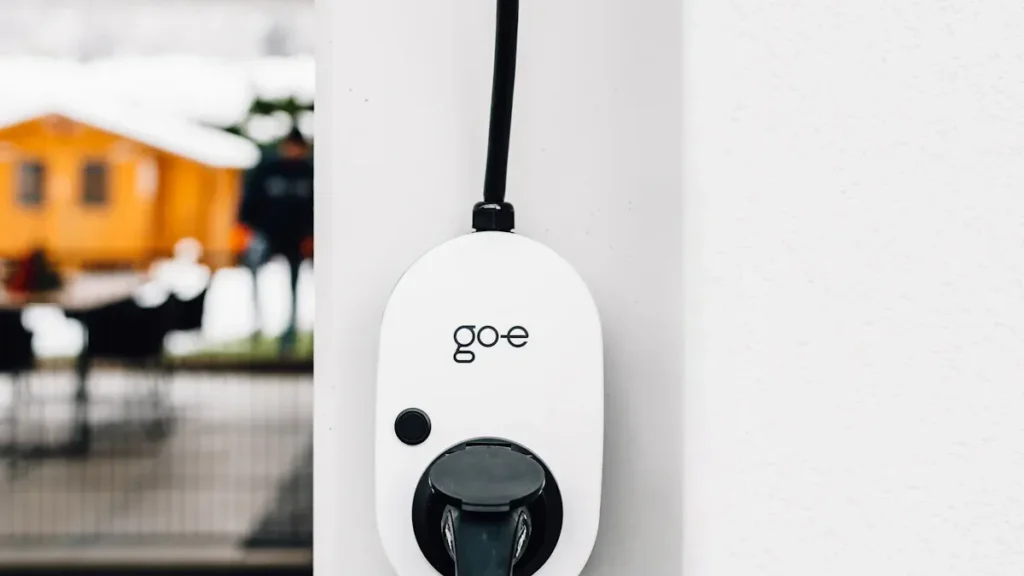
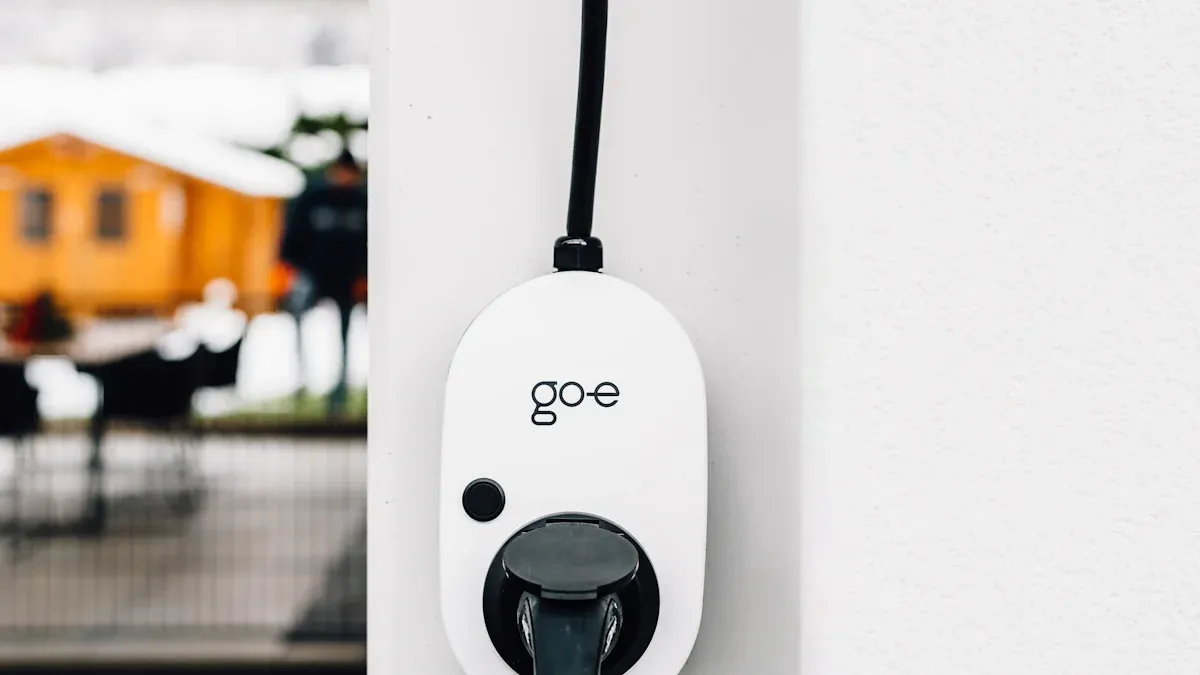
French EV owners often face a decision between pengisi daya EV portabel and wall-mounted chargers. The best choice depends on their living situation and charging needs. Portable EV chargers suit renters, frequent travelers, and apartment dwellers who value flexibility and avoid permanent changes. Wall-mounted chargers fit homeowners with dedicated parking, daily commuters, and those seeking fast charging and advanced energy management at home. The table below highlights these usage patterns:
| Jenis Pengisi Daya | Pola Penggunaan |
|---|---|
| Pengisi Daya Portabel | Ideal for renters, multiple residences, travelers, apartment dwellers, relocation flexibility |
| Wall-mounted Chargers | Best for homeowners, daily commuters, advanced energy management, long-term residency, convenience |
Matching the Pengisi Daya Listrik to lifestyle ensures reliable Solusi pengisian daya kendaraan listrik. Produsen pengisi daya EV recommend careful selection to maximize value.
What Is a Portable EV Charger?
How a Portable EV Charger Works
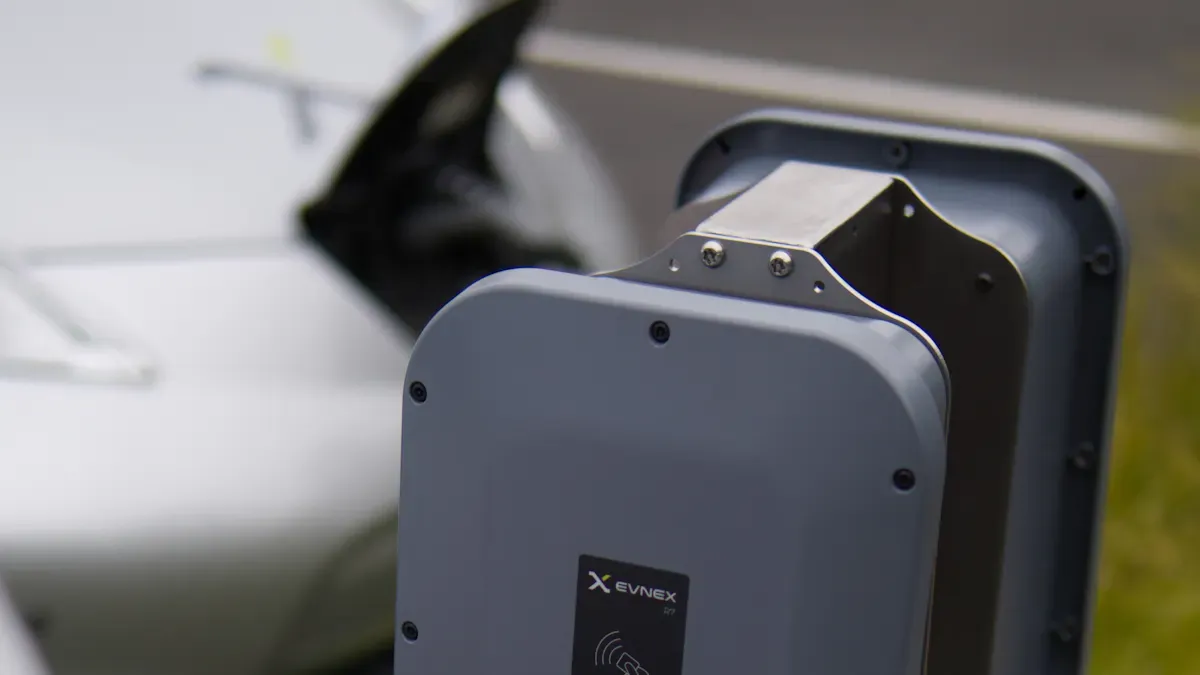
A portable EV charger enables electric vehicle owners to charge their cars wherever a compatible power source exists. The device connects to the vehicle’s charging port and draws electricity from a standard outlet or dedicated socket. The charger converts alternating current (AC) from the grid into direct current (DC) suitable for the EV battery. TPSON, a technologically advanced provider, designs pengisi daya EV portabel that deliver reliable performance and user-friendly operation. Owners simply plug the charger into the power supply, select the charging mode, and monitor progress through a digital interface. The process offers flexibility for those who move frequently or lack access to permanent charging infrastructure.
Key Features of a Portable EV Charger
Pengisi daya listrik portabel offer several features that enhance convenience and safety. Most models include a robust charging cable, a digital display, and built-in safety mechanisms. The following table presents common technical specifications for portable EV chargers available in France:
| Spesifikasi | TP-DC 20kW | TP-DC 30kW | TP-DC 40kW |
|---|---|---|---|
| Nilai Daya | 20kW | 30kW | 40kW |
| Panjang Kabel Pengisian Daya | 5 Meters | 5 Meters | 5 Meters |
| Tegangan Input | AC380V ± 10%, 50 ± 1Hz | AC380V ± 10%, 50 ± 1Hz | AC380V ± 10%, 50 ± 1Hz |
| Rentang Tegangan Output | DC50-1000V | DC50-1000V | DC50-1000V |
| Arus Keluaran | 0-66.7A | 0-100A | 0-133.3A |
| Antarmuka Pengguna | 7-inch color screen | 7-inch color screen | 7-inch color screen |
| Peringkat IP | IP20 | IP20 | IP20 |
Manufacturers equip portable EV chargers with touch screens for easy operation. The IP20 rating ensures basic protection against dust and accidental contact. Cable length allows flexible positioning during charging. High output power supports rapid charging for compatible EVs.
Tip: Owners should check the compatibility of their portable EV charger with their vehicle and local electrical standards before use.
Typical Use Cases for a Portable EV Charger
Portable EV chargers suit a variety of scenarios. Apartment dwellers often rely on portable charging when they lack access to dedicated parking spaces. Renters benefit from the flexibility to move their charger between residences. Frequent travelers use portable EV chargers to ensure reliable charging during road trips or at hotels. Owners with multiple vehicles can share one charger among several cars. Portable charging also serves as a backup solution during emergencies or when wall-mounted chargers are unavailable. The device adapts to different environments, making it a practical choice for those who value mobility and convenience.
What Is a Wall-Mounted EV Charger?
How a Wall-Mounted EV Charger Works
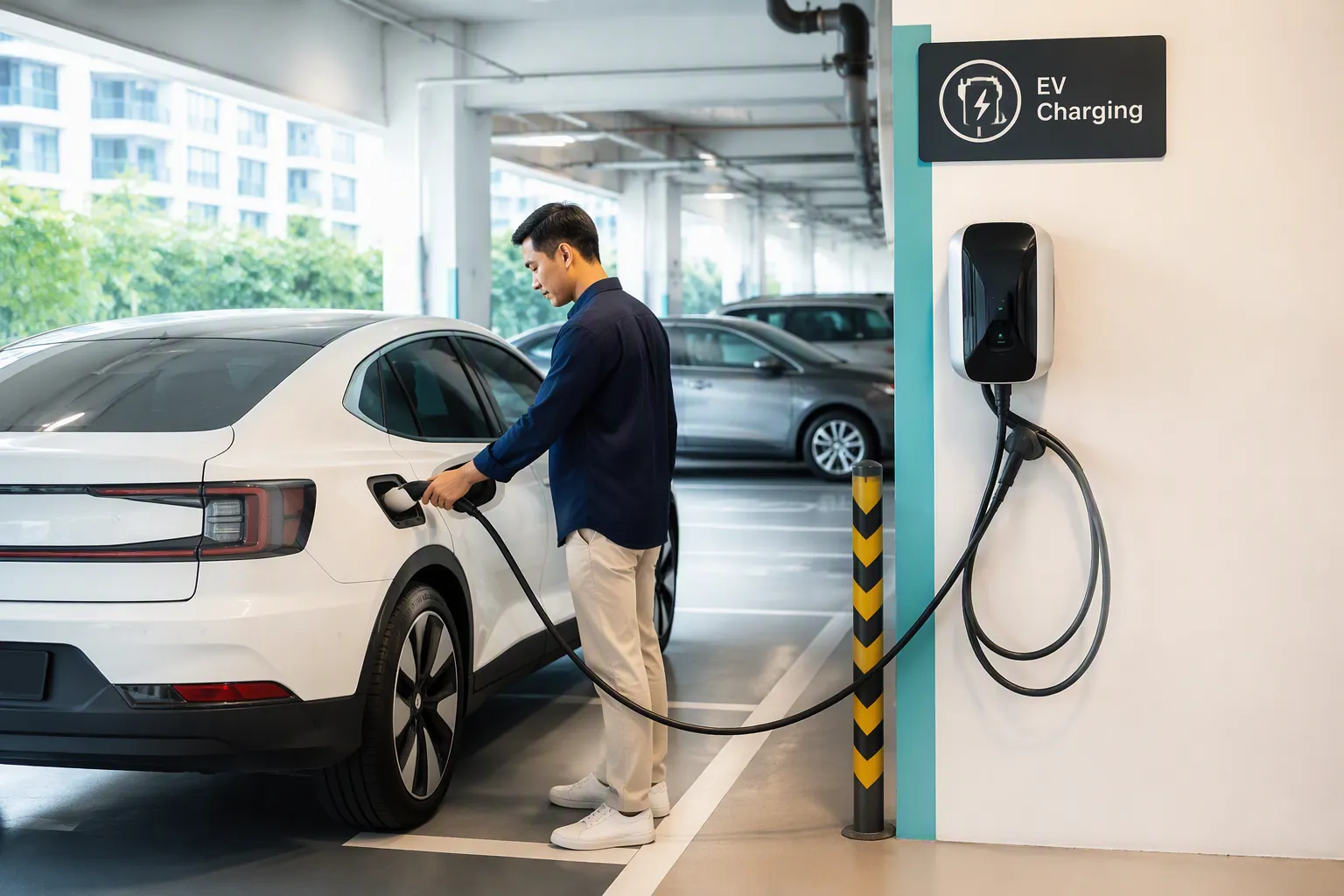
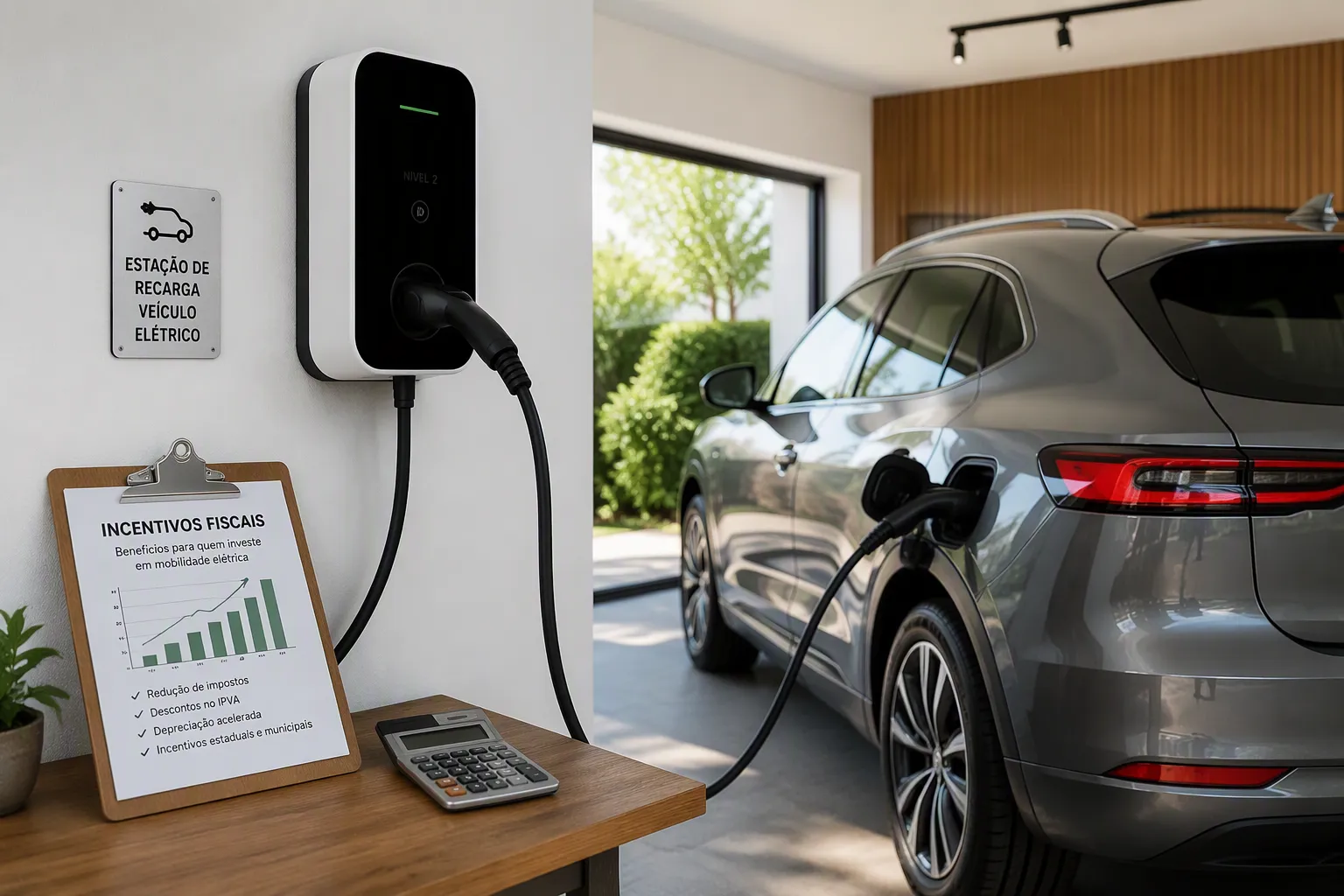
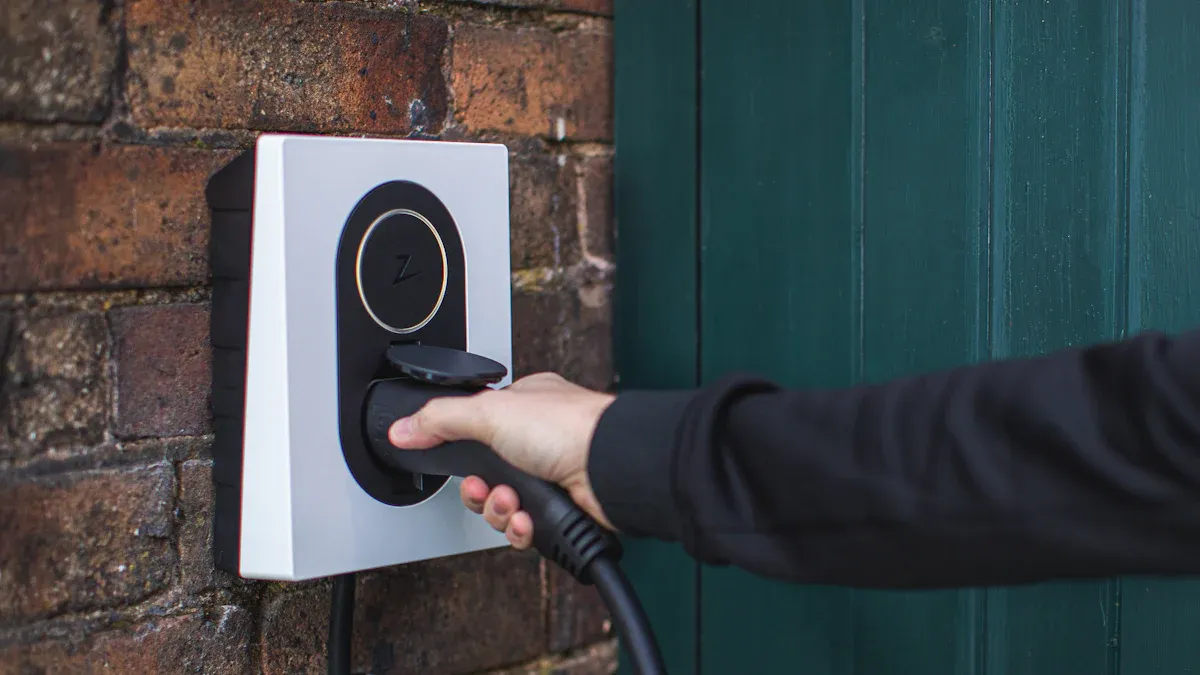
A charger EV tempel dinding delivers a stable and efficient charging solution for electric vehicles. The installer secures the wallbox charger to a fixed location, usually inside a garage or on an exterior wall. The device connects directly to the home’s electrical system, providing a dedicated circuit for charging. Owners plug their EV into the wallbox, and the charger manages the flow of electricity to the vehicle’s battery. The wallbox monitors voltage and current, optimizing the charging process for safety and speed. Many models feature smart controls that allow users to schedule charging sessions or monitor energy consumption remotely.
Note: Wall-mounted chargers require instalasi profesional to ensure compliance with French electrical standards and to maximize safety.
Key Features of a Wall-Mounted EV Charger
Wallbox chargers offer advanced features that enhance the charging experience. Most units provide higher power output than portable chargers, resulting in faster charging times. Smart wallbox models include Wi-Fi connectivity, enabling remote control through mobile apps. Owners can track charging status, adjust settings, and receive notifications. Safety features such as overcurrent protection, temperature monitoring, and automatic shutoff protect both the EV and the home’s electrical system. Weatherproof casings allow outdoor installation, expanding placement options.
The following table highlights typical features found in wall-mounted EV chargers:
| Fitur | Deskripsi |
|---|---|
| Keluaran Daya | Up to 22 kW for residential models |
| Konektivitas | Wi-Fi, Bluetooth, RFID |
| Mekanisme Keselamatan | Overcurrent, surge, temperature protection |
| Antarmuka Pengguna | LED indicators, mobile app, touch screen |
| Lokasi Instalasi | Indoor or outdoor, fixed position |
Wallbox chargers integrate seamlessly with home energy management systems. Some models support load balancing, which prevents electrical overload during peak usage.
Typical Use Cases for a Wall-Mounted EV Charger
Homeowners with private parking spaces benefit most from wall-mounted EV chargers. Daily commuters rely on the wallbox for consistent overnight charging, ensuring their vehicle is ready each morning. Families with multiple EVs often install dual wallbox units to accommodate several vehicles. Residents who value convenience and speed choose wall-mounted chargers for their ability to deliver rapid charging without manual setup. Businesses and commercial properties also install wallbox chargers to support fleet vehicles or offer charging to employees.
- Apartment complexes with dedicated parking may provide wallbox chargers for tenants.
- Homeowners seeking advanced energy management integrate wallbox chargers with solar panels or smart meters.
- Drivers who prioritize reliability and safety prefer fixed charging solutions.
Tip: Before installing a wallbox charger, owners should consult a certified electrician to assess their home’s electrical capacity and ensure compatibility with their EV.
Portable EV Charger vs. Wall-Mounted Charger: Direct Comparison
Kecepatan dan Efisiensi Pengisian Daya
Typical Charging Times for Each Charger
Charging speed remains a critical factor for French EV owners. Portable EV chargers deliver moderate rates, suitable for occasional use and travel. Wall-mounted chargers provide faster charging, ideal for daily home charging routines. The following table compares average kecepatan pengisian daya and power output:
| Fitur | Pengisi Daya Listrik Portabel | Wall-Mounted EV Charger |
|---|---|---|
| Keluaran Daya | 1.4–7.7 kW | 7.4–11.5 kW |
| Kecepatan Pengisian Daya | 3–30 mi/hr | 35–40 mi/hr |
Portable chargers often require several hours to fully charge an EV, especially when using standard outlets. Wall-mounted chargers, with higher power output, achieve faster charging and reduce downtime. Homeowners who prioritize speed benefit from wall-mounted solutions.
Power Output Differences
Power output directly influences charging speed. Portable EV chargers typically operate at lower wattages, making them suitable for emergency or backup charging. Wall-mounted chargers, designed for residential use, offer higher wattages and support faster charging. Energy efficiency also differs between the two options. The table below highlights efficiency ratings:
| Jenis Pengisi Daya | Efisiensi Energi |
|---|---|
| Pengisi Daya Portabel | Sedang |
| Pengisi Daya Portable | Highly Energy Efficient |
Wall-mounted chargers optimize energy use, reducing waste and lowering electricity costs. Portable chargers, while convenient, may not achieve the same efficiency levels. French EV owners seeking faster charging and improved efficiency often select wall-mounted chargers for their home charging setup.
Convenience and Flexibility in Charging
Portability and Travel Benefits
Portable EV chargers excel in flexibility. Owners can transport the charger between locations, making it ideal for road trips, hotel stays, or multiple residences. No installation needed allows renters and travelers to charge their EV without permanent changes. The portable design ensures that users maintain access to charging wherever a compatible outlet exists. Apartment dwellers and frequent travelers value this convenience.
Tip: Portable chargers serve as a reliable backup during emergencies or when wall-mounted chargers are unavailable.
Everyday Home Charging Experience
Wall-mounted chargers transform the daily home charging experience. Owners enjoy plug-and-play convenience, with the charger fixed in a dedicated location. The system supports faster charging, enabling EVs to reach full capacity overnight. Smart features, such as scheduling and remote monitoring, enhance user control. Homeowners with garages or private parking spaces benefit from seamless integration and consistent performance. The wall-mounted charger suits those who prioritize routine and efficiency in their charging setup.
Installation and Setup for Each Charger
Installation Requirements and Process
Portable EV chargers require minimal setup. Owners simply plug the charger into a compatible outlet and begin charging. No installation needed makes portable chargers accessible for renters and those without permanent parking spaces.
Wall-mounted chargers demand a more involved process. Professional installation ensures compliance with French electrical standards and maximizes safety. The table below outlines main persyaratan instalasi for wall-mounted chargers in French homes:
| Persyaratan | Deskripsi |
|---|---|
| Dedicated Power Line | Essential for faster charging and to prevent electrical overload. |
| Minimum Subscribed Power | Recommended minimum of 9 kVa for a 7 kW terminal to allow simultaneous charging and appliance use. |
| Electrical Protections | Use a dedicated differential circuit breaker and ensure compatibility with recent electrical panels. |
| Spesifikasi Kabel | Minimum cross-section of 10 mm², as per manufacturer’s guide. |
| Installation Height | Terminal should be fixed approximately 1.20 meters from the ground. |
| Pemasangan Luar Ruangan | Choose models with a minimum IP54 rating and consider weatherproofing. |
| Testing the Installation | Perform a charging test to ensure proper functionality and check for overheating or power interruptions. |
Installation time varies. Basic wall-mounted charger installations take two to three hours. Complex setups may require several days, especially when upgrading electrical panels or adding weatherproofing.
| Jenis Instalasi | Estimated Time |
|---|---|
| Instalasi Dasar | 2–3 jam |
| Instalasi yang rumit | Several days |
Ease of Use and Daily Operation
Portable EV chargers offer straightforward operation. Owners plug in the charger, select the mode, and monitor progress. The lightweight design and digital interface simplify daily use. Wall-mounted chargers, once installed, provide effortless charging. Owners connect their EV and rely on automated systems for safety and efficiency. Smart features, such as app control and scheduling, further enhance convenience. Both charger types support reliable operation, but wall-mounted chargers deliver a superior home charging experience for those seeking speed and advanced features.
Cost and Value: Which Charger Is the Best Choice?
Upfront Costs and Affordability
French EV owners often weigh the initial investment when selecting a charger. Pengisi daya listrik portabel offer a lower entry point, making them accessible for renters and those who move frequently. Wallbox chargers require a higher upfront cost, reflecting their advanced features and installation requirements. The following table compares average costs in France:
| Jenis Pengisi Daya | Average Cost (GBP) |
|---|---|
| Pengisi Daya Listrik Portabel | £160–£300 |
| Wall-mounted Charger | £700–£1,500+ |
Portable chargers appeal to budget-conscious buyers. Wallbox chargers attract homeowners seeking long-term convenience and performance. Installation fees for wallbox chargers add to the total cost, especially when upgrades to the home’s electrical system are necessary.
Note: Owners should factor in installation costs and potential electrical upgrades when budgeting for a wallbox charger.
Long-Term Savings and Value
Long-term value depends on charging habits and lifestyle. Wallbox chargers deliver faster charging, reducing reliance on public charging stations and saving time. Homeowners benefit from energy management features that optimize electricity use and lower monthly bills. Portable EV chargers provide flexibility, allowing users to avoid installation costs and adapt to changing residences. However, slower charging speeds may increase reliance on public infrastructure, leading to higher ongoing expenses.
Wallbox chargers often integrate with solar panels or smart meters, maximizing savings for eco-conscious owners. Portable chargers serve as backup solutions, supporting occasional drivers and frequent travelers. The choice hinges on balancing upfront cost with ongoing value and convenience.
Safety and Reliability in EV Charging
Built-in Safety Features of Each Charger
Safety remains a top priority for EV owners. Portable EV chargers include basic protections such as overcurrent detection and temperature monitoring. Wallbox chargers offer advanced safety features, including surge protection, automatic shutoff, and weatherproof casings for outdoor installation. Smart wallbox models allow remote monitoring, alerting owners to potential issues.
The following table highlights key safety certifications required for EV chargers in France:
| Certification Body | Jenis Sertifikasi | Deskripsi |
|---|---|---|
| Laboratoire national de métrologie et d’essais (LNE) | EV Charger Certification | First direct current billing meter certified for France’s EV charging market. |
| BSI Group | Kitemark Certification | Certification aligned with IEC 61851-1 standard for EV chargers, ensuring safety and quality. |
Wallbox chargers meet rigorous standards, providing peace of mind for homeowners. Portable chargers offer essential protections, suitable for temporary or emergency use.
Tip: Owners should verify that their charger meets French safety certifications before purchase.
Risks and Precautions for French EV Owners
French EV owners must consider safety considerations when installing and using chargers. Wallbox chargers require professional installation to prevent electrical hazards and ensure compliance with local standards. Portable chargers should only connect to outlets capable of handling the required power. Overloading circuits or using incompatible sockets increases the risk of fire or equipment damage.
Owners should inspect chargers regularly for wear and tear. Weatherproofing is essential for outdoor wallbox installations. Portable chargers must remain dry and protected from extreme temperatures. Following manufacturer guidelines and consulting certified electricians reduces risks and enhances reliability.
Alert: Never use damaged cables or chargers. Immediate replacement prevents accidents and protects the vehicle.
Compatibility with French Homes and EVs
Meeting French Electrical Standards
Compatibility with French electrical standards ensures safe and efficient charging. Wallbox chargers require a dedicated power line, minimum subscribed power, and proper electrical protections. Portable EV chargers must match the voltage and current specifications of the home’s outlets. Certification from LNE and BSI Group confirms compliance with national regulations.
French homes vary in electrical capacity. Owners should assess their system before installing a wallbox charger. Portable chargers offer flexibility but may not support high-power charging in older residences.
Vehicle Compatibility and Charging Options
EV owners must select chargers compatible with their vehicle’s charging port and battery specifications. Wallbox chargers support a wide range of EV models, offering adjustable power output and smart features. Portable EV chargers suit vehicles with standard charging requirements, providing mobility and convenience.
Charging options depend on the vehicle’s onboard charger and battery size. Wallbox chargers deliver faster home charging, ideal for daily commuters and families with multiple vehicles. Portable chargers serve occasional drivers and those who travel frequently.
Note: Owners should consult their vehicle’s manual and charger specifications to ensure compatibility and optimal performance.
Pros and Cons of Portable EV Charger and Wall-Mounted Charger
Portable EV Charger: Pros
French EV owners recognize several advantages and disadvantages when considering a pengisi daya EV portabel. Portability stands out as a major benefit. Drivers can recharge their vehicles anywhere, whether at home, work, or while traveling. The charger’s small size and lightweight design make it easy to carry, supporting mobility and flexible charging options. No installation is required, so users avoid extra costs and can plug into existing sockets. This feature appeals to renters and those who move frequently. The portable charger offers versatile usage, allowing charging at home, workplaces, or campsites where an outlet is available. Many owners appreciate the lower cost compared to fixed charging stations.
| Keuntungan | Deskripsi |
|---|---|
| Portabilitas | Small, lightweight, and easy to carry, providing charging flexibility. |
| No Installation Needed | Can be plugged into existing sockets, avoiding installation costs. |
| Versatile | Usable at home, workplaces, or campsites where an outlet is available. |
| Lower Cost | Typically cheaper than installing a fixed charging station. |
- Portability allows recharging anywhere, enhancing convenience.
- Versatile usage at various locations, including home and travel.
- Faster home charging options with minimal installation costs.
Tip: Portable chargers serve as a practical backup during emergencies or when wall-mounted chargers are unavailable.
Portable EV Charger: Cons
Despite the benefits, portable chargers present some limitations. Charging speed is often slower compared to wall-mounted units, especially when using standard outlets. This can lead to longer wait times for a full charge. Some portable chargers may not support high-power charging, restricting their use with larger EV batteries. Safety concerns arise if users connect the charger to incompatible or overloaded sockets. Weather conditions can affect performance, as portable chargers may lack robust protection against moisture or extreme temperatures. Owners must check compatibility with their vehicle and local electrical standards before use. Frequent travel with a portable charger may result in wear and tear, reducing reliability over time.
Alert: Always inspect the charger and cables for damage before use to prevent accidents and ensure safe charging.
Wall-Mounted Charger: Pros
Wall-mounted chargers deliver significant advantages for French EV owners. Charging at home provides unmatched convenience, eliminating the need to visit public stations. Owners can rely on faster charging speeds, ensuring their vehicle is ready for daily use. The charger integrates with home energy systems, supporting advanced features like scheduling and remote monitoring. Many wall-mounted chargers connect to renewable energy sources, such as solar panels, allowing drivers to power their EV with clean energy. This reduces running costs and minimizes the carbon footprint. Financial savings are substantial, with charging costs as low as 2p per mile compared to petrol vehicles. The fixed installation ensures reliability and safety, meeting French electrical standards.
Note: Wall-mounted chargers offer seamless integration with home energy management, supporting sustainable EV ownership.
Wall-Mounted Charger: Cons
Wall-mounted EV chargers offer many advantages, but French EV owners must consider several drawbacks before making a decision. These disadvantages can impact cost, convenience, and flexibility.
Higher Upfront Costs
Wall-mounted chargers require a significant initial investment. Owners must pay for the charger itself, professional installation, and sometimes upgrades to their home’s electrical system. These expenses can reach over £1,500, especially in older homes that need new wiring or panels.Complex Installation Process
Installing a wall-mounted charger demands expertise. Electricians must assess the home’s electrical capacity, install a dedicated circuit, and ensure compliance with French standards. This process can take several hours or even days. Apartment dwellers or renters may face restrictions from landlords or building management, making installation impossible.Lack of Portability
Wall-mounted chargers remain fixed in one location. Owners cannot move the charger if they relocate or travel. This limitation reduces flexibility for renters, frequent travelers, or those with multiple residences.Masalah Kompatibilitas Potensial
Some older homes in France may not support high-power charging. Owners must check their electrical system before installation. Wall-mounted chargers may not suit every EV model, especially if the vehicle requires a specific connector or charging protocol.Pemeliharaan dan Perbaikan
Wall-mounted chargers require regular maintenance. Owners must inspect the unit for wear, weather damage, or electrical faults. Repairs can be costly and may require professional service.
| Disadvantage | Impact on French EV Owners |
|---|---|
| High Upfront Cost | Increases financial burden, especially for renters |
| Kompleksitas Instalasi | Limits accessibility for apartments and older homes |
| Fixed Location | Reduces flexibility for relocation or travel |
| Compatibility Concerns | May not suit all homes or EV models |
| Kebutuhan Pemeliharaan | Adds ongoing costs and responsibilities |
Note: Owners should consult a certified electrician before purchasing a wall-mounted charger. This step ensures compatibility and safety.
French EV owners must weigh these disadvantages against the benefits. Wall-mounted chargers suit homeowners with stable residences and dedicated parking. Renters, travelers, and those seeking flexibility may prefer portable solutions. Careful consideration helps owners select the best charger for their needs.
Best Choice Scenarios: Who Should Choose Which EV Charger?
Best Choice for Apartment Dwellers
Apartment dwellers in France face unique challenges when selecting an EV charger. Many lack access to dedicated parking or permanent electrical infrastructure. Portable chargers offer the best use cases for these residents. They can move the charger as needed, avoid installation costs, and charge their vehicle at any compatible outlet. Plug-in chargers suit renters who relocate frequently or share parking spaces. Wall-mounted chargers, while offering faster charging, often require professional installation and landlord approval. The following table compares features relevant to apartment dwellers:
| Fitur | Hardwired Chargers | Plug-in Chargers |
|---|---|---|
| Kecepatan Pengisian Daya | Faster charging capabilities | Slower charging capabilities |
| Biaya Instalasi | Higher due to professional installation | Lower, can be self-installed |
| Portabilitas | Fixed location, not easily moved | Portable, can be moved as needed |
| Estetika | Mounted, less clutter | Can create clutter, may be unsightly |
| Kenyamanan | Always ready to use | Requires plugging and unplugging |
| Electrical Load | N/A | May require panel upgrade if older |
| Daya tahan | Generally more durable | Typically less durable due to portability |
| Kompatibilitas | May have compatibility issues with some EVs | Usually compatible with all EVs |
Apartment dwellers benefit most from pengisi daya portabel, especially when flexibility and affordability matter. These chargers provide the best use cases for temporary living situations and shared spaces.
Best Choice for Homeowners with Garages
Homeowners with garages enjoy greater control over their charging environment. Wall-mounted chargers deliver the best use cases for these individuals. They offer rapid charging, integrate with home energy systems, and provide consistent performance. Owners can install a dedicated circuit, ensuring safety and reliability. Wall-mounted chargers remain fixed, reducing clutter and supporting advanced features like scheduling and remote monitoring. Homeowners who drive daily or own multiple vehicles find wall-mounted chargers ideal for their needs. The best use cases include overnight charging, energy management, and seamless integration with solar panels.
Tip: Homeowners should consult a certified electrician before installing a wall-mounted charger to ensure compatibility with their electrical system.
Best Choice for Frequent Travelers
Frequent travelers require flexibility and access to charging on the go. Portable chargers suit these individuals, allowing them to charge their EV at hotels, campsites, or temporary residences. Travelers rely on apps to locate public charging stations and manage charging sessions. The number and availability of rapid and ultra-rapid chargers across France play a crucial role in their travel plans. Portable chargers provide backup options when public stations are unavailable. The best use cases for frequent travelers include road trips, emergency charging, and charging at multiple locations.
- Level 1 chargers offer slow, overnight charging at standard outlets.
- Level 2 chargers provide faster charging for daily needs but require installation.
- Level 3 chargers deliver rapid charging at public stations, ideal for long-distance travel.
Frequent travelers benefit from portable chargers for their mobility and convenience. They also depend on public infrastructure for rapid charging during extended journeys.
Best Choice for Occasional Drivers
Occasional drivers in France often use their electric vehicles for weekend trips, errands, or leisure activities. They do not rely on their EV for daily use. For these individuals, flexibility and cost-effectiveness matter most. A portable EV charger meets these needs well. It allows drivers to charge their vehicle at home or while visiting friends and family. No permanent installation is required, which saves money and avoids the need for professional help.
A portable charger also serves as a backup solution. If a public charging station is unavailable, the driver can use any compatible outlet. This option reduces stress during unexpected situations. Occasional drivers often live in apartments or shared housing. They may not have access to a private parking space. The portable charger adapts to different environments and supports a variety of vehicles.
Tip: Occasional drivers should check the power rating of their home outlets before using a portable charger. This step ensures safe and efficient charging.
A simple comparison helps clarify the best choice:
| Kriteria | Pengisi Daya Portabel | Pengisi Daya Tipe Dipasang di Dinding |
|---|---|---|
| Biaya Awal | Rendah | Tinggi |
| Diperlukan Instalasi | Tidak. | Ya. |
| Fleksibilitas | Tinggi | Rendah |
| Kecepatan Pengisian Daya | Sedang | Cepat |
| Terbaik untuk | Pengemudi Kasual | Daily Commuters |
Portable chargers offer the right balance of affordability and convenience for those who do not drive every day.
Best Choice for Daily Commuters
Daily commuters in France depend on their electric vehicles to travel to work, school, or other regular destinations. They need a reliable and fast charging solution. A wall-mounted charger provides the best experience for daily use. It delivers higher power output, which means the vehicle charges quickly overnight. The driver starts each day with a full battery and avoids delays.
Wall-mounted chargers often include smart features. These features allow users to schedule charging sessions and monitor energy consumption through a mobile app. The fixed location ensures the charger is always ready. Homeowners with a garage or private parking space benefit most from this setup. The wall-mounted charger integrates with home energy systems and supports advanced safety features.
Note: Daily commuters should consult a certified electrician before installing a wall-mounted charger. This step ensures the home’s electrical system can handle the increased load.
A wall-mounted charger represents a long-term investment. It reduces reliance on public infrastructure and supports a seamless charging routine. For those who drive every day, the convenience and speed of a dedicated home charger outweigh the higher initial cost.
Buyer Checklists for Portable EV Charger and Wall-Mounted Charger
Portable EV Charger Buyer Checklist
A portable EV charger offers flexibility for drivers who need charging solutions in multiple locations. Buyers in France should consider several important features before making a purchase.
- Check if the charger is compatible with the vehicle’s charging port and battery specifications.
- Ensure the charger supports use in various environments, such as hotels, homes, or campsites.
- Look for a robust design that resists dust and water. A waterproof and dustproof charger will withstand different weather conditions.
- Confirm the charger includes essential safety features, such as overcurrent protection and temperature monitoring. Many chargers supplied with vehicles are for emergency use and may lack these protections.
- Review the cable length to ensure it meets daily needs.
- Evaluate the digital display or interface for ease of use and clear charging status updates.
- Verify the charger meets French electrical standards and carries the necessary certifications.
- Consider the weight and portability for easy transport and storage.
Tip: A reliable portable charger can serve as a backup during emergencies or when public charging stations are unavailable.
Wall-Mounted Charger Buyer Checklist
A wallbox charger provides a dedicated charging unit for home charging. Buyers should review several factors to ensure the best fit for their property and driving habits.
- Confirm compatibility with the home’s electrical system and the vehicle’s charging requirements.
- Choose a model with sufficient power output to support fast charging.
- Look for smart features, such as scheduling, remote monitoring, and integration with home energy management systems.
- Ensure the charger includes advanced safety mechanisms, including surge protection and automatic shutoff.
- Select a weatherproof model for outdoor installation, with a minimum IP54 rating.
- Check that the installation location allows for easy access and cable management.
- Verify the charger meets all French safety and quality certifications.
- Plan for instalasi profesional to guarantee compliance with local regulations and safe operation.
Note: A dedicated charging unit at home increases convenience and supports long-term savings by reducing reliance on public charging infrastructure.
Keputusan Akhir: Pilihan Terbaik bagi Pemilik Kendaraan Listrik di Prancis
Tabel Ringkasan: Pengisi Daya yang Cocok untuk Jenis Pemilik
Memilih opsi pengisian daya terbaik bergantung pada gaya hidup, kondisi tempat tinggal, dan kebiasaan mengemudi setiap pemilik. Tabel berikut merangkum jenis pengisi daya yang sesuai dengan berbagai profil pengguna di Prancis:
| Profil Pemilik | Pilihan Terbaik | Alasan Opsi Ini Paling Efektif |
|---|---|---|
| Penghuni Apartemen | Pengisi Daya Portabel | Menawarkan fleksibilitas, tidak memerlukan instalasi, adaptif untuk ruang bersama |
| Pemilik Rumah dengan Garasi | Pengisi Daya Tipe Dipasang di Dinding | Menyediakan pengisian cepat, andal, dan fitur-fitur canggih |
| Pelancong Rutin | Pengisi Daya Portabel | Memungkinkan pengisian daya di mana saja, mendukung mobilitas |
| Pengemudi Kasual | Pengisi Daya Portabel | Menawarkan harga terjangkau dan pengisian cadangan |
| Daily Commuters | Pengisi Daya Tipe Dipasang di Dinding | Memberikan pengisian cepat dan konsisten untuk penggunaan harian |
Ringkasan ini membantu pemilik kendaraan listrik di Prancis dengan cepat mengidentifikasi pilihan terbaik sesuai kebutuhan unik mereka.
Poin-Poin Penting dalam Memilih Pengisi Daya Kendaraan Listrik Anda
Pemilik kendaraan listrik di Prancis menghadapi keputusan penting saat memilih solusi pengisian daya. Data pasar menunjukkan bahwa keterjangkauan dan infrastruktur pengisian daya tetap menjadi prioritas utama. Banyak pengemudi ragu-ragu beralih ke kendaraan listrik karena biaya awal yang tinggi dan waktu pengisian yang lama. Kecemasan akan jangkauan juga mempengaruhi keputusan, karena sebagian besar pengguna menginginkan jarak tempuh 300 hingga 400 kilometer dan lebih memilih sesi pengisian daya di bawah 30 menit.
Untuk membuat pilihan terbaik, pemilik harus:
- Menilai kondisi tempat tinggal mereka. Pemilik rumah dengan parkir pribadi paling diuntungkan dari pengisi daya dinding, sementara penyewa dan pelancong mendapatkan fleksibilitas dari opsi portabel.
- Mempertimbangkan kebiasaan mengemudi harian. Komuter harian membutuhkan pengisian daya yang cepat dan andal di rumah. Pengemudi sesekali dapat menghemat biaya dengan pengisi daya portabel.
- Mempertimbangkan instalasi dan nilai jangka panjang. Pengisi daya dinding memerlukan pemasangan profesional tetapi menyediakan fitur canggih dan manajemen energi. Pengisi daya portabel menawarkan biaya awal lebih rendah dan kemudahan relokasi.
- Memprioritaskan keselamatan dan kompatibilitas. Selalu pilih pengisi daya yang memenuhi standar kelistrikan Prancis dan sesuai dengan persyaratan kendaraan.
Tips: Menyesuaikan solusi pengisian daya dengan gaya hidup dan pola mengemudi memastikan kenyamanan, keamanan, dan kepuasan jangka panjang.
Pilihan terbaik bagi sebagian besar pemilik kendaraan listrik di Prancis bergantung pada keseimbangan biaya, kenyamanan, dan kecepatan pengisian. Mereka yang menghargai fleksibilitas dan keterjangkauan sering memilih pengisi daya portabel. Pemilik rumah yang menginginkan pengisian cepat dan mulus di rumah menemukan pengisi daya dinding sebagai pilihan terbaik. Setiap opsi memenuhi kebutuhan spesifik, membantu pengemudi mengatasi hambatan dan menikmati manfaat mobilitas listrik.
Pemilik kendaraan listrik di Prancis harus memilih pengisi daya yang sesuai dengan kondisi tempat tinggal dan kebiasaan mengemudi mereka. Pengisi daya dinding cocok untuk pemilik rumah yang membutuhkan pengisian cepat dan andal. Pengisi daya portabel menawarkan fleksibilitas bagi penyewa dan pelancong. Menyesuaikan pengisi daya dengan kebutuhan pribadi memastikan keamanan dan kenyamanan.
Tinjau daftar periksa pembeli sebelum membuat keputusan akhir. Langkah ini membantu pemilik menghindari kesalahan yang mahal dan memilih solusi pengisian daya terbaik.
- Pengisi daya dinding memberikan kecepatan dan fitur-fitur canggih.
- Pengisi daya portabel menyediakan mobilitas dan keterjangkauan.
PERTANYAAN YANG SERING DIAJUKAN
Apa perbedaan utama antara pengisi daya kendaraan listrik portabel dan dinding?
Pengisi daya portabel menawarkan fleksibilitas dan mobilitas untuk pengisian daya di berbagai lokasi. Pengisi daya dinding menyediakan pengisian yang lebih cepat dan andal di tempat tetap, biasanya di rumah. Masing-masing sesuai dengan gaya hidup dan kebutuhan yang berbeda.
Dapatkah pengisi daya kendaraan listrik portabel mengisi penuh setiap kendaraan listrik?
Sebagian besar pengisi daya portabel dapat mengisi daya kendaraan listrik apa pun dengan konektor yang kompatibel. Namun, kecepatan pengisian mungkin lebih lambat, terutama untuk kendaraan dengan baterai besar. Selalu periksa kompatibilitas dengan spesifikasi kendaraan.
Apakah instalasi profesional diperlukan untuk pengisi daya dinding?
Ya. Pengisi daya dinding memerlukan instalasi profesional untuk memastikan keamanan dan kepatuhan terhadap standar kelistrikan Prancis. Seorang ahli listrik akan menilai sistem kelistrikan rumah dan memasang pengisi daya dengan benar.
Apakah pengisi daya EV portabel aman digunakan di luar ruangan?
Beberapa pengisi daya portabel memiliki desain tahan cuaca untuk penggunaan luar ruangan. Pemilik harus memeriksa peringkat IP dan mengikuti pedoman pabrikan. Jangan pernah menggunakan pengisi daya dalam kondisi basah atau ekstrem kecuali dinilai untuk lingkungan tersebut.
Berapa biaya memasang pengisi daya dinding di Prancis?
Biaya instalasi bervariasi berdasarkan sistem kelistrikan rumah dan model pengisi daya. Rata-rata, pemilik di Prancis membayar antara £700 dan £1.500, termasuk instalasi profesional dan kemungkinan peningkatan kelistrikan.
Dapatkah pengisi daya dinding bekerja dengan panel surya?
Banyak pengisi daya dinding mendukung integrasi dengan sistem panel surya rumah. Fitur ini memungkinkan pemilik mengisi daya kendaraan listrik mereka menggunakan energi terbarukan, mengurangi biaya listrik dan dampak lingkungan.
Pemeliharaan apa yang diperlukan pengisi daya kendaraan listrik?
Baik pengisi daya portabel maupun dinding memerlukan inspeksi rutin untuk keausan, kerusakan, atau koneksi longgar. Pemilik harus membersihkan konektor, memeriksa kabel, dan mengikuti rekomendasi perawatan pabrikan untuk memastikan operasi yang aman dan andal.