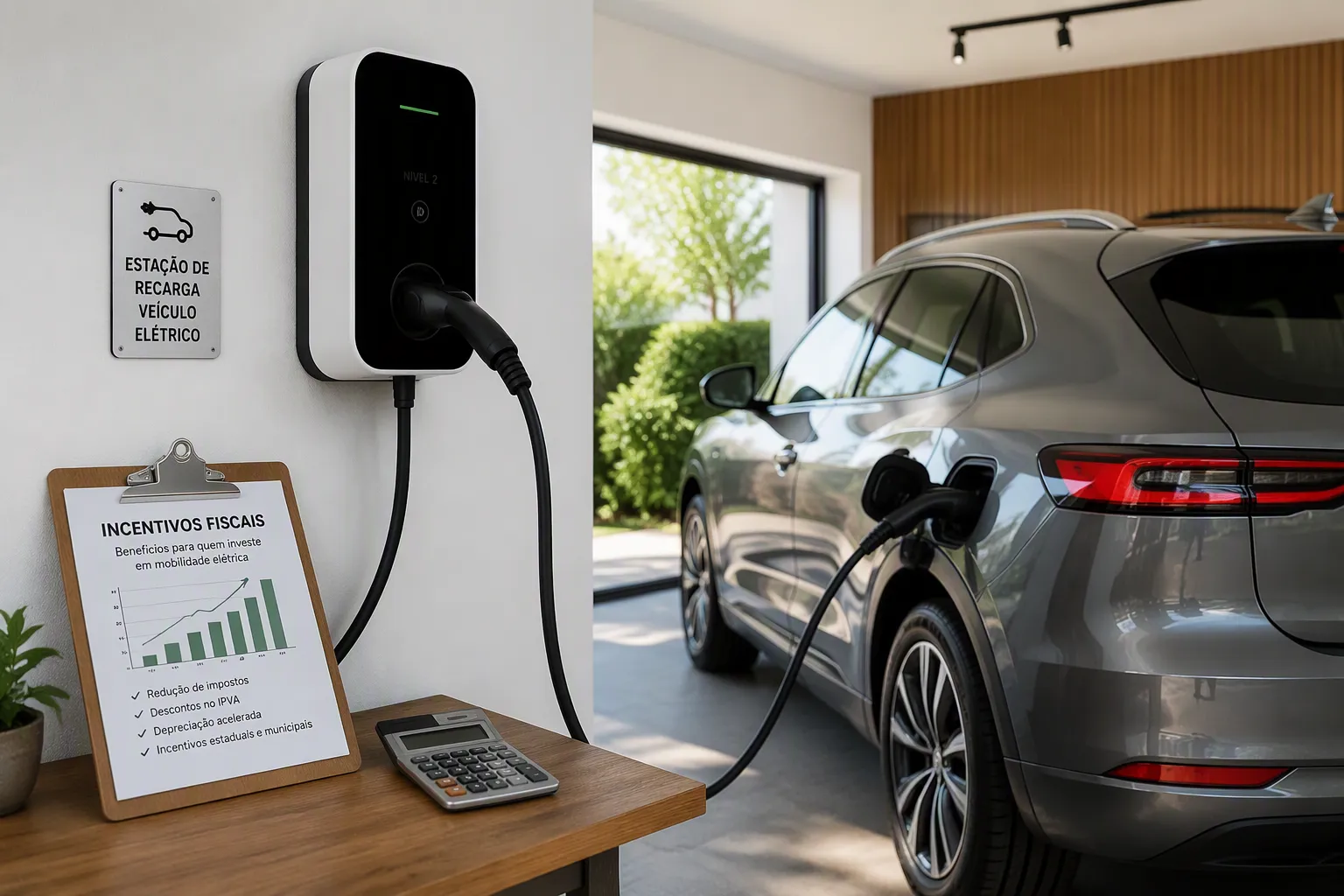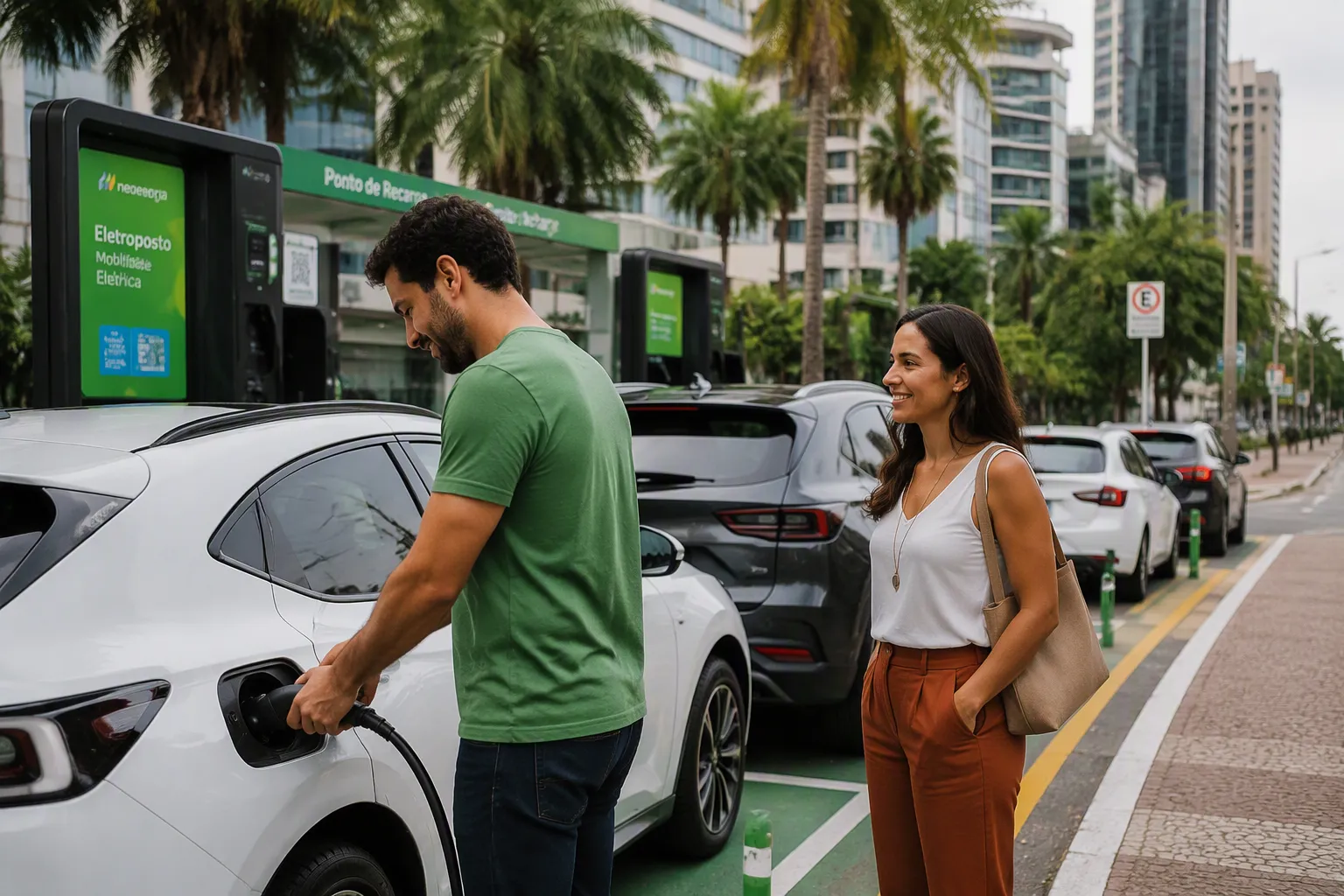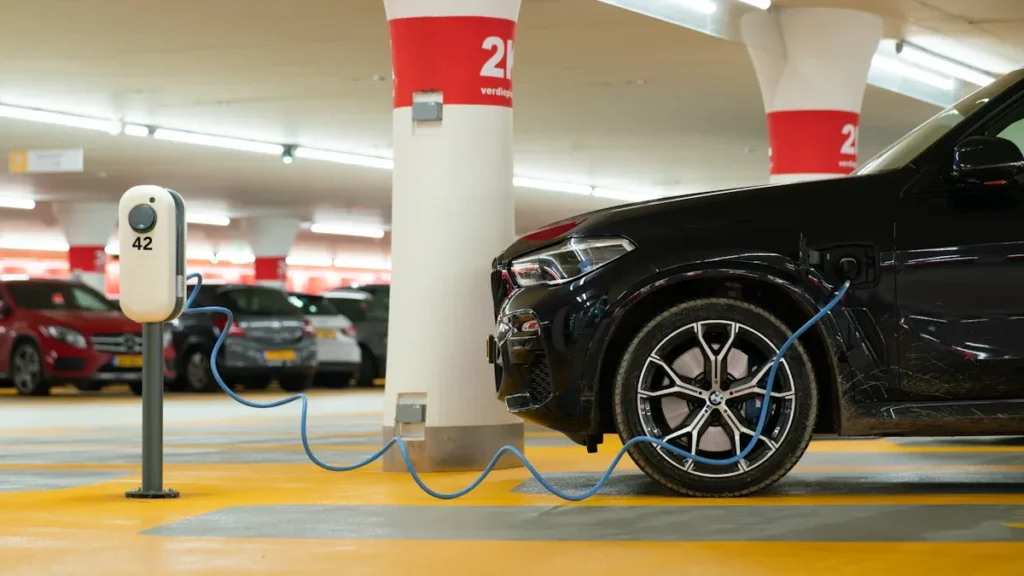

An electric vehicle driver almost always needs to pay for parking. Parking and charging are two different services. A free charge does not equal a free spot for an EV.
The Golden Rule: If a parking area has signs or pay stations, the EV driver must pay the fee. This rule applies whether the electric car is charging or not.
Dirigir Fabricantes de cargadores para VE como TPSON proporcionan Soluciones de recarga de vehículos eléctricos. Their products, from a stationary Cargador EV a cargadores portátiles para vehículos eléctricos, deliver a reliable charge, but the parking is not free. A free charging session is not free parking.
The Golden Rule: Parking and Charging Are Separate
Many new electric vehicle drivers are surprised to learn that parking and charging are two distinct transactions. An EV driver is essentially purchasing two services at the same time. Understanding this separation is key to avoiding fines and frustration.
Why You’re Billed for Two Different Services
The costs associated with parking an EV and getting a charge come from different sources. One is a real estate transaction, while the other is a utility service.
Parking as a Real Estate Cost
A parking space is a small piece of real estate. The owner of the garage or lot charges a fee for the temporary use of that land. This fee covers the owner’s expenses, such as property taxes, maintenance, lighting, and security. The cost of parking exists whether a vehicle is electric or gasoline-powered.
Charging as a Utility Service
Electric car charging is a utility service. When an EV driver plugs in, they are purchasing electricity. The cost of this charge covers the energy consumed, the maintenance of the charging hardware, and the software that manages the session. Advanced EV charging solutions from providers like TPSON deliver a reliable charge, but this service is separate from the physical parking spot. The process of charging your vehicle is a metered utility sale.
Different Companies, Different Bills
Often, the company that owns the parking lot is not the same company that operates the EV charging network. A property management firm might run the garage, while an electric mobility provider manages the charging stations. This means an EV driver must complete two separate payments to two different businesses for using one spot.
How to Think About the Two Transactions
To simplify the process, an EV driver should view the experience as two independent actions. This mindset helps ensure they pay for both services correctly.
A Simple Analogy: Think of it like buying a coffee inside a bookstore. You pay the cafe for the coffee and the bookstore for the book. You are in one location but making two separate purchases. The same logic applies to EV charging and parking.
Paying the Parking Lot Operator
The first transaction is for the parking space itself. An EV driver pays the garage or lot operator for the right to occupy the spot for a specific duration. This payment is usually made via a pay station, a mobile app, or a parking attendant.
Paying the EV Charging Network
The second transaction is for the electricity. The EV driver pays the red de tarificación for the energy transferred to the electric car’s battery. This payment for the charge is almost always handled through the charging station’s dedicated app or a credit card reader on the unit. An EV driver must initiate and pay for this charging session separately from the parking fee. It is a common mistake to assume one payment covers both the charge and the parking.
How to Know if You Need to Pay for Parking
An EV driver must become an expert at spotting payment requirements. The clues are always present, split between physical signs and digital instructions. Ignoring them can lead to costly mistakes. The first step is always to survey the physical environment before plugging in for a charge.
Read the Physical Signs Around You
The most reliable information about parking fees is found on signs posted around the EV charging spot. These signs are the legally binding instructions for the property.
Look for Pay Stations and Kiosks
Central pay stations or kiosks are common in garages and surface lots. An EV driver should look for a large, automated machine that accepts cash or cards. These kiosks typically require the driver to:
- Enter their license plate number.
- Select the duration of their parking session.
- Make a payment.
A receipt may be issued, but payment is often tracked digitally. This process is completely separate from initiating the electric vehicle charge.
Check for Traditional Parking Meters
Some street-side spots or older lots still use individual parking meters. If an EV charging space has a meter next to it, the driver must pay it. These meters accept coins, cards, or sometimes a tap-to-pay function. The meter’s timer shows the remaining paid parking time, which runs independently of the charging session.
Find Zone Numbers for Parking Apps
Many municipalities and private operators now use mobile apps to manage parking payments. An EV driver should look for signs displaying a specific “Zone Number.” This number is entered into a designated parking app (like PayByPhone or RingGo) to start and pay for a session. This is a common source of error, as the EV driver might be focused on the charging app and forget to open the separate parking app.
Scan for Rules on Garage Walls or Pillars
In complex environments like multi-story garages, rules are often posted on walls, pillars, or large entrance signs. However, this signage can be a significant source of confusion. A UK survey revealed that over 81% of drivers find parking signs unclear. This problem is amplified at EV bays where rules about active charging are not always obvious.
Signage Ambiguity: Drivers should be aware that stickers on an electric vehicle charger are often not considered sufficient legal signage. Regulations may require upright, pole-mounted signs for rules to be enforceable. These stickers can be ripped, obscured when a vehicle is charging, or placed too low to be easily seen, making it difficult to understand the parking requirements.
Check the Digital Instructions
After checking the physical signs, the next step is to consult the digital interfaces associated with the charging process. These tools often provide a second layer of information.
Read the Charging Station’s Screen
The screen on the charging point itself is a primary source of information. Before starting a charge, an EV driver should read all prompts carefully. The screen on an advanced cargador para vehículos eléctricos, like those from technology provider TPSON, may display a message such as:
"Parking fees are managed separately. Please pay at the kiosk.""This charging session does not include parking. See signs for payment."
This confirms that two separate actions are needed.
Look for Alerts in the Charging App
The mobile app used to start the EV charging session is another critical checkpoint. When a driver selects a specific charging station within the app, it may trigger an alert or display a prominent note about the location’s parking policy. For example, a pop-up might warn the user that they are in a paid parking zone and must pay the property owner directly. This digital reminder helps prevent an EV driver from assuming the charge payment covers everything.
Scan QR Codes for Parking Information
A growing number of locations use QR codes to streamline payments. An EV driver might find two different QR codes at the bay:
- One on the charger to start and pay for the electric charge.
- A second one on a sign or pillar specifically for parking payment.
Scanning this second code typically leads to a web portal where the driver can pay for parking. It is essential for the coche eléctrico owner to verify what each QR code is for before completing the transaction.
Understanding Different Location Rules for Electric Car Parking
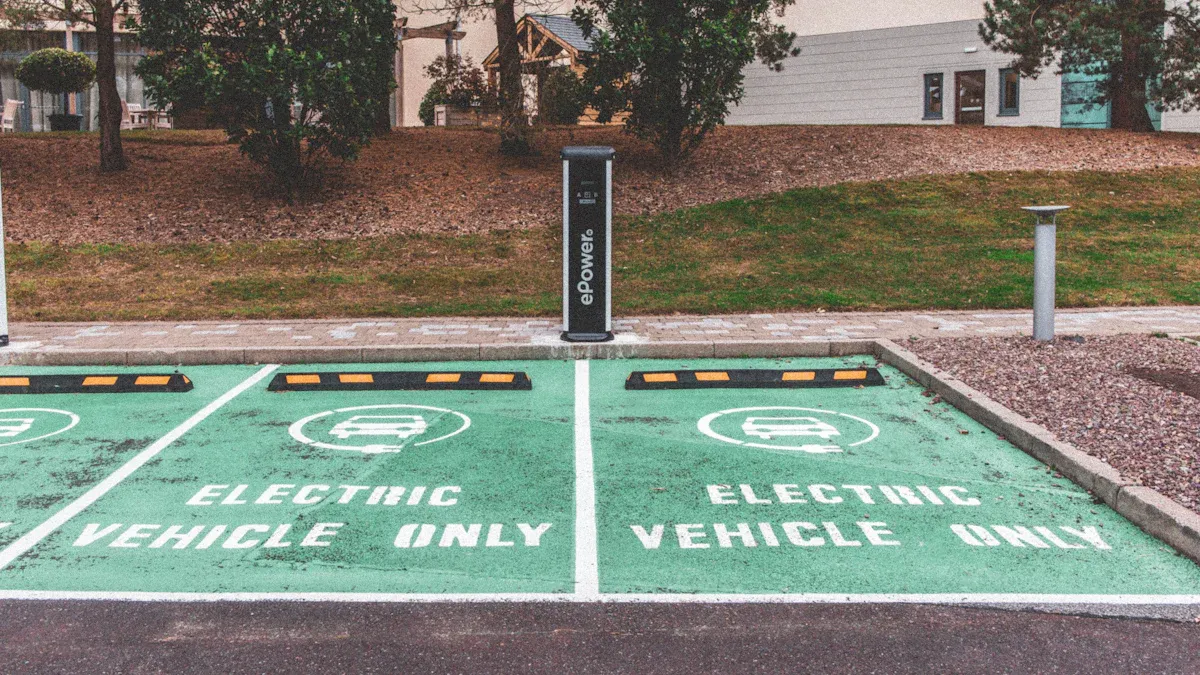
Parking rules for an electric vehicle change significantly depending on the location. An EV driver must adapt to the specific policies of garages, street-side spots, and retail centers. Assuming one location’s rules apply everywhere is a recipe for a fine.
Public and Private Parking Garages
Garages are commercial operations that sell the use of space. Free parking is extremely rare in these environments. The electric car parking rules are typically the same for every vehicle.
Hourly and Daily Rate Structures
Most garages charge for parking by the hour or by the day. An EV driver pays these standard rates just like the driver of a gasoline car. The fee for the electric charge is an additional cost.
- Hourly Rate: The driver pays for each hour the vehicle occupies the space.
- Daily Rate: A flat fee covers parking for up to 24 hours.
This structure means a long charging session can result in a substantial parking bill.
Event and Surge Pricing Rules
Garages near stadiums, concert halls, or convention centers often implement event pricing. During these times, parking rates can increase dramatically. An EV driver should check for event rate signs before entering. This higher parking fee is completely separate from the cost to charge the electric vehicle.
Street-Side Metered Spots
On-street electric car spaces offer convenience but come with strict regulations. These spots are managed by local authorities to ensure vehicle turnover.
Time Limits and Restrictions
Most metered spots have posted time limits, such as “2-Hour Parking.” An EV driver must move their electric car once the paid time expires, even if the battery is not full. Staying beyond the limit can result in a ticket. Some zones may also have restrictions during certain hours for street cleaning or rush hour traffic.
Paying via Meter vs. App
Payment for street parking is handled in one of two ways. The EV driver must pay for the spot separately from the electric charging session.
Nota: An EV driver should always start a parking session immediately. Waiting until the charge begins can lead to a ticket if an enforcement officer patrols the area first.
- Meter: The driver pays with coins or a card at the meter assigned to the electric car bay.
- App: The driver uses a designated mobile app, enters a zone number, and pays digitally.
Shopping Center and Retail Lots
Many retail centers provide electric car parking as an amenity for shoppers. This is one of the few situations where an EV driver might find free parking.
Free for Customers (with Time Limits)
Shopping centers often offer free parking to attract customers. However, this is almost always time-limited, typically for 90 minutes to three hours. An EV driver can enjoy this free period while they shop and charge their electric vehicle. If they stay longer than the allowed time, they risk a penalty. This setup provides a great opportunity for a free top-up.
Validation Requirements
Some retail lots require validation for free parking. This means the EV driver must make a purchase at a store within the center. The store then provides a code or stamps a ticket to validate the parking. Without validation, the driver must pay the standard rate. This policy ensures that the free amenity is reserved for actual customers.
Airport Parking Lots
Airport parking facilities present a unique set of rules for electric vehicle drivers. These lots are designed for travelers, with distinct options for short visits and extended trips. An EV driver must understand these differences to avoid significant costs. The parking fee is always a separate transaction from the sesión de carga.
Short-Term vs. Long-Term EV Spots
Airports clearly separate their parking facilities based on the duration of a traveler’s stay. The availability of EV chargers often differs between these zones. For example, Heathrow Airport provides EV charging stations in both its short-stay and long-stay parking areas. The short-stay lots near the terminals are ideal for quick drop-offs and offer fast charging solutions. The long-stay lots are designed for travelers on longer trips, giving an electric car ample time for a full charge.
However, this is not a universal standard. At Gatwick Airport, EV chargers are available in the North and South Terminal short-stay car parks, where normal parking fees apply. These lots are not recommended for long trips. Leaving a car in a short-stay electric car bay for a week would lead to huge parking fees and potential fines. Crucially, Gatwick’s long-stay car parks do not currently have public chargers. This means an EV driver cannot leave their car charging for the duration of their trip in these lots. The driver must pay the standard parking rate for the space, and the charging service is a separate cost.
Sistemas de reserva
Many airports now use reservation systems to manage the high demand for parking, including for electric car parking spaces. An EV driver can often book and prepay for a spot online before arriving at the airport.
Consejo profesional: Booking parking in advance can often secure a lower rate and guarantee a space, especially during peak travel seasons.
These reservation systems typically handle the parking payment only. The driver will still need to pay for the electricity used during the charging session. This is usually done through the charging provider’s app, such as the one used for a TPSON charger, or a credit card payment at the station. Some airports offer premium valet services that may bundle the parking and charging costs. For instance, services like Gatwick’s official Valet Parking or APH Park & Ride can manage the charging process for the driver as part of a comprehensive service package. This integrated approach simplifies the experience but usually comes at a higher price point.
When Might Electric Car Parking Be Free?
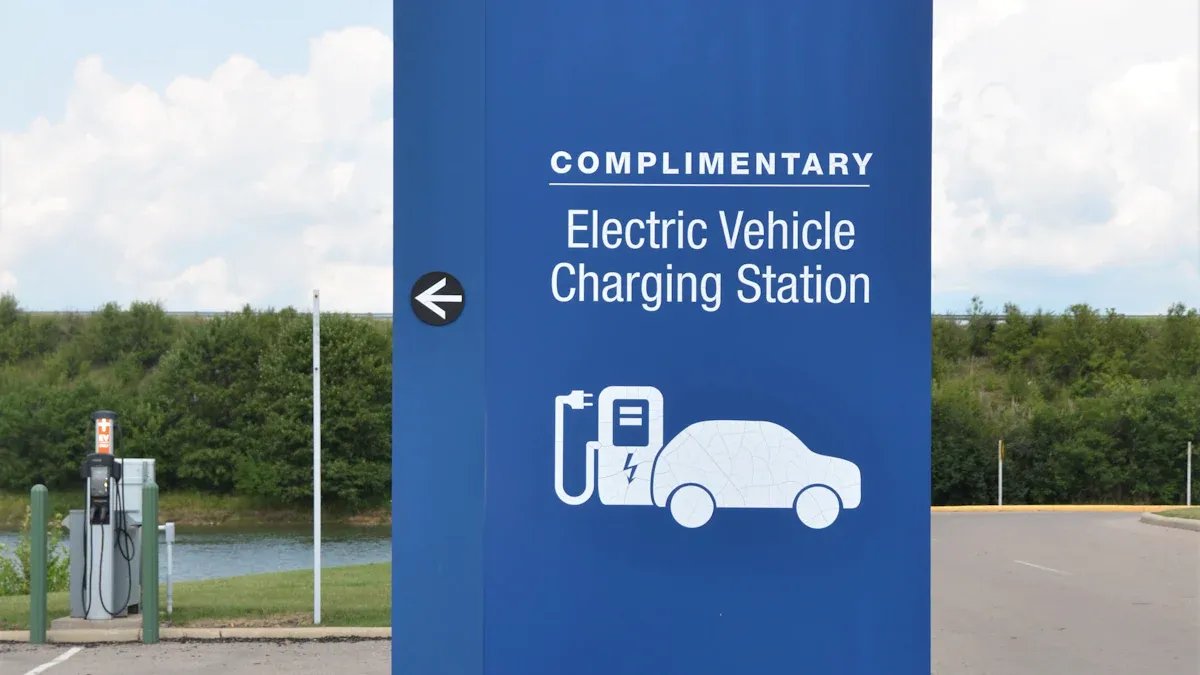
While the golden rule is to assume you must pay, some situations offer a welcome exception. An EV driver can find genuinely free electric car parking and even a free charge in specific locations. These opportunities usually exist as an incentive to attract customers, guests, or employees. Understanding where to look can lead to significant savings.
Locations with Genuinely Free Parking
Certain businesses and public entities provide both free parking and free EV charging as a complimentary service. In these cases, the driver enjoys a truly cost-free experience, but usually for a limited time.
Customer-Only Supermarket Lots
Many large supermarkets offer recarga gratuita de VE to attract shoppers. These chains install charging stations as a modern amenity, encouraging electric vehicle owners to shop at their stores.
- Cómo funciona: The parking is free for customers, and the charging session is often free as well.
- The catch: There are almost always strict time limits, such as 60 or 90 minutes. Staying beyond this period can result in a fine.
These free spots at supermarkets are perfect for a quick top-up while grocery shopping. Access is intended for paying customers only.
Hotel and Lodging for Guests
Hotels frequently provide free parking for their overnight guests. Many now also include free EV charging as a premium perk to enhance the guest experience. This amenity makes the hotel more attractive to the growing number of EV drivers. The cost is absorbed into the price of the room, so the access feels free to the guest. An electric car can get a full charge overnight without a separate bill.
Some Public Parks or Municipal Buildings
Local governments sometimes install chargers at public facilities like parks, libraries, or town halls. They may offer both the parking and the electric charge for free to promote EV adoption and serve the community. These initiatives support sustainability goals. However, these spots can be popular, and access may be limited by high demand or specific hours of operation.
Scenarios with Bundled Fees
A bundled fee simplifies the payment process by combining parking and charging costs into one transaction. This is not technically free, but it removes the hassle of paying two separate companies.
How Integrated Payment Systems Work
The confusion of separate payments has led to new technology solutions. Companies are developing integrated platforms to streamline the experience. For example, Paythru’s ‘Park and Charge’ system allows a driver to see a single tariff for both services. The EV driver makes one payment through an app or terminal. This cloud-based software then manages the complex task of splitting the payment between the parking operator and the charging network behind the scenes. This creates a clear, unified transaction for the user.
Valet Services with Integrated Charging
Premium valet services at hotels or airports often offer a seamless charging option. The EV driver hands their keys to the valet, who manages both parking and charging the electric vehicle. The costs are then bundled into a single bill.
Example Pricing Structures:
- A hotel might charge a flat fee of $25.00 for an overnight charge, which includes the service.
- Another might have a standard valet fee of $12.50 plus a separate charge for electricity, such as $0.60 per kWh. This service offers maximum convenience, as the driver does not need to find a station or manage the charging process.
Private and Semi-Private Arrangements
The most reliable access to free or low-cost charging comes from private arrangements where parking is already secured. These setups are typically not available to the general public.
Workplace Charging as an Employee Perk
A growing number of companies offer workplace charging as a benefit to attract and retain employees. In this scenario, the electric car parking is part of the employee’s standard access to the company lot. The business may offer the electricity for free as an added perk. This provides employees with convenient and cost-effective daily charging. Access is restricted to staff, ensuring availability.
Residential and Apartment Complex Parking
For residents of apartment complexes or managed communities, a parking space is often included with their lease or ownership. Many new developments are including EV charging infrastructure, sometimes with advanced TPSON solutions, as a key feature. | Parking Component | Charging Component | | :— | :— | | Usually included in rent/HOA fees. | May be free, billed by usage, or a flat monthly fee. | This arrangement gives residents reliable and easy access to charge their electric vehicle at home. The parking itself is effectively free as part of their housing agreement.
How to Charge Your Electric Car for Free (or Almost Free)
While parking often comes with a fee, an EV driver can find numerous opportunities to charge their electric car for free. Locating these spots requires a bit of planning, but the savings can be substantial. Free EV charging is a powerful incentive offered by businesses and municipalities to attract electric vehicle owners.
Finding Free EV Chargers
The key to finding a free charge is knowing where to look. Several resources are available to help an EV driver locate free EV chargers. These tools make it simple to find a no-cost charging session.
Using Apps like PlugShare to Filter for Free
Mobile apps are an EV driver’s best friend for finding free electric vehicle charging. An app like Zap-Map is highly effective for locating free-to-use public EV chargers. It allows users to filter their search to show only stations that offer a free charge. The app also provides crucial details on the quality of electric vehicle charging points, connector types, and charging speeds. User ratings and reviews help drivers identify reliable and truly free EV chargers.
Destination Chargers at Hotels and Restaurants
Many businesses offer “destination charging” as a customer perk. Hotels, restaurants, and shopping centers install an electric vehicle charger to attract EV drivers.
Consejo para el conductor: These locations often provide free EV charging to paying customers. A driver can enjoy a meal or an overnight stay while their electric car gets a complimentary charge. This is a popular way to get free electric car charging.
Municipal and Government Incentives
Local governments often promote electric vehicle adoption by providing free public EV chargers. These stations are typically found at convenient locations like:
- Public libraries
- Community centers
- Town halls
- Public parks
This type of free EV charging supports community sustainability goals. It provides a valuable service to residents and visitors.
Understanding “Free” Charging Promotions
Sometimes, “free” charging comes in the form of a temporary promotion rather than a permanent feature. These offers are great opportunities but usually have specific terms and conditions.
Limited-Time Offers from Networks
EV charging networks, which may use advanced solutions from providers like TPSON, occasionally run promotions to attract new users. These offers might include a certain number of free charging sessions or a period of unlimited free charging. An EV driver should keep an eye on network announcements to take advantage of these deals. These promotions are a fantastic way to experience a premium charging network at no cost.
Complimentary Charging with a Vehicle Purchase
Many automakers partner with charging networks to offer a package of complimentary charging with the purchase of a new electric vehicle. This perk can provide a significant amount of free charging for the first year or two of ownership. It helps new EV owners transition to electric driving without worrying about initial charging costs. This is a powerful incentive that makes the first experience to charge your electric car for free very easy.
The Financials of EV Charging and Parking
An EV driver must manage two separate sets of costs: one for the energy and another for the space. Understanding the breakdown of each bill is essential for budgeting and avoiding financial surprises. The costs for charging an electric vehicle and parking it are rarely combined into a single fee.
What’s on Your Charging Bill?
The bill for an EV charging session includes more than just the price of electricity. Network operators often itemize several different fees that contribute to the final cost. A free charge is rare in paid parking zones.
Cost per Kilowatt-Hour (kWh)
The primary cost is for the energy itself, measured in kilowatt-hours (kWh). This is similar to how a utility company bills a home for electricity usage. The price can vary significantly based on the charger’s speed and location.
- Public Level 2 Charging Costs: $0.20–$0.30 per kWh
- DC Fast Charging Costs: $0,30-$0,60 por kWh
Advanced EV charging solutions from providers like TPSON ensure this energy transfer is efficient, but the network sets the price.
Session and Connection Fees
Some charging networks add a flat fee just to initiate a session. This “connection fee” is charged regardless of how much energy the EV driver uses. It can range from a small amount to several dollars, making very short charging sessions less cost-effective.
Idle Fees for Staying Too Long
Networks impose idle fees to discourage drivers from leaving their electric car plugged in after the battery is full. These fees penalize an EV for occupying a valuable charging spot. This policy ensures the station remains available for the next user, but it can be an expensive surprise if a driver is not monitoring their charge status. A free moment can turn costly.
¿Qué Incluye Su Factura de Estacionamiento?
La factura de estacionamiento es una transacción completamente independiente. Cubre el alquiler del espacio físico y tiene su propia estructura de costos única. Esto es cierto incluso si el estacionamiento no es gratuito.
Tarifas Estándar por Hora o por Día
Los operadores de estacionamiento cobran por su espacio por hora o por día. Estas tarifas pueden ser sustanciales, especialmente en áreas urbanas densas. Un conductor de vehículo eléctrico paga la misma tarifa que cualquier otro vehículo. El costo del estacionamiento a menudo es mucho más alto que el costo de la carga eléctrica en sí.
| Ubicación | Tipo de Estacionamiento | Tarifa Promedio |
|---|---|---|
| Australia | 2 horas fuera de la calle | $19.12 |
| Australia | Diario fuera de la calle | $34.42 |
| Ámsterdam | 2 horas en la calle | $13.31 |
| Ámsterdam | Diario fuera de la calle | $47.22 |
| Corea del Sur | Diario en la calle | $37.75 |
Tarifas por Conveniencia en Pagos con Aplicación
Muchos estacionamientos ahora usan aplicaciones móviles para el pago. Aunque son convenientes, estas aplicaciones a veces agregan una pequeña “tarifa por conveniencia” a la transacción. Esta tarifa cubre el costo del servicio de procesamiento de pagos. Es otra pequeña adición al gasto total de un viaje.
Impuestos y Recargos
Finalmente, la tarifa de estacionamiento publicada puede no ser el precio final. Los municipios a menudo agregan impuestos locales y recargos a las tarifas de estacionamiento. Estos generalmente se enumeran en la estación de pago o dentro de la aplicación antes de que un conductor confirme el pago. Esta es la razón por la cual el estacionamiento gratuito es un hallazgo tan valioso para cualquier conductor de vehículo eléctrico.
¿Qué Sucede Si No Paga el Estacionamiento?
Un conductor de vehículo eléctrico que no paga el estacionamiento mientras carga invita a consecuencias graves y costosas. La creencia de que una sesión de carga proporciona un pase gratuito para el espacio de estacionamiento es un error común y costoso. Las reglas del estacionamiento se aplican a todos los vehículos, independientemente de su fuente de energía.
La Consecuencia Más Común: Una Multa de Estacionamiento
El resultado más frecuente por no pagar es una multa de estacionamiento, oficialmente conocida como Aviso de Cargo por Penalización (PCN) o un cargo por estacionamiento privado. Estos avisos son emitidos rápidamente por los agentes de control.
Cómo Verifican los Agentes de Control de Estacionamiento
Los agentes de control de estacionamiento patrullan los estacionamientos y calles metódicamente. Utilizan dispositivos portátiles para verificar si la matrícula de un vehículo está registrada en el sistema de pago. Verifican los tickets de pago y exhibición, los pagos digitales por aplicación y las expiraciones del parquímetro. Un agente puede ver si una sesión de estacionamiento está activa y pagada, independientemente de cualquier actividad de carga mostrada en una estación TPSON.
Por Qué “¡Pero Estaba Cargando!” No Es una Defensa
El argumento “Estaba cargando mi coche” no es una defensa válida contra una multa de estacionamiento. El estacionamiento y la carga son servicios separados. El contrato de un conductor con la red de carga no afecta su obligación con el operador de estacionamiento. La tarifa de estacionamiento cubre el uso del espacio físico. Una carga gratuita no equivale a estacionamiento gratuito.
Multas y Penalizaciones Típicas
Las multas pueden ser sustanciales. Una historia en The Guardian destacó a un conductor que recibió un PCN de 112.50 libras por cargar en un Lidl sin seguir las reglas de estacionamiento. Es importante entender el tipo de aviso.
Solo los ayuntamientos y las autoridades pueden emitir una verdadera penalización. Un aviso de una empresa privada es técnicamente una factura por incumplir los términos y condiciones del estacionamiento. Sin embargo, estos siguen siendo legalmente exigibles. Las multas pueden llegar hasta 125.00 libras por estacionar en una bahía para VE sin cargar activamente.
La Consecuencia Más Grave: Ser Remolcado
En algunos casos, la penalización por no pagar es mucho peor que una multa. Un conductor podría regresar y encontrar que su vehículo ha sido remolcado.
¿Cuándo Se Autoriza el Remolque?
El remolque típicamente se autoriza en zonas donde un vehículo causa una obstrucción o ha sido dejado por un período prolongado violando reglas claras. Los estacionamientos privados con señales de advertencia prominentes pueden remolcar legalmente los vehículos que incumplen sus términos. Esta es una medida drástica pero legal para hacer cumplir la normativa de estacionamiento.
El Alto Costo de Recuperar Su Vehículo
Recuperar un vehículo remolcado es un proceso costoso y estresante. Los costos incluyen:
- La tarifa de remolque en sí.
- Una tarifa de almacenamiento diario en el depósito de retención.
- La multa original de estacionamiento no pagada.
Estos costos combinados pueden fácilmente ascender a cientos de dólares, convirtiéndolo en una severa penalización financiera.
Cómo Localizar un Coche Remolcado
Si el coche de un conductor desaparece, debe buscar señales en el área que muestren la información de contacto de la empresa de remolque. Si era una calle pública, el siguiente paso es contactar a la policía local o al ayuntamiento. Ellos pueden confirmar si el vehículo fue remolcado y proporcionar detalles sobre su ubicación.
Otras Penalizaciones Potenciales
Más allá de las multas y el remolque, otras penalizaciones pueden afectar a un conductor. Son menos comunes pero aún problemáticas.
Ser Prohibido en un Estacionamiento Privado
Los propietarios de propiedades privadas tienen el derecho de prohibir la entrada a infractores reincidentes. Un conductor que ignora constantemente las reglas puede encontrarse incapaz de usar los convenientes estacionamientos o instalaciones de carga de esa ubicación en el futuro.
Recibir un Aviso de Advertencia Formal
Para una infracción menor o de primera vez, algunos operadores pueden emitir un aviso de advertencia formal en lugar de una penalización económica. Esto sirve como una alerta clara de que futuras violaciones resultarán en multas u otras acciones. Es una última oportunidad para seguir las reglas.
Etiqueta y Mejores Prácticas para el Estacionamiento de VE
La buena etiqueta es crucial para una experiencia positiva de estacionamiento de coche eléctrico. Seguir las mejores prácticas asegura que infraestructura de recarga siga siendo accesible y funcional para todos los conductores de VE. Implica pagar correctamente, respetar los recursos compartidos y manejar las frustraciones comunes de manera profesional.
Pague Correctamente y a Tiempo
El pago preciso y oportuno es la base de un estacionamiento responsable de coche eléctrico. Los errores pueden conducir a multas innecesarias y estrés.
Verifique Dos Veces Su Número de Espacio o Zona
Un simple error tipográfico puede resultar en una multa de estacionamiento. Antes de confirmar el pago en una aplicación, un conductor de VE siempre debe verificar dos veces que el número de espacio o zona que ingresó coincida con el que aparece en las señales. Este pequeño paso evita pagar el estacionamiento de otra persona y dejar su propio vehículo desprotegido.
Establezca un Temporizador para Evitar un Parquímetro Expirado
El tiempo puede pasar rápidamente durante una sesión de carga. Un conductor de VE debe establecer un temporizador en su teléfono para unos minutos antes de que expire su estacionamiento pagado. Este recordatorio proporciona tiempo suficiente para extender la sesión o mover el vehículo eléctrico, evitando una multa costosa por un parquímetro expirado.
No Acapare el Cargador
Una bahía para coche eléctrico es un servicio, no un lugar de estacionamiento personal. Ocupar un cargador por más tiempo del necesario es una gran frustración para la comunidad de VE.
Comprender y Evitar las Tarifas por Tiempo de Inactividad
Las redes de carga implementan tarifas por tiempo de inactividad para fomentar la rotación de vehículos. Estas tarifas comienzan en el momento en que finaliza la sesión de carga de un automóvil eléctrico, pero el vehículo permanece conectado. Un conductor de un vehículo eléctrico debe monitorear el estado de carga para desconectar y mover su automóvil con prontitud, manteniendo el puesto disponible para otros.
Mueva Su Automóvil Tan Pronto Como Termine la Carga
Un conductor de un vehículo eléctrico debe mover su vehículo tan pronto como se complete la carga. Muchos sistemas de carga modernos, incluidas las soluciones avanzadas de proveedores como TPSON, envían una notificación al teléfono del conductor cuando finaliza la sesión.
Mejores Prácticas para Mover Su Vehículo Eléctrico:
- Mueva su automóvil eléctrico una vez que tenga autonomía suficiente para su viaje.
- Evite usar un punto de carga como estacionamiento si no planea cargar.
- Detenga la carga rápida de corriente continua (DC) alrededor del 80%, a menos que una carga completa sea esencial. La velocidad de carga se ralentiza significativamente después de este punto.
- Utilice las notificaciones de la aplicación para saber exactamente cuándo se completa su sesión.
Frustraciones Comunes con el Estacionamiento
Todo conductor se encuentra con problemas. Saber cómo manejarlos con calma y correctamente marca una gran diferencia.
Cómo Actuar Ante un Parquímetro Averiado
Si un parquímetro está roto, un conductor de un vehículo eléctrico no debe asumir que el estacionamiento es gratuito. Primero debe buscar una estación de pago cercana o un número de zona para usar una aplicación de pago móvil. Documentar el problema tomando una foto del parquímetro averiado también puede servir como evidencia en caso de surgir una disputa.
Qué Hacer con los Vehículos No Eléctricos en los Puntos de Carga (ICEing)
“El ”ICEing" ocurre cuando un vehículo de motor de combustión interna (ICE) bloquea un punto de carga para vehículos eléctricos. Un conductor debe evitar la confrontación. El mejor curso de acción es reportar el vehículo al administrador de la propiedad o al control de estacionamiento. Ellos tienen la autoridad para multar o remolcar el vehículo infractor.
Un conductor de un vehículo eléctrico siempre debe asumir que necesita pagar por el estacionamiento. Una carga gratuita no significa que el estacionamiento también lo sea. Seguir una lista de verificación simple garantiza una experiencia de carga fluida y ayuda a evitar sanciones. Este enfoque hace que cada parada de carga esté libre de preocupaciones. Ser un conductor considerado significa respetar las reglas tanto de estacionamiento como de carga, lo que beneficia a toda la comunidad de vehículos eléctricos.
Lista de Verificación Final para Conductores de Vehículos Eléctricos 📝
- Busque Señales: Primero, busque señales de estacionamiento, parquímetros o estaciones de pago.
- Verifique las Instrucciones Digitales: Segundo, revise la pantalla de la estación de carga y la aplicación para conocer las reglas de estacionamiento.
- Pague por Ambos: Tercero, pague por ambos servicios según sea requerido. Esto evita multas costosas.
PREGUNTAS FRECUENTES
¿Qué pasa si la estación de carga es gratuita?
Una carga gratuita no equivale a un estacionamiento gratuito. Un conductor de un vehículo eléctrico aún debe pagar por el espacio de estacionamiento si el lote lo requiere. Siempre debe verificar las señales cercanas o las estaciones de pago para conocer las reglas de estacionamiento, ya que los dos servicios son independientes.
¿Puede un conductor de un vehículo eléctrico estacionarse en una bahía de carga sin cargar?
No, un conductor de un vehículo eléctrico no debe usar una bahía de carga solo para estacionarse. Estos lugares están reservados para vehículos que se están cargando activamente. El uso indebido del espacio puede generar multas e impedir que otros conductores accedan al cargador.
¿Qué debe hacer un conductor si un vehículo no eléctrico está en el punto de carga?
Un conductor debe evitar la confrontación. La mejor acción es reportar el vehículo al administrador de la propiedad o al control de estacionamiento. Ellos tienen la autoridad para emitir una multa o remolcar el vehículo por violar las reglas de estacionamiento.
¿Cómo puede un conductor pagar por el estacionamiento y la carga por separado?
Los conductores gestionan dos transacciones. Pagan por el estacionamiento a través de un quiosco, parquímetro o una aplicación de estacionamiento designada. Pagan por la carga a través de la aplicación de la red de carga, como la utilizada para una estación TPSON, o un lector de tarjetas en la unidad.
¿Las tarifas por inactividad incluyen el costo del estacionamiento?
No, las tarifas por inactividad son independientes de los costos de estacionamiento. Las redes de carga cobran tarifas por inactividad para penalizar a un conductor por dejar su automóvil conectado después de que esté lleno. El conductor aún debe pagar al operador de estacionamiento por ocupar el espacio.
¿Qué pasa si la máquina de pago de estacionamiento está rota? 🤔
Un conductor no debe asumir que el estacionamiento es gratuito. Debe buscar métodos de pago alternativos, como una aplicación móvil con un número de zona u otra estación de pago. Documentar la máquina averiada con una foto puede ayudar a disputar cualquier posible multa.