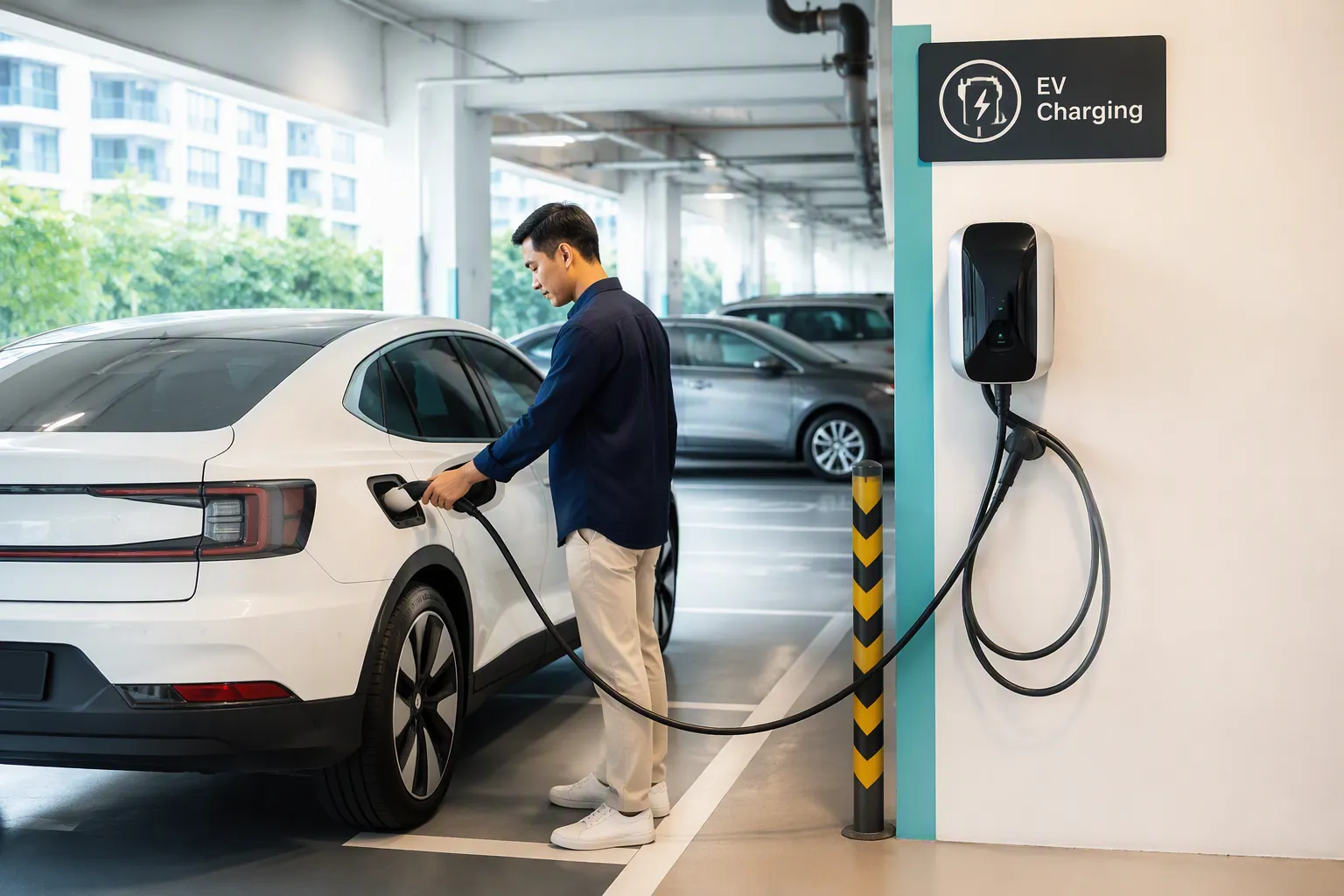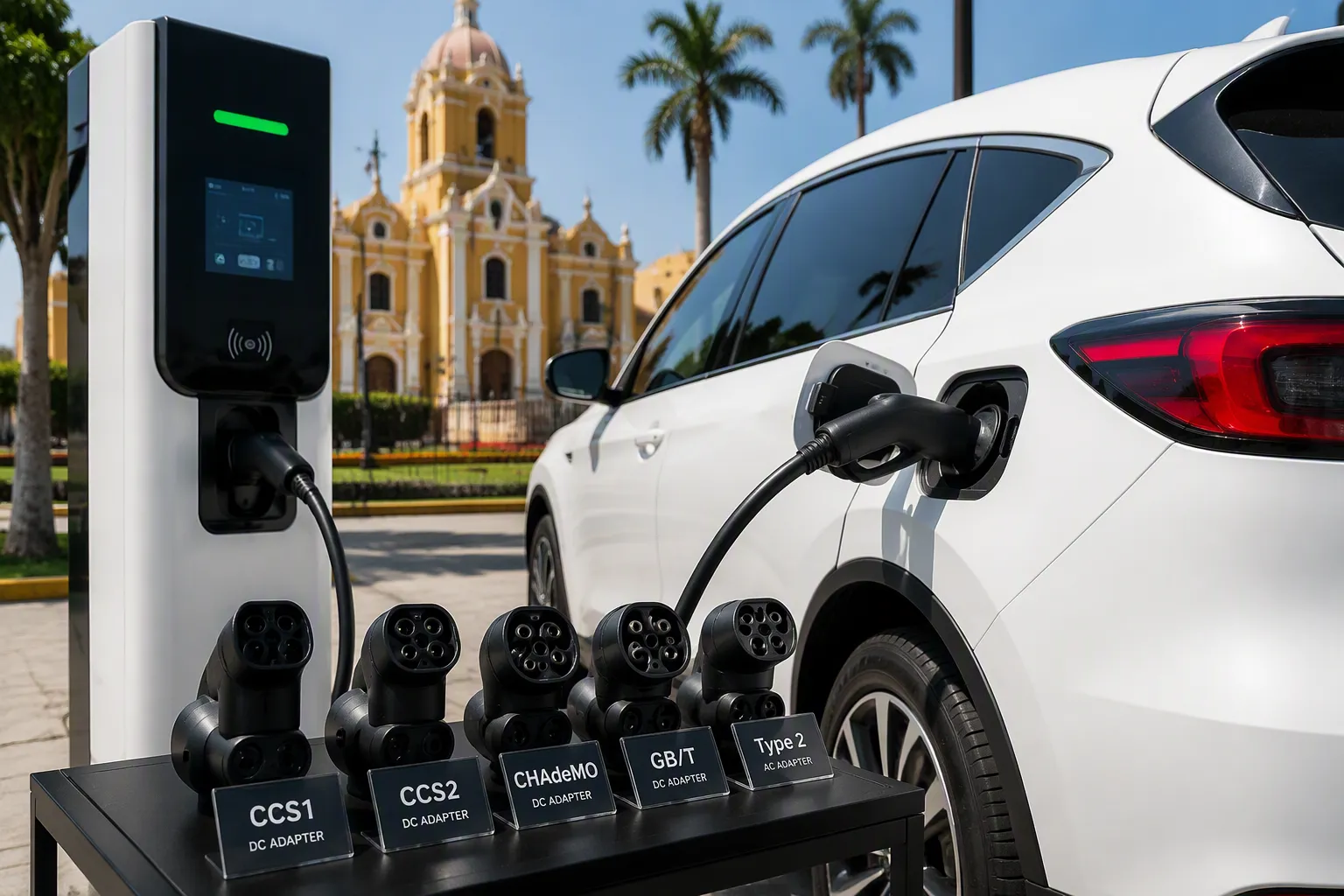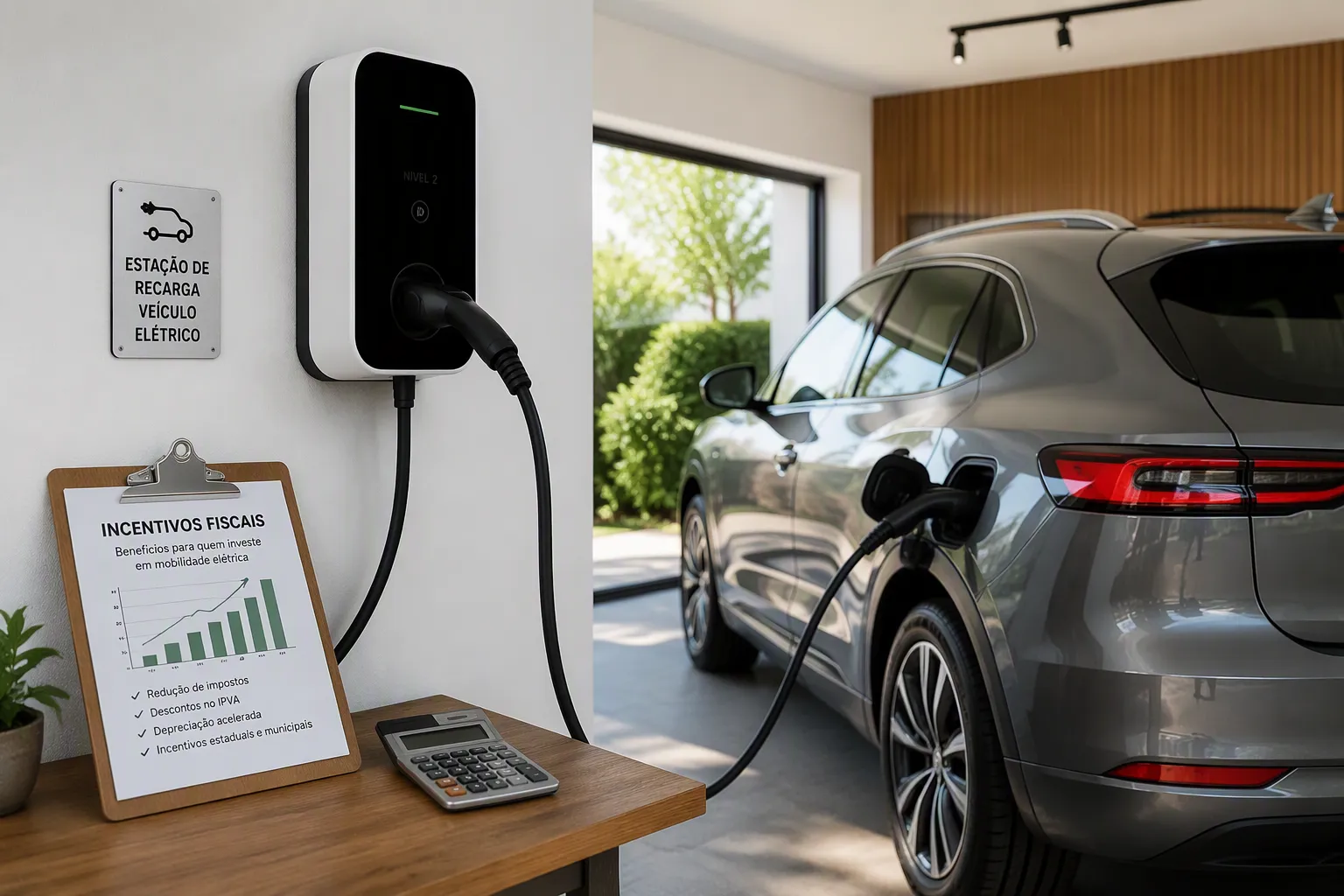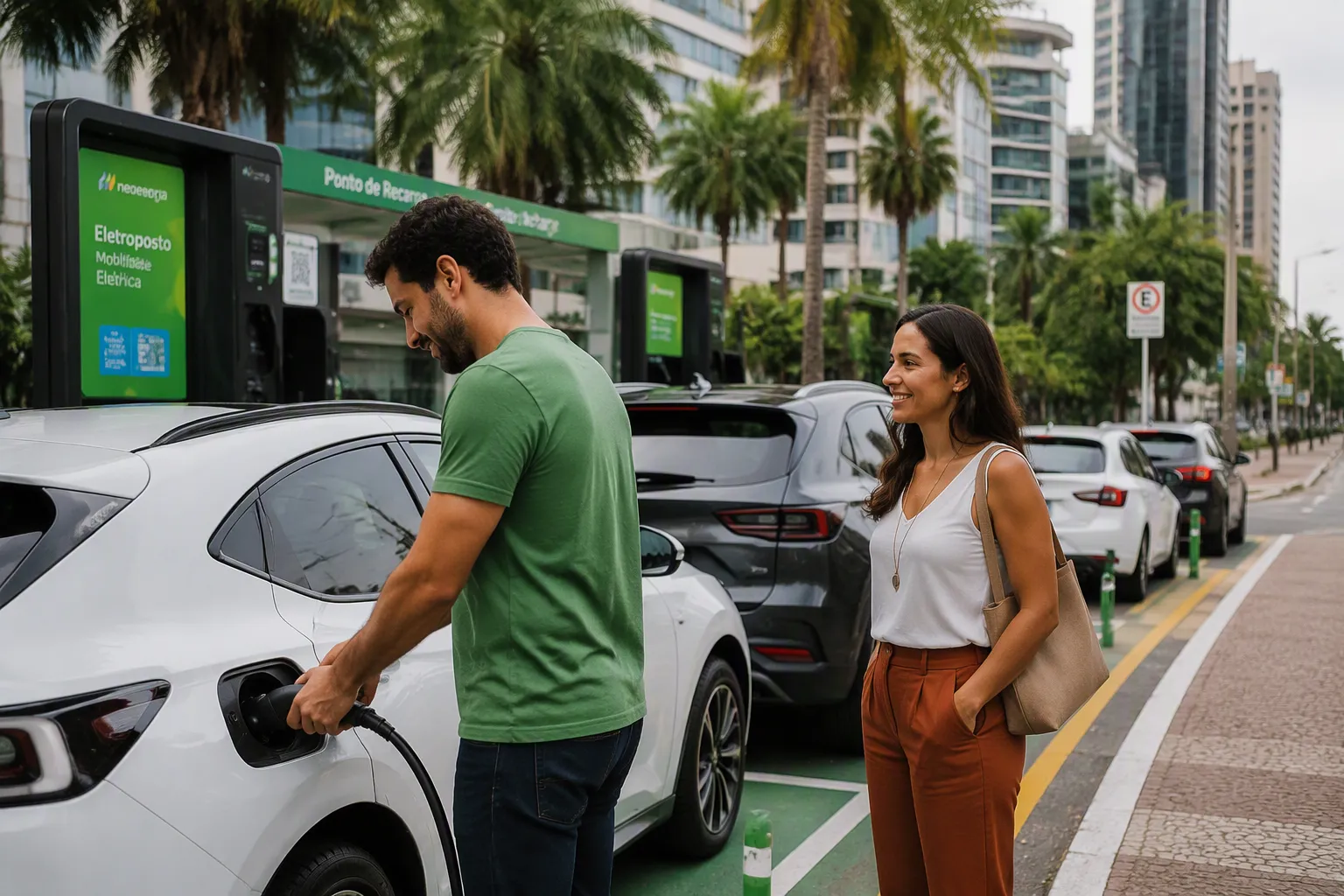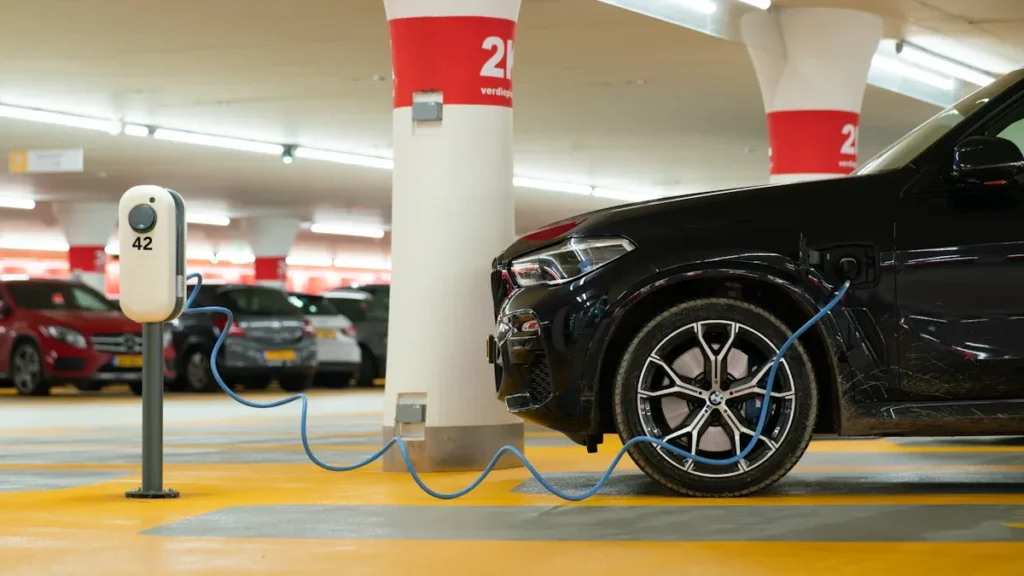

An electric vehicle driver almost always needs to pay for parking. Parking and charging are two different services. A free charge does not equal a free spot for an EV.
The Golden Rule: If a parking area has signs or pay stations, the EV driver must pay the fee. This rule applies whether the electric car is charging or not.
Ведущий Производители зарядных устройств для электромобилей такие как TPSON, обеспечивают передовую Решения для зарядки электромобилей. Their products, from a stationary Зарядное устройство для электромобилей на портативные зарядные устройства для электромобилей, deliver a reliable charge, but the parking is not free. A free charging session is not free parking.
The Golden Rule: Parking and Charging Are Separate
Many new electric vehicle drivers are surprised to learn that parking and charging are two distinct transactions. An EV driver is essentially purchasing two services at the same time. Understanding this separation is key to avoiding fines and frustration.
Why You’re Billed for Two Different Services
The costs associated with parking an EV and getting a charge come from different sources. One is a real estate transaction, while the other is a utility service.
Parking as a Real Estate Cost
A parking space is a small piece of real estate. The owner of the garage or lot charges a fee for the temporary use of that land. This fee covers the owner’s expenses, such as property taxes, maintenance, lighting, and security. The cost of parking exists whether a vehicle is electric or gasoline-powered.
Charging as a Utility Service
Electric car charging is a utility service. When an EV driver plugs in, they are purchasing electricity. The cost of this charge covers the energy consumed, the maintenance of the charging hardware, and the software that manages the session. Advanced EV charging solutions from providers like TPSON deliver a reliable charge, but this service is separate from the physical parking spot. The process of charging your vehicle is a metered utility sale.
Different Companies, Different Bills
Often, the company that owns the parking lot is not the same company that operates the EV charging network. A property management firm might run the garage, while an electric mobility provider manages the charging stations. This means an EV driver must complete two separate payments to two different businesses for using one spot.
How to Think About the Two Transactions
To simplify the process, an EV driver should view the experience as two independent actions. This mindset helps ensure they pay for both services correctly.
A Simple Analogy: Think of it like buying a coffee inside a bookstore. You pay the cafe for the coffee and the bookstore for the book. You are in one location but making two separate purchases. The same logic applies to EV charging and parking.
Paying the Parking Lot Operator
The first transaction is for the parking space itself. An EV driver pays the garage or lot operator for the right to occupy the spot for a specific duration. This payment is usually made via a pay station, a mobile app, or a parking attendant.
Paying the EV Charging Network
The second transaction is for the electricity. The EV driver pays the сеть зарядки for the energy transferred to the electric car’s battery. This payment for the charge is almost always handled through the charging station’s dedicated app or a credit card reader on the unit. An EV driver must initiate and pay for this charging session separately from the parking fee. It is a common mistake to assume one payment covers both the charge and the parking.
How to Know if You Need to Pay for Parking
An EV driver must become an expert at spotting payment requirements. The clues are always present, split between physical signs and digital instructions. Ignoring them can lead to costly mistakes. The first step is always to survey the physical environment before plugging in for a charge.
Read the Physical Signs Around You
The most reliable information about parking fees is found on signs posted around the EV charging spot. These signs are the legally binding instructions for the property.
Look for Pay Stations and Kiosks
Central pay stations or kiosks are common in garages and surface lots. An EV driver should look for a large, automated machine that accepts cash or cards. These kiosks typically require the driver to:
- Enter their license plate number.
- Select the duration of their parking session.
- Make a payment.
A receipt may be issued, but payment is often tracked digitally. This process is completely separate from initiating the electric vehicle charge.
Check for Traditional Parking Meters
Some street-side spots or older lots still use individual parking meters. If an EV charging space has a meter next to it, the driver must pay it. These meters accept coins, cards, or sometimes a tap-to-pay function. The meter’s timer shows the remaining paid parking time, which runs independently of the charging session.
Find Zone Numbers for Parking Apps
Many municipalities and private operators now use mobile apps to manage parking payments. An EV driver should look for signs displaying a specific “Zone Number.” This number is entered into a designated parking app (like PayByPhone or RingGo) to start and pay for a session. This is a common source of error, as the EV driver might be focused on the charging app and forget to open the separate parking app.
Scan for Rules on Garage Walls or Pillars
In complex environments like multi-story garages, rules are often posted on walls, pillars, or large entrance signs. However, this signage can be a significant source of confusion. A UK survey revealed that over 81% of drivers find parking signs unclear. This problem is amplified at EV bays where rules about active charging are not always obvious.
Signage Ambiguity: Drivers should be aware that stickers on an electric vehicle charger are often not considered sufficient legal signage. Regulations may require upright, pole-mounted signs for rules to be enforceable. These stickers can be ripped, obscured when a vehicle is charging, or placed too low to be easily seen, making it difficult to understand the parking requirements.
Check the Digital Instructions
After checking the physical signs, the next step is to consult the digital interfaces associated with the charging process. These tools often provide a second layer of information.
Read the Charging Station’s Screen
The screen on the charging point itself is a primary source of information. Before starting a charge, an EV driver should read all prompts carefully. The screen on an advanced зарядное устройство для электромобилей, like those from technology provider TPSON, may display a message such as:
"Parking fees are managed separately. Please pay at the kiosk.""This charging session does not include parking. See signs for payment."
This confirms that two separate actions are needed.
Look for Alerts in the Charging App
The mobile app used to start the EV charging session is another critical checkpoint. When a driver selects a specific charging station within the app, it may trigger an alert or display a prominent note about the location’s parking policy. For example, a pop-up might warn the user that they are in a paid parking zone and must pay the property owner directly. This digital reminder helps prevent an EV driver from assuming the charge payment covers everything.
Scan QR Codes for Parking Information
A growing number of locations use QR codes to streamline payments. An EV driver might find two different QR codes at the bay:
- One on the charger to start and pay for the electric charge.
- A second one on a sign or pillar specifically for parking payment.
Scanning this second code typically leads to a web portal where the driver can pay for parking. It is essential for the электромобиль owner to verify what each QR code is for before completing the transaction.
Understanding Different Location Rules for Electric Car Parking
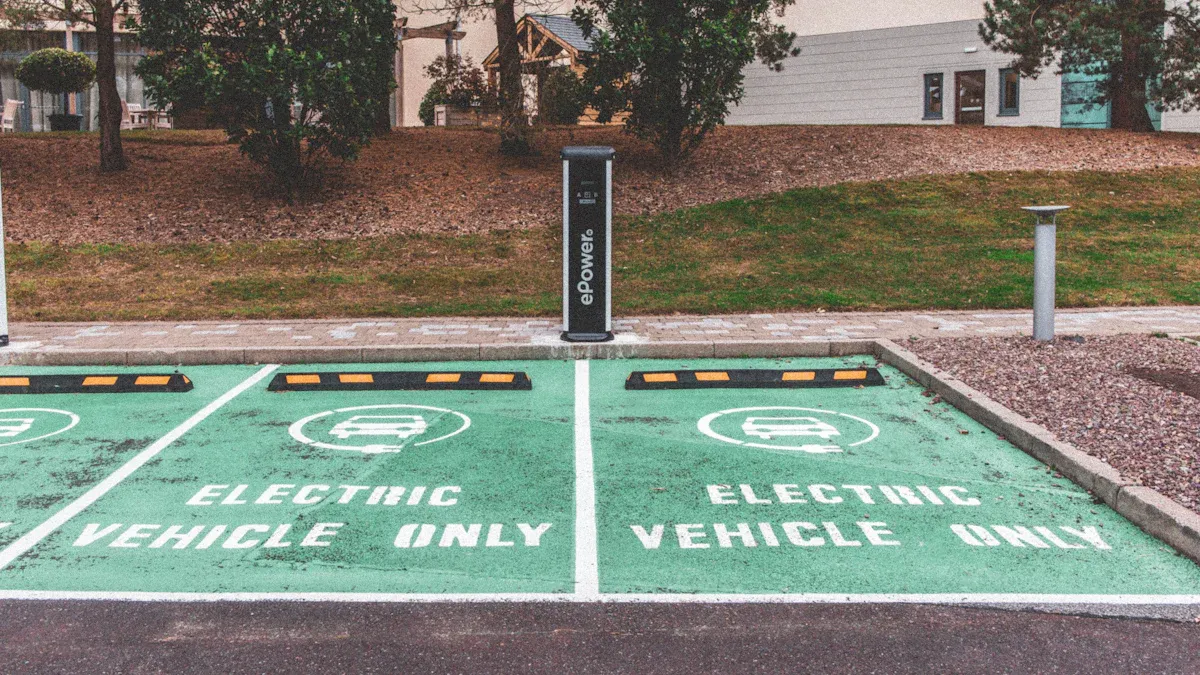
Parking rules for an electric vehicle change significantly depending on the location. An EV driver must adapt to the specific policies of garages, street-side spots, and retail centers. Assuming one location’s rules apply everywhere is a recipe for a fine.
Public and Private Parking Garages
Garages are commercial operations that sell the use of space. Free parking is extremely rare in these environments. The electric car parking rules are typically the same for every vehicle.
Hourly and Daily Rate Structures
Most garages charge for parking by the hour or by the day. An EV driver pays these standard rates just like the driver of a gasoline car. The fee for the electric charge is an additional cost.
- Hourly Rate: The driver pays for each hour the vehicle occupies the space.
- Daily Rate: A flat fee covers parking for up to 24 hours.
This structure means a long charging session can result in a substantial parking bill.
Event and Surge Pricing Rules
Garages near stadiums, concert halls, or convention centers often implement event pricing. During these times, parking rates can increase dramatically. An EV driver should check for event rate signs before entering. This higher parking fee is completely separate from the cost to charge the electric vehicle.
Street-Side Metered Spots
On-street electric car spaces offer convenience but come with strict regulations. These spots are managed by local authorities to ensure vehicle turnover.
Time Limits and Restrictions
Most metered spots have posted time limits, such as “2-Hour Parking.” An EV driver must move their electric car once the paid time expires, even if the battery is not full. Staying beyond the limit can result in a ticket. Some zones may also have restrictions during certain hours for street cleaning or rush hour traffic.
Paying via Meter vs. App
Payment for street parking is handled in one of two ways. The EV driver must pay for the spot separately from the electric charging session.
Примечание: An EV driver should always start a parking session immediately. Waiting until the charge begins can lead to a ticket if an enforcement officer patrols the area first.
- Meter: The driver pays with coins or a card at the meter assigned to the electric car bay.
- App: The driver uses a designated mobile app, enters a zone number, and pays digitally.
Shopping Center and Retail Lots
Many retail centers provide electric car parking as an amenity for shoppers. This is one of the few situations where an EV driver might find free parking.
Free for Customers (with Time Limits)
Shopping centers often offer free parking to attract customers. However, this is almost always time-limited, typically for 90 minutes to three hours. An EV driver can enjoy this free period while they shop and charge their electric vehicle. If they stay longer than the allowed time, they risk a penalty. This setup provides a great opportunity for a free top-up.
Validation Requirements
Some retail lots require validation for free parking. This means the EV driver must make a purchase at a store within the center. The store then provides a code or stamps a ticket to validate the parking. Without validation, the driver must pay the standard rate. This policy ensures that the free amenity is reserved for actual customers.
Airport Parking Lots
Airport parking facilities present a unique set of rules for electric vehicle drivers. These lots are designed for travelers, with distinct options for short visits and extended trips. An EV driver must understand these differences to avoid significant costs. The parking fee is always a separate transaction from the charging session.
Short-Term vs. Long-Term EV Spots
Airports clearly separate their parking facilities based on the duration of a traveler’s stay. The availability of EV chargers often differs between these zones. For example, Heathrow Airport provides EV charging stations in both its short-stay and long-stay parking areas. The short-stay lots near the terminals are ideal for quick drop-offs and offer fast charging solutions. The long-stay lots are designed for travelers on longer trips, giving an electric car ample time for a full charge.
However, this is not a universal standard. At Gatwick Airport, EV chargers are available in the North and South Terminal short-stay car parks, where normal parking fees apply. These lots are not recommended for long trips. Leaving a car in a short-stay electric car bay for a week would lead to huge parking fees and potential fines. Crucially, Gatwick’s long-stay car parks do not currently have public chargers. This means an EV driver cannot leave their car charging for the duration of their trip in these lots. The driver must pay the standard parking rate for the space, and the charging service is a separate cost.
Системы бронирования
Many airports now use reservation systems to manage the high demand for parking, including for electric car parking spaces. An EV driver can often book and prepay for a spot online before arriving at the airport.
Совет профессионала: Booking parking in advance can often secure a lower rate and guarantee a space, especially during peak travel seasons.
These reservation systems typically handle the parking payment only. The driver will still need to pay for the electricity used during the charging session. This is usually done through the charging provider’s app, such as the one used for a TPSON charger, or a credit card payment at the station. Some airports offer premium valet services that may bundle the parking and charging costs. For instance, services like Gatwick’s official Valet Parking or APH Park & Ride can manage the charging process for the driver as part of a comprehensive service package. This integrated approach simplifies the experience but usually comes at a higher price point.
When Might Electric Car Parking Be Free?
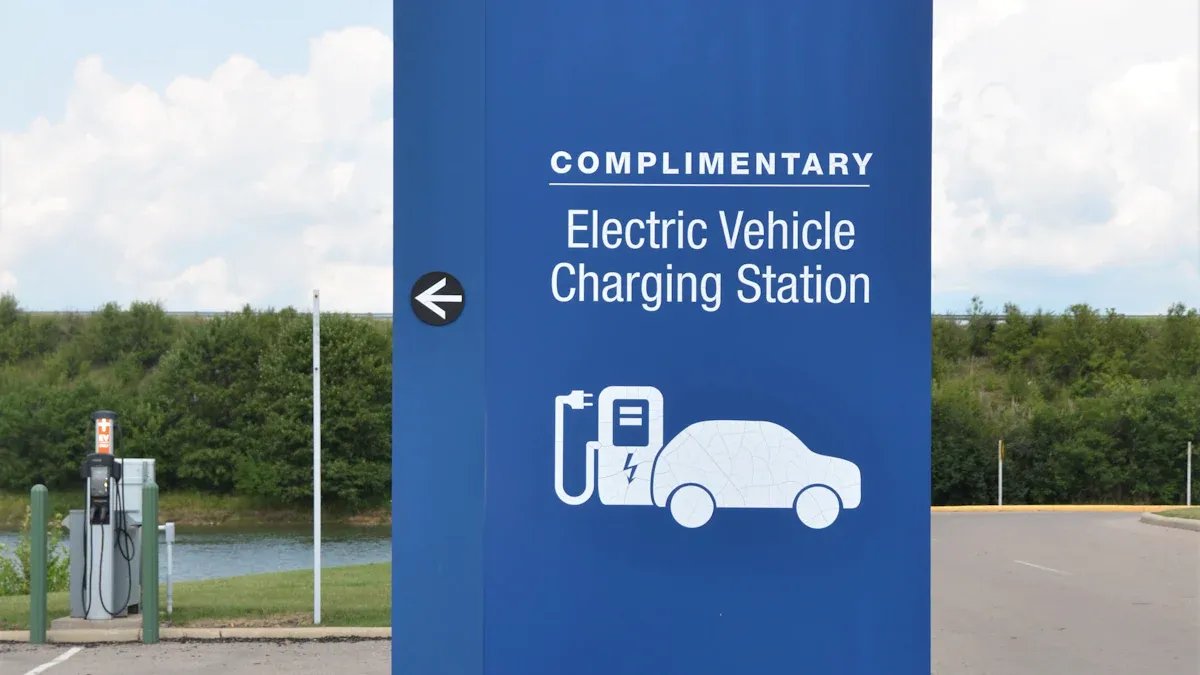
While the golden rule is to assume you must pay, some situations offer a welcome exception. An EV driver can find genuinely free electric car parking and even a free charge in specific locations. These opportunities usually exist as an incentive to attract customers, guests, or employees. Understanding where to look can lead to significant savings.
Locations with Genuinely Free Parking
Certain businesses and public entities provide both free parking and free EV charging as a complimentary service. In these cases, the driver enjoys a truly cost-free experience, but usually for a limited time.
Customer-Only Supermarket Lots
Many large supermarkets offer бесплатная зарядка для электромобилей to attract shoppers. These chains install charging stations as a modern amenity, encouraging electric vehicle owners to shop at their stores.
- Как это работает: The parking is free for customers, and the charging session is often free as well.
- The catch: There are almost always strict time limits, such as 60 or 90 minutes. Staying beyond this period can result in a fine.
These free spots at supermarkets are perfect for a quick top-up while grocery shopping. Access is intended for paying customers only.
Hotel and Lodging for Guests
Hotels frequently provide free parking for their overnight guests. Many now also include free EV charging as a premium perk to enhance the guest experience. This amenity makes the hotel more attractive to the growing number of EV drivers. The cost is absorbed into the price of the room, so the access feels free to the guest. An electric car can get a full charge overnight without a separate bill.
Some Public Parks or Municipal Buildings
Local governments sometimes install chargers at public facilities like parks, libraries, or town halls. They may offer both the parking and the electric charge for free to promote EV adoption and serve the community. These initiatives support sustainability goals. However, these spots can be popular, and access may be limited by high demand or specific hours of operation.
Scenarios with Bundled Fees
A bundled fee simplifies the payment process by combining parking and charging costs into one transaction. This is not technically free, but it removes the hassle of paying two separate companies.
How Integrated Payment Systems Work
The confusion of separate payments has led to new technology solutions. Companies are developing integrated platforms to streamline the experience. For example, Paythru’s ‘Park and Charge’ system allows a driver to see a single tariff for both services. The EV driver makes one payment through an app or terminal. This cloud-based software then manages the complex task of splitting the payment between the parking operator and the charging network behind the scenes. This creates a clear, unified transaction for the user.
Valet Services with Integrated Charging
Premium valet services at hotels or airports often offer a seamless charging option. The EV driver hands their keys to the valet, who manages both parking and charging the electric vehicle. The costs are then bundled into a single bill.
Example Pricing Structures:
- A hotel might charge a flat fee of $25.00 for an overnight charge, which includes the service.
- Another might have a standard valet fee of $12.50 plus a separate charge for electricity, such as $0.60 per kWh. This service offers maximum convenience, as the driver does not need to find a station or manage the charging process.
Private and Semi-Private Arrangements
The most reliable access to free or low-cost charging comes from private arrangements where parking is already secured. These setups are typically not available to the general public.
Workplace Charging as an Employee Perk
A growing number of companies offer workplace charging as a benefit to attract and retain employees. In this scenario, the electric car parking is part of the employee’s standard access to the company lot. The business may offer the electricity for free as an added perk. This provides employees with convenient and cost-effective daily charging. Access is restricted to staff, ensuring availability.
Residential and Apartment Complex Parking
For residents of apartment complexes or managed communities, a parking space is often included with their lease or ownership. Many new developments are including EV charging infrastructure, sometimes with advanced TPSON solutions, as a key feature. | Parking Component | Charging Component | | :— | :— | | Usually included in rent/HOA fees. | May be free, billed by usage, or a flat monthly fee. | This arrangement gives residents reliable and easy access to charge their electric vehicle at home. The parking itself is effectively free as part of their housing agreement.
How to Charge Your Electric Car for Free (or Almost Free)
While parking often comes with a fee, an EV driver can find numerous opportunities to charge their electric car for free. Locating these spots requires a bit of planning, but the savings can be substantial. Free EV charging is a powerful incentive offered by businesses and municipalities to attract electric vehicle owners.
Finding Free EV Chargers
The key to finding a free charge is knowing where to look. Several resources are available to help an EV driver locate free EV chargers. These tools make it simple to find a no-cost charging session.
Using Apps like PlugShare to Filter for Free
Mobile apps are an EV driver’s best friend for finding free electric vehicle charging. An app like Zap-Map is highly effective for locating free-to-use public EV chargers. It allows users to filter their search to show only stations that offer a free charge. The app also provides crucial details on the quality of electric vehicle charging points, connector types, and charging speeds. User ratings and reviews help drivers identify reliable and truly free EV chargers.
Destination Chargers at Hotels and Restaurants
Many businesses offer “destination charging” as a customer perk. Hotels, restaurants, and shopping centers install an electric vehicle charger to attract EV drivers.
Совет водителя: These locations often provide free EV charging to paying customers. A driver can enjoy a meal or an overnight stay while their electric car gets a complimentary charge. This is a popular way to get free electric car charging.
Municipal and Government Incentives
Local governments often promote electric vehicle adoption by providing free public EV chargers. These stations are typically found at convenient locations like:
- Public libraries
- Community centers
- Town halls
- Public parks
This type of free EV charging supports community sustainability goals. It provides a valuable service to residents and visitors.
Understanding “Free” Charging Promotions
Sometimes, “free” charging comes in the form of a temporary promotion rather than a permanent feature. These offers are great opportunities but usually have specific terms and conditions.
Limited-Time Offers from Networks
EV charging networks, which may use advanced solutions from providers like TPSON, occasionally run promotions to attract new users. These offers might include a certain number of free charging sessions or a period of unlimited free charging. An EV driver should keep an eye on network announcements to take advantage of these deals. These promotions are a fantastic way to experience a premium charging network at no cost.
Complimentary Charging with a Vehicle Purchase
Many automakers partner with charging networks to offer a package of complimentary charging with the purchase of a new electric vehicle. This perk can provide a significant amount of free charging for the first year or two of ownership. It helps new EV owners transition to electric driving without worrying about initial charging costs. This is a powerful incentive that makes the first experience to charge your electric car for free very easy.
The Financials of EV Charging and Parking
An EV driver must manage two separate sets of costs: one for the energy and another for the space. Understanding the breakdown of each bill is essential for budgeting and avoiding financial surprises. The costs for charging an electric vehicle and parking it are rarely combined into a single fee.
What’s on Your Charging Bill?
The bill for an EV charging session includes more than just the price of electricity. Network operators often itemize several different fees that contribute to the final cost. A free charge is rare in paid parking zones.
Cost per Kilowatt-Hour (kWh)
The primary cost is for the energy itself, measured in kilowatt-hours (kWh). This is similar to how a utility company bills a home for electricity usage. The price can vary significantly based on the charger’s speed and location.
- Public Level 2 Charging Costs: $0.20–$0.30 per kWh
- DC Fast Charging Costs: $0.30-$0.60 за кВт/ч
Advanced EV charging solutions from providers like TPSON ensure this energy transfer is efficient, but the network sets the price.
Session and Connection Fees
Некоторые зарядные сети взимают фиксированную плату просто за начало сессии. Этот “платеж за подключение” взимается независимо от того, сколько энергии использует водитель электромобиля. Он может варьироваться от небольшой суммы до нескольких долларов, что делает очень короткие зарядные сессии менее экономически эффективными.
Плата за простой при слишком долгом нахождении
Сети вводят плату за простой, чтобы препятствовать водителям оставлять свой электромобиль подключенным после полной зарядки аккумулятора. Эти сборы штрафуют электромобиль за занятие ценного зарядного места. Эта политика обеспечивает доступность станции для следующего пользователя, но может стать дорогим сюрпризом, если водитель не следит за статусом зарядки. Бесплатный момент может обернуться затратами.
Что входит в ваш счет за парковку?
Счет за парковку — это совершенно отдельная транзакция. Он покрывает аренду физического пространства и имеет свою собственную структуру затрат. Это верно, даже если парковка не является бесплатной.
Стандартные почасовые или суточные тарифы
Операторы парковок взимают плату за свое пространство по часам или по дням. Эти тарифы могут быть существенными, особенно в густонаселенных городских районах. Водитель электромобиля платит по тому же тарифу, что и любой другой автомобиль. Стоимость парковки часто намного выше, чем стоимость самой электроэнергии.
| Расположение | Тип парковки | Средний тариф |
|---|---|---|
| Австралия | 2-часовая внеуличная | $19.12 |
| Австралия | Суточная внеуличная | $34.42 |
| Амстердам | 2-часовая уличная | $13.31 |
| Амстердам | Суточная внеуличная | $47.22 |
| Южная Корея | Суточная уличная | $37.75 |
Плата за удобство при оплате через приложение
Многие парковки теперь используют мобильные приложения для оплаты. Хотя это удобно, эти приложения иногда добавляют небольшую “плату за удобство” к транзакции. Этот сбор покрывает стоимость услуги по обработке платежей. Это еще одна небольшая добавка к общим расходам на поездку.
Налоги и дополнительные сборы
Наконец, объявленная ставка за парковку может не быть окончательной ценой. Муниципалитеты часто добавляют местные налоги и надбавки к плате за парковку. Обычно они указываются на платежном терминале или в приложении до того, как водитель подтвердит оплату. Вот почему бесплатная парковка — такая ценная находка для любого водителя электромобиля.
Что произойдет, если вы не оплатите парковку?
Водитель электромобиля, который не оплачивает парковку во время зарядки, рискует столкнуться с серьезными и дорогостоящими последствиями. Убеждение, что сессия зарядки дает бесплатный пропуск на парковочное место, является распространенной и дорогостоящей ошибкой. Правила парковки применяются к каждому транспортному средству, независимо от его источника энергии.
Самое распространенное последствие: штраф за парковку
Наиболее частый исход за неуплату — штраф за парковку, официально известный как Уведомление о штрафном платеже (PCN) или частный штраф за парковку. Эти уведомления быстро выписываются инспекторами.
Как проверяют инспекторы парковки
Инспекторы парковки методично патрулируют парковки и улицы. Они используют портативные устройства, чтобы проверить, зарегистрирован ли номерной знак транспортного средства в платежной системе. Они проверяют билеты «оплати и размести», цифровые платежи через приложение и истечение времени на счетчике. Инспектор может видеть, активна ли парковочная сессия и оплачена ли она, независимо от любой зарядной активности, отображаемой на станции TPSON.
Почему “Но я заряжался!” не является защитой
Довод “Я заряжал свою машину” не является действительной защитой от штрафа за парковку. Парковка и зарядка — это отдельные услуги. Договор водителя с зарядной сетью не влияет на его обязательства перед оператором парковки. Плата за парковку покрывает использование физического пространства. Бесплатная зарядка не означает бесплатную парковку.
Типичные штрафы и взыскания
Штрафы могут быть существенными. История в The Guardian рассказала о водителе, который получил PCN на 112.50 фунтов за зарядку в Lidl без соблюдения правил парковки. Важно понимать тип уведомления.
Только советы и власти могут выписать настоящий штраф. Уведомление от частной компании технически является счетом за нарушение условий и правил парковки. Однако они все равно имеют юридическую силу. Штрафы могут достигать 125.00 фунтов за парковку на месте для электромобилей без активной зарядки.
Более серьезное последствие: эвакуация
В некоторых случаях наказание за неуплату гораздо хуже, чем штраф. Водитель может вернуться и обнаружить, что его автомобиль эвакуирован.
Когда санкционируется эвакуация?
Эвакуация обычно санкционируется в зонах, где транспортное средство создает препятствие или оставлено на длительное время в нарушение четких правил. Частные парковки с предупреждающими знаками имеют законное право эвакуировать автомобили, нарушающие их условия. Это радикальная, но законная мера для обеспечения соблюдения правил парковки.
Высокая стоимость возврата вашего автомобиля
Возврат эвакуированного автомобиля — это дорогой и стрессовый процесс. Затраты включают:
- Саму плату за эвакуацию.
- Ежедневную плату за хранение на штрафстоянке.
- Первоначальный неоплаченный штраф за парковку.
Эти совокупные затраты легко могут составить сотни долларов, что является серьезным финансовым наказанием.
Как найти эвакуированный автомобиль
Если машина водителя пропала, ему следует поискать в районе знаки с контактной информацией эвакуационной компании. Если это была общественная улица, следующим шагом является обращение в местную полицию или совет. Они могут подтвердить, был ли автомобиль эвакуирован, и предоставить информацию о его местонахождении.
Другие потенциальные наказания
Помимо штрафов и эвакуации, на водителя могут повлиять другие наказания. Они менее распространены, но все же проблематичны.
Запрет на въезд на частную парковку
Владельцы частной собственности имеют право запрещать доступ на свою территорию злостным нарушителям. Водитель, который постоянно игнорирует правила, может в будущем лишиться возможности пользоваться удобной парковкой или зарядными устройствами в этом месте.
Получение официального предупреждения
За первичное или незначительное нарушение некоторые операторы могут выдать официальное предупреждение вместо финансового штрафа. Это служит четким сигналом о том, что будущие нарушения приведут к штрафам или другим мерам. Это последний шанс следовать правилам.
Этикет и лучшие практики парковки для электромобилей
Хороший этикет имеет решающее значение для положительного опыта парковки электромобиля. Следование лучшим практикам гарантирует, что зарядная инфраструктура он остается доступным и функциональным для всех водителей электромобилей. Это включает правильную оплату, уважение к общим ресурсам и профессиональное решение распространенных проблем.
Оплачивайте правильно и вовремя
Точная и своевременная оплата — основа ответственной парковки электромобиля. Ошибки могут привести к ненужным штрафам и стрессу.
Дважды проверьте номер вашего места или зоны
Простая опечатка может привести к штрафу за парковку. Прежде чем подтвердить оплату в приложении, водителю электромобиля всегда следует дважды проверить, соответствует ли введенный им номер места или зоны указанному на знаках. Этот небольшой шаг предотвращает оплату чужой парковки и оставление собственного автомобиля незащищенным.
Установите таймер, чтобы избежать истечения времени на счетчике
Во время зарядки время может пролететь незаметно. Водителю электромобиля следует установить таймер на телефоне за несколько минут до истечения оплаченного времени парковки. Это напоминание даст достаточно времени, чтобы либо продлить сеанс, либо переставить автомобиль, избежав крупного штрафа за просроченную парковку.
Не занимайте зарядное устройство без необходимости
Место для зарядки электромобиля — это объект инфраструктуры, а не личное парковочное место. Занятие зарядного устройства дольше необходимого вызывает серьезное недовольство в сообществе владельцев электромобилей.
Понимание и избежание платы за простой
Зарядные сети вводят плату за простой, чтобы стимулировать освобождение мест. Эти сборы начинают начисляться с момента завершения зарядки электромобиля, если он остается подключенным. Водитель должен следить за статусом зарядки, чтобы вовремя отключить и переставить автомобиль, оставляя станцию доступной для других.
Переставьте автомобиль сразу после завершения зарядки
Водителю электромобиля следует переставить свой автомобиль сразу после завершения зарядки. Многие современные зарядные системы, включая продвинутые решения от таких провайдеров, как TPSON, отправляют уведомление на телефон водителя по окончании сеанса.
Рекомендации по перестановке электромобиля:
- Переставьте электромобиль, как только он зарядится достаточно для вашей поездки.
- Не используйте зарядное место для парковки, если вы не планируете заряжаться.
- Прекращайте быструю зарядку постоянным током примерно на 80%, если полная зарядка не является необходимой. После этой точки скорость зарядки значительно снижается.
- Используйте уведомления в приложении, чтобы точно знать, когда сеанс завершен.
Распространенные проблемы с парковкой
Каждый водитель сталкивается с проблемами. Умение спокойно и правильно с ними справляться имеет большое значение.
Действия при неработающем паркомате
Если паркомат не работает, водителю электромобиля не следует считать парковку бесплатной. Сначала нужно поискать nearby платежный терминал или номер зоны для оплаты через мобильное приложение. Также стоит зафиксировать проблему, сфотографировав неисправный паркомат — это может послужить доказательством в случае спора.
Действия при занятии зарядного места автомобилем с ДВС (ICEing)
“Айсинг” — это ситуация, когда автомобиль с двигателем внутреннего сгорания (ДВС) блокирует зарядное место для электромобиля. Водителю следует избегать конфронтации. Лучший способ действий — сообщить о транспортном средстве управляющему объектом или службе парковочного контроля. У них есть полномочия выписать штраф или эвакуировать нарушившее правила транспортное средство.
Водителю электромобиля всегда следует исходить из того, что за парковку нужно платить. Бесплатная зарядка не означает, что парковка также бесплатна. Следование простому контрольному списку обеспечивает беспроблемный опыт зарядки и помогает избежать штрафов. Такой подход делает каждую остановку для зарядки спокойной. Быть внимательным водителем означает соблюдать правила как парковки, так и зарядки, что идет на пользу всему сообществу владельцев электромобилей.
Итоговый контрольный список для водителей электромобилей 📝
- Ищите знаки: Во-первых, проверьте наличие парковочных знаков, паркоматов или платежных терминалов.
- Проверьте цифровые инструкции: Во-вторых, изучите экран зарядной станции и приложение на предмет правил парковки.
- Оплатите обе услуги: В-третьих, оплатите обе услуги, если это требуется. Это предотвратит дорогостоящие штрафы.
ЧАСТО ЗАДАВАЕМЫЕ ВОПРОСЫ
Что делать, если зарядная станция бесплатна?
Бесплатная зарядка не равнозначна бесплатной парковке. Водитель электромобиля все равно должен оплатить парковочное место, если это требуется на данной территории. Всегда следует проверять nearby знаки или платежные терминалы на предмет правил парковки, так как эти две услуги раздельны.
Может ли водитель электромобиля парковаться на зарядном месте без зарядки?
Нет, водителю электромобиля не следует использовать зарядное место только для парковки. Эти места предназначены для транспортных средств, которые активно заряжаются. Неправильное использование места может привести к штрафам и помешать другим водителям получить доступ к зарядке.
Что делать водителю, если на зарядном месте стоит автомобиль не на электроприводе?
Водителю следует избегать конфронтации. Лучшее действие — сообщить о транспортном средстве управляющему объектом или службе парковочного контроля. У них есть полномочия выписать штраф или эвакуировать автомобиль за нарушение правил парковки.
Как водитель может оплатить парковку и зарядку отдельно?
Водители осуществляют две отдельные транзакции. Они оплачивают парковку через киоск, паркомат или специальное парковочное приложение. Они оплачивают зарядку через приложение зарядной сети, например, такое, как используется для станций TPSON, или через кард-ридер на устройстве.
Включает ли плата за простой стоимость парковки?
Нет, плата за простой отделена от стоимости парковки. Зарядные сети взимают плату за простой как штраф за оставление автомобиля подключенным после полной зарядки. Водитель все равно должен оплачивать парковочному оператору занятие места.
Что делать, если платежный автомат для парковки сломан? 🤔
Водителю не следует считать парковку бесплатной. Следует поискать альтернативные способы оплаты, например, мобильное приложение с номером зоны или другой платежный терминал. Фиксация неисправного автомата фотографией может помочь оспорить возможные штрафы.