Homeowners often face critical mistakes to avoid when installing an ev şarj cihazı. The biggest mistakes can jeopardize safety, efficiency, and long-term value. Recent research shows that errors such as neglecting power load assessment or choosing low-quality equipment expose households to hazards like electrical overloads and increased repair costs. Elektrikli araç şarj cihazı üreticileri recommend a thorough approach, including proper placement and compliance with regulations. A reliable home charging installation guide helps users steer clear of costly errors and supports a future-proof charging solution.
Mistakes to Avoid When Choosing an EV Charging Station
Common Mistakes in Selecting Charger Type
Level 1 vs. Level 2 Charging Speeds
Selecting the right charging speed stands as one of the most important mistakes to avoid for first-time EV drivers. Many homeowners choose Level 1 chargers because of their lower upfront cost. However, Level 1 chargers provide slow charging speeds, often leading to frustration and inconvenience. Level 2 chargers deliver faster charging, which better suits daily driving needs and busy schedules. Charging speed and efficiency directly impact user satisfaction. Users often express disappointment with slow charging speeds when they select the wrong charger type.
| Şarj Cihazı Tipi | Şarj Hızı | Tipik Kullanım Örneği |
|---|---|---|
| Seviye 1 | Slow (3-5 miles/hour) | Occasional or overnight charging |
| Seviye 2 | Fast (15-30 miles/hour) | Daily use, multiple vehicles, busy households |
Bu harmony between the charging station, the EV battery, and the onboard charger determines overall performance. If these components do not match, charging times increase and satisfaction drops.
Matching Charger to Vehicle and Driving Habits
Purchasing a home ev charger without considering the vehicle’s onboard charger capacity and daily driving patterns leads to common mistakes. Some drivers strive for maximum charging power, but their electric vehicles may not support higher speeds. Others underestimate their needs, resulting in slow charging and reliance on public stations. Residential ev charging should match both the car’s capabilities and the owner’s lifestyle.
Overlooking Compatibility and Smart Features
Vehicle Connector Types and Standards
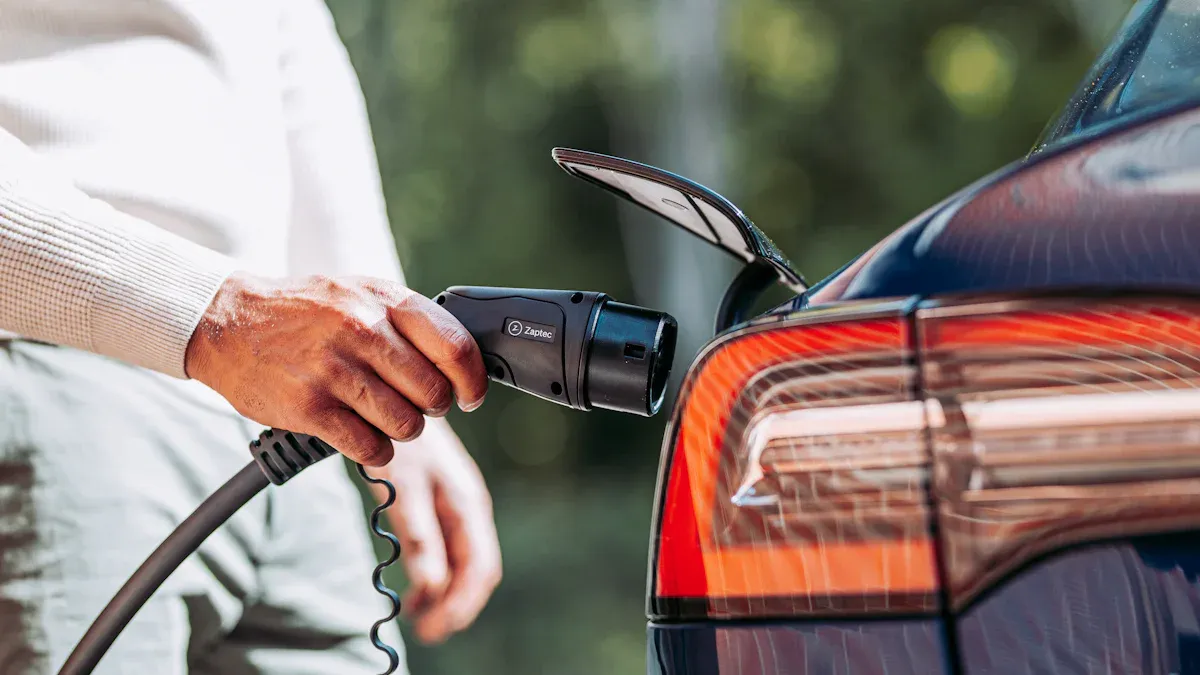
Compatibility issues often arise when homeowners overlook connector types and standards. Not all at-home chargers fit every vehicle. For example, most North American vehicles use the J1772 connector, while some commercial ev charging stations use different standards. Checking compatibility before installation prevents costly errors and ensures seamless charging.
Benefits of Smart Features and App Integration
Modern ev charging stations offer smart features that enhance safety, efficiency, and convenience. Key features include:
- Smartphone control for remote management
- Safety systems to prevent blackouts and protect circuits
- Scheduling to charge during off-peak hours and reduce costs
- Integration with home energy management systems
- Support for renewable energy sources
Smart features help optimize charging, lower energy bills, and provide peace of mind.
Tip: Choose a charging station with app integration to monitor usage and receive alerts about charging status or issues.
Failing to Plan for Future EV Needs
Upgrading for Multiple Vehicles
Many homeowners make the mistake of not planning for future needs. Adding a second EV or upgrading to a larger battery can strain the existing setup. Upgrading for multiple vehicles may require increasing home energy capacity, installing higher-capacity chargers, or extending cable lengths. These upgrades often involve significant installation and labor costs, especially if the garage location presents challenges.
Considering Home Energy Upgrades
Ignoring the potential need for home energy upgrades can lead to higher costs and complications. Some households spend thousands upgrading their electrical systems to support additional charging stations. Local authorities may even recommend charging at specific times to avoid overloading the grid. Planning ahead ensures the home ev charger remains reliable and future-proof.
Note: Homeowners should always assess their long-term needs before installing or upgrading an ev charging station.
Biggest Mistakes in Assessing Electrical Capacity Before Installing an EV Charger
Skipping Professional Electrical Assessment
Risks of Overloading Your Electrical Panel
Many homeowners overlook the importance of a professional electrical assessment before installing an ev charging station. This oversight can lead to serious problems. Older homes often have outdated electrical systems that cannot handle the extra load. When the electrical panel lacks sufficient capacity, the risk of frequent circuit breaker trips and even electrical fires increases.
One neighbor installed a charger without a proper survey. After installation, the main circuit breaker started tripping repeatedly. Certified installers always perform a site inspection to ensure the wiring, circuit board, and fuse can support the new load.
A pre-installation assessment remains essential for safety and compatibility. Homeowners should always confirm that their electrical infrastructure can support the additional demand.
Identifying Necessary Upgrades and Costs
A professional assessment helps identify if the electrical panel needs upgrades. Upgrading an old panel or rewiring parts of the home can add significant costs. Homeowners should budget for these expenses early in the planning process. Failing to do so may result in delays or unexpected financial strain.
| Risk Türü | Açıklama |
|---|---|
| Güvenlik Tehlikelerine Maruz Kalma | İzinsiz kurulumlar elektrik arızalarına yol açabilir and potential fires. |
| Affect Property’s Resale Value | Lack of a permit may reduce property value and complicate future sales. |
| Konut Sigortası Sorunları | Unpermitted installations can result in termination of home insurance coverage. |
| Yasal Cezalar | Illegal installations may incur fines and require dismantling of the EV charger. |
Underestimating Power and Circuit Requirements
Circuit Breaker Sizing and Dedicated Circuits
Level 2 charging stations require a dedicated dual-pole circuit and operate on 208 or 240 volts, similar to large household appliances. Proper circuit breaker sizing ensures safe and efficient operation. The table below shows the recommended breaker sizes for different charger amperages:
| Şarj Cihazı Amperajı | Gerekli Kesici Boyutu |
|---|---|
| 16A | 20A |
| 24A | 30A |
| 32A | 40A |
| 40A | 50A |
| 48A | 60A |
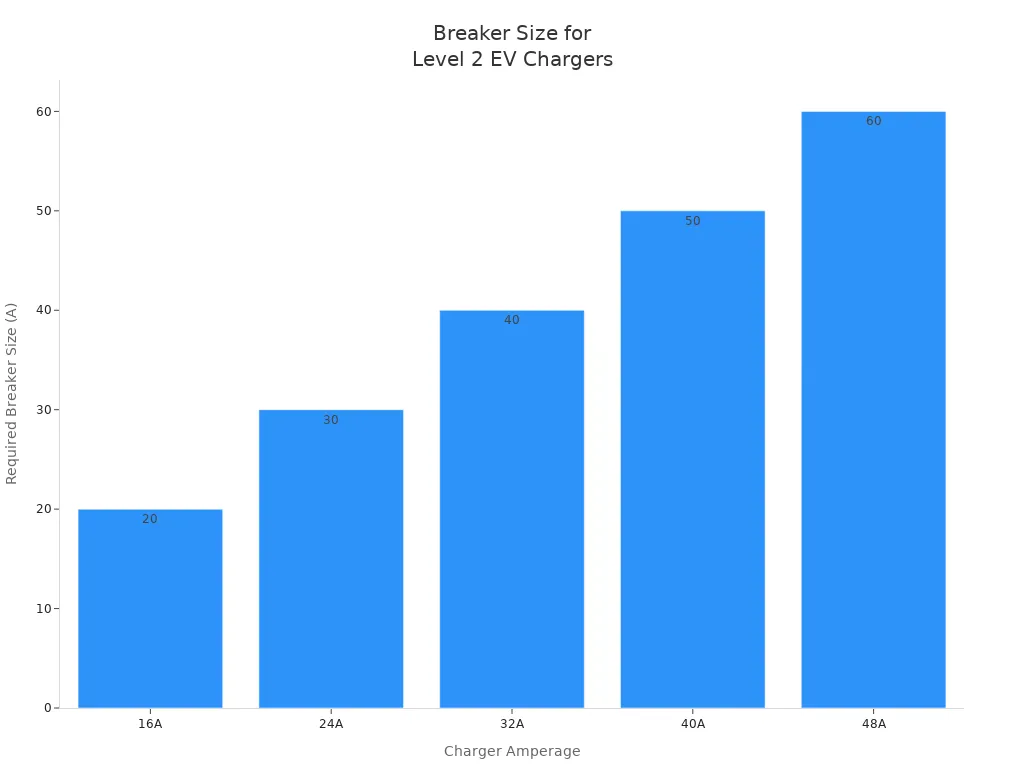
A Level 2 charger requires a dedicated 240-volt circuit. The installation must comply with the National Electrical Code (NEC). A licensed electrician should select the correct wire size for safety.
Integrating Surge Protection Devices (SPDs)
Surge protection devices (SPDs) protect the charging station from voltage spikes. These devices prevent damage to both the charger and the vehicle. Including SPDs in the installation plan adds an extra layer of safety and reliability.
Neglecting Permit and Code Compliance
Local Electrical Codes and Regulations
Local codes and permit requirements play a critical role in ev charging station installation. Most townships require a permit to ensure the work meets state and local safety standards. Without a permit, installations may fail inspection, void insurance, or result in fines.
| Gereksinim | Etki |
|---|---|
| Permit Required | Ensures compliance with local codes and safety standards |
| Skipping Permit | Potential fines and insurance issues |
| Teftiş | Validates that installation meets safety standards |
- Most New Jersey townships require a permit elektrikli araç şarj cihazı kurulumu için.
- Permits ensure wiring and panel upgrades meet state electrical codes.
- Without a permit, installations may fail inspection, void insurance, or incur fines.
Denetim ve Onay Süreci
The inspection and approval process confirms that the installation meets all safety standards. Homeowners should:
- Check local building codes for permit requirements.
- Understand that major electrical upgrades typically require a permit.
- Consult with local authorities or licensed professionals to ensure compliance.
Skipping these steps can lead to legal and financial problems. Proper planning and adherence to regulations protect both the home and its occupants.
Common Mistakes in EV Charging Station Placement
Poor Accessibility and Convenience
Cable Length and Reach Considerations
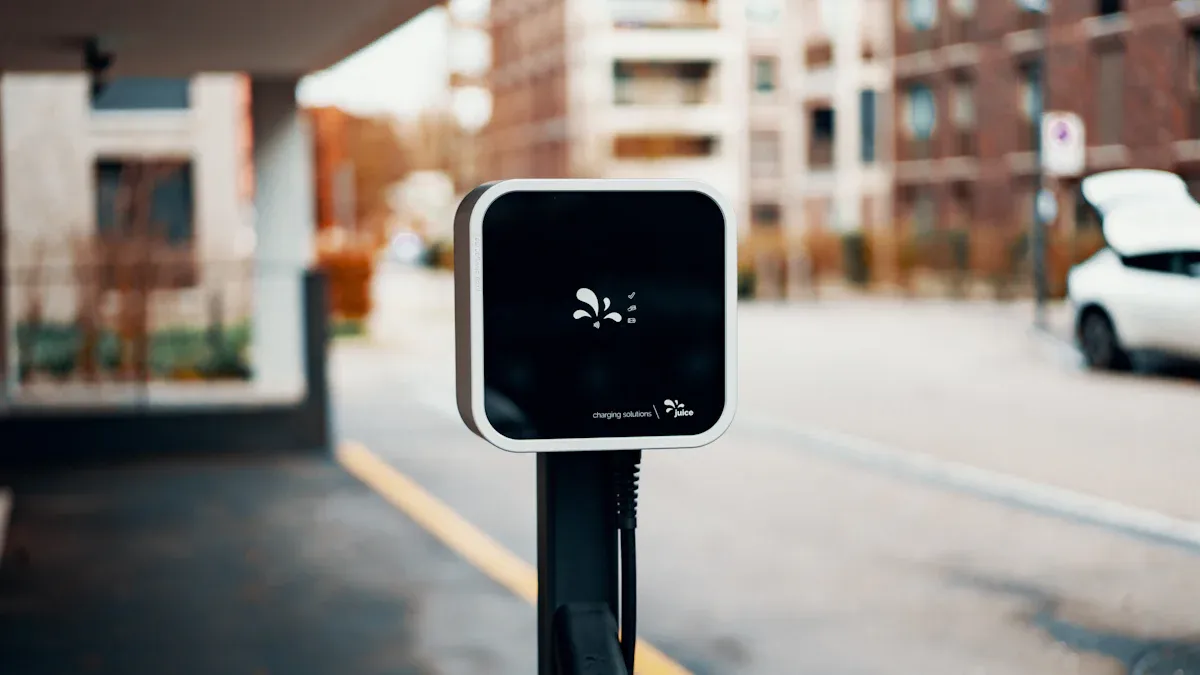
Homeowners often underestimate the importance of cable length when installing an ev charging station. Short cables can limit flexibility, forcing drivers to park in awkward positions or stretch cords across walkways. Strategic placement ensures that the cable reaches the vehicle comfortably, regardless of parking orientation. Poor charger placement can result in daily inconvenience and even discourage regular charging. Proper site planning maximizes usability and customer satisfaction for all EV drivers.
Parking Patterns and Charger Location
Parking patterns play a critical role in charger accessibility. Placing the charger near entrances or exits improves visibility and convenience. Reserved parking spots and clear signage prevent misuse by non-EV drivers. When chargers align with daily travel routines, users experience fewer disruptions. Inadequate accessibility and failure to consider future scalability often lead to traffic congestion and difficult expansion. Households in areas with uneven charging infrastructure distribution face additional challenges, especially those from minority groups or experiencing fuel poverty.
Tip: Always evaluate parking habits and vehicle orientation before finalizing charger location.
Exposure to Weather and Environmental Hazards
Indoor vs. Outdoor Installation Choices
Choosing between indoor and outdoor installation requires careful consideration. Indoor installations offer protection from rain, snow, and extreme temperatures. Outdoor chargers must withstand environmental hazards, including moisture and debris. The table below outlines common risks associated with exposure:
| Risk Türü | Açıklama |
|---|---|
| Elektrik Çarpması | Improper installation or damaged cables increase the risk of electric shock. |
| Yangın Tehlikeleri | Poor maintenance or installation can lead to fire. |
| Environmental Hazards | Outdoor chargers may suffer damage from rain or severe weather without adequate protection. |
Standing water at the installation site increases the risk of electrical short circuits. Homeowners should pay attention to site topography and drainage.
Weatherproofing and Ventilation Needs
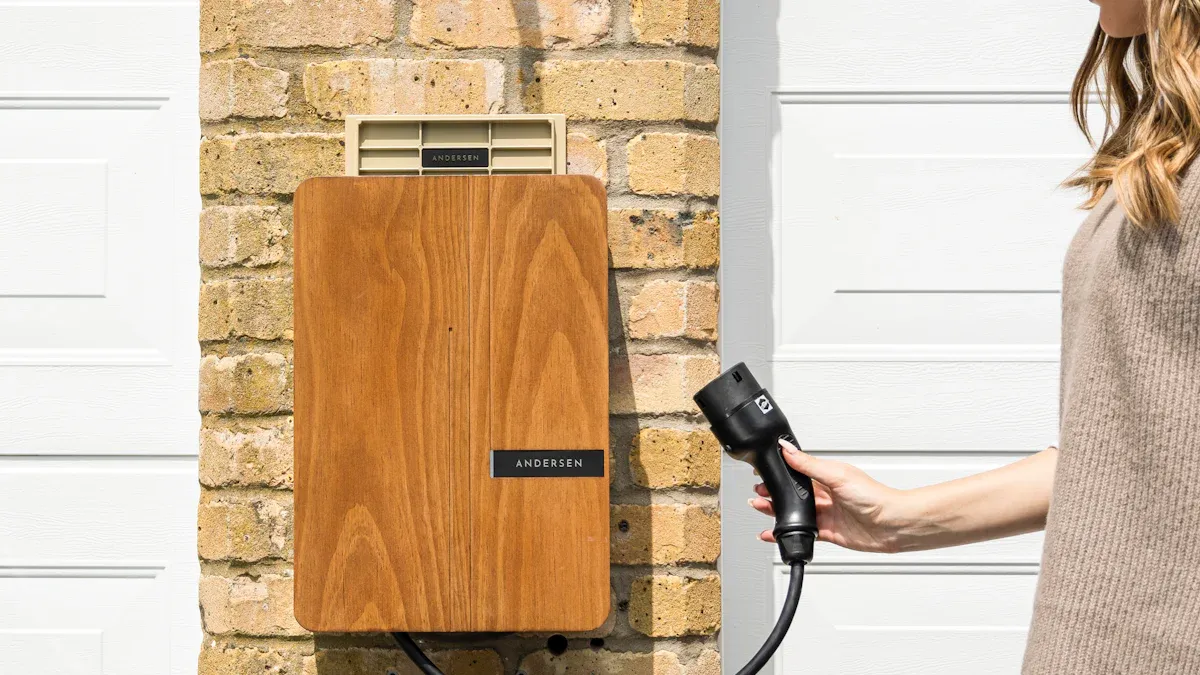
Weatherproofing remains essential for outdoor chargers. Protective covers and sealed enclosures shield equipment from rain and dust. Indoor installations require proper ventilation to prevent overheating. Poor ventilation can compromise safety, even with modern features. Fire protection measures must be considered during installation to reduce the risk of smoke and fire.
Overlooking Safety Hazards
Tripping Risks and Fire Safety
Tripping hazards arise when cables cross walkways or clutter parking areas. Organizing cables and securing them with holders or retractable systems reduces accidents. Fire safety depends on correct installation and regular maintenance. Significant risks of smoke and fire exist if the charger is not properly installed or maintained.
Water Protection and Safe Placement
Water protection is critical for both indoor and outdoor installations. Chargers should never be placed in areas prone to flooding or standing water. Safe placement involves selecting locations away from water sources and ensuring all electrical components remain dry. Ground Fault Circuit Interrupter (GFCI) protection helps prevent electrocution. Proper electrical capacity and wire sizing further enhance safety.
| Safety Hazard | Açıklama |
|---|---|
| Proper Electrical Capacity | Wiring must handle the current without overheating. |
| Topraklama Hatası Koruması | GFCIs prevent electric shock and must be included. |
| Ventilation for Indoor Installations | Poor ventilation increases overheating risk. |
| Permits and Compliance | Permits ensure legal and safe installation. |
Note: Installing a new electric circuit requires a permit to comply with local codes and regulations.
Mistakes to Avoid by Skipping Professional Installation
DIY Risks and Limitations
Electrical Safety Concerns
Many homeowners consider installing an ev charger themselves to save on installation costs. However, this approach introduces significant safety hazards. Improper wiring can cause electric shock or even fire. DIY installations often fail to meet local codes, which can result in costly repairs and legal issues. Homeowners who skip professional help risk exposing their families and property to unnecessary danger.
- Electric shock and fire hazards from incorrect wiring
- Unpermitted work can lead to fines and legal complications
- Non-compliance may require expensive corrections by a properly skilled electrician
Warranty and Insurance Issues
DIY installation mistakes can void manufacturer warranties and insurance coverage. Most EV chargers require professional installation to keep warranties valid. If a charger malfunctions due to improper setup, homeowners may face high repair or replacement costs. Insurance companies may also deny claims if the installation does not comply with local regulations, leaving homeowners financially responsible for damages.
Tip: Always check warranty and insurance requirements before attempting a DIY installation.
Benefits of Hiring Certified Installers
Ensuring Code Compliance and Quality
Certified installers bring expertise and ensure every step meets safety and quality standards. They follow all local codes and regulations, reducing the risk of legal issues and future installation mistakes. The following table highlights the advantages of hiring a professional:
| Aspect | Açıklama |
|---|---|
| Safety Standards Are Met | The charger is installed to the highest safety standards. |
| Compliance Is Guaranteed | All local codes and regulations are followed, reducing legal risks. |
| Proper Grounding | The charger is grounded correctly to protect against electrical surges. |
| Circuit Installation | Dedicated circuits prevent overloading existing electrical systems. |
Peace of Mind and Long-Term Reliability
A certified installer provides peace of mind. Homeowners know the charger will operate safely and reliably for years. Professional installation often includes warranties and ongoing support, which helps prevent future problems and protects the investment.
Cost vs. Value in Professional Installation
Avoiding Costly Mistakes
While professional installation costs more upfront, it helps homeowners avoid expensive errors. DIY attempts can lead to compliance issues, voided warranties, and the need for costly repairs. If the installation fails to meet local codes, homeowners may have to hire a contractor to fix the mistakes, increasing overall installation costs.
Long-Term Savings and Efficiency
Professional installation offers long-term value. It ensures the charger operates efficiently, reduces the risk of future repairs, and can even increase property value. Homeowners benefit from fuel savings and a reliable charging solution. Investing in a professional now prevents larger expenses later and supports a safer, more efficient home charging experience.
Biggest Mistakes in Safety and Compliance for EV Charging Stations
Failing to Use Certified Equipment
UL Listing and Safety Standards
Certified equipment plays a vital role in the safety of any ev charging station. UL listing and adherence to safety standards ensure that chargers meet rigorous requirements for electrical safety and reliability. When homeowners select chargers without proper certification, they expose their property and vehicles to significant risks. Non-certified chargers often lack insulation and grounding, which increases the chance of electric shock and fire hazards. Insurance companies may refuse coverage for damages caused by uncertified devices.
- Elektrik Güvenliği: Non-certified chargers may not have proper insulation, posing a shock hazard.
- Fire Hazard: Poor design can lead to overheating or short circuits, creating fire risks.
- Damaged Vehicle: Using non-certified chargers can harm the vehicle’s battery and electrical components, leading to costly repairs.
- Insurance Liability: Damages from incidents involving non-certified chargers may not be covered by insurance.
Avoiding Counterfeit Products
Counterfeit products often appear similar to genuine chargers but lack essential safety features. These devices may bypass critical testing and certification processes. Homeowners should always verify the authenticity of their equipment and purchase from reputable suppliers. Counterfeit chargers can cause electrical failures and void warranties.
Improper Grounding and Wiring
Topraklama Hatası Koruması
Proper grounding remains essential for every ev charging station installation. Skipping grounding can lead to electric shocks and damage to equipment. Ground fault protection devices detect irregularities and shut off power to prevent harm. Electricians use earth rods and bonding connectors to redirect hazardous currents safely into the ground.
The consequences of improper grounding and wiring in home EV charger installations can lead to serious safety hazards, including electric shock risks, damage to electronic components, and potential overloads in the electrical system. Proper earthing and bonding are essential to mitigate these risks.
- Proper earthing and bonding are essential to mitigate risks.
- Use of bonding connectors can significantly reduce the power load, mitigating the potential for harmful shocks.
- A certified electrician should ensure compliance with regulations.
- Earth rods can redirect hazardous flow away from exposed conductors into the ground.
- Corrosion can hinder the charger’s earthing ability, potentially leading to electrical fires.
Correct Wire Gauge Selection
Selecting the correct wire gauge prevents overheating and ensures safe operation. Incorrect breaker and wire pairings violate electrical codes and increase fire risk. Electricians match wire size to the charger’s amperage and length of run. The table below highlights common mistakes:
| Mistake Type | Açıklama |
|---|---|
| Failing to Comply With Electrical Codes | Not adhering to local and national electrical codes can endanger property and lives. Inspections and permits are essential. |
| Skipping Proper Grounding Installation | Neglecting grounding can lead to electric shocks and damage to equipment. Proper grounding is crucial for safety. |
| Breaker and Wire Pairing Problems | Using incorrect breaker and wire sizes can cause overheating and is a code violation. Correct pairings are necessary. |
Not Planning for Emergency Shutoff
Accessible Disconnect Switches
Emergency shutoff switches provide a critical safety feature for residential charging stations. These switches must remain visible and accessible at all times. Installers place them between 20 and 100 feet from the charging device for quick access during emergencies.
- Emergency shutoff switches must be readily visible and accessible.
- They should be located at least 20 feet and not more than 100 feet from the charging device.
Fire Department Requirements
Local fire departments often require emergency stop buttons on charging stations. These buttons, usually red for easy identification, allow users to cut off power instantly. Manual reset is necessary before restarting the station. The table below summarizes emergency shutoff features:
| Özellik | Açıklama |
|---|---|
| Emergency Stop Button | A device installed on charging stations to cut off power during emergencies. |
| Tasarım | Typically red for easy identification. |
| Reset Requirement | Requires manual reset to restart the charging station. |
Safety and compliance mistakes can lead to severe consequences. Homeowners should prioritize certified equipment, proper grounding, and emergency shutoff planning to protect their investment and ensure reliable operation.
Common Mistakes in Maintenance and Upkeep of Your EV Charging Station
Forgetting Regular Inspections
Checking for Wear and Damage
Routine inspections play a crucial role in the longevity and safety of home EV charging stations. Many owners neglect this step, which often leads to unexpected failures and costly repairs. Physical wear, damaged connectors, and loose wiring can develop over time. A licensed electrician should perform thorough checks to identify these issues before they escalate. Inspections throughout the year help catch problems early and maintain optimal performance.
| Bakım Görevi | Frekans |
|---|---|
| Replace worn or damaged components | As needed |
| Clean and tighten wiring connections | Annually or as needed |
| Check voltage and current readings | Quarterly or as needed |
Regular maintenance prevents expensive repairs and ensures the charging station operates safely.
Monitoring Performance and Safety
Monitoring the station’s performance and safety remains essential. Owners should observe indicator lights and listen for unusual sounds during operation. Voltage and current readings provide insight into the system’s health. Ignoring these signs can result in safety risks and operational failures. Inspections performed by professionals guarantee that the equipment meets safety standards.
- Inspections should occur throughout the year.
- Regular maintenance can prevent costly repairs.
- A licensed electrician should conduct inspections to ensure safety.
Ignoring Software Updates and Connectivity
Security and Feature Improvements
Smart EV charging stations rely on software for efficient operation and security. Failing to update software exposes the system to vulnerabilities and operational issues. Updates often include new features, bug fixes, and security patches. Without these improvements, the charger may become incompatible with newer EV models and lose essential functionality.
| Risk of Ignoring Updates | Açıklama |
|---|---|
| Operational Issues | Charger may not work with new EV models. |
| Security Vulnerabilities | Outdated software can allow exploits. |
| Malware Risks | Lack of encryption enables malware injection. |
Keeping software up to date protects against known exploits and ensures compatibility with the latest vehicles.
Troubleshooting Connectivity Issues
Connectivity problems can disrupt charging schedules and remote monitoring. Owners should check Wi-Fi or network connections regularly and address any disruptions promptly. Troubleshooting connectivity ensures that smart features, such as app integration and energy management, function correctly.
Failing to Clean and Protect Equipment
Preventing Corrosion and Damage
Environmental factors, such as moisture and dust, can damage charging equipment. Regular cleaning of the charger’s exterior, connectors, and cables prevents dirt accumulation and corrosion. Owners should use appropriate cleaning methods and avoid harsh chemicals that may degrade materials.
- Düzenli Denetimler: Establish a routine schedule to identify potential issues. Check the physical condition, indicator lights, and environmental factors.
- Cleaning Your Charger: Clean the exterior, connectors, and cables to prevent dirt buildup.
- Connector and Cable Care: Inspect and clean connectors and cables carefully, ensuring proper management to extend their lifespan.
Keeping Charging Area Safe
A clean and organized charging area reduces tripping hazards and protects equipment from accidental damage. Owners should keep the space free of clutter and ensure cables are stored properly. These practices help maintain a safe environment for both people and vehicles.
Tip: Consistent upkeep of the charging station and surrounding area supports long-term reliability and safety.
Mistakes to Avoid with Rebates, Incentives, and Future-Proofing Your EV Charging Station
Missing Out on Financial Savings
Federal, State, and Utility Incentives
Many homeowners overlook valuable financial incentives when installing an ev charging station. These incentives can significantly reduce the upfront cost of equipment and installation. The United States offers a range of programs at the federal, state, and local levels. The table below summarizes the most common types of savings available:
| Teşvik Türü | Açıklama |
|---|---|
| Federal Vergi Kredileri | Up to 30% of the cost of purchasing and installing an EV charging station. |
| State Rebates and Grants | State-specific programs offering rebates and grants for residential and commercial installations. |
| Local Utility Programs | Incentives from local utility companies, including rebates on equipment and installation costs. |
Some utility companies, such as Duke Energy, provide substantial rebates for commercial ev charging, which can also influence residential programs. Homeowners who fail to research these opportunities may pay much more than necessary for their charging setup.
Application and Eligibility Tips
Missing deadlines or failing to meet eligibility requirements can result in lost savings. Homeowners should:
- Review all available federal, state, and utility incentives before purchasing an ev charging station.
- Gather required documentation, such as proof of purchase and installation.
- Submit applications promptly, as some programs operate on a first-come, first-served basis.
- Consult with certified installers who often have experience navigating incentive programs.
Tip: Always check with your local utility provider and state energy office for the latest rebate information.
Not Planning for Technology Changes
Upgradable Charger Models
Technology in the electric vehicle industry evolves rapidly. Homeowners who install outdated or non-upgradable chargers may face expensive replacements in the future. Choosing an ev charging station with upgradable hardware or software ensures compatibility with new vehicle models and charging standards. Flexible systems can adapt to higher power outputs, universal connectors, and even wireless charging technology as it becomes available.
Integrating with Solar or Battery Storage
Future-proofing means more than just supporting new vehicles. Many homeowners now integrate their ev charging station with solar panels or battery storage systems. This approach reduces grid dependency and supports sustainable energy use. Features such as vehicle-to-grid compatibility and smart grid integration allow users to return energy to the grid or optimize charging based on renewable energy availability.
A future-ready charging setup offers several advantages:
- Supports longevity and continued use as technology advances.
- Adapts to changes in user needs and EV models.
- Promotes scalability for households planning to add more vehicles.
- Enhances reliability and user experience.
- Contributes to sustainability and resilience in home energy systems.
Note: Planning for future upgrades during the initial installation saves time and money in the long run.
Homeowners face several mistakes to avoid when installing an ev charger. Selecting the right charger, checking electrical infrastructure, and hiring a certified installer remain essential steps. Safety and compliance standards protect against hazards, while long-term maintenance ensures efficiency. The following checklist helps prevent the most common mistakes to avoid:
- Choose the right charger ihtiyaçlarınız için.
- Evinizin elektrik kapasitesini değerlendirin.
- Hire a certified installer.
- Follow all safety and compliance standards.
- Plan for ongoing maintenance.
Seeking expert advice before installing an ev charger leads to safer, more reliable charging at home.
SSS
Seviye 1 ve Seviye 2 elektrikli araç şarj cihazları arasındaki fark nedir?
Level 1 chargers use standard 120V outlets and charge slowly. Level 2 chargers use 240V power and charge much faster. Most homeowners prefer Level 2 for daily use and convenience.
Does a home EV charger require a dedicated circuit?
Yes. A dedicated circuit ensures safe operation and prevents overloading the electrical system. Certified electricians always install Level 2 chargers on their own circuit.
Can homeowners install an EV charger outdoors?
Yes. Many EV chargers have weatherproof designs for outdoor use. Proper weatherproofing and placement protect the charger from rain, snow, and extreme temperatures.
How often should an EV charging station receive maintenance?
Annual inspections by a licensed electrician help maintain safety and performance. Owners should also check cables and connectors regularly for wear or damage.
Evde elektrikli araç şarj cihazı kurulumu için izin gerekiyor mu?
Most local authorities require permits for EV charger installation. Permits ensure compliance with electrical codes and protect homeowners from legal or insurance issues.
What incentives are available for installing a home EV charger?
Federal, state, and utility programs offer tax credits, rebates, or grants. Homeowners should research current incentives before purchasing or installing a charger.
Can an EV charger integrate with solar panels or battery storage?
Yes. Many modern chargers support integration with solar panels and home battery systems. This setup increases energy efficiency and reduces reliance on the grid.