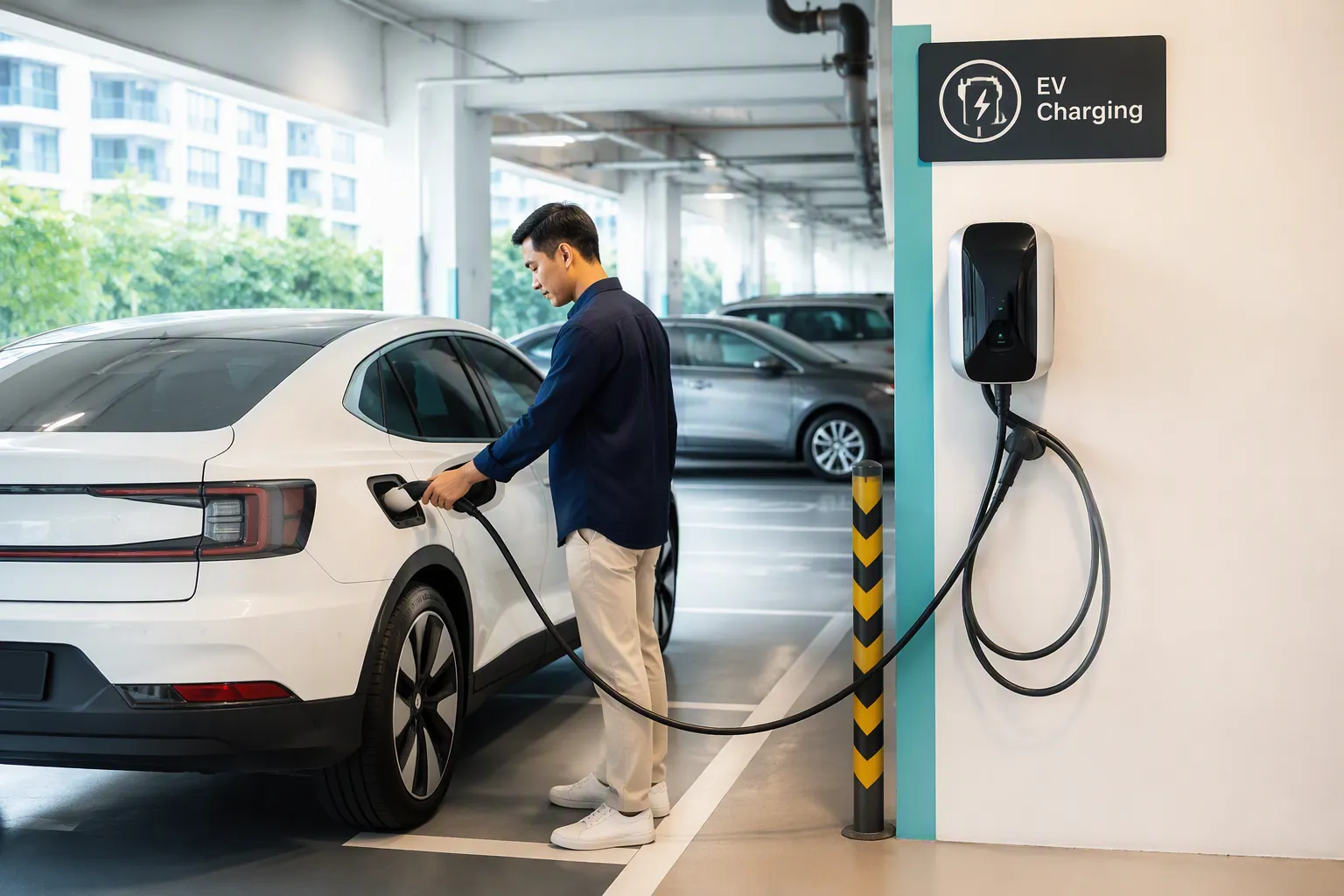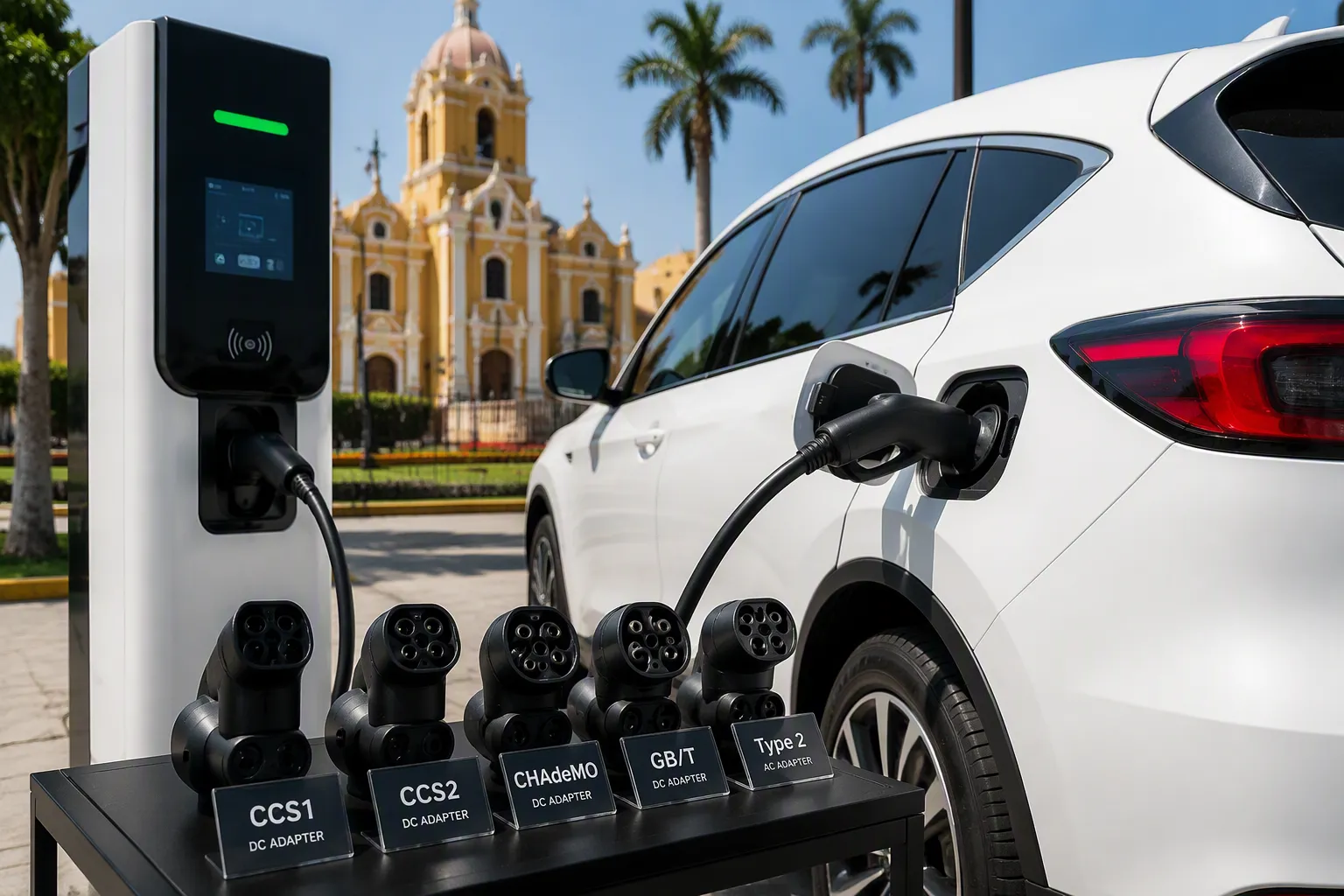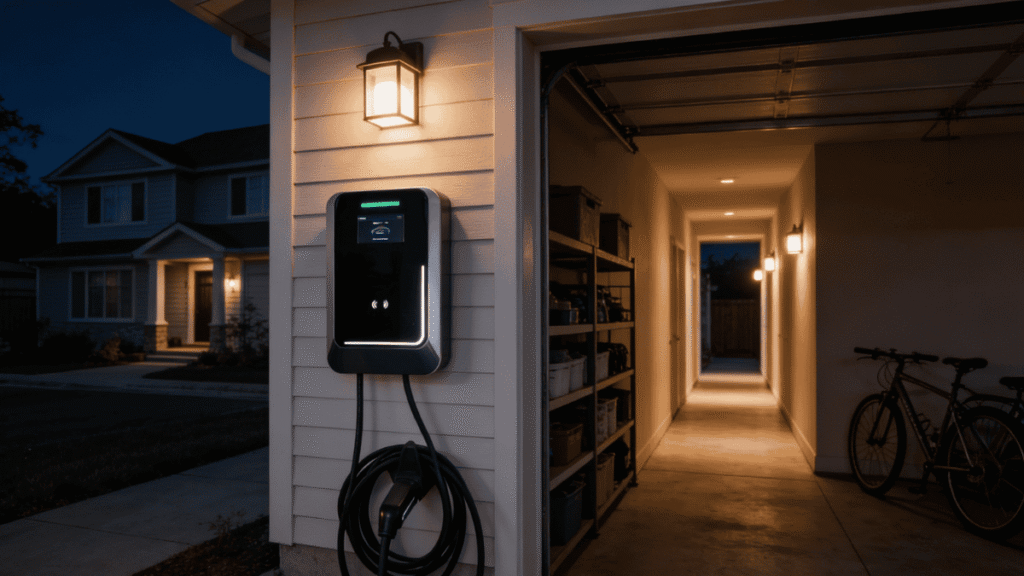
Avrupa'nın elektrikli araç şarj altyapısı, aynı anda hareket eden iki güç tarafından yeniden şekillendiriliyor: politika odaklı altyapı finansmanı ve hızlı şebeke genişlemesi. Seviye 2 AC ve DC hızlı şarj tesis sahiplerinin ise daha yüksek çalışma süresi, daha şeffaf fiyatlandırma ve daha akıllı enerji yönetimi talep ettiği bir piyasa oluşuyor. daha iyi yönetilen şarj hizmetidir—yük dengeleme, teşhis ve birlikte çalışabilirliğin uzun vadeli yatırım getirisi için belirleyici faktörler haline gelmesiyle.
- Piyasa özeti: neler değişiyor ve neden önemli
- Politika değişiklikleri: operatörlerin ve tesis sahiplerinin izlemesi gerekenler
- Şebeke genişlemeleri: büyümenin somut olarak görüldüğü alanlar
- Donanım vs. platform: manşetlerin ardındaki operasyonel değişim
- Kurulum kılavuzu: çalışma süresi, maliyet ve ölçek için nasıl tasarım yapılır
- Sektör perspektifi: TPSON'ın akıllı şarj ve enerji güvenliği yaklaşımı
- SSS
- Referanslar & dış bağlantılar (kanıtlar)
Piyasa özeti: neler değişiyor ve neden önemli
Avrupa'nın şarj altyapısı artık yalnızca kaç adet priz olduğuyla değerlendirilmiyor. Karar vericiler giderek daha fazla erişilebilirlik (çalışma süresi), sürücü deneyimi, ve şebeke uyumluluğu.ölçütlerini dikkate alıyor.
Kamu şebekesi ölçeği (küresel/Batı pazarı olgunluğu için gösterge)
Yüz binlerce
ChargePoint, sürücülerin kendi şebekesi ve roaming ortaklarında “yüz binlerce” konumda şarj edebildiğini belirtiyor.
Otoyol dinlenme tesisi hızlı şarj momentumu
2017 → 2026
Love's, 2017'den beri elektrikli araç şarjında olduğunu ve 2026'ya kadar sık eklemeler planladığını bildiriyor (otoyol dinlenme tesisi ölçeklenmesine ABD örneği).
Evde şarj ekonomisi
~1/3 maliyet
Car and Driver, evde şarjın DC hızlı şarj maliyetinin kabaca üçte biri olduğunu bildiriyor.
Gerçek dünyada şarj kayıpları
~%5–%8
Car and Driver, farklı kurulumlar arasında tipik şarj kayıplarının ortalama kabaca %5 ila %8 arasında olduğunu ölçtü.
Veri grafiği: şarj seviyesi genel bakışı (güç aralığı ve tipik kullanım)
| Şarj seviyesi | Elektrik türü | Tipik güç aralığı (kW) | En uygun kullanım senaryosu | Operasyonel not |
|---|---|---|---|---|
| Seviye 1 | 120V AC | ~1 kW | Acil durum/çok düşük günlük kilometre | Tam şarj günler sürebilir (Car and Driver) |
| Seviye 2 | 240V AC | ~6–19 kW | Ev, işyeri, varış noktası şarjı | Birçok elektrikli araç için gece boyu şarj gerçekçidir (Car and Driver) |
| Seviye 3 / DC hızlı şarj | 400–800V DC | ~50–350 kW | Koridor seyahati, yüksek devir hızına sahip tesisler | – şarj yaklaşık ~30 dakika kadar kısa sürede gerçekleşebilir (yaygın olarak belirtilir, Car and Driver) |
Car and Driver'ın şarj seviyesi tanımlarından özetlenen kaynaklar. Değerler araç ve tesis konfigürasyonuna göre değişir.
Politika değişiklikleri: operatörlerin ve tesis sahiplerinin izlemesi gerekenler
Politika değişiklikleri, özellikle teşvikler, kurulum gereklilikleri, ve güvenlik uyumluluğu.konularında, kurulum kararlarını giderek daha fazla şekillendiriyor.
İstasyon ekonomisini tutarlı şekilde etkileyen üç politika teması
1) Kurulumu hızlandıran teşvikler
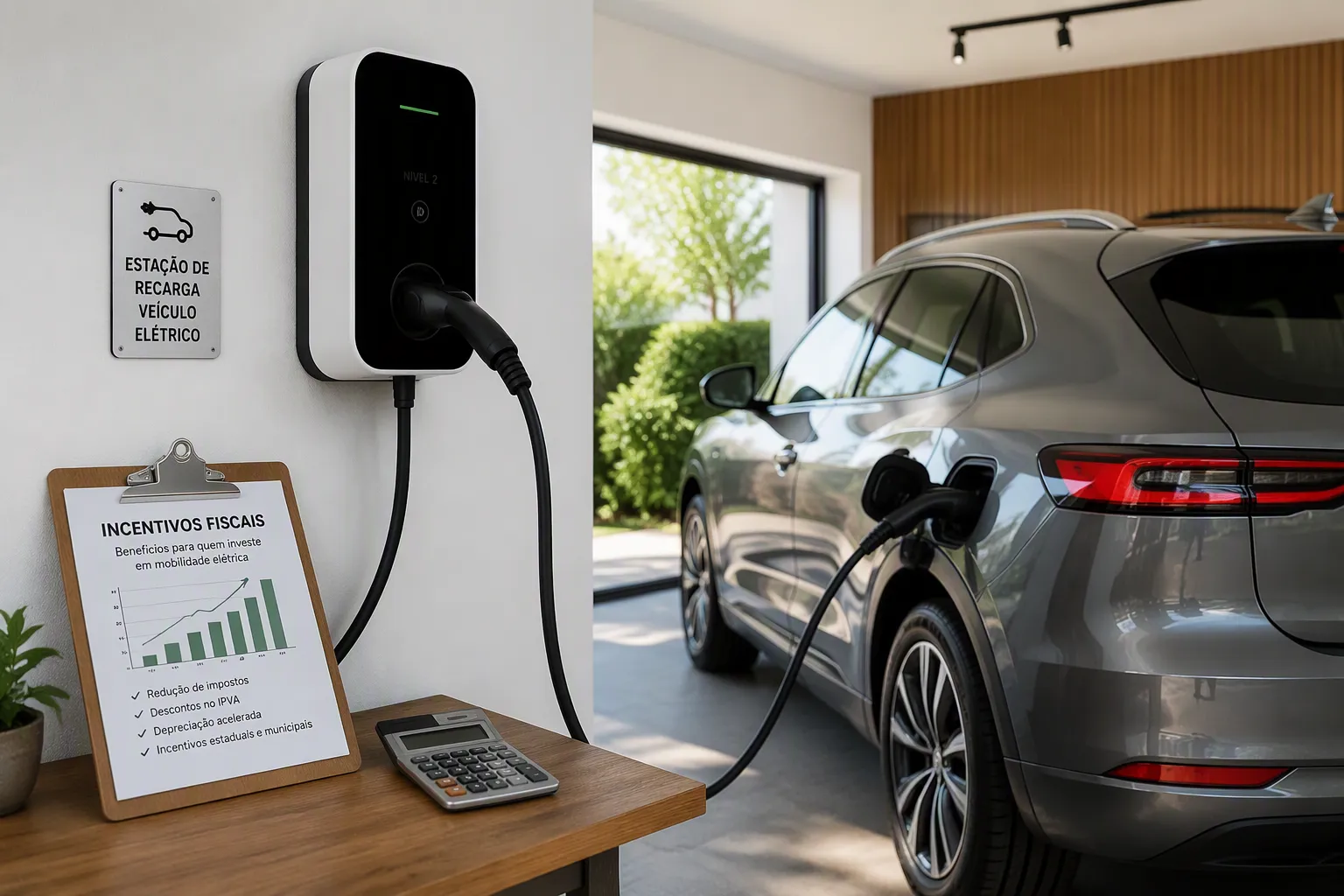
Teşvikler, geri ödeme sürelerini kısaltır ve altyapı inşasını hızlandırır. ABD bağlamında, Car and Driver, uygun maliyetler için federal kredi (1.000 ABD Doları ile sınırlı) olduğunu belirtiyor,.
Operatör çıkarımı: teşvikler genellikle hazırlığı ödüllendirir—izin süreçleri, tasarım ve tedarik zincirleri, şarj cihazı donanımı kadar önemlidir.
2) Kurulum seçimlerini etkileyen elektrik yönetmelikleri uygulaması
Kurulum kuralları, tercih edilen mimariyi (takılabilir vs. sabit bağlantı) değiştirebilir. Emporia, GFCİ devre kesicilerin, halihazırda dahili GFCİ koruması bulunan EVSE ile eşleştirildiğinde gereksiz açmalara neden olabileceğini belirtiyor ve.
Operatör çıkarımı: güvenilirlik kısmen düzenleyicidir—tekrarlanan servis çağrılarından kaçınmak için özellikler yerel elektrik gereksinimleriyle eşleşmelidir.
3) Birlikte çalışabilirlik ve “platform” beklentileri
Policy discussions increasingly intersect with interoperability. ChargePoint positions EV charging as a platform problem—combining stations, software, services, and integration into driver apps (including in-vehicle experiences such as Apple CarPlay and Android Auto). This aligns with a direction many regulators support: reduce friction for drivers and ensure networks can be monitored and managed.
Operator takeaway: procurement criteria are expanding to include software capabilities, reporting, diagnostics, and roaming readiness.
Data chart: installation-related reliability risks (qualitative scoring)
The chart below highlights common reliability risks that operators can mitigate during design and procurement. Scores are a practical heuristic for prioritization (1 = low, 5 = high).
Evidence basis: Emporia’s discussion of GFCI nuisance tripping; ChargePoint’s emphasis on software/network management; common field failure patterns reported by installers and operators.
Şebeke genişlemeleri: büyümenin somut olarak görüldüğü alanlar
Network expansion is not a single story. In practice, growth takes different shapes depending on whether the goal is corridor coverage, destination dwell time, or fleet depot operations. The strongest networks build a mixed portfolio of AC EV charging ve DC hızlı şarj, with software that supports monitoring and driver access.
Travel stops: the “amenities + fast charging” model
One of the most visible expansion patterns is the travel-stop model. Love’s states it has been in EV charging since 2017 and has 100+ chargers across 36 locations in 14 states, with new fast charging locations being added frequently through 2026. Love’s also emphasizes driver amenities—food options, clean restrooms, dog parks, always-open staffing, and Wi?Fi— reflecting an operational truth: charging time is customer time.
Even though Love’s is a US network, the strategy is relevant globally: placing DC fast chargers near highways with efficient entry/exit and amenities reduces range anxiety and improves driver satisfaction. See: Love's EV Şarj.
Network platforms: scaling by software, not only hardware
ChargePoint frames growth as an ecosystem: stations + software + services, with the ability to operate ChargePoint stations, partner stations, or “any OCPP compliant hardware.” This matters in Avrupa because many site hosts want vendor flexibility and the ability to integrate charging into existing property or fleet systems. See: ChargePoint.
Donanım vs. platform: manşetlerin ardındaki operasyonel değişim
The highest-performing charging programs treat EVSE selection as part of a broader operating model. Hardware choices (power, connectors, IP/NEMA ratings) must align with platform capabilities (monitoring, access control, pricing, roaming, alerts). This is why SERP-leading resources tend to compare not only “best charger” lists but also installation requirements and lifecycle considerations.
Home and destination: Level 2 is still the workhorse
For predictable dwell time, Level 2 remains the most cost-effective backbone. Car and Driver explains Level 2 commonly spans ~6–19 kW and can charge an EV overnight, while also noting home charging tends to be cheaper than DC fast charging (roughly one-third the cost).
Emporia’s Classic Level 2 charger product listing illustrates how consumer-grade equipment is becoming more capable: up to 48A hardwired, NACS/Tesla and J1772 options, app scheduling, UL certification, and built-in GFCI protection (with important installation considerations). Reference: Emporia Classic Seviye 2 EV Şarj Cihazı.
Mobile and emergency: compact DC fast chargers as “gap fillers”
As networks expand, there is growing interest in mobile or rapidly deployable DC solutions for fleet logistics, events, ve roadside support. TPSON’s TP-DC Compact Series is positioned for this use case with 20/30/40 kW modules, DC50–1000V output range, optional Ethernet/4G connectivity, and scenarios including emergency roadside assistance and temporary locations. See: DC EV Şarj Cihazları.
Data chart: example power tiers and operational fit (from cited product pages)
| Kategori | Örnek | Power / scale (as stated) | Best-fit scenario | Evidence link |
|---|---|---|---|---|
| Level 2 home EVSE | Emporia Classic (hardwired / plug-in) | Up to 11.5 kW (48A @ 240V) hardwired; 9.6 kW (40A) plug-in | Residential, workplace, destination | Emporia |
| Public network platform | ChargePoint network + software | “Hundreds of thousands” of locations + roaming partners | Multi-site programs; driver app integration | ChargePoint |
| Portable DC fast | TPSON TP-DC Compact Series | 20/30/40 kW modules; DC50–1000V; 0–66.7A / 0–100A / 0–133.3A | Emergency, flexible depots, events, dealerships | TPSON |
| Travel stop charging | Love’s EV charging locations | 100+ chargers; 36 locations; 14 states; adding DC fast through 2026 | Highway corridors + amenities | Love's |
This chart compiles statements directly from the cited sources; it is not a complete market inventory.
Kurulum kılavuzu: çalışma süresi, maliyet ve ölçek için nasıl tasarım yapılır
1) Start with power and dwell time (not “fastest possible”)
DC fast charging is critical for corridors, but it is capital intensive. For many sites—retail, workplaces, hospitality— the better economic match is often well-managed Level 2. A practical planning approach is to map expected parking duration, then size the power accordingly.
2) Engineer for electrical capacity with load management
Electrical capacity is a limiting factor across markets. Car and Driver notes that spare capacity determines whether upgrades cost “a few hundred dollars” or “a couple of thousand.” It also highlights load management as a way to avoid panel upgrades by dynamically adjusting charging output. In a European context, this aligns with the broader shift toward akıllı şarj and managed demand.
3) Treat safety monitoring as an operations tool
Beyond basic protection, modern deployments increasingly require ongoing monitoring, diagnostics, and early warnings. That is the difference between “installed chargers” and “available chargers.”
4) Design the driver experience end-to-end
ChargePoint emphasizes “find, start and pay” through a single app and in-vehicle integrations, while Love’s highlights amenities and 24/7 staffing. These are two sides of the same outcome: reduce friction and keep the driver moving. For many European sites, this becomes an important differentiator where multiple networks compete for the same locations.
For readers evaluating equipment options across use cases, TPSON’s product overview can be used as a starting point to compare AC vs DC approaches: Elektrikli Araç Şarj Cihazları.
Sektör perspektifi: TPSON'ın akıllı şarj ve enerji güvenliği yaklaşımı
From a manufacturer standpoint, European market requirements increasingly converge on four priorities: compatibility, enerji verimliliği, diagnostic visibility, ve güvenlik. TPSON positions its solutions around a patented Mevcut Parmak İzi Algoritması, using edge computing to detect device-level electrical signatures, enabling smart energy management and enhanced safety across power nodes.
Company credentials relevant to EEAT
- TPSON reports it was founded in 2015 and develops AI-driven smart electrical systems and vehicle chargers, based in Hangzhou. Company background: EV Şarj Cihazları üreticisi olarak teknolojisini ve kilometre taşlarını tanımlar.
- The leadership and scientific team listed includes senior technical backgrounds (e.g., patents, industry experience, IEEE membership), which supports credibility when discussing grid interaction, microgrids, and device safety.
- TPSON states scale indicators such as serving 5,000+ businesses and 1M+ households, with 200+ invention patents and a 150-person R&D team. See: TPSON.
Where TPSON products fit within Europe’s expansion story
AC deployment: managed Level 2 growth
For residences, workplaces, and destination sites that need scalable AC charging, TPSON offers wallbox solutions under its AC EV Şarj Cihazları category. These deployments benefit most when paired with dinamik yük dengeleme and clear operational telemetry.
DC deployment: flexible fast charging for operations
For scenarios such as emergency support, temporary locations, and fleet yards needing flexible power, TPSON’s portable DC option (20–40 kW modular) is a targeted response to real-world operational gaps. See: DC EV Şarj Cihazları.
SSS
1) What policy changes matter most for EV charging expansion in Europe?
The most consequential changes usually relate to teşvikler (capex payback), electrical code enforcement (installation method and safety requirements), and interoperability expectations (data/reporting, roaming, and platform integration). Even outside Europe, examples like US tax credits and evolving GFCI practices show how rules can change deployment economics and uptime.
2) Are networks expanding faster with AC (Level 2) or DC fast charging?
Both are expanding, but for different reasons. Seviye 2 scales well at destinations and workplaces where vehicles dwell for hours. DC hızlı şarj expands along corridors and high-turnover retail sites where drivers need rapid replenishment. Many operators pursue a blended strategy to match site behavior and electrical constraints.
3) Why is “platform + software” becoming as important as the charger hardware?
Because the day-to-day outcome is availability and usability. Platforms enable remote monitoring, proactive maintenance, access control, pricing, and a smoother driver flow (find/start/pay). ChargePoint explicitly positions EV charging as a unified platform combining hardware, software, and services.
4) How should a site host choose between plug-in and hardwired Level 2 installations?
The decision should be based on current requirements, portability needs, and local code. Emporia notes plug-in configurations can be easier to install but may be limited in continuous current, while hardwired installations can support higher output and may avoid nuisance tripping in certain GFCI configurations. A licensed electrician should validate the safest approach for the specific site.
5) What does “smart charging” mean in practical operational terms?
In practice it means using metering, rules, and controls to align charging with site capacity, energy prices, and operational priorities—often through load balancing, scheduling, and diagnostic alerts. This is also where technologies like TPSON’s Mevcut Parmak İzi Algoritması aim to add safety intelligence at the device level.
6) Where do portable DC chargers fit into network expansion strategies?
Portable DC chargers are typically not the backbone of public corridor charging. They are best used as operational tools for fleets, roadside assistance, events, and temporary deployments—situations where speed of deployment and flexibility matter more than maximum power. TPSON’s TP-DC Compact Series is positioned for these scenarios with modular 20–40 kW configurations and optional Ethernet/4G connectivity.
Referanslar & dış bağlantılar (kanıtlar)
The article referenced the following sources for factual statements, definitions, and product/network descriptions. Links open in a new tab.
- Car and Driver — definitions of charging levels, home charging economics, installation cost ranges, and measured charging losses: https://www.caranddriver.com/shopping-advice/a39917614/best-home-ev-chargers-tested/
- ChargePoint — platform positioning, software/hardware interoperability, and network scale claims: https://www.chargepoint.com/
- Love’s — travel-stop EV charging network footprint and expansion timeline through 2026; amenities supporting driver experience: https://www.loves.com/ev-charging
- Emporia — Classic Level 2 charger power options, GFCI/nuisance tripping guidance, and installation notes: https://shop.emporiaenergy.com/products/emporia-ev-charger
- TPSON — company background and Current Fingerprint Algorithm; milestones and technical leadership: https://tpsonpower.com/about/
- TPSON — EV charger portfolio overview and positioning (AC + DC + accessories): https://tpsonpower.com/ev-chargers/
- TPSON — AC wallbox category page: https://tpsonpower.com/ac-ev-chargers/
- TPSON — Portable DC charger specifications and applicable scenes: https://tpsonpower.com/portable-dc-ev-charger/
Required internal links used as anchored terms in-context: Elektrikli Araç Şarj Cihazları, EV Şarj Cihazları üreticisi olarak teknolojisini ve kilometre taşlarını tanımlar, AC EV Şarj Cihazları, DC EV Şarj Cihazları.