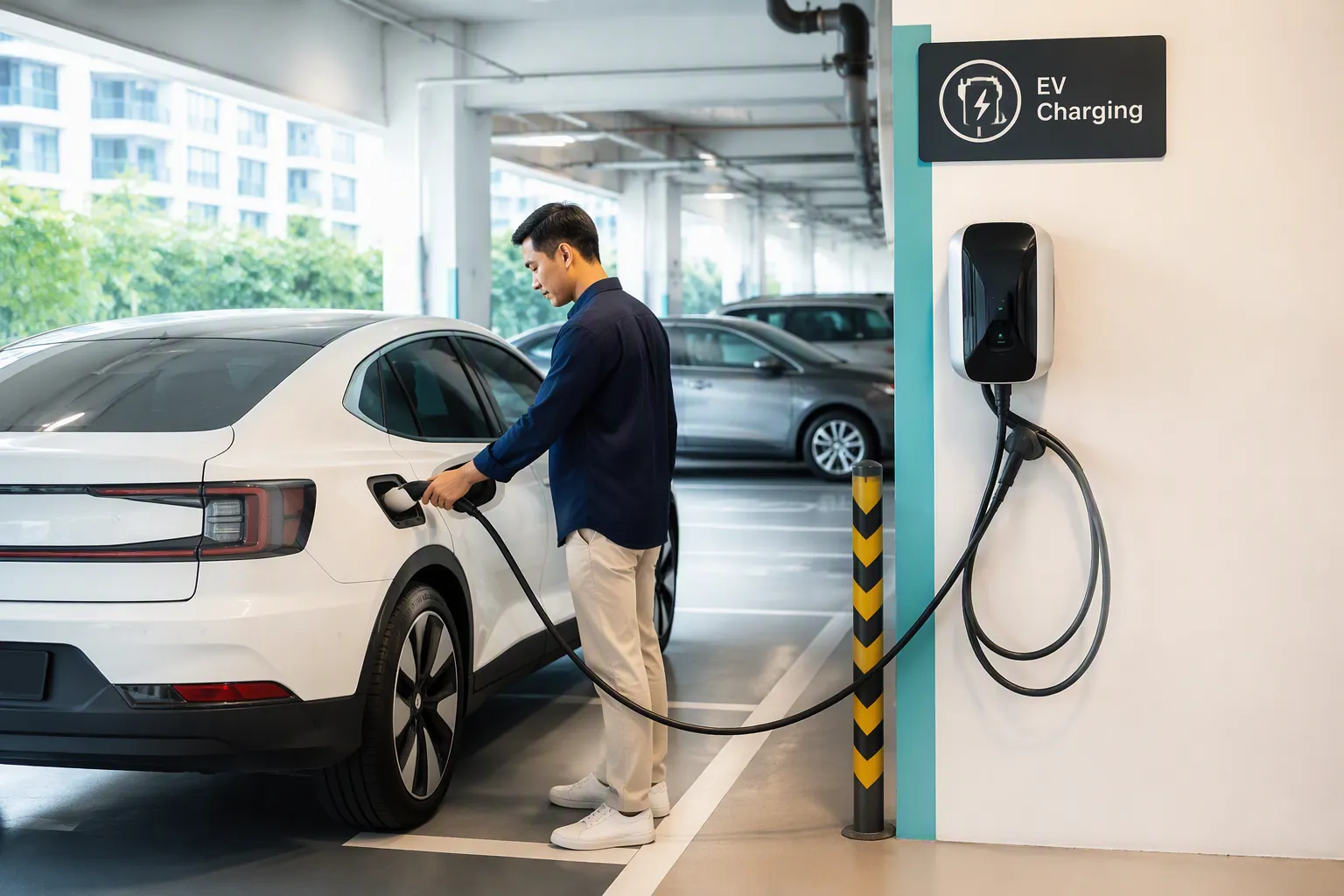
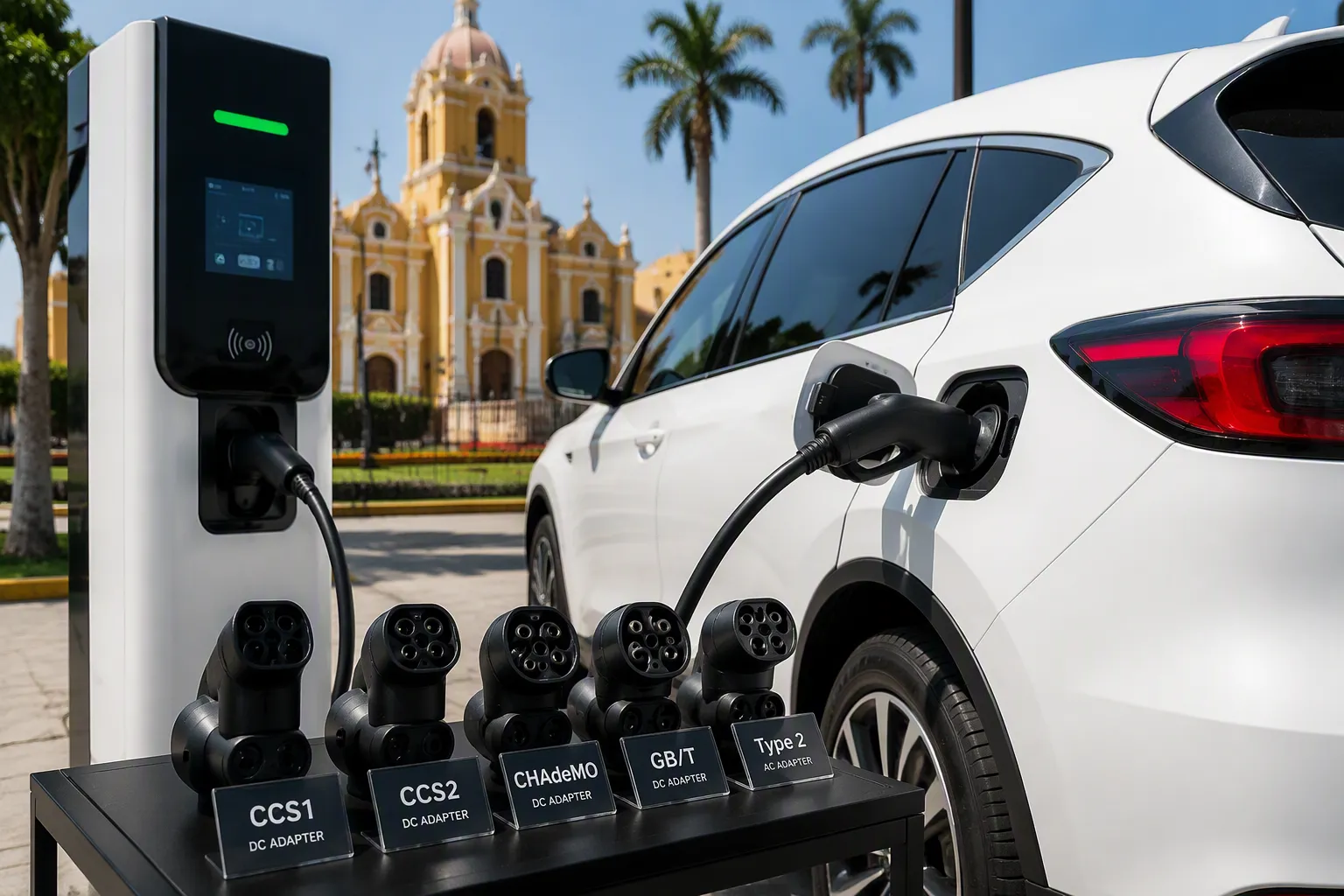
Global EV charging is moving from “more plugs” to “more reliable, software-defined infrastructure” built around networked EVSE, dynamic load management, and a mix of AC Seviye 2 for dwell charging and DC hızlı şarj for high-throughput corridors. The most important industry trends in 2025–2026 are not simply higher power numbers, but improvements in uptime, grid integration, ve sürücü deneyimi—with hardware, software, and services increasingly sold as one integrated platform.
This pillar page provides a data-driven overview of EV charging news and trends across home, workplace, fleets, and public corridors. It references published specifications and statements from leading industry sources, and includes product and company context from TPSON’s EV charging and energy-management portfolio.
- Trend snapshot: what is changing in EV charging (2025–2026)
- Macro drivers shaping demand worldwide
- AC Level 2 vs DC fast charging: where each wins
- Home and workplace charging: smart load management becomes baseline
- Public corridor charging: scale, amenities, and predictability
- Software and operations: from chargers to charging platforms
- TPSON perspective: safer charging through energy intelligence
- Practical checklist for buyers and site hosts (global)
- FAQ (4)
- References and outbound links
The EV charging market is entering a phase where the winners are defined by system performance—not just station count. Across regions, several themes repeat in regulator guidance, buyer behavior, and product roadmaps: birlikte çalışabilirlik, managed electrical capacity, ve predictable charging experiences.
Platform maturity (public + home)
Software-led
Charging networks increasingly present hardware, software, and services as a single operating system for sites and drivers.
Evde şarj ekonomisi
~1/3 maliyet
Car and Driver reports home charging is roughly one-third the cost of DC fast charging in typical use cases.
Network credibility signal
Uptime
Site hosts and fleets evaluate proactive monitoring, diagnostics, and maintenance packages—not only power rating.
Corridor expansion pace
Through 2026
Love’s states its fast-charging locations are being added frequently through 2026, supporting long-distance travel patterns.
Values summarize commonly cited ranges for consumer education and purchasing decisions.
Source basis: Car and Driver’s consumer guide defines Level 1 (~1 kW), Level 2 (~6–19 kW), and Level 3 (~50–350 kW) with typical outcomes for charge time. Read the Car and Driver testing overview.
Many top-ranking pages focus on connector types and peak kilowatts. However, real-world performance is often determined by four less visible variables: electrical capacity constraints, continuous-load compliance, network reliability, ve maintenance response time. These are operational issues—yet they are increasingly what customers pay for.
Global charging buildout is influenced by a mix of consumer behavior (home-first charging), infrastructure funding, and commercial demand from fleets and retail destinations. In practical terms, charging demand clusters around where vehicles park (homes, apartments, workplaces) and where they travel (highway corridors, retail, travel stops).
Industry testing consistently shows the best ownership experience is achieved when most energy is delivered at home. Car and Driver notes that home charging can be substantially cheaper than DC fast charging (roughly one-third the cost) and that a dedicated 240-volt outlet is a typical step for new owners seeking predictable overnight charging.
Large networks emphasize unified software plus hardware flexibility. ChargePoint describes an approach that combines stations, an open software platform, and the ability to operate ChargePoint hardware, partner hardware, or OCPP-compliant hardware, while providing a consistent driver experience through its app and in-vehicle integrations.
Corporate R&D depth and energy-domain expertise are becoming part of procurement due diligence, particularly for fleets and municipalities. TPSON reports it was founded in 2015 and highlights multi-year recognition in innovation programs and partnerships, including work related to carbon neutrality research. This matters because EV charging increasingly overlaps with grid response, load balancing, ve öngörücü bakım,.
Source: TPSON – About
Global deployment is not an “AC or DC” decision—it is a portfolio decision. AC Level 2 remains the backbone for long-dwell locations, while DC fast charging is designed for throughput and time-sensitive travel.
| Use case | Best fit | Why it fits | Typical decision criteria |
|---|---|---|---|
| Homes and long overnight parking | AC Seviye 2 | Enough energy overnight; lower install complexity than DC; cost tracking and scheduling features matter | yük yönetimi, Wi?Fi/app features, outdoor rating, electrical capacity |
| Apartments / workplaces / MUDs | AC Level 2 (networked) | Many ports, controlled access, reimbursement, and utilization tracking | access control, billing, reporting, energy sharing, OCPP/network compatibility |
| Highway corridors / travel stops | DC hızlı şarj | Minimizes dwell time; supports road trips; requires strong operations and amenities | power availability, uptime, site layout, amenities, maintenance SLA |
| Emergency and temporary operations | Portable DC | Fast deployment and flexible placement when fixed infrastructure is impractical | mobility, voltage range, connectors, protection features, connectivity options |
The leading edge of home charging is shifting from “fastest possible” to “fastest possible without service upgrades.” This is why dinamik yük dengeleme and real-time energy monitoring are appearing in mainstream product comparisons and installation guidance.
Illustrative examples taken from published product specs and independent testing summaries.
Evidence examples: Car and Driver’s test list includes chargers with output capability up to 48A (11.5 kW). Emporia’s Classic page specifies 11.5 kW at 240V/48A and notes plug vs hardwire current limits. ChargePoint Home Flex is described as a 240V Level 2 unit up to 50A by Smart Charge America. Links: Car and Driver, Emporia Classic, Smart Charge America product listings.
Product documentation increasingly makes a practical point: plug-in configurations can be convenient, but they may limit continuous current and can introduce nuisance-tripping scenarios when GFCI protection overlaps. Emporia explicitly discusses the nuisance of NEMA 14?50 outlets paired with GFCI breakers when the EVSE already includes GFCI protection, and it recommends consulting a licensed electrician for the correct installation method.
For homeowners and site hosts, the highest-impact improvement is often not buying a higher-amp EVSE; it is ensuring the circuit is correctly designed for continuous load, with appropriate protection and a professionally verified installation plan.
TPSON positions its AC product family around energy intelligence and safety features such as Dinamik Yük Dengeleme, Dinamik Sıcaklık Kontrolü, ve Real?Time Diagnostics & Alerts, powered by its patented Mevcut Parmak İzi Algoritması. These capabilities target the real operational problem: how to add charging without compromising household or facility electrical stability.
Related reading and product context: Elektrikli Araç Şarj Cihazları (portfolio), AC EV Şarj Cihazları (AC category), and TPSON’s manufacturer background at EV Şarj Cihazları üreticisi olarak teknolojisini ve kilometre taşlarını tanımlar.
The corridor market is increasingly shaped by three expectations: drivers want fast charging that works, they want transparent station availability, and they want places worth stopping. Travel-stop operators have a natural advantage because amenities already exist, and EV charging becomes a “dwell-time product” linked to food, restrooms, and retail.
Love’s states it has been in the EV charging business since 2017 and that EV drivers can access 100+ chargers across 36 locations in 14 states, with new fast-charging locations being added frequently through 2026. It also emphasizes 24/7 staffing and amenities such as food options, clean restrooms, and dog parks.
Evidence: Love's EV Şarj
ChargePoint describes an EV charging platform used across Europe and North America, combining hardware, software, and services. It highlights an open software platform and the ability to operate ChargePoint stations, partner stations, or OCPP compliant hardware, plus a driver experience through the ChargePoint app and in-vehicle integrations (e.g., Apple CarPlay and Android Auto).
Evidence: ChargePoint
Önde gelen şebekeler ve seyahat durağı operatörleri tarafından sürekli vurgulanan temalara dayalı niteliksel bir “ağırlıklar” görünümü.
Destekleyici bağlam: Love's, EV sürücüleri için olanakları ve 7/24 hizmeti vurgular; ChargePoint, uygulama odaklı sürücü deneyimi ve platform operasyonlarını vurgular. Love's, ChargePoint.
Küresel pazar operasyonel bir gerçeğe doğru yakınsıyor: EV şarjı bir hizmet işidir.
- Birleşik yazılım kurulum, izleme ve program yönetimi için (örneğin, “işletme, yönetme ve izleme”).
- Sürücü deneyimi şarj istasyonu bulma, şarjı başlatma ve ödeme yapma için uygulamalar ve araç içi entegrasyon etrafında oluşturulmuştur.
- Donanım esnekliği ortak ekosistemler ve OCPP gibi standartlar aracılığıyla.
- Hizmetler uygulama ve uzman desteği için, çünkü kurulum ve devreye alma hala yüksek sürtünmeli adımlar olmaya devam etmektedir.
Örnek referans: ChargePoint
Perakende listeleri ve kurulumcu pazaryerleri, EVSE'yi giderek daha fazla sertifikalar, dış mekan derecelendirmeleri ve “akıllı” yetenekler açısından tanımlamaktadır.
Referans: Smart Charge America – Elektrikli araç şarj cihazları
TPSON, EV şarjını daha geniş bir dijital enerji ekosisteminin parçası olarak çerçeveler. Kurumsal materyallerinde TPSON, patentli bir Mevcut Parmak İzi Algoritması ve daha güvenli, daha temiz ve daha verimli elektriğe odaklanan bir misyonu tanımlar. 5.000'den fazla işletmeye hizmet ve 1 milyon hane—ve Ar-Ge derinliğini, buluş patentlerini ve büyük ölçekli veri toplama noktalarını vurgular.
TPSON, riskleri gerçek zamanlı olarak tanımlamak için cihazların elektriksel ’parmak izlerine“ dayalı hızlı analiz iddiasında bulunur.
Source: TPSON Home
Ayrıntılı görünürlük, planlı şarj ve yük dengeleme gibi optimizasyon stratejilerini destekler.
Source: TPSON Home
Gerçek zamanlı ekipman verilerini referans desenlerle karşılaştırmak, erken arıza tespitini ve bakım planlamasını destekler.
Source: TPSON Home
Ticari ve operasyonel senaryolarda—depolar, etkinlikler ve yol yardımı gibi—sabit altyapı her zaman yeteneğe giden en hızlı yol değildir. DC50–1000V, geniş bir çıkış aralığına sahip 20/30/40 kW modüler bir çözüm olarak sunulur, isteğe bağlı Ethernet/4G bağlantısı, acil yol yardımı ve dinamik filo ve lojistik yönetimi.
TPSON portföyünü keşfedin: Elektrikli Araç Şarj Cihazları, AC EV Şarj Cihazları, DC EV Şarj Cihazları.
Aşağıdaki kontrol listesi, en yaygın SERP sorularını tedarik dereceli kriterlere dönüştürmek için tasarlanmıştır. Ev sahipleri, sahip işletmeciler ve filo operatörlerinin pazarlar arasında EVSE değerlendirmesi için geçerlidir.
| Karar alanı | Doğrulanacak noktalar | Neden önemli | Kanıt / örnek kaynaklar |
|---|---|---|---|
| Elektriksel kapasite | Kesici derecelendirmesi, sürekli yük varsayımları, pano yedek kapasitesi ve yük yönetimi gerekli olup olmadığı | Maliyetli yükseltmeleri önler ve gereksiz devre kesintilerini azaltır | Car and Driver (kapasite rehberi); Emporia (yük yönetimi + GFCI etkileşimleri) |
| Kurulum yöntemi | Doğrudan bağlantı vs fişli, yerel yönetmelik gereksinimleri, elektrikçi onayı | Güvenilirliği ve güvenliği artırır; GFCI çakışmalarını önleyebilir | Emporia kurulum rehberi; Car and Driver test bağlamı |
| Konnektör stratejisi | J1772 vs NACS (J3400), adaptör ekosistemi, araç çeşitliliği | Çoklu araçlı haneleri ve filoları geleceğe hazırlar | Car and Driver konnektör tartışması; Emporia konnektör seçenekleri |
| Dış mekan dayanımı | Gerçek maruziyetle uyumlu NEMA/IP derecelendirmesi (yağmur, kar, güneş) | Elektronikleri korur ve servis çağrılarını azaltır | Car and Driver NEMA/IP genel bakışı; Smart Charge America ürün özellikleri |
| Operasyonlar ve çalışma süresi | Uzaktan izleme, teşhis, OTA güncellemeleri, destek modeli | Geniş ölçekte sürücü memnuniyetinin en görünür belirleyicisi | ChargePoint platform iddiaları; site sahibi programları |
| Enerji analitiği | Maliyet takibi, TOU planlaması, kullanım raporları | Toplam sahip olma maliyetini kontrol eder ve düşük talepli şarjı teşvik eder | ChargePoint uygulama deneyimi; Emporia planlama; Car and Driver karşılaştırmaları |
Fiyat noktalarını kıyaslayan alıcılar için Car and Driver, 2025 güncellemesinde tipik ev şarj ekipmanı başlangıç maliyetlerini şu şekilde bildirmektedir: $400–$700 Pazar katalogları özellik keşfi için faydalı olabilir, ancak kurulum uygunluğu lisanslı bir profesyonel ile teyit edilmelidir.
Birçok tüketici rehberi kısaltma olarak “şarj cihazı” terimini kullanır. Teknik olarak, araçta batarya için AC'yi DC'ye dönüştüren dahili şarj cihazı bulunurken, duvar ünitesi elektrikli araç besleme ekipmanıdır (EVSE) ve güvenli şekilde güç sağlar ve araçla iletişim kurar. Car and Driver ev şarj rehberinde bu farkı açıkça açıklar.
Çoğu sürücü için evet—çünkü Seviye 2 bir gecede anlamlı menzil doldurabilirken, Seviye 1 tipik olarak yaklaşık ~1 kW ve daha büyük bataryalarda tam şarj günler alabilir. Car and Driver, Seviye 2'yi rutin kullanım için pratik ev standardı olarak çerçeveler.
En güçlü trend yük yönetimi ve enerji farkındalıklı şarjdır. Bu hem bağımsız testlerde (yük dengeleme ekosistemlerini vurgulayan) hem de kurulumların hane kapasitesi ve koruma cihazlarıyla etkileşimini tartışan üretici dokümantasyonunda görülür.
Kamu şarjı bir “seyahat deneyimi” modeline doğru ilerliyor: koridorlarda daha fazla DC hızlı şarj, daha güçlü operasyonel araçlar ve daha iyi yer olanakları. Örneğin Love's, 2026'ya kadar 7/24 personelli seyahat duraklarını ve süregelen altyapı genişletmesini vurgularken, ChargePoint gibi ağ operatörleri platform yazılımı ve sürücü uygulama entegrasyonuna odaklanıyor.
Aşağıdaki kaynaklar, gerçek ifadeler, özellikler ve yayınlanmış iddialar için referans alınmıştır. Doğrulama ve daha fazla okuma için bağlantılar sağlanmıştır.
- TPSON – Ürün portföyü genel bakışı: https://tpsonpower.com/ev-chargers/
- TPSON – Üretici geçmişi (Mevcut Parmak İzi Algoritması, kilometre taşları, ekip): https://tpsonpower.com/about/
- TPSON – AC kategorisi